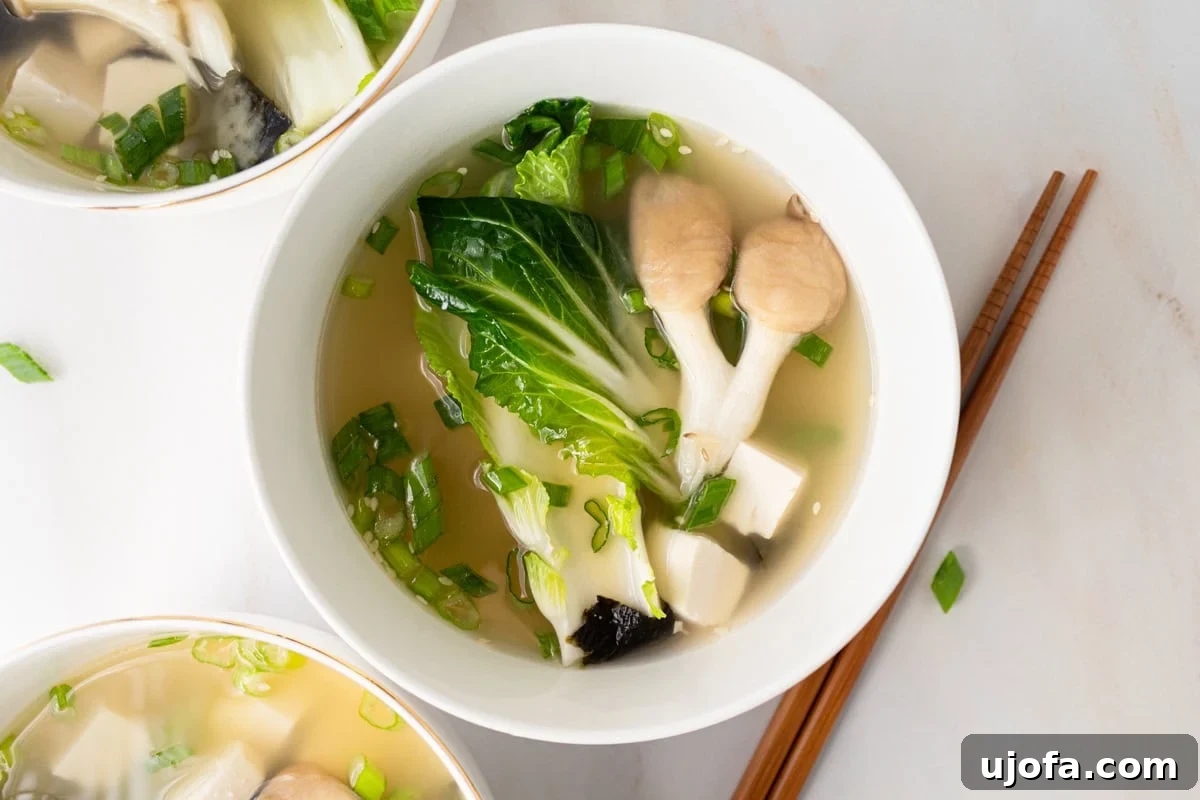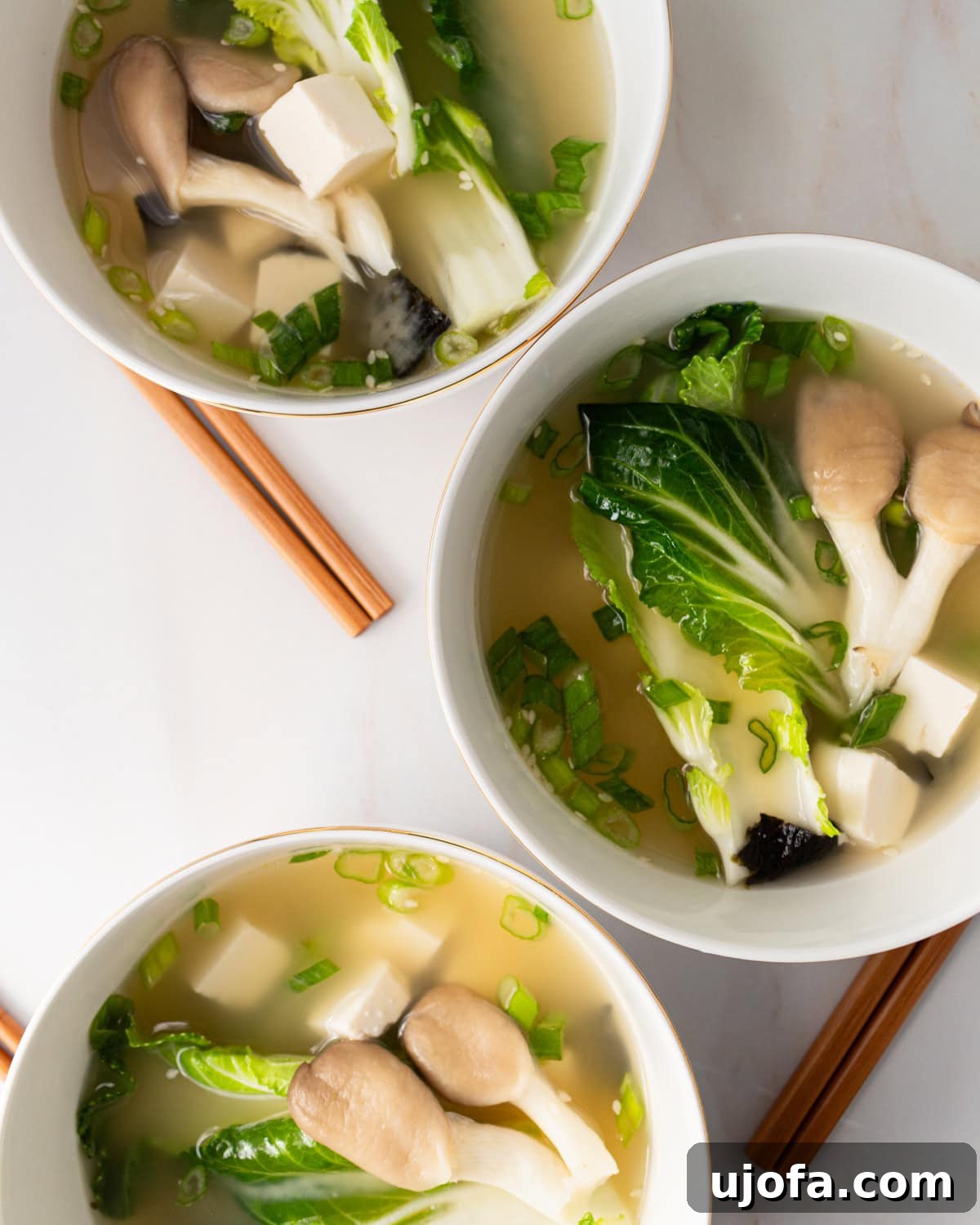
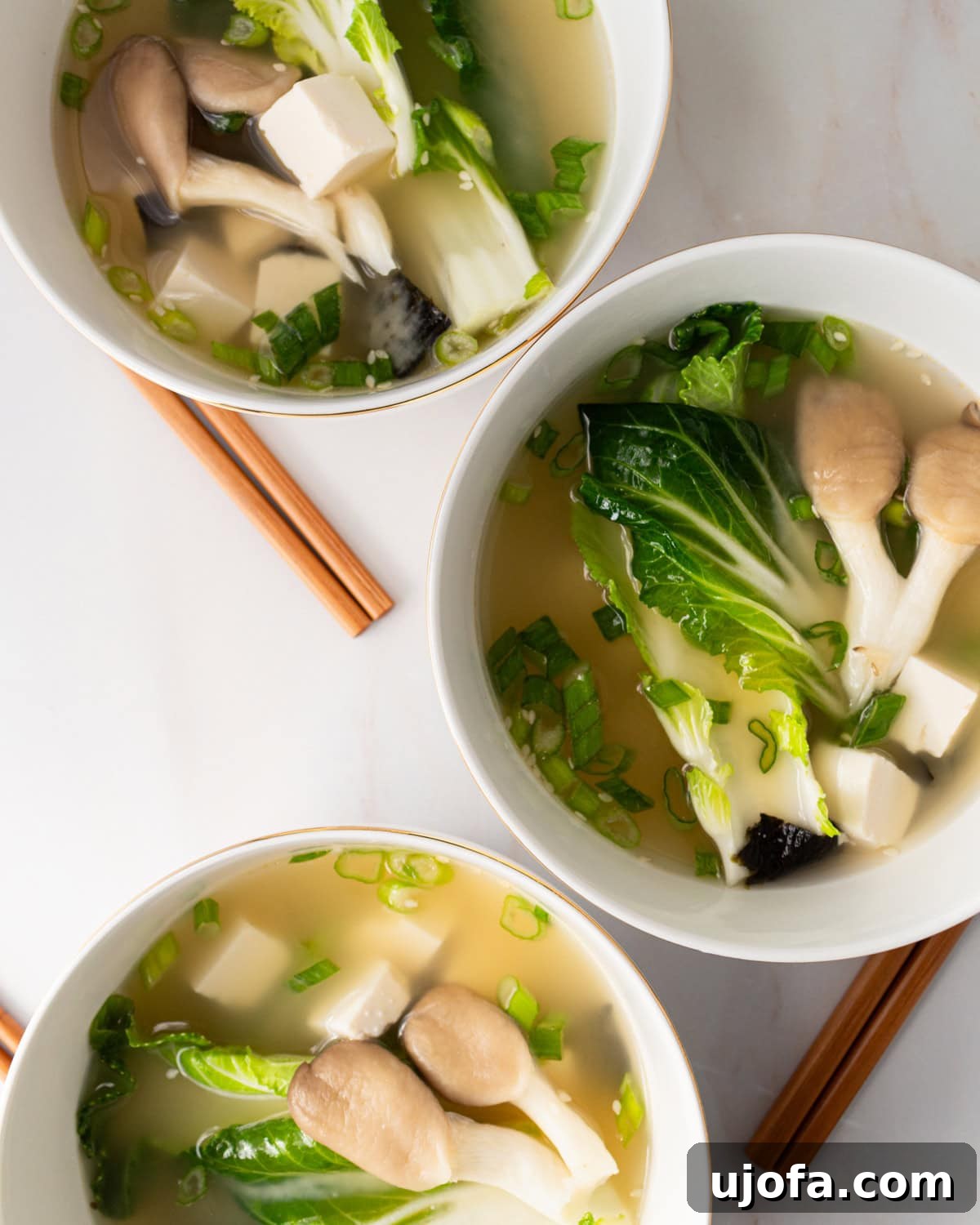
Welcome to your new favorite go-to recipe for a quick, nourishing, and incredibly flavorful meal: Gluten-Free Miso Soup. This traditional Japanese delicacy, reimagined for those with gluten sensitivities, comes together in approximately 25 minutes, making it an ideal choice for a light lunch, a warming appetizer, or a savory side dish that satisfies both body and soul. Its simplicity belies a depth of flavor that is truly remarkable, proving that wholesome eating doesn’t have to compromise on taste or convenience.
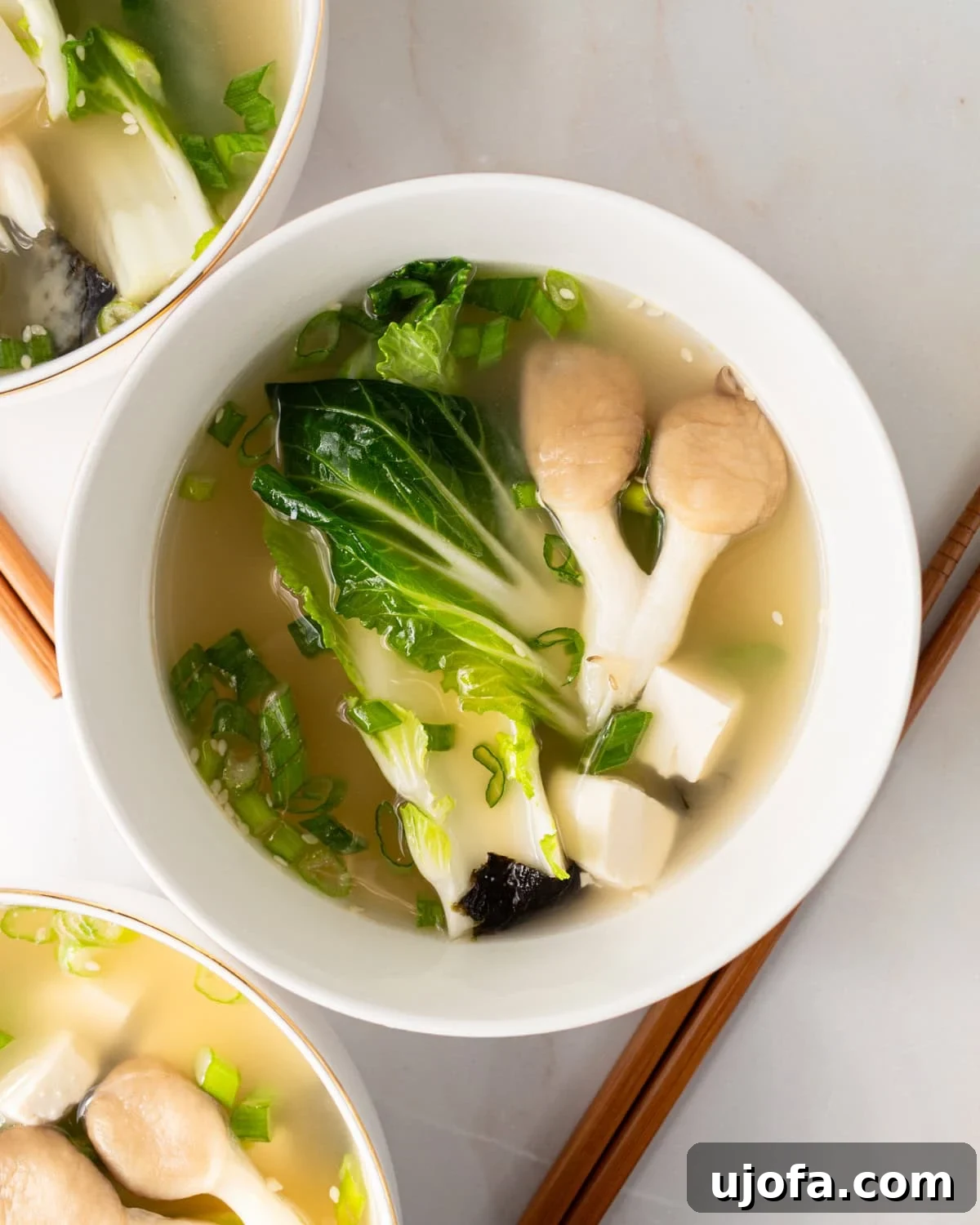
Discover the Deliciousness of Gluten-Free Miso Soup
Miso soup is more than just a dish; it’s a staple of Japanese cuisine, cherished for its comforting qualities and incredible umami richness. Our gluten-free version stays true to its roots, delivering all the authentic flavors without any gluten-containing ingredients. The foundation of this one-pot wonder lies in two key components: premium white miso paste and a carefully selected gluten-free dashi broth.
White miso paste, a fermented blend typically made from soybeans and rice, provides a mild yet complex umami flavor that is both nutty and slightly sweet. Its fermentation process also introduces beneficial probiotics, making this soup not only delicious but also good for your gut health. Paired with a certified gluten-free dashi powder, which forms the clean, savory broth, this recipe ensures a safe and delightful experience for everyone, especially those navigating a gluten-free diet.
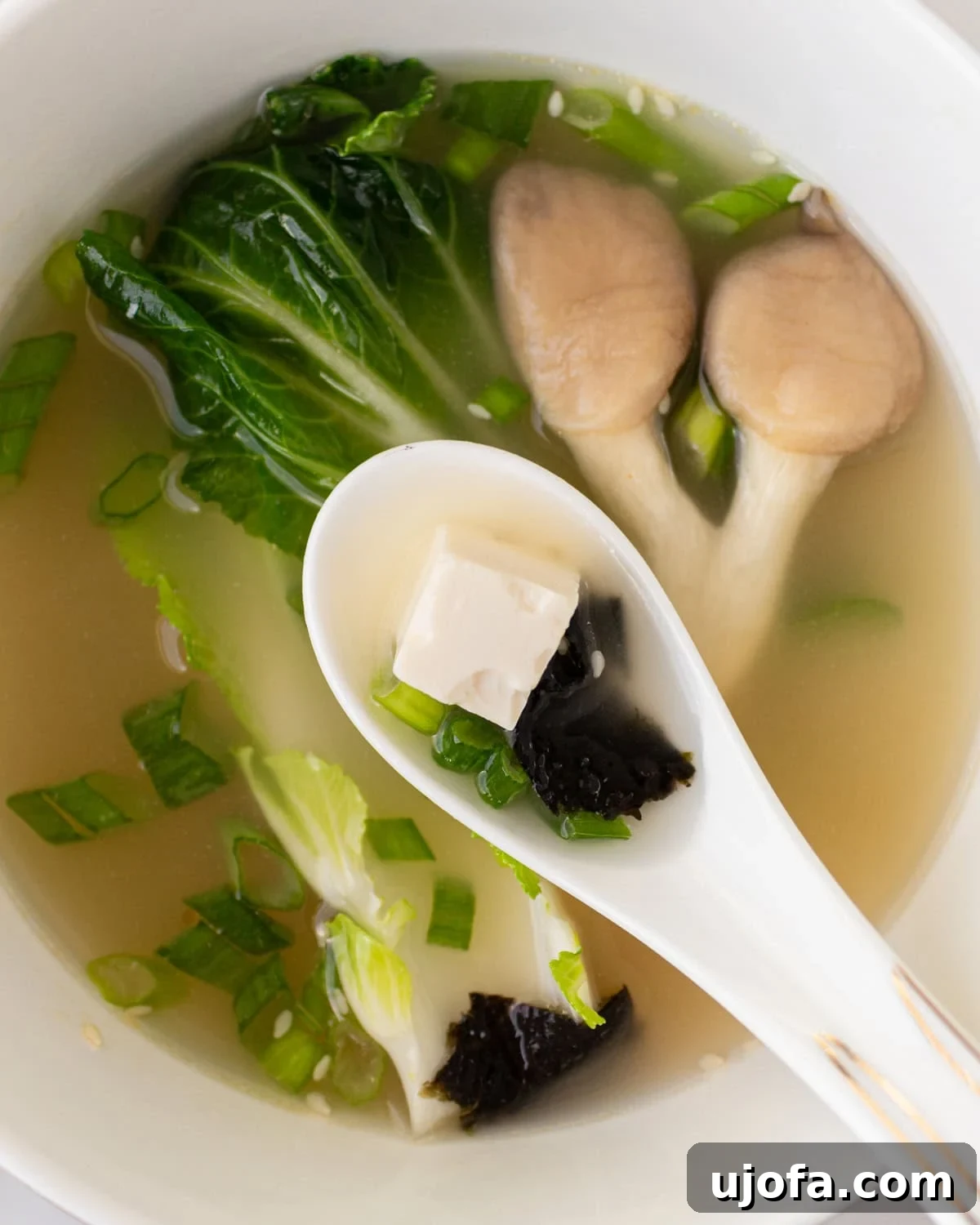
This comforting soup is an excellent choice for any occasion – whether you’re seeking a quick and wholesome meal on a busy weekday, a soothing remedy when feeling under the weather, or a flavorful addition to your Japanese-inspired dinner. While delicious on its own, its versatility allows for endless customization. We love to enhance its nutritional profile and texture with soft cubes of silken tofu, vibrant fresh green onions, and a handful of rehydrated wakame seaweed. However, you are encouraged to get creative and incorporate your favorite vegetables or proteins to make it uniquely yours.
What is Miso Soup? A Culinary Journey
Miso soup (味噌汁, misoshiru) is a traditional Japanese soup consisting of a dashi stock into which softened miso paste is mixed. It’s often served with a variety of ingredients such as tofu, seaweed, and vegetables. Historically, miso soup has been a fundamental part of the Japanese diet for centuries, often enjoyed at breakfast, lunch, and dinner. It represents simplicity, balance, and a deep connection to natural, wholesome ingredients.
The beauty of miso soup lies in its ability to be both simple and complex. The base, dashi, provides a savory backbone, while the miso paste introduces a unique flavor profile that can range from sweet and mild (white miso) to salty and robust (red miso). This combination creates the distinctive umami taste, a fifth basic taste often described as savory, that makes Japanese cuisine so captivating. Beyond its culinary appeal, miso soup is renowned for its health benefits, including supporting digestion and providing essential nutrients, thanks to its fermented ingredients and fresh additions.
Why Choose Gluten-Free Miso Soup?
For individuals with celiac disease, gluten sensitivity, or those simply choosing a gluten-free lifestyle, traditional miso soup can sometimes pose a hidden risk. While miso paste is primarily made from soybeans and often rice, some varieties may contain barley or other gluten-containing grains. More critically, dashi, the essential broth base, can also be a source of gluten if it uses ingredients like soy sauce that contains wheat, or if cross-contamination occurs during processing.
Our Gluten-Free Miso Soup recipe meticulously addresses these concerns by specifying certified gluten-free dashi powder and encouraging careful label checking for miso paste. This ensures that you can enjoy all the authentic flavors and health benefits of this beloved Japanese dish without any worries about gluten exposure. It’s about making traditional comfort food accessible and safe for everyone, without sacrificing taste or quality.
Essential Ingredients for Your Gluten-Free Miso Soup
Crafting the perfect bowl of gluten-free miso soup begins with selecting the right ingredients. Each component plays a vital role in building the soup’s characteristic flavor and comforting texture. Here’s a detailed look at what you’ll need and why:
- Gluten-Free Dashi Powder: The absolute cornerstone of any good miso soup. Dashi is a clear, flavorful broth made from kombu (dried kelp) and katsuobushi (dried bonito flakes). While many dashi products are naturally gluten-free, some powdered versions or liquid concentrates might contain hidden gluten, often in the form of wheat-based soy sauce or flavor enhancers. Opting for a certified gluten-free dashi powder, such as KinjiRushi, is crucial for those with sensitivities. It provides the authentic umami base without compromise.
- Mushrooms (Oyster, Enoki, or Shiitake): Mushrooms add a wonderful earthy depth and a meaty texture to the soup. Oyster mushrooms offer a delicate flavor and a pleasant chewiness. Enoki mushrooms bring a unique, slightly crunchy texture, while shiitake mushrooms deliver a robust, woodsy aroma and a satisfying bite. Feel free to use a single type or a combination. They are also packed with vitamins and minerals, boosting the soup’s nutritional value.
- White Miso Paste: This fermented soybean and rice paste is what gives miso soup its distinctive mild umami, slightly sweet, and nutty profile. White miso (shiro miso) is typically fermented for a shorter period, resulting in a lighter color and milder flavor compared to red or dark miso. Always check the label to ensure it’s certified gluten-free, as some brands might include barley or other gluten-containing grains, or be processed in facilities with cross-contamination risks.
- Firm Silken Tofu: Tofu is a fantastic plant-based protein source that perfectly complements the delicate flavors of miso soup. Firm silken tofu, in particular, offers a wonderfully smooth, custard-like texture that melts in your mouth without crumbling easily. It absorbs the broth’s flavors beautifully and adds a satisfying heartiness to each spoonful. Cut it into uniform 1-inch squares for easy eating.
- Wakame Seaweed: Dried wakame seaweed rehydrates quickly in the warm broth, adding a subtle ocean brininess and a wealth of essential vitamins and minerals, including iodine, calcium, and iron. It contributes to the authentic taste and provides a delicate, silky texture. If wakame isn’t available, nori seaweed, torn into small pieces, makes an excellent alternative.
- Baby Bok Choy: These tender, leafy greens are a vibrant addition, offering a mild, slightly sweet flavor and a pleasant crunch. Baby bok choy blends seamlessly with the other ingredients, adding freshness and an extra dose of nutrients. If bok choy is not available, thinly sliced cabbage or spinach can be used as substitutes.
- Sesame Oil: A tiny drizzle of high-quality sesame oil at the very end of cooking is a game-changer. It imparts a distinctive nutty, earthy aroma and a rich, subtle flavor that rounds out the soup beautifully, adding an extra layer of complexity and warmth.

Tips for Customizing and Enhancing Your Miso Soup
One of the joys of cooking miso soup is its adaptability. While delicious in its simplest form, it also serves as a fantastic canvas for additional ingredients and flavor enhancements. Here are some suggestions to elevate your bowl:
- Add Proteins and Noodles: For a more substantial meal, consider adding various proteins or noodles. Thinly sliced pork or beef, tender chicken pieces, or succulent shrimp can transform this appetizer into a main course. For vegetarians or vegans, additional tofu varieties (like fried tofu puffs) or tempeh can be incorporated. Rice noodles or gluten-free ramen noodles can also be cooked separately and added to the soup for a hearty, slurpable texture.
- Boost with More Vegetables: Expand the nutritional content and flavor profile with more vegetables. Sliced carrots, tender spinach, thinly sliced daikon radish, or even snap peas can add color, texture, and additional vitamins. For an aromatic kick, consider sautéing a bit of fresh ginger and minced garlic in a separate pan before adding it to the dashi broth. This pre-sautéing step releases their full fragrant potential.
- Balance Flavors: Miso soup is a delicate balance of savory and salty. To introduce another dimension, a hint of sweetness can be delightful. A small dash of mirin (sweet rice wine, check for gluten-free varieties) or a tiny amount of honey can mellow the saltiness and add complexity. Alternatively, a splash of rice vinegar at the end can brighten the flavors with a subtle tang. These small additions elevate the overall profile and create a more rounded, harmonious soup.
- Garnish for Impact: Garnishes aren’t just for aesthetics; they add fresh texture and flavor. Chopped fresh green onions are a classic choice, offering a mild oniony bite. A sprinkle of toasted sesame seeds adds a lovely crunch and nutty aroma. For those who enjoy a bit of heat, a drizzle of chili oil can provide a pleasant warmth. Add these garnishes just before serving to ensure they retain their vibrant color, fresh flavor, and crisp texture.
Serving Suggestions for Miso Soup
Miso soup is incredibly versatile and traditionally enjoyed in various ways. In Japan, it’s common to find miso soup served alongside almost every meal – breakfast, lunch, and dinner. It’s often referred to as a “drinking soup,” implying that it’s typically consumed directly from the bowl, without a spoon, allowing you to fully appreciate its warm, comforting essence.
I personally love to enjoy a small bowl of miso soup before a main meal, as a light and flavorful starter. Its warmth and delicate flavors prepare the palate beautifully. It’s also my go-to comfort food when I’m feeling a bit under the weather; its nourishing qualities and soothing warmth are incredibly restorative. You can also pair it with other Japanese dishes like sushi, sashimi, teriyaki chicken, or a simple rice bowl to create a complete and satisfying meal.
Storage and Reheating Instructions
Proper storage is key to enjoying your gluten-free miso soup leftovers. While best served fresh, it keeps well and can be a fantastic make-ahead option.
Refrigeration: Store any leftover gluten-free miso soup in an airtight container in the refrigerator for up to 2-3 days. The flavors tend to meld and deepen slightly overnight, making it perhaps even more enjoyable the next day.
Freezing: Miso soup freezes surprisingly well, making it perfect for meal prepping. You can freeze the soup for up to 3 weeks in freezer-safe containers. When ready to enjoy, simply defrost it overnight in the refrigerator. To reheat, gently warm the soup on the stovetop over medium-low heat until heated through, avoiding a vigorous boil which can sometimes diminish the delicate miso flavor. A pro tip is to keep any cooked mushrooms separate if you plan to freeze the soup, and add them back in when serving the reheated portions. This helps maintain their texture and prevents them from becoming overly soggy.
Discover More Gluten-Free Comfort Food
If you’re looking for more delicious and comforting gluten-free recipes, explore these other fantastic options that are sure to please:
- Gluten-Free Cream of Mushroom Soup
- Gluten-Free Cream of Chicken Soup
- Gluten-Free Ramen
- Gluten-Free Chicken Noodle Soup
- Slow-cooker Italian Vegetable Soup
Gluten-Free Miso Soup
Servings: 6 servings
Cook: 8 mins
Total: 23 mins
Share by Email
Print Recipe
Gluten-free miso soup is one of my favorite quick and nourishing meals. Ready in only 25 minutes, this classic Japanese dish is perfect as a light lunch, flavorful appetizer, or a tasty side dish.
Equipment
- 1 Dutch Oven
- 1 Sieve
Ingredients
- 6 cups water
- 1 tbsp gluten-free Dashi powder
- 6 oz mushrooms (Oyster, Enoki, or Shiitake)
- 3-4 tbsps white miso paste
- 1 cup firm silken tofu, cut into 1” squares
- 2 tbsps wakame seaweed (Nori also works here)
- 1 bunch baby bok choy
- Sesame oil, for drizzling
Instructions
- In a large pot or Dutch oven, over medium-low heat, whisk together the water and dashi powder. Bring to a soft boil, then reduce heat to low.
- Add the mushrooms and cook for 3 minutes. Remove the pan from the heat. Remove the mushrooms from the dashi and set aside.
- Set a sieve over the dashi. Add the miso paste to the sieve. Lower the sieve so that the dashi covers the miso. Stir the miso to dissolve into the dashi. Whisk the dashi to incorporate the miso evenly.
- Stir in the tofu, seaweed, and bok choy.
- Drizzle in the sesame oil. Add mushrooms to individual servings so they don’t get too soggy. Serve warm immediately.
Notes
- Feel free to add noodles, thinly sliced pork or beef, fish or shrimp, or other vegetables such as carrots and spinach. Sometimes I like to first sauté ginger and garlic for added flavor and nutrients.
- Add a hint of sweetness (a small dash of mirin or honey) or a splash of rice vinegar to round out the soup’s umami. These small additions elevate the soup and balance the salty, savory flavors.
- Garnishes like chopped green onions, a sprinkle of sesame seeds, or a chili oil drizzle can make a big difference. Add these before serving to preserve their fresh color, flavor, and texture.
- Keep leftover gluten-free miso soup in an airtight container in the refrigerator for 2-3 days.
- You can also freeze the soup for up to 3 weeks. Defrost overnight and heat up on the stovetop. I like to keep the mushrooms separate and add them when serving.
Nutrition Information
Nutrition information is automatically calculated, so should only be used as an approximation.
- Serving: 1 serving
- Calories: 46 kcal
- Carbohydrates: 4 g
- Protein: 4 g
- Fat: 2 g
- Saturated Fat: 0.2 g
- Polyunsaturated Fat: 1 g
- Monounsaturated Fat: 0.3 g
- Sodium: 341 mg
- Potassium: 187 mg
- Fiber: 1 g
- Sugar: 2 g
- Vitamin A: 102 IU
- Vitamin C: 1 mg
- Calcium: 27 mg
- Iron: 1 mg
Additional Info
How to Make Gluten-Free Miso Soup: Step-by-Step Guide
Making a flavorful and authentic gluten-free miso soup is surprisingly simple. Follow these steps to create a delicious and comforting bowl in under half an hour. Each step is designed for ease and maximum flavor extraction.

Step 1: Prepare the Dashi Broth. Begin by placing a large pot or Dutch oven over medium-low heat. Carefully pour in 6 cups of fresh water. Add 1 tablespoon of your chosen gluten-free dashi powder, ensuring it’s certified to avoid any gluten contamination. Whisk the mixture thoroughly until the dashi powder is fully dissolved. Gently bring the broth to a soft boil, then immediately reduce the heat to a low simmer. It’s important not to let dashi boil vigorously, as this can alter its delicate flavor.
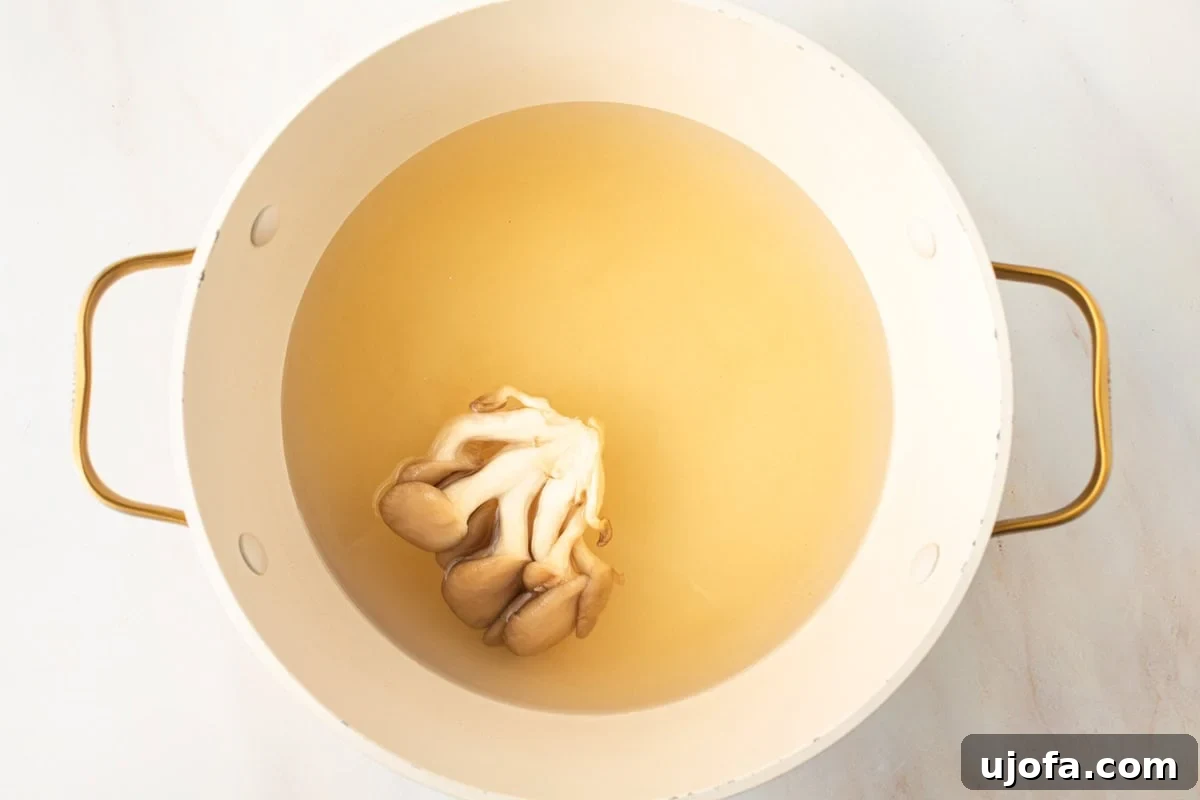
Step 2: Cook the Mushrooms. Add 6 ounces of your preferred mushrooms (oyster, enoki, or shiitake work wonderfully) to the simmering dashi broth. Allow them to cook gently for about 3 minutes. This brief cooking time is perfect for softening the mushrooms and allowing them to absorb some of the dashi’s rich umami. Once cooked, remove the pot from the heat. Carefully retrieve the mushrooms from the broth using a slotted spoon or tongs, and set them aside. This prevents them from becoming too soft or soggy when the miso is added.

Step 3: Dissolve the Miso Paste. This step is crucial for achieving a smooth, flavorful soup. Place a fine-mesh sieve directly over the pot of dashi broth. Add 3-4 tablespoons of white miso paste into the sieve. Gently lower the sieve so that the warm dashi broth partially covers the miso paste. Using a spoon or spatula, stir and press the miso paste through the sieve, allowing it to dissolve slowly and smoothly into the dashi. Once all the miso has passed through the sieve, remove it. Use a whisk to gently incorporate the dissolved miso thoroughly into the dashi, ensuring no lumps remain and the flavor is evenly distributed. Remember, avoid boiling the soup after adding miso, as high heat can destroy the beneficial probiotics and alter the delicate flavor.
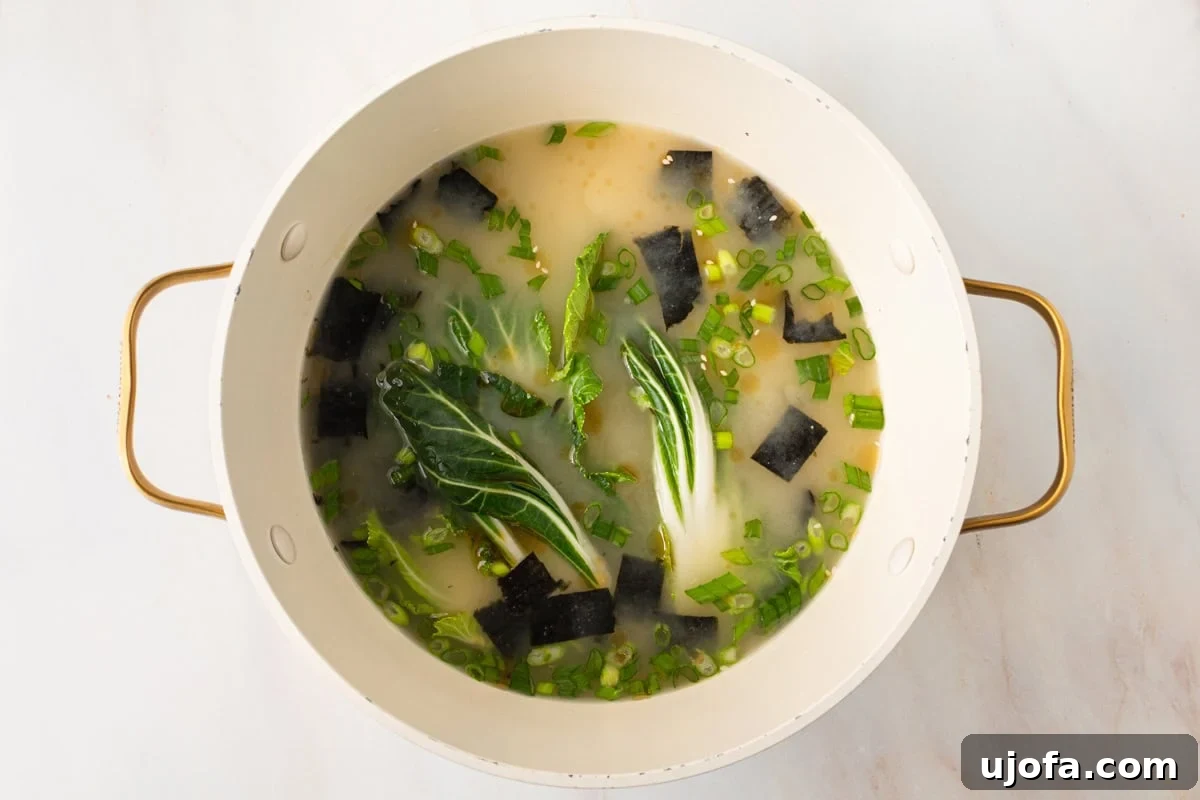
Step 4: Add Tofu, Seaweed, and Bok Choy. Now it’s time to add the remaining fresh ingredients. Stir in 1 cup of firm silken tofu, neatly cut into 1-inch cubes. Add 2 tablespoons of wakame seaweed (previously dried, it will rehydrate quickly in the warm broth) and 1 bunch of freshly cleaned and chopped baby bok choy. Stir gently to combine. Allow these ingredients to warm through for just a minute or two; they don’t require extensive cooking.
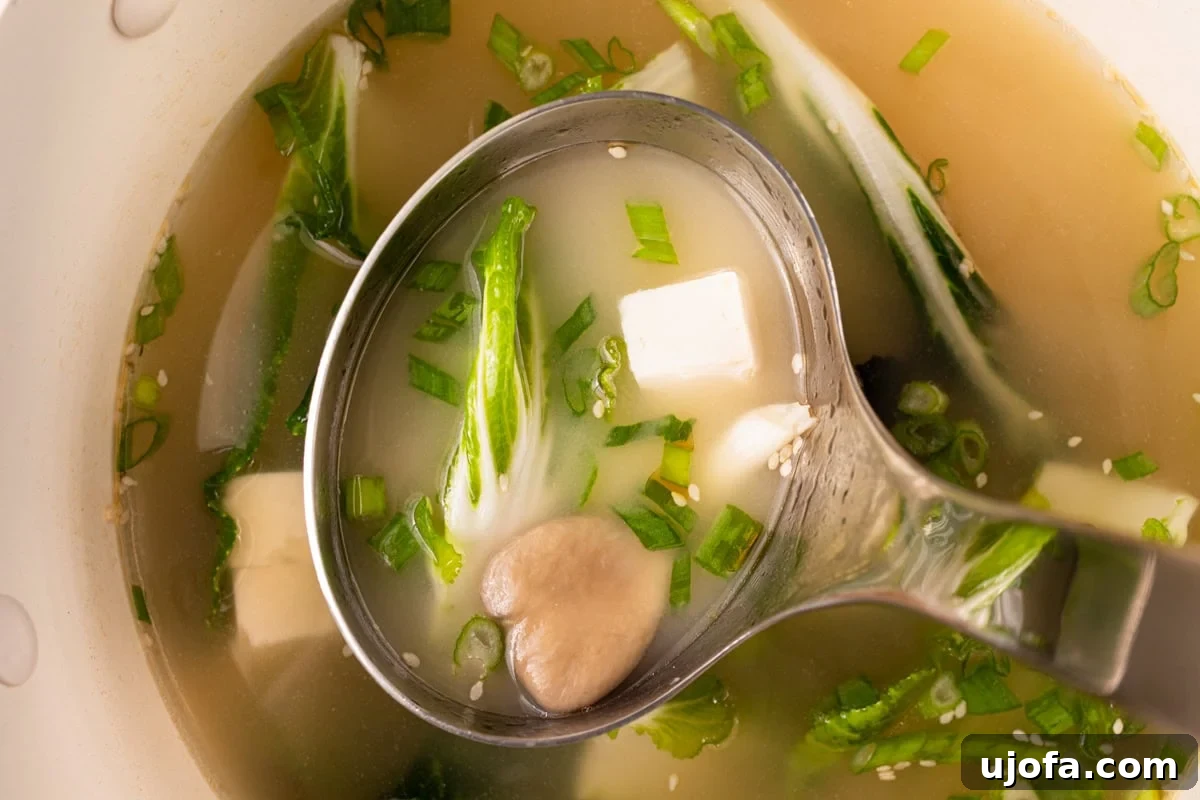
Step 5: Final Touches and Serving. To complete your masterpiece, drizzle a small amount of sesame oil over the top of the soup in the pot. The fragrant oil adds a wonderful aromatic finish. Ladle the gluten-free miso soup into individual serving bowls. For the best texture, add the pre-cooked mushrooms into each serving bowl just before serving, rather than stirring them into the entire pot. This prevents them from becoming overly soft. Serve warm and savor every comforting spoonful. Enjoy your homemade, wholesome, and truly authentic gluten-free miso soup!