
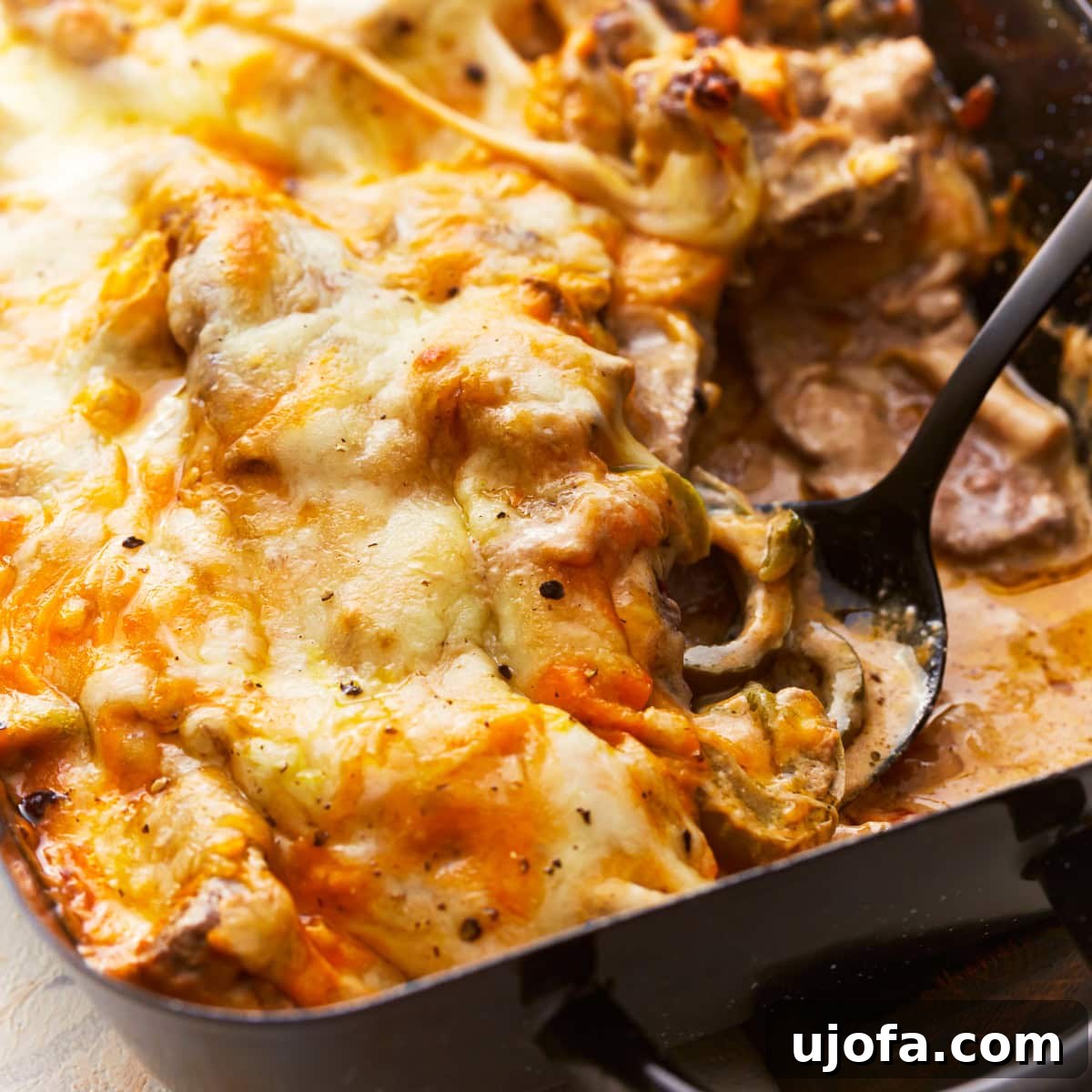
Craving the iconic flavors of a Philly cheesesteak but seeking a more convenient and shareable meal solution? Look no further! This incredible Philly Cheesesteak Casserole takes all the delicious elements of the classic sandwich – tender, savory steak, perfectly caramelized onions and peppers, and a generous blanket of melted, gooey cheese – and transforms them into an effortless, oven-baked dish. It’s the ultimate comfort food that tastes like you’ve spent hours in the kitchen, but comes together with surprising ease. Imagine making half a dozen delicious subs all at once, without the need for individual assembly!
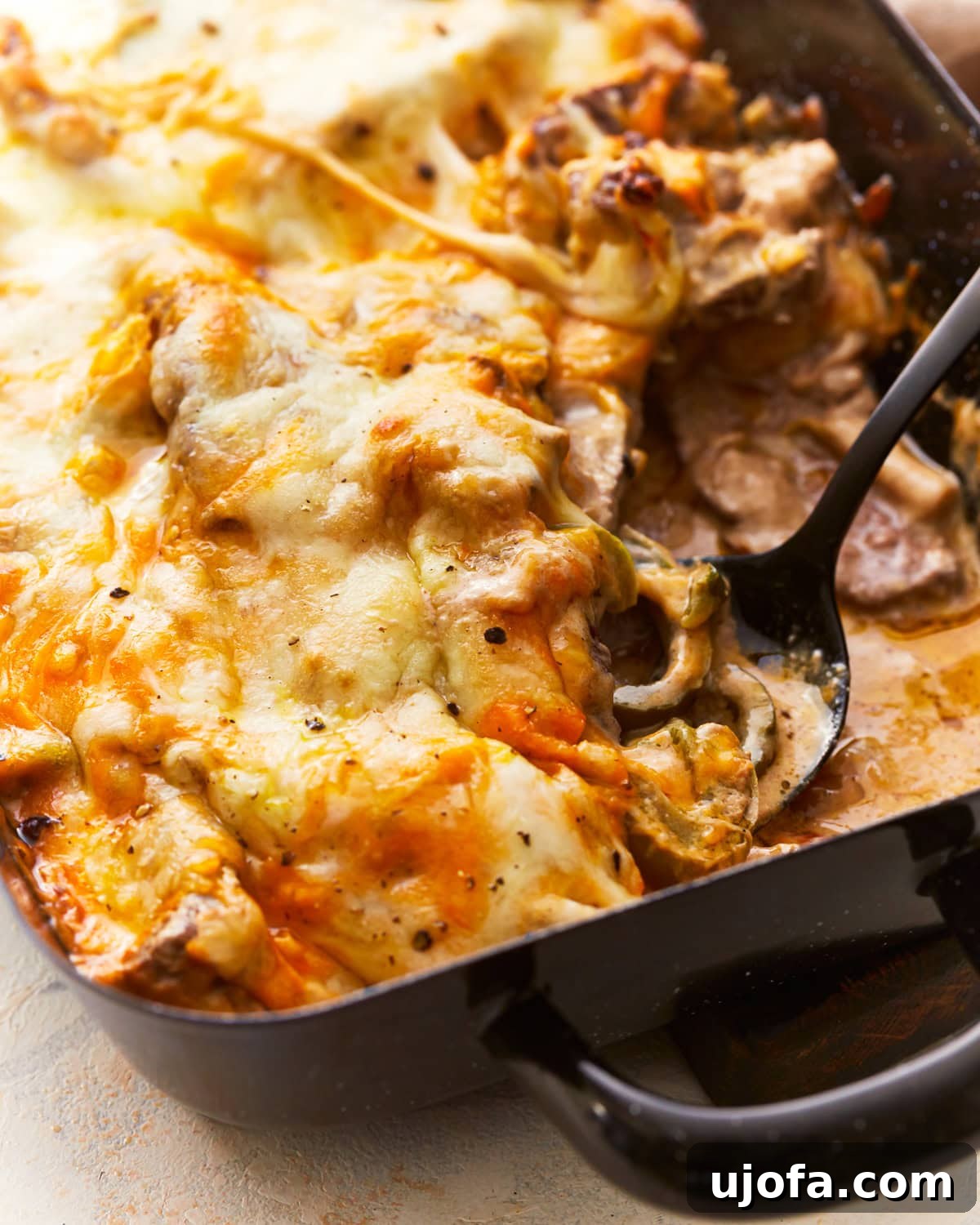
The Ultimate Gluten-Free Philly Cheesesteak Casserole
The traditional Philly cheesesteak sandwich holds a special place in many hearts, but for those navigating a gluten-free diet, enjoying this beloved classic can often be a challenge. Many restaurants don’t offer suitable gluten-free buns, making it difficult to partake in the experience. This innovative Philly Cheesesteak Casserole recipe eliminates that hurdle entirely. It’s naturally gluten-free, egg-free, and can be easily adapted to be dairy-free, ensuring everyone at your table can indulge in its rich, savory goodness.
This casserole is a game-changer for busy weeknights or when entertaining a crowd. Instead of individually cooking and assembling sandwiches, you can create a hearty, flavorful meal that serves six in record time. While it’s fantastic enjoyed on its own straight from the baking dish, you can also serve it with your favorite gluten-free hot dog buns, over fluffy rice, creamy mashed potatoes, or even low-carb cauliflower rice for a complete and satisfying dinner. Its juicy, flavorful profile and simple preparation make it an instant family favorite!
Ingredients for a Perfect Philly Cheesesteak Casserole
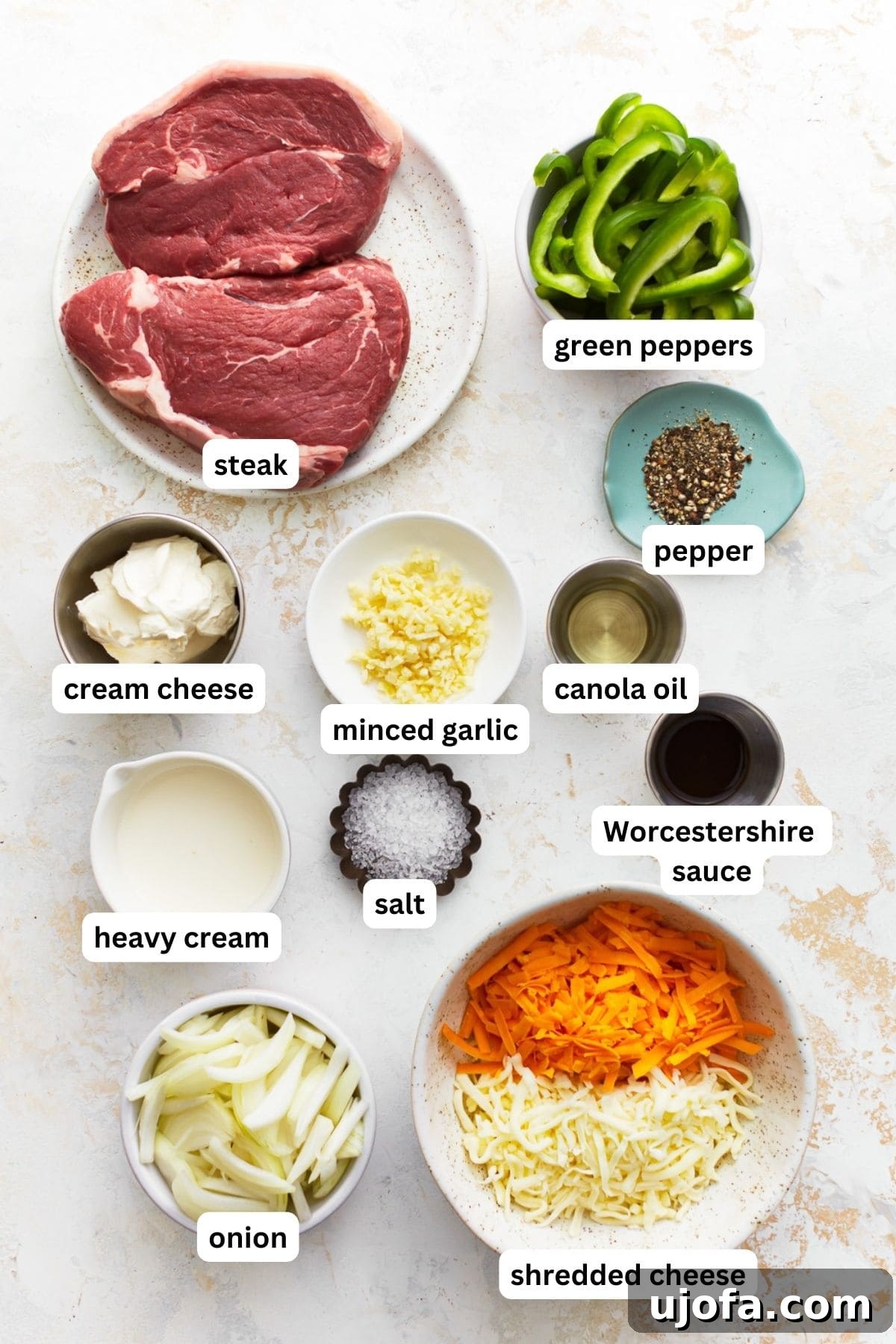
Creating an exceptional Philly cheesesteak casserole starts with high-quality ingredients. Here’s what you’ll need and why each component plays a crucial role in delivering that authentic, mouthwatering flavor:
- Steak: For the most tender and flavorful results, I highly recommend using thinly sliced ribeye, sirloin, or strip steak. These cuts boast excellent marbling, which contributes to their rich taste and keeps the meat incredibly juicy. Feel free to grab whichever quality cut is on sale, but always aim for something with good fat content. For an easier prep, you can ask your butcher to thinly slice the steak for you.
- Salt & Pepper: Simple yet essential. Kosher salt and freshly ground black pepper are used to season the steak, enhancing its natural savory flavors and bringing out the best in the meat and vegetables.
- Canola Oil: A neutral, high-smoke-point oil like canola is ideal for searing the steak and sautéing the vegetables. It helps them achieve that beautiful golden-brown crust without burning, adding depth of flavor to the dish. You can also use avocado oil or grapeseed oil as alternatives.
- Green Bell Pepper: A classic cheesesteak addition, green bell pepper provides a delightful crisp-tender texture and a fresh, slightly bitter, vegetal flavor that balances the richness of the steak and cheese. Slice it thinly for even cooking.
- White Onion: Sautéed white onions become sweet and caramelized, adding an essential layer of earthy, savory depth to the casserole. Their natural sweetness is crucial for that authentic Philly taste. Yellow onions can also be used.
- Garlic: Minced fresh garlic forms the aromatic base of the casserole, infusing the entire dish with its pungent, savory notes. Add it towards the end of sautéing the vegetables to prevent burning and maximize its flavor.
- Cream Cheese: This is the secret to the casserole’s incredibly rich, creamy, and slightly tangy sauce. Softened cream cheese melts beautifully, binding all the flavors together. For a lighter version, opt for low-fat cream cheese, or use a high-quality dairy-free cream cheese alternative for a dairy-free rendition.
- Heavy Cream: To achieve that luxurious, moist consistency, heavy cream is indispensable. It adds richness and ensures the casserole isn’t dry. Half-and-half can be used for a slightly lighter option. For a dairy-free alternative, full-fat coconut cream or a dairy-free heavy whipping cream substitute works wonderfully. Ensure it’s at room temperature to prevent curdling when adding to the hot skillet.
- Gluten-Free Worcestershire Sauce: A dash of Worcestershire sauce adds a complex, umami-rich flavor that deeply enhances the savory notes of the steak. Always check labels to ensure it’s gluten-free. If unavailable, try using balsamic vinegar, tamari (gluten-free soy sauce), or coconut aminos as substitutes.
- Cheese: The star of any cheesesteak! I love a blend of shredded cheddar and mozzarella for their meltability and flavor, but traditionalists might prefer Provolone. Combining cheeses often gives the best texture and taste profile. For a dairy-free option, there are many excellent dairy-free shredded cheese blends available that melt beautifully.
Step by Step Instructions for Philly Cheesesteak Casserole
Follow these straightforward steps to create a show-stopping Philly Cheesesteak Casserole that will delight your taste buds:
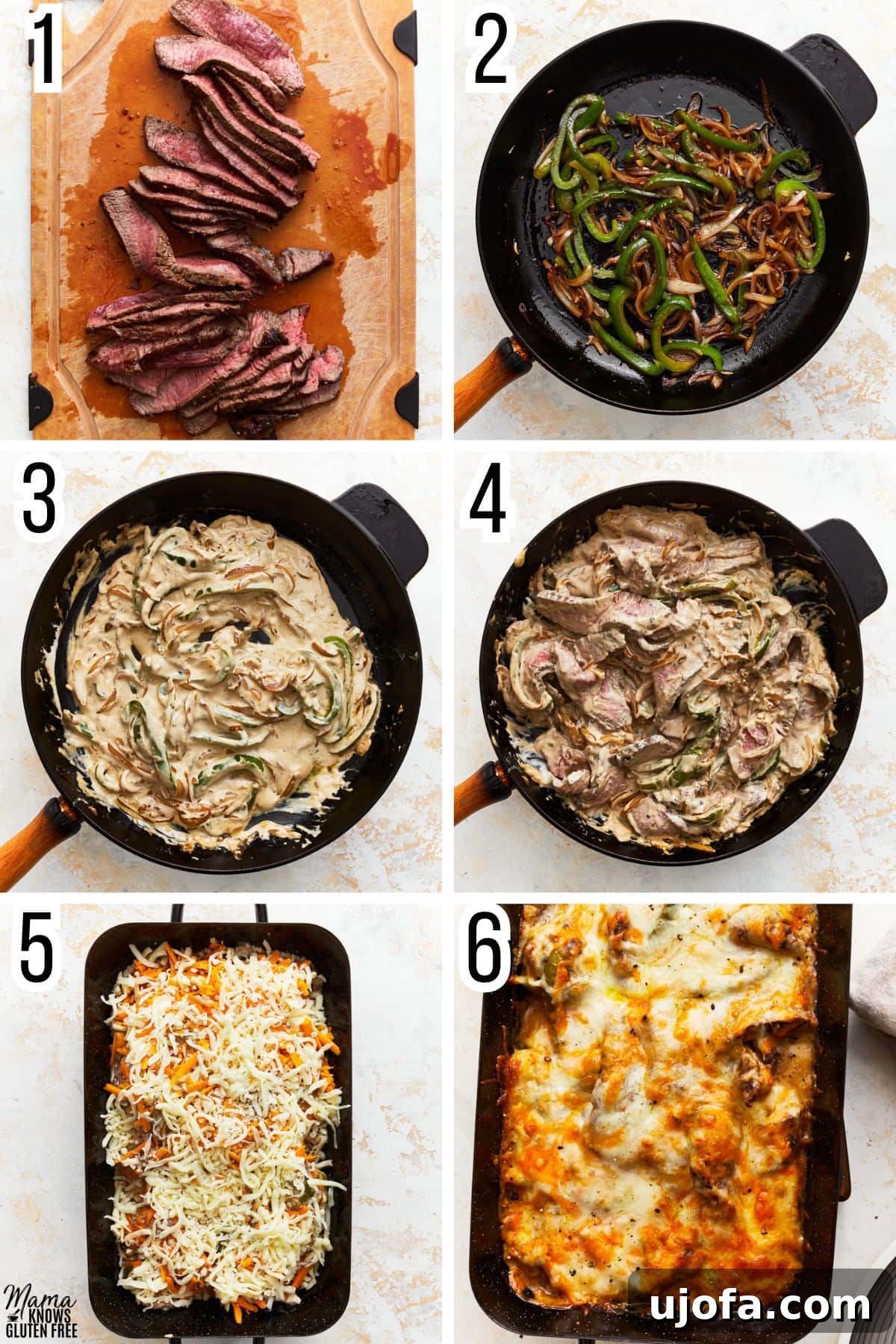
- Prepare Your Oven and Steak: Preheat your oven to a consistent 350°F (175°C). While the oven heats, generously season your steaks on both sides with kosher salt and freshly ground black pepper. Allowing the steak to come to room temperature for about 30 minutes before cooking can help it cook more evenly.
- Sear the Steak to Perfection: In a large, heavy-bottomed skillet (cast iron works beautifully), heat the canola oil over high heat until it just begins to smoke. Carefully add the seasoned steaks to the hot skillet and sear for 2-3 minutes per side. The goal is to create a delicious crust while keeping the interior medium-rare, as it will continue to cook in the oven. Remove the seared steaks from the skillet, set them aside on a cutting board, and let them rest for at least 5 minutes. This resting period is crucial for juicy steak; it allows the juices to redistribute. Once rested, slice the steaks into thin strips against the grain for maximum tenderness.
- Sauté the Vegetables: Using the same skillet (don’t clean it, those browned bits add flavor!), reduce the heat to medium. Add the thinly sliced green bell pepper and white onion. Sauté them for about 5 minutes, stirring occasionally, until they begin to soften and lightly caramelize. Then, add the minced garlic and cook for just another minute until fragrant. Be careful not to burn the garlic.
- Create the Creamy Sauce: Reduce the heat to medium-low. Add the softened cream cheese, room-temperature heavy cream, and gluten-free Worcestershire sauce to the skillet with the sautéed vegetables. Stir continuously with a whisk or spatula until the cream cheese is completely melted and everything is well combined into a smooth, luscious sauce. Ensuring the dairy ingredients are at room temperature helps prevent curdling.
- Combine Steak and Sauce: Return the thinly sliced, seared steak strips to the skillet. Gently mix the steak into the creamy vegetable sauce, ensuring every piece is thoroughly coated in the delicious mixture.
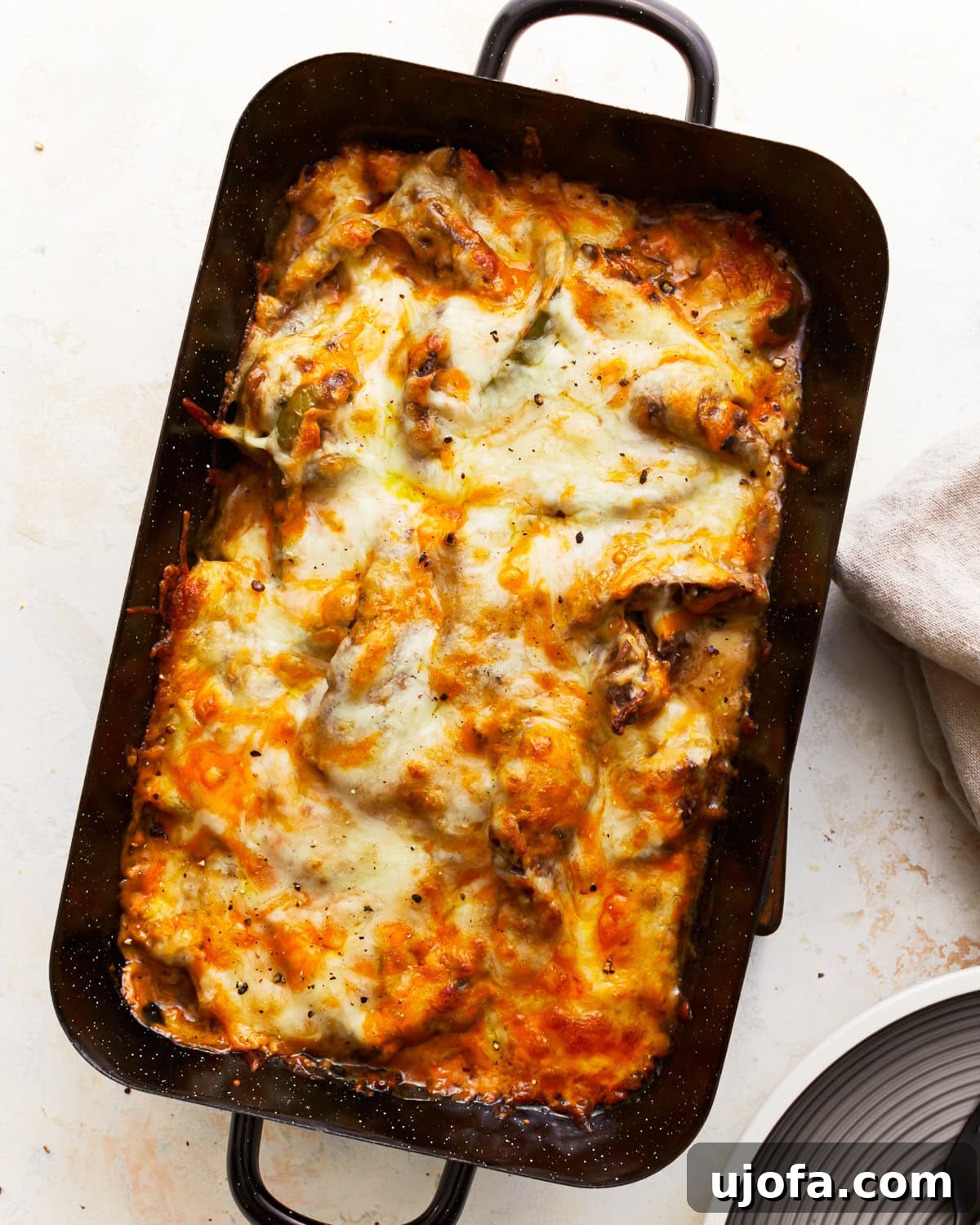
- Assemble the Casserole: Lightly grease a suitable baking dish (a 9×13 inch dish works well). Transfer the entire steak and vegetable mixture from the skillet into the prepared baking dish, spreading it evenly across the bottom. Generously sprinkle the shredded cheddar and mozzarella cheese evenly over the top, creating a glorious cheese blanket.
- Bake to Golden Perfection: Place the casserole in your preheated oven and bake for 15-20 minutes, or until the cheese is beautifully melted, bubbly, and golden brown. You want that irresistible crust of cheese on top!
- Rest and Serve: Once baked, remove the casserole from the oven and let it cool for a few minutes before serving. This allows the flavors to meld and the casserole to set slightly, making it easier to serve. Dive in and enjoy your homemade Philly Cheesesteak Casserole!
Expert Tips and Suggestions for Your Casserole
Enhance your Philly Cheesesteak Casserole experience with these helpful tips and creative suggestions:
- Room Temperature Steak: For optimal searing and even cooking, always bring your steaks to room temperature for at least 30 minutes before placing them in the hot skillet. Cold steak tends to cook unevenly and can result in a tough texture.
- Slicing Against the Grain: After searing and resting, remember to slice your steak against the grain. This technique shortens the muscle fibers, making each bite incredibly tender and easy to chew.
- Room Temperature Dairy: To ensure a smooth, lump-free sauce and prevent curdling, make sure your cream cheese and heavy cream are at room temperature before adding them to the hot skillet. Add them slowly, stirring constantly, to allow them to incorporate beautifully.
- Make Ahead Option: This casserole is excellent for meal prep! You can prepare the entire mixture and assemble it in the baking dish up to the point of baking. Cover it tightly with plastic wrap and refrigerate for up to 24 hours. When you’re ready to bake, you might need to add an extra 5-10 minutes to the baking time since it will be starting from a cold temperature.
- Achieve Extra Crispy Cheese: For that irresistible, crispy cheese topping, place the baked casserole under the broiler for 1-2 minutes at the very end of the baking process. Watch it closely to prevent burning – cheese can brown quickly!
- Boost the Flavor: For an even richer flavor profile, consider adding a splash of beef broth to the vegetable mixture along with the cream. A pinch of red pepper flakes can also provide a subtle hint of heat if you like a little kick.
Can I Add Other Vegetables To This Casserole?
Absolutely! This casserole is incredibly versatile and welcomes additional vegetables. Mushrooms are a popular choice for cheesesteaks; cremini or button mushrooms sautéed along with the bell peppers and onions would be a fantastic addition, adding an extra layer of earthy umami. Red or yellow bell peppers can be used for a sweeter flavor profile, while a few sliced jalapeños or a pinch of cayenne pepper can introduce a spicy kick. You could also stir in a handful of fresh spinach at the very end of the cooking process in the skillet, allowing it to wilt into the creamy mixture before transferring to the baking dish.
Why Is My Steak Tough in Casseroles?
A tough steak can quickly diminish the enjoyment of any dish. Several factors can contribute to steak toughness in a casserole. Firstly, the cut of meat plays a significant role; leaner cuts of steak (like flank or round steak) tend to be tougher and dryer if not cooked precisely. For this casserole, choosing cuts with good marbling, such as ribeye, sirloin, or strip steak, will yield the most tender results. These cuts have more fat distributed throughout, which keeps the meat moist and flavorful.
Secondly, overcooking is a common culprit. Even well-marbled steaks can become tough if cooked for too long or at too high a temperature. For this recipe, you’re searing the steak to a medium-rare (130-135°F or 54-57°C) before adding it to the casserole, as it will continue to cook in the oven. Using a meat thermometer can help ensure you don’t overcook it during the initial sear. Finally, as mentioned in our tips, always slice the cooked steak against the grain. This is perhaps the most crucial technique for tenderness, as it shortens the long muscle fibers that can make the meat chewy.
Storage and Reheating Instructions
This Philly Cheesesteak Casserole makes wonderful leftovers, perfect for quick lunches or dinners throughout the week:
- To Store: Allow the casserole to cool completely before transferring it to an airtight container. Store it in the refrigerator for up to 3 days. If storing in the original casserole dish, ensure it’s tightly covered with plastic wrap or aluminum foil.
- To Reheat: For individual portions, reheat in the microwave until thoroughly warmed through. For larger portions or the entire casserole, reheat in the oven at 300°F (150°C) until heated through, usually 15-25 minutes, depending on the amount. You might want to cover it with foil to prevent the cheese from browning too much.
- To Freeze: This casserole freezes beautifully. Once completely cooled, cover the casserole tightly with a layer of plastic wrap, followed by a layer of aluminum foil. Freeze for up to 3 months. For individual servings, portion the cooled casserole into freezer-safe containers before freezing.
- To Thaw and Reheat from Frozen: Thaw the frozen casserole overnight in the refrigerator. Once thawed, reheat following the oven instructions above, adding extra time as needed until piping hot.
Serving Suggestions for Your Casserole
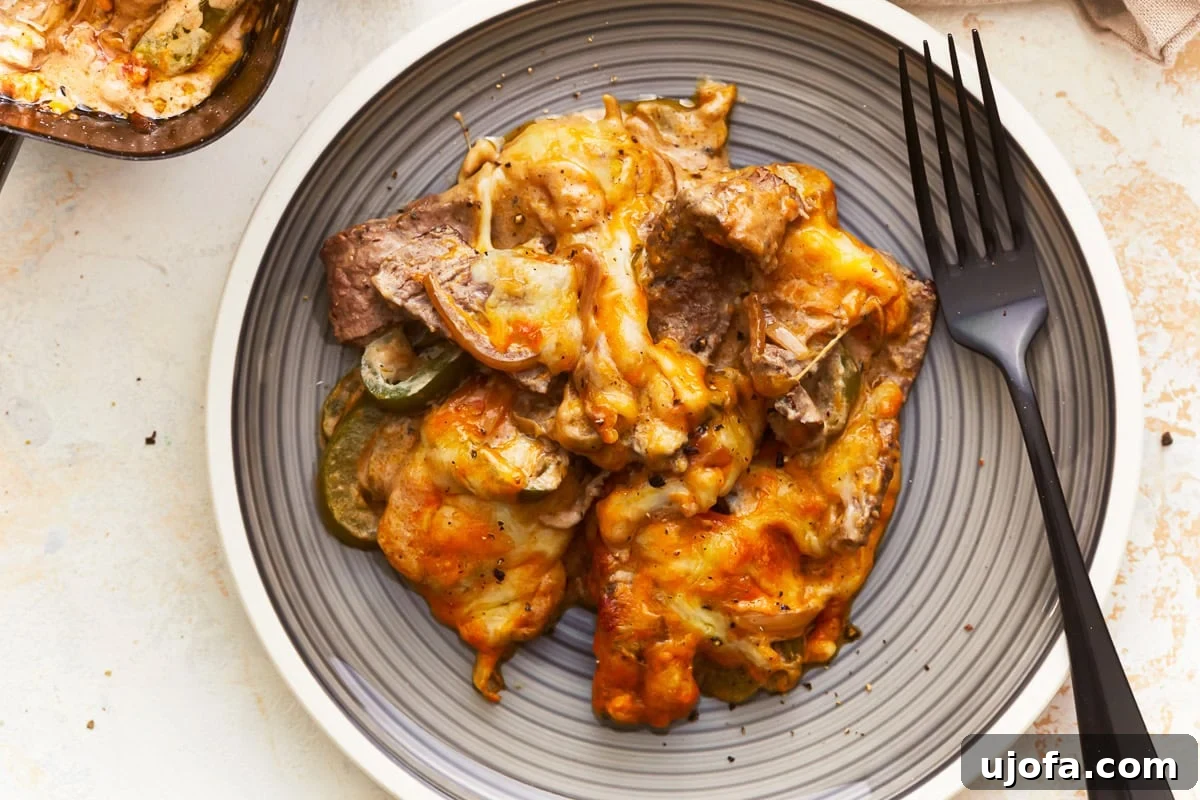
While the Philly Cheesesteak Casserole is a complete and satisfying meal on its own, here are a few ideas to round out your dinner or switch things up:
- On Gluten-Free Buns: Recreate the sandwich experience by serving generous scoops of the casserole on toasted gluten-free hot dog or sub rolls. The creamy filling makes for an incredibly decadent open-faced sandwich.
- Over Grains: Serve it over a bed of fluffy white rice, brown rice, or quinoa to soak up all the delicious, creamy sauce.
- With Low-Carb Alternatives: For a lighter, low-carb meal, spoon the casserole over cauliflower rice, mashed cauliflower, or even a simple bed of sautéed spinach.
- Alongside a Salad: Balance the richness of the casserole with a fresh, crisp green salad tossed with a light vinaigrette.
- With Roasted Potatoes: A side of roasted potatoes or sweet potato fries makes for a hearty and comforting accompaniment.
More Delicious Gluten-Free Dinner Casseroles to Try!
If you loved this effortless and flavorful casserole, be sure to explore more of our gluten-free casserole recipes that are perfect for family dinners and meal prep:
- Gluten-Free Tuna Casserole: A timeless classic, reinvented to be perfectly gluten-free and utterly comforting.
- Walking Taco Casserole: All the fun and flavor of walking tacos, conveniently baked in a dish.
- Sloppy Joe Tater Tot Casserole: A hearty, kid-friendly favorite with a delicious sloppy joe base and crispy tater tot topping.
Philly Cheesesteak Casserole
Sabine Venier
6
10 mins
30 mins
40 mins
Indulge in the classic flavors of a Philly cheesesteak transformed into a convenient, crowd-pleasing casserole! This recipe delivers tender steak, perfectly sautéed vegetables, and a rich, creamy, cheesy sauce, all baked to golden perfection. It’s naturally gluten-free, egg-free, and can easily be adapted for a dairy-free diet, making it a versatile meal for any occasion. Forget the fuss of individual sandwiches – this casserole serves up all the deliciousness in one easy dish that your whole family will love.
Ingredients
- 2 pounds ribeye, sirloin, or strip steak
- 1/2 teaspoon kosher salt
- 1/4 teaspoon freshly ground black pepper
- 1 tablespoon canola oil
- 1 green bell pepper, thinly sliced
- 1 cup white onion, thinly sliced
- 2 cloves garlic, minced
- 1/2 cup cream cheese, softened (dairy-free option available)
- 1/2 cup heavy cream, room temperature (dairy-free option available)
- 1 tablespoon gluten-free Worcestershire sauce
- 1 cup shredded cheddar cheese
- 1 cup shredded mozzarella cheese
Instructions
- Preheat your oven to 350°F (175°C). Season the steaks generously with kosher salt and freshly ground black pepper.
- In a large skillet, heat the canola oil over high heat until it starts smoking. Add the seasoned steaks and cook for 2-3 minutes per side until seared. Remove, let rest for 5 minutes, then slice into thin strips against the grain.
- In the same skillet, sauté the sliced green bell pepper and white onion over medium heat for about 5 minutes until softened. Add the minced garlic and cook for another minute until fragrant.
- Reduce heat to medium-low. Add the softened cream cheese, room-temperature heavy cream, and gluten-free Worcestershire sauce to the skillet. Stir until the cream cheese is melted and the sauce is smooth and well combined.
- Return the sliced steaks to the skillet, mixing well with the creamy vegetable mixture until everything is coated.
- Transfer the mixture into a lightly greased baking dish, spreading it evenly. Sprinkle the shredded cheddar and mozzarella cheese generously over the top.
- Bake in the preheated oven for 15-20 minutes, or until the cheese is bubbly, melted, and golden brown. For extra crispiness, broil for 1-2 minutes, watching carefully.
- Let the casserole cool for a few minutes before serving. Enjoy this rich and comforting meal!
Notes
- For even cooking and tender steak, allow your steaks to come to room temperature for at least 30 minutes before searing.
- Always slice the steak against the grain to ensure the most tender bite in your casserole.
- Ensure cream cheese and heavy cream are at room temperature when adding them to the hot skillet to prevent curdling and ensure a smooth sauce.
- This casserole can be prepared up to the baking step and refrigerated, covered, for up to 24 hours. Add a few extra minutes to the baking time if baking from cold.
- For an extra crispy cheese topping, place the casserole under the broiler for 1-2 minutes at the end of baking. Keep a close eye on it to prevent burning.
- To store: Keep leftover Philly cheesesteak casserole in an airtight container in the refrigerator for up to 3 days. Reheat in the microwave or oven until warmed through.
- To freeze: Cool the casserole completely, then cover tightly with plastic wrap and aluminum foil. Freeze for up to 3 months. Thaw in the refrigerator overnight before reheating.
- Mama says, “Always check your labels!” This is especially important for gluten-free ingredients like Worcestershire sauce and any dairy-free alternatives.
Nutrition Information
Approximate nutritional values per serving:
- Serving Size: 1 serving
- Calories: 620 kcal
- Carbohydrates: 7 g
- Protein: 41 g
- Fat: 48 g
- Saturated Fat: 24 g
- Polyunsaturated Fat: 3 g
- Monounsaturated Fat: 18 g
- Trans Fat: 0.01 g
- Cholesterol: 167 mg
- Sodium: 616 mg
- Potassium: 579 mg
- Fiber: 1 g
- Sugar: 3 g
- Vitamin A: 960 IU
- Vitamin C: 19 mg
- Calcium: 283 mg
- Iron: 3 mg
Nutrition information is automatically calculated and should be used as an approximation only. Individual results may vary based on ingredients used and preparation methods.
Additional Information
Dinner, Main Course
American