Welcome to the ultimate guide for making Pandebono, the beloved Colombian cheese bread! This recipe is not just incredibly easy to follow, but it’s also naturally gluten-free, making it a perfect treat for everyone. Crafted with only five staple ingredients – tapioca flour, masa harina corn flour, tangy feta cheese, a fresh egg, and a touch of melted butter – these delightful rolls promise a crispy exterior and a soft, chewy, cheesy interior. Ideal for a quick breakfast, a satisfying snack, or a unique side dish, these pandebono come together in less than 30 minutes, requiring no complex kneading or lengthy rise times. Prepare to be amazed by how effortlessly you can create this traditional South American delight right in your own kitchen!
The Easiest Gluten-Free Pandebono (Colombian Cheese Bread) Recipe: A Quick & Cheesy Delight
For those seeking a simple yet incredibly rewarding baking project, this Pandebono recipe is your answer. It masterfully combines convenience with authentic flavor, delivering a naturally gluten-free bread that defies expectations. Forget complicated steps or hours of waiting; this recipe is designed for speed and simplicity without compromising on taste or texture. Whether you’re new to gluten-free baking or a seasoned pro, you’ll appreciate how easily these crispy, cheesy rolls become a staple in your home.
What Exactly is Pandebono? Unpacking the Colombian Cheese Bread Phenomenon
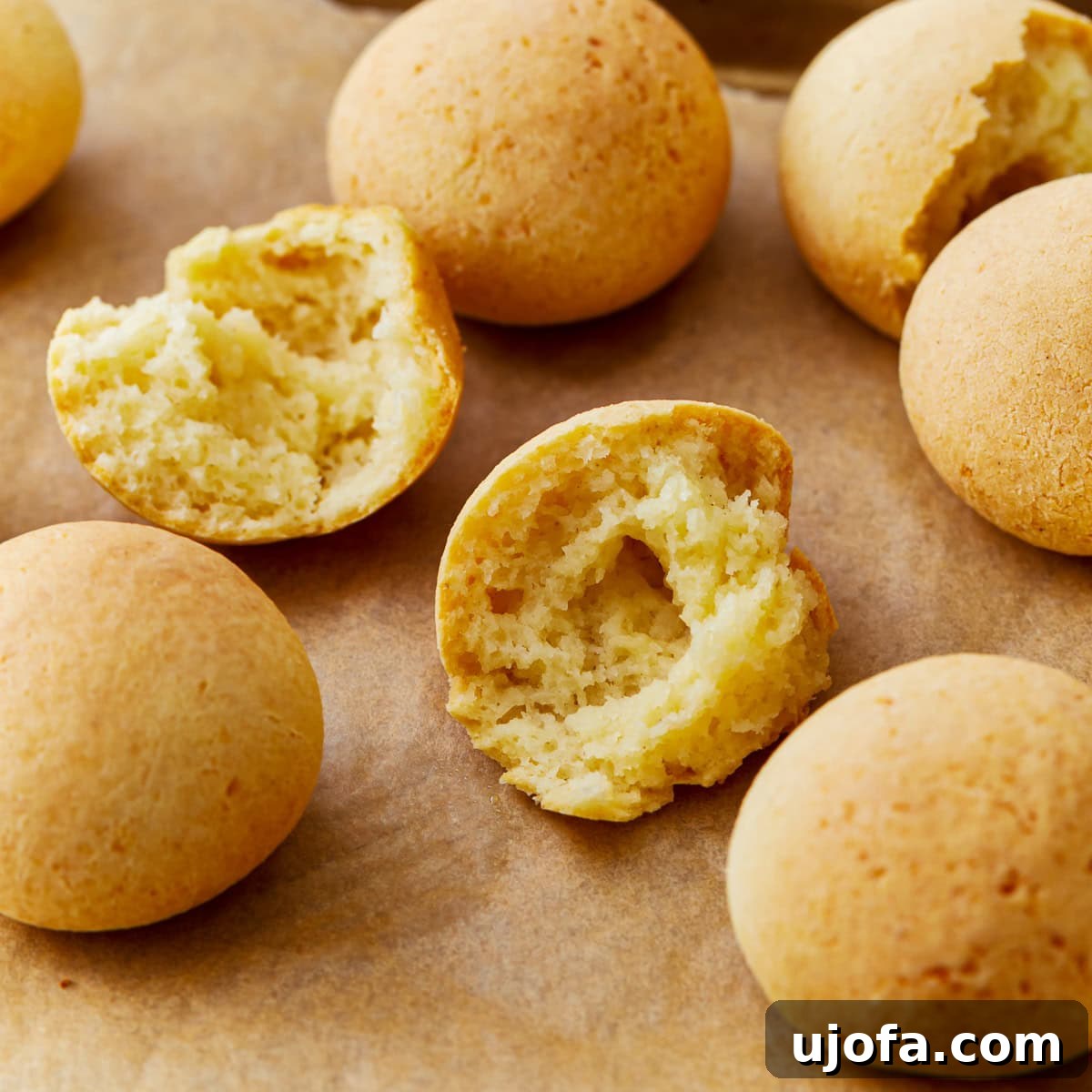
Pandebono, often spelled “Pan de Bono,” is a cherished traditional Colombian cheese bread that holds a special place in the hearts of many. Its origins trace back to the Valle del Cauca region of Colombia, particularly around the city of Cali, where it’s a staple in bakeries and homes. The beauty of pandebono lies in its simplicity and the delightful contrast of textures it offers: a satisfyingly crisp crust yielding to a soft, airy, and wonderfully chewy interior studded with pockets of melted cheese. While numerous regional variations exist across Colombia, most authentic recipes feature a blend of different cheeses, a starch (often corn-based), and egg. Some creative versions even incorporate a hint of guava paste for an added layer of sweetness, creating a unique sweet-and-savory profile. Our recipe keeps it elegantly simple, allowing the rich, savory cheese flavor to truly shine, making it incredibly straightforward for you to recreate this irresistible delicacy at home. Once you experience the magic of warm, freshly baked pandebono, you’ll understand why it’s so utterly addictive!
If you love global cheese bread traditions, you might also enjoy our recipe for Brazilian Cheese Bread – Pão de Queijo!
Why Go Gluten-Free? The Benefits of Naturally GF Baking
Choosing naturally gluten-free recipes like this Pandebono offers a host of benefits, extending beyond those with celiac disease or gluten sensitivity. For many, reducing gluten intake can lead to improved digestion, decreased bloating, and a general feeling of lightness. Naturally gluten-free flours, such as tapioca and masa harina, often bring unique nutritional profiles, providing essential vitamins and minerals that can contribute to a more balanced diet. Furthermore, embracing naturally gluten-free ingredients encourages culinary exploration and the discovery of diverse flavors and textures that might otherwise be overlooked. This Pandebono recipe exemplifies how gluten-free baking can be utterly delicious, incredibly simple, and wonderfully accessible, proving that you don’t need gluten to create truly satisfying and wholesome baked goods.
Essential Ingredients for Perfect Pandebono
Crafting perfect Pandebono relies on a precise combination of just five key ingredients, each playing a crucial role in achieving its signature taste and texture. Understanding these components will empower you to create the best possible Colombian cheese bread.
- Tapioca Flour: Also known as tapioca starch or cassava starch, this ingredient is indispensable for Pandebono’s characteristic chewy, slightly elastic texture. It’s not to be confused with cassava flour, which is a different product with varying properties. Tapioca flour provides the perfect binding and gives the bread its distinct, satisfying mouthfeel.
- Masa Harina: This unique dried corn dough flour is traditionally used in Latin American cuisine for items like tortillas and tamales. In Pandebono, masa harina imparts a subtle, earthy corn flavor and contributes to the bread’s tender crumb and slightly sour tang, which is a hallmark of authentic Pandebono. It is crucial not to substitute this with regular cornmeal, as masa harina has undergone a special limewater treatment (nixtamalization) that gives it distinct flavor and binding properties.
- Feta Cheese: Our chosen cheese, feta, brings a delightful saltiness and creamy texture that closely mimics Quesito Colombiano, a fresh, mild, and slightly salty Colombian cheese. The feta crumbles beautifully and melts into savory pockets within the bread. While feta works wonderfully, you can also experiment with other fresh, mild, and salty cheeses like queso fresco or farmer’s cheese for similar results. Note: This recipe has not been tested with dairy-free cheese alternatives.
- Egg: A large egg is essential for binding all the ingredients together, providing crucial moisture to the dough, and contributing to the bread’s overall structure and rise. It helps create a cohesive mixture that is manageable and bakes up beautifully.
- Butter: Melted unsalted butter adds a rich, luxurious depth of flavor to the Pandebono. It enhances the overall richness and helps create a tender crumb while contributing to the golden-brown crust. Using unsalted butter allows you to control the saltiness, especially important given the inherent saltiness of feta cheese.
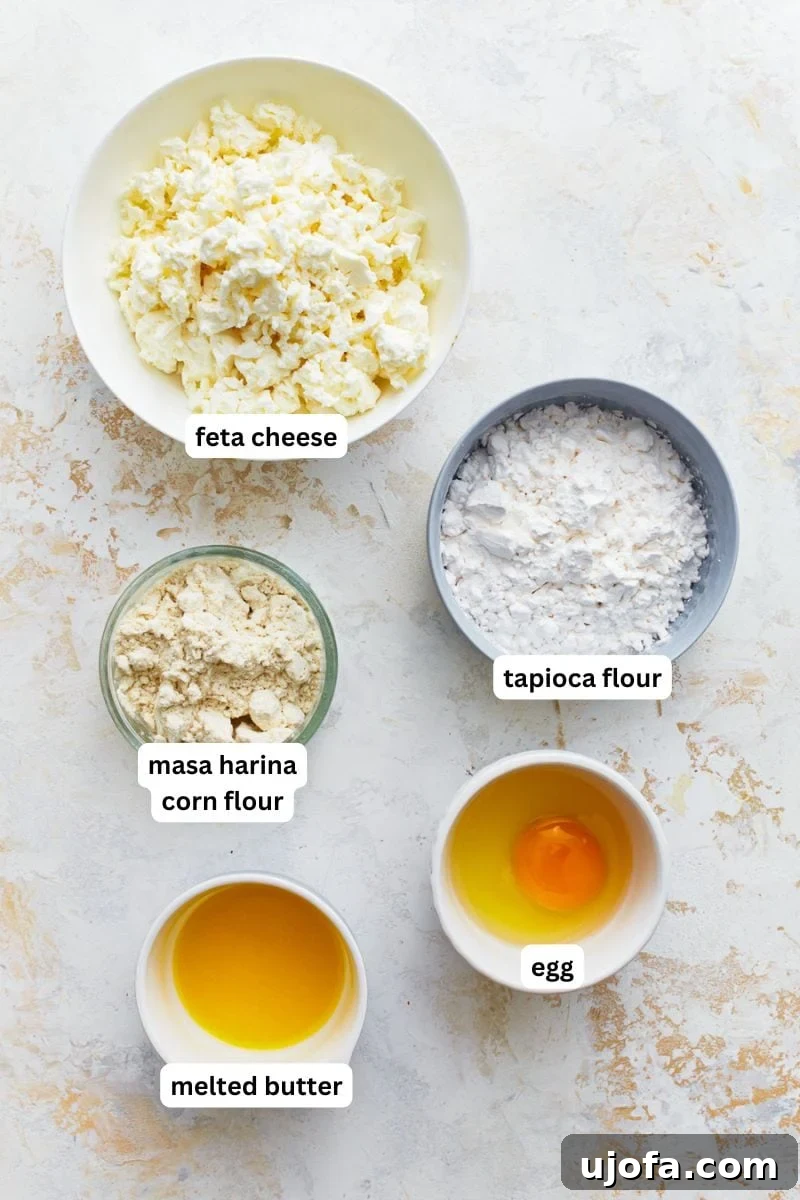
Expert Tips for Making the Best Pandebono
Achieving perfectly puffed, crispy, and chewy Pandebono is surprisingly simple with a few insider tips. Pay attention to these details to ensure your cheese bread turns out exceptional every time.
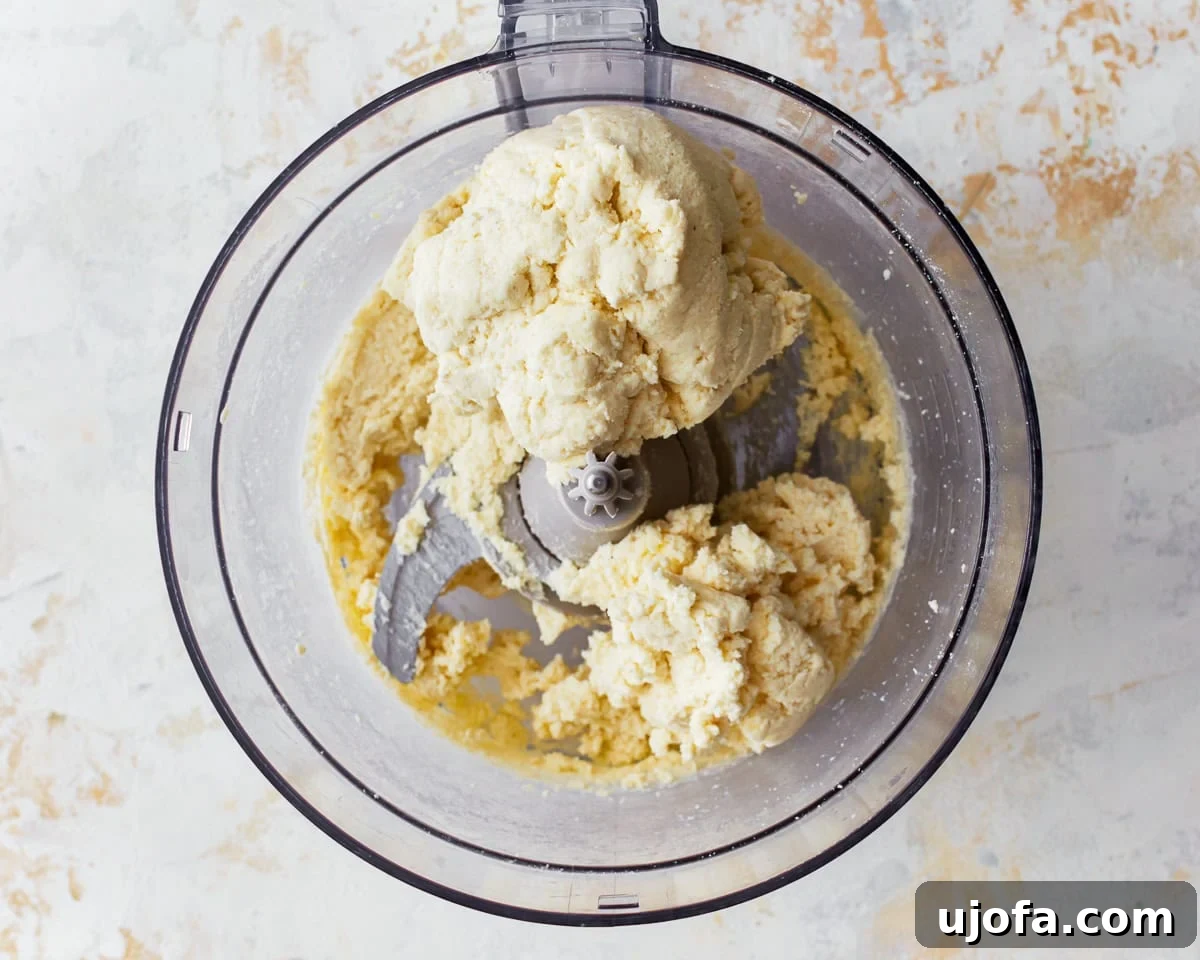
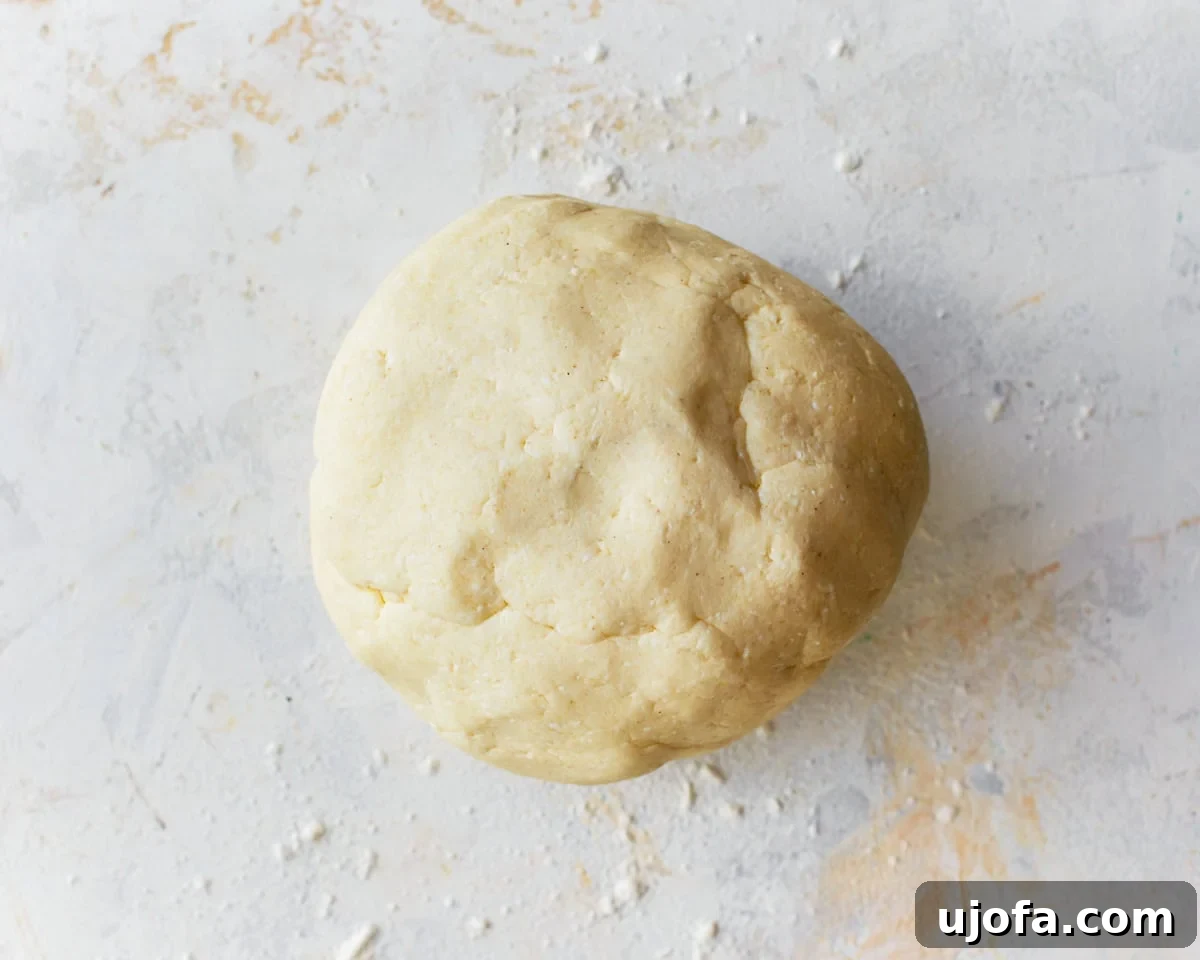
- Handling Sticky Dough: The dough for Pandebono is naturally sticky, which is perfectly normal and contributes to its chewy texture. If you find it challenging to form the dough balls, a simple trick is to lightly oil your hands with a neutral cooking oil. Alternatively, you can pop the dough into the refrigerator for about 15-20 minutes. The slight chilling will firm it up and make it much easier to handle and shape into uniform balls.
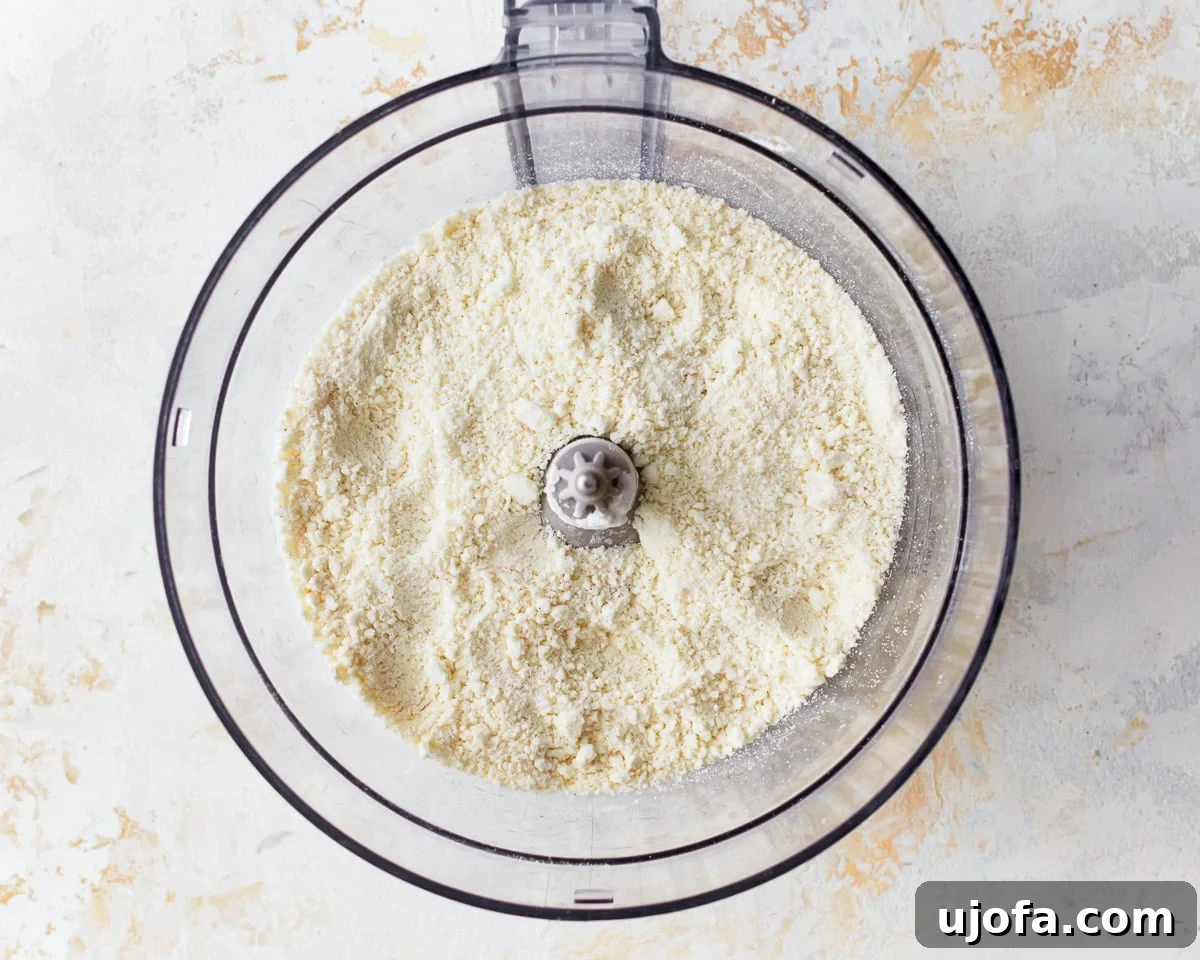
- The Power of a Food Processor: For optimal results and ease, we highly recommend using a food processor to mix the dough. It not only simplifies the mixing process but also ensures that the feta cheese is evenly incorporated and finely distributed throughout the dough, preventing large chunks and promoting consistent flavor in every bite. If you don’t own a food processor, you can still make these! Start by mashing the feta cheese and egg together very thoroughly until the cheese is well integrated, then gradually add this mixture to the dry ingredients and mix by hand until a cohesive dough forms.
- Room Temperature Egg: A small but significant detail is to allow your egg to come to room temperature before mixing it with the other ingredients. A room temperature egg emulsifies better with the melted butter and other components, leading to a smoother, more uniform dough that comes together more easily and bakes more consistently.
- No Leavening? No Problem!: You might notice that this Pandebono recipe doesn’t call for traditional leavening agents like baking powder or yeast. This is not an oversight! The incredible rise and airy texture of Pandebono are primarily created by the steam and air pockets that form within the dough as it bakes in a very hot oven. Therefore, it is absolutely crucial to preheat your oven thoroughly and ensure it is very hot (400°F/204°C) before placing the dough balls inside. This initial blast of high heat is key to achieving that signature puff and crispy crust.
Serving Pandebono: More Than Just a Snack
In Colombia, Pandebono is a versatile delight, traditionally enjoyed in a variety of ways. It’s a popular choice for breakfast, often paired with a steaming cup of rich hot chocolate or robust Colombian coffee. However, its deliciousness isn’t limited to morning meals; it makes an excellent mid-day snack or even a light supper. While Pandebono is always best when served warm and fresh from the oven, its versatility extends beyond traditional pairings. Think of it as you would any other bread roll. It can serve as a fantastic base for small sandwiches, adding a unique cheesy flavor, or as a perfect accompaniment to hearty meals. Imagine dipping a warm Pandebono into our comforting gluten-free chicken noodle soup, a rich gluten-free beef stew, or a flavorful bowl of gluten-free chili. The possibilities are endless for integrating these delightful cheese breads into your culinary repertoire.
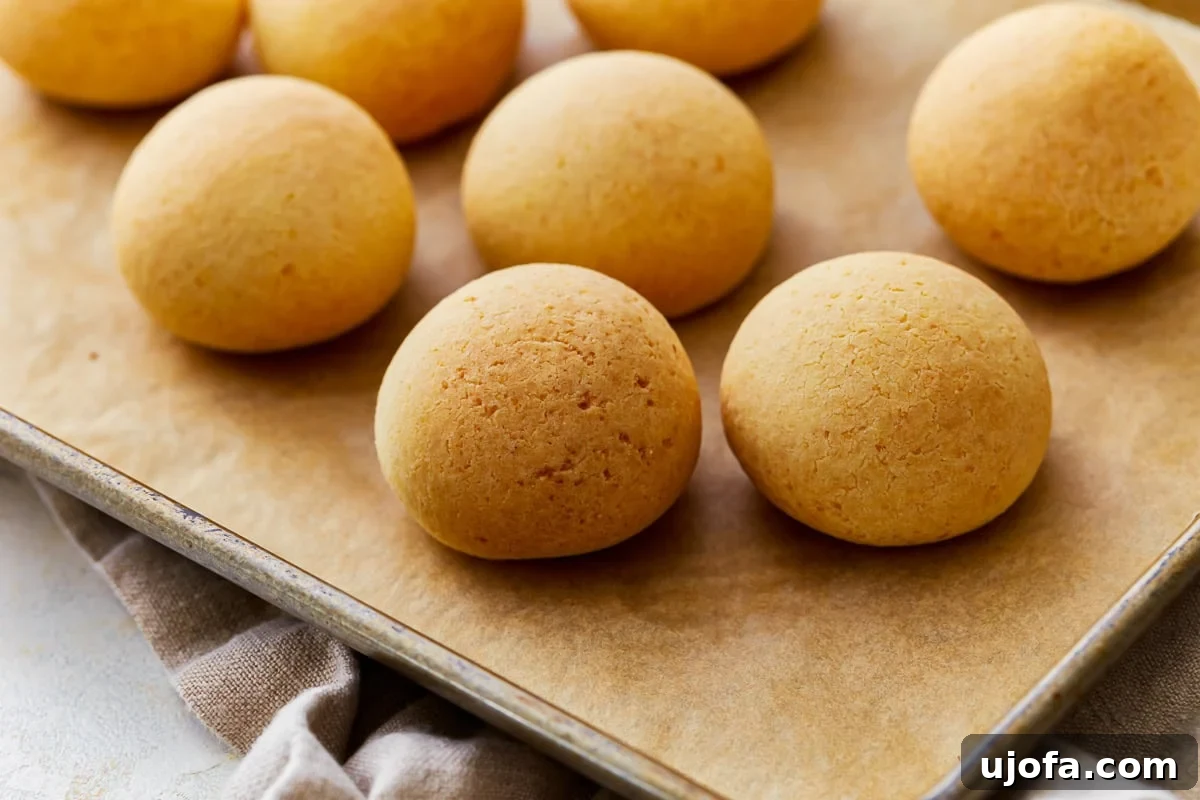
The Unique Flavor Profile of Pandebono
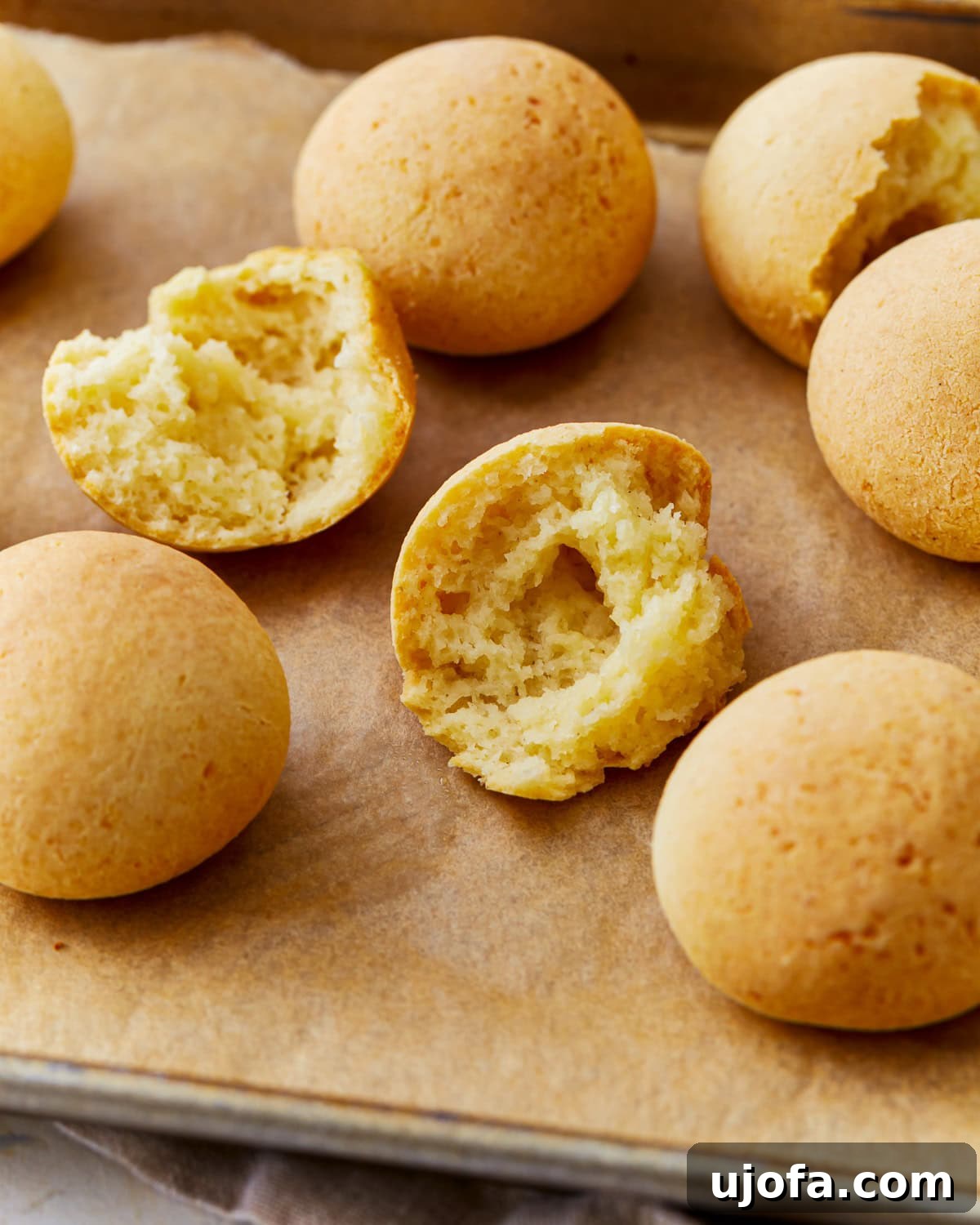
Pandebono offers a truly unique and captivating flavor experience that sets it apart from other breads. Upon first bite, you’ll notice a delicate balance of flavors: a subtle sweetness that rounds out the prominent saltiness derived from the feta cheese. This is beautifully complemented by a slight sour tang contributed by the masa harina corn flour, adding a layer of complexity. The texture is equally enchanting; the exterior boasts a wonderfully crispy crust, which gives way to an interior crumb that is remarkably light, airy, and delightfully chewy. The presence of melted cheese pockets throughout enhances the overall richness and creates a truly satisfying mouthfeel. It’s this harmonious blend of sweet, salty, and tangy notes, combined with its irresistible texture, that makes Pandebono such a unique and incredibly delicious gluten-free bread.
FAQs About Your Homemade Pandebono
Can I Prepare Pandebono Dough Ahead of Time?
Absolutely! This recipe is wonderful for meal prepping. You can prepare the dough up to 24 hours in advance and store it in an airtight container in the refrigerator. When you’re ready to bake, simply remove the dough, shape it if not already done, and proceed with baking as directed. For even longer storage, you can freeze the shaped dough balls. Flash-freeze them on a baking sheet until solid, then transfer to a freezer-safe bag or container for up to a month. Bake straight from the freezer, adding a few extra minutes to the baking time until golden and puffed.
Can I Use Other Types of Cheese?
While feta cheese provides a salty, tangy profile similar to traditional Quesito Colombiano, you can certainly experiment with other cheeses. Queso fresco or farmer’s cheese are excellent alternatives that will yield a more authentic, milder flavor. For a different twist, you could try a blend of mozzarella and a harder, saltier cheese like Parmesan or Pecorino Romano, adjusting the salt content of the recipe if needed. Just ensure the cheese crumbles well and melts smoothly.
Is Masa Harina Interchangeable with Cornmeal?
No, masa harina and cornmeal are not the same and should not be substituted for each other in this recipe. Masa harina is made from corn that has been treated with an alkali process (nixtamalization), then dried and ground into flour. This process gives it unique flavor, texture, and binding properties essential for Pandebono. Regular cornmeal, which is simply ground dried corn, will not provide the same results in terms of flavor, moisture absorption, or texture, leading to a much different and likely less successful outcome.
How Do I Know When My Pandebono Are Perfectly Baked?
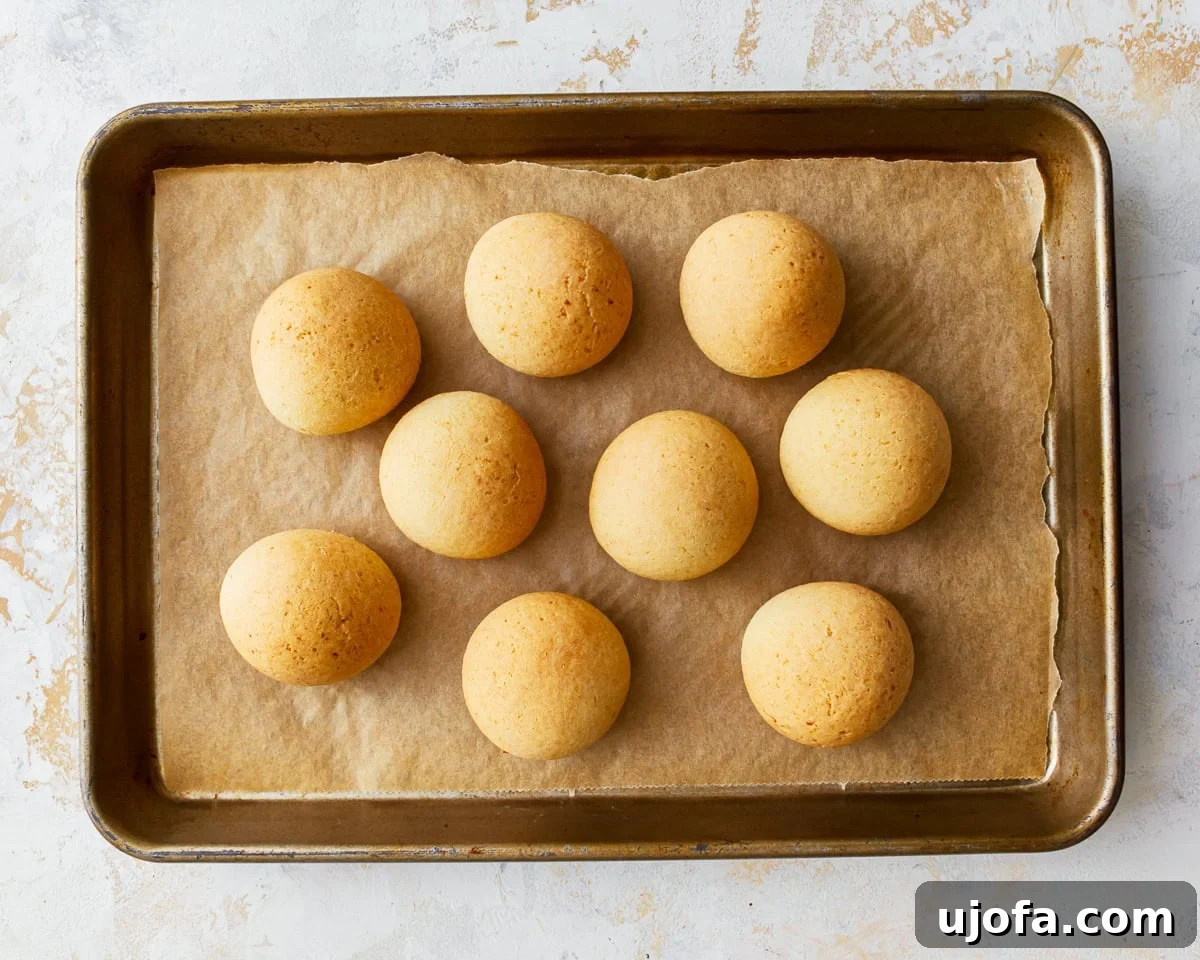
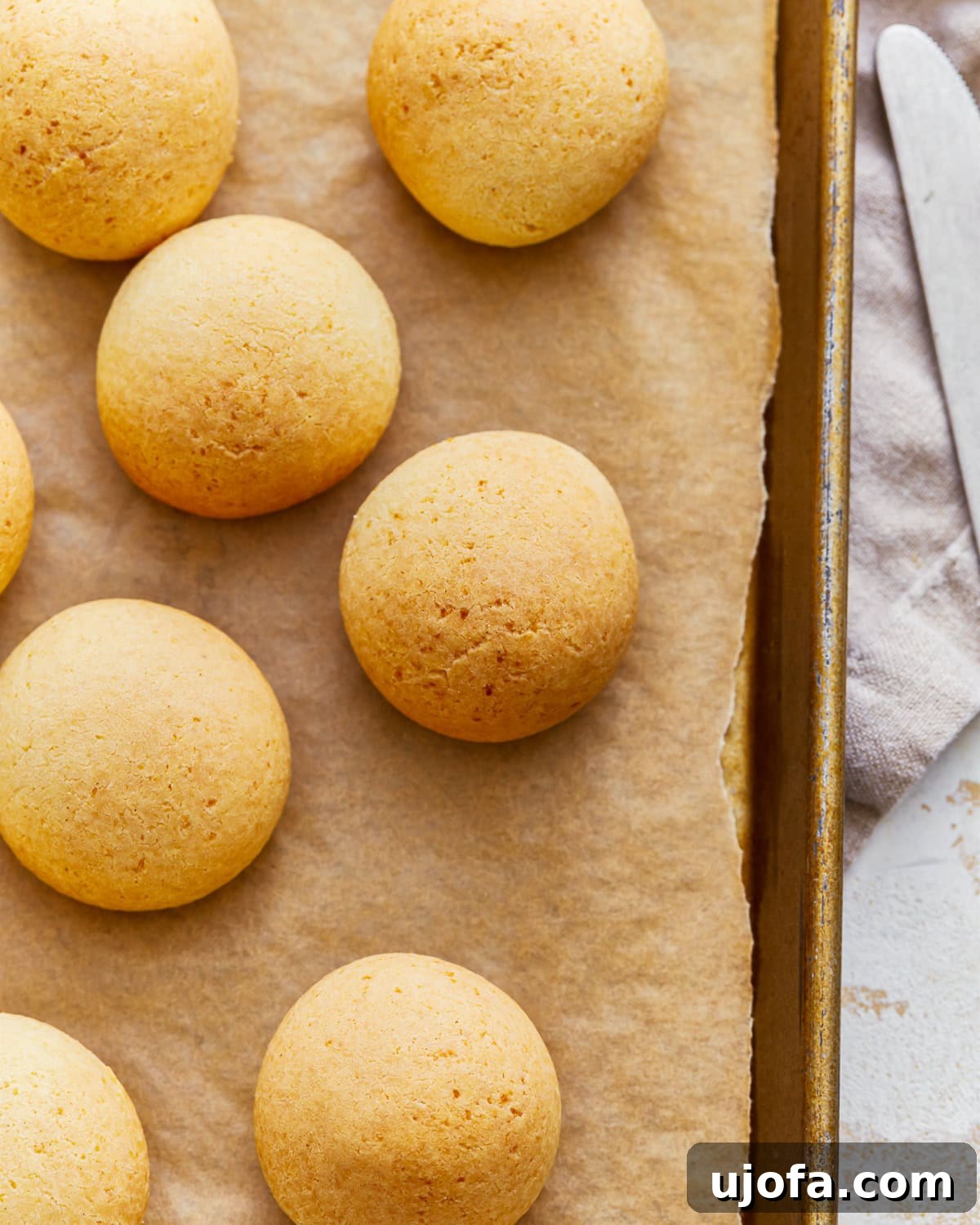
Pandebono are perfectly baked when they achieve a beautiful golden-brown color on the outside and have visibly puffed up, indicating that the internal structure has set. The crust should feel firm and crisp to the touch. If they look pale, they might be undercooked and could collapse or be too doughy inside. Always ensure your oven is fully preheated to the specified temperature, as this high initial heat is crucial for their characteristic rise.
Can This Recipe Be Made Dairy-Free?
This particular recipe has not been tested with dairy-free cheese alternatives or butter substitutes. Achieving the correct texture and flavor with dairy-free options can be challenging as vegan cheeses often behave differently when melted and cooled. If you wish to attempt a dairy-free version, you would need to experiment with a high-quality, meltable dairy-free feta alternative and a plant-based butter, understanding that the results may vary significantly from the original.
Storage and Reheating Instructions for Lasting Freshness
To enjoy your homemade Colombian cheese bread at its best, proper storage and reheating are key. Leftover Pandebono can be stored in an airtight container at room temperature for 2-3 days. For longer preservation, these rolls freeze exceptionally well. You can freeze baked Pandebono in a freezer-safe bag or container for up to 2 months. To reheat, simply place them in a preheated oven at 350°F (177°C) for 5-7 minutes, or for a quicker option, microwave them for 20-30 seconds until warm and soft again. They will regain much of their initial crispy texture when reheated in the oven, offering a delightful treat even days later.
More Delicious Gluten-Free Bread Recipes to Explore!
If you’ve enjoyed the simplicity and deliciousness of this gluten-free Pandebono, you’re in for a treat! Our collection features a wide array of other fantastic gluten-free bread recipes that are equally easy to make and perfect for any occasion. Expand your gluten-free baking repertoire with these family-friendly options:
- Easy Gluten-Free Bread
- Cloud Bread
- Gluten-Free Potato Bread
- Gluten-Free Dinner Rolls
- Gluten-Free Pita Bread
- Cassava Bread
Pandebono (Colombian Cheese Bread) Recipe Card
Experience the joy of baking and tasting this incredibly easy and naturally gluten-free Pandebono. With just five ingredients, you can whip up these delicious rolls in under 30 minutes, perfect for any time of day!
Prep Time: 15 minutes
Cook Time: 15 minutes
Total Time: 30 minutes
Yields: 9 servings
By: Sabine Venier
Ingredients
- 8 oz feta cheese, crumbled
- ⅔ cup tapioca flour
- ⅓ cup masa harina corn flour
- 1 large egg, room temperature
- 1 tablespoon unsalted butter, melted
Instructions
- Preheat your oven to 400°F (204°C). Line a baking sheet with parchment paper and set aside.
- Place the crumbled feta cheese, masa harina corn flour, and tapioca starch in a food processor. Pulse until the ingredients are well combined and the cheese is finely broken down.
- Add the room temperature egg and melted unsalted butter to the food processor. Process until a cohesive dough forms. The dough should be slightly sticky but still firm enough to handle and shape.
- Carefully remove the dough from the food processor and transfer it to a clean surface. Lightly dust the surface with a small amount of tapioca flour to prevent sticking.
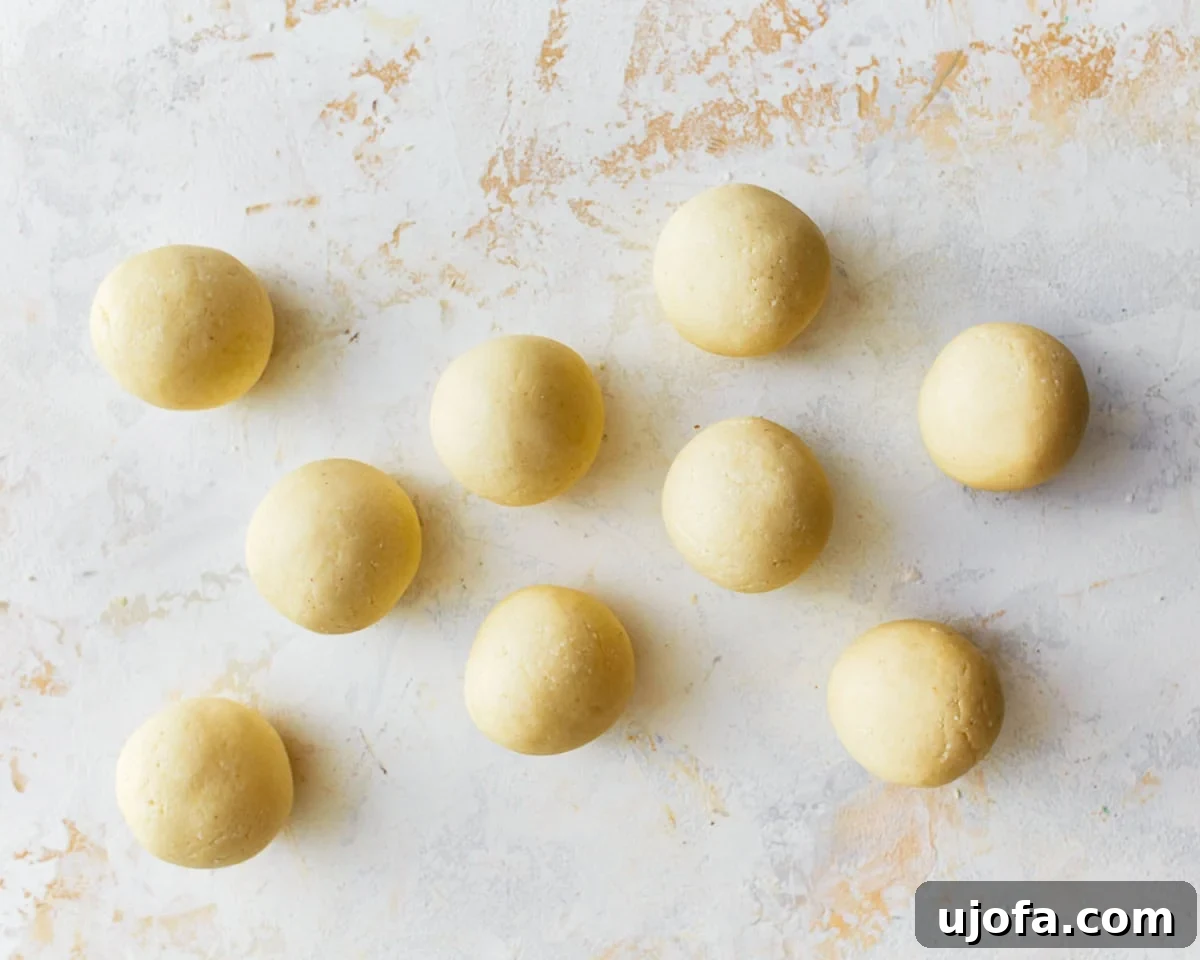
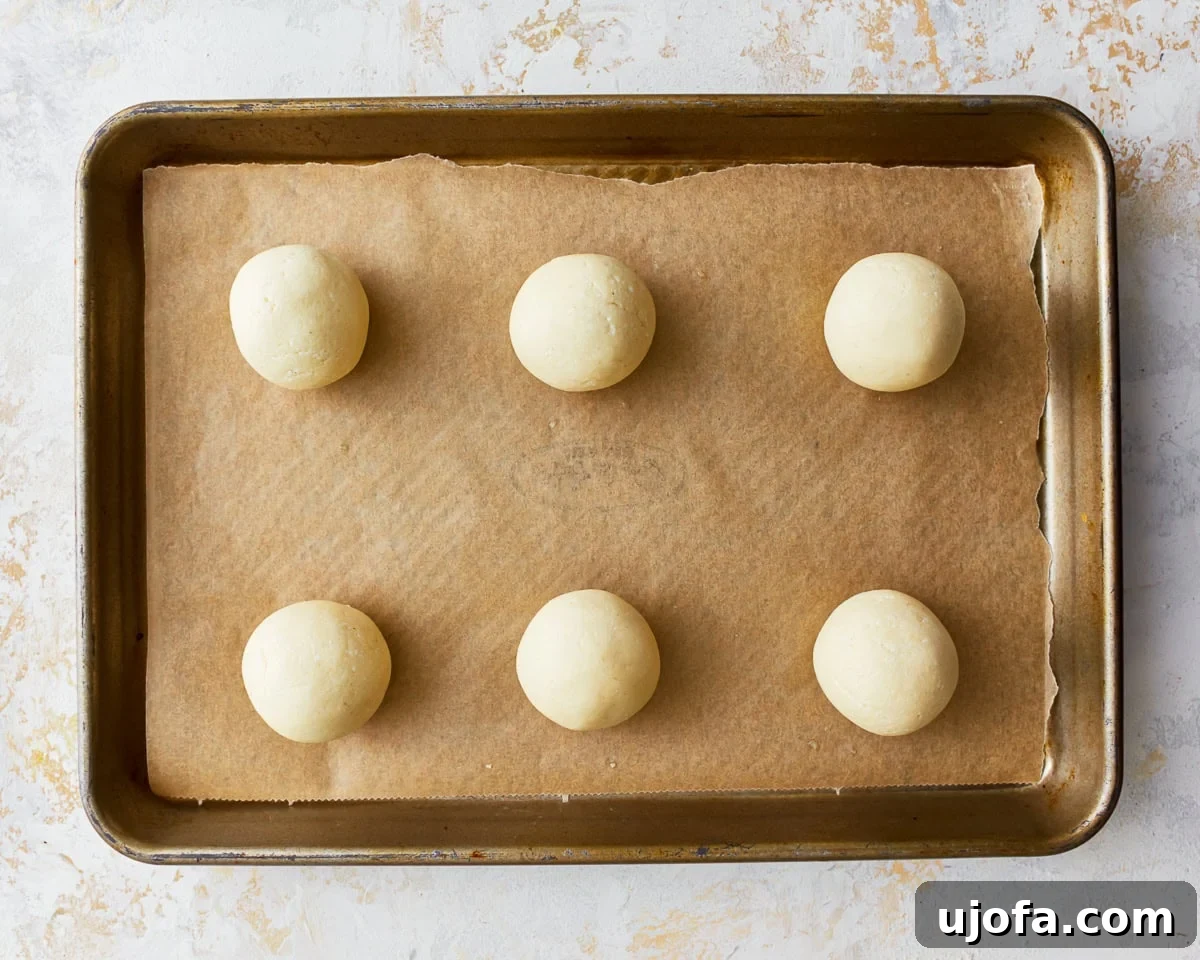
- Divide the dough into 9 equal portions. Roll each portion into a smooth ball, approximately the size of a golf ball.
- Arrange the shaped dough balls on the prepared baking sheet, ensuring they are spaced a few inches apart to allow for proper expansion during baking.
- Bake in the preheated oven for 15-20 minutes, or until the pandebono are beautifully golden brown and have puffed up significantly.
- Once baked, remove the pandebono from the oven and allow them to cool on the baking sheet for a few minutes before serving. These are best enjoyed warm.
Notes
- For the best rise and texture, ensure your oven is fully preheated to 400°F (204°C) before placing the pandebono inside.
- To Store: Store any leftover Colombian cheese bread in an airtight container at room temperature for up to 2-3 days to maintain freshness.
- To Reheat: To enjoy warm pandebono again, reheat them in a preheated oven at 350°F (177°C) for 5-7 minutes. Alternatively, you can microwave them for 20-30 seconds.
- To Freeze: For longer storage, freeze baked pandebono in a freezer-safe bag or container for up to 2 months. You can also freeze the unbaked, shaped dough balls for up to a month; simply bake them straight from the freezer, adding a few extra minutes to the baking time.
- Always check all ingredient labels to ensure they are certified gluten-free, especially for flours and cheeses, to prevent cross-contamination.
Nutrition Information (Approximate Per Serving)
(Based on 9 servings)
- Calories: 131 kcal
- Carbohydrates: 12g
- Protein: 5g
- Fat: 7g
- Saturated Fat: 4g
- Polyunsaturated Fat: 0.4g
- Monounsaturated Fat: 2g
- Trans Fat: 0.1g
- Cholesterol: 46mg
- Sodium: 296mg
- Potassium: 37mg
- Fiber: 0.3g
- Sugar: 0.02g
- Vitamin A: 184 IU
- Calcium: 133mg
- Iron: 1mg
Nutrition information is automatically calculated and should be used as an approximation.
Additional Information
Course: Side Dish, Breakfast, Snack
Cuisine: Colombian, South American
Step-by-Step: Crafting Your Own Pandebono (Colombian Cheese Bread)
Follow these detailed steps to effortlessly create your perfect batch of crispy, cheesy Pandebono.