
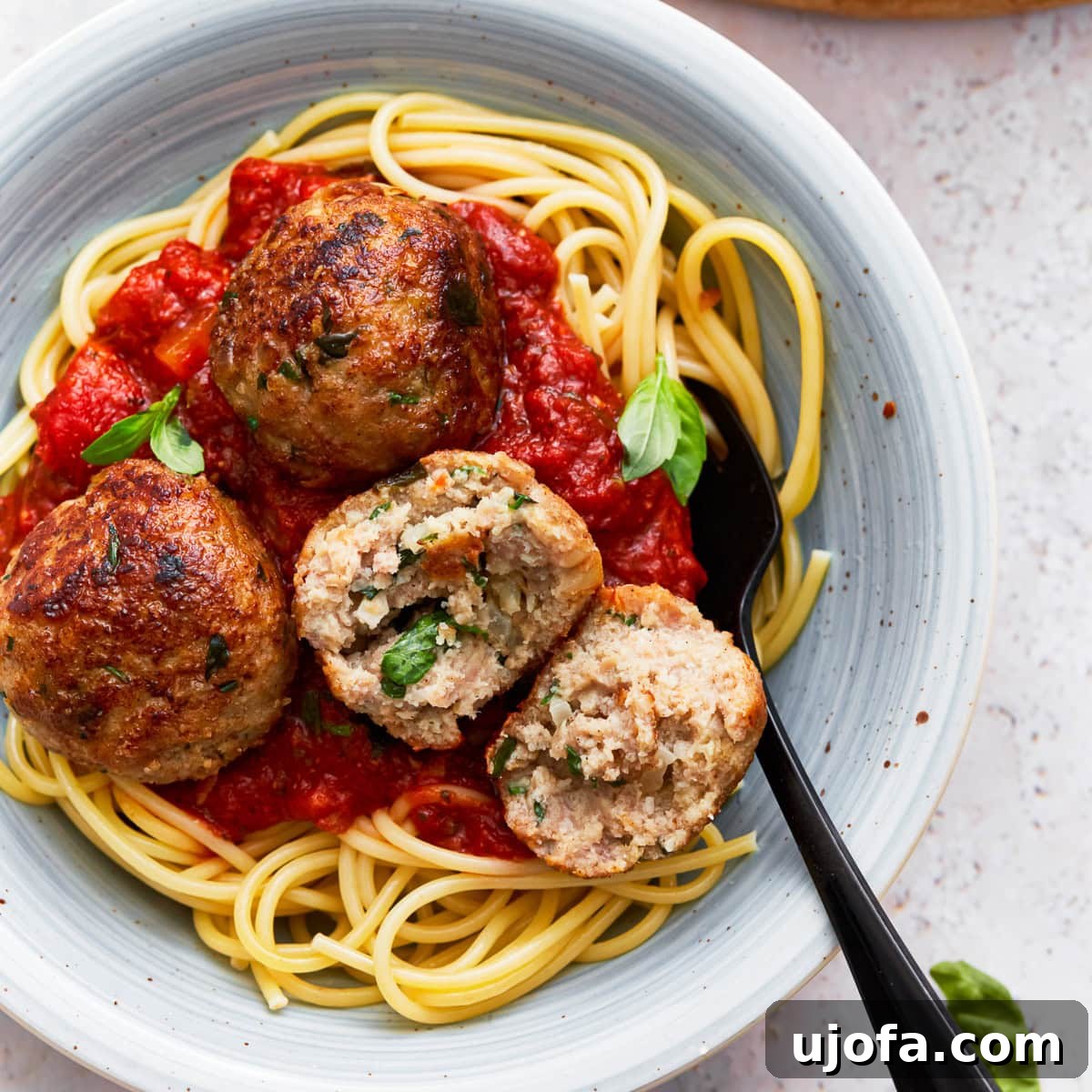
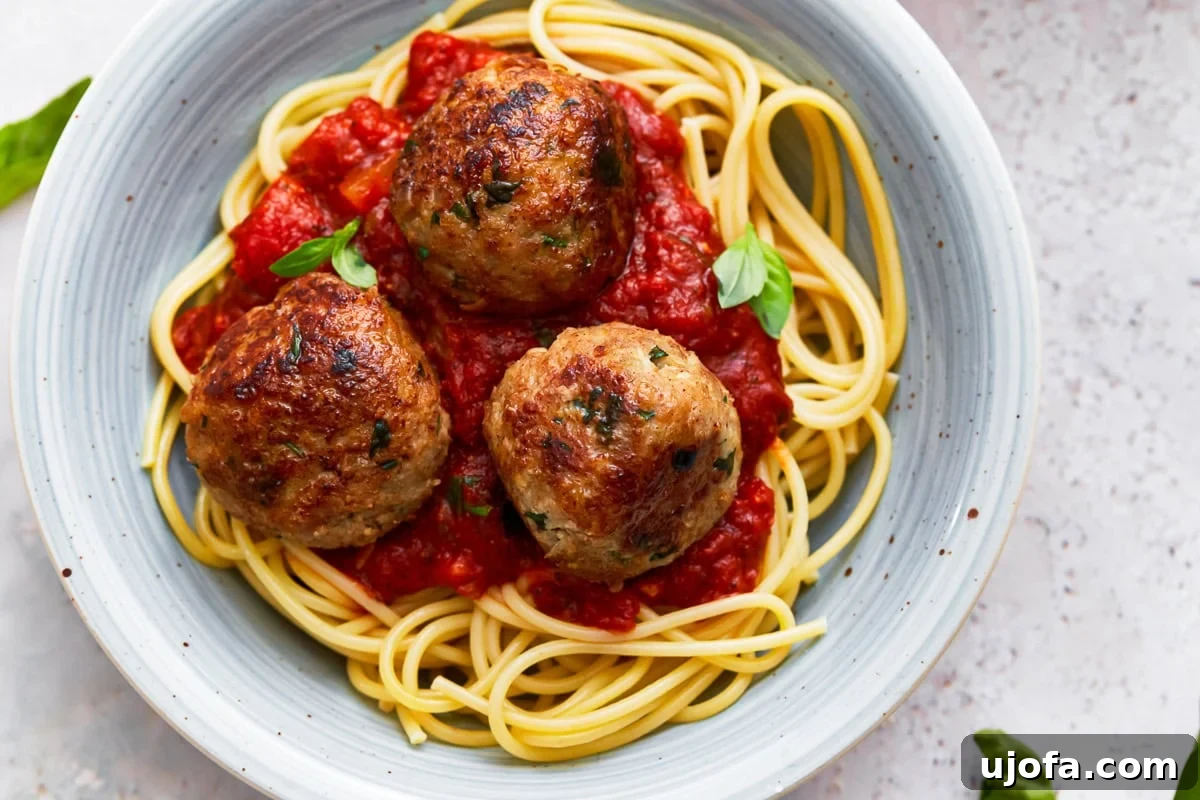
Welcome to your new go-to recipe for incredibly flavorful and perfectly tender Gluten-Free Turkey Meatballs! As someone deeply familiar with the nuances of gluten-free cooking, I understand the joy of discovering recipes that are not only safe for celiac diets but also universally delicious. These turkey meatballs are a testament to that philosophy. They’re a true game-changer for weeknight dinners and meal prep, offering a lean, healthy, and satisfying alternative to traditional beef meatballs without compromising on taste or texture. Prepare to stock your freezer with these culinary gems, ready to transform any meal into a delightful experience.
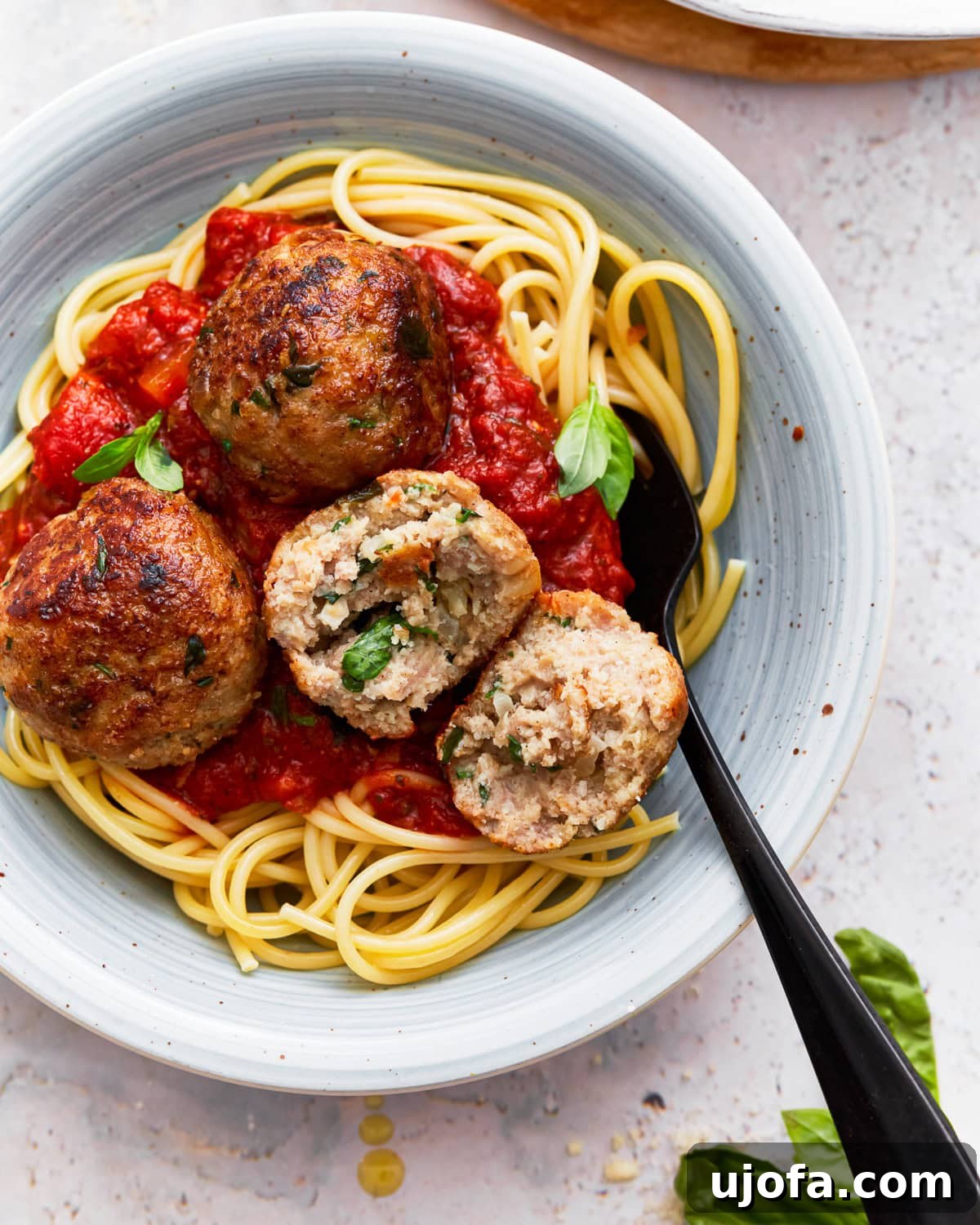
Mastering the Gluten-Free Turkey Meatballs Recipe
There’s nothing quite like a comforting bowl of pasta generously topped with rich marinara and perfectly cooked meatballs. For those adhering to a gluten-free lifestyle, finding truly satisfying and gluten-free pasta can be a challenge, and the same often goes for meatballs. That’s why I poured my heart into perfecting this recipe for gluten-free turkey meatballs. They offer a delightful contrast to heavier gluten-free beef meatballs, providing a leaner protein option that is still incredibly moist and bursting with fresh, aromatic flavors. The secret lies in a harmonious blend of fresh basil and parsley, coupled with a generous amount of grated Parmesan cheese mixed directly into the ground turkey. This combination ensures each meatball is incredibly juicy, tender, and seasoned to perfection. They’re not just easy to prepare in large batches for meal planning, but they’re also entirely gluten-free, making them a safe and delicious choice for everyone at your table.
Why Choose Turkey Meatballs?
Turkey meatballs are an excellent choice for a variety of reasons. Firstly, ground turkey is typically lower in saturated fat compared to ground beef, making it a heart-healthy option. Despite being lean, when prepared correctly, turkey can yield incredibly moist and flavorful meatballs. This recipe ensures that moisture is locked in through the clever use of gluten-free breadcrumbs and an egg, while the fresh herbs and cheese infuse the meat with deep, savory notes. They are also versatile enough to be paired with almost any sauce or side dish, from classic spaghetti to lighter vegetable noodles, making them a staple in a healthy, balanced diet.
Essential Ingredients for Perfect Turkey Meatballs
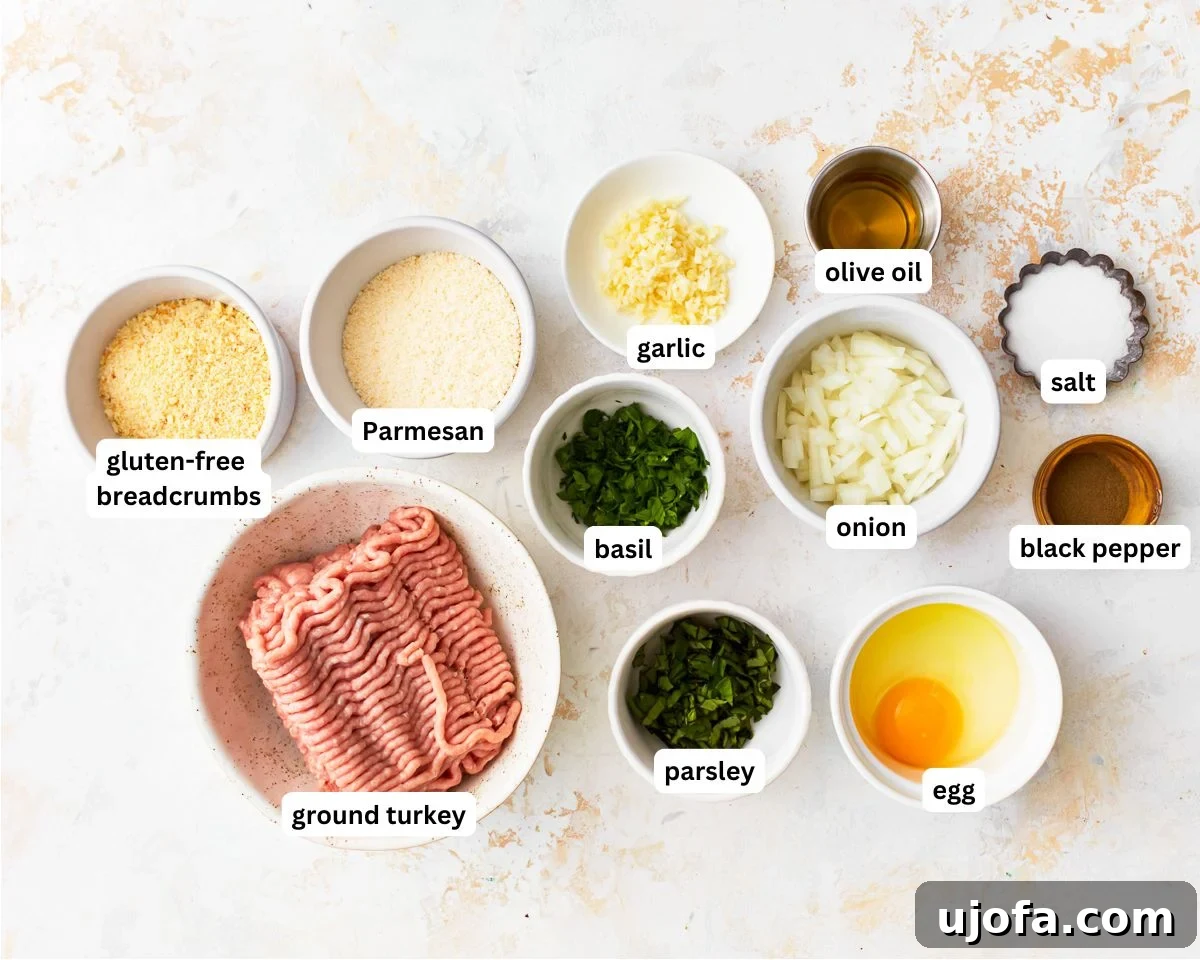
Crafting delicious gluten-free turkey meatballs begins with selecting high-quality ingredients. Each component plays a crucial role in achieving the desired flavor and texture. Here’s a detailed look at what you’ll need and why:
- Ground Turkey: The star of our dish. Opt for a blend that has a slightly higher fat content (e.g., 93% lean) to ensure your meatballs remain juicy and flavorful without being excessively greasy. Leaner turkey can be used, but you might need to add a bit more olive oil during cooking or a splash of broth to the mixture if it feels too dry.
- Gluten-Free Breadcrumbs: Essential for binding the meatballs and adding a pleasant texture. Breadcrumbs help absorb excess moisture from the meat and other ingredients, preventing the meatballs from becoming dense or falling apart. You can easily find store-bought gluten-free breadcrumbs, or for an even fresher taste, make your own from gluten-free bread.
- Parmesan Cheese: Adds a wonderful depth of salty, umami flavor that elevates the entire dish. Freshly grated Parmesan melts beautifully into the meat mixture, contributing to the moistness. For those with dairy sensitivities, a high-quality dairy-free Parmesan alternative works perfectly without compromising the integrity of the recipe.
- Garlic & Onion: These aromatic vegetables are the foundation of many delicious dishes. Sautéing them gently before adding them to the meat mixture is a critical step. This process softens their texture, mellows their pungent raw flavor, and releases their sweet, fragrant essences, which then infuse every part of the meatball.
- Egg: Acts as a crucial binding agent, holding all the ingredients together. Without an egg, your meatballs would likely crumble during cooking. A large egg typically provides enough moisture and structure to keep everything intact.
- Olive Oil: Used in two key stages: first, to gently sauté the garlic and onions, and second, to sear the meatballs. Searing creates a beautiful, golden-brown crust that locks in juices and adds a delightful textural contrast to the tender interior. Using a good quality extra virgin olive oil enhances the overall flavor profile.
- Fresh Basil & Parsley: The fresh herbs are where these meatballs truly shine. They impart a bright, herbaceous flavor that is both vibrant and mild enough not to overpower the delicate taste of the turkey. Freshly chopped herbs make a significant difference in taste compared to dried herbs, offering a burst of freshness that dried versions can’t quite replicate.
- Salt & Pepper: Fundamental seasonings that enhance all the other flavors. Proper seasoning is key to making any dish memorable, and a good balance of salt and freshly ground black pepper will bring out the best in these turkey meatballs.
Expert Tips for Flavorful Gluten-Free Turkey Meatballs
Achieving perfectly tender and flavorful turkey meatballs is simple with these expert tips:
- Don’t Skip Sautéing Aromatics: This is a non-negotiable step! Cooking the diced onions and minced garlic before mixing them with the ground turkey softens their texture significantly, preventing any raw crunchiness in your meatballs. More importantly, it caramelizes their natural sugars, releasing a deeper, more complex flavor that will permeate the entire mixture. Allow them to cool slightly before adding to the meat to prevent cooking the egg prematurely.
- Achieve Perfect Doneness: The best way to ensure your gluten-free turkey meatballs are thoroughly cooked (and safe to eat) is to use a meat thermometer. The internal temperature should reach 165°F (74°C). If you don’t have a thermometer, you can cut open one of the larger meatballs to check that the inside is no longer pink and the juices run clear.
- Adjust Moisture Levels: The consistency of your meat mixture is crucial. If it feels too dry and crumbly, preventing the meatballs from holding their shape, add a splash of water, milk (dairy or non-dairy), or even a little chicken broth, a teaspoon at a time, until the mixture is pliable. Conversely, if the mixture is too wet and sticky, making it difficult to form balls, incorporate a bit more gluten-free breadcrumbs until it achieves the right consistency.
- Avoid Over-Mixing: Ground turkey is a lean meat and can become tough if over-handled. Mix the ingredients just until they are combined. Over-mixing develops the protein, resulting in a rubbery texture rather than the desired tender meatball. Use your hands for gentle mixing to ensure everything is evenly incorporated without overworking the meat.
- Even Sizing is Key: To ensure all your meatballs cook uniformly, try to make them roughly the same size. Using a small cookie scoop or a measuring spoon can help achieve this consistency. About 1 to 1.5 inches in diameter is ideal for even cooking and serving.
- Browning for Flavor: Don’t rush the initial browning step. Searing the meatballs on all sides creates a delicious crust and adds depth of flavor. This caramelization (Maillard reaction) is vital for developing rich, savory notes before they finish cooking through.
Can I Use Dried Herbs Instead of Fresh?
Absolutely! While fresh herbs offer a brighter, more vibrant flavor, dried herbs can certainly be used as a convenient substitute. As a general rule, use one-third the amount of dried herbs compared to fresh herbs because dried herbs are more concentrated in flavor. For this recipe, you can substitute 2 tablespoons of fresh basil with 1 teaspoon of dried basil, and 2 tablespoons of fresh parsley with 1 teaspoon of dried parsley. Feel free to adjust to your personal taste preference, adding a little more if you desire a stronger herbal note.
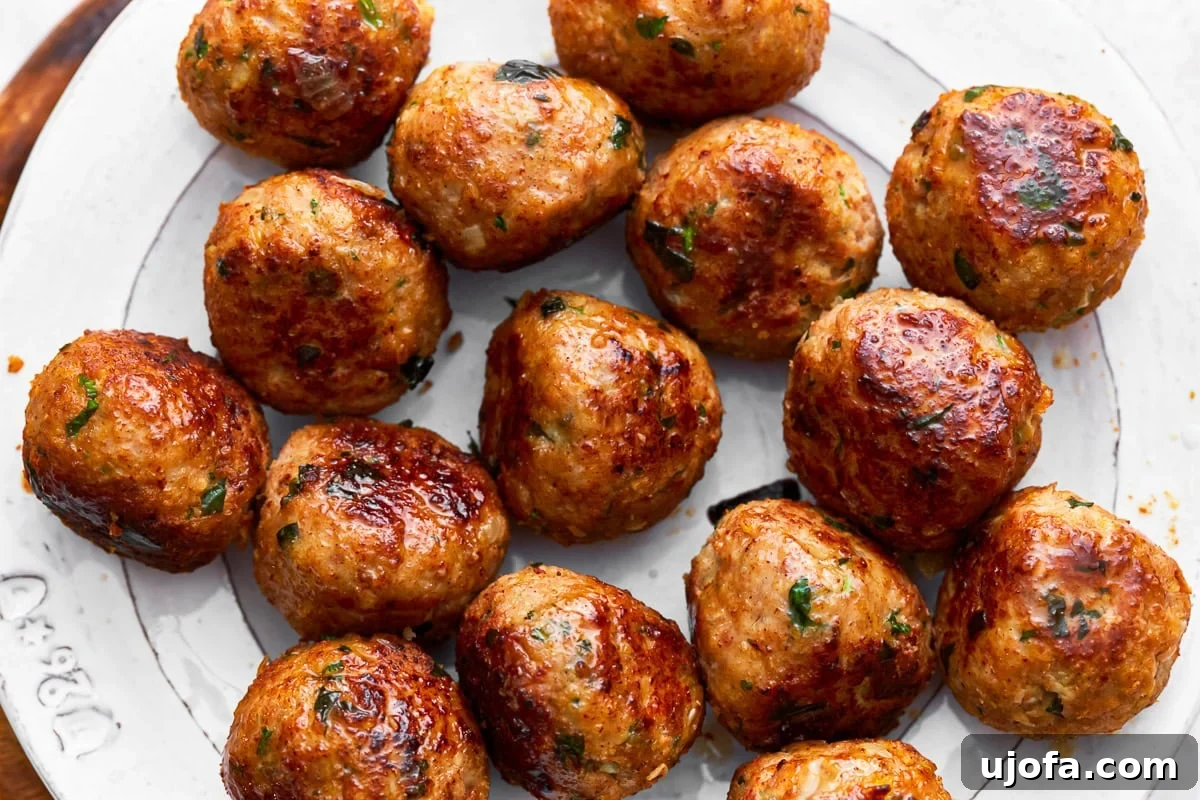
Can I Bake These Meatballs Instead of Frying Them?
Yes, baking is a fantastic alternative to frying, especially if you’re looking for an even lighter preparation method or prefer a hands-off approach. To bake your gluten-free turkey meatballs:
- Preheat your oven to 400°F (200°C).
- Line a baking sheet with parchment paper or a silicone baking mat to prevent sticking and make cleanup easier.
- Arrange the formed meatballs in a single layer on the prepared baking sheet, ensuring they have a little space between them for even cooking.
- Bake for 15-20 minutes, or until the internal temperature reaches 165°F (74°C). The baking time may vary slightly depending on the size of your meatballs and your oven. For a little extra browning, you can broil them for the last 2-3 minutes, keeping a close eye on them to prevent burning.
Baking results in meatballs that are tender and moist throughout, with a less crispy exterior than pan-frying, but still incredibly delicious.
Delightful Serving Suggestions for Gluten-Free Turkey Meatballs
While the classic pasta and meatball combination will always hold a special place in my heart, these versatile gluten-free turkey meatballs can be enjoyed in a myriad of creative and delicious ways. Their light flavor profile makes them adaptable to many different cuisines and meal types. Here are some inspiring ideas to elevate your dining experience:
- Classic Pasta Companion: Serve them with your favorite gluten-free pasta and a rich marinara sauce. For an extra protein boost and unique texture, try them with almond flour pasta. Garnish with fresh Parmesan and basil for an authentic Italian feel.
- Hearty Meatball Subs: Transform them into a satisfying sandwich by tucking them into gluten-free hot dog buns or baguette slices. Top with plenty of warm marinara sauce and a generous layer of melted mozzarella or provolone cheese, then bake until bubbly and golden.
- Low-Carb Zucchini Noodles: For a lighter, low-carb meal, serve these meatballs over a bed of spiralized zucchini noodles. The freshness of the zucchini complements the rich meatballs and sauce beautifully, making for a guilt-free yet satisfying dinner.
- Protein-Packed Salads: Add a savory protein boost to your favorite salad. Simply slice the cooked meatballs and toss them into a vibrant green salad with your choice of dressing and fresh vegetables. They make an excellent substitute for grilled chicken or other proteins.
- Comforting Mashed Potatoes: Create a comforting, home-style meal by serving the meatballs alongside creamy gluten-free mashed potatoes and a drizzle of homemade gluten-free gravy. This combination is particularly delightful on a chilly evening.
- Appetizer Skewers: For an easy party appetizer, thread smaller meatballs onto skewers with cherry tomatoes, mozzarella balls, and fresh basil leaves. Drizzle with balsamic glaze for a flavorful bite.
- Mediterranean Bowls: Pair them with quinoa or rice, roasted vegetables (like bell peppers and eggplant), a dollop of hummus, and a sprinkle of feta cheese for a nutritious and delicious Mediterranean-inspired bowl.
- Soups and Stews: Drop these cooked meatballs into your favorite minestrone or vegetable soup during the last few minutes of cooking for added flavor and heartiness. They can elevate a simple soup into a complete meal.
Smart Storage for Prepared Gluten-Free Turkey Meatballs
These homemade gluten-free turkey meatballs are not only delicious but also incredibly convenient for meal prepping thanks to their excellent storage properties. Proper storage ensures their freshness and allows you to enjoy them throughout the week or save them for future busy nights.
Refrigeration:
Once your meatballs have cooled completely to room temperature, transfer them to an airtight container. They will keep fresh and flavorful in the refrigerator for 3-4 days. This makes them perfect for preparing on a Sunday and enjoying for lunches or dinners during the working week.
Freezing for Longer Storage:
Freezing is an excellent option for extending the life of your meatballs, whether raw or cooked. This makes them an ideal freezer-friendly meal component, ready to be pulled out and prepared whenever hunger strikes.
- Freezing Raw Meatballs:
- Form the meat mixture into meatballs as directed in the recipe.
- Arrange them in a single layer on a baking sheet lined with parchment paper. Ensure they are not touching each other to prevent them from freezing together.
- Place the baking sheet in the freezer for 1-2 hours, or until the meatballs are completely solid (this is called flash freezing).
- Once frozen solid, transfer the raw meatballs to a freezer-safe bag or an airtight container. Label with the date.
- They will last in the freezer for up to 3 months. When ready to cook, thaw them in the refrigerator overnight before proceeding with the cooking instructions.
- Freezing Cooked Meatballs:
- Cook the meatballs according to the recipe, then allow them to cool completely. This is crucial to prevent ice crystals from forming and affecting texture.
- Once cooled, arrange them in a single layer on a parchment-lined baking sheet and flash freeze them as described above.
- Transfer the frozen cooked meatballs to a freezer-safe bag or airtight container, removing as much air as possible to prevent freezer burn. Label with the date.
- Cooked meatballs can also be stored in the freezer for up to 3 months.
- To reheat, thaw them in the refrigerator overnight, then gently warm them in a skillet with a little sauce, in the oven, or in the microwave until heated through.
Having a stash of these meatballs in your freezer means you’re always just a short thaw and reheat away from a delicious and healthy meal!
Explore More Delicious Gluten-Free Dinner Recipes!
If you loved these gluten-free turkey meatballs, you’re in for a treat! Our kitchen is dedicated to creating a wide array of celiac-friendly and family-approved dinner recipes that are bursting with flavor and easy to make. Here are some more of our favorites that we think you’ll enjoy:
- Hearty Gluten-Free Meatloaf
- Comforting Gluten-Free Chili
- Fun Sloppy Joe Tater Tot Casserole
- Classic Gluten-Free Lasagna
- Creamy Gluten-Free Chicken Pot Pie
Gluten-Free Turkey Meatballs
This incredibly easy and quick recipe for gluten-free turkey meatballs yields tender, flavorful results that freeze beautifully. Prepare a generous batch and enjoy them throughout the week for healthy and delicious meals!
Ingredients
- 3 tablespoons olive oil, divided
- ½ cup onion, finely diced
- 2 cloves garlic, finely minced
- 1 pound ground turkey (preferably 93% lean)
- 2 tablespoons chopped fresh basil
- 2 tablespoons chopped fresh parsley
- ½ cup gluten-free breadcrumbs
- ½ cup grated Parmesan cheese (or dairy-free alternative)
- 1 large egg
- 1 teaspoon salt
- ½ teaspoon ground black pepper
Instructions
- Heat 1 tablespoon of olive oil in a large skillet over medium heat. Add the finely diced onion and sauté for 3-4 minutes, stirring occasionally, until it becomes soft and translucent. Add the finely minced garlic to the skillet and continue to cook for an additional 1-2 minutes, stirring frequently until it becomes fragrant. Be careful not to burn the garlic. Remove the skillet from heat and allow the sautéed onion and garlic mixture to cool slightly.
- In a spacious mixing bowl, combine the ground turkey, the cooled cooked onion and garlic, chopped fresh basil, chopped fresh parsley, gluten-free breadcrumbs, grated Parmesan cheese, the large egg, salt, and ground black pepper. Use your hands to gently mix all the ingredients until they are just combined. Be careful not to over-mix, as this can make the meatballs tough.
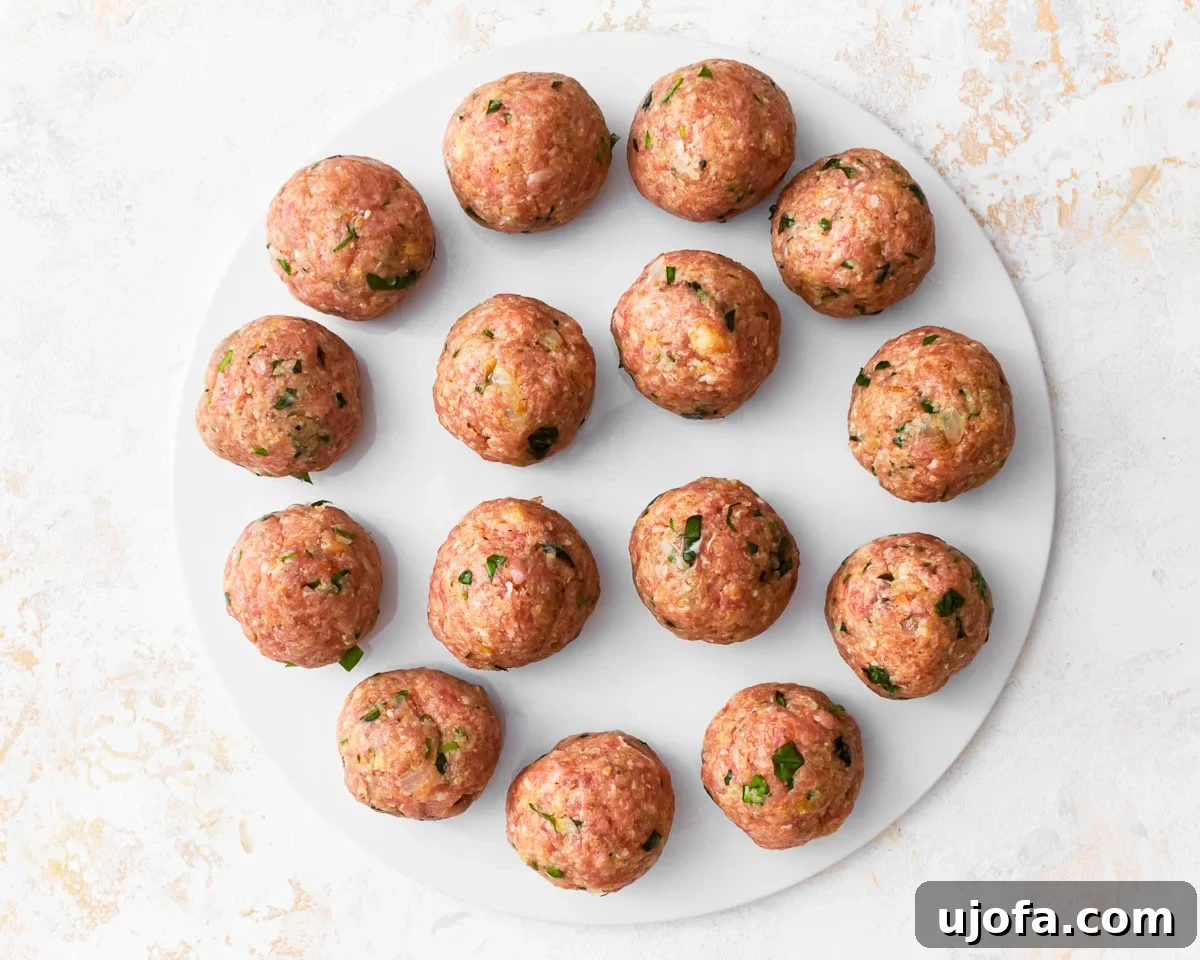
- Once the mixture is ready, begin to form it into uniform meatballs. Aim for a size of about 1 to 1.5 inches in diameter. You can use a small cookie scoop for consistent sizing. Place the formed meatballs on a clean plate or cutting board.
- Return the same skillet to medium heat and add the remaining 2 tablespoons of olive oil. Allow the oil to heat until shimmering.
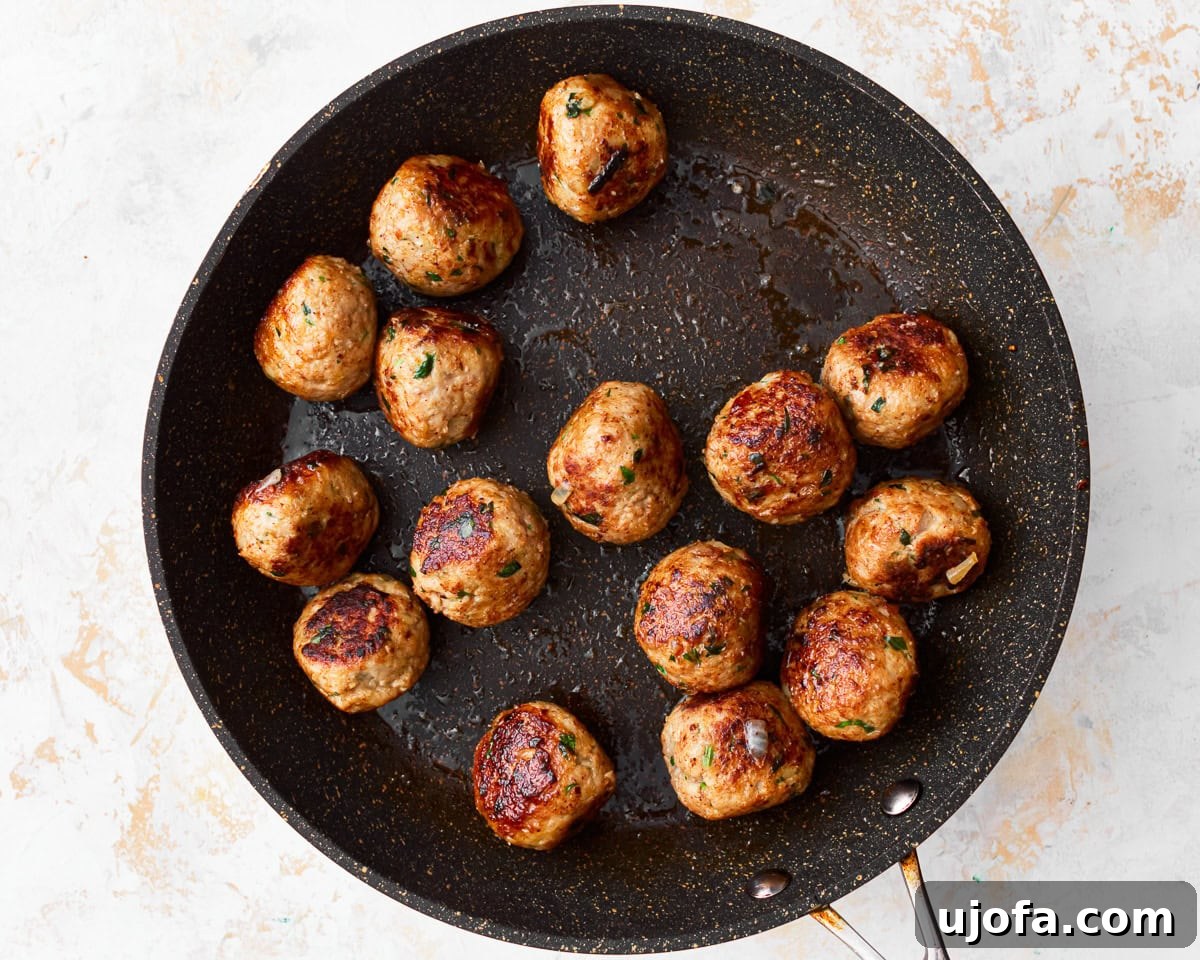
- Carefully place the formed meatballs into the hot skillet, ensuring not to overcrowd the pan. Cook in batches if necessary. Sear the meatballs for 5-6 minutes, turning them occasionally with tongs, until all sides are beautifully browned and have a nice crust. Reduce the heat to low, cover the skillet with a lid, and let the meatballs cook for an additional 5-6 minutes, or until they are cooked through and reach an internal temperature of 165°F (74°C). Serve immediately with your favorite sauce and sides, and enjoy!
Notes
- If using dried herbs instead of fresh, substitute with 1 teaspoon of dried basil and 1 teaspoon of dried parsley for the amounts specified.
- Storage: Store cooked and cooled meatballs in an airtight container in the refrigerator for 3-4 days.
- Freezing: For longer storage, flash-freeze uncooked or cooked meatballs on a baking sheet until solid, then transfer to a freezer-safe bag or container. They can be frozen for up to 3 months. Thaw in the refrigerator overnight before cooking or reheating.
- Allergy Alert: Always remember to check all product labels to ensure they are certified gluten-free, especially for breadcrumbs, cheese, and any sauces you may use.
Nutrition Facts (per serving)
Calories: 343 kcal
Carbohydrates: 13 g
Protein: 34 g
Fat: 18 g
Saturated Fat: 4 g
Polyunsaturated Fat: 2 g
Monounsaturated Fat: 10 g
Trans Fat: 0.03 g
Cholesterol: 120 mg
Sodium: 878 mg
Potassium: 428 mg
Fiber: 1 g
Sugar: 1 g
Vitamin A: 427 IU
Vitamin C: 5 mg
Calcium: 134 mg
Iron: 1 mg
Nutrition information is automatically calculated and should be used as an approximation only. Actual values may vary based on specific ingredients and preparation methods.
Additional Info
How to Make Gluten-Free Turkey Meatballs: A Step-by-Step Guide
Creating these delightful gluten-free turkey meatballs is a straightforward process, perfect for cooks of all experience levels. Follow these detailed steps to ensure perfectly cooked, flavorful meatballs every time:
Step 1: Sauté the Aromatics to Build Flavor
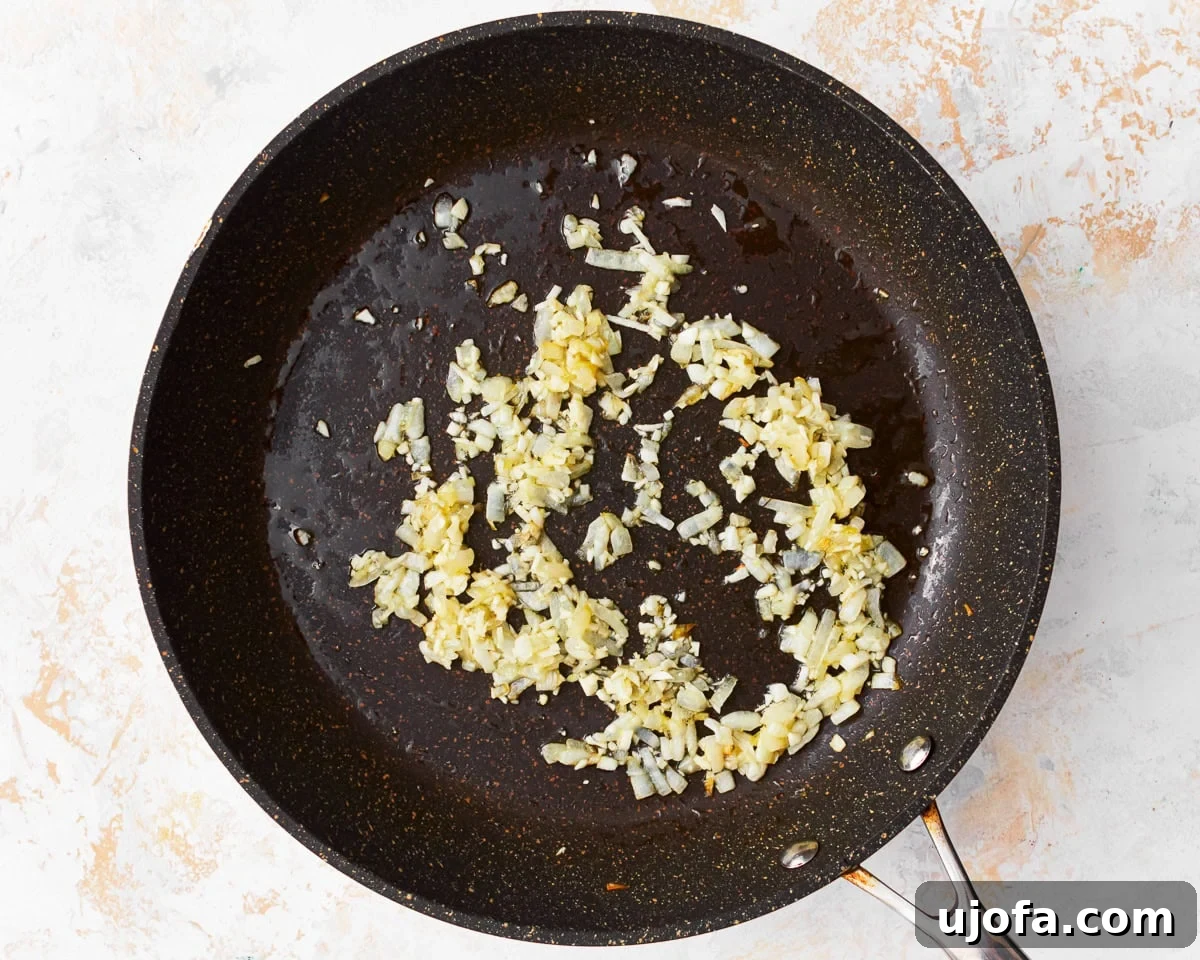
Begin by heating 1 tablespoon of high-quality olive oil in a large skillet over medium heat. Once the oil is shimmering, add ½ a cup of finely diced onion to the pan. Sauté the onion for approximately 3-4 minutes, stirring occasionally, until it becomes soft, translucent, and slightly golden. This initial step is crucial for mellowing the onion’s sharp flavor and bringing out its natural sweetness. Next, add 2 cloves of finely minced garlic to the skillet. Cook for an additional 1-2 minutes, stirring continuously to prevent burning. The garlic should become fragrant but not browned. Once cooked, remove the skillet from the heat and allow the onion and garlic mixture to cool slightly. This cooling step prevents the raw egg from cooking prematurely when added to the meat mixture.
Step 2: Combine and Season the Meat Mixture
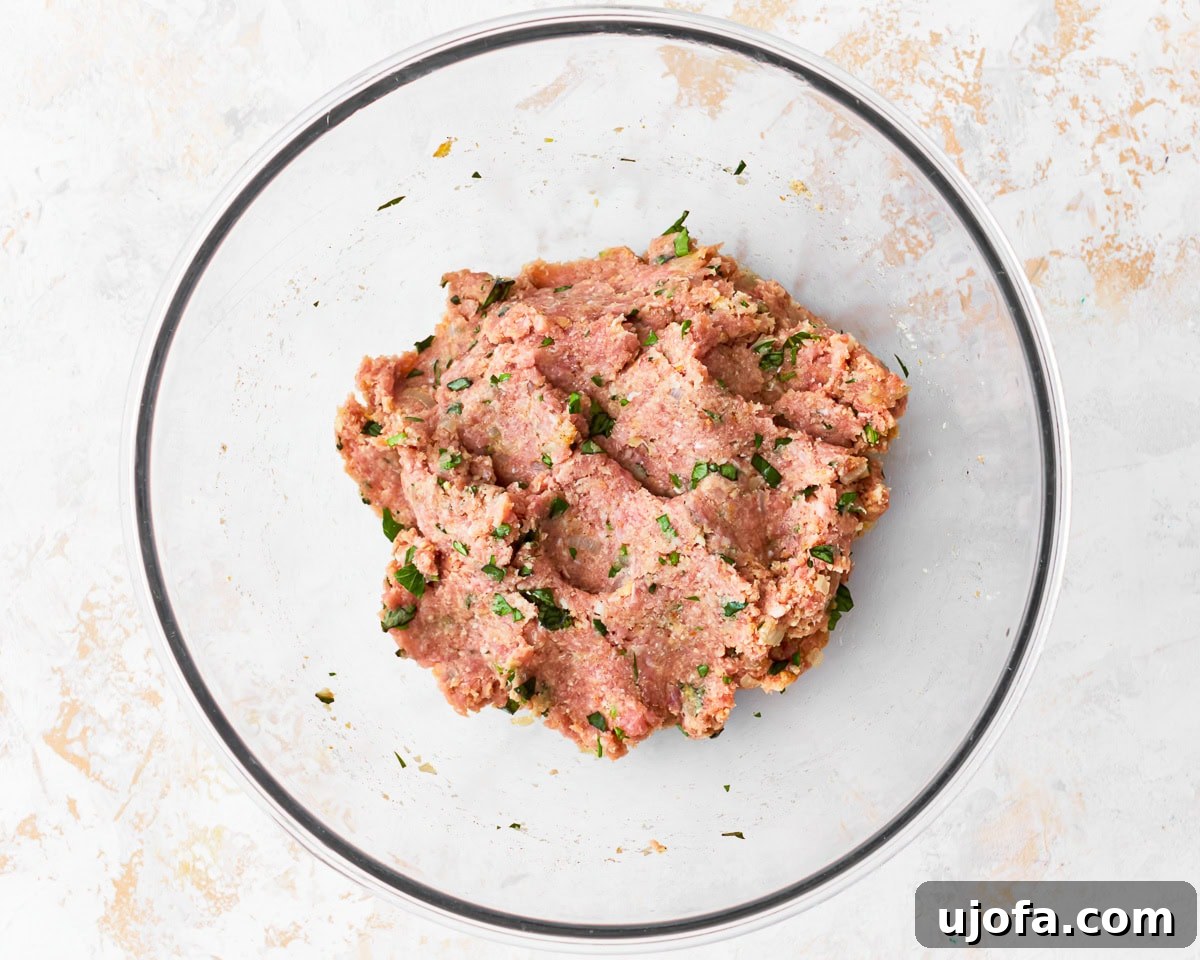
In a large mixing bowl, combine 1 pound of ground turkey (preferably 93% lean for optimal moisture), the cooled sautéed onion and garlic, 2 tablespoons of freshly chopped basil, and 2 tablespoons of freshly chopped parsley. Add ½ cup of gluten-free breadcrumbs, ½ cup of grated Parmesan cheese (or your preferred dairy-free alternative), 1 large egg (which acts as a crucial binder), 1 teaspoon of salt, and ½ teaspoon of freshly ground black pepper. Using clean hands, gently mix all the ingredients together until they are just combined. Be careful not to over-mix, as overworking the meat can result in tough, dense meatballs. The goal is a cohesive mixture that holds its shape without being overly sticky or crumbly.
Step 3: Form the Meatballs Uniformly
Once your meat mixture is perfectly seasoned and combined, it’s time to form the meatballs. Take small portions of the mixture and gently roll them into spheres, aiming for a consistent size of about 1 to 1.5 inches in diameter. Uniform sizing is important to ensure that all meatballs cook evenly. You can use a small cookie scoop or a tablespoon measure to help maintain consistency. As you form them, place the raw meatballs on a clean plate or cutting board, ensuring they are not touching each other too much. This makes them easier to transfer to the skillet in the next step.
Step 4: Cook the Meatballs to Golden Perfection
Return the same skillet used for the aromatics to medium heat and add the remaining 2 tablespoons of olive oil. Allow the oil to heat until it shimmers, indicating it’s ready for searing. Carefully place the formed meatballs into the hot skillet, making sure not to overcrowd the pan. Cook the meatballs for 5-6 minutes, turning them occasionally with tongs, until all sides are beautifully browned and a delicious crust has formed. This searing step is essential for locking in moisture and developing deep flavors. After browning, reduce the heat to low, cover the skillet with a lid, and let the meatballs cook for an additional 5-6 minutes, or until they are thoroughly cooked through. The internal temperature should reach 165°F (74°C) as verified with a meat thermometer. Serve your tender, flavorful gluten-free turkey meatballs immediately with your preferred sauce, pasta, or sides, and savor every delicious bite!