Craving a delicious, crispy pizza without the carb overload or gluten? Look no further! This almond flour pizza crust recipe is a game-changer for anyone seeking a healthier alternative to traditional pizza dough. Light, perfectly crispy, and infused with a subtle nutty flavor, this crust transforms your favorite pizza night into a unique and satisfying culinary experience. Get ready to bake a low-carb, gluten-free pizza that the entire family will absolutely adore, proving that healthy can still be incredibly tasty!

The Ultimate Almond Flour Pizza Crust Recipe: Your Low-Carb, Gluten-Free Solution
Pizza holds a special place in hearts worldwide, celebrated for its versatility and comforting appeal. However, traditional pizza crusts, often made with refined wheat flour, can be high in carbohydrates and calories. This is where our almond flour pizza crust shines. It offers a revolutionary approach to enjoying your beloved pizza, providing a guilt-free base that is not only low in carbs but also rich in protein and healthy fats. This balanced nutritional profile makes it an excellent choice for those following a ketogenic, gluten-free, or low-carb diet, or simply anyone looking for a healthier meal option. This nutty, flavorful crust ensures that everyone can partake in the joy of homemade pizza, making it a staple in your kitchen for delicious, health-conscious meals.
Why Choose Almond Flour for Your Pizza Crust?
Almond flour is a powerhouse ingredient, especially when compared to conventional wheat flour. Made from finely ground blanched almonds, it’s naturally gluten-free and significantly lower in carbohydrates. This makes it an ideal choice for anyone managing blood sugar levels or adhering to a keto lifestyle. Beyond its dietary benefits, almond flour imparts a delightful, subtle nuttiness to the crust, enhancing the overall flavor profile of your pizza. It also provides a good source of protein, fiber, and healthy monounsaturated fats, contributing to satiety and overall well-being. Unlike some gluten-free flours that can result in a gummy texture, almond flour yields a wonderfully light and crispy crust that truly stands out.
Essential Ingredients for Your Almond Flour Pizza Crust
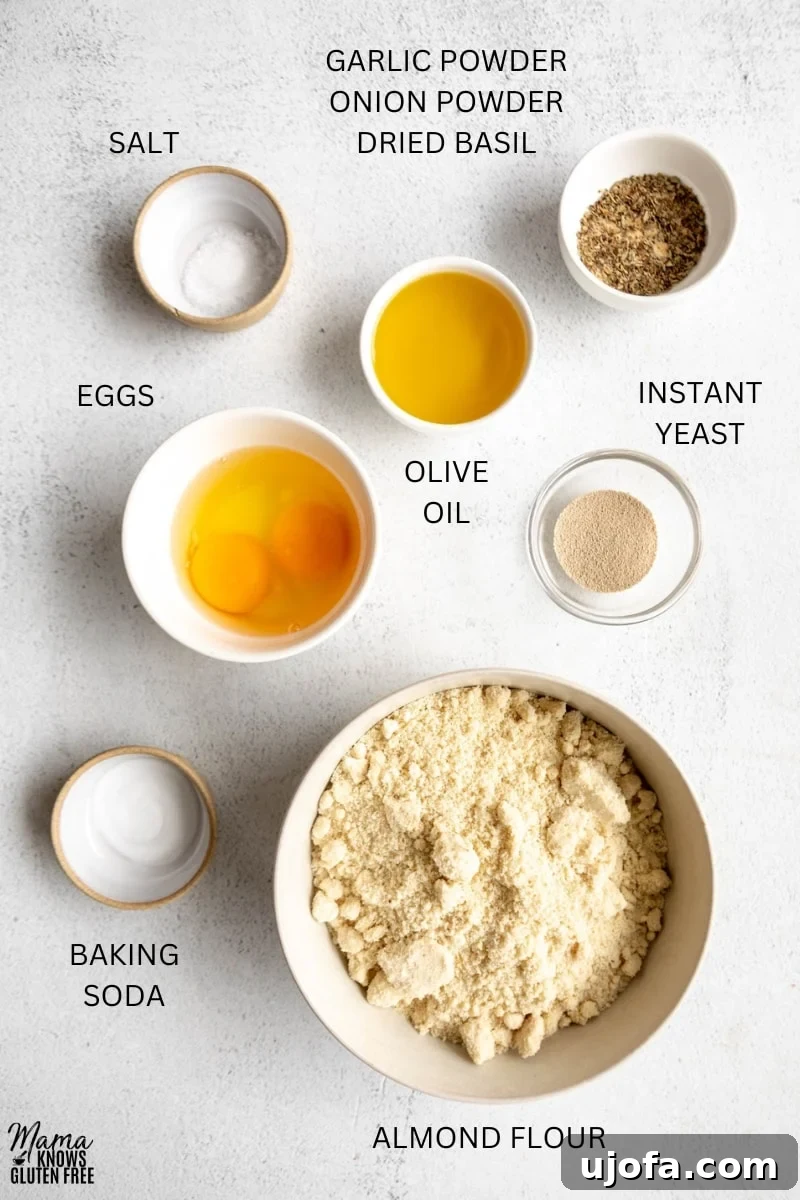
Crafting the perfect almond flour pizza crust requires a few simple, high-quality ingredients. Each component plays a crucial role in achieving the desired texture, flavor, and binding properties. Here’s a closer look at what you’ll need:
- Almond Flour: The star of this recipe! Be sure to use blanched, super-fine almond flour for the best results. This ensures a smooth dough and a light, even texture in your finished crust. Do not confuse it with almond meal, which is coarser and typically includes almond skins.
- Baking Soda: A crucial leavening agent that helps the crust achieve a tender crumb and a slight lift, preventing it from being too dense. It contributes to the crispy texture we’re aiming for.
- Garlic Powder & Onion Powder: These aromatic spices are non-negotiable for an authentic pizza flavor. They infuse the crust with a savory depth that complements any topping combination.
- Dried Basil: Adds a classic Italian herb note, perfectly rounding out the savory profile of the crust. You can also experiment with dried oregano or an Italian seasoning blend.
- Salt: A fundamental flavor enhancer that balances all the other ingredients and brings out the natural taste of the almonds.
- Instant Yeast: While optional, incorporating instant yeast gives the dough a more traditional, yeasty flavor, even though almond flour doesn’t contain gluten and won’t rise significantly. It’s a fantastic addition for those who miss that classic pizza aroma and taste.
- Eggs: Act as a vital binding agent, holding the almond flour dough together. They also add richness and contribute to the structure and tender texture of the crust.
- Olive Oil: Essential for both flavor and function. It keeps the dough pliable, prevents it from sticking during rolling, and contributes to a golden, crispy crust when baked. Good quality extra virgin olive oil will also enhance the overall taste.
Expert Tips for a Flawless Almond Flour Pizza Crust
Achieving the perfect low-carb, gluten-free pizza crust is simpler than you think with these helpful tips and tricks:
- Yeast for Flavor, Not Rise: Remember, the instant yeast in this recipe is purely for developing that classic “yeasty” pizza flavor. Since almond flour is gluten-free, it lacks the protein structure needed for significant rising. Don’t expect a thick, airy crust like traditional pizza; instead, anticipate a dense, delicious base.
- Sweet or Savory Oil Swap: For a subtly sweet crust that pairs wonderfully with fruit-based pizzas or dessert pizzas, replace the olive oil with an equal amount of melted coconut oil. This simple swap can completely change the flavor profile to match your toppings.
- Sauce It Up: Don’t limit yourself to classic marinara! While a robust tomato sauce is always a winner, consider a creamy gluten-free alfredo sauce for a richer, more decadent pizza. Pesto, BBQ sauce, or even a simple olive oil and garlic base are also fantastic alternatives.
- Topping Creativity: One of the best parts of homemade pizza is the freedom to customize. Don’t be afraid to experiment with different combinations of proteins, cheeses, and vegetables. Create a new masterpiece every time you bake!
- Managing Moisture from Veggies: Fresh vegetables, especially those with high water content like mushrooms, onions, or bell peppers, can release moisture during baking and potentially make your crust soggy. To prevent this, consider pre-sautéing or roasting your veggies lightly before adding them to the pizza. This removes excess water and concentrates their flavors.
- Rolling Technique: Almond flour dough can be stickier and less elastic than wheat flour dough. To prevent it from falling apart or sticking to your rolling pin, always roll it between two sheets of parchment paper. Alternatively, lightly oil your hands and rolling pin.
- Pre-baking is Key: Pre-baking the crust before adding toppings creates a sturdy base and ensures it gets nice and crispy. Don’t skip this step!
- Even Thickness for Even Baking: Strive for an even thickness when rolling out the dough. Thicker areas might remain slightly softer, while thinner spots could become overly crisp.
Troubleshooting: Why Is The Dough Falling Apart?
Almond flour dough behaves differently than traditional wheat flour dough due to the absence of gluten. It tends to be less elastic and can indeed be quite sticky, making it prone to tearing or crumbling if not handled correctly. The key to success lies in a gentle approach and proper preparation. Always ensure your rolling pin is adequately oiled, or, even better, place the dough ball between two pieces of parchment paper. This creates a non-stick barrier, allowing you to roll it out smoothly without the dough adhering to surfaces or breaking apart. Work patiently, and don’t be afraid to gently press pieces back together if they separate. The parchment paper method is particularly effective for maintaining the integrity of this delicate, yet delicious, crust.
Explore the World of Pizza Toppings
The beauty of pizza lies in its endless customization options, and an almond flour crust provides a fantastic canvas for any topping combination you can dream of! While traditional choices remain ever-popular, don’t hesitate to venture into more adventurous flavors.
Classic & Hearty Toppings:
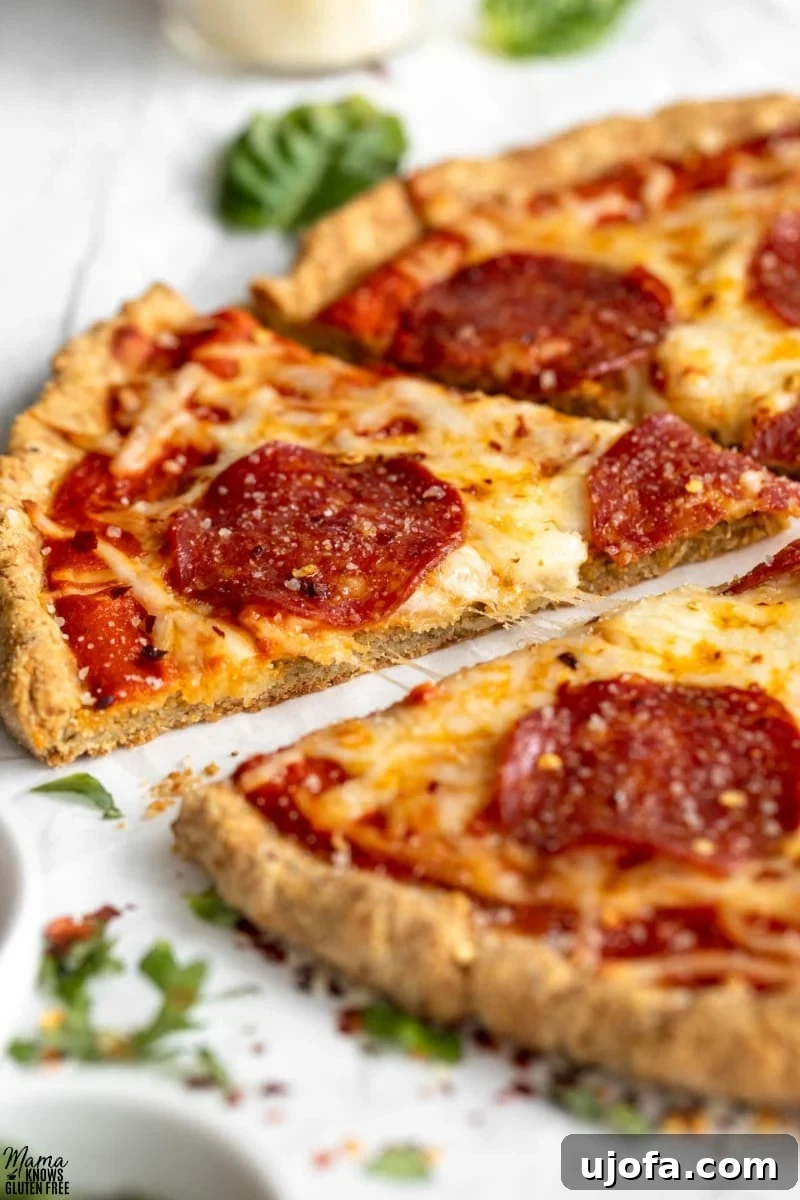
- Meats: Perennial favorites include spicy pepperoni, savory Italian sausage, ground beef, crispy bacon, and grilled chicken. These provide a satisfying protein boost and rich flavor.
- Vegetables: Onions, bell peppers, mushrooms, and black olives are staples that add texture and freshness. Consider spinach, artichoke hearts, or sun-dried tomatoes for a Mediterranean twist.
- Cheeses: Mozzarella is king, but don’t shy away from experimenting with provolone, cheddar, parmesan, or even a dollop of creamy ricotta.
Unique & Gourmet Toppings:
- Adventurous Flavors: For a truly unique experience, try toppings like tangy kimchi, sweet and savory pineapple, or briny artichoke hearts. These unexpected additions can elevate your pizza to gourmet status.
- Global Inspirations: Explore Thai-inspired chicken with peanut sauce, Mexican-style with seasoned ground beef and jalapeños, or Greek pizza with feta and Kalamata olives.
- Healthy Boosts: Add fresh arugula after baking for a peppery bite, or sprinkle with fresh herbs like basil, oregano, or thyme for vibrant aromatics.
No matter your preference, ensure your toppings are not overly wet or heavy, especially with an almond flour crust, to maintain its crispness. Pre-cooking high-moisture vegetables is always a good practice.

Discover More Delightful Almond Flour Recipes!
If you’re loving the versatility and health benefits of almond flour, you’ll be thrilled to know it’s a fantastic ingredient for a wide array of other delicious dishes. Expand your culinary repertoire with these gluten-free and often low-carb almond flour favorites:
- Fluffy Almond Flour Waffles
- Chewy Almond Flour Chocolate Chip Cookies
- Moist Almond Flour Cake
- Spiced Almond Flour Pumpkin Bread
- Light and Airy Almond Flour Pancakes
Almond Flour Pizza Crust
Claire Cary
6
servings
10
20
30
Share by Email
Print Recipe

Ingredients
-
2½
cups
blanched super-fine almond flour -
½
teaspoon
baking soda -
½
teaspoon
garlic powder -
½
teaspoon
onion powder -
½
teaspoon
salt -
½
teaspoon
dried basil -
1½
teaspoons
instant yeast,
optional, for flavor -
3
tablespoons
olive oil -
2
large eggs
Instructions
-
Preheat your oven to 400°F (200°C) and prepare a baking sheet by lining it with parchment paper. This will prevent sticking and make cleanup easier.
-
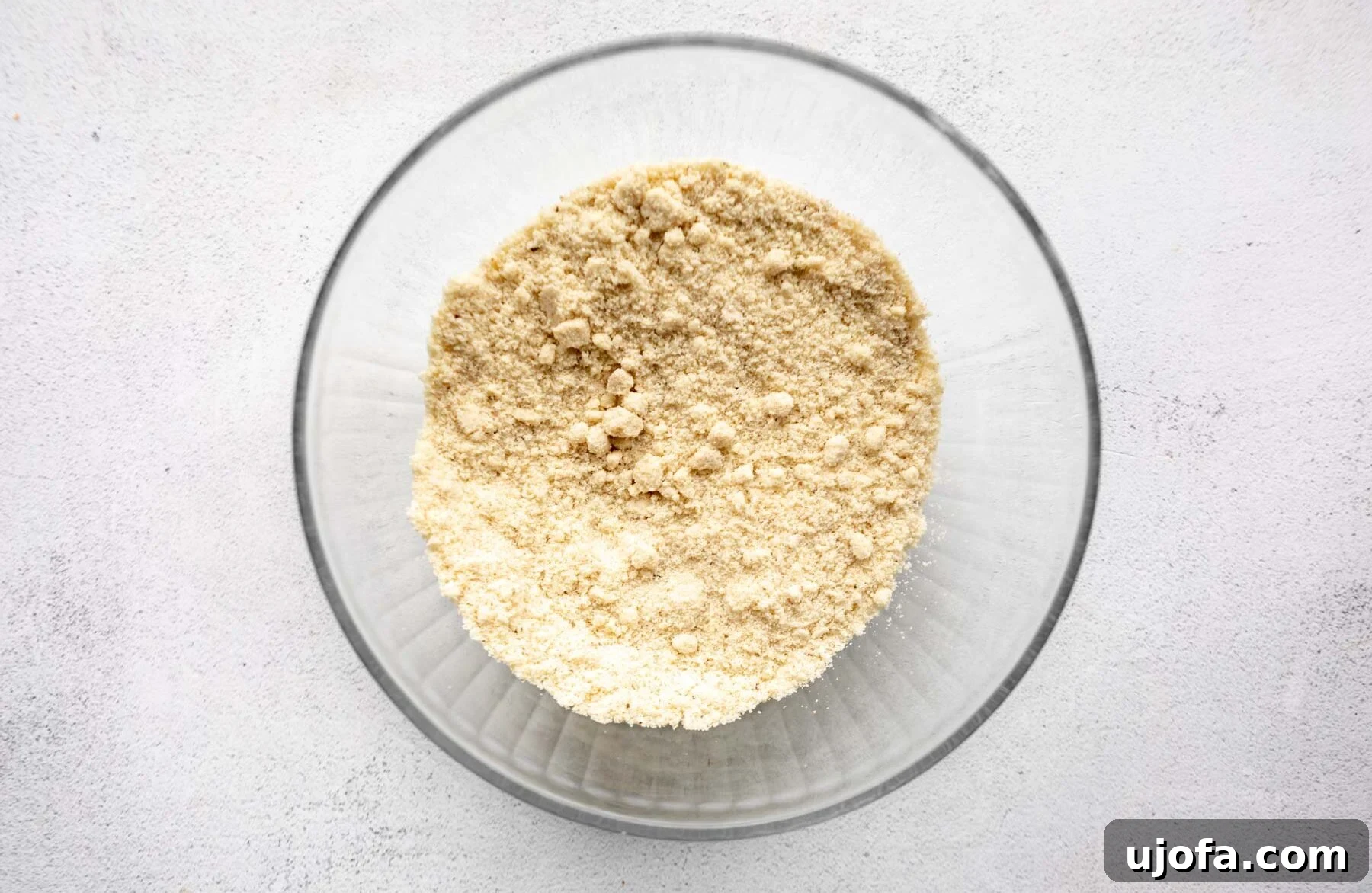
In a large mixing bowl, combine all the dry ingredients: almond flour, baking soda, garlic powder, onion powder, dried basil, salt, and the optional instant yeast. Whisk them together thoroughly until well combined. This ensures even distribution of flavors and leavening.
-
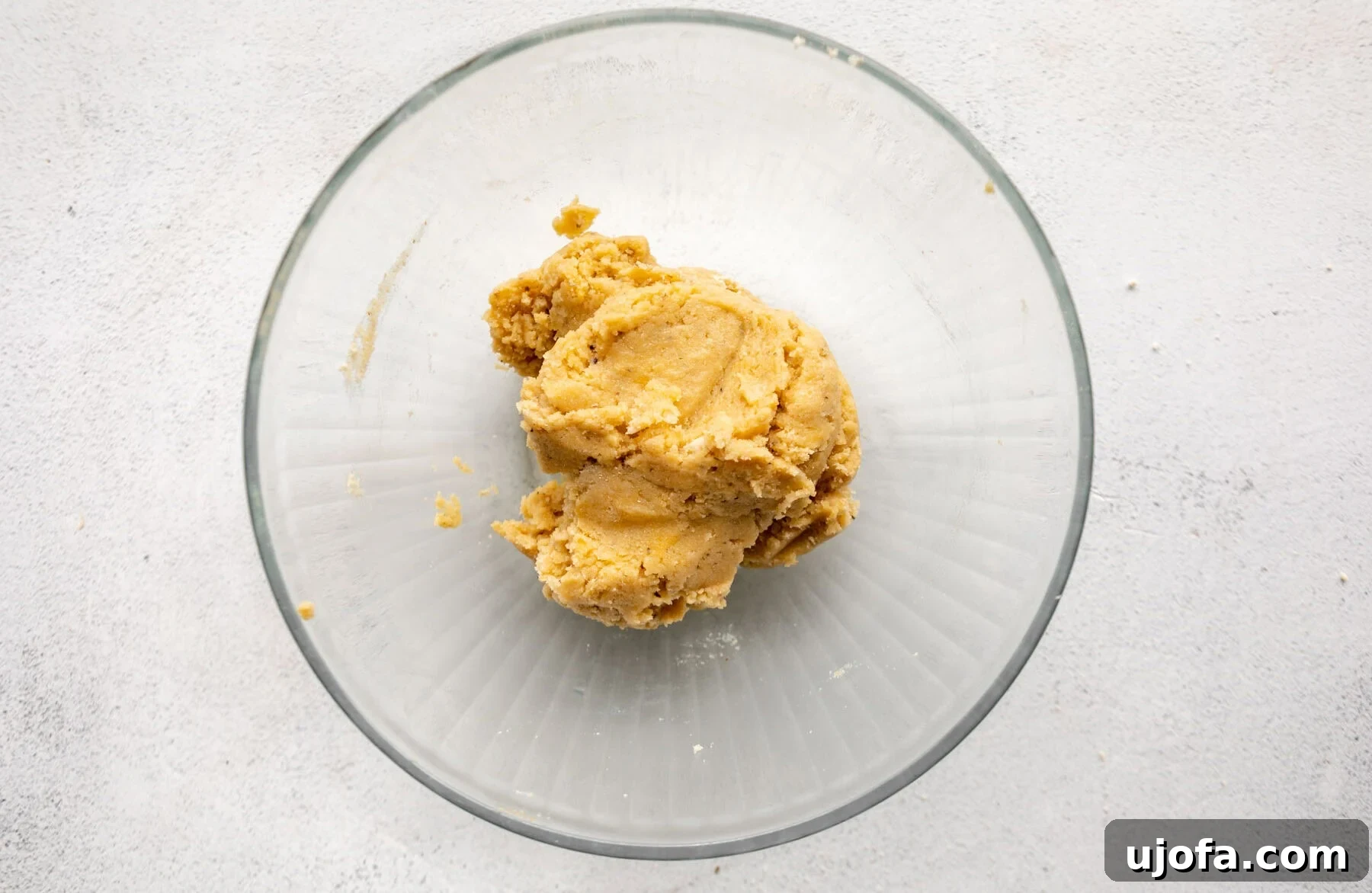
In a separate smaller bowl, lightly whisk the two eggs until the yolks and whites are fully combined. Pour the whisked eggs into the bowl of dry ingredients. Add the olive oil. Use a sturdy rubber spatula to mix everything together until a cohesive dough forms. It will be sticky, which is normal for almond flour dough.
-
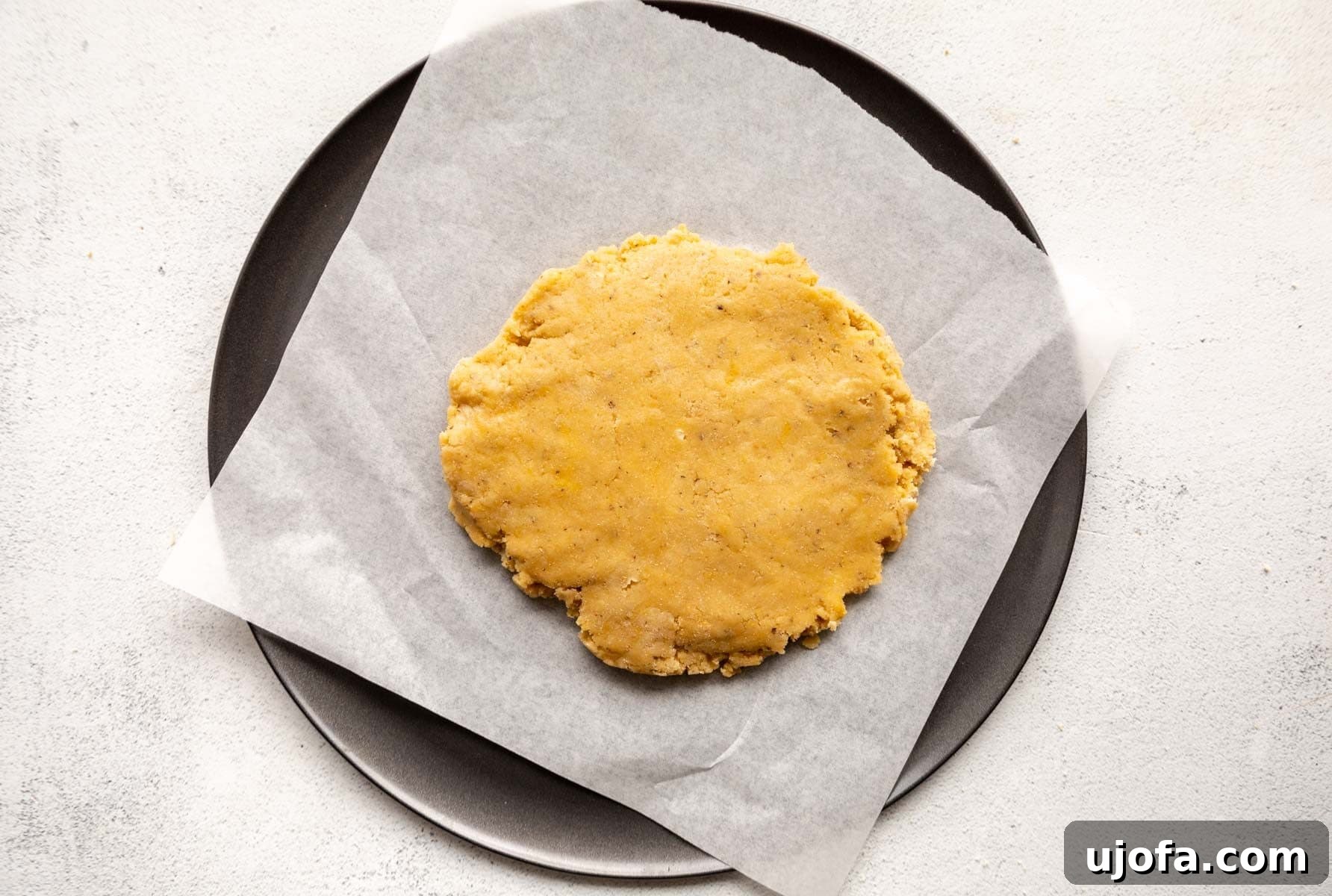
Gently gather the dough and form it into a ball. Place the dough ball directly onto the center of the parchment-lined baking tray.
-
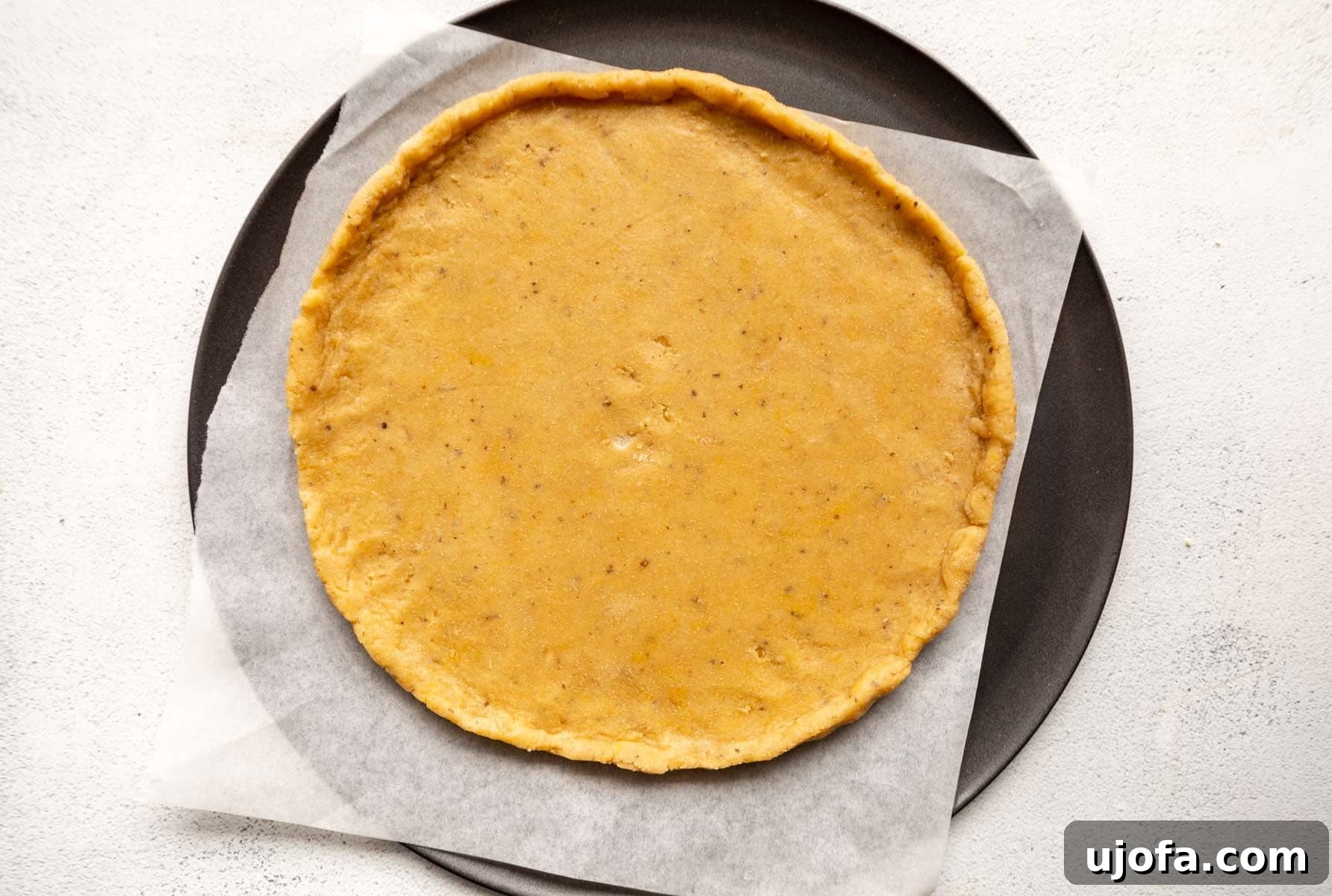
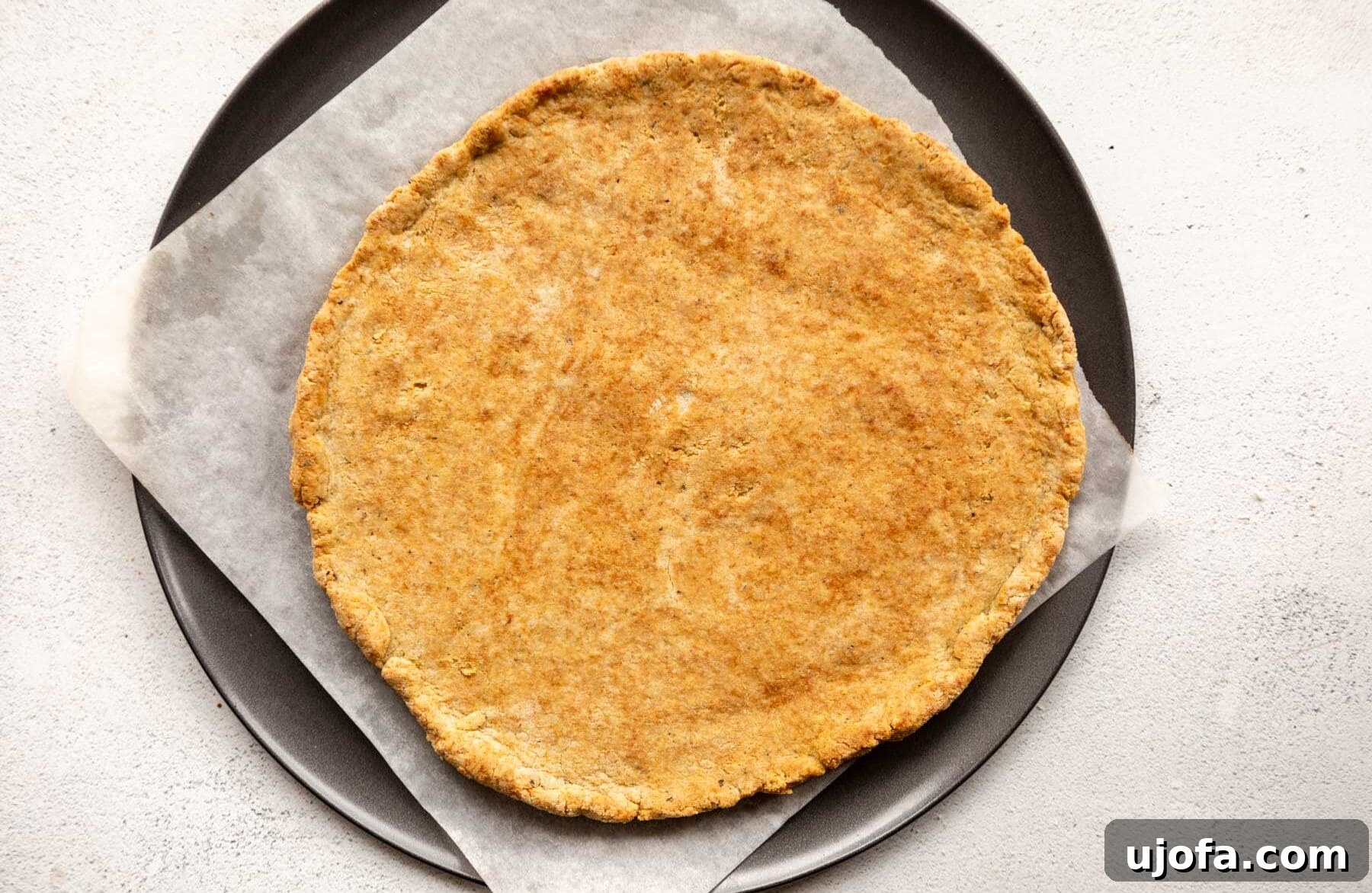
Place another sheet of parchment paper on top of the dough ball. Using a rolling pin, carefully roll the dough into a circular shape, aiming for about 10 to 11 inches in diameter. The thickness can be adjusted to your preference – thinner for extra crispness, slightly thicker for a chewier bite. Once rolled, remove the top parchment paper and use your fingers to gently create a slightly raised lip around the edges of the crust. This will help contain your toppings.
-
Carefully transfer the baking tray with the crust into the preheated oven. Bake for approximately 12 minutes, or until the crust is lightly golden brown and firm to the touch. This pre-baking step is crucial for achieving a crispy base.
-
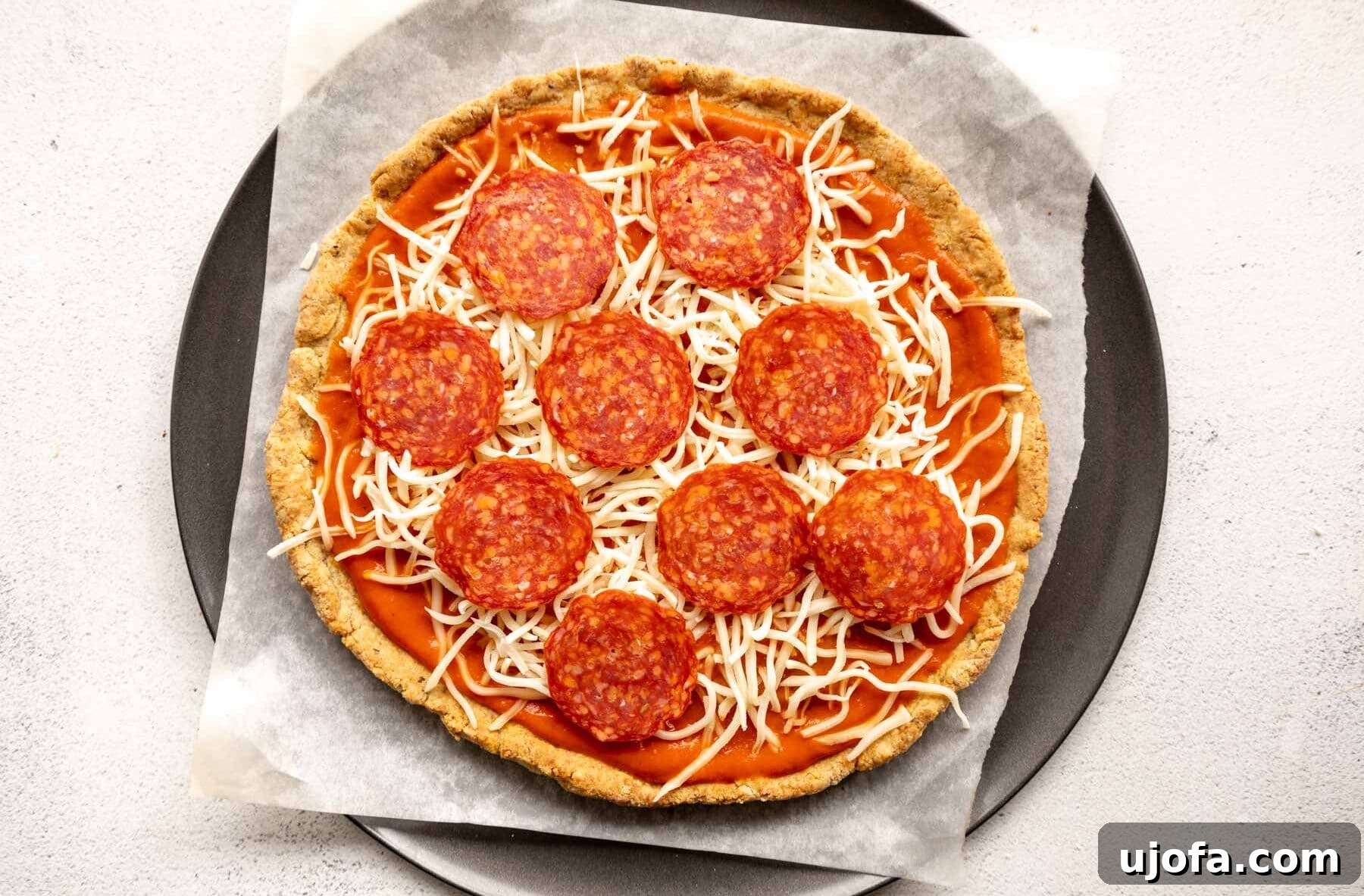
Remove the partially baked crust from the oven. Now it’s time to get creative! Spread your favorite pizza sauce evenly over the crust, leaving the edges for the rim. Top with a generous layer of shredded cheese and any other desired pizza toppings.
-
Return the fully topped pizza to the oven and bake for an additional 10 minutes, or until the cheese is melted and bubbly, and the crust edges are beautifully golden and crisp.
-
Once baked, carefully remove the pizza from the oven. Allow it to cool for a few minutes before slicing and serving. This brief cooling period helps the cheese set and makes for easier, cleaner slices. Enjoy your homemade low-carb, gluten-free almond flour pizza!
Notes
- If you desire a touch of sweetness in your crust, perhaps for a dessert pizza, simply substitute the olive oil with an equal amount of melted coconut oil.
- For those who prefer alternatives to traditional marinara or pizza sauce, a creamy gluten-free alfredo sauce makes an excellent base. Pesto is another fantastic option!
- Embrace variety! Experiment with different toppings each time you make this pizza to discover new flavor combinations and keep your meal exciting.
- To store: Any leftover almond flour pizza can be stored in an airtight container in the refrigerator for up to 4 days. Reheat gently in the oven or air fryer for best results.
- Mama says, “Always double-check your labels to ensure all ingredients are gluten-free and align with your dietary needs!”
Nutrition Facts (Per Serving)
Calories: 358kcal
Carbohydrates: 12g
Protein: 13g
Fat: 32g
Saturated Fat: 3g
Polyunsaturated Fat: 1g
Monounsaturated Fat: 6g
Trans Fat: 0.01g
Cholesterol: 55mg
Sodium: 308mg
Potassium: 56mg
Fiber: 6g
Sugar: 2g
Vitamin A: 80IU
Vitamin C: 0.05mg
Calcium: 110mg
Iron: 2mg
Nutrition information is automatically calculated, so should only be used as an approximation and may vary based on specific ingredients and preparation methods.
Additional Information
Dinner, Lunch
American, Italian-inspired
How To Make Almond Flour Pizza Crust: A Visual Step-by-Step Guide
Creating this delightful almond flour pizza crust is a straightforward process. Follow these detailed steps to ensure a perfect, crispy base for your next low-carb pizza!