
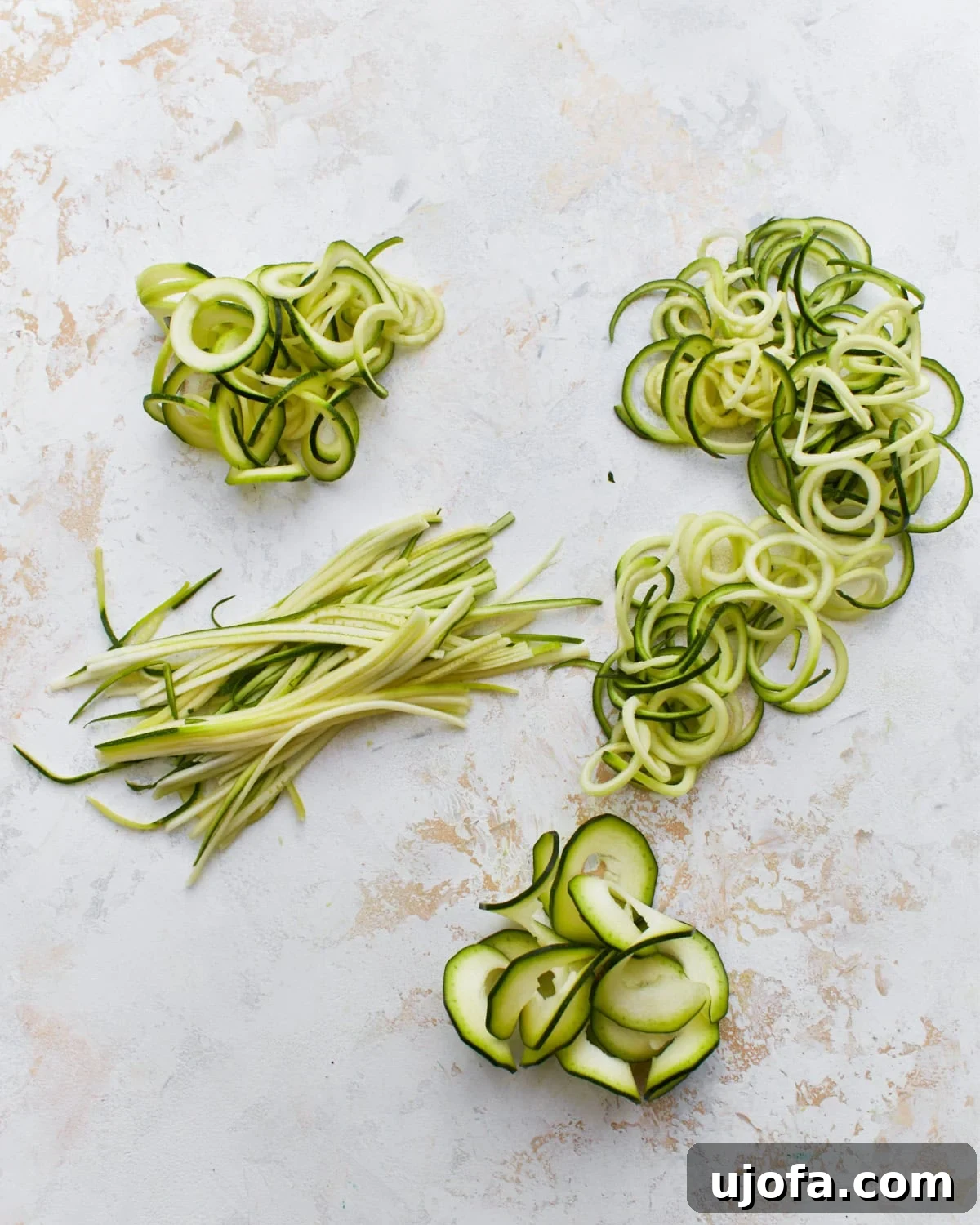
Unlock the secret to crafting perfect zucchini noodles, or “zoodles,” right in your own kitchen! This simple and versatile technique allows you to effortlessly incorporate more vegetables into your diet while enjoying a fantastic gluten-free and low-carb alternative to traditional pasta and noodles. In mere minutes, you can transform fresh zucchini into delightful strands that are ready to absorb your favorite sauces and flavors.
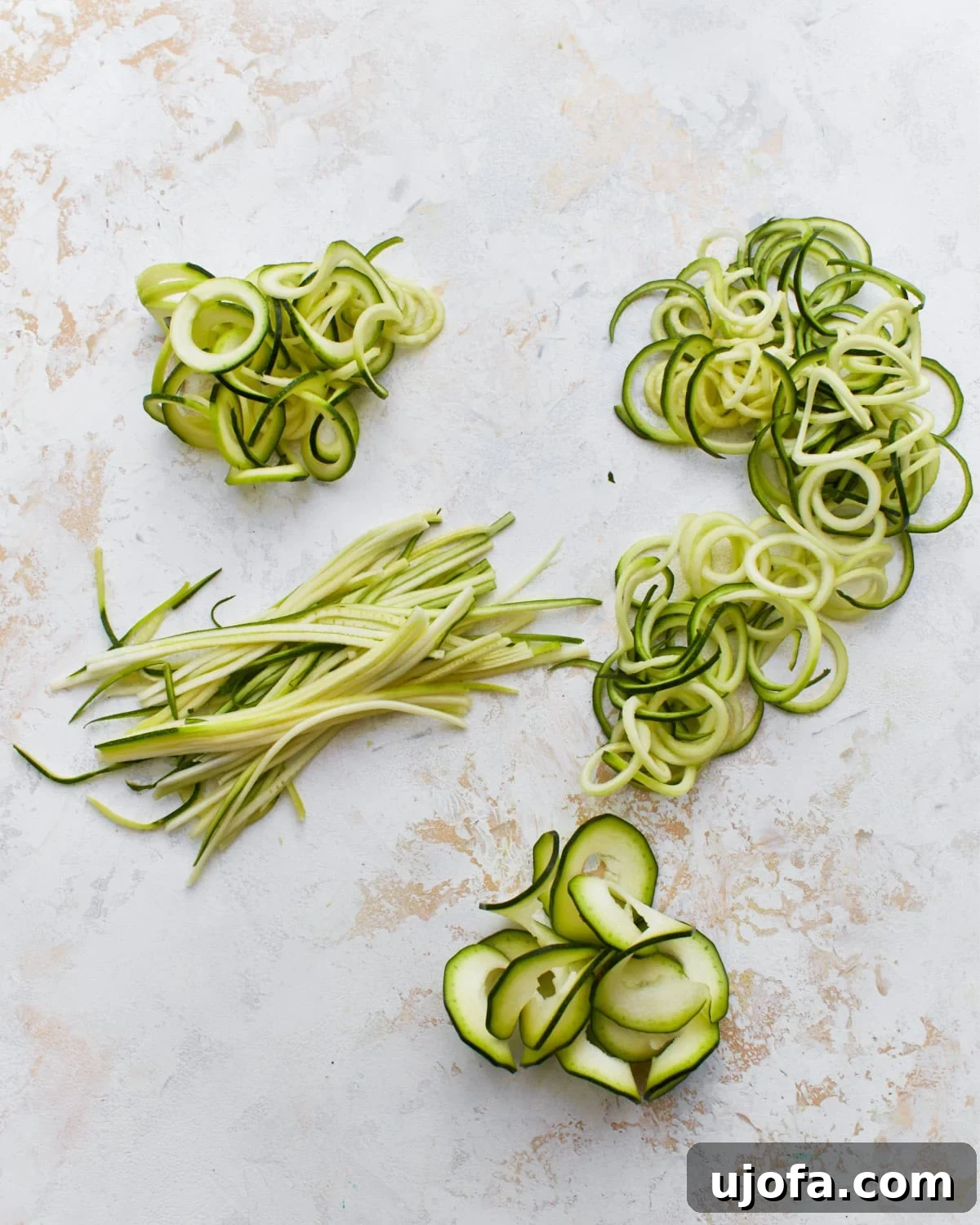
How to Make Zucchini Noodles: Your Ultimate Guide to Healthy, Homemade Pasta
Zucchini noodles have taken the culinary world by storm, and for good reason. They are an incredibly popular low-carb, gluten-free, and versatile option that can seamlessly replace traditional pasta in a wide array of dishes. From robust pasta recipes and vibrant stir-fries to refreshing salads, zoodles offer a light yet satisfying base. I’ve personally embraced them for years, using them in Asian-inspired meals like my Ginger Chicken Zucchini Noodle Bowl or as a healthy substitute for spaghetti to keep meals light and carb-conscious.
While convenient store-bought zucchini noodles are readily available, there’s an undeniable advantage to making them at home. Not only is it significantly more cost-effective, but the freshness and superior texture of homemade zoodles are simply unmatched. You gain full control over the quality of your ingredients and can tailor the noodle thickness to your preference. Their adaptability means you can enjoy them raw, lightly cooked, served warm, or as a chilled component in a salad.
The Health Benefits of Zoodles: A Nutritional Powerhouse
Beyond being a fantastic pasta alternative, zucchini itself is a nutritional star. It’s packed with essential vitamins like Vitamin C and Vitamin B6, as well as minerals such as potassium and manganese. Zucchini is also rich in antioxidants and contains a good amount of dietary fiber, which aids in digestion and helps promote a feeling of fullness. With high water content, zoodles contribute to hydration, making them a wonderfully refreshing addition to any meal. Opting for zucchini noodles can significantly reduce the calorie and carbohydrate count of your meals, making them ideal for those following keto, paleo, or simply a healthier lifestyle.
Embracing Zucchini in Your Diet
Incorporating zucchini noodles into your diet opens up a world of culinary possibilities. They adapt beautifully to a myriad of flavor profiles, from rich Italian sauces to zesty Mediterranean dressings and aromatic Asian marinades. This makes them an excellent ingredient for meal prepping, allowing you to create diverse dishes throughout the week without feeling like you’re eating the same thing. Their mild flavor ensures they complement, rather than overpower, other ingredients, making them a family-friendly choice even for picky eaters.
Essential Ingredients for Perfect Zucchini Noodles
Creating delicious zucchini noodles requires just a few simple ingredients, but selecting the right ones makes all the difference:
- Zucchini: The star of the show! Choose medium-sized zucchini that are firm, smooth, and free of blemishes. Larger zucchini tend to have more seeds and higher water content, which can lead to soggier noodles. Smaller ones might be harder to spiralize efficiently. Aim for zucchini that are about 6-8 inches long.
- Olive Oil: A good quality extra virgin olive oil is key for both flavor and for sautéing. It provides a healthy fat that helps cook the zoodles gently and prevents sticking without adding unnecessary heaviness. You can also experiment with other healthy oils like avocado oil.
- Salt and Black Pepper: These fundamental seasonings enhance the natural flavor of the zucchini and complement any additional ingredients or sauces you plan to use. A pinch of salt is also crucial for drawing out excess moisture from the zucchini, a vital step for achieving the perfect texture.
Tools of the Trade: Making Zucchini Noodles at Home
The beauty of making zucchini noodles is that you don’t necessarily need a fancy gadget, though some tools make the process quicker and more uniform. Here’s a look at your options:
The Spiralizer: Your Best Friend for Zoodles
A spiralizer is the most popular and efficient tool for creating long, uniform, spaghetti-like zucchini noodles. There are a few types:
- Countertop Spiralizers: These typically have a suction base to keep them stable and come with multiple blade options for various noodle shapes and thicknesses. They are excellent for processing larger quantities of zucchini quickly and efficiently.
- Handheld Spiralizers: More compact and affordable, these are great for single servings or small batches. They work much like a pencil sharpener, with you twisting the zucchini through a blade.
- Attachment Spiralizers: Some stand mixers offer spiralizer attachments, providing powerful and consistent results.
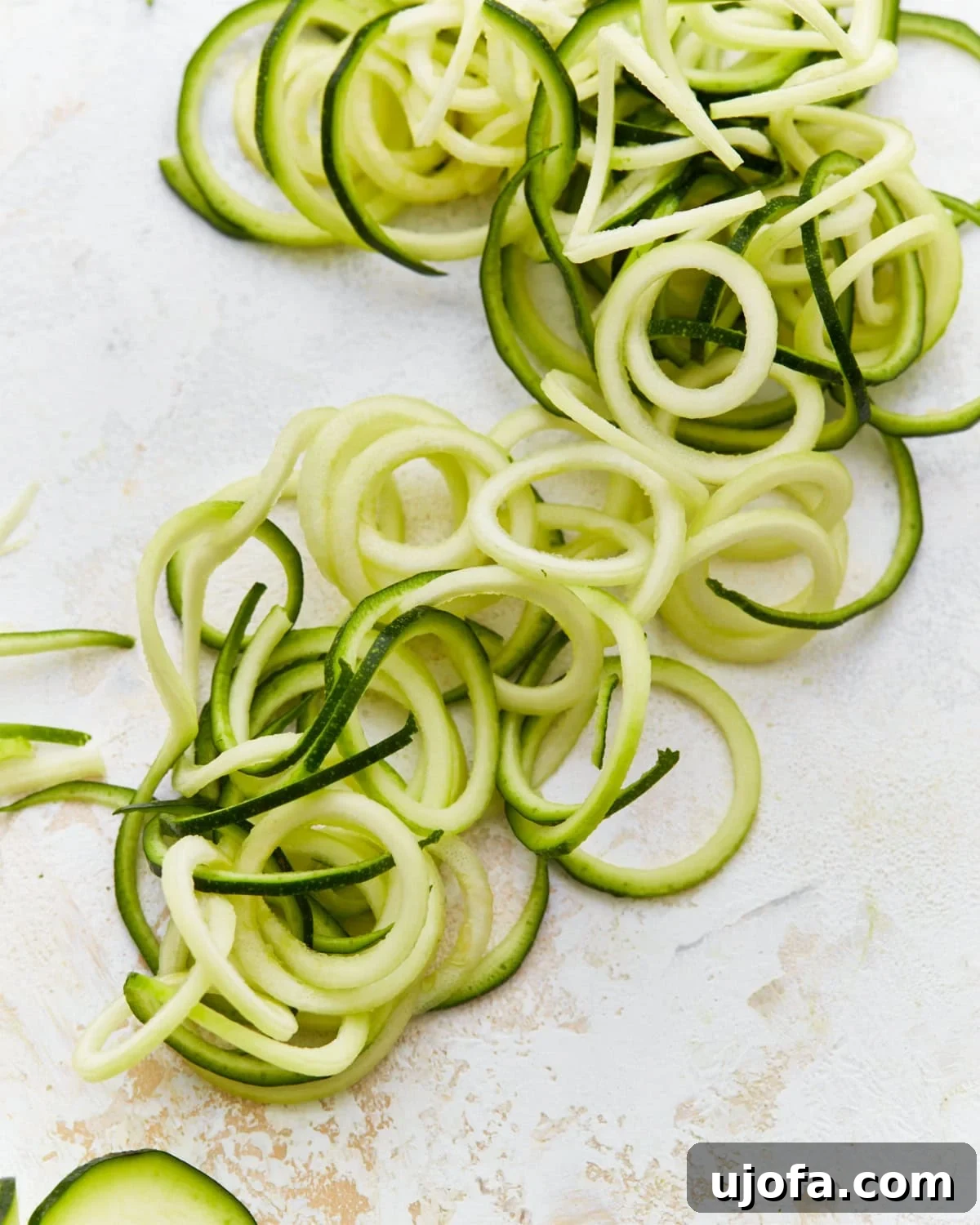
Using a spiralizer is straightforward: simply secure the zucchini and turn the handle (or power it on), and perfect strands of zucchini noodles emerge!
Alternative Methods: Julienne Peeler & Vegetable Peeler
If you don’t have a spiralizer, don’t worry! You can still make zucchini noodles with tools you likely already own:
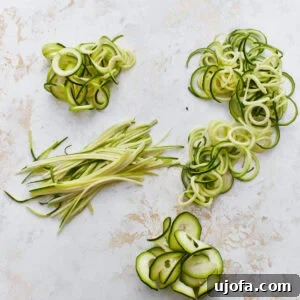
- Julienne Peeler: This specialized peeler has small, sharp teeth that create thin, matchstick-like strips. It’s excellent for thinner strands that resemble angel hair pasta or fine noodles for stir-fries. Hold the zucchini firmly and peel lengthwise with even strokes.
- Vegetable Peeler: A standard vegetable peeler can create wider, ribbon-like noodles, similar to fettuccine or pappardelle. Simply peel the zucchini lengthwise, applying gentle pressure, to create beautiful, broad ribbons. This method is fantastic for lasagna layers or wider pasta dishes.
Each method offers a slightly different texture, allowing you to choose the best style for your intended dish.
Step-by-Step Guide: Crafting Your Zucchini Noodles
Follow these easy steps to prepare your fresh and vibrant zucchini noodles:
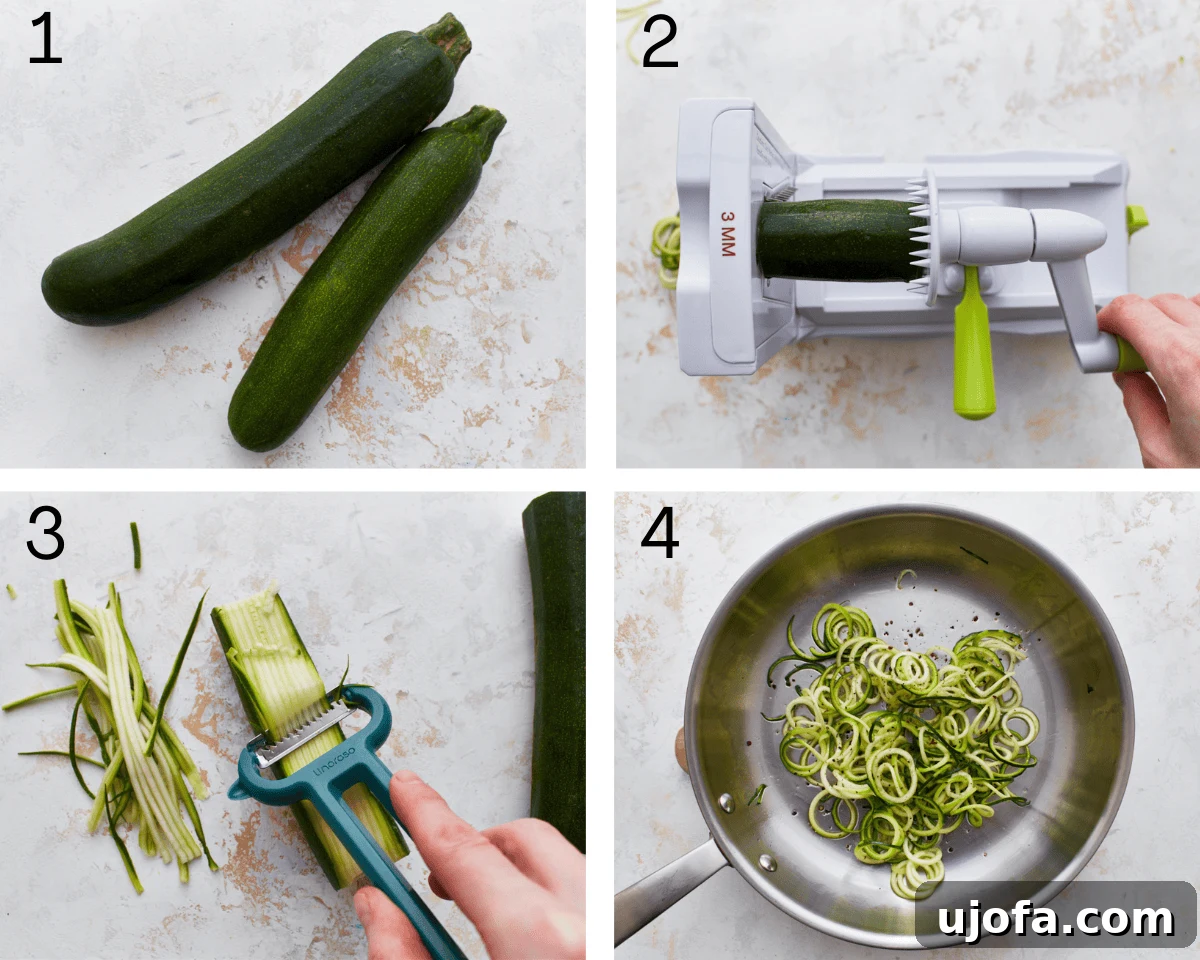
- Prepare the Zucchini: Begin by thoroughly washing two medium-sized zucchini under cool water. Pat them dry, then trim off both ends (the stem and blossom ends). This ensures a clean base for noodle creation.
- Create the Noodles: Place one prepared zucchini into your spiralizer, securing it according to the device’s instructions. Turn the handle steadily to create long, thin, uniform noodles. Repeat this process with the second zucchini. If you’re using a julienne peeler, hold the zucchini firmly and peel lengthwise to create thin strips. For wider ribbons, use a vegetable peeler, peeling the zucchini lengthwise with consistent strokes.
- Serve Raw (Optional): If your recipe calls for raw zucchini noodles, they are now ready to be served! Toss them immediately with your favorite cold sauce, dressing, or fresh pesto for a crisp and refreshing meal.
- Cook the Zoodles (Optional): To cook the zucchini noodles, add a tablespoon of olive oil to a large skillet or non-stick pan. Heat the pan over medium heat until the oil shimmers. Add the zucchini noodles to the hot pan.
- Sauté Gently: Quickly sauté the zucchini noodles for just 2-3 minutes, tossing them frequently with tongs. Zucchini cooks very rapidly, and the key to preventing sogginess is to avoid overcooking. You want them to be tender-crisp, not mushy.
- Season and Serve: Once cooked to your desired tenderness, season the zucchini noodles lightly with salt and black pepper to taste. They are now ready to be served immediately with your preferred toppings, sauces, or as a side dish.
Expert Tips for Flawless Zucchini Noodles
Achieving perfectly textured zucchini noodles is simple with a few smart techniques:
Preventing Watery Zoodles: The Salting Method
One of the most common challenges with zucchini noodles is their tendency to release a lot of water, leading to a soggy dish. To combat this, employ the salting method: After spiraling or peeling your zucchini, lightly sprinkle them with a pinch of salt. Gently toss the noodles to distribute the salt evenly, then let them sit in a colander for 10-15 minutes. The salt will draw out excess moisture. After resting, gently pat the zucchini noodles thoroughly dry with paper towels or a clean kitchen cloth before cooking. This crucial step will give you firmer, more pleasant zoodles.
To Peel or Not to Peel?
You absolutely do not need to peel the zucchini before making noodles. The skin is completely edible, adds a lovely pop of color to your dish, and provides additional nutrients and fiber. If you prefer a more uniform, smoother texture or are concerned about a slight bitterness sometimes found in the skin of very large zucchini, then you can peel it. Otherwise, leaving the skin on is the simplest and healthiest option.
Batch Cooking for Best Results
If you’re preparing a large quantity of zucchini noodles, especially if you plan to sauté them, it’s best to cook them in batches. Overcrowding the pan can lower the temperature, causing the zucchini to steam instead of sauté, which inevitably leads to a watery and soft texture. Cooking in smaller portions ensures even heat distribution, allowing the noodles to cook quickly and retain their tender-crisp bite.
Seasoning & Flavor Enhancement
Always season your zucchini noodles lightly during cooking. A little salt and pepper go a long way in bringing out their natural flavor. Consider adding a dash of garlic powder, onion powder, or a sprinkle of Italian herbs for extra depth. Fresh herbs like basil, parsley, or cilantro are also excellent additions at the end of cooking for a burst of freshness.
Creative Serving Suggestions: Beyond Pasta
Zucchini noodles are incredibly versatile and can be incorporated into countless meals. Here are some ideas to get your culinary creativity flowing:
Classic Pasta Dishes, Reinvented
These zucchini noodles shine as a low-carb, gluten-free base for classic pasta dishes. Pair them with your favorite rich gluten-free spaghetti sauce, a creamy Alfredo, or a vibrant pesto. They absorb flavors beautifully, making every bite satisfying. Try them with a simple lemon-garlic sauce and a sprinkle of Parmesan for a quick and elegant meal.
Zoodles in Salads
Zucchini noodles are a wonderful addition to cold salads. Their crisp texture adds a refreshing element. Toss them with a bright vinaigrette, cherry tomatoes, cucumbers, bell peppers, and some feta cheese for a Mediterranean-inspired salad. Or, for a hearty meal, combine them with turkey meatballs and a vibrant pesto for a satisfying cold noodle salad.
Stir-Fries and Asian-Inspired Meals
Swap out traditional rice or wheat noodles for zucchini noodles in your next stir-fry dinner. They cook quickly and perfectly absorb the savory flavors of soy sauce (or tamari for gluten-free), ginger, garlic, and sesame oil. Add your favorite proteins like chicken, shrimp, or tofu, and a medley of colorful vegetables for a complete and healthy meal.
Unique Pairings & Toppings
Don’t limit yourself to obvious choices! Zucchini noodles can serve as a light bed for various main courses. They’re excellent underneath my gluten-free apricot chicken or a piece of pan-seared salmon. Top them with roasted vegetables, grilled chicken, crumbled goat cheese, or toasted nuts for added texture and flavor. Even a simple drizzle of good olive oil and fresh herbs can elevate them.
Storage and Meal Prep Tips
Proper storage is essential to maintain the freshness and texture of your zucchini noodles:
Keeping Zoodles Fresh
Store your uncooked zucchini noodles in an airtight container lined with a paper towel in the refrigerator for up to 3 days. The paper towel helps absorb any excess moisture that the zucchini might release. For the absolute best texture and flavor, it is always recommended to cook them just before you plan to serve them.
Freezing Zucchini Noodles (and why to avoid it)
While technically possible, freezing raw zucchini noodles is generally not recommended. Zucchini has a very high water content, and upon thawing, the noodles will become extremely watery, mushy, and lose their desirable texture. If you must freeze them, blanch them briefly, then shock them in ice water, pat them very dry, and freeze in a single layer before transferring to an airtight bag. However, they will still likely be softer than fresh or simply refrigerated zoodles, and are best used in cooked dishes where texture is less critical, like soups or casseroles.
Dive Deeper into Zucchini Recipes
Zucchini is a versatile vegetable that can be enjoyed in many forms. If you love these zoodles, be sure to explore more delicious zucchini recipes:
- Gluten-Free Zucchini Muffins
- Gluten-Free Zucchini Bread
- Gluten-Free Zucchini Fritters
How to Make Zucchini Noodles
By: Sabine Venier
Servings: 2 servings
Prep Time: 10 mins
Cook Time: 2 mins
Total Time: 12 mins
Discover how to create delicious zucchini noodles in the comfort of your own kitchen! This quick and simple method is a fantastic way to pack in more veggies. A great gluten-free substitute for traditional pasta, ready in no time!
Equipment
- 1 Spiralizer (or julienne peeler, or vegetable peeler)
Ingredients
- 2 medium-sized zucchini
- 1 tbsp olive oil
- Salt, to taste
- Black pepper, to taste
Instructions
- Wash and trim the ends of the zucchinis.
- Use a spiralizer to create long, thin noodles by placing the zucchini in the spiralizer and turning the handle. If using a julienne peeler or vegetable peeler, peel the zucchini lengthwise to create thin strips (julienne for thinner, vegetable peeler for wider ribbons).
- If eating raw, the noodles are ready to serve. Toss them with your favorite sauce, pesto, or dressing.
- For cooked noodles, heat olive oil in a large skillet over medium heat.
- Add the zucchini noodles to the skillet and sauté for 2-3 minutes, tossing frequently. Do not overcook to avoid sogginess.
- Season with salt and pepper to taste, then serve with your preferred toppings or sauce.
Notes
- If sautéing a large batch, cook the zucchini noodles in batches to avoid overcrowding. This helps them cook evenly and prevents them from becoming too soft.
- After spiraling, lightly salt the zucchini noodles and let them sit for 10-15 minutes. This helps draw out excess moisture. Then, gently pat them dry with a paper towel or clean kitchen cloth.
- You don’t need to peel the zucchini. The skin is edible, adds color, and contains nutrients. If you prefer a smoother texture, you can peel it, but it’s optional.
- A spiralizer works best for long, spaghetti-like noodles. However, you can also use a julienne peeler for thinner strands or a vegetable peeler to create wider ribbon-like noodles.
- Store your zoodles uncooked in an airtight container in the fridge for up to 3 days.
- For the best texture, cook them just before serving.
Nutrition Facts (per serving)
Serving: 1 serving
Calories: 95 kcal
Carbohydrates: 6g
Protein: 2g
Fat: 8g
Saturated Fat: 1g
Polyunsaturated Fat: 1g
Monounsaturated Fat: 5g
Sodium: 16mg
Potassium: 512mg
Fiber: 2g
Sugar: 5g
Vitamin A: 392 IU
Vitamin C: 35mg
Calcium: 31mg
Iron: 1mg
Nutrition information is automatically calculated, so should only be used as an approximation.
Additional Info
Course: Dinner, Lunch
Cuisine: American
Tried this recipe? Mention @mamaknowsglutenfree or tag #mamaknowsglutenfree!