
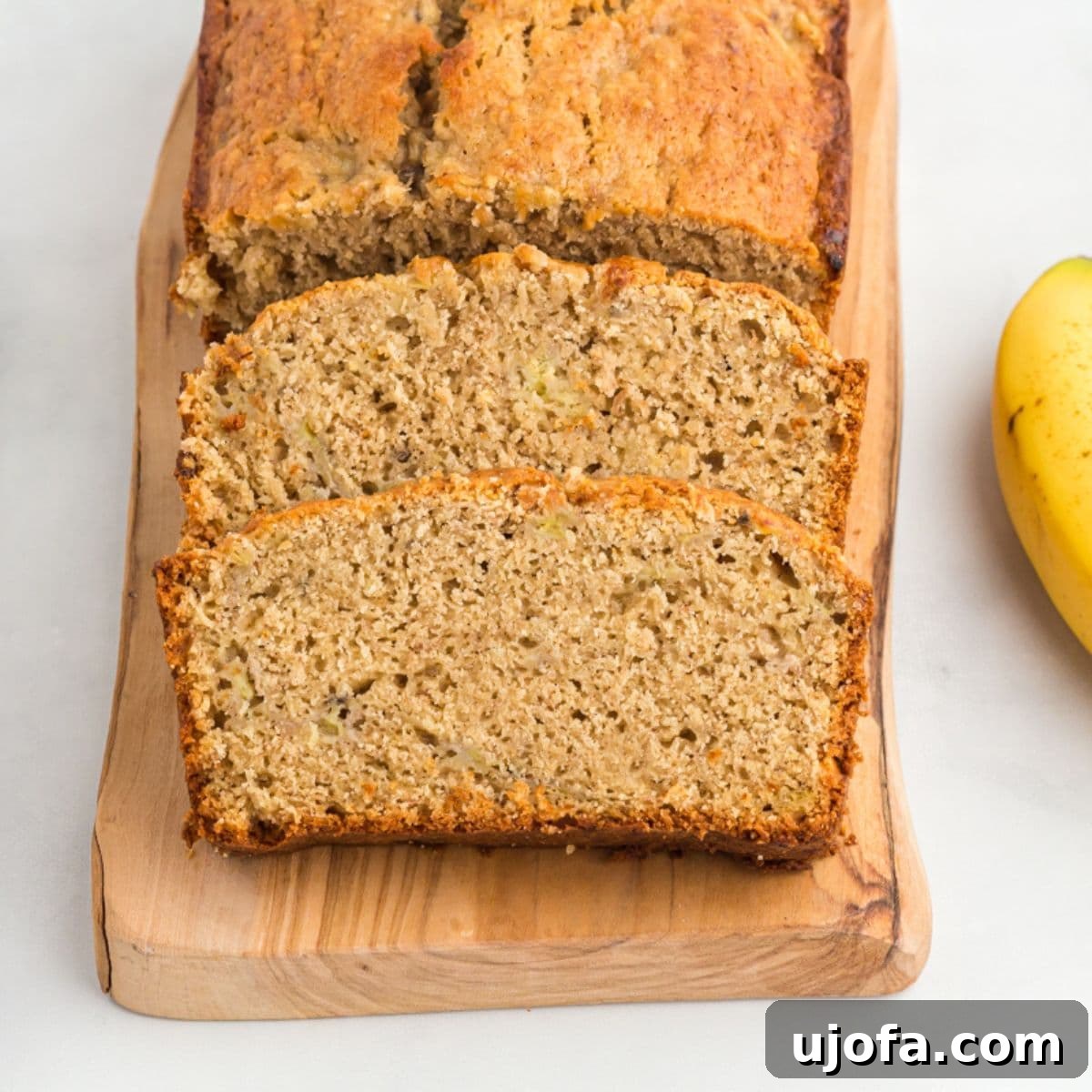
Deliciously Moist & Easy Gluten-Free Oat Flour Banana Bread Recipe
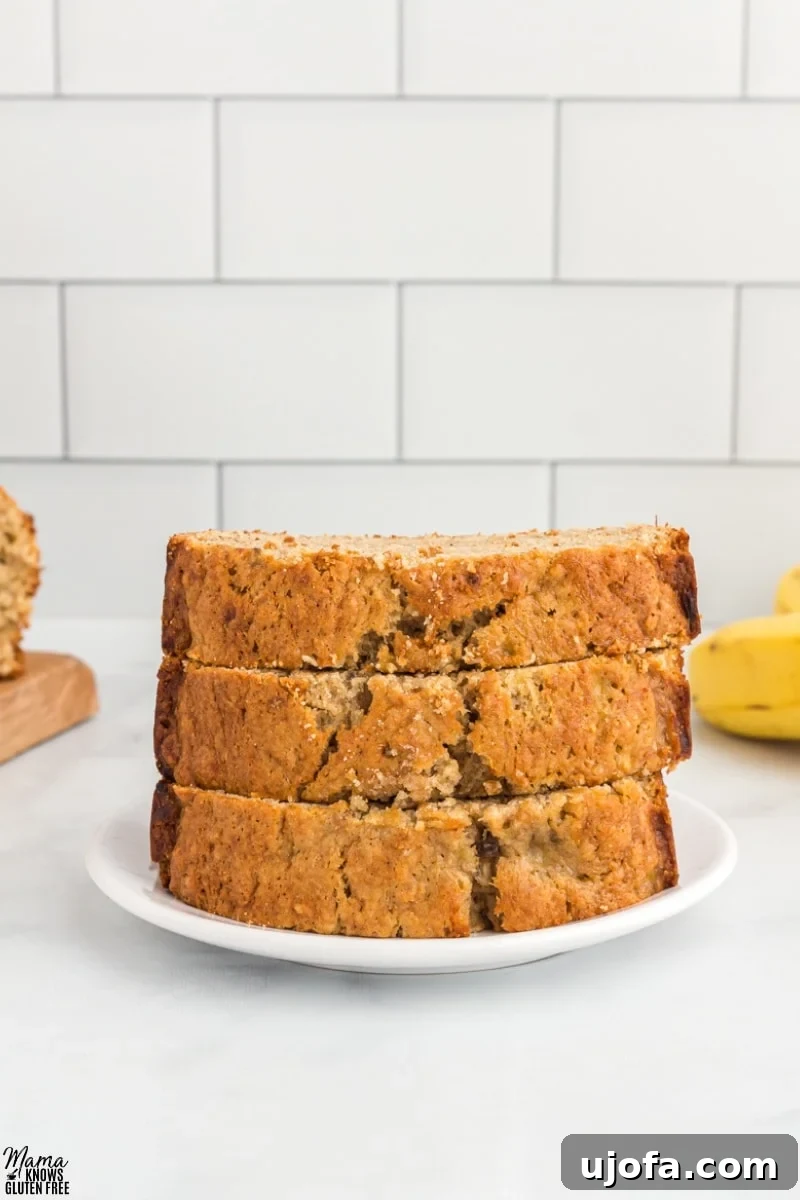
Discover the ultimate recipe for a truly irresistible oat flour banana bread that promises to be the most delicious, moist, and wonderfully fluffy loaf you’ve ever baked. This recipe bursts with rich banana flavor, a beloved characteristic reminiscent of our highly-rated gluten-free banana bread, but with the unique tenderness and wholesome goodness that only certified gluten-free oat flour can provide. What makes this recipe a true winner is its simplicity – requiring just 5 minutes of prep time and only two bowls, making it an ideal choice for a stress-free breakfast or a delightful afternoon snack. It’s an accessible baking project that yields impressive results every time.
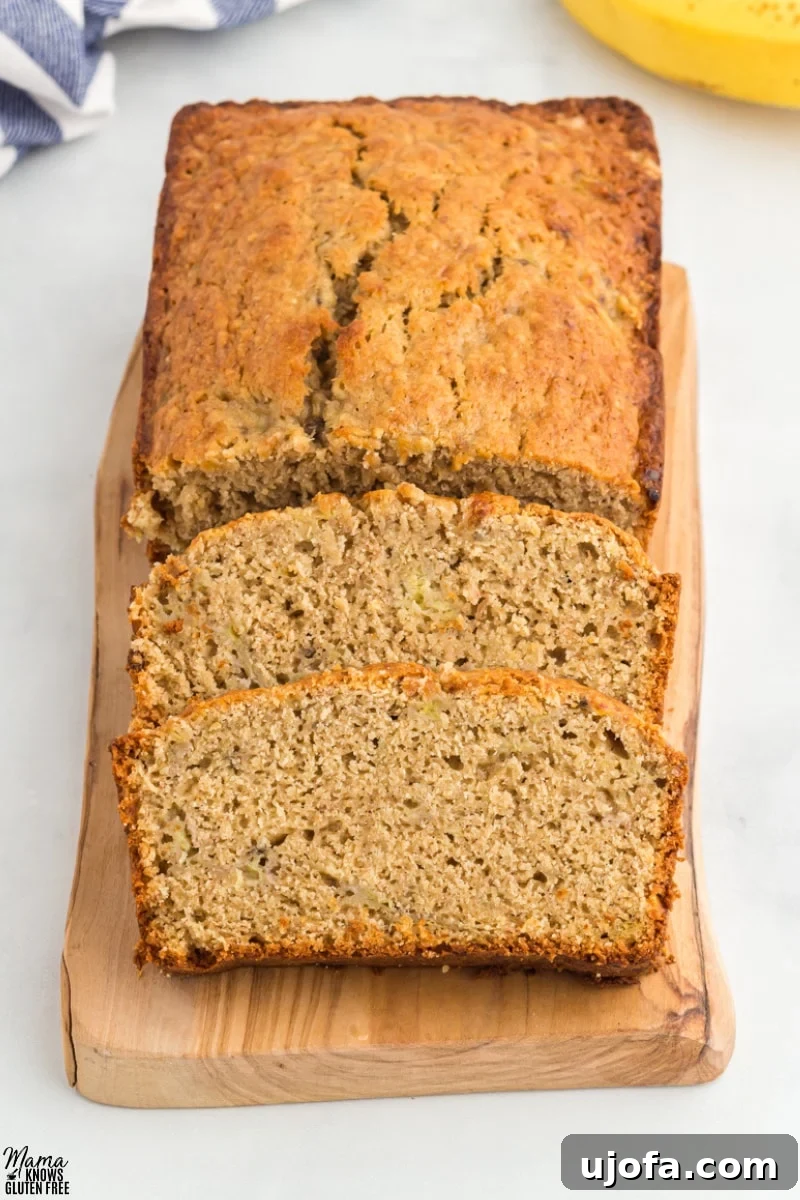
Why You Will Love This Oat Flour Banana Bread
This homemade oat flour banana bread is a triumph of texture and taste, offering a perfectly tender crumb and that classic, comforting banana flavor everyone adores. Its inherent simplicity is its charm, relying on basic pantry staples like oat flour, baking powder, cinnamon, eggs, sugar, butter, and, of course, ripe bananas. You won’t need any specialized equipment or exotic ingredients to bring this heavenly loaf to life. While it’s utterly delightful on its own, a warm slice spread with a touch of salted butter elevates it to an ethereal experience that’s hard to forget.
Beyond its incredible taste, this oat flour banana bread offers a wholesome alternative for those seeking gluten-free options without compromising on flavor or texture. Oat flour contributes a subtle nuttiness and a wonderfully soft crumb, making each bite a pure pleasure. It’s also naturally rich in fiber, adding a gentle nutritional boost to your treat. This recipe is designed to be approachable for bakers of all skill levels, ensuring that even beginners can achieve a bakery-quality loaf with minimal effort.
The Magic of Oat Flour in Baking
Oat flour is a fantastic ingredient that brings a unique profile to baked goods, especially banana bread. Unlike traditional wheat flour, oat flour is naturally gluten-free (when certified) and imparts a distinct tenderness and slightly nutty flavor. It’s derived from finely ground rolled oats, and its fine texture contributes to a wonderfully soft and moist crumb in your banana bread. This is partly due to its higher fat content compared to wheat flour, which helps keep the bread from drying out.
For those with gluten sensitivities or celiac disease, certified gluten-free oat flour is a game-changer. It allows you to enjoy classic baked goods without any worries, often resulting in a texture that is even more desirable than its gluten-containing counterparts. When selecting oat flour, always ensure it is certified gluten-free to avoid cross-contamination. You can also easily make your own oat flour at home by finely grinding rolled oats in a food processor or high-speed blender; just remember to grind them until they resemble a fine powder for the best results, as coarser flour can affect the bread’s rise and texture.
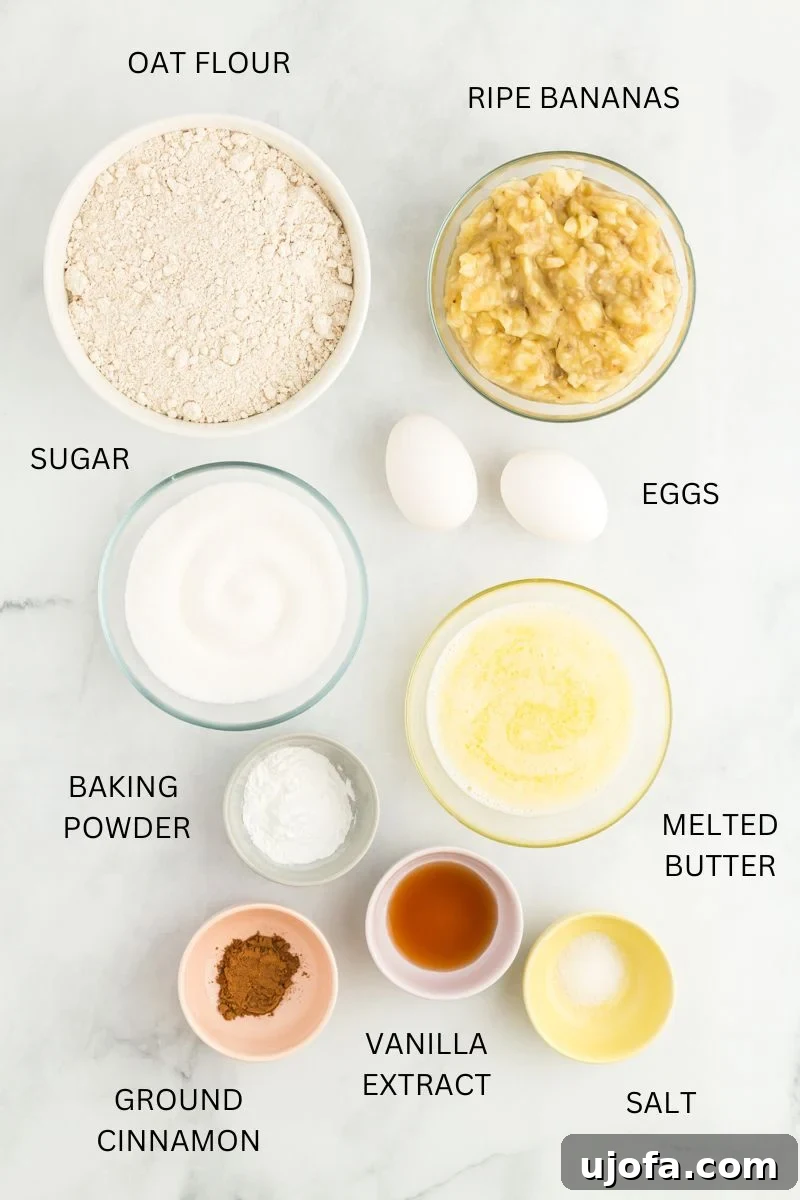
Essential Ingredients for the Perfect Loaf
In-Depth Look at Each Ingredient
- Oat flour: The foundation of our gluten-free banana bread. As mentioned, ensure it’s certified gluten-free. For the best texture, whether homemade or store-bought, make sure it’s very finely ground. It provides a unique tenderness and subtle flavor.
- Baking Powder: This essential leavening agent is critical for giving our oat flour banana bread its desirable rise and light, airy texture. Without it, the bread would be dense and flat. Always check the expiration date to ensure potency.
- Salt: A small but mighty ingredient, salt doesn’t just make things salty; it enhances and balances all the other flavors in the bread, bringing out the sweetness of the bananas and sugar and adding depth.
- Ground Cinnamon: Adds an irresistible warmth and aromatic spice that beautifully complements the banana flavor. You can adjust the amount to your preference or even add a pinch of nutmeg for extra complexity.
- Bananas: The star! The riper, the better. Look for bananas with abundant brown spots or even entirely brown peels. These super-ripe bananas are naturally sweeter and softer, making them easier to mash and imparting the strongest, most delicious banana flavor to your bread. Approximately 1 ½ cups of mashed bananas are needed, usually about 3 medium-sized ones.
- Granulated Sugar: Provides essential sweetness and helps with moisture retention, contributing to the bread’s soft crumb.
- Unsalted Butter: Melted butter adds richness, moisture, and a wonderful flavor. Using unsalted butter gives you control over the overall saltiness of the bread. If you only have salted butter, remember to reduce or omit the additional salt in the recipe. Ensure it’s melted but not hot, as hot butter can “cook” the eggs prematurely.
- Eggs: These act as the primary binding agent, holding all the ingredients together and contributing to the structure and richness of the bread. Large eggs are typically used in baking recipes unless specified otherwise.
- Vanilla Extract: A touch of vanilla extract adds another layer of warmth and complexity, enhancing the overall flavor profile of the banana bread. Use pure vanilla extract for the best taste.
Expert Tips for Baking Success
- Doneness Test: I always rely on the trusty toothpick test to ensure my bread is perfectly baked. Once the recommended cooking time has passed, gently insert a clean toothpick or a thin skewer into the very center of the loaf. If it comes out clean, with no wet batter attached, your bread is done baking and ready to begin its cooling journey. If there’s still wet batter, return it to the oven for a few more minutes and re-test.
- Patience is Key for Slicing: It’s tempting to slice into a warm, fragrant loaf right out of the oven, but resist the urge! If you cut the bread too early, it will likely crumble and lose its structural integrity (trust me, I’ve learned this the hard way!). The bread needs at least a couple of hours to cool completely in the pan before slicing. This cooling period allows the internal structure to set, ensuring clean, intact slices. For best results, let it cool completely on a wire rack.
- Mashing Bananas: Since this recipe specifically calls for overly ripe bananas, they should be soft enough to mash easily with a simple fork. Don’t worry about achieving a perfectly smooth consistency; some small lumps of banana are perfectly fine and will add lovely pockets of intense banana flavor throughout the bread.
- Avoid Overmixing: When combining the wet and dry ingredients, stir just until they are incorporated. Overmixing can develop any residual gluten (if not certified gluten-free) and lead to a tough, dense bread. For oat flour, while gluten isn’t an issue, overmixing can still negatively impact the tender crumb.
- Pan Preparation: Ensure your loaf pan is adequately greased and floured (or use non-stick spray) to prevent sticking. This makes for easy removal and a beautifully intact loaf.
Understanding Oat Flour’s Rise
Oat flour, while fantastic for flavor and creating wonderfully tender baked goods, naturally behaves differently than wheat flour, particularly when it comes to rising. It lacks the gluten network that gives traditional flours their elasticity and ability to trap gas, which is crucial for a significant rise. Because of this inherent characteristic, baked goods made with 100% oat flour can sometimes be denser than those made with wheat flour.
To counteract this and ensure our oat flour banana bread achieves a delightful lift and a soft, appealing texture, this recipe strategically incorporates baking powder. Baking powder is a leavening agent that reacts when moistened and heated, producing carbon dioxide bubbles that help the batter expand and rise. The generous amount used in this recipe is specifically calibrated to give the oat flour the boost it needs, resulting in a beautifully domed loaf that is both soft and light, not heavy or brick-like. So, while oat flour itself might not have the same rising power, with the right support from baking powder, it can create an incredibly satisfying and well-risen banana bread.
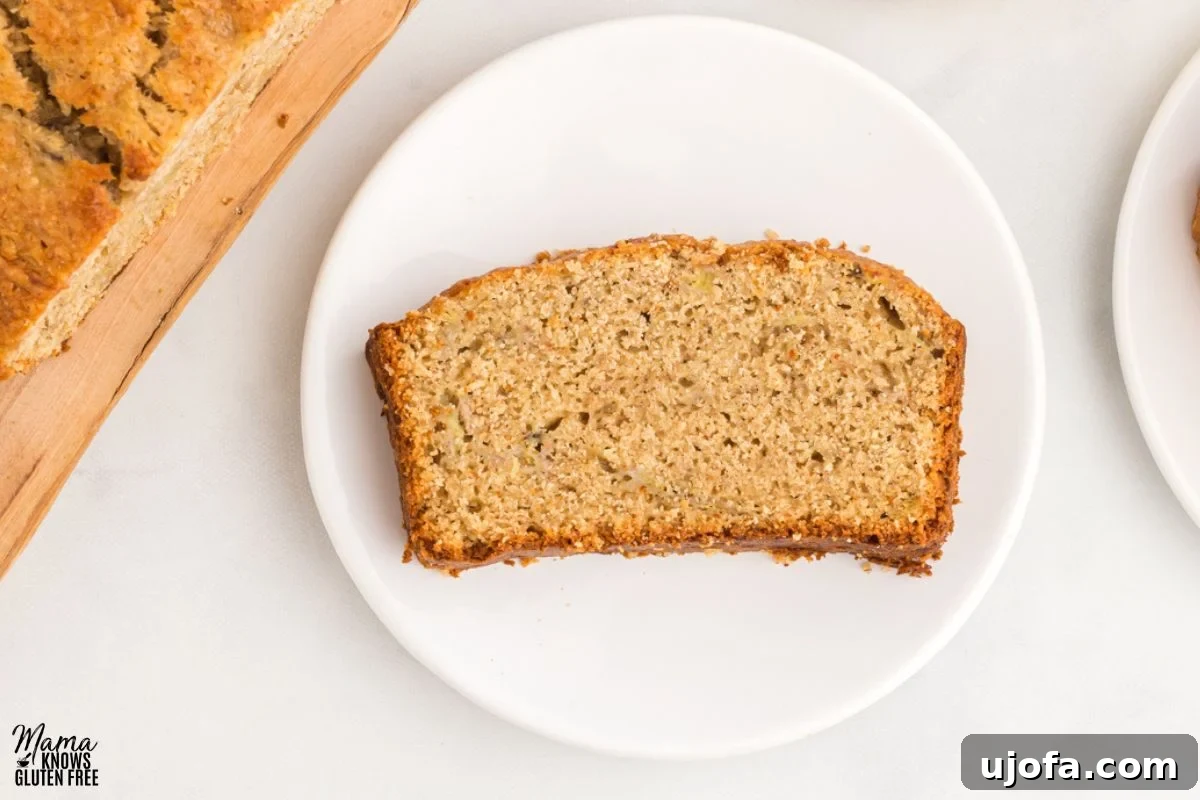
Delicious Variations and Customizations
Once you’ve mastered this basic oat flour banana bread recipe, you’ll find endless opportunities to customize it to your personal taste. I love experimenting with different additions to keep things exciting! For a lovely textural contrast, try folding in a generous half-cup of crushed pecans or walnuts; they add a delightful crunch and nutty flavor that pairs wonderfully with banana. If you have a sweet tooth, chocolate chips (dark, semi-sweet, or milk) are always a crowd-pleaser, melting into gooey pockets throughout the bread.
Beyond the classics, consider these delicious variations:
- Spices: Elevate the aroma and flavor with additional spices. A dash of nutmeg, a pinch of allspice, or even a hint of cardamom can add warmth and complexity.
- Dried Fruits: For a chewy texture and extra sweetness, fold in half a cup of raisins, dried cranberries, or chopped dried apricots.
- Citrus Zest: A teaspoon of orange or lemon zest can brighten the flavors and add a fresh, zesty note.
- Streusel Topping: For an extra indulgent touch, sprinkle a homemade streusel (a mixture of oat flour, brown sugar, butter, and cinnamon) over the batter before baking.
- Dairy-Free Option: To make this recipe dairy-free, simply substitute the unsalted butter with an equal amount of melted dairy-free butter or coconut oil.
- Vegan Option: To make it fully vegan, use dairy-free butter and substitute the eggs with flax eggs (1 tbsp ground flaxseed mixed with 3 tbsp water per egg, let sit for 5 minutes). Note that the texture might be slightly different.
Serving Suggestions
Oat flour banana bread is incredibly versatile and can be enjoyed in many ways. It makes a fantastic, wholesome breakfast alongside your morning coffee or tea. For a quick snack, grab a slice on the go. You can also toast a slice and spread it with cream cheese, almond butter, or a dollop of Greek yogurt for an extra boost of protein and flavor. Don’t forget the classic pairing with a smear of salted butter – it’s truly a match made in heaven!
Proper Storage for Freshness
Ensuring your oat flour banana bread stays fresh and delicious for as long as possible is crucial once it has fully cooled and been sliced. The best way to store leftovers is in an airtight container at room temperature. Kept this way, individual slices should remain fresh and moist for up to 3 days, perfect for grab-and-go breakfasts or snacks.
If you want to extend the longevity of your bread even further, refrigerating it is an excellent option. Place the slices in an airtight storage container in the refrigerator, and they will stay fresh for up to 5 days. For long-term storage, banana bread freezes beautifully! Wrap individual slices or the whole loaf tightly in plastic wrap, then place in a freezer-safe bag or container. It can be frozen for up to 3 months. Thaw slices at room temperature or warm gently in the microwave or toaster oven for a quick treat.
Frequently Asked Questions (FAQs)
- Can I use quick oats instead of rolled oats to make oat flour? Yes, you can. However, ensure they are ground very finely to achieve a flour-like consistency, which is crucial for the bread’s texture and rise. Quick oats are already smaller, so they may grind faster.
- My banana bread turned out dense, what went wrong? This could be due to several factors: not using ripe enough bananas (they add moisture), overmixing the batter (which can make it tough), expired baking powder, or not grinding homemade oat flour finely enough. Ensure your ingredients are fresh and follow the steps carefully.
- How do I know when my bananas are “overly ripe”? Overly ripe bananas are typically yellow with many brown or black spots, or even almost entirely black. They should be very soft to the touch and easy to mash. This stage maximizes their natural sweetness and moisture content.
- Can I reduce the sugar in this recipe? While you can slightly reduce the sugar, it’s not recommended to omit it entirely, as sugar contributes to the bread’s moisture and tender texture, not just sweetness. If your bananas are very ripe, they will contribute significant sweetness naturally.
- Is this recipe suitable for those with nut allergies? Yes, this recipe is naturally nut-free, provided you don’t add any nuts as variations. Always double-check ingredient labels to ensure they are processed in nut-free facilities if allergies are severe.
More Gluten-Free Banana Bread Recipes to Try!
- Almond Flour Banana Bread
- Flourless Banana Bread
- Coconut Flour Banana Bread
- Gluten-Free Banana Bread Cookies
Oat Flour Banana Bread Recipe
By: Claire Cary
Servings: 10 servings
Prep time: 5 minutes
Cook time: 50 minutes
Total time: 55 minutes
This gluten-free oat flour banana bread is tender, moist, and full of banana flavor. It takes just 5 minutes and two bowls to prep!
Ingredients
- 3 cups oat flour
- 3 teaspoons baking powder
- ½ teaspoon salt
- ½ teaspoon ground cinnamon
- 3 medium overly ripe bananas, mashed (about 1 ½ cups mashed bananas)
- ¾ cup granulated sugar
- ½ cup unsalted butter, melted (but not hot)
- 2 large eggs
- 1 teaspoon vanilla extract
Instructions
- Preheat oven to 350°F (175°C).
- Spray a 9 x 5-inch loaf pan with non-stick cooking spray. Set aside.
- In a medium bowl, stir together the oat flour, baking powder, salt, and ground cinnamon until well combined.
- In a large bowl, stir together the mashed bananas, granulated sugar, melted butter, eggs, and vanilla extract until the wet ingredients are thoroughly mixed.
- Gradually add the dry ingredients mixture to the wet ingredients. Stir gently until just mixed. Be careful not to overmix the batter.
- Pour all the batter into the prepared loaf pan and use a spatula to smooth out the top.
- Bake for 50 to 52 minutes, or until a toothpick inserted into the center of the bread comes out clean.
- Remove the loaf from the oven and let it cool completely in the pan on a wire rack for at least 2 hours before slicing and serving. This is crucial for the bread to set and prevent crumbling.
Notes
- If making your own oat flour, ensure you grind the oats very finely using a food processor or high-speed blender. A coarse grind can prevent the banana bread from rising properly and affect its texture.
- To store: Store the cooled banana bread covered in an airtight food storage container at room temperature for up to 3 days. For longer freshness, refrigerate for up to 5 days. For extended storage, the bread can be frozen for up to 3 months when properly wrapped.
- Mama says, “Make sure to always check your labels!” especially for certified gluten-free products to avoid cross-contamination.
Nutrition Information (Approximate)
Serving: 1 serving
Calories: 301 kcal
Carbohydrates: 39g
Protein: 7g
Fat: 13g
Saturated Fat: 7g
Polyunsaturated Fat: 2g
Monounsaturated Fat: 4g
Trans Fat: 0.4g
Cholesterol: 62mg
Sodium: 140mg
Potassium: 273mg
Fiber: 2g
Sugar: 15g
Vitamin A: 338 IU
Vitamin C: 0.004mg
Calcium: 81mg
Iron: 2mg
Nutrition information is automatically calculated and should only be used as an approximation.
Additional Info
Course: Breakfast, Snack
Cuisine: American
How to Make Banana Bread with Oat Flour: Step-by-Step Visual Guide
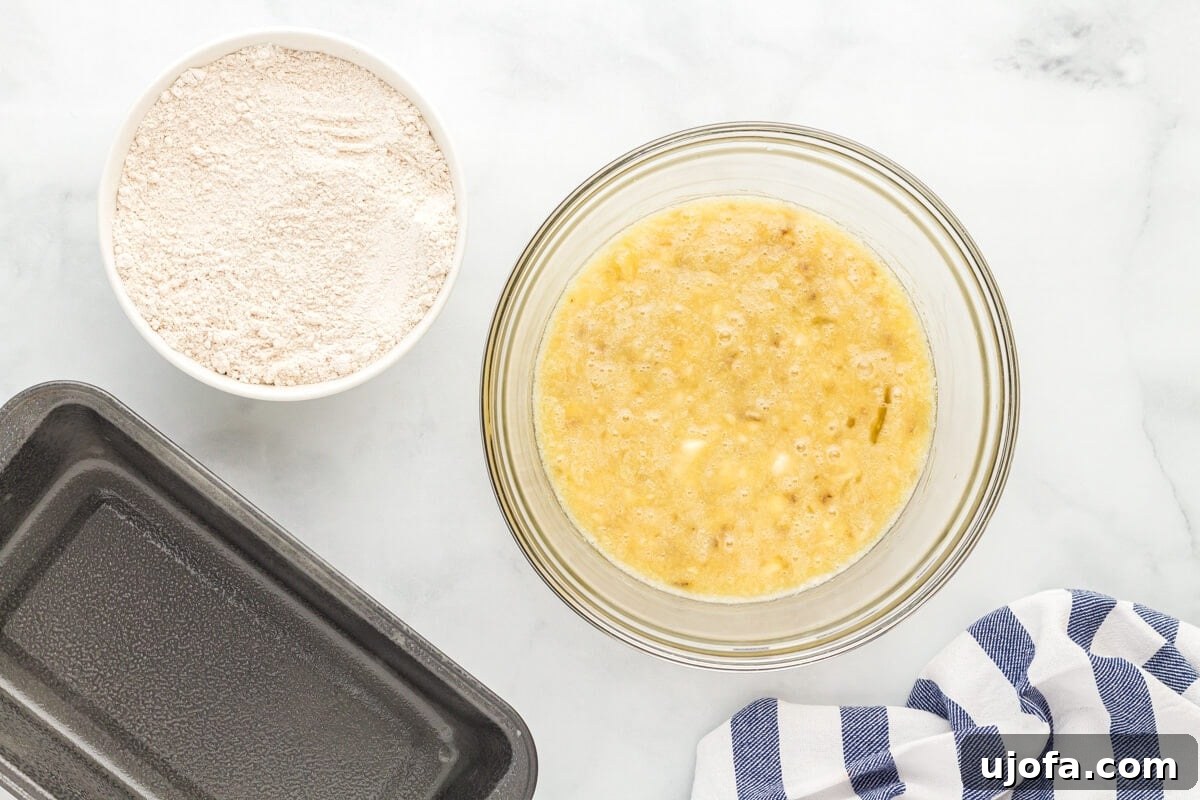
First, preheat your oven to 350°F (175°C) and prepare a 9 x 5-inch loaf pan by spraying it with non-stick cooking spray. In a medium bowl, combine 3 cups of oat flour, 3 teaspoons of baking powder, ½ teaspoon of salt, and ½ teaspoon of ground cinnamon. Whisk these dry ingredients together thoroughly to ensure even distribution.
In a separate large bowl, combine the wet ingredients: 3 mashed overly ripe medium bananas, ¾ cup of granulated sugar, ½ cup of melted (but not hot) unsalted butter, 2 large eggs, and 1 teaspoon of vanilla extract. Stir these together until they are well mixed and uniform.
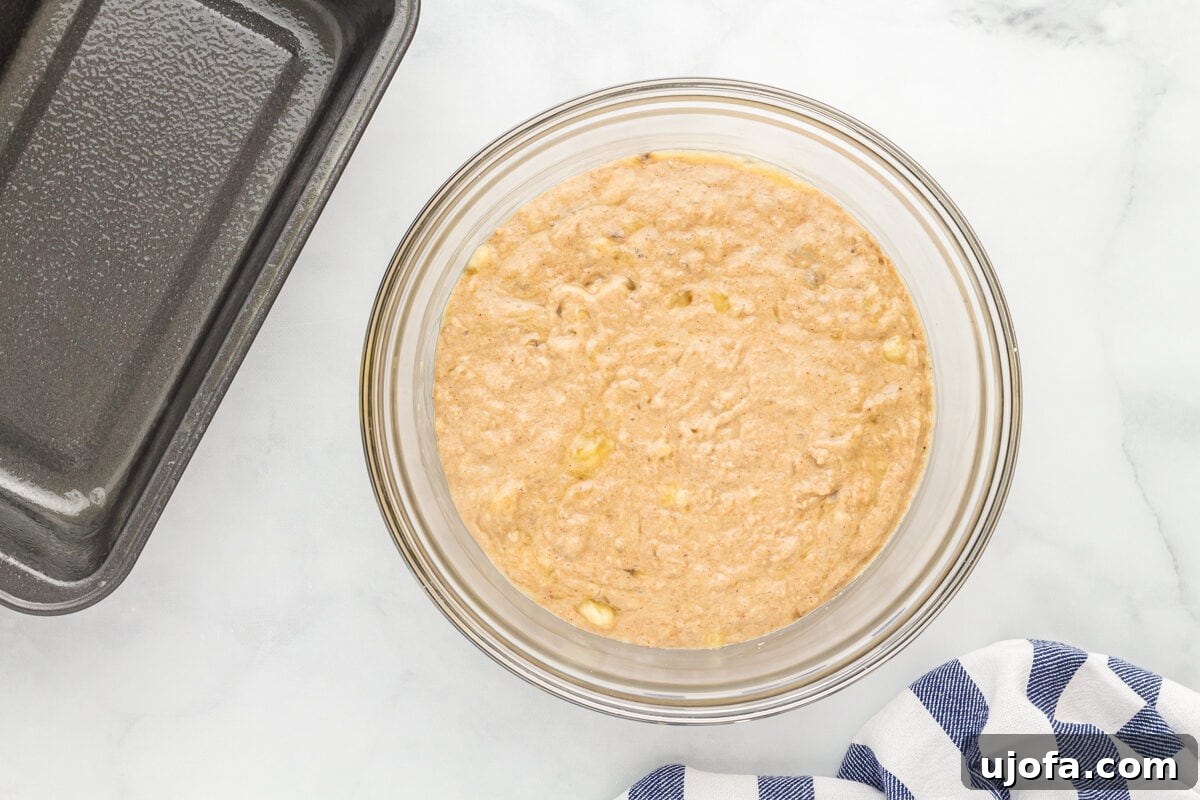
Next, gently pour the dry ingredients into the large bowl containing the wet ingredients. Using a spatula or wooden spoon, stir until the ingredients are just combined. It’s crucial not to overmix at this stage; a few lumps are perfectly fine and will ensure a tender loaf. Overmixing can lead to a denser texture.
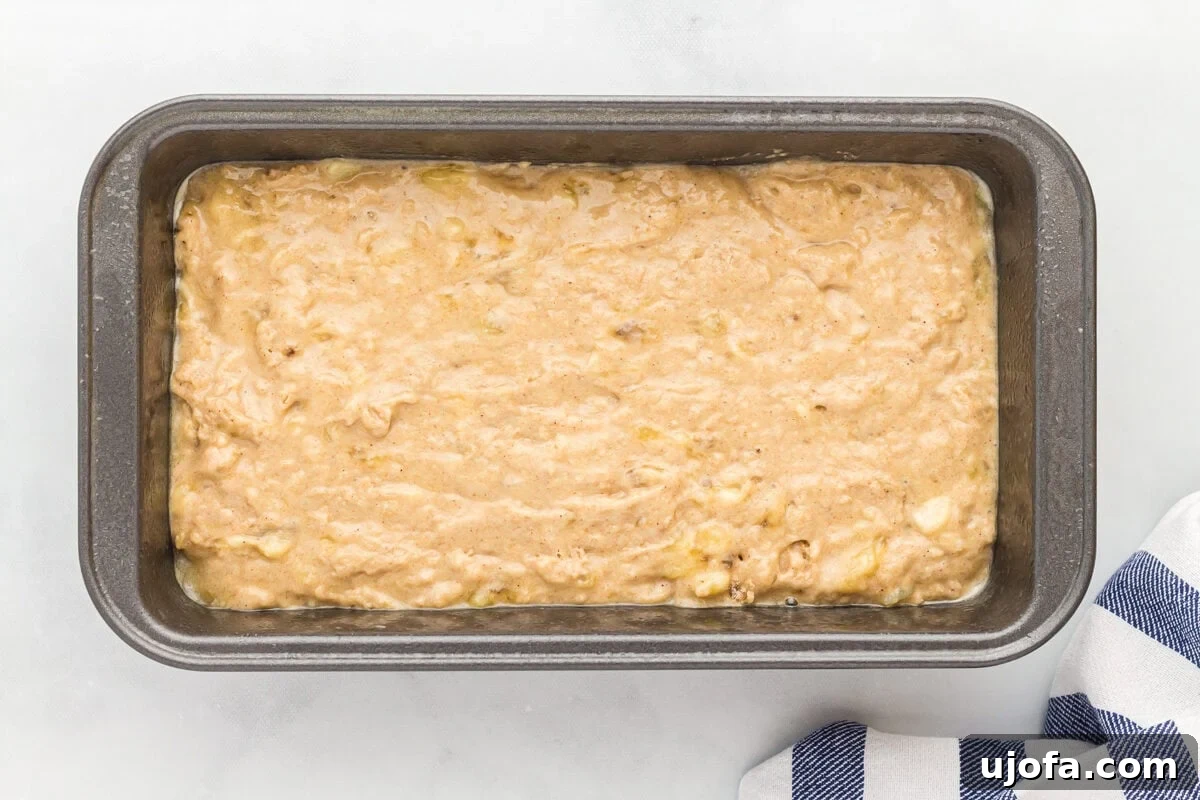
Once your batter is ready, carefully pour it into the prepared loaf pan. Use your spatula to spread the batter evenly and smooth out the top. This helps achieve a uniform bake and a beautiful golden-brown crust.
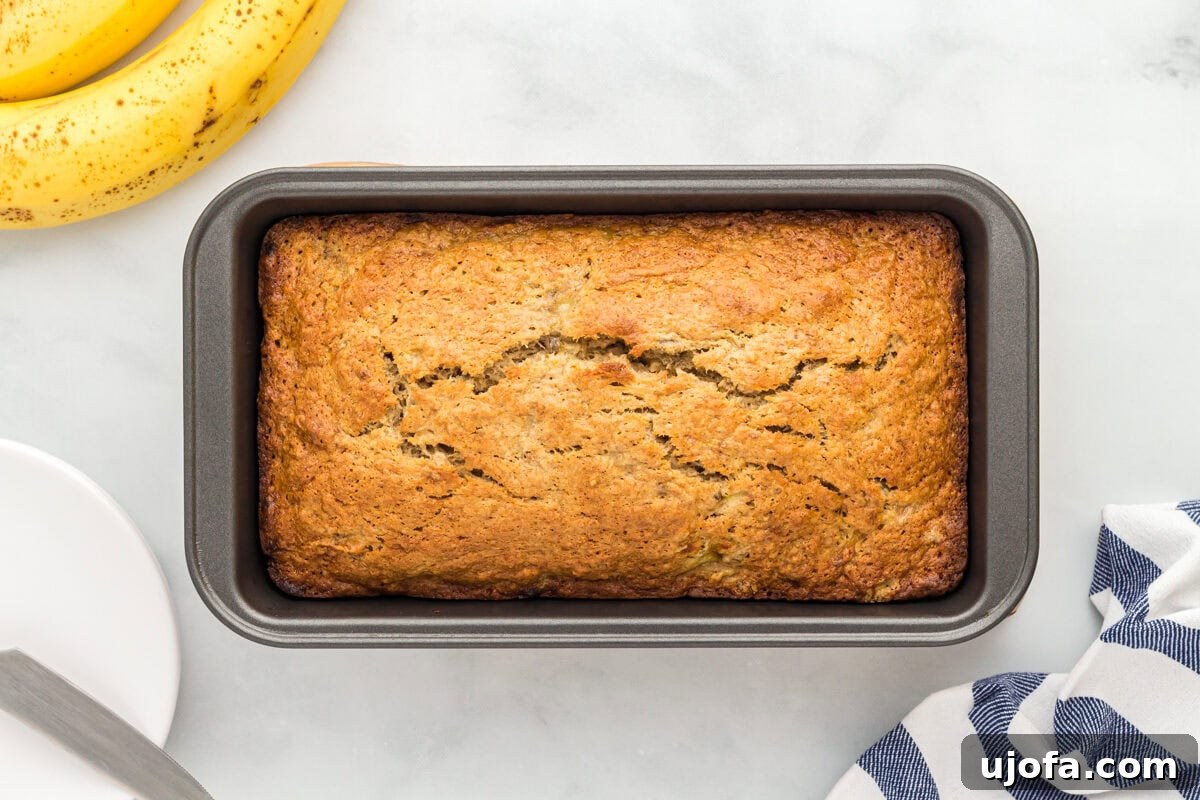
Place the loaf pan in your preheated oven and bake for approximately 50 to 52 minutes. The best way to check for doneness is to insert a clean toothpick into the center of the loaf; if it comes out clean, the bread is ready. Once baked, remove the pan from the oven and allow the banana bread to cool completely in the pan for at least 2 hours before attempting to slice and serve. This cooling period is vital for the bread’s structure to set, ensuring perfect slices.