
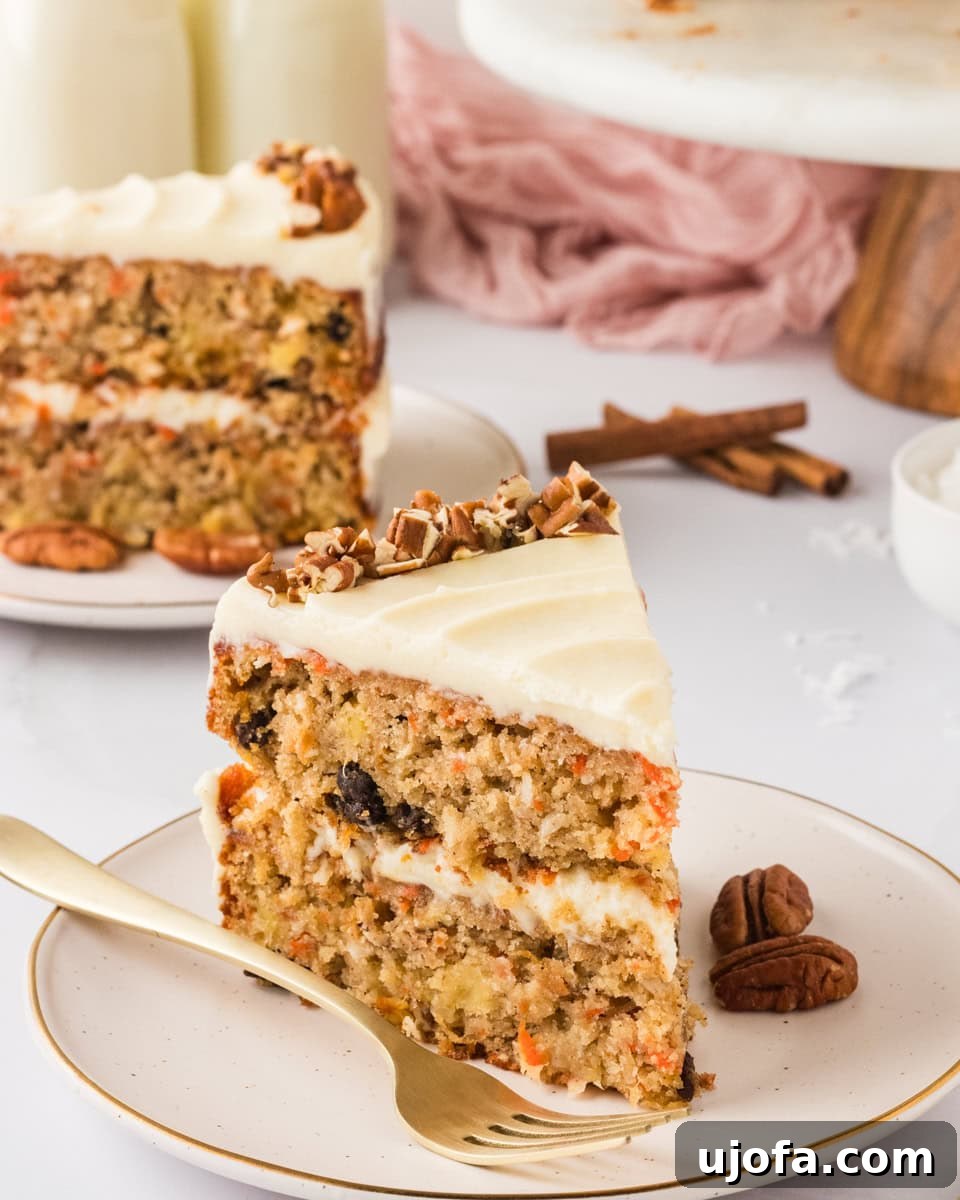
The Ultimate Gluten-Free Carrot Cake with Zesty Cream Cheese Frosting
Prepare to fall in love with this gluten-free carrot cake, a recipe so exquisitely moist, rich, and flavorful that it consistently earns rave reviews from everyone, regardless of their dietary preferences. This isn’t just a gluten-free alternative; it’s a show-stopping dessert in its own right, delivering that coveted “bakery-quality” taste right from your own kitchen. With a delightful blend of warm spices, naturally sweet carrots, a hint of tropical pineapple, and tender coconut, each slice offers an irresistible symphony of textures and flavors. Crowned with a bright, tangy cream cheese frosting infused with a touch of lemon, this cake is truly a masterpiece that’s surprisingly simple to create.
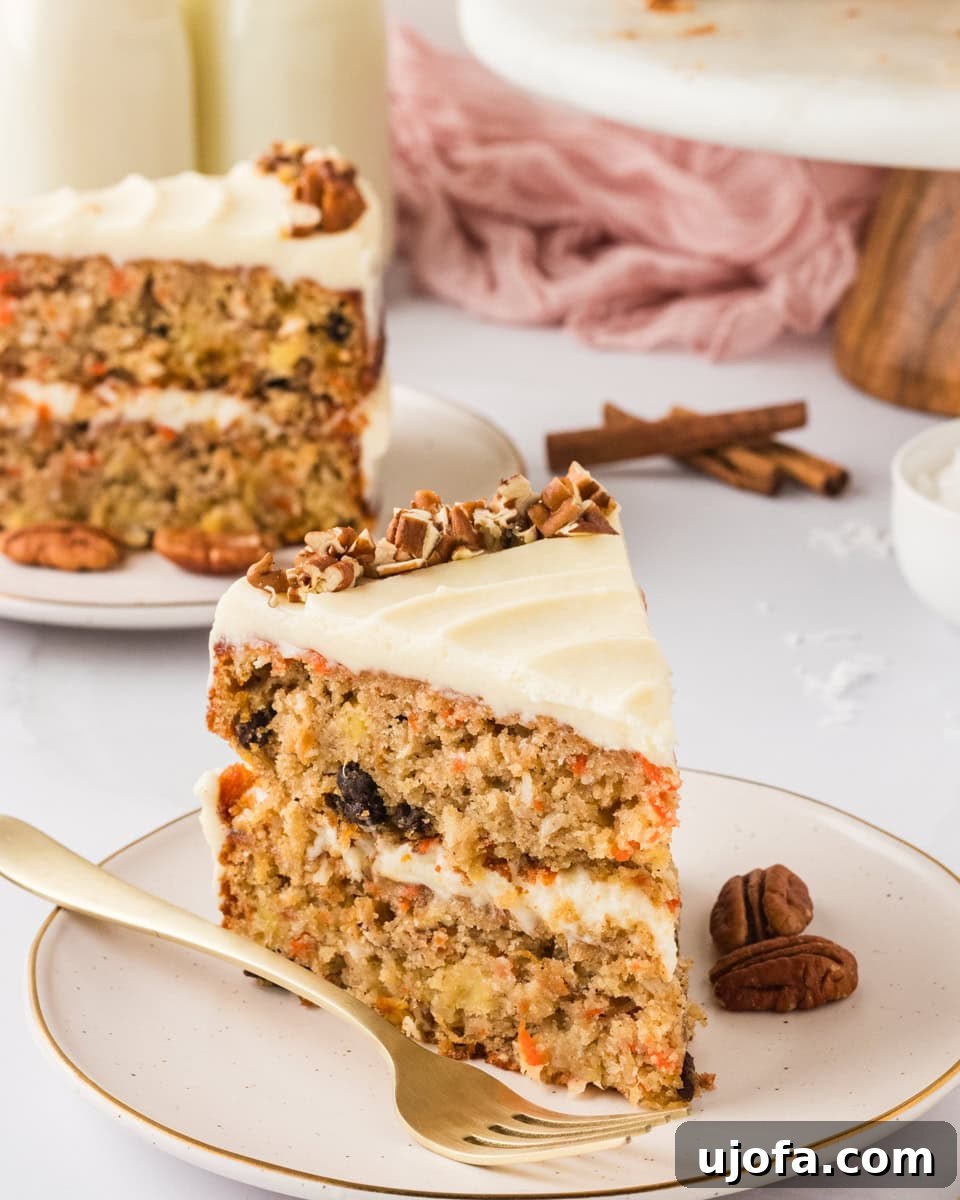
Why This Gluten-Free Carrot Cake Is a Must-Try
Every baker dreams of a cake that turns out perfect every time—moist, soft, and tender—and this gluten-free carrot cake consistently delivers. The magic lies in a harmonious combination of carefully selected ingredients: the earthy sweetness of fresh carrots, the tropical tang of crushed pineapple, and the comforting chew of shredded coconut. These elements are perfectly balanced by a warm spice blend featuring cinnamon, nutmeg, cloves, and allspice, creating a depth of flavor that is truly remarkable. Best of all, this recipe utilizes common pantry staples, making it accessible for any home baker.
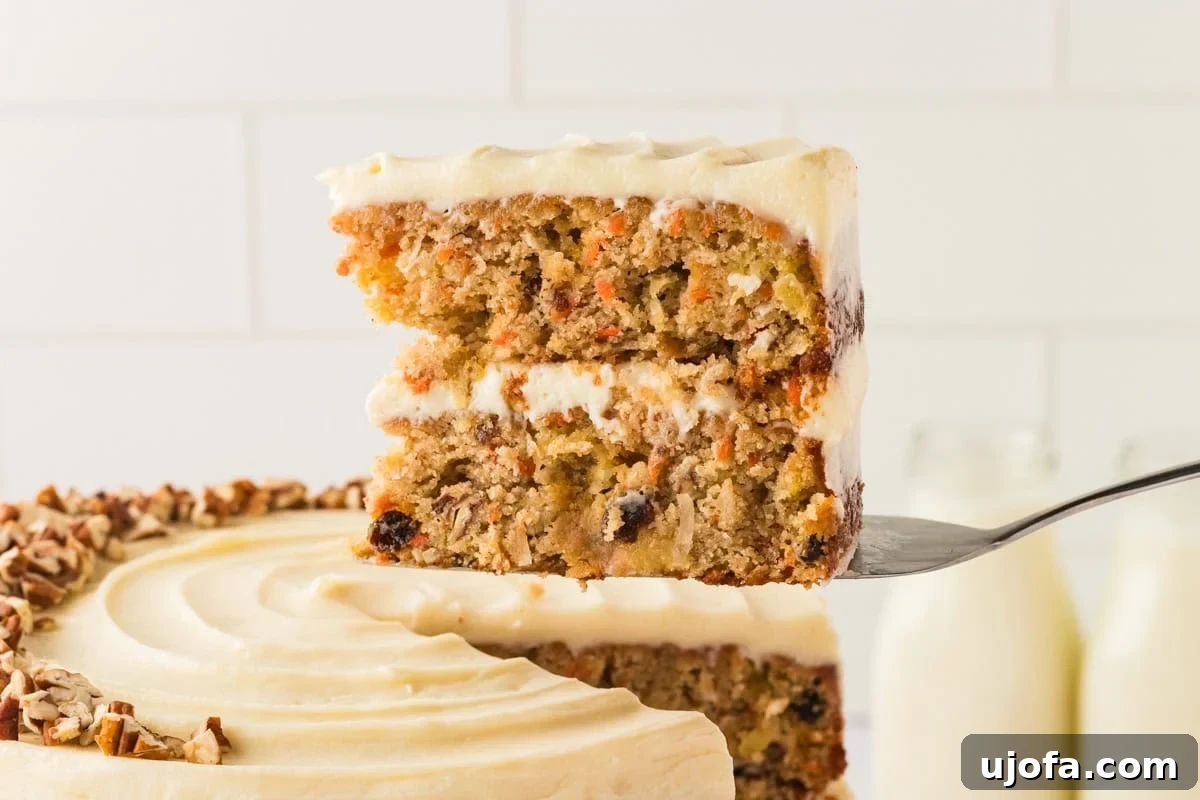
What truly sets this carrot cake apart is its incredible texture. Even without gluten, the cake remains incredibly moist and tender, a characteristic often challenging to achieve in gluten-free baking. This is thanks to the natural moisture from the carrots and undrained crushed pineapple, combined with applesauce, which acts as a fantastic binder and moisture enhancer. The generous slathering of light and creamy cream cheese frosting provides the perfect counterpoint, adding a rich, tangy sweetness that never overwhelms the delicate cake flavor. It’s a beautifully balanced dessert that satisfies every craving.
This cake isn’t just a recipe; it’s a celebration. Whether you’re gathering for Easter, marking a special birthday, or simply seeking a cozy weekend treat, it’s the kind of dessert that vanishes quickly. It’s my go-to for special occasions, consistently garnering rave reviews, even from those who typically eat gluten. Its universal appeal makes it a fantastic choice for any event, proving that gluten-free can be utterly delicious and universally loved.
Gluten-Free Carrot Cake
Share by Email
Print Recipe
This gluten-free carrot cake is one of my absolute favorites. It’s incredibly easy to make, yet it tastes like something straight out of a bakery. The warm blend of spices perfectly complements the natural sweetness of the carrots, pineapple, and coconut, creating a rich, moist texture that no one will ever guess is gluten-free.
Equipment
- 2 9×9-inch cake pans
Ingredients
Cake
- 2 cups gluten-free all-purpose flour with xanthan gum (I like Pillsbury gluten-free. Note: Not all gluten-free flours are created equal. You may experience different baking results depending on the gluten-free flour blend you choose.)
- 1 teaspoon baking soda
- ½ teaspoon gluten-free baking powder
- ½ teaspoon salt
- 2 teaspoons ground cinnamon
- ¼ teaspoon ground nutmeg
- ⅛ teaspoon ground cloves
- ¼ teaspoon ground allspice
- 2 cups granulated sugar
- 3 large eggs
- 1 ½ cups applesauce (I keep applesauce snack cups in my pantry; they are ½ cup portions.)
- ½ cup raisins
- 1 cup shredded sweetened coconut
- ½ cup pecans, chopped
- 1 cup crushed pineapple in juice (not syrup; do not drain)
- 2 cups grated carrots (from 2-3 large carrots)
- 1 teaspoon pure vanilla extract
Cream Cheese Frosting
- 1 cup butter, softened
- 2 8-ounce cream cheese packages, softened
- 2 cups powdered sugar (If you want a firmer frosting, add an additional 1-2 cups of powdered sugar)
- 2 tablespoons lemon juice
- 1 teaspoon pure vanilla extract
Instructions
- Preheat the oven to 350°F (177°C).
- Cut parchment paper circles to fit the bottom of your two 9-inch cake pans. Place the circles in the bottom of the pans and spray them generously with gluten-free cooking spray.
- In a large bowl, mix together the granulated sugar, eggs, and applesauce until fully combined and smooth.
- In a separate medium-sized bowl, stir together the gluten-free flour, baking soda, baking powder, salt, cinnamon, nutmeg, cloves, and allspice. Whisk well to ensure all dry ingredients are evenly distributed.
- Stir the grated carrots, shredded coconut, crushed pineapple (undrained), raisins, chopped pecans, and pure vanilla extract into the wet sugar and egg mixture. Mix until everything is well incorporated.
- Gradually add the dry flour mixture to the wet batter, mixing until just combined. Be careful not to overmix; overmixing can lead to a tougher cake texture.
- Divide the batter evenly between the two prepared 9-inch cake pans.
- Bake for 35-40 minutes, or until the edges of the cake start to brown and pull away from the sides of the pan. This is a very moist cake, so insert a toothpick into the center to check for doneness; it should come out clean or with a few moist crumbs, not wet batter. Baking times can vary between ovens, so monitor your cake closely.
- Cool the cakes completely in their pans on a wire rack. For best results, once cooled, cover the cake pans with plastic wrap and refrigerate for several hours or even overnight. A chilled cake is much easier to frost.
Notes
- Don’t skip the parchment paper and cooking spray! This cake is wonderfully moist, which means it can be more prone to sticking. Proper pan preparation is key for easy release.
- When measuring gluten-free flour, use the “spoon & level” method. Spoon the flour into your measuring cup and then level it off with a straight edge. This prevents you from compacting the flour and adding too much to the recipe, which can result in a dry cake.
- Always use a toothpick to check if the cakes are done. This carrot cake is incredibly moist, so a small amount of cake may stick to the toothpick, but it should not be wet or gooey. This indicates a perfectly baked cake.
- Allow the cakes to cool completely in their pans before attempting to frost them. Once thoroughly cooled, I cover the cake pans with plastic wrap and refrigerate for several hours, or even overnight, before frosting. I find that carrot cake is best served really cold, and frosting a cold cake prevents the frosting from melting and sliding off.
- For a dairy-free option, I’ve successfully used Kite Hill dairy-free cream cheese for the frosting.
- I like to decorate the top with shredded coconut, chopped pecans, and simple frosting flowers using a Wilton 1M tip for a beautiful finish.
- While you can customize this carrot cake, I highly recommend including the shredded coconut and especially the crushed pineapple. The pineapple is a crucial ingredient for achieving the cake’s signature moisture and unique flavor profile. I haven’t tried this recipe without it, as it contributes significantly to both texture and taste.
- If you prefer cupcakes, simply divide the batter into lined muffin tins and bake for approximately 15–20 minutes. In my experience, 20 minutes yields perfectly baked cupcakes, but keep an eye on your oven as baking times can differ.
Nutrition
Calories: 449kcal
Carbohydrates: 65g
Protein: 8g
Fat: 19g
Saturated Fat: 11g
Polyunsaturated Fat: 1g
Monounsaturated Fat: 5g
Trans Fat: 0.5g
Cholesterol: 65mg
Sodium: 471mg
Potassium: 267mg
Fiber: 4g
Sugar: 47g
Vitamin A: 3104IU
Vitamin C: 4mg
Calcium: 142mg
Iron: 1mg
Nutrition information is automatically calculated, so should only be used as an approximation.
Additional Info
Tried this recipe?
Mention @mamaknowsglutenfree or tag #mamaknowsglutenfree!
How to Make Gluten-Free Carrot Cake: A Step-by-Step Guide
Creating this delicious gluten-free carrot cake is a straightforward process. Follow these easy steps to bake a masterpiece that everyone will adore.
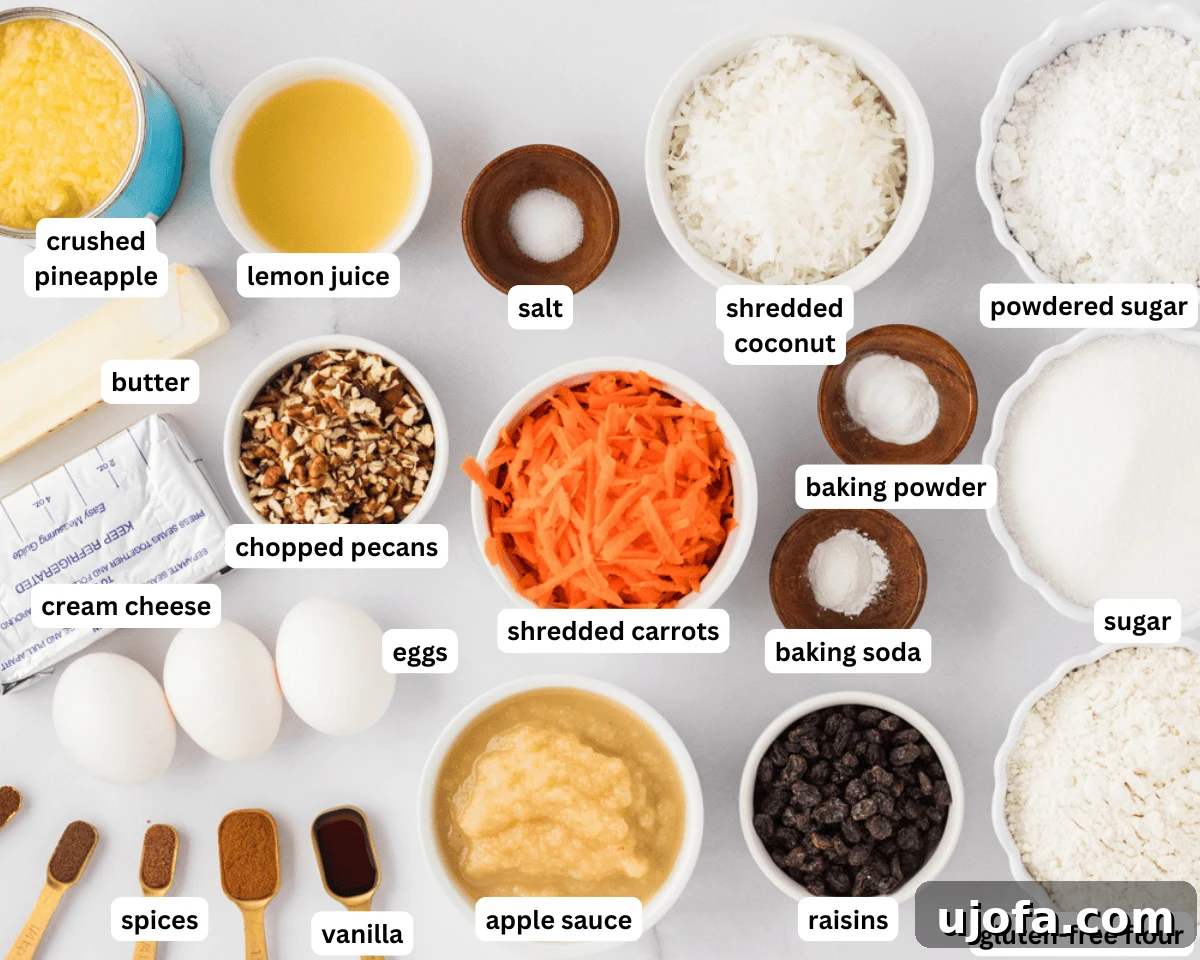
Before you start, gather all your ingredients and measure them accurately. This mise en place technique is crucial for successful baking, especially with gluten-free recipes.
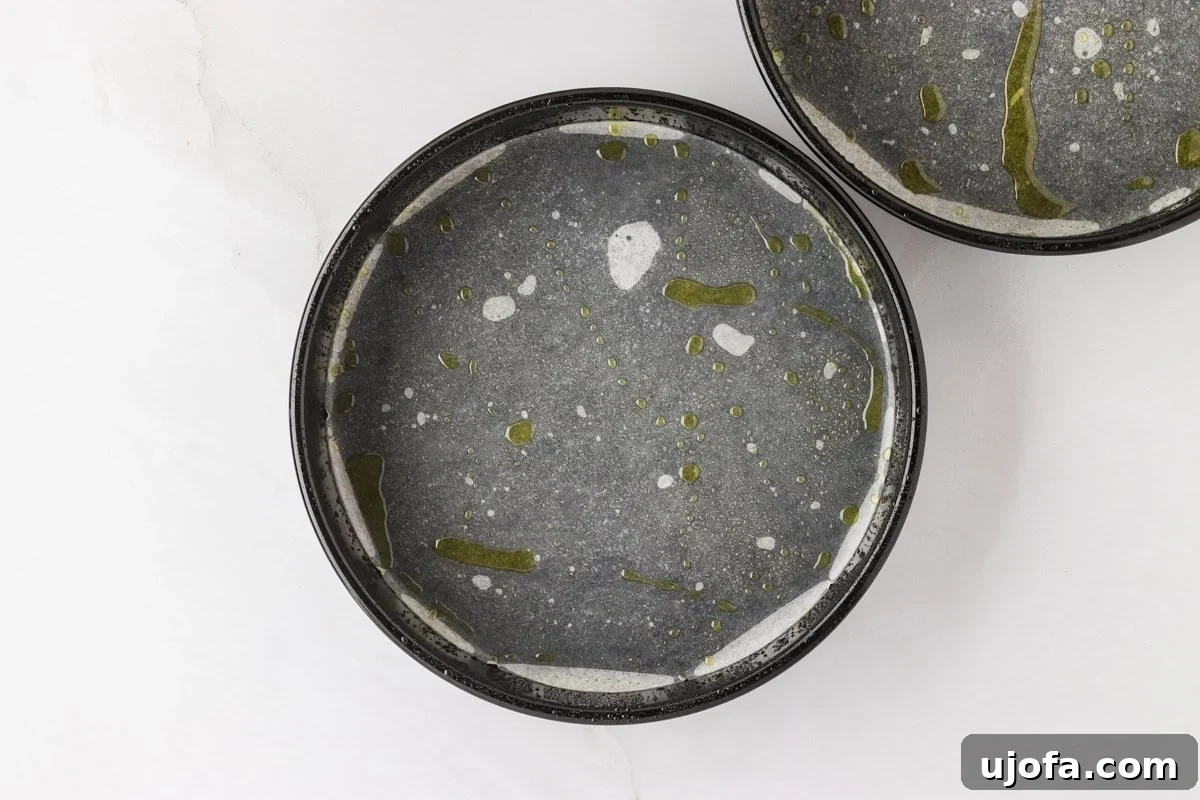
Preheat your oven to 350°F (177°C). To prepare your two 9-inch cake pans, cut parchment paper into circles to fit the bottoms. Place these circles into the pans and then spray thoroughly with a gluten-free cooking spray. This double layer of protection is essential for preventing this moist cake from sticking.
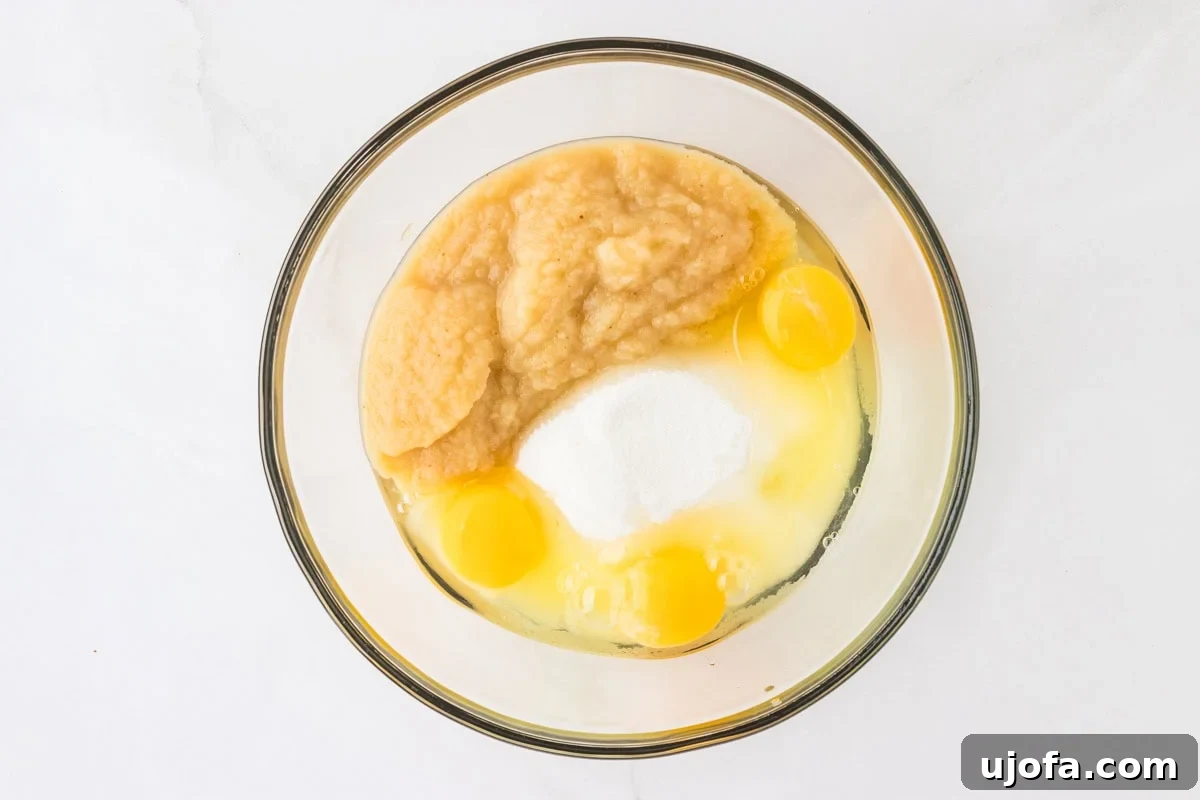
In a large mixing bowl, combine 2 cups of granulated sugar, 3 large eggs, and 1 ½ cups of applesauce. Whisk these wet ingredients together until they are well combined and the mixture is light and fluffy.
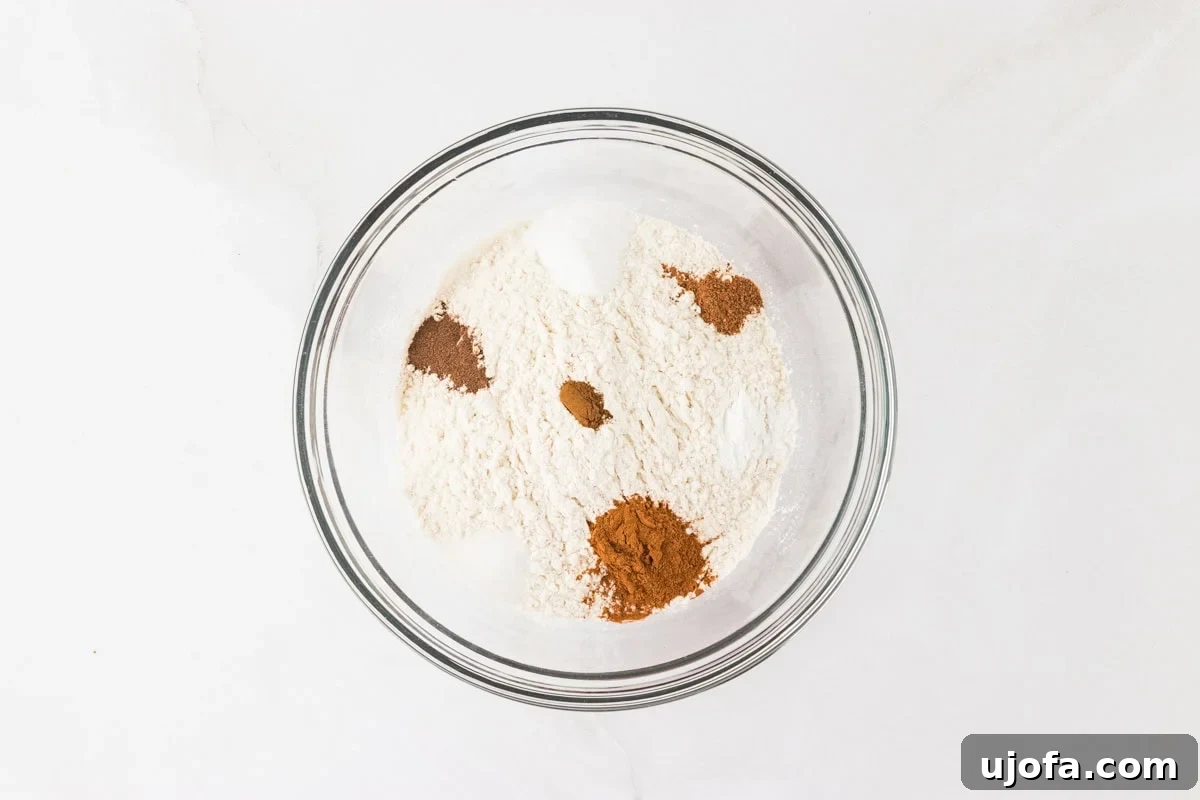
In a separate medium-sized bowl, whisk together 2 cups of gluten-free all-purpose flour (ensure it contains xanthan gum), 1 teaspoon baking soda, ½ teaspoon gluten-free baking powder, ½ teaspoon salt, 2 teaspoons ground cinnamon, ¼ teaspoon ground nutmeg, ⅛ teaspoon ground cloves, and ¼ teaspoon ground allspice. Make sure these dry ingredients are thoroughly mixed to ensure even distribution throughout the batter.
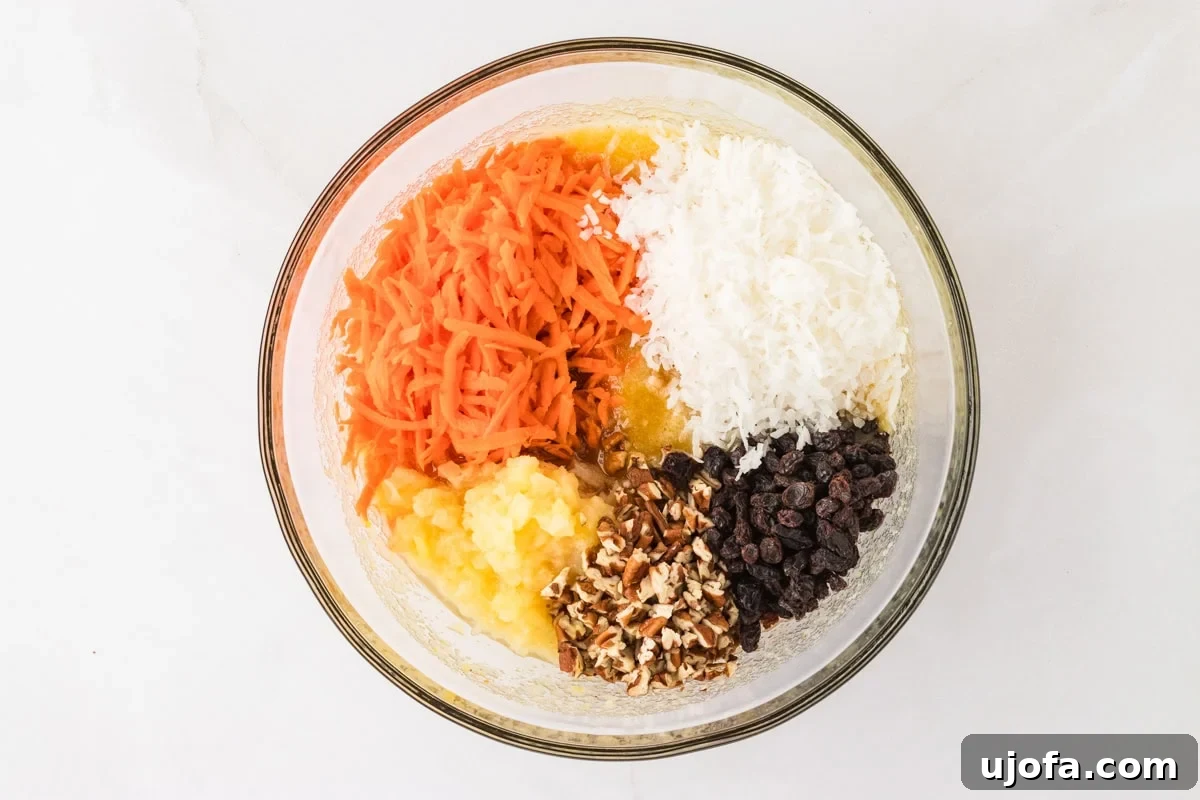
Add the aromatic and textural components to your wet mixture: ½ cup raisins, 1 cup shredded sweetened coconut, ½ cup chopped pecans, 1 cup undrained crushed pineapple, 2 cups grated carrots, and 1 teaspoon pure vanilla extract. Gently stir until these flavorful additions are evenly distributed.
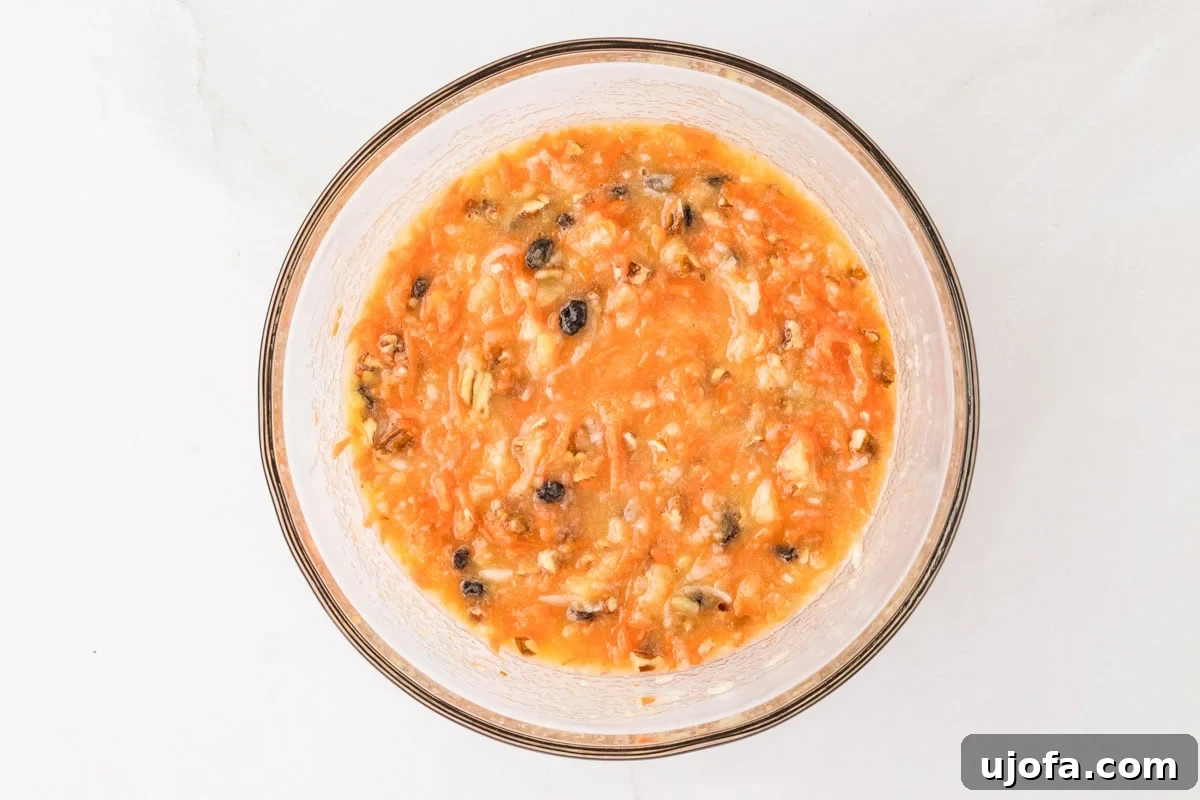
Now, carefully add the dry flour mixture to the wet batter. Mix until all ingredients are just combined and no pockets of dry flour remain. Be mindful not to overmix, as this can negatively impact the final texture of your gluten-free cake.
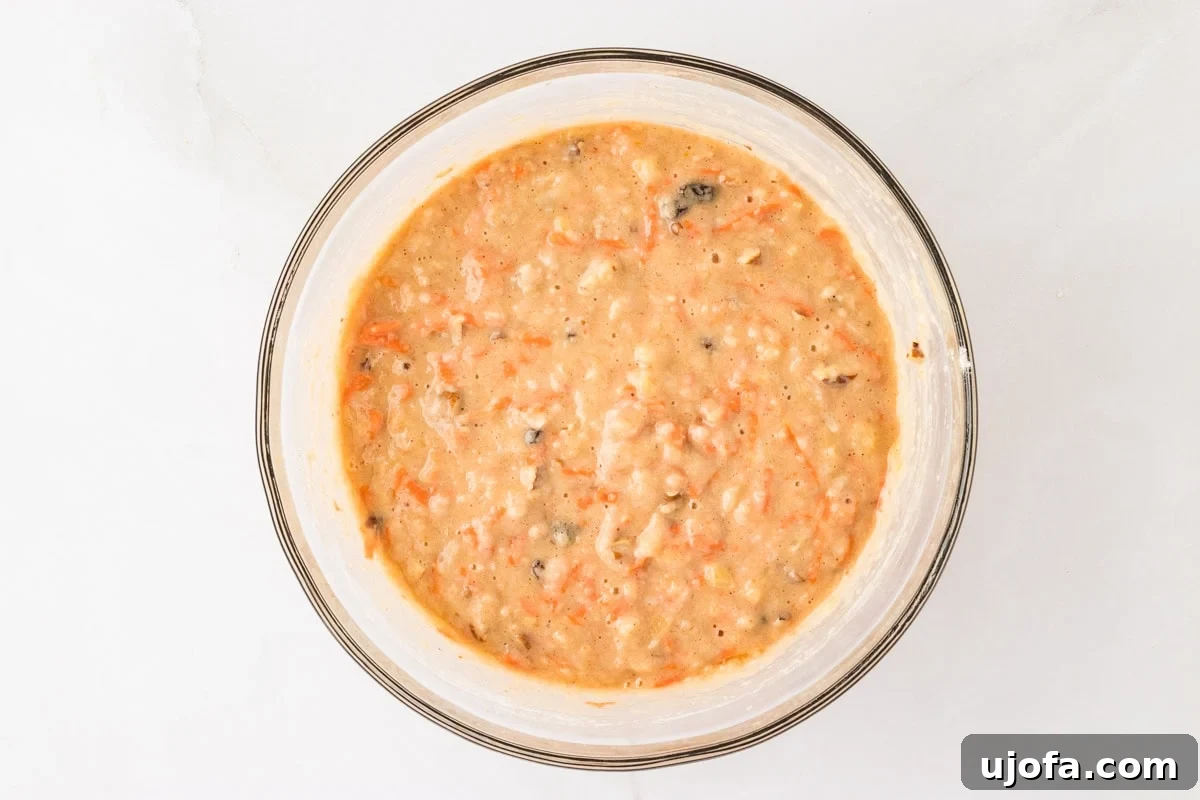
Once your batter is perfectly mixed, it will be smooth, thick, and studded with vibrant carrot shreds and other delicious add-ins, ready for the oven.
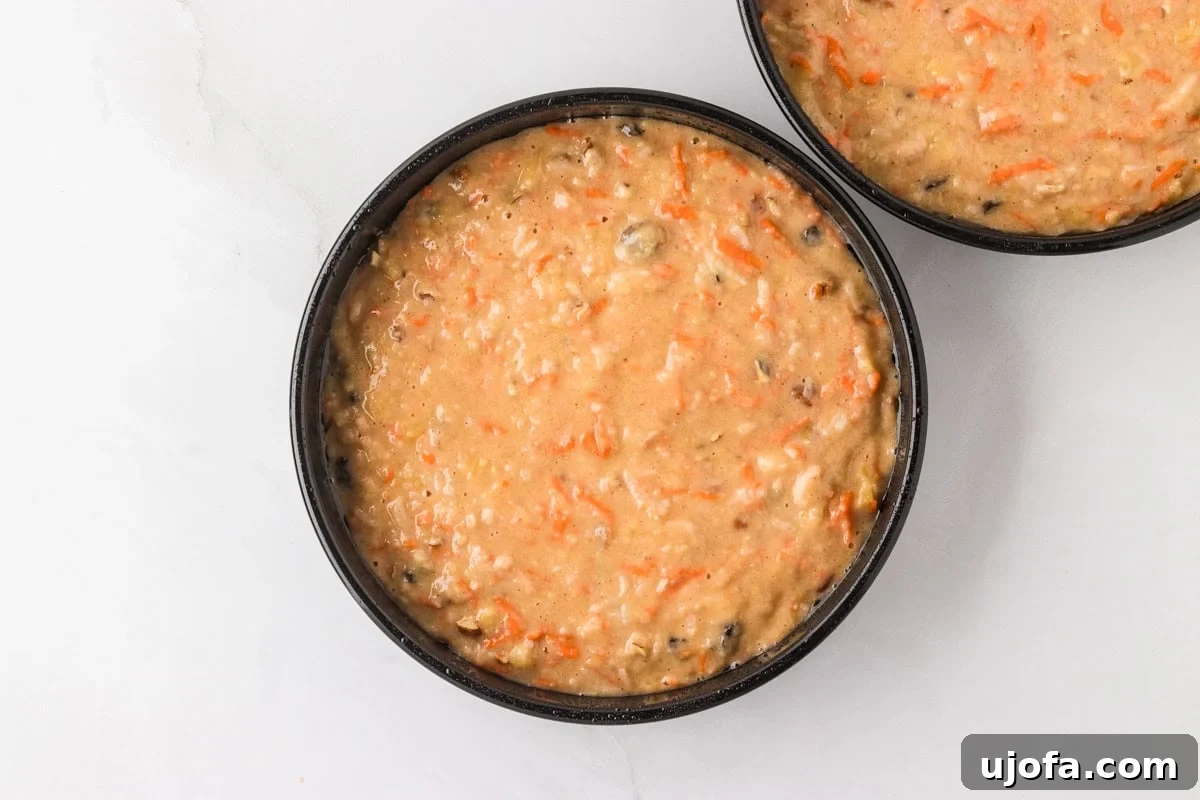
Divide the luscious batter evenly between your two meticulously greased 9-inch cake pans. This ensures both cake layers bake uniformly and are of similar height.
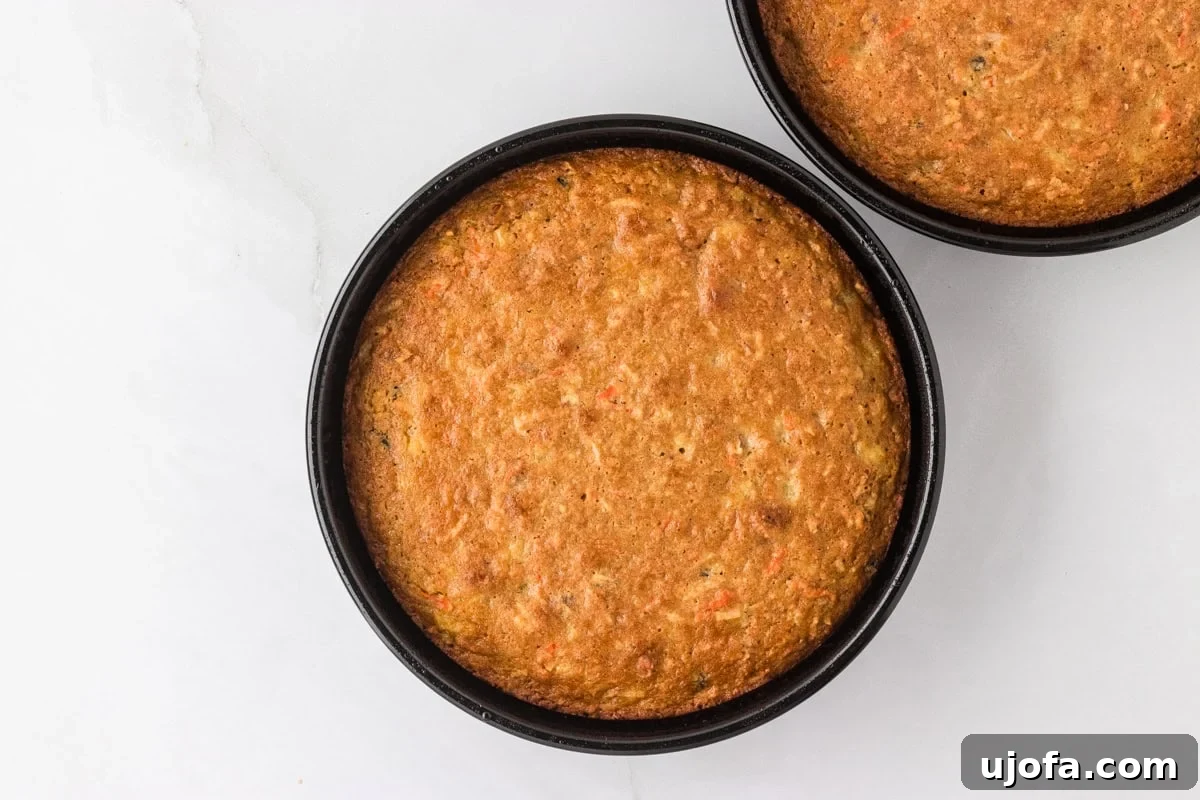
Place the cake pans on the middle rack of your preheated oven and bake for 35-40 minutes. Look for the edges to begin browning and pulling away from the sides of the pan. Because this is a very moist cake, use the toothpick test: insert a toothpick into the center, and it should come out clean or with a few moist crumbs. Monitor your cake, as oven temperatures can vary. Let the cakes cool in their pans for 10-15 minutes before carefully inverting them onto a wire rack to cool completely. For the best frosting experience, once fully cooled, wrap each cake layer in plastic wrap and refrigerate for several hours or overnight. Attempting to frost a warm cake will only lead to a runny, melted mess.
Crafting the Cream Cheese Frosting
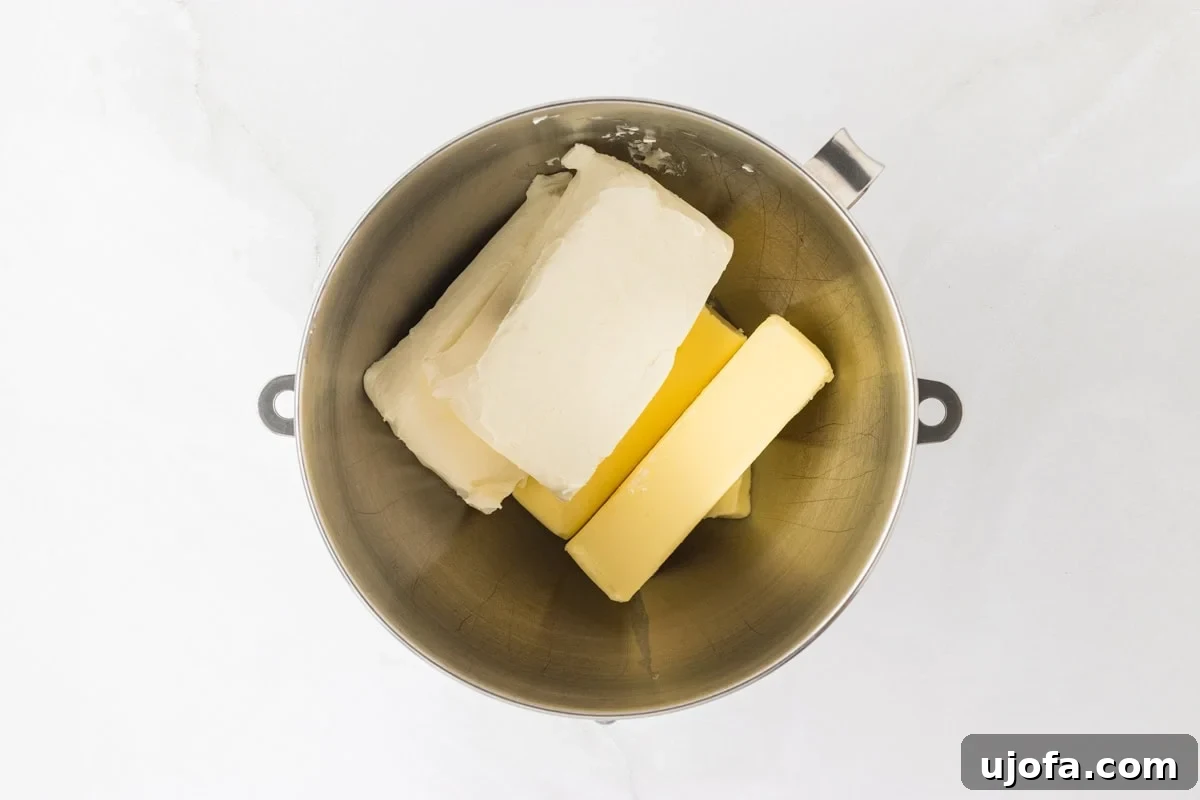
To begin your delightful cream cheese frosting, add 1 cup of softened unsalted butter and two 8-ounce packages of softened cream cheese to a large mixing bowl.
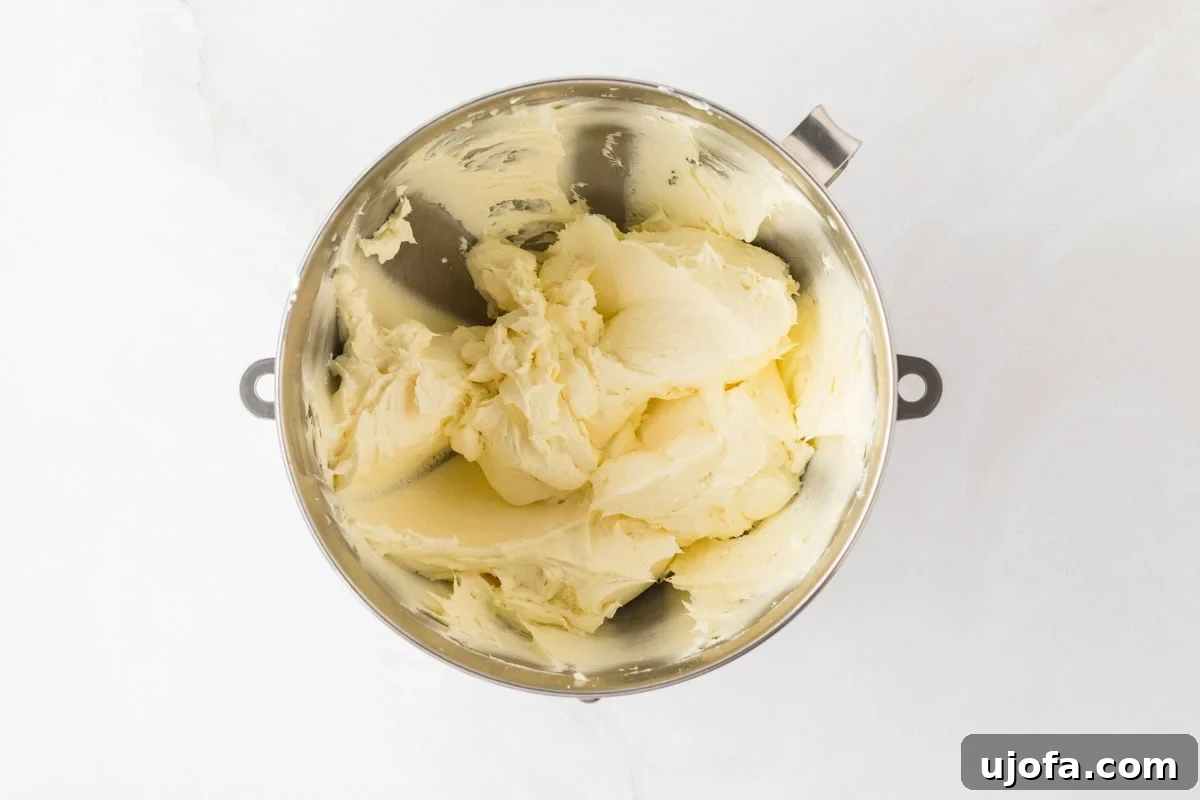
Using an electric mixer, beat the butter and cream cheese together on medium speed until the mixture is beautifully smooth, light, and fluffy. This can take several minutes.
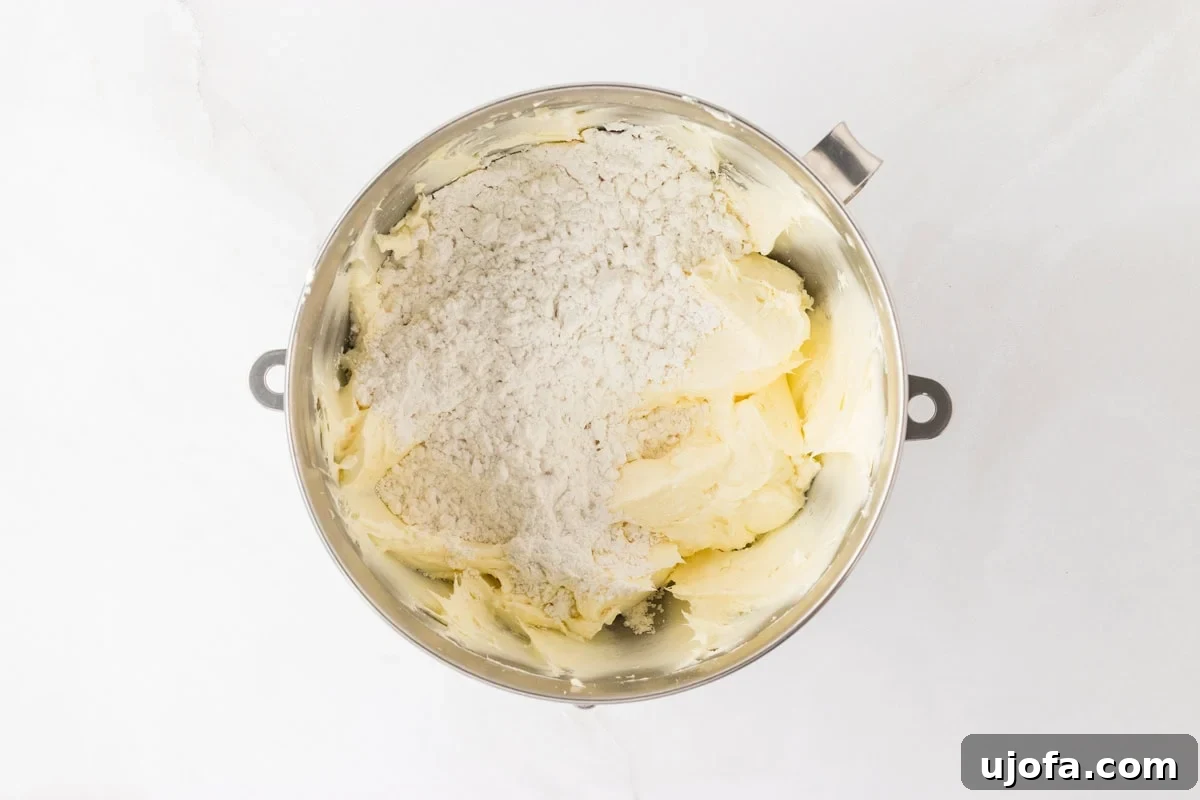
Slowly add 2 cups of powdered sugar, one cup at a time, beating on low speed until each addition is fully incorporated. If you desire a firmer frosting, you may add an additional 1-2 cups of powdered sugar.
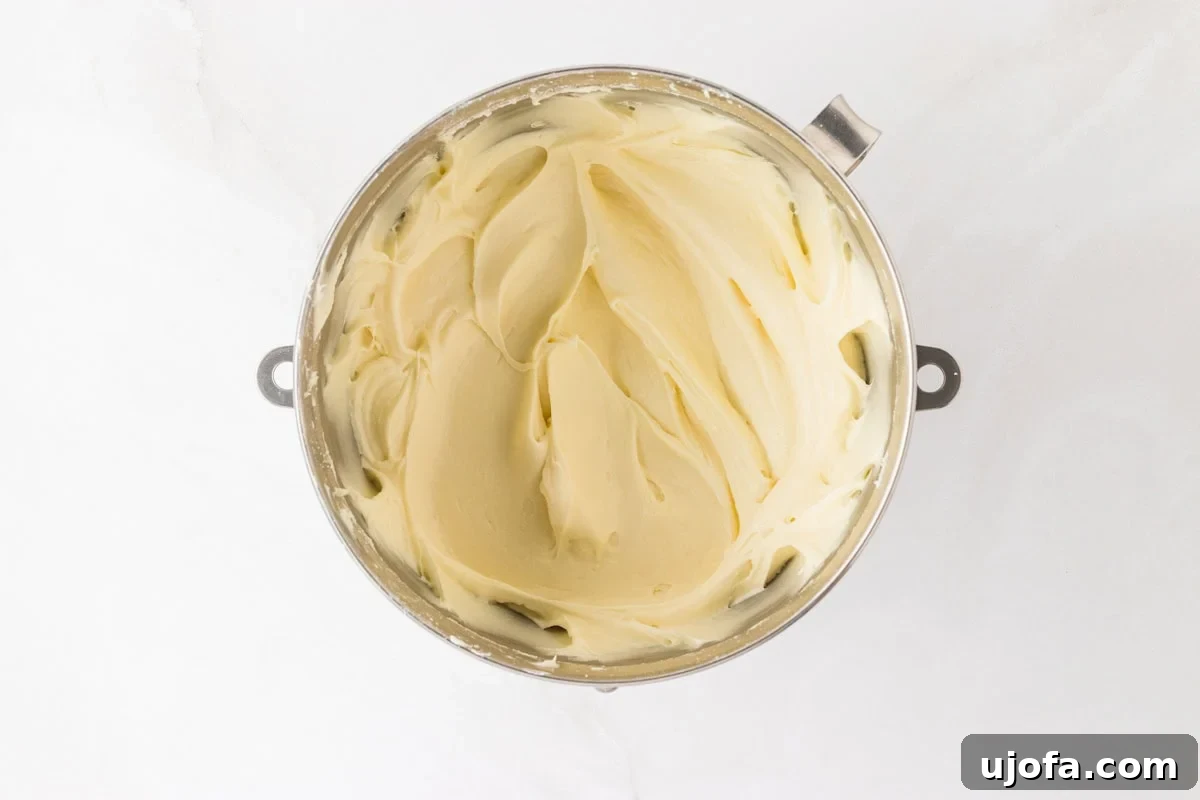
Continue beating until the powdered sugar is thoroughly mixed in, and the frosting achieves a wonderfully smooth, creamy, and spreadable consistency.
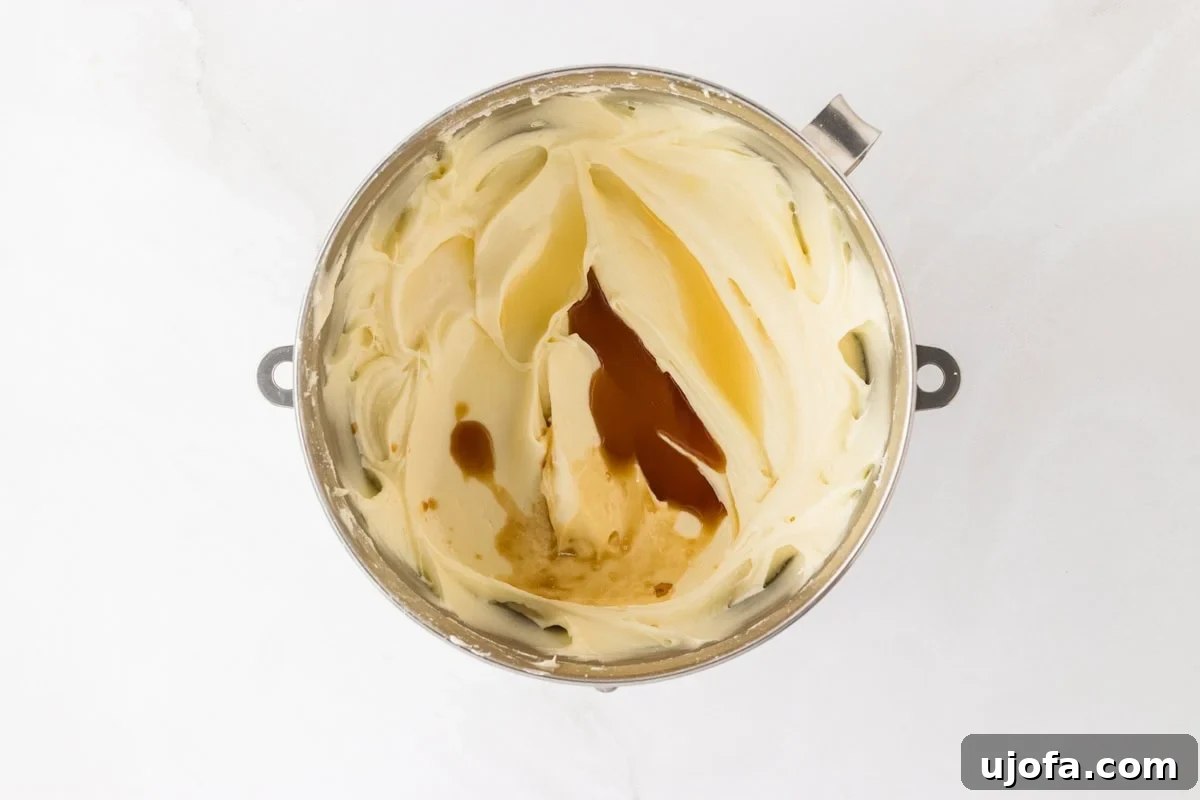
Finally, beat in 2 tablespoons of fresh lemon juice and 1 teaspoon of pure vanilla extract. The lemon juice adds a delightful tang that brightens the rich frosting, perfectly complementing the carrot cake.
Assembling and Decorating
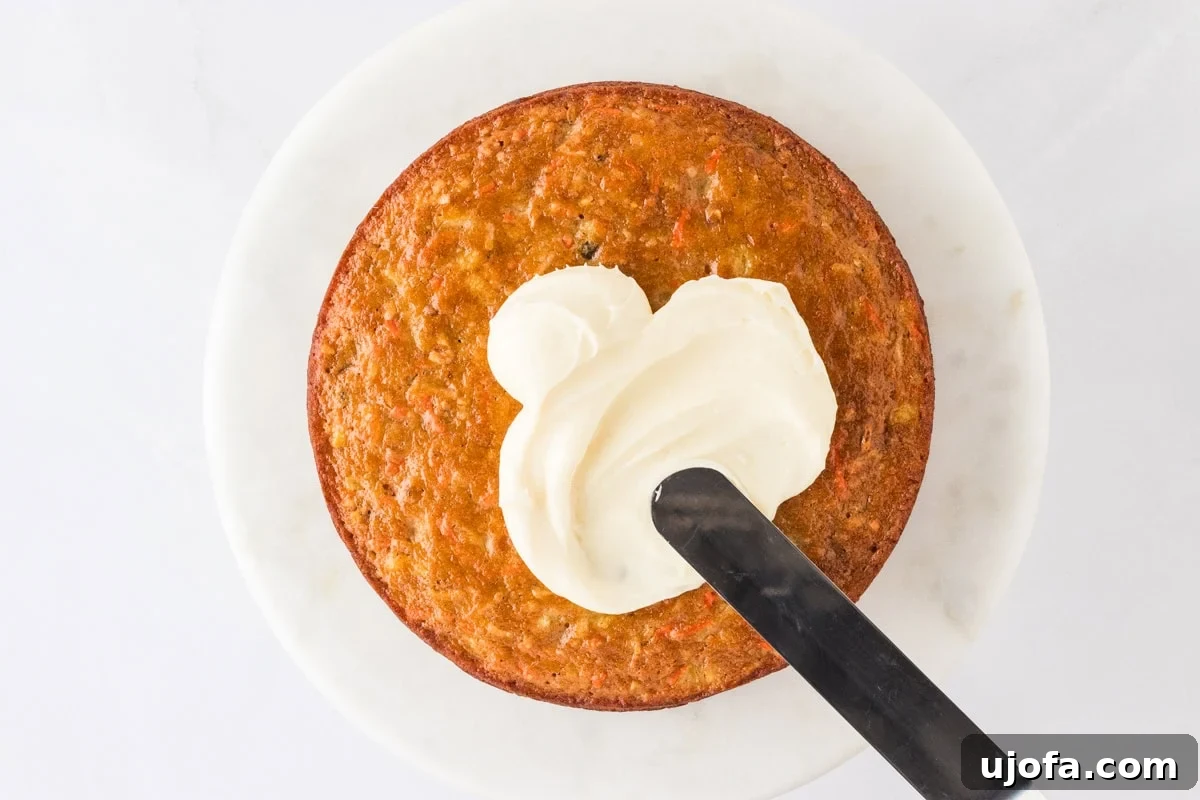
Once your cake layers are completely chilled, place the first layer on your serving plate or cake stand. Evenly spread a generous amount of cream cheese frosting over the top, extending just to the edges.
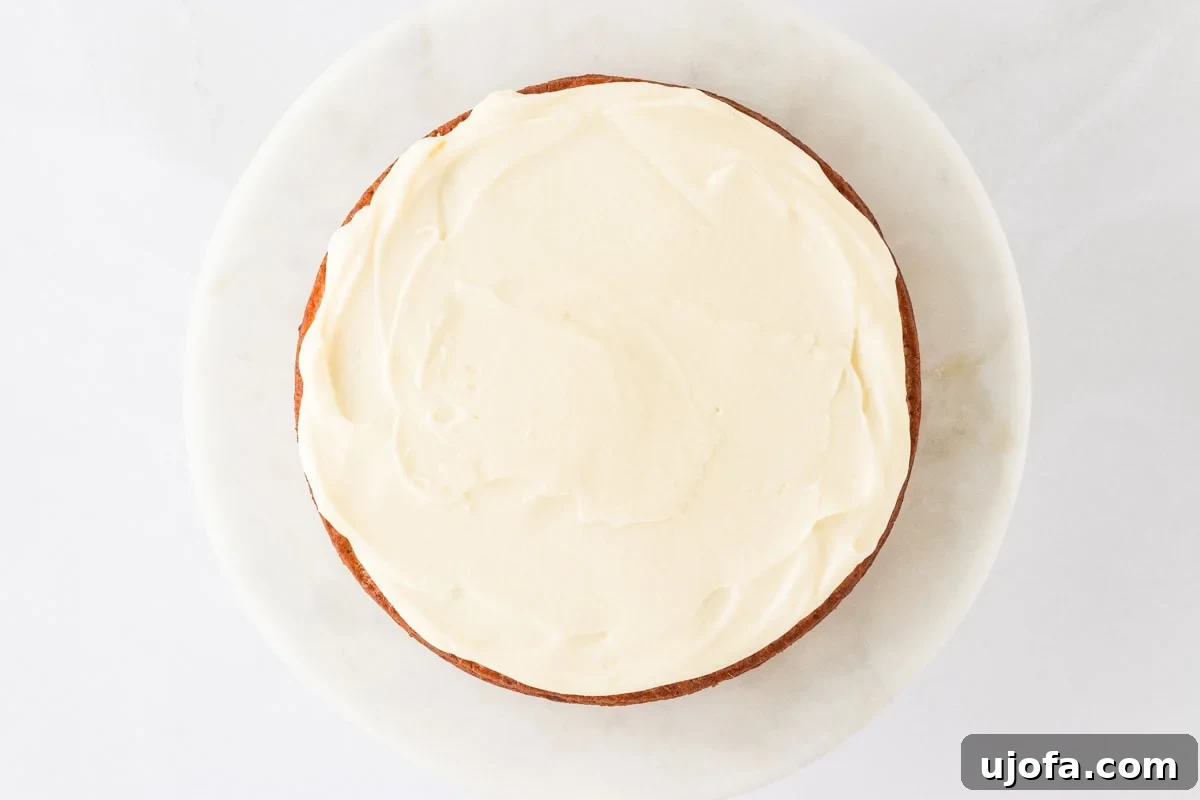
Carefully place the second cake layer on top of the frosted first layer. Then, apply the remaining frosting to the top and sides of the cake, spreading it smoothly and evenly. You can create decorative swirls with an offset spatula or simply leave it rustic.
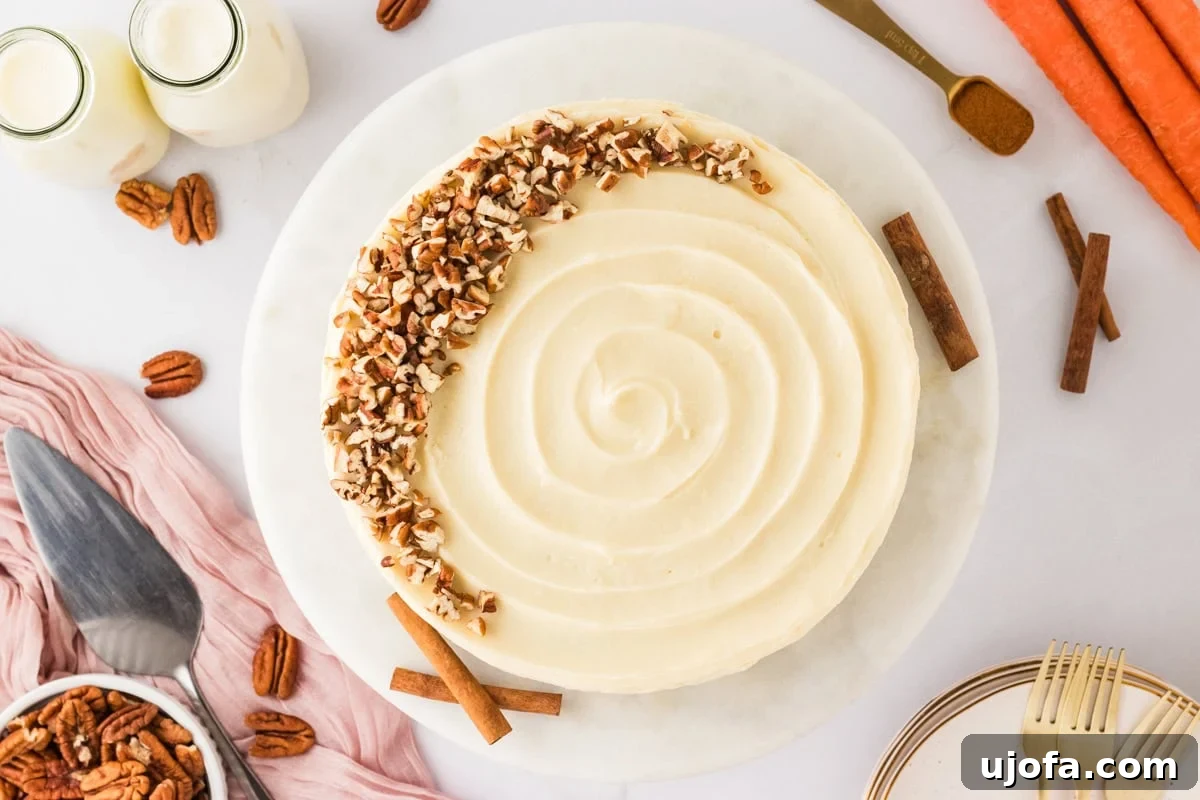
Decorate your masterpiece to your heart’s content! I love sprinkling chopped pecans or toasted shredded coconut over the top, and sometimes add a few piped frosting rosettes. Slice into generous portions and share with loved ones. Enjoy every magnificent, gluten-free bite!
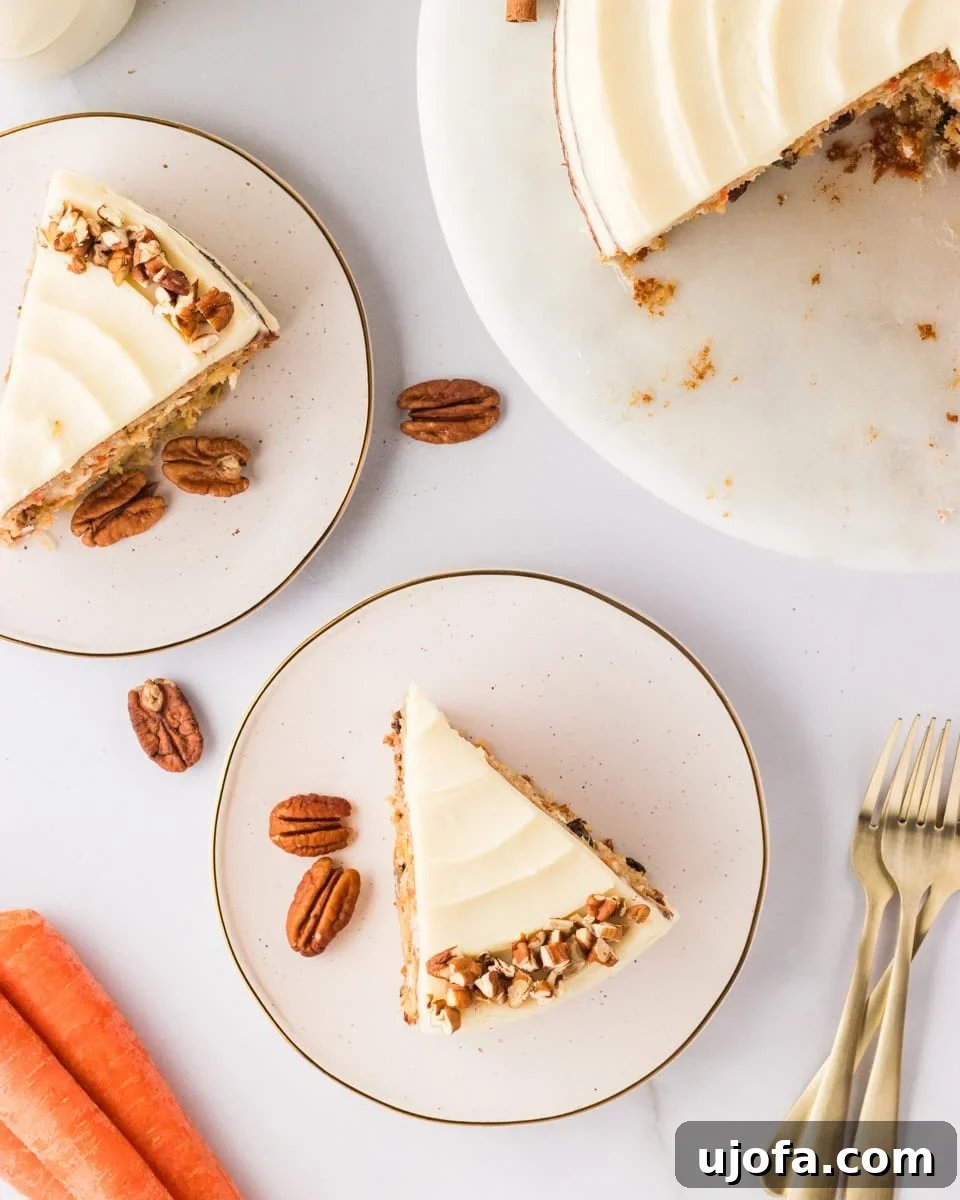
Pro Tips for a Flawless Gluten-Free Carrot Cake
- **Room Temperature Ingredients are Key:** For both the cake batter and the cream cheese frosting, ensure your eggs, butter, and cream cheese are at room temperature. This allows them to combine more smoothly and evenly, resulting in a superior texture.
- **Don’t Overmix:** Overmixing gluten-free flour can still lead to a dense, tough cake. Mix until just combined, with no dry streaks of flour remaining.
- **Grate Carrots Finely:** For the best texture and moistness, grate your carrots finely. This helps them blend seamlessly into the cake and release their natural moisture more effectively.
- **Use Quality Gluten-Free Flour:** As noted in the recipe, not all GF flours are created equal. A good quality all-purpose gluten-free flour blend with xanthan gum is crucial for the structure and texture of your cake.
- **Chill Cake Layers:** This cannot be stressed enough! Chilling your cake layers before frosting makes them much firmer and easier to handle, preventing crumbling and ensuring a neat, professional-looking finish.
- **Adjust Frosting Consistency:** If your frosting seems too thin, gradually add more powdered sugar, a quarter cup at a time, until it reaches your desired consistency. If it’s too thick, add a tiny splash of milk or lemon juice.
Serving Suggestions
This gluten-free carrot cake with cream cheese frosting is incredibly versatile for serving. It shines brightly as the centerpiece of a festive spring spread, particularly on Easter, where its warm spices and rich flavors perfectly complement the season. But its appeal extends far beyond holidays; it’s equally perfect for birthdays, potlucks, bridal showers, or simply as an indulgent weekend treat.
You can serve it as a classic elegant layer cake, or for a more casual approach, bake it as a simple sheet cake or individual cupcakes. Pair a slice with a hot cup of coffee, a soothing tea, or a scoop of vanilla bean ice cream for an extra special touch. Its soft texture and beautifully balanced flavors ensure it’s a favorite any time of the year, and I guarantee no one will ever suspect it’s gluten-free!
Storage Instructions
One of the beauties of this gluten-free carrot cake is that it stores exceptionally well, making it a fantastic make-ahead option. If preparing in advance, you can bake the cake layers and store them separately from the frosting, assembling only when you’re ready to serve.
- **Refrigeration:** Store the frosted or unfrosted cake in an airtight container in the refrigerator for 2-3 days. The cream cheese frosting itself can be kept refrigerated in an airtight container for up to two weeks.
- **Freezing Cake Layers:** After the cake layers have completely cooled, wrap each layer tightly in plastic wrap, then a layer of aluminum foil, and place them in a plastic freezer bag. They can be frozen for up to a month. Thaw them in the refrigerator overnight before frosting and serving.
- **Freezing Frosting:** The cream cheese frosting also freezes beautifully. Store it in a freezer-safe container for up to 3 months. When ready to use, thaw in the refrigerator overnight, then re-whip it with an electric mixer until smooth and fluffy again before frosting your cake.
This flexibility ensures you can always have a delicious gluten-free treat ready for any occasion!
Frequently Asked Questions (FAQ)
Can I make this carrot cake dairy-free?
Yes, absolutely! For the cake, ensure your gluten-free flour is dairy-free. For the frosting, you can easily substitute dairy-free butter (like Earth Balance or Miyoko’s Kitchen) and a good quality dairy-free cream cheese (I recommend Kite Hill dairy-free cream cheese as mentioned in the notes). The results are just as delicious and creamy!
What type of gluten-free flour blend works best?
I highly recommend using a commercial gluten-free all-purpose flour blend that contains xanthan gum. Brands like Pillsbury gluten-free or Bob’s Red Mill 1-to-1 Baking Flour tend to work very well. If your blend does not contain xanthan gum, you may need to add ½ teaspoon per cup of flour to achieve the desired elasticity and texture.
Can I omit the pineapple, raisins, or pecans?
While the recipe is designed with these ingredients for optimal flavor and moisture, you can make some adjustments. The crushed pineapple is crucial for moisture, so I do not recommend omitting it. However, you can certainly leave out the raisins or pecans if they are not to your taste, or substitute pecans with walnuts if preferred.
How do I know when the cake is done baking?
The edges of the cake will start to brown and pull away slightly from the sides of the pan. The best test is to insert a toothpick into the center of the cake; it should come out clean or with a few moist crumbs clinging to it, but not wet batter. Since this is a very moist cake, a few moist crumbs are perfectly fine.
Can I turn this recipe into cupcakes?
Yes! This recipe adapts beautifully to cupcakes. Simply line muffin tins with paper liners and fill them about two-thirds full with batter. Bake for 15-20 minutes, or until a toothpick inserted into the center comes out clean. Adjust baking time as needed for your oven.
How long does the gluten-free carrot cake last?
When stored properly in an airtight container in the refrigerator, the frosted cake will remain fresh and delicious for about 2-3 days. Unfrosted cake layers can be refrigerated for the same amount of time or frozen for up to a month.
More Gluten-Free Cake Recipes You’ll Love
- Easy Gluten-Free Chocolate Cake
- Delightful Gluten-Free Cupcakes
- Rich Flourless Chocolate Cake
- Gluten-Free Apple Dapple Bundt Cake
- Elegant Almond Flour Cake