
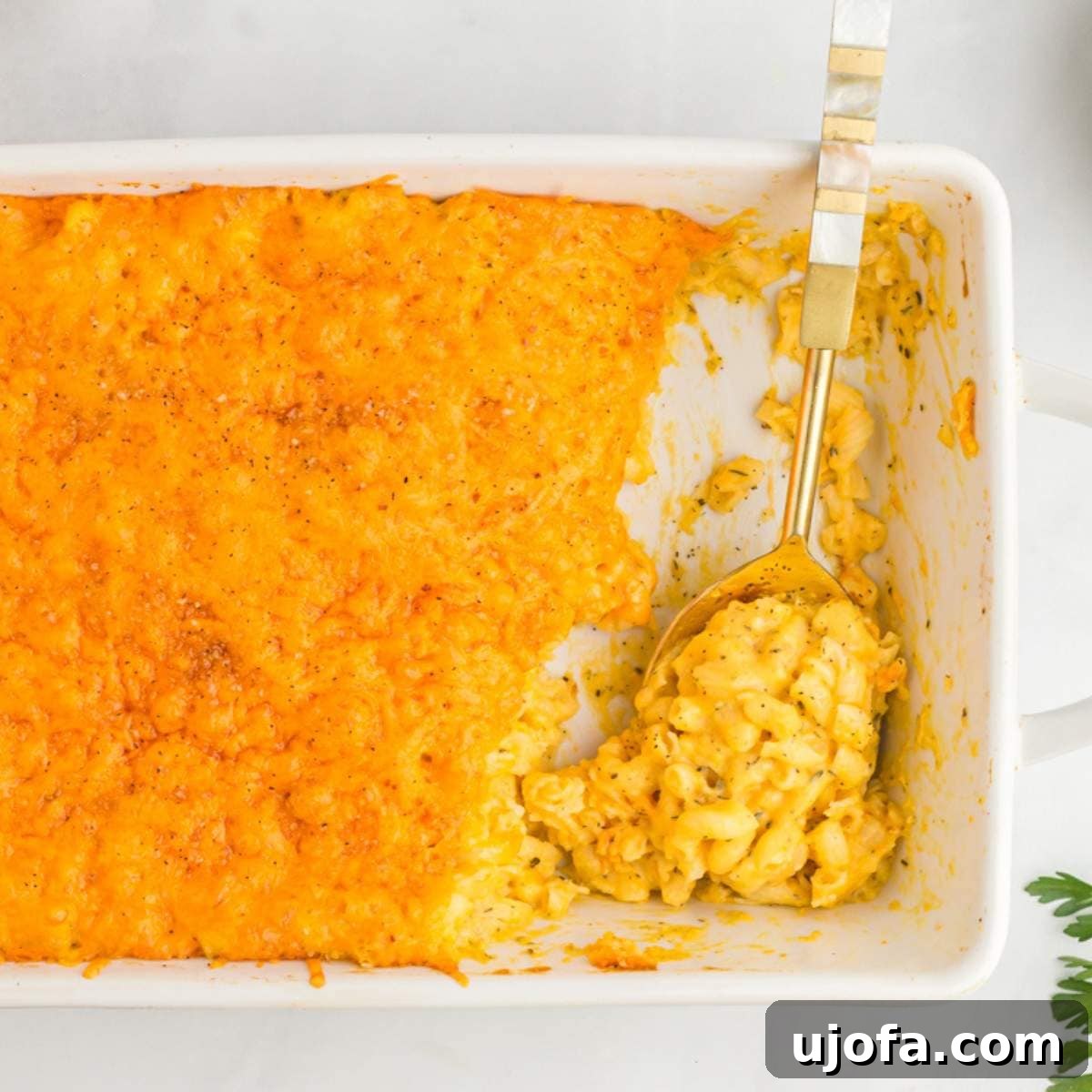
Gluten-free butternut squash mac and cheese is perfect as an everyday fall dinner or Thanksgiving side dish. This delicious and healthy twist on a classic mac and cheese is packed with flavor and a healthy dose of vegetable.
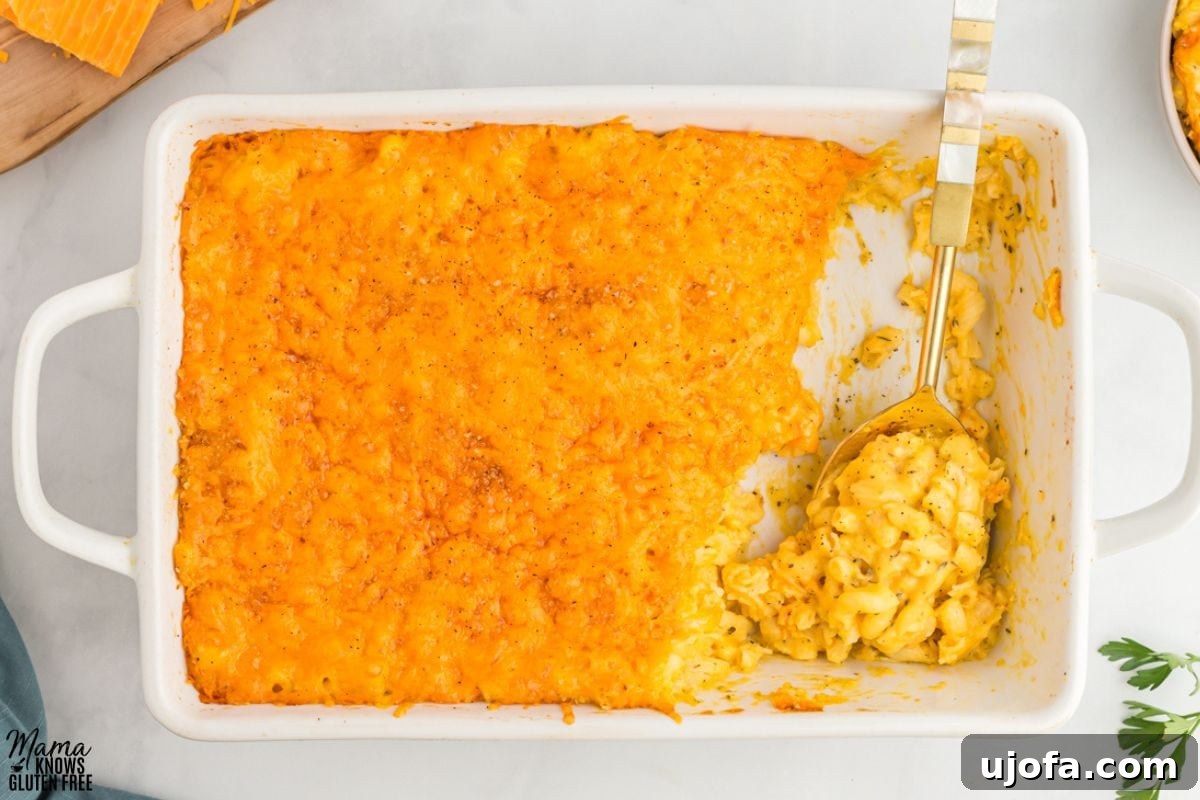
Unleash Fall Flavors: The Ultimate Gluten-Free Butternut Squash Mac and Cheese
As autumn leaves begin to fall and the air grows crisp, our minds naturally drift towards comforting, hearty meals that warm us from the inside out. While classics like stews, soups, and cheesy casseroles reign supreme, there’s one dish that truly captures the essence of cozy nights: mac and cheese. But what if you could infuse this beloved comfort food with a nutritional boost and a subtle sweetness, making it even more wholesome without compromising its signature gooey, cheesy perfection? Enter our incredible Gluten-Free Butternut Squash Mac and Cheese recipe.
This dish is a game-changer, artfully combining the creamy texture and rich flavor of traditional mac and cheese with the naturally sweet and earthy notes of butternut squash. It’s an ideal way to sneak in extra vegetables for even the pickiest eaters, making healthy eating a delicious adventure. Butternut squash, at its peak during the fall season, lends a vibrant color and a gentle sweetness that beautifully complements the savory cheese sauce. This makes it a fantastic addition to your autumn meal rotation. Beyond its delightful taste, butternut squash is packed with vitamins, minerals, and fiber, adding a healthful dimension to this indulgent dish. It’s naturally low in calories and high in Vitamin A, which is essential for vision, immune function, and skin health.
Whether you’re planning a simple weeknight dinner, hosting a festive autumn gathering, or searching for a show-stopping Thanksgiving side dish, this recipe is designed to impress and satisfy. Its versatility makes it a staple for any occasion where warmth, flavor, and wholesome goodness are desired. Furthermore, making it gluten-free ensures that everyone at your table can enjoy this delightful creation without worry. This recipe proves that gluten-free cooking doesn’t mean sacrificing taste or texture. Get ready to transform your culinary experience this season!
Dive into our detailed guide below to discover the secrets to crafting the best gluten-free butternut squash mac and cheese, complete with expert tips and step-by-step instructions. From selecting the perfect squash to achieving that irresistible golden crust, we’ve covered everything you need to know. Let’s get cooking!
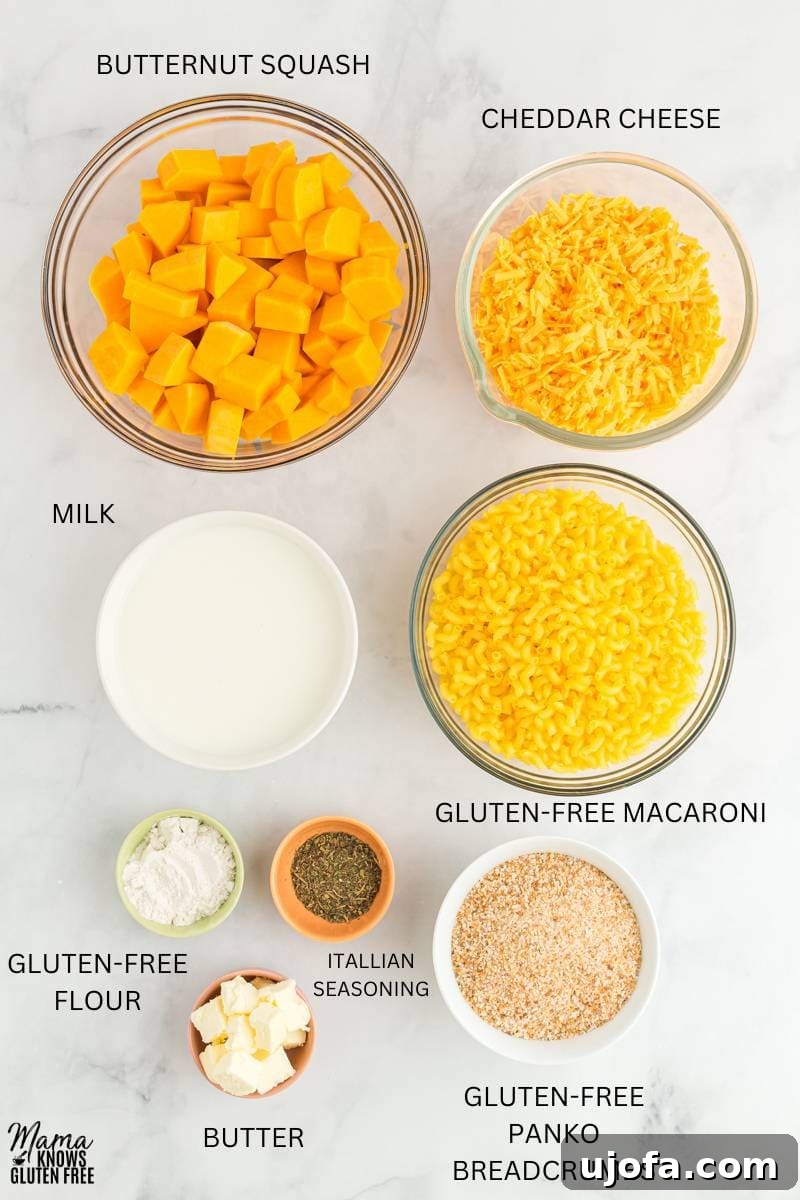
Essential Ingredients for a Flavorful Butternut Squash Mac and Cheese
Crafting the perfect gluten-free butternut squash mac and cheese starts with selecting high-quality ingredients. Each component plays a vital role in achieving that irresistibly creamy texture and depth of flavor. Paying attention to these details will ensure your dish is nothing short of spectacular. Here’s a closer look at what you’ll need:
- Butternut Squash: You’ll need approximately 2 pounds of butternut squash for this recipe, which will yield about 1 ½ cups of roasted and pureed squash. When choosing your squash at the grocery store, aim for one that weighs at least 2 ½ pounds before peeling and seeding. A good quality squash will have firm, unblemished skin and no soft spots. Its natural sweetness is the secret to enhancing this dish with a rich, autumnal flavor and a beautiful golden hue, while also contributing to the sauce’s smooth and creamy consistency.
- Gluten-Free Macaroni: The foundation of any great mac and cheese! Selecting the right gluten-free macaroni is crucial for achieving the desired texture. Opt for a reputable brand you’ve previously enjoyed for its taste and ability to hold its shape after cooking. Brands like Barilla, Jovial, or Tinkyada are often good choices. Overcooked gluten-free pasta can become mushy and compromise the entire dish, so careful attention to cooking time is key. We’re looking for an al dente finish that stands up to baking.
- Unsalted Butter: Butter is indispensable for creating a rich and luxurious cheese sauce. Using unsalted butter (specifically ⅔ cup or 10 tablespoons) allows you to control the overall saltiness of your dish, ensuring a perfectly balanced flavor profile. It forms the base of our roux, which is essential for thickening the sauce and imparting a classic, comforting richness.
- Gluten-Free All-Purpose Flour: This versatile flour (3 tablespoons) is used to create a roux with the melted butter, acting as a natural thickener for the cheese sauce. It helps bind the ingredients together, preventing the sauce from becoming runny and ensuring a lusciously creamy consistency that beautifully coats every piece of macaroni. Ensure your chosen flour blend does not contain any gluten-containing ingredients.
- Whole Milk: For an exceptionally creamy and indulgent sauce, whole milk (3 cups) is highly recommended. Its higher fat content contributes significantly to the richness and velvety texture that we all love in mac and cheese. Avoid using low-fat or skim milk, as they can result in a thinner, less satisfying sauce and won’t emulsify as well with the cheese.
- Italian Seasoning: A fragrant blend of dried basil, oregano, rosemary, thyme, and marjoram (1 tablespoon), Italian seasoning infuses the dish with an aromatic depth that elevates the overall flavor. This herb blend provides a warm, savory undertone that perfectly complements the sweetness of the butternut squash and the richness of the cheese. It’s a convenient way to add complex herb notes without using multiple individual spices.
- Cheddar Cheese: No mac and cheese is complete without its star ingredient! Cheddar cheese, with its sharp and distinct flavor, is the heart of this casserole. For the smoothest, meltiest sauce, it’s highly advised to shred your own block of cheddar. Pre-shredded cheeses (you’ll need 4 cups, divided) often contain anti-caking agents like cellulose or potato starch that can hinder smooth melting, leading to a grainy or clumpy texture. Shredding your own ensures a superior, silky-smooth cheese sauce.
- Gluten-Free Breadcrumbs: A light sprinkling of gluten-free breadcrumbs (2 tablespoons), preferably panko-style, on top provides a delightful textural contrast. This adds a slightly crunchy, golden crust to the baked casserole that complements the creamy interior beautifully. Be mindful not to use too much, as an excessive amount can absorb the precious cheesy sauce, diminishing the gooey appeal of the dish and making it dry.
Crafting Your Gluten-Free Butternut Squash Mac and Cheese: A Step-by-Step Guide
Get ready to create a masterpiece! This recipe breaks down the process into easy, manageable steps, ensuring a delicious outcome every time. Precision and attention to detail will lead to the most satisfying gluten-free butternut squash mac and cheese you’ve ever tasted. Follow these instructions carefully for the best results:
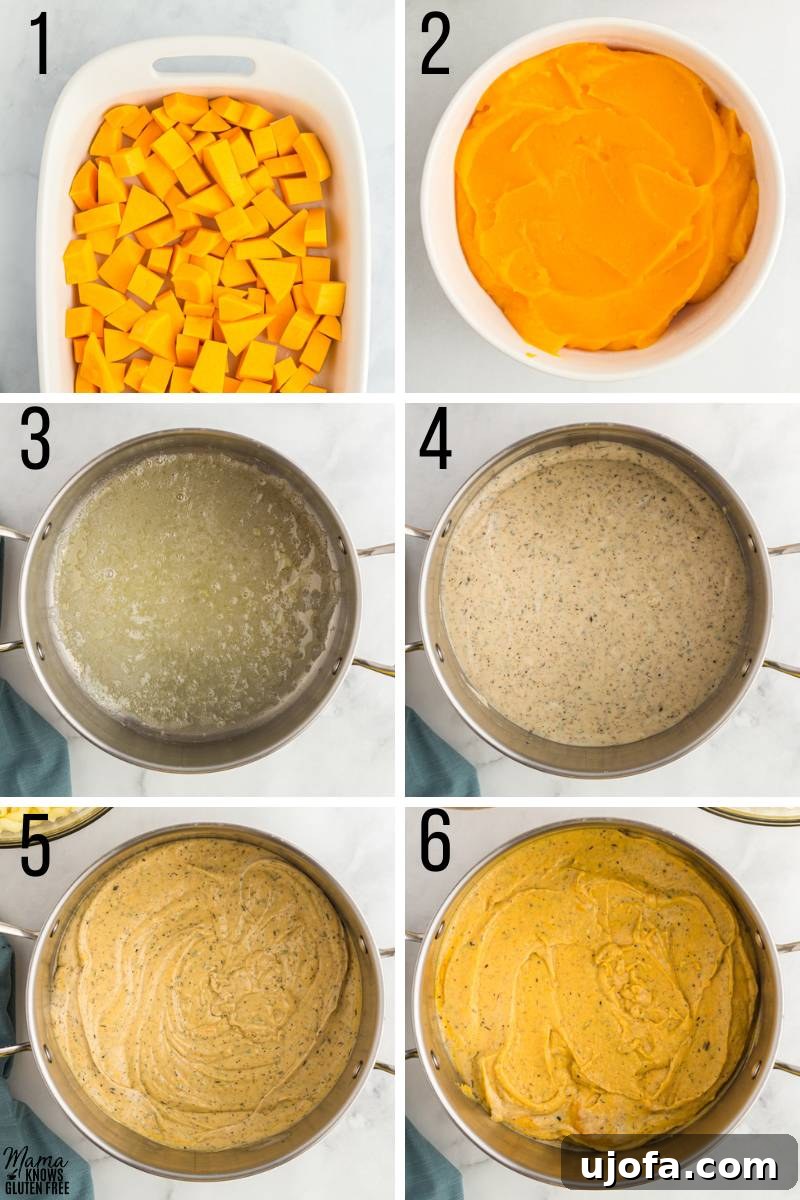
- Prepare and Roast the Butternut Squash: Begin by preheating your oven to a robust 400°F (200°C). Lightly spray a 9×13-inch baking dish with a non-stick cooking spray to ensure the squash doesn’t stick. Carefully place the raw, uniformly cubed butternut squash into the prepared baking dish in a single layer. Roast for 35 to 40 minutes, or until the squash is fork-tender and yields easily when pierced. It’s crucial not to overcook the squash to the point of browning, as this can impart a bitter flavor and alter its delicate color in the final dish.
- Puree the Roasted Squash: Once the roasted butternut squash has cooled slightly, transfer it to a high-speed blender or food processor. Puree until it reaches a perfectly smooth, consistent, and lump-free consistency. Depending on the size and power of your appliance, you might need to process the squash in a few batches. If the squash appears too thick or isn’t blending smoothly, add a tablespoon or two of water, vegetable broth, or even milk from the recipe to help loosen it up and achieve a silky puree. Measure out exactly 1 ½ cups of this vibrant puree for use in your mac and cheese. Any remaining puree can be refrigerated in an airtight container for up to 2 days and conveniently used in other recipes like soups, muffins, or simply enjoyed as a healthy side dish with another meal.
- Prepare for Casserole Assembly: Reduce your oven heat to 375°F (190°C) for the final baking stage. Take another clean 9×13-inch baking dish (or thoroughly clean the one you used for roasting the squash if it’s suitable and available). Spray it generously with non-stick cooking spray to prevent the mac and cheese from sticking. Set this prepared dish aside, as it will be where your glorious mac and cheese comes together before its final bake.
- Cook the Gluten-Free Macaroni: In a large pot, ideally one that can hold at least 2 quarts (about 2 liters) of water, bring the water to a rolling boil. Add a generous pinch of salt. Cook your chosen gluten-free macaroni according to the package directions until it is perfectly al dente. This means it should be firm to the bite, yet tender, and retain a slight resistance. Avoid overcooking at all costs, as mushy pasta will detract significantly from the overall texture of your casserole. Gluten-free pasta can become overcooked very quickly, so watch it closely. Once cooked, immediately drain the macaroni in a strainer and rinse it thoroughly with cold water. This crucial step halts the cooking process, preventing the pasta from continuing to cook and becoming too soft and mushy. Set the macaroni aside to drain completely.
- Start the Butter Roux for the Sauce: In an extra-large pot (at least 5 quarts/5 liters in capacity), melt the unsalted butter over low heat. Ensure the butter is fully melted and shimmering but not browned or burned, as this will affect the delicate flavor of your cheese sauce.
- Create the Perfect Roux: Once the butter is melted, swiftly whisk in the gluten-free all-purpose flour. Continue whisking constantly for only a few seconds until a light, smooth paste, known as a roux, forms. This step must be performed quickly to prevent the flour from burning, which can impart an unpleasant, bitter taste to your sauce. The roux is essential for thickening the sauce.
- Infuse the Sauce with Flavor: Immediately after the roux forms and without delay, gradually pour the whole milk into the butter-flour mixture while continuously whisking. Add the Italian seasoning at this stage as well. Increase the heat to low-medium and bring the mixture to a gentle simmer, whisking constantly. Continue to whisk for approximately 5 minutes, or until the sauce noticeably thickens and achieves a smooth, creamy, and lump-free consistency. Constant whisking is key here to prevent lumps from forming and to ensure even thickening throughout the process.
- Melt the Cheese to Perfection: Remove the pot from the heat to prevent the cheese from seizing or becoming stringy. Add 2 cups of your freshly shredded cheddar cheese to the thickened milk mixture. Whisk vigorously and continuously until the cheese is completely melted and thoroughly incorporated into the sauce, creating a velvety, uniform, and luscious cheese sauce.
- Incorporate the Butternut Squash Puree: Gently whisk in the measured 1 ½ cups of pureed butternut squash into the cheese sauce. Continue whisking until the squash puree is fully integrated and evenly distributed, lending a beautiful, natural golden color and a subtle sweetness to the sauce. This is where the magic happens, infusing the dish with both flavor and nutrition.
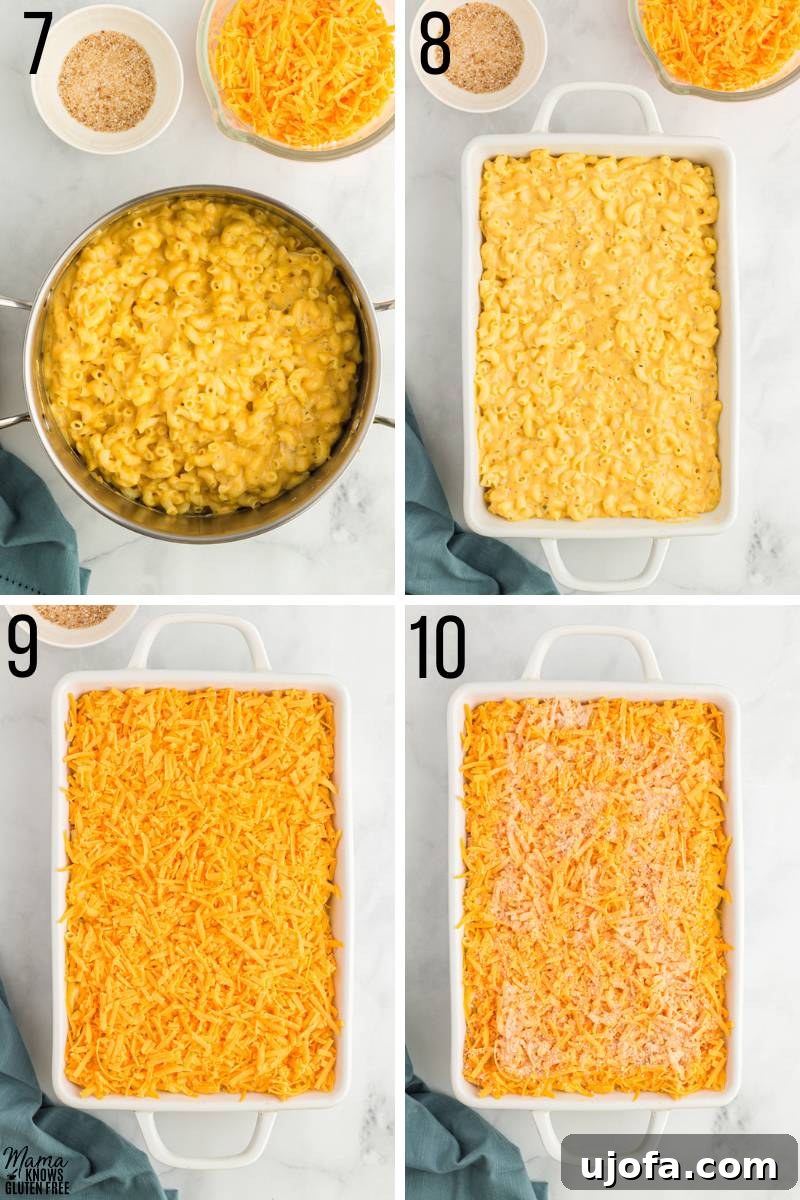
- Combine Macaroni and Sauce: Pour the strained and cooled gluten-free macaroni into the pot with the rich, creamy butternut squash cheese sauce. Using a sturdy spatula or a large spoon, stir thoroughly and gently until every single piece of macaroni is evenly coated with the luxurious sauce. Make sure to scrape all the delicious sauce from the bottom and sides of the pot to ensure nothing goes to waste.
- Assemble the Casserole in Baking Dish: Transfer the entire macaroni mixture from the pot into your prepared 9×13-inch baking dish. Spread it evenly across the dish, ensuring a consistent layer for uniform baking and heat distribution.
- Add the Cheesy Topping: Generously sprinkle the remaining 2 cups of freshly shredded cheddar cheese evenly over the top of the macaroni mixture. This layer will melt into a bubbly, golden, and irresistible crust during baking.
- Final Touch with Breadcrumbs: Evenly distribute the gluten-free breadcrumbs over the shredded cheese layer. This adds that essential, delightful crunch and texture contrast to the creamy interior of the mac and cheese.
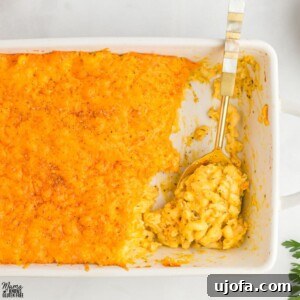
- Bake to Golden Perfection: Place the baking dish into the preheated 375°F (190°C) oven. Bake for approximately 25 minutes, or until the cheese topping is completely melted, bubbly, and has achieved a beautiful, light golden-brown color. The edges should be slightly browned and the sauce visibly simmering. Serve your glorious Gluten-Free Butternut Squash Mac and Cheese hot and enjoy immediately!
Mastering Butternut Squash: Peeling, Seeding, and Roasting Guide
Working with butternut squash can seem daunting at first, but with a few simple techniques, you’ll find it incredibly easy and safe. Proper preparation ensures that your squash cooks evenly and blends into a smooth puree, which is vital for the success of this mac and cheese recipe. Follow these steps for perfect butternut squash every time:
- Prepare the Squash for Peeling: Start by carefully cutting off the top (stem end) and bottom (blossom end) of the butternut squash. Use a sharp, sturdy chef’s knife for this. This creates stable flat surfaces on both ends, making the squash much safer and easier to handle and peel without it rolling around.
- Peel with Precision: Using a sharp vegetable peeler or a sturdy paring knife, systematically peel the tough outer skin from the butternut squash. Work from top to bottom, applying even pressure. Continue peeling until you reveal the bright, uniform orange flesh beneath. It’s crucial to remove all of the pale white/tan skin or any streaks of green, as these tough bits won’t soften properly during roasting and can affect the texture and flavor of your puree.
- Halve the Squash: Carefully stand the peeled butternut squash upright on one of its flat ends. With a sharp chef’s knife, cut the squash in half lengthwise from top to bottom. Be mindful and use a rocking motion if needed.
- Remove Seeds and Fibers: With a sturdy spoon or an ice cream scoop, scoop out and thoroughly discard all the seeds and any stringy, fibrous flesh from the center cavity of each squash half. You want only the smooth, firm, unblemished orange flesh remaining for your puree.
- Cube for Even Cooking: Place the squash halves flat-side down on your cutting board. Cut the squash into uniformly sized cubes, aiming for pieces approximately 2 inches (5 cm) in size. Consistency in cube size is absolutely key to ensuring that all the squash cooks at the same speed and becomes perfectly tender simultaneously, which is essential for achieving a perfectly smooth and consistent puree.
Expert Tips for an Unforgettable Butternut Squash Mac and Cheese
Achieving the perfect butternut squash mac and cheese goes beyond just following the steps; it involves a few key insights that elevate the dish from simply good to truly extraordinary. Keep these expert tips in mind to ensure your casserole is a resounding success and becomes a favorite comfort food:
- Shred Your Own Cheese for Creaminess: This is arguably the most critical tip for a truly creamy and luxurious cheese sauce. Pre-shredded cheeses found in bags are often coated with anti-caking agents like cellulose or potato starch. While these prevent the cheese from clumping in the bag, they also inhibit smooth melting when heated, often leading to a gritty, oily, or clumpy sauce. By shredding your own block of cheddar fresh, you guarantee a velvety, homogeneous, and perfectly emulsified cheese sauce that beautifully coats every single noodle, providing that signature gooey texture.
- Practice “Mise en Place”: “Mise en place” is a fundamental culinary term meaning “everything in its place.” Before you even turn on the stove, take the time to gather all your ingredients (measured and prepped), and have all your necessary tools and equipment within arm’s reach. This recipe, especially when making the cheese sauce, requires swift actions and constant whisking. Having everything ready and organized minimizes stress, prevents crucial ingredients from burning or overcooking, and ensures a smooth, enjoyable cooking process.
- Don’t Overdo the Breadcrumbs: The gluten-free breadcrumb topping is meant to provide a delicate, crispy contrast to the gooey, creamy cheese beneath. A light, even layer (as specified in the recipe) is all you need to achieve that satisfying crunch. If you’re tempted to add too much, you risk the breadcrumbs absorbing the delicious, rich cheese sauce, which would diminish the signature gooey texture that makes mac and cheese so satisfying and instead result in a dry topping.
- Al Dente Pasta is Essential: Pay extremely close attention when cooking your gluten-free macaroni. Gluten-free pasta tends to go from perfectly al dente to disappointingly mushy very quickly, often faster than traditional wheat pasta. Al dente pasta will hold its shape better during the baking process and contribute significantly to a more pleasant overall texture in the finished casserole. Remember, rinsing with cold water immediately after draining is a vital step to halt the cooking process and preserve that ideal bite.
- Taste and Adjust Seasoning: While the Italian seasoning provides a fantastic base of aromatic flavors, always taste your cheese sauce *before* combining it with the macaroni. Everyone’s palate is different, and personal preference plays a big role. Adjust the salt, pepper, or other seasonings to your preference. Remember the golden rule of cooking: you can always add more seasoning, but you can’t take it away once it’s incorporated!
- Ensure Butternut Squash is Smooth: For the best consistency in your sauce, make sure your butternut squash puree is absolutely lump-free. Any chunks will create an uneven texture. Use a high-powered blender or food processor, and don’t hesitate to add a splash of water or milk to aid blending if needed.
Time-Saving Strategies and Prep for Butternut Squash Mac and Cheese
While this recipe might seem like it has several steps, many of them can be done concurrently or even in advance, significantly reducing your active cooking time. Understanding the overall timeline and how to best manage it will make your cooking experience smoother and more enjoyable, even on busy weekdays.
The total preparation and baking time for this delightful dish is approximately 1 hour and 20 minutes from start to finish. This timeframe conveniently breaks down as follows: you’ll spend about 40 minutes for roasting the butternut squash to tender perfection in the oven. This is largely hands-off time. Following that, you’ll need roughly 15 minutes of active preparation time for making the creamy cheese sauce, cooking the pasta, and assembling the casserole in your baking dish. Finally, a concluding 25 minutes are dedicated to baking it in the oven until it’s bubbly, golden, and utterly irresistible.
To truly streamline your cooking process and save valuable time on a busy weeknight, a fantastic tip is to prepare the butternut squash in advance. You can easily roast and puree the squash up to 2 days before you actually plan to make the mac and cheese. Simply allow the roasted squash puree to cool completely to room temperature, then transfer it to an airtight container and store it safely in the refrigerator. This advance preparation means that on the day you’re ready to enjoy this comforting meal, you’ll only need to focus on cooking the pasta, quickly whipping up the cheese sauce, and baking the final dish. This thoughtful planning can cut your active cooking time almost in half, making this impressive meal much more accessible for any day of the week!
Storing and Reheating Your Delicious Leftovers
This gluten-free butternut squash mac and cheese is so good, you might not have many leftovers! But if you do, proper storage and reheating techniques will ensure it remains just as delicious for days to come. This dish makes for excellent meal prep or a quick and easy lunch the next day, bringing a smile to your face with every bite.
To store any remaining mac and cheese, allow it to cool completely to room temperature first. This prevents condensation from forming inside the container, which can lead to sogginess. Once cooled, transfer it to a food-safe, airtight container and place it in the refrigerator. Stored correctly, it will keep beautifully and safely for 3 to 4 days. Storing it in an airtight container is crucial as it helps to prevent the pasta from drying out and absorbing unwanted odors from other foods in your fridge, keeping its flavors fresh.
When you’re ready to enjoy your delicious leftovers, reheating is simple and efficient. For individual portions, place the desired amount in a microwave-safe dish and heat on high for about 1 minute, or until warmed through to your liking. It’s a good idea to stir halfway through the reheating process to ensure even heating throughout. For larger portions, or if you prefer an oven-fresh texture, you can gently reheat it in a pot on the stovetop over low heat, adding a splash of milk or broth to restore some of its original creaminess and prevent it from drying out. Alternatively, reheat it in the oven at 300°F (150°C) for about 15-20 minutes, or until heated through. Keep in mind that gluten-free macaroni can become a bit tougher or drier with repeated reheating. To maintain the best possible texture and flavor, it’s always recommended to only reheat the portion you intend to eat at that moment, leaving the rest safely stored in the refrigerator for future enjoyment.
Creative Ingredient Substitutions and Flavor Variations
One of the joys of cooking is the ability to adapt recipes to your taste preferences, dietary needs, or simply what you have on hand in your pantry. This gluten-free butternut squash mac and cheese recipe is wonderfully versatile, allowing for a few simple substitutions and additions to customize its flavor profile and make it uniquely yours. Don’t be afraid to experiment and make it your own!
- Seasoning Alternatives: If you don’t have Italian seasoning on hand, or simply prefer a different flavor blend, you can easily create your own aromatic mix. A fantastic alternative is to use a combination of ¼ teaspoon of salt, ¼ teaspoon of freshly ground black pepper, plus ½ a teaspoon of garlic powder. Incorporate this homemade spice mixture at the same time you add the milk into your roux, ensuring the flavors meld beautifully and evenly into the sauce. For an extra layer of warmth and a classic touch often found in cheese sauces, a tiny pinch of freshly grated nutmeg (about ⅛ teaspoon) is a delightful addition that complements butternut squash wonderfully.
- Elevate Your Cheese Blend: While cheddar is the traditional and beloved star of mac and cheese, don’t hesitate to mix up your cheese choices for added complexity and depth of flavor. For a sophisticated twist, try adding ¼ cup of freshly shredded Parmesan cheese to your cheddar cheese topping before baking. Parmesan offers a salty, nutty, and slightly sharp depth that pairs exceptionally well with the inherent sweetness of the squash. You could also experiment with other good melting cheeses like creamy Gruyere, mild Fontina, tangy Monterey Jack, or even a blend of mild and sharp cheddars to find your perfect combination that tantalizes your taste buds.
- Spice It Up: For those who enjoy a bit of a kick and warmth, consider adding a pinch of cayenne pepper, a dash of your favorite hot sauce, or a sprinkle of smoked paprika to the cheese sauce. These additions provide a subtle warmth and smoky undertone that enhances the savory notes without overpowering the natural sweetness of the butternut squash, offering a delightful counterpoint.
- Add a Protein Boost: Transform this already satisfying side dish into a complete and hearty main meal by easily folding in some cooked protein. Delicious options include tender shredded chicken (rotisserie chicken works perfectly for convenience), crispy crumbled bacon bits, pan-seared ham cubes, or even sautéed mushrooms or roasted chickpeas for a vegetarian option. Add these along with the macaroni during the final mixing stage before transferring to the baking dish.
- Dairy-Free Adaptation: While this recipe traditionally calls for dairy, it can be adapted for dairy-free diets with excellent results. Simply substitute the unsalted butter with your favorite plant-based butter (like a vegan butter stick), use an unsweetened plain non-dairy milk (such as almond milk, oat milk, or cashew milk for creaminess), and select your favorite brand of gluten-free and dairy-free shredded cheese. The texture might vary slightly depending on the dairy-free cheese used, but the overall flavor will still be wonderfully delicious and comforting. Always check labels to ensure all substituted ingredients are indeed dairy-free.
The Perfect Gluten-Free Fall Comfort Food
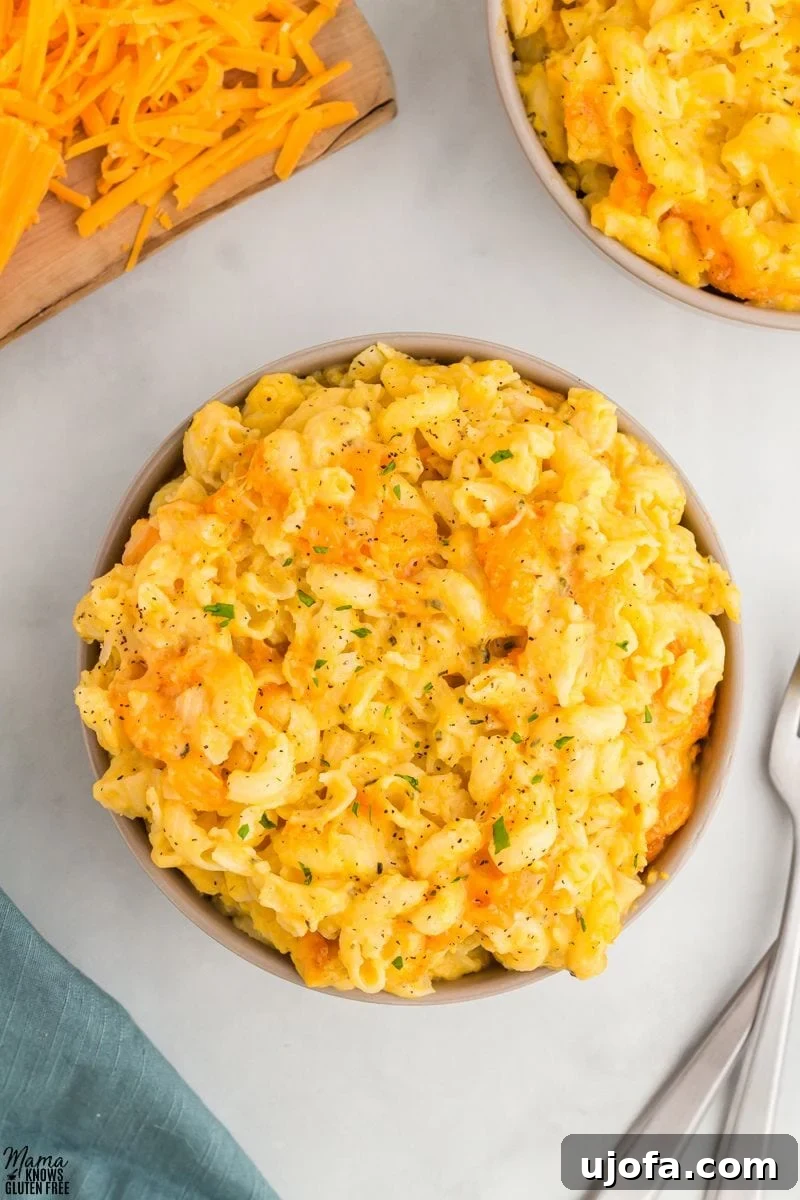
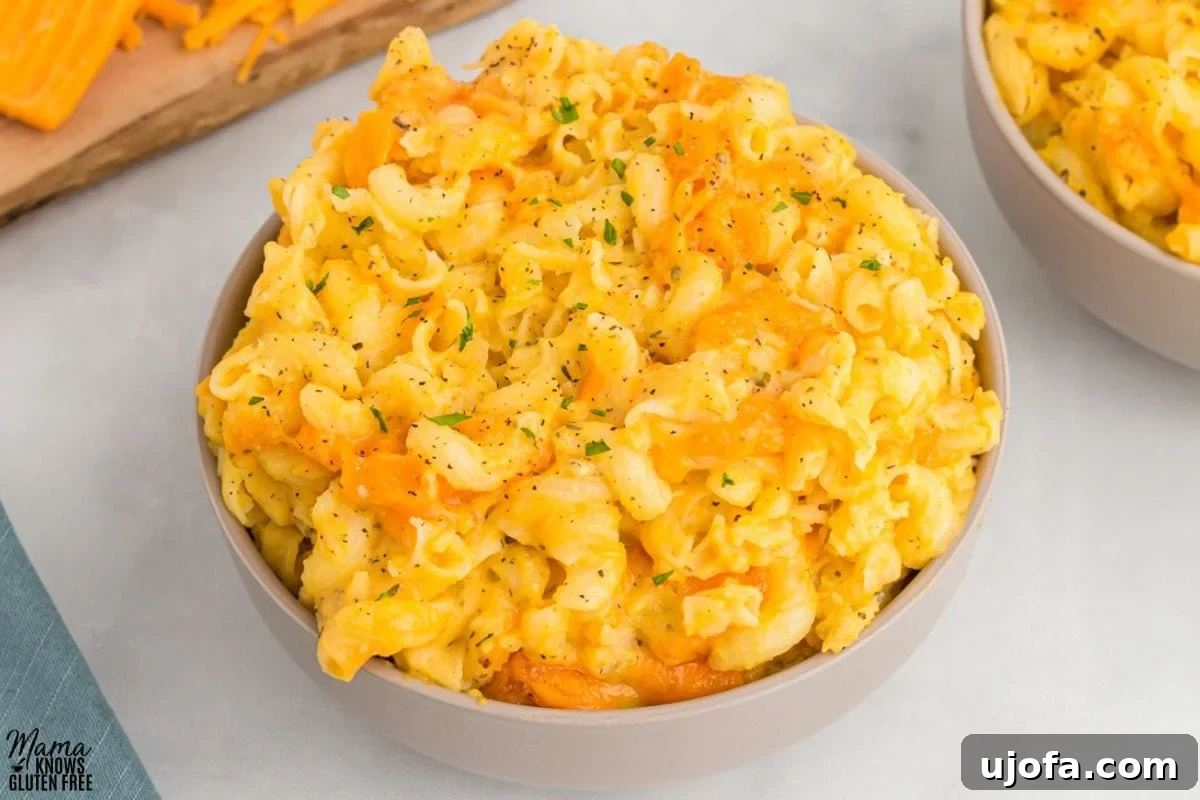
Embrace the season with this innovative and wholesome twist on a cherished classic. Our Gluten-Free Butternut Squash Mac and Cheese isn’t just another recipe; it’s a culinary experience that harmoniously brings together nutrient-rich ingredients and irresistibly comforting flavors. By artfully incorporating the vibrant and naturally sweet butternut squash, we’ve transformed traditional mac and cheese into a dish that’s both deeply comforting and delightfully healthy, making it a guilt-free indulgence.
You’ll certainly notice a wonderful difference in flavor, but not in an overpowering way. The mild, inherent sweetness and earthy undertones of the butternut squash beautifully enhance the savory cheese sauce without dominating it. This subtle integration makes this recipe a surprisingly big hit even with the pickiest eaters in your household, who might not even realize they’re enjoying a generous serving of vegetables! It’s truly an ingenious and delicious way to effortlessly incorporate extra vitamins, minerals, and fiber into your family’s diet while celebrating the vibrant, warming, and comforting flavors that define the fall season.
Whether you’re serving it as a fulfilling main course for a cozy family dinner on a chilly evening, presenting it as a standout and nutritious side dish for your grand Thanksgiving feast, or simply enjoying it as a satisfying lunch, this recipe promises to be a crowd-pleaser for all ages. Get ready to savor a dish that proves healthy eating can be incredibly delicious, utterly satisfying, and remarkably comforting!
Explore More Delicious Gluten-Free Pasta Recipes!
If you’ve enjoyed this delightful butternut squash mac and cheese, we invite you to explore more of our fantastic gluten-free pasta creations. Our mission is to make gluten-free cooking easy, flavorful, and enjoyable for everyone. From classic comfort foods to fresh and vibrant salads, our curated collection is designed to bring joy back to gluten-free dining without compromising on taste or texture. Discover your next favorite meal and expand your gluten-free recipe repertoire!
- Classic Gluten-Free Mac and Cheese
- Hearty Gluten-Free Lasagna
- Creamy Gluten-Free Pasta Alfredo with Chicken
- Refreshing Gluten-Free Italian Pasta Salad
Stay Connected and Share Your Creations! We love hearing from you and seeing your delicious culinary adventures. You can FOLLOW US on Facebook, YouTube, Pinterest, or Instagram! Be sure to tag us and use the hashtag #mamaknowsglutenfree so we can see what you cook up!
★Did you make this recipe? Please give it a star rating below!★
Butternut Squash Mac and Cheese
Cheryl Johnson
6 servings
15 mins
1 hr 5 mins
1 hr 20 mins
Email Recipe |
Print Recipe
Ingredients
- 2 pounds cubed butternut squash
- 14 ounces gluten-free macaroni
- ⅔ cup unsalted butter
- 3 tablespoons gluten-free all-purpose flour
- 3 cups whole milk
- 1 tablespoon Italian seasoning
- 4 cups shredded cheddar cheese, divided
- 2 tablespoons gluten-free panko breadcrumbs
Instructions
Roast and puree the butternut squash
- Preheat oven to 400°F (200°C). Spray a 9×13-inch baking dish with non-stick cooking spray.
- Place the uncooked butternut squash cubes into the prepared baking dish and bake for 35 to 40 minutes. Once you can easily pierce a fork through the cubes, it is ready. Do not overcook — we don’t want this to brown!
- Add the cooked butternut squash into the blender and puree. You may have to do this in a few batches depending on the size of your blender. If the squash isn’t blending well, add a tablespoon or two of water to loosen it up.
- Measure out 1 ½ cups of pureed butternut squash for use in this recipe. The rest can be refrigerated and used for a different recipe or enjoyed as a side dish with another meal.
- Reduce oven heat to 375°F (190°C). Spray another 9×13-inch baking dish with non-stick cooking spray and set aside.
Cook the macaroni
- In a large pot that fits at least 2 quarts, cook gluten-free macaroni until al dente. Do not overcook this — we don’t want it to be mushy!
- Once the macaroni is cooked to al dente, place it in a strainer and rinse with cold water to stop it from cooking further. Set aside.
Make the cheese sauce
- In an extra-large pot (at least 5 quarts), melt the butter over low heat.
- Whisk the flour into the butter until it forms a paste. This step needs to be done quickly so that the flour doesn’t start to burn. As soon as a light paste forms (only takes a few seconds), immediately pour the milk and Italian seasoning into the butter mixture.
- On low-medium heat, bring to a light simmer and continue to simmer and whisk constantly for 5 minutes until the mixture starts to thicken.
- Remove the pot from the heat and add in 2 cups of the shredded cheddar cheese. Whisk together until the cheese is fully melted.
- Whisk in the 1 ½ cups of pureed butternut squash until fully mixed.
Prep and bake the casserole
- Pour in the strained macaroni and stir well with a spatula until the macaroni is fully mixed. Use a spatula to place all of the macaroni mixture into the prepared baking dish. Be sure to get all of the sauce out of the pot and into the baking dish.
- Sprinkle the remaining 2 cups of shredded cheddar cheese evenly over top of the macaroni mixture.
- Sprinkle the gluten-free breadcrumbs evenly over top of the shredded cheese. Bake for 25 minutes until the cheese is fully melted. Serve hot.
Notes
- Shred your own cheese! Pre-shredded cheese contains anti-clumping preservatives that prevent it from melting smoothly.
- Have all of the ingredients and tools you’ll need ready and within reach before you start making this recipe. Once you start making the cheese sauce, you’ll need to whisk constantly to ensure it doesn’t burn.
- Don’t be tempted to add more gluten-free breadcrumbs. If you use too much, they’ll start to soak up the cheesy goodness that makes mac and cheese so delicious.
- Instead of Italian seasoning, you can use ¼ teaspoon of salt, ¼ teaspoon of ground black pepper, plus ½ a teaspoon of garlic powder. Add this in at the same time you add the milk into the recipe.
- Mix up the flavors by adding ¼ cup of shredded Parmesan cheese to the cheddar cheese topping.
- To store: Place in an airtight container in the fridge for 3 to 4 days.
- To reheat: Place in the microwave for 1 minute.
- Mama says, “Make sure to always check your labels!
Nutrition
Serving: 1 serving
Calories: 817kcal
Carbohydrates: 61g
Protein: 28g
Fat: 52g
Saturated Fat: 30g
Polyunsaturated Fat: 2g
Monounsaturated Fat: 12g
Trans Fat: 1g
Cholesterol: 145mg
Sodium: 592mg
Potassium: 258mg
Fiber: 2g
Sugar: 6g
Vitamin A: 1597IU
Vitamin C: 0.02mg
Calcium: 704mg
Iron: 1mg
Nutrition information is automatically calculated, so should only be used as an approximation.
Additional Info
Dinner
American