
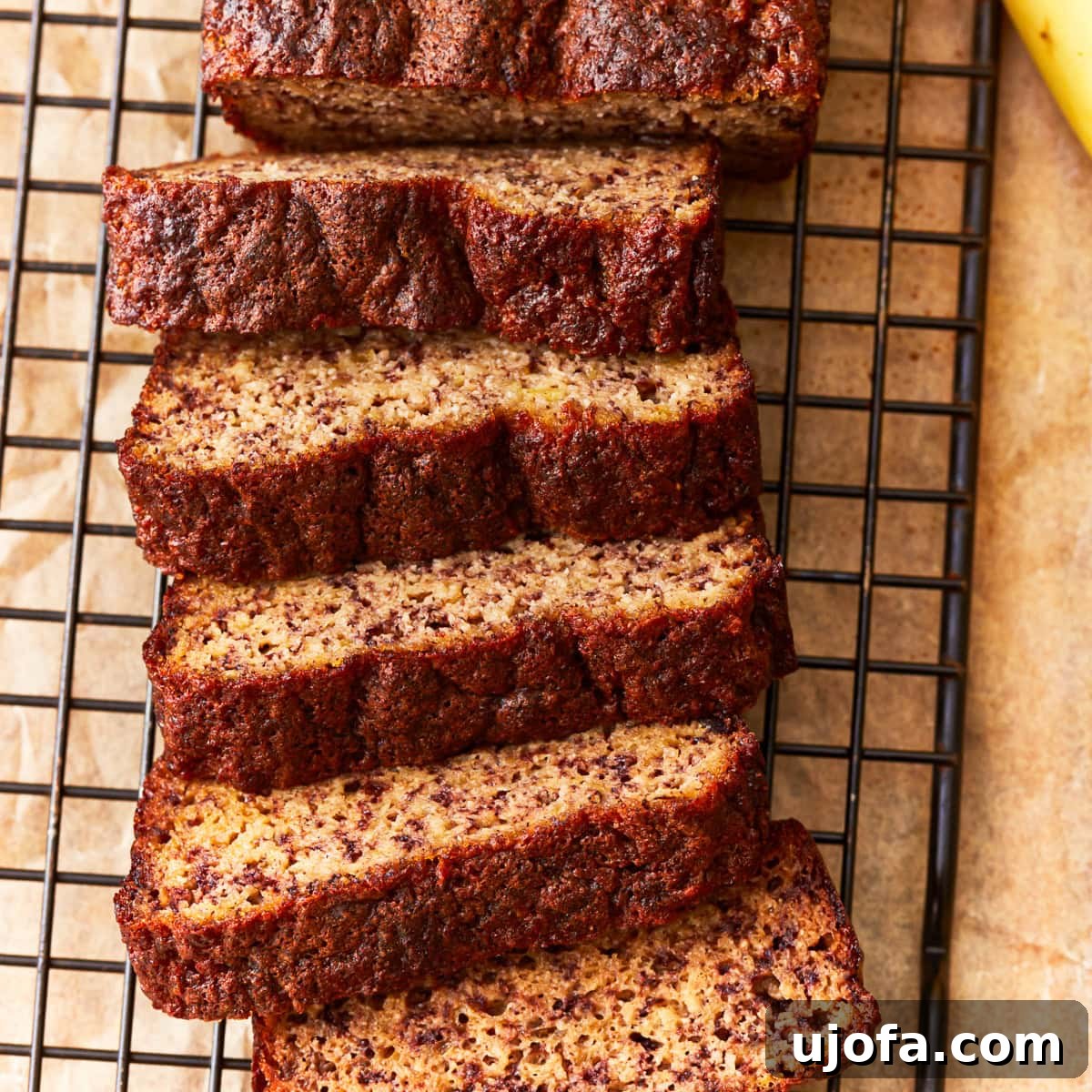
Welcome to a delightful twist on a beloved classic: our incredibly tender and moist **Coconut Flour Banana Bread**! While our traditional gluten-free banana bread is a long-standing favorite, many of you have asked for a version specifically crafted with coconut flour. This recipe delivers just that – a rich, satisfying loaf bursting with natural banana flavor, perfect for anyone seeking a delicious, naturally gluten-free, dairy-free, and refined sugar-free treat. It’s surprisingly quick to prepare, requiring only about 10 minutes of active prep time, plus a brief pause to allow the unique properties of coconut flour to work their magic and ensure a perfect texture.
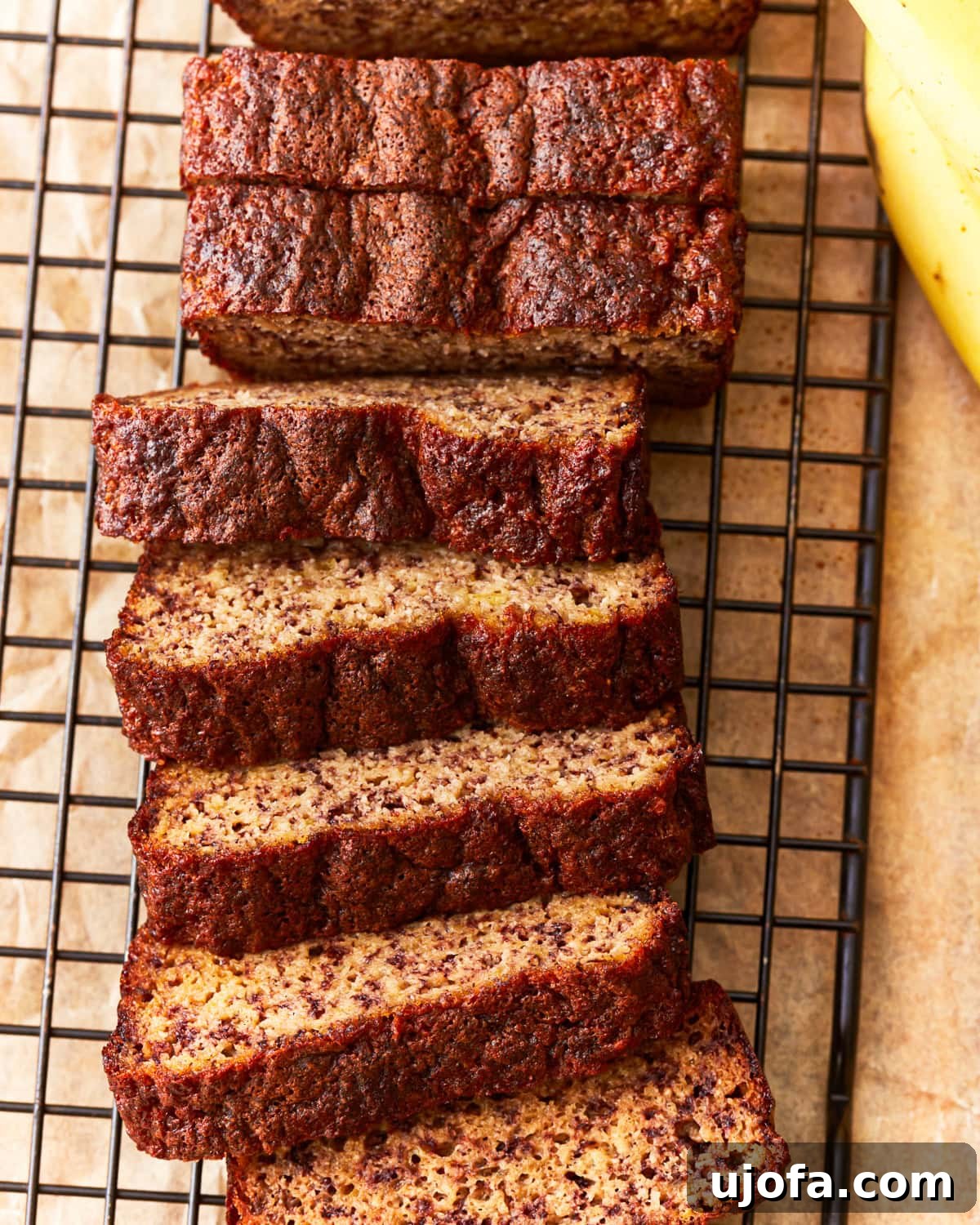
“Made this and it was perfect! Moist and delicious!”
– Tully MacAlpine
Discovering the Magic of Coconut Flour Banana Bread
For those exploring healthier baking options or managing specific dietary needs, this **coconut flour banana bread** recipe is a game-changer. It stands out in the world of gluten-free baking, offering a wonderfully tender crumb and deep banana flavor without any refined sugars or dairy. We achieve this through the careful selection of wholesome ingredients like ripe bananas, pure maple syrup, and nourishing coconut oil. This isn’t just a delicious snack; it’s a mindful choice for a treat that feels indulgent yet aligns with a clean eating philosophy. The unique characteristics of coconut flour lend themselves beautifully to creating a bread that is both satisfying and delightfully moist, challenging any preconceived notions about gluten-free baking being dry or bland. It’s a versatile and naturally sweet alternative that can transform your baking routine.
Why Choose Coconut Flour for Your Banana Bread?
Coconut flour is a fantastic alternative to traditional grain flours, especially if you’re looking for a gluten-free, high-fiber option. Derived from dried coconut meat, it boasts an impressive nutritional profile, including a significant amount of dietary fiber and protein. Its high absorbency means you need far less coconut flour than other flours in a recipe, making it a concentrated powerhouse of nutrients. This property is key to achieving the incredibly moist and tender texture in our banana bread. Unlike wheat flour, coconut flour doesn’t contain gluten, which makes it perfect for those with celiac disease or gluten sensitivity. Furthermore, its subtle natural sweetness complements the banana flavor beautifully, reducing the need for excessive added sugars. It’s a versatile flour that opens up a world of possibilities for delicious and healthier baked goods.
Essential Ingredients for Your Perfect Coconut Flour Banana Bread
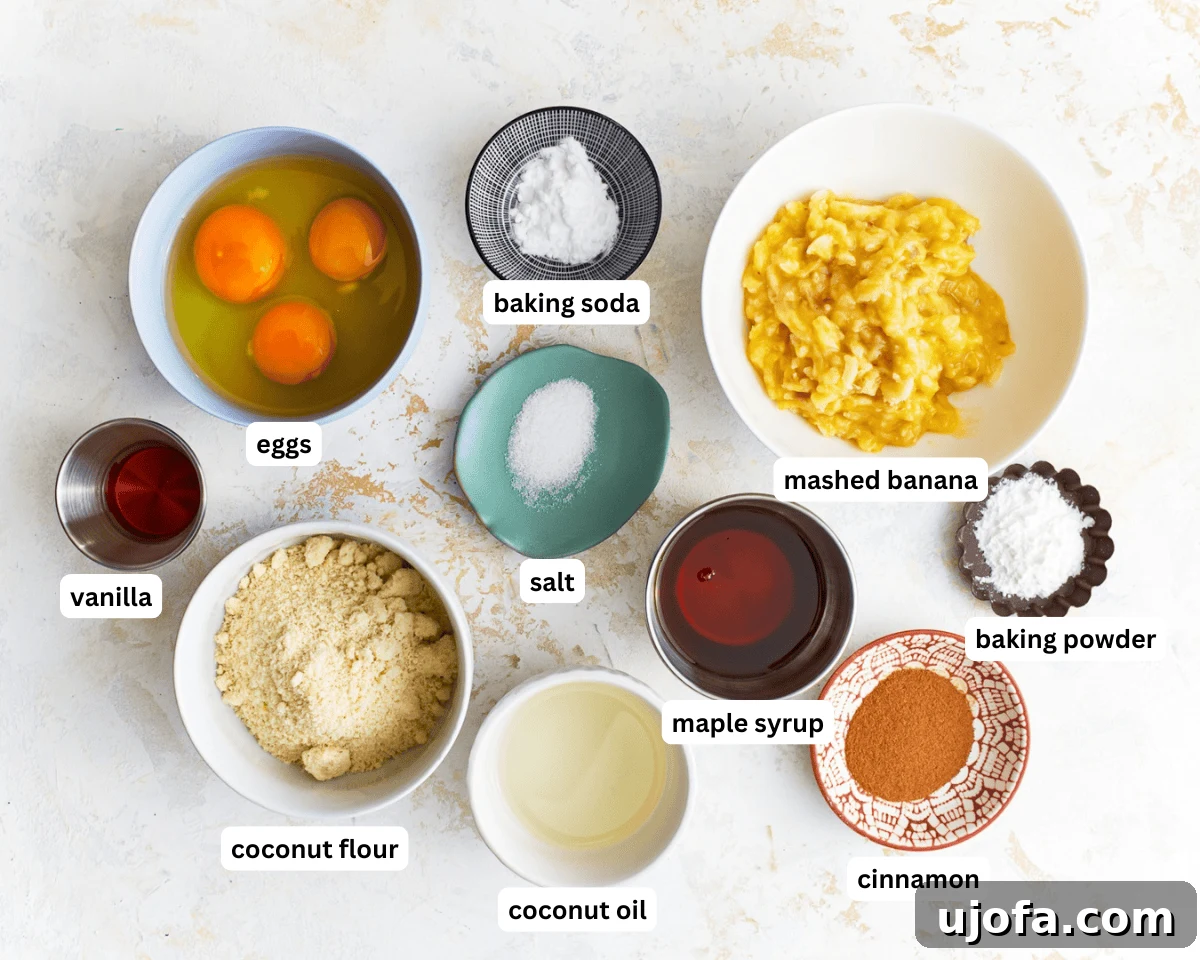
Crafting the best coconut flour banana bread starts with understanding each ingredient’s role. Here’s a breakdown of what you’ll need and why it’s vital for achieving that perfect texture and taste, ensuring a moist and flavorful loaf every time.
- Ripe Bananas (1 ¼ cups mashed, about 2-3 large): The star of the show! Very ripe bananas, identifiable by their brown spots, are crucial not just for their intense, sweet flavor but also for providing essential moisture and natural sweetness to the bread. The riper the banana, the more natural sugars it contains, allowing us to use less added sweetener. They also contribute to the bread’s delightful aroma and tender crumb, making them indispensable for true banana bread flavor.
- Large Eggs (3): Eggs act as a vital binder, helping to structure the bread and providing rich moisture. Given coconut flour’s high absorbency, eggs are particularly important in this recipe to prevent the bread from becoming dry and crumbly. They also contribute to the beautiful golden-brown crust and overall richness of the loaf. For an egg-free version, some bakers have success with flax eggs or commercial egg replacers, though results may vary with coconut flour.
- Melted Coconut Oil (¼ cup): This healthy fat adds incredible richness and helps keep the banana bread wonderfully moist. It also contributes a subtle, pleasant coconut aroma that enhances the overall flavor profile without being overpowering. Remember to let your melted coconut oil cool slightly before adding it to the batter to avoid accidentally cooking the eggs, which can impact the texture of your bread.
- Pure Maple Syrup (¼ cup): Our preferred natural sweetener, pure maple syrup, offers a lovely nutty sweetness and a hint of caramel notes that perfectly complement the banana. It’s an excellent refined sugar-free alternative that adds depth of flavor and contributes to the moist texture of the bread.
- Pure Vanilla Extract (1 teaspoon): A staple in most baked goods, vanilla extract deepens and warms the overall flavor profile of the banana bread, enhancing the sweetness and bringing out the best in the other ingredients. Always opt for pure vanilla for the best taste.
- Coconut Flour (¾ cup): This is the hero ingredient that gives our banana bread its unique gluten-free structure and moistness. Coconut flour is highly absorbent, meaning a little goes a long way. It creates a light and fluffy texture when properly hydrated, making it an excellent choice for this particular recipe. Precise measurement is crucial here due to its unique properties.
- Leavening Agents (1 teaspoon Baking Powder & 1 teaspoon Baking Soda): These two work in tandem to give the bread its rise and airy texture. Baking powder provides an initial lift, while baking soda reacts with the acidic components (like bananas and maple syrup) to create additional aeration, ensuring a light and fluffy result. Always check the expiration dates of your leavening agents for optimal performance.
- Ground Cinnamon (1 teaspoon): Adds a beautiful touch of warming spice that pairs exquisitely with banana. Cinnamon elevates the flavor from simple to extraordinary, making each bite a comforting and aromatic experience.
- Salt (¼ teaspoon): A pinch of salt is essential in baking to balance the sweetness, enhance all the natural flavors, and round out the overall taste of this quick bread. It helps to bring out the subtle nuances of the banana and maple syrup.
Expert Tips for Baking the Best Coconut Flour Banana Bread
Achieving bakery-quality results with coconut flour banana bread is easy when you follow these helpful tips and suggestions. These insights will help you avoid common pitfalls and ensure a perfectly moist, tender, and flavorful loaf every time.
- Prepare Your Pan Properly: To prevent your delicious banana bread from sticking, always grease your loaf pan thoroughly with cooking spray or butter. For even easier removal and cleanup, line the pan with parchment paper, leaving an overhang on the sides to create “handles.” This is especially useful for delicate gluten-free loaves, ensuring they come out of the pan intact.
- Mind Your Baking Pan Material: Dark metal baking pans tend to absorb and conduct heat more efficiently, which can lead to quicker baking times and a darker crust. If you’re using a dark metal pan, start checking your banana bread for doneness around the 35-40 minute mark to prevent overbaking. Lighter colored pans usually require the full baking time. Adjust your oven temperature or baking duration accordingly.
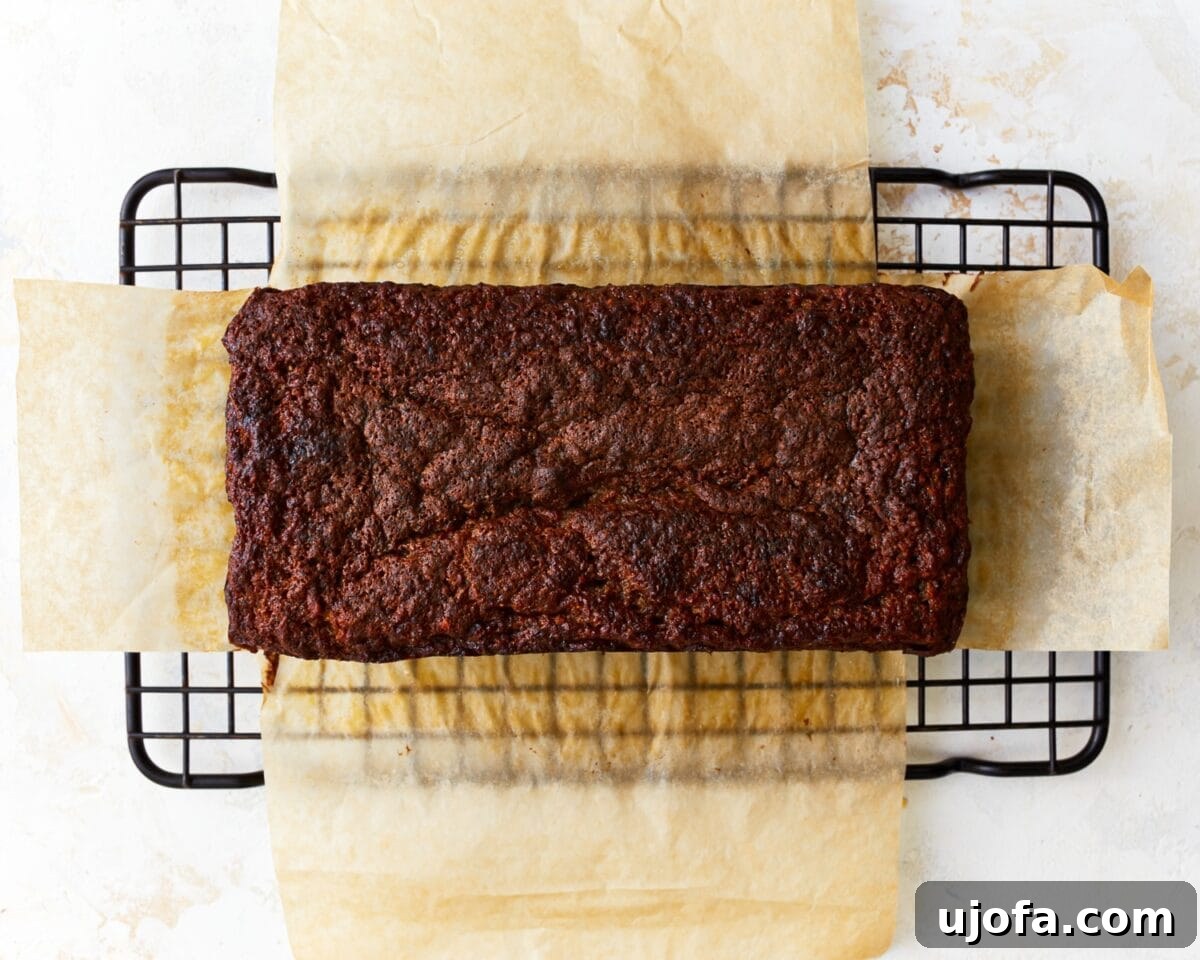
- Patience is Key for Cooling: It’s tempting to slice into a warm loaf straight from the oven, but for the best texture and structural integrity, resist the urge! Allow the bread to cool completely on a wire rack before slicing. This allows the internal structure to set properly and prevents crumbling. I often bake the bread the night before and slice it in the morning for perfect, clean slices.
- Accurate Coconut Flour Measurement: Due to its extremely high absorbency, precisely measuring coconut flour is paramount. Use the “spoon and level” method: spoon the flour into your measuring cup, then level it off with a straight edge. Do not scoop directly from the bag, as this compacts the flour and can result in a dry, dense bread. Every gram matters with coconut flour!
- Don’t Overmix the Batter: Once you’ve combined the wet and dry ingredients, mix just until everything is incorporated and no dry streaks remain. Overmixing can negatively impact the texture, making the bread tougher or denser than desired, even with gluten-free flours. A gentle hand is best.
- Allow Hydration Time: Coconut flour needs time to absorb liquids. The brief 5-10 minute resting period mentioned in the instructions is not optional; it’s crucial for the flour to fully hydrate, which contributes significantly to the bread’s moistness and prevents a dry, crumbly texture. Don’t skip this step!
Sweetener Substitutions for Coconut Flour Banana Bread
Absolutely! While pure maple syrup lends a unique depth of flavor and is our recommended choice for its natural profile, you can certainly experiment with other liquid sweeteners. Honey or agave syrup are excellent 1:1 substitutes for maple syrup in this recipe. Keep in mind that each sweetener has its own distinct flavor profile, which may subtly alter the final taste of your banana bread. For instance, honey will introduce a more floral note, while agave tends to be more neutral in taste but still provides sweetness. Whichever you choose, ensure it’s a liquid sweetener to maintain the delicate moisture balance in the batter, which is crucial when baking with absorbent coconut flour.
Creative Add-Ins for Your Coconut Flour Banana Bread
Customizing your coconut flour banana bread with delicious add-ins is a fantastic way to make it truly your own! You can easily fold in about 1/2 cup of your favorite chopped nuts, such as walnuts or pecans, for added crunch, texture, and earthy flavor. If you’re a chocolate lover, dairy-free chocolate chips (or regular chocolate chips if dairy isn’t a concern) are a wonderful addition that melts beautifully into the moist bread, creating pockets of gooey goodness. For a touch of fruitiness, consider adding dried cranberries, raisins, or chopped dates. Just gently fold these additions into the batter right before pouring it into the loaf pan to ensure even distribution throughout the bread. Feel free to mix and match or get creative with other additions like shredded coconut, a sprinkle of nutmeg, or even a swirl of nut butter (like almond or cashew butter) on top before baking for an extra layer of flavor!
Troubleshooting: Why Your Coconut Flour Banana Bread Might Be Dry or Crumbly
Baking with coconut flour can be a bit different from traditional flours due to its unique absorbent properties. If your coconut flour banana bread turns out dry or crumbly, here are the most common culprits and how to fix them for a perfectly moist result next time:
- Incorrect Measurement of Coconut Flour: This is by far the most frequent issue. Coconut flour acts like a sponge, soaking up a significant amount of liquid. Even a small excess can lead to a very dry, dense, and crumbly outcome. Always measure coconut flour accurately, preferably by weight if you have a kitchen scale, or by using the “spoon and level” method as described in the tips section. Never pack it down!
- Not Enough Liquid: Ensure you’ve used the correct amount of mashed bananas, eggs, coconut oil, and maple syrup. These liquid components are essential for hydrating the coconut flour. If your bananas weren’t very ripe, they might contribute less moisture, so consider adding an extra tablespoon or two of milk (dairy or non-dairy, such as almond milk) if your batter seems unusually thick.
- Insufficient Hydration Time: The brief resting period for the batter is critical. This allows the coconut flour to fully absorb the moisture from the wet ingredients, which is paramount for achieving a soft, moist crumb. Skipping this step or not allowing enough time can result in pockets of dry flour and a crumbly, sandy texture.
- Overbaking: Even a few extra minutes in the oven can transform a perfectly moist bread into a dry one, especially with coconut flour, which continues to absorb moisture as it bakes. Always check for doneness with a toothpick inserted into the center – it should come out clean or with a few moist crumbs attached, but not wet batter. If using a dark pan, adjust baking time accordingly and check earlier.
- Overmixing the Batter: While coconut flour is gluten-free, overmixing can still lead to a denser, less tender crumb. Mix just until the ingredients are combined and no dry streaks of flour remain. Excessive mixing can negatively affect the final texture.
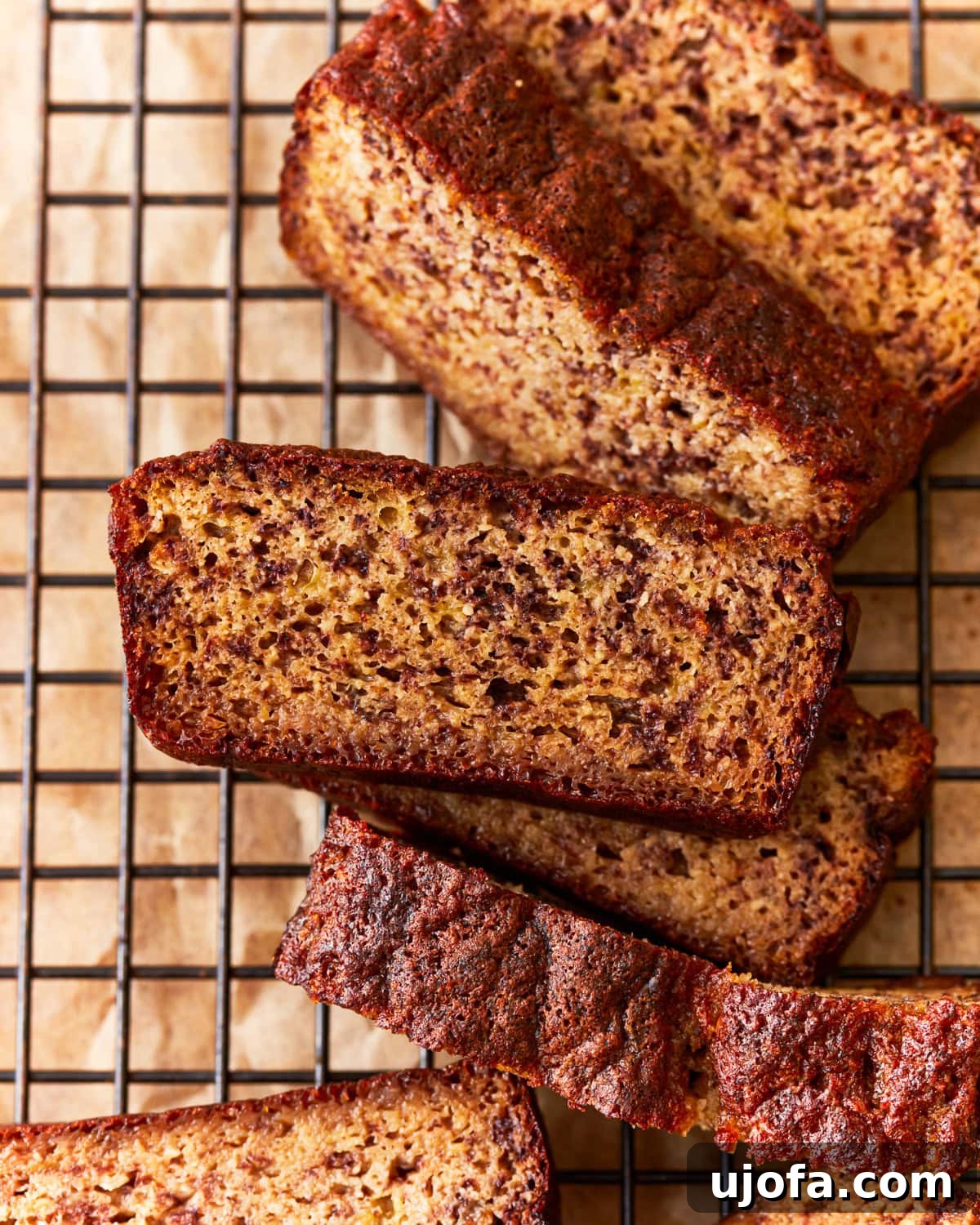
Storing Your Delicious Coconut Flour Banana Bread
Proper storage is essential to keep your banana bread fresh and moist for as long as possible. Here’s how to store it effectively, whether you plan to enjoy it over a few days or save it for later:
- Room Temperature Storage: For immediate enjoyment, store leftover coconut flour banana bread in an airtight container at room temperature for up to 2-3 days. This prevents it from drying out and keeps it perfectly delicious for breakfast or a snack. Ensure it’s fully cooled before storing to prevent condensation, which can make it soggy. A paper towel placed in the container can also help absorb excess moisture.
- Refrigerator Storage: If you want to extend its freshness, you can store the banana bread in an airtight container in the refrigerator for up to 4 days. Chilling the bread can sometimes alter its texture slightly, making it a bit denser. If you prefer it warm and soft, simply pop a slice in the microwave for 15-30 seconds before serving.
- Freezing for Longer-Term: This banana bread freezes beautifully! For longer-term storage, wrap individual slices or the entire cooled loaf tightly in plastic wrap, then an additional layer of aluminum foil. This double layer helps prevent freezer burn and preserves flavor. Place the well-wrapped bread in a freezer-safe bag or container. It can be stored in the freezer for up to 2-3 months. When ready to enjoy, thaw individual slices overnight in the refrigerator or at room temperature. You can also gently reheat thawed slices in the microwave or a toaster oven for a fresh-baked feel, which is perfect for a quick breakfast.
Explore More Gluten-Free Banana Bread Recipes!
If you love banana bread as much as we do, you’re in for a treat! We have a variety of gluten-free banana bread recipes tailored to different dietary needs and preferences. Each recipe offers a unique twist while maintaining that comforting banana bread goodness and satisfying texture. Don’t stop at coconut flour – discover other fantastic alternatives:
- Classic Gluten-Free Banana Bread: Our original, beloved recipe for a timeless favorite, perfect for everyday enjoyment.
- Flourless Banana Bread: An incredibly moist and dense option made without any traditional flour, ideal for grain-free diets.
- Oat Flour Banana Bread: A hearty and wholesome version featuring the goodness of oat flour, offering a slightly chewier texture.
- Almond Flour Banana Bread: A popular choice for a low-carb and protein-rich banana bread, known for its fine texture and mild nutty flavor.
Coconut Flour Banana Bread
Sabine Venier
12
slices
10
mins
40
mins
50
mins
Share by Email
Print Recipe
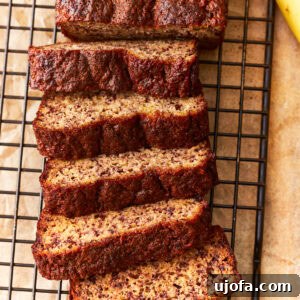
This coconut flour banana bread is tender, moist, and full of banana flavor. It takes just 10 minutes of prep to get this bread in the oven!
Ingredients
- 1 1/4 cups mashed very ripe bananas, about 2-3 bananas
- 3 large eggs
- 1/4 cup coconut oil, melted and cooled
- 1/4 cup pure maple syrup
- 1 teaspoon pure vanilla extract
- 3/4 cup coconut flour
- 1 teaspoon baking powder
- 1 teaspoon baking soda
- 1 teaspoon ground cinnamon
- 1/4 teaspoon salt
Units: US Customary – Metric (Approximate conversion)
Instructions
-
Preheat your oven to 350°F (177°C). Grease or line a loaf pan with parchment paper and set aside.
-
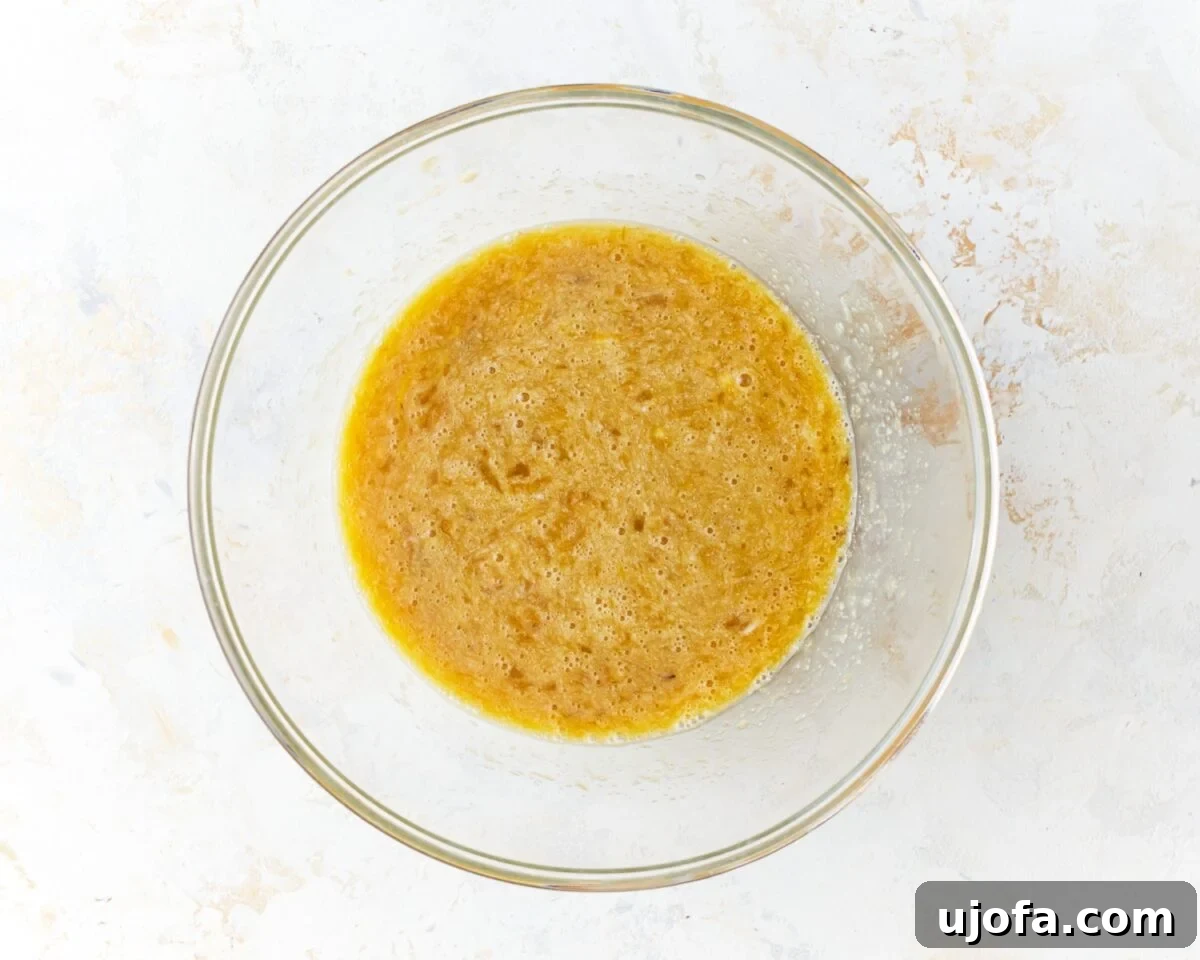
In a large mixing bowl, combine mashed bananas, eggs, melted coconut oil, maple syrup, and vanilla extract. Mix until well combined.
-
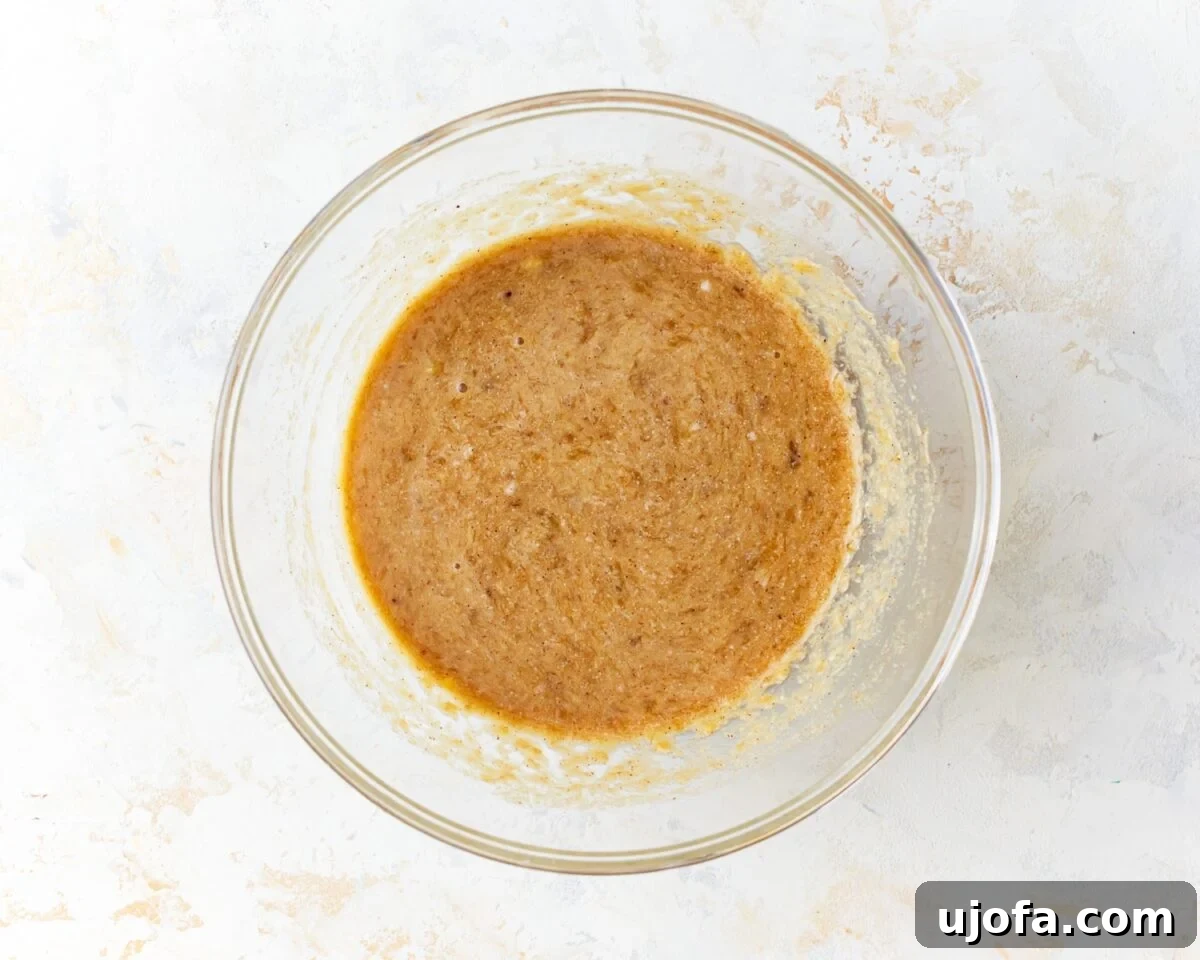
Add coconut flour, baking powder, baking soda, ground cinnamon, and salt to the wet ingredients. Stir until all ingredients are well incorporated and no lumps remain.
-
Allow the batter to rest for 5-10 minutes to let the coconut flour absorb the moisture. The batter will thicken slightly. This step is crucial for the final texture.
-
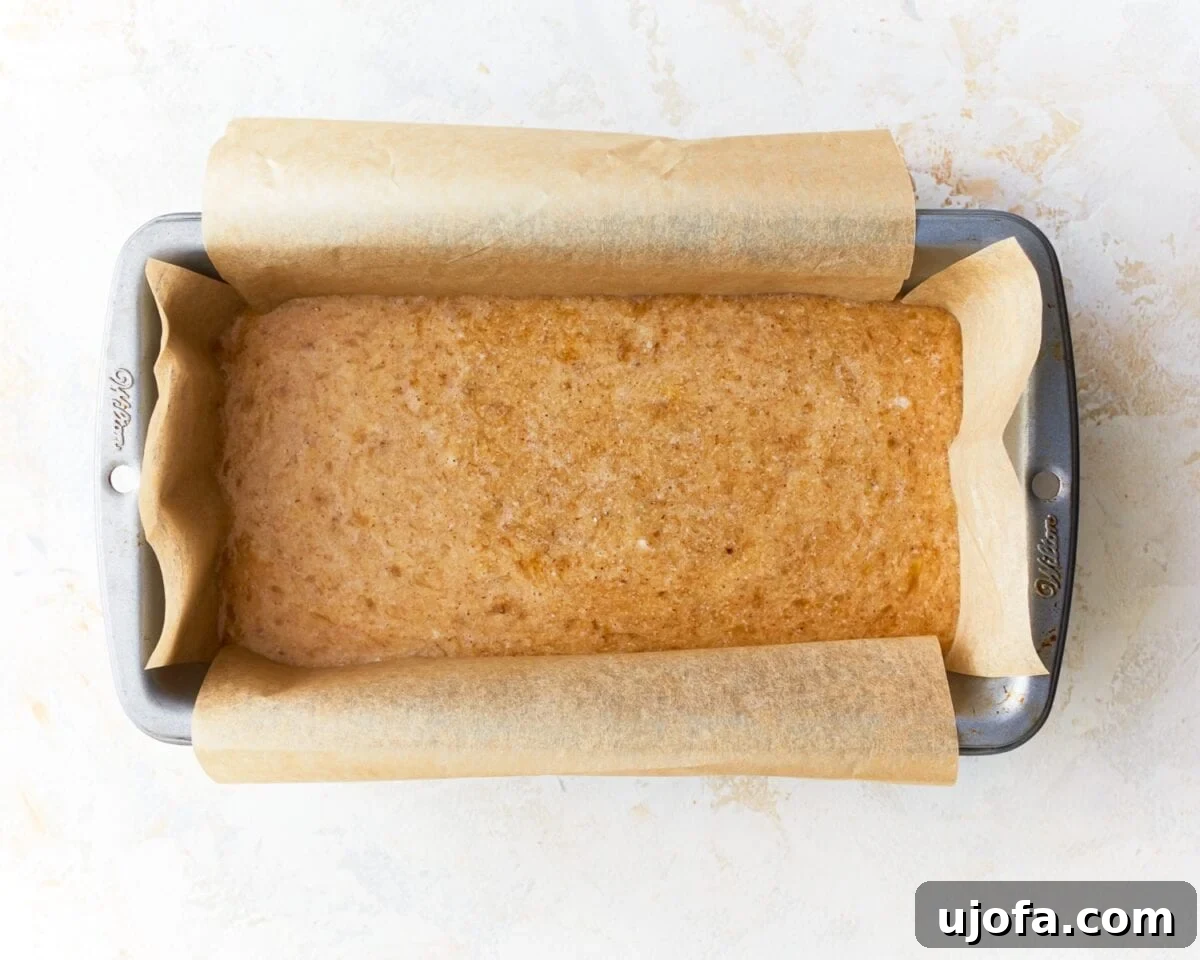
Pour the batter into the prepared loaf pan and bake in the preheated oven for 40-45 minutes, or until a toothpick inserted into the center comes out clean. If using a dark metal pan, check at 35 minutes.
-
Once baked, remove the banana bread from the oven and allow it to cool in the pan for 10-15 minutes. This helps it set. Then, transfer the bread to a wire rack to cool completely before slicing.
-
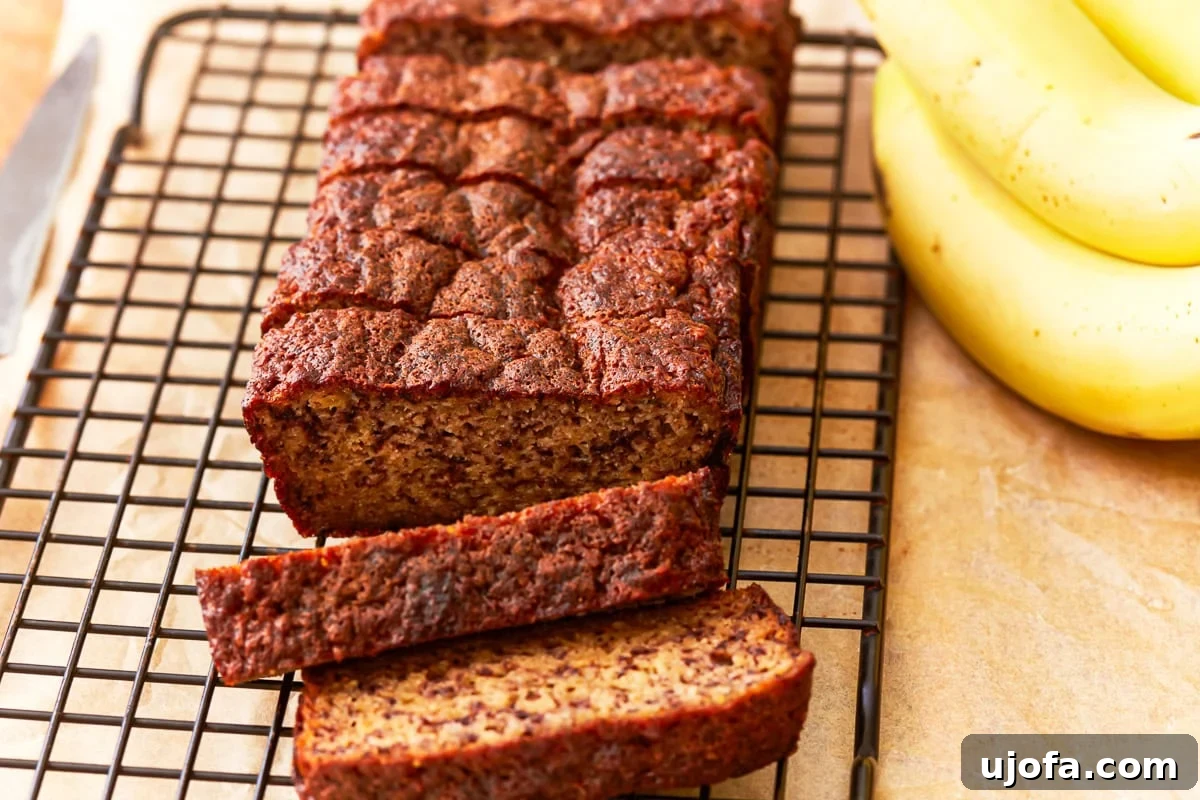
Once completely cooled, slice the bread into thick pieces using a serrated knife and serve. Enjoy this moist and flavorful treat!
Notes
- To keep the banana bread from sticking to the baking pan, grease the pan generously or line it with parchment paper.
- Dark metal baking pans may bake quicker. Please check your banana bread at the 35-40 minutes mark if using a dark metal baking pan.
- For best results and to prevent crumbling, be patient and allow the bread to completely cool before slicing.
- To store: Store coconut flour banana bread in an airtight container at room temperature for up to 2-3 days or in the refrigerator for up to 4 days.
- To freeze: Wrap individual slices or the entire cooled loaf tightly in plastic wrap or aluminum foil, then place in a freezer-safe bag or container for up to 2-3 months. Thaw before serving.
- For a richer flavor, consider adding 1/2 cup of chopped walnuts, pecans, or dairy-free chocolate chips to the batter.
Nutrition Facts (per slice, approx.)
Calories: 111kcal
Carbohydrates: 10g
Protein: 3g
Fat: 7g
Saturated Fat: 5g
Polyunsaturated Fat: 0.3g
Monounsaturated Fat: 1g
Trans Fat: 0.01g
Cholesterol: 47mg
Sodium: 209mg
Potassium: 50mg
Fiber: 3g
Sugar: 5g
Vitamin A: 71IU
Vitamin C: 0.4mg
Calcium: 36mg
Iron: 0.5mg
Nutrition information is automatically calculated, so should only be used as an approximation. Actual values may vary based on specific ingredients and preparation methods.
Additional Information
Baking, Breakfast, Snack
American
Gluten-Free, Dairy-Free, Refined Sugar-Free
Tried this recipe?
Mention @mamaknowsglutenfree or tag #mamaknowsglutenfree! We’d love to see your creations!
How to Make Coconut Flour Banana Bread: A Step-by-Step Guide
Get ready to bake a loaf of delicious, wholesome coconut flour banana bread with this easy-to-follow guide. Every step is designed to ensure a perfectly moist and flavorful result, even for novice bakers.
- Prepare Your Oven and Pan: Begin by preheating your oven to 350°F (177°C). Take a standard loaf pan (approximately 9×5 inches) and either grease it thoroughly with butter or cooking spray, or line it with parchment paper, leaving an overhang on the longer sides. This preparation is key for easy removal of your baked bread and prevents sticking.
- Mash the Bananas: In a large mixing bowl, thoroughly mash 2-3 very ripe bananas until you have about 1 ¼ cups of mashed banana. The riper the bananas, the sweeter and more flavorful your bread will be, contributing to the natural sweetness and moisture of the loaf.
- Combine Wet Ingredients: To the mashed bananas, add 3 large eggs, ¼ cup of melted (and slightly cooled) coconut oil, ¼ cup of pure maple syrup, and 1 teaspoon of pure vanilla extract. Whisk these wet ingredients together until they are completely smooth and well combined. Ensure the coconut oil isn’t hot, as it could scramble the eggs and affect the texture.
- Incorporate Dry Ingredients: Into the same bowl with the wet mixture, carefully add ¾ cup of coconut flour, 1 teaspoon of baking powder, 1 teaspoon of baking soda, 1 teaspoon of ground cinnamon, and ¼ teaspoon of salt. Stir gently with a spoon or spatula until all the dry ingredients are just incorporated into the wet mixture, making sure there are no dry lumps. Be careful not to overmix, as this can affect the tenderness of the bread.
- Allow Batter to Rest and Hydrate: This is a critical step! Let the batter rest in the bowl for at least 5 to 10 minutes. During this time, the coconut flour will absorb the moisture, and the batter will thicken noticeably. This ensures a moist final product and prevents a dry, crumbly texture, which is a common issue with coconut flour if not properly hydrated.
- Bake to Perfection: Pour the slightly thickened batter into your prepared loaf pan. Place it in the preheated oven and bake for 40-45 minutes. To test for doneness, insert a toothpick into the center of the loaf; it should come out clean or with a few moist crumbs attached, but no wet batter. If the top starts to brown too quickly, you can loosely tent it with foil to prevent over-browning.
- Cool and Serve: Once baked, remove the banana bread from the oven and let it cool in the loaf pan for 10-15 minutes. This vital step allows the bread to set and firm up before handling. After this initial cooling, carefully lift the bread out of the pan using the parchment paper handles (if used) and transfer it to a wire rack to cool completely. Slicing warm bread can lead to crumbling and a less desirable texture, so patience is a virtue here! Once fully cooled, slice into generous portions using a serrated knife and savor every tender, flavorful bite.
Final Thoughts on This Gluten-Free Coconut Flour Delight
This **Coconut Flour Banana Bread** is more than just a recipe; it’s an invitation to experience wholesome baking that doesn’t compromise on flavor or texture. Whether you’re navigating gluten sensitivities, avoiding dairy, reducing refined sugars, or simply looking for a delicious and easy banana bread recipe, this loaf is sure to become a cherished addition to your recipe collection. Its tender crumb, rich banana aroma, and natural sweetness make it perfect for breakfast, a comforting snack, or a simple dessert. The ease of preparation, combined with the delightful results, will make you wonder why you didn’t try baking with coconut flour sooner. We’re confident that once you try this effortless and satisfying recipe, it will quickly become a new family favorite that you’ll return to again and again. Happy baking, and enjoy every wholesome bite!