
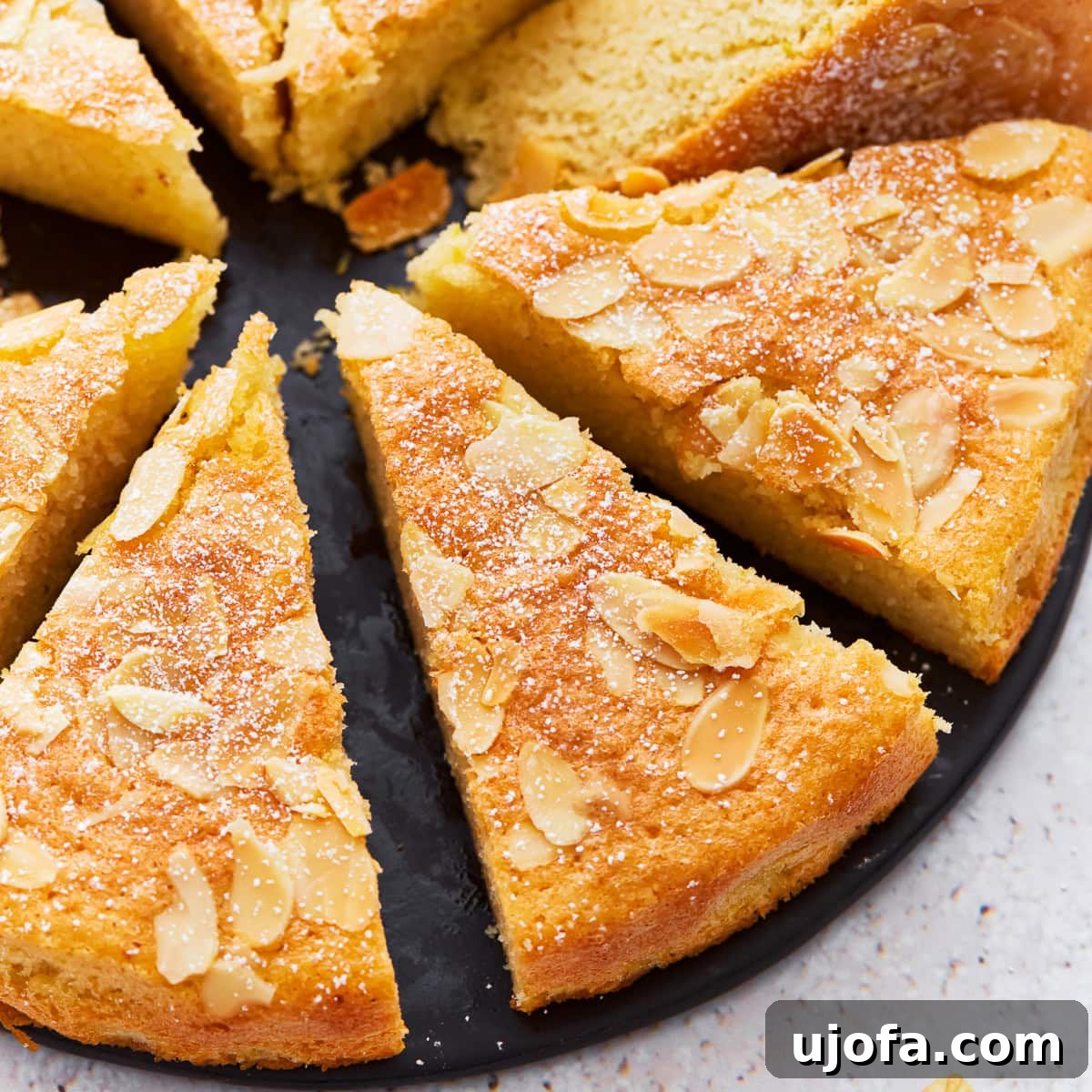
Delightful Gluten-Free Almond Flour Cake: A Simple & Moist Recipe
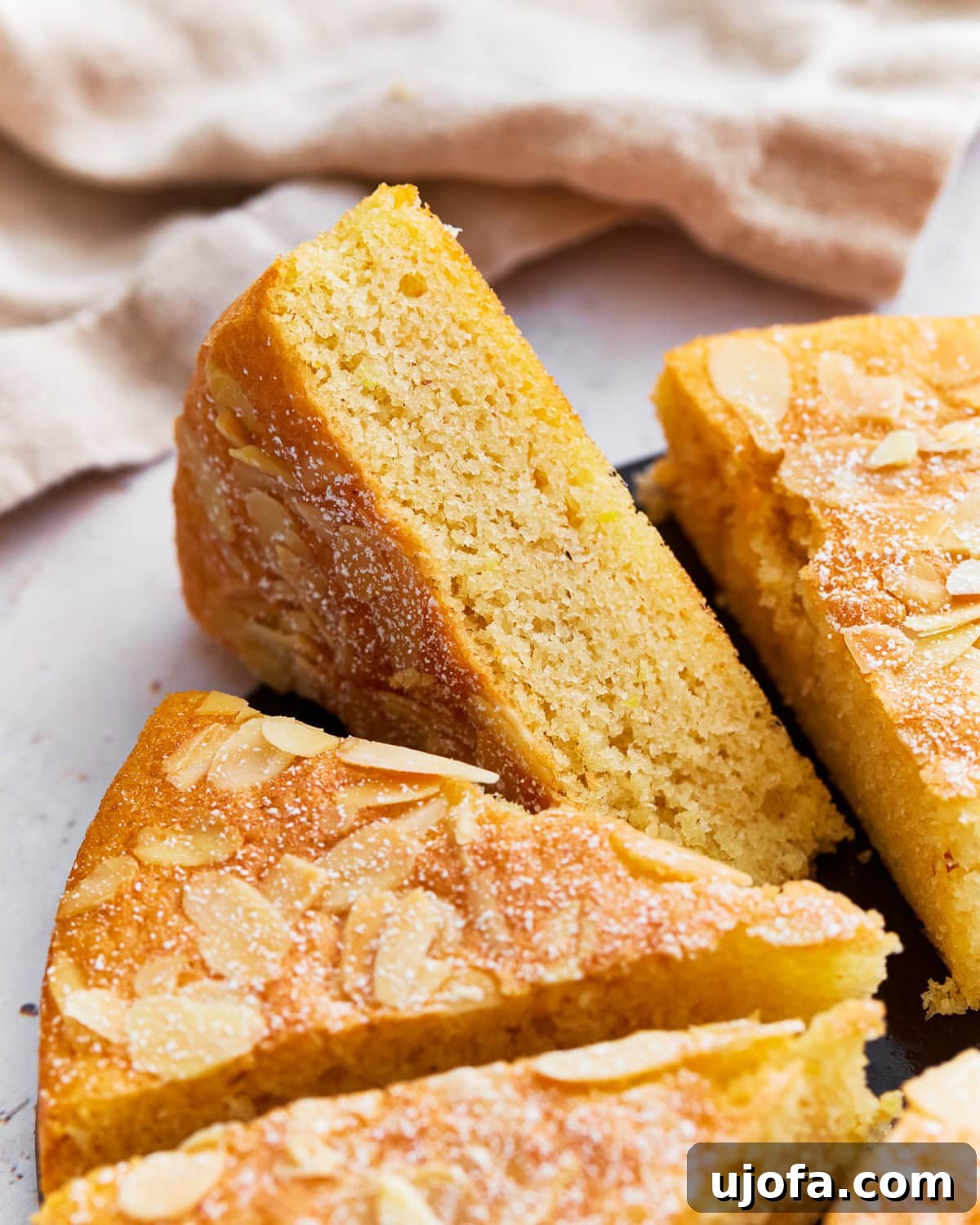
Prepare to fall in love with this incredibly easy almond flour cake! It’s wonderfully light, exceptionally moist, and boasts a deliciously tender crumb that melts in your mouth. What makes this recipe truly special is that it’s naturally gluten-free, dairy-free, and grain-free, making it a perfect choice for those with dietary restrictions or anyone seeking a healthier dessert option without compromising on flavor or texture.
Our recipe elevates the classic almond cake with a vibrant touch of lemon zest and the rich aroma of almond extract, creating a bright, nutty flavor profile that’s simply irresistible. This versatile cake is an ideal treat for any time of day – whether enjoyed as a delicate breakfast pastry, an elegant dessert, or a comforting accompaniment to your afternoon tea. Best of all, this flourless delight comes together effortlessly in just one bowl, streamlining your baking process. We highly recommend serving it with a generous dollop of freshly whipped cream and a handful of seasonal fresh berries for an absolutely divine experience. It’s a truly delicious and wholesome alternative to traditional wheat-based cakes!
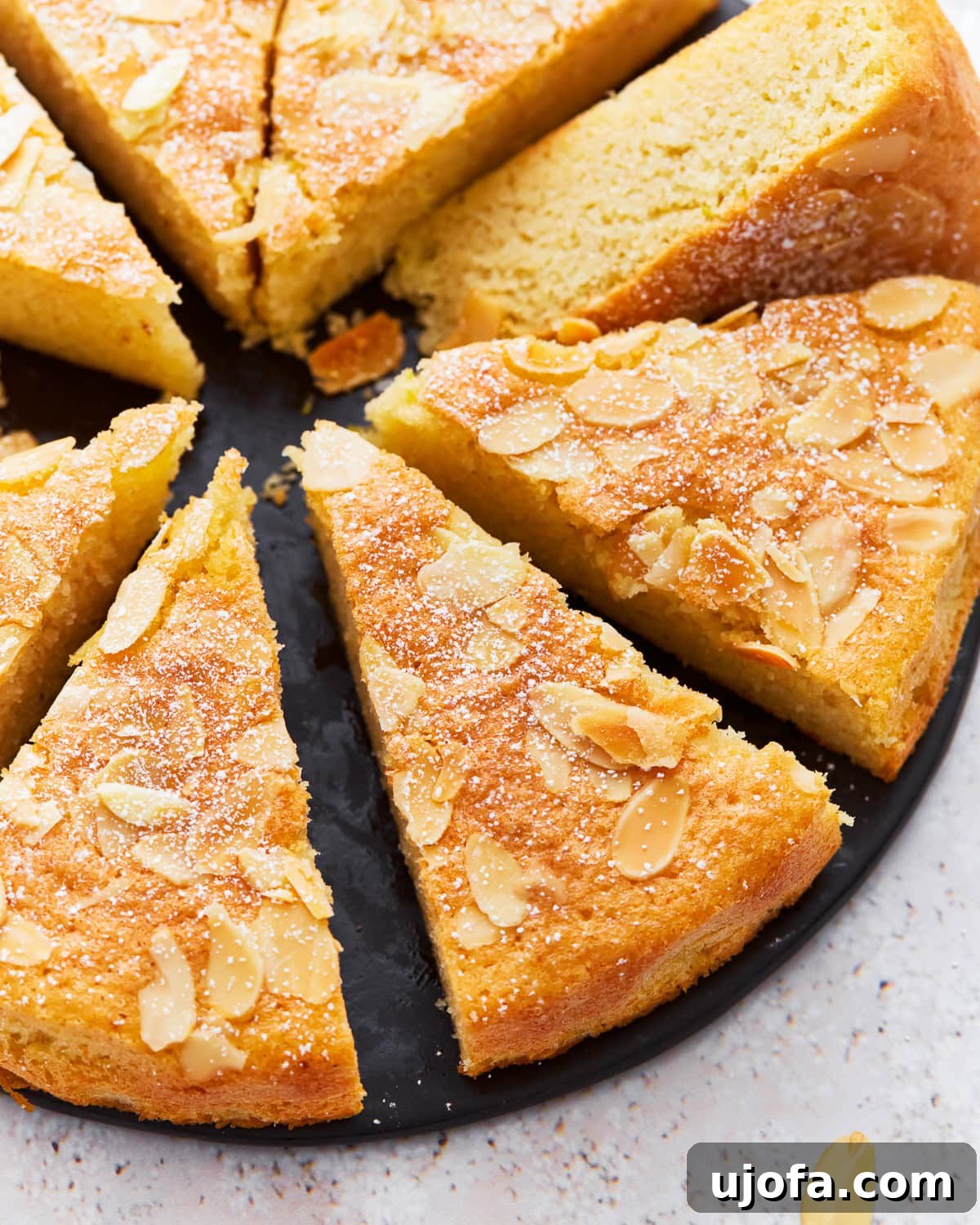
Unveiling the Perfect Homemade Almond Flour Cake Recipe
Almond flour stands out as an exceptional ingredient in baking, particularly for cakes, due to its impressive nutritional profile and its ability to impart a wonderfully unique texture. Unlike traditional wheat flours, almond flour is rich in healthy fats, protein, and fiber, contributing to a more satisfying and nutritious baked good. While it’s slightly thicker and denser than wheat flour, it works harmoniously in this specific almond flour cake recipe, creating a remarkable balance of richness and tenderness.
The secret to this cake’s incredible rise and airy texture lies in a simple yet crucial step: whipping the eggs and sugar together until they become light and fluffy. This process incorporates vital air pockets into the batter, which then expand beautifully in the oven, giving the cake its desirable lift and light crumb. The addition of baking powder further assists in this magical transformation, ensuring a perfectly risen cake every time. This approach allows us to achieve a light texture without relying on gluten, which is a common challenge in gluten-free baking.
In contrast to more elaborate desserts, like our popular almond flour chocolate cake, this particular recipe embraces simplicity. We’ve deliberately kept it unfrosted to let the pure, delicate flavors of almond and lemon shine through. In fact, you’ll be amazed to discover that this elegant cake requires only a handful of essential ingredients – just 7, if you count the optional sliced almonds for garnish. This minimalist approach not only makes the baking process incredibly straightforward but also highlights the natural goodness of each component. If you appreciate recipes that prioritize delicious results with minimal fuss, you’ll also adore our almond flour biscuits, another fan-favorite for their simplicity and taste.
This almond flour cake is more than just a gluten-free alternative; it’s a gourmet experience designed for ease. Its robust flavor and moist texture make it a standout dish that caters to various palates and dietary needs, proving that healthy baking can be utterly indulgent.
Essential Ingredients for Your Almond Flour Cake
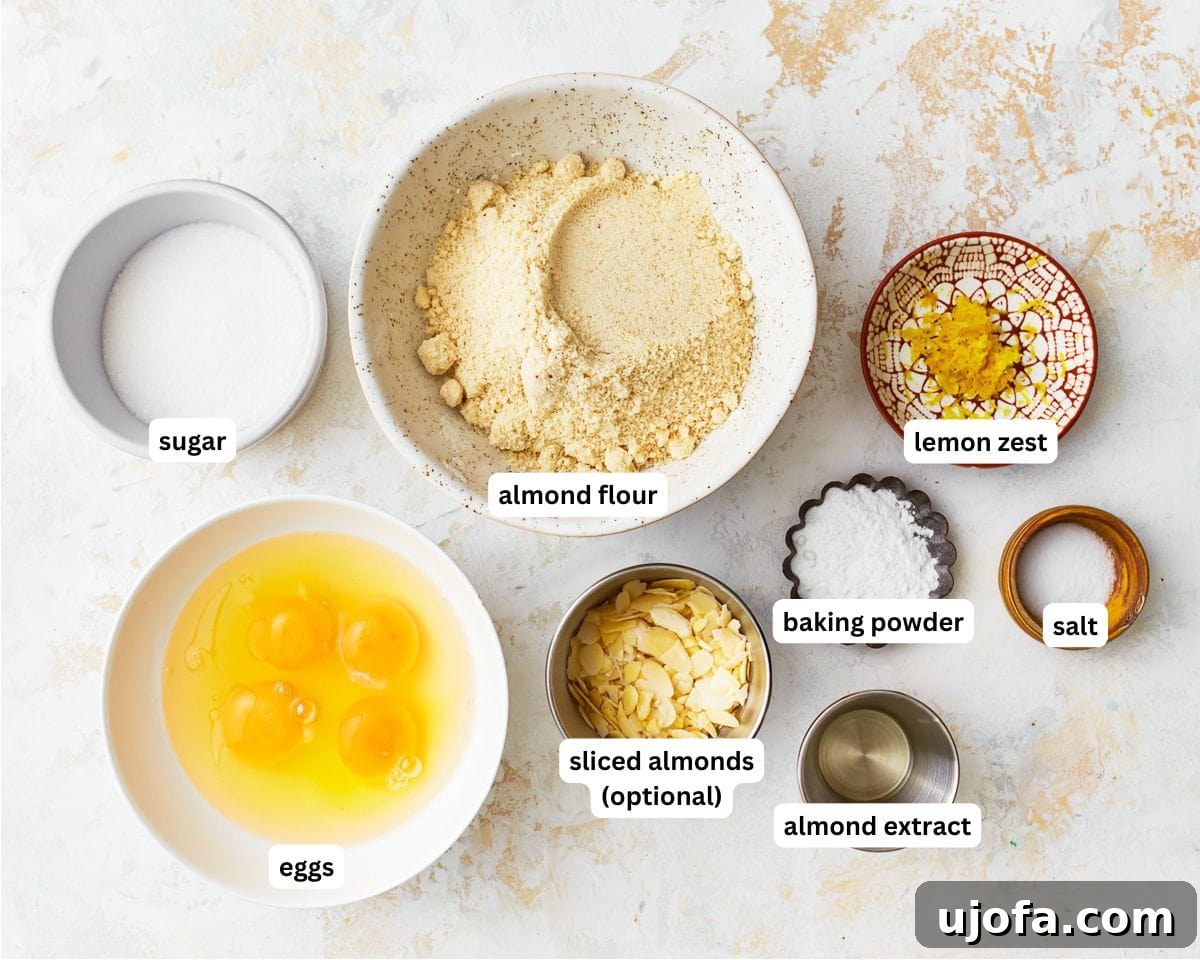
Crafting this moist and flavorful almond flour cake requires a carefully selected list of ingredients, each playing a vital role in achieving the perfect balance of taste and texture. Here’s a detailed look at what you’ll need:
- Super Fine Blanched Almond Flour: This is the cornerstone of our cake. It is absolutely essential to use super fine, blanched almond flour, not almond meal. Blanched almond flour is made from almonds that have had their skins removed before being finely ground, resulting in a light color and a smooth, consistent texture. Almond meal, on the other hand, is ground from whole, unblanched almonds, which means it still contains the skins. Using almond meal will significantly alter the texture of your cake, making it much coarser and denser, and will also impart a more robust, slightly bitter almond flavor. For that delicate, tender crumb, stick with super fine blanched almond flour.
- Granulated Sugar: Beyond merely sweetening the cake, sugar is crucial for retaining moisture, contributing to that wonderfully soft and tender crumb. While granulated sugar is highly recommended for the best flavor and texture, you do have some flexibility. Alternatives like honey, maple syrup, or sugar substitutes such as erythritol can work. However, if you opt for a liquid sweetener like honey or maple syrup, be aware that you may need to slightly adjust the amount of eggs or increase the almond flour to maintain the desired batter consistency. The step-by-step photos in our guide provide a visual reference for how thick the batter should be.
- Large Eggs: Eggs are the primary structural component of this almond flour cake, providing lift and binding all the ingredients together. They are also instrumental in creating a moist final product. You will need 4 large eggs, and it’s important that they are at room temperature. Room temperature eggs emulsify more easily with sugar, trapping more air and leading to a higher, more consistent rise. We do not recommend using an egg substitute for this particular recipe, as it relies heavily on the structural properties of whole eggs.
- Lemon Zest: We adore elegant desserts with a bright citrus accent, and lemon zest delivers exactly that. It infuses the cake with a fresh, vibrant flavor that is present but never overpowering, enhancing the overall taste without dominating the almond. If lemon isn’t your preference, feel free to experiment with other citrus zests, such as orange or lime. Alternatively, for a purely almond profile, you can omit the lemon zest entirely and add 1 teaspoon of pure vanilla extract for a comforting, classic flavor.
- Baking Powder: This leavening agent is essential for giving the cake its light and airy texture and helping it rise beautifully in the oven. Always double-check that your baking powder is certified gluten-free to ensure the cake remains suitable for those with gluten sensitivities.
- Almond Extract: To truly enhance the almond essence and give the cake a sophisticated, marzipan-like (or frangipane-like) depth of flavor, almond extract is a must. It complements the natural nutty notes of the almond flour perfectly.
- Salt: A pinch of salt is a powerful flavor enhancer in baking. It balances the sweetness of the sugar and brightens all the other flavors, making them more pronounced and harmonious. You’ll only need a small amount, but don’t skip it!
- Sliced Almonds (optional): For an added layer of texture and visual appeal, sprinkling sliced almonds on top of the batter before baking is a wonderful optional step. They toast beautifully in the oven, providing a delightful crunch and a rustic, elegant finish to your cake.
Expert Tips and Suggestions for Baking Your Best Almond Flour Cake
Achieving a perfectly moist and tender almond flour cake is simple with these expert tips:
- Whip Eggs and Sugar Thoroughly: This is arguably the most critical step for achieving the cake’s light texture. Use a hand mixer or a sturdy whisk to vigorously beat the eggs and sugar together. Continue until the mixture transforms into a pale, thick, and fluffy consistency. This process is vital for incorporating enough air, creating those essential air pockets that will expand during baking, resulting in a beautifully risen and lighter cake.
- Fold in Dry Ingredients Gently: Once your wet ingredients are light and airy, switch to a spatula and *gently fold* in the dry ingredients. Avoid using a hand mixer for this step. Folding rather than beating helps to preserve the air pockets you painstakingly created, which prevents the cake from becoming overly dense. It also significantly reduces the risk of over-mixing the batter, a common pitfall in baking that can lead to a tough texture.
- Proper Pan Preparation is Key: Almond flour cakes, especially those with minimal fat, can be prone to sticking if the pan isn’t prepared correctly. To ensure an easy release and a beautifully intact cake, always grease your baking pan thoroughly, then line the bottom with a circle of parchment paper. This creates a non-stick barrier that guarantees your cake will slide out perfectly after cooling.
- Creative Add-Ins for Flavor Variation: While delicious on its own, this almond cake is also a fantastic canvas for additional flavors. Try gently folding in a handful of chocolate chips for a sweet treat, dried fruit like cranberries or chopped apricots for a chewy texture, or fresh berries such as blueberries. Blueberries would give this cake a delightful resemblance to our popular almond flour blueberry muffins! Remember not to exceed ½ to 1 cup of add-ins, as too many can alter the cake’s delicate structure and potentially extend the baking time.
- Bake Ahead for Enhanced Flavor: For an even more spectacular flavor experience, consider making this almond flour cake the day before you plan to serve it. Allowing the cake to rest overnight in an airtight container gives the flavors ample time to meld and deepen, resulting in a richer and more harmonious taste. It truly tastes better the next day!
- Store Properly for Freshness: Once cooled, store your cake in an airtight container at room temperature for up to 3 days to maintain its freshness and moisture.
Can I Substitute Coconut Flour for Almond Flour?
Unfortunately, no, you cannot directly swap almond flour for coconut flour in this recipe, or most recipes for that matter, without significant adjustments. Almond flour and coconut flour are fundamentally different in their composition and how they behave in baking, despite both being gluten-free alternatives.
Almond flour is made from finely ground, blanched almonds. It’s relatively high in healthy fats and protein, and low in carbohydrates. This gives it a rich flavor, a tenderizing effect, and a moderately absorbent quality. It generally requires more liquid than wheat flour but much less than coconut flour.
Coconut flour, on the other hand, is made from dried, defatted coconut meat. It is incredibly absorbent – far more so than almond flour or even most traditional flours. A small amount of coconut flour can soak up a huge amount of liquid. If you were to substitute coconut flour for almond flour cup-for-cup in this recipe, the resulting batter would be extremely dry and crumbly, leading to a dense, unpalatable cake that wouldn’t rise properly.
Due to these vast differences, substituting one for the other would require a complete re-balancing of the recipe’s liquid-to-dry ingredient ratio, along with other adjustments to fats and eggs. It’s essentially like creating an entirely new recipe. If you’re specifically looking for a delicious treat made with coconut flour, we recommend trying recipes specifically developed for it, such as our delightful coconut flour brownies or our moist coconut flour banana bread!
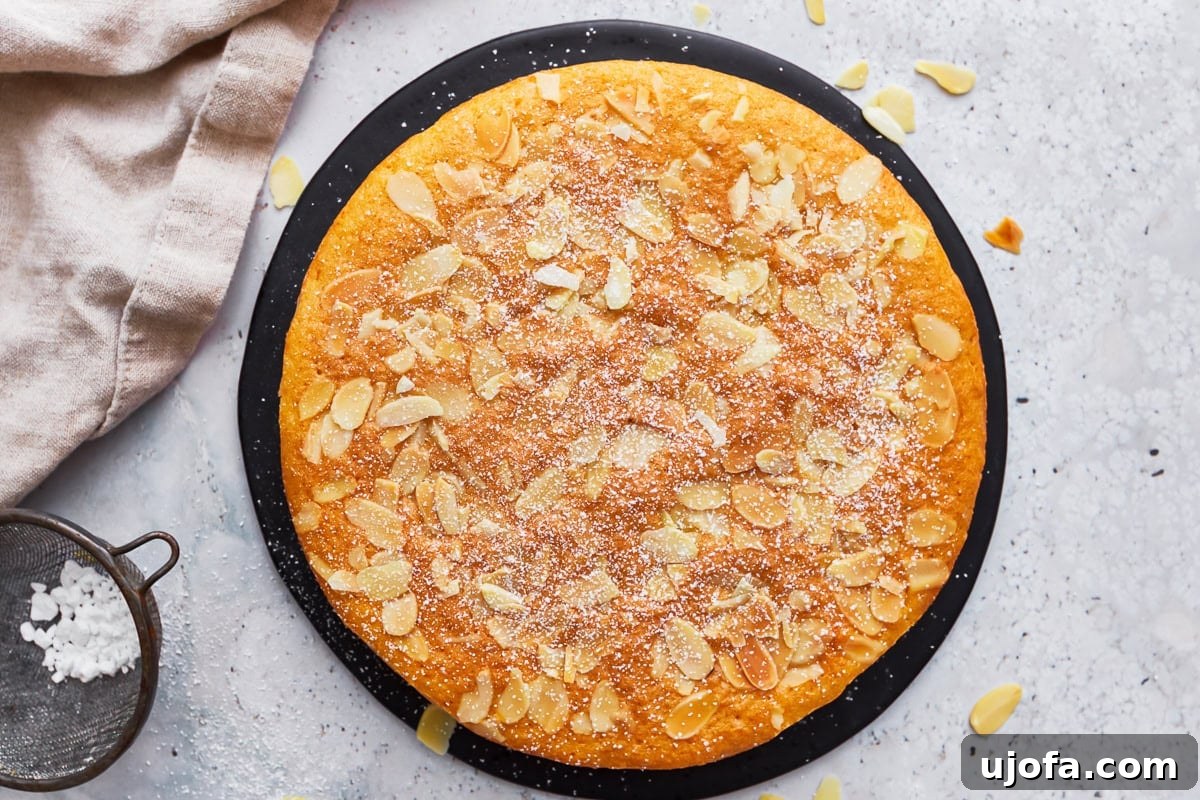
Can I Make This an Elegant Double Layer Cake?
Absolutely! This versatile almond flour cake recipe is perfectly suited for creating an impressive two-layer cake. To do so, simply double the entire recipe ingredients. Bake the two cake layers in separate 8-inch round cake pans (or two batches if you only have one pan), ensuring each pan is properly greased and lined with parchment paper, as specified in the instructions. The baking time for each individual layer should remain approximately the same, but always use the toothpick test to confirm doneness.
Allow both cakes to cool completely on a wire rack before attempting to stack them. Once thoroughly cooled, you can beautifully frost and decorate your double-layer almond flour cake with any of your preferred toppings, creating a stunning centerpiece for any celebration or special occasion.
Creative Almond Flour Cake Topping Ideas
While a simple sprinkle of powdered sugar and a few toasted sliced almonds offer a classic and delicious finish to this cake, its delicate flavor profile also welcomes a variety of more indulgent toppings. Here are some fantastic ideas to elevate your almond flour cake:
- Rich Chocolate Ganache or Sweet Caramel Drizzle: For a decadent touch, pour a smooth chocolate ganache or a luscious caramel drizzle over the cooled cake. These rich additions perfectly complement the nutty almond flavor.
- Fresh Strawberry Frosting: A light and fruity strawberry frosting, whether made with fresh puréed strawberries or freeze-dried strawberry powder, adds a beautiful pop of color and a delightful tangy sweetness.
- Seasonal Fresh Berries and Whipped Cream: A timeless combination! A generous mound of freshly whipped cream paired with vibrant seasonal berries (like raspberries, blueberries, or sliced strawberries) creates a light, refreshing, and visually stunning topping.
- Tangy Lemon Curd and Toasted Coconut Flakes: Enhance the existing lemon notes with a dollop of zesty lemon curd, and add a tropical twist with a sprinkle of fragrant toasted coconut flakes for an exquisite flavor pairing.
- Velvety Gluten-Free Vanilla Buttercream Frosting: For those who love a classic frosted cake, a smooth and creamy gluten-free vanilla buttercream frosting provides a comforting and familiar sweetness.
- Nutty Chocolate-Nut Spread and Chopped Hazelnuts: A spread of your favorite chocolate-hazelnut or chocolate-almond spread, garnished with finely chopped toasted hazelnuts, offers a wonderfully rich and crunchy topping.
- Indulgent Chocolate Buttercream Frosting: If you’re a chocolate lover, consider using the decadent chocolate buttercream frosting from our easy gluten-free chocolate cake recipe to create a truly irresistible treat.
Storage Instructions for Your Almond Flour Cake
Proper storage ensures your delicious almond flour cake stays fresh and enjoyable for as long as possible:
- Room Temperature Storage: For immediate enjoyment, store your cake in an airtight container at room temperature. It will remain wonderfully fresh and moist for up to 3 days.
- Refrigeration: If you need to extend its freshness, particularly in warmer climates or if your cake is topped with perishable ingredients like fresh cream, refrigerate it in an airtight container for up to a week. Be sure to bring it back to room temperature before serving for the best texture and flavor.
- Freezing for Longer Preservation: This almond flour cake freezes beautifully, making it perfect for meal prep or enjoying a slice whenever a craving strikes. We recommend slicing the cooled cake into individual servings before freezing. Wrap each slice tightly in plastic wrap, then place them in a freezer-safe bag or container. This method allows you to defrost just what you need, minimizing waste. The cake can be stored in the freezer for up to 3 months. When you’re ready to enjoy, simply let the desired number of slices thaw at room temperature for an hour or two before serving.
More Delicious Almond Flour Recipes to Try!
If you’ve fallen in love with baking with almond flour, we have plenty of other fantastic gluten-free recipes that utilize this versatile ingredient. Expand your repertoire and discover new favorites:
- Almond Flour Brownies: Fudgy, rich, and intensely chocolatey – a gluten-free dream.
- Almond Flour Pumpkin Bread: A warm, spiced loaf perfect for autumn mornings or cozy afternoons.
- Almond Flour Bread: A savory, wholesome bread that’s great for sandwiches or toast.
- Almond Flour Banana Bread: A moist and flavorful twist on a classic comfort food.
- Almond Flour Sugar Cookies: Perfectly sweet and tender, ideal for decorating and celebrations.
- …or explore our comprehensive collection of almond flour recipes for even more inspiration!
Almond Flour Cake Recipe
By: Sabine Venier
Servings: 8 servings
Prep Time: 10 mins
Cook Time: 30 mins
Total Time: 40 mins
This easy almond flour cake is light, moist, and has a tender crumb. It’s also naturally gluten-free, dairy-free, and grain-free!
Ingredients
- 4 large eggs
- ½ cup sugar
- 1 tablespoon lemon zest
- ½ teaspoon almond extract
- 1 ½ cups super fine blanched almond flour
- 1 teaspoon baking powder (ensure it’s gluten-free)
- ¼ teaspoon salt
- 3 tablespoons sliced almonds, optional (for topping)
Unit System: US Customary
Instructions
- Preheat your oven to 350°F (175°C). Lightly grease an 8-inch round cake pan and line the bottom with parchment paper to prevent sticking.
- In a large mixing bowl, combine the 4 large eggs and ½ cup sugar. Using a hand mixer or a whisk, beat them together vigorously until the mixture becomes pale in color and significantly fluffy, typically taking about 3-4 minutes. This aeration is key to a light cake. Then, add the 1 tablespoon lemon zest and ½ teaspoon almond extract to the egg mixture and stir gently to combine their flavors.
- To the wet mixture, add the 1 ½ cups almond flour, 1 teaspoon baking powder, and ¼ teaspoon salt. Using a spatula, carefully fold the dry ingredients into the wet mixture until they are just combined and no streaks of dry flour remain. Avoid over-mixing to keep the batter light.
- Pour the prepared batter evenly into your greased and parchment-lined 8-inch cake pan. If necessary, use a spatula to gently smooth the top surface of the batter. If you choose to use sliced almonds, sprinkle the 3 tablespoons evenly over the top of the batter for a beautiful crust and added texture.
- Place the cake pan in the preheated oven and bake for 25-30 minutes. The cake is done when a toothpick inserted into the center comes out clean, with no wet batter clinging to it.
- Once baked, remove the cake from the oven and allow it to cool in the pan for about 10 minutes. This cooling period helps the cake to set and firm up before handling. After 10 minutes, carefully invert the cake onto a wire rack to cool completely. Once fully cooled, slice and serve your delicious almond flour cake. Enjoy every tender, moist bite!
Notes
- To Store: Keep the cake in an airtight container at room temperature for up to 3 days. For longer storage, it will last for up to a week in the refrigerator.
- To Freeze: Freeze individual slices, wrapped tightly, for up to 3 months. Thaw at room temperature before enjoying.
- Always ensure all packaged ingredients, especially baking powder, are certified gluten-free if catering to dietary needs.
- The nutritional information provided below does not include the optional sliced almonds or any additional toppings.
Nutrition Information
Serving: 1 slice
Calories: 204 kcal
Carbohydrates: 17g
Protein: 8g
Fat: 13g
Saturated Fat: 2g
Polyunsaturated Fat: 0.5g
Monounsaturated Fat: 1g
Trans Fat: 0.01g
Cholesterol: 93mg
Sodium: 161mg
Potassium: 36mg
Fiber: 2g
Sugar: 13g
Vitamin A: 135 IU
Vitamin C: 1mg
Calcium: 89mg
Iron: 1mg
Nutrition information is automatically calculated and should only be used as an approximation.
Additional Info
Course: Dessert
Cuisine: American
A Visual Guide to Baking Your Almond Flour Cake
For those who prefer a visual reference, here’s a step-by-step walkthrough of the key stages in preparing your moist and delicious almond flour cake, accompanied by illustrative photos:

Before you begin, ensure your oven is preheated to 350°F (175°C). Prepare your 8-inch round cake pan by lightly greasing it and lining the bottom with parchment paper. In a large bowl, combine your 4 large room-temperature eggs and ½ cup of granulated sugar. Beat them with a hand mixer or whisk for about 3-4 minutes until the mixture turns noticeably pale and becomes fluffy. Next, stir in the 1 tablespoon of lemon zest and ½ teaspoon of almond extract, integrating these vibrant flavors into the egg base.

Now, add the dry components to your aerated wet mixture: 1 ½ cups of super fine almond flour, 1 teaspoon of baking powder (remember to check it’s gluten-free), and ¼ teaspoon of salt. Switch to a spatula and, with light, deliberate motions, fold these dry ingredients into the wet batter. The goal is to combine everything just until no dry streaks of flour are visible, ensuring you don’t deflate the precious air pockets you created in the previous step.
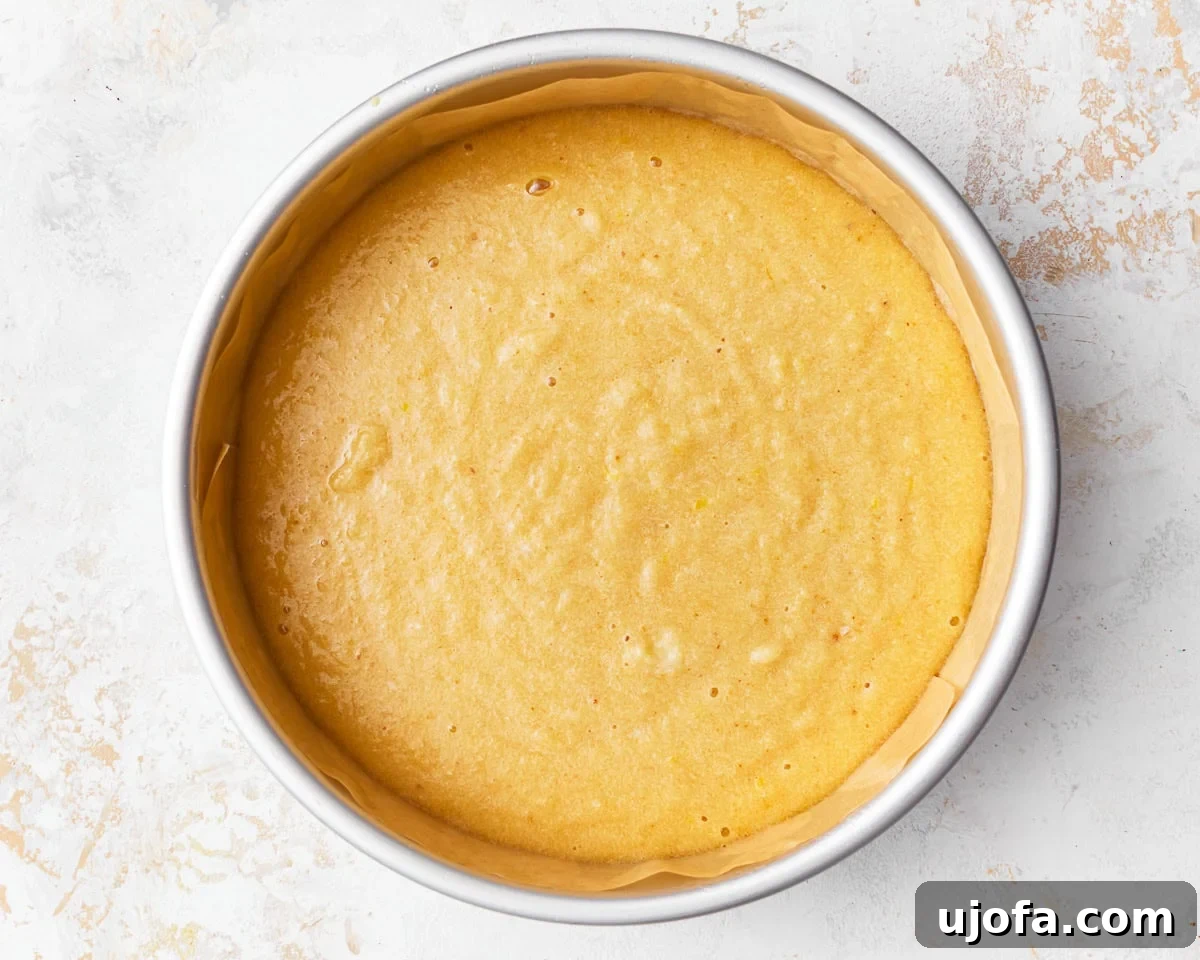
Once the batter is ready, carefully pour it into your prepared 8-inch cake pan. Distribute the batter evenly, and if necessary, use your spatula to gently smooth out the top surface. This ensures an even rise and a uniform final appearance for your cake.
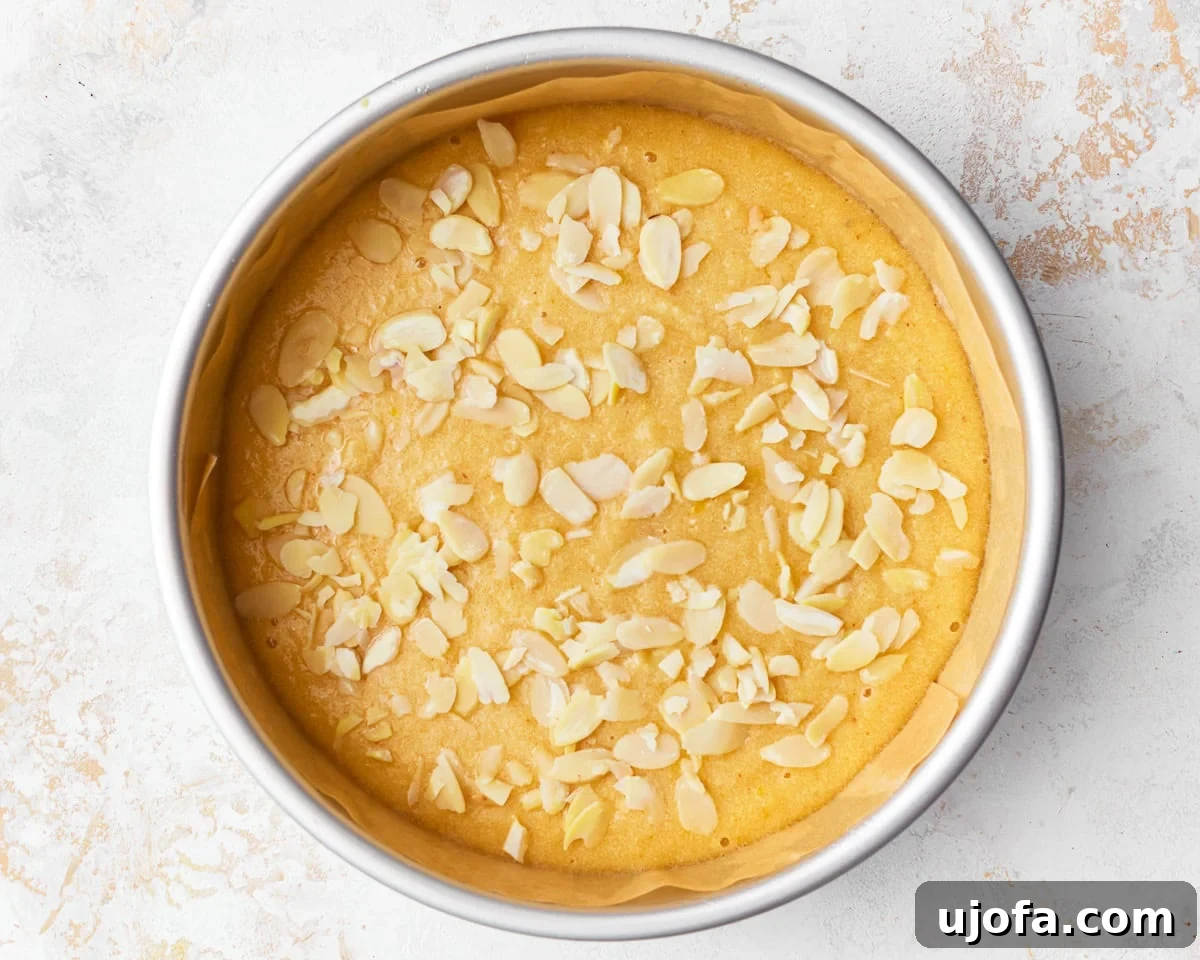
For an extra touch of elegance and crunch, sprinkle 3 tablespoons of sliced almonds evenly over the top of the batter. These will toast beautifully in the oven, adding a delightful texture and nutty flavor to the cake’s exterior.
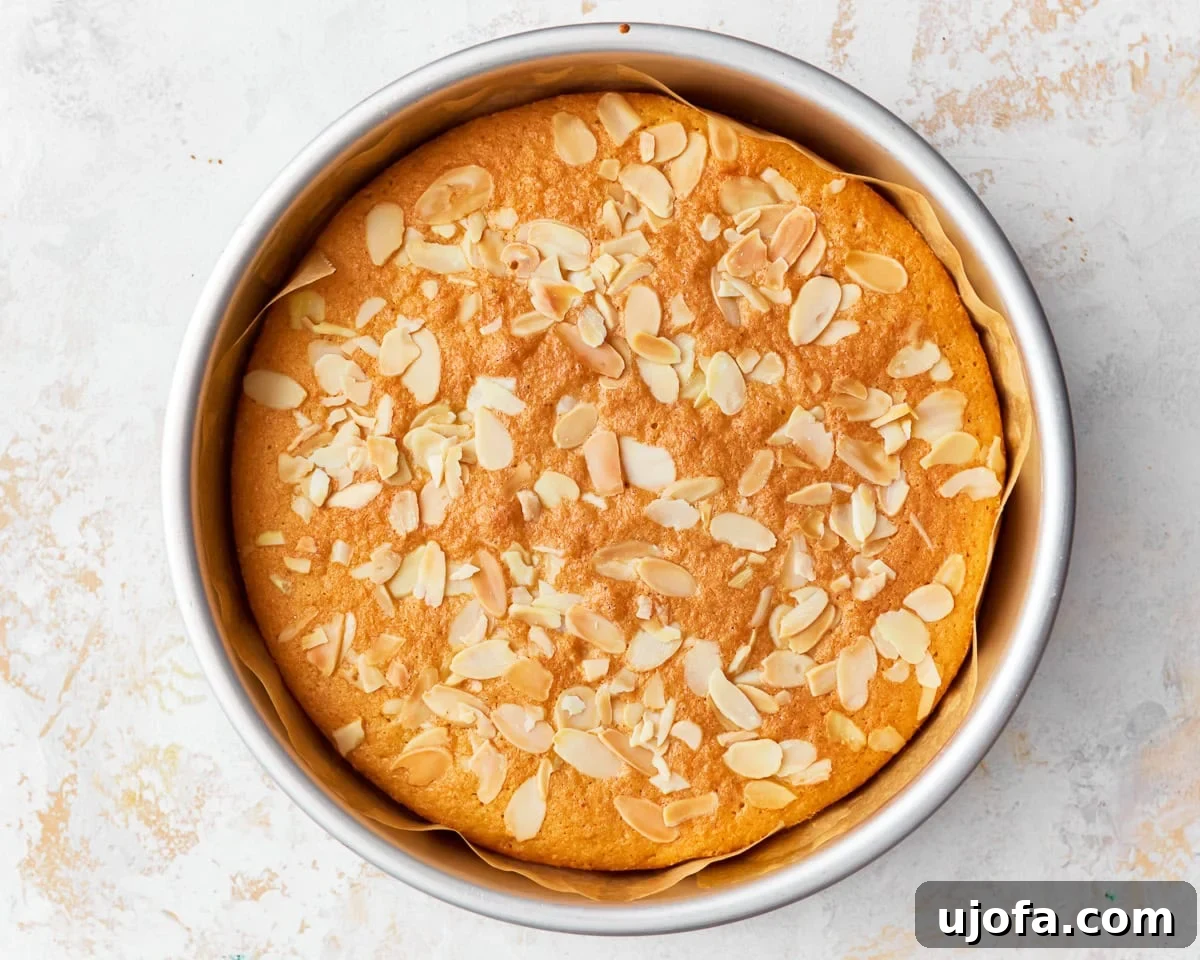
Bake the cake in your preheated oven for 25-30 minutes. The ultimate test for doneness is when a toothpick inserted into the very center of the cake comes out clean, indicating it’s cooked through. After baking, let the cake cool in its pan for 10 minutes before carefully transferring it to a wire rack. Allow it to cool completely before slicing and serving. This patience ensures the cake sets properly and is at its best texture. Enjoy your homemade, wholesome almond flour cake!