
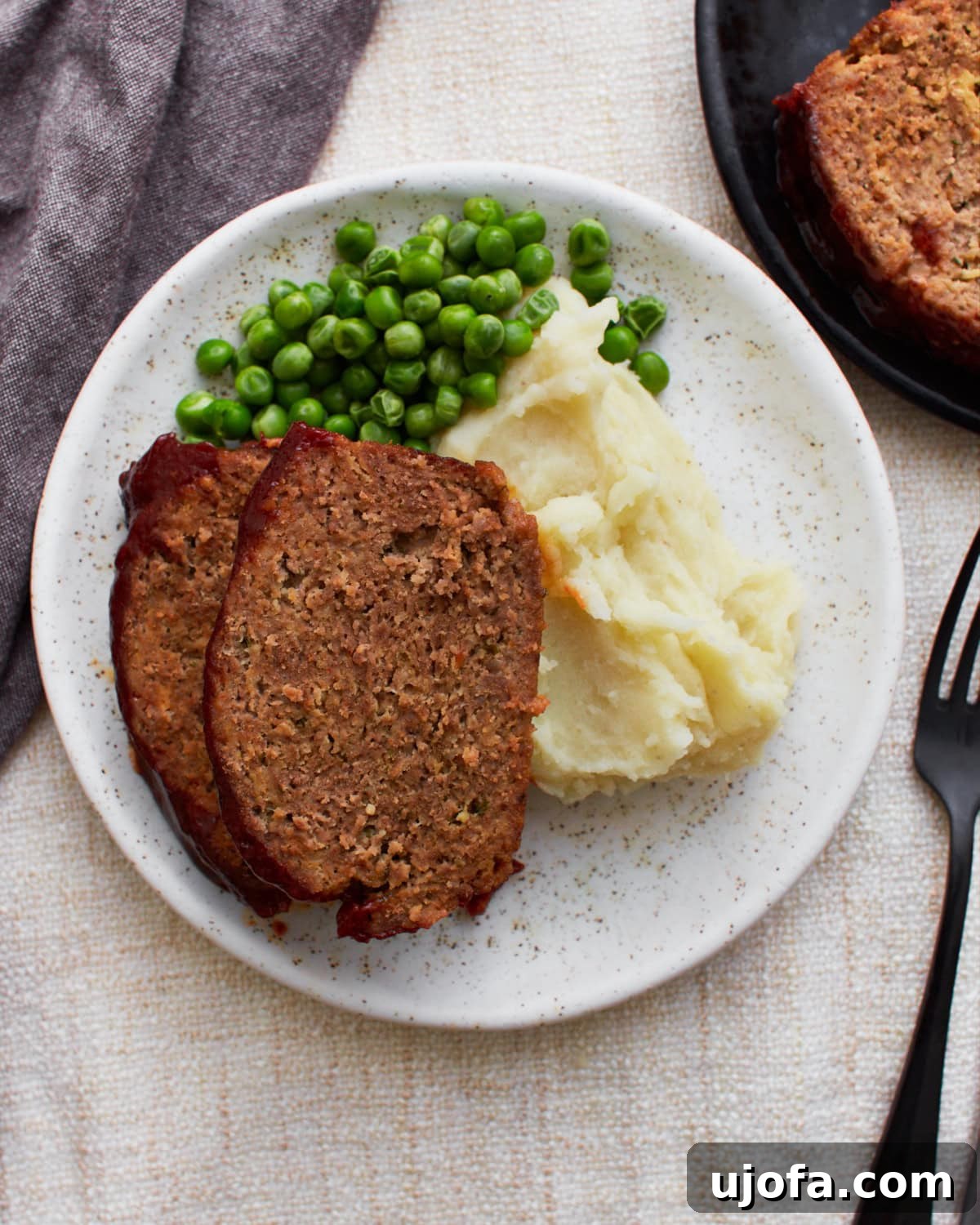
The Ultimate Gluten-Free Meatloaf Recipe: Juicy, Flavorful, and Irresistibly Glazed
Discover the secret to a perfectly juicy and tender gluten-free meatloaf, just like the one Mom used to make! This classic comfort food is reimagined for gluten-sensitive diets without sacrificing any of its beloved taste or texture. Featuring a rich, flavorful seasoning blend and topped with a mouth-watering sweet and tangy glaze, this foolproof recipe is guaranteed to become a new family favorite in your home.
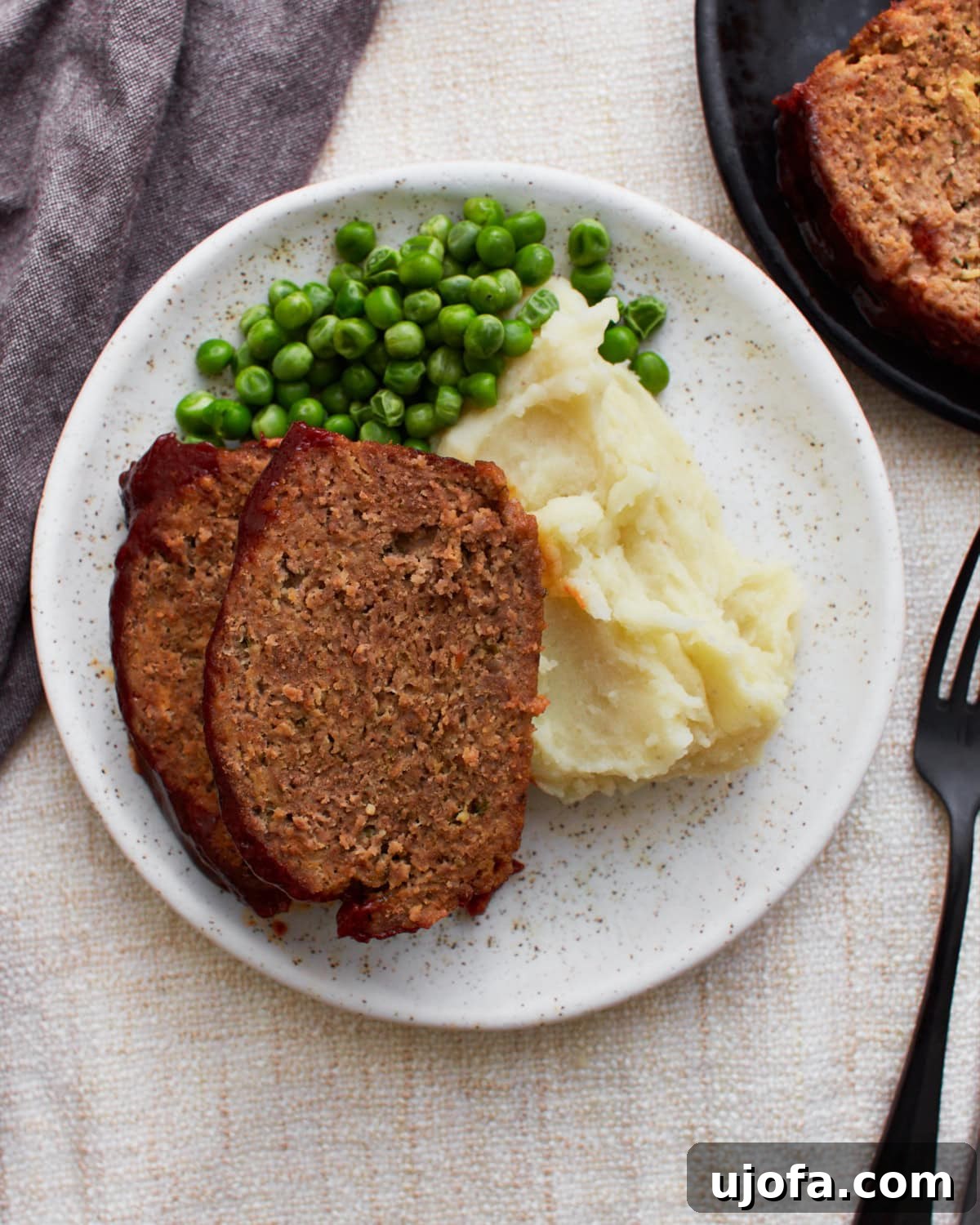
Meatloaf has always held a special place in my heart, a nostalgic dish that brings back warm memories of my childhood kitchen. Growing up, my mom’s meatloaf was a staple, and I’ve carried that tradition into my own home. For years, I’ve worked to perfect a gluten-free version that captures all the comforting essence of the original, ensuring it’s not only safe for gluten-free diets but also incredibly delicious and easy to make for any cook, regardless of experience.
This recipe ensures you’ll never face a dry or bland meatloaf again. Instead, you’ll create a perfectly seasoned, wonderfully moist loaf, crowned with an irresistible sticky glaze that truly elevates every bite. It’s the kind of hearty, satisfying meal that gathers everyone around the table, perfect for busy weeknights or relaxed Sunday dinners.
Gluten-Free Meatloaf
Servings: 8 servings
Cook: 1 hr 15 mins
Total: 1 hr 25 mins
This gluten-free meatloaf is just like my mom used to make it with a sweet and tangy glaze topping. Juicy and tender meat packed with a flavorful seasoning mix and gluten-free breadcrumbs to make the classic loaf shape.
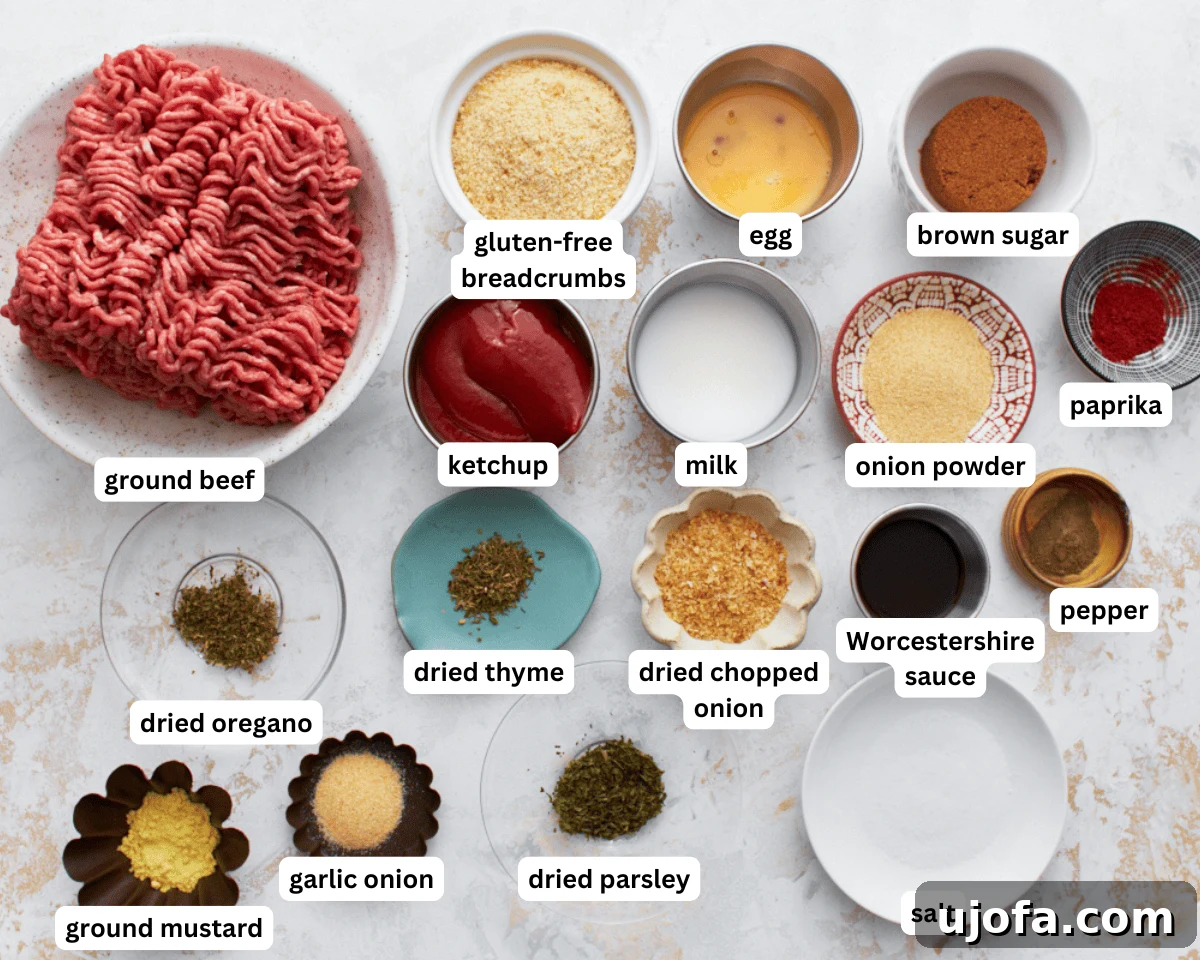
Ingredients
- 1 1/2 pounds lean ground beef, 90% or leaner
- 1 large egg, whisked
- 1 cup gluten-free bread crumbs
- 2 tablespoons gluten-free Worcestershire sauce, homemade, or use gf store bought
- 1/4 cup milk (for dairy-free, use almond, cashew, or coconut milk)
Seasoning Blend
- 2 tablespoons dried chopped onion
- 1 tablespoon onion powder
- 1/2 teaspoon garlic powder
- 1/2 teaspoon dried thyme
- 1/2 teaspoon dried oregano
- 1 teaspoon dried parsley
- 1/4 teaspoon paprika
- 1 teaspoon salt
- 1/4 teaspoon pepper
Glaze
- 3/4 cup ketchup
- 1/4 cup brown sugar
- 1/2 teaspoon ground mustard
Instructions
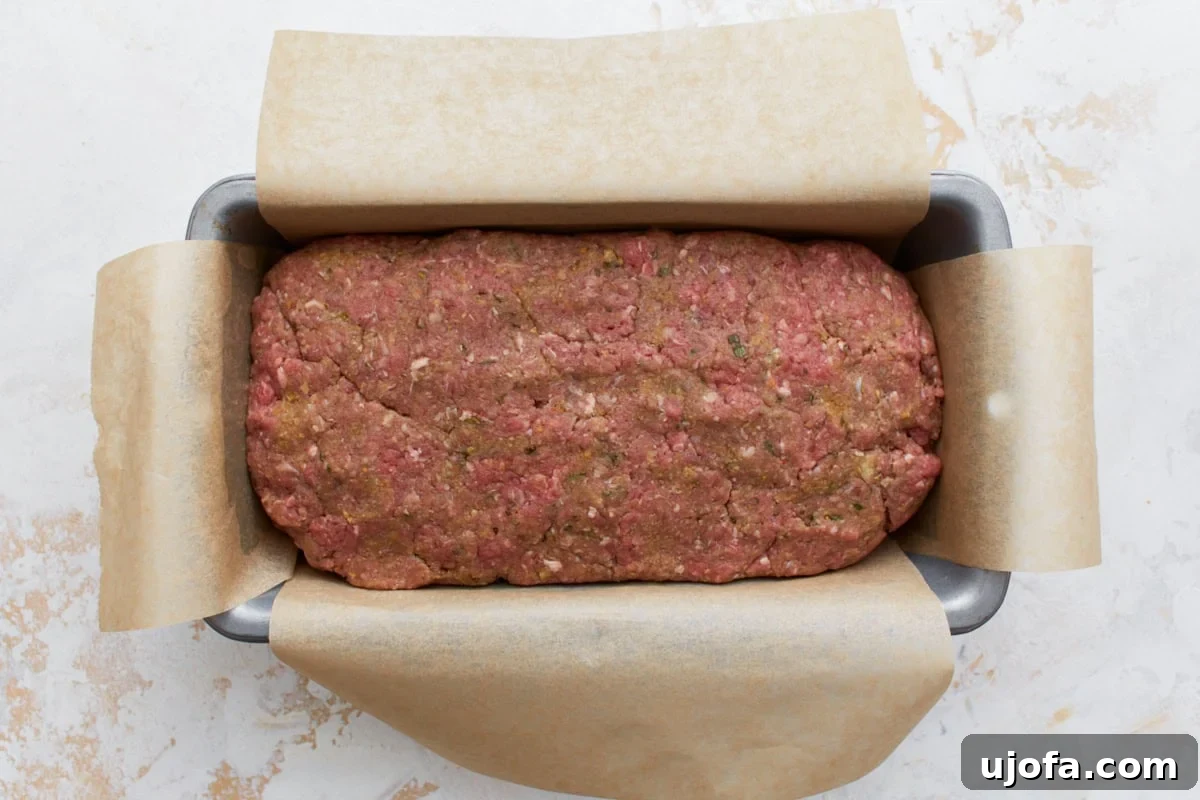
- Preheat oven to 350°F (175°C). Line an 8×4-inch loaf pan with parchment paper if you prefer to easily remove and slice the meatloaf after baking.
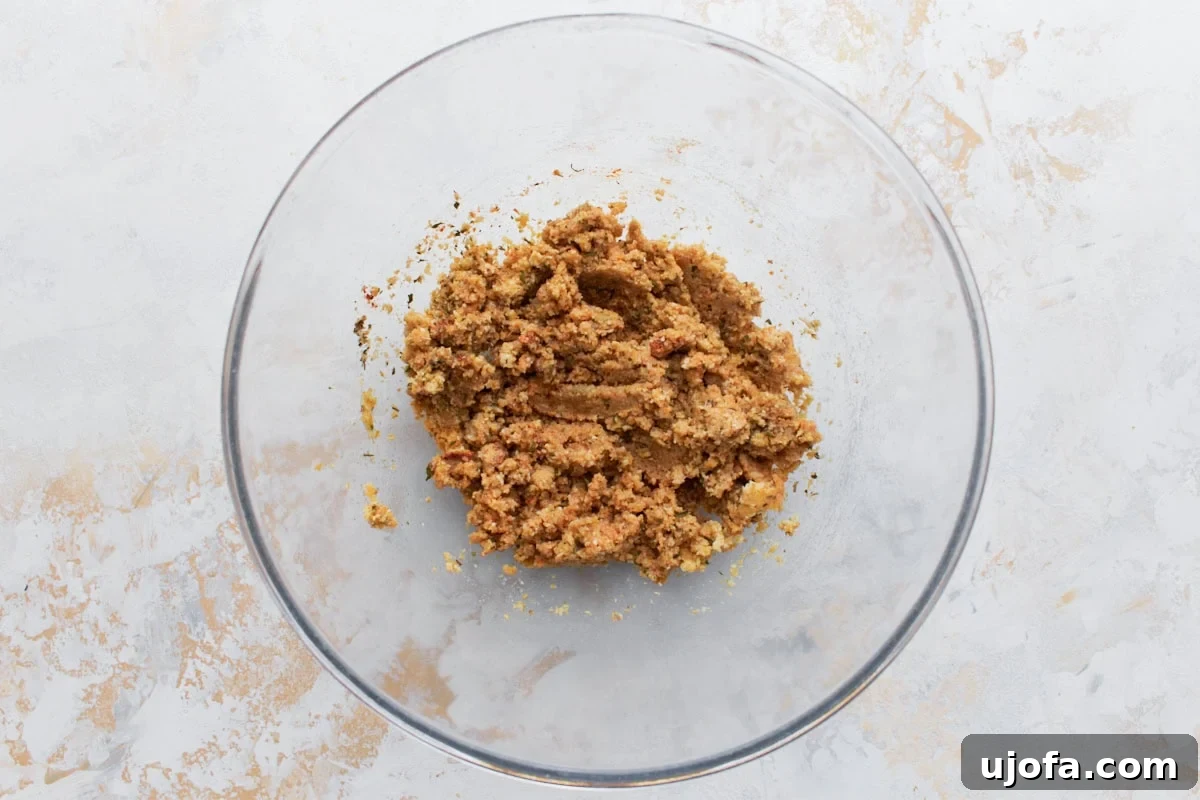
- In a large mixing bowl, combine the whisked egg, gluten-free breadcrumbs, the full seasoning mix (dried chopped onion, onion powder, garlic powder, dried thyme, dried oregano, dried parsley, paprika, salt, and pepper), gluten-free Worcestershire sauce, and milk. Stir everything together thoroughly and let the mixture sit for 2-3 minutes. This crucial step allows the breadcrumbs to absorb the moisture, ensuring a moist and tender meatloaf.
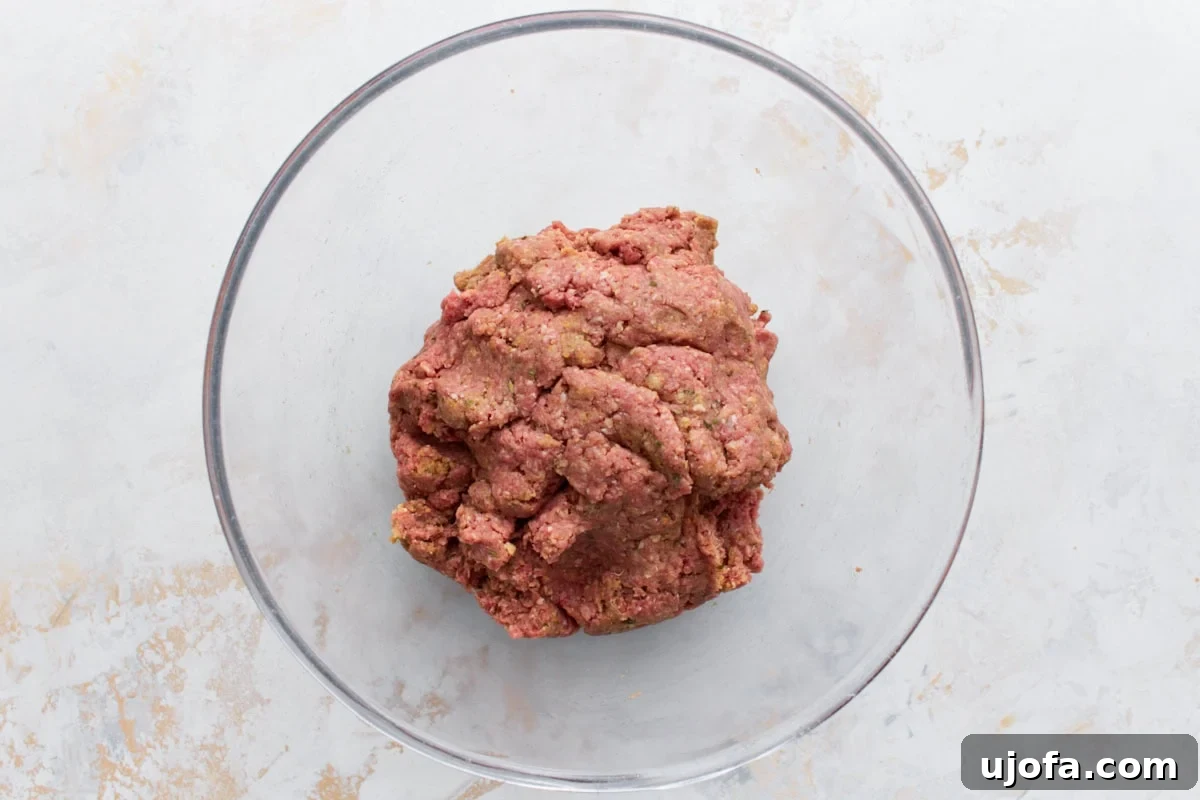
- Add the lean ground beef to the breadcrumb mixture. Using your hands, gently mix until all ingredients are just combined. Be careful not to overmix, as this can lead to a tough, dense meatloaf.
- Transfer the meat mixture into the prepared loaf pan. Gently pat the mixture down into an even layer, ensuring it fills the pan uniformly.
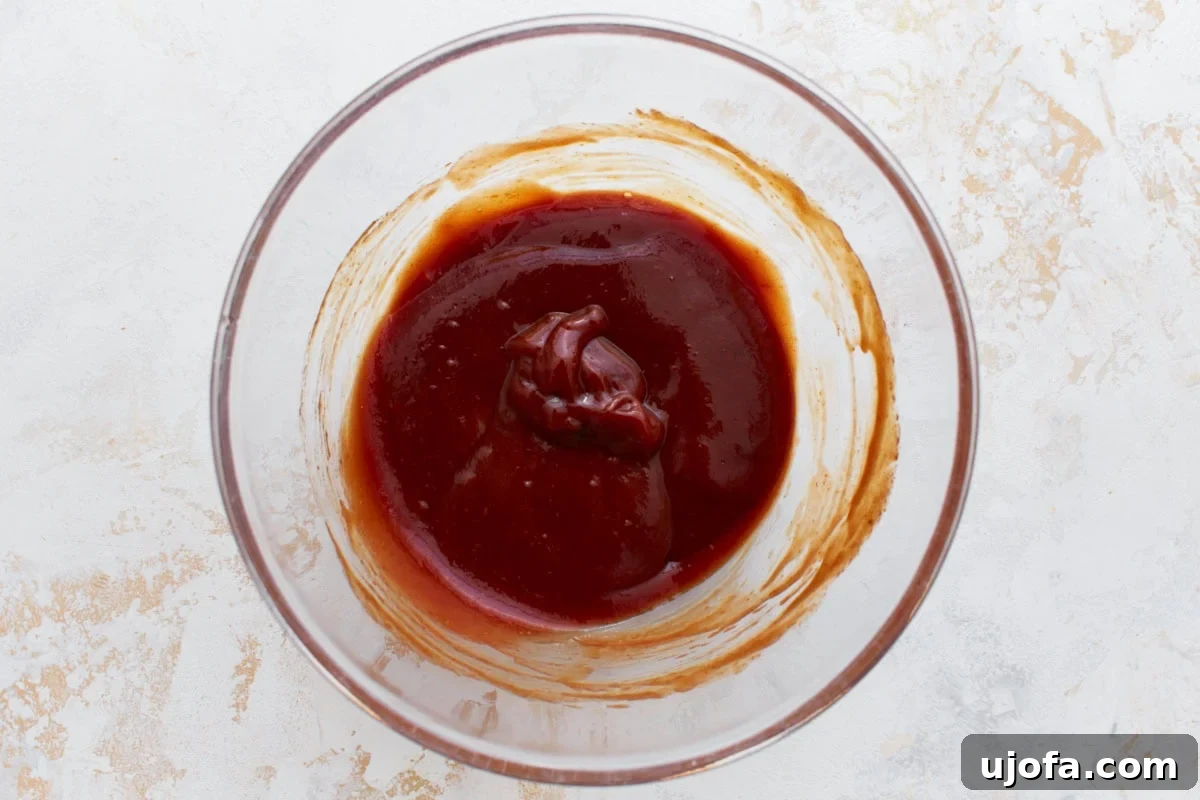
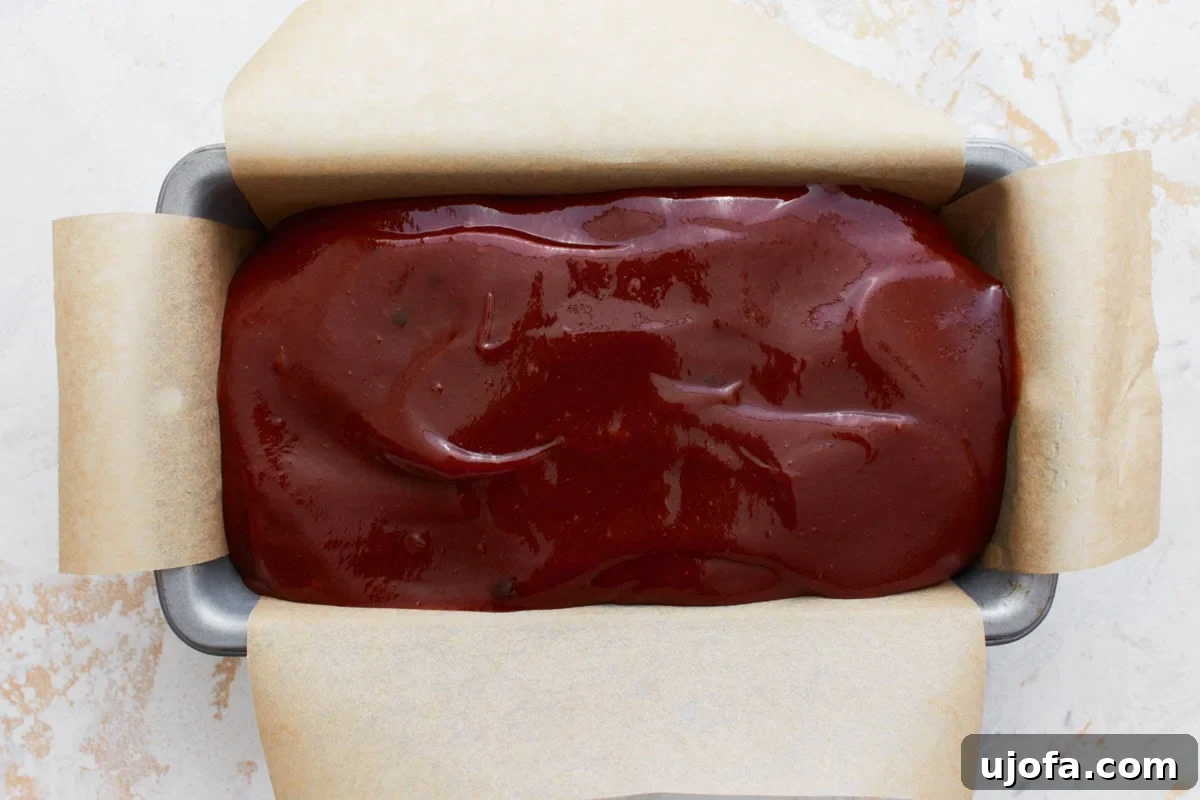
- In a small separate bowl, prepare the glaze by stirring together the ketchup, brown sugar, and ground mustard until well combined.
- Pour the prepared glaze evenly over the top of the meatloaf in the pan, spreading it to cover the entire surface.
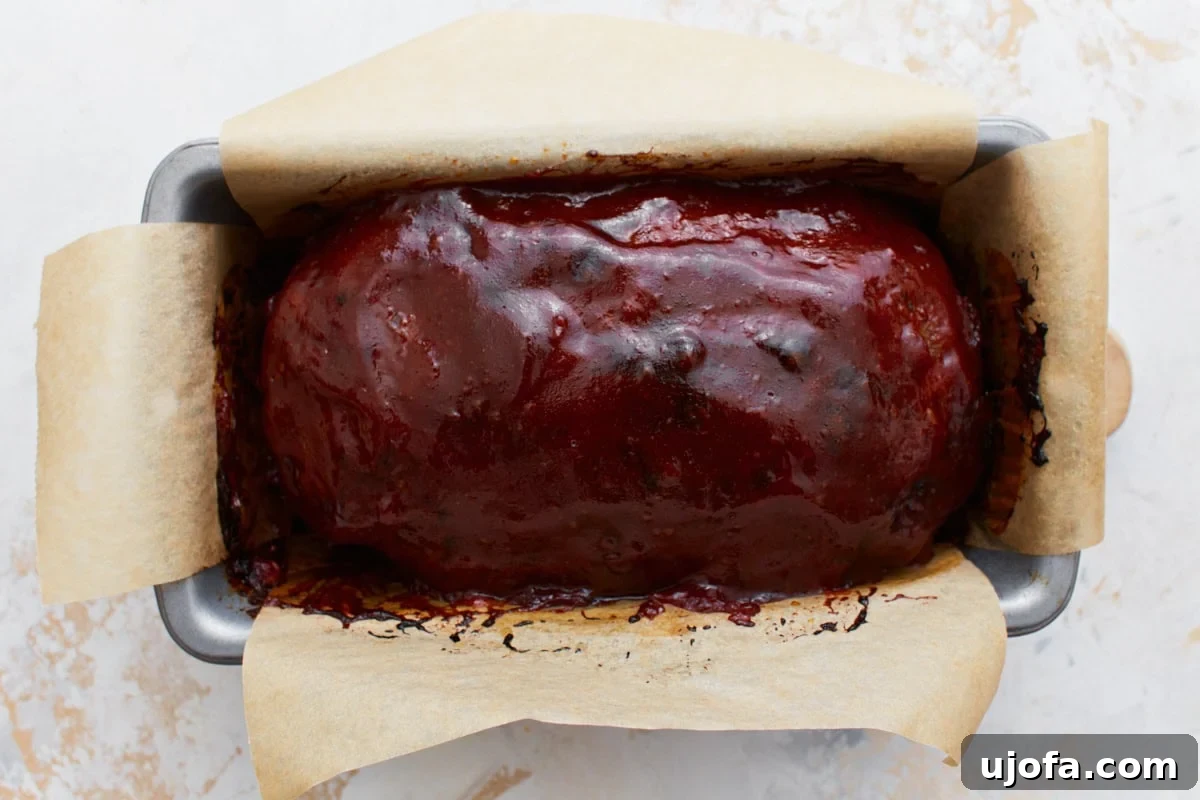
- Bake the meatloaf on the middle rack of your preheated oven for 1 hour and 15 minutes for an 8×4-inch pan. The meatloaf is fully cooked when its internal temperature reaches 160°F (71°C) when measured with a meat thermometer. If using a wider, shallower 9×5-inch pan, you might need to adjust the cooking time slightly, typically around 1 hour.
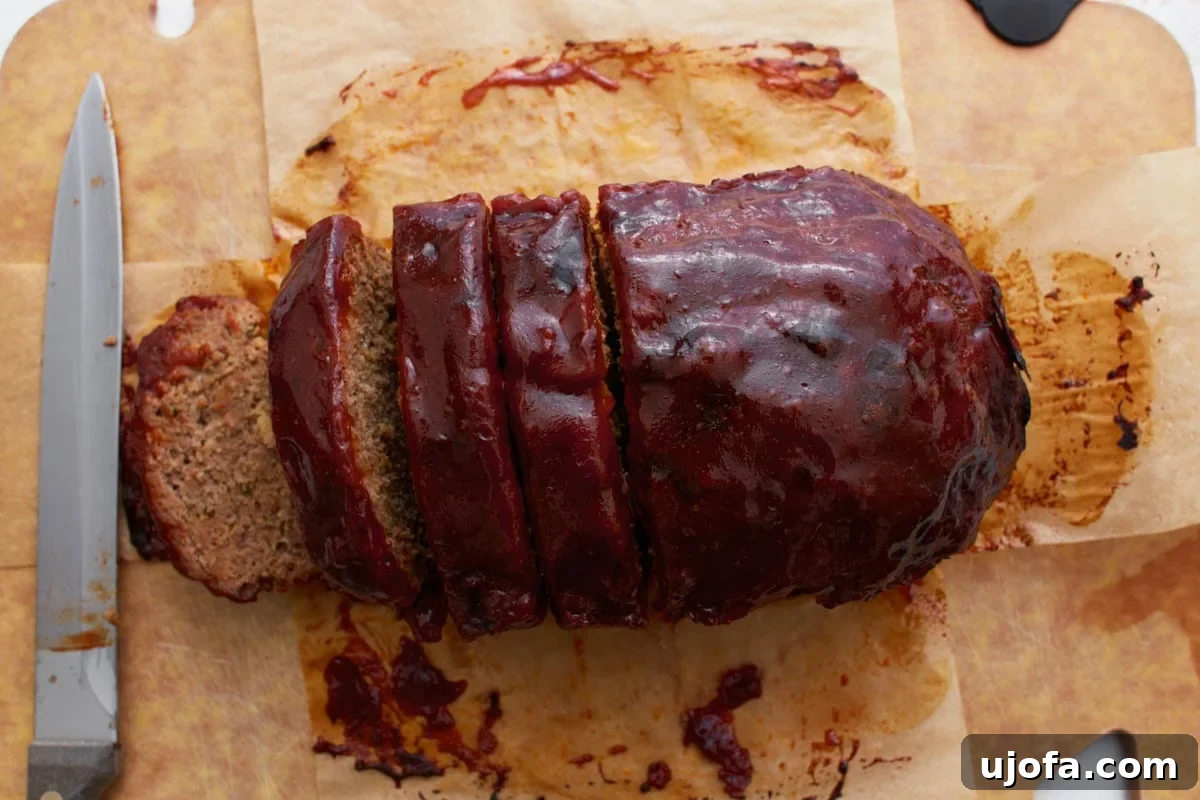
- Once baked, remove the meatloaf from the oven and let it rest in the pan for at least 10 minutes before slicing and serving. This resting period allows the juices to redistribute, resulting in a more moist and cohesive loaf.
Notes & Expert Tips
- Dairy-Free Option: For those with dairy sensitivities, simply substitute regular milk with unsweetened almond milk, cashew milk, oat milk, or coconut milk. The taste and texture will remain fantastic.
- Pan Size Matters: I typically use an 8×4-inch glass loaf pan. If you opt for a 9×5-inch loaf pan, which is wider and has less depth, you may need to reduce the cooking time to about 1 hour to prevent overcooking. Always rely on a meat thermometer for accuracy.
- No Loaf Pan? No Problem!: If you don’t have a loaf pan, you can easily shape the meatloaf mixture into a log on a parchment-lined baking sheet. This method works just as well and yields a delicious result.
- Avoid Dry Meatloaf: The key to a moist meatloaf is to ensure the breadcrumbs absorb enough liquid. Letting the breadcrumb mixture sit for 2-3 minutes before adding the beef is crucial. Also, do not overmix the meat.
- Resting Time is Essential: While tempting to slice right away, allowing the meatloaf to rest for 10 minutes after baking helps the juices redistribute, preventing it from crumbling and ensuring each slice is moist and holds its shape beautifully.
- Make Ahead Option: You can prepare the meatloaf mixture a day in advance. Assemble the loaf in the pan (without the glaze), cover it tightly with plastic wrap, and refrigerate. When you’re ready to bake, remove it from the fridge, add the glaze, and bake as directed, potentially adding a few extra minutes to the cooking time if starting from cold.
- Doneness Check: The meatloaf is perfectly cooked when its internal temperature reaches 160°F (71°C). A meat thermometer is your best friend here. Don’t worry if there’s a slight pinkish hue; if it’s 160°F, it’s safe to eat.
- Storage: Store any leftover gluten-free meatloaf in an airtight container in the refrigerator for 3-4 days. It reheats wonderfully in the microwave or oven.
- Freezing Instructions: Meatloaf freezes exceptionally well, either baked or unbaked.
- Unbaked: Form the loaf, wrap it tightly in foil and then plastic wrap, place it in a freezer-safe bag, and freeze for up to 3 months. Thaw overnight in the refrigerator before adding the glaze and baking as instructed.
- Baked: Let the meatloaf cool completely. Wrap individual slices or the whole loaf in foil, then plastic wrap, and place in a freezer bag. Freeze for up to 3 months. Thaw in the refrigerator overnight and reheat gently in the microwave or oven until warmed through.
Nutrition
Nutrition information is automatically calculated, so should only be used as an approximation.
- Serving: 1 serving
- Calories: 233 kcal
- Carbohydrates: 25 g
- Protein: 21 g
- Fat: 6 g
- Saturated Fat: 2 g
- Polyunsaturated Fat: 0.4 g
- Monounsaturated Fat: 2 g
- Trans Fat: 0.3 g
- Cholesterol: 77 mg
- Sodium: 621 mg
- Potassium: 457 mg
- Fiber: 1 g
- Sugar: 13 g
- Vitamin A: 201 IU
- Vitamin C: 3 mg
- Calcium: 45 mg
- Iron: 3 mg
Additional Info
Cuisine: American
How to Make Gluten-Free Meatloaf: A Visual Guide
Follow these easy step-by-step instructions with accompanying photos to prepare your perfect gluten-free meatloaf. This detailed walkthrough will ensure you achieve a moist, flavorful, and beautifully glazed meatloaf every time.
Elevate Your Gluten-Free Meatloaf Dinner
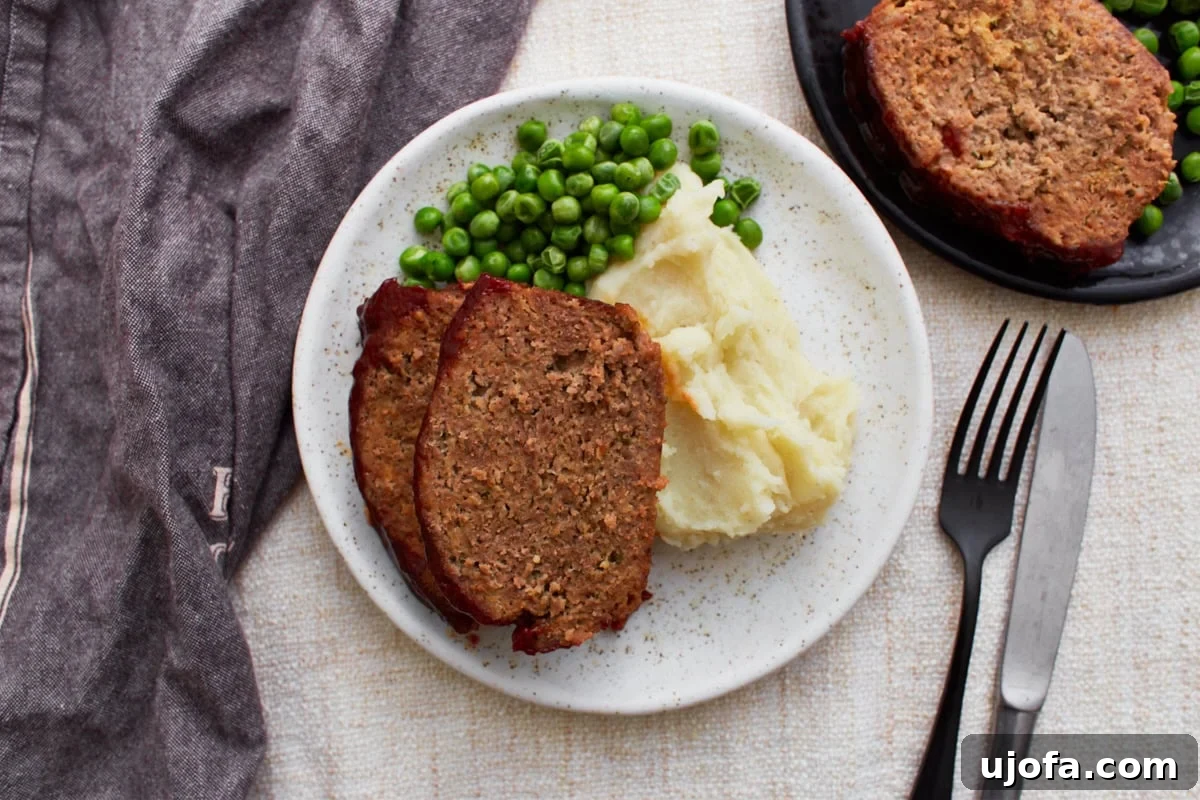
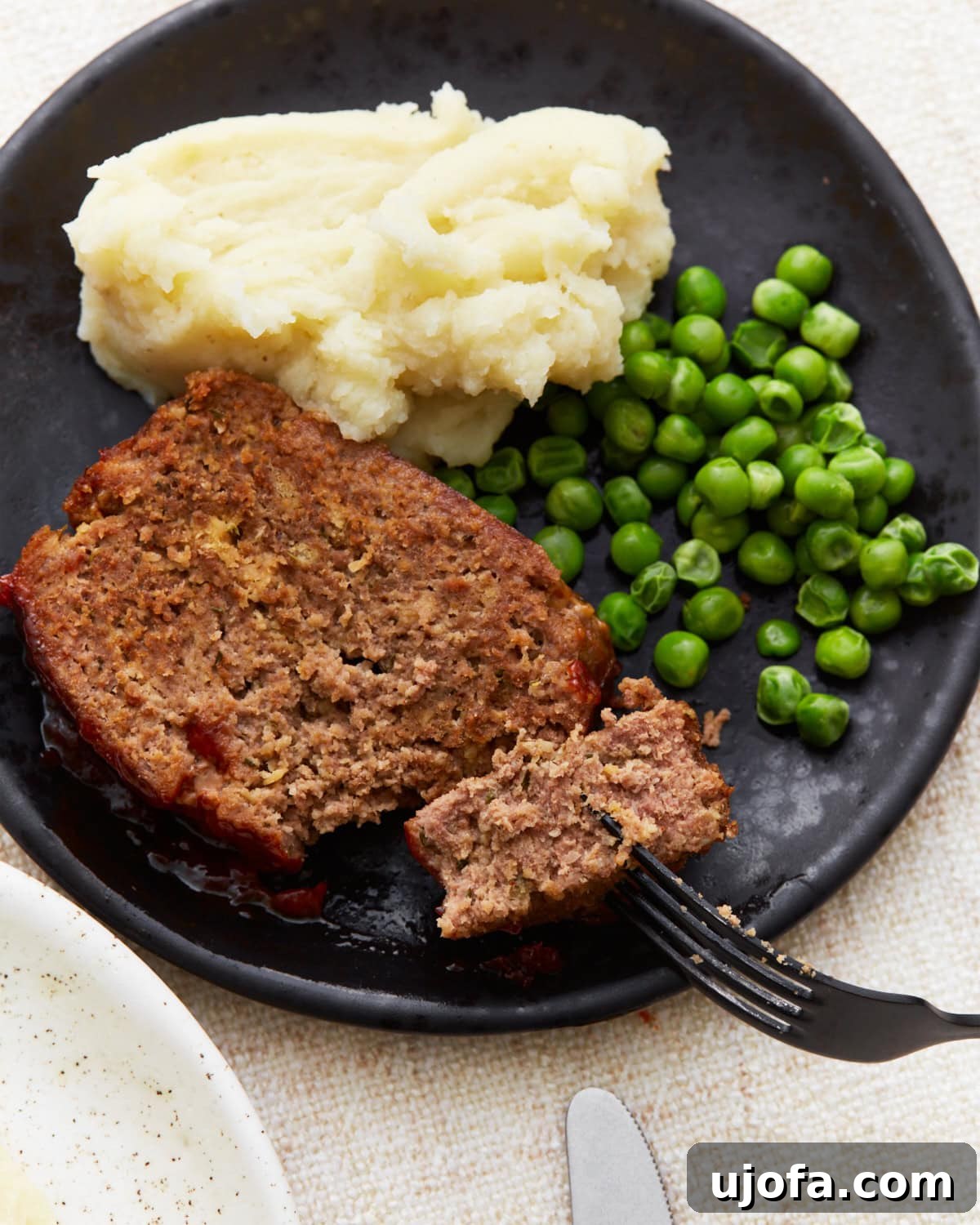
This savory gluten-free meatloaf pairs wonderfully with a variety of classic side dishes. My personal favorite, steeped in family tradition, is serving it with my creamy gluten-free mashed potatoes and a side of steamed green peas – exactly how my mom always did it!
Beyond tradition, consider these delicious accompaniments:
- Potatoes, Your Way: Alongside mashed potatoes, try roasted potatoes seasoned with rosemary and garlic, crispy baked potato wedges, or even a simple baked sweet potato.
- Vibrant Vegetables: Steamed green beans almondine, roasted asparagus, sautéed broccoli, or a fresh garden salad with a light vinaigrette all make excellent choices. They add color, nutrients, and a refreshing contrast to the rich meatloaf.
- Hearty Grains: For a different texture, serve your meatloaf with fluffy white rice, brown rice, or even a quinoa pilaf.
- Comforting Breads: While the meatloaf itself is gluten-free, a side of warm gluten-free dinner rolls or cornbread would be a delightful addition, perfect for soaking up any extra glaze.
For a truly special and complete meal that evokes warmth and nostalgia, consider finishing with a delightful crustless apple pie for dessert. It’s the perfect sweet ending to this comforting main course.
Storing and Freezing Your Gluten-Free Meatloaf
One of the many benefits of this classic gluten-free meatloaf recipe is how well it stores and freezes, making it an excellent option for meal prep or enjoying leftovers. Proper storage ensures your meatloaf remains delicious and safe to eat for days or even months.
Short-Term Storage: Refrigeration
Any leftover cooked meatloaf should be stored in an airtight container and placed in the refrigerator within two hours of cooking. It will stay fresh and delicious for 3-4 days. To reheat, simply slice off the desired portion and warm it in the microwave until it’s heated through. For a crisper exterior, you can also reheat slices in a preheated oven or toaster oven until warmed.
Long-Term Storage: Freezing Meatloaf
This gluten-free meatloaf is perfect for freezing, whether you want to prepare it ahead of time (unbaked) or save baked leftovers for future meals. Freezing allows you to enjoy homemade comfort food whenever the craving strikes, with minimal effort.
Freezing Unbaked Meatloaf:
If you’re looking to meal prep, you can freeze the meatloaf before baking. Form the meatloaf mixture into a loaf shape and wrap it tightly first in plastic wrap, then in aluminum foil. Place the well-wrapped loaf into a freezer-safe bag or container, removing as much air as possible. Label with the date and freeze for up to 3 months. When you’re ready to bake, transfer the frozen loaf to the refrigerator to thaw overnight. Once thawed, add the sweet and tangy glaze and bake as directed in the recipe, potentially adding an extra 10-15 minutes to the baking time to ensure it cooks thoroughly from a chilled state.
Freezing Baked Meatloaf:
Already baked your meatloaf and have leftovers you want to save? Let the cooked meatloaf cool completely to room temperature. This is crucial to prevent ice crystals from forming, which can affect texture. You can freeze the entire loaf or slice it into individual portions for convenience. Wrap each portion or the whole loaf tightly in plastic wrap, then in aluminum foil, and place into a freezer-safe bag or container. Label with the date and freeze for up to 3 months. To reheat, thaw the frozen meatloaf in the refrigerator overnight. Once thawed, you can reheat it in the microwave until heated through, or for a more “freshly baked” experience, warm it in a preheated oven at 300°F (150°C) until it reaches an internal temperature of 165°F (74°C).
With these storage tips, you can enjoy this comforting gluten-free meatloaf whenever you desire, making meal times easier and more delicious!
More Gluten-Free Dinner Recipes to Savor
If you loved this comforting gluten-free meatloaf, you’ll be thrilled to explore more delicious and easy-to-make dinner recipes from our gluten-free kitchen. We believe that eating gluten-free should never mean sacrificing flavor or variety. Here are some other family favorites that are sure to impress:
- Gluten-Free Lasagna: A rich, hearty, and satisfying classic, perfect for a crowd or a cozy family meal. Layers of tender gluten-free pasta, savory meat sauce, and creamy cheeses come together in pure harmony.
- Gluten-Free Chili: A robust and flavorful chili that’s perfect for a chilly evening or game day. Packed with spices, beans, and tender meat, it’s a comforting bowl everyone will love.
- Gluten-Free Chicken and Dumplings: A true Southern comfort food, this recipe features tender chicken and fluffy gluten-free dumplings swimming in a rich, savory broth. It’s the ultimate bowl of warmth and goodness.
- Philly Cheesesteak Casserole: All the incredible flavors of a classic Philly cheesesteak, transformed into an easy-to-make, family-friendly casserole. Packed with beef, peppers, onions, and plenty of gooey cheese.
- Walking Taco Casserole: A fun and versatile casserole that brings all the elements of a walking taco to your dinner table. Customize with your favorite toppings for a meal that’s both interactive and delicious.
We hope these recipes inspire you to create more amazing gluten-free meals in your home. Happy cooking!