
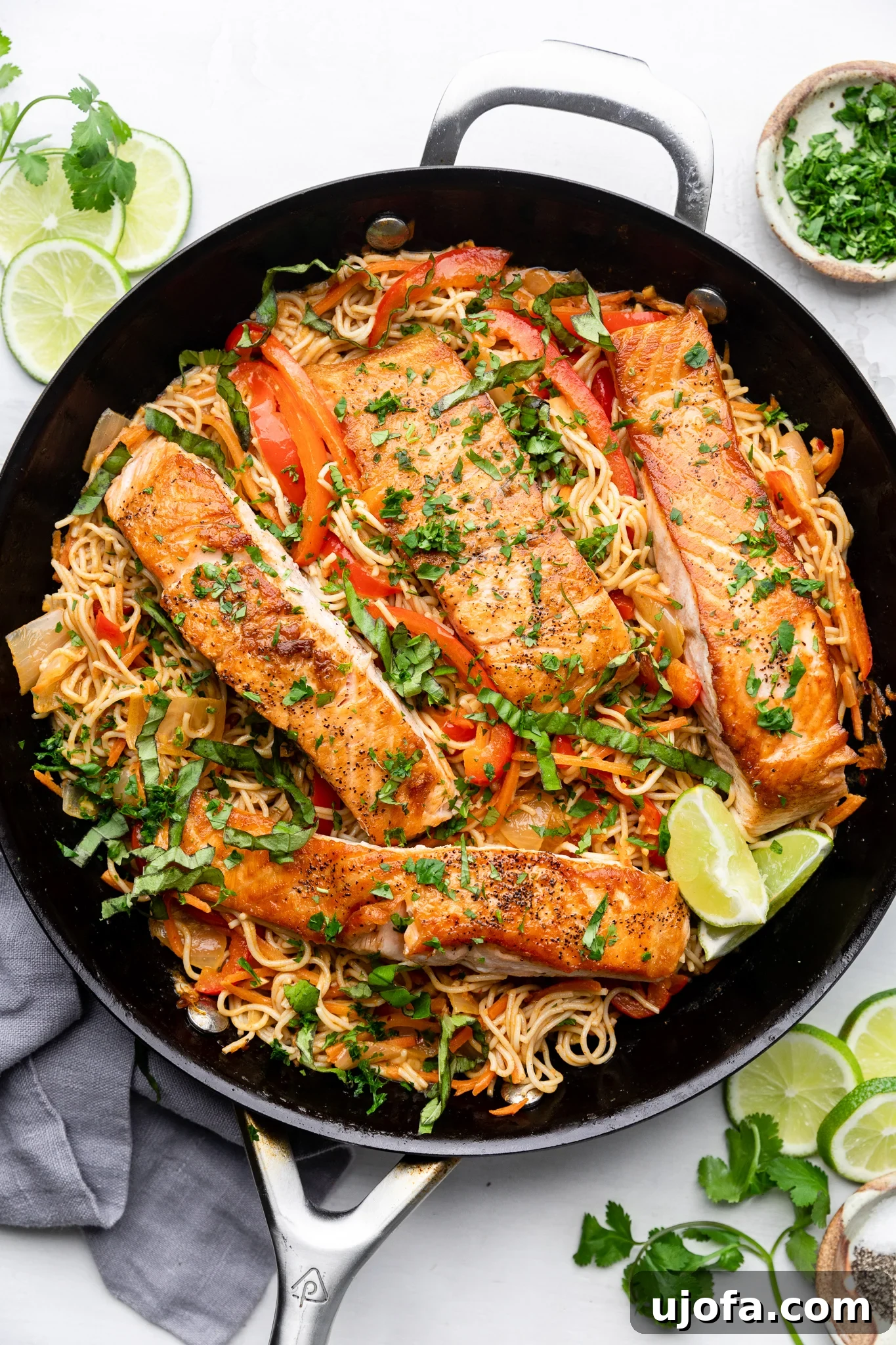
This delightful gluten-free ramen recipe brings together succulent sweet & spicy Thai curry salmon with perfectly tender gluten-free ramen noodles. Prepare for a burst of authentic flavor in every single bite!
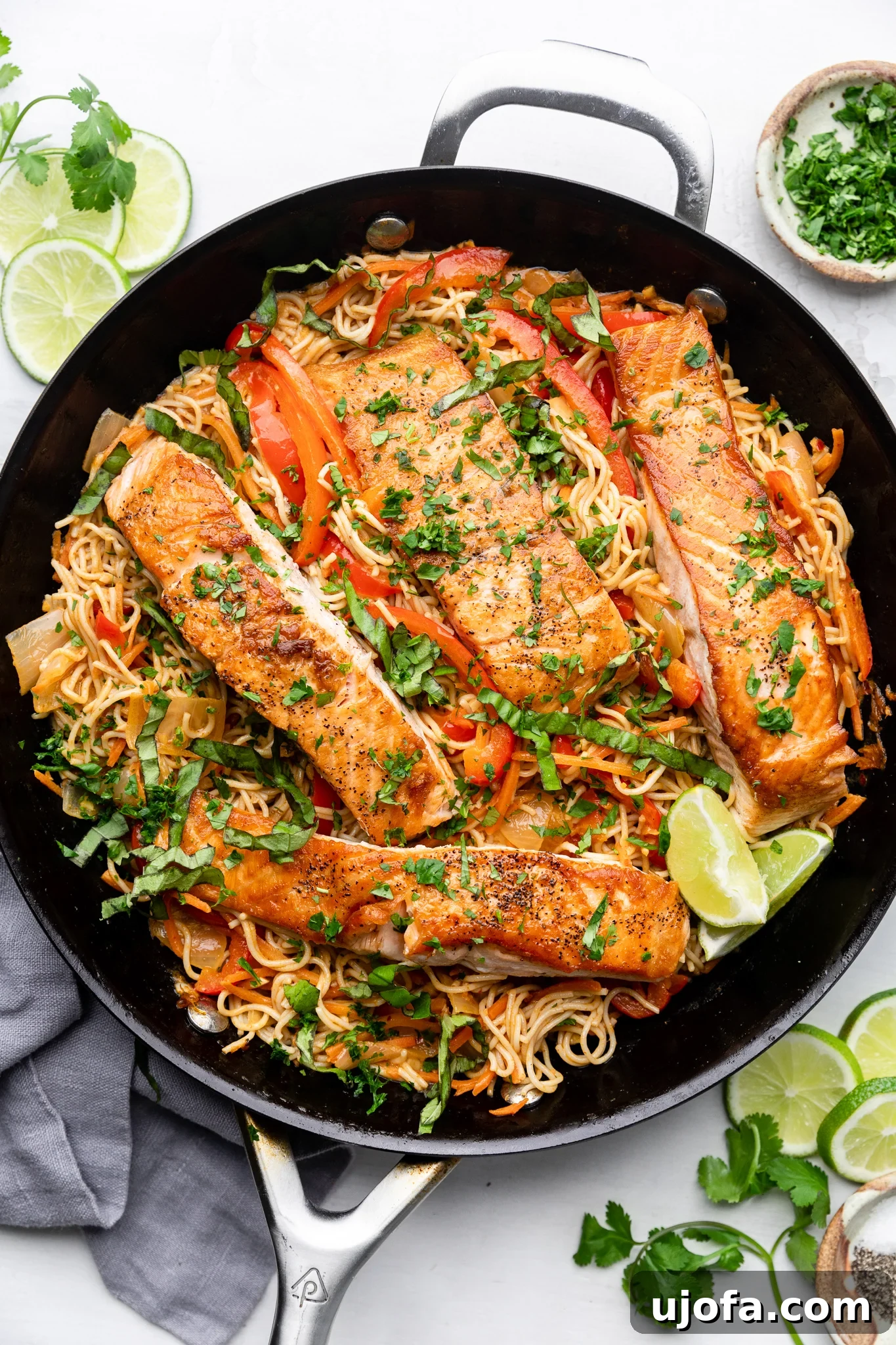
Indulge in Gluten-Free Thai Curry Salmon Ramen Noodles: A Sweet & Spicy Delight
There’s an undeniable comfort that comes with a steaming, hearty bowl of ramen. It’s more than just a meal; it’s a soul-warming experience that truly satisfies. Today, we’re taking that beloved experience to a new level with a recipe that combines two of my absolute favorite culinary passions: tender salmon and the vibrant, aromatic spices of Thai curry. The result? A creamy, flavor-packed bowl of Thai Curry Salmon Ramen that promises an unforgettable taste journey, all while being completely gluten-free and dairy-free.
Whether you’re managing dietary restrictions or simply looking for a healthier, incredibly delicious meal, this recipe is a game-changer. It’s designed to be allergy-friendly, nutritious, and surprisingly easy to prepare, making it a perfect weeknight dinner or a special treat for friends and family.
Crafting Your Perfect Gluten-Free Ramen Bowl
Creating this gourmet-quality ramen at home is simpler than you might think. While the detailed, printable recipe is provided below, let’s walk through the essential ingredients and straightforward steps to bring this sweet and spicy Thai curry salmon ramen to life in your kitchen.
Essential Ingredients & Expert Notes for Flavor Perfection
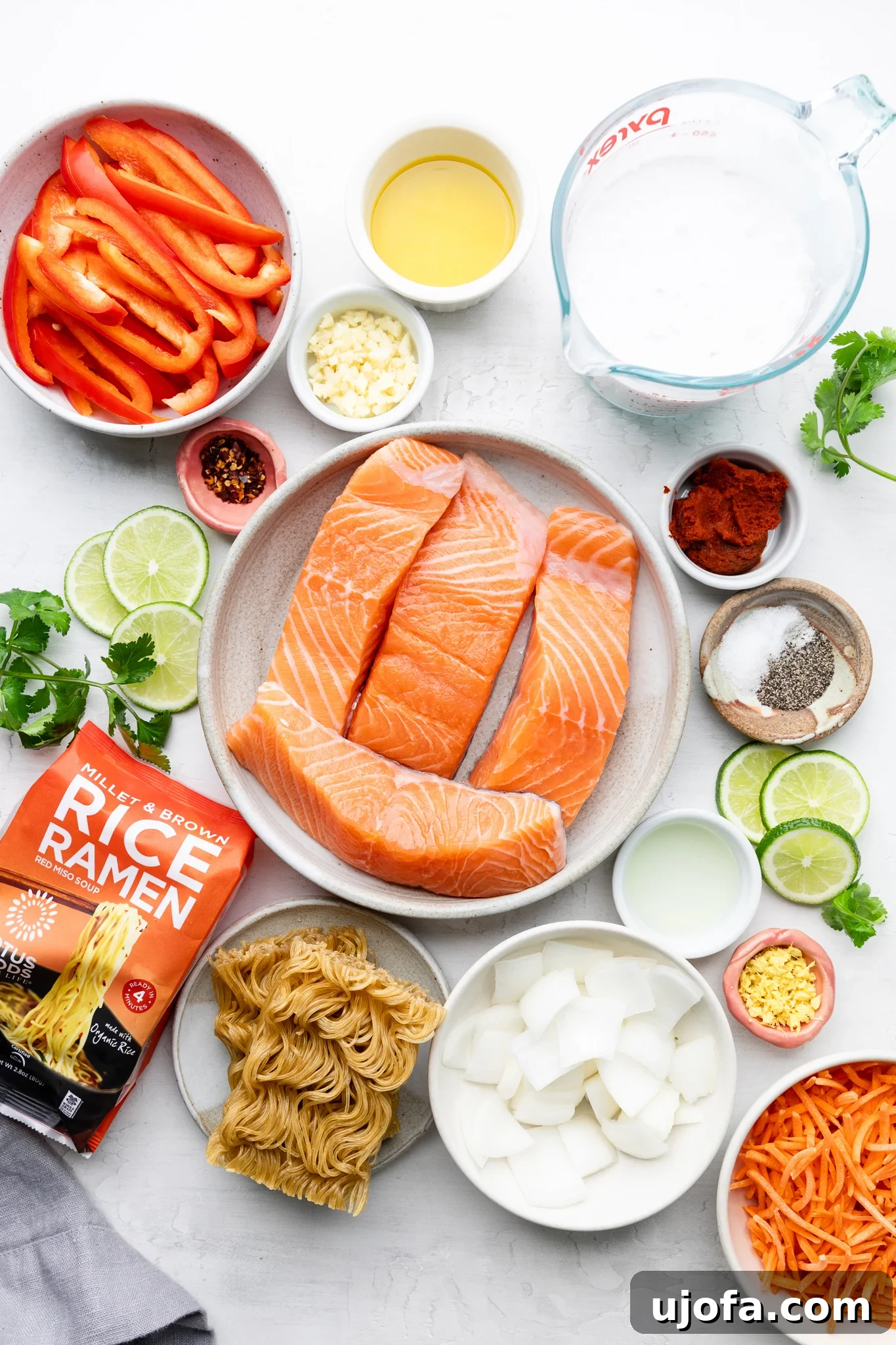
Each component of this dish plays a crucial role in building its rich flavor profile. Here’s a closer look at what you’ll need and some tips for selecting the best:
- Gluten-Free Ramen Noodles: The foundation of our ramen. I highly recommend Lotus Foods Gluten-Free Rice Ramen noodles, specifically the brown rice and millet variety. These are often available in larger packs at stores like Costco, making them a convenient and cost-effective choice. If you opt for smaller retail packs, remember to discard any seasoning packets they might include, as we’ll be building our own superior flavor. Alternatively, many other fantastic gluten-free ramen brands exist (see our suggestions below!), or you can even use Jovial Foods gluten-free spaghetti or capellini for a similar noodle experience.
- Fresh Salmon Fillets: The star protein of this dish. You can choose to prepare your salmon with the skin on or off, depending on your preference. Both methods yield excellent results, providing a moist, flaky texture that pairs beautifully with the rich curry sauce. Look for high-quality, fresh salmon for the best flavor and texture.
- Thai Red Curry Paste: This is where the magic of Thai flavor begins. My go-to is Thai Kitchen Red Curry Paste because it offers an authentic taste without any undesirable additives. Ensure you’re selecting a brand that uses natural ingredients for the purest curry experience.
- Canned Full-Fat Coconut Milk: Essential for creating a lusciously creamy and dairy-free sauce. Always use canned, unsweetened full-fat coconut milk. The refrigerated carton versions are typically too thin and won’t provide the rich consistency needed for a robust curry. Shake the can well before opening to ensure the cream and liquid are thoroughly combined.
- Crushed Red Pepper: For those who love a bit of heat! This ingredient allows you to customize the spice level. Add more if you enjoy a fiery kick, or use a minimal amount (or omit entirely) for a milder, more family-friendly curry.
- Ginger Paste (or Fresh Ginger): Ginger provides a wonderful warm, zesty note that complements the curry beautifully. While ginger paste offers convenience, fresh chopped ginger works equally well and can provide a slightly more pungent, vibrant flavor. Choose what’s easiest for you.
- Other Fresh Vegetables: Onions, matchstick carrots, and red bell pepper add sweetness, texture, and a healthy boost to the dish. Feel free to incorporate other quick-cooking vegetables like snap peas, broccoli florets, or spinach for added nutrients.
Step-by-Step Guide to Your Easy Salmon Ramen
This recipe is designed for maximum flavor with minimal fuss. Follow these simple steps for a perfect meal:
- Prepare and Cook the Salmon: Begin by heating 2 tablespoons of olive oil in a large 12-inch cast iron pan over medium-high heat until it shimmers. Pat your salmon fillets dry and season them generously on both sides with salt and pepper. Place the salmon in the hot pan, skin-side up, and cook for 4 minutes. Reduce the heat to medium. Using a sturdy metal spatula, carefully flip the fillets and continue cooking for an additional 5 minutes, or until the salmon is cooked through to your desired doneness and flakes easily. Remove the cooked salmon from the pan and set it aside on a plate.
- Boil the Ramen Noodles: While the salmon rests, bring a separate pot of water to a rolling boil. Add your gluten-free ramen noodles and cook according to package directions, typically about 3 minutes, or until they are al dente (still slightly firm to the bite). Once cooked, drain the noodles thoroughly and set them aside. Avoid overcooking, as they will finish cooking in the curry sauce.
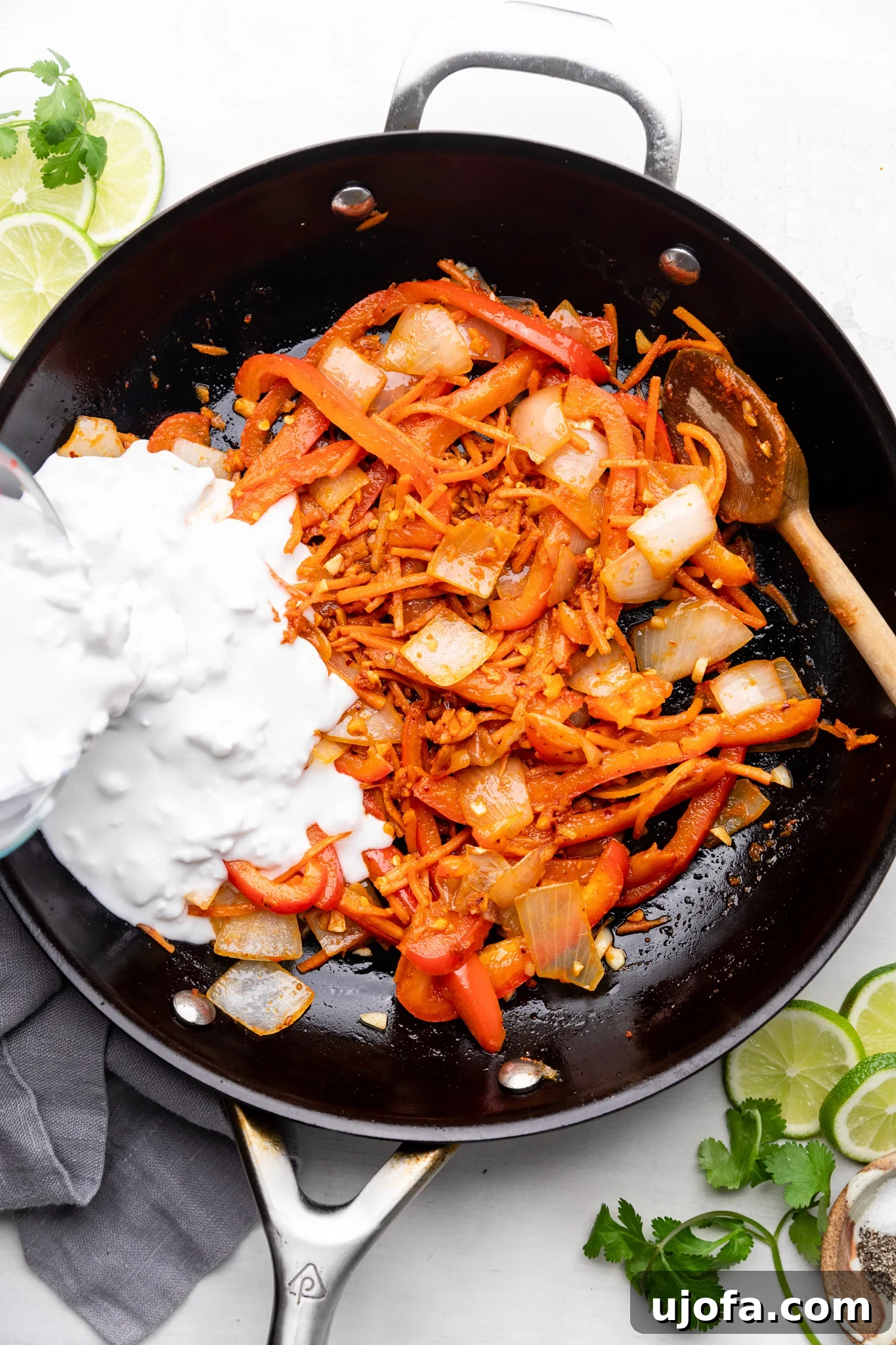
- Sauté the Aromatic Vegetables & Build the Curry Base: Using the same pan you cooked the salmon in (no need to clean it – those browned bits add flavor!), add the chopped onions, matchstick carrots, sliced red bell pepper, and minced garlic. Sauté these vegetables for 3-4 minutes over medium heat until they begin to soften and become fragrant. Next, stir in the ginger paste, Thai red curry paste, salt, and crushed red pepper. Cook for an additional minute, stirring constantly, to toast the spices and release their incredible aromas.
- Create the Creamy Curry Sauce: Pour in the full-fat coconut milk and fresh lime juice into the pan with the sautéed vegetables and spices. Stir everything together until well combined. Reduce the heat to medium-low and allow the sauce to gently simmer for a few minutes, allowing the flavors to meld and deepen. This creates a rich, fragrant curry base for your ramen.
- Combine & Finish: Add the drained ramen noodles directly into the pan with the curry sauce and vegetables. Toss gently to ensure all the noodles are thoroughly coated in the delicious sauce. Carefully return the cooked salmon fillets to the pan, nestling them into the noodles and vegetables. Spoon a little extra sauce over the salmon. Allow everything to cook together for another minute, ensuring the noodles are fully cooked and warmed through, and the salmon is heated.
- Serve & Garnish: Ladle generous portions of your Thai Curry Salmon Ramen into large bowls. Garnish each serving with a sprinkle of fresh chopped cilantro and Thai basil for an extra layer of freshness and aroma. A final squeeze of fresh lime juice just before serving brightens all the flavors. Enjoy immediately!
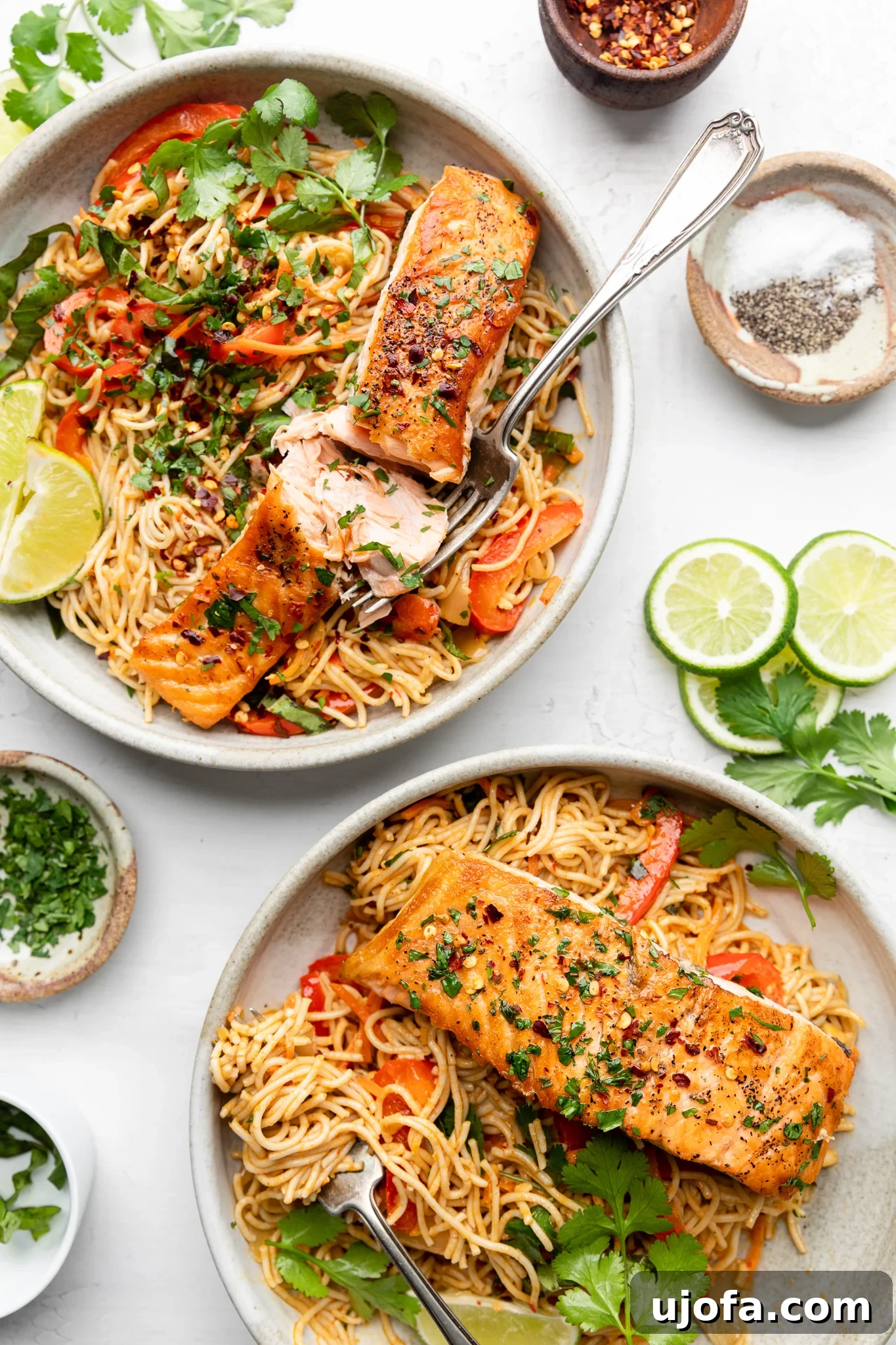
Discovering The BEST Gluten-Free Ramen Noodles
Finding excellent gluten-free ramen noodles is key to a satisfying dish. As mentioned, Lotus Foods Gluten-Free Rice Ramen noodles are a fantastic choice, especially when purchased in bulk. However, the market for gluten-free products has expanded significantly, offering a wide array of excellent alternatives. Here are some other highly-rated brands to explore, often found at major retailers like Walmart, Amazon, and Target:
- Lotus Foods
- Thai Kitchen (offers rice noodles that work well)
- Explore Cuisine (known for organic, gluten-free pasta and noodles)
- Big Green Organic Food (diverse range of healthy noodle options)
- Annie Chun’s (provides various rice noodles suitable for ramen)
Don’t be afraid to experiment with different types of gluten-free noodles made from brown rice, millet, sweet potato starch, or even cassava. Each will offer a slightly different texture, but all can provide a delicious base for your ramen. For a quick alternative, Jovial Foods gluten-free spaghetti or capellini can also be a surprisingly good substitute, offering a satisfying chew similar to traditional ramen.
Mary’s Expert Tips & Tricks for Success
To ensure your Thai Curry Salmon Ramen turns out perfectly every time, and to make the most of your culinary adventure, consider these additional tips:
Customizing Your Spice Level
The beauty of homemade curry is the ability to tailor it to your taste. If you love heat, don’t hesitate to add a bit more crushed red pepper, or even a dash of sriracha or fresh chilies. For those who prefer a milder flavor, start with a minimal amount of crushed red pepper or skip it entirely. You can always add a pinch more to individual bowls after serving.
Serving Suggestions & Toppings
While chopped cilantro and Thai basil, along with a squeeze of lime, are excellent garnishes, feel free to get creative! Here are some ideas to elevate your ramen bowl:
- Soft-Boiled Egg: A perfectly jammy soft-boiled egg is a classic ramen topping that adds richness and protein.
- Fresh Herbs: Beyond cilantro and basil, consider sliced green onions or a sprinkle of mint for added freshness.
- Crunchy Elements: Toasted sesame seeds, chopped peanuts, or a handful of crispy fried shallots can add a delightful texture.
- Extra Veggies: Wilted spinach, thinly sliced mushrooms, or bean sprouts can be stirred in during the final minute of cooking or added fresh on top.
- Chili Oil: For an extra layer of nuanced heat and flavor, drizzle a good quality chili oil over your ramen.
Storing Leftovers & Meal Prep Ideas
This recipe makes fantastic leftovers! Store any remaining Thai Curry Salmon Ramen in an airtight container in the refrigerator for up to 4 days. When reheating, gently warm it in a skillet over medium heat, stirring occasionally, until heated through. Alternatively, you can microwave it for 2-3 minutes, stirring halfway through.
For meal prep, consider preparing the curry sauce and cooking the salmon ahead of time. Store them separately. When ready to eat, simply cook fresh ramen noodles, combine with the reheated sauce and salmon, and enjoy a quick, delicious meal!
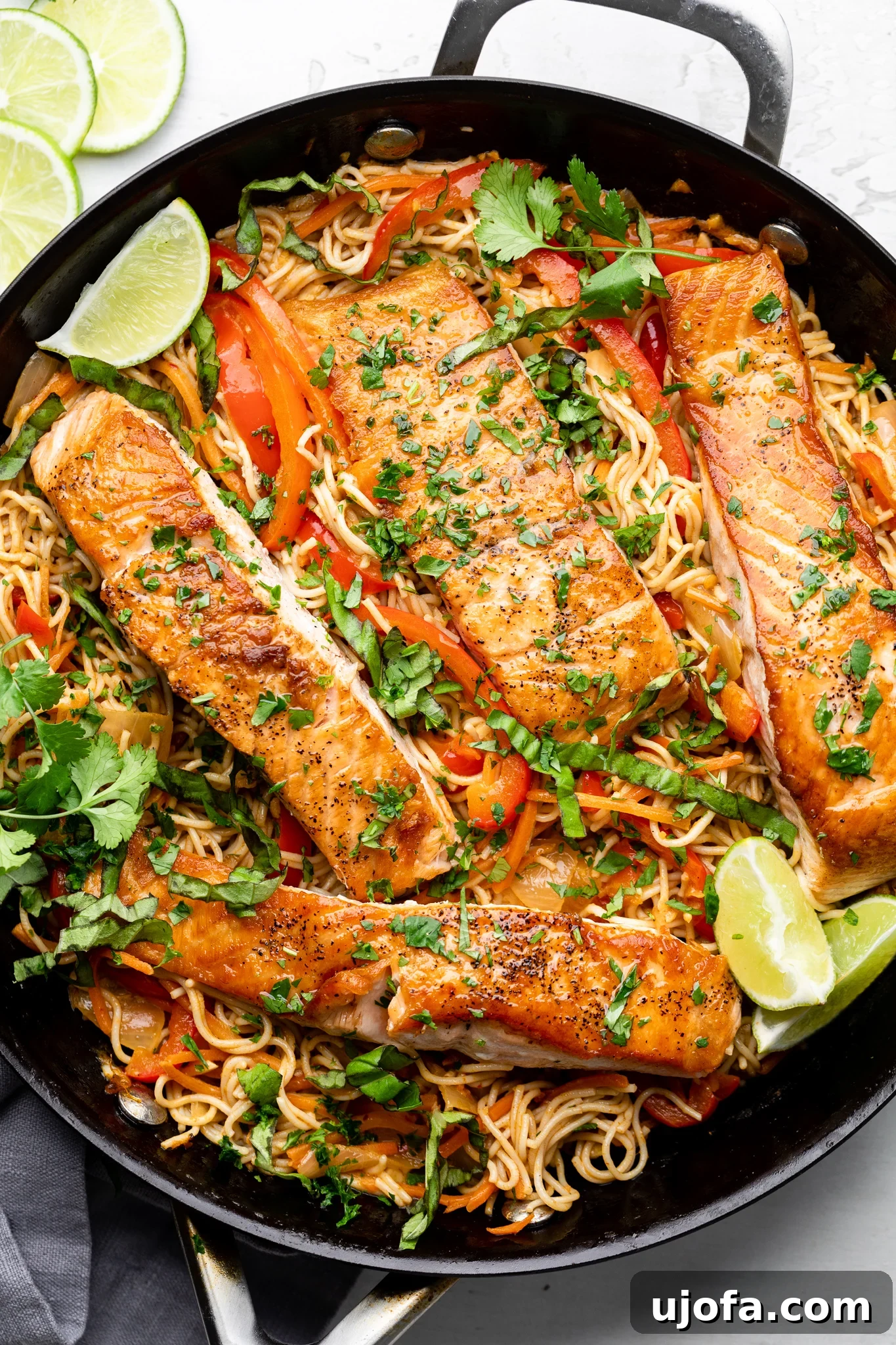
More Delightful Gluten-Free Recipes to Explore
If you loved this gluten-free Thai Curry Salmon Ramen, you’ll surely enjoy these other allergy-friendly and flavor-packed recipes from our collection:
- Thai Coconut Curry Turkey Meatballs
- Sheet Pan Cajun Cod with Butter & Garlic Sauce
- Easy Garlic Herb Baked Salmon
- Instant Pot BBQ Chicken Bowls
- Gluten-Free Dumpling Bake
Don’t Forget to Pin This Recipe!
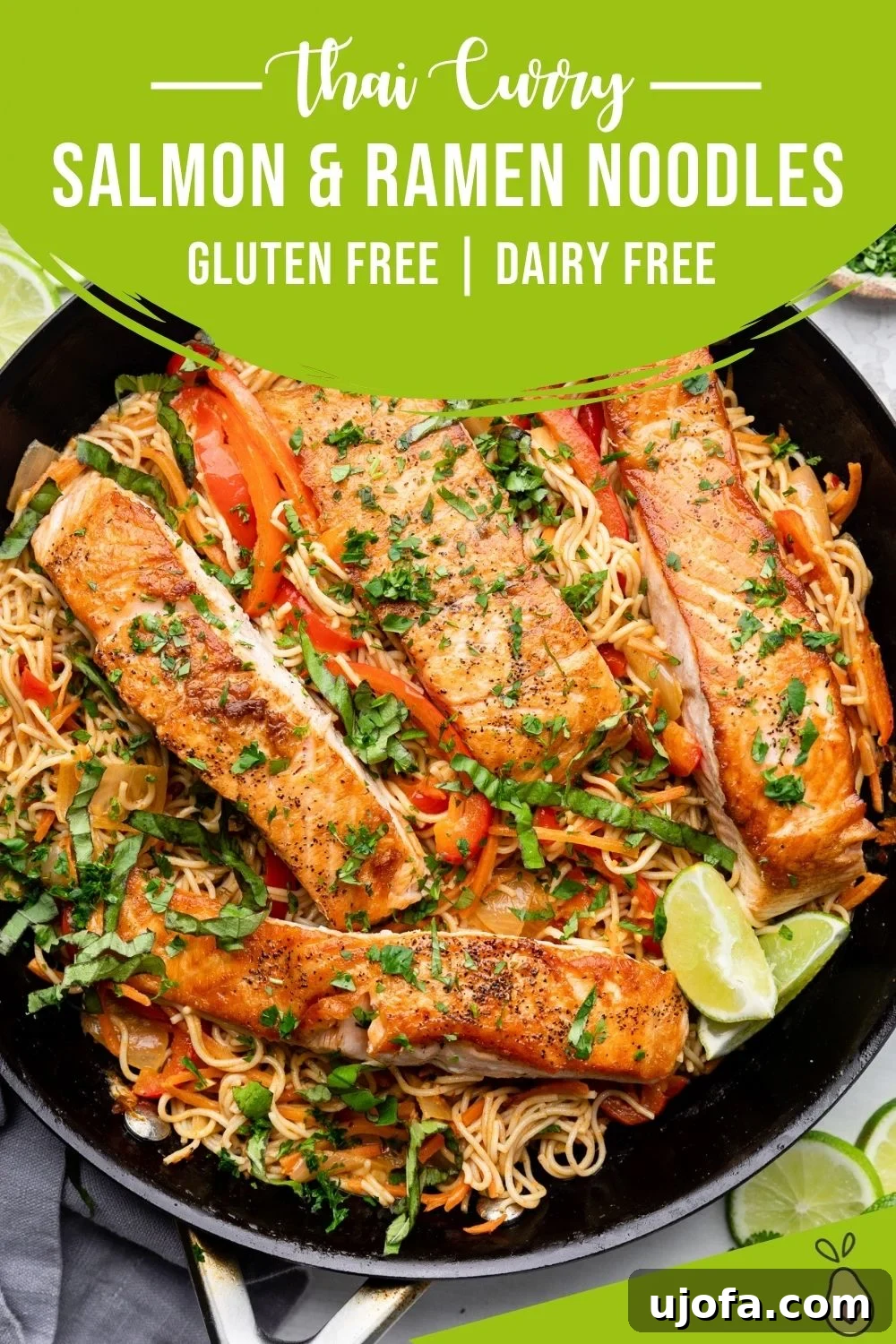
Save this incredible recipe for later! Pin the image below to your favorite Pinterest board and share it with friends who appreciate delicious and healthy cooking.
Recipe by: Mary’s Whole Life
Photos by: Casey from The Mindful Hapa
Recipe: Thai Curry Salmon Ramen Noodles
By: Mary Smith
Prep Time: 10 mins | Cook Time: 20 mins | Total Time: 30 mins
Yield: 4 servings
This tasty gluten free ramen recipe features sweet & spicy Thai curry salmon over savory gluten free ramen noodles. Packed with flavor in every bite!
Equipment
- 12″ Cast Iron Pan
Ingredients
- 2 tbsp olive oil
- 4 6-oz salmon fillets (skin on or off)
- ½ onion, cut into 1-inch pieces
- 1 cup matchstick carrots
- 1 red bell pepper, sliced thin
- 3 cloves minced garlic
- 1 tsp ginger paste (or 1 tsp fresh chopped ginger)
- 2 tbsp Thai Red Curry Paste
- 1 can full-fat coconut milk
- 1 tbsp lime juice
- ½ tsp salt, + more to taste
- ½ tsp crushed red pepper (omit for less heat)
- 3 blocks Lotus Foods Gluten Free Rice Ramen Noodles (brown rice & millet kind)
Instructions
- Heat the olive oil in a large (12-inch) cast iron pan over medium-high heat until it shimmers. Season the salmon fillets generously with salt and pepper on both sides. Add the salmon to the pan, skin side up, and cook for 4 minutes. Reduce heat to medium. Carefully use a metal spatula to flip the fillets and cook them for an additional 5 minutes. Remove the salmon and set aside on a plate.
- Bring a separate pot of water to a boil for the ramen.
- In the same pan where you cooked the salmon, add the onions, matchstick carrots, red pepper, and garlic. Sauté for 3-4 minutes until they begin to soften. Add in the ginger paste, Thai red curry paste, salt, and crushed red pepper. Stir for 1 minute until fragrant.
- Add in the coconut milk & lime juice. Stir and reduce heat to medium-low.
- Boil the ramen for about 3 minutes or until al dente (still slightly undercooked). Drain and add to the pan with the vegetables and sauce. Toss to coat. Add the salmon back to the pan, nestling it into the noodles, veggies, and sauce. Spoon a little sauce over the salmon. Cook for an additional 1 minute until the noodles are cooked through.
- Garnish with chopped cilantro and Thai basil, and an extra squeeze of lime juice, if desired. Enjoy!
Notes
Refer to the sections above for detailed ingredient insights and answers to common questions about preparing this dish.
Nutrition (per serving – estimate)
- Calories: 714kcal
- Carbohydrates: 45g
- Protein: 43g
- Fat: 41g
- Saturated Fat: 21g
- Polyunsaturated Fat: 5g
- Monounsaturated Fat: 10g
- Cholesterol: 94mg
- Sodium: 407mg
- Potassium: 1247mg
- Fiber: 2g
- Sugar: 4g
- Vitamin A: 7603IU
- Vitamin C: 44mg
- Calcium: 70mg
- Iron: 5mg
All nutrition facts are estimates and automatically calculated. While efforts are made to ensure accuracy, they may not always be 100% precise and depend on ingredients used. For the most accurate values, consider weighing your total and dividing by the number of servings.