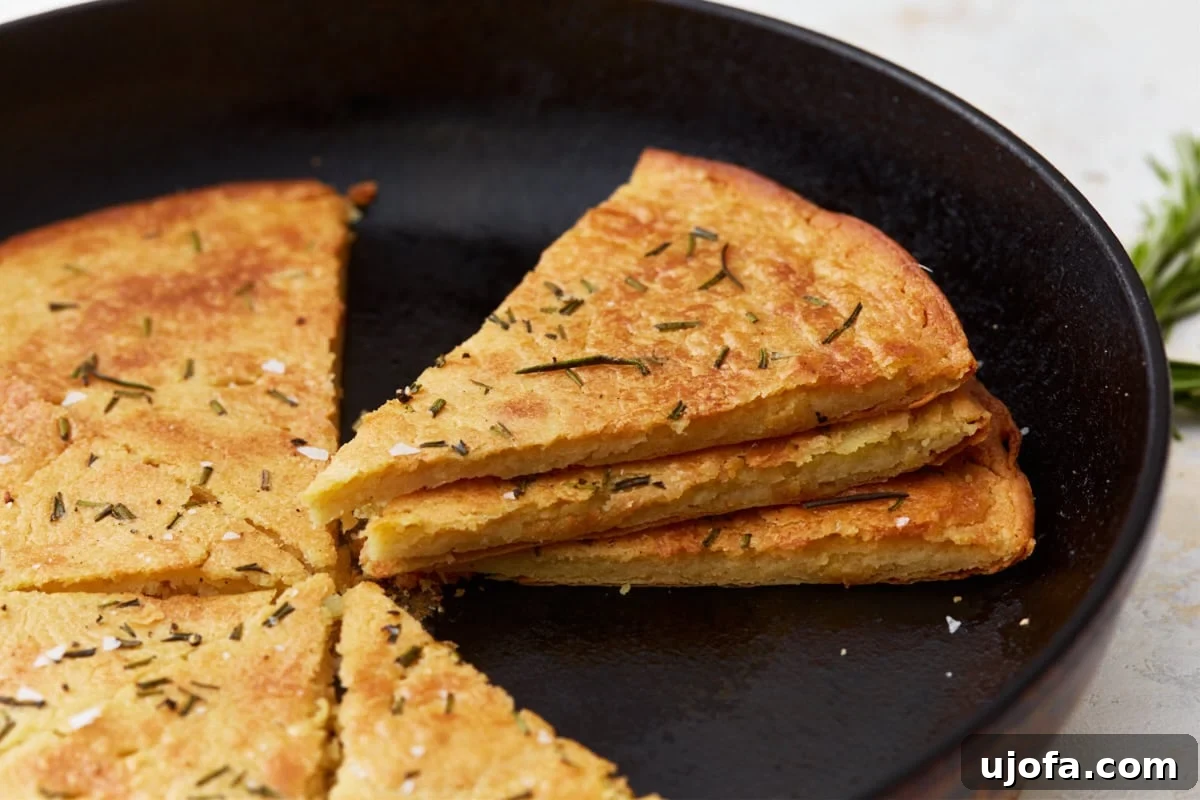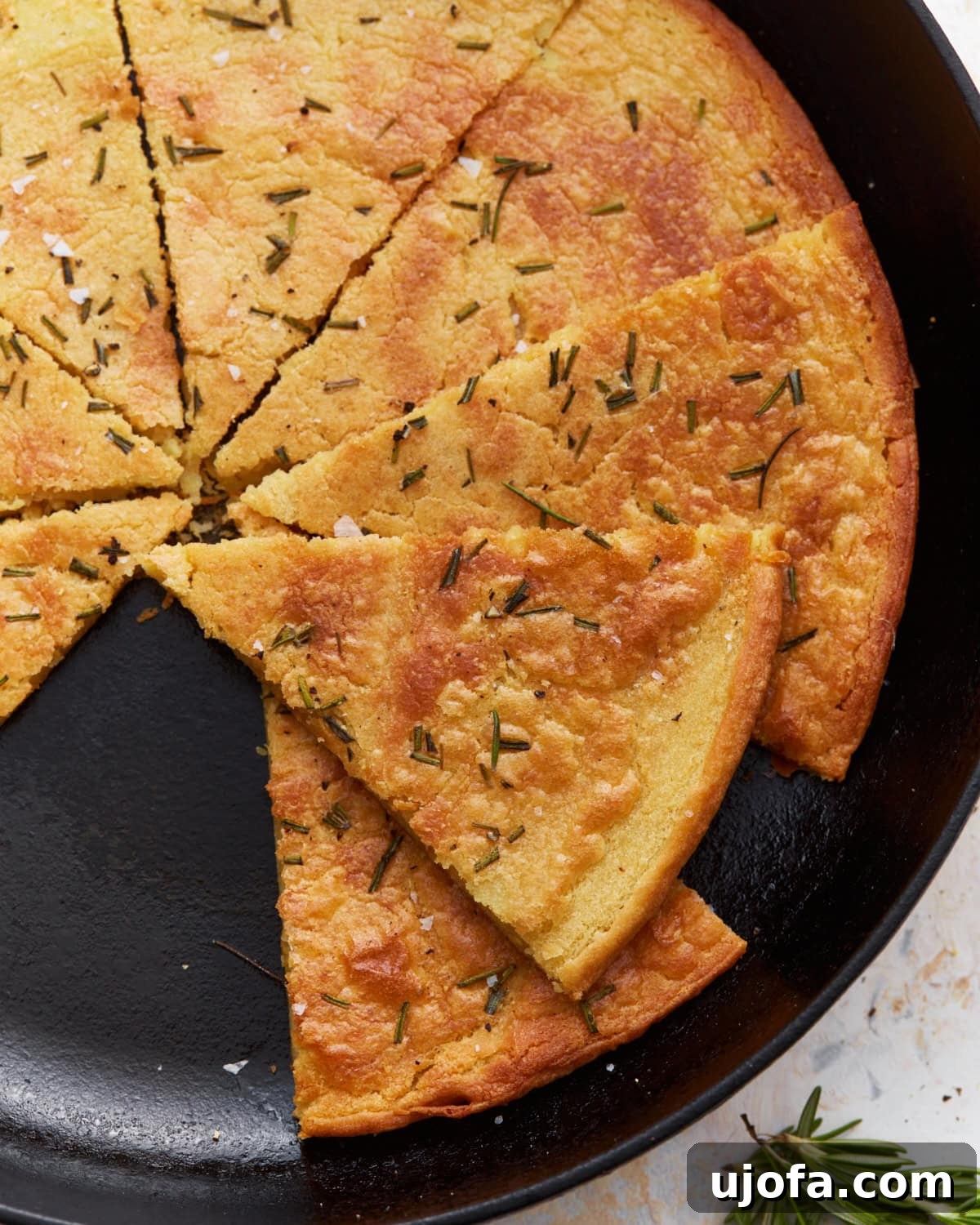
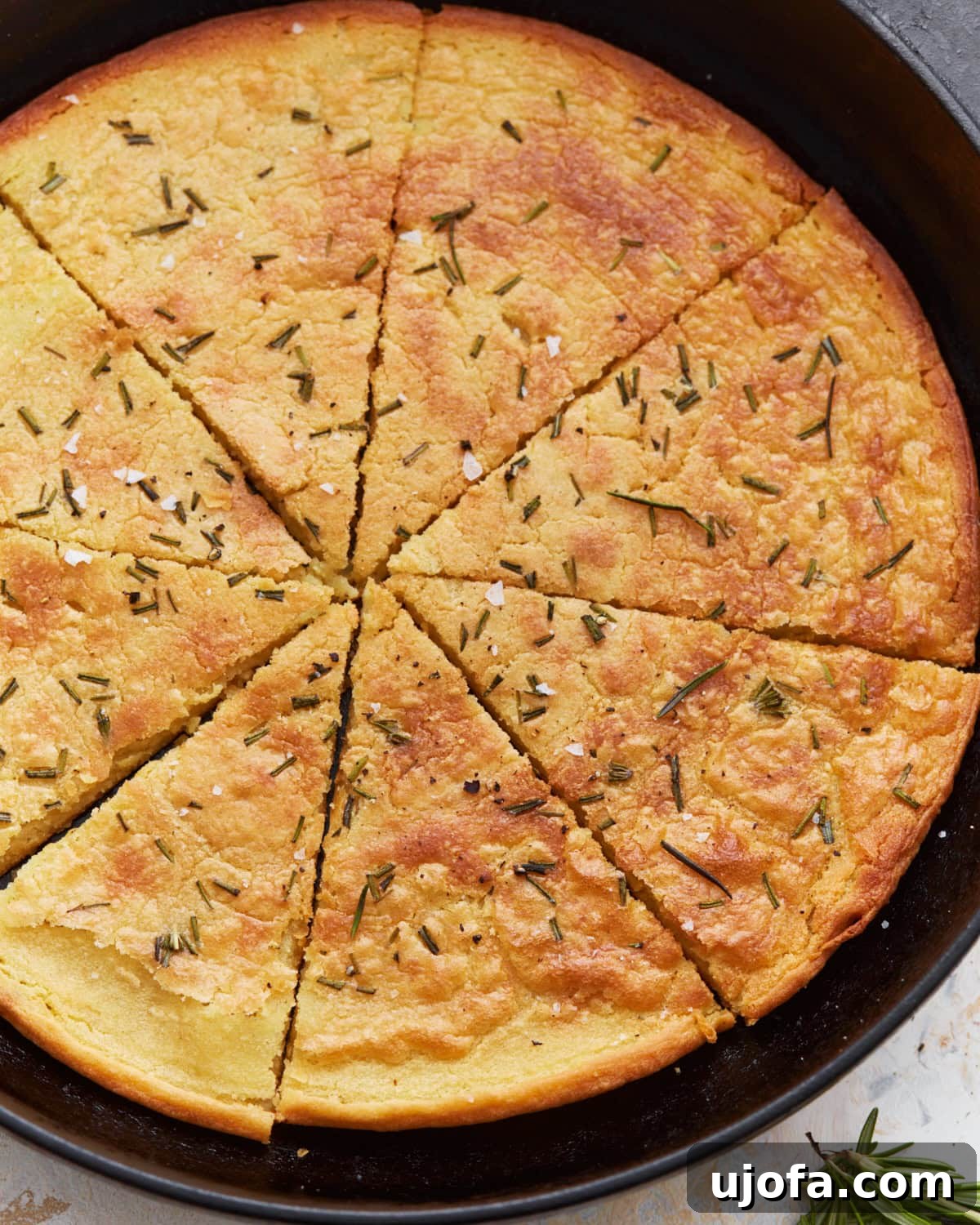
Embark on a culinary journey to the sun-kissed Ligurian coast of Italy with this incredible 4-ingredient farinata recipe. This savory chickpea flatbread, a true testament to the beauty of simplicity, boasts a delightfully soft, custardy center contrasted by a light and irresistibly crispy crust. Crafted with just a handful of wholesome ingredients – primarily chickpea flour and high-quality extra virgin olive oil – farinata is naturally gluten-free, incredibly versatile, and profoundly delicious. Whether you’re seeking a unique appetizer, a satisfying snack, or a wholesome side dish, this authentic Italian gem will undoubtedly become a staple in your kitchen.
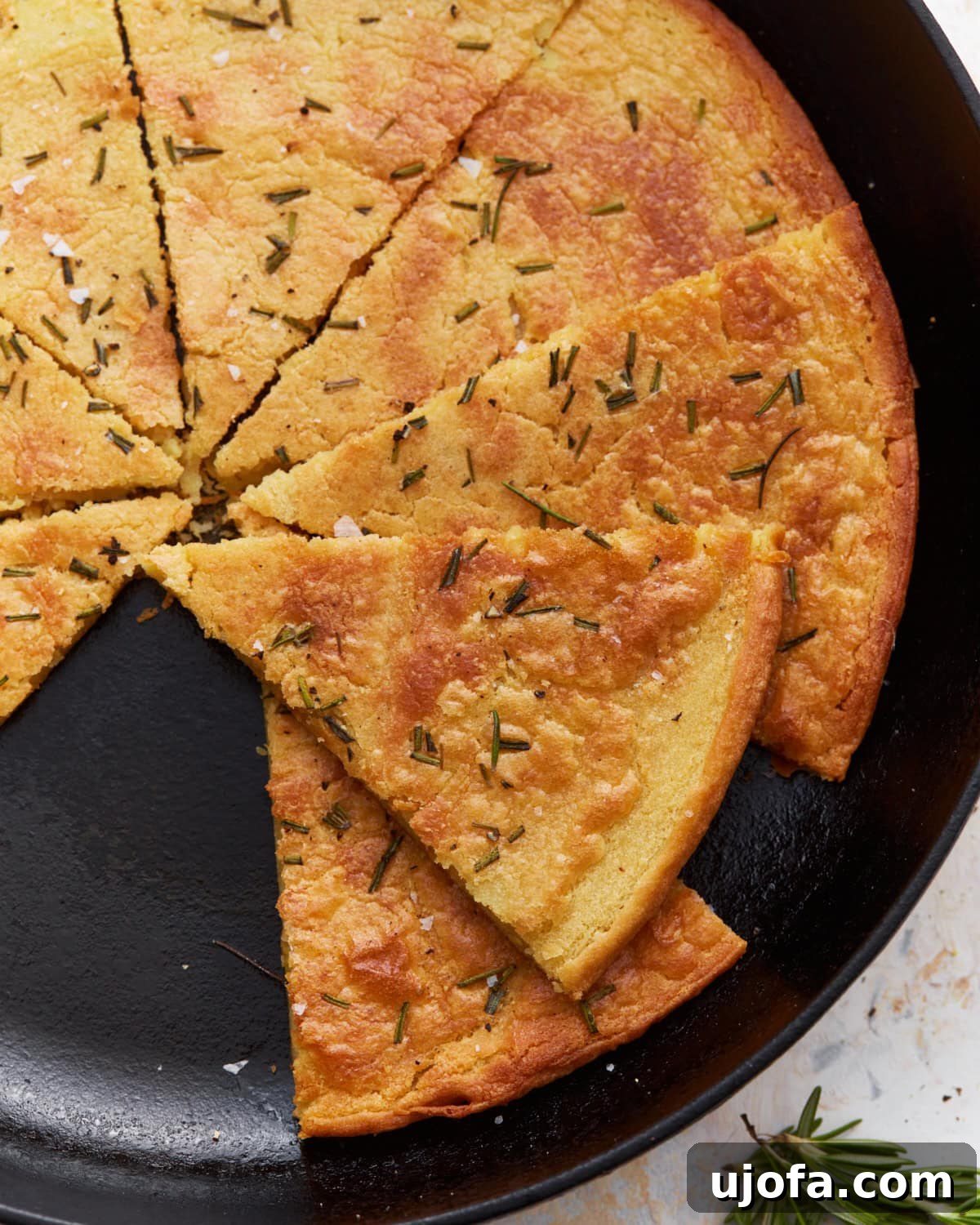
Easy 4-Ingredient Farinata: Your New Favorite Gluten-Free Flatbread
My exploration into new ways to utilize chickpea flour led me to discover the magic of farinata, and I was instantly captivated. While I initially aimed to adapt my existing gluten-free flatbread recipe, this 4-ingredient wonder proved to be a revelation. Farinata, often celebrated as a classic “cucina povera” (poor kitchen) dish in Italy, perfectly embodies the philosophy of making extraordinary food from simple, readily available ingredients found in every Italian pantry. This cherished tradition highlights resourcefulness and the ability to transform humble components into a dish bursting with flavor.
This particular farinata recipe is a testament to that tradition: uncomplicated yet incredibly flavorful, made with wholesome ingredients that can be easily customized to suit your personal taste. For a warm and aromatic twist, I’ve opted for premium extra virgin olive oil and fragrant fresh rosemary, which infuse the flatbread with an irresistible Mediterranean essence. The resulting batter is reminiscent of a thin, unleavened pancake, but with a distinct savory, salty profile and a texture that bakes up beautifully crisp on the outside while remaining tender within. It’s a delightful contrast that makes every bite an experience.
Why You’ll Fall in Love with This Farinata Recipe
There are countless reasons to adore this easy farinata recipe, making it an ideal addition to your weekly meal rotation:
- Naturally Gluten-Free: Made entirely from chickpea flour, farinata is a fantastic option for those with gluten sensitivities or anyone looking to reduce their gluten intake without sacrificing flavor or texture. It provides a satisfying alternative to traditional wheat-based breads.
- Minimal Ingredients: With just four core ingredients – chickpea flour, water, olive oil, and salt – this recipe champions simplicity. You likely have everything you need in your pantry right now, eliminating the need for special grocery trips.
- Incredibly Versatile: Farinata is a blank canvas for flavors. Enjoy it plain, sprinkle with fresh herbs, add caramelized onions, or even a hint of spice. It adapts beautifully to whatever culinary mood you’re in, making it perfect for creative cooks.
- Quick & Simple to Make: Beyond the essential resting time for the batter, the active preparation time for farinata is minimal. It’s a quick mix-and-bake process that fits easily into a busy schedule, offering a gourmet experience with little effort.
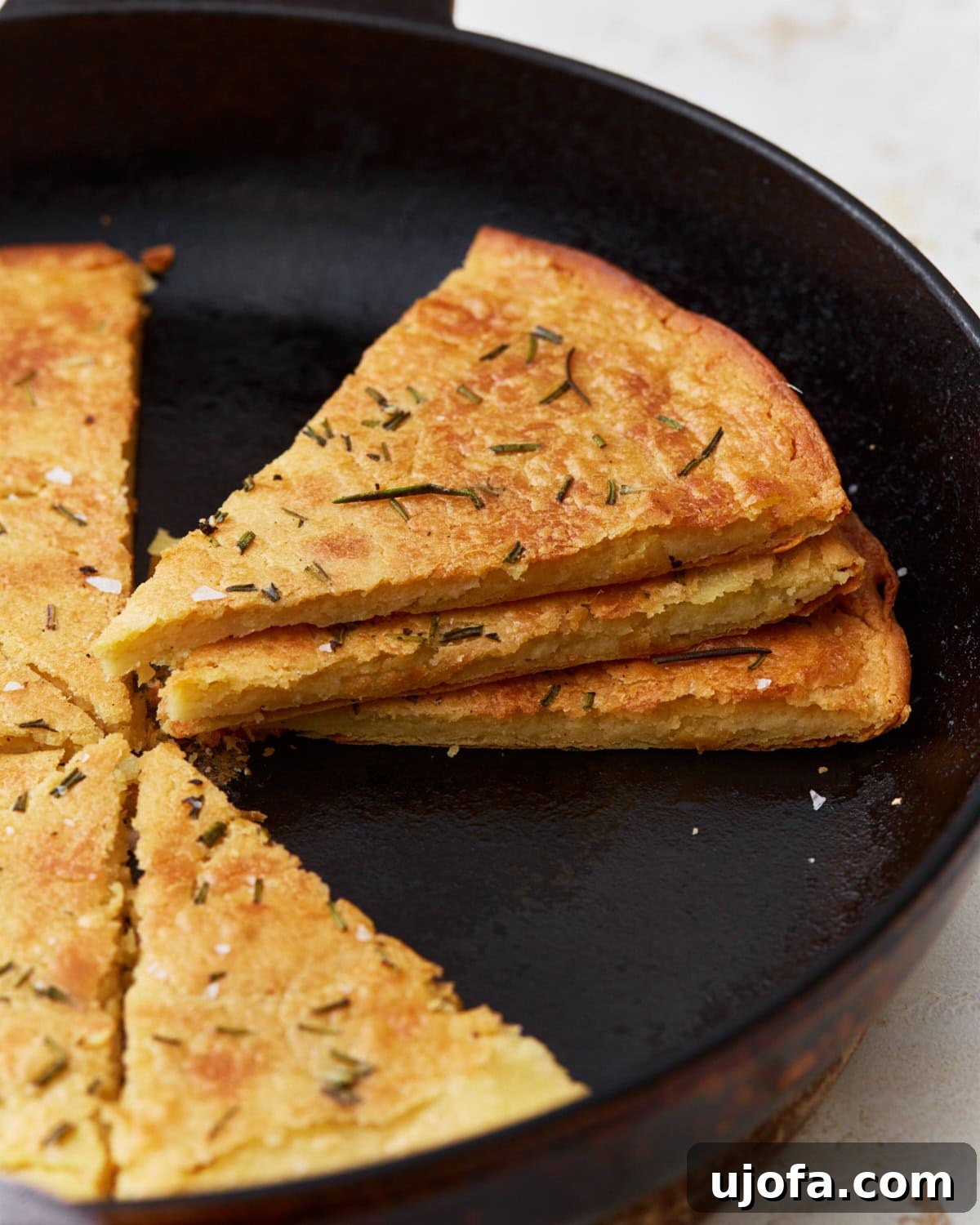
- Delicious & Satisfying: The unique texture — crispy edges and a soft, slightly chewy interior — combined with its savory, earthy flavor makes farinata incredibly satisfying. It’s a surprisingly filling dish that feels indulgent yet remains light.
- A Healthy Choice: Chickpea flour is rich in protein and fiber, making farinata a nutritious bread alternative. It’s also naturally dairy-free and vegan, catering to a wide range of dietary preferences and contributing to a balanced diet.
Essential Ingredients for Authentic Farinata
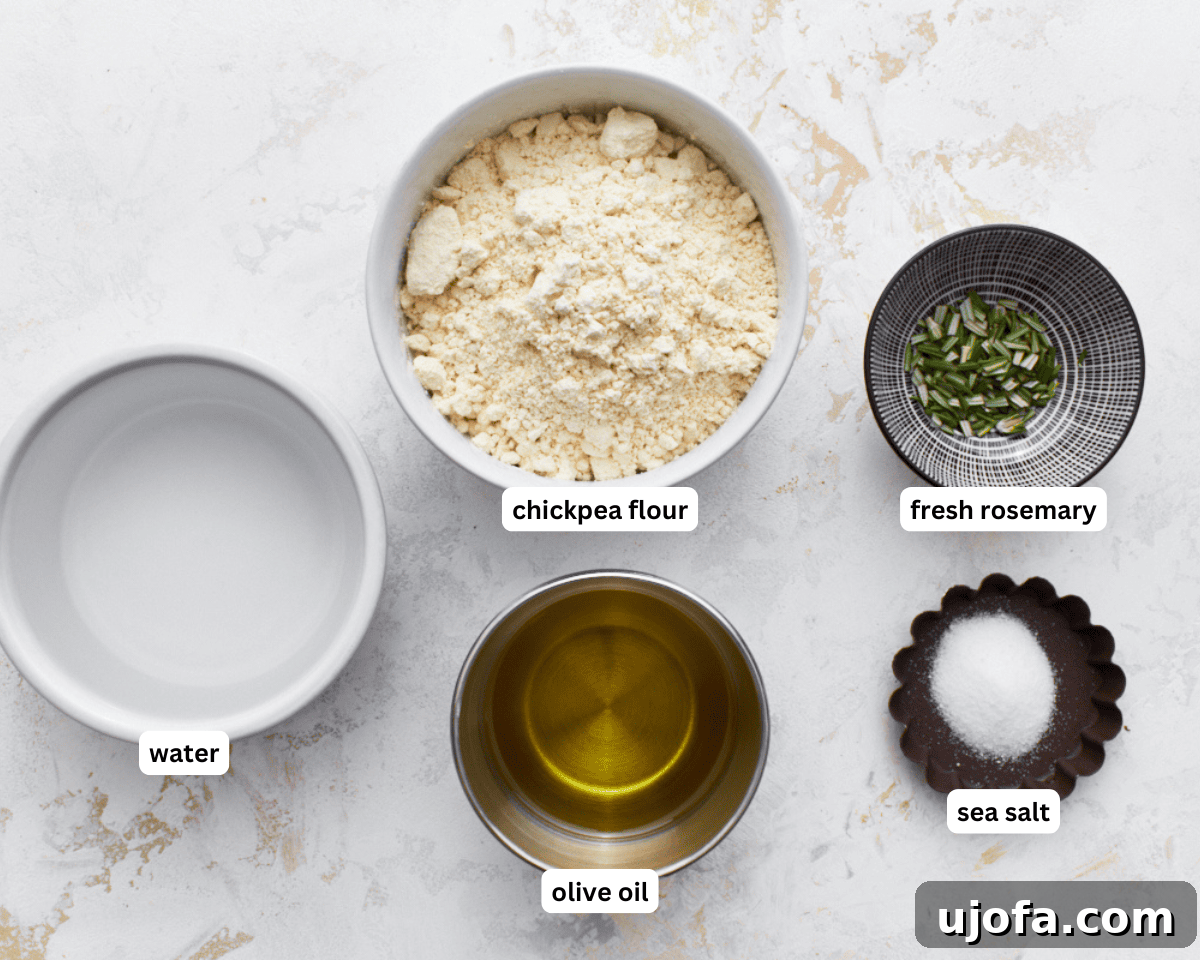
The beauty of farinata lies in its humble ingredients, each playing a crucial role in achieving its signature flavor and texture:
- Chickpea Flour: This is the star of the show. For the best results, opt for finely ground chickpea flour, also known as garbanzo bean flour or besan. Its fine texture ensures a smooth batter and a tender crumb in the final product. My personal favorite is Bob’s Red Mill, known for its consistent quality. Chickpea flour provides a unique nutty flavor and a good source of plant-based protein and fiber.
- Extra Virgin Olive Oil: The quality of your olive oil is paramount to farinata’s authentic taste and crispy texture. A high-quality extra virgin olive oil (EVOO) not only imparts a rich, fruity flavor but also helps create those coveted golden, crisp edges. While substituting with another oil like avocado oil might achieve a similar texture, the distinctive flavor of olive oil is truly irreplaceable for an authentic experience. Choose a robust, flavorful EVOO for the best outcome.
- Sea Salt: Salt is essential for seasoning the batter and enhancing all the other flavors. I prefer using fine sea salt within the batter for even distribution, and a sprinkle of flaky sea salt as a finishing touch. The flaky salt adds a delightful textural contrast and a burst of briny flavor when served.
- Water: Simple tap water is all you need. Its role is to hydrate the chickpea flour and create the perfect pourable batter consistency. The resting period allows the flour to fully absorb the water, preventing a gritty texture and promoting a smooth, pliable flatbread.
- Fresh Rosemary: While optional, fresh rosemary is a classic addition to farinata, lending a wonderfully aromatic, slightly peppery, and woody flavor that complements the chickpea base beautifully. Finely minced rosemary gets incorporated into the batter or sprinkled on top before baking. Feel free to experiment with other fresh herbs like thyme or oregano, or even a pinch of dried chili flakes for a subtle kick.
Mastering Farinata: Expert Tips for Success
Achieving farinata perfection is simpler than you think with these key tips:
- The Crucial Resting Period: Do not skip the resting step! Allowing the chickpea flour batter to rest for at least one hour (and up to 12 hours in the fridge) is fundamental. This time allows the flour to fully hydrate, resulting in a smoother, lump-free, and more cohesive batter that bakes into a tender interior. Without proper resting, your farinata might be gritty or crumbly.
- Preheat Your Skillet and Oven Thoroughly: For that signature crispy crust, it is absolutely essential to preheat your cast-iron skillet (or baking dish) along with your oven to 450°F (230°C). A sizzling hot pan ensures that the batter immediately starts to crisp upon contact, creating that desired golden-brown exterior.
- Don’t Be Shy with Olive Oil: Generously coat the bottom of your preheated skillet with extra virgin olive oil before pouring in the batter. This not only prevents sticking but, more importantly, is key to developing those delicious, deeply golden, and crispy edges that define authentic farinata.
- Versatility is Key: This chickpea flatbread recipe is wonderfully adaptable. While rosemary is a classic, don’t hesitate to get creative. Popular additions include finely chopped fresh thyme or oregano, thinly sliced caramelized onions, roasted garlic, a sprinkle of grated Parmesan (if not strictly vegan), or even a touch of black pepper for an added kick.
- Make-Ahead Convenience: The farinata batter is excellent for meal prep. You can prepare the batter up to 12 hours in advance and store it covered in the refrigerator. Just be sure to give it a good stir before pouring it into the hot pan, as the flour can settle at the bottom.
- High Temperature for Crisp Edges: Baking at a high temperature (450°F / 230°C) is not just for preheating the skillet; it’s also vital for achieving the proper crispness throughout the farinata. This high heat encourages rapid cooking and the development of a beautiful golden crust.
Serving Suggestions: Enjoying Your Delicious Farinata
Farinata is incredibly versatile and can be enjoyed in a multitude of ways, making it suitable for any meal or occasion:
- As a Savory Snack: Enjoy it on its own, hot out of the oven, for a simple yet satisfying treat. The combination of crispy edges and a soft interior is a delight.
- Dipped and Drizzled: Serve slices with a small bowl of high-quality extra virgin olive oil and a splash of balsamic vinegar for dipping. The rich flavors meld beautifully.
- Mediterranean Mezze: Pair farinata with creamy hummus, baba ghanoush, or other Mediterranean dips for an appetizer spread that’s both flavorful and naturally gluten-free.
- Breakfast or Brunch Staple: Serve a wedge alongside your morning eggs, avocado, or a light salad for a wholesome and unique breakfast. Its savory profile makes it a great alternative to toast.
- Italian Dinner Side: It makes an excellent side dish for your favorite Italian meals, such as pasta dishes, roasted chicken, or hearty stews, adding a distinctive textural and flavor element.
- Charcuterie Board Addition: Cut into small squares or triangles, farinata is a wonderful, unexpected addition to a cheese and charcuterie board, complementing cured meats and various cheeses.
- Base for Toppings: Think of it as a thin, savory pizza crust! Top freshly baked farinata with pesto, roasted vegetables, sun-dried tomatoes, or fresh arugula and a drizzle of olive oil for a light lunch.
Storage and Reheating Instructions
While farinata is undeniably at its best enjoyed fresh and warm from the oven, you can certainly save leftovers or prepare it in advance:
- Refrigeration: Store any leftover farinata in an airtight container in the refrigerator for up to 3 days.
- Reheating: To restore its delightful crispiness, reheat slices in a hot skillet over medium heat for a few minutes per side until warmed through and crispy again. Alternatively, you can reheat it in a preheated oven at 350°F (175°C) for about 5-10 minutes. Avoid microwaving, as it tends to make the farinata soft and lose its desirable texture.
- Freezing: For longer storage, individual slices of farinata can be frozen for up to 1 month. Wrap them tightly in plastic wrap and then in aluminum foil to prevent freezer burn.
- Reheating from Frozen: Thaw frozen farinata overnight in the refrigerator, then reheat using the skillet or oven method described above to achieve a crispy finish.
More Delicious Gluten-Free Italian Bread Recipes
If you love the flavors of Italian bread but need a gluten-free option, explore these other fantastic recipes:
- Gluten-Free Focaccia
- Gluten-Free Garlic Bread
- Gluten-Free Pizza Dough
Farinata
Equipment
-
1 cast iron skillet
Ingredients
- 1 cup chickpea flour
- 1 cup water
- 1/4 cup olive oil, plus more for the pan
- 1/2 teaspoon fine sea salt
- 1 teaspoon fresh rosemary, finely minced
Instructions
-
In a mixing bowl, whisk chickpea flour and salt together.
-
Gradually add water while whisking to form a smooth, lump-free batter.
-
Stir in 1/4 cup olive oil and let the batter rest for 1 hour at room temperature.
-
Preheat the oven to 450°F and place a 10-inch cast-iron skillet or baking dish inside to heat.
-
Once the skillet is hot, carefully remove it from the oven and coat the bottom with a drizzle of olive oil.
-
Pour the batter into the skillet, spreading it evenly. Sprinkle fresh rosemary on top if desired.
-
Bake for 20-25 minutes or until the farinata is golden and crisp around the edges.
-
Let cool slightly before slicing and serving. Serve with sea salt flakes and freshly ground black pepper if desired.
Notes
- Resting allows the chickpea flour to fully hydrate and ensures a smoother, more cohesive batter.
- This chickpea flatbread recipe is versatile and can be made with your favorite additions. Popular options include thyme, oregano, caramelized onions, or even a sprinkle of grated cheese.
- The batter can be made up to 12 hours in advance and stored in the fridge. Stir well before pouring into the pan.
- Ensure the oven and skillet are preheated before pouring the batter. Using enough olive oil and baking at a high temperature also helps achieve crisp edges.
- While best fresh, you can freeze slices for up to 1 month and reheat them in the oven or on a skillet for a crispy finish.
- Store leftovers in an airtight container in the fridge for up to 3 days. Reheat in a hot skillet or oven to restore crispiness.
Nutrition
Nutrition information is automatically calculated, so should only be used as an approximation.
Additional Info
How to Make Farinata: A Step-by-Step Visual Guide
Follow these simple steps to create your own irresistible Italian chickpea flatbread at home:
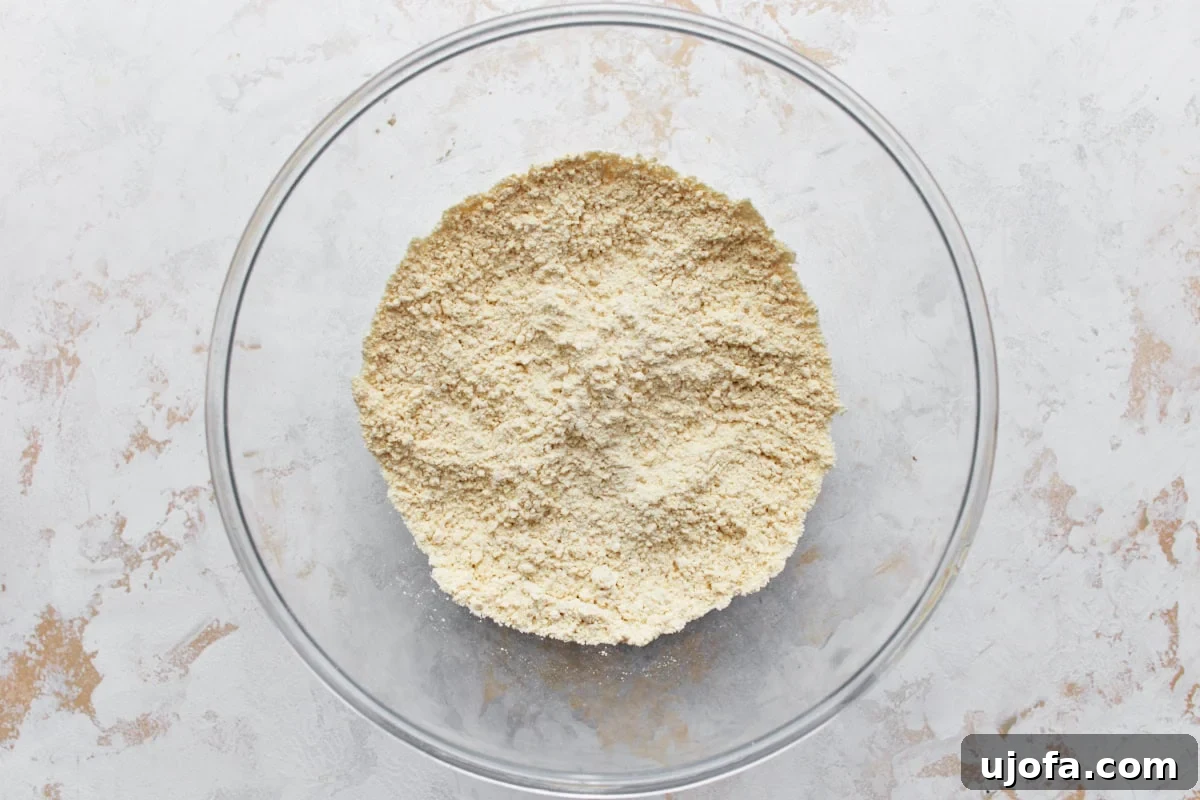
1. Combine Dry Ingredients: In a spacious mixing bowl, vigorously whisk together 1 cup of chickpea flour and ½ teaspoon of fine sea salt. Ensure they are thoroughly combined to prevent any pockets of unseasoned flour.
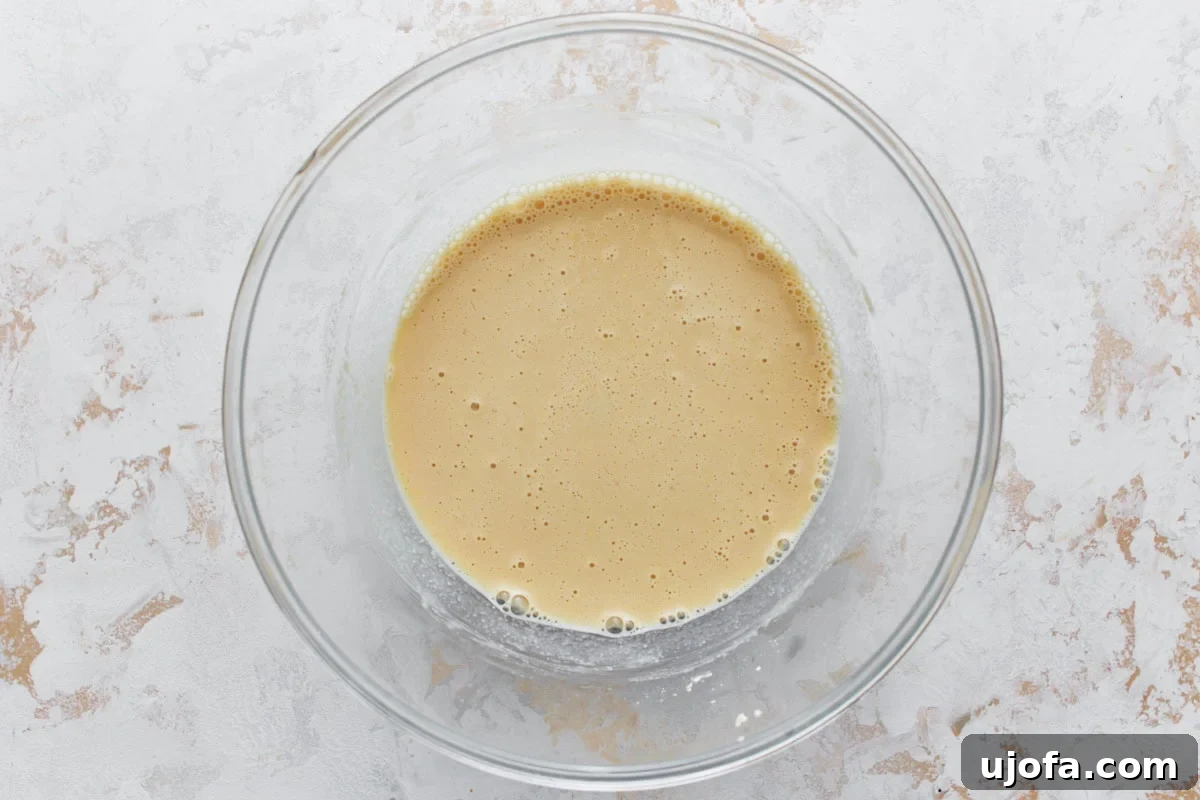
2. Whisk in Water Gradually: Begin to gradually add 1 cup of water to the flour mixture while continuously whisking. I find it helpful to pour in about ¼ cup at a time, whisking thoroughly after each addition. Continue until the batter is completely smooth and free of any lumps. The final consistency should be thin and pourable, similar to a traditional pancake batter, which is essential for achieving a crispy and tender result.
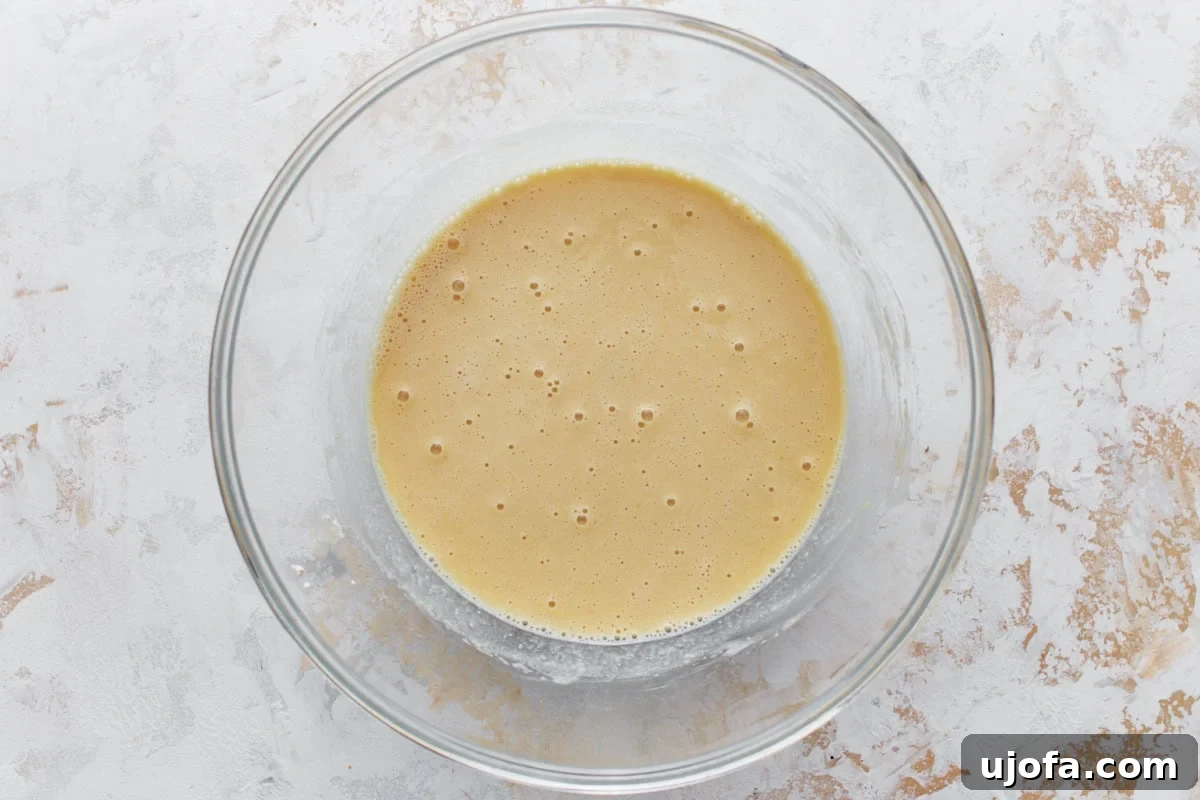
3. Add Olive Oil and Rest the Batter: Gently stir in the ¼ cup of extra virgin olive oil until well combined. Cover the mixing bowl with a lid or plastic wrap and set it aside to rest at room temperature for at least 1 hour. This resting period is absolutely critical, as it allows the chickpea flour ample time to fully absorb the water, ensuring a pliable, smooth batter that will bake into the perfect farinata texture.
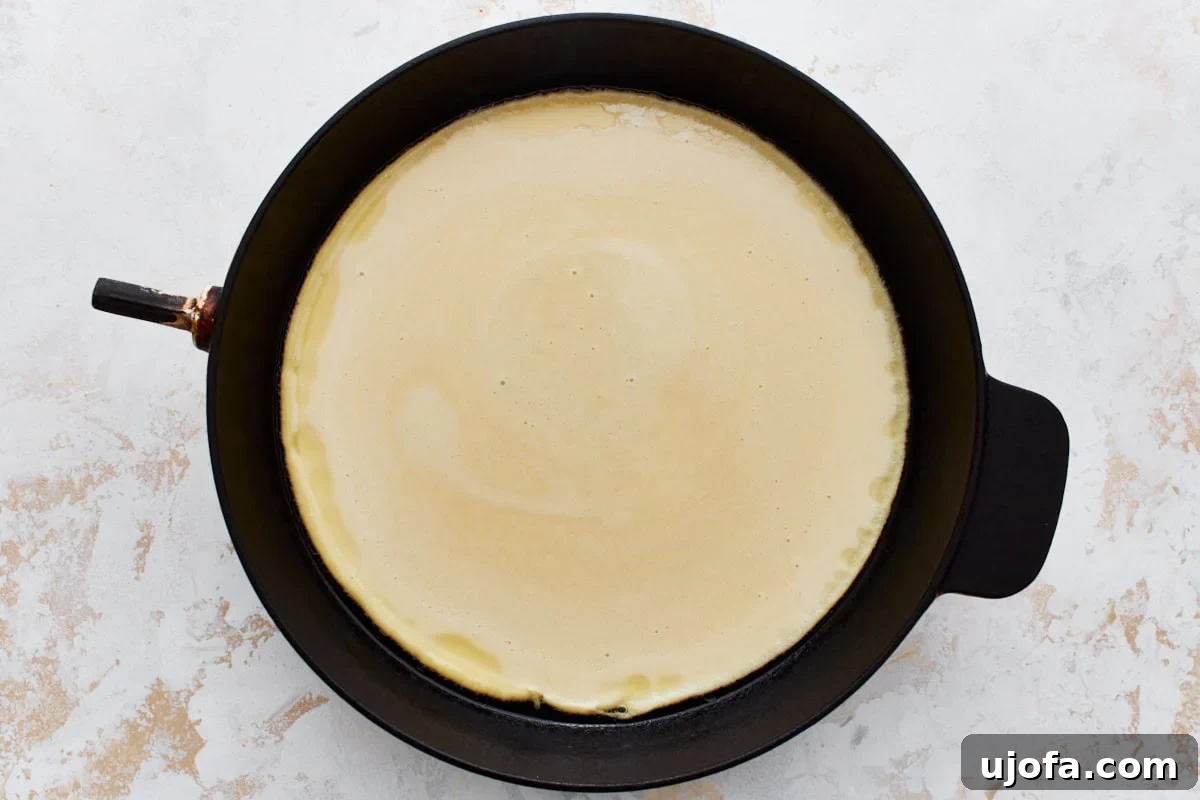
4. Preheat Oven and Skillet: While your batter is resting, preheat your oven to a high temperature of 450°F (230°C). Place a 10-inch cast-iron skillet or a suitable baking dish inside the oven as it preheats. It’s crucial for the skillet to become very hot before you add the batter, which helps create an immediate crisp crust. Once the oven reaches temperature, carefully remove the hot skillet using oven mitts. Drizzle a generous amount of olive oil onto the bottom of the skillet and carefully spread it around to coat evenly. Then, pour the rested batter into the hot skillet, spreading it thinly and evenly across the bottom.
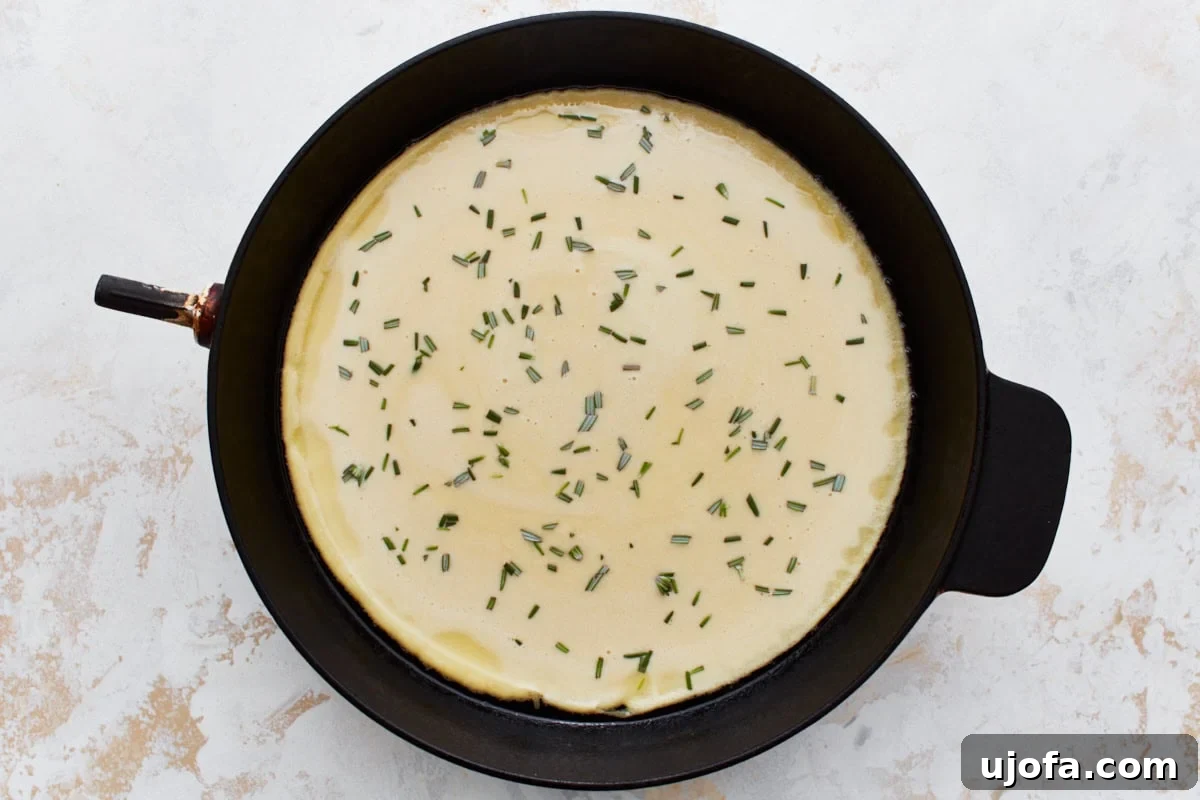
5. Add Rosemary: If desired, generously sprinkle the top of the batter with 1 teaspoon of fresh, finely minced rosemary. This adds a beautiful aroma and classic Italian flavor to your farinata.
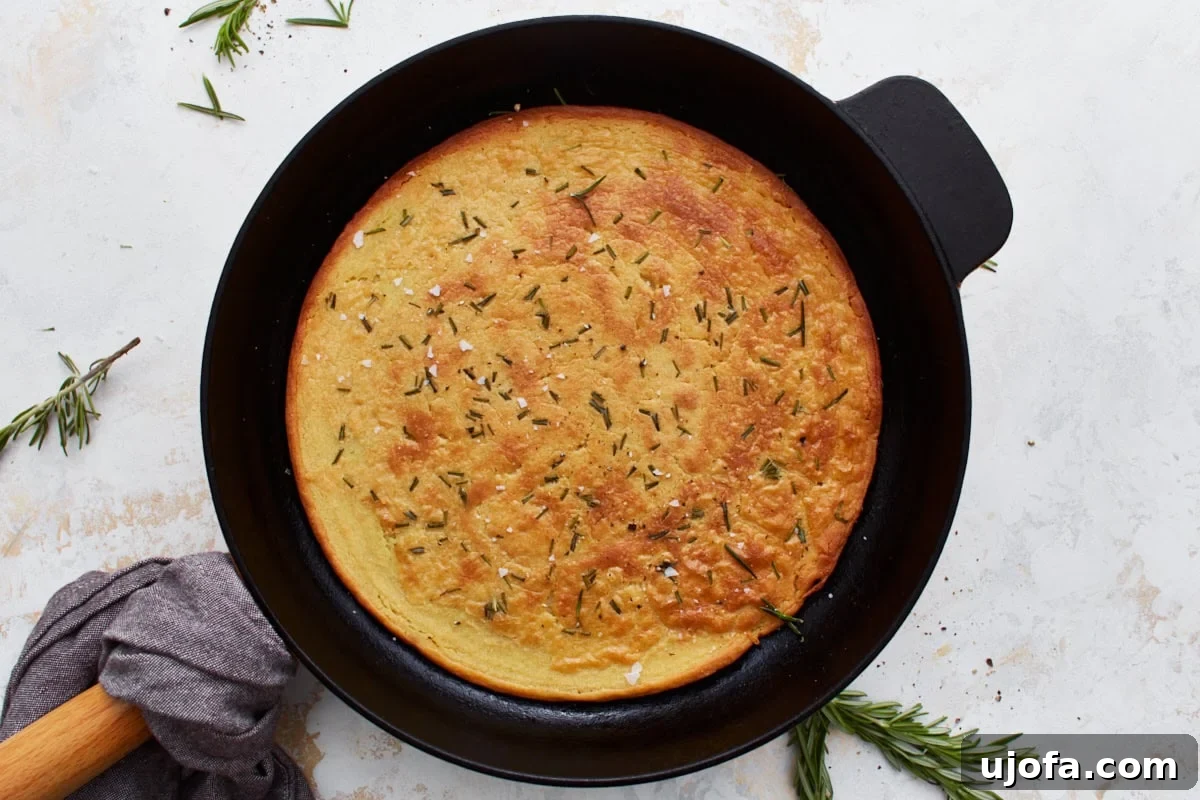
6. Bake to Perfection: Carefully return the skillet to the preheated oven. Bake for approximately 20-25 minutes, or until the farinata achieves a beautiful golden-brown color and its edges are delightfully crisp. Keep an eye on it towards the end of the baking time, as ovens can vary.
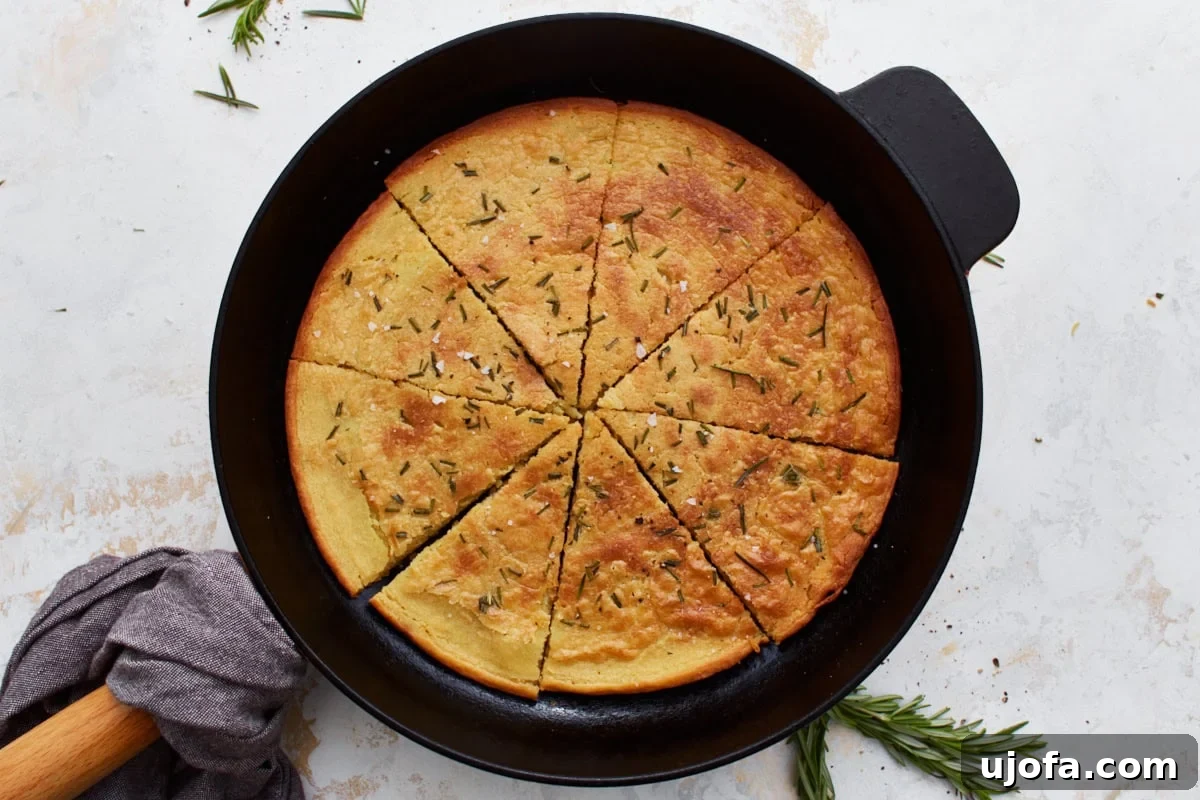
7. Cool, Slice, and Serve: Once baked, remove the skillet from the oven and allow the farinata to cool slightly in the pan for about 10 minutes. This helps it firm up and makes it easier to slice cleanly. Carefully slice the warm flatbread into wedges or squares. Serve immediately with an additional sprinkle of flaky sea salt and freshly ground black pepper, if desired, to elevate the flavors. Enjoy your homemade, crispy, and tender farinata!