
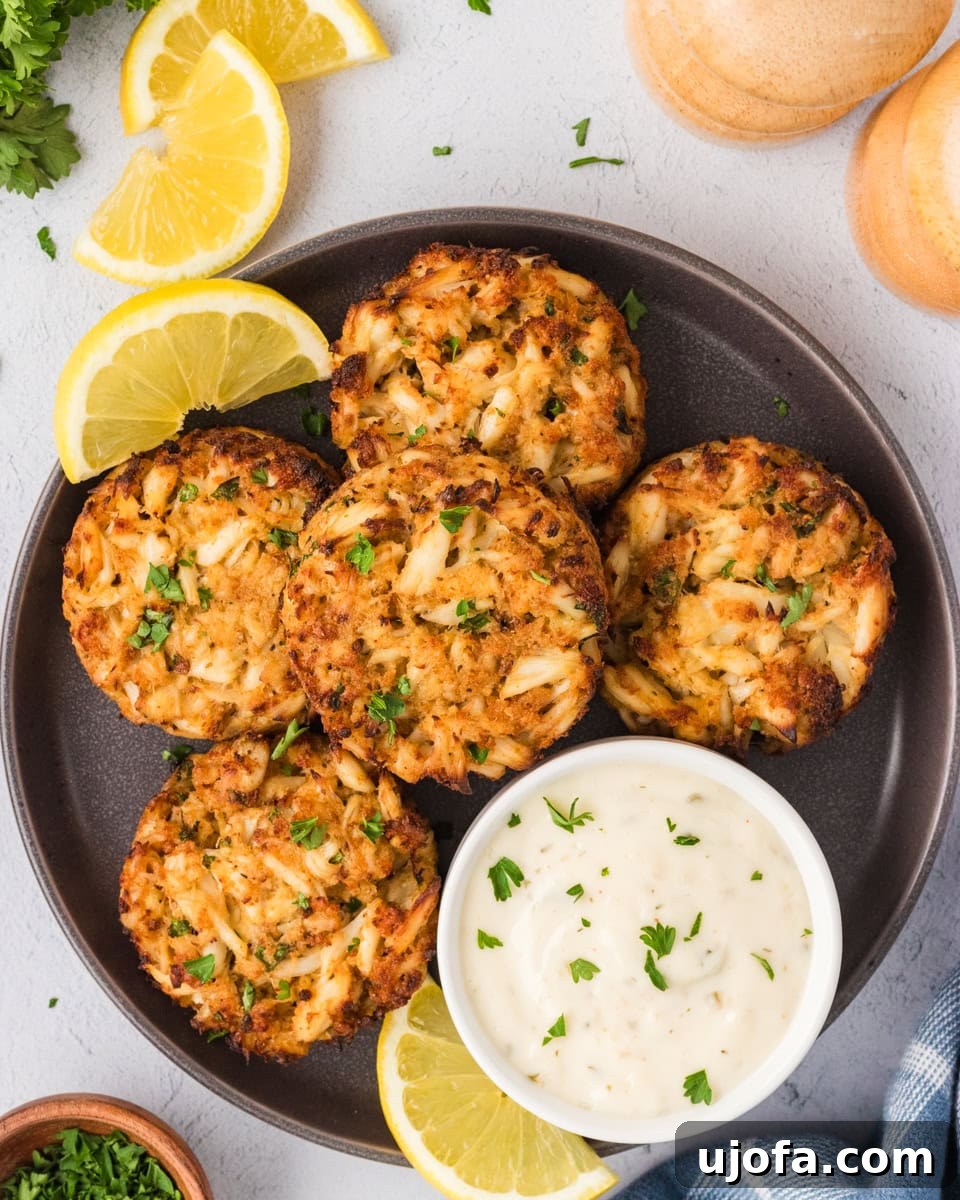
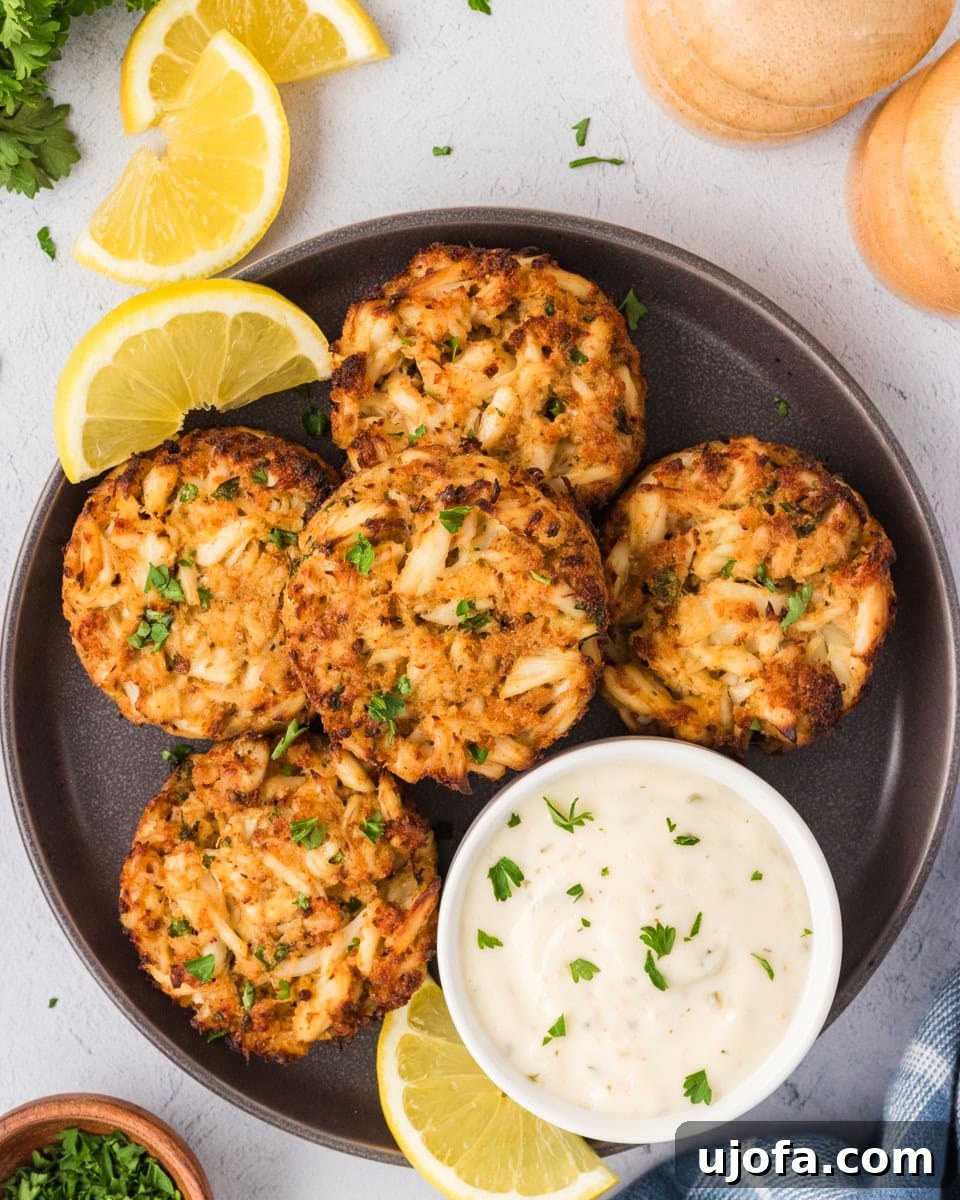
There’s something truly special about a perfectly crafted crab cake. That ideal balance of a golden, crispy exterior giving way to a tender, succulent interior bursting with fresh crab flavor is simply irresistible. This recipe for **Gluten-Free Crab Cakes** achieves that culinary nirvana, and then some! What makes it even better is that it’s also **dairy-free and grain-free**, making it an exceptional choice for a wide array of dietary needs without compromising on taste or texture. Using carefully selected gluten-free breadcrumbs, these crab cakes hold together beautifully, ensuring that the star ingredient – the sweet, delicate crab meat – remains the undisputed highlight of every bite. Whether you’re preparing a light yet satisfying dinner for the family or an impressive appetizer to delight guests, this reliable recipe will quickly become a cherished staple in your kitchen.
“I just made these for dinner tonight. They were delicious! Best crab cakes I’ve ever made and tasted. Cooking the crab cakes in the oven is a GAME CHANGER! They were fluffy, tender and light. Love Love Love them! Thank you for this great recipe.”
– Sherry
Imagine creating restaurant-quality, authentic Maryland-style crab cakes in your own kitchen with surprising ease. This recipe proves it’s possible with just ten simple ingredients and approximately an hour of your time. Having resided in Maryland for thirteen years, including a decade immersed in Baltimore’s vibrant culinary scene where crab cakes are revered as serious business, I’ve had ample opportunity to perfect this beloved dish. This recipe offers you the flexibility of two classic cooking methods: the traditional **baked version**, famously found throughout Baltimore, which yields a wonderfully moist and tender cake, and a **pan-fried option** for those who crave an extra crispy, golden-brown finish. Follow along with our detailed step-by-step photos and a helpful recipe overview to discover just how straightforward it is to bring this regional delicacy to your table, tailored to your dietary needs.
Why These Gluten-Free Crab Cakes Stand Out
Beyond being deliciously gluten-free, dairy-free, and grain-free, this recipe emphasizes the pure flavor of crab, a hallmark of true Maryland-style crab cakes. We don’t overpower the delicate crab with excessive fillers or heavy sauces. Instead, a carefully balanced blend of seasonings and binders allows the natural sweetness of the crab to shine through, creating an experience that’s both authentic and incredibly satisfying. The simple, clean ingredients ensure that everyone, regardless of dietary restrictions, can enjoy this classic dish. It’s a testament to the fact that healthful eating doesn’t mean sacrificing flavor or enjoyment.
Gluten-Free Cooking Tips for Perfect Crab Cakes
Crafting exceptional crab cakes, especially when catering to specific dietary needs like gluten-free, requires a few key insights. These tips will help you achieve that sought-after texture and flavor every time:
- Prioritize High-Quality Crab Meat: The foundation of an outstanding crab cake is the crab itself. For the absolute best results, invest in lump crab meat. Its large, firm chunks provide those delightful, meaty bites and contribute significantly to the structural integrity of the crab cakes. It’s truly worth the splurge for a superior experience.
- Budget-Friendly Combination: If lump crab meat is a bit beyond your budget, or you simply prefer a mix of textures, consider combining lump and backfin crab meat. Backfin consists of smaller, flakier pieces and broken lump, offering a great balance of texture and flavor at a slightly lower cost.
- Avoid Canned Crab (Shelf-Stable): Steer clear of shelf-stable canned crab meat. Its taste and texture are noticeably inferior to fresh or refrigerated options, and it can significantly detract from the quality of your crab cakes. If fresh crab isn’t readily available, refrigerated pasteurized crab meat found in the seafood section is your next best choice. Always drain it thoroughly before use.
- The Critical Chill Step: Don’t skip chilling the crab cake mixture! A minimum of 15-30 minutes (or even up to 24 hours) in the refrigerator is crucial. This allows the egg, mayonnaise, and gluten-free breadcrumbs to properly bind and firm up the mixture. This chilling process is your secret weapon against crab cakes falling apart during cooking, ensuring they hold their shape beautifully.
- Handle with Utmost Care: When mixing and shaping your crab cakes, gentleness is key. Overmixing can break up those coveted lumps of crab and lead to a denser, less desirable texture. Use a rubber spatula or a large spoon and fold the ingredients together lightly, just until combined, to maintain the integrity of the crab meat.
- Choosing Gluten-Free Breadcrumbs: The type of gluten-free breadcrumbs matters. Look for ones with a neutral flavor profile that won’t compete with the crab. Panko-style gluten-free breadcrumbs can offer an extra layer of crispiness if you’re pan-frying, while finer crumbs work well for binding in baked versions.
- Flavor Development: The chilling period isn’t just for structural integrity; it also allows the seasonings to meld and deepen their flavors, resulting in a more harmonious and delicious crab cake.
Gluten-Free Crab Cakes
Audrey Roberts
6 servings
15
15
30
1
Share by Email
Print Recipe
These Gluten-Free Crab Cakes are an absolute delight, featuring a golden, crispy exterior and a tender, flavor-packed interior. They’re also dairy-free and grain-free, making them a versatile and healthy option for any meal. Crafted with gluten-free breadcrumbs, they hold together perfectly while allowing the fresh, sweet crab meat to remain the star.
Want to save this recipe? Enter your email to have it sent straight to your inbox, plus receive new recipes from us every week!
(Sign up for our newsletter to save recipes and get new ones weekly!)
Ingredients
- 1 large egg
- ¼ cup mayonnaise (use a good quality brand, or a dairy-free alternative if needed)
- 2 tsp gluten-free Dijon mustard
- 2 tsp gluten-free Worcestershire sauce, homemade or store-bought (ensure it’s certified GF)
- 1 tsp Old Bay seasoning (the classic Maryland spice blend)
- ¼ tsp salt, to taste (some Old Bay brands are salty, taste first!)
- 1 tsp fresh lemon juice (brightens the flavor)
- 1 tbsp chopped fresh parsley, or 2 tsp dried parsley
- ¾ cup gluten-free bread crumbs, homemade or store-bought (ensure finely textured)
- 1 lb. (16-oz.) lump crab meat (drained and picked over for shells)
- 2 tbsp melted unsalted butter, or Smart Balance butter for dairy-free, optional (for baking/browning)
(A recipe video is available to guide you through the process.)
Instructions
-
In a large mixing bowl, whisk together the egg, mayonnaise, gluten-free Dijon mustard, gluten-free Worcestershire sauce, Old Bay seasoning, lemon juice, and salt until the mixture is smooth and well combined.
-
Add the fresh chopped parsley, followed by the gluten-free bread crumbs. Finally, gently place the lump crab meat on top. Using a rubber spatula or a large spoon, very carefully fold all the ingredients together. The goal is to combine everything without breaking up the delicate crab meat, preserving its texture.
-
Cover the crab cake mixture tightly with plastic wrap and refrigerate for a minimum of 30 minutes. For optimal binding and flavor development, you can chill it for up to 24 hours. This step is crucial for ensuring the crab cakes hold their shape during cooking.
-
Prepare a baking sheet by lightly spraying it with a gluten-free cooking spray (such as olive oil spray) to prevent sticking.
-
Using a ½ cup measuring cup, portion the chilled crab cake mixture into 6 equal mounds on the prepared baking sheet. If you intend to bake the crab cakes, leave them rounded and gently compact each one with your hands or a spoon. If you plan to pan-fry them, gently flatten each mound into a patty shape for more even cooking and better crust formation.
For Baked Gluten-Free Crab Cakes:
-
Preheat your oven to a high temperature of 450°F (232°C). This high heat helps to achieve a beautiful golden crust while keeping the inside moist.
-
For an enhanced flavor and a gorgeous golden-brown finish, lightly brush the tops of each crab cake with 2 tablespoons of melted unsalted butter (or a dairy-free butter alternative like Smart Balance). This step is optional but highly recommended for superior results.
-
Bake the crab cakes for 15-20 minutes, or until they are lightly browned around the edges and on top. To ensure they are fully cooked and safe to eat, the internal temperature should reach 165°F (74°C).
For Pan-Fried Gluten-Free Crab Cakes:
-
In a large nonstick pan or a cast-iron skillet, add 4 tablespoons of vegetable oil (peanut oil is excellent for frying due to its high smoke point and neutral flavor). Heat the oil over medium heat. Once the oil is hot and shimmering, carefully place the flattened crab cakes into the pan, ensuring not to overcrowd it. Cook until they are beautifully golden brown and crispy, which typically takes 3 to 5 minutes per side. As with baking, verify that the internal temperature reaches 165°F (74°C).
-
Once cooked, transfer the pan-fried crab cakes to a plate lined with paper towels to drain any excess oil. This ensures they remain deliciously crispy.
-
Store any leftover crab cakes in an airtight container in the refrigerator for up to 3 days. For longer storage, they can be frozen for up to 3 months.
-
To reheat, microwave them for a quick option, or for a crispier result, warm them in a 325°F (163°C) oven for 10-15 minutes until heated through.
Notes for Success
- Salt Adjustment: Some Old Bay seasoning blends can be quite salty. It’s advisable to taste your crab cake mixture before adding the ¼ teaspoon of salt, especially if you are sensitive to sodium, as many find it salty enough without additional salt.
- Crab Meat Availability: If fresh crab meat isn’t readily available in your area, **refrigerated pasteurized crab meat** (typically found near the fresh seafood counter) is an excellent substitute and works wonderfully in this recipe. Always ensure it’s well-drained.
- Understanding Crab Meat Types: Choosing the right crab meat significantly impacts your crab cake experience:
- Jumbo Lump: These are the largest, most visually impressive, and most expensive pieces of crab meat. Best reserved for elegant presentations where the crab is the star, often used for topping dishes.
- Lump: Composed of large, firm, off-white chunks, this is considered ideal for chunky, substantial crab cakes like those in this recipe. It offers a satisfying bite and superior texture.
- Backfin: A more economical option, backfin consists of smaller, flakier pieces of crab meat, often including broken lump pieces. It still provides great flavor and texture when mixed with lump or used as a primary ingredient in less chunky cakes.
- Claw: Darker in color and possessing a stronger, more intense crab flavor, claw meat is best suited for applications where its robust taste can shine, such as in soups, stews, or dips. It’s generally not recommended for delicate crab cakes.
- Flavor Development through Chilling: Beyond structural integrity, chilling the mixture allows all the wonderful seasonings – Old Bay, Dijon, Worcestershire, and lemon juice – to truly meld and deepen their flavors. This creates a more harmonious and delicious final product.
Nutrition Information (per serving)
Calories: 184 kcal
Carbohydrates: 9g
Protein: 16g
Fat: 9g
Saturated Fat: 1g
Polyunsaturated Fat: 4g
Monounsaturated Fat: 2g
Trans Fat: 1g
Cholesterol: 67mg
Sodium: 839mg
Potassium: 188mg
Fiber: 1g
Sugar: 1g
Vitamin A: 81 IU
Vitamin C: 6mg
Calcium: 47mg
Iron: 1mg
Nutrition information is automatically calculated and should only be used as an approximation. Individual results may vary based on ingredients used.
Additional Info
Tried this recipe?
Mention @mamaknowsglutenfree or tag #mamaknowsglutenfree! We’d love to see your creations!
How to Make Gluten-Free Crab Cakes: A Step-by-Step Guide
Making delicious gluten-free crab cakes at home is a straightforward process, especially when you follow these easy steps. We’ll walk you through each stage, ensuring you achieve perfect results every time.
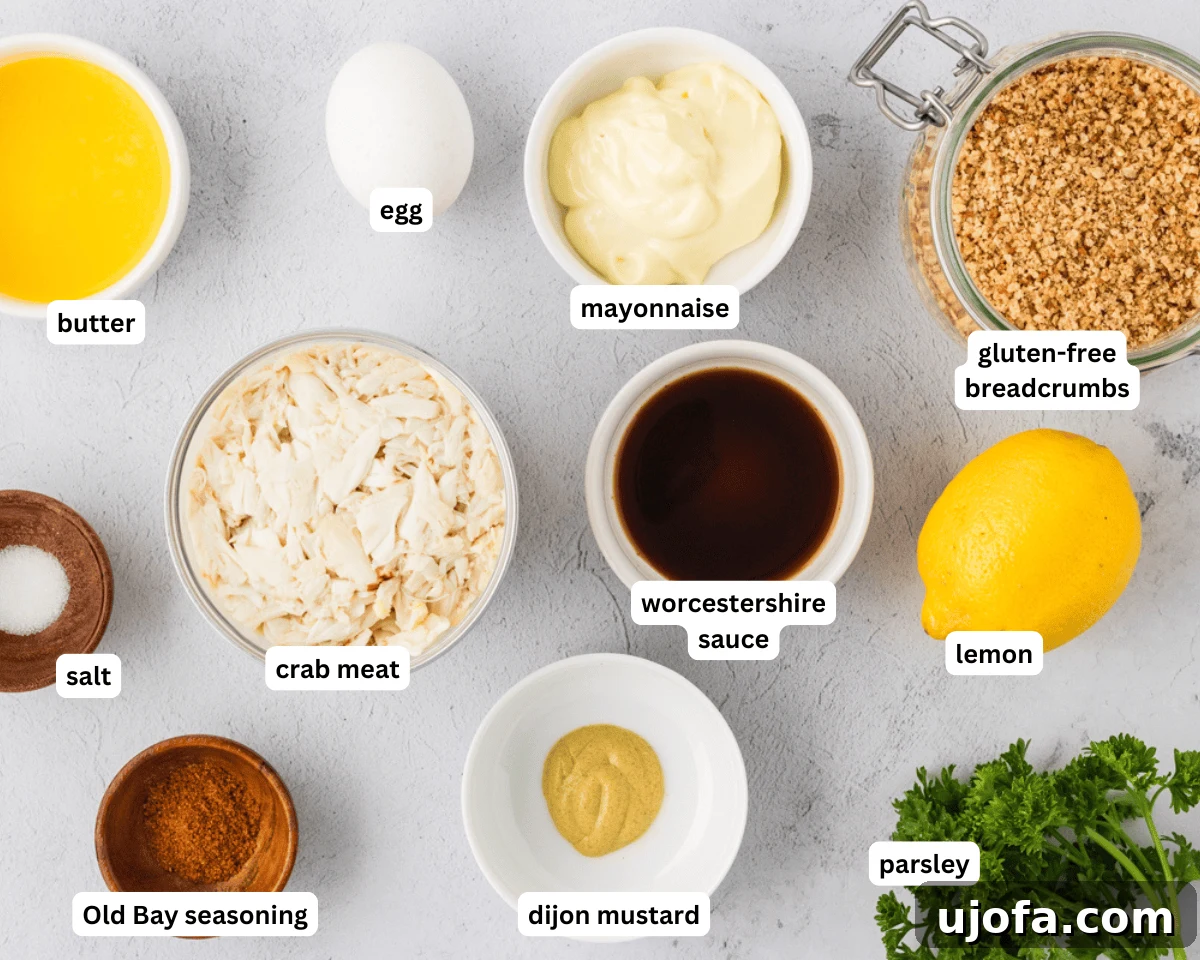
Step 1: Gather Your Ingredients. Before you begin, ensure you have all ten simple ingredients at hand. This includes fresh lump crab meat, a large egg, mayonnaise, gluten-free Dijon mustard, gluten-free Worcestershire sauce, Old Bay seasoning, salt, fresh lemon juice, chopped parsley, and gluten-free bread crumbs. Having everything prepped makes the process smooth and enjoyable.
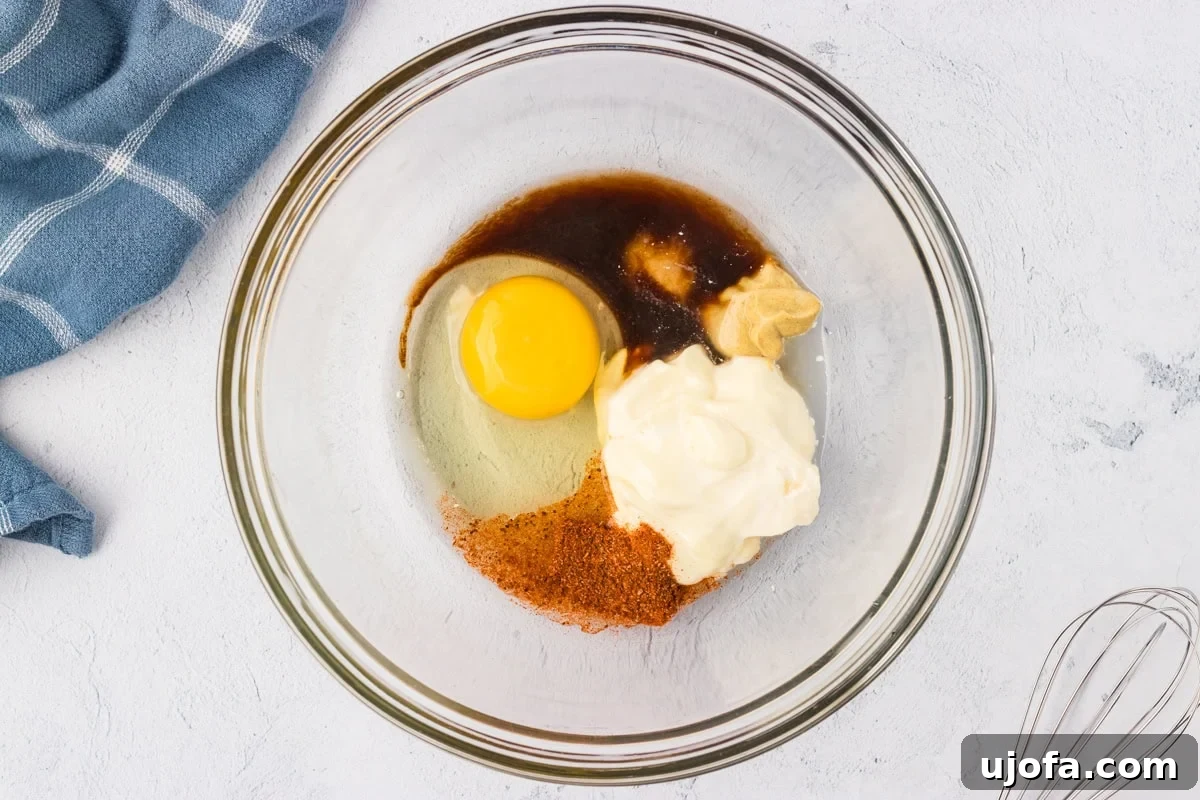
Step 2: Mix the Wet Ingredients. In a spacious mixing bowl, combine 1 large egg, ¼ cup of mayonnaise, 2 teaspoons of gluten-free Dijon mustard, 2 teaspoons of gluten-free Worcestershire sauce, 1 teaspoon of Old Bay seasoning, ¼ teaspoon of salt, and 1 teaspoon of fresh lemon juice. Whisk these ingredients thoroughly until you achieve a smooth, homogenous mixture. This forms the flavorful binder for your crab cakes.
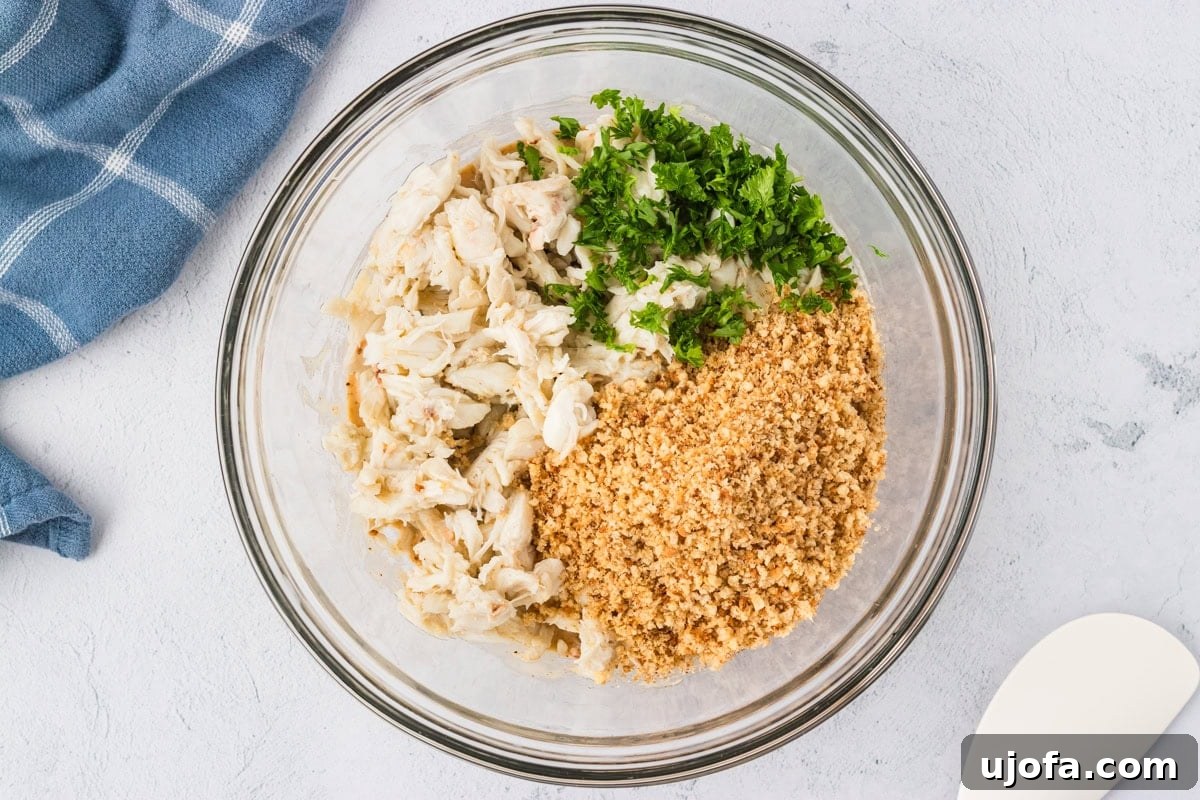
Step 3: Incorporate Dry Ingredients and Crab. Now, add 1 tablespoon of freshly chopped parsley and ¾ cup of gluten-free bread crumbs to the wet mixture. Carefully place 1 pound (16 ounces) of lump crab meat on top of these ingredients. Using a rubber spatula or a large spoon, gently fold everything together. The key here is to be very delicate to avoid breaking up the beautiful chunks of crab meat, preserving their texture and integrity.
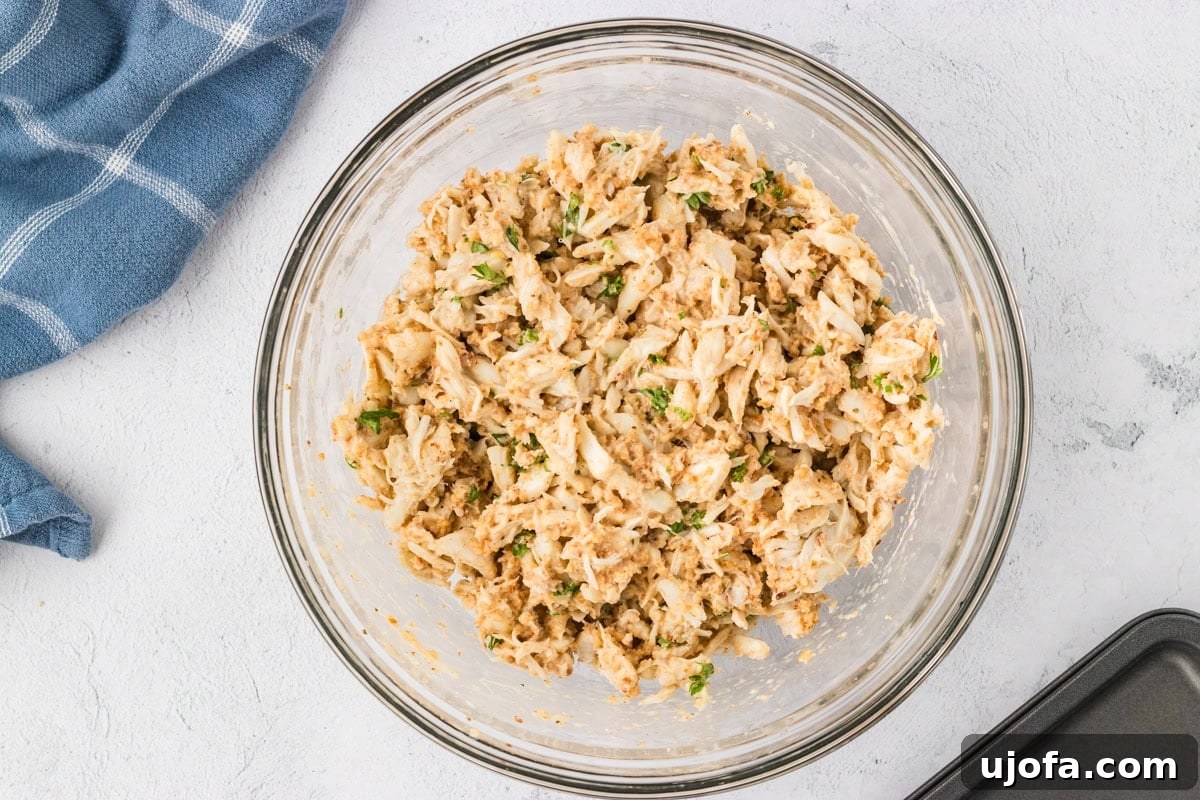
Step 4: Chill the Mixture. This step is non-negotiable for perfectly formed crab cakes. Cover the bowl containing your crab cake mixture with plastic wrap and place it in the refrigerator. Allow it to chill for at least 30 minutes. This resting period helps the mixture firm up and allows the flavors to meld beautifully, ensuring your crab cakes hold their shape during cooking. You can even prepare this mixture up to 24 hours in advance.
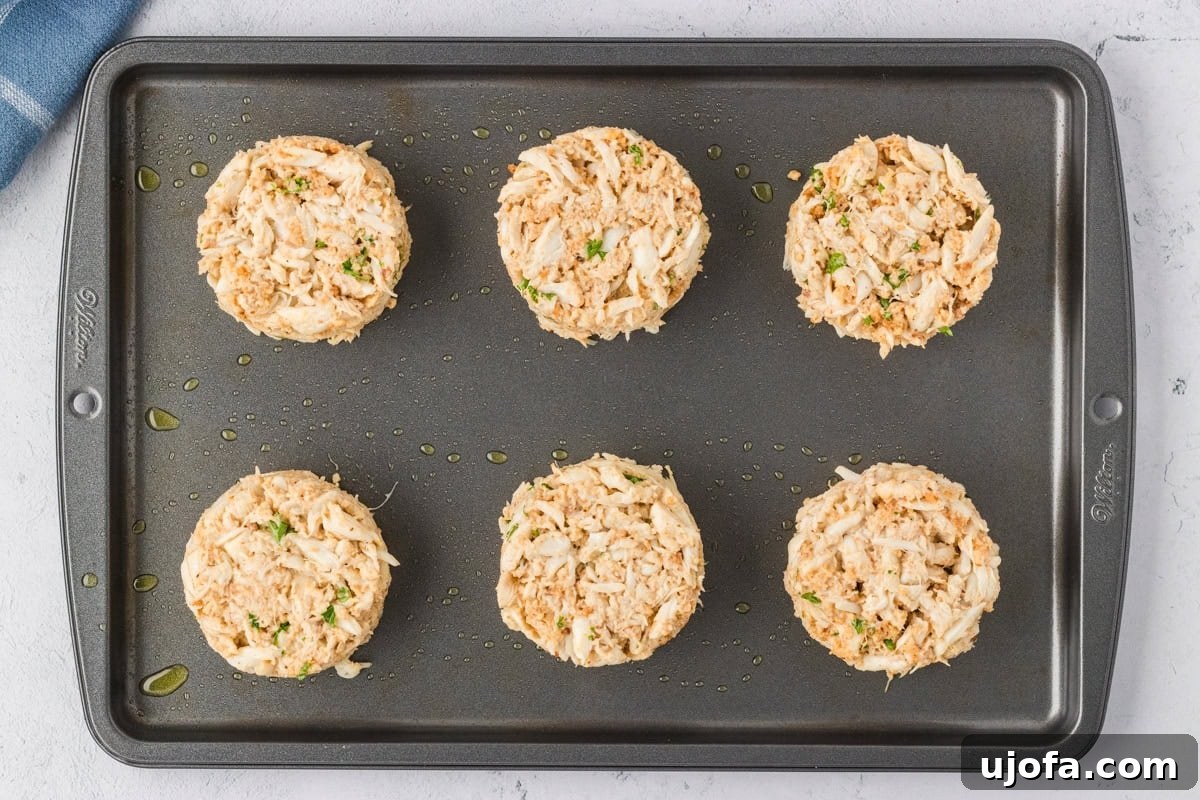
Step 5: Portion and Shape the Crab Cakes. Lightly spray a baking sheet with a gluten-free cooking spray (such as olive oil spray) to prevent sticking. Using a ½ cup measuring cup, scoop the chilled mixture onto the baking sheet, forming 6 individual mounds. If you plan to bake your crab cakes, leave them in their rounded mound shape, gently compacting each one with your hands or a spoon. If you prefer to pan-fry, gently flatten each mound into a patty for a crispier, more evenly cooked result. Ensure uniform size for consistent cooking.
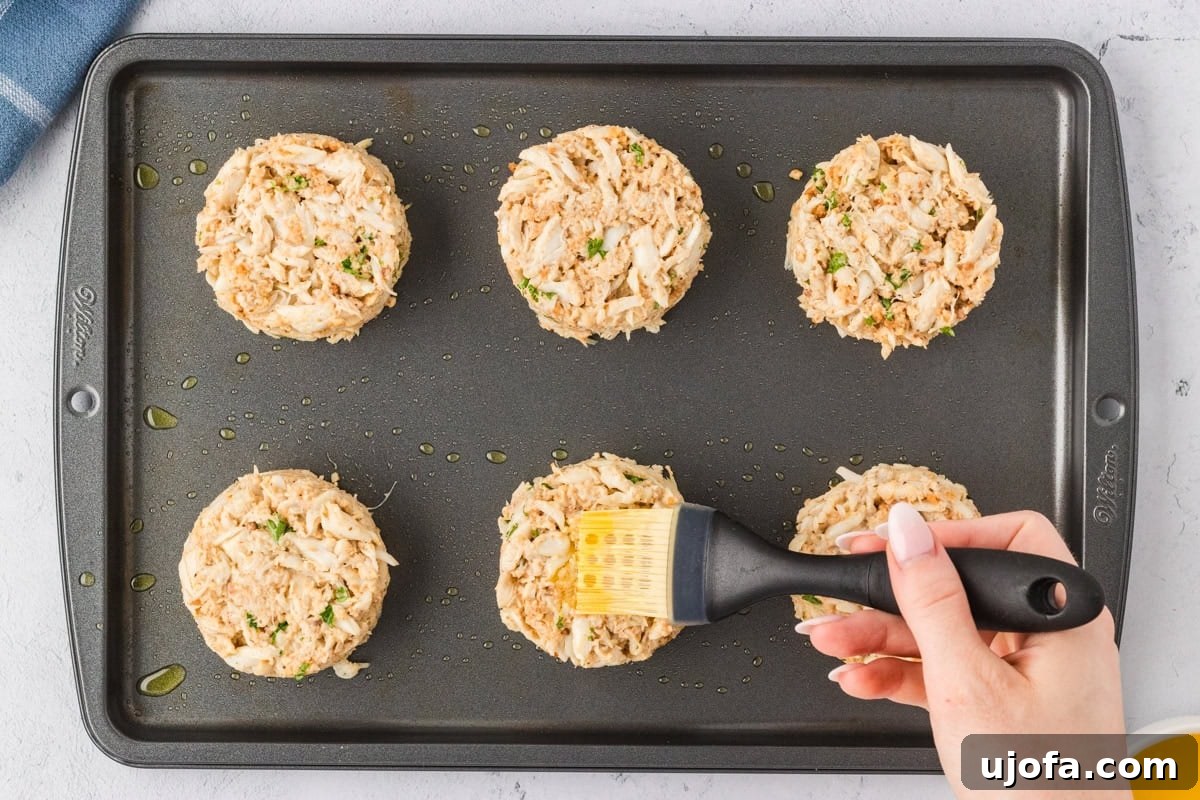
Step 6: Bake the Crab Cakes (Optional Method). If you’ve chosen to bake your crab cakes, preheat your oven to 450°F (232°C). For an extra layer of flavor and a beautiful golden-brown finish, brush the tops of each crab cake with 2 tablespoons of melted unsalted butter (or your preferred dairy-free alternative). Bake for 15–20 minutes, or until the edges are lightly browned and the tops are golden. For food safety, ensure they reach an internal temperature of 165°F (74°C). The high heat creates a delicate crust while keeping the inside wonderfully moist.
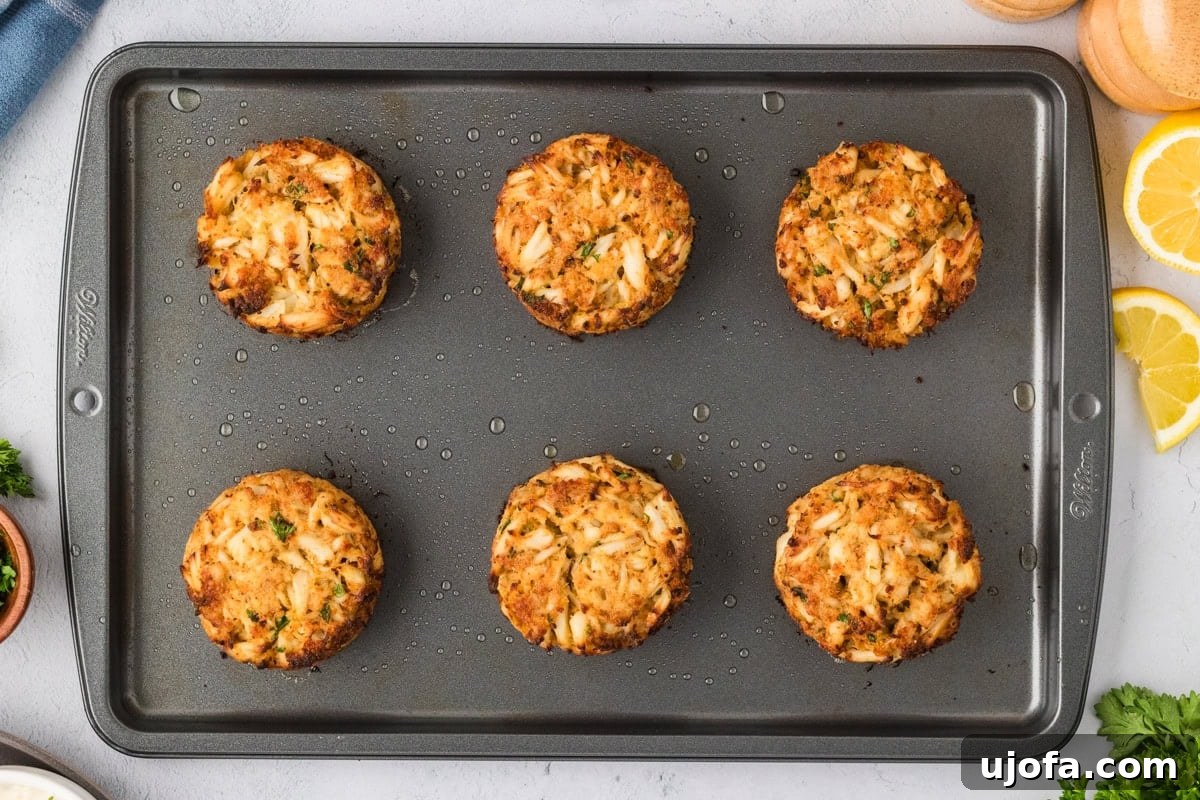
Step 7: Pan-Fry the Crab Cakes (Optional Method). For those who love a crispy exterior, the pan-fried method is ideal. In a large nonstick or cast-iron skillet, heat 4 tablespoons of vegetable oil (peanut oil works wonderfully for frying due to its high smoke point) over medium heat. Once the oil is hot and shimmering, carefully place your flattened crab cakes in the skillet. Cook for 3 to 5 minutes per side, or until they achieve a beautiful golden brown color and are cooked through. Again, verify the internal temperature reaches 165°F (74°C). Transfer the cooked crab cakes to a plate lined with paper towels to drain any excess oil, preserving their delightful crispness.
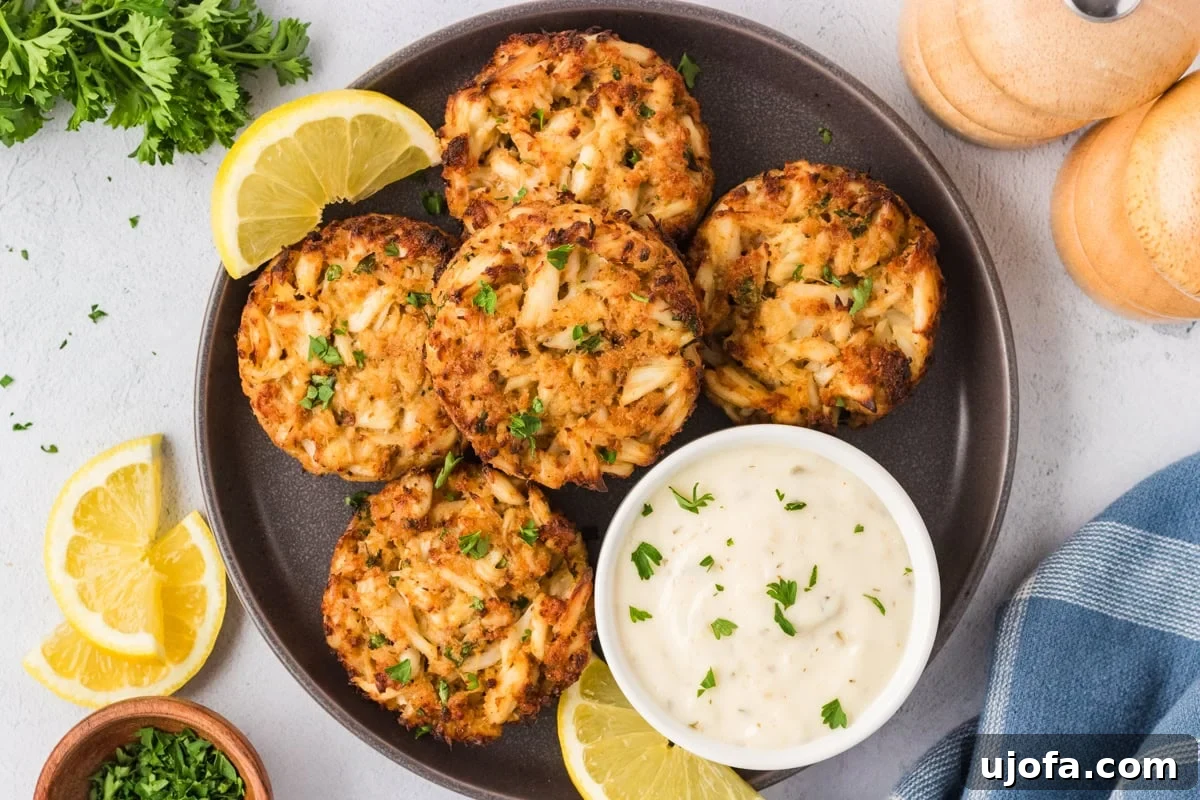
Step 8: Serve and Enjoy. Once your gluten-free crab cakes are cooked to perfection using your chosen method, they are ready to be served. A fresh squeeze of lemon juice over the top will enhance their flavor, and they are excellent with a side of your favorite dipping sauce. Prepare to be impressed by their restaurant-quality taste and texture!
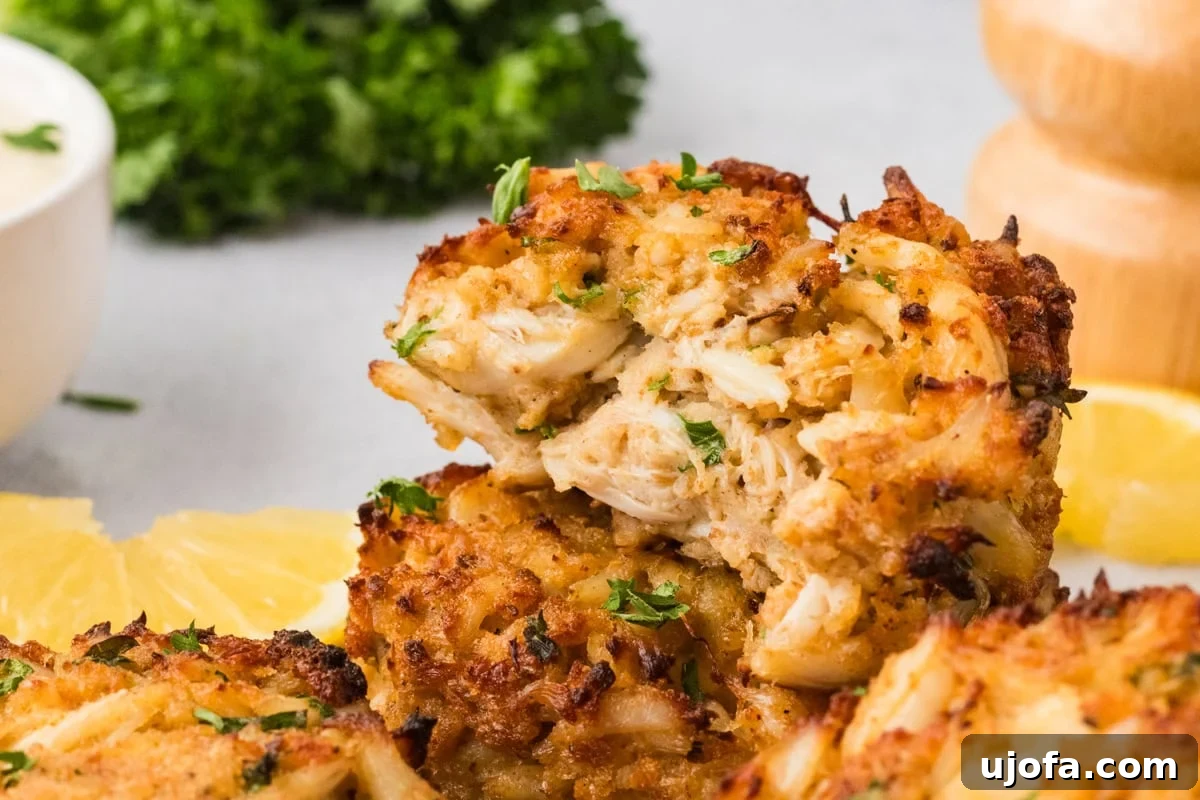
A Glimpse Inside: The interior of these crab cakes is just as impressive as the exterior. Each bite reveals generous chunks of sweet, flaky crab meat, perfectly bound and seasoned, promising a truly authentic Maryland experience without the gluten or dairy.
Elevate Your Meal: Serving Suggestions
These versatile gluten-free crab cakes are perfect whether served as an elegant appetizer or a satisfying light main course. Their rich flavor pairs beautifully with a variety of accompaniments. Here are some ideas to complete your meal:
- Classic Pairings: Always serve with fresh lemon wedges. A generous squeeze of lemon juice brightens the crab’s natural sweetness.
- Dipping Sauces: Offer a selection of your favorite dipping sauces. Traditional choices include creamy tartar sauce, zesty aioli, or even a refreshing dairy-free ranch dressing. A spicy remoulade would also be an excellent complement.
- Light Main Course Sides: For a complete and balanced meal, pair your crab cakes with a simple green salad dressed with a light vinaigrette, a crunchy dairy-free coleslaw, or a medley of roasted seasonal vegetables such as asparagus, broccoli, or bell peppers.
- Heartier Options: If you’re looking for something more substantial, consider serving them alongside gluten-free pasta with a light olive oil and garlic sauce, or a simple rice pilaf. Sweet potato fries or a baked potato also make comforting additions.
- Appetizer Presentation: For appetizers, arrange them on a platter with small bowls of various sauces, garnished with fresh dill or parsley, and plenty of lemon wedges for guests to help themselves.
Storage and Reheating Instructions
Proper storage is key to enjoying your delicious gluten-free crab cakes for longer. They’re fantastic fresh, but also hold up well for future meals.
- Refrigeration: Any leftover cooked crab cakes should be stored in an airtight container and refrigerated promptly. They will maintain their quality and flavor for up to 3 days.
- Freezing for Longer Storage: If you wish to extend their shelf life, crab cakes freeze beautifully. Simply place them in a single layer on a baking sheet and flash-freeze until solid (this prevents them from sticking together). Once frozen, transfer them to a freezer-safe bag or an airtight container, ensuring as much air as possible is removed to prevent freezer burn. They can be stored in the freezer for up to 3 months.
- Reheating from Refrigerator: For quick reheating, the microwave works, but for best results that retain some crispness, place them in a preheated oven at 325°F (163°C) for 10–15 minutes, or until they are warmed through and the exterior has lightly crisped up again.
- Reheating from Frozen: When reheating from frozen, it’s best to use the oven. Preheat your oven to 350°F (175°C) and bake the frozen crab cakes for 20-25 minutes, or until thoroughly heated and golden. You might want to brush them with a little melted butter or oil halfway through reheating for extra moisture and browning.
Frequently Asked Questions About Gluten-Free Crab Cakes
- Can I air fry these crab cakes? Yes! Air frying is a fantastic option for a crispy finish with less oil. Preheat your air fryer to 375°F (190°C). Lightly spray the crab cakes with cooking oil and cook for 8-12 minutes, flipping halfway through, until golden brown and cooked through.
- Can I prepare the mixture ahead of time? Absolutely! Preparing the mixture in advance (up to 24 hours) is highly recommended. It not only saves time but also allows the flavors to deepen and the mixture to firm up, making the crab cakes easier to handle and less likely to fall apart.
- What if my crab cakes fall apart? This usually indicates the mixture wasn’t chilled long enough, or it wasn’t bound sufficiently. Ensure you chill the mixture for at least 30 minutes, and handle them gently when shaping and cooking. If they’re still too loose, you can try adding an extra tablespoon of gluten-free breadcrumbs to the mixture.
- Can I use imitation crab meat? While you *can* use imitation crab meat, it will significantly alter the flavor and texture of the dish. This recipe is designed to highlight the delicate taste of real crab meat. Imitation crab is often made from pollock and other fish, and may contain gluten, so always check labels carefully if you have dietary restrictions.
- How can I make these spicier? To add a kick, you can increase the Old Bay seasoning, add a pinch of cayenne pepper to the mixture, or serve with a dash of hot sauce or a sriracha aioli.
More Seafood and Gluten-Free Recipes to Try
If you love seafood and are looking for more delicious gluten-free options, here are some other recipes you might enjoy:
- Tuna Nicoise Salad: A vibrant and healthy salad perfect for a light lunch or dinner.
- Vegan Chickpea Tuna Salad: A plant-based alternative that’s surprisingly similar in texture to traditional tuna salad.
- Gluten-Free Fish and Chips: Enjoy this classic comfort food, now made safe and delicious for gluten-free diets.
- Vietnamese Summer Rolls: Fresh, light, and packed with flavor, these rolls are a delightful appetizer.
Our original Gluten-Free Crab Cakes recipe was first published on 7/29/21. It has been meticulously retested, refined, and republished on 12/13/25, ensuring it is better and more delicious than ever, incorporating improved techniques and clearer instructions for a truly exceptional culinary experience.