

These delightful Chocolate Chip Peanut Butter Protein Cookies offer a healthier twist on a classic treat. Packed with creamy peanut butter and rich dark chocolate chips, they are an easy-to-make, gluten-free option perfect for satisfying your sweet cravings without the guilt. Crafted with wholesome ingredients, these cookies can be enjoyed fresh or frozen for convenient indulgence whenever you desire.

Indulge Guilt-Free: Why These Protein Cookies Are a Must-Try
In a world increasingly focused on wellness and mindful eating, finding snacks that are both delicious and nutritious can sometimes feel like a challenge. That’s where these incredible Chocolate Chip Peanut Butter Protein Cookies come in! I’ve dedicated myself to creating protein-packed alternatives to beloved everyday recipes, transforming comfort foods into healthier options. From savory dishes to sweet treats, my kitchen is always buzzing with new ways to integrate more protein, and these cookies are a shining example of that commitment.
These cookies aren’t just a treat; they’re a smart indulgence. They masterfully blend the rich, creamy goodness of peanut butter with the muscle-building power of protein powder. This makes them an ideal snack for boosting your protein intake, helping you stay fuller for longer, or simply enjoying a dessert that’s free from empty carbs and refined sugars. Imagine biting into a soft, chewy cookie knowing it’s actually contributing to your health goals!
Beyond their fantastic taste, these gluten-free protein cookies are incredibly versatile. They serve as a perfect post-workout refuel, a much-needed mid-day energy boost, or a satisfying after-dinner dessert. What truly sets them apart is their composition: made with simple, wholesome ingredients like natural nut butter and without any white flour or refined sugar, they are truly nutrient-packed and remarkably delicious. Say goodbye to carb-heavy, sugar-laden treats and hello to a cookie that genuinely fuels your body and delights your taste buds!
The Secret to Deliciousness: Key Ingredients You’ll Need
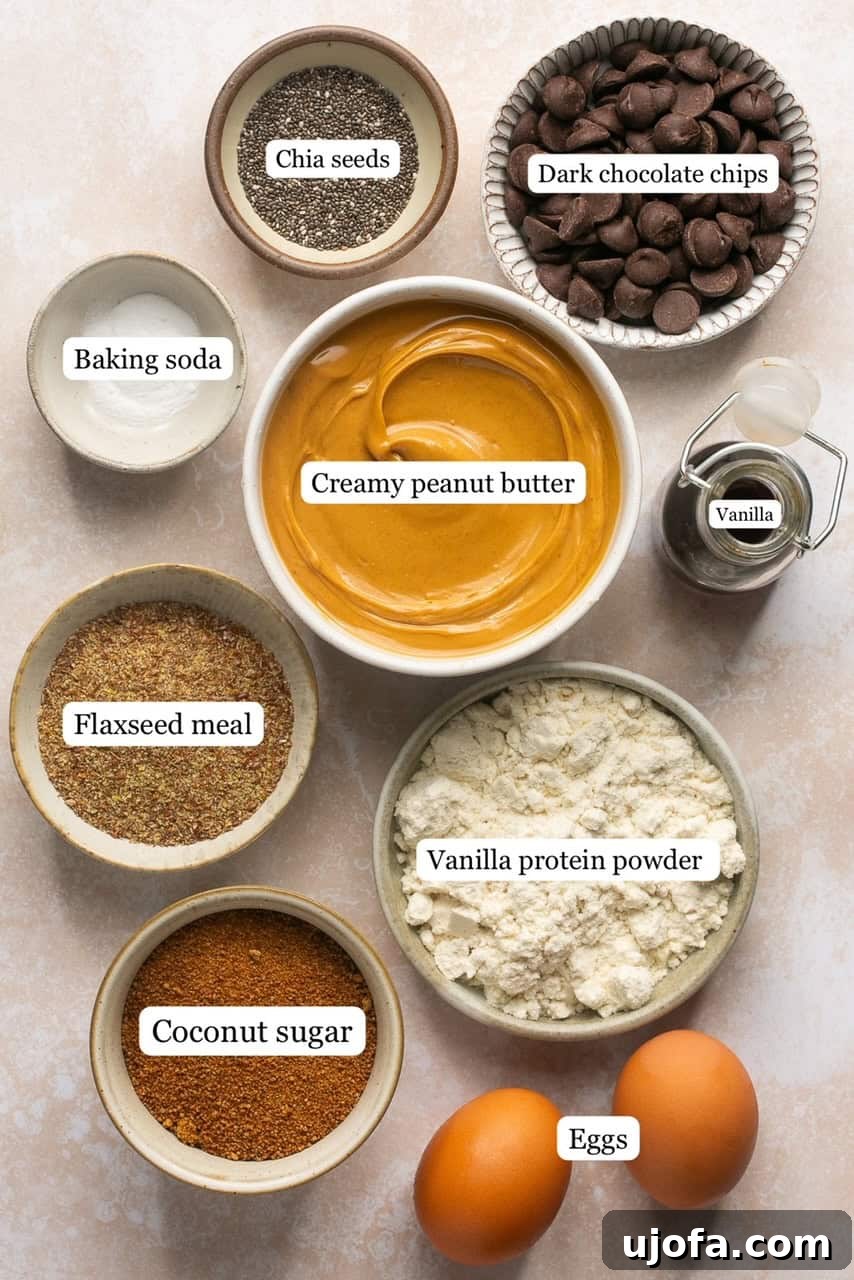
Crafting the perfect protein cookie starts with understanding the role of each ingredient. Here’s a detailed look at what goes into these delectable treats and why:
- Creamy Peanut Butter: The star of the show, providing a rich flavor and essential healthy fats. For the best results, opt for natural “no-stir” peanut butter to ensure a smooth consistency without excess oil separation. While creamy is recommended for texture, crunchy peanut butter can be used for an added bite. If you have a peanut allergy or prefer other nut butters, almond butter, cashew butter, or even sunflower seed butter are excellent alternatives, offering similar creamy textures and nutritional profiles.
- Eggs: Eggs act as a crucial binding agent, holding the cookies together and contributing to their structure and richness. They also add a touch of extra protein and moisture.
- Vanilla Extract: A splash of vanilla extract elevates the overall flavor profile, adding a warm, aromatic note that complements the peanut butter and chocolate beautifully. Don’t skip this for that classic cookie taste!
- Coconut Sugar: As a healthier alternative to refined white sugar, coconut sugar provides a pleasant caramel-like sweetness with a lower glycemic index. This means a slower release of energy, avoiding the sharp sugar spikes. For those looking for an even lower-sugar or lower-carb option, granulated monk fruit sweetener or erythritol can be successfully substituted. Remember that using regular granulated sugar will significantly increase the sugar and carb content of the cookies.
- Vanilla Protein Powder: This is where the protein punch comes in! Vanilla protein powder not only boosts the nutritional value but also contributes to the cookie’s texture. Whey protein powder is a popular choice for its smooth consistency and complete amino acid profile. For a vegetarian or vegan version, a high-quality plant-based protein powder (like pea or brown rice protein) works wonderfully. If you’re a chocolate lover and want to make these into “double chocolate” cookies, simply swap vanilla protein powder for chocolate protein powder.
- Flaxseed Meal: Ground flaxseed is a nutritional powerhouse, rich in omega-3 fatty acids and dietary fiber. In this recipe, it also helps absorb moisture and acts as a binder, contributing to the soft, chewy texture.
- Chia Seeds: These tiny seeds are packed with fiber, protein, and healthy fats, further enhancing the nutritional density of the cookies. They also add a subtle textural element without being overpowering.
- Baking Soda: A small amount of baking soda is essential for leavening, ensuring the cookies rise slightly and achieve a tender crumb. It reacts with ingredients to create a light and airy texture.
- Dark Chocolate Chips or Chocolate Chunks: No cookie is complete without chocolate! Dark chocolate chips provide a decadent, slightly bitter contrast to the sweet peanut butter, and they’re also a source of antioxidants. Feel free to use your preferred type of chocolate, whether it’s milk chocolate, semi-sweet, or even sugar-free chocolate chips for a lighter option.
Essential Equipment for Perfect Protein Cookies
Having the right tools can make your baking experience much smoother and more enjoyable. Here’s what you’ll need to prepare these delicious protein cookies:
- Large Mixing Bowl: For combining your wet ingredients efficiently.
- Medium Mixing Bowl: To whisk together the dry ingredients separately.
- Rubber Spatula or Wooden Spoon: Ideal for mixing and folding ingredients without overworking the dough.
- Electric Mixer (Optional): While not strictly necessary, an electric hand mixer can make combining the wet ingredients even quicker and smoother.
- Measuring Cups and Spoons: For accurate ingredient measurement, crucial for consistent results.
- Baking Sheet: A sturdy baking sheet is essential for baking your cookies evenly.
- Parchment Paper or Silicone Baking Mat: Line your baking sheet to prevent sticking and ensure easy cleanup. This also helps with even baking.
- 1-inch Cookie Scoop: This tool is highly recommended for creating uniform cookie sizes, which helps them bake evenly and look professional.
- Wire Cooling Rack: For cooling your cookies completely, preventing them from becoming soggy on the bottom.
Step-by-Step Guide: Crafting Your Protein Cookies
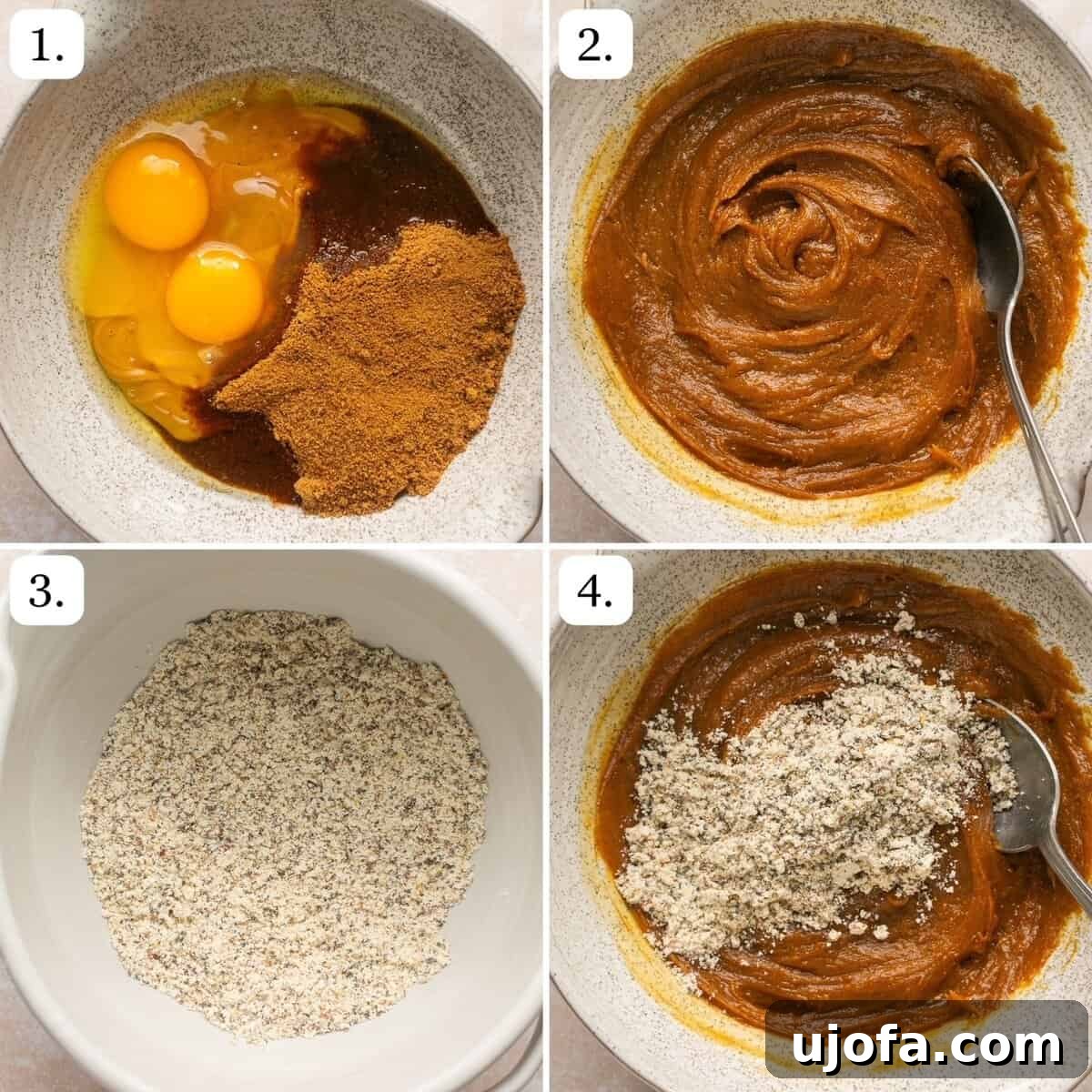
Follow these simple steps to create a batch of perfectly baked, healthy protein cookies:
Step 1: Prepare Your Wet Ingredients
Begin by preheating your oven to 350°F (175°C). In a large mixing bowl, combine the creamy peanut butter, eggs, coconut sugar, and vanilla extract. Use a spatula or an electric mixer on medium speed to mix these ingredients until they are thoroughly combined and smooth. Ensure there are no lumps of peanut butter or sugar.
Step 2: Combine Dry Ingredients
In a separate, medium-sized bowl, whisk together the vanilla protein powder, flaxseed meal, chia seeds, and baking soda. Make sure these dry ingredients are well combined to ensure even distribution throughout the cookie dough, which is vital for proper texture and rise.
Step 3: Mix Dough and Fold in Chocolate Chips
Gradually add the dry ingredient mixture to the large bowl containing the wet ingredients. Stir gently until just combined. Be careful not to overmix, as this can lead to tough cookies. Once the dough has come together, gently fold in the dark chocolate chips until they are evenly distributed throughout the mixture. A rubber spatula works best for this.
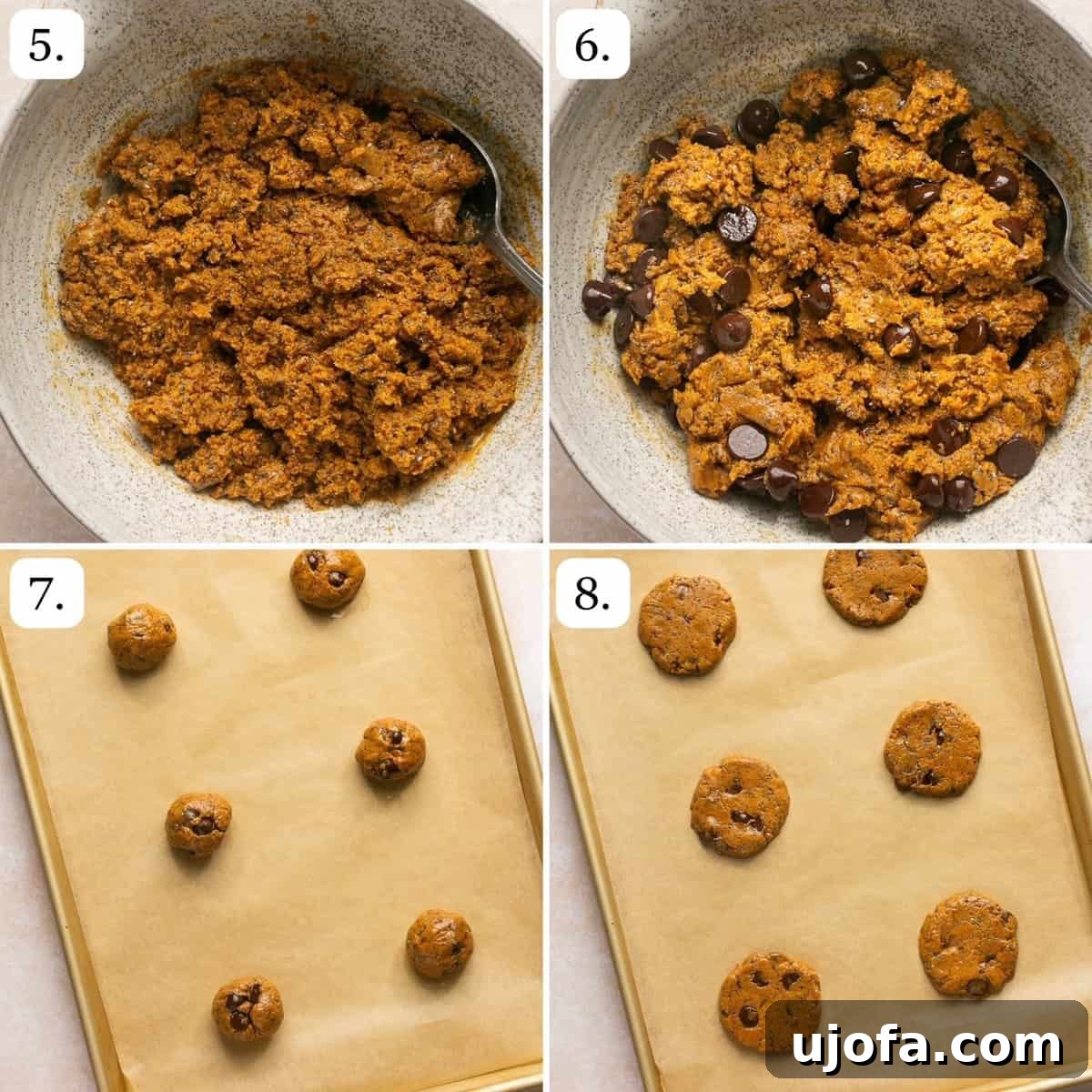
Step 4: Form and Flatten Cookies
Line a baking sheet with parchment paper or a silicone baking mat for easy release. Using a 1-inch cookie scoop (approximately 1.5 tablespoons), scoop the dough and roll it into 18 uniform balls. Place these cookie dough balls onto the prepared baking sheet, leaving about 2 inches between each. Since these cookies don’t spread much, gently flatten each ball with the back of a spoon or your palm to achieve a traditional cookie shape.
Step 5: Bake to Perfection
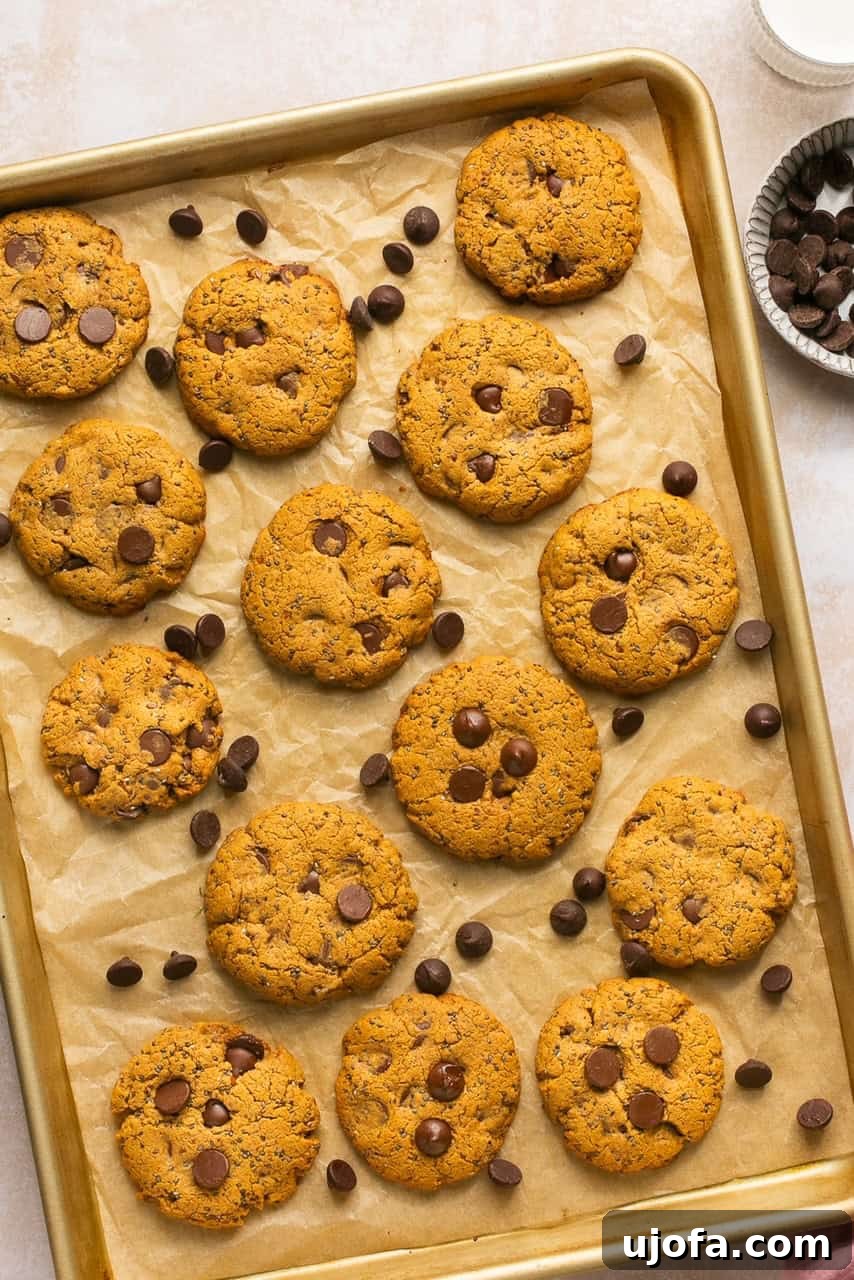
Transfer the baking sheet to your preheated oven and bake for 10-12 minutes. Keep a close eye on them; the cookies are ready when the edges begin to turn a light golden brown. The centers may still appear soft, but they will firm up significantly as they cool. Overbaking can result in dry cookies, so err on the side of underbaking slightly if you prefer a chewier texture.
Master Your Bake: Expert Tips for Success
Achieving consistently perfect protein cookies is easy with a few insider tips:
- Sweetener Variations: While coconut sugar offers a wonderful, subtle sweetness, feel free to experiment with other sweeteners. For a genuinely low-carb and low-sugar option, granulated monk fruit sweetener or erythritol are excellent choices. Be mindful that using regular white granulated sugar will dramatically increase the sugar and carbohydrate content, altering the nutritional profile of these “healthy” cookies. Always adjust to your dietary needs and preferences.
- Nut Butter Consistency: The type of peanut butter significantly impacts texture. If using natural peanut butter, ensure it’s a “no-stir” variety, or thoroughly stir any oil separation before measuring. This prevents the dough from being too oily or too dry. You can use either creamy or crunchy peanut butter based on your preference for texture. Beyond peanuts, explore almond butter, cashew butter, or even sunflower seed butter (for nut-free options) to vary the flavor and nutritional benefits.
- Protein Powder Choices: The world of protein powders is vast! Whey protein is common, but vegan protein powders (like a blend of pea and rice protein) are perfect for making these cookies suitable for a plant-based diet. If you want to transform these into an even richer, double-chocolate experience, substitute vanilla protein powder with chocolate protein powder. Just ensure your chosen protein powder is one you enjoy the taste of, as its flavor will come through in the final cookie.
- Enhance with Add-Ins: Get creative with additional ingredients! Chopped macadamia nuts, walnuts, pecans, or even a mix of seeds (like pumpkin or sunflower seeds) can boost healthy fats, fiber, and protein content, adding an extra layer of crunch and flavor. A sprinkle of sea salt on top before baking can also enhance the chocolate flavor.
- Simplify Cleanup: For a hassle-free cleanup, always line your baking sheet with parchment paper or a reusable silicone baking mat. This prevents sticking and makes transferring the cooled cookies a breeze.
- Avoid Overbaking: Protein cookies can become dry if baked for too long. Keep an eye on the edges; as soon as they start to lightly brown, remove them from the oven. They will continue to cook slightly on the hot baking sheet and firm up as they cool. A slightly underbaked cookie often results in a chewier, more desirable texture.
- Cool Completely: Allow the cookies to cool on the baking sheet for a few minutes before transferring them to a wire rack to cool completely. This helps them set and prevents them from breaking apart.
Keeping Them Fresh: Storage and Freezing Tips
Proper storage is key to enjoying your protein cookies for as long as possible. Here’s how to keep them fresh:
- Room Temperature: Once completely cooled, store your protein cookies in an airtight container at room temperature for up to 3 days. This is ideal for short-term enjoyment and keeps them readily accessible.
- Refrigeration: For extended freshness, transfer the cookies to an airtight container and store them in the refrigerator for up to a week. The cooler temperature helps preserve their texture and prevents spoilage.
- Freezing for Longer Storage: These cookies freeze beautifully! Once fully cooled, place them in a single layer on a baking sheet and freeze for about 30 minutes until firm. Then, transfer the frozen cookies to a freezer-safe bag or an airtight container, separating layers with parchment paper to prevent sticking. They can be stored in the freezer for up to 2 months. Thaw them at room temperature for a quick snack, or pop them in the microwave for a few seconds for a warm, gooey treat.

Frequently Asked Questions About Protein Cookies
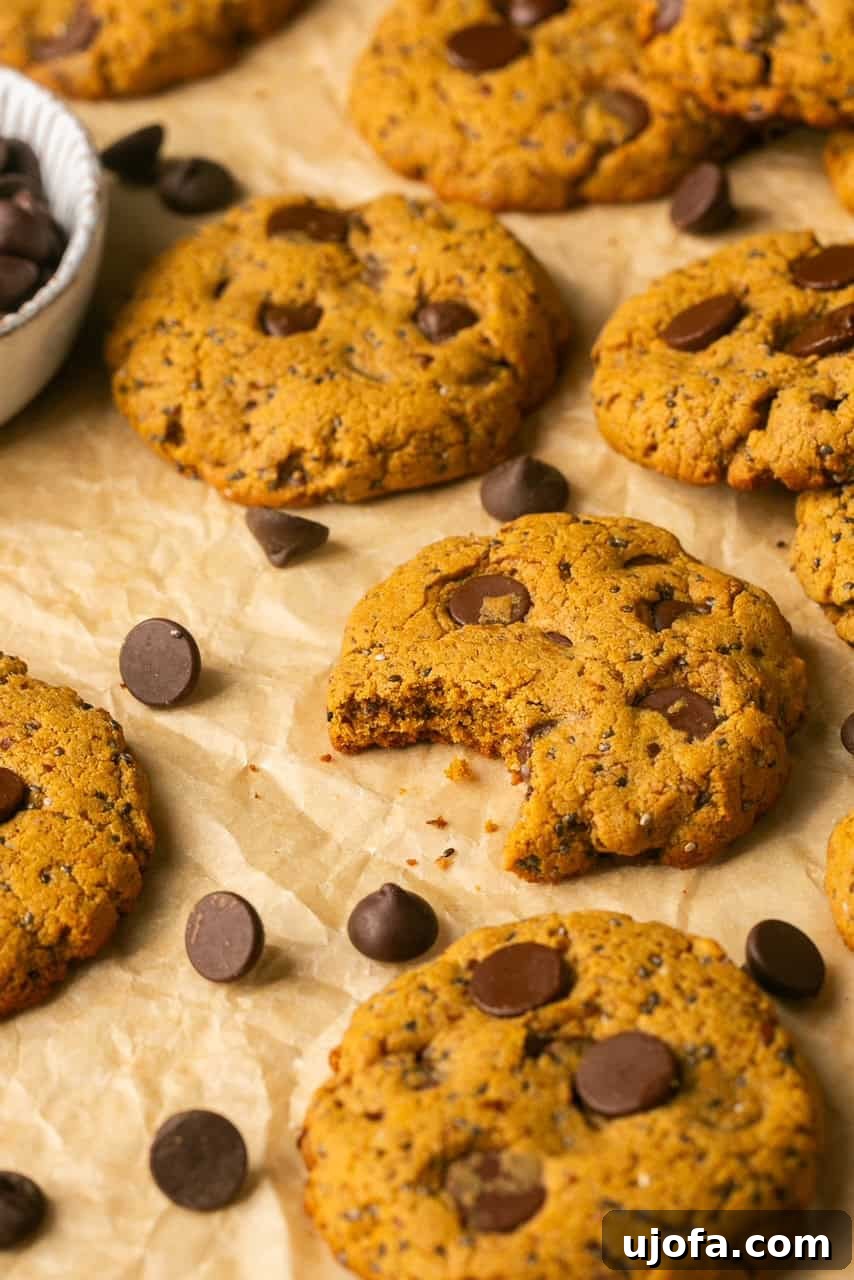
Here are some common questions you might have about making and enjoying these healthier cookie alternatives:
Are protein cookies truly healthy?
Compared to traditional cookie recipes, these protein cookies are indeed a healthier option. Each cookie contains approximately 169 calories, 12 grams of carbohydrates (with a net carb count of 10 grams, considering fiber), and a substantial 7 grams of protein. They are significantly lower in refined sugar and carbs, and much higher in protein and fiber, making them a more nutritious choice. However, like all treats, moderation is key. They are designed to be a healthier alternative for satisfying cravings and boosting protein intake, not a primary source of nutrition.
Can I make these protein cookies vegan?
Absolutely! To make these cookies suitable for a vegan diet, you’ll need to make a couple of substitutions. Replace the eggs with flax eggs (1 tablespoon ground flaxseed meal mixed with 2.5 tablespoons water, let sit for 5 minutes) and ensure you use a plant-based protein powder. Most creamy nut butters are naturally vegan, and dark chocolate chips are often vegan as well, but always double-check the label for dairy-free certification.
Can I use different types of flour in this recipe?
This particular recipe is intentionally designed without traditional flours (like white flour or wheat flour) to keep it gluten-free and lower in carbohydrates. The structure of these cookies relies on the combination of peanut butter, protein powder, flaxseed meal, and eggs. Adding other types of flour would change the texture and consistency significantly and would require adjustments to the liquid ingredients, potentially altering the entire recipe. For a gluten-free flour alternative, you might experiment with a small amount of almond flour or oat flour, but proceed with caution and expect a different outcome.
What is the best type of protein powder to use?
The “best” protein powder largely depends on your dietary preferences and taste. Whey protein is often praised for its creamy texture and complete amino acid profile, making it a great choice for these cookies. For a vegan option, a high-quality blend of pea and rice protein powder tends to work well and provides a comprehensive amino acid profile. Avoid unflavored or strongly flavored protein powders unless they specifically complement peanut butter and chocolate. Vanilla protein powder is generally the safest and most delicious choice here.
Can I reduce the sugar content even further?
Yes, you can! Coconut sugar already provides a healthier sweetness. If you wish to reduce the sugar further, you can decrease the amount of coconut sugar or substitute it entirely with a zero-calorie, granulated sweetener like monk fruit or erythritol. Be aware that reducing sugar can sometimes affect the texture of baked goods, making them slightly less tender or moist, but in this recipe, it generally works well without drastic changes.
Explore More High-Protein Delights
If you loved these protein cookies, you’re in for a treat! Discover more ways to boost your protein intake with these delicious and wholesome recipes:
- High Protein Chia Seed Pudding
- Easy Chocolate Chip Protein Banana Bread
- The Best Protein French Toast
- Healthy Banana Protein Muffins
- Easy Chocolate Protein Cheesecake Recipe
Love this recipe? Please leave a 5-star rating and a review in the comment section below. Or, follow me on Facebook, Pinterest, or Instagram today!
Chocolate Chip Peanut Butter Protein Cookies Recipe
These delicious Protein Cookies are packed with creamy peanut butter and dark chocolate chips for an easy, gluten-free treat that is healthier than classic cookie recipes. Made with simple ingredients and can be frozen for longer storage.
Prep Time: 8 mins
Cook Time: 12 mins
Total Time: 20 mins
Yield: 18 cookies
Ingredients
- 1 cup creamy peanut butter (recommended brand link)
- 2 eggs
- 1 tsp vanilla extract
- ⅔ cup coconut sugar (recommended brand link)
- ½ cup vanilla protein powder (recommended brand link)
- ¼ cup flaxseed meal
- 2 tbsp chia seeds
- ½ tsp baking soda
- ½ cup dark chocolate chips (recommended brand link)
Instructions
- Preheat oven to 350°F (175°C). In a large mixing bowl, combine eggs, peanut butter, coconut sugar, and vanilla extract. Mix until smooth and well combined.
- In a separate medium bowl, combine vanilla protein powder, flaxseed meal, chia seeds, and baking soda. Mix these dry ingredients thoroughly.
- Add the dry ingredients to the large bowl of wet ingredients and stir gently until just combined. Be careful not to overmix. Fold in the dark chocolate chips until evenly distributed.
- Use a 1-inch cookie scoop (about 1.5 tablespoons) to form 18 cookie dough balls. Place them on a baking sheet lined with parchment paper or a silicone mat. Gently flatten each ball with your palm or the back of a spoon to create a cookie shape.
- Bake for 10-12 minutes, or until the edges are lightly browned. The cookies will firm up as they cool. Remove from oven and let cool on the baking sheet for a few minutes before transferring to a wire rack to cool completely.
Notes
Expert Tips:
- You can use other granulated sweeteners like monk fruit or erythritol for a lower-carb option, adjusting to taste. Avoid regular white sugar if aiming for a healthier profile.
- For natural peanut butter, ensure it’s a “no-stir” variety or stir well to prevent oil separation. Almond butter or cashew butter are great alternatives.
- Feel free to use your preferred protein powder (whey or vegan). For double chocolate cookies, use chocolate protein powder.
- Consider adding chopped nuts like macadamia or walnuts for extra healthy fats and protein.
- Line your cookie sheet with parchment paper or a baking mat for easy cleanup.
Storage Tips:
- Store in an airtight container at room temperature for up to 3 days, or in the refrigerator for up to a week.
- For longer storage, freeze cooled cookies in an airtight freezer bag for up to 2 months.
Nutrition Information (per cookie)
- Calories: 169 kcal
- Carbohydrates: 12g
- Protein: 7g
- Fat: 11g
- Saturated Fat: 3g
- Polyunsaturated Fat: 3g
- Monounsaturated Fat: 4g
- Trans Fat: 0.003g
- Cholesterol: 24mg
- Sodium: 124mg
- Potassium: 155mg
- Fiber: 2g
- Sugar: 7g
- Vitamin A: 28 IU
- Vitamin C: 0.1mg
- Calcium: 54mg
- Iron: 1mg
All nutrition facts are an estimate and automatically calculated. While efforts are made to ensure accuracy, they may vary based on specific ingredients used. For the most precise information, consider weighing your total batch and dividing by the number of servings.
This post may contain affiliate links, meaning I may earn a small commission at no extra cost to you if you make a purchase through my links.