Fluffy & Delicious Coconut Flour Pancakes: Your Ultimate Guide to a Gluten-Free Breakfast
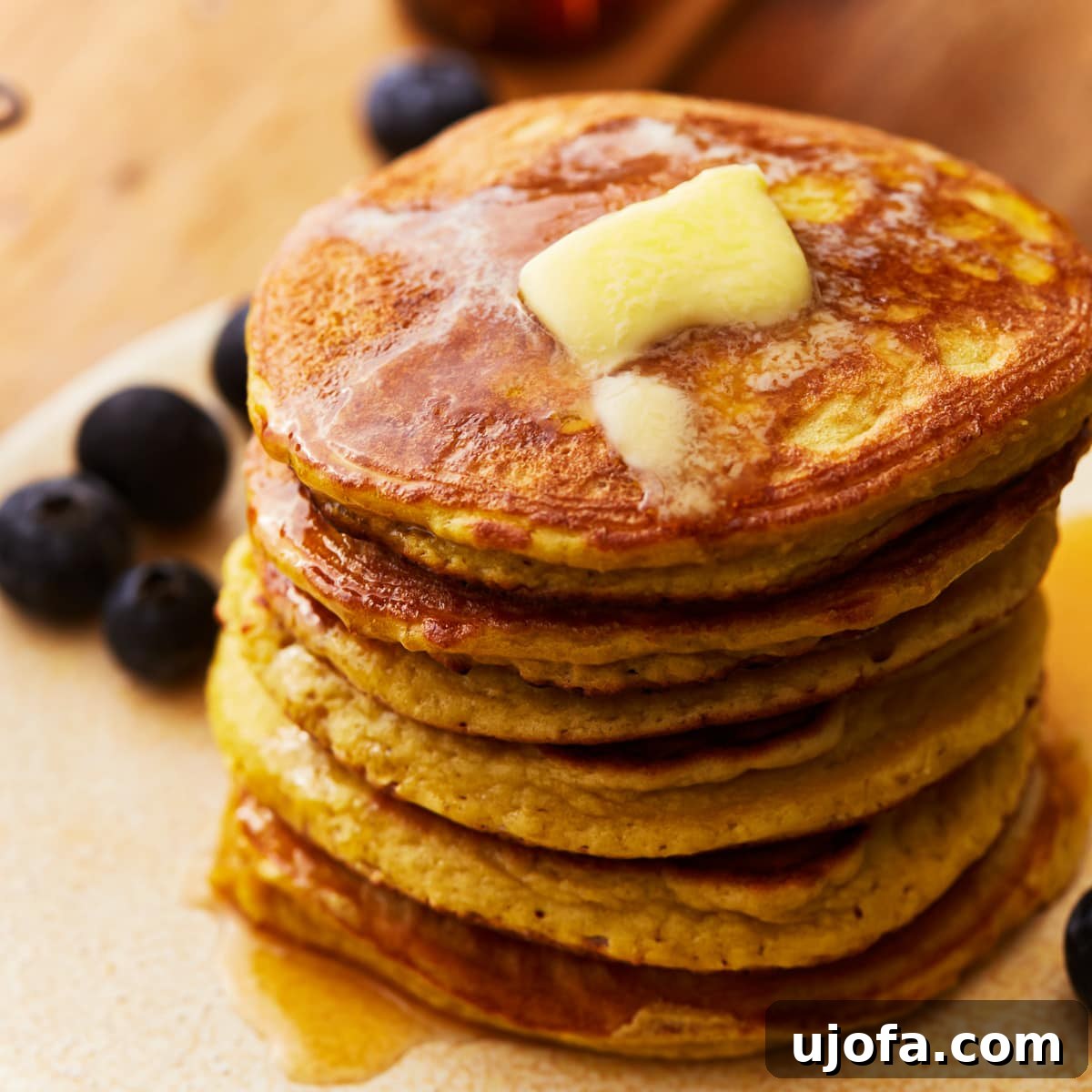
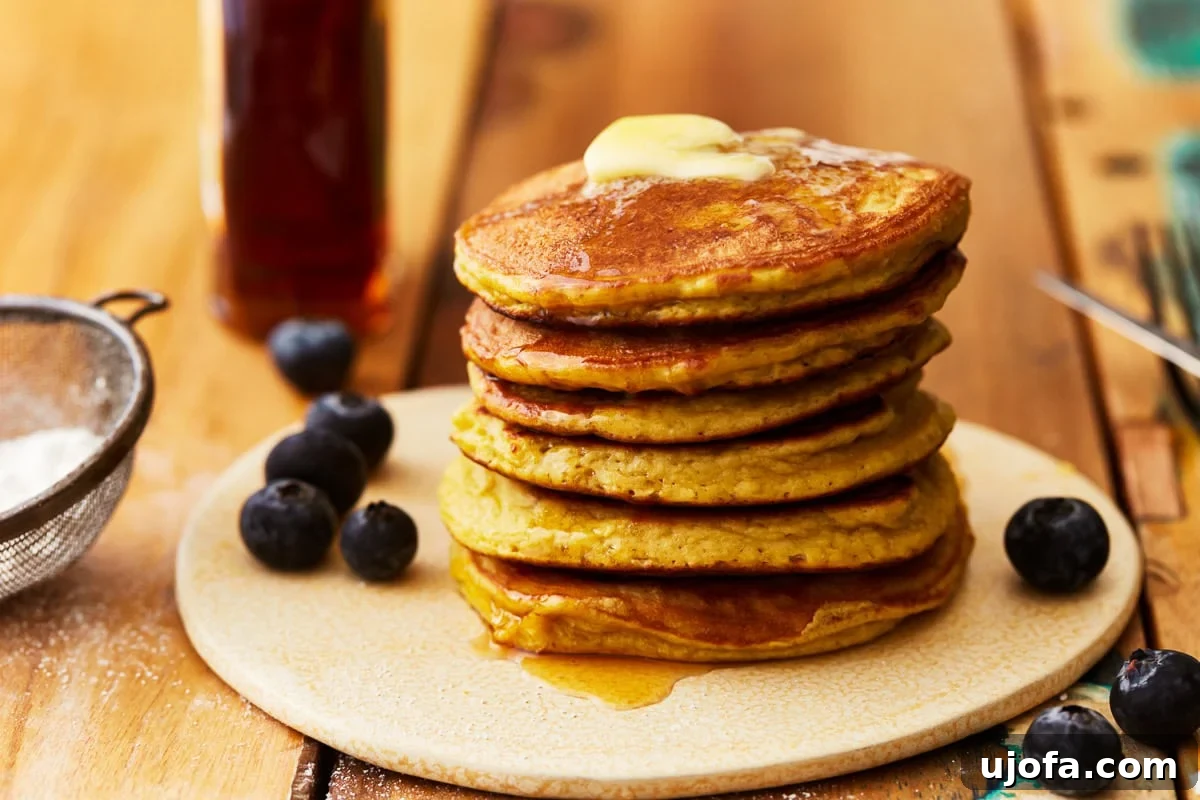
Start your day with a stack of our incredibly fluffy, healthy, and delightfully flavorful coconut flour pancakes! These aren’t just any pancakes; they are a naturally dairy-free and gluten-free breakfast marvel. The unique nuttiness of coconut flour, perfectly complemented by the rich, warm notes of pure vanilla extract, creates an exquisite balance of flavors that will awaken your taste buds. Best of all, this recipe is designed for ease and speed, ensuring you can whip up a satisfying and wholesome breakfast in no time, even on the busiest mornings. Say goodbye to heavy, guilt-laden breakfasts and hello to a stack of golden perfection!
Why Choose Coconut Flour Pancakes for Your Healthy Breakfast?
If you’re looking for a pancake recipe that goes beyond the ordinary, our coconut flour pancakes are an absolute game-changer. They boast a milder, subtly nutty flavor and a remarkably lighter texture compared to traditional gluten-free pancakes or those made with wheat flour. But the benefits don’t stop at taste and texture! These pancakes are also a powerhouse of nutrition:
- Higher in Fiber: Coconut flour is renowned for its high fiber content, which promotes digestive health and helps you feel full longer.
- Lower in Carbs: Ideal for those following low-carb, keto, or paleo diets, these pancakes offer a delicious way to enjoy a classic breakfast without the carb overload.
- Fewer Calories: A lighter calorie count makes these a smart choice for a balanced diet.
- Naturally Gluten-Free & Dairy-Free: Perfect for individuals with gluten sensitivities, celiac disease, or dairy allergies, ensuring everyone can enjoy a delectable breakfast.
- Rich Flavor Profile: Ingredients like large eggs, creamy almond milk, wholesome coconut oil, and a touch of maple syrup infuse these pancakes with an irresistible depth of flavor, making them both healthy and incredibly indulgent.
I personally gravitate towards this recipe whenever I’m craving a breakfast that strikes the perfect balance between sweet indulgence and nutritious goodness. They’re proof that healthy eating can be utterly delicious!
Essential Ingredients for Perfect Coconut Flour Pancakes
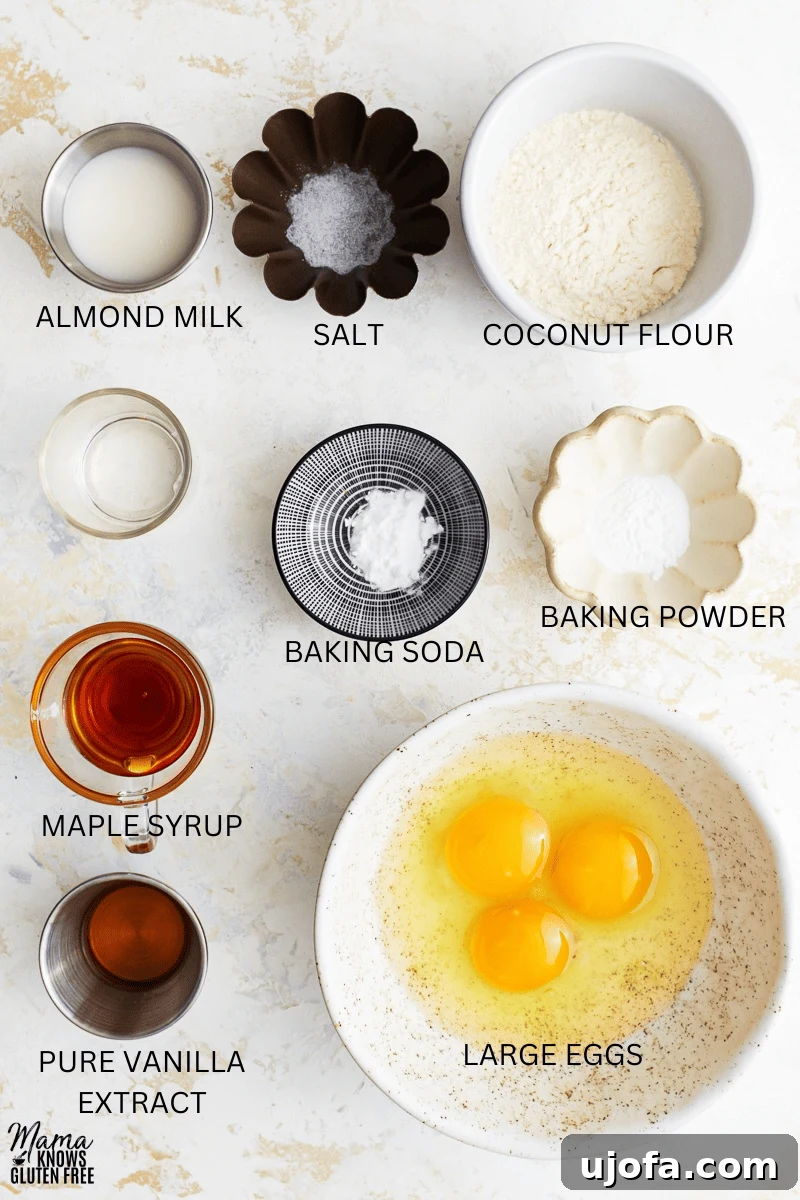
Crafting these amazing coconut flour pancakes requires a few simple, wholesome ingredients that work in harmony to create their signature light and fluffy texture and delightful flavor. Here’s a closer look at what you’ll need and why each component is crucial:
- Coconut Flour: This star ingredient is key to both the unique texture and the nutritional benefits of these pancakes. Its fine, airy consistency and high absorbency make it an excellent alternative to grain-based flours, contributing to incredibly fluffy results while keeping the recipe gluten-free and grain-free.
- Leavening Agents (Baking Powder & Baking Soda): This dynamic duo is essential for creating that desirable rise and airy fluffiness. Baking powder provides an initial lift, while baking soda reacts with acidic ingredients (like almond milk, if it’s slightly acidic, or any added lemon juice if customizing) to ensure a tender crumb.
- Salt: A pinch of salt is not just for seasoning; it’s a flavor enhancer. It brightens and balances the natural sweetness of the other ingredients, making every bite more vibrant.
- Eggs: Eggs play a crucial multi-functional role in this recipe. They act as a primary binder, holding the pancake batter together, and contribute significant richness and moisture. Their protein content also helps create structure, leading to a more substantial yet tender pancake.
- Almond Milk: This dairy-free milk alternative serves as the primary liquid for dissolving the dry ingredients and bringing the batter to the perfect consistency. Its mild flavor doesn’t overpower the coconut. Feel free to use any milk of your choice, whether it’s another plant-based milk like oat or soy, or even dairy milk if your diet allows.
- Coconut Oil: Adding a wonderful richness and subtle tropical aroma, melted coconut oil contributes to the tender texture of the pancakes. Remember a vital tip: ensure your melted coconut oil has cooled slightly before adding it to the batter. Introducing hot oil to the eggs could inadvertently cook them, leading to a lumpy or undesirable batter texture.
- Maple Syrup: This natural sweetener provides a complex, nutty sweetness that beautifully complements the coconut flour. Its liquid form also helps with batter consistency. You can substitute with honey or another liquid sweetener if preferred.
- Pure Vanilla Extract: A splash of pure vanilla extract is like a warm hug for your pancakes. It deepens the overall flavor profile, adding a comforting, aromatic warmth that elevates the simple ingredients into something special.
Expert Tips for Perfectly Fluffy Coconut Flour Pancakes Every Time
Achieving the perfect stack of coconut flour pancakes is easy with a few insider tips. Whether you’re a seasoned chef or a breakfast novice, these suggestions will help you master the art of light and airy pancakes:
- Let the Batter Rest for Maximum Fluffiness: This is a golden rule for many pancake recipes, and especially beneficial for coconut flour. After mixing your batter, allow it to rest for at least 5 minutes before cooking. This gives the coconut flour time to fully absorb the liquids and allows the leavening agents to activate, resulting in an even fluffier texture.
- Adjust Batter Consistency as Needed: Coconut flour is exceptionally absorbent, and humidity levels or slight variations in ingredient measurements can affect your batter. If your batter appears too thick to pour easily, add a tiny bit more milk or water, one tablespoon at a time, stirring gently until it reaches a smooth, pourable, yet still substantial consistency. Avoid making it too thin, as this can lead to flat pancakes.
- Master the Heat: A common mistake is cooking pancakes on too high a heat. Medium heat is typically ideal. This allows the pancakes to cook through evenly without burning the outside. If the pan is too hot, the outside will brown quickly while the inside remains raw. If it’s too cool, the pancakes will be dense and won’t brown properly.
- Don’t Overmix the Batter: Overmixing develops gluten in regular flour, but for coconut flour, it can still lead to tough, dense pancakes. Stir just until the wet and dry ingredients are combined and no streaks of dry flour remain. Lumps are perfectly fine!
- Grease the Skillet Lightly: A lightly greased, non-stick skillet or griddle is best. Too much oil can make the pancakes greasy, while too little can cause sticking. Wipe the skillet with a paper towel dampened with oil between batches if necessary.
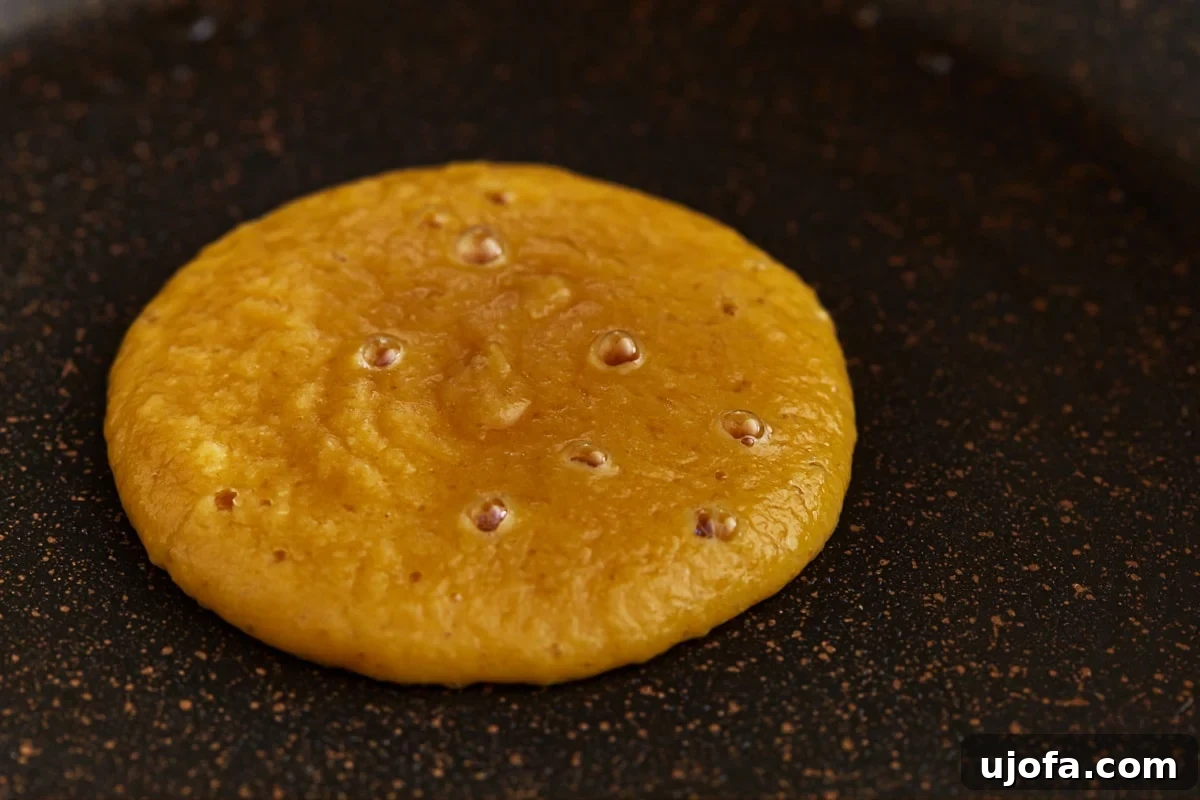
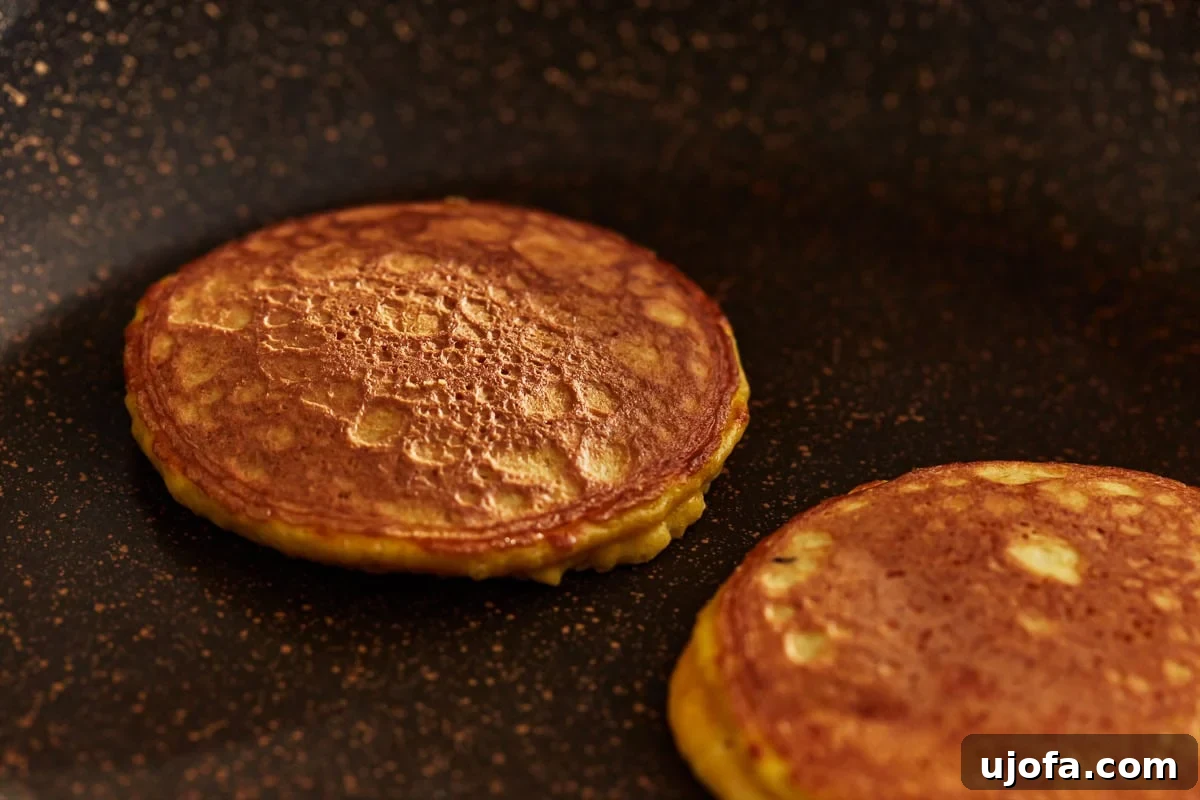
- The Perfect Flip: Wait for the bubbles to appear on the surface of the pancake and for the edges to set before flipping. The underside should be golden brown. A single, confident flip is all it takes!
- Keep Them Warm: As you cook batches, keep the finished pancakes warm by placing them on a baking sheet in a low oven (around 200°F / 95°C) while you finish the rest.
Understanding the Gluten-Free Goodness of Coconut Flour
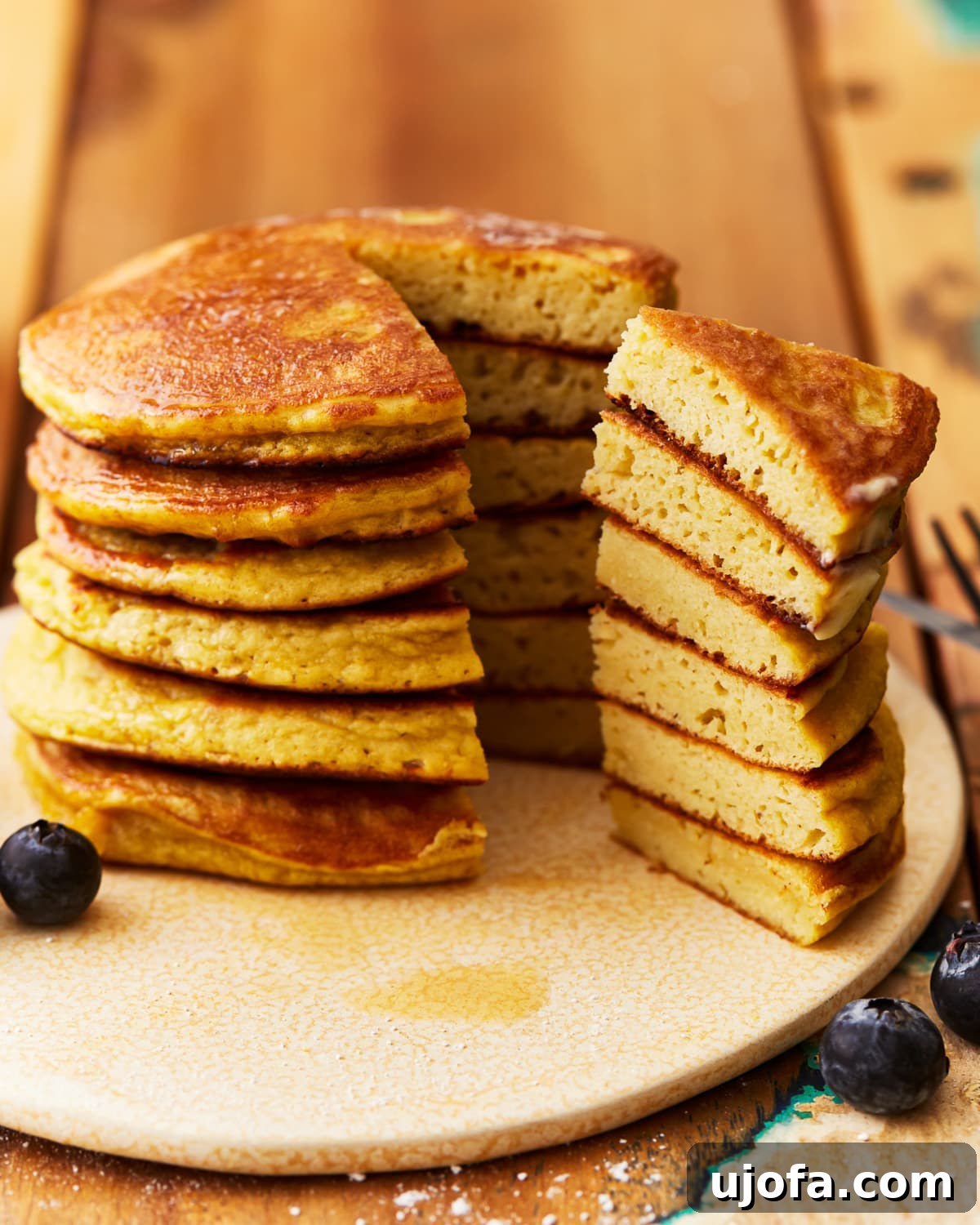
A common question among those new to gluten-free baking is about the nature of coconut flour. The answer is a resounding “Yes!” Coconut flour is inherently gluten-free, making it a fantastic alternative for individuals with gluten sensitivities, celiac disease, or those simply looking to reduce gluten in their diet. Beyond being gluten-free, it’s also entirely grain-free, which is why it has become a staple in many Paleo and Keto recipes.
This versatile flour is produced by taking the dried, defatted flesh of coconuts and grinding it into a fine powder. This process results in a flour that is not only packed with fiber but also provides a good source of protein and healthy fats, while being significantly lower in carbohydrates than traditional wheat flours. Its unique composition gives baked goods a distinctive texture and a subtle, pleasant coconut flavor that works wonderfully in both sweet and savory applications.
Troubleshooting Common Pancake Problems
Even with a simple recipe, minor issues can sometimes arise. Here are solutions to a couple of common pancake dilemmas:
Why Are My Pancakes Dry?
Dry pancakes are often the result of one of two culprits: overmixing the batter or adding too much flour. When mixing, it’s crucial to stir just until the dry and wet ingredients are combined. Overmixing can develop any inherent toughness, even with gluten-free flours. Additionally, because coconut flour is so absorbent, precise measurement is key. If you find your pancakes consistently dry, try adding an extra tablespoon of milk or water to your batter in future batches to increase moisture. A slightly thicker batter can also lead to dryness, so ensure it’s pourable.
Can I Make These Pancakes Without Eggs?
Eggs play a pivotal role in this coconut flour pancake recipe, acting as a primary binder that holds the pancakes together and contributes to their structure and moisture. Unfortunately, without them, the pancakes are likely to fall apart on the griddle due to coconut flour’s absorbent nature and lack of gluten. However, if you have an egg allergy or prefer to avoid eggs, you can experiment with egg replacements. Options like mashed banana (about 1/4 cup per egg), flaxseed meal mixed with water (1 tablespoon flaxseed meal + 3 tablespoons water per egg, allowed to sit for 5 minutes), or commercial egg replacers can work. Be aware that substituting eggs will likely alter the texture, density, and potentially the flavor of the pancakes, often resulting in a slightly denser or gummier result.
Storage and Reheating Your Coconut Flour Pancakes Made Easy
One of the best things about these coconut flour pancakes is how incredibly easy they are to store and reheat, making them perfect for meal prepping a quick breakfast throughout the week or for busy mornings. You can enjoy delicious, fresh-ttasting pancakes whenever the craving strikes!
- Refrigerator Storage: Leftover pancakes will stay fresh and delicious in an airtight container in the refrigerator for up to 3 days. This makes them ideal for a grab-and-go breakfast during the week.
- Freezer Storage: For longer storage, these pancakes freeze beautifully for up to 3 months. To freeze them properly, ensure they are completely cooled first. Then, layer the pancakes with a piece of parchment paper between each one to prevent sticking. Place the stacked pancakes in an airtight freezer-safe container or a heavy-duty freezer storage bag.
- To Reheat from Refrigerator: You can quickly warm them in the microwave in 15-second intervals until they are heated through. Alternatively, for a slightly crispier edge, reheat them in a toaster oven or on a lightly greased skillet over medium-low heat for a few minutes per side.
- To Reheat from Freezer: No need to thaw! You can reheat frozen pancakes directly. Microwave them for about 30-60 seconds per pancake (or longer for a stack), checking at 15-second intervals. For oven reheating, place them on a baking sheet and heat at 350°F (175°C) for about 10-15 minutes, or until warm and soft.
Explore More Delicious Coconut Flour Recipes!
If you’ve fallen in love with the versatility and health benefits of coconut flour through these pancakes, you’re in luck! There’s a whole world of gluten-free baking waiting to be explored with this incredible ingredient. Here are some of our other favorite coconut flour recipes that we highly recommend trying:
- Coconut Flour Brownies: Indulge in rich, fudgy brownies that are secretly healthy and gluten-free.
- Coconut Flour Bread: A wholesome, soft bread that’s perfect for sandwiches or toast, without any gluten.
- Coconut Flour Banana Bread: A moist and flavorful twist on a classic comfort food, made healthier.
- Coconut Flour Chocolate Chip Cookies: Chewy, chocolatey cookies that are incredibly satisfying and gluten-free.
Coconut Flour Pancakes
Sabine Venier
6 pancakes
5 mins
10 mins
15 mins
Email Recipe
Print Recipe
My coconut flour pancakes are healthy, delicious, and naturally dairy- and gluten-free! Ready to eat in just 15 minutes!
Ingredients
- ⅓ cup coconut flour
- ½ teaspoon baking powder
- ¼ teaspoon baking soda
- Pinch of salt
- 3 large eggs
- 2 tablespoons almond milk, or milk of your choice
- 1 tablespoon coconut oil, melted
- 1 tablespoon pure maple syrup, or honey
- 1 teaspoon pure vanilla extract
Instructions
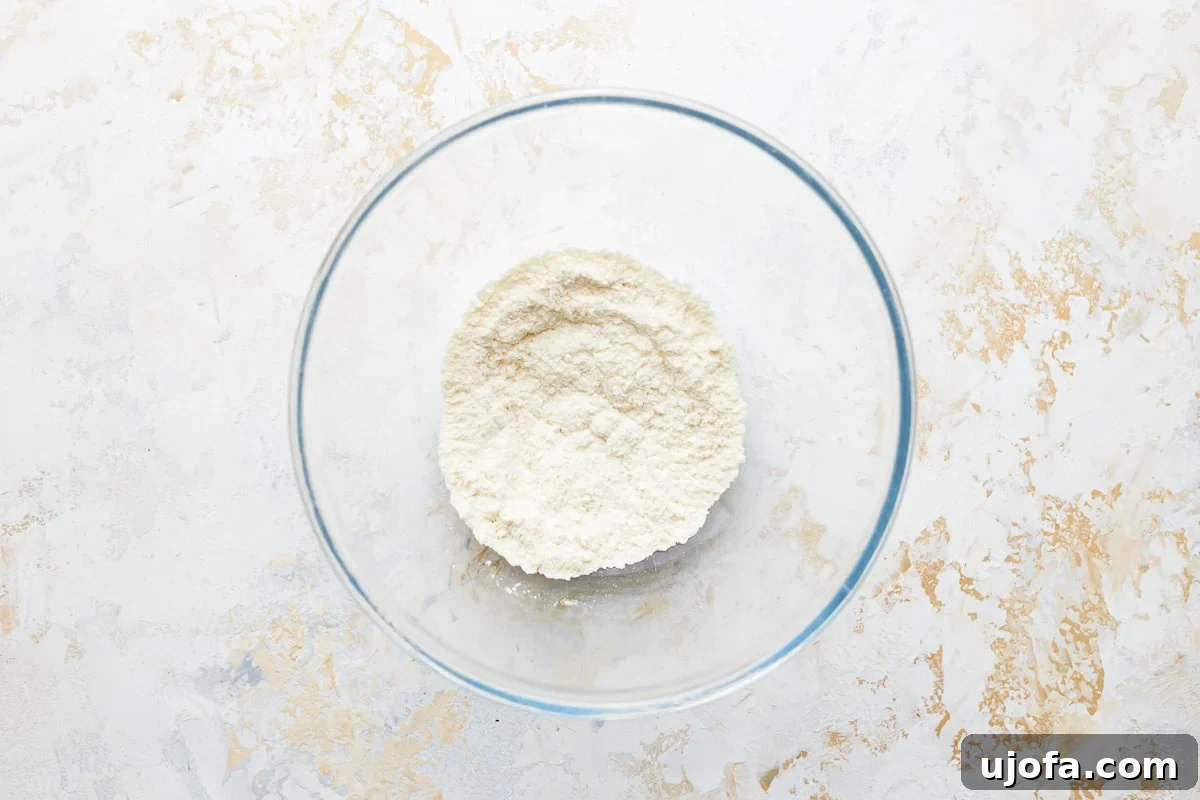
- In a large bowl, whisk together the coconut flour, baking powder, baking soda, and salt.
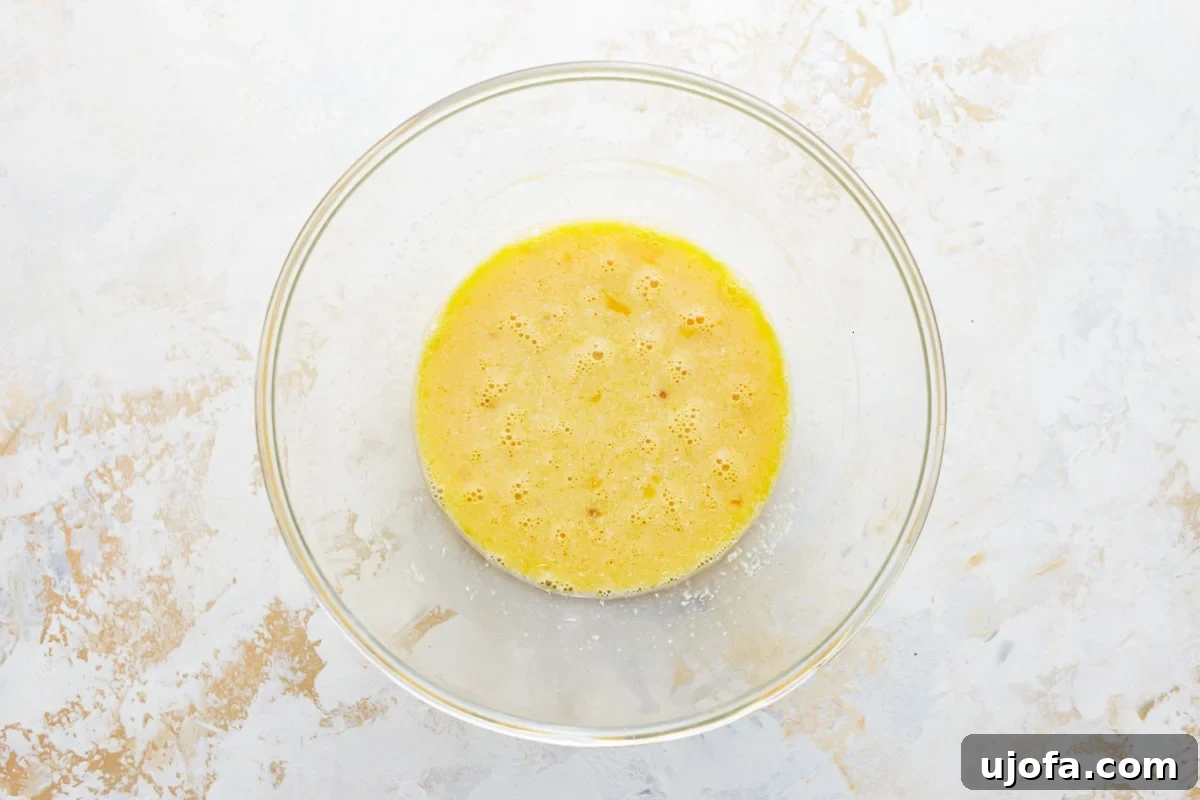
- In a separate bowl, whisk together the eggs, almond milk, melted coconut oil, maple syrup, and vanilla extract until well combined.
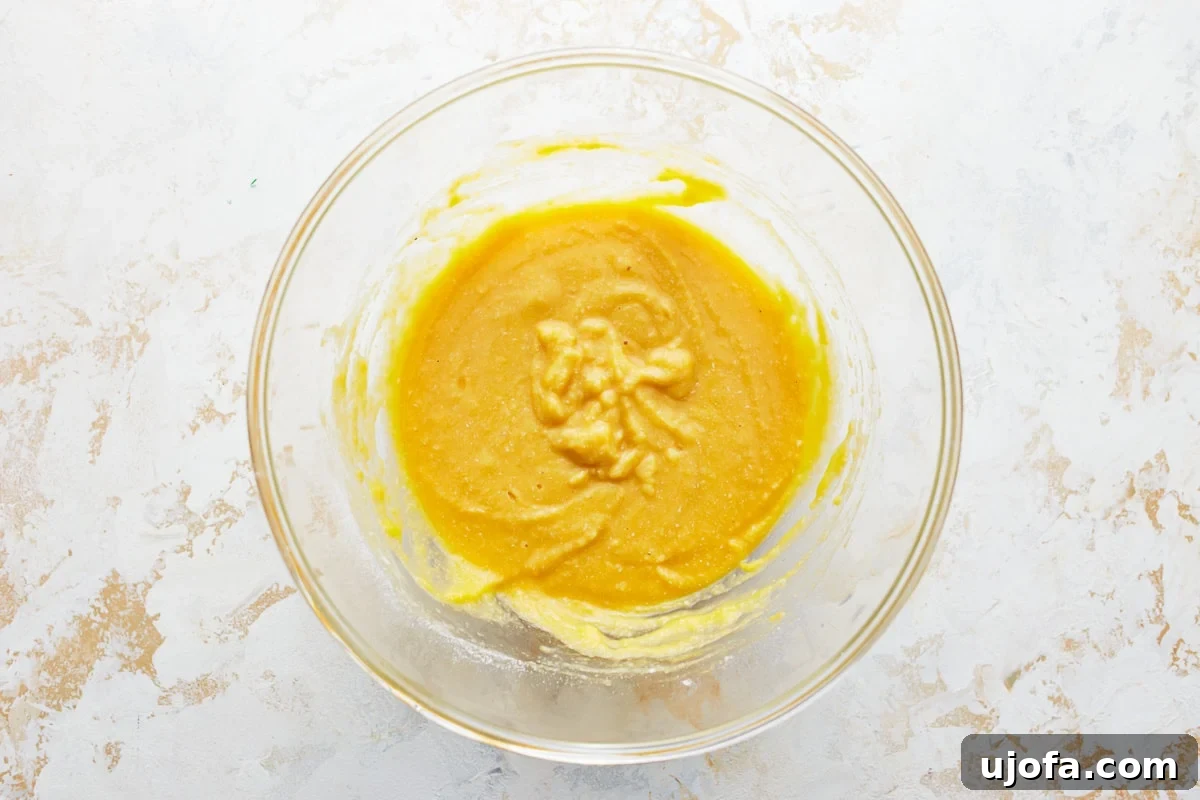
- Gradually add the dry ingredients to the wet ingredients, stirring until just combined. Do not overmix, as this can make the pancakes tough.
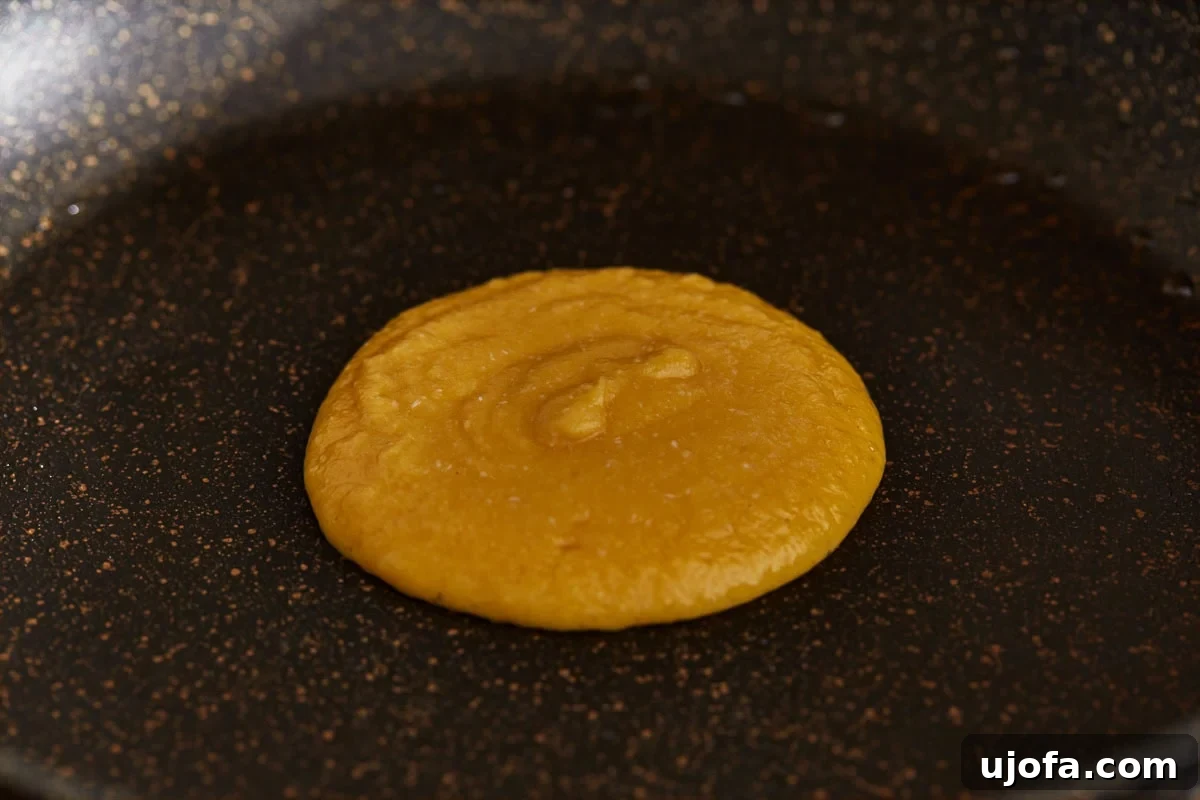
- Heat a lightly greased skillet over medium heat. Pour about ¼ cup of batter per pancake onto the skillet.
- Cook the pancakes for 2-3 minutes per side, or until golden brown and cooked through. You can gently lift one edge of the pancake to check for doneness. Repeat with the remaining batter, making sure to grease the skillet lightly between batches if needed.
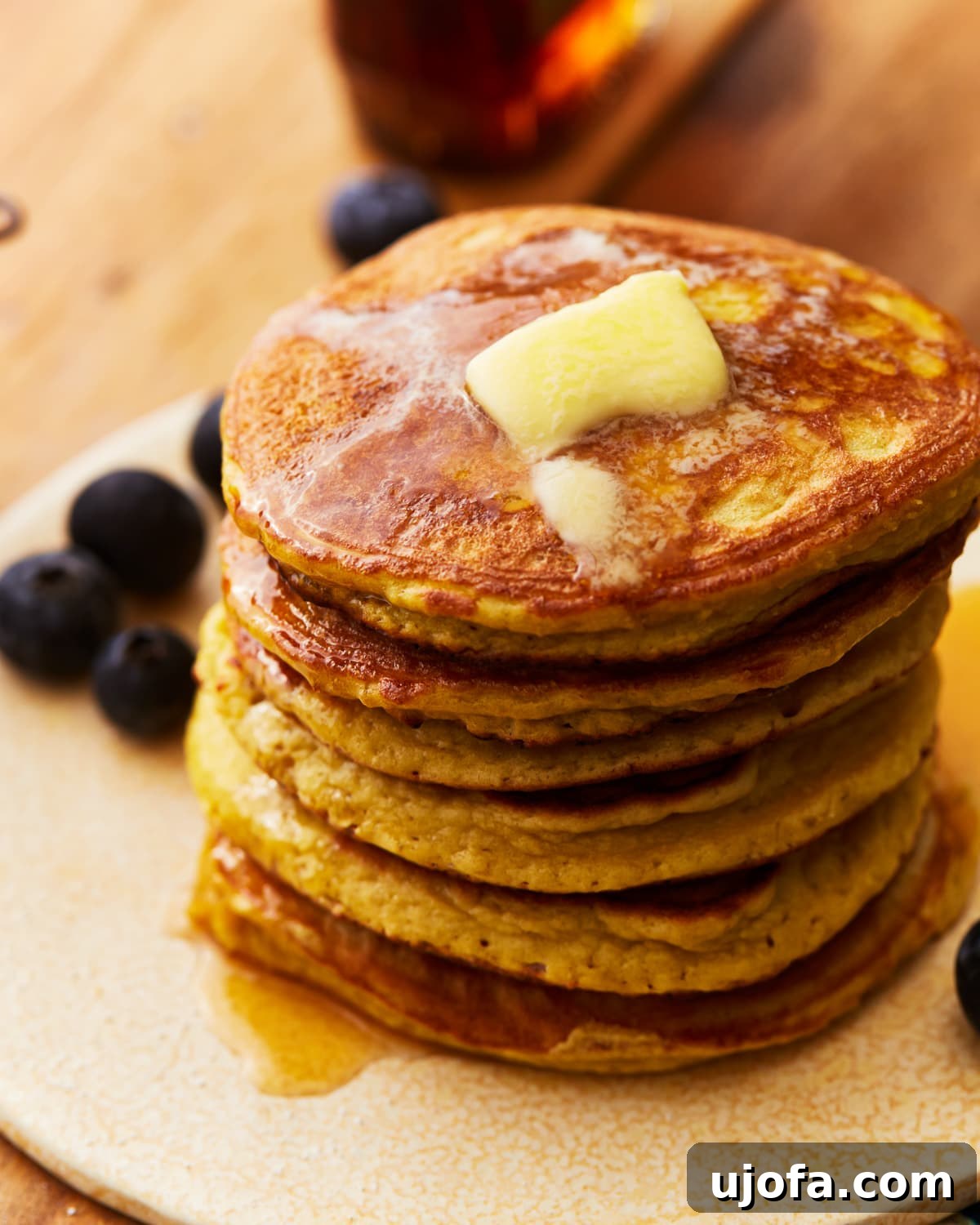
- Serve the pancakes warm with your favorite toppings and enjoy!
Notes
- For extra fluffiness, let the batter rest for 5 minutes before cooking.
- If the batter seems too thick, add a little more milk or water one tablespoon at a time until it reaches a pourable consistency.
- To store: Coconut flour pancakes will keep well in an airtight container in the refrigerator for up to 3 days.
- To freeze: Once cooled, layer the pancakes with a piece of parchment paper between each pancake, then place in a freezer-safe container to store for up to 3 months.
Nutrition
Calories: 95 kcal
Carbohydrates: 6g
Protein: 4g
Fat: 6g
Saturated Fat: 4g
Polyunsaturated Fat: 1g
Monounsaturated Fat: 1g
Trans Fat: 0.01g
Cholesterol: 93mg
Sodium: 144mg
Potassium: 43mg
Fiber: 2g
Sugar: 3g
Vitamin A: 135 IU
Calcium: 43mg
Iron: 1mg
Nutrition information is automatically calculated, so should only be used as an approximation.
Additional Info
Breakfast
American
Tried this recipe?
Mention @mamaknowsglutenfree or tag #mamaknowsglutenfree!
How To Make Coconut Flour Pancakes: A Step-by-Step Visual Guide
Follow these simple steps with corresponding visuals to create perfect coconut flour pancakes. Each stage is crucial for achieving that desirable light and fluffy texture, ensuring a successful and delicious outcome.