

Perfect Almond Flour Sugar Cookies: A Gluten-Free Delight for Every Occasion
Experience the joy of classic sugar cookies, reimagined with almond flour for a delightful gluten-free twist. These almond flour sugar cookies capture the same wonderfully soft and buttery texture you adore in traditional versions, but with a subtly nutty finish that truly elevates the flavor. They are incredibly easy to make, perfect for rolling and cutting into any festive shape imaginable, baking up with tender centers and delicately crisp edges. Whether you’re planning a holiday cookie decorating party or simply craving a delicious treat, this no-fuss recipe delivers beautiful, flavorful cookies that taste just like the traditional ones, if not better!

For years, my go-to gluten-free sugar cookie recipe has featured a hint of almond extract, a flavor I find irresistible. Naturally, creating a dedicated almond flour sugar cookie recipe felt like the perfect evolution. Almond flour is a fantastic staple in gluten-free baking, celebrated for its unique texture and mild flavor. This recipe relies on just a handful of straightforward ingredients: blanched almond flour, high-quality butter, granulated sugar, a touch of vanilla, and an egg to bind it all together. You’ll be amazed at how effortlessly these cookies come together, making them ideal for any occasion—from festive holiday gatherings to a spontaneous weeknight indulgence. Gather your family to decorate them with colorful icing and sprinkles, or bake a batch to share with loved ones. They’re sure to bring smiles all around.
Essential Gluten-Free Baking Tips for Success
Working with almond flour and other gluten-free ingredients can sometimes present unique challenges, but with a few key tips, you’ll achieve perfect results every time. These pointers are specifically tailored to ensure your almond flour sugar cookies are nothing short of spectacular:
- Prioritize Dough Chilling Time: This step is non-negotiable for superior roll-and-cut cookies. Chilling the dough in the refrigerator for at least 30 minutes (or even up to two days) allows the butter to firm up significantly. This not only makes the dough much easier to handle and roll without excessive stickiness, but it also helps the cookies maintain their crisp, defined edges during baking. Skipping this step can lead to cookies that spread too much in the oven, losing their intricate shapes.
- Avoid Overworking the Dough: Almond flour dough is quite delicate, and over-mixing can make it tough or crumbly. Once all the ingredients are just combined and a soft dough forms, stop mixing. Overworking develops gluten (even if it’s minimal in almond flour) and can incorporate too much air, leading to a less tender cookie. After chilling, when you roll it out, do so gently between two sheets of parchment paper, dusting lightly with a little extra gluten-free flour if needed to prevent sticking. This technique helps achieve an even ¼-inch thickness without warming the dough too much, which is crucial for maintaining its structure.
- Don’t Fear Cracks in the Dough: Unlike wheat-based doughs that can become overly elastic, almond flour dough can sometimes appear delicate and prone to minor cracks while rolling. However, it’s incredibly forgiving! If you notice any cracks, simply press the dough back together with your fingers. The natural oils and slight flexibility of almond flour mean these small imperfections will beautifully bake out, resulting in a smooth, flawless cookie surface.
- Troubleshooting Sticky or Wet Dough: If, after mixing, your dough feels overly sticky or too soft to handle, there’s an easy fix. Gently mix in 1 to 2 additional tablespoons of blanched almond flour until the dough reaches a more manageable consistency. Another effective solution is to extend the chilling time. A colder dough is always easier to work with, as the fat in the butter solidifies, making the dough less prone to sticking and easier to roll.
Almond Flour Sugar Cookies
By: Sabine Venier
Servings: 20 cookies
Prep: 20 mins
Cook: 10 mins
Chill Time: 30 mins
Total: 1 hr
Share by Email
Print Recipe

These almond flour sugar cookies offer the classic soft, buttery appeal of traditional sugar cookies with an added nutty depth. They are designed for easy rolling and cutting, baking into perfectly tender cookies with lightly crisp edges, making them ideal for holiday decorating. The dough comes together quickly and handles smoothly, ensuring a delightful baking experience that yields cookies indistinguishable from their conventional counterparts in taste and appearance.
Equipment
- 1 hand or stand mixer
- Mixing bowls
- Rolling pin
- Cookie cutters
- Baking sheets
- Parchment paper
- Wire rack
Ingredients
(Yields 20 cookies)
- 2 cups blanched almond flour
- ½ tsp baking powder
- ¼ tsp salt
- 6 tbsp unsalted butter, softened
- ⅓ cup granulated sugar
- 1 large egg
- 1 tsp pure vanilla extract
Instructions
- Prepare Dry Ingredients: In a medium-sized mixing bowl, whisk together the blanched almond flour, baking powder, and salt. Make sure these dry ingredients are thoroughly combined to ensure even leavening throughout your cookies. Set this bowl aside for later.
- Cream Butter and Sugar: In a large mixing bowl, preferably using a hand mixer or stand mixer, cream together the softened unsalted butter and granulated sugar until the mixture becomes visibly light and fluffy. This process incorporates air, which contributes to the cookies’ tender texture.
- Add Wet Ingredients: Once the butter and sugar are perfectly creamed, add the large egg and pure vanilla extract to the bowl. Continue to beat the mixture until it is smooth and well incorporated, ensuring no streaks of egg remain.
- Combine Wet and Dry: Gradually add the whisked dry ingredients into the wet mixture, mixing on low speed until a soft dough begins to form. The dough should be soft enough to work with but not excessively sticky. If it feels too soft to handle easily, incorporate an additional 1-2 tablespoons of almond flour, mixing gently until the desired consistency is reached.
- Chill the Dough: Form the dough into a disc, wrap it tightly in plastic wrap, and refrigerate for a minimum of 30 minutes. This crucial chilling period firms up the butter in the dough, making it much easier to roll out and cut precisely. You can even prepare the dough up to two days in advance and keep it chilled.
- Preheat Oven & Prepare Baking Sheet: While the dough chills, preheat your oven to 350°F (175°C). Line a large baking sheet (or two, if you have them) with parchment paper. This prevents sticking and makes cleanup a breeze.
- Roll and Cut Cookies: Remove the chilled dough from the refrigerator. Place it between two sheets of parchment paper and use a rolling pin to roll it out to an even ¼-inch thickness. If the dough seems a bit sticky, lightly dust the parchment paper or the dough itself with a small amount of gluten-free all-purpose flour to aid in rolling. Use your favorite cookie cutters to cut out various shapes. As you cut, gather any remaining dough scraps, form them into a ball, and chill them again briefly before re-rolling. This keeps the butter firm and prevents the cookies from spreading. Continue this process until all the dough is used.
- Arrange on Baking Sheet: Carefully transfer the cut cookie shapes to your prepared baking sheet, leaving approximately 1 inch of space between each cookie to allow for slight expansion during baking.
- Bake Until Golden: Bake the cookies for 10–12 minutes. Keep a close eye on them; they are ready when the edges appear lightly golden. For those who prefer a crisper cookie, bake for an additional 1-2 minutes until the edges deepen in color.
- Cool and Decorate: Once baked, remove the baking sheet from the oven and allow the cookies to cool directly on the sheet for about 5 minutes. This helps them firm up before handling. Then, gently transfer the cookies to a wire rack to cool completely. Once fully cooled, they are ready for frosting and decorating as desired. Serve and enjoy your homemade gluten-free almond flour sugar cookies!
Notes
- Blanched vs. Unblanched Almond Flour: For these sugar cookies, it is highly recommended to use blanched almond flour. This type of almond flour has had the skins removed, resulting in a finer texture and a lighter color, which yields smooth, delicate cookies. Unblanched almond flour (with the skins on) will produce cookies that are darker in color and have a slightly grainier texture.
- Achieving Your Preferred Texture:
- For crisp cookies, extend the baking time by an extra minute or two, until the edges develop a deeper golden-brown color.
- For softer cookies, remove them from the oven as soon as the edges begin to lightly brown, ensuring the centers remain wonderfully tender.
- Dough Preparation Ahead of Time: The cookie dough can be prepared up to 2 days in advance and stored in the refrigerator, tightly wrapped in plastic. This is perfect for busy schedules, allowing you to bake fresh cookies whenever a craving strikes or an event approaches.
Nutrition
Serving: 1 cookie | Calories: 110 kcal | Carbohydrates: 6g | Protein: 3g | Fat: 9g | Saturated Fat: 3g | Polyunsaturated Fat: 0.2g | Monounsaturated Fat: 1g | Trans Fat: 0.1g | Cholesterol: 18mg | Sodium: 44mg | Potassium: 5mg | Fiber: 1g | Sugar: 4g | Vitamin A: 118IU | Calcium: 32mg | Iron: 0.5mg
Nutrition information is automatically calculated, so should only be used as an approximation.
Additional Info
Course: Baking, Dessert
Cuisine: American
Tried this recipe? Mention @mamaknowsglutenfree or tag #mamaknowsglutenfree!
How to Make Almond Flour Sugar Cookies Step by Step
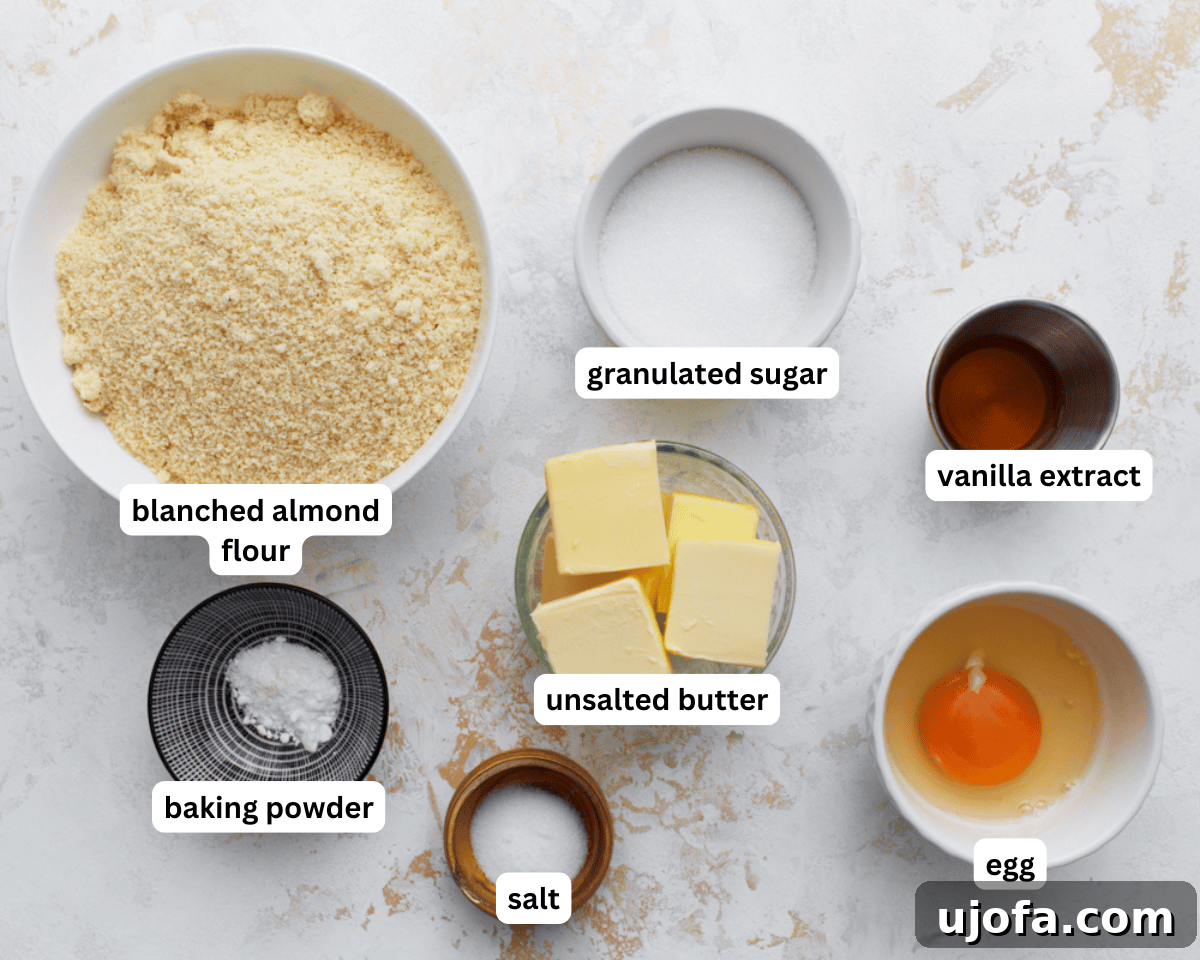
Step 1: Gather Your Ingredients. Begin by laying out all the necessary ingredients on your counter. This includes 2 cups blanched almond flour, ½ teaspoon baking powder, ¼ teaspoon salt, 6 tablespoons softened unsalted butter, ⅓ cup granulated sugar, 1 large egg, and 1 teaspoon pure vanilla extract. Having everything ready ensures a smooth baking process.
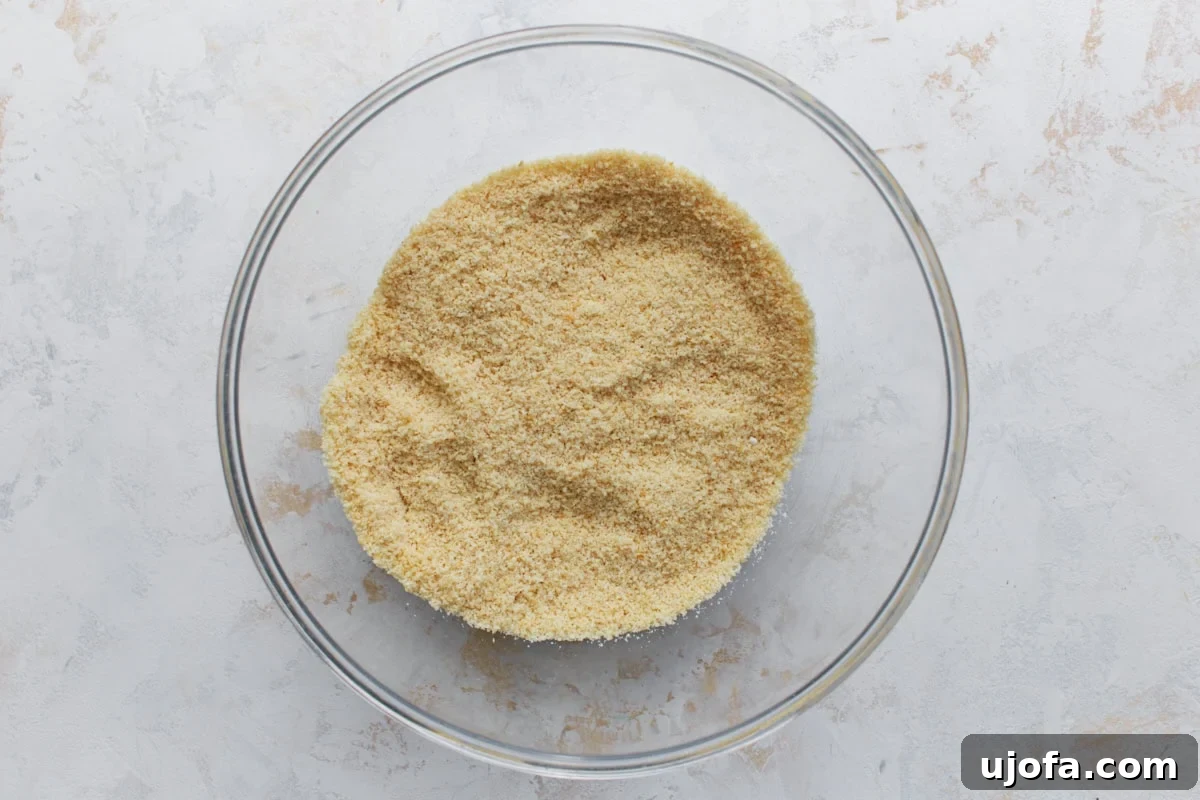
Step 2: Mix the Dry Ingredients. In a medium-sized bowl, combine the 2 cups of blanched almond flour with ½ teaspoon of baking powder and ¼ teaspoon of salt. Whisk these dry ingredients together thoroughly until they are uniformly distributed. Set this mixture aside.
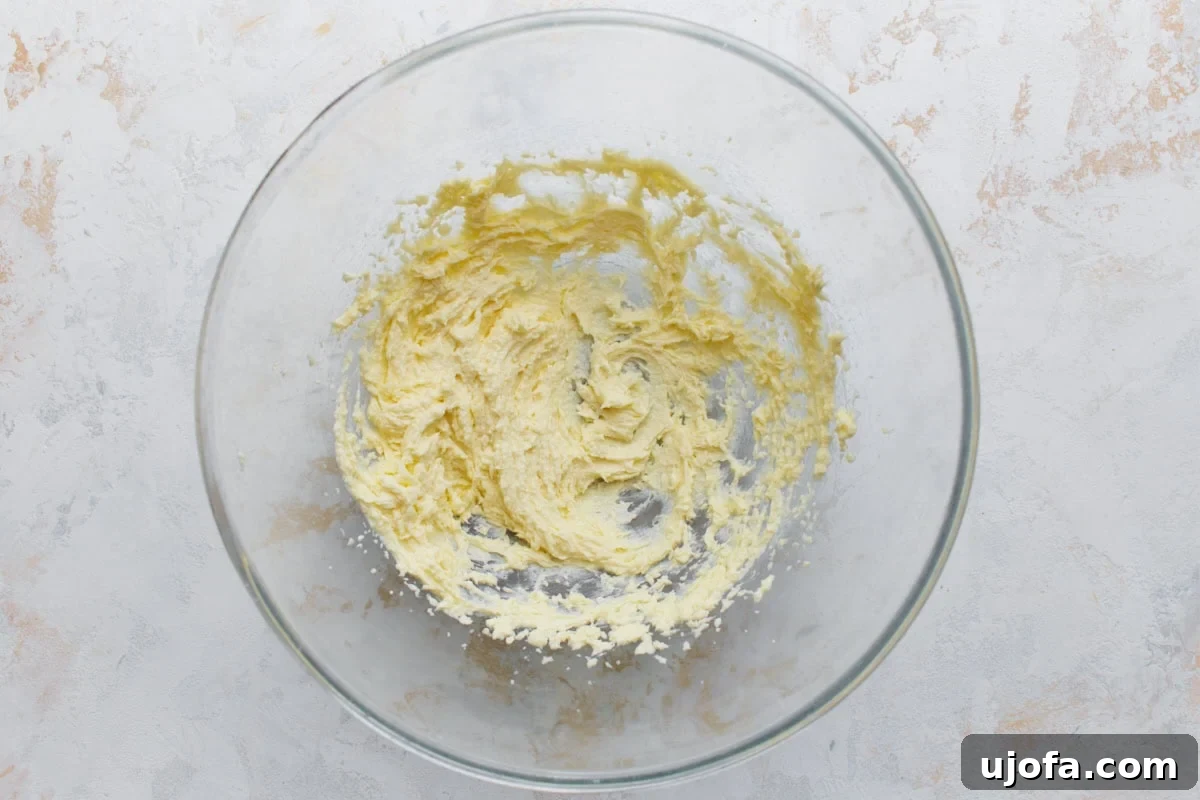
Step 3: Beat Butter and Sugar. In a large mixing bowl, using either a hand mixer or a stand mixer fitted with the paddle attachment, beat the 6 tablespoons of softened unsalted butter with ⅓ cup of granulated sugar. Continue beating until the mixture is light, creamy, and visibly fluffy, typically for 2-3 minutes. This aeration is key for a tender cookie.
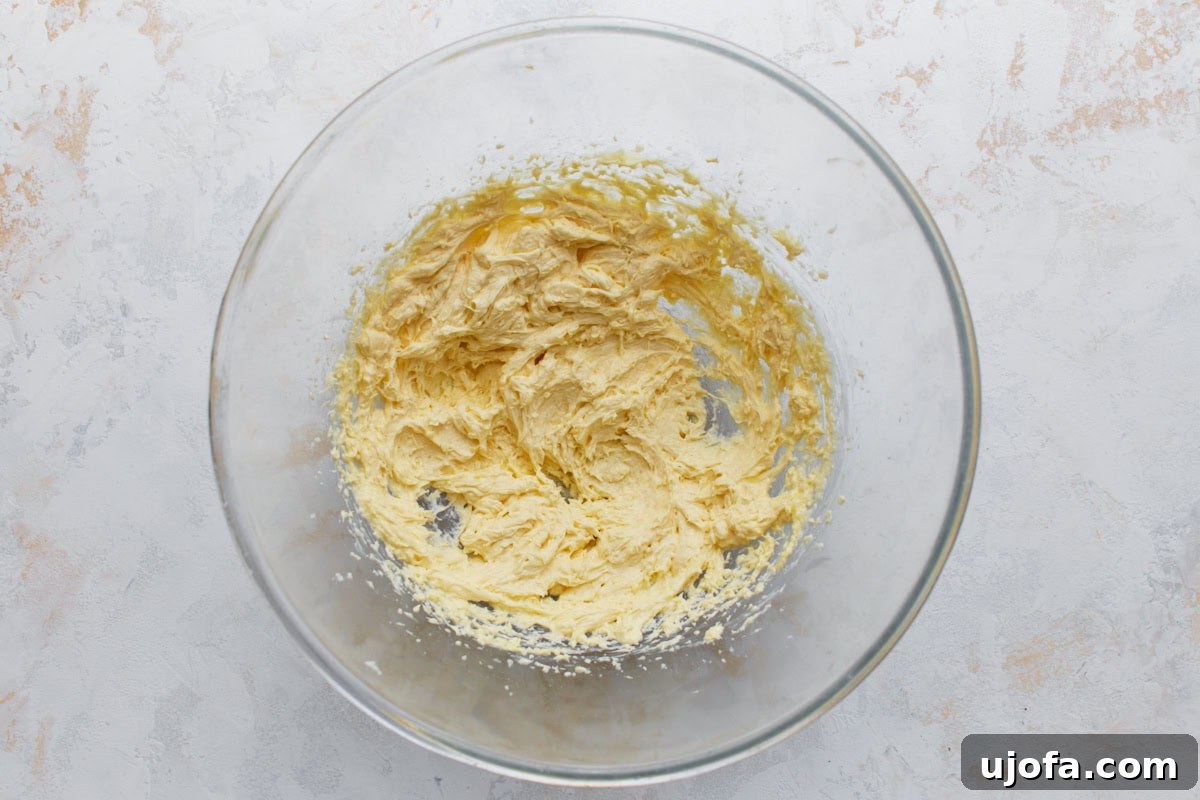
Step 4: Incorporate Egg and Vanilla. To the creamed butter and sugar, add the 1 large egg and 1 teaspoon of pure vanilla extract. Mix well until these wet ingredients are fully incorporated and the mixture appears smooth and cohesive. Scrape down the sides of the bowl to ensure everything is evenly combined.
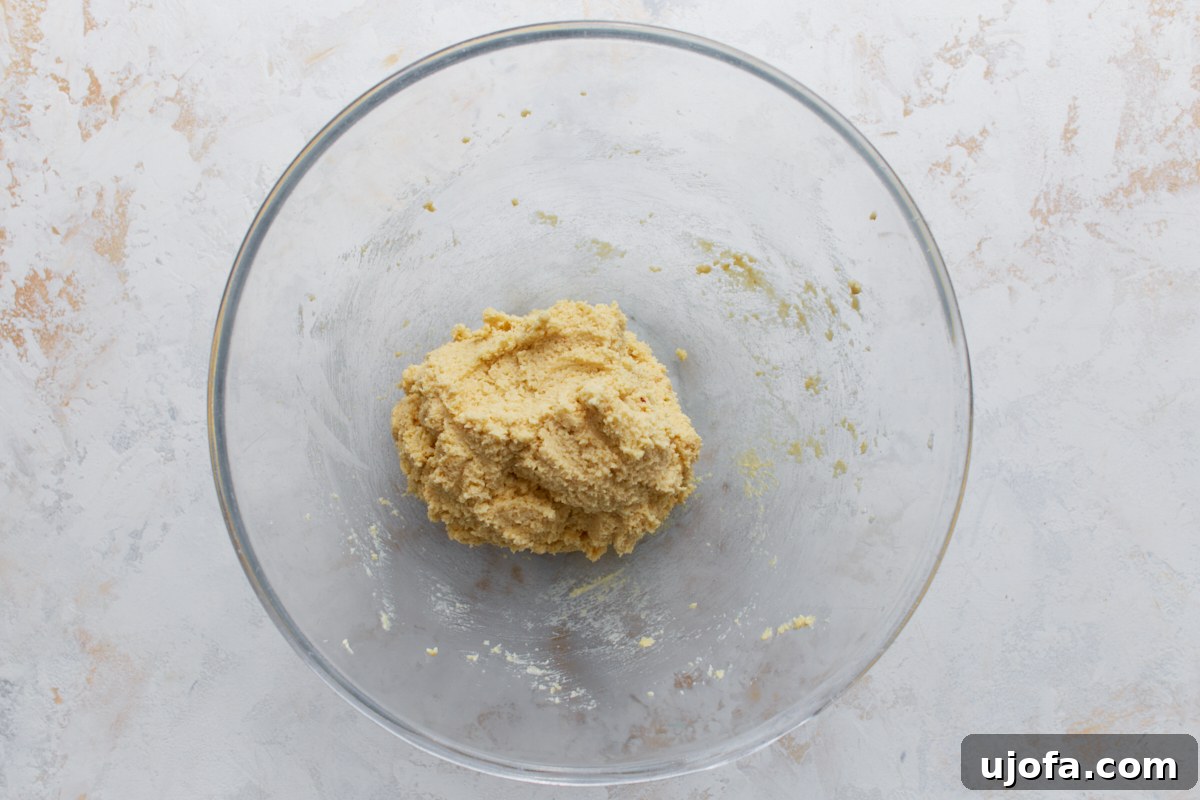
Step 5: Combine All Ingredients. Gradually add the dry ingredient mixture to the wet mixture in the large bowl. Mix on low speed until a soft, uniform dough forms. It should be pliable but not overly sticky. If the dough is too soft to handle easily, mix in an additional 1-2 tablespoons of almond flour. Once formed, shape the dough into a disc, wrap it tightly in plastic wrap, and chill in the refrigerator for at least 30 minutes. This chilling step is vital for easy rolling and to prevent cookie spreading.
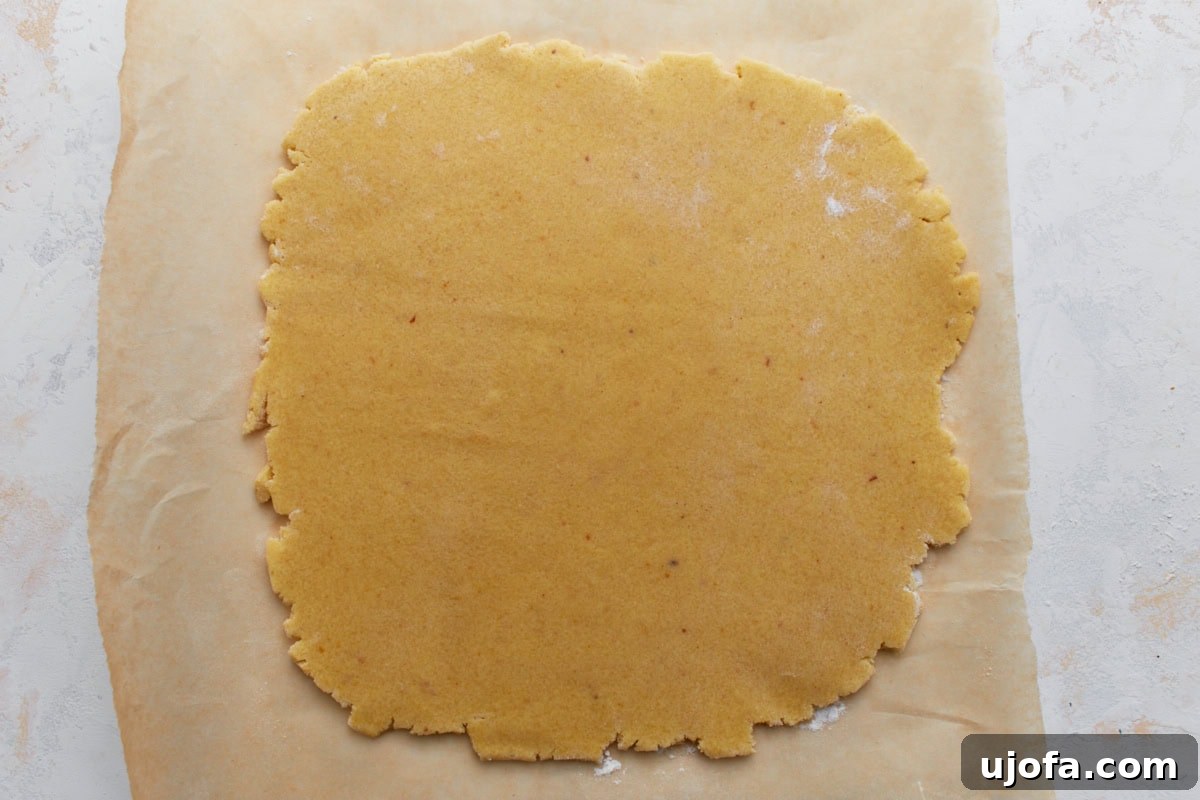
Step 6: Roll Out the Dough. While your oven preheats to 350°F (175°C), retrieve the chilled dough. Place it between two sheets of parchment paper—this technique prevents sticking and makes cleanup easier. Use a rolling pin to evenly roll the dough to a thickness of approximately ¼ inch. If you find the dough still slightly sticky, a light dusting of gluten-free all-purpose flour on the parchment will help.
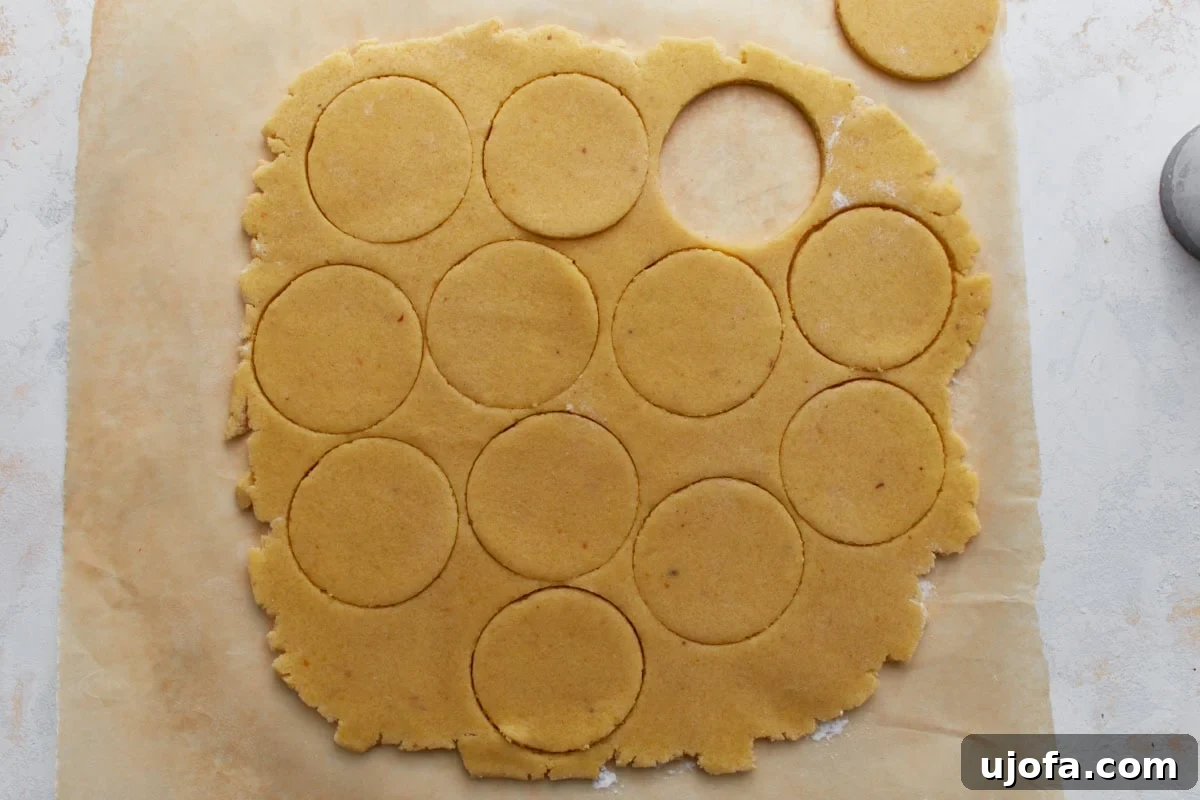
Step 7: Cut Out the Cookies. Once the dough is rolled to the correct thickness, use your favorite cookie cutters to create various festive shapes. To ensure the best results, place any dough scraps that need to be re-rolled back into the refrigerator to keep the butter firm. This prevents the dough from becoming too warm and soft, which could affect the cookie shape during baking. Continue rolling and cutting until all the dough is utilized.
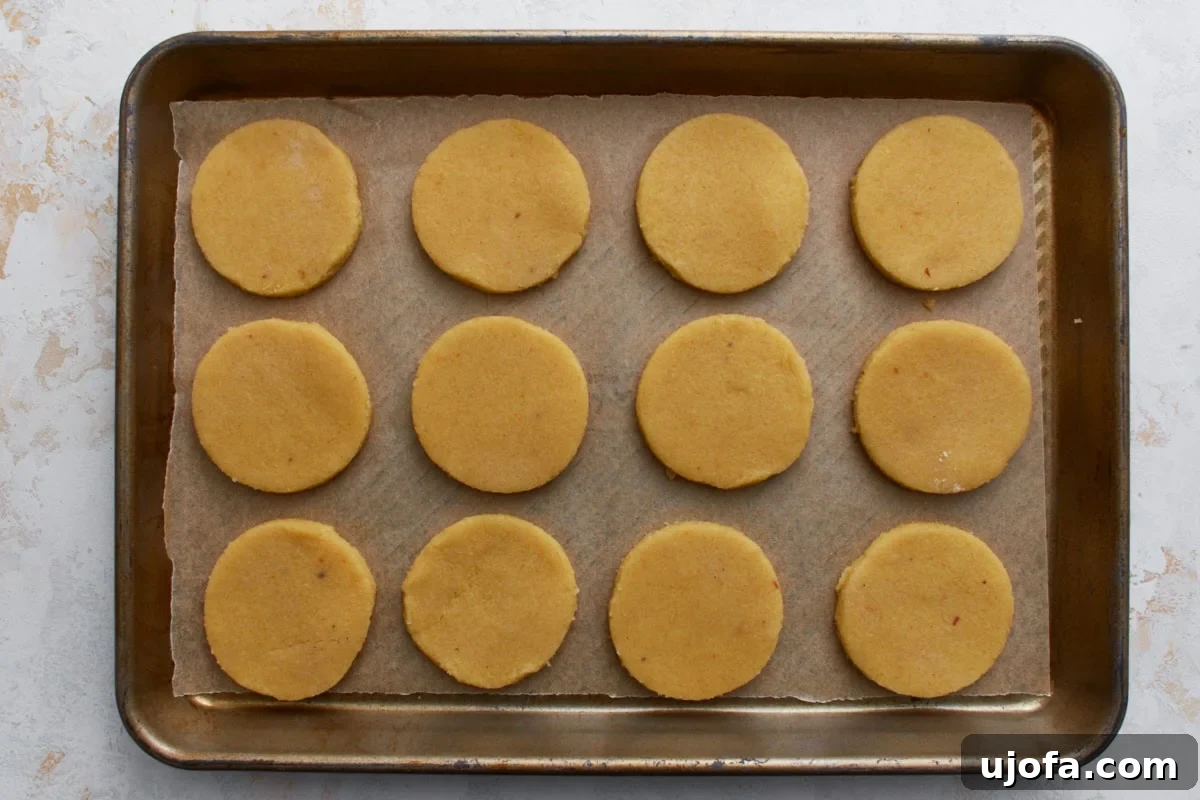
Step 8: Arrange on a Baking Tray. Carefully transfer your precisely cut cookie shapes onto the parchment-lined baking sheet. Ensure they are spaced about 1 inch apart from each other. This spacing allows for adequate air circulation and prevents them from melding together as they bake.
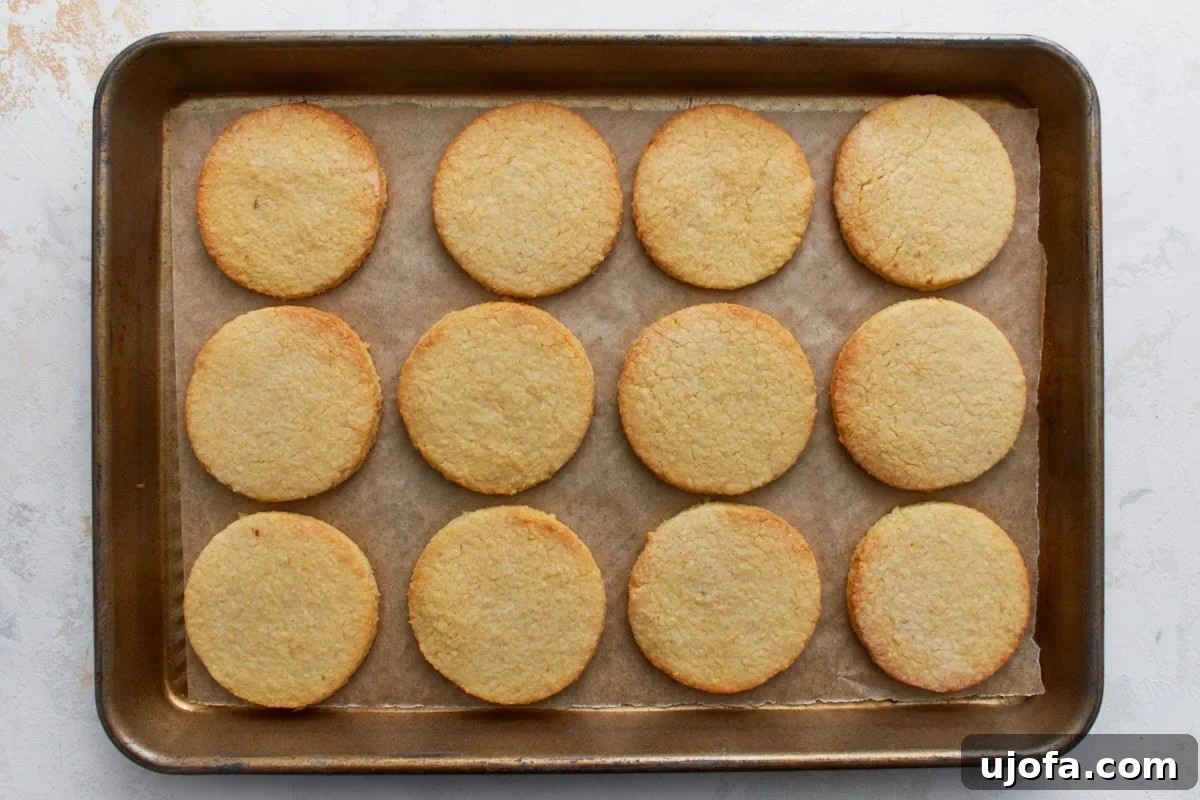
Step 9: Bake the Cookies. Place the baking sheet in the preheated oven and bake for 10-12 minutes. The cookies are perfectly done when their edges turn a beautiful light golden color. If you prefer your sugar cookies a bit crisper, you can extend the baking time by an additional 1-2 minutes, carefully monitoring to prevent over-browning.

Step 10: Cool and Decorate. After baking, let the cookies cool on the baking sheet for approximately 5 minutes before transferring them to a wire rack. This allows them to firm up without breaking. Once completely cool, unleash your creativity! Frost and decorate them with your favorite icings and sprinkles. Then, simply serve and enjoy these delicious homemade almond flour sugar cookies!

Serving Suggestions for Your Almond Flour Sugar Cookies
These delightful almond flour sugar cookies are incredibly versatile and perfect for a variety of occasions. During the holiday season, they become a staple in my home, often enjoyed alongside a warm cup of coffee or a comforting mug of dairy-free hot chocolate, especially after a fun decorating session with the family. They make excellent additions to cookie gift boxes, nestled alongside other gluten-free favorites like gluten-free snickerdoodles. You can also package them beautifully for classroom parties or as thoughtful homemade gifts, perhaps paired with a small jar of homemade frosting. For frosting ideas, I love using a simple vanilla buttercream to let the cookie’s nutty flavor shine, or a rich dairy-free buttercream for those with dietary restrictions. They’re also delicious plain, showcasing their perfect texture and balanced sweetness.
Storage Instructions for Freshness
Proper storage is key to keeping your almond flour sugar cookies tasting their best. Follow these guidelines to maintain their tender texture and crisp edges:
At Room Temperature: To keep your baked cookies soft in the center with lightly crisp edges, store them in an airtight container at room temperature for up to 5 days. Ensure they are completely cooled before storing to prevent condensation, which can make them soggy.
In the Refrigerator: If you want to extend their freshness slightly, you can refrigerate the cookies for up to a week. Again, an airtight container is crucial to prevent them from drying out or absorbing other odors from the fridge.
Dough Storage: The unbaked cookie dough is quite flexible. You can refrigerate it, tightly wrapped in plastic, for up to 2 days. This is perfect for preparing ahead of time. For longer storage, the dough can be frozen for up to 2 months. When you’re ready to bake, simply thaw the dough in the refrigerator overnight before rolling and cutting.
Freezing Baked Cookies: These cookies freeze wonderfully after baking, making them an excellent option for meal prepping ahead of parties or simply having a stash of delicious treats on hand. Once your cookies are completely cooled, arrange them in a single layer on a baking sheet and freeze until firm (this prevents them from sticking together). Then, transfer the frozen cookies to a freezer-safe bag or airtight container. They will maintain their quality for up to 2 months. When you’re ready to enjoy them, simply thaw at room temperature. They’ll be ready to eat as is or to decorate for any special occasion.
More Gluten-Free Almond Flour Desserts to Try
If you’ve fallen in love with baking with almond flour, you’re in luck! There are many other delicious gluten-free desserts that showcase its wonderful qualities. Here are some more almond flour recipes to explore:
- Almond Flour Chocolate Cake: A rich, moist chocolate cake that’s surprisingly light.
- Almond Flour Chocolate Chip Cookies: Your favorite classic cookie, perfected with almond flour.
- Almond Flour Brownies: Fudgy, decadent brownies with a lovely texture.
- Almond Flour Cake: A versatile cake recipe that’s great for any celebration.
- Almond Flour Pie Crust: A flaky, tender crust perfect for sweet or savory pies.
Frequently Asked Questions About Almond Flour Sugar Cookies
Can I substitute other flours for almond flour in this recipe?
No, this recipe is specifically formulated for blanched almond flour. Almond flour behaves differently from gluten-free all-purpose blends or wheat flour due to its lack of gluten and high fat content. Substituting other flours would drastically alter the texture, taste, and consistency of the dough and final cookie. For best results, stick to blanched almond flour as specified.
Can I make these almond flour sugar cookies dairy-free?
Yes, you can absolutely make these cookies dairy-free! Simply substitute the unsalted butter with a high-quality dairy-free butter alternative (preferably one that comes in stick form for easier measurement and consistency). Ensure it’s softened to the same consistency as regular butter before creaming with sugar. The rest of the ingredients are naturally dairy-free.
Why did my cookies spread too much while baking?
There are a few common reasons cookies might spread:
- Insufficient Chilling: The most common culprit. If the dough isn’t thoroughly chilled, the butter melts too quickly in the oven, causing the cookies to spread before they set.
- Warm Dough: If your kitchen is very warm, or you handled the dough too much during rolling and cutting, the butter might have softened. Briefly chill cut-out cookies on the baking sheet before baking.
- Softened Butter: Ensure your butter is softened but not melted. Over-softened butter can also contribute to spreading.
- Oven Temperature: An oven that isn’t hot enough can cause cookies to spread. Always preheat your oven fully.
How can I make my almond flour sugar cookies softer or crispier?
You can easily adjust the texture by modifying the baking time:
- For softer cookies: Bake them for a shorter duration, around 10 minutes, removing them from the oven as soon as the edges begin to turn a very light golden color. They might seem underbaked but will firm up as they cool while remaining wonderfully chewy.
- For crispier cookies: Bake them for an extra 1-2 minutes, aiming for a deeper golden brown on the edges. Be careful not to overbake, as almond flour can brown quickly.
Can I add flavorings or spices to the dough?
Absolutely! This recipe serves as an excellent base for customization. You can add a pinch of cinnamon, nutmeg, or cardamom for a warm, spicy flavor. A hint of lemon or orange zest would also be lovely, especially for citrus lovers. For an extra almond punch, consider adding ½ teaspoon of almond extract along with the vanilla. Experiment to find your favorite flavor combinations!
What’s the best way to decorate these cookies?
These almond flour sugar cookies are perfect for decorating!
- Royal Icing: For intricate designs and a hard, classic finish, royal icing is ideal. It dries firm, making the cookies stackable and easy to transport.
- Buttercream Frosting: A simple vanilla buttercream offers a softer, creamier texture that’s easy to pipe and spread, perfect for swirls and simple designs.
- Glaze: A quick powdered sugar glaze (powdered sugar mixed with a little milk or lemon juice) provides a translucent, slightly sweet finish that’s very easy to apply.
Don’t forget the sprinkles, edible glitters, and colored sugars for a festive touch!