
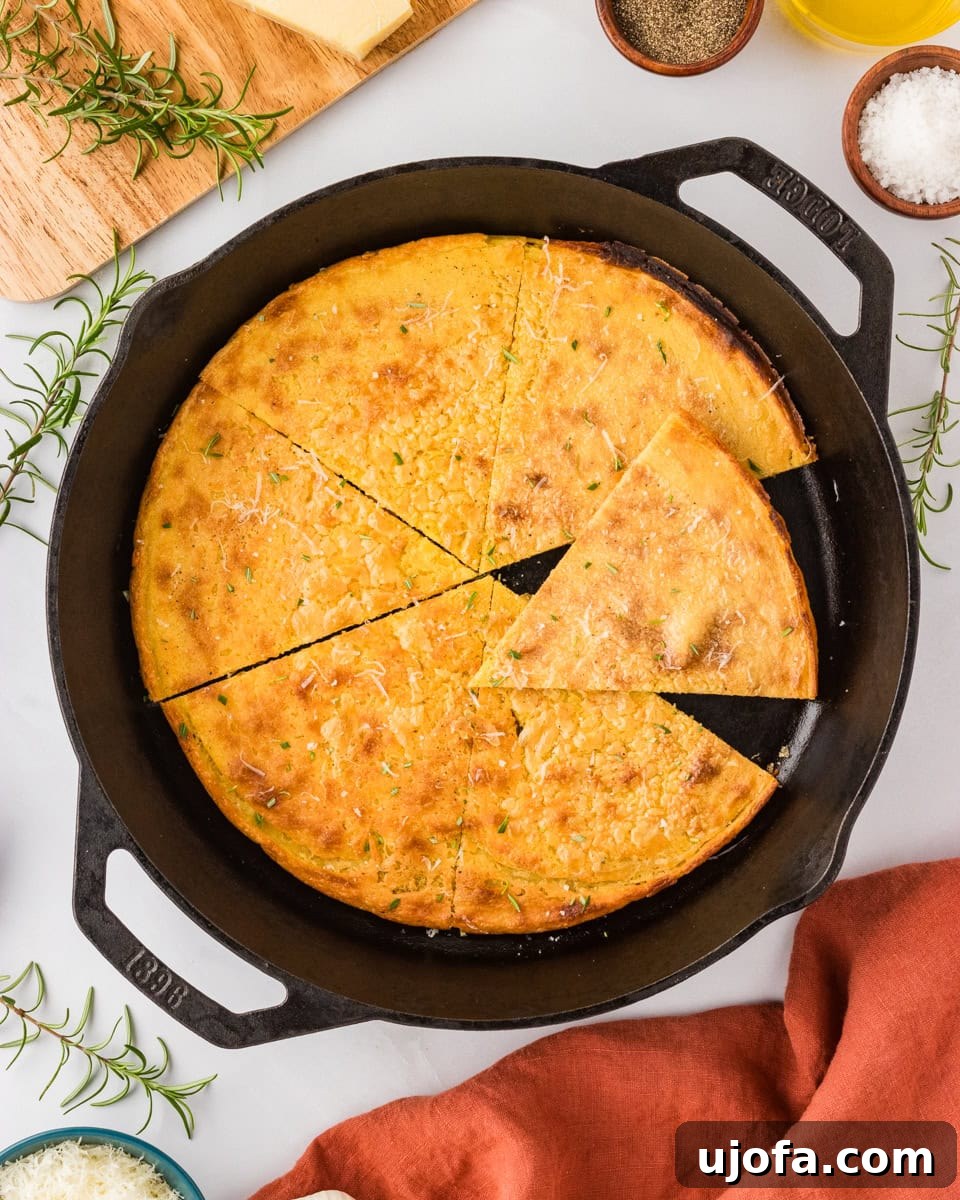
The Ultimate Guide to Authentic Socca: Crispy, Gluten-Free Chickpea Flatbread from Nice
Discover the irresistible charm of Socca, the beloved French flatbread hailing from the sun-drenched streets of Nice. This deceptively simple recipe, requiring just four core ingredients – chickpea flour, water, high-quality olive oil, and a touch of salt – transforms into a culinary masterpiece. Imagine a beautifully crisp, golden exterior giving way to a soft, almost custardy interior, with perfectly light and crunchy edges. Socca strikes a delightful balance of textures and flavors, making it a truly satisfying experience. Naturally gluten-free and incredibly versatile, this chickpea flatbread is a fantastic canvas for various toppings, a delightful companion to dips, or simply a delicious snack on its own.
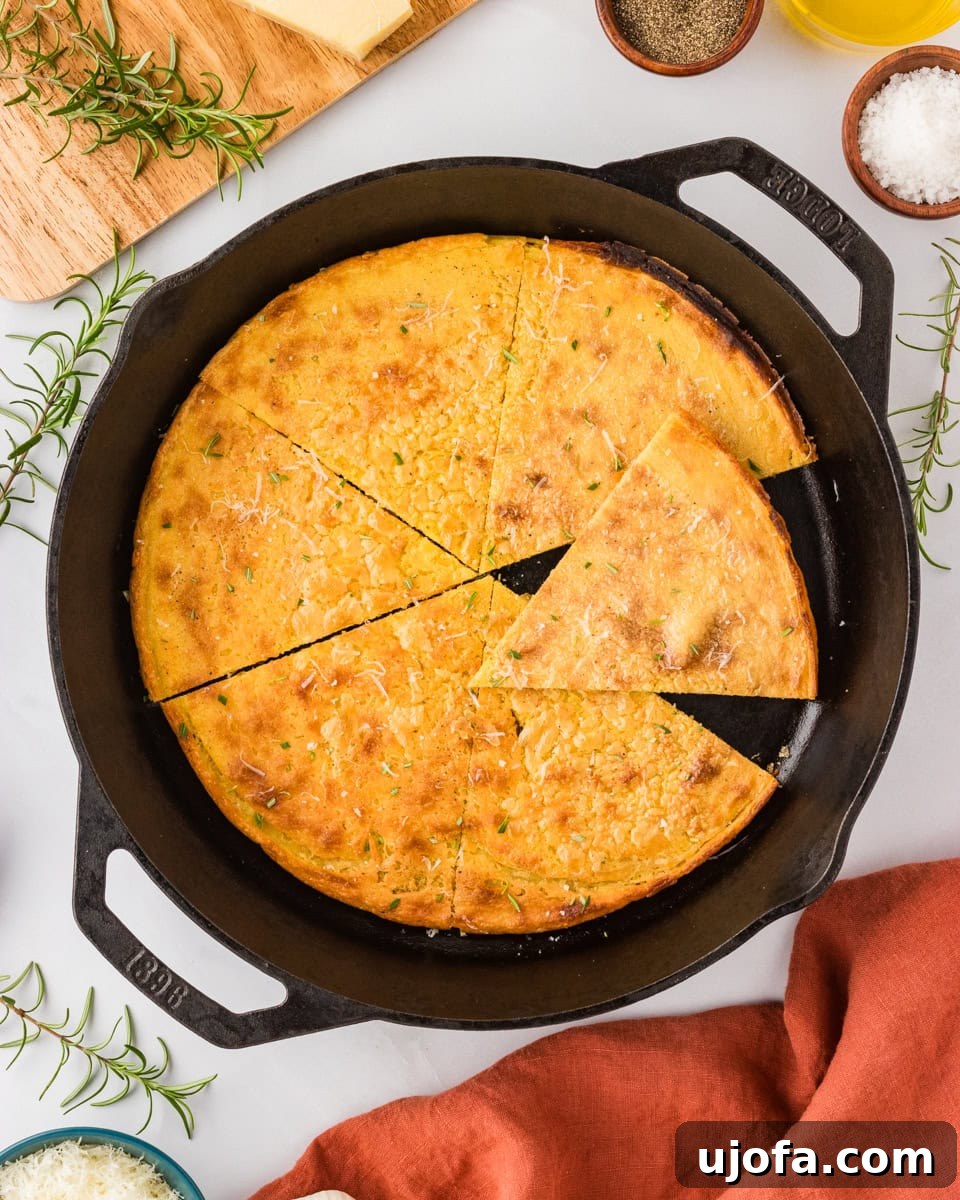
Often considered the French counterpart to Italy’s famous Farinata, Socca shares a remarkably similar recipe and an equally humble, yet delicious, origin story. While the two regions might playfully debate their versions, both offer an exceptional experience of crispy-edged, savory flatbread. My own gluten-free flatbread recipe is a regular in my kitchen, but for those times when I crave an unparalleled crunch and a unique nutty flavor profile, Socca is my undisputed go-to. It’s a testament to how simple ingredients, when prepared with the right techniques, can yield such extraordinary results.
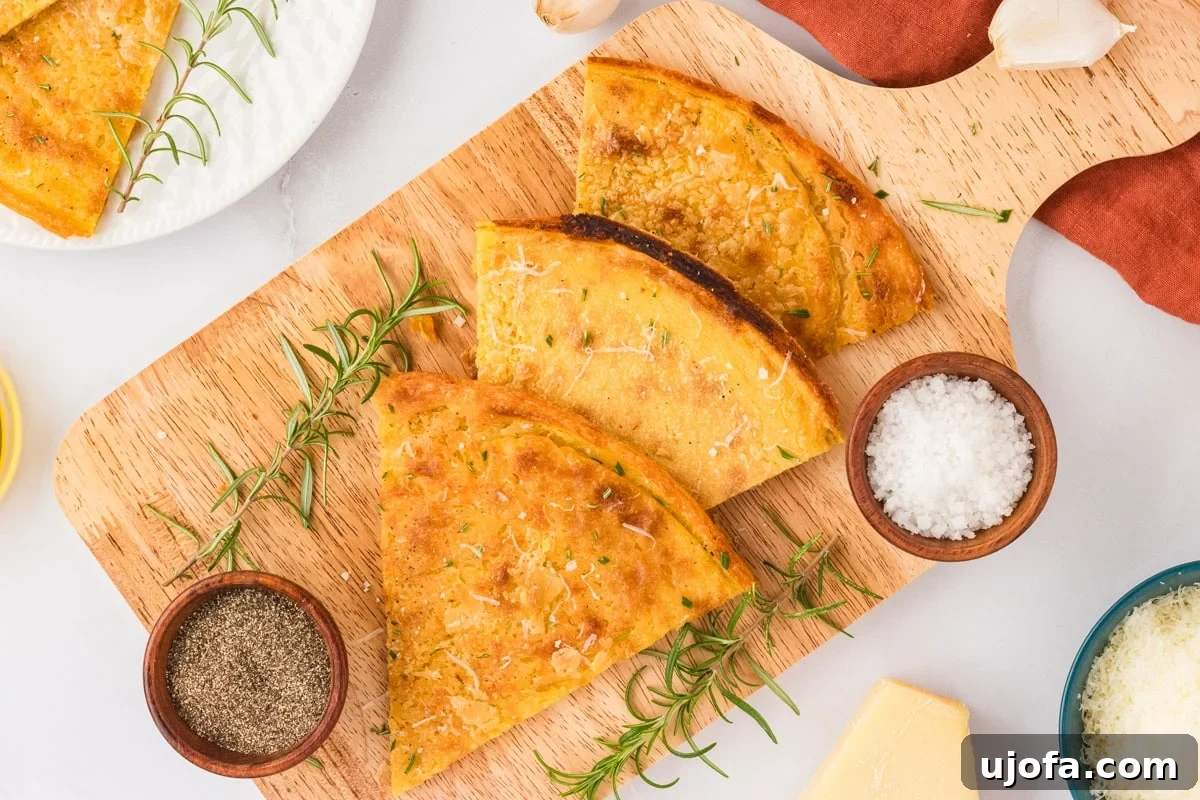
The beauty of Socca lies in its unpretentious, nutty flavors. While it’s delightful with just a sprinkle of salt and pepper, I particularly enjoy it elevated with fresh rosemary and a generous dusting of Parmesan cheese. These additions complement the chickpea notes without overpowering them, creating a harmonious blend that awakens the palate. Socca is undeniably at its best served hot, straight from the oven, when its textures are most pronounced. While it can be reheated, the initial freshness and crispness are truly a treat not to be missed. This chickpea flatbread is not just a side dish; it’s an easy, irresistible addition that can elevate any meal or stand proudly as a satisfying snack.
What is Socca? A Culinary Gem from Nice
Socca is more than just a flatbread; it’s a piece of culinary history from the French Riviera, particularly Nice. Traditionally sold as street food, hot off large, round copper or cast-iron pans, Socca has been a staple in the region for centuries. Its roots are humble, offering an affordable and nutritious meal to locals. The core of Socca is chickpea flour (also known as gram flour or besan), mixed with water, olive oil, and salt to create a thin batter. This batter is then poured into a super-hot, well-oiled pan and quickly baked until golden brown and blistered. The result is a savory pancake-like bread that’s naturally dairy-free and vegan, making it accessible to a wide range of dietary needs.
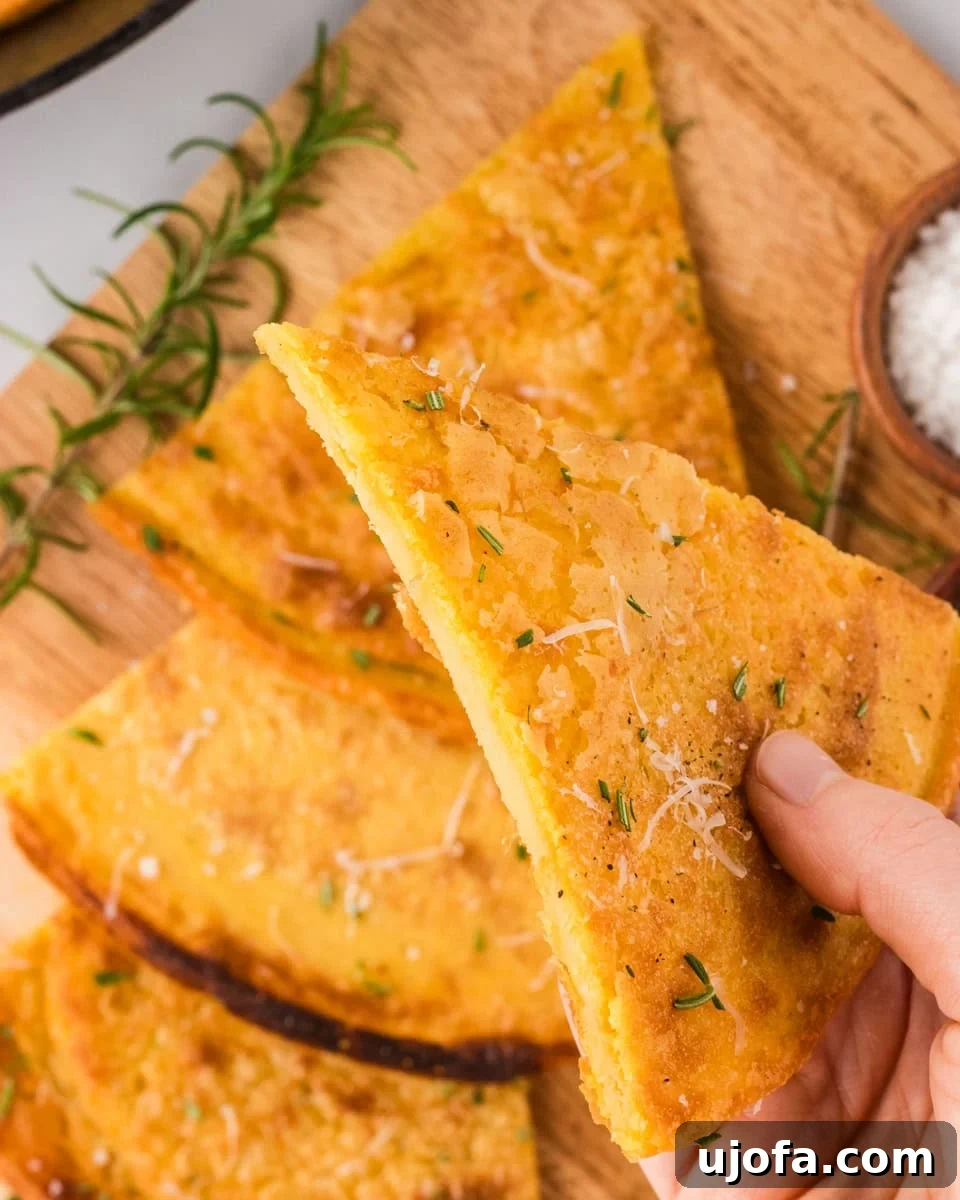
The simplicity of Socca’s ingredients belies the complexity of its texture and flavor. The high heat and quick cooking process create a wonderfully crispy, almost charred exterior, while the inside remains soft and slightly creamy, a characteristic often described as custardy. This delightful contrast is what makes Socca so addictive and a favorite among both locals and tourists exploring the culinary landscape of Nice.
Why You’ll Love This Socca Chickpea Flatbread Recipe
- Effortlessly Gluten-Free: Made entirely from chickpea flour, Socca is naturally free from gluten, making it a perfect option for those with celiac disease or gluten sensitivities.
- Minimal Ingredients, Maximum Flavor: With just four basic ingredients, this recipe proves that incredible flavor doesn’t require a long shopping list. The quality of your olive oil and chickpea flour will truly shine through.
- Quick & Easy Preparation: Once the batter has had its crucial resting time, the cooking process is surprisingly fast, often taking less than 15 minutes from pan to plate.
- Incredibly Versatile: Whether you enjoy it plain, with fresh herbs, savory toppings, or as a side dish, Socca adapts beautifully to your culinary preferences.
- Unique & Satisfying Texture: The signature crispy edges and tender, almost creamy center create a textural experience that is both comforting and exciting.
- Healthy & Wholesome: Chickpea flour is a good source of protein and dietary fiber, making Socca a nutritious alternative to traditional wheat-based flatbreads. It’s also naturally vegan and dairy-free.
The Secret to Perfect Socca: Tips and Tricks
While Socca appears simple, a few key techniques ensure that authentic, crispy perfection every time:
- Quality Ingredients Matter: Since there are so few ingredients, their quality is paramount. Invest in good quality chickpea flour and, especially, a high-quality extra virgin olive oil. The olive oil isn’t just a cooking fat; it’s a flavor contributor.
- The Crucial Batter Resting Time: This step is non-negotiable. Allowing the batter to rest for at least 1 hour (and ideally 2-12 hours, or even overnight in the refrigerator) gives the chickpea flour ample time to fully hydrate. This prevents a grainy texture and ensures a smooth, cohesive batter that bakes into a tender, custardy flatbread. It also allows the flavors to meld and deepen, enhancing the nutty notes.
- Preheating is Key: Just like a good pizza crust, Socca thrives on high heat. Preheating your cast iron skillet or oven-safe pan along with the oven to a high temperature (450°F / 230°C) is essential. This creates an immediate thermal shock when the batter hits the pan, resulting in that iconic crispy, blistered crust.
- Generous Olive Oil in the Pan: Don’t be shy with the olive oil when coating the hot pan. A sufficient amount ensures a non-stick surface and contributes significantly to the crispiness and golden color of the Socca’s bottom crust. The batter should sizzle loudly when poured into the hot, oiled pan.
- High Heat Baking Followed by Broiling: Baking at a high temperature cooks the Socca through, while a brief stint under the broiler gives it that beautiful golden-brown, slightly charred top, mimicking the traditional wood-fired ovens. Keep a close eye on it during broiling, as it can brown quickly.
- The Right Pan Makes a Difference: A cast iron skillet is highly recommended for its excellent heat retention and even heat distribution, which are vital for achieving the perfect crispy texture. If you don’t have one, any heavy-bottomed, oven-safe pan (like a stainless steel skillet or a baking sheet with a rim) can work, but adjust cooking times as needed.
Socca (Chickpea Flatbread)
Julia Elizabeth
6 slices
5 mins
15 mins
1 hr
1 hr 20 mins
Share by Email
Print Recipe
Socca, the beloved French flatbread from Nice, is a simple yet satisfying recipe. With just four ingredients—chickpea flour, water, high-quality olive oil, and a touch of salt—it transforms into a beautifully crisp, golden flatbread with a soft, almost custardy center.
Equipment
- 1 cast iron skillet (10-inch recommended)
Ingredients
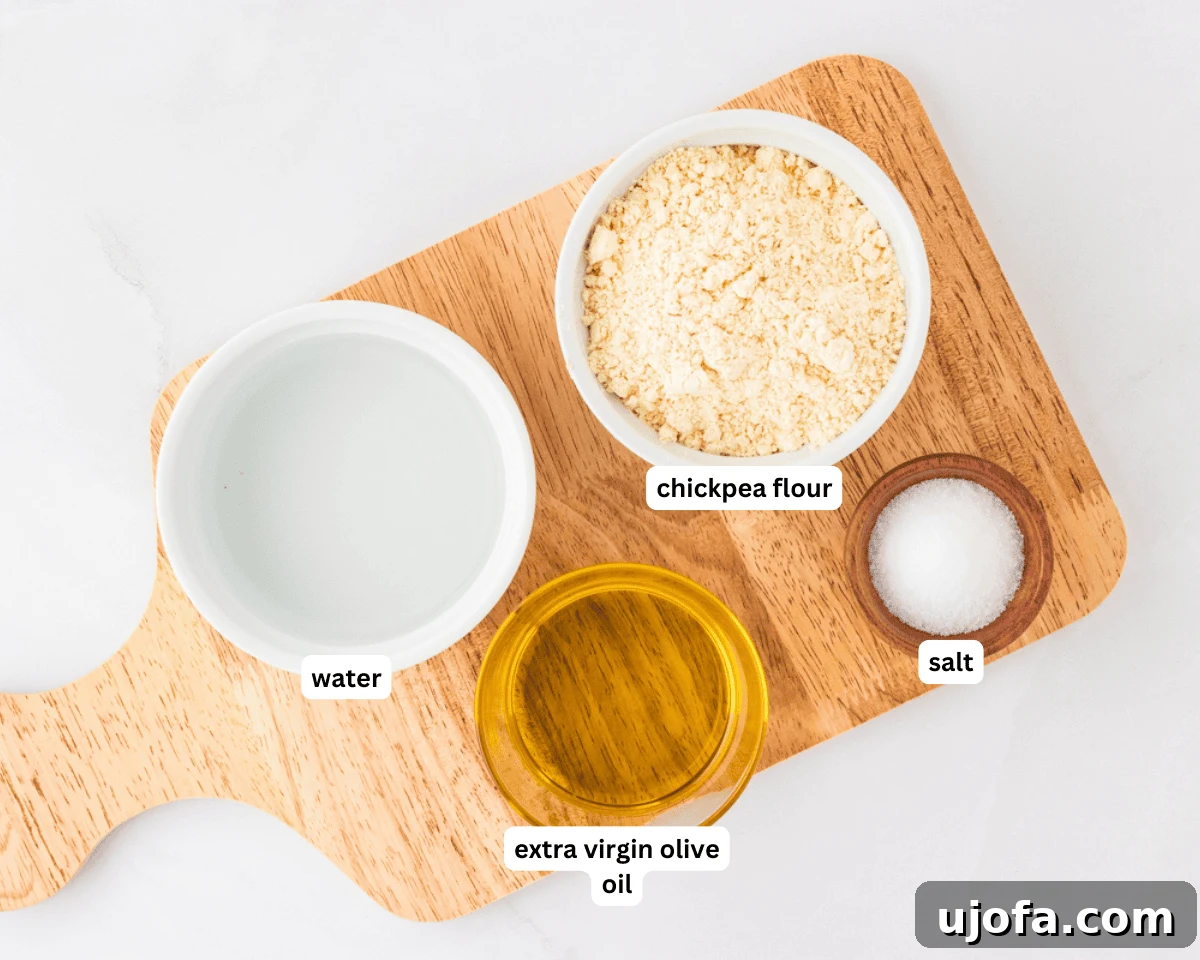
- 1 cup chickpea flour
- 3 tablespoons olive oil (divided)
- ¾ teaspoon salt
- 1 cup water
Instructions
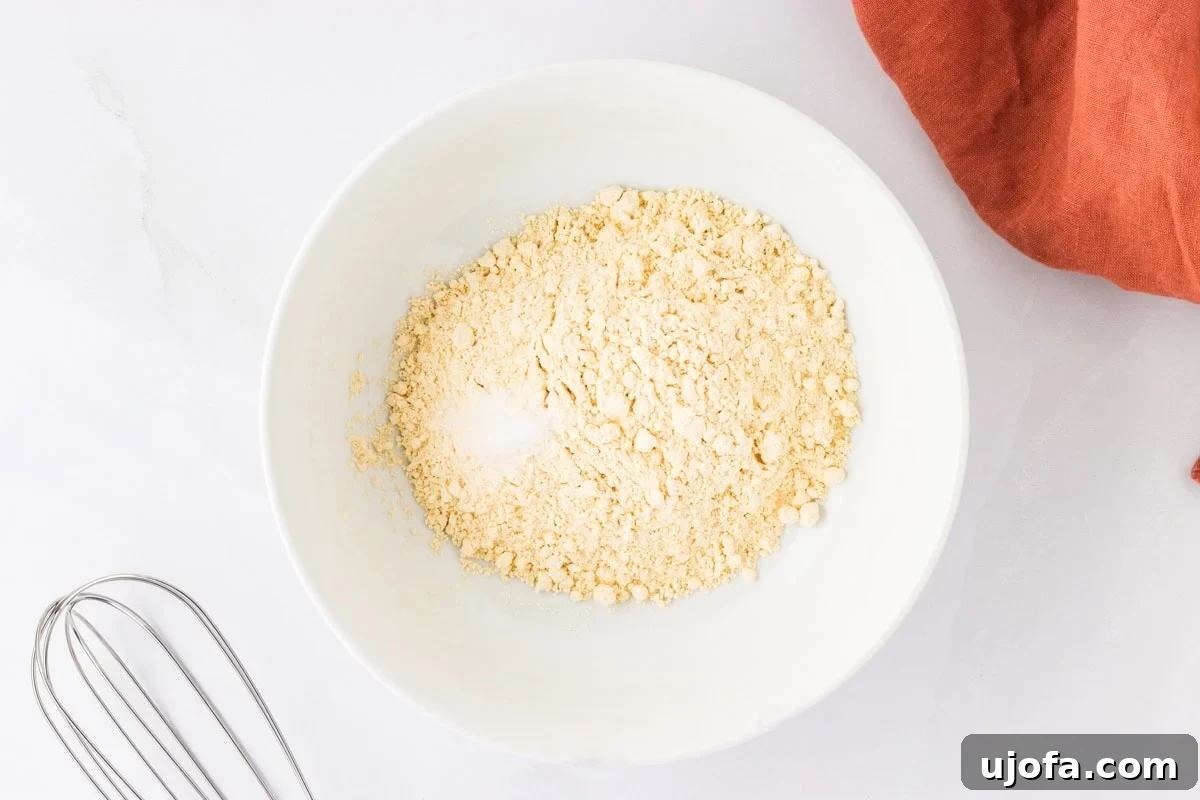
- In a medium-sized bowl, combine the chickpea flour and salt. Whisk them gently to ensure they are well mixed.
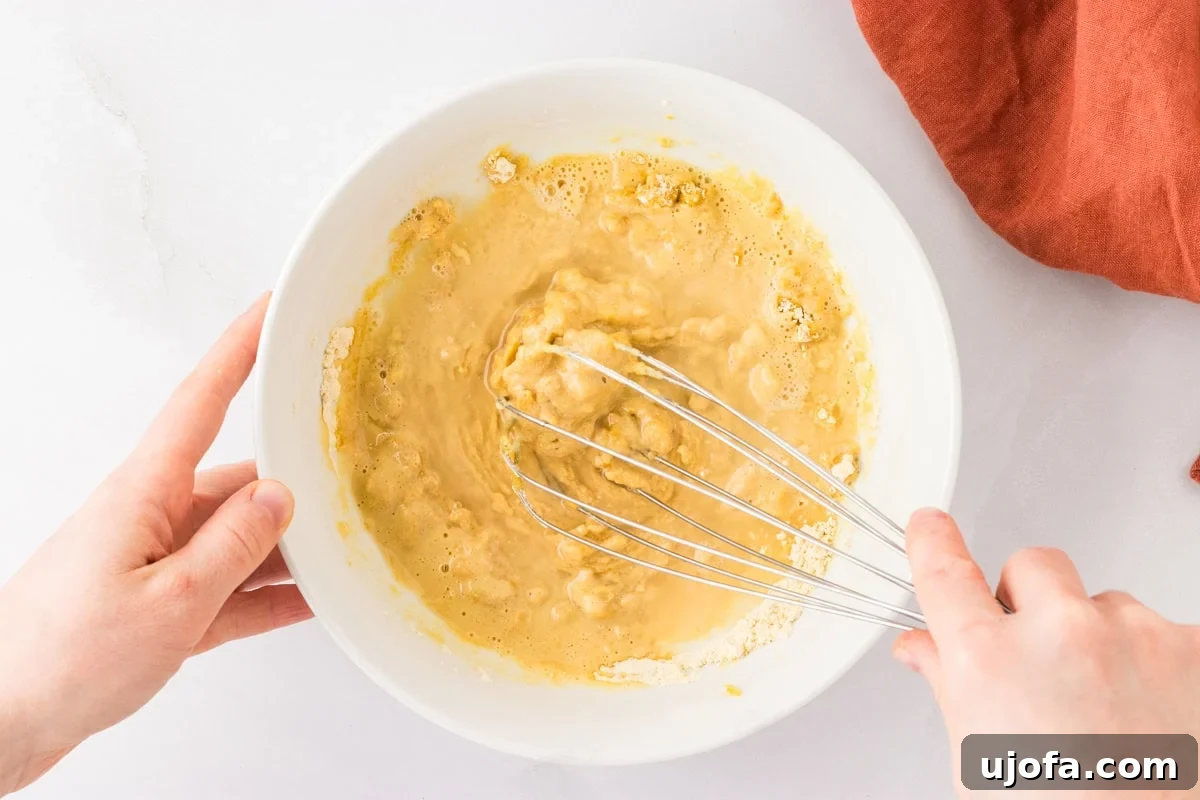
- Slowly add 2 tablespoons of olive oil and the water to the flour mixture while continuously whisking. Continue whisking until the batter is completely smooth and free of lumps. The consistency should be quite watery and thin, similar to a crêpe batter.
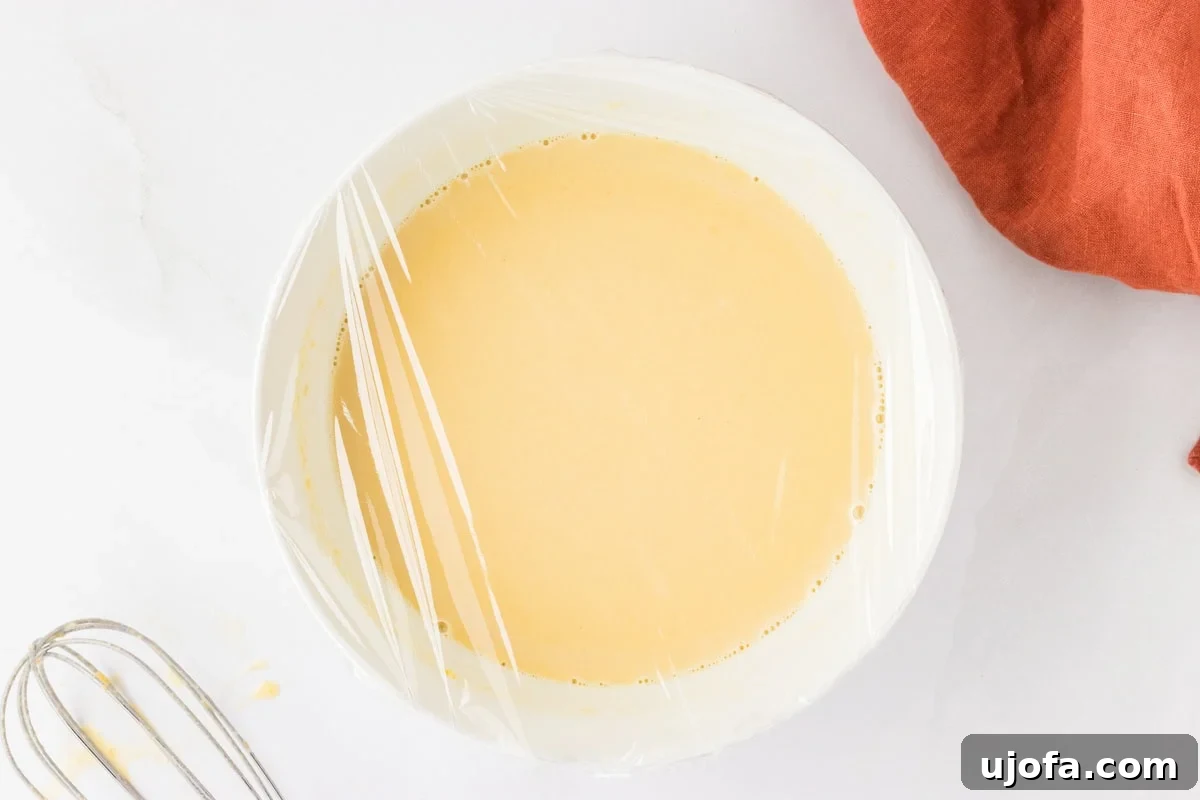
- Cover your bowl with plastic wrap or a clean kitchen towel and let the batter rest at room temperature for at least 1 hour. For the best flavor and texture, I recommend letting it rest for 2-12 hours, or even overnight in the refrigerator. This crucial step allows the chickpea flour to fully hydrate, preventing a grainy texture in the final product.
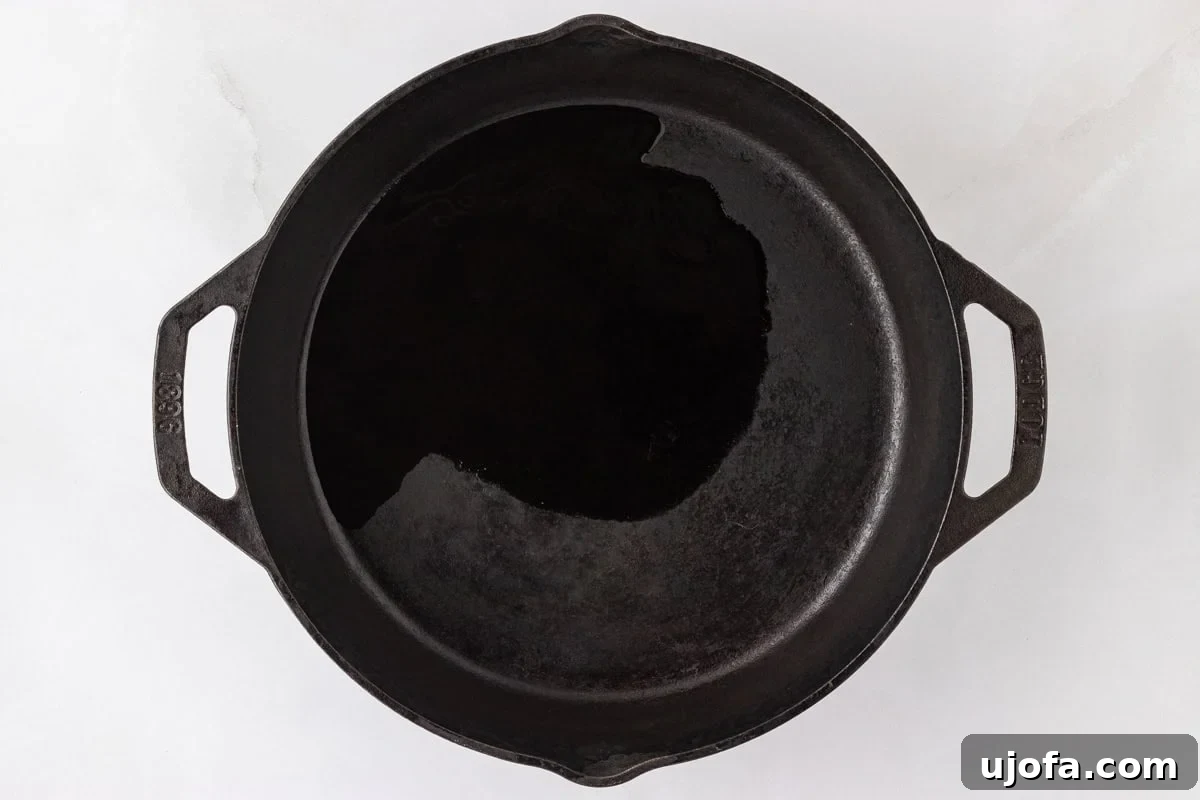
- When you’re ready to cook, place a 10-inch cast iron skillet (or another heavy oven-safe pan) into a cold oven. Preheat the oven to 450°F (230°C) with the pan inside for about 10 minutes. This ensures the pan is piping hot, which is key to a crispy crust.
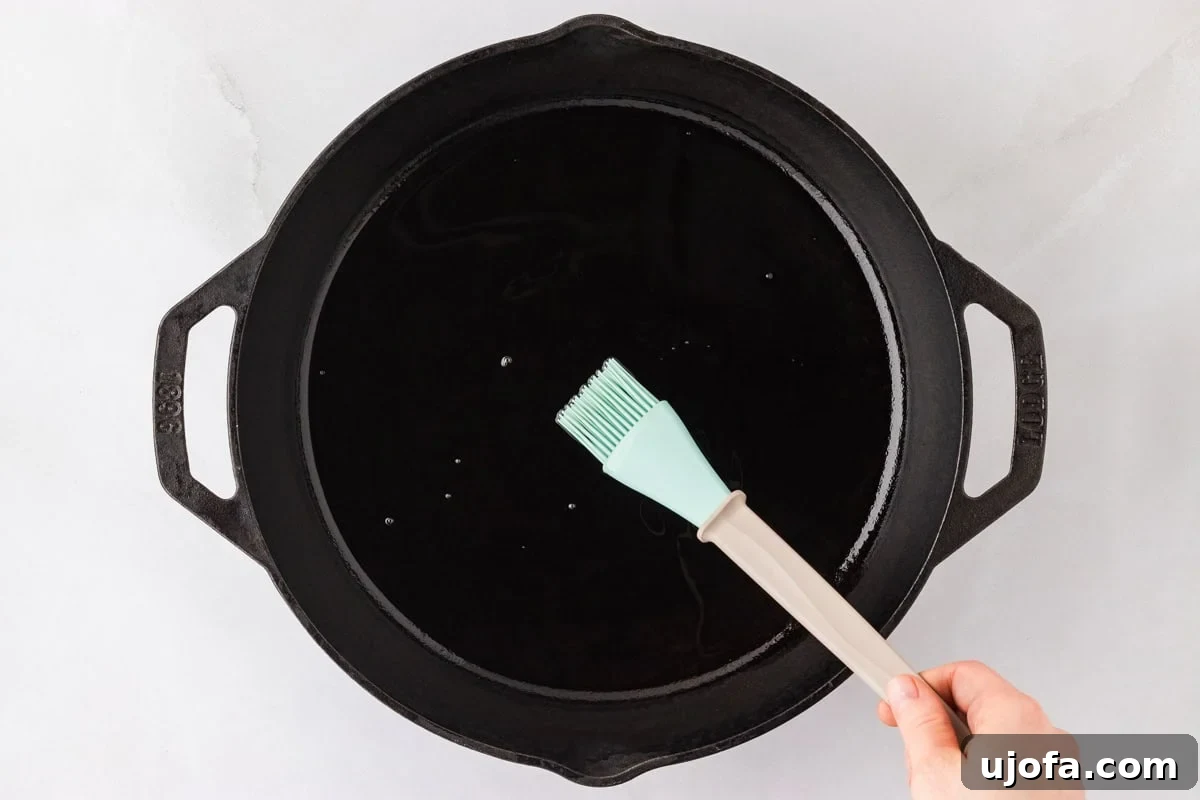
- Once the oven is preheated and the pan is extremely hot, carefully remove it from the oven. Add the remaining 1 tablespoon of olive oil to the hot pan and swirl or spread it around to generously coat the entire surface and sides.
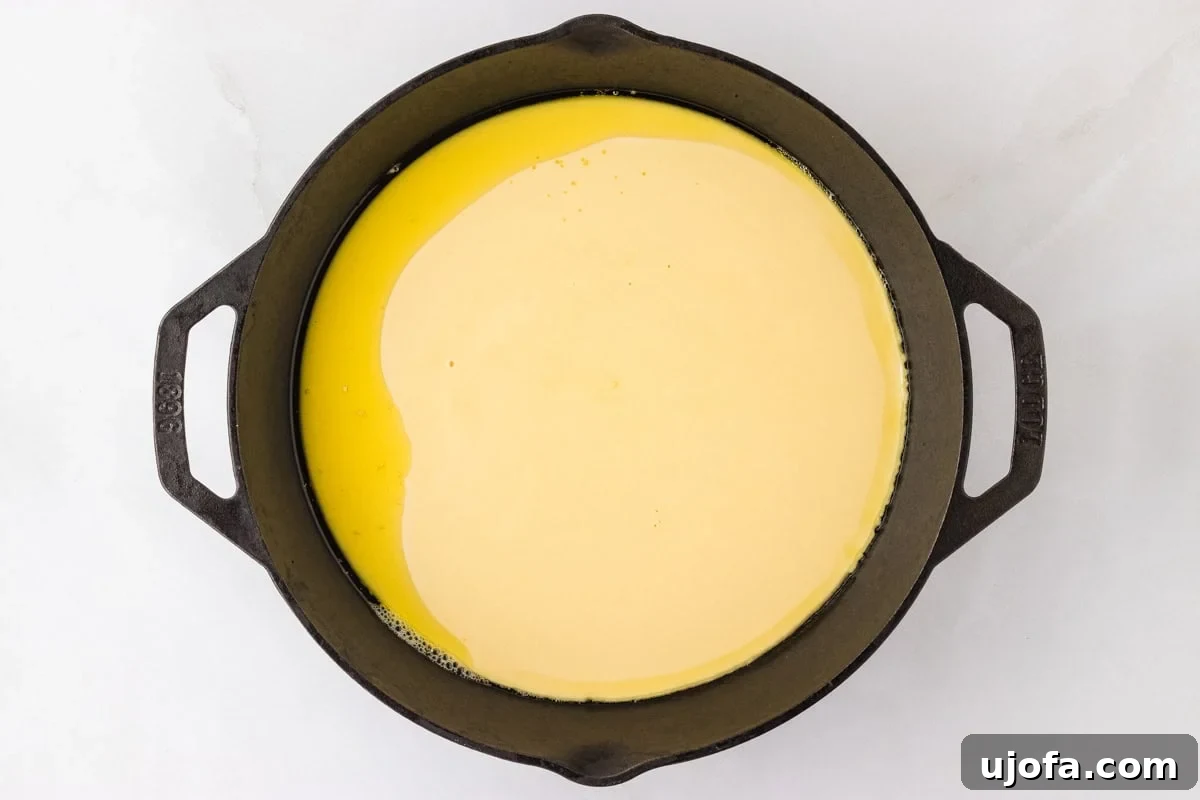
- Immediately pour the rested chickpea batter into the hot, oiled pan. You should hear a distinct sizzle as the batter hits the hot surface, indicating it’s starting to cook instantly.
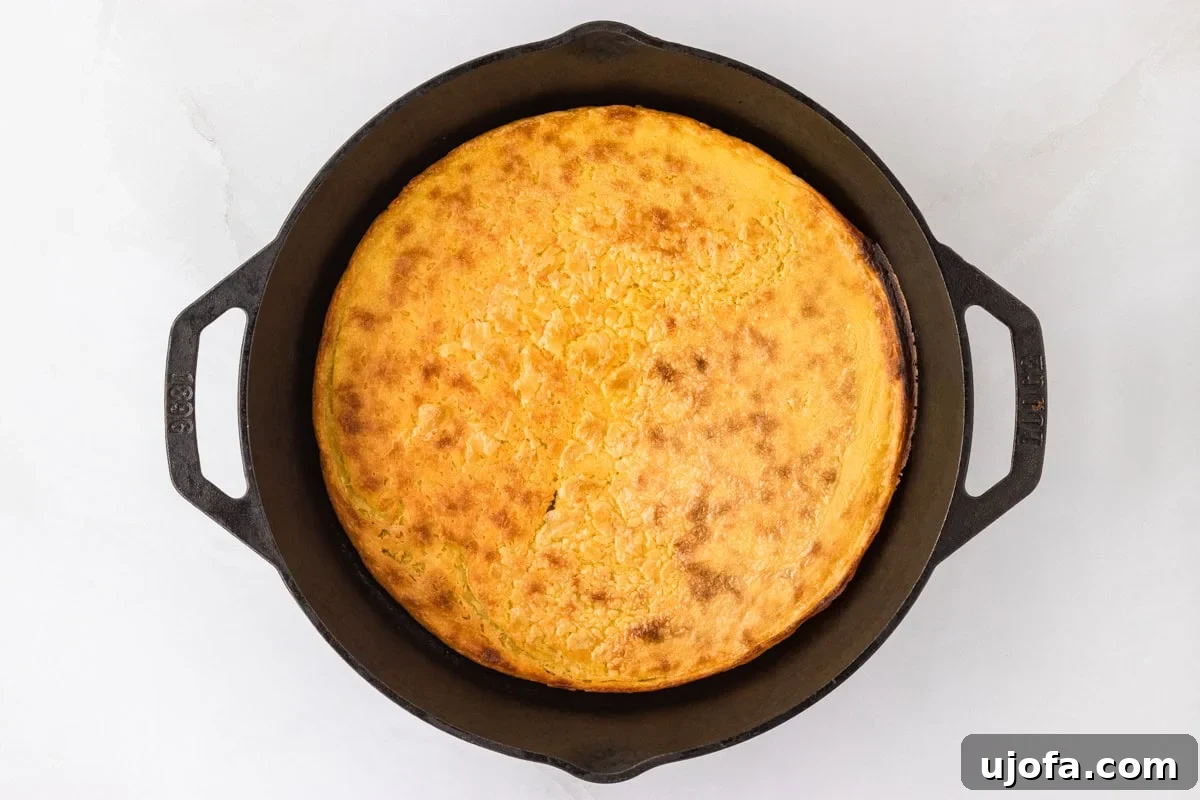
- Return the pan to the preheated oven and bake for 8-10 minutes, or until the edges begin to pull away from the pan and the socca is mostly set.
- To achieve that authentic golden-brown and crispy top, switch your oven to the broiler setting. Broil the socca for 1-2 minutes, watching it very carefully, until the top becomes beautifully golden and slightly blistered. Be vigilant, as it can burn quickly!
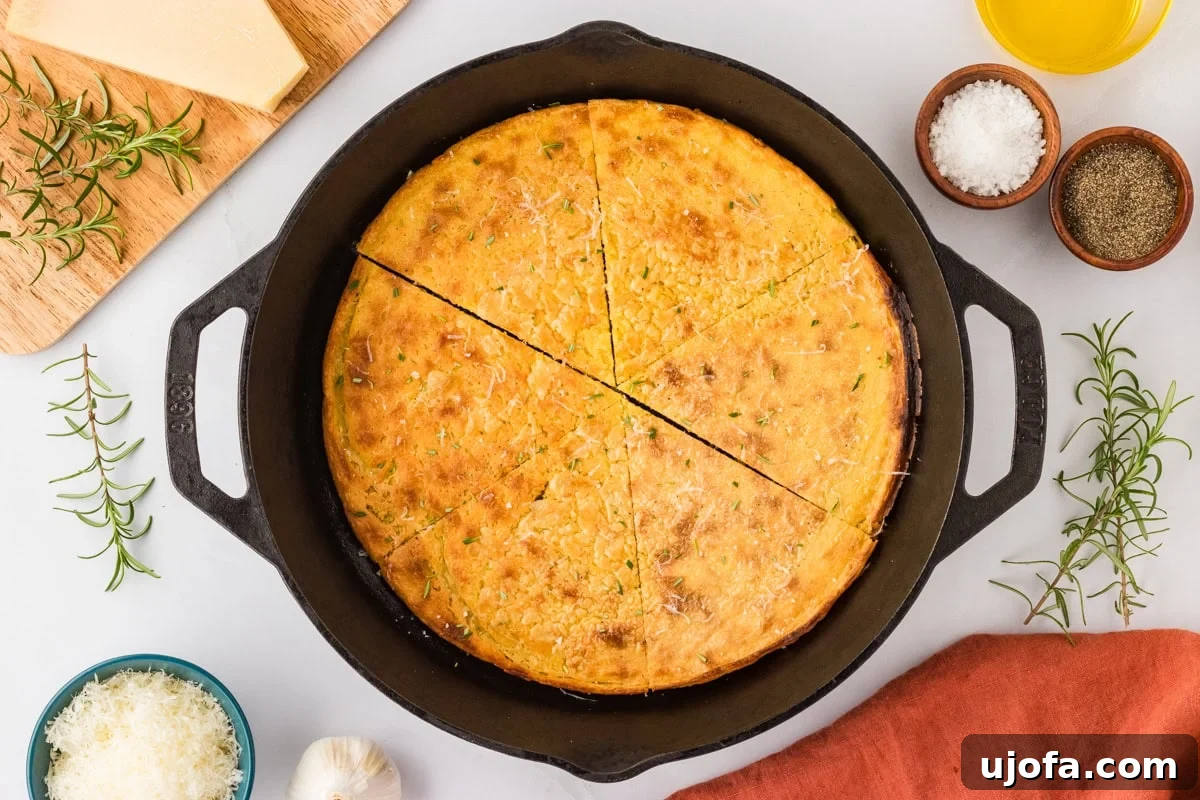
- Carefully remove the socca from the oven. For an authentic touch, immediately season with a sprinkle of flaky sea salt and freshly cracked black pepper. I love mine garnished with fresh rosemary and grated Parmesan cheese for an extra layer of flavor. Slice into wedges or triangles and serve hot!
Notes
- This gluten-free flatbread is incredibly adaptable. Feel free to customize it with your favorite flavors! Try adding finely chopped herbs like thyme or oregano to the batter, caramelized onions for sweetness, a pinch of red pepper flakes for a kick, or a touch of grated cheese (if not vegan) for extra richness.
- You can easily prepare the batter ahead of time. Store it, covered, in the fridge for up to 24 hours. Just give it a good stir before using it to ensure it’s well combined.
- For the absolute best texture and crispiness, make sure both your oven and skillet are fully preheated to the specified temperature before adding the batter. A generous amount of olive oil in the hot pan is crucial for that perfect, crisp bottom crust.
- While a minimum of 30 minutes (or 1 hour as in the recipe) is sufficient, letting the batter rest for 2–12 hours (or even overnight in the fridge) significantly enhances the outcome. This extended rest allows the chickpea flour to fully hydrate, developing a deeper, more nuanced flavor and creating an exceptionally smooth, cohesive texture.
- To achieve maximum crispiness and that desirable slightly charred top, don’t skip the broiling step. Just 1-2 minutes under the broiler can transform your socca, giving it the authentic finish found in Nice. Always keep a close eye on it to prevent burning.
Nutrition
Calories: 139 kcal
Carbohydrates: 12g
Protein: 4g
Fat: 8g
Saturated Fat: 1g
Polyunsaturated Fat: 1g
Monounsaturated Fat: 5g
Sodium: 306mg
Potassium: 169mg
Fiber: 2g
Sugar: 2g
Vitamin A: 8 IU
Calcium: 10mg
Iron: 1mg
Nutrition information is automatically calculated and should only be used as an approximation. Variations may occur based on specific ingredients and preparation methods.
Additional Info
Appetizer, Snack, Side Dish, Baking
French, Mediterranean
Gluten-Free, Vegan, Vegetarian
Tried this recipe?
Mention @mamaknowsglutenfree or tag #mamaknowsglutenfree!
How to Make Socca: Step-by-Step Visual Guide
Serving Suggestions and Flavor Variations
Socca’s humble nature makes it incredibly versatile, allowing it to shine in various culinary contexts. Here are some delicious ways to enjoy your homemade chickpea flatbread:
- Simple & Classic: The most traditional way to savor Socca is simply with a generous drizzle of high-quality extra virgin olive oil and a sprinkle of flaky sea salt and freshly ground black pepper. This highlights its rich, nutty chickpea flavor beautifully.
- Herbs & Spices: Elevate the taste by incorporating fresh herbs like rosemary, thyme, or oregano either into the batter or as a fresh garnish. A dash of cumin adds an earthy, subtle twist, reminiscent of its Mediterranean roots. Chili flakes can provide a pleasant warmth and subtle kick.
- Cheese Pairings: My personal favorite combination includes fresh rosemary and grated Parmesan cheese, which adds a savory, umami depth that perfectly complements the chickpea base. Other cheeses like feta or goat cheese could also work wonderfully.
- Garlic Lover’s Dream: Finely minced garlic can be added to the batter or rubbed onto the hot socca right after baking for an aromatic burst of flavor.
- Dips & Spreads: Serve Socca alongside your favorite dips such as hummus, baba ghanoush, or a simple olive oil and balsamic vinegar dip. It’s also fantastic with tapenade or pesto.
- Savory Toppings: Get creative with savory toppings! Caramelized onions add a touch of sweetness, roasted red peppers bring a smoky note, or thinly sliced olives offer a briny contrast.
- Pizza-Style Socca: Use Socca as a gluten-free pizza base! Top it with a light tomato sauce, fresh vegetables (like bell peppers, mushrooms, spinach), basil, and mozzarella or a dairy-free cheese alternative, then bake until warmed through and bubbly.
- Accompaniment to Meals: Socca makes a fantastic side dish for stews, soups, or salads, soaking up flavorful broths and dressings. It’s also a wonderful addition to a mezze platter or as part of a light lunch.
Storage and Reheating Tips
Socca is truly at its peak when served fresh and hot, straight from the oven, when its unique crisp-tender texture is most pronounced. However, if you find yourself with leftovers, you can certainly store and reheat them:
- Storage: Allow any leftover socca to cool completely to room temperature. Store it in an airtight container or wrapped tightly in foil on the counter for up to 3 days. For longer storage, you can refrigerate it for up to 5 days, though it may lose some of its crispness.
- Reheating: To revive the delicious crispiness, reheating in the oven is highly recommended. Preheat your oven to 400°F (200°C). Place the socca slices directly on a baking sheet and bake for about 5-8 minutes, or until the edges become crispy again and it’s heated through. Avoid microwaving, as this will make it soft and chewy rather than crispy.
Frequently Asked Questions About Socca
Here are some common questions about making and enjoying Socca:
What kind of chickpea flour should I use for Socca?
For Socca, you should use “chickpea flour” (also known as “gram flour” or “besan” in Indian cuisine). This is made from ground chickpeas. Ensure it’s 100% chickpea flour and not a blend, as some flours may contain wheat or other grains, which would not be gluten-free.
Why is my Socca not getting crispy?
Several factors contribute to crispy Socca: the pan being extremely hot when the batter is poured in, using enough olive oil to coat the pan, and the high baking temperature combined with a brief broil at the end. Make sure your oven is fully preheated, and don’t skimp on the oil in the hot pan!
Can I make the batter ahead of time?
Absolutely! In fact, letting the batter rest for an extended period (2-12 hours or overnight in the fridge) is highly recommended. It allows the chickpea flour to fully hydrate, resulting in a smoother batter and a more tender, flavorful flatbread. Just give it a good whisk before cooking.
Is Socca vegan and dairy-free?
Yes, Socca is naturally vegan and dairy-free! Its traditional ingredients are chickpea flour, water, olive oil, and salt. If you add toppings, just ensure they align with your dietary preferences (e.g., use nutritional yeast or a dairy-free cheese alternative instead of Parmesan if strictly vegan).
Can I use a different pan if I don’t have a cast iron skillet?
While a cast iron skillet is ideal for its superior heat retention and even cooking, you can use other heavy-bottomed, oven-safe pans. A stainless steel skillet or even a regular baking sheet (with a rim) can work. Just make sure it’s well-oiled and thoroughly preheated for the best chance at a crispy crust.
How do I know when Socca is done?
Socca is done when it’s golden brown around the edges and on top, and the edges have started to pull away from the sides of the pan. The center should be set and firm to the touch, with a slight tenderness. The broiling step is key for that beautiful, blistered, golden finish.
More Delicious Gluten-Free & Chickpea Recipes
If you love the versatility and flavor of chickpeas, explore these other fantastic gluten-free recipes:
- Marry Me Chickpeas
- Gluten-Free Falafel
- Vegan Chickpea Tuna Salad
- Chickpea Cookie Dough
- Pakora
Embrace the simplicity and rich flavors of the French Riviera with this authentic Socca recipe. Whether you’re a seasoned chef or a beginner in the kitchen, this gluten-free chickpea flatbread is an easy and rewarding dish that promises crispy perfection and a delightful culinary adventure!