
The Ultimate Guide to a Flawless Gluten-Free Almond Flour Pie Crust
Embark on a delightful baking journey with our incredibly simple yet remarkably delicious almond flour pie crust recipe. This isn’t just any pie crust; it’s a game-changer for anyone seeking a gluten-free, low-carb, and wonderfully flavorful alternative to traditional pastry. Crafted with just six essential ingredients, this crust delivers a rich, nutty taste and a perfectly tender texture that complements any pie filling you can imagine. Whether you’re preparing for a festive holiday gathering, a cozy family dinner, or simply craving a homemade treat, this recipe promises a pie experience that’s both healthier and more satisfying than anything store-bought. Imagine sharing warm, freshly baked pies around your Thanksgiving table, knowing everyone, including those with dietary restrictions, can indulge in a truly spectacular dessert. This versatile almond flour crust is your secret weapon for creating memorable pies that will gather rave reviews.
Discover the Magic of Gluten-Free Almond Flour Pie Crust
Breaking free from gluten doesn’t mean sacrificing the joy of a perfectly baked pie. In fact, our gluten-free almond flour pie crust stands as a testament to how accessible and enjoyable baking can be for everyone. If you’re hosting a holiday dinner this year, particularly Thanksgiving, this straightforward recipe is destined to become the undisputed star of your dessert spread. Beyond its impeccable gluten-free credentials, this crust boasts an intensely nutty and naturally sweet flavor profile, courtesy of the almond flour. It’s a delightful departure from bland, often gritty gluten-free alternatives. Moreover, its inherently low-carb nature makes it an excellent choice for those mindful of their carbohydrate intake, without compromising on taste or texture. Prepare to impress your guests and bring a truly inclusive dessert to your next special occasion.
Why Choose Almond Flour for Your Pie Crust?
Almond flour is more than just a gluten-free substitute; it’s an ingredient that brings a host of benefits to your pie crust, elevating it beyond the ordinary. Its finely ground texture creates a tender, delicate crust that practically melts in your mouth, a stark contrast to the sometimes dense or crumbly nature of other gluten-free flours. The natural richness of almonds imparts a subtle sweetness and a wonderfully nutty aroma that enhances both sweet and savory pie fillings. This unique flavor complements everything from classic apple and pumpkin to more exotic fruit or chocolate creations. Nutritionally, almond flour shines as a low-carb alternative, packed with healthy fats, protein, and fiber, making your dessert a more wholesome indulgence. It helps create a pie crust that’s not only delicious but also contributes to a balanced diet, offering a guilt-free pleasure for all to savor.
Working with almond flour dough is also a remarkably straightforward process, often more forgiving than traditional wheat-based pastry. Its natural elasticity and moisture content make it easy to roll out without excessive sticking or tearing. This means less stress in the kitchen and more time to enjoy the delightful aromas filling your home. Say goodbye to the frustrations of gluten development and hello to a smooth, manageable dough that bakes into a consistently crisp and flavorful crust every time.
Essential Ingredients for Your Perfect Almond Flour Pie Crust
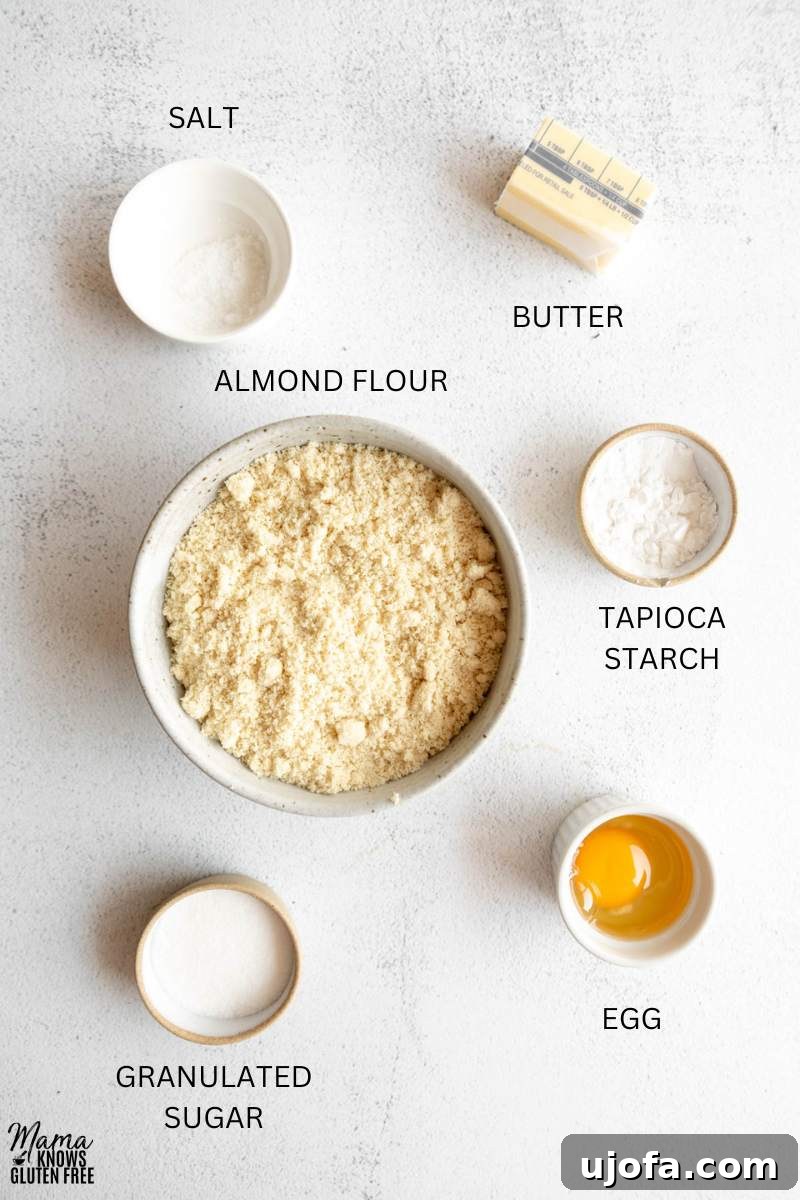
Crafting this exceptional almond flour pie crust requires only a handful of carefully selected ingredients, each playing a crucial role in achieving that ideal balance of flavor and texture. Understanding the purpose of each component will help you create a consistently delicious result:
- Almond Flour: The foundation of our gluten-free crust. For best results, opt for super-fine blanched almond flour. This ensures a smooth, tender texture without the grittiness that coarser flours can sometimes impart. It provides the structure while delivering that signature nutty flavor.
- Tapioca Starch: This acts as a binder, helping to hold the almond flour together and preventing the crust from becoming too crumbly. It also contributes to a lovely crispness, ensuring your crust has a satisfying bite.
- Granulated Sugar: Just a touch of sugar is added to enhance the natural sweetness of the almonds and to promote a beautiful golden-brown color during baking. It balances the flavors without making the crust overly sweet, allowing the pie filling to shine.
- Salt: A pinch of salt is vital for bringing out and intensifying all the other flavors in the crust. It prevents the taste from being flat and adds depth to the overall profile.
- Large Egg: The egg acts as a powerful binder, helping to emulsify the ingredients and form a cohesive, pliable dough. It also adds a touch of richness and moisture, contributing to the crust’s tender texture.
- Unsalted Butter: Butter is key for both flavor and texture. When melted and slightly cooled, it provides the necessary moisture and a luxurious richness. Using unsalted butter allows you to control the overall salt content of your crust.
Expert Tips for a Flawless Gluten-Free Pie Crust
Achieving pie perfection with an almond flour crust is surprisingly simple, but a few key tips can elevate your results from good to absolutely outstanding:
- Infuse Autumnal Flavors: For a delightful seasonal touch, consider whisking in a teaspoon or two of ground cinnamon, nutmeg, or even a dash of pumpkin pie spice into your dry ingredients. Ensure you mix it thoroughly to avoid any clumps and distribute the warm spices evenly throughout the dough.
- Master the Crimped Edge: For an aesthetically pleasing finish, gently pinch and flute the edges of your crust. This not only adds a beautiful handmade look but also helps to contain the filling and prevent spillage during baking.
- Prepare Ahead for Convenience: This pie dough is wonderfully versatile and can be made in advance. You have a few options for storage:
- Dough Ball: Form the dough into a disc, wrap it tightly in plastic wrap, and refrigerate for up to 3-4 days.
- Rolled Crust: Roll out the raw crust into the pie pan, cover it tightly with plastic wrap or aluminum foil, and refrigerate for up to 2 days.
- Pre-baked: Parbake the crust as instructed, allow it to cool completely, then wrap it securely and refrigerate for up to 2 days or freeze for longer storage (up to 1 month). Always ensure dough is chilled before use.
- Do Not Skip Parbaking: This crucial step, also known as blind baking, is essential for a crisp, non-soggy bottom crust. Almond flour, like many gluten-free flours, can absorb moisture from the filling if not adequately pre-baked. Parbaking creates a protective barrier, ensuring your crust remains perfectly flaky and firm.
- Prevent Overfilling: Resist the temptation to overfill your pie. An overflowing pie can lead to a messy oven and, more importantly, a soggy crust bottom as the filling bubbles over and seeps into the edges. Leave a little room at the top for expansion.
- Maintain Ingredient Temperatures: While the butter is melted then cooled, ensure your egg is at room temperature. This helps it incorporate more smoothly and evenly into the mixture, creating a more uniform dough.
- Avoid Overworking the Dough: Unlike wheat flour dough, almond flour dough does not develop gluten, so there’s no need to knead it excessively. Mix until just combined and then gently knead to bring it together. Overworking can make it tough and greasy.
Knowing When Your Almond Flour Pie Crust is Perfectly Baked
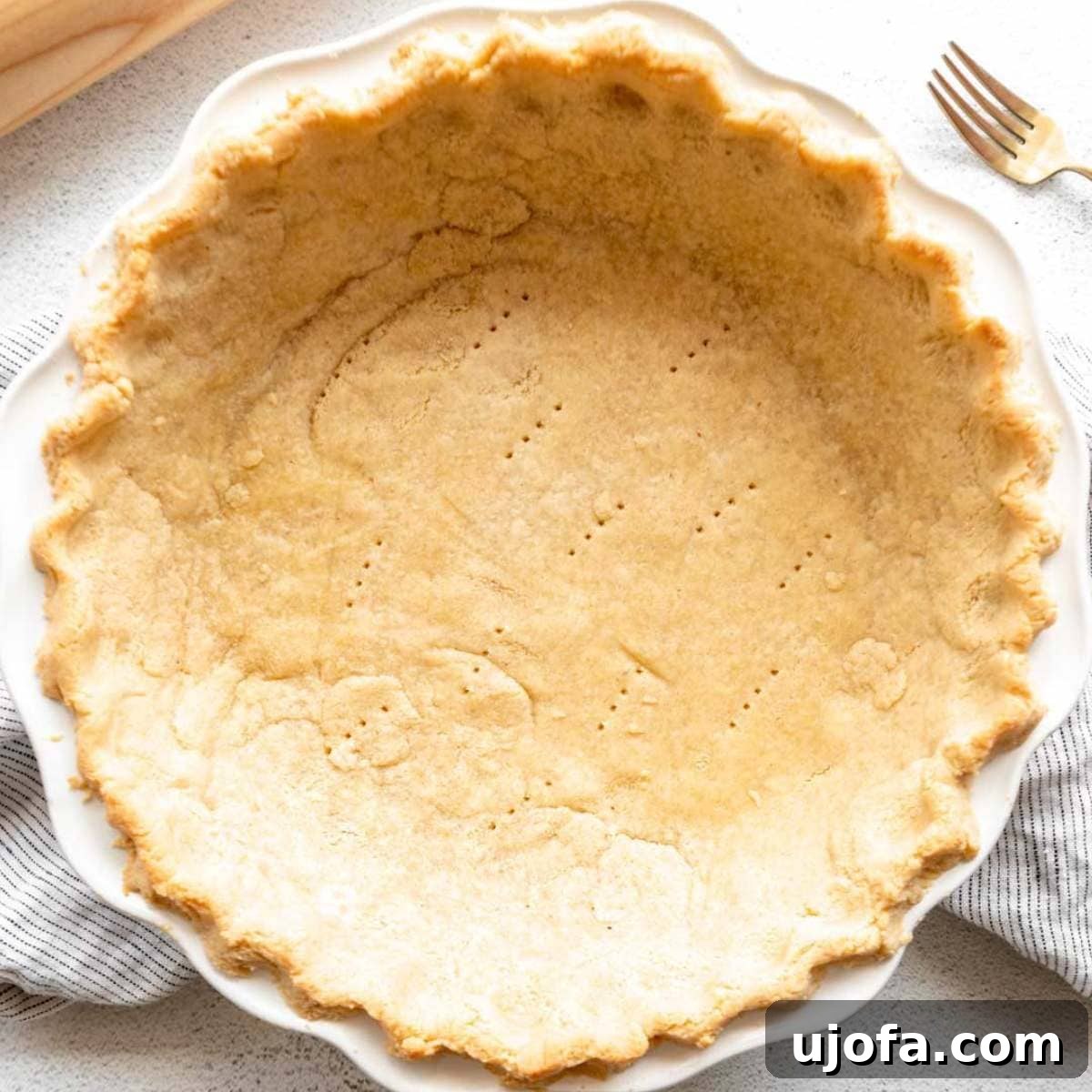
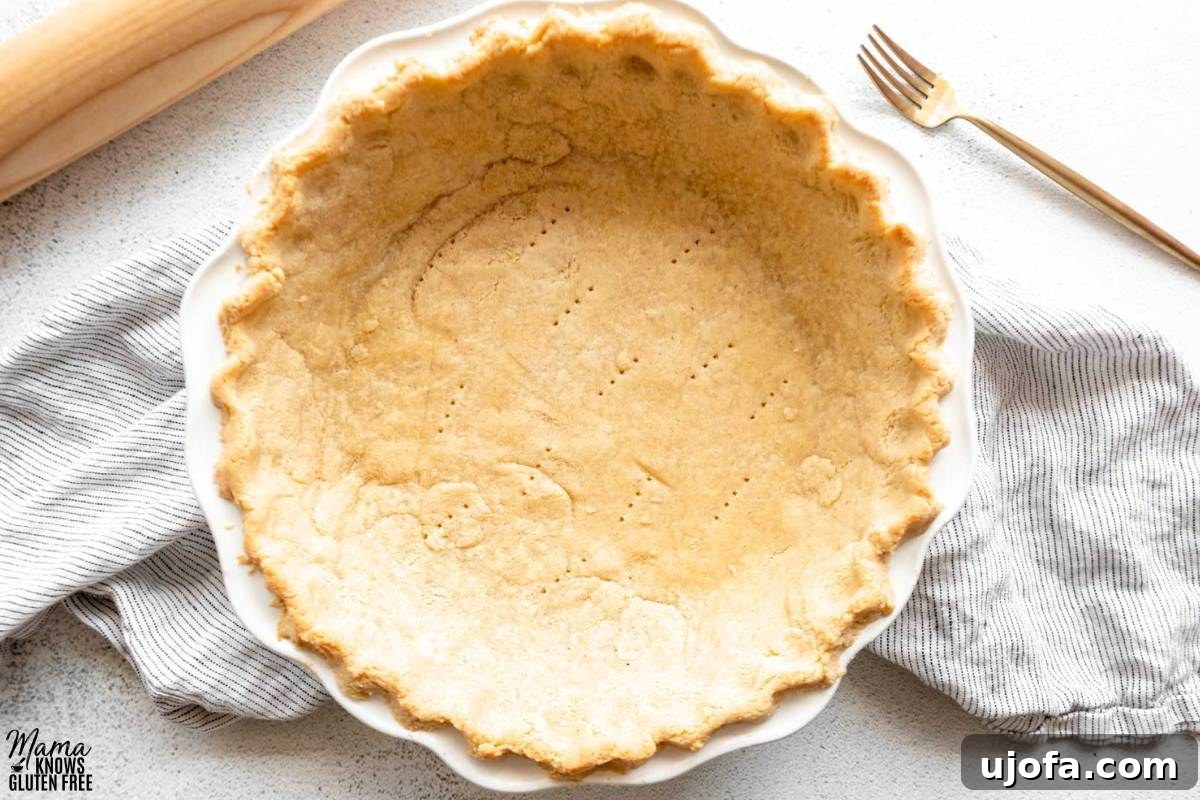
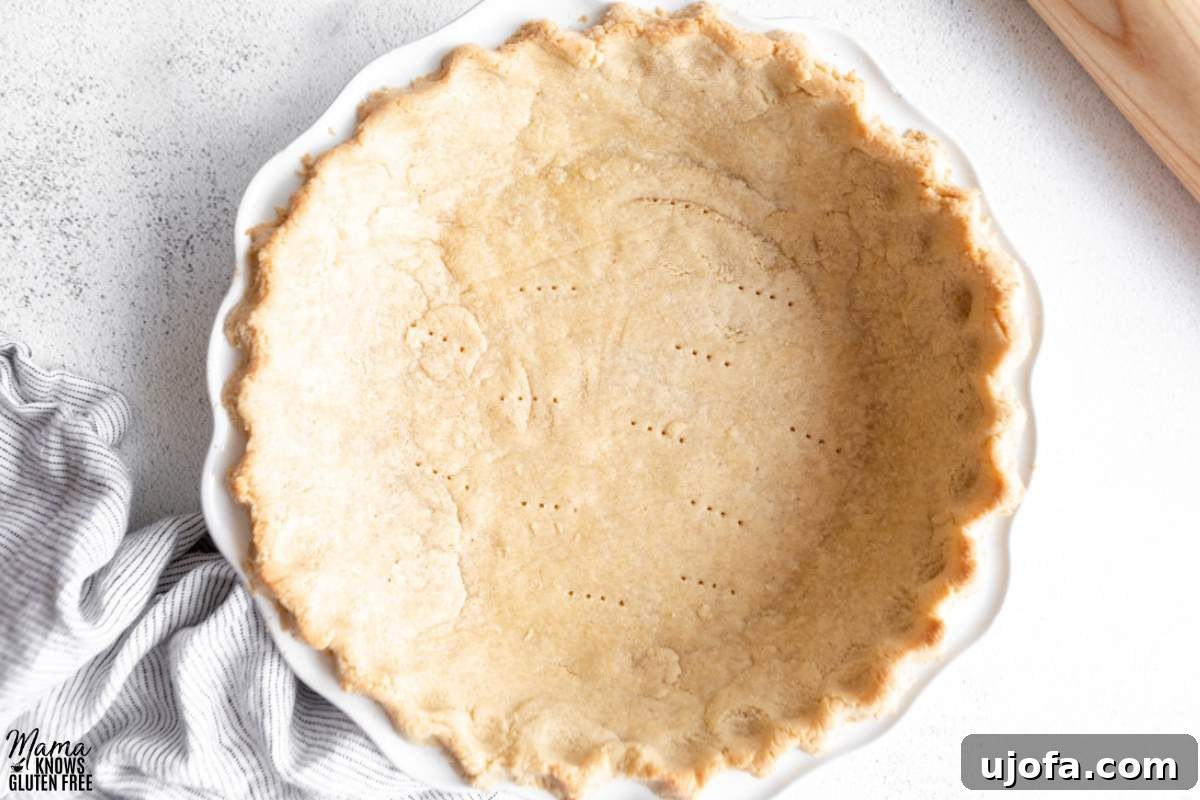
Paying close attention to visual cues is key when parbaking your almond flour pie crust. The edges are your primary indicator, as they will begin to turn a beautiful golden brown first, signaling that the crust is ready for its filling. You’re aiming for a light golden hue, not a deep brown, as the crust will return to the oven for a second bake with the pie filling. Avoid overbaking at this stage; a perfectly parbaked crust should still be somewhat pliable but firm enough to hold its shape, setting the stage for a truly magnificent final pie.
Discovering Popular Pie Pairings for Your Almond Flour Crust
The beauty of this almond flour pie crust lies in its incredible versatility, pairing harmoniously with a vast array of pie fillings throughout the year. The “most popular” type of pie often depends on the season and specific holiday celebrations. For the festive atmosphere of Thanksgiving and the cooler autumn months, timeless classics like our gluten-free pumpkin pie, a comforting gluten-free apple pie, and a rich gluten-free pecan pie are always cherished favorites. The nutty undertones of the almond flour crust beautifully complement the warm spices and rich textures of these traditional fillings.
As the seasons shift, so too can your pie preferences. During the vibrant summer months, this almond flour crust provides an ideal base for light and refreshing fruit pies, allowing the bright flavors of berries, peaches, or cherries to truly sing. Its tender crumb and subtle sweetness enhance the natural tang of summer fruits without overpowering them. Come Christmastime and the colder winter days, consider pairing it with decadent chocolate cream pies, smooth coconut cream pies, or even a rich lemon meringue. The sturdy yet delicate nature of this almond flour crust handles both custard-based and fruit-filled pies with equal grace.
One truth remains constant: there’s an unparalleled joy in homemade pies. This easy almond flour crust recipe is a testament to that, serving as a magnificent canvas for any pie filling you choose. Its adaptability ensures that no matter the occasion or your craving, you can create a wholesome, delicious, and universally enjoyed pie.
Almond Flour Pie Crust Recipe
By: Claire Cary
Servings: 9 servings
Prep time: 5 mins
Cook time: 15 mins
Total time: 20 mins
This Almond Flour Pie Crust calls for 6 ingredients and bakes in just 15 minutes. It’s the perfect gluten-free, low-carb alternative for Thanksgiving pies and beyond!
Ingredients
- 2⅓ cups almond flour
- 1 tablespoon tapioca starch
- ½ teaspoon salt
- 2 tablespoons granulated sugar
- ¼ cup butter, melted, then cooled slightly
- 1 large egg, beaten
US Customary – Metric
Instructions
- Preheat the oven to 350°F (175°C) and generously grease a 9-inch pie pan with butter. Set aside.
- In a large mixing bowl, combine the almond flour, tapioca starch, salt, and granulated sugar. Whisk these dry ingredients together thoroughly to ensure even distribution.
- Add the beaten egg and the slightly cooled melted butter to the bowl with the dry ingredients. Use a rubber spatula to mix until a crumbly dough begins to form, then gently knead with your hands until the ingredients are fully combined and form a cohesive ball of dough.
- Place the dough between two sheets of parchment paper. Using a rolling pin, flatten the dough evenly into a 13-inch circle. This parchment paper method prevents sticking and makes transfer easy.
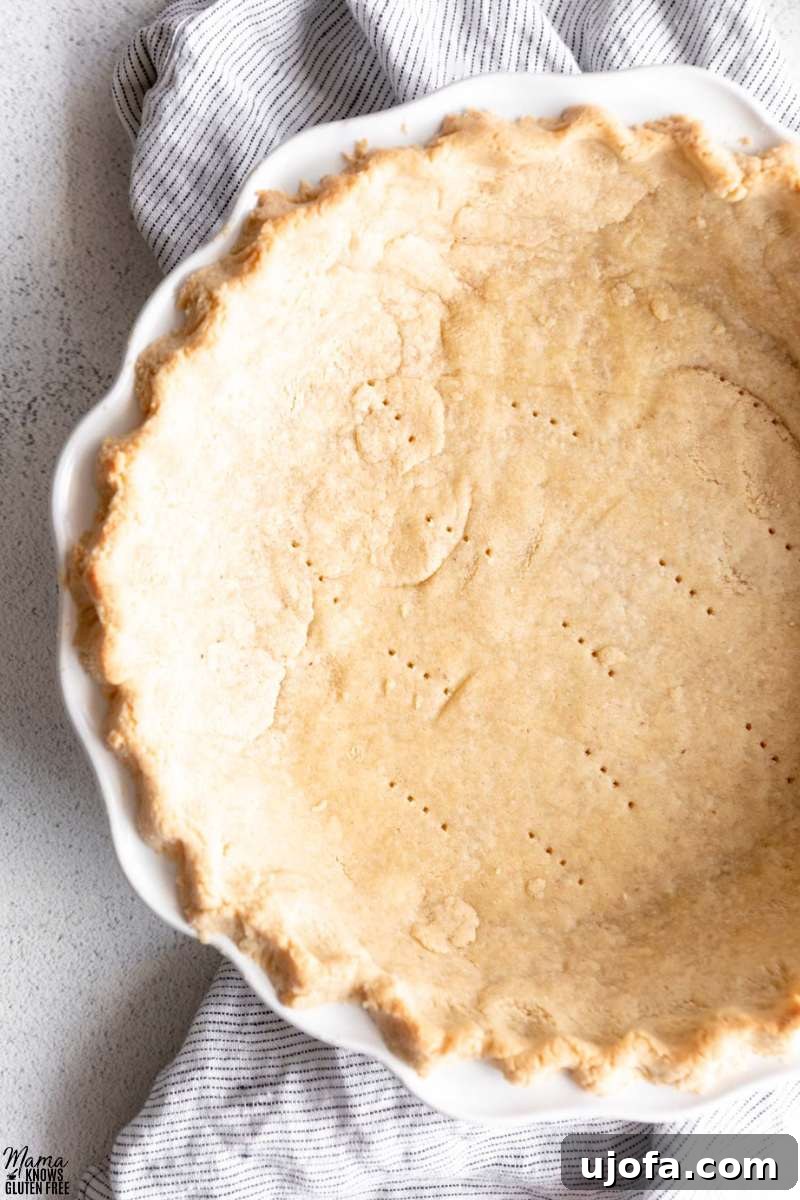
- Carefully remove the top piece of parchment paper. Invert the dough, with the bottom parchment paper still attached, onto your prepared 9-inch pie pan. Gently peel off the remaining parchment paper. Press the dough into the pan, making sure it fits snugly against the bottom and sides. If any rips occur, simply press the dough together to mend them. Use a fork to poke several holes in the center of the crust; this is known as docking and helps prevent bubbling during baking.
- Bake the crust in the preheated oven for 15 minutes, or until the edges are lightly golden brown.
- Once parbaked, remove the crust from the oven, add your desired pie filling, and continue to bake according to the instructions of your specific pie recipe. Enjoy your homemade, gluten-free pie!
Notes
- If you want to add a pretty look, you can pinch around the edges to form a crimped crust. This adds a lovely homemade aesthetic.
- Make sure you don’t skip parbaking the pie crust before using it with your filling. This step is crucial for preventing a soggy bottom and ensuring a wonderfully crisp crust.
- Don’t overfill the pie! Overfilling can lead to a messy oven and a pie crust that may end up being soggy on the bottom due to spillage.
- If you want to add more fall flavor to the crust, mix in a little bit of ground cinnamon, nutmeg, or pumpkin spice with the dry ingredients. Just be sure to stir it well so that there aren’t clumps in the mixture.
- You can make the pie dough ahead of time and store it in several ways. Keep the ball of dough wrapped tightly in plastic wrap, roll out the raw crust and store it in a covered pan, or pre-bake it. No matter which route you go, make sure to keep the dough in the fridge until ready to use.
- Always check your labels for gluten-free certification, especially for ingredients like tapioca starch or butter, if cross-contamination is a concern.
Nutrition
Nutrition information is automatically calculated, so should only be used as an approximation. Per serving (1 serving): Calories: 230kcal, Carbohydrates: 10g, Protein: 7g, Fat: 20g, Saturated Fat: 4g, Polyunsaturated Fat: 0.3g, Monounsaturated Fat: 2g, Trans Fat: 0.2g, Cholesterol: 34mg, Sodium: 178mg, Potassium: 9mg, Fiber: 3g, Sugar: 4g, Vitamin A: 188IU, Calcium: 66mg, Iron: 1mg.
Additional Info
- Course: Dessert
- Cuisine: American
How To Make Almond Flour Pie Crust Step-by-Step
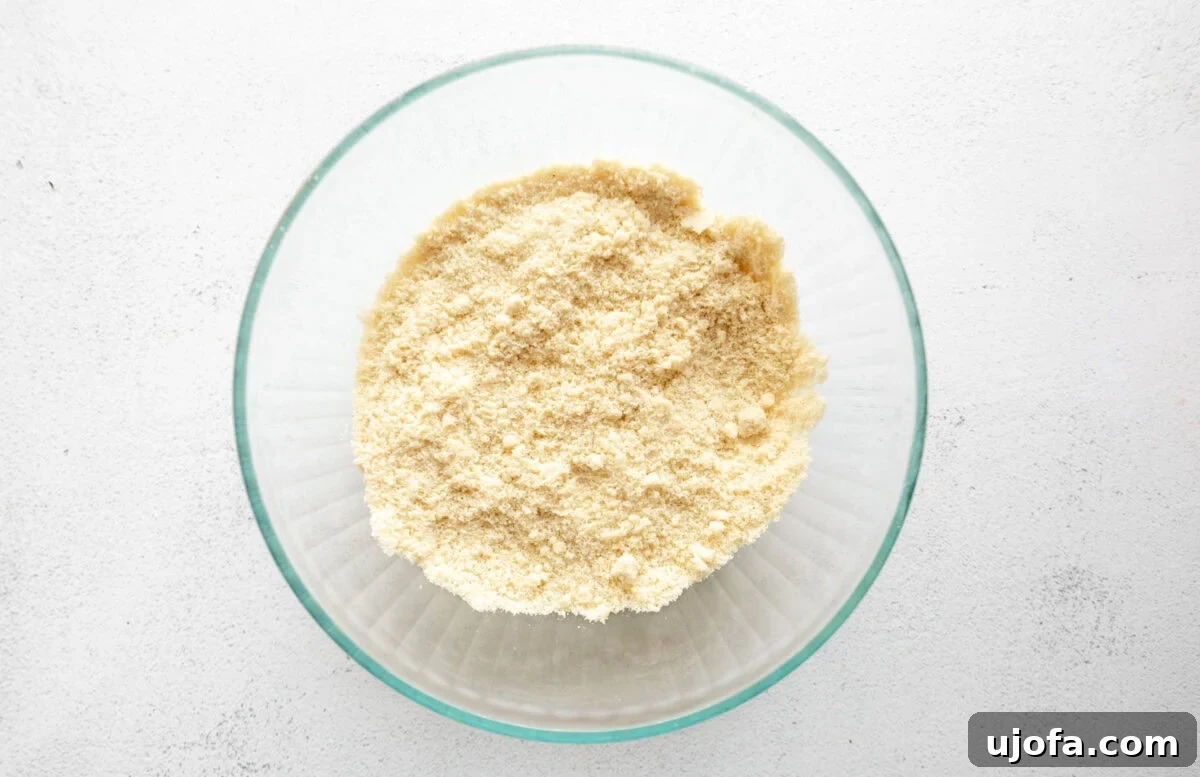
Begin by preheating your oven to 350°F (175°C). While the oven heats, take a 9-inch pie pan and grease it thoroughly with butter to ensure a non-stick surface. In a large bowl, combine the dry ingredients: 2⅓ cups of almond flour, 1 tablespoon of tapioca starch, ½ teaspoon of salt, and 2 tablespoons of granulated sugar. Whisk everything together until they are well combined and evenly distributed.
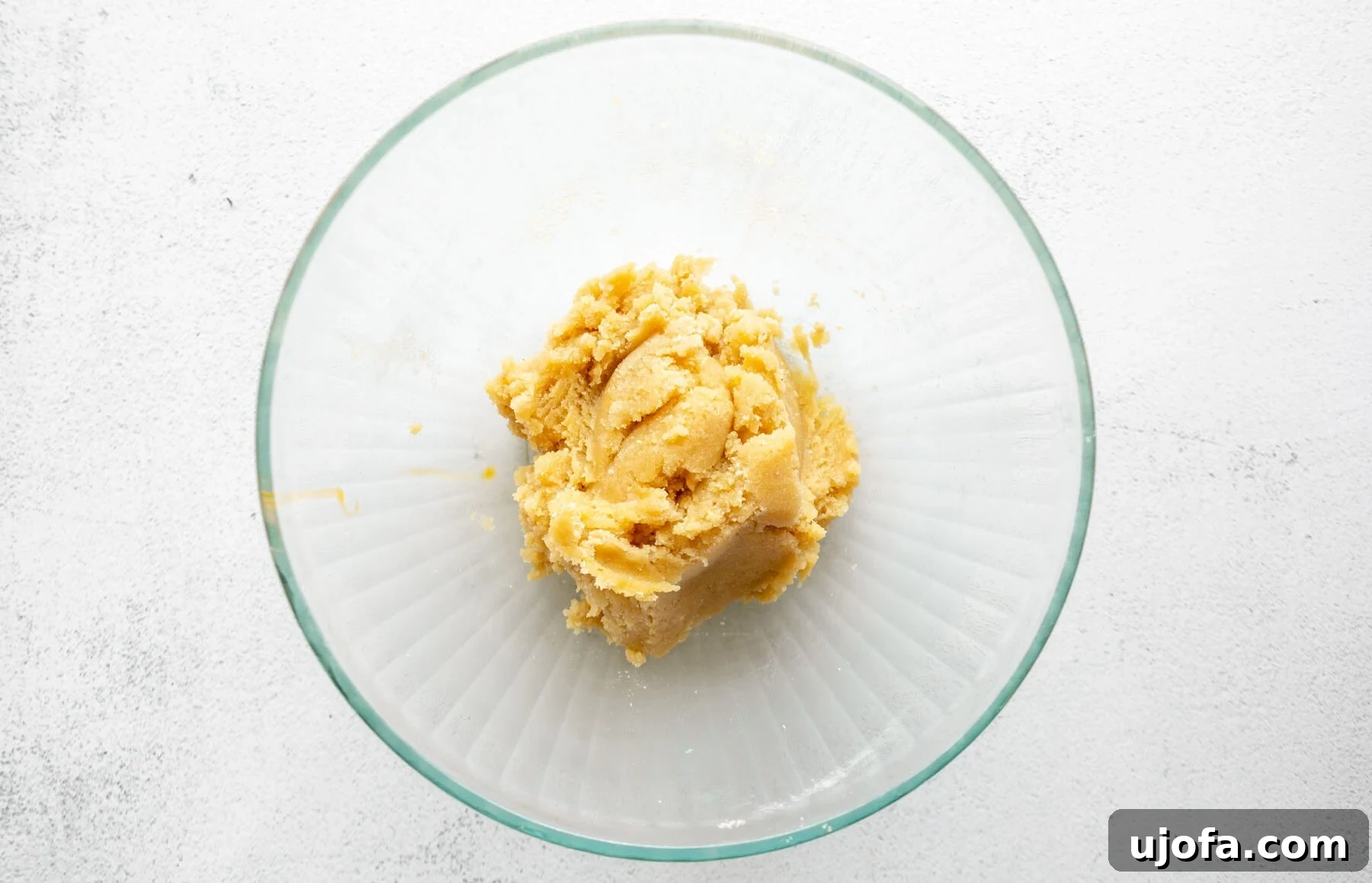
Next, introduce the wet ingredients to your bowl. Add 1 large beaten egg and ¼ cup of butter that has been melted and then cooled slightly. Using a rubber spatula, begin to mix the ingredients. As they come together, you may need to switch to kneading with your hands for a minute or two to ensure everything is thoroughly combined and forms a cohesive, pliable dough.
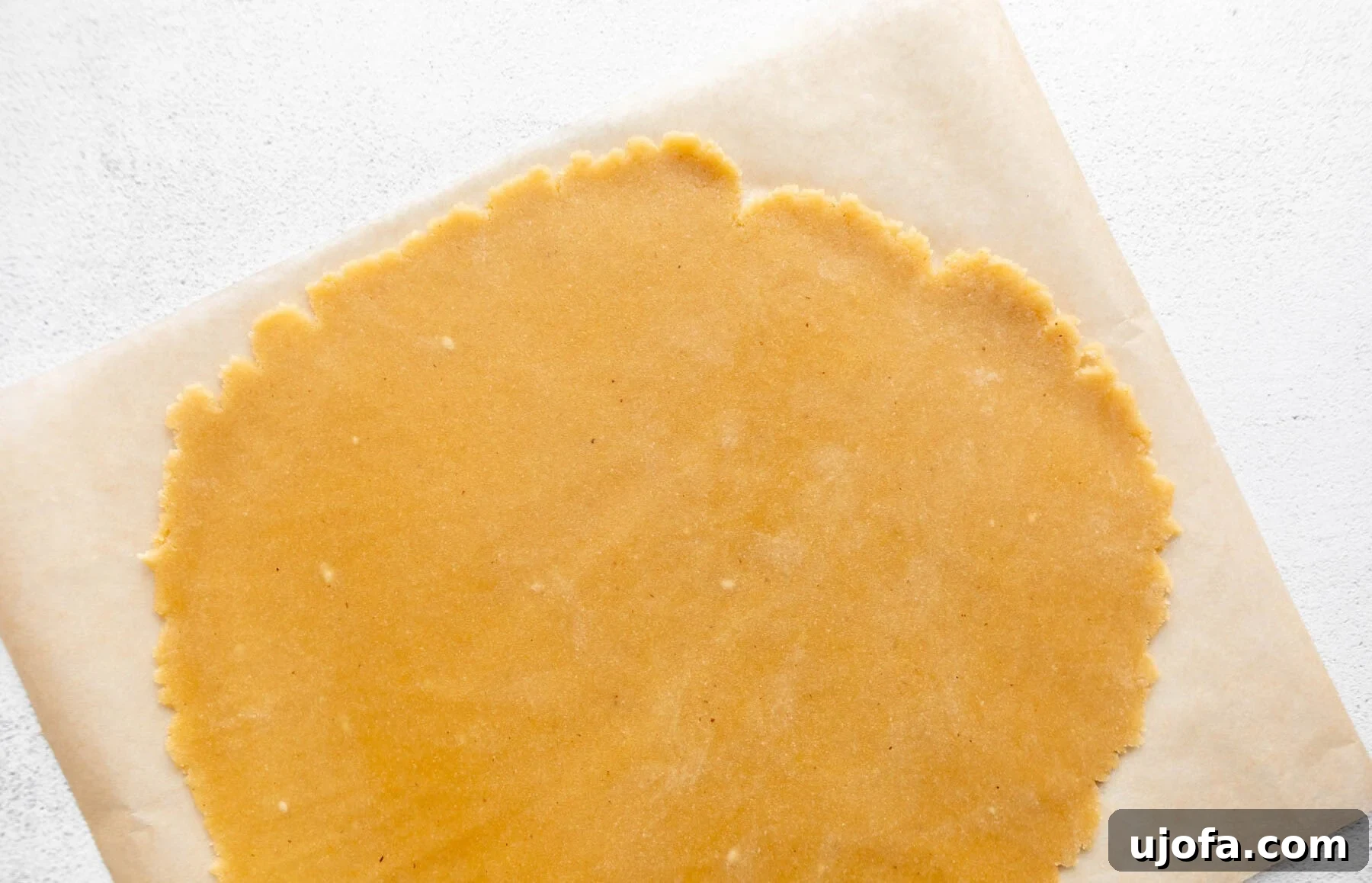
To roll out the dough, place it between two pieces of parchment paper. This method prevents the dough from sticking to your rolling pin or work surface. Use a rolling pin to flatten the dough evenly into a 13-inch circle, ensuring it’s thin enough to fit your pie pan comfortably. Once rolled, carefully peel off the top piece of parchment paper. Then, invert the dough (with the bottom parchment still attached) onto your prepared pie pan. Gently press the dough into the pan and remove the remaining parchment. Mend any rips or cracks by pressing the dough together. Finally, use a fork to poke a few holes in the center of the crust, a process known as docking, which helps prevent steam buildup and ensures an even bake.
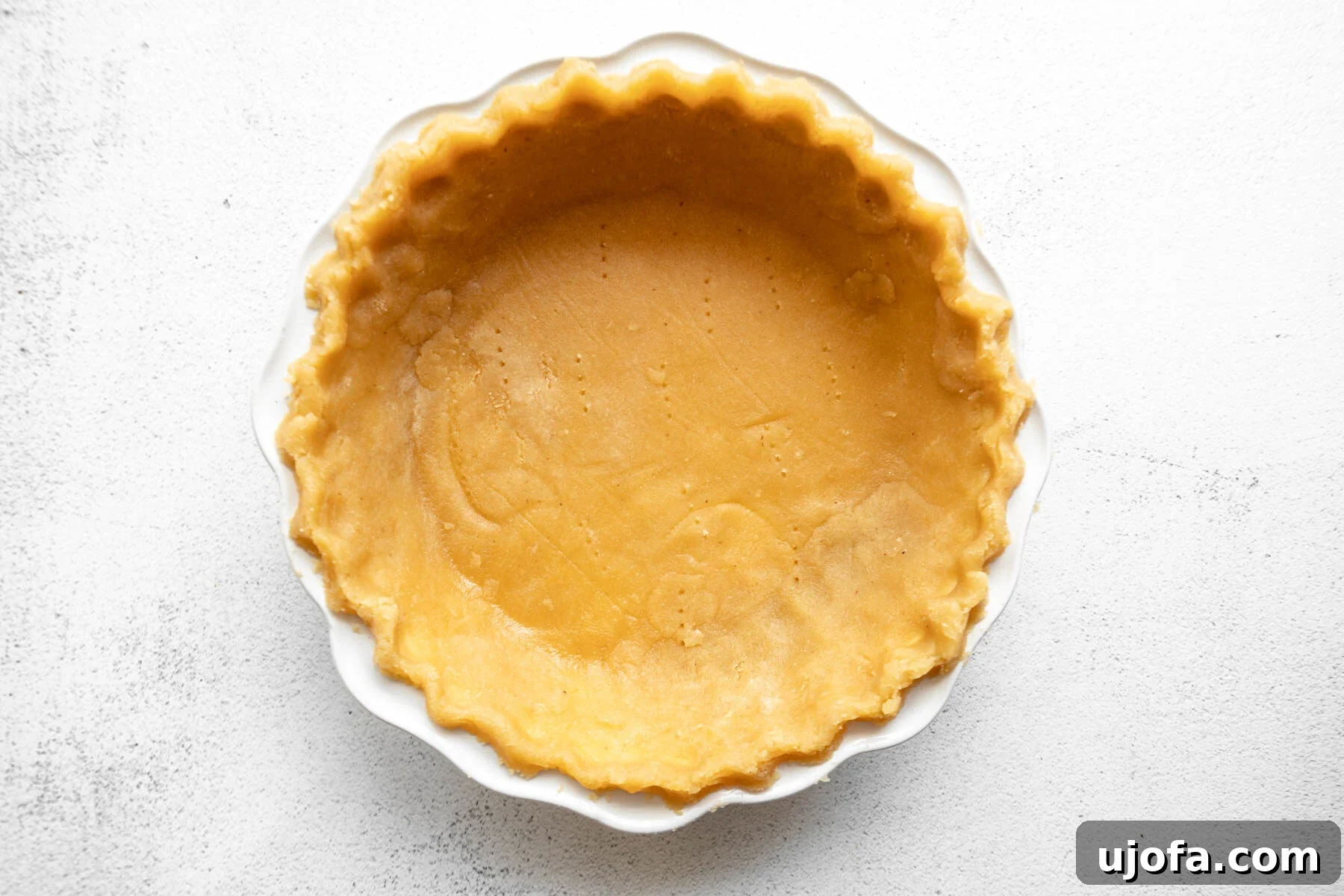
Transfer the pie pan with the raw crust into your preheated oven and bake for approximately 15 minutes. Keep an eye on the edges, as they will begin to turn a light golden brown when properly parbaked. Once baked, remove the crust from the oven. At this point, you can add your preferred pie filling and then return the pie to the oven to bake according to the instructions of your specific pie recipe. Serve warm and savor every wholesome, delicious bite!
Explore More Gluten-Free Almond Flour Recipes!
Almond flour is an incredibly versatile ingredient, opening up a world of gluten-free baking possibilities beyond just pie crusts. If you enjoyed this recipe, you’ll love exploring other delicious ways to incorporate almond flour into your kitchen:
- Almond Flour Pumpkin Muffins {Gluten-Free}
- Almond Flour Pizza Crust
- Almond Flour Waffles
- Almond Flour Chocolate Chip Cookies
- Almond Flour Brownies
We hope this comprehensive guide inspires you to create beautiful, delicious, and healthy almond flour pie crusts for every occasion. Happy baking!