
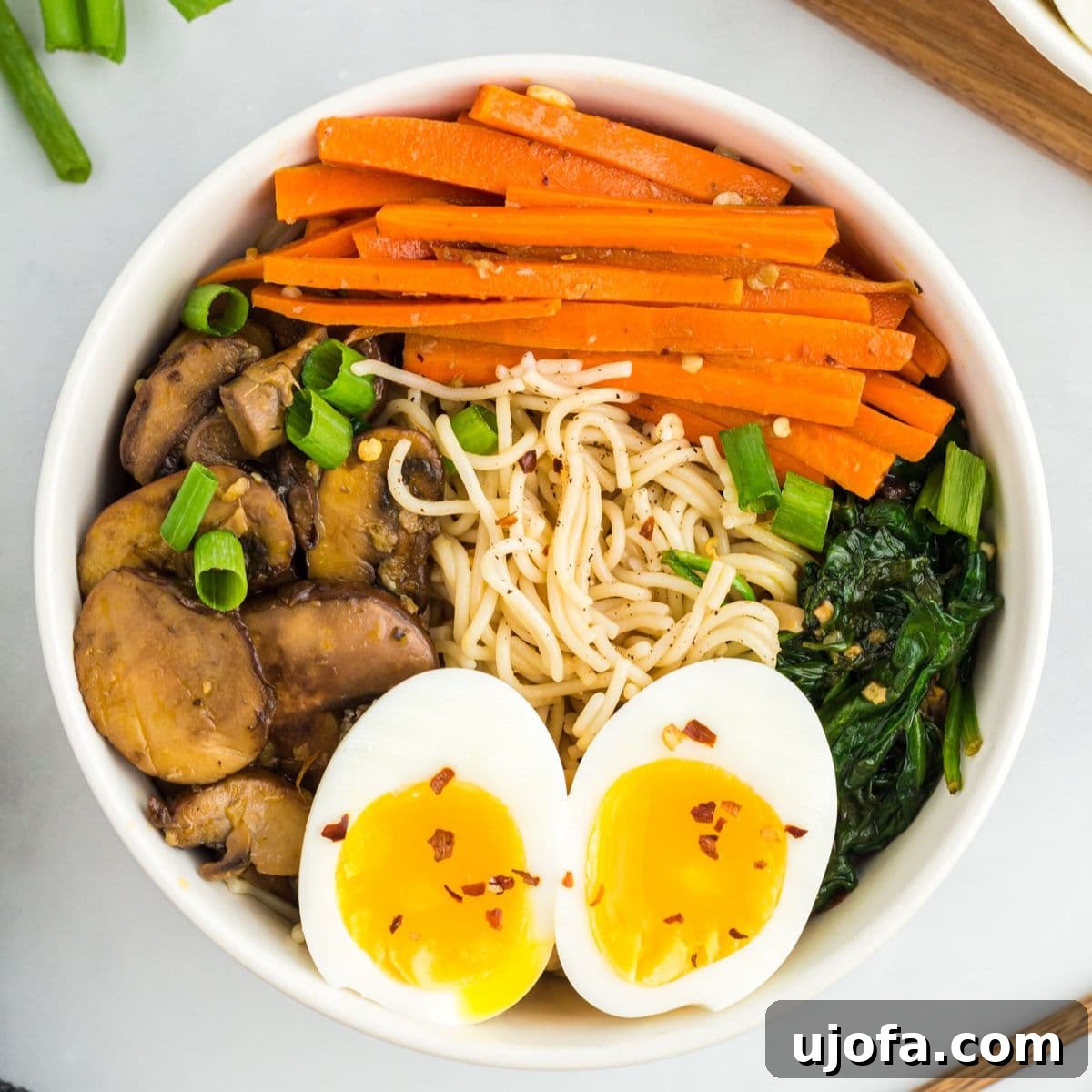
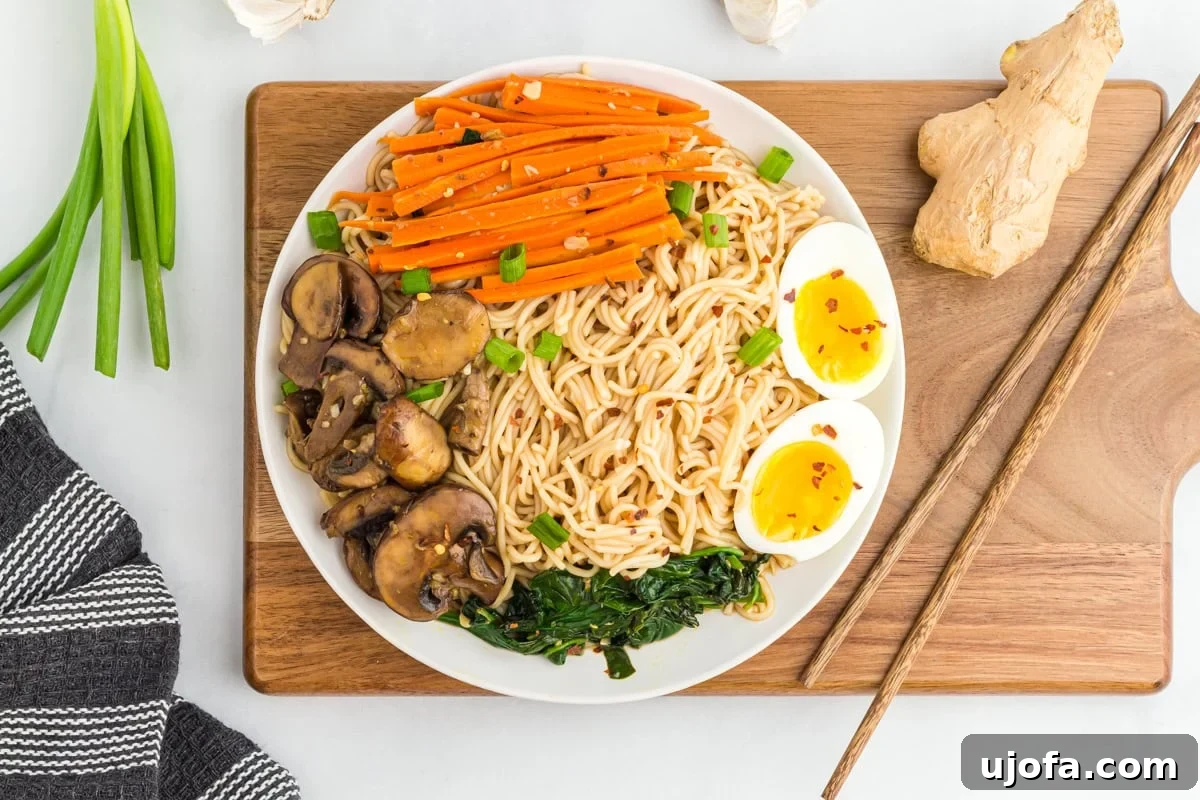
Welcome to the ultimate guide for crafting a delicious, fuss-free meal that is not only packed with healthy flavors and fresh ingredients but is also entirely gluten-free and dairy-free: homemade ramen! This isn’t just any ramen recipe; it’s a culinary journey designed to bring vibrant Japanese-inspired flavors right into your kitchen in under 30 minutes. Forget the notion that authentic, satisfying ramen is a complicated endeavor; our recipe simplifies the process without compromising on taste or nutritional value. Loaded with crisp vegetables, fragrant aromatics like garlic and ginger, and topped with a perfectly soft-boiled egg, this gluten-free ramen is a testament to quick, wholesome, and incredibly adaptable dining. Whether you follow our exact method or use it as a canvas for your favorite additions, you’re guaranteed a comforting bowl that will quickly become a go-to in your recipe repertoire.
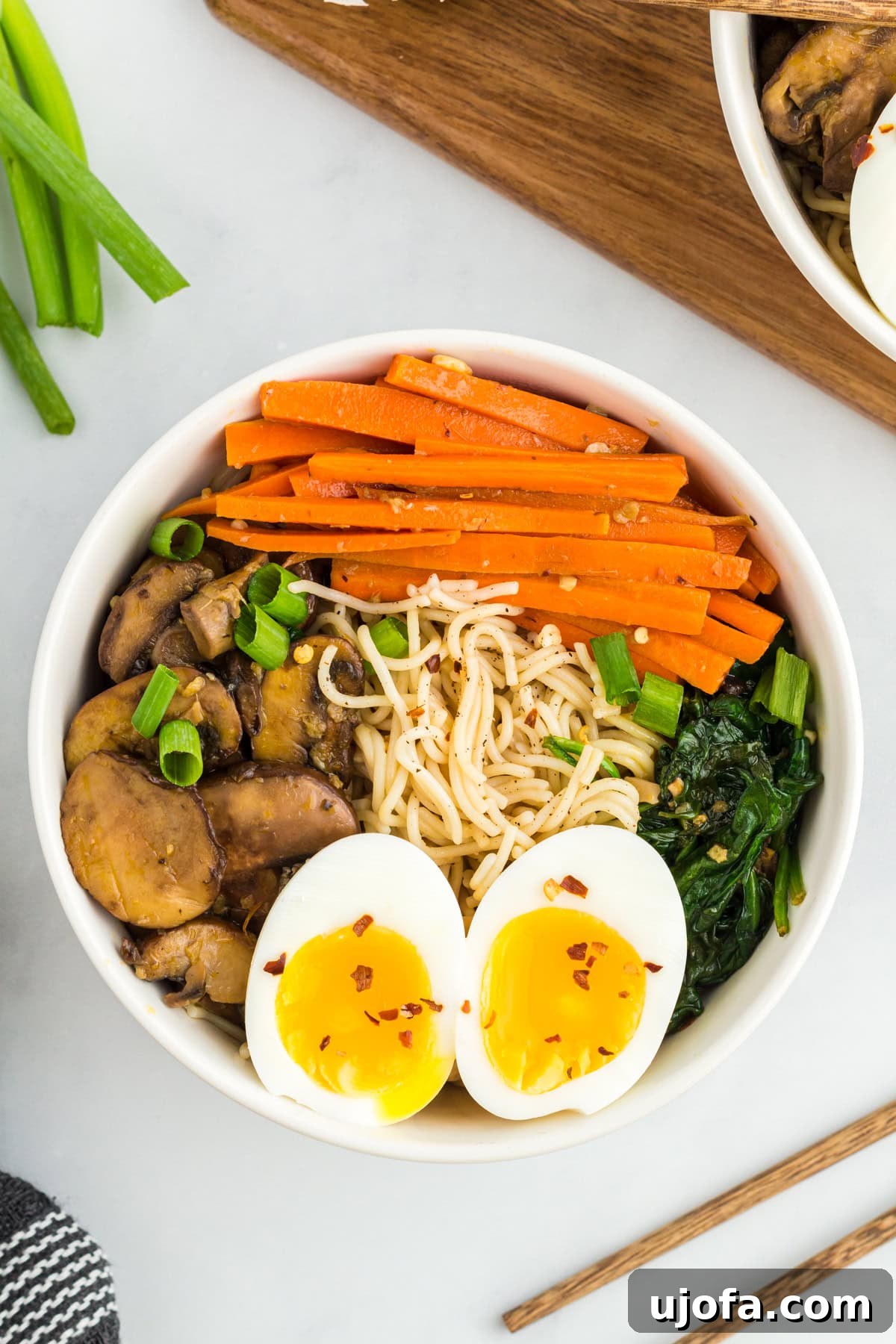
Gluten-Free Ramen: The Ultimate Comfort Bowl
Ramen, a beloved Japanese noodle soup, is celebrated worldwide for its deeply savory broths, springy noodles, and an array of diverse toppings. While traditional ramen often relies on wheat-based noodles and soy sauce that contains gluten, our recipe embraces the rich, umami-packed essence of shoyu (soy sauce-based) ramen while making it completely accessible for those with gluten sensitivities. We achieve this by thoughtfully selecting gluten-free noodles and using gluten-free tamari or soy sauce, ensuring every spoonful is safe and sensational.
This recipe is more than just a meal; it’s an adaptable culinary experience. It provides the perfect opportunity to ‘clear out your fridge,’ much like our popular gluten-free pad Thai. With a base of rich chicken or vegetable broth, it features a medley of wholesome ingredients such as tender carrots, earthy cremini mushrooms, and nutrient-rich baby spinach, all infused with a symphony of seasonings. Feel free to personalize your bowl further with your preferred protein – be it succulent chicken, hearty tofu, or delicate shrimp – and any seasonal vegetables you have on hand. The versatility of this gluten-free ramen means a delicious outcome is always guaranteed.
Key Ingredients for Your Homemade Gluten-Free Ramen
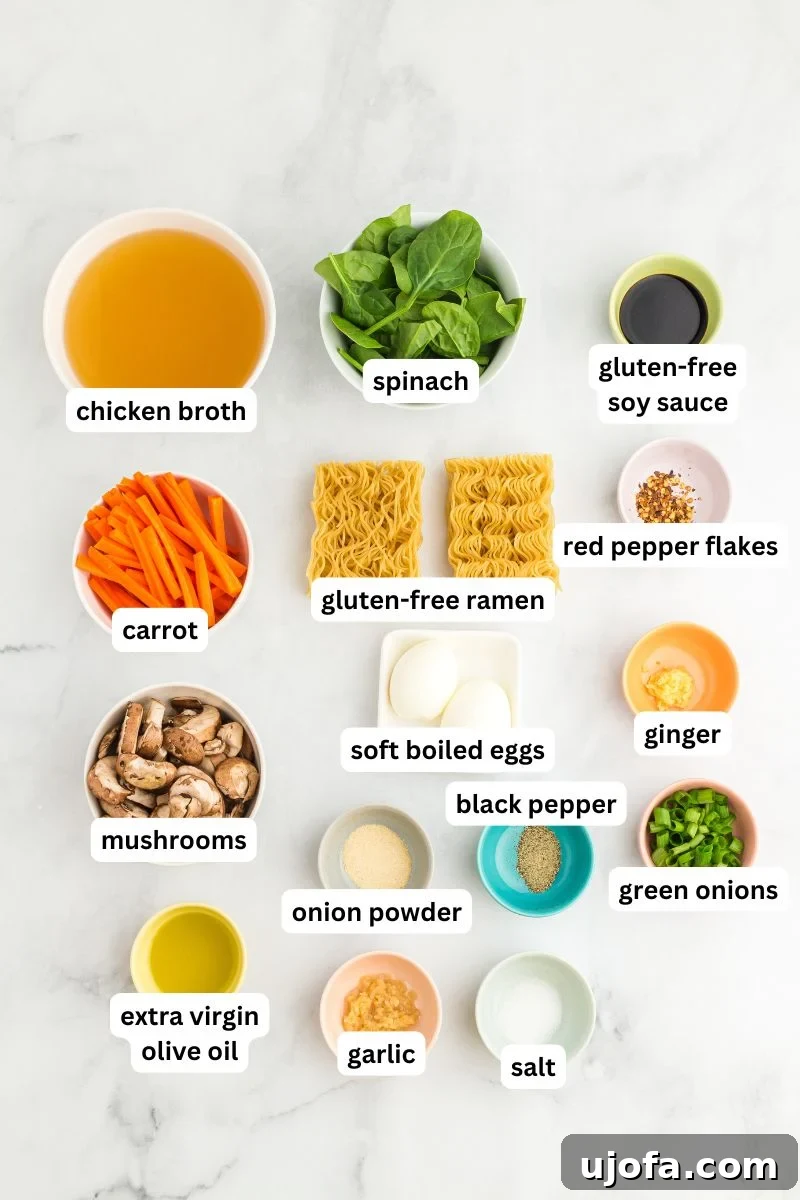
Crafting the perfect gluten-free ramen begins with choosing the right components. Each ingredient plays a vital role in building the layered flavors and satisfying textures that define this dish:
- Gluten-Free Ramen Noodles: The foundation of any ramen bowl. While it was once challenging to find suitable gluten-free alternatives, the market now offers excellent options made from rice, millet, or brown rice. Look for individually portioned packs that closely mimic the texture of traditional ramen noodles. Ensure they are explicitly labeled gluten-free to avoid any hidden ingredients.
- Low-Sodium Chicken Broth: This liquid gold forms the flavorful base of our ramen. Opt for a low-sodium version, as gluten-free soy sauce or tamari will contribute significant saltiness. For a vegetarian or vegan rendition, a high-quality vegetable broth works beautifully. Always double-check that your chosen broth is certified gluten-free.
- Gluten-Free Soy Sauce or Tamari: Essential for imparting that signature umami depth. Gluten-free tamari is a fantastic, widely available alternative if gluten-free soy sauce is hard to source. This ingredient is non-negotiable for achieving an authentic shoyu ramen flavor profile.
- Fresh Vegetables: We incorporate thinly sliced carrots, sliced cremini mushrooms, and fresh baby spinach for a delightful mix of textures and nutrients. However, the beauty of this recipe lies in its flexibility. Consider adding snap peas for a crisp bite, tender bok choy, or florets of broccoli to enhance both flavor and nutritional content. Most vegetables readily available in your fridge can find a happy home in this versatile soup.
- Extra Virgin Olive Oil: Used to gently sauté our vegetables and aromatics, releasing their full flavor before the broth is added. For an even deeper, nutty aroma characteristic of Japanese cuisine, consider substituting with a good quality sesame oil.
- Fresh Aromatics: Minced garlic and grated fresh ginger are the unsung heroes of this ramen. They create a pungent, warm, and incredibly fragrant base that elevates the entire broth, providing a burst of flavor with every spoonful.
- Thoughtful Seasonings: A simple blend of salt, ground black pepper, and a touch of onion powder complements the broth’s depth. For those who appreciate a gentle warmth or a spicy kick, crushed red pepper flakes are an optional but highly recommended addition.
- Soft Boiled Eggs: No ramen is complete without the iconic soft-boiled egg, boasting a creamy, jammy yolk. Don’t be intimidated if you’re new to making them; we provide easy, foolproof instructions below to help you achieve ramen egg perfection.
- Sliced Green Onions: A crucial garnish that adds a refreshing sharpness and a subtle crunch, beautifully contrasting the rich, savory broth. They also lend a pop of vibrant color to your finished bowl.
Pro Tips for a Perfect Gluten-Free Ramen
Achieving a truly outstanding bowl of gluten-free ramen is simple with these expert tips:
- Diligent Label Checking: Always make it a habit to carefully read the labels of all your ingredients, especially broths and seasonings, to ensure they are certified gluten-free. Pay close attention to any cross-contamination warnings on packaging, as even trace amounts can be an issue for severe sensitivities.
- Preventing Noodle Stickiness: If you’re not immediately combining your cooked gluten-free noodles with the broth and other ingredients, lightly toss them with a small amount of olive oil. This simple step is effective in preventing them from sticking together, keeping them perfectly separated and ready for your bowl.
- The Art of Noodle Cooking: Overcooking gluten-free noodles is a common pitfall that can lead to a mushy texture. It’s crucial to cook them until they are just al dente, meaning they still have a slight bite. Immediately after boiling, rinse the noodles thoroughly with cold water. This rapidly halts the cooking process, ensuring they maintain their ideal texture. When you later add the hot broth for serving, the noodles will soften just enough to achieve that perfect ramen consistency.
Is Ramen Traditionally Gluten-Free? Demystifying the Dish
The short answer is no, traditional ramen is generally not gluten-free. The primary culprits are the noodles, which are typically made from wheat flour, and many soy sauces, which contain wheat as a key ingredient. Furthermore, the seasoning packets often found in instant or store-bought ramen can harbor hidden gluten-containing ingredients or cross-contamination warnings. For individuals managing celiac disease or gluten sensitivity, consuming traditional ramen poses a significant risk.
However, the good news is that with a few mindful substitutions and modifications, you can effortlessly create a rich, flavorful, and entirely safe gluten-free ramen right in your own kitchen. Our recipe demonstrates just how easy and delicious these adaptations can be, allowing everyone to savor the joy of a warm, comforting bowl of ramen without any dietary concerns.
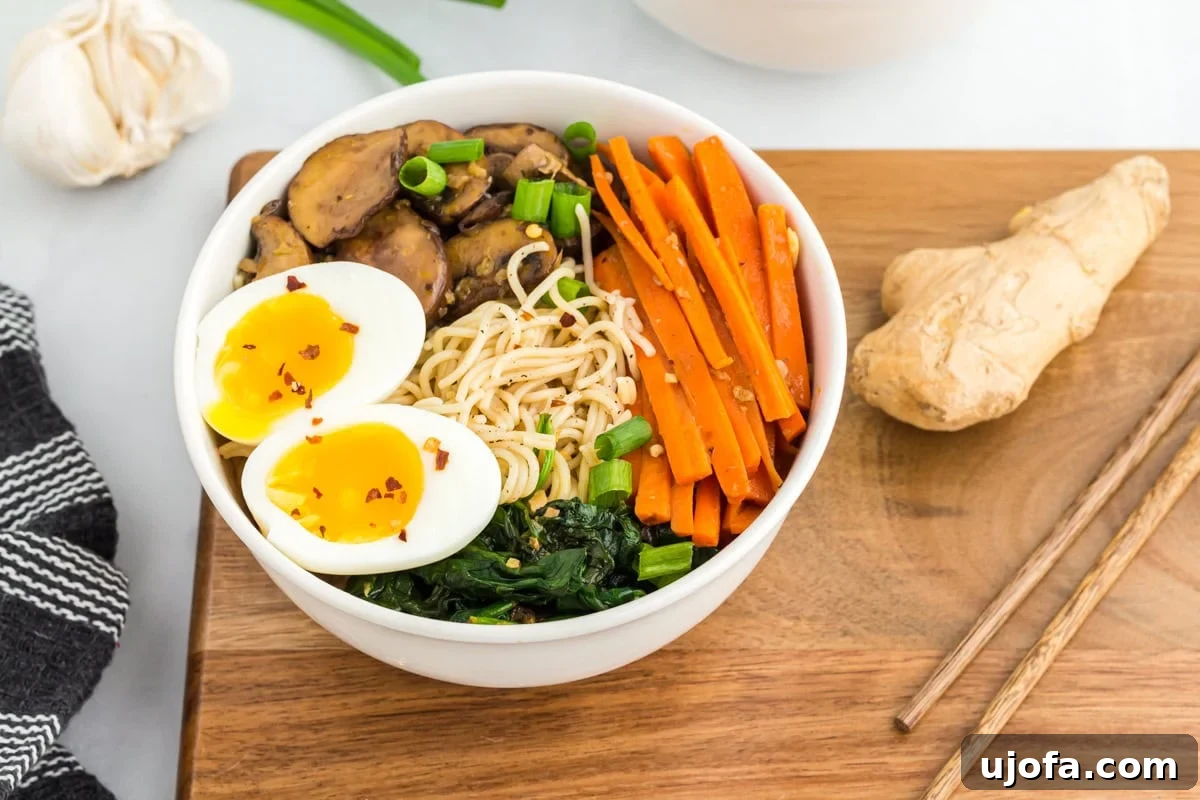
The Perfect Ramen Egg: How to Soft Boil Eggs for Your Bowl
A beautifully soft-boiled egg with a lusciously jammy yolk is an absolute must-have for any authentic and satisfying ramen experience. This visually appealing and creamy addition adds richness and protein to your bowl. Here’s a simple, foolproof method to achieve ramen egg perfection:
- Boil the Water: Bring a medium pot of water to a rolling boil.
- Add Eggs Carefully: Gently lower your eggs into the boiling water using a slotted spoon to prevent cracking. Reduce the heat slightly to maintain a gentle simmer and let them cook for precisely 7-8 minutes for that ideal jammy consistency.
- Prepare Ice Bath: While the eggs are cooking, prepare a bowl of ice water.
- Cool Immediately: Once the cooking time is up, promptly remove the eggs from the boiling water with the slotted spoon and plunge them straight into the ice bath. This crucial step immediately stops the cooking process and makes them easier to peel.
- Chill and Peel: Allow the eggs to cool in the ice bath for 3-4 minutes. Once cooled, carefully peel off the shells under running water (this helps remove any stubborn shell fragments) and slice them in half just before serving them atop your ramen noodles.
Beyond the Basics: Endless Customization for Your Ramen
One of the most exciting aspects of homemade ramen is its incredible versatility. While our base recipe is fantastic on its own, it’s also an invitation to unleash your culinary creativity and tailor your bowl to your exact preferences. Here are some inspiring ideas to elevate your gluten-free ramen:
- Protein Power-Ups: Enhance your ramen with additional protein. Grilled chicken, pan-seared tofu, or sautéed shrimp are classic choices. For an explosion of flavor, consider adding some of our gluten-free orange chicken, which would introduce a delightful sweet and tangy dimension to your bowl.
- Flavor Boosters: Drizzle a touch of sriracha or chili oil for an extra layer of heat. For a savory and slightly sweet finish, a splash of gluten-free teriyaki sauce can be transformative.
- Unique Toppings: Experiment with textures and tastes. My family particularly enjoys adding sheets of toasted nori (always check for gluten-free versions), soft rice dumplings, or even crispy gluten-free tempura vegetables for an exciting contrast.
- Additional Greens & Veggies: Don’t hesitate to toss in extra fresh greens like watercress, thinly sliced cabbage, or bean sprouts for added crunch and freshness.
Storage and Reheating Instructions for Meal Prep
To ensure your gluten-free ramen remains fresh and delicious for future enjoyment, proper storage is key. The golden rule is to store all components separately. This prevents the noodles from soaking up too much liquid and becoming soggy, maintaining their desirable texture.
- Noodles: Once cooled, lightly toss your cooked gluten-free noodles with a tiny amount of oil (like olive or sesame oil) to prevent them from sticking together. Store them in an airtight container in the refrigerator for up to 3-4 days.
- Broth and Toppings: Keep the prepared broth and any cooked toppings (like sautéed vegetables or proteins) in separate, airtight containers in the fridge for the same duration.
- Reheating: When you’re ready to enjoy your leftovers, gently reheat the broth and toppings on the stovetop until they are simmering and hot. Once piping hot, add the chilled noodles to your bowl and pour the reheated broth and toppings over them. The hot broth will warm the noodles perfectly, ensuring a fresh-ttasting and satisfying meal every time.
The Gluten-Free Ramen Recipe
Gluten-Free Ramen
Ingredients
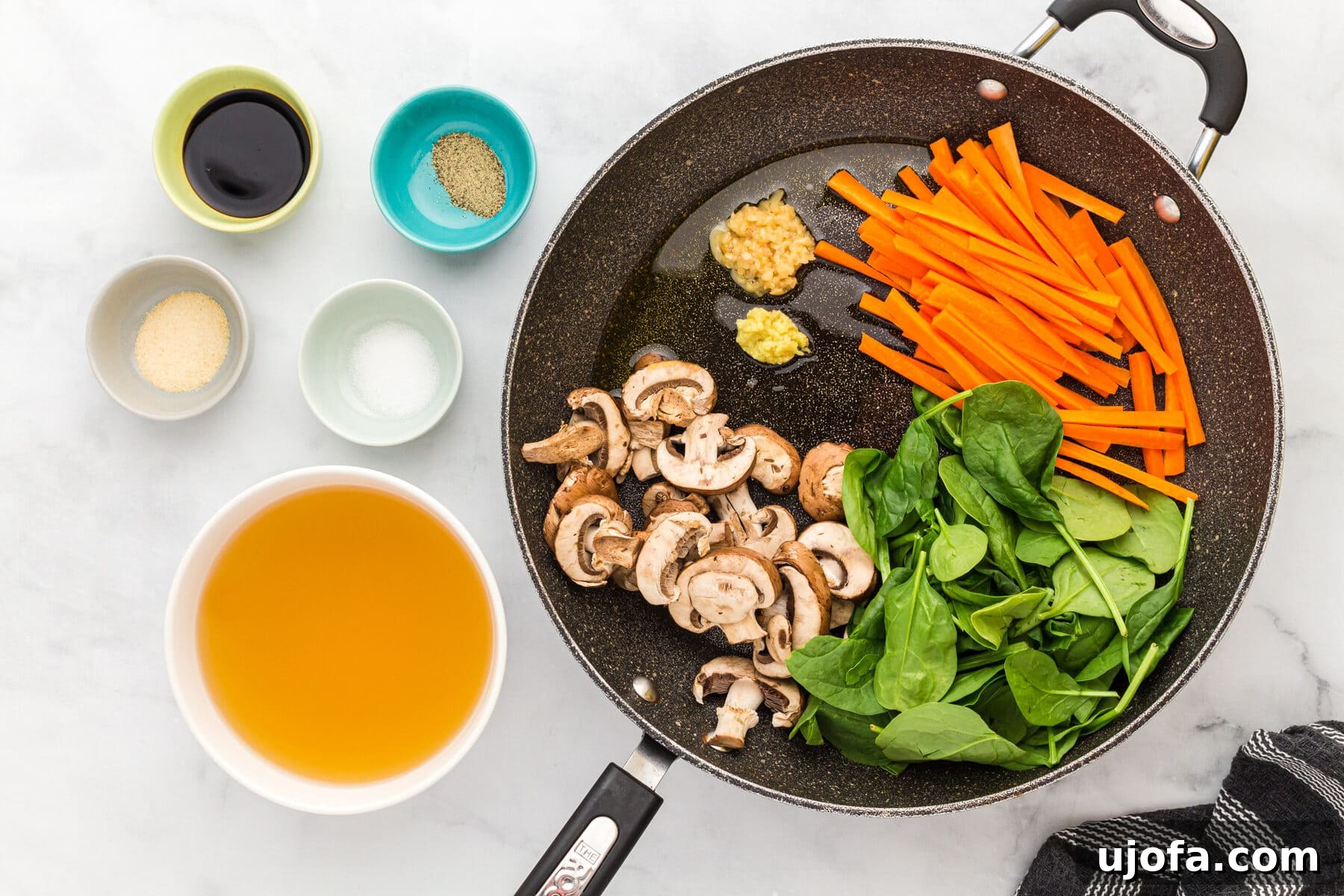
- 2 cakes gluten-free ramen noodles
- 1 large carrot, peeled and sliced into long thin strips
- 1 cup cremini or button mushrooms, sliced
- 1 cup baby spinach leaves, packed
- 1 tablespoon extra virgin olive oil
- 2 teaspoons minced garlic
- ½ teaspoon grated fresh ginger
- 2 cups low-sodium chicken broth (or vegetable broth for vegan/vegetarian)
- 1 tablespoon gluten-free soy sauce (or tamari)
- ½ teaspoon onion powder
- ½ teaspoon salt
- ¼ teaspoon ground black pepper
- 2 soft boiled eggs, peeled and sliced in half (see instructions above for perfect soft-boiled eggs)
- 2 tablespoons sliced green onions, for garnish
- ¼ teaspoon crushed red pepper flakes, optional, for a spicy kick
Instructions
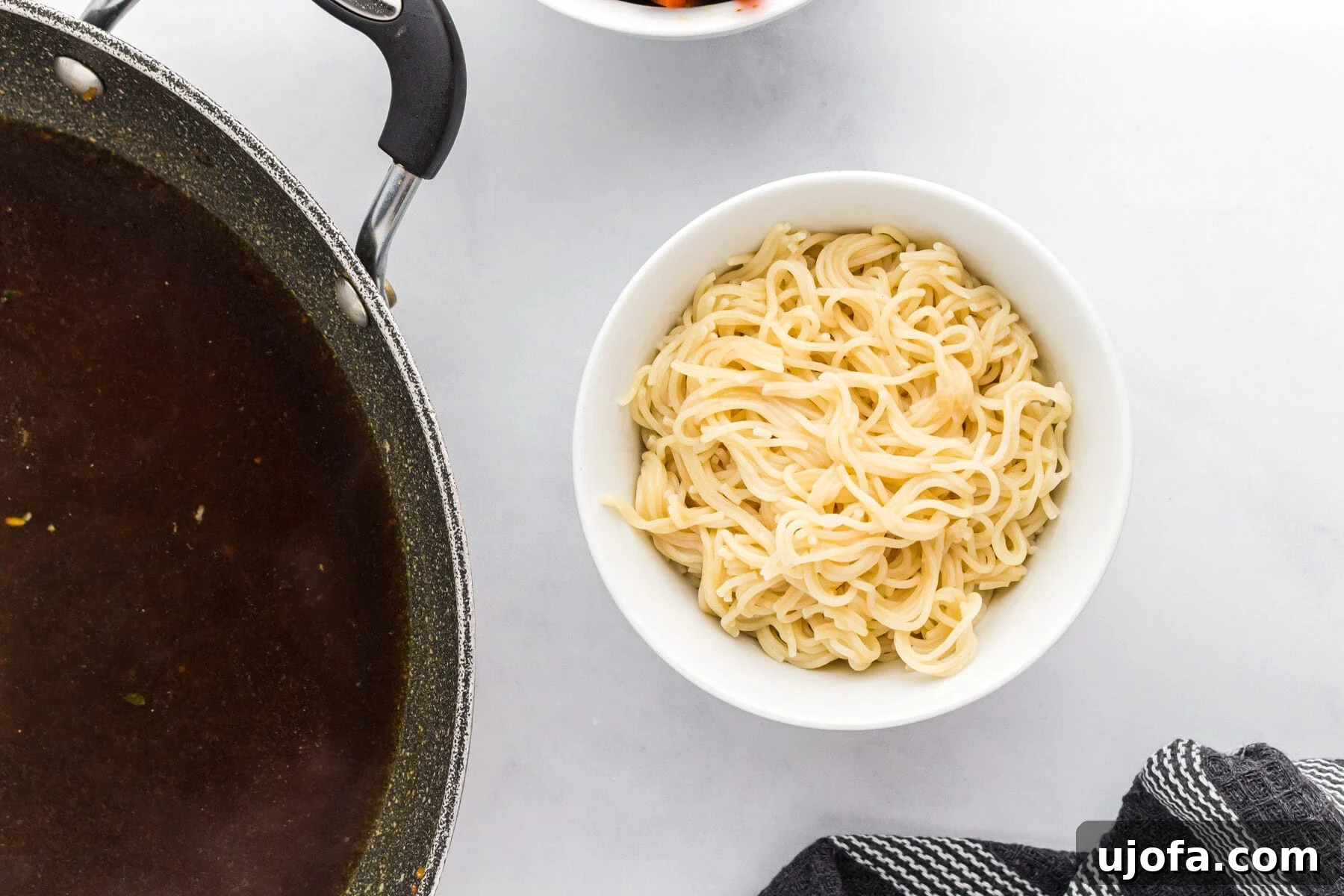
- Cook the Noodles: In a medium pot, bring a generous amount of water to a full boil. Carefully add both gluten-free ramen cakes and boil until the noodles are fully cooked, which typically takes about 3 minutes. It’s crucial not to overcook them, as they will continue to soften in the hot broth and can become mushy. Avoid undercooking, as they won’t separate properly.
- Rinse and Set Aside: Immediately drain the cooked ramen noodles and rinse them thoroughly with cold water. Drain again completely, then set them aside. Rinsing with cold water effectively stops the cooking process and prevents the noodles from sticking together.
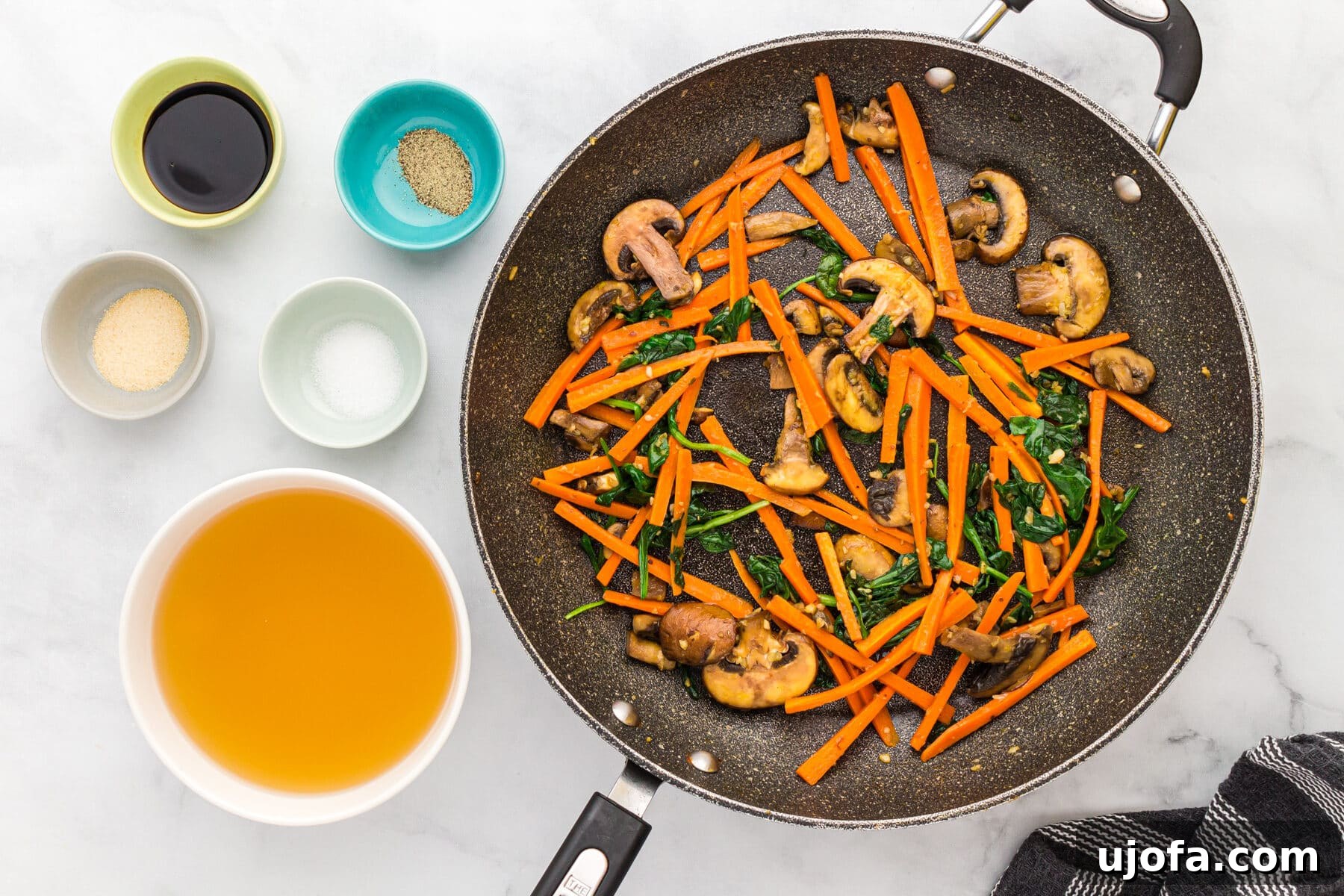
- Sauté Vegetables: In a large frying pan or wok, heat the 1 tablespoon of extra virgin olive oil over medium heat. Add the sliced carrots, sliced mushrooms, baby spinach, minced garlic, and grated fresh ginger. Sauté for about 5-7 minutes, stirring occasionally, until the vegetables have softened slightly. The mushrooms will begin to shrink, and the spinach will wilt. The carrots should be firm but more tender than raw. Be careful not to overcook, as mushy vegetables will detract from the ramen’s texture. Remove the sautéed vegetables from the pan and set them aside.
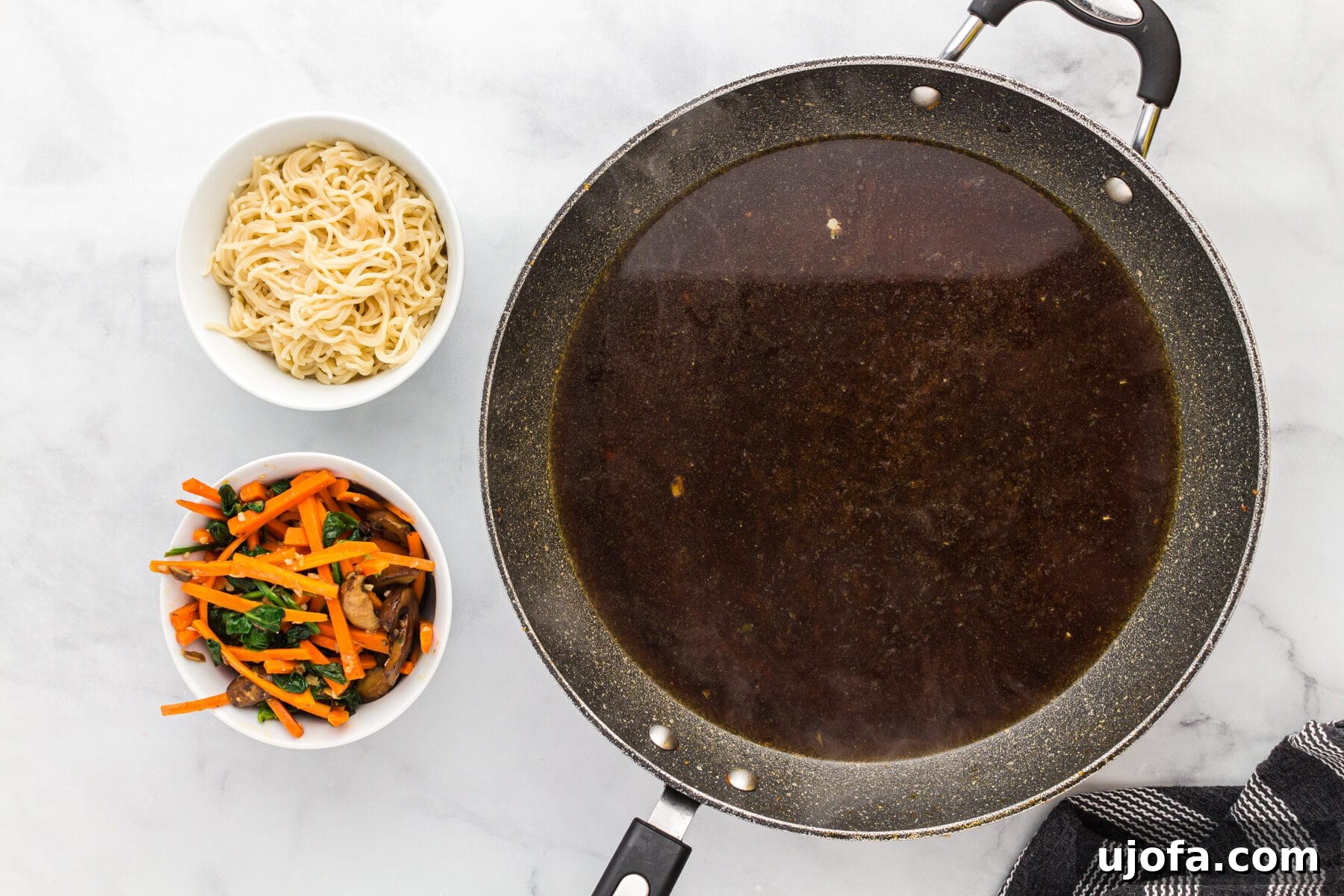
- Prepare the Broth: Using the same frying pan (no need to clean it), pour in the 2 cups of low-sodium chicken broth. Add the 1 tablespoon of gluten-free soy sauce, ½ teaspoon of onion powder, ½ teaspoon of salt, and ¼ teaspoon of ground black pepper. Bring the mixture to a boil, then reduce the heat to low and let it simmer for 5 minutes, allowing the flavors to meld beautifully.
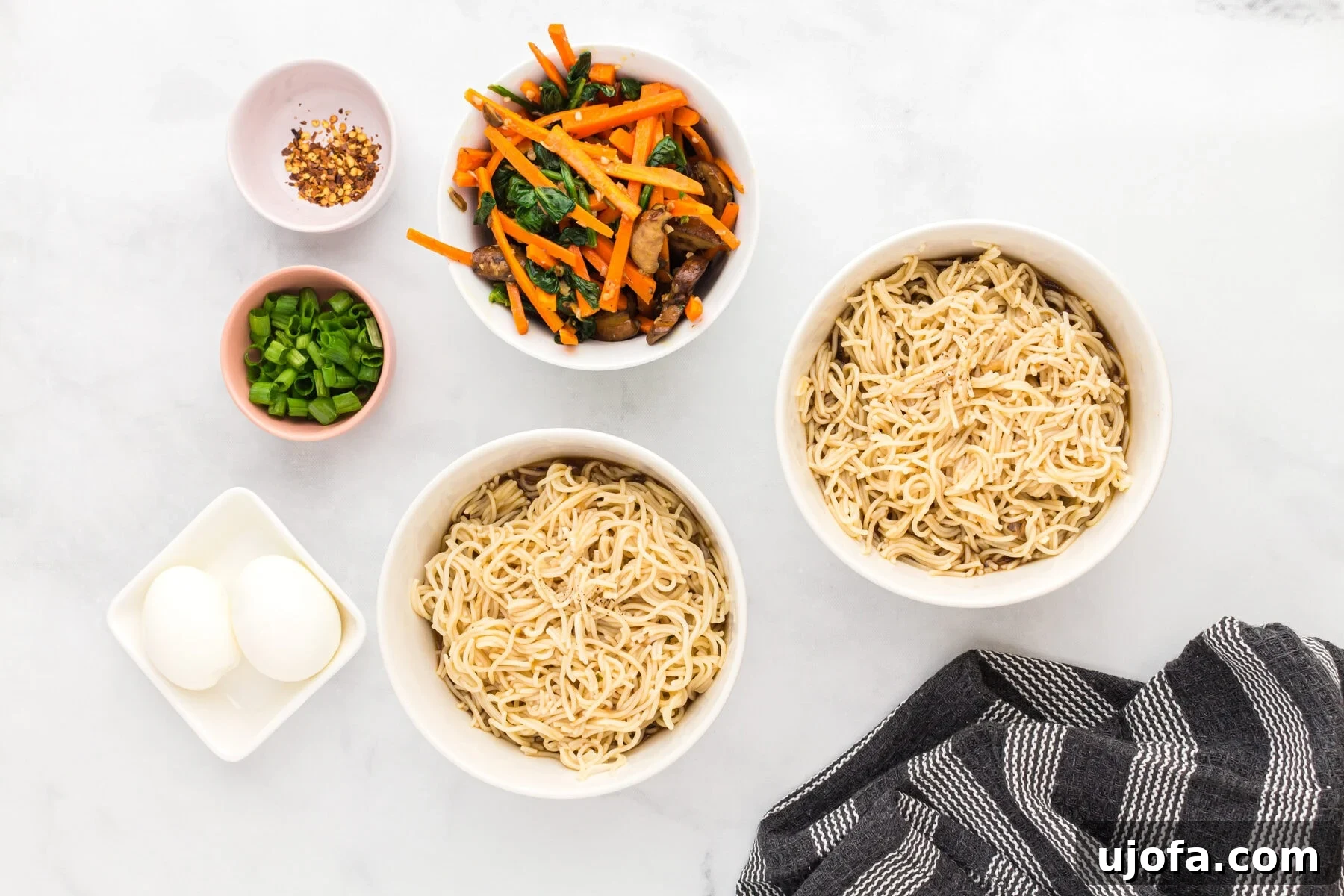
- Assemble Your Ramen: Remove the frying pan from the heat. Divide the cooked and rinsed ramen noodles evenly between two serving bowls.
- Add Broth and Vegetables: Carefully pour the hot broth mixture evenly over the noodles in each bowl. Distribute the sautéed vegetables (carrots, mushrooms, spinach) evenly into each bowl.
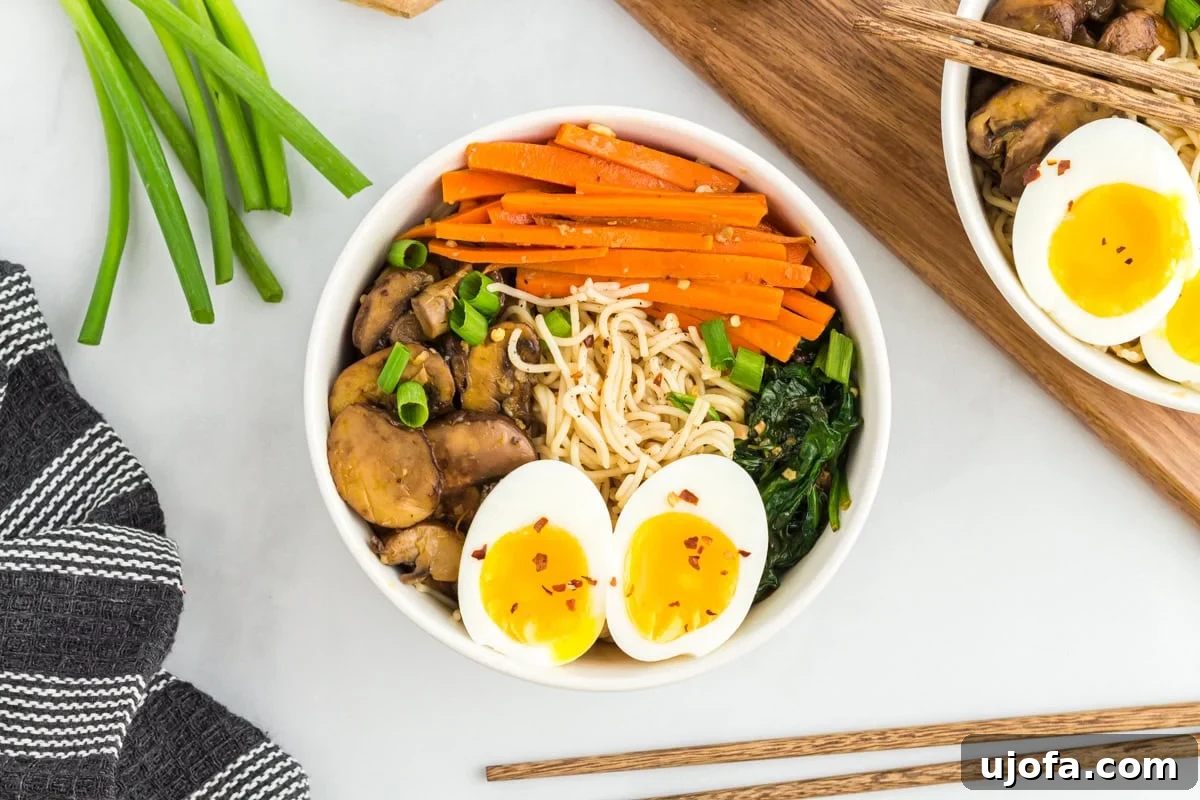
- Garnish and Serve: Finally, garnish each bowl with one soft-boiled egg (sliced in half), a generous sprinkling of sliced green onions, and if desired, ¼ teaspoon of crushed red pepper flakes for an extra spicy kick. Serve immediately and enjoy your comforting, homemade gluten-free ramen!
Notes
- Cook the gluten-free noodles until al dente and rinse with cold water to stop them from getting mushy when the broth is added.
- To Store: Let cool completely. Store cooked noodles (tossed lightly in oil), broth, and toppings in separate airtight containers in the fridge for 3-4 days.
- To Reheat: Heat the broth and toppings on the stovetop until hot. Add the chilled noodles to your bowl, then pour the hot broth and toppings over them.
- Mama says, “Check your labels!” Always ensure all ingredients are certified gluten-free.
Nutrition Information
Serving: 1 serving | Calories: 521kcal | Carbohydrates: 56g | Protein: 21g | Fat: 25g | Saturated Fat: 8g | Polyunsaturated Fat: 3g | Monounsaturated Fat: 12g | Cholesterol: 187mg | Sodium: 2683mg | Potassium: 797mg | Fiber: 4g | Sugar: 4g | Vitamin A: 6906IU | Vitamin C: 8mg | Calcium: 102mg | Iron: 5mg
Nutrition information is automatically calculated and should only be used as an approximation.
Additional Info
Visual Guide: Crafting Your Gluten-Free Ramen Bowl
Seeing each step can make the cooking process even smoother. Below, find a visual walkthrough of preparing your delightful gluten-free ramen.
Explore More Gluten-Free Soup Recipes to Try!
If you’ve enjoyed the comforting warmth and ease of this gluten-free ramen, you’ll be delighted to discover our other delicious gluten-free soup creations. Perfect for any season, these recipes are designed to be both satisfying and accommodating to your dietary needs:
- Gluten-Free Chicken Noodle Soup: A classic comfort food, reimagined for gluten-free diets.
- Gluten-Free Tomato Soup: Simple, creamy, and wonderfully flavorful.
- Gluten-Free Cream of Mushroom Soup: Rich, earthy, and perfectly velvety.
- Gluten-Free Cream of Chicken Soup: A versatile and hearty base for countless meals.
Each recipe promises the same dedication to flavor, simplicity, and gluten-free integrity. Happy cooking!