
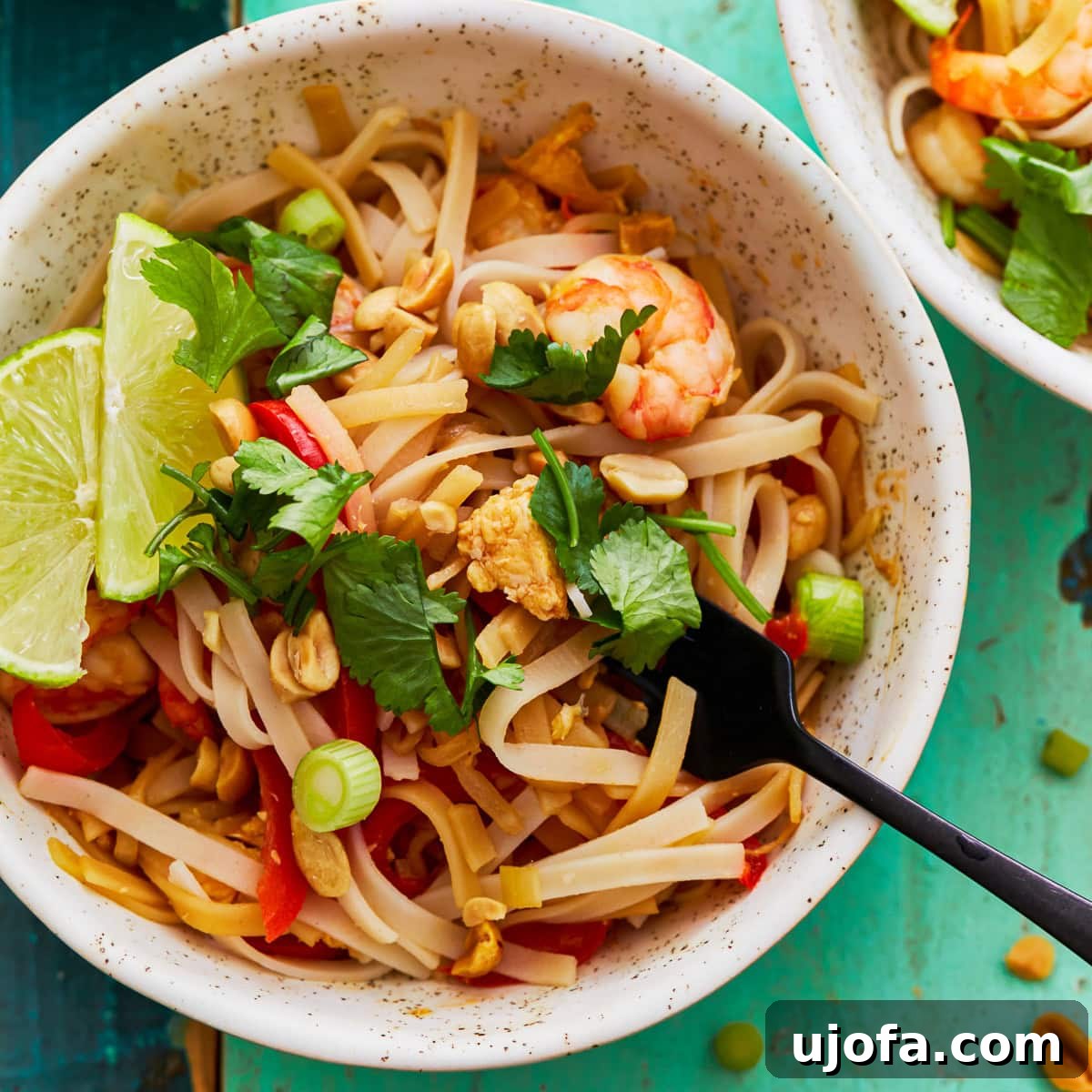
Mastering Gluten-Free Pad Thai at Home: Your Ultimate “Fakeaway” Guide
For those navigating a gluten-free lifestyle, the joy of ordering spontaneous takeout often comes with a side of anxiety. Traditional Pad Thai, a beloved dish, is frequently off-limits due to gluten-containing ingredients like conventional soy sauce. But what if you could recreate that irresistible sweet, tangy, and savory flavor profile right in your own kitchen, completely gluten-free? This recipe offers the perfect solution to your takeout cravings, delivering soft rice noodles bathed in a rich, made-from-scratch sauce, brimming with fresh vegetables and succulent shrimp, then finished with fragrant cilantro and crunchy peanuts. It’s also naturally dairy-free, and we’ll share easy tips to make it fully vegan-friendly.
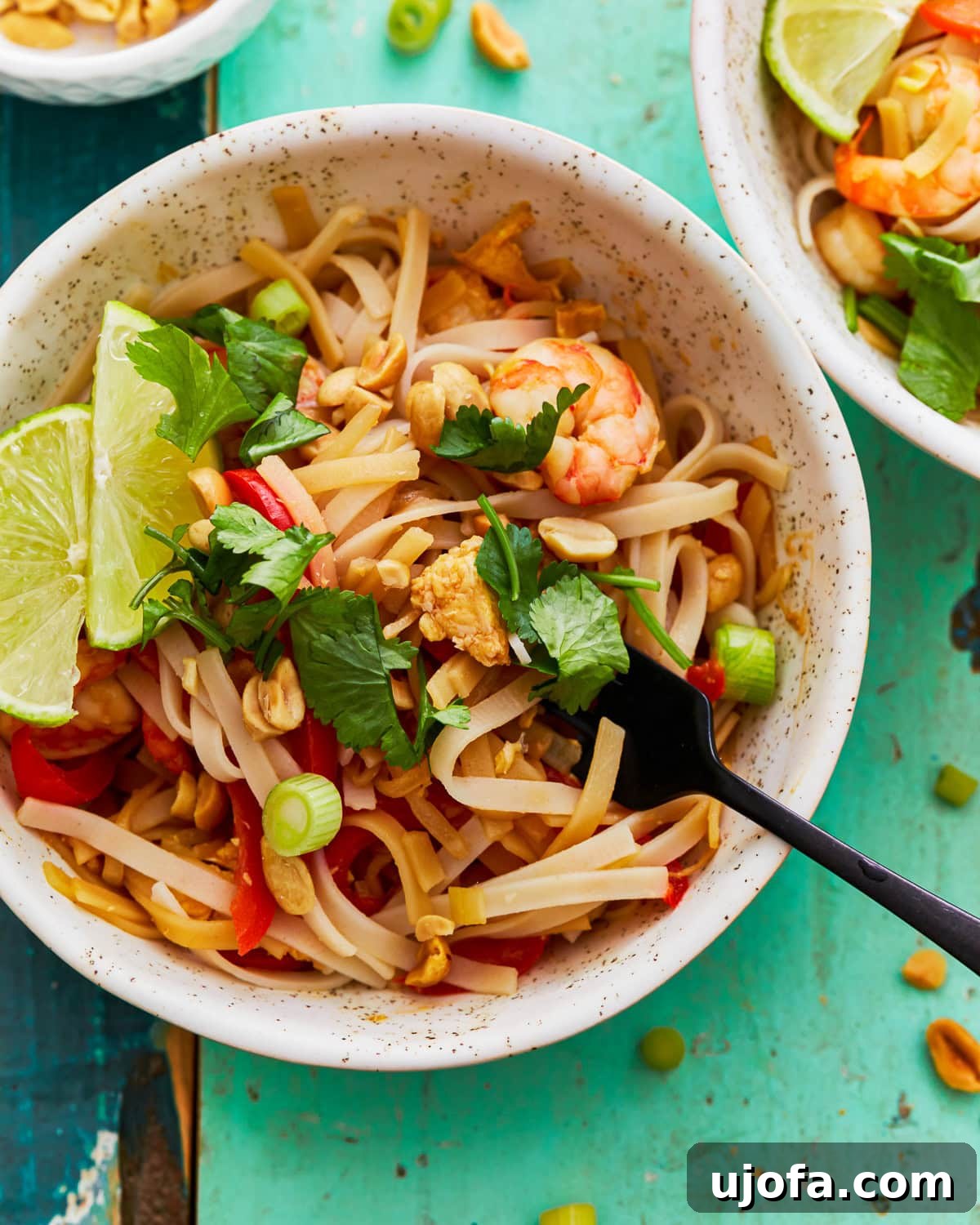
Why Homemade Gluten-Free Pad Thai is a Must-Try
Pad Thai stands as a cornerstone of Thai cuisine, celebrated globally for its harmonious balance of flavors. However, for individuals following a gluten-free diet, enjoying this iconic dish from restaurants can be a challenge. The culprit is typically conventional soy sauce, a foundational ingredient in many traditional Pad Thai recipes, which contains wheat. Beyond soy sauce, cross-contamination risks in bustling kitchens can also pose a threat. Crafting your Pad Thai at home not only eliminates these concerns but also empowers you with complete control over the quality and freshness of your ingredients. You can tailor the spice level, adjust the sweetness, and even experiment with different proteins and vegetables to suit your personal preferences. This homemade version ensures that everyone can safely savor the rich, complex flavors of this beloved Thai dish without compromise.
Understanding Pad Thai: A Brief Culinary Journey
Pad Thai, which literally translates to “Thai-style stir-fried noodles,” is considered Thailand’s national dish. Its origins are often traced back to the 1930s and 1940s, when the Thai government promoted it as a way to unite the nation and boost the economy. Traditionally, it features stir-fried rice noodles tossed with eggs, tofu, shrimp or chicken, bean sprouts, peanuts, and other vegetables, all coated in a distinctive sauce. This sauce is the heart of Pad Thai, typically combining tamarind paste, fish sauce, sugar, and chili. The magic lies in achieving a perfect equilibrium between sweet, sour, salty, and spicy notes. Our gluten-free adaptation stays true to these core principles, replacing the problematic ingredients with safe, equally delicious alternatives, ensuring an authentic taste experience.
The Secret to a Sensational Gluten-Free Pad Thai Sauce
The soul of any great Pad Thai lies in its sauce. Achieving that signature blend of sweet, sour, and savory can seem daunting, but with the right gluten-free substitutions, it’s remarkably simple. Our made-from-scratch sauce eliminates the guesswork, delivering a flavor profile that rivals your favorite takeout spot. Here’s a breakdown of the key components:
- Gluten-Free Tamari (or Certified Gluten-Free Soy Sauce): This is the most crucial swap. Tamari, a Japanese soy sauce variety, is traditionally brewed without wheat, making it an excellent gluten-free alternative that delivers the deep, umami richness of regular soy sauce. Always double-check labels to ensure it’s certified gluten-free.
- Fish Sauce: An irreplaceable ingredient in Thai cuisine, fish sauce provides a vital savory and umami depth that cannot be replicated. Its pungent aroma transforms into a wonderfully complex flavor when cooked. As with tamari, confirm your brand is certified gluten-free, as some may contain hidden gluten.
- Brown Sugar: This adds the essential sweetness, balancing the tanginess from the vinegar and providing a subtle caramel note that rounds out the sauce. You can adjust the amount to suit your personal preference for sweetness.
- Rice Vinegar: While traditional Pad Thai often features tamarind paste for its distinctive sourness, it can be tricky to find. Rice vinegar is a fantastic, readily available substitute that offers a bright, clean acidity, perfectly mimicking the tartness needed for an authentic Pad Thai flavor.
- Chili Sauce (or Sriracha): For those who love a bit of heat, chili sauce or Sriracha adds a pleasant kick. The amount is entirely customizable, allowing you to create a mild, medium, or fiery Pad Thai.
Essential Ingredients for Your Homemade Gluten-Free Pad Thai
Beyond the spectacular sauce, the quality and preparation of your other ingredients are key to a truly outstanding Pad Thai. Each component plays a vital role in texture, flavor, and visual appeal:
- Gluten-Free Rice Noodles: The foundation of the dish. You can find these in various widths, from thin vermicelli to wide, flat noodles. I personally favor the wider, flat rice noodles for their satisfying chewiness and ability to soak up the sauce. Always cook them until al dente – they should still have a slight bite as they will continue to cook in the wok. Rinsing them under cold water after draining is a critical step to prevent them from sticking together and overcooking. While glass noodles or shirataki noodles are also gluten-free alternatives, rice noodles offer the most authentic Pad Thai experience. In a pinch, even good quality gluten-free pasta can work, though the texture will differ.
- Fresh Vegetables: Pad Thai is a celebration of fresh produce. I typically include crunchy bean sprouts, thinly sliced red bell pepper for sweetness and color, and vibrant green onions for a mild oniony bite. However, don’t hesitate to customize! Other excellent additions include shredded carrots, thinly sliced cabbage, tender broccoli florets, or earthy mushrooms. Remember to slice all vegetables thinly and uniformly to ensure quick and even cooking during the stir-fry.
- Protein Powerhouse:
- Shrimp: My go-to protein for its quick cooking time and tender texture. Make sure to devein them for the best experience.
- Eggs: Lightly scrambled eggs add extra protein and a wonderful richness. They cook quickly and integrate beautifully into the dish.
- Tofu: An excellent vegan and vegetarian choice, firm or extra-firm tofu works best. Pressing the tofu before cubing and pan-frying it until golden will give it a fantastic texture that absorbs the sauce wonderfully.
- Chicken or Beef: If using chicken or beef, slice it thinly against the grain to ensure tenderness and quick cooking. You might want to briefly marinate it in a little tamari and cornstarch for extra flavor and tenderness.
- Aromatics & Oil: Minced garlic is essential for building a flavorful base. Vegetable oil is perfect for stir-frying due to its high smoke point, ensuring your ingredients cook quickly without burning.
- For Serving: Don’t skip the garnishes! Chopped roasted peanuts provide an indispensable crunch and nutty flavor. Fresh cilantro adds a bright, herbaceous note, and a squeeze of fresh lime juice just before serving brightens all the complex flavors, making the dish truly sing.
Expert Tips for a Perfect Stir-Fry
Creating an authentic-tasting Pad Thai at home is all about technique. Follow these expert tips to ensure your dish is flavorful, perfectly textured, and truly satisfying:
- Noodle Preparation is Key: As mentioned, cooking your rice noodles until they are just al dente is paramount. They should still have a slight firmness, as they will soften further when tossed in the hot skillet with the sauce. Immediately rinsing them under cold water after draining stops the cooking process and removes excess starch, preventing them from clumping together and becoming gummy.
- Mise en Place: “Everything in its place” is the golden rule for stir-frying. Because Pad Thai cooks very quickly over high heat, you won’t have time to chop or measure ingredients once you start. Have all your vegetables sliced, sauce mixed, protein prepped, and noodles cooked and ready to go before you even turn on the stove. This ensures a smooth, stress-free cooking experience.
- High Heat, Quick Cooking: Stir-frying demands a hot pan. Use a large skillet or, ideally, a wok, over medium-high to high heat. The goal is to cook ingredients quickly, achieving a slight char and retaining their crispness. Don’t be afraid of the heat!
- Don’t Overcrowd the Pan: Overcrowding a wok or skillet will lower its temperature, causing ingredients to steam rather than stir-fry. If you’re making a larger batch, cook your vegetables and protein in two smaller batches to ensure everything cooks evenly and develops good flavor.
- Taste and Adjust: The beauty of homemade Pad Thai is that you can tailor it to your palate. Taste the sauce before adding it to the pan, and taste the final dish before serving. If it needs more sweetness, add a touch more brown sugar. For more tang, a dash of rice vinegar or a fresh squeeze of lime will work wonders. Craving more heat? A little extra chili sauce will do the trick.
- Ensuring Gluten-Free Safety: Always double-check the labels on ALL your ingredients, especially fish sauce and any pre-made chili pastes. Even some brands of rice noodles can have cross-contamination warnings. Vigilance is key to maintaining a truly gluten-free meal.
Making It Your Own: Customizing Your Pad Thai
One of the joys of cooking at home is the freedom to customize. This gluten-free Pad Thai recipe is incredibly versatile, allowing you to adapt it to dietary needs, available ingredients, and personal preferences:
- Vegan & Dairy-Free Options: This recipe is already dairy-free. To make it completely vegan, simply omit the eggs and shrimp. Instead, increase the amount of firm tofu, ensuring it’s well-pressed and pan-fried for texture, or add more of your favorite vegetables. For the fish sauce, look for a vegan fish sauce alternative, which is often made from seaweed and mushrooms, or simply omit it and add an extra tablespoon of tamari and a pinch of salt to taste.
- Adjusting Spice Level: The amount of chili sauce or Sriracha is entirely up to you. Start with ½ tablespoon for a mild heat, and add more in small increments if you prefer a spicier kick.
- Vegetable Combinations: Feel free to experiment with seasonal vegetables. Asparagus, snap peas, bok choy, or even thinly sliced zucchini can make excellent additions, adding variety and nutrients.
- Alternative Proteins: Beyond shrimp and tofu, thinly sliced chicken breast or thighs, or even lean beef, can be excellent protein choices. Just be sure to adjust cooking times accordingly to ensure they are cooked through but not overdone.
- Garnish Galore: While chopped peanuts, fresh cilantro, and lime wedges are traditional and highly recommended, don’t stop there. Consider adding a sprinkle of toasted sesame seeds, a dash of crispy fried shallots, or even a few fresh mint leaves for an unexpected burst of freshness.
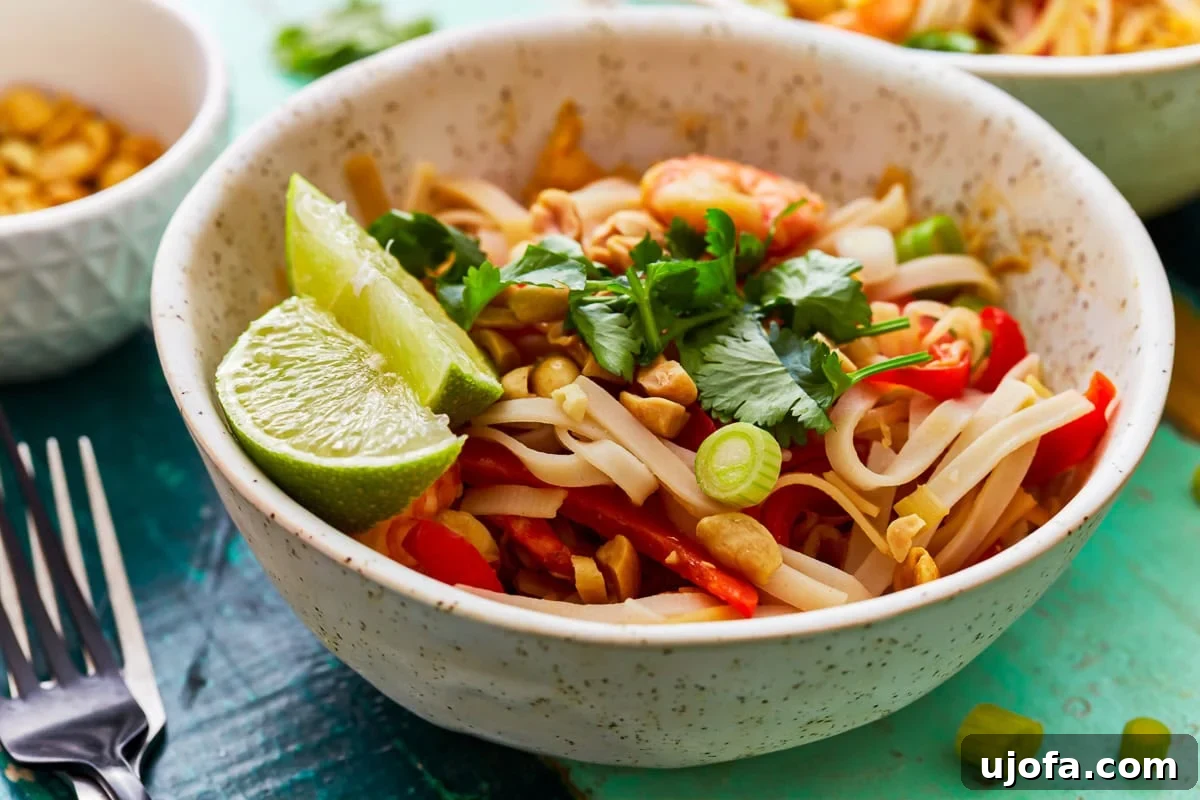
Is Traditional Pad Thai Gluten-Free? A Closer Look
This is a critical question for anyone with gluten sensitivities or celiac disease. The straightforward answer is: **no, traditional Pad Thai is typically NOT gluten-free.** The primary reason lies in the use of conventional soy sauce, which contains wheat. Many authentic Thai restaurants also use fish sauces that may have trace amounts of gluten or other thickeners. Furthermore, cross-contamination is a significant concern in restaurant kitchens where gluten-containing ingredients are commonly used. Unless a restaurant explicitly states their Pad Thai is gluten-free and takes precautions to prevent cross-contamination (e.g., using separate woks and utensils), it’s safest to assume it contains gluten. By preparing this dish at home with certified gluten-free tamari or soy sauce and carefully checking all other labels, you can confidently enjoy a delicious and safe Pad Thai experience.
Storage and Reheating for Optimal Enjoyment
Pad Thai is always best enjoyed fresh, straight from the wok. However, if you find yourself with leftovers, they can be stored and reheated for another delightful meal. To maintain the best quality, transfer any cooled leftovers to an airtight container and refrigerate promptly. It will keep well for up to 2 days. When reheating, avoid the microwave if your Pad Thai contains shrimp or other meats, as this can easily overcook them and lead to a rubbery texture. For best results, reheat on the stovetop. Add a little vegetable oil to a skillet or wok over medium-low heat, then add the Pad Thai and stir gently until heated through. This method helps the noodles regain some of their elasticity and ensures the protein remains tender and flavorful.
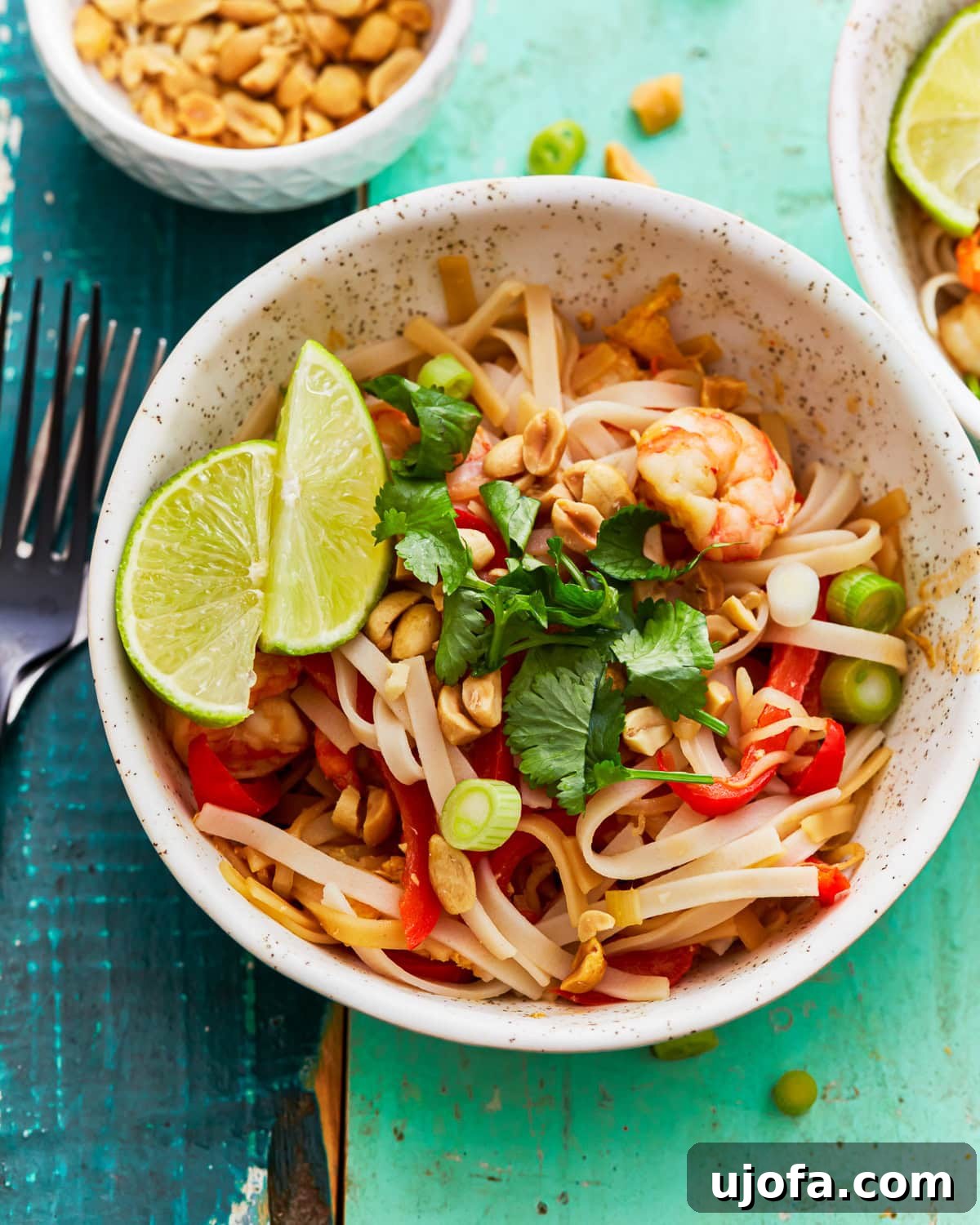
The Ultimate Gluten-Free Pad Thai Recipe
Gluten-Free Pad Thai
By: Sabine Venier
Servings: 4 servings
Prep time: 20 mins
Cook time: 15 mins
Total time: 35 mins
This gluten-free Pad Thai recipe is your answer to craving delicious Asian takeout! It’s quick to prepare, taking just 35 minutes from start to finish, and uses simple, accessible ingredients to deliver an authentic taste without the gluten.
Ingredients
For the Pad Thai Sauce
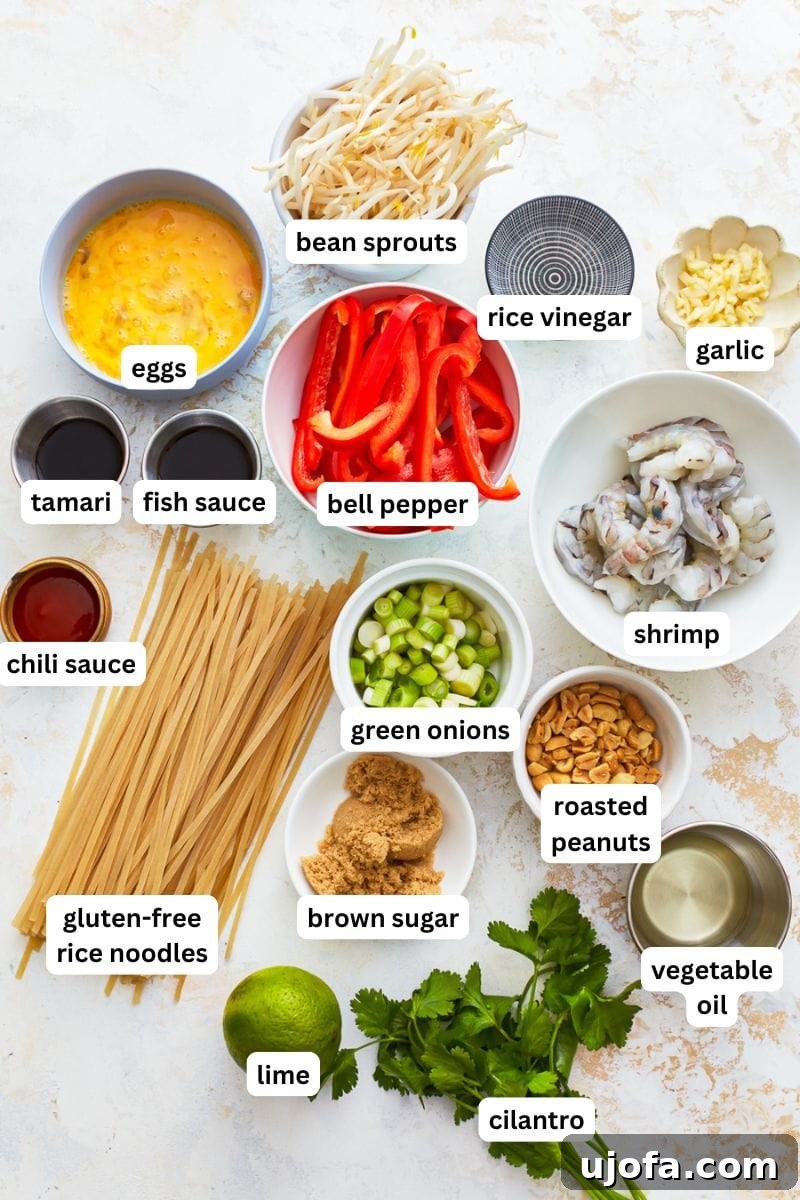
- 3 tablespoons fish sauce
- 2 tablespoons gluten-free tamari or gluten-free soy sauce
- 2 tablespoons rice vinegar
- 3 tablespoons brown sugar
- ½ tablespoon chili sauce or sriracha, adjust to taste
For the Pad Thai
- 8 ounces gluten-free rice noodles
- 1 tablespoon vegetable oil
- 1 cup bean sprouts
- 1 red bell pepper, thinly sliced
- 4 green onions, thinly sliced
- 2 cloves garlic, minced
- 1 cup shrimp (or firm tofu), cubed
- 2 large eggs, lightly beaten
- ¼ cup roasted peanuts, chopped
- ¼ cup fresh cilantro, for serving
- lime wedges, for serving
Instructions
- In a small bowl, whisk together the fish sauce, gluten-free tamari sauce, rice vinegar, brown sugar, and chili sauce until well combined. Set aside.
- Cook the rice noodles according to the package instructions until they are al dente. Drain and rinse the noodles under cold water to stop the cooking process and prevent sticking. Set aside.
- Heat the vegetable oil in a large skillet or wok over medium-high heat. Add the bean sprouts, bell pepper, green onions, and minced garlic and cook for 1-2 minutes until fragrant and slightly tender-crisp.
- Add the shrimp (or tofu) to the skillet and cook for 2-3 minutes, stirring, until the shrimp is pink and cooked through, or tofu is lightly golden.
- Push the vegetables and shrimp to one side of the skillet, then add the lightly beaten eggs to the empty side. Scramble the eggs until cooked through, then mix them with the cooked vegetables and shrimp.
- Add the cooked rice noodles to the skillet and pour the prepared sauce evenly over all the ingredients.
- Toss everything together vigorously until the noodles and vegetables are evenly coated with the sauce. Continue to cook for an additional 2 minutes until everything is heated through and flavors have melded.
- Transfer the Pad Thai to serving plates or bowls. Sprinkle generously with chopped roasted peanuts and fresh cilantro. Serve immediately with lime wedges on the side for squeezing over the noodles, enhancing the fresh, tangy notes. Enjoy your homemade gluten-free Pad Thai!
Notes
- Not all fish sauces are gluten-free; always check the label carefully before buying and using.
- To make this recipe vegan, omit the eggs and shrimp. Use more firm tofu or additional vegetables, and substitute with a vegan fish sauce alternative or omit it entirely, adjusting seasoning as needed.
- Adjust the amount of chili sauce or Sriracha to achieve your desired spice level.
- The brown sugar can be adjusted to suit your taste preference for sweetness.
- To Store: Store any leftovers in an airtight container in the refrigerator for up to 2 days.
- To Reheat: For best results, reheat on the stovetop over medium-low heat with a little extra oil, gently stirring until warmed through. Avoid microwaving to prevent overcooking protein.
- Remember: “Mama says, check all of your labels!” for gluten-free safety.
- The nutritional information provided below is an approximation based on using shrimp and chili sauce.
Nutrition Information (Approximate per serving)
- Serving: 1 serving
- Calories: 441 kcal
- Carbohydrates: 63g
- Protein: 24g
- Fat: 12g
- Saturated Fat: 2g
- Polyunsaturated Fat: 4g
- Monounsaturated Fat: 4g
- Trans Fat: 0.03g
- Cholesterol: 177mg
- Sodium: 1747mg
- Potassium: 497mg
- Fiber: 7g
- Sugar: 14g
- Vitamin A: 1266 IU
- Vitamin C: 50mg
- Calcium: 98mg
- Iron: 2mg
Course: Main Course
Cuisine: Thai
Nutrition information is automatically calculated and provided for general reference; it should only be used as an approximation.
Tried this recipe? Share your culinary creation! Mention @mamaknowsglutenfree or tag #mamaknowsglutenfree on Instagram!
How to Make Gluten-Free Pad Thai: Step-by-Step Visuals
Visual guidance can be incredibly helpful when mastering a new recipe. Below are step-by-step images illustrating the process of making this delicious gluten-free Pad Thai, accompanying the detailed instructions provided in the recipe card above. These visuals will help you confidently navigate each stage of cooking, ensuring a perfect outcome.
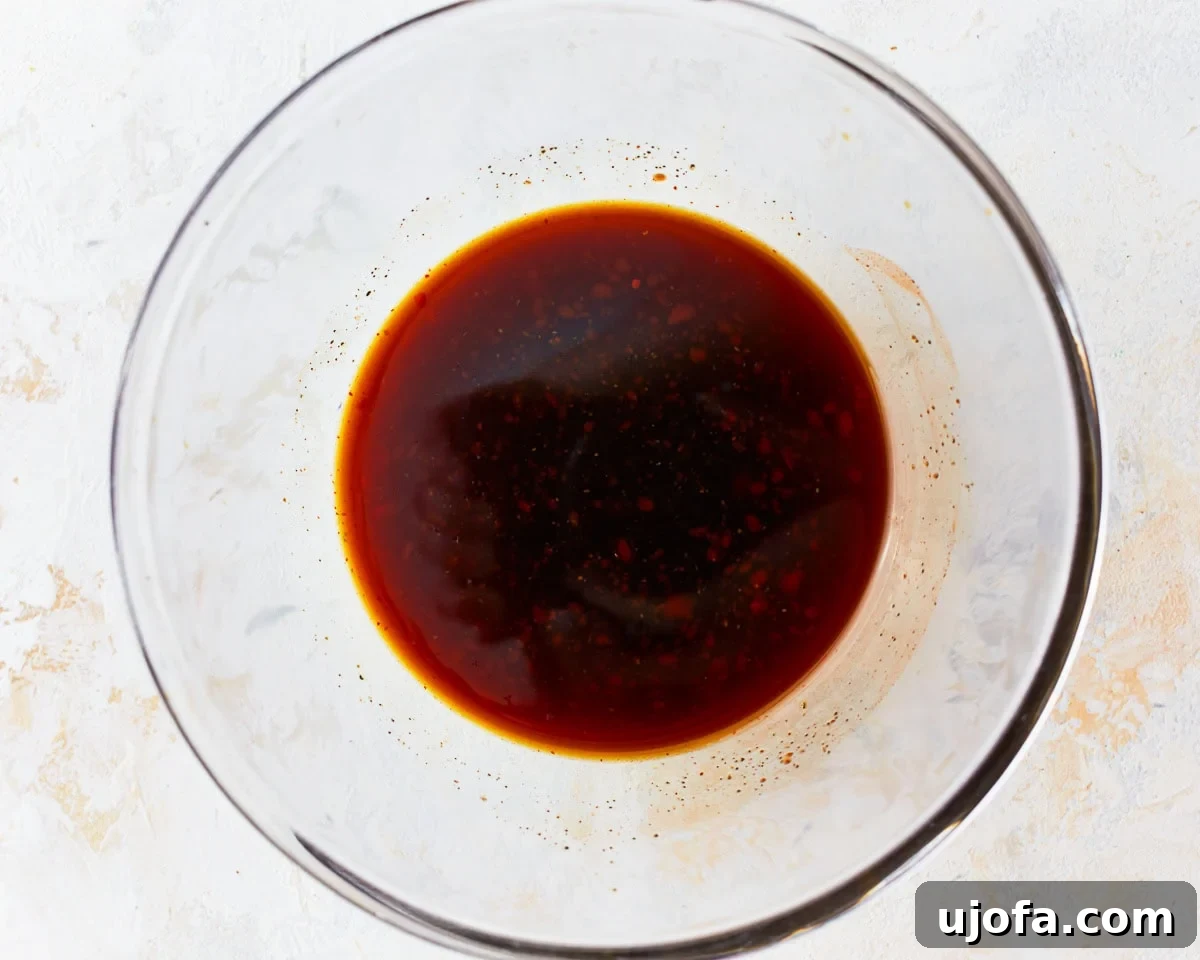
Your journey to perfect Pad Thai begins with the sauce. In a small bowl, combine the fish sauce, gluten-free tamari, rice vinegar, brown sugar, and chili sauce. Whisk these ingredients thoroughly until they are completely integrated. This pre-mixing step ensures a consistent flavor profile throughout your dish and simplifies the rapid stir-frying process.
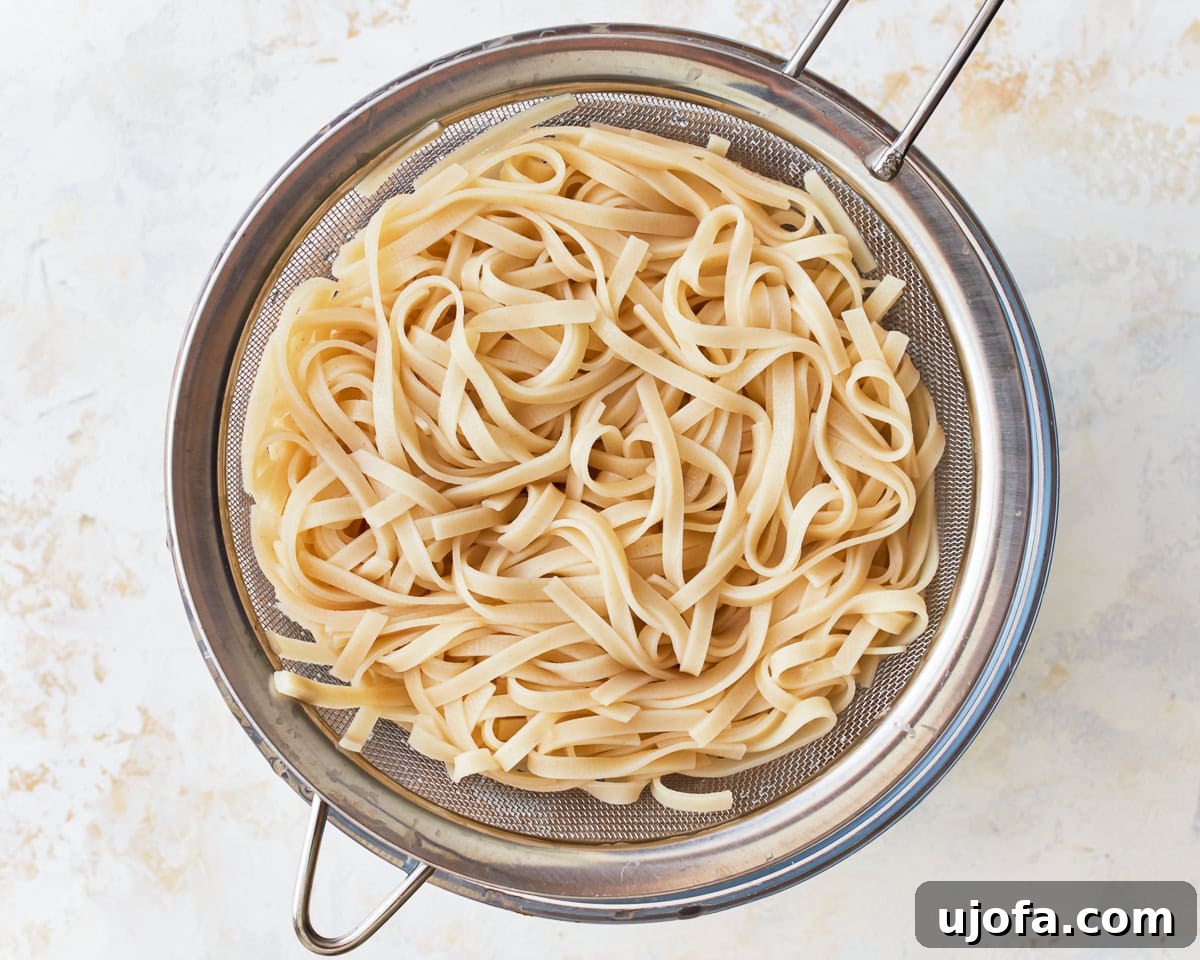
Next, prepare your gluten-free rice noodles according to the package directions, ensuring they are cooked until just al dente. This means they should still have a slight firmness, as they will finish cooking in the wok. Immediately after draining, rinse the noodles under cold water. This crucial step stops the cooking process and removes excess starch, preventing them from clumping together and ensuring a pleasant, non-gummy texture.
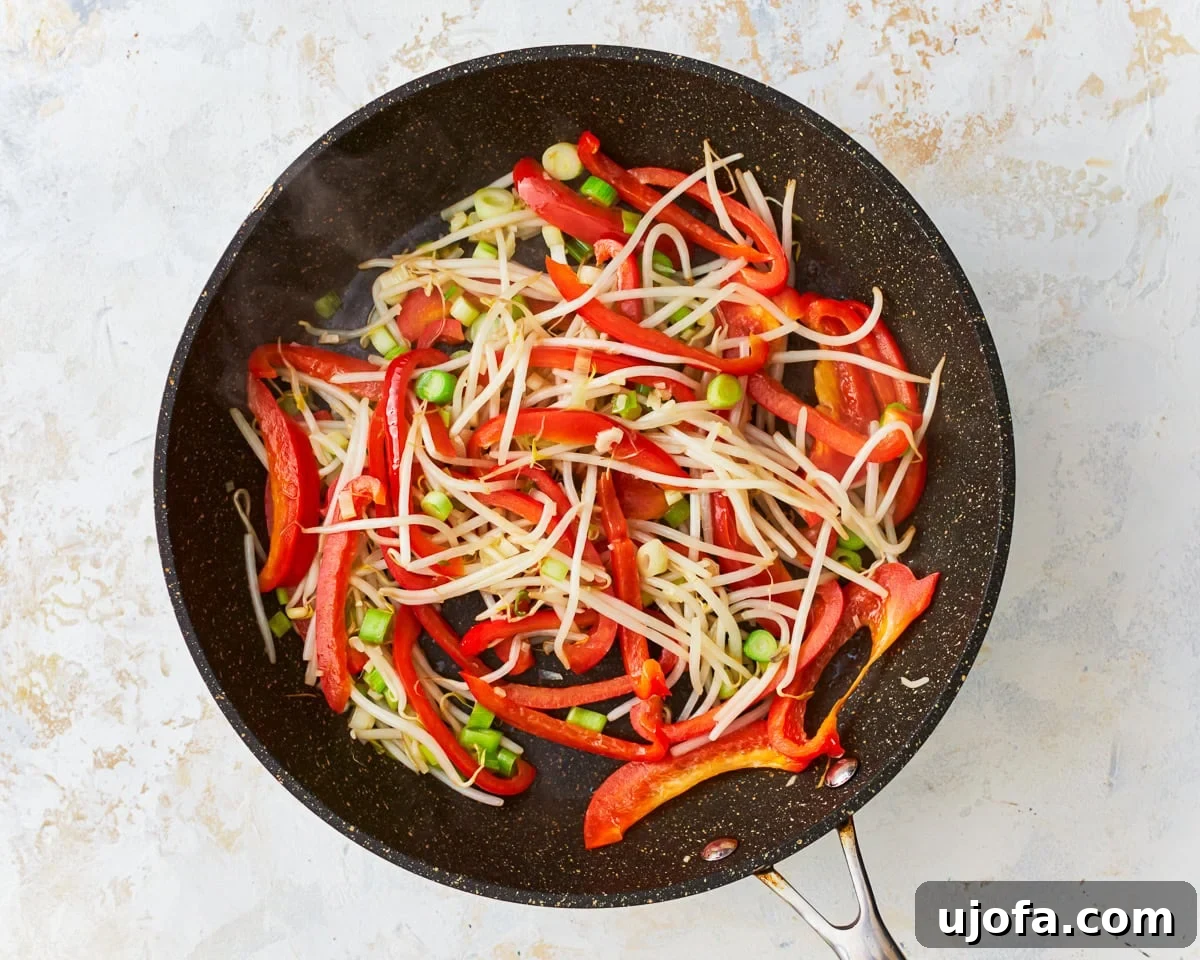
Heat a tablespoon of vegetable oil in a large skillet or wok over medium-high heat. Once hot, add the bean sprouts, thinly sliced bell pepper, thinly sliced green onions, and minced garlic. Stir-fry these vibrant vegetables for a quick 1-2 minutes until they become fragrant and are slightly tender-crisp. The high heat ensures they cook quickly while retaining their satisfying crunch.
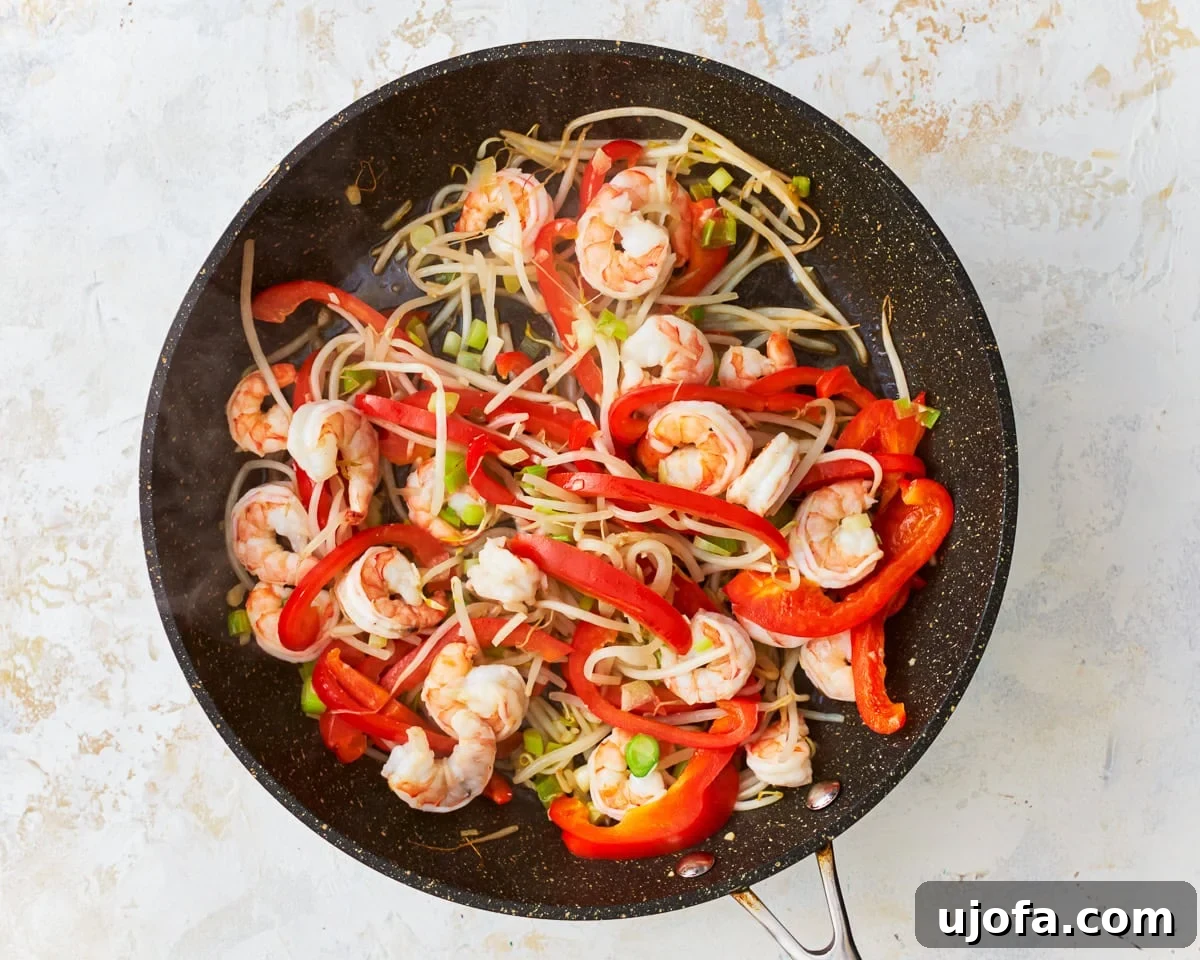
Following the vegetables, add your chosen protein – whether it’s shrimp or cubed firm tofu – to the skillet. Cook for a brief 2-3 minutes, stirring constantly. For shrimp, you’re looking for them to turn pink and opaque, indicating they are cooked through. If using tofu, cook until it’s lightly golden and heated. Be careful not to overcook, especially the shrimp, to maintain tenderness.
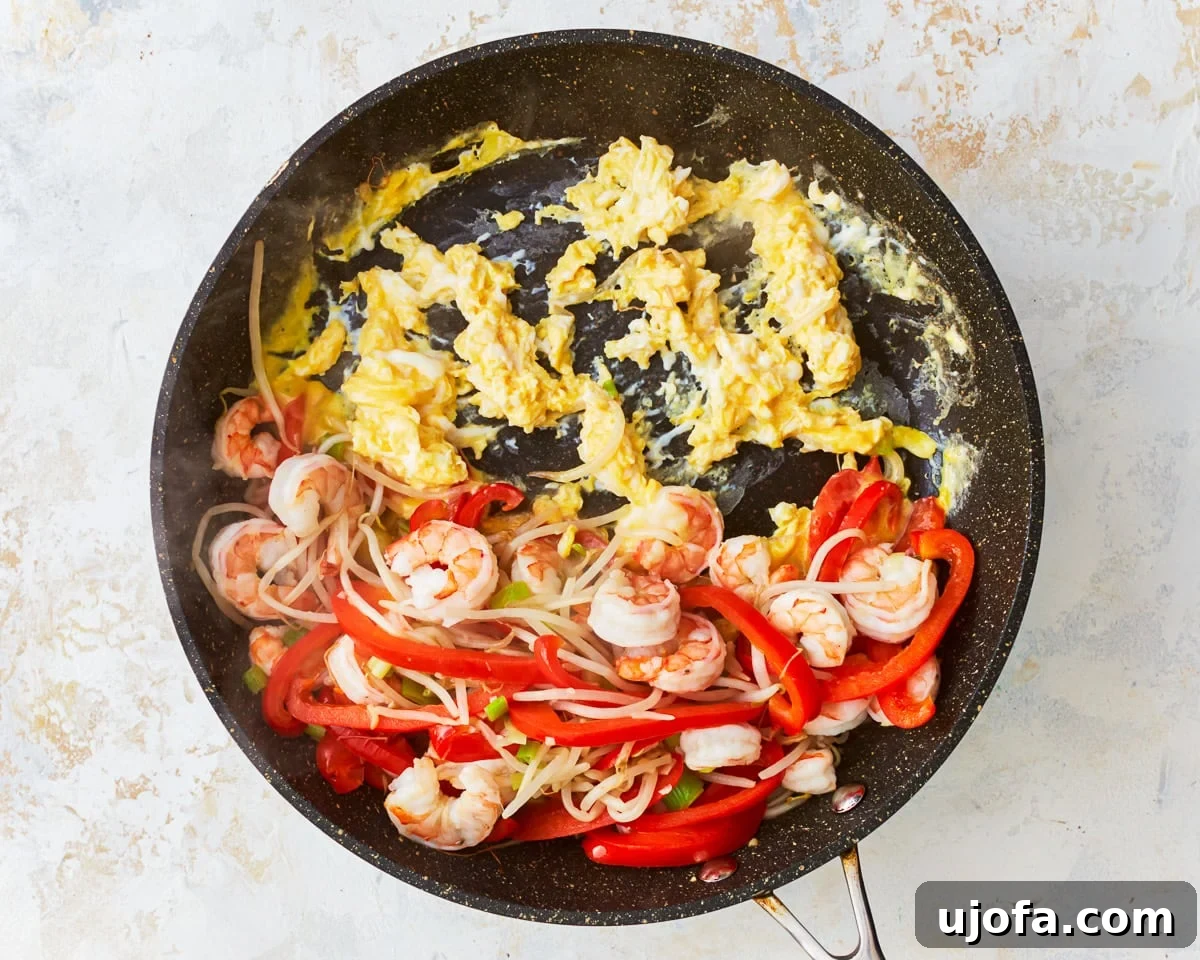
To incorporate the eggs, gently push the cooked vegetables and shrimp to one side of the skillet, creating an empty space. Pour the lightly beaten eggs into this cleared area. Scramble the eggs until they are cooked through and set, typically within a minute or two. This adds an extra layer of protein and a creamy texture to your Pad Thai.
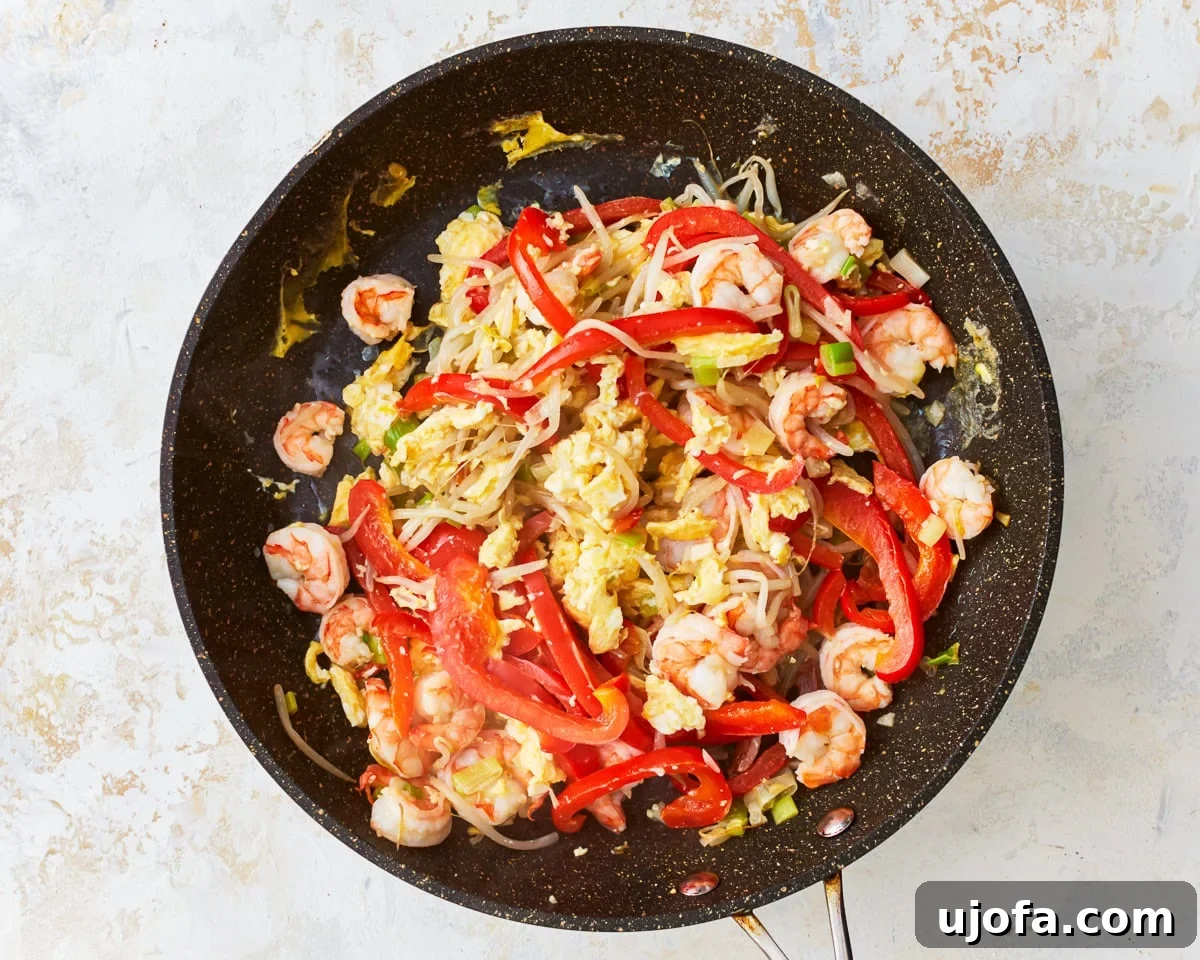
Once the eggs are scrambled, use your spatula to mix them thoroughly with the cooked vegetables and shrimp. This ensures that all the main stir-fry elements are evenly distributed and ready for the final additions. This step brings together the various textures and flavors before the noodles and sauce are introduced.
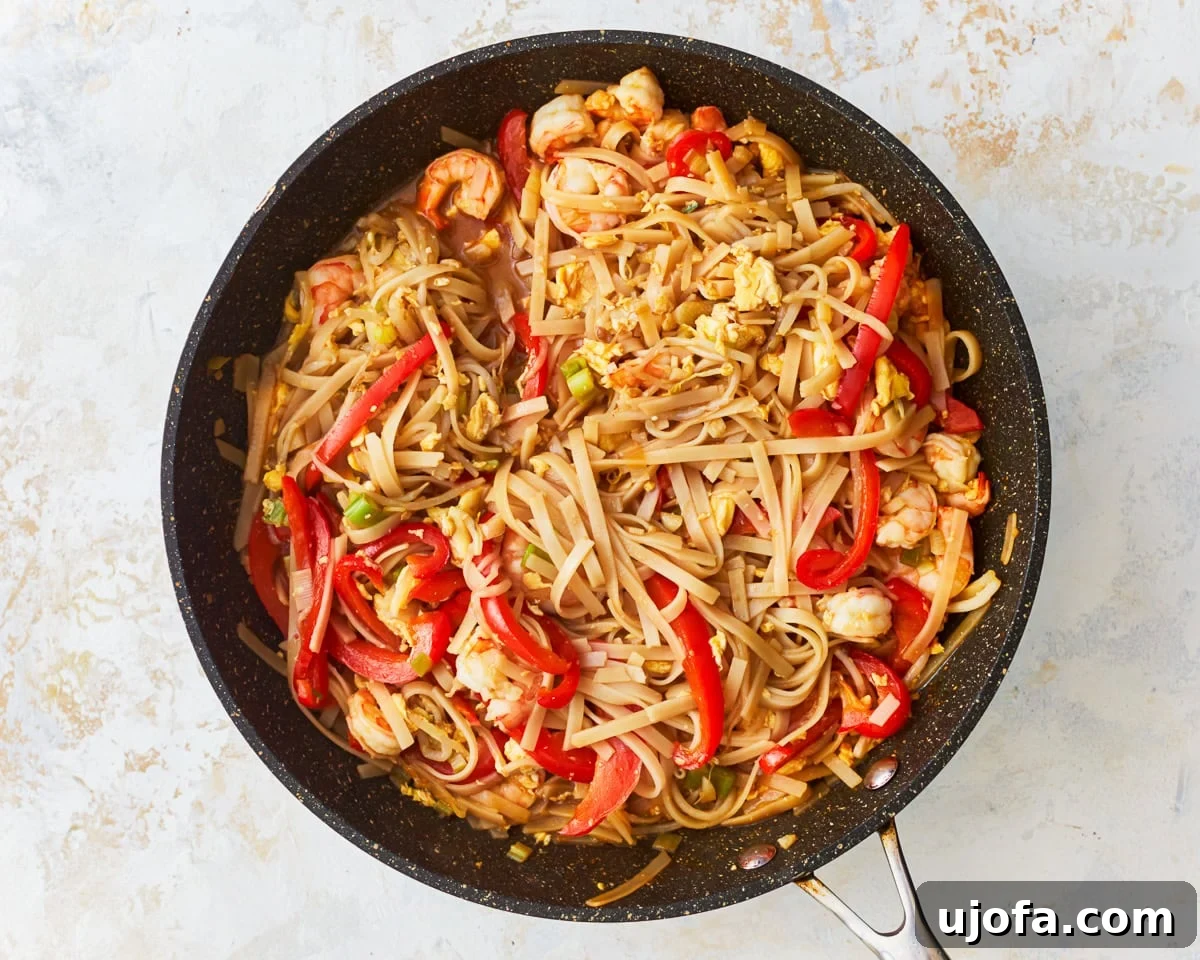
Now for the grand finale: add the cooked rice noodles to the skillet. Pour the pre-mixed Pad Thai sauce evenly over all the ingredients. Using tongs or two spatulas, toss everything together vigorously but gently, ensuring every strand of noodle and every piece of vegetable is thoroughly coated in the rich, aromatic sauce. Continue to cook for an additional 2 minutes, allowing the noodles to absorb the flavors and heat through. Serve immediately, garnished generously with chopped roasted peanuts and fresh cilantro, with lime wedges on the side for that essential burst of bright citrus.
More Delicious Gluten-Free “Fakeaway” Alternatives
If you’re passionate about enjoying your favorite takeout dishes without compromising your gluten-free lifestyle, our collection of “fakeaway” recipes is here to inspire you. From savory sauces to crispy fried delights, explore these fantastic homemade alternatives that bring restaurant-quality flavors right to your kitchen:
- Gluten-Free Teriyaki Sauce
- Gluten-Free Orange Chicken
- Gluten-Free Tempura Batter
- Gluten-Free Apricot Chicken
- Gluten-Free Sticky Asian Wings