
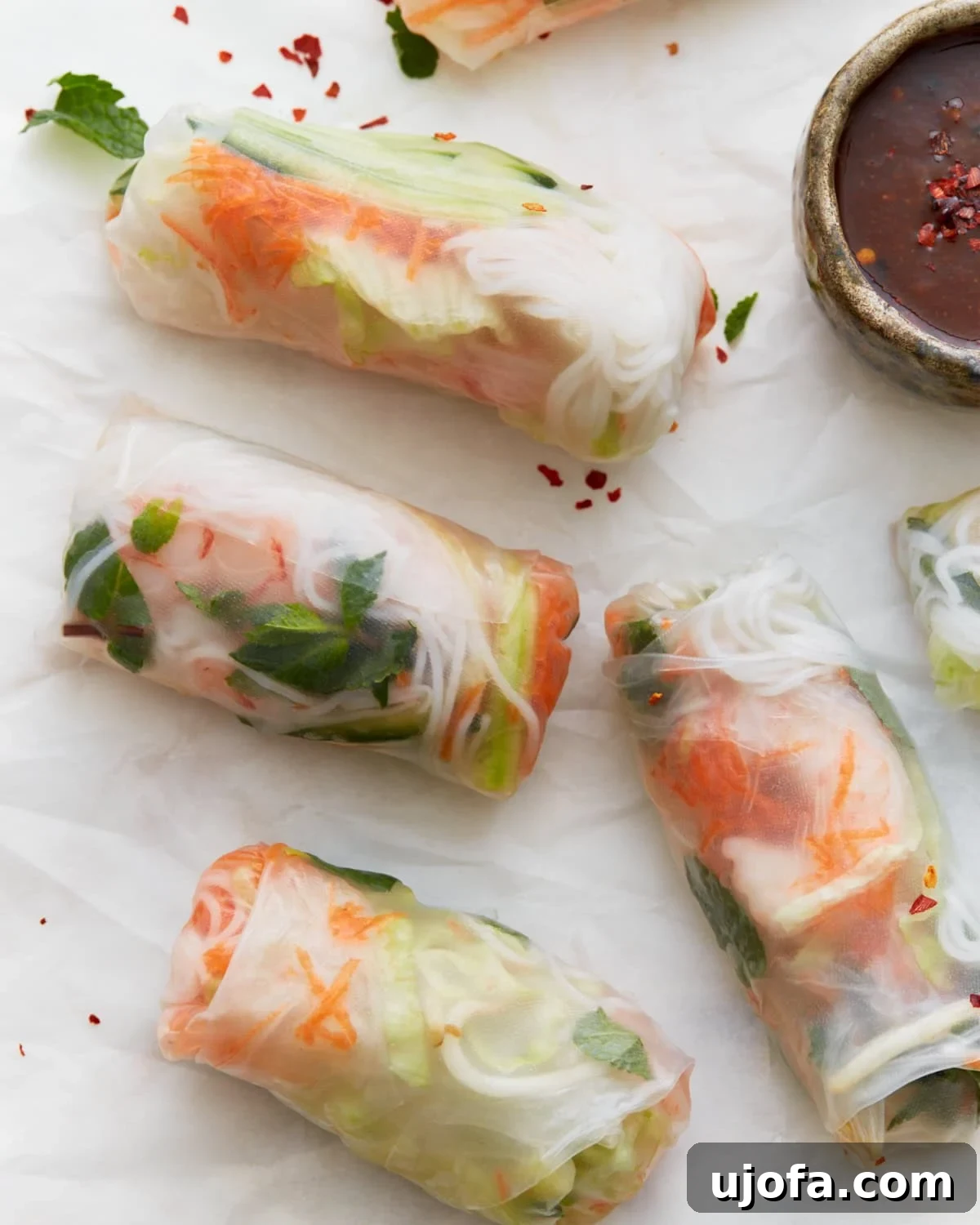
There’s nothing quite like a meal that bursts with freshness, vibrancy, and incredible flavor—and these Vietnamese Summer Rolls embody all of that and more. They are an absolute staple in my kitchen, especially during warmer months when I crave something light yet utterly satisfying. Picture crisp, garden-fresh vegetables, succulent tender shrimp, and a medley of aromatic herbs, all delicately encased in translucent rice paper wrappers. This isn’t just a meal; it’s an experience; the hands-on process of assembling these fresh spring rolls is a delightful activity, and the reward of eating them is even greater. Best of all, they come together in roughly 30 minutes, making them an ideal choice for a quick, healthy lunch, an elegant appetizer, or a fuss-free dinner when you desire fresh, authentic flavors without ever needing to turn on the oven.
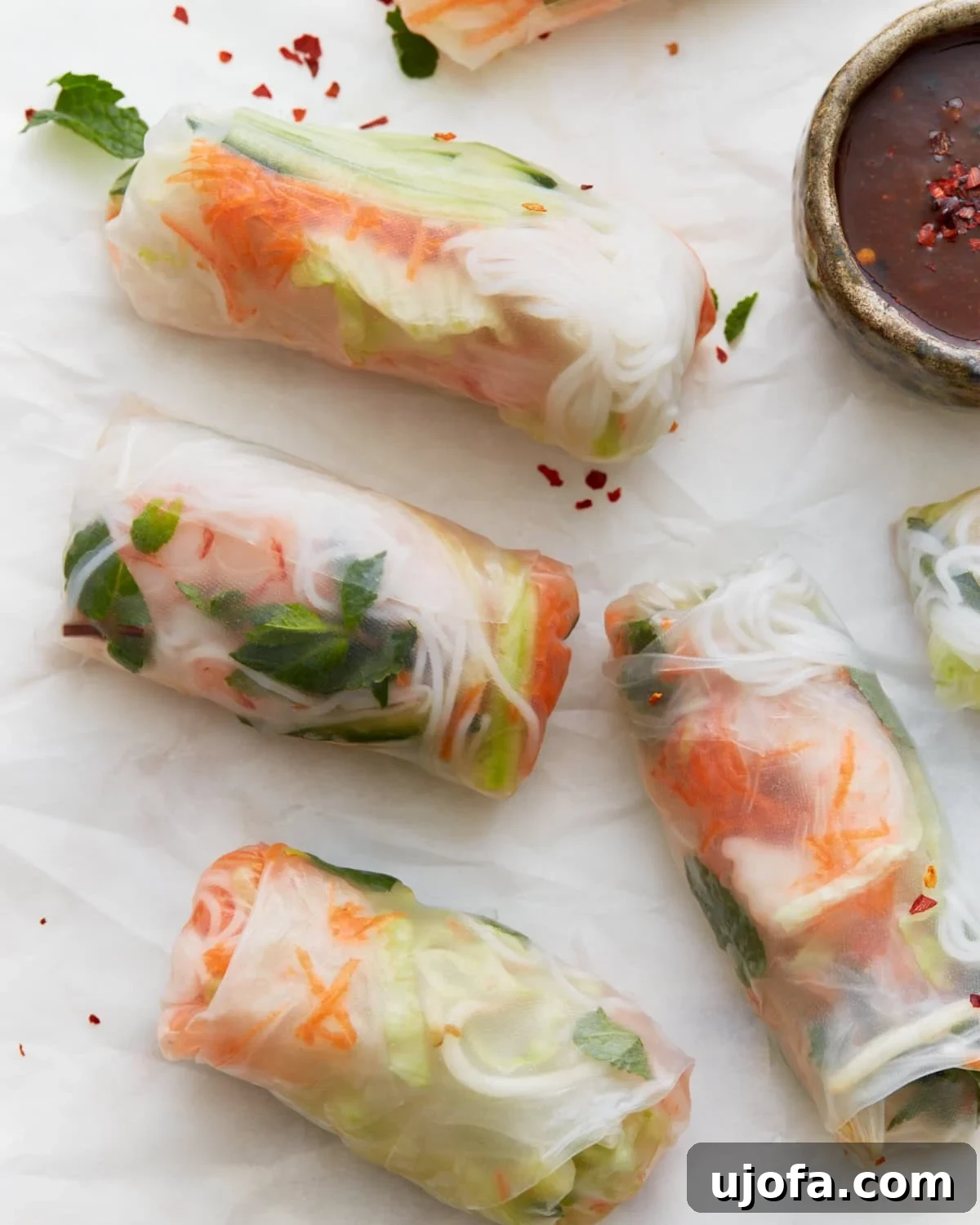
When dining out at my favorite Vietnamese restaurants, ordering summer rolls is an undeniable ritual. Their inherent freshness, lightness, and naturally gluten-free nature make them a perfect choice every single time. There’s just something about that harmonious combination of cool, crisp vegetables, juicy, perfectly cooked shrimp, and fragrant fresh herbs, all bound together in that unique, chewy rice paper. This delightful package truly comes alive when paired with a bold, savory, and slightly sweet homemade peanut dipping sauce. Each bite is a symphony of textures and tastes, creating a truly memorable culinary moment that you can now recreate in your own kitchen.
Why You’ll Love These Fresh Vietnamese Summer Rolls
These Vietnamese Summer Rolls are more than just a recipe; they are a celebration of fresh ingredients and simple, vibrant flavors. Here’s why they’ll quickly become a cherished favorite in your household:
- Effortlessly Fresh & Light: They are the quintessential warm-weather meal, offering a refreshing escape from heavy dishes. Packed with raw vegetables and lean protein, they are incredibly light and perfect for a guilt-free indulgence.
- Naturally Gluten-Free: Crafted with delicate rice paper wrappers and fine rice vermicelli noodles, these rolls are inherently free from gluten. This makes them an outstanding and safe option for individuals managing celiac disease or gluten sensitivities. Always remember to verify that all accompanying sauces and ingredients are certified gluten-free.
- Quick & Easy Assembly: From start to finish, you can have a batch of these delectable rolls ready in approximately 30 minutes. The majority of the time is dedicated to preparing ingredients and rolling, which can transform cooking into a fun, engaging activity rather than a chore.
- Highly Customizable: The adaptability of this recipe is one of its greatest strengths. If shrimp isn’t to your liking, easily substitute it with grilled chicken, marinated tofu, or even savory tempeh. Crave more greens? Load them up! This flexibility ensures you can tailor each roll to your precise preferences and what fresh produce is available.
- Fun for the Whole Family: Setting up an interactive “rolling station” is a brilliant way to involve everyone in the meal preparation. Children and adults alike will enjoy customizing and assembling their own unique summer rolls, turning dinner into a memorable and social event.
- Minimal Cooking Required: Beyond briefly cooking the shrimp and vermicelli noodles, the entire process involves fresh preparation, which means your kitchen stays cool and comfortable, even on the hottest days.
- Excellent for Meal Prep: While best when freshly made, the individual components can be prepared in advance. This makes them suitable for a quick and healthy grab-and-go lunch or a hassle-free dinner after a busy day.
Gluten-Free Cooking Tips for Perfect Rolls
Ensuring your summer rolls are not only perfectly delicious but also entirely gluten-free requires attention to detail. These expert tips will help you master the art of making fresh, healthy, and safe rolls:
- Mastering the Rice Paper: The key to working with rice paper wrappers is precision. Dip each wrapper individually into a shallow dish of warm (not hot) water for a mere 5-10 seconds. The goal is for the wrapper to become pliable and flexible, yet still possess a slight firmness. Over-soaking is the most common pitfall, as it renders the paper overly sticky and fragile, leading to frustrating tears during the rolling process. The temperature of your water is crucial; too hot, and the paper softens too rapidly, becoming unmanageable.
- Preventing Rolls from Sticking: Freshly made summer rolls have a natural tendency to stick together. To avoid this, never stack them directly on top of each other. If you need to store multiple rolls, place a sheet of parchment paper or a lightly dampened paper towel between each layer. This creates a barrier, keeping them separate and preserving their delicate texture.
- The Art of Filling: While it’s tempting to pack your rolls with an abundance of flavorful ingredients, overfilling is a common mistake that can compromise the structural integrity of your roll. An overloaded wrapper is prone to tearing, resulting in a messy and difficult-to-handle roll. Aim for a moderate amount of filling, ensuring you can still comfortably wrap and seal the rice paper to achieve a neat, tight, and aesthetically pleasing roll every time. You should be able to see the vibrant colors of the ingredients peeking through the translucent wrapper.
- Flawless Noodle Preparation: Proper vermicelli rice noodle preparation is paramount for a successful summer roll. After cooking the noodles according to the package instructions, immediately drain them and rinse thoroughly under cold running water. This essential step halts the cooking process, removes any excess starch, and, most importantly, prevents the noodles from clumping together. Ensure they are exceptionally well-drained before incorporating them into your rolls to avoid adding excess moisture.
- Vigilant Label Checking for Gluten-Free Integrity: When preparing any gluten-free dish, meticulous label checking for all ingredients is non-negotiable, particularly for sauces like hoisin or soy sauce. Many commercial brands contain wheat-based ingredients. Always opt for products explicitly labeled “certified gluten-free,” or consider preparing your own sauces from scratch to guarantee safety. For instance, substitute regular hoisin sauce with a verified gluten-free version, or use tamari as a direct replacement for traditional soy sauce.
- Beware of Cross-Contamination: If you are cooking for someone with a severe gluten allergy or celiac disease, strict adherence to cross-contamination protocols is vital. Use dedicated clean cutting boards, utensils, and food preparation surfaces that have not come into contact with any gluten-containing foods.
Vietnamese Summer Rolls
By: Sabine Venier
Servings: 8 rolls
Prep Time: 20 mins
Cook Time: 10 mins
Total Time: 30 mins
I’ve always loved meals that feel as fresh and vibrant as they look—and these Vietnamese summer rolls are exactly that. They’re perfect for warm-weather dinners when I’m craving something light but still satisfying. With crisp veggies, tender shrimp, and plenty of fresh herbs wrapped in delicate rice paper, they’re the kind of hands-on meal that’s fun to assemble and even more fun to eat.
Step-by-step photos can be seen below the recipe card.
Print Recipe
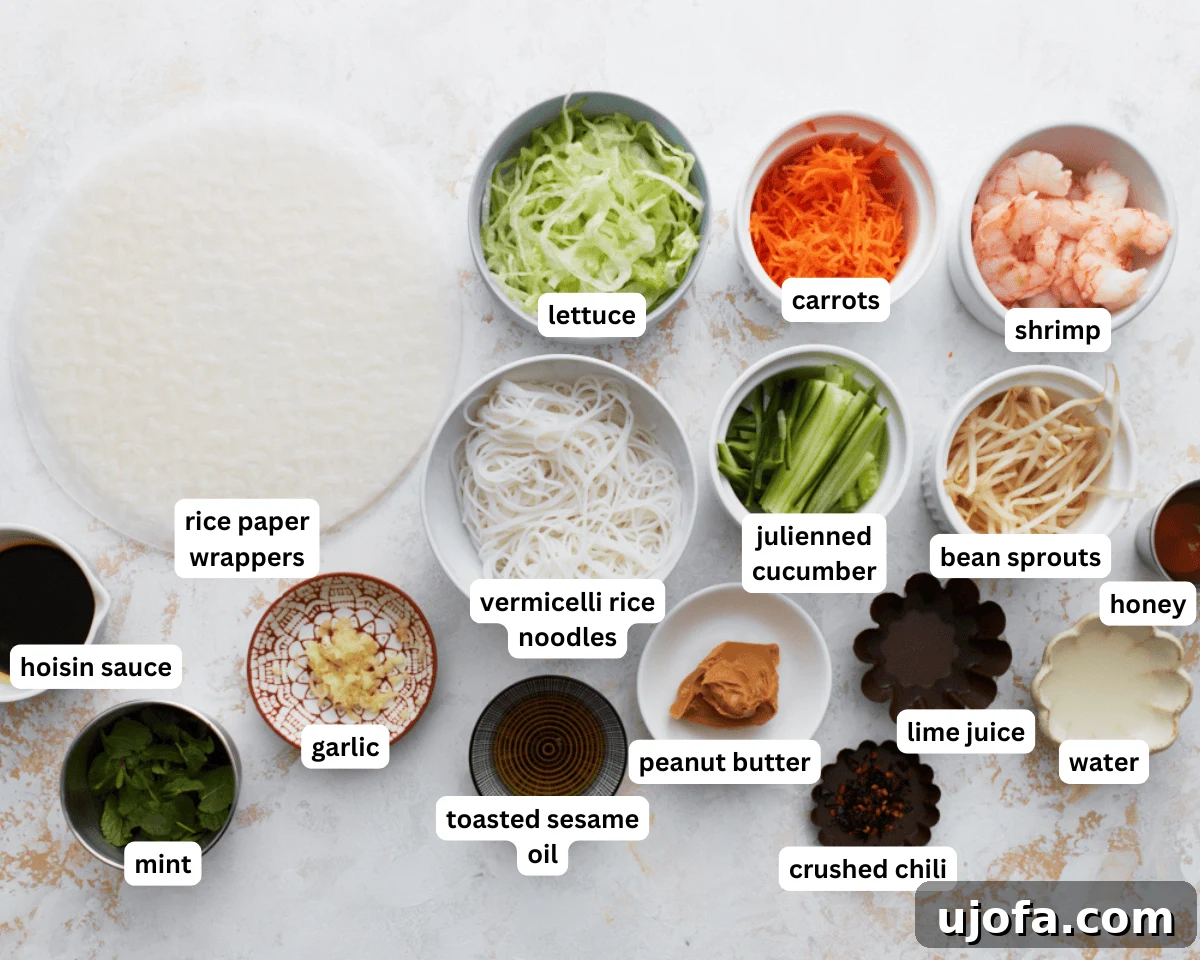
Ingredients
- 8-10 rice paper wrappers
- 2 oz dried vermicelli rice noodles*, cooked, drained and cooled under cold running water
- 1 cup cooked shrimp**, peeled and deveined (or tofu for vegetarian)
- 1 cup lettuce, thinly sliced
- 1/2 cup bean sprouts
- 1/2 cup shredded carrots
- 1/2 cucumber, julienned
- 1/4 cup mint leaves
Peanut Dipping Sauce
- 2 tablespoons hoisin sauce***
- 2 tablespoons smooth peanut butter
- 2 tablespoons toasted sesame oil
- 1 tablespoon lime juice
- 1 tablespoon honey
- 1 tablespoon garlic, pressed or minced
- 1/2 teaspoon crushed chili
- 1-2 tablespoons water to thin out the sauce
Instructions
- Prepare all ingredients: Before you start rolling, gather and prepare all your ingredients. Cook the vermicelli noodles according to package directions, then drain and rinse them under cold water to prevent sticking. Cook and peel your shrimp, or prepare your chosen protein like tofu. Thoroughly wash and thinly slice all your vegetables and herbs. Having everything ready in advance ensures a smooth assembly process.
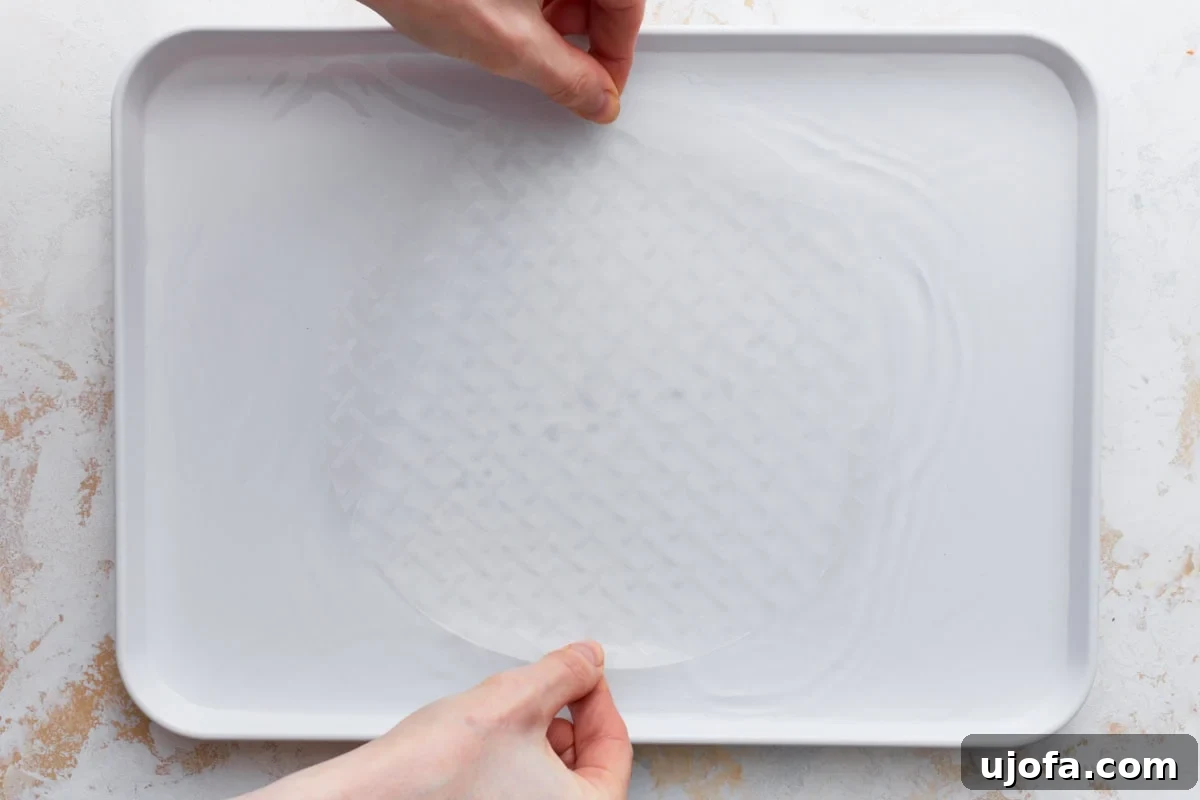
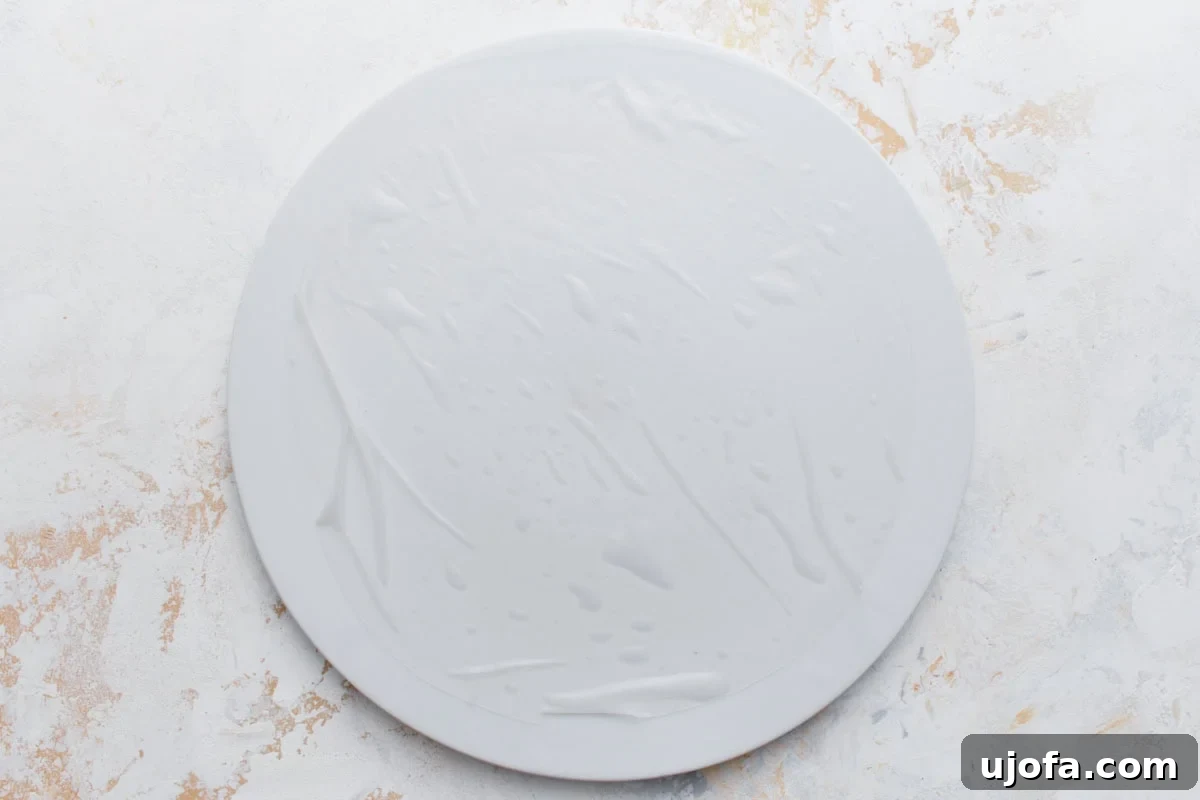
- Soften the rice paper: Fill a shallow dish or pie plate with warm (not hot) water. Gently dip one rice paper wrapper into the water for about 5 to 10 seconds. The goal is to make it pliable but still slightly firm. Be careful not to over-soak, as it will become too soft, sticky, and prone to tearing. Remove it as soon as it’s flexible.
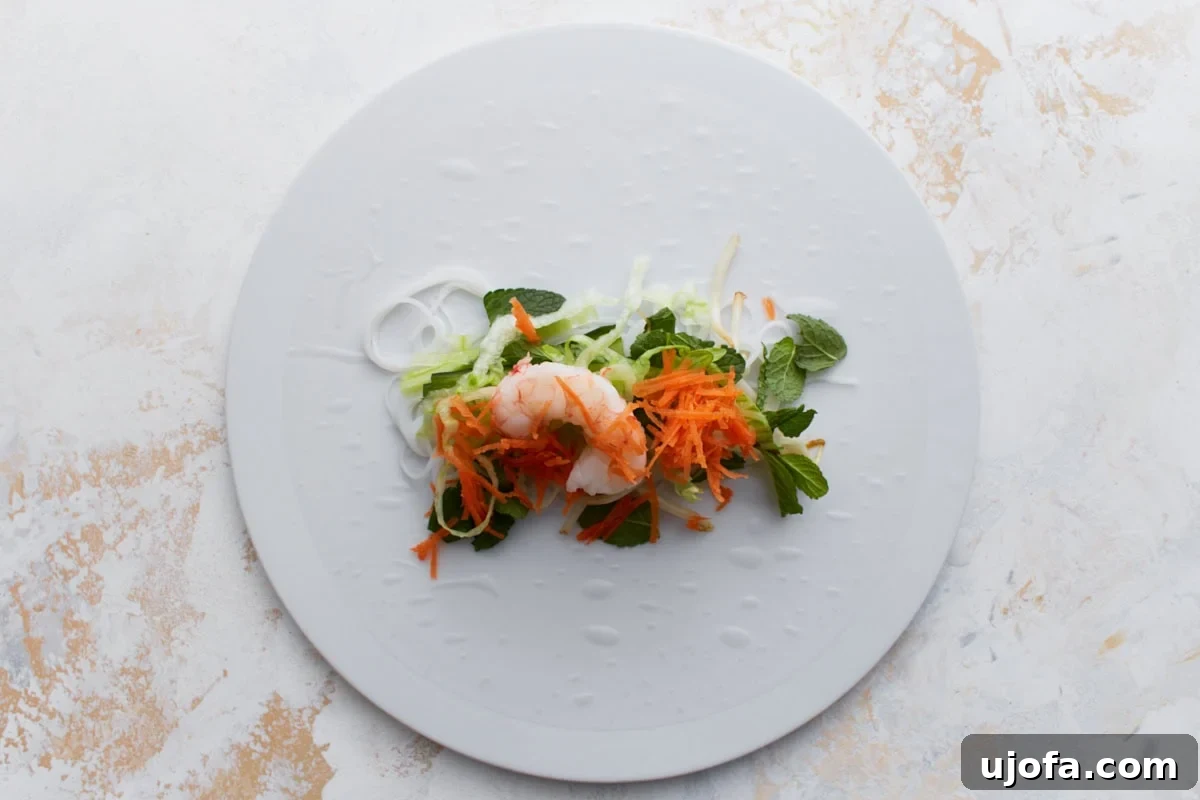
- Lay flat and fill: Lay the softened rice paper wrapper on a clean, flat surface, such as a cutting board or a smooth plate. Arrange a small amount of each desired ingredient horizontally across the bottom third of the wrapper, leaving about an inch clear on each side. Start with a layer of vermicelli noodles, followed by shrimp (or tofu), thinly sliced lettuce, bean sprouts, shredded carrots, julienned cucumber, and fresh mint leaves. Remember the golden rule: do not overfill!
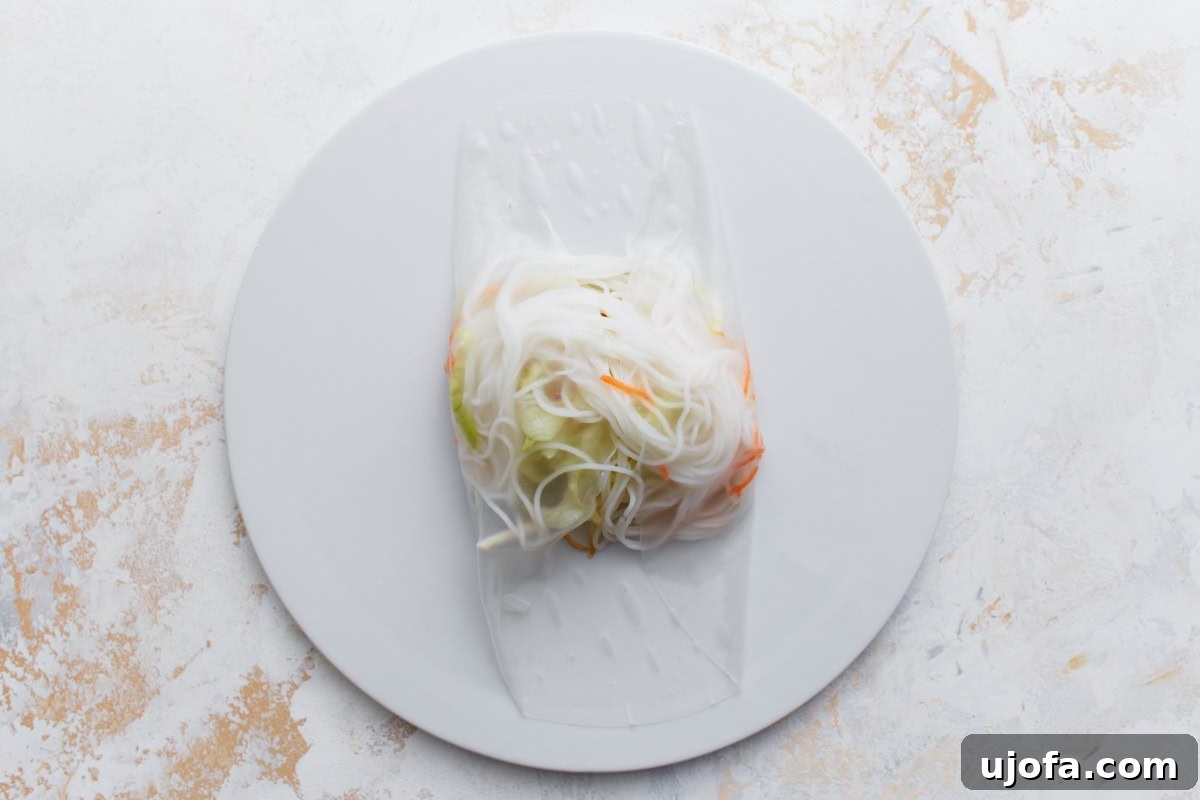
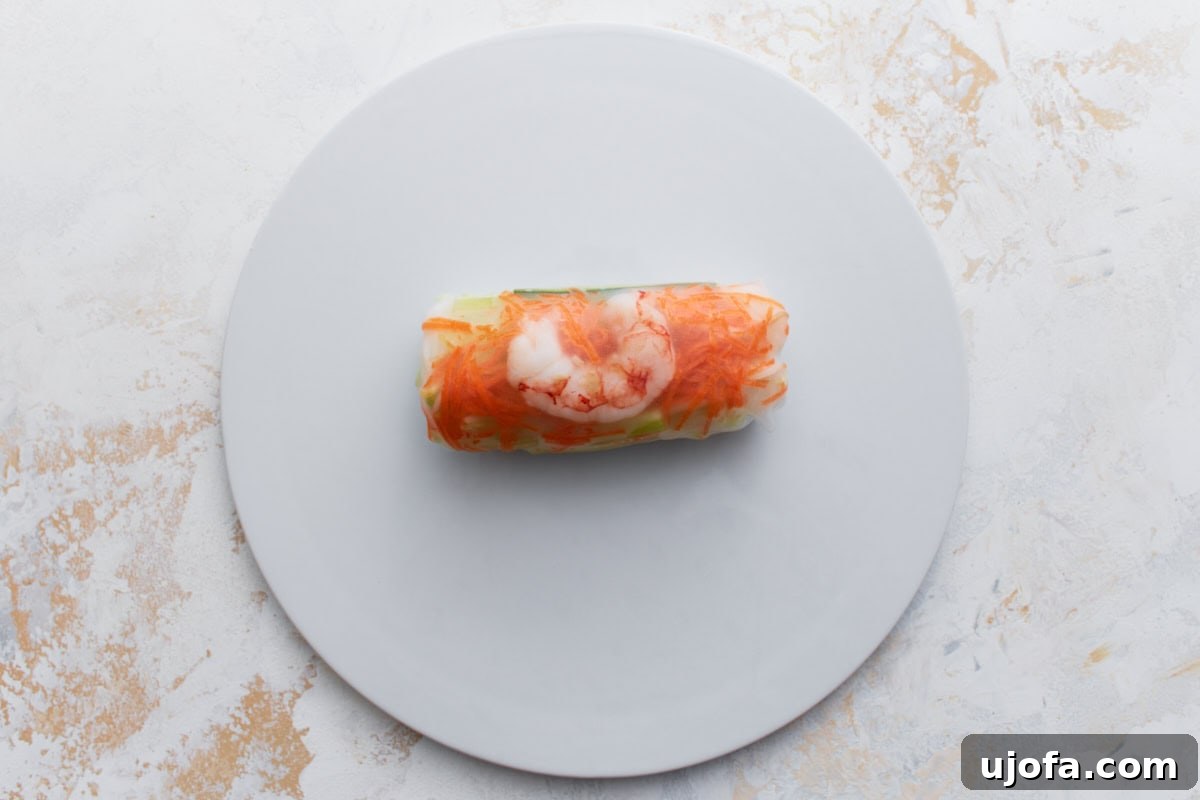
- Fold and roll: To begin rolling, first fold the bottom edge of the rice paper wrapper up and over the filling, pulling it gently but firmly towards you to create a tight cylinder. Next, fold in the left and right sides of the wrapper towards the center. Finally, continue rolling the wrapper tightly from the bottom upwards, just like you would a burrito, until you reach the top. You should have a compact, neat roll with the ingredients visibly peeking through.
- Repeat the process: Place your finished roll on a clean plate, ensuring it doesn’t touch other rolls to prevent sticking. Repeat the dipping, filling, and rolling process with the remaining rice paper wrappers and ingredients until all your delicious summer rolls are assembled.
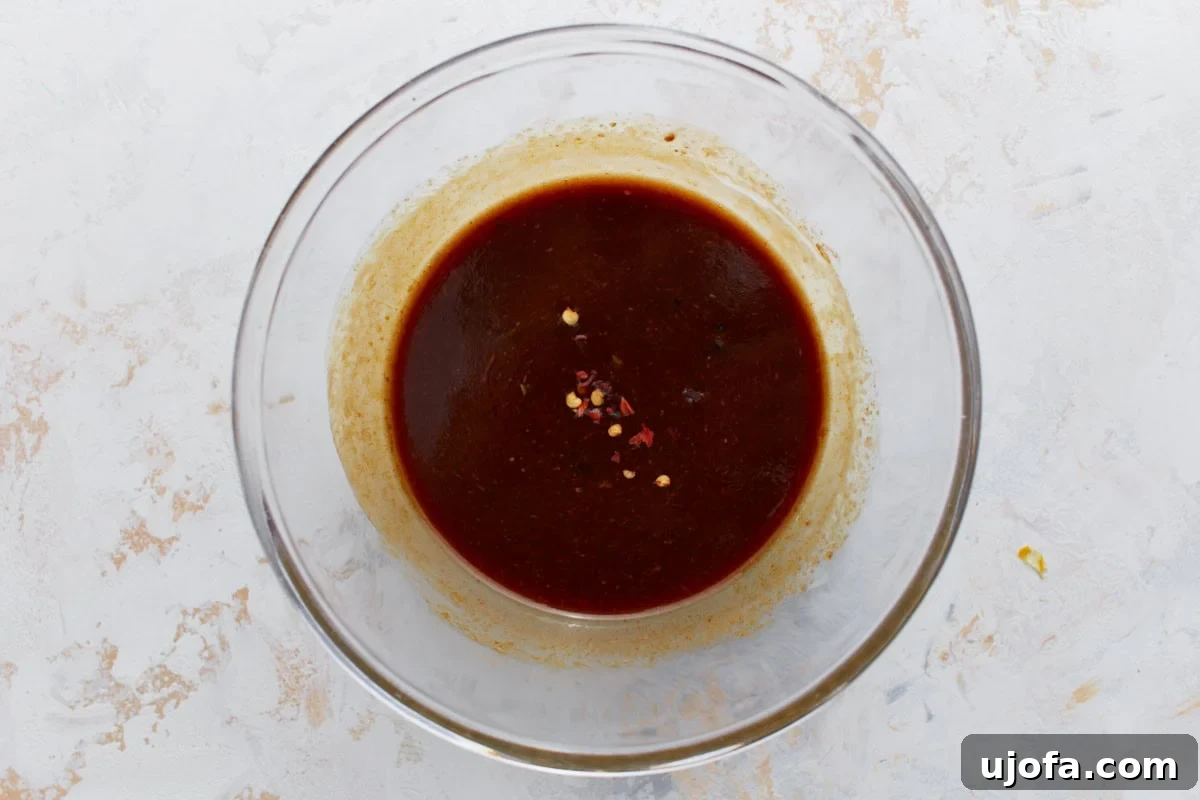
- Prepare the peanut dipping sauce: In a small bowl, combine the hoisin sauce, smooth peanut butter, toasted sesame oil, fresh lime juice, honey, pressed or minced garlic, and crushed chili flakes. Whisk all the ingredients together until thoroughly combined and smooth. Gradually add 1-2 tablespoons of water, stirring continuously, until the sauce reaches your desired dipping consistency—creamy but pourable.
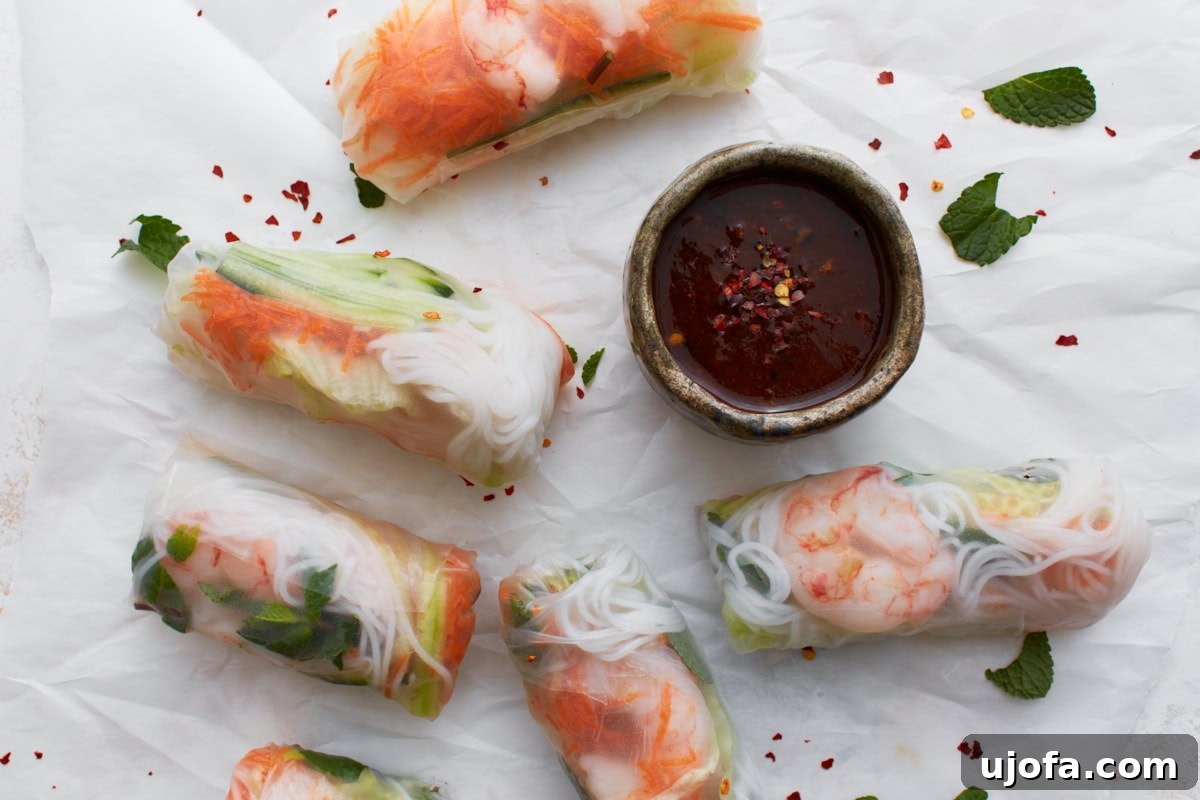
- Serve and enjoy: Arrange your beautiful Vietnamese Summer Rolls on a platter. Serve them immediately with the rich and flavorful peanut dipping sauce on the side. They are best enjoyed fresh to maintain optimal texture and taste.
Notes
- *The noodles add texture but aren’t essential. You can replace them with extra veggies or lettuce for a lower-carb option.
- **You can substitute cooked chicken, pork, tofu, or even tempeh for a plant-based option.
- ***You can replace hoisin with GF soy sauce or tamari for a slightly different but still flavorful sauce. Ensure any soy sauce or tamari used is certified gluten-free.
Nutrition
Nutrition information is automatically calculated, so should only be used as an approximation.
- Serving: 2 rolls
- Calories: 148 kcal
- Carbohydrates: 20 g
- Protein: 6 g
- Fat: 5 g
- Saturated Fat: 1 g
- Polyunsaturated Fat: 2 g
- Monounsaturated Fat: 2 g
- Trans Fat: 0.002 g
- Cholesterol: 31 mg
- Sodium: 305 mg
- Potassium: 131 mg
- Fiber: 1 g
- Sugar: 4 g
- Vitamin A: 1054 IU
- Vitamin C: 3 mg
- Calcium: 35 mg
- Iron: 1 mg
Additional Info
- Course: Appetizer, Side Dish
- Cuisine: Vietnamese
How to Make Vietnamese Summer Rolls: A Visual Step-by-Step Guide
Creating these beautiful and delicious Vietnamese Summer Rolls is a simple and rewarding process. Follow these detailed steps, accompanied by visual aids, to ensure perfectly fresh and vibrant rolls every time:
Vietnamese Summer Roll Variations & Customization Ideas
The inherent beauty of Vietnamese Summer Rolls lies in their incredible versatility, making them a perfect canvas for culinary creativity. While the classic shrimp and crisp veggie combination is undeniably delicious, feel completely free to experiment and customize them to suit your personal taste, specific dietary needs, or simply whatever fresh ingredients you happen to have on hand:
- Unleash Your Protein Power-Ups:
- Chicken or Pork: For a different take, thinly slice or shred cooked chicken breast or tender pork loin. Marinating the cooked meat lightly in a blend of gluten-free tamari (instead of soy sauce), minced garlic, and grated ginger before adding it to the rolls will infuse it with even more depth of flavor.
- Tofu or Tempeh (Vegetarian/Vegan Delight): For a superb plant-based alternative, start by pressing extra-firm tofu to remove excess water. Then, slice it into thin strips and pan-fry, bake, or air-fry until it achieves a lovely golden-brown hue and a slightly crispy exterior. Marinate the tofu beforehand for maximum flavor absorption. Tempeh is another fantastic option; it can be steamed, then pan-fried, or even crumbled and seasoned for a ‘ground meat’ like texture.
- Beef: Thinly sliced, perfectly grilled, or quickly stir-fried beef can also be a surprisingly delicious and hearty addition, offering a richer flavor profile.
- Amplify Your Veggie Boost: Elevate the nutritional value, crunch, and visual appeal of your rolls with additional fresh vegetables. Consider incorporating:
- Thinly sliced red or yellow bell peppers for a touch of natural sweetness and vibrant color.
- Shredded purple cabbage, which adds a fantastic crunch and a beautiful, striking hue.
- Creamy avocado slices, introducing a luxurious texture and a boost of healthy fats.
- Fresh mango strips, offering a delightful burst of tropical sweetness and exotic flavor.
- Bright green edamame, providing an extra dose of plant-based protein and a pop of color.
- Embark on an Herb Extravaganza: Don’t feel confined to just mint! Experimenting with other fresh, aromatic herbs can introduce fascinating new dimensions to your rolls. Consider adding cilantro for its bright, citrusy notes, Thai basil for its distinctive anise-like flavor, or even a hint of perilla leaves for an authentic Vietnamese aromatic touch. Each herb contributes a unique layer of aroma and complex flavor.
- Explore Noodle Alternatives: If you’re aiming for a lower-carb option, the vermicelli rice noodles can be easily omitted without compromising flavor. Simply compensate by adding more fresh vegetables or extra crisp lettuce. Shirataki noodles, also known as konjac noodles, present another excellent carb-friendly and gluten-free alternative.
- Discover Dipping Sauce Diversity: While the homemade peanut sauce is undeniably iconic and beloved, exploring other dipping options can greatly enhance your summer roll experience:
- Nuoc Cham (Traditional Vietnamese Dipping Sauce): This classic choice is typically made with fish sauce, fresh lime juice, sugar, water, and finely minced chili. Always ensure your fish sauce is certified gluten-free if catering to specific dietary needs.
- Sweet Chili Sauce: A store-bought or homemade sweet chili sauce offers a quick, convenient, tangy, and subtly spicy alternative that appeals to many palates.
- Gluten-Free Hoisin Sauce: Sometimes, the simplest option is the most satisfying. A small bowl of good quality, certified gluten-free hoisin sauce can provide a wonderfully savory-sweet and umami-rich dip.
- Spicy Almond Butter Sauce: For a delightful twist on the traditional peanut sauce, try swapping in almond butter for a slightly different nutty flavor profile.
- Turn Up the Heat: For those who adore a fiery kick, feel free to add extra crushed red pepper flakes directly into your rolls or to your dipping sauce. A dash of sriracha can also provide an instant burst of spicy flavor.
These endless variations ensure that you can enjoy fresh, flavorful summer rolls time and time again, always discovering new favorite combinations and keeping your taste buds delighted.
Serving Suggestions for Your Vietnamese Summer Rolls
These versatile Vietnamese summer rolls are my go-to choice for a meal that is light, incredibly fresh, and bursting with flavor. Their elegant simplicity and vibrant presentation make them suitable for a wide array of occasions. Here are some inspired ideas for serving them:
- A Perfect Light Lunch: These rolls make a fantastic, utterly satisfying lunch on their own, especially when accompanied by a generous serving of the creamy homemade peanut dipping sauce. If you’re packing them for work or a picnic, store them carefully in an airtight container with a damp paper towel to maintain freshness.
- An Elegant Appetizer Extravaganza: Elevate your next gathering by serving these as an impressive appetizer. Their vibrant colors and irresistibly fresh appeal are guaranteed to be a crowd-pleaser. For easier handling and dipping, you can cut each roll in half diagonally, which also offers a more refined presentation.
- Interactive DIY Dinner Party: Transform your dinner into an engaging and memorable experience! Set up a dynamic “rolling station” where all the meticulously prepared ingredients are beautifully laid out. Guests can then delight in customizing and assembling their very own summer rolls, making it a highly interactive and enjoyable communal meal. Be sure to provide an abundance of extra fresh herbs, various protein options, and a selection of different dipping sauces, allowing everyone to mix, match, and discover their perfect combination.
- Part of a Heartier Meal: While undeniably delicious as a standalone dish, summer rolls also complement other Asian-inspired meals beautifully. Consider pairing them with:
- Gluten-Free Fried Rice: For a heartier side dish that adds warmth and satisfying substance to your meal.
- Apricot Chicken: A delightful sweet and savory chicken dish that offers a wonderful contrasting flavor profile.
- Miso Soup: A light, comforting, and savory soup to gently begin your culinary journey.
- Spring Rolls: Offer a delightful contrast by including both fresh (summer) and fried (spring) rolls for a diverse tasting experience.
- Dipping Sauce Buffet: Go beyond the classic peanut sauce by offering a diverse array of dipping options. A simple yet fiery sweet chili sauce, a tangy and traditional nuoc cham, or even just a high-quality gluten-free hoisin sauce can introduce delightful new dimensions of flavor to the meal, catering to various preferences.
Storage Instructions & Making Ahead Tips
Vietnamese summer rolls are truly at their peak when enjoyed fresh, immediately after assembly. At this point, the rice paper wrappers are perfectly soft and pliable, and the crisp vegetables are at their most vibrant. However, if you need to prepare them in advance or store any delicious leftovers, here are the best practices to keep them fresh and prevent the delicate rice paper from drying out:
- Immediate Consumption is Paramount: For the ultimate freshness in texture and flavor, it is highly recommended to plan on consuming your summer rolls within 4 hours of making them.
- Short-Term Storage (Same Day Freshness): If you must prepare them a few hours ahead (for example, for a lunch later in the day or an appetizer before dinner), arrange the rolls in a single layer within an airtight container. Crucially, place a slightly damp (not wet) paper towel directly over the rolls before securely sealing the container. This damp towel acts as a moisture lock, effectively keeping the rice paper wrappers soft and preventing them from hardening and becoming brittle.
- Refrigeration Guidelines: You can safely refrigerate summer rolls for a maximum of 24 hours using the aforementioned damp paper towel method. Beyond this timeframe, the delicate rice paper can begin to harden, and the fresh vegetables may start to lose their desirable crispness and release excess moisture, potentially making the rolls watery and less appealing.
- Crucial: Avoid Direct Stacking: Never stack summer rolls directly on top of each other. The natural stickiness of the rice paper will cause them to adhere, inevitably leading to tearing when you attempt to separate them. Always store them in a single layer if space permits, or intersperse layers of parchment paper or damp paper towels between stacked rolls for protection.
- Dipping Sauce Storage: The star of the show, your homemade peanut dipping sauce, is quite freezer-friendly. It can be prepared several days in advance and stored separately in an airtight container in the refrigerator. If you find it has thickened too much when cold, simply whisk in a teaspoon or two of warm water until it regains your desired creamy consistency.
- Not Freezer-Friendly: Unfortunately, summer rolls, due to their delicate fresh components, do not fare well in the freezer. The freezing and thawing process will inevitably cause the rice paper wrappers and fresh vegetables to become mushy and unappetizing.
- Optimize with Advance Component Prep: For the best balance of freshness and time-saving, prepare all your individual ingredients (cook noodles, shrimp, chop veggies, make sauce) and store them separately in airtight containers in the refrigerator. Then, perform the final assembly of the rolls just before you plan to serve them. This strategy is ideal for entertaining guests or for efficient weekly meal prepping.
Frequently Asked Questions (FAQs) About Vietnamese Summer Rolls
What is the core difference between summer rolls and spring rolls?
This is a very common point of confusion! The fundamental distinction between summer rolls (known as Gỏi cuốn in Vietnamese) and spring rolls (Chả giò or Nem rán) lies primarily in their preparation and serving temperature. Summer rolls are famously served fresh, uncooked, and chilled. They feature a delightful medley of cooked proteins (such as shrimp, pork, or tofu), crisp fresh vegetables, and delicate vermicelli noodles, all elegantly wrapped in a translucent, soft rice paper wrapper. In contrast, traditional Vietnamese spring rolls are invariably deep-fried until they achieve a wonderfully golden, crispy texture. Their fillings typically include seasoned ground meat, finely shredded vegetables, and glass noodles, encased in a thicker, opaque wrapper, and always served hot.
Can I prepare Vietnamese summer rolls in advance?
While summer rolls undeniably offer their peak freshness and best texture when enjoyed immediately after assembly, you can certainly prepare them a few hours ahead of time with proper care. To prevent the delicate wrappers from drying out and becoming brittle, it is best to wrap each individual roll tightly in plastic wrap, or alternatively, store them in an airtight container with a lightly damp paper towel draped over them. They will generally maintain their quality in the refrigerator for up to 4-6 hours. For longer storage or for entertaining, the most effective strategy is to prepare all the individual components (e.g., cooked noodles, shrimp, chopped vegetables, and sauce) and store them separately, then perform the final assembly of the rolls just before you plan to serve them.
What should I do if my rice paper tears during rolling?
Don’t be disheartened; tearing rice paper is a very common occurrence, especially when you are new to making summer rolls! The delicate nature of rice paper can be tricky. The most frequent culprits for tearing are over-soaking the wrapper (which makes it overly fragile and sticky) or overfilling the roll (putting too much pressure on the wrapper). If a wrapper tears, simply set it aside and try again with a fresh one. Ensure you only dip the wrapper for the recommended 5-10 seconds until it’s just pliable, and always use a moderate amount of filling that allows for comfortable wrapping. With a little practice, you’ll soon develop a confident touch!
Are Vietnamese Summer Rolls a healthy meal option?
Absolutely! Vietnamese Summer Rolls are widely celebrated as an exceptionally healthy and nutritious meal choice. They are generously packed with an abundance of fresh, raw vegetables, lean protein sources (such as shrimp, chicken, or plant-based tofu), and light rice noodles. When prepared mindfully, they are typically low in fat (especially if you moderate the amount of dipping sauce consumed) and are a rich source of essential vitamins, minerals, and dietary fiber. Their naturally gluten-free composition further enhances their appeal, making them an excellent and inclusive option for individuals adhering to various dietary restrictions.
Which specific type of rice paper should I use for summer rolls?
When shopping for rice paper, look for round or square dried rice paper wrappers, often labeled as “Bánh tráng,” in the international food aisle of your local grocery store or at an Asian market. These wrappers come in various sizes; a medium size, typically around 8-9 inches (20-22 cm) in diameter, is generally the easiest and most versatile to work with for making standard summer rolls. To ensure you’re getting an authentic and pliable wrapper, check the ingredients list – it should primarily consist of rice flour, tapioca starch, water, and a touch of salt. Avoid wrappers that feel excessively thin or brittle.
More Asian Inspired Gluten-Free Recipes You’ll Love
Gluten-Free Egg Rolls
Dairy-Free Butter Chicken
Gluten-Free Bao Buns
Gluten-Free Miso Soup
Tried this recipe? Mention @mamaknowsglutenfree or tag #mamaknowsglutenfree!