
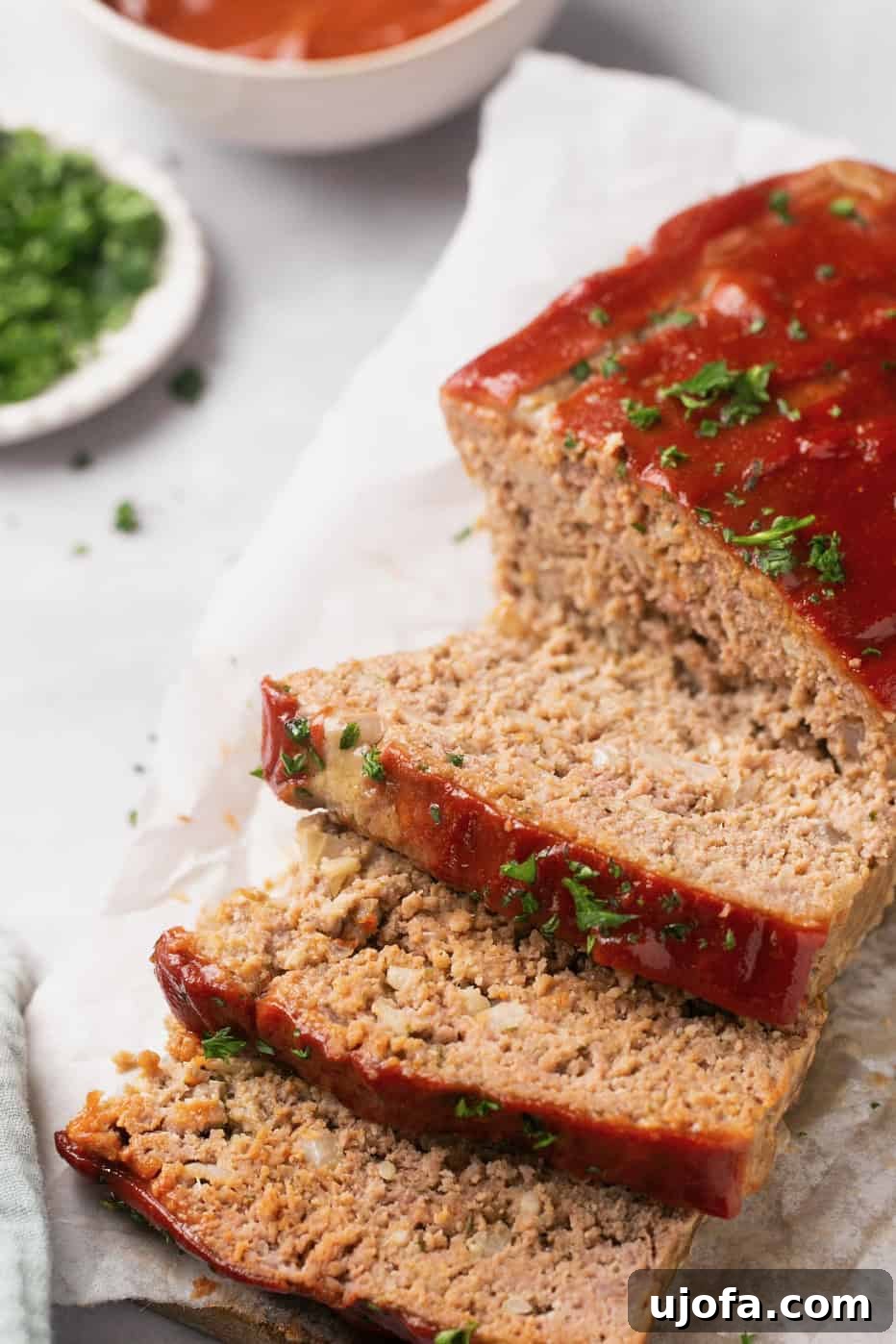
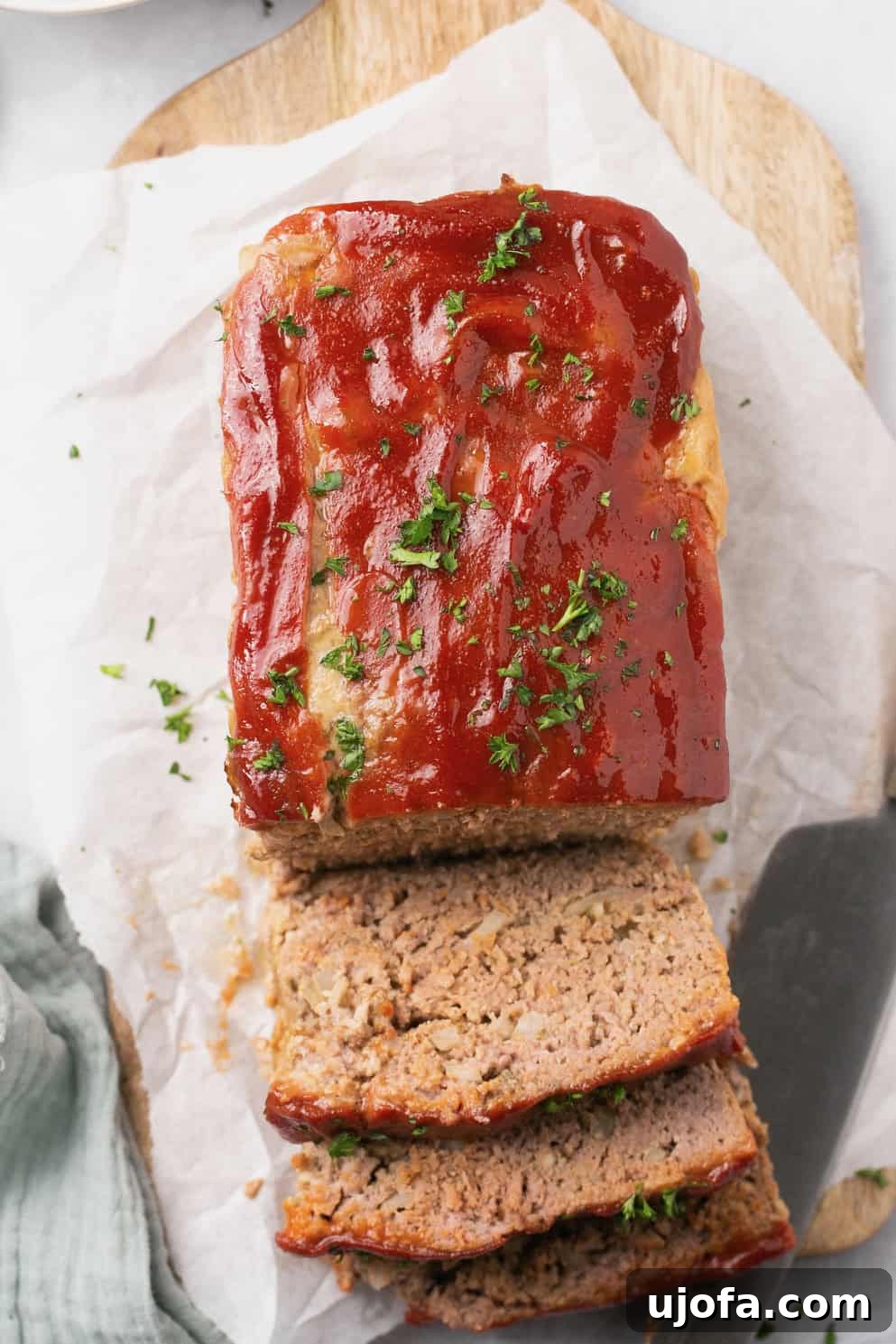
This easy, gluten-free meatloaf recipe redefines comfort food, proving that healthy can be incredibly delicious. Crafted with lean, grass-fed ground beef, subtly shredded carrots for added nutrition, and a perfect blend of Italian seasoning and pork Panko, it’s a dish that satisfies all cravings. Topped with a luscious sweet and tangy glaze, this meatloaf offers all the nostalgic flavors of your childhood favorite, but with thoughtful, healthy adjustments. It’s not only dairy-free but also perfectly compliant with Whole30, paleo, keto, and low-carb dietary needs. Get ready to enjoy a wholesome meal that tastes just like mom used to make!
Why This Gluten-Free Meatloaf Recipe Will Become Your New Favorite
There’s something uniquely comforting about a warm, savory meatloaf, fresh from the oven, filling your home with its inviting aroma. For many, traditional meatloaf holds a special place in their heart, a true culinary embrace from childhood. However, after being diagnosed with Celiac disease, I quickly realized that most classic meatloaf recipes, often relying on breadcrumbs for binder and texture, were off-limits due to gluten. This challenge sparked a mission: to recreate that beloved comfort food without sacrificing flavor or texture, while also making it suitable for a variety of dietary preferences, including dairy-free, Whole30, paleo, keto, and low-carb. The result? A truly amazing gluten-free meatloaf that has quickly become a cherished family favorite.
This recipe transforms the traditional, offering a moist, tender, and incredibly flavorful meatloaf that truly stands out. Instead of gluten-filled breadcrumbs, we opt for innovative, wholesome alternatives that maintain the perfect consistency. The rich foundation of grass-fed ground beef is complemented by finely shredded carrots, adding natural sweetness and moisture while discreetly boosting vegetable intake—perfect for even the pickiest eaters. A robust Italian seasoning blend infuses every bite with aromatic herbs, creating a deep, satisfying flavor profile. The crowning glory is a homemade sweet and tangy glaze that caramelizes beautifully during the final bake, providing a delightful contrast to the savory meat. Serve this incredible meatloaf with sides like Keto Green Bean Casserole or Dairy-Free Whole30 Mashed Potatoes for a complete, cozy, and utterly delicious dinner that everyone can enjoy.
Key Ingredients for a Flavorful & Healthy Meatloaf
Crafting the perfect gluten-free meatloaf starts with selecting the right ingredients. Each component plays a vital role in achieving that classic taste and tender texture, all while adhering to specific dietary guidelines. Below is a detailed look at the ingredients you’ll need, along with helpful tips and potential substitutions.
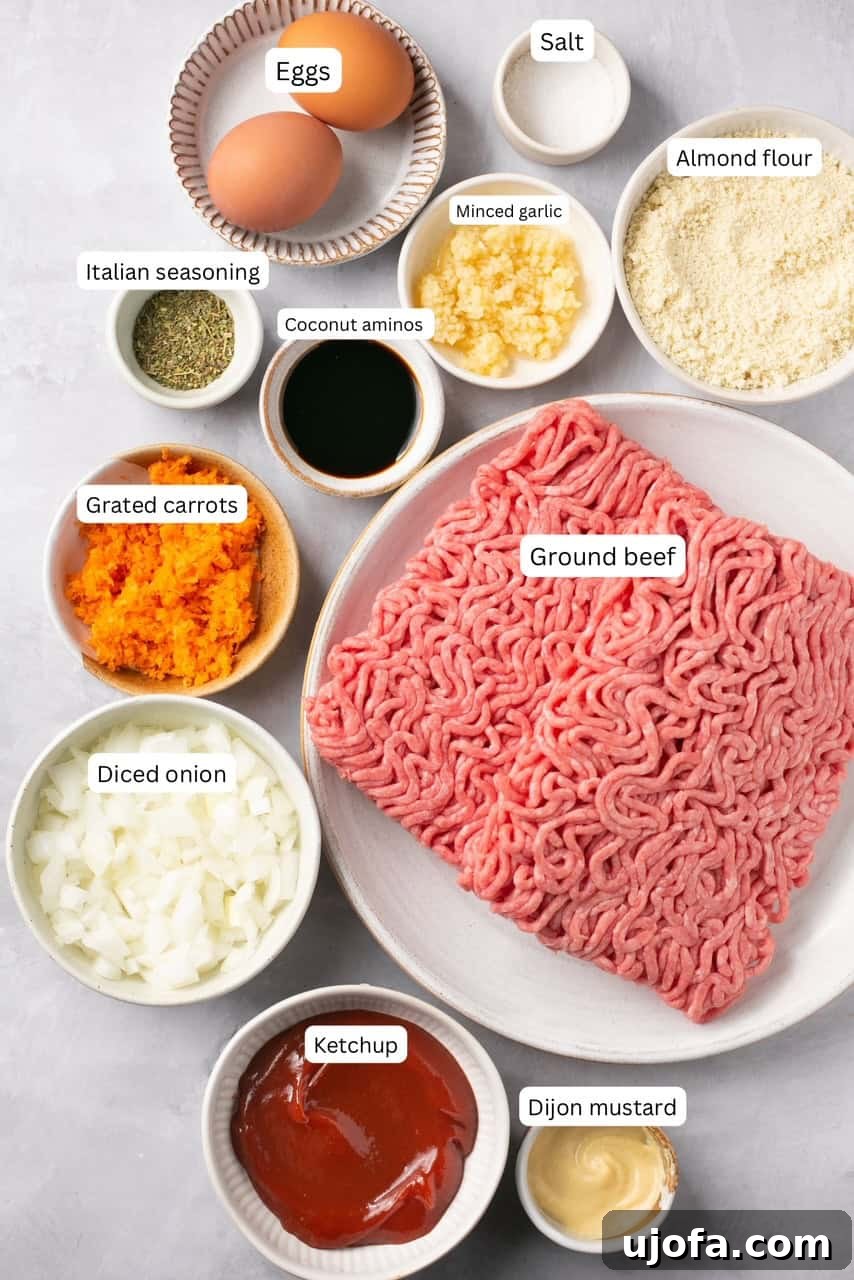
For a full list of ingredients and precise measurements, please refer to the comprehensive recipe card below.
Ground Beef: This recipe calls for 2 lbs of ground beef, which forms the hearty base of your meatloaf. I highly recommend opting for organic, grass-fed ground beef for superior flavor and nutritional benefits, but any quality ground beef you have on hand will work. Lean ground beef is preferred to prevent your meatloaf from becoming excessively greasy; a mix like 85/15 or 90/10 is ideal. For those looking to experiment with different flavors or reduce red meat consumption, ground turkey or even a combination of ground beef and ground pork (1 lb of each) can add wonderful depth to the dish.
Pork Panko (Crushed Pork Rinds): This ingenious ingredient is a game-changer for gluten-free and low-carb cooking, serving as an excellent substitute for traditional breadcrumbs or Panko. Essentially, it’s finely crushed pork rinds, readily available on Amazon or in many specialty grocery stores. Its texture perfectly mimics that of breadcrumbs, helping to bind the meatloaf and add a subtle savory flavor without any gluten or unwanted carbs. If pork Panko isn’t accessible or preferred, you can easily use gluten-free breadcrumbs, almond flour, or even finely crushed gluten-free crackers as an alternative binder.
Ketchup: Ketchup is crucial for that classic meatloaf flavor and forms the base of our sweet and tangy glaze. When following a Whole30 or keto diet, it’s essential to choose compliant brands free from added sugars and artificial ingredients. Tessemae’s and Primal Kitchen offer excellent Whole30-approved ketchup options that are both delicious and healthy. For a creative twist, consider using a sugar-free barbecue sauce in place of ketchup for a smoky, tangy profile.
Coconut Aminos: This versatile ingredient is a fantastic Whole30-compliant alternative to Worcestershire sauce and brown sugar, providing a complex sweet and umami flavor without gluten or soy. It’s a key component in our meatloaf glaze, adding depth and that desirable tangy sweetness that elevates the entire dish. Coconut aminos are derived from coconut sap and are a healthier, more inclusive option for various dietary needs.
Flavor Enhancers: Don’t underestimate the power of aromatics! Finely diced onion and minced garlic provide a robust flavor foundation. Shredded carrots add natural sweetness and moisture, acting as a hidden vegetable boost. Italian seasoning, a blend of dried herbs like oregano, basil, thyme, and rosemary, infuses the meatloaf with a classic, herbaceous aroma. Finally, sea salt is essential for seasoning, bringing all the flavors together in perfect harmony.
Step-by-Step Guide to Your Delicious Gluten-Free Meatloaf
Creating this flavorful and healthy meatloaf is simpler than you might think. Follow these straightforward steps to achieve a perfectly tender and delicious meal every time.
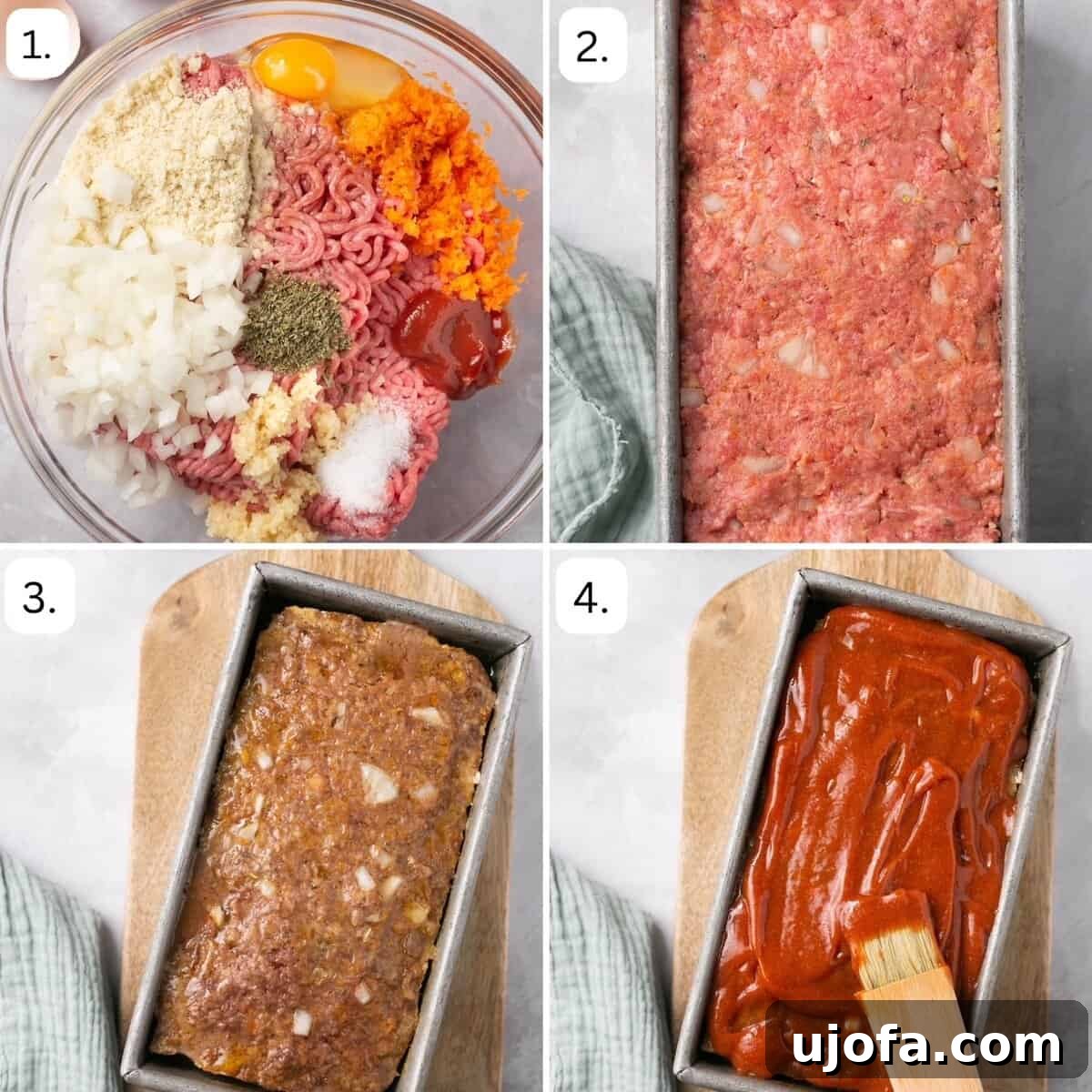
- Prepare Your Oven and Pan: Begin by preheating your oven to 350°F (175°C). Lightly grease a standard 9×5-inch loaf pan to prevent sticking and ensure easy removal.
- Combine Ingredients: In a large mixing bowl, combine all the meatloaf ingredients: ground beef, almond flour, pork Panko (or chosen substitute), eggs, finely diced onion, grated carrot, minced garlic, coconut aminos, Whole30-friendly ketchup, Italian seasoning, and sea salt. Using your hands, mix thoroughly until all ingredients are well incorporated, but be careful not to overmix, as this can lead to a tough meatloaf.
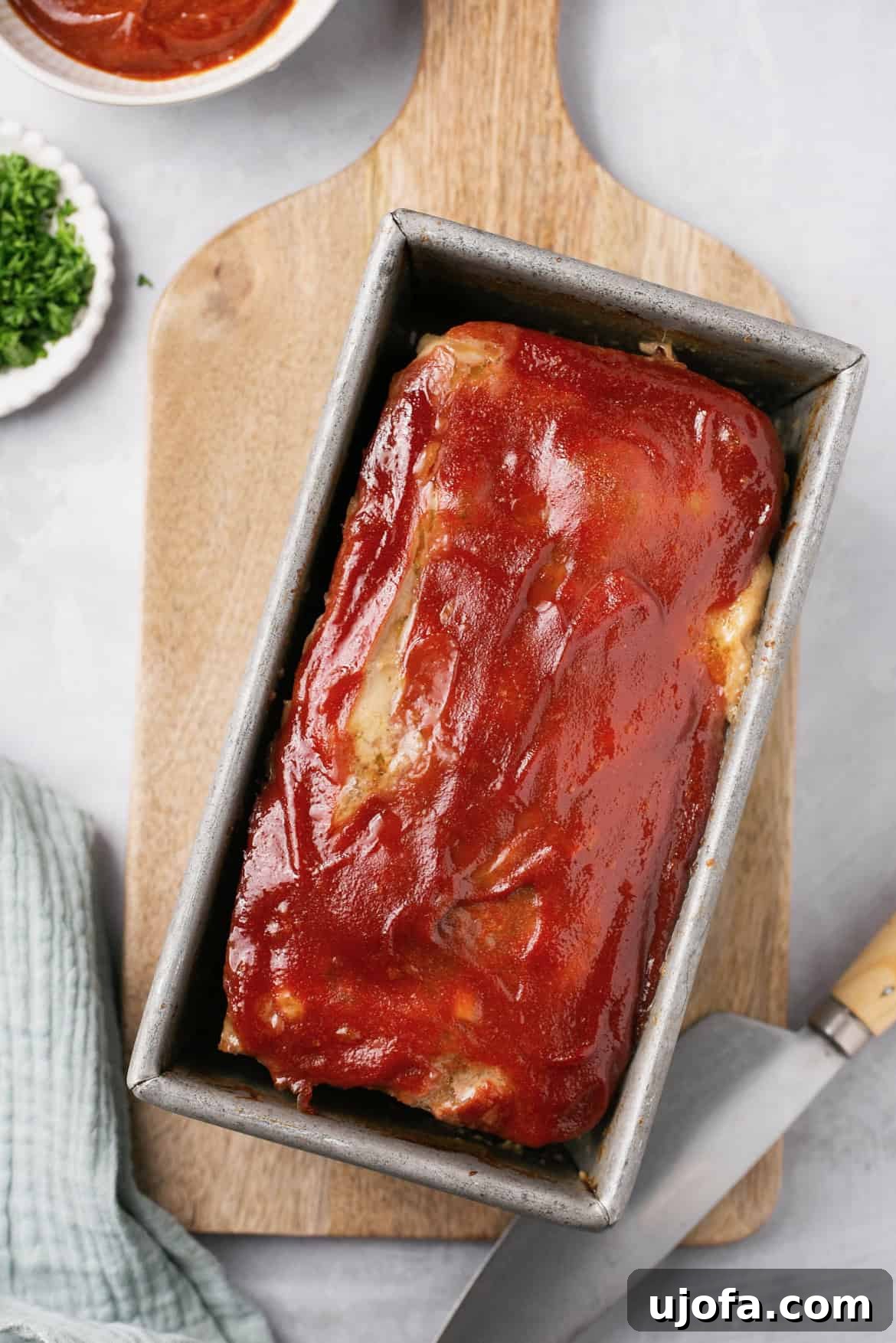
- Form and Initial Bake: Transfer the meatloaf mixture into the prepared loaf pan. Gently press it down to ensure an even thickness and eliminate any air pockets. If you prefer, you can also shape the mixture into a free-form loaf on a baking sheet lined with parchment paper or aluminum foil. Bake for 30 minutes to allow it to set.
- Prepare the Glaze: While your meatloaf is having its initial bake, prepare the irresistible glaze. In a small bowl, whisk together ⅓ cup of Whole30-friendly ketchup, 1 tablespoon of coconut aminos, and 1 teaspoon of Dijon mustard until smooth. This blend creates the perfect sweet and tangy topping.
- Glaze and Final Bake: Once the meatloaf has baked for 30 minutes, remove it from the oven. Using a pastry brush or the back of a spoon, evenly spread the prepared glaze over the top surface of the meatloaf. Return the glazed meatloaf to the oven and continue baking for another 30-40 minutes.
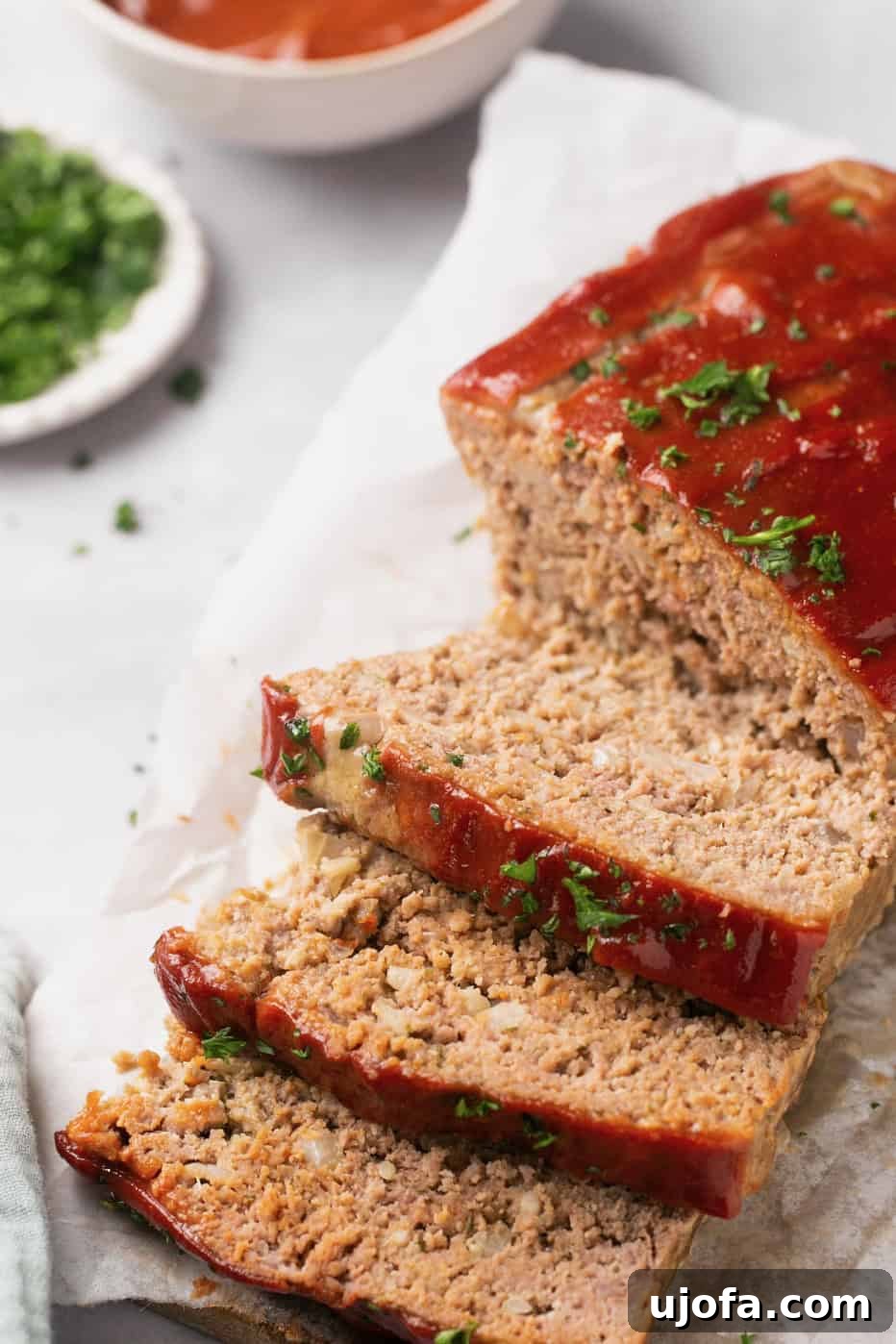
- Check for Doneness and Rest: To ensure your meatloaf is fully cooked and safe to eat, use an instant-read meat thermometer inserted into the center of the loaf. It should reach an internal temperature of 160°F (71°C). Once done, remove the meatloaf from the oven and, critically, let it rest in the pan for 10-15 minutes before slicing. This resting period allows the juices to redistribute, resulting in a more tender and cohesive slice that won’t fall apart. Enjoy your perfectly cooked, healthy meatloaf!
Mary’s Expert Tips & Smart Swaps for Your Meatloaf
To ensure your gluten-free meatloaf is a resounding success, and to make it adaptable to various needs, here are some of my tried-and-true tips and tricks:
Breadcrumb Substitutes: If pork panko isn’t available or preferred, there are several excellent alternatives. You can substitute with almond flour or a gluten-free all-purpose flour blend, using the same ¼ cup ratio. For coconut flour, which is much more absorbent, use only ⅓ of the amount (approximately 1 tablespoon). Always check that your chosen flour is fresh for the best results.
Eggless Meatloaf: For an egg-free version, you can easily create “chia eggs.” To make two chia eggs, combine 2 tablespoons of chia seeds with 5 tablespoons of water. Let this mixture sit for 5-10 minutes until it forms a gel-like consistency, then add it to your meatloaf mixture as you would regular eggs. This acts as a fantastic binder.
Ketchup Choices: When adhering to a Whole30 or keto lifestyle, be extra diligent about reading ketchup labels. Look for brands that are explicitly sugar-free and compliant, such as Tessemae’s, Primal Kitchen, or True Foods for delicious keto ketchup. I generally advise against using plain tomato paste as a substitute for ketchup in this recipe; it lacks the necessary sweetness and tang to achieve that classic meatloaf flavor profile we all love.
Nut-Free Adaptation: To make this recipe completely nut-free, you can substitute the almond flour with an equal amount of gluten-free all-purpose flour. It’s important to note, however, that using gluten-free all-purpose flour will change the carbohydrate count, meaning the meatloaf may no longer be compliant with strict keto or Whole30 guidelines.
Storage & Leftovers: The best way to store your leftover gluten-free meatloaf is in an airtight container in the refrigerator for up to 5 days. Meatloaf leftovers are incredibly versatile! I particularly love transforming them into delicious gluten-free meatloaf sandwiches the next day, offering another easy weeknight meal for the price of one. For longer storage, this meatloaf freezes beautifully, either fully cooked or raw. To prevent freezer burn, wrap it tightly in plastic wrap, then aluminum foil, and store in a freezer-safe container or bag for up to 3 months. Remember to defrost frozen meatloaf overnight in the refrigerator before reheating or baking.
Frequently Asked Questions (FAQs) About Gluten-Free Meatloaf
In this recipe, we successfully use pork Panko (crushed pork rinds) and almond flour as excellent gluten-free, low-carb, and keto-friendly alternatives to traditional breadcrumbs. Other viable options include gluten-free all-purpose flour, finely ground flaxseed meal, or even gluten-free rolled oats (ensure they are certified GF). You can often find pork Panko at specialty grocery stores like Wegmans or conveniently online via Amazon.
The most reliable way to determine if your meatloaf is thoroughly cooked is by using an instant-read meat thermometer. Insert the thermometer into the thickest part of the meatloaf, ensuring it’s about halfway down the center and not touching the pan. The meatloaf is safely cooked when its internal temperature reaches 160°F (71°C).
Meatloaf commonly falls apart for a couple of reasons. Firstly, slicing it too soon after it comes out of the oven is a common culprit. Allowing the meatloaf to rest for 10-15 minutes after baking is crucial; this allows the juices to redistribute and the meat to firm up, making for cleaner slices. Secondly, ensure you’ve used an adequate binding agent, such as eggs, pork Panko, almond flour, or another flour substitute, as these help hold the mixture together.
Absolutely! This Whole30 and paleo-friendly meatloaf is freezer-friendly, whether fully cooked or raw. To freeze, wrap the meatloaf tightly in plastic wrap, then an additional layer of aluminum foil, and store it in a freezer-safe container or bag for up to 3 months. When you’re ready to enjoy it, remember to defrost the meatloaf overnight in the refrigerator before baking (if raw) or reheating (if cooked) to ensure even thawing and cooking.
For the best balance of flavor and texture, a lean ground beef with a fat content of 85/15 or 90/10 is usually ideal. This provides enough fat for moisture and flavor without making the meatloaf overly greasy. Grass-fed beef is a great choice for its nutritional profile and richer taste, but any good quality lean ground beef will yield delicious results.
Yes, absolutely! Meatloaf is incredibly forgiving and receptive to added vegetables. Finely diced bell peppers, mushrooms, or even a handful of chopped fresh spinach (squeezed dry) can enhance flavor and nutritional value. Ensure any added vegetables are finely minced or shredded so they blend seamlessly into the meatloaf texture.
I sincerely hope you and your entire family fall in love with this delicious and healthy gluten-free meatloaf recipe as much as we have! It’s truly a satisfying meal that brings joy to the dinner table.
The Best Meatloaf Side Dishes to Complete Your Meal
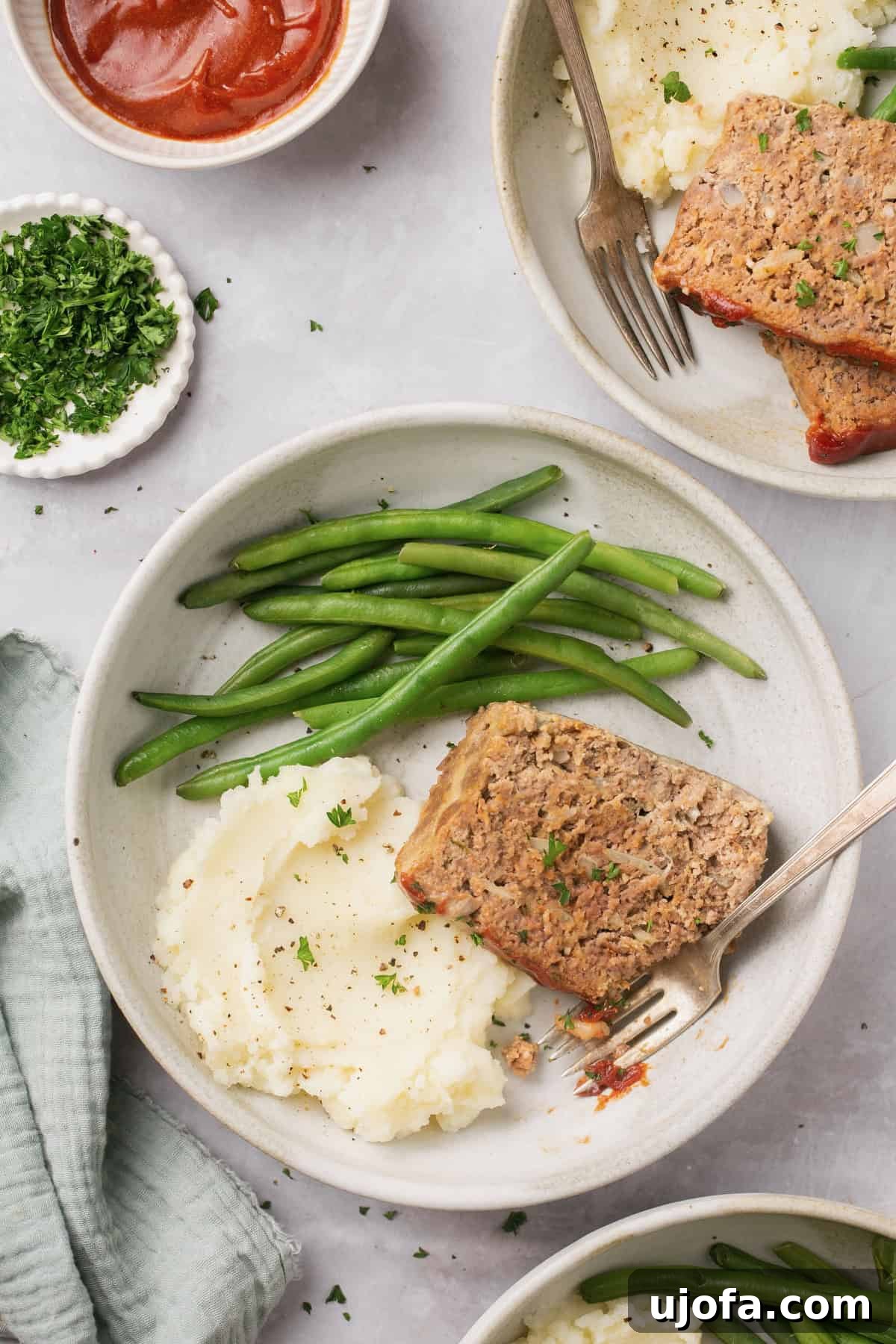
A great meatloaf deserves equally great side dishes. Here are some perfect pairings that complement the flavors of this gluten-free meatloaf and round out a wholesome meal:
- Sweet Potato Cornbread: A delightful, slightly sweet counterpoint to the savory meatloaf.
- Fluffy Gluten-Free Biscuits: Perfect for soaking up any leftover glaze or juices.
- Paleo Creamy Spinach Casserole: A rich and creamy vegetable side that’s dairy-free and delicious.
- Healthy Green Bean Casserole: A lighter, yet still classic, take on a beloved side.
- Maple Bacon Brussels Sprouts: Crispy, savory, and with a hint of sweetness, these are always a hit.
- Creamy Dairy-Free Mashed Potatoes: The ultimate comfort side, smooth and rich without the dairy.
- Crispy Baked Sweet Potato Fries: A healthier alternative to regular fries, offering a touch of sweetness.
Love this recipe? Please consider leaving a 5-star 🌟🌟🌟🌟🌟 rating in the recipe card below and a review in the comment section. Or, connect with me on Facebook, Pinterest or Instagram today!
Easy Gluten-Free Meatloaf Without Breadcrumbs
Ingredients
- 2 lbs ground beef
- ¼ cup almond flour
- ¼ cup Pork Panko, or crushed up pork rinds – if you don’t have this or don’t want to use it, just use another ¼ cup almond flour in its place.
- 2 eggs
- ½ onion, diced fine
- ¼ cup grated carrot
- 4 cloves minced garlic
- 2 tbsp coconut aminos
- 1 tbsp Whole30 friendly ketchup
- 2 tsp Italian seasoning
- 1.5 tsp sea salt
Topping
- ⅓ cup ketchup
- 1 tbsp coconut aminos
- 1 tsp dijon mustard
Instructions
-
Preheat your oven to 350°F (175°C). Lightly grease a 9×5-inch loaf baking pan. Combine all of the ingredients in a large bowl and mix well using your hands until thoroughly combined.
-
Transfer the mixture to the loaf pan and push down to even it out, ensuring there are no air bubbles. Bake for 30 minutes.
-
While the meatloaf is baking, prepare the topping (if you’re using it). Combine the ketchup, coconut aminos, and Dijon mustard in a small bowl.
-
When the meatloaf comes out of the oven after its initial bake, spread the topping on top evenly using a pastry brush or spoon.
-
Place the meatloaf back into the oven for an additional 30-35 minutes, or until the internal temperature reaches 160°F (71°C).
-
Let the meatloaf cool and rest for 15-20 minutes before slicing. This allows the juices to redistribute, ensuring a more tender and cohesive slice. Enjoy!
Notes
Breadcrumb Substitute: If preferred, you can substitute the pork panko with Almond Flour, Gluten Free All Purpose Flour, or Coconut Flour. Use the same ratios for GF flour and almond flour (¼ cup), but only ⅓ of the amount of coconut flour (approximately 1 tbsp) due to its higher absorbency.
Eggless Meatloaf: Making this paleo meatloaf eggless is totally possible. I recommend making two chia eggs. To make one chia egg, you mix 1 tbsp chia seeds + 2.5 tbsp water. Double the recipe for two eggs!
Ketchup: If you are eating Whole30, be sure to check the label for compliant, sugar-free ketchup. There are also some great low-carb brands out there like True Foods that make delicious keto ketchup. I don’t recommend tomato paste, as there just isn’t enough sweetness to make this meatloaf taste like the classic we all love.
Nut-Free: To make this recipe nut-free, you can substitute gluten-free all-purpose flour for almond flour. Using this flour, however, would mean this meatloaf is not keto or strict Whole30 compliant due to potential carbohydrate content.
Storage: Store your leftover gluten-free meatloaf in an airtight container for up to 5 days in the fridge. It can also be frozen, cooked or raw, for up to 3 months when properly wrapped.
Nutrition
|
Carbohydrates: 10g
|
Protein: 30g
|
Fat: 36g
|
Saturated Fat: 12g
|
Polyunsaturated Fat: 1g
|
Monounsaturated Fat: 14g
|
Trans Fat: 2g
|
Cholesterol: 162mg
|
Sodium: 1031mg
|
Potassium: 526mg
|
Fiber: 2g
|
Sugar: 5g
|
Vitamin A: 1064IU
|
Vitamin C: 2mg
|
Calcium: 77mg
|
Iron: 4mg
All nutrition facts are an estimate and automatically calculated. While I fact check them using My Fitness Pal, please note that they may not always be 100% accurate and depend on ingredients used. Weigh your total and divide by the number of servings for the most accurate grams per serving size.
This recipe was originally published on December 3, 2021. It was updated with new photos and expanded content on December 20, 2022, and again on September 29, 2023, to provide even more valuable information and tips.