
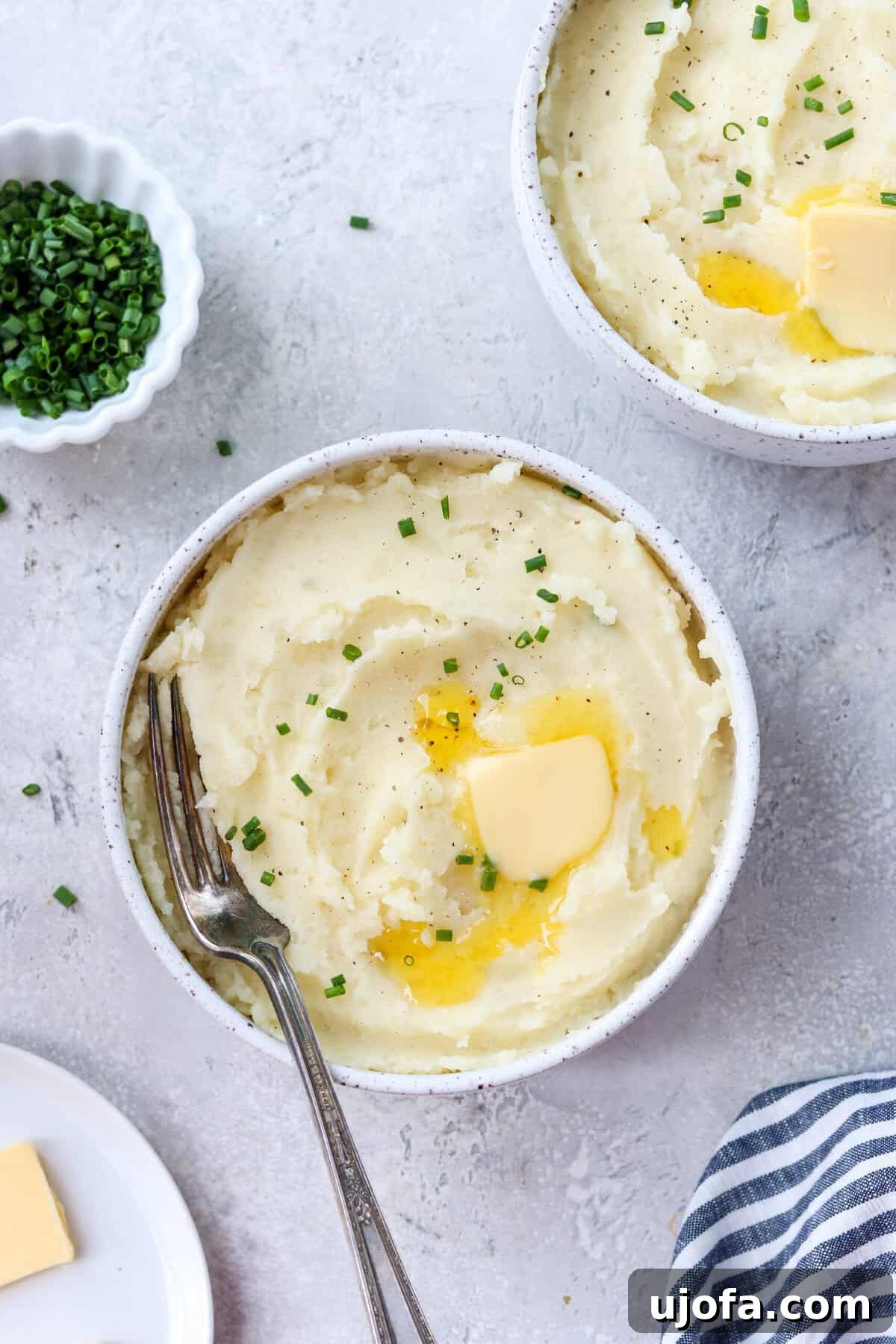
Indulge in the ultimate comfort food with this incredibly easy and delicious gluten-free mashed potato recipe. You’re about to discover the ONLY recipe you’ll ever need for perfectly creamy, fluffy, and unbelievably tasty mashed potatoes that are guaranteed to be a hit at any meal. Say goodbye to dry, bland potatoes and hello to your new favorite side dish!
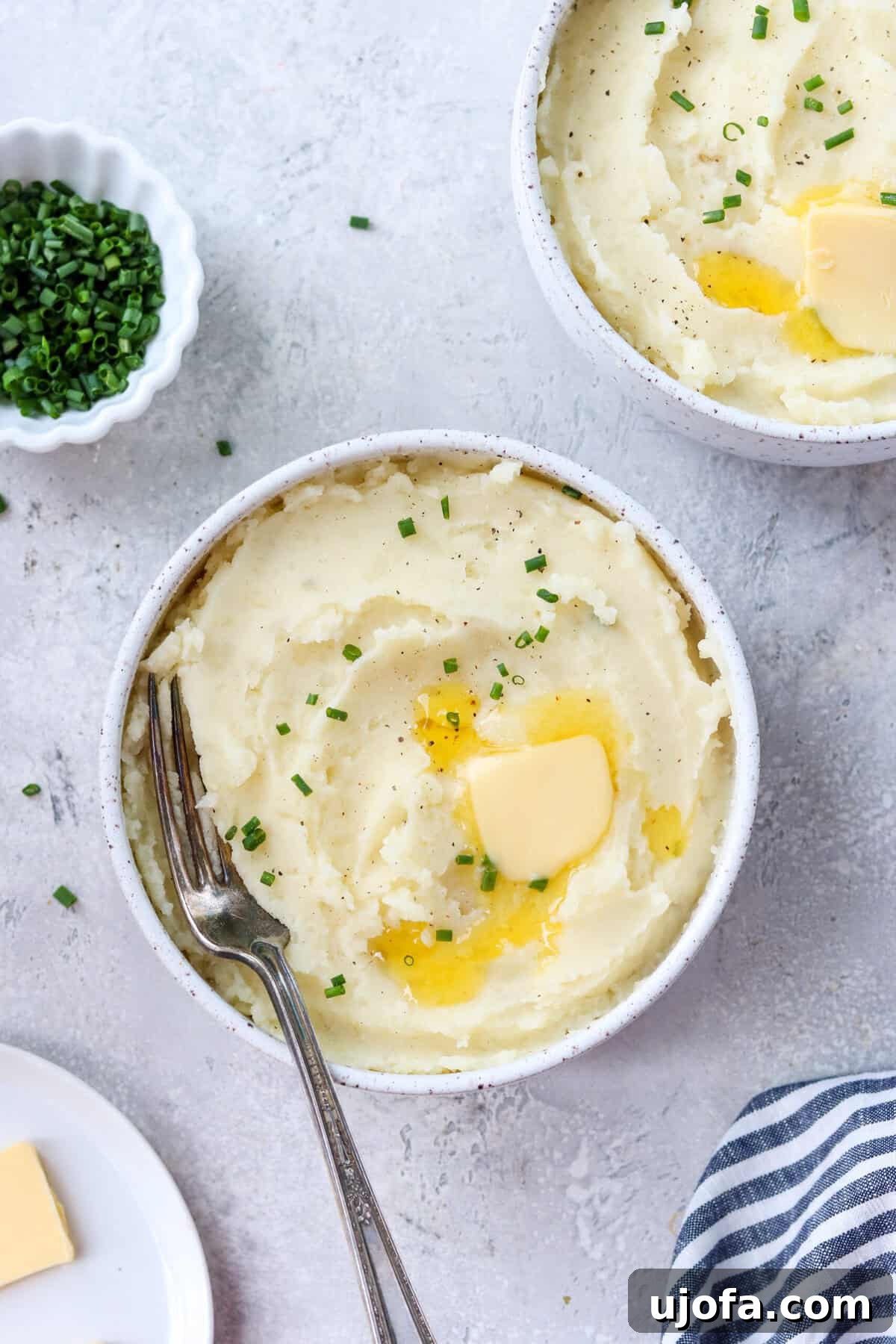
Why This Gluten-Free Mashed Potato Recipe is a Game-Changer
Mashed potatoes hold a special place in the hearts of many, and for good reason. They are the epitome of comfort food, a versatile side dish that complements almost any meal. From cozy weeknight dinners to grand holiday feasts, the right mashed potato recipe can transform an ordinary meal into an extraordinary experience. But not all mashed potatoes are created equal. This particular recipe elevates the humble potato to a culinary masterpiece, delivering a side dish so rich, so velvety, and so utterly delicious, it will become an instant family favorite. Whether you’re adhering to a gluten-free diet or simply seeking the best possible mashed potato experience, this recipe is designed to impress with its unparalleled flavor and texture.
Imagine a generous serving of cloud-like mashed potatoes, a perfect companion to your hearty meatloaf, a festive Thanksgiving turkey, or serving as a delicious, savory base for a glorious pool of rich gravy. These homemade gluten-free mashed potatoes are reminiscent of those classic, comforting versions you might fondly remember from your childhood, perhaps evoking the nostalgic taste of Bob Evans mashed potatoes, but with the added satisfaction of crafting them from scratch. This recipe focuses on simple, wholesome ingredients and easy-to-follow steps, proving that an incredibly flavorful and naturally gluten-free side dish doesn’t have to be complicated to be absolutely irresistible.
Recipe Highlights: The Perfection of Simplicity and Taste
What makes these gluten-free mashed potatoes truly exceptional and a must-try for everyone? Beyond their exquisite taste and texture, they offer a host of practical benefits that make them ideal for any home cook, regardless of experience level:
- Effortlessly Easy: Forget complicated techniques or obscure ingredients. With straightforward instructions and minimal steps, even novice cooks can achieve mashed potato perfection on their first attempt.
- Simple Ingredient List: You won’t need a pantry full of exotic or hard-to-find items. This recipe relies on readily available, fundamental ingredients that you likely already have in your kitchen or can easily pick up at any grocery store.
- Fantastic Leftovers: While it might be challenging to have any leftovers (they’re that good!), these mashed potatoes reheat beautifully. This makes them perfect for next-day meals, meal prep, or a quick, comforting indulgence whenever a craving strikes.
- Naturally Gluten-Free: Potatoes are inherently gluten-free, and this recipe thoughtfully uses ingredients that keep them that way. This ensures a safe, delicious, and worry-free option for those with gluten sensitivities, Celiac disease, or anyone simply choosing a gluten-free lifestyle.
- Budget-Friendly: Potatoes are an economical and accessible staple, making this a delicious and affordable side dish for any occasion. You can feed a crowd without breaking the bank.
- Freezer-Friendly: Planning ahead? Prepare a larger batch and freeze portions for convenient, ready-to-reheat comfort food. This is a lifesaver for busy weeks or unexpected guests.
- Ideal for Holidays: A guaranteed crowd-pleaser, these creamy mashed potatoes are a staple for holiday gatherings like Thanksgiving, Christmas, Easter, or any celebratory feast where hearty, comforting sides are cherished.
- Velvety Smooth Texture: This recipe delivers that coveted silky, melt-in-your-mouth texture that defines truly great mashed potatoes, without any hint of gumminess.
Essential Ingredients for Heavenly Mashed Potatoes
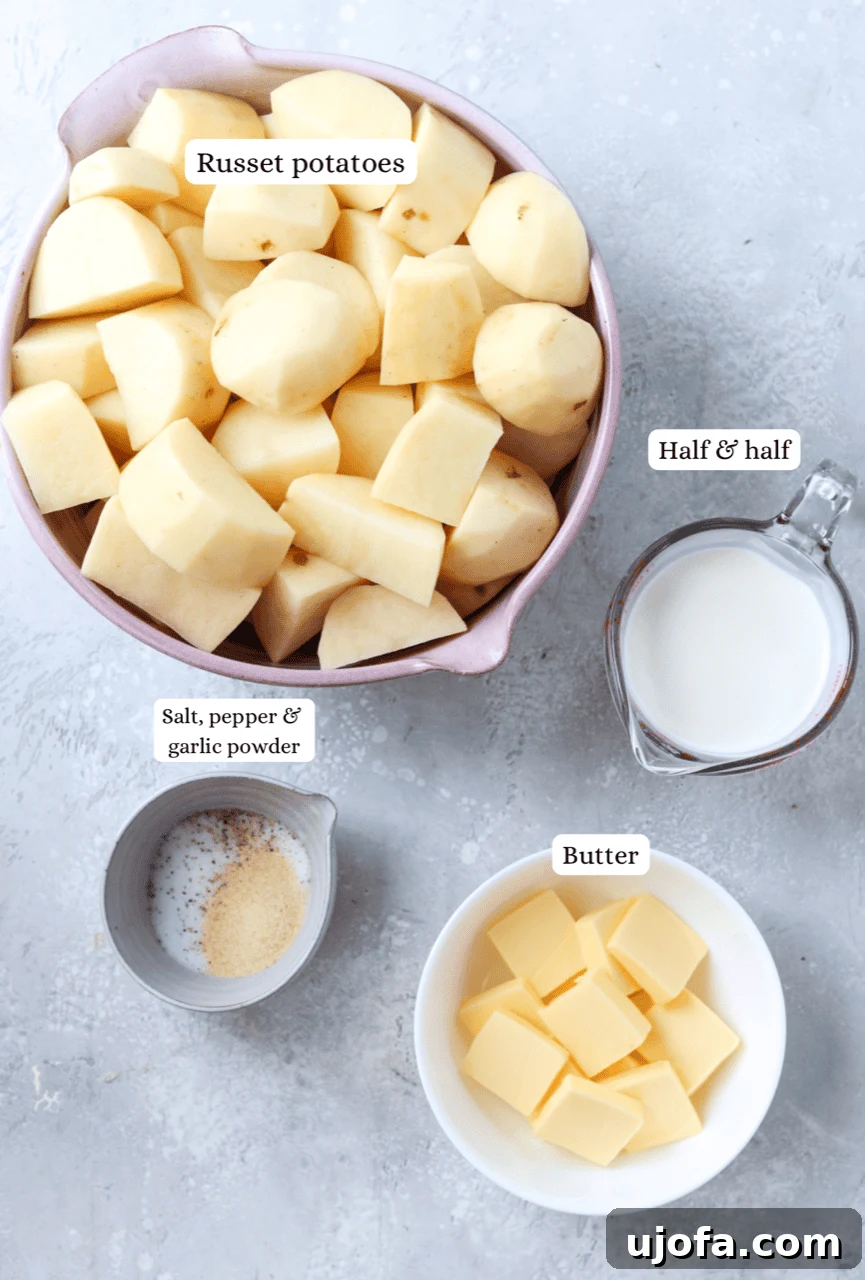
The secret to exceptional mashed potatoes lies in understanding your ingredients and how they contribute to the final flavor and texture. Here’s a closer look at what makes this gluten-free mashed potato recipe shine:
Potatoes: The Foundation of Fluffiness and Creaminess
For the ultimate creamy and fluffy gluten-free mashed potatoes, Russet potatoes are my top recommendation. These starchy potatoes are perfectly suited for mashing because their high starch content breaks down beautifully when cooked, resulting in that desirable light, airy, and fluffy texture. The starch granules swell and separate easily, allowing for a smooth mash. While Russets are preferred for this classic texture, you can certainly experiment with other varieties. Yukon Gold potatoes, for instance, offer a slightly waxier texture and a naturally buttery flavor, while red potatoes can be used for a more rustic, skin-on option that adds both color and a bit of bite. Speaking of skins, I typically remove them for a smoother, more refined finish, but leaving them on can add a delightful texture, earthy flavor, and extra nutrients if you prefer a “smashed” or more rustic potato feel. When preparing your potatoes, remember to cut them into relatively uniform chunks (about 1.5 to 2 inches) rather than small pieces. Larger, evenly sized chunks absorb less water during boiling and cook more consistently, which is crucial for preventing a watery or unevenly cooked mash.
Half & Half: The Creamy Indulgence
The richness of half & half is undeniably key to achieving that luxurious, velvety consistency that defines truly outstanding mashed potatoes. Its higher fat content compared to regular milk contributes significantly to the overall mouthfeel, providing a decadent creaminess without being overly heavy. If half & half isn’t available, whole milk can be a suitable substitute, though the final product might be slightly less decadent. For those seeking a Dairy-Free Mashed Potato option, don’t despair! You have excellent alternatives. Unsweetened almond milk, oat milk, or full-fat canned coconut milk (which can impart a subtle, pleasant tropical note if used in moderation) can be used in place of half & half. Just be mindful of the subtle flavor profiles these alternatives might impart and adjust your seasonings accordingly.
Butter: The Golden Touch of Flavor and Texture
A generous amount of good quality salted butter is absolutely non-negotiable for truly delicious mashed potatoes. Butter doesn’t just add richness; it introduces an incomparable depth of savory flavor and contributes significantly to the creamy texture by coating the potato starch. If you only have unsalted butter, simply increase the amount of salt added to taste, ensuring you achieve that perfect savory balance. For a dairy-free or vegan version, a high-quality plant-based butter alternative works wonderfully and can mimic the texture and flavor beautifully.
Simple Spices: Enhancing Natural Flavors with Garlic Powder, Salt, and Pepper
You don’t need a complicated spice rack to create these phenomenal mashed potatoes. A classic, yet powerful, blend of sea salt, freshly ground black pepper, and garlic powder is all it takes to bring out the very best in the potatoes. The beauty of these simple seasonings is that they enhance, rather than overpower, the natural, earthy flavors of the potato. I always recommend seasoning gradually – add an initial amount of salt and pepper, mash a bit, taste, and then adjust as needed. This allows you to achieve your perfect balance of flavor, ensuring your mashed potatoes are seasoned just right for your palate. A touch of onion powder or a pinch of white pepper can also be delightful additions if you wish to experiment with subtle variations, but the core three are more than sufficient for perfection.
Step-by-Step: Crafting Your Perfect Gluten-Free Mashed Potatoes
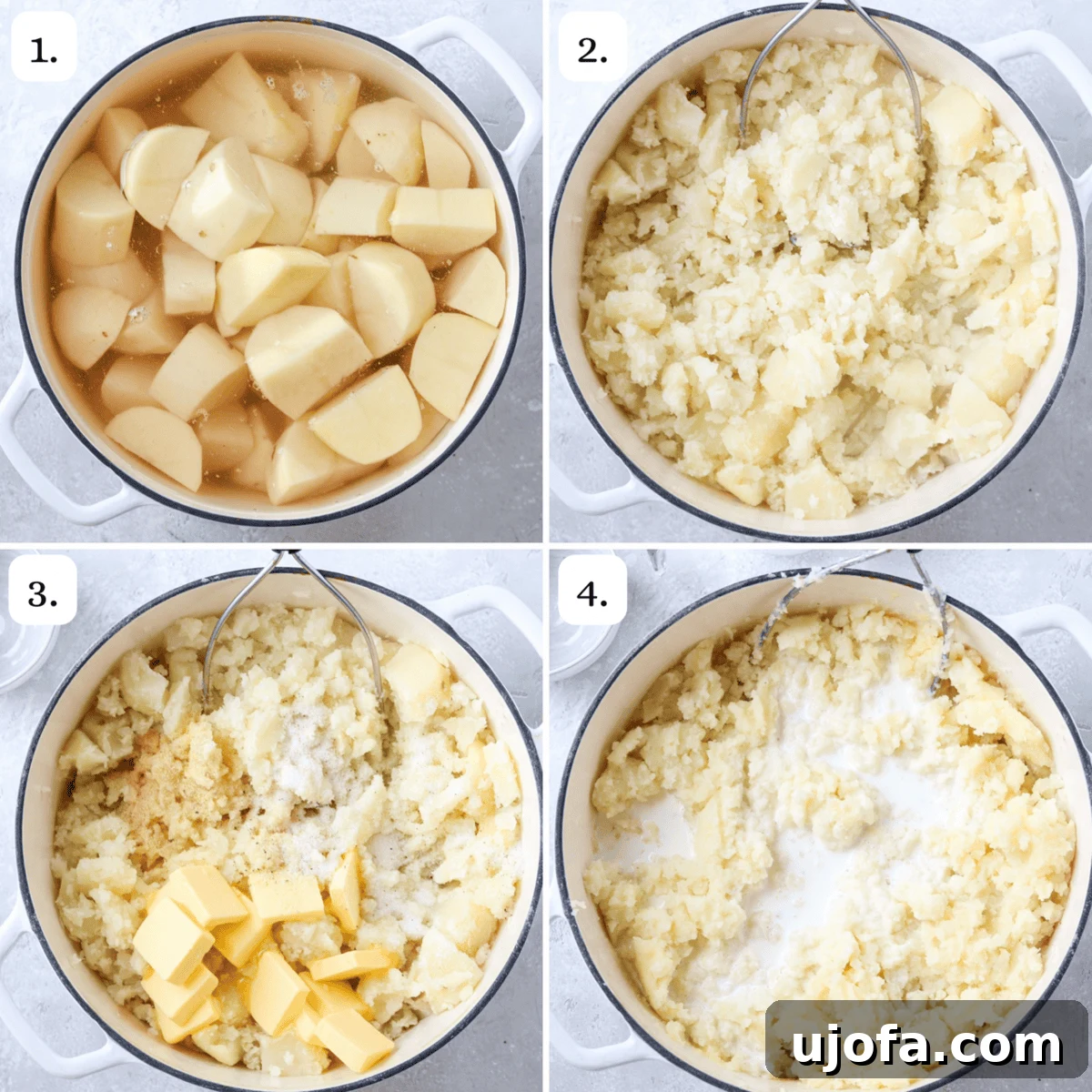
Follow these easy, precise steps to create the most delicious and satisfying gluten-free mashed potatoes that are sure to impress everyone at your table:
- Prepare and Boil the Potatoes: Begin by thoroughly washing and peeling your russet potatoes, then cut them into roughly 1.5 to 2-inch uniform chunks. Place the potato chunks into a large pot or Dutch oven. Cover the potatoes with cold water, ensuring there’s about an inch of water above the potatoes. Add a generous pinch of salt to the water (this helps season the potatoes from the inside out and enhances their flavor). Bring the water to a rolling boil over high heat, then reduce the heat slightly to maintain a steady simmer. Continue to cook for approximately 15-18 minutes, or until the potatoes are completely fork-tender. They should offer absolutely no resistance when pierced with a fork.
- Drain Thoroughly and Return to Pot: Once tender, carefully drain the potatoes thoroughly using a colander. It is absolutely crucial to remove as much excess water as possible, as any residual water can lead to a watery or bland mash. Immediately return the hot, drained potatoes to the empty pot. The residual heat in the pot will help evaporate any remaining surface moisture, further preventing a watery mash.
- Initial Mash for Texture: Using a sturdy handheld potato masher (or a potato ricer for an exceptionally smooth result), begin to partially mash the hot potatoes. Don’t worry about achieving a perfectly smooth consistency at this stage; simply break down the larger chunks. Mashing them while they are still steaming hot is essential for a smooth, lump-free, and creamy result, as cold potatoes are much harder to mash and absorb butter and dairy less effectively.
- Incorporate Butter and Seasonings: Add the slices of cold butter, sea salt, garlic powder, and freshly ground black pepper directly to the partially mashed potatoes. Continue mashing, allowing the cold butter to melt into the hot potatoes. The butter will not only add incredible richness and flavor but also help lubricate the potatoes, making them easier to mash into a finer consistency. Keep mashing until the butter is fully incorporated and the potatoes are becoming noticeably smoother.
- Add Half & Half and Finish Mashing: Slowly pour in the half & half (or your chosen milk alternative) a little at a time. Continue mashing gently until the liquid is just combined and the potatoes reach your desired creamy and fluffy consistency. **This step is critical: do NOT over mix!** Overmixing develops the starch in the potatoes, causing them to release a gluey substance, which results in a gummy, unappetizing, and unpleasant texture. Stop mashing as soon as the ingredients are combined and the potatoes are smooth and velvety.
- Taste, Adjust, and Garnish: Taste your mashed potatoes and adjust seasonings as needed. You might find they need a little more salt or pepper to achieve your perfect flavor profile. For a fresh, vibrant finish, garnish with freshly chopped chives, parsley, or a sprinkle of paprika, if desired. Serve immediately and savor every spoonful!
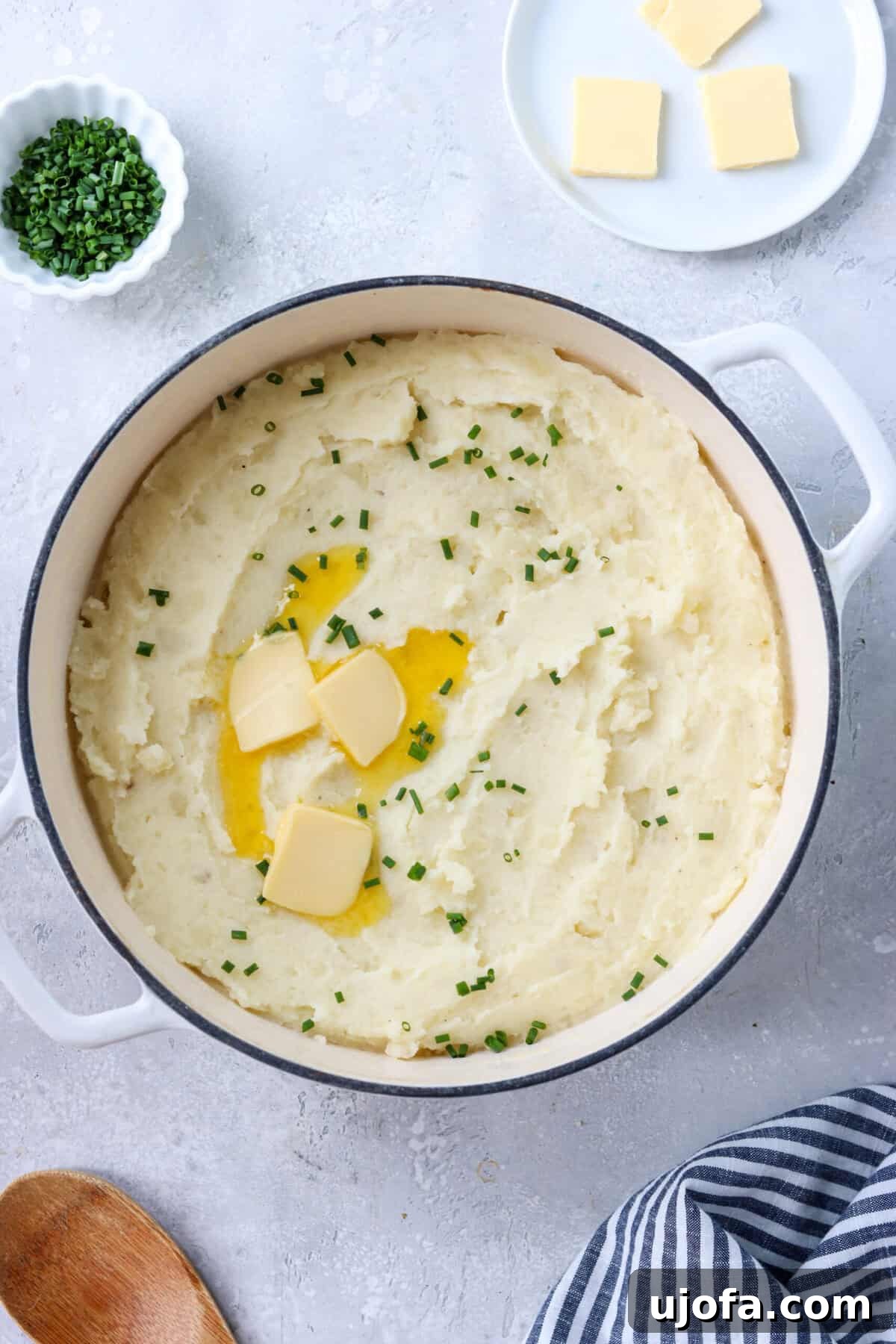
Mary’s Expert Tips & Tricks for Achieving Mashed Potato Perfection
While this recipe is straightforward, a few expert tips can elevate your gluten-free mashed potatoes from good to absolutely phenomenal. Pay close attention to these details for the best possible results:
- The Golden Rule: Avoid Overmixing! This is arguably the most important tip for any mashed potato recipe. Potatoes release starch when mashed, and excessive mashing causes these starches to become long, sticky strands, resulting in a gluey, gummy, and truly unpleasant texture. Mash just enough until smooth and creamy, then stop! For the creamiest results without overworking, a potato masher or a potato ricer is ideal. Avoid food processors or stand mixers, as their high-speed blades can easily overwork the potatoes in seconds.
- Season Generously and Gradually: Don’t be shy with salt and pepper! Potatoes are notoriously bland on their own and require ample seasoning to bring out their best flavor. Add an initial amount of salt and pepper, then taste and adjust as you go. The flavor can evolve as ingredients are incorporated, so constant tasting ensures you hit that perfect savory balance. Using freshly ground black pepper and a good quality sea salt will make a noticeable difference in taste.
- Mash While Hot is Crucial: Always, always mash your potatoes immediately after draining them. Hot potatoes are soft and pliable, absorbing butter and dairy more readily and mashing into a wonderfully smooth consistency with minimal effort. If they cool down too much, they become dense, stiff, and much harder to work with, often leading to lumps or the need for excessive mashing.
- Warm Your Dairy for Smoothness: For an even creamier, more consistent result, gently warm your half & half (or milk alternative) before adding it to the potatoes. Cold dairy can rapidly cool down the hot potatoes, making them harder to incorporate smoothly and potentially impacting the final creamy texture. A quick zap in the microwave or a gentle simmer on the stovetop will do the trick.
- Consider a Potato Ricer for Silkiness: While a traditional handheld potato masher works perfectly well for a slightly rustic texture, a potato ricer is the secret weapon for achieving the silkiest, most lump-free mashed potatoes possible. It pushes the cooked potatoes through small holes, creating incredibly light, fluffy strands that absorb butter and milk effortlessly.
- Don’t Overcook or Undercook: Overcooked potatoes can become waterlogged and mushy, making it difficult to achieve a light texture. Undercooked potatoes will be hard and lumpy. Aim for perfectly fork-tender: soft all the way through but not falling apart.
- Freezing Mashed Potatoes: Mashed potatoes freeze remarkably well, making them an excellent make-ahead option. For best quality, they will stay good in the freezer for up to 1 month. To prevent freezer burn and crystal formation, ensure your mashed potatoes are completely cooled before transferring them to a freezer-safe, airtight container or heavy-duty freezer bags. Press out any excess air from bags.
- Reheating Mashed Potatoes:
- From Frozen: Transfer frozen mashed potatoes to an oven-safe dish. Cover tightly with foil to prevent drying. Reheat in a preheated 350°F (175°C) oven for 30-45 minutes, stirring every 10-15 minutes, until heated through. Add a splash of milk, cream, or broth if they seem a bit dry to restore their creamy consistency.
- From Refrigerator (Thawed): If thawed overnight in the refrigerator, you can reheat them gently on the stovetop over low heat, stirring frequently and adding a bit of milk or butter to restore creaminess. Alternatively, reheat in the microwave in short 1-2 minute intervals, stirring well between each, until piping hot.
Frequently Asked Questions About Gluten-Free Mashed Potatoes
Yes, absolutely! Potatoes in their natural, unprocessed form are entirely gluten-free. They are a fantastic, versatile, and naturally compliant staple for anyone following a gluten-free diet or simply looking for healthy carb options.
While plain potatoes are inherently gluten-free, it’s important to exercise caution with commercially prepared or restaurant mashed potatoes, as they can sometimes contain hidden gluten. Some chefs or food manufacturers might use flour, gluten-containing thickeners (like wheat flour or certain gravy mixes), or even gluten-containing seasonings to achieve a desired consistency or flavor profile. If you have Celiac disease or a serious gluten intolerance, always inquire about ingredients and preparation methods when ordering mashed potatoes outside your home. This particular recipe, however, is meticulously designed to be 100% gluten-free and safe for consumption.
Yes, pure butter is naturally gluten-free. It’s a dairy product made from churned cream and does not contain any gluten-derived ingredients. However, always check labels for flavored butters or butter blends, as some might contain additives that could include gluten.
On average, one cup (approximately 210-250 grams) of mashed potatoes, prepared similarly to this recipe with butter and half & half, contains about 35-45 grams of carbohydrates. This can vary based on specific potato variety, portion size, and the exact amounts of added dairy and fat. Always refer to the provided nutrition label for the most accurate and up-to-date information for this specific recipe.
Mashed potatoes are an incredibly versatile and universally loved side dish that pairs exceptionally well with a vast array of main courses. Their creamy texture and comforting flavor make them a perfect accompaniment to rich, savory dishes. Consider serving these delicious gluten-free mashed potatoes with:
- Hearty Meatloaf, absorbing all the savory pan juices.
- Crispy Gluten-Free Chicken Cutlets for a satisfying crunch-and-cream combination.
- Succulent Roasted Chicken, creating a classic Sunday dinner feel.
- Flavorful Mississippi Chicken, allowing the potatoes to soak up its rich, tangy sauce.
- Elegant Air Fryer Filet Mignon, offering a luxurious contrast.
- Any dish begging for a delicious gravy, such as our Best Paleo Gravy – a match made in heaven!
You can even transform them into a satisfying meal themselves by topping them with a hearty Turkey Chili for delicious loaded mashed potatoes!
Yes, absolutely! Mashed potatoes can be a fantastic make-ahead option, perfect for holiday meal prep or busy weeknights. You can prepare them up to 2-3 days in advance and store them in an airtight container in the refrigerator. When ready to serve, gently reheat them on the stovetop over low heat, stirring occasionally and adding a splash of milk, cream, or broth to bring back their creamy texture. You can also reheat them in the oven as described in the detailed “Reheating Tips” section above.
The best tool depends on your desired texture. A traditional handheld potato masher is excellent for achieving a slightly rustic yet creamy texture, allowing for small, tender lumps if you prefer them. For the silkiest, most uniformly smooth, and lump-free mashed potatoes, a potato ricer is highly recommended. It works by forcing the cooked potatoes through small holes, creating light, fluffy strands that absorb butter and milk beautifully. For the best results, avoid using a food processor or an electric mixer on high speed, as these powerful tools can easily overwork the starches in the potatoes and quickly turn them gummy.
More Delicious Gluten-Free Side Dishes to Complete Your Meal
Looking to build a complete and utterly delicious gluten-free meal? Explore these other amazing gluten-free accompaniments and side dish recipes from our collection:
- Maple Brussels Sprouts with Bacon & Pecans
- Sautéed Delicata Squash
- Roasted Sweet Potatoes
- Dairy-Free Broccoli Casserole
- Gluten-Free Green Bean Casserole
- Dairy-Free Spinach Casserole
Love this recipe? Please leave a 5-star 🌟🌟🌟🌟🌟 rating in the recipe card below & a review in the comment section. Or, follow me on Facebook, Pinterest or Instagram today!
Print Recipe
Gluten-Free Mashed Potatoes
Equipment
-
large pot
-
potato masher
Ingredients
- 4 lbs russet potatoes, about 8 medium potatoes, peeled and cut into chunks
- ½ cup butter, 1 stick, cut into ½ inch thick slices
- 2 tsp sea salt, + more to taste
- 1 tsp garlic powder
- ½ tsp pepper
- ¾ cup half & half, or whole milk
Instructions
-
Bring a large pot of water to a boil. Add the potatoes and cook for about 15-18 minutes, until fork-tender. Drain the potatoes and add them back to the pot.
-
Mash the potatoes using a potato masher.
-
Add in the butter, salt, garlic powder, and pepper. Continue mashing as the butter melts.
-
Slowly pour in the half & half and continue mashing until just-combined. Do not over mix them or the potatoes, or they will become gummy!
-
Season with salt and pepper to taste and garnish with fresh chives, if desired. Enjoy!
Notes
Potatoes: You can use any type of potato for this recipe. I’ve just found that Russet have the best texture when it comes to gluten free mashed potatoes.
Skin on: Feel free to add texture to the potatoes by leaving the skins on and mashing them with the potatoes.
Seasoning: I found 2 tsp salt to be just right, but feel free to adjust and taste as you go!
Freezing Mashed Potatoes: Mashed potatoes will stay good in the freezer for up to 1 month. After that, they may form crystals. Put your potatoes in a freezer-safe, tightly wrapped container.
Reheating mashed potatoes: You can put the frozen mashed potatoes in a 350 degree oven for 30-45 minutes, stirring every 5-10 minutes to reheat. Alternatively, thaw overnight in the refrigerator.
Nutrition
Calories: 312kcal |
Carbohydrates: 42g |
Protein: 6g |
Fat: 14g |
Saturated Fat: 9g |
Polyunsaturated Fat: 1g |
Monounsaturated Fat: 4g |
Trans Fat: 0.5g |
Cholesterol: 38mg |
Sodium: 698mg |
Potassium: 985mg |
Fiber: 3g |
Sugar: 2g |
Vitamin A: 438IU |
Vitamin C: 13mg |
Calcium: 58mg |
Iron: 2mg
All nutrition facts are an estimate and automatically calculated. While I fact check them using My Fitness Pal, please note that they may not always be 100% accurate and depend on ingredients used. Weigh your total and divide by the number of servings for the most accurate grams per serving size.
Did you make this?Rate & comment below, and tag me on Instagram @maryswholelife