
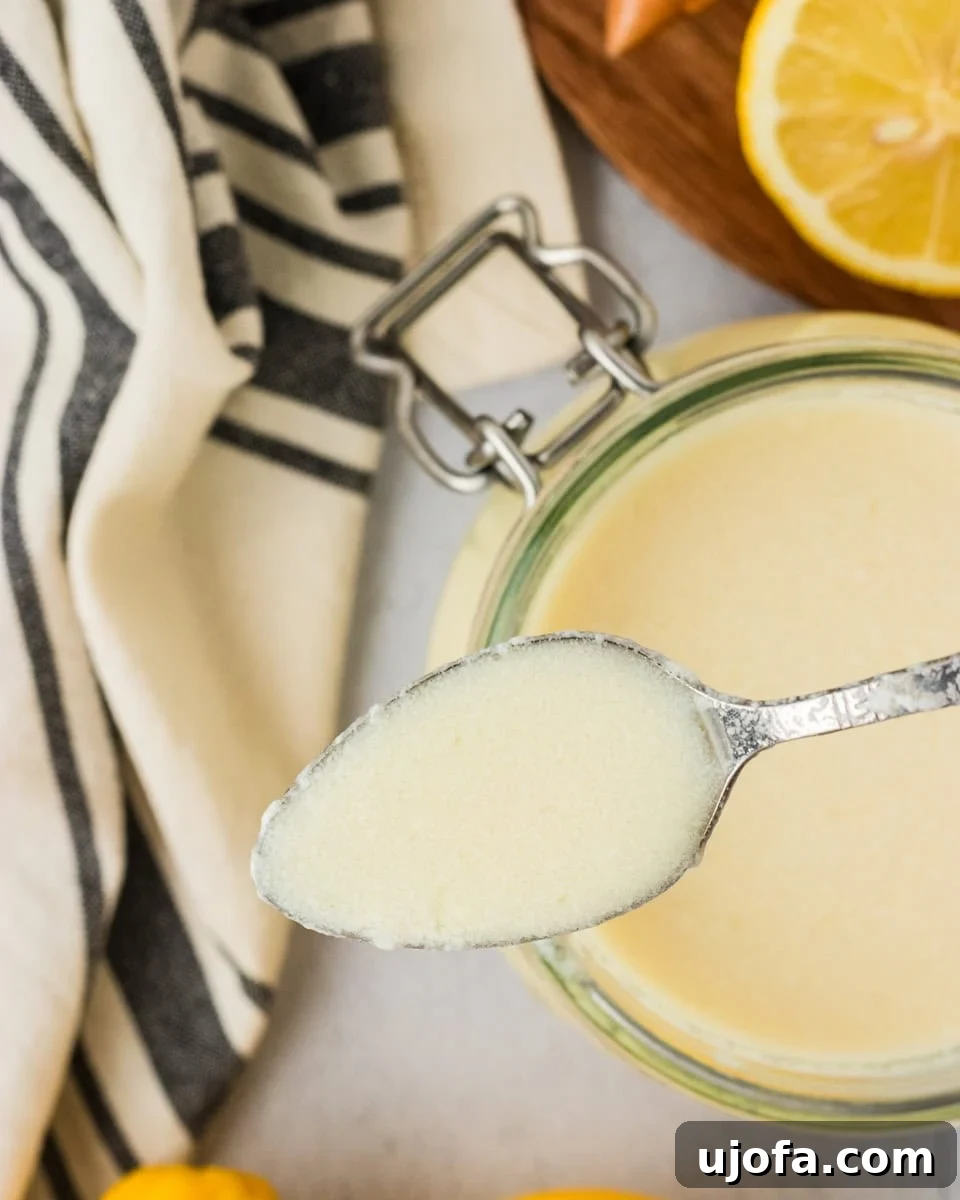
Discovering you’re out of buttermilk in the middle of baking can halt your culinary plans. But what if there was a simple, plant-based solution that only required two ingredients and mere minutes to prepare? Welcome to the world of homemade **vegan buttermilk** – a versatile kitchen staple that is incredibly easy to make from scratch. Whether you’re whipping up fluffy pancakes, tender biscuits, moist cakes, or any recipe traditionally calling for buttermilk, this tangy, dairy-free substitute delivers perfect results every time.
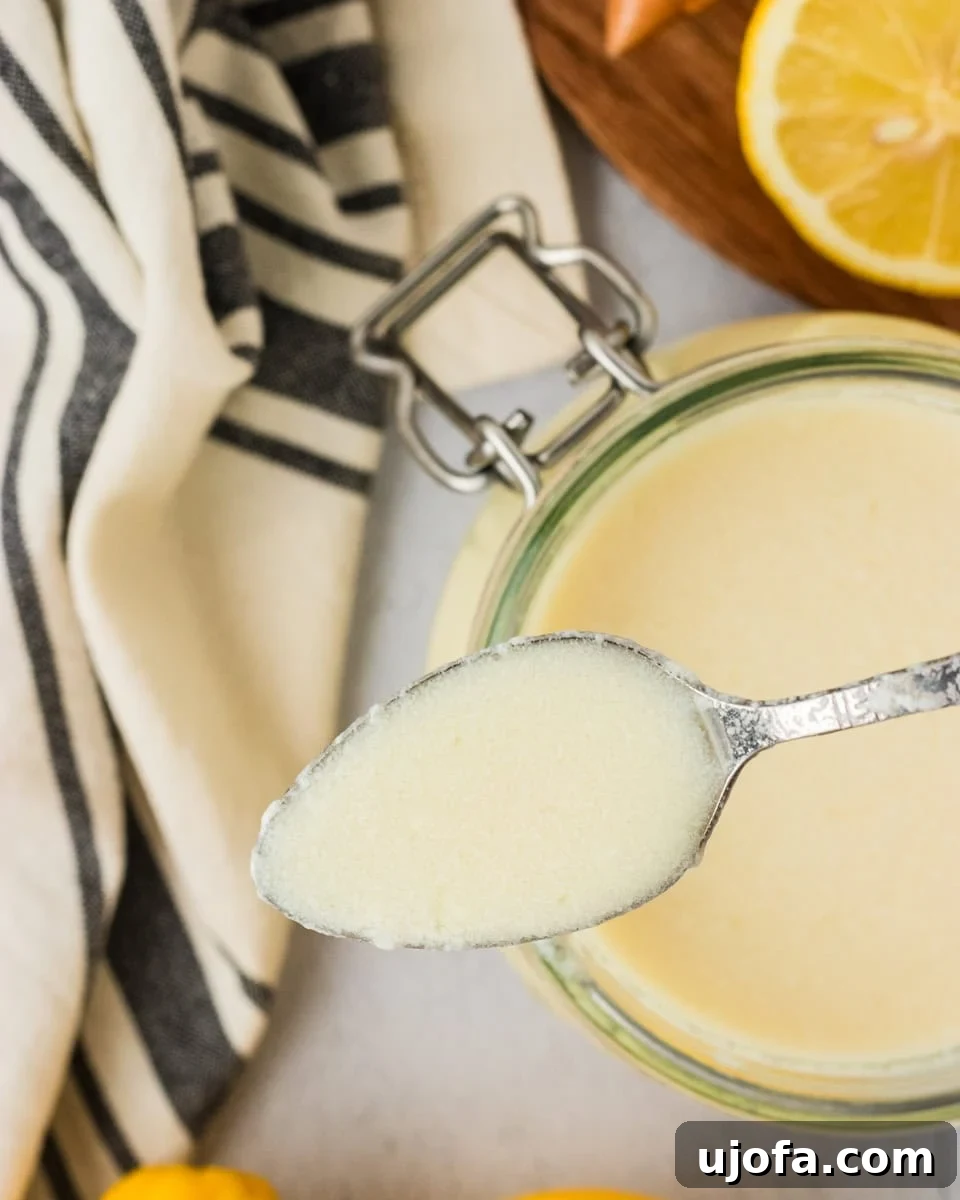
This recipe is a game-changer for anyone embracing vegan baking, from delightful muffins to hearty pancakes. It provides that classic buttermilk tang and rich texture without any dairy. Traditional buttermilk plays a crucial role in baking by keeping batters moist, adding depth of flavor, and activating leavening agents for an ideal rise. For our plant-based version, I often recommend using soy milk due to its excellent protein content, which facilitates beautiful curdling and results in baked goods with superior texture and lift. However, don’t feel limited! Oat, almond, or cashew milk can also be successfully substituted. Experiment with different plant milks to find your favorite, and share your baking successes in the comments!
Why You Need This Easy Vegan Buttermilk Recipe
Beyond being a fantastic dairy-free alternative, making your own vegan buttermilk offers numerous advantages:
- Simplicity: With just two ingredients and minimal effort, you can create a fresh batch whenever inspiration strikes.
- Cost-Effective: Avoid buying specialty vegan buttermilk (if available) by using common pantry staples.
- Control Over Ingredients: Choose your preferred plant milk and acid, ensuring your buttermilk is free from unwanted additives or allergens.
- Versatility: It performs identically to traditional buttermilk in almost any recipe, providing moisture, tang, and aiding in leavening.
- Dietary Inclusivity: Perfect for vegan, dairy-free, and often gluten-free diets, allowing everyone to enjoy delicious baked goods.
- Freshness: Enjoy the freshest possible buttermilk for your recipes, contributing to superior flavor and texture in your final product.
The Science Behind Buttermilk (Vegan Style)
Traditional buttermilk is slightly acidic, a characteristic that is vital for many baking recipes. This acidity reacts with alkaline leavening agents like baking soda, creating carbon dioxide bubbles. These bubbles expand during baking, giving cakes, muffins, and biscuits their light, fluffy texture and tender crumb. Without this reaction, baked goods can turn out dense and flat.
Our vegan buttermilk replicates this acidic environment. When an acid (like lemon juice or vinegar) is added to plant-based milk, it causes the proteins in the milk to coagulate, or “curdle.” This process not only mimics the texture of dairy buttermilk but also provides the necessary acidity to react with baking soda in your recipes. The result is a dairy-free substitute that functions perfectly, ensuring your vegan baked goods rise beautifully and have that signature tangy flavor.
Expert Tips for Perfect Vegan Buttermilk
Achieving the ideal vegan buttermilk is straightforward, but a few key considerations can make all the difference, especially if you’re baking gluten-free:
- Optimal Milk Temperature is Key: For the quickest and most effective curdling, use room-temperature plant milk. Cold milk can significantly slow down the chemical reaction between the acid and the milk proteins. Letting your soy milk (or chosen alternative) sit out for 10-15 minutes before adding the acid ensures a more rapid and consistent curdling process, yielding that perfect tangy texture you’re looking for.
- Protein Content Matters for Curdles: The degree to which your plant milk curdles is largely dependent on its protein content. This is precisely why unsweetened soy milk is often the top recommendation for vegan buttermilk; its higher protein levels result in a more pronounced and visible curdling. While other plant milks like oat, almond, or cashew milk will still work due to the acid’s reaction with leavening agents, they might not curdle as thickly. However, even if the visual curdling is less dramatic, the acidic properties will still be effective in your baked goods, contributing to the desired rise and flavor.
- Gentle Stirring for Best Results: Once you’ve added your chosen acid to the plant milk, a gentle stir is all that’s needed to combine the ingredients. Over-mixing can disrupt the delicate curdling process, preventing the milk from separating properly into those tiny, desirable curds that give buttermilk its characteristic texture and richness. A quick, light stir is sufficient.
- Selecting Your Acid Wisely: The type of acid you choose can subtly influence the flavor of your vegan buttermilk and, by extension, your baked goods. Fresh lemon juice is my preferred choice for its mild, bright tang that complements most recipes without overpowering them. Apple cider vinegar (ACV) is another excellent option, offering a slightly fruitier and more robust tang. White vinegar is also effective in terms of acidity, but its sharper, more pronounced flavor might be less desirable in sweet recipes where a subtle tang is preferred. Always opt for fresh lemon juice when possible for the best flavor profile.
Vegan Buttermilk Recipe
Homemade Vegan Buttermilk
Julia Elizabeth
4 servings (approximately 1 cup + 1 tbsp)
5 minutes
5 minutes
Vegan buttermilk is one of the easiest kitchen staples to make from scratch. It only takes two simple ingredients and a few minutes to set. In no time, you’ll have a tangy, plant-based substitute that works perfectly in pancakes, biscuits, cakes, or any recipe that calls for traditional buttermilk.
Ingredients
- 1 cup unsweetened soy milk (or other plant-based milk like oat, almond, cashew)
- 1 tbsp fresh lemon juice (or substitute with apple cider vinegar or white vinegar)
Instructions
- To a small container or glass jar, add your plant milk.
- Pour in the lemon juice (or vinegar) and give it a gentle stir to combine thoroughly.
- Allow the mixture to sit at room temperature for 3-5 minutes. During this time, the milk will visibly curdle and thicken slightly.
- Once curdled, give it another quick stir, and your homemade vegan buttermilk is ready to use in your favorite recipes!
Notes
- If it doesn’t curdle right away: Don’t worry! Some brands of plant milk take a little longer to react. Give it another minute or two. If it still looks very thin, ensure your milk has adequate protein content, as this significantly aids in the curdling process. Unsweetened soy milk typically yields the best results.
- Adjusting for yield: This recipe makes approximately 1 cup + 1 tablespoon of vegan buttermilk. You can easily scale the recipe up or down by maintaining the 1 tablespoon of acid per 1 cup of plant milk ratio.
Nutrition
Serving Size: 1 serving (1/4 cup) |
Calories: 27kcal |
Carbohydrates: 2g |
Protein: 2g |
Fat: 1g |
Saturated Fat: 0.1g |
Polyunsaturated Fat: 1g |
Monounsaturated Fat: 0.2g |
Sodium: 30mg |
Potassium: 87mg |
Fiber: 0.2g |
Sugar: 2g |
Vitamin A: 232IU |
Vitamin C: 6mg |
Calcium: 83mg |
Iron: 0.3mg
Nutrition information is automatically calculated, so should only be used as an approximation.
Additional Info
Course: Baking
Cuisine: American
How to Make Vegan Buttermilk: A Visual Guide
Let’s walk through the simple steps to create your own luscious vegan buttermilk, perfect for any baking adventure.
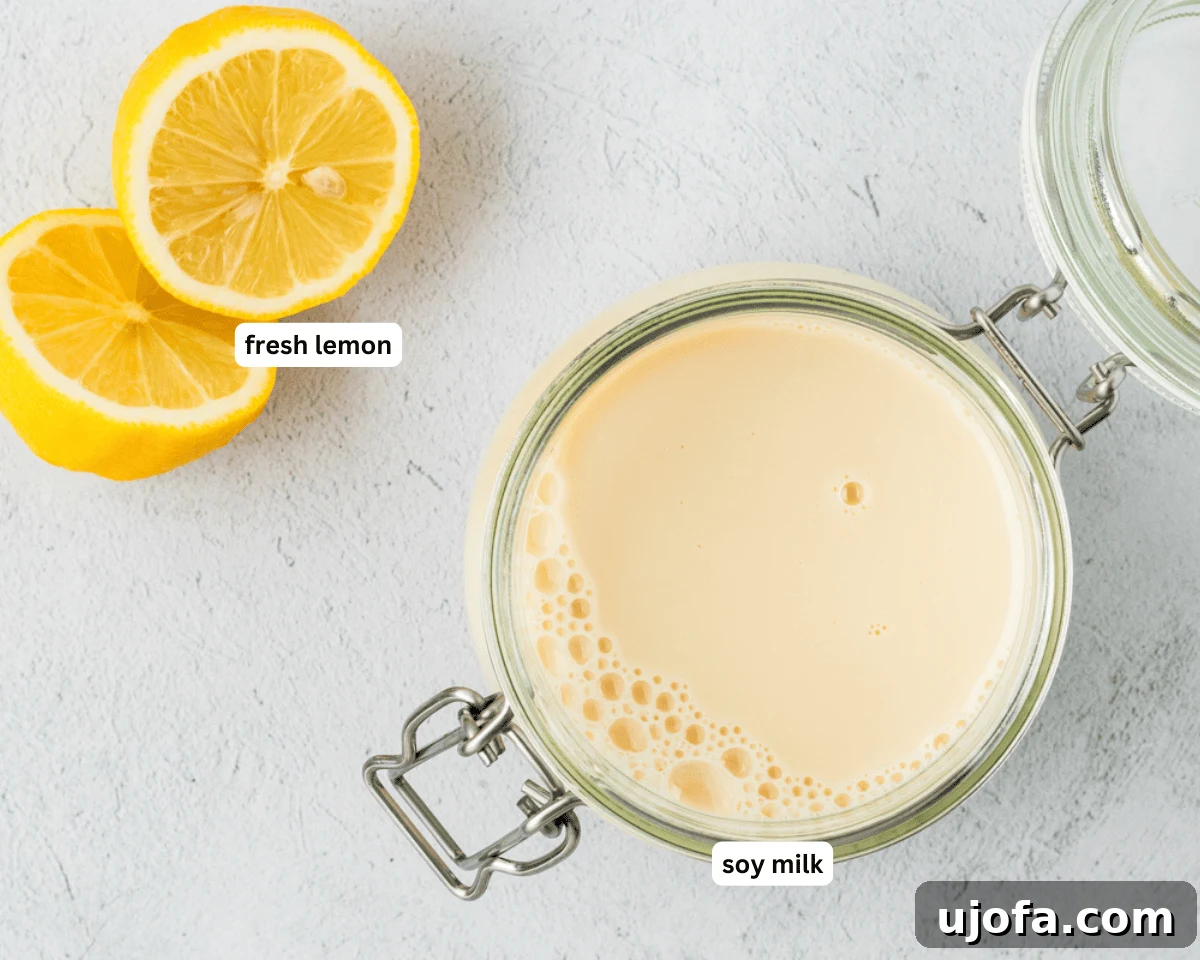
Step 1: Gather Your Ingredients. Ensure you have your chosen plant milk (preferably room temperature unsweetened soy milk) and fresh lemon juice. Having everything ready makes the process even quicker.
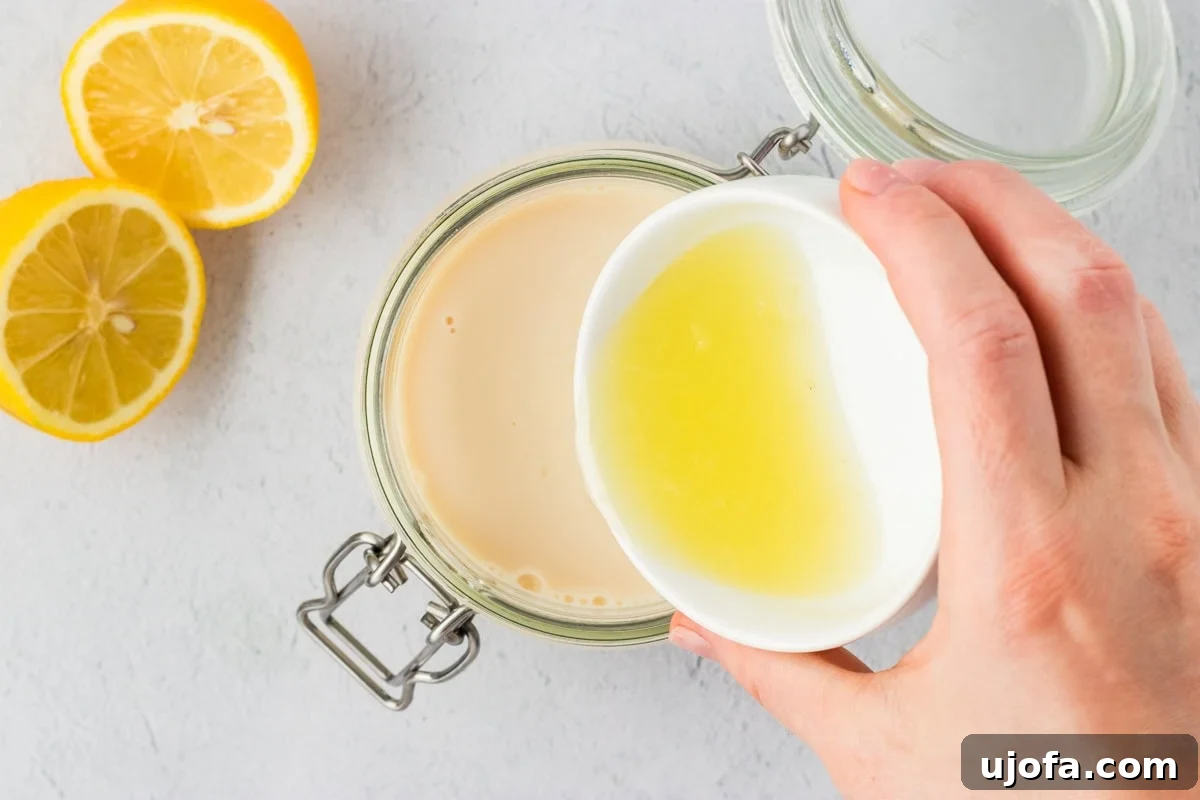
Step 2: Combine Milk and Acid. Pour 1 cup of your plant milk into a small container or jar. Then, add 1 tablespoon of fresh lemon juice. Give the mixture a very gentle stir to ensure the acid is evenly distributed throughout the milk. Avoid vigorous stirring, as this can hinder the curdling process.
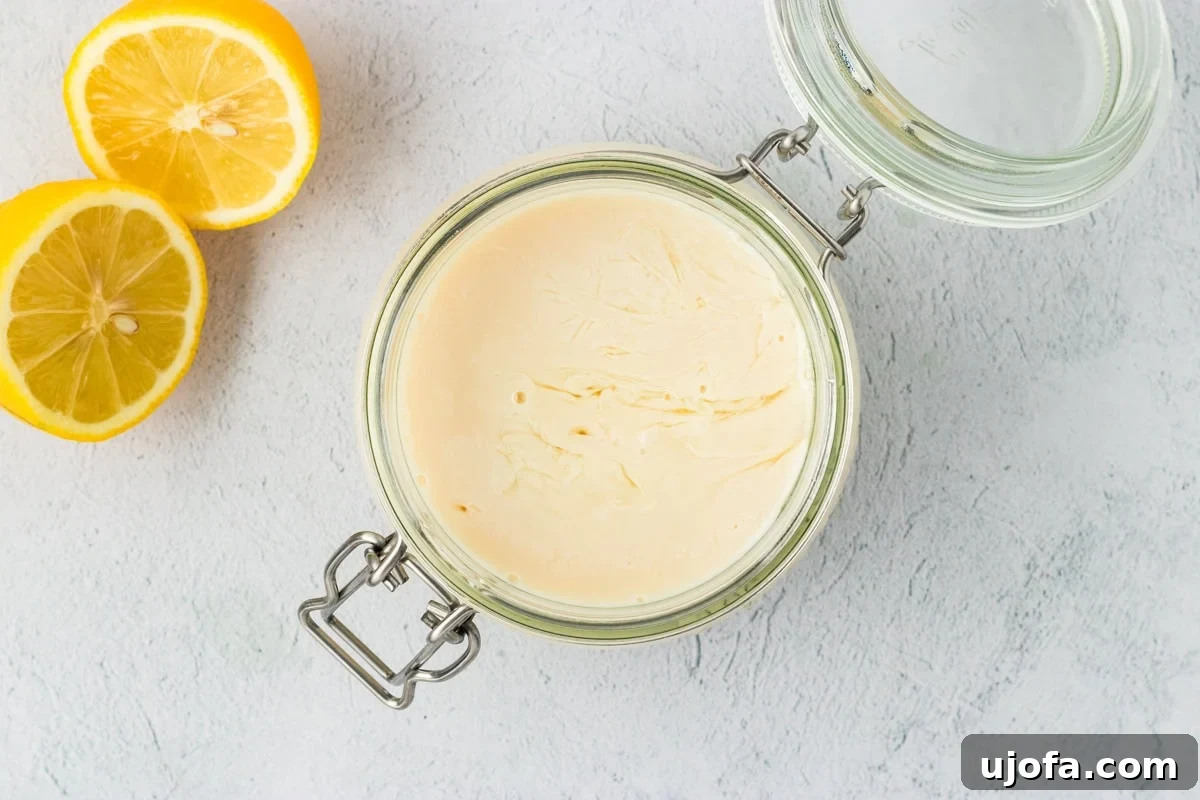
Step 3: Allow to Rest and Curdle. Let the milk and acid mixture sit undisturbed at room temperature for 3 to 5 minutes. During this short period, you will notice the milk starting to thicken and small curds forming, indicating that the acid is reacting with the milk’s proteins. This is the magical transformation into vegan buttermilk!
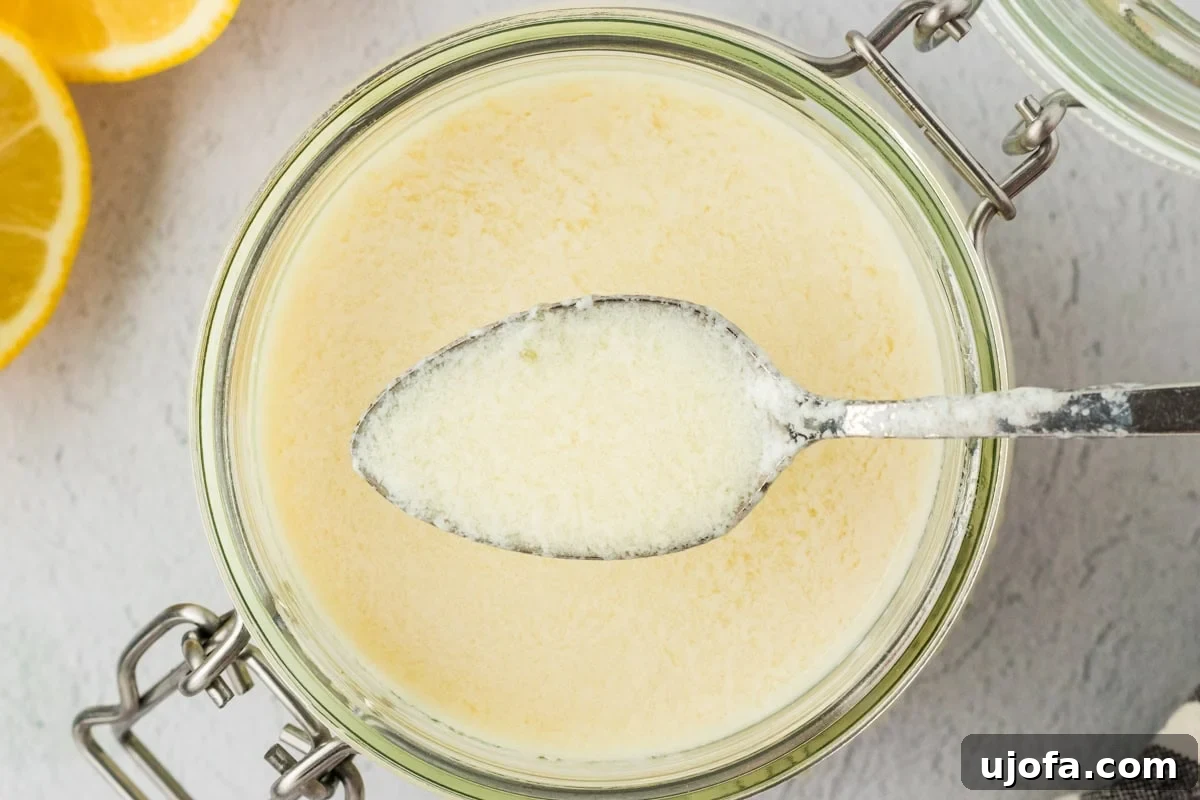
Step 4: Stir and Use. Once you observe sufficient curdling and thickening, give the vegan buttermilk one last quick stir. It’s now perfectly prepared and ready to be incorporated into your favorite recipes, adding that distinct tang and helping your baked goods achieve their desired texture and rise.
Creative Ways to Use Vegan Buttermilk
The versatility of homemade vegan buttermilk extends far beyond just baking. Its subtle tang and creamy texture make it an invaluable ingredient in a myriad of culinary applications. Here are some serving suggestions and creative uses to inspire your cooking:
- Fluffy Pancakes and Waffles: This is a classic application! Vegan buttermilk reacts with baking soda to create incredibly light and fluffy pancakes and waffles, perfect for a weekend breakfast. Try it in these buckwheat pancakes for a wholesome treat.
- Tender Biscuits and Scones: For flaky, tender gluten-free biscuits or delightful scones, vegan buttermilk is essential. It provides the necessary acidity to create that crumbly, melt-in-your-mouth texture.
- Moist Cakes and Muffins: Ensure your vegan cakes and muffins are always moist and rise beautifully. The tang helps to balance sweetness and adds a rich, complex flavor.
- Crispy Coatings: Use it as a base for dredging. It helps bind breading to ingredients, making it perfect for creating extra crispy coatings on dishes like gluten-free onion rings, chicken-fried mushrooms, or even tofu “fish” fillets.
- Creamy Salad Dressings: Whisk it into your favorite salad dressings for a tangy, creamy base. It can form the foundation for vegan ranch, green goddess, or even a simple vinaigrette. For example, use it to make a delicious Dairy-Free Ranch Dressing.
- Marinades for Plant-Based Proteins: The acid in vegan buttermilk can help tenderize plant-based proteins like tempeh, seitan, or mushrooms, and infuse them with a lovely tang. It’s excellent for preparing plant-based “fried chicken.”
- Smoothies and Shakes: Add a splash to your morning smoothie for an unexpected tangy boost and extra creaminess.
- Quick Breads: From banana bread to zucchini bread, vegan buttermilk can enhance the texture and flavor of your favorite quick bread recipes, ensuring they are never dry.
- Creamy Soups and Sauces: Incorporate it into dairy-free creamy soups or sauces to add a rich, slightly sour note without heavy cream. It’s a great way to add complexity to gravies or even a vegan alfredo sauce.
Storage Instructions for Vegan Buttermilk
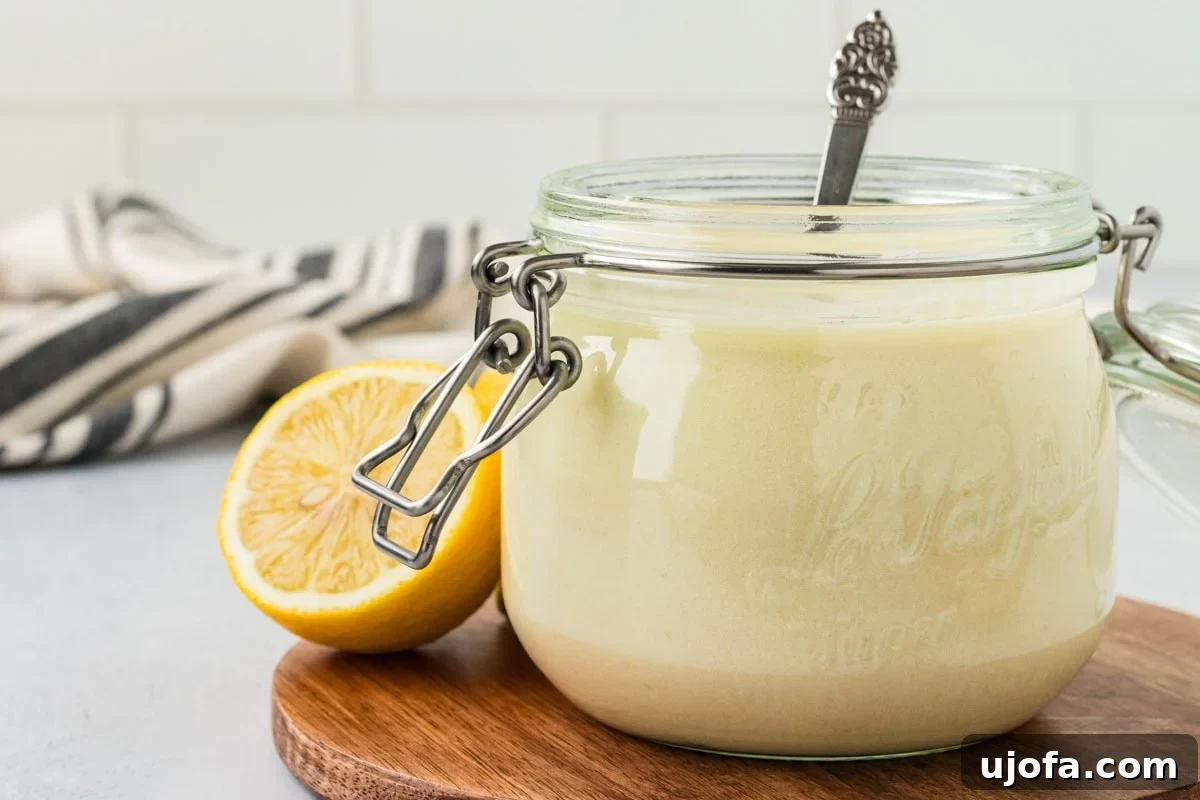
Proper storage ensures your homemade vegan buttermilk remains fresh and ready for your next culinary creation. I recommend storing it in a tightly sealed glass jar or an airtight container in the refrigerator. When stored correctly, it will last for up to 3 days. Before each use, give it a quick stir, as some separation is natural and expected when it sits. Because it’s such a quick and easy recipe to prepare, I often make just enough for my immediate needs. However, if you do find yourself with leftovers, keeping them chilled is key to maintaining their quality.
Frequently Asked Questions About Vegan Buttermilk
Can I use any type of plant milk for vegan buttermilk?
While most plant milks will curdle with acid, unsweetened soy milk is generally considered the best for vegan buttermilk due to its higher protein content, which results in a thicker, more visible curdling effect similar to dairy buttermilk. Oat milk, almond milk, and cashew milk can also be used, but they might curdle less dramatically. Coconut milk can work, but its distinct flavor might not be suitable for all recipes.
What is the best acid to use?
Fresh lemon juice is highly recommended for its clean, mild tang that complements most recipes without an overpowering flavor. Apple cider vinegar (ACV) is another excellent choice, offering a slightly richer, fruitier tang. White vinegar is also effective but has a sharper flavor that might be more noticeable in delicate or sweet dishes.
How long does it take for vegan buttermilk to curdle?
Typically, vegan buttermilk will curdle within 3 to 5 minutes at room temperature. If your milk is cold, it might take a few minutes longer. Patience is key; if it’s not curdling immediately, give it another minute or two.
What if my vegan buttermilk doesn’t curdle?
If your milk doesn’t curdle after 5-7 minutes, there could be a few reasons:
- Temperature: Ensure your plant milk is at room temperature. Cold milk slows the reaction.
- Protein Content: Some plant milks have very low protein, which can hinder visible curdling. Soy milk generally has the highest protein.
- Acidity: Make sure your lemon juice is fresh, or your vinegar hasn’t lost its potency. You can try adding another half teaspoon of acid if needed.
Even if it doesn’t curdle visibly, the acid is still present and will react with leavening agents in your baking, so it will likely still work for your recipe.
Can I make a larger batch of vegan buttermilk?
Yes, you can easily scale up this recipe. Simply maintain the ratio of 1 tablespoon of acid (lemon juice or vinegar) per 1 cup of plant milk. However, it’s generally best to make smaller batches as needed for optimal freshness.
Is homemade vegan buttermilk gluten-free?
Yes, this recipe for vegan buttermilk is naturally gluten-free, provided you use gluten-free certified plant milk (some oat milks may contain gluten) and a gluten-free acid like lemon juice or apple cider vinegar.
Explore More Vegan Dairy-Free Staples and Sauces
Expanding your repertoire of homemade vegan staples can transform your plant-based cooking. Once you’ve mastered vegan buttermilk, try these other essential dairy-free recipes that will elevate your meals:
- Homemade Vegan Mayonnaise: Creamy, tangy, and perfect for sandwiches, dressings, and dips.
- Whipping Up Homemade Vegan Butter: A rich and versatile spread that’s perfect for baking, cooking, or slathering on toast.
- Refreshing Dairy-Free Tzatziki: A cool and garlicky cucumber dip, ideal for wraps, salads, or as a side.
- Velvety Cashew Cream: A foundational ingredient for countless vegan dishes, from savory sauces to sweet desserts.
- Zesty Dairy-Free Ranch Dressing: A classic favorite reinvented, perfect for salads, veggies, or dipping.
- Homemade Coconut Yogurt (Dairy-Free): A delightful base for breakfast parfaits, smoothies, or savory applications.
With these easy, homemade vegan staples, you’ll be well-equipped to create an array of delicious, dairy-free, and often gluten-free meals with confidence and ease. Happy cooking!