
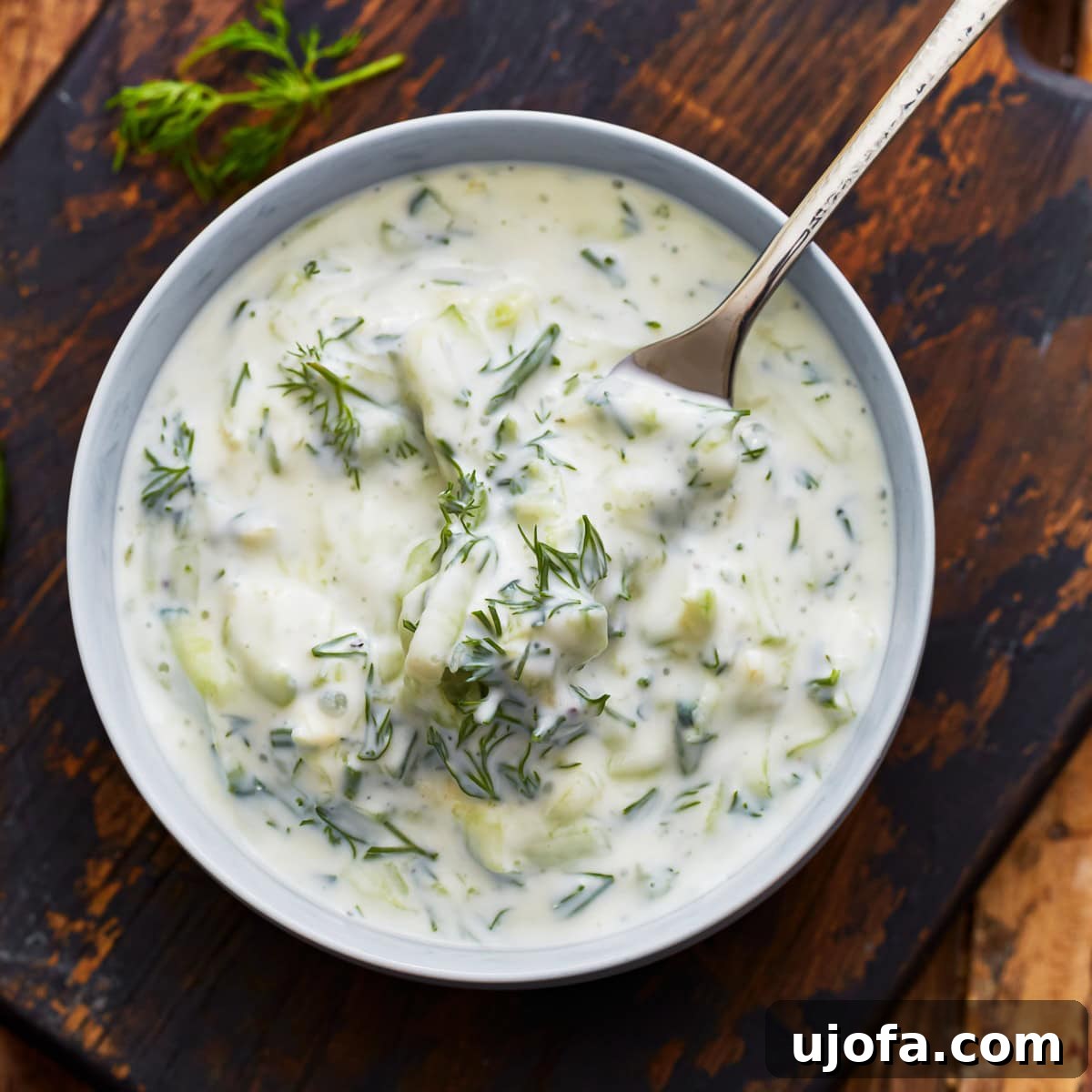
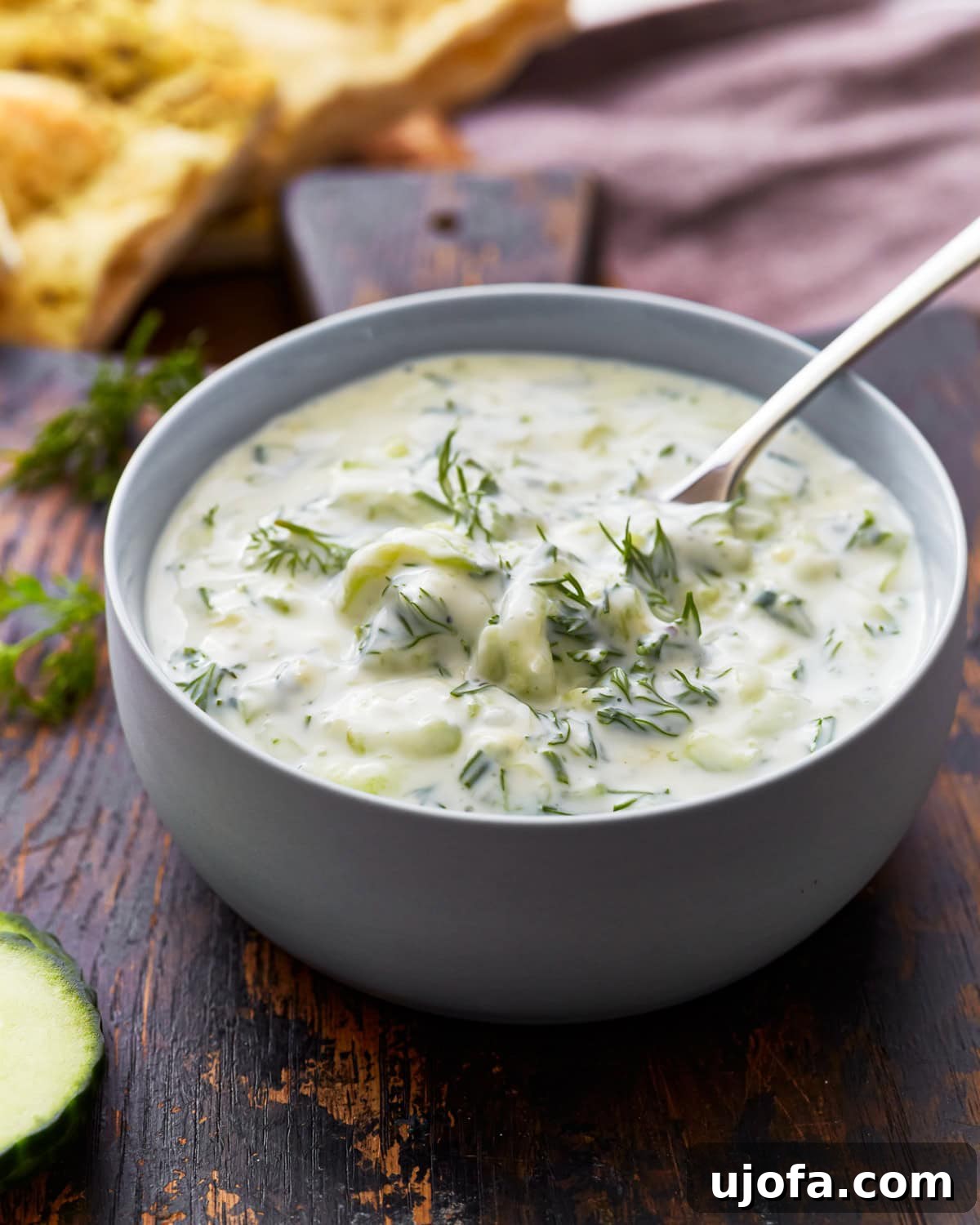
Welcome to your new favorite obsession: an incredibly refreshing and tantalizing **Dairy-Free Tzatziki recipe** that promises all the traditional flavor without any dairy! This easy-to-make Greek dip is not only bursting with fresh ingredients but is also naturally gluten-free, entirely vegan, and wonderfully low-carb. Imagine a creamy, tangy vegan yogurt base, generously loaded with crisp cucumber, pungent garlic, bright lemon juice, and aromatic fresh dill. It’s the ultimate versatile sauce, perfect for a healthy snack, an impressive party appetizer, or a vibrant addition to countless meals. I find myself drizzling this delectable creation over everything from beautifully roasted vegetables to hearty sandwiches, and it even transforms into an exquisite salad dressing. Prepare to elevate your culinary experience with this plant-based delight that will surprise and satisfy even the most discerning palates.
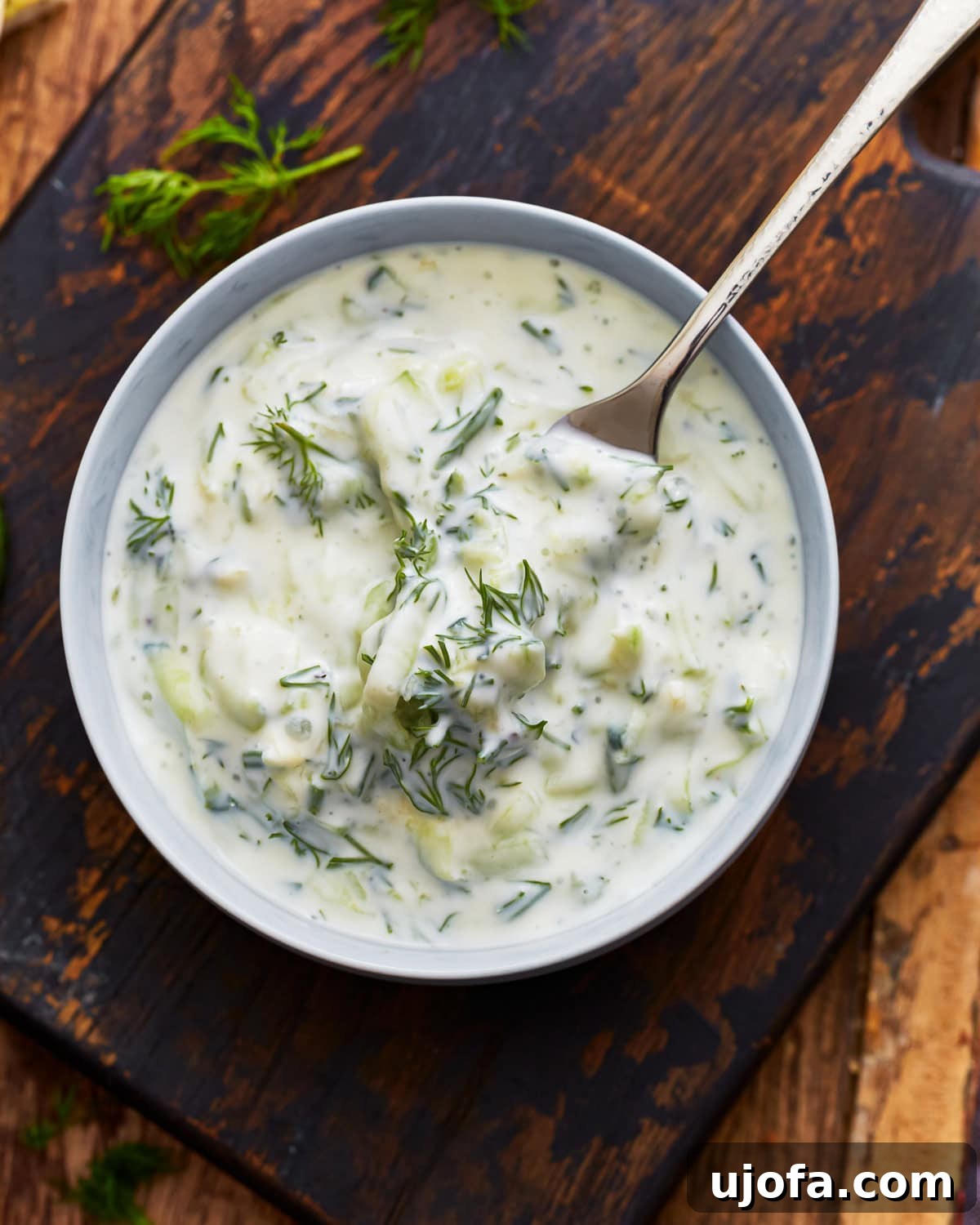
The Ultimate Dairy-Free Tzatziki Recipe: A Refreshing Vegan Greek Dip
Tzatziki, a classic Greek dip or sauce, is traditionally crafted from strained yogurt, fresh cucumber, garlic, a splash of lemon juice, and fragrant dill. While authentic recipes typically call for dairy-based Greek yogurt, my innovative version harnesses the power of a high-quality vegan yogurt alternative, rendering this delightful sauce *completely* dairy-free. And when I assert that it rivals the original in taste and texture, I genuinely mean it. In fact, my own family remained blissfully unaware it was plant-based until I revealed its secret! This recipe opens up a world of flavor for those with dairy sensitivities, dietary preferences, or simply a desire to explore delicious plant-based cuisine.
Essential Ingredients for Your Dairy-Free Tzatziki
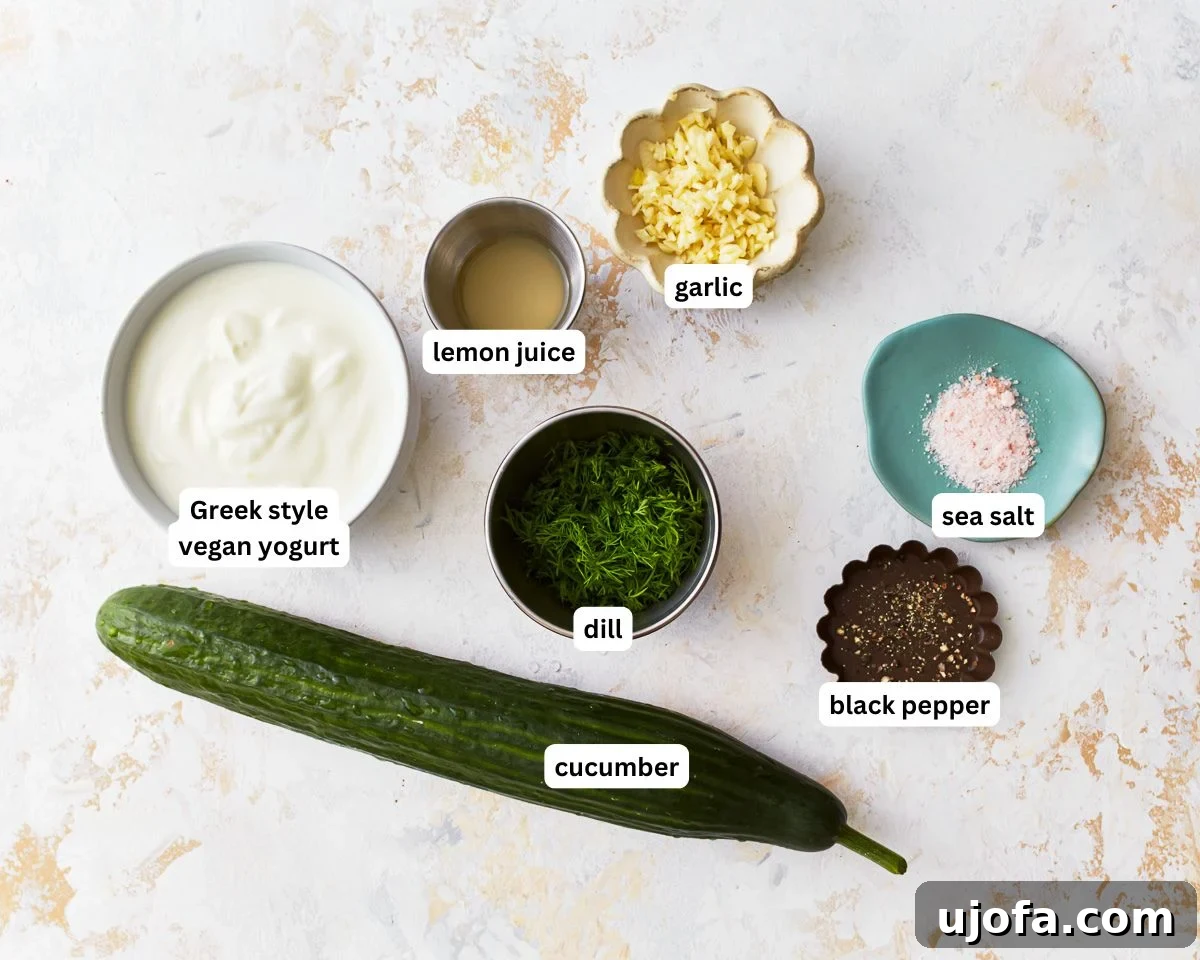
Crafting the perfect dairy-free tzatziki begins with selecting the freshest, most flavorful ingredients. Each component plays a vital role in achieving that signature tangy, herbaceous, and creamy profile:
- Cucumber: For optimal results, I recommend using a large English cucumber. These cucumbers are typically longer, thinner, and have fewer seeds and a milder flavor than standard garden cucumbers, making them ideal for tzatziki. You’ll only need about two-thirds of the cucumber for this recipe, leaving the remainder perfect for slicing and serving alongside your freshly made dip, or for a refreshing addition to a salad.
- Greek-style Vegan Yogurt: This is the cornerstone of your dairy-free tzatziki. The key is to choose a vegan yogurt that is notably thick, creamy, and tangy, closely mimicking the consistency and taste of traditional Greek yogurt. Varieties made from almond milk, coconut milk, or cashew milk often work best. It is absolutely crucial to select a plain, unsweetened, and unflavored yogurt to ensure the authentic savory profile of tzatziki shines through. Avoid any yogurts with added sugars or fruit purees. If dairy is not a concern for you, feel free to substitute with regular full-fat Greek yogurt.
- Garlic: Fresh garlic is indispensable in this recipe, providing a pungent, aromatic kick that defines tzatziki. I typically use two medium cloves, finely minced, but don’t hesitate to adjust the quantity to suit your personal preference for garlic intensity. Freshly minced garlic delivers a far superior flavor to powdered alternatives.
- Lemon Juice: Whether you opt for freshly squeezed or bottled lemon juice, this ingredient is vital for imparting a bright, zesty tang that balances the richness of the yogurt and complements the other fresh flavors. Fresh lemon juice will always offer the most vibrant taste.
- Fresh Dill: The quintessential herb for tzatziki, fresh dill contributes a unique bright, slightly anisy, and unmistakably Mediterranean flavor that is truly the soul of this dip. While fresh dill is highly recommended, if unavailable, you can substitute it with approximately ½ a tablespoon of dried dill. However, for the most authentic and vibrant taste, fresh is best. If dill isn’t to your liking, or you’re feeling adventurous, you could omit it or experiment with other herbs like fresh mint or parsley.
- Salt and Black Pepper: Never underestimate the power of proper seasoning. A thoughtful application of sea salt and freshly ground black pepper is essential to enhance and bring out the full depth of flavor from all the other ingredients, tying them together harmoniously.
Expert Tips for Crafting the Perfect Vegan Tzatziki
Achieving the ideal consistency and flavor for your dairy-free tzatziki is simple with these expert tips:
- Mastering Vegan Yogurt Consistency: Vegan yogurts tend to be naturally thinner than their dairy counterparts. To ensure your dairy-free tzatziki achieves a satisfyingly thick texture, similar to traditional tzatziki, aim for the thickest Greek-style vegan yogurt you can find. If your chosen yogurt is still too thin, a simple trick is to strain it. Line a colander with a few layers of cheesecloth or a clean kitchen towel, pour in the yogurt, and let it sit over a bowl in the refrigerator for a few hours (or even overnight) to allow excess liquid to drain off. This extra step will yield a wonderfully rich and creamy base.
- The Crucial Step of Draining Cucumbers: Cucumbers are composed primarily of water, and neglecting to drain them adequately will result in a watery dip. After grating or thinly dicing your cucumber, wrap it tightly in a clean cheesecloth or several layers of paper towels. Squeeze firmly to extract as much liquid as possible. This prevents your tzatziki from becoming diluted and ensures a thick, desirable texture. Don’t discard the nutrient-rich cucumber juice; it’s excellent for adding to smoothies, detox waters, or simply mixing with a splash of water for a refreshing drink.
- Tailoring Texture to Your Preference: For a tzatziki with a bit more bite and a chunkier mouthfeel, opt to finely dice the cucumber instead of grating it. Grating produces a smoother, more integrated texture, while dicing adds delightful little bursts of cucumber crunch. Experiment to find your favorite!
- Cucumber Skin Considerations: The skin of large English cucumbers is relatively thin and tender. I prefer to peel only half of the cucumber lengthwise, leaving strips of skin on the other half. This approach not only retains some of the valuable nutrients found in the skin but also adds a beautiful flecked green color to the sauce. If you don’t mind the slight texture, or prefer maximum nutrient retention, feel free to leave all the skin on.
- Herbaceous Explorations: While dill is the classic herb for tzatziki, don’t be afraid to get creative. Fresh parsley adds a bright, earthy note, while a touch of fresh mint can introduce a cool, invigorating twist. A combination of dill and mint is particularly lovely. Feel free to experiment with other fresh herbs that complement the tangy base.
- Allow Flavors to Mingle: Patience is a virtue when making tzatziki. After mixing all the ingredients, allow the dip to chill in the refrigerator for at least 30 minutes, or even a few hours. This resting period allows the flavors to meld and deepen, resulting in a more harmonious and delicious final product.
Understanding Tzatziki: Traditional vs. Dairy-Free Versions
Many wonder if traditional tzatziki is naturally dairy-free. The answer is generally no. Classic tzatziki is invariably made with regular Greek yogurt, which is typically derived from cow’s milk, though sometimes sheep or goat’s milk is used in authentic Greek preparations. This traditional yogurt base is what gives tzatziki its characteristic creamy texture and tangy flavor. However, the beauty of this recipe lies in its ingenious use of vegan yogurt, transforming a beloved classic into a perfectly tried-and-tested dairy-free and vegan alternative. This makes it accessible to a wider audience, including those with lactose intolerance, dairy allergies, or who follow a plant-based diet, without compromising on taste or satisfaction.
Delicious Ways to Enjoy Your Homemade Dairy-Free Tzatziki
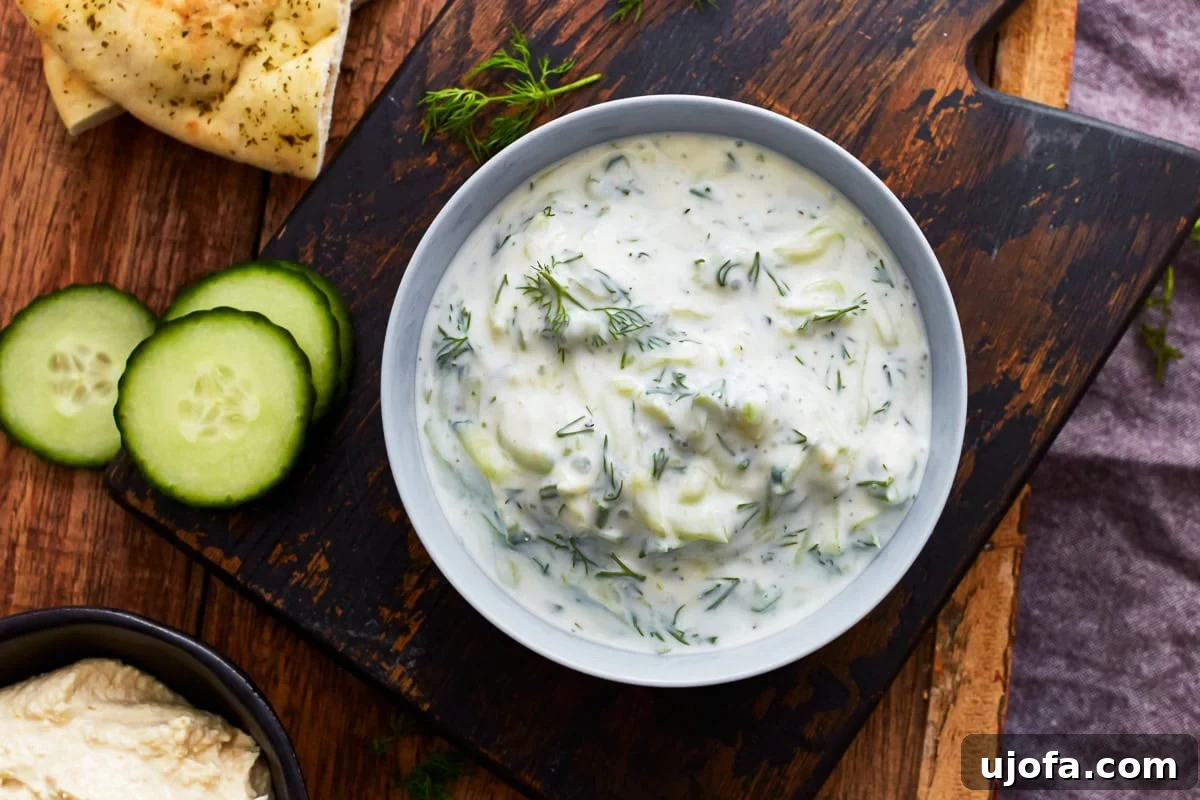
The versatility of dairy-free tzatziki knows no bounds! It’s far more than just a dip; it’s a flavorful condiment that can elevate a multitude of dishes. Lately, I’ve been utterly hooked on making homemade vegan gyros, generously topped with this dairy-free tzatziki. My method involves slicing gluten-free falafels in half, layering them onto warm gluten-free flatbread with crisp shredded lettuce and juicy sliced tomatoes, and then finishing it all with a liberal drizzle of the creamy tzatziki. The combination is simply divine!
Here are even more fantastic serving suggestions to inspire your culinary creativity:
- As a Classic Dip: Serve it alongside an array of colorful fresh vegetables like carrot sticks, bell pepper strips, celery, cherry tomatoes, or cucumber slices. It’s also magnificent with toasted gluten-free pita bread, sturdy crackers, or our fluffy gluten-free naan bread.
- Grilled Delights: A dollop of tzatziki is the perfect complement to grilled chicken, fish, lamb, or any of your favorite grilled vegetables such as zucchini, eggplant, or bell peppers. It also pairs beautifully with a refreshing Greek quinoa salad or a savory rice pilaf, adding a bright, creamy counterpoint.
- Sandwiches & Wraps Reinvented: Ditch the mayonnaise or mustard and spread a generous layer of dairy-free tzatziki onto your sandwiches and wraps. It adds a refreshing, zesty flavor and a wonderful creaminess that transforms any ordinary lunch into a Mediterranean-inspired feast.
- Pasta Salad Perfection: Stir this vibrant sauce into a cold pasta salad for an instant flavor boost. It acts as a light, tangy dressing that will make your pasta salad exceptionally refreshing and unique.
- Breakfast & Brunch Boost: Don’t limit tzatziki to lunch or dinner. Try a dollop on scrambled tofu, as a side to a savory pancake, or even as a refreshing spread on gluten-free toast with avocado.
- Potato Partner: Serve with roasted potatoes, sweet potato fries, or even as a unique topping for a baked potato.
Make-Ahead & Storage Tips for Freshness
One of the many advantages of this dairy-free tzatziki is that it can be prepared in advance, making it an excellent option for meal prepping or entertaining. You can confidently prepare this delightful dip up to two days before you plan to serve it. In fact, making it a day ahead often allows the flavors to deepen and meld even further, resulting in a more complex and satisfying taste experience.
When storing, keep in mind that the cucumber may release additional liquid over time. This is a natural process, and the garlic flavor may also intensify with extended refrigeration. Before serving, simply give the tzatziki a good stir to reincorporate any separated liquid and ensure a consistent texture and flavor throughout. For optimal freshness and to prevent any unwanted odors, store your dairy-free tzatziki in an airtight container in the refrigerator. A glass container with a tight-fitting lid is ideal, but you can also cover a bowl securely with plastic wrap. It will maintain its best quality for up to 3 days, although its longevity can sometimes extend a bit longer depending on the initial freshness of your ingredients. Always trust your senses; if it looks or smells off, it’s best to discard it.
Explore More Gluten-Free & Dairy-Free Delights
If you’re loving the flavors of this dairy-free tzatziki and are looking for more delicious and healthy dip and sauce options, we have plenty more to explore. These recipes are perfect for those seeking gluten-free and dairy-free alternatives without compromising on taste:
- Dairy-Free Ranch Dressing: A creamy, zesty classic made without dairy, perfect for salads or dipping.
- Gluten-Free Teriyaki Sauce: A versatile and flavorful sauce that’s perfect for marinades, stir-fries, and glazing.
- Baked Buffalo Chicken Dip: A crowd-pleasing, hearty dip that can be adapted for various dietary needs.
- Balsamic Vinaigrette Salad Dressing: A simple yet elegant dressing that elevates any salad.
Dairy-Free Tzatziki
This dairy-free tzatziki recipe is just as delicious as the traditional version! It’s also naturally gluten-free, vegan, and low-carb.
Recipe Details
- By: Sabine Venier
- Servings: 6 servings
- Prep Time: 10 mins
- Chill Time: 30 mins
- Total Time: 40 mins
- Course: Condiments
- Cuisine: Mediterranean
Ingredients
- ⅔ of a large cucumber
- 1 ½ cups Greek style vegan yogurt
- 1 ½ tablespoons lemon juice
- 2 cloves garlic, minced
- ¼ cup fresh dill, finely chopped
- ¼ teaspoon sea salt
- pinch of freshly ground coarse black pepper
Instructions
- Peel half of the cucumber lengthwise, leaving strips of peel on the other half. Grate or finely chop the cucumber, then squeeze out any remaining liquid from the cucumber using a cheesecloth or paper towel. This step is crucial for preventing a watery dip.
- In a medium bowl, combine the thoroughly drained cucumber, Greek-style vegan yogurt, fresh lemon juice, minced garlic, fresh dill, sea salt, and a pinch of freshly ground black pepper. Mix all the ingredients well until they are evenly distributed and the mixture is smooth and cohesive.
- Cover the bowl with plastic wrap and refrigerate the tzatziki for a minimum of 30 minutes. This chilling period allows the flavors to fully meld and intensify, resulting in a more delicious and harmonious dip. Serve chilled and enjoy its refreshing taste.
Notes
- For the best results and a truly authentic texture, always use a thick, unsweetened, Greek-style vegan yogurt. Avoid any varieties that have added flavors or sweeteners, as these will alter the traditional taste of tzatziki.
- Thoroughly draining the cucumbers after grating is an essential step. Skipping this will result in a watery sauce that lacks the desired creamy consistency.
- If fresh dill is not available, you can substitute it with approximately ½ a tablespoon of dried dill. However, fresh dill will always provide a more vibrant and authentic flavor profile.
- This versatile sauce can be prepared up to 2 days ahead of time, making it perfect for entertaining or meal prep. The flavors often deepen and improve after a day in the refrigerator.
- To Store: Keep any leftover tzatziki refrigerated in an airtight container. It will remain fresh and delicious for up to 3 days. Before serving, always give it a good stir to reincorporate any liquid that may have separated.
- Mama says, “Check your labels!” Always read ingredient labels to ensure all components are dairy-free, gluten-free, and vegan, according to your dietary needs.
Nutrition
Nutrition information is automatically calculated, so should only be used as an approximation.
- Serving: 1 serving
- Calories: 38 kcal
- Carbohydrates: 3g
- Protein: 5g
- Fat: 0.3g
- Saturated Fat: 0.1g
- Polyunsaturated Fat: 0.01g
- Monounsaturated Fat: 0.04g
- Trans Fat: 0.003g
- Cholesterol: 3mg
- Sodium: 117mg
- Potassium: 138mg
- Fiber: 0.3g
- Sugar: 2g
- Vitamin A: 178 IU
- Vitamin C: 4mg
- Calcium: 66mg
- Iron: 0.3mg
Step-by-Step Guide to Making Dairy-Free Tzatziki
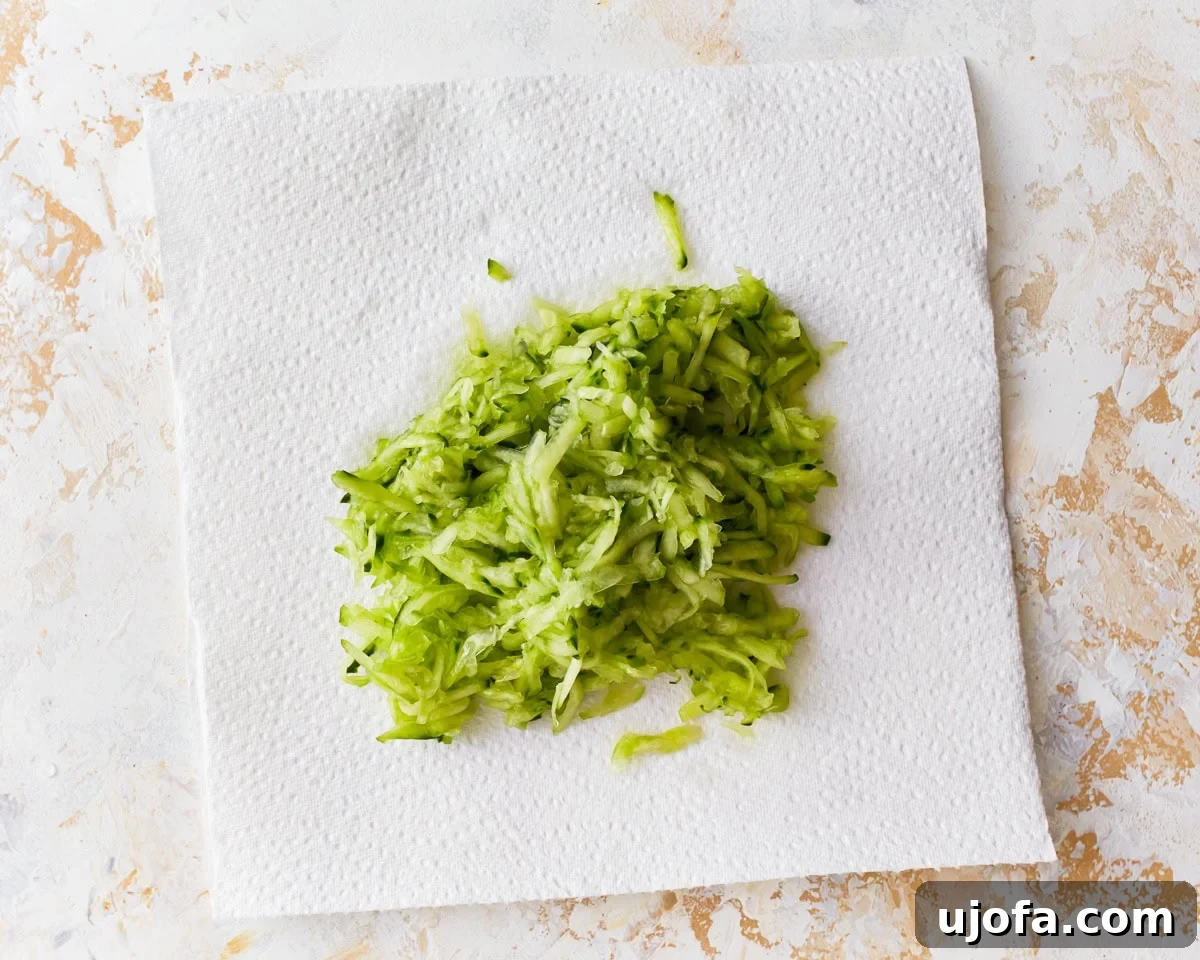
Step 1: Prepare the Cucumber. Begin by gathering approximately two-thirds of a large English cucumber. For a touch of color and extra nutrients, peel only half of the cucumber lengthwise, leaving attractive strips of skin on the remaining half. Using a box grater or a food processor, grate the cucumber finely. Once grated, it’s crucial to remove as much excess moisture as possible. Place the grated cucumber onto a clean cheesecloth, paper towel, or a thin kitchen towel, gather the edges, and firmly squeeze out all the liquid. This vital step prevents your tzatziki from becoming watery and ensures a delightful creamy consistency.
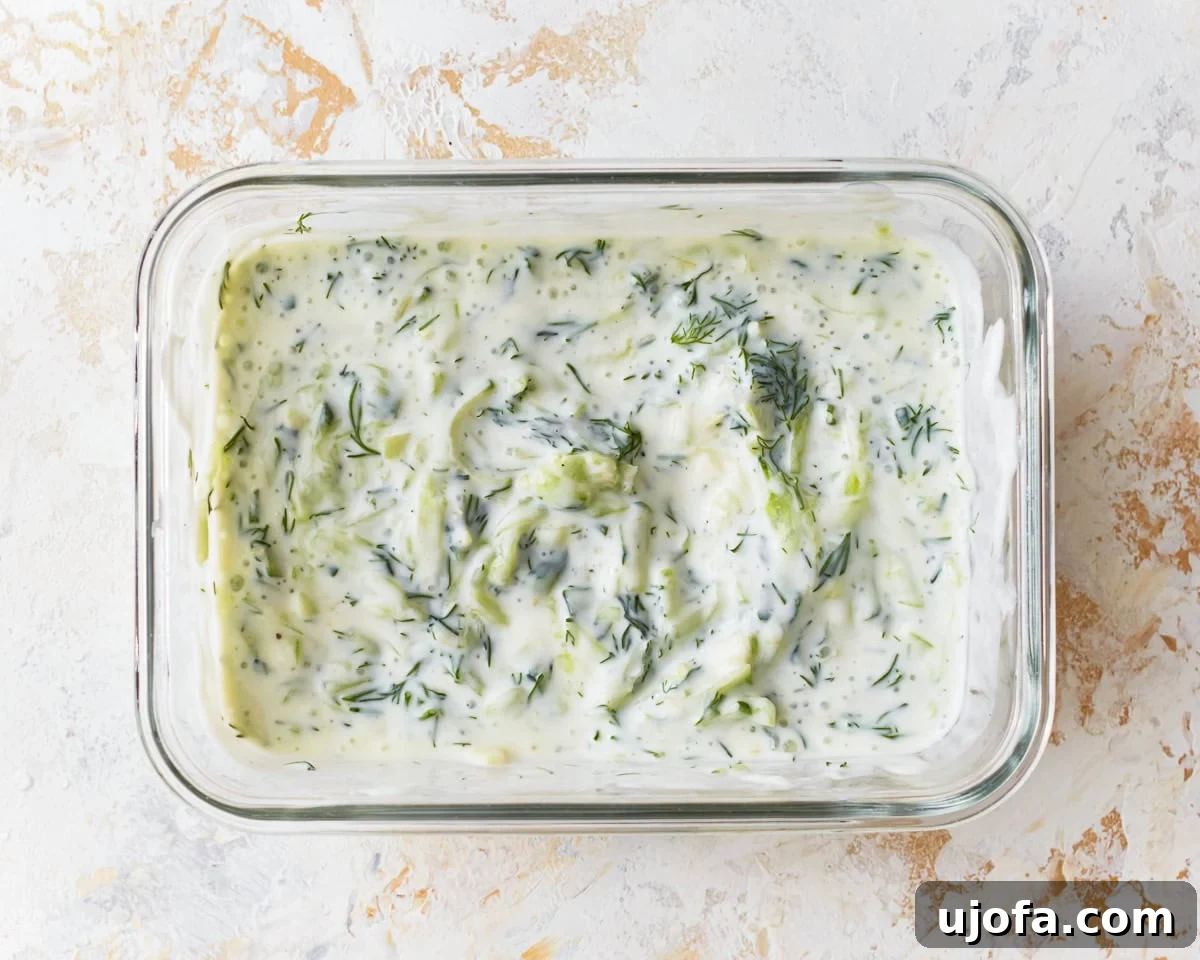
Step 2: Combine and Chill. In a spacious medium-sized mixing bowl, combine the thoroughly dried cucumber with 1 ½ cups of your chosen thick Greek-style vegan yogurt. Add 1 ½ tablespoons of fresh lemon juice, 2 cloves of freshly minced garlic (adjust to your preference), ¼ cup of finely chopped fresh dill, ¼ teaspoon of sea salt, and a generous pinch of freshly ground coarse black pepper. Mix all these ingredients meticulously until they are uniformly combined and the dip has a smooth, integrated texture. Once mixed, cover the bowl tightly with plastic wrap and transfer it to the refrigerator. Allow the dairy-free tzatziki to chill for at least 30 minutes. This resting period is essential for the flavors to fully meld and harmonize, creating a more robust and refreshing taste. Serve your homemade dairy-free tzatziki chilled and relish its incredible freshness and flavor!