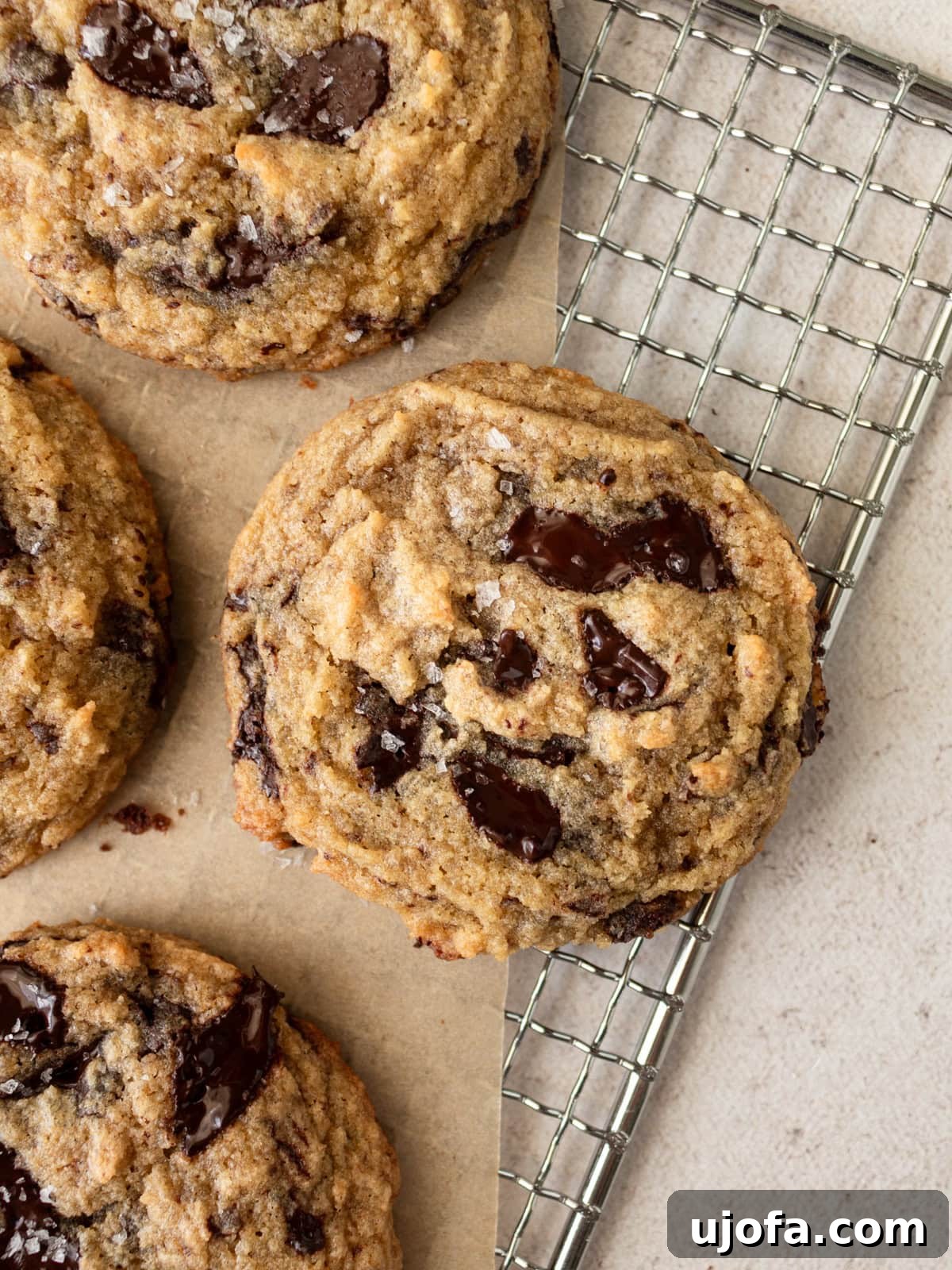
Craving a cookie that’s incredibly soft, perfectly chewy, and brimming with rich chocolate goodness, all while being naturally gluten-free? Look no further! These coconut flour chocolate chip cookies are an absolute dream come true, offering everything you could possibly desire in a homemade treat and so much more. Imagine biting into a cookie with a irresistibly gooey center, surrounded by a golden-brown crumb, and boasting slightly crisp edges that invite you to reach for another… and perhaps another! Beyond their phenomenal taste and texture, these cookies are thoughtfully crafted to be gluten-free, grain-free, and nut-free, making them a fantastic option for various dietary needs. What’s even better? The dough requires absolutely no chilling, meaning fresh-baked deliciousness is just minutes away. We recently shared a batch of these delightful treats at a family gathering, and the unanimous verdict was clear: they’re the best cookies anyone had ever tasted!
Crafting the Perfect Homemade Coconut Flour Chocolate Chip Cookies
My journey to creating the ultimate coconut flour chocolate chip cookie began with a desire to put a unique spin on my highly popular gluten-free chocolate chip cookie recipe. Baking with coconut flour presents its own set of challenges, given its highly absorbent nature and lack of gluten. This isn’t a simple 1:1 substitution; it requires careful balancing of ingredients to achieve that ideal soft and chewy texture. I meticulously tested this recipe three times, making subtle adjustments to ensure consistent, perfect results every single time. The true test of success? My teenager and her friends swiftly devoured every single cookie. When a batch disappears that quickly, you know you’ve hit a home run!
What makes these cookies stand out is their simplicity. This recipe calls for only eight basic ingredients, yet the magic truly lies in using the precise ratios. Coconut flour is incredibly potent, and even a slight deviation in measurements can drastically alter the outcome. Therefore, I cannot stress enough the importance of adhering strictly to the recipe as written. Resist the temptation to add a bit more butter or slightly less eggs and brown sugar. Every measurement plays a crucial role in delivering those perfect, soft, and chewy centers with delightful crispy edges. Following these guidelines will guarantee you a batch of homemade gluten-free coconut flour chocolate chip cookies that are nothing short of spectacular.
Essential Ingredients for Your Gluten-Free Cookie Masterpiece
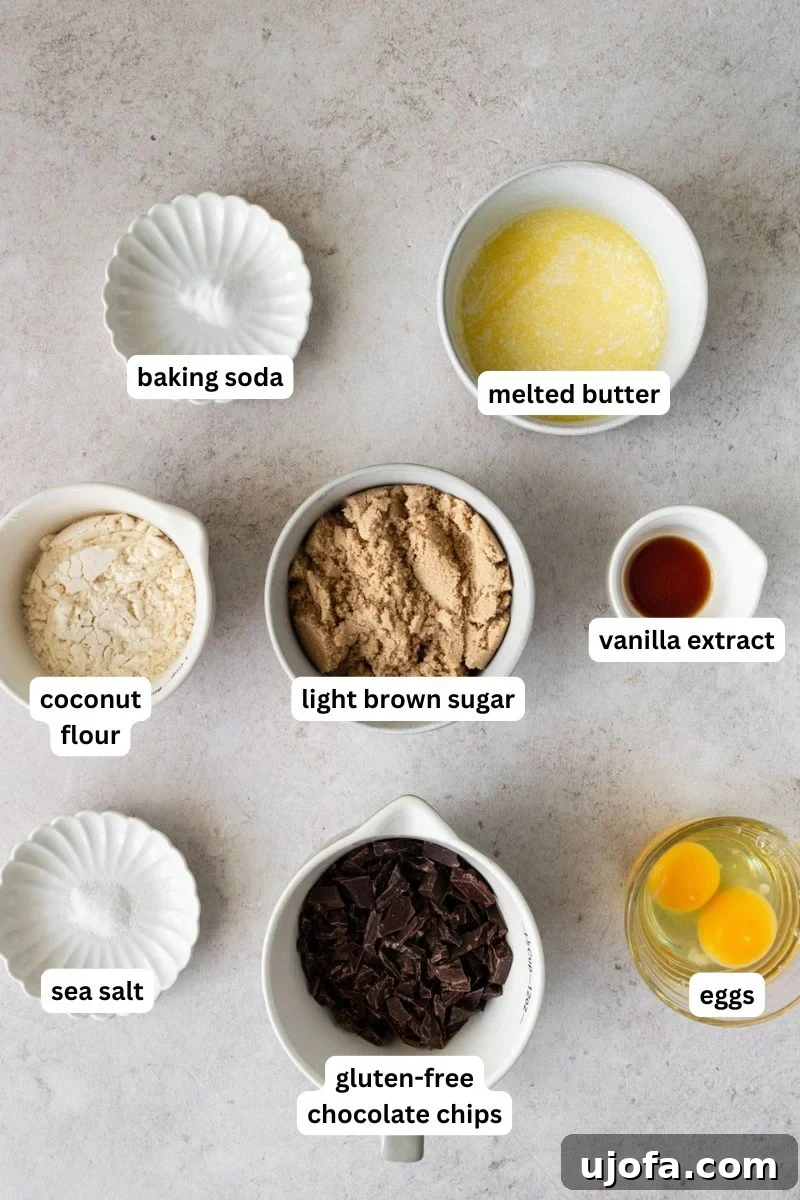
Creating these sensational nut-free chocolate chip cookies requires a careful selection of ingredients, each playing a vital role in achieving their signature taste and texture. Understanding the purpose of each component will not only make you a better baker but also help you appreciate the delicate balance of this unique recipe. Here’s a breakdown of the eight simple yet powerful ingredients:
- Coconut Flour: This is the star of our recipe and the only flour you’ll need. Derived from finely ground, dried coconut meat, coconut flour is a marvel in gluten-free baking. It’s exceptionally high in fiber and protein compared to traditional flours and boasts an incredible ability to absorb liquid. This is why only a small quantity is required to achieve a dense, yet tender crumb. Its unique properties are key to the specific texture of these cookies.
- Baking Soda: A crucial leavening agent, baking soda is what helps these thick and chewy coconut flour chocolate chip cookies rise beautifully in the oven. It reacts with acidic ingredients (like brown sugar) to produce carbon dioxide, creating that desired lift and contributing to their thick, soft centers. Always double-check your label to ensure your baking soda is certified gluten-free for safe baking.
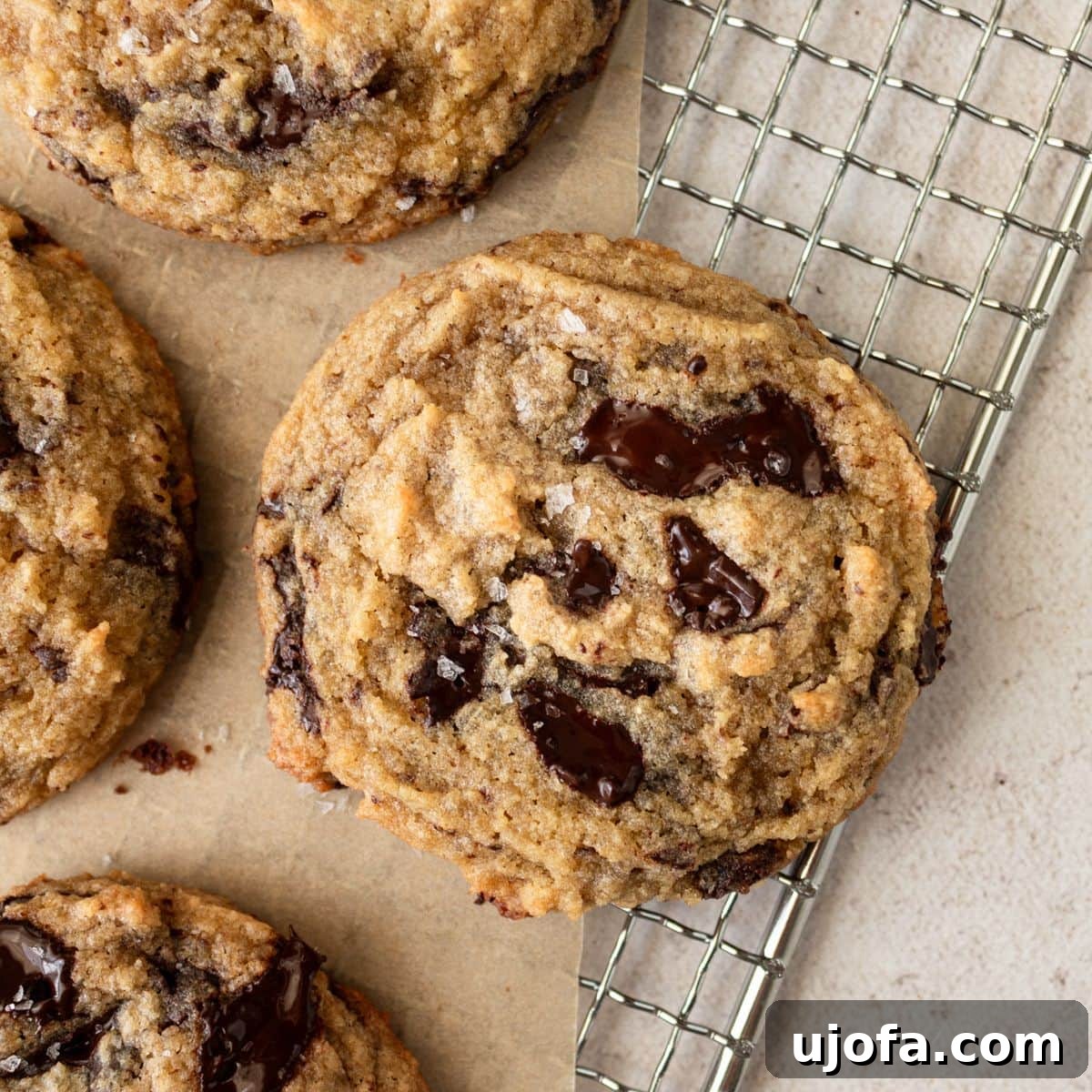
- Sea Salt: Far from just a seasoning, a touch of fine sea salt in the cookie dough is essential for enhancing and balancing the sweetness, making the chocolate flavor truly pop. For an extra layer of gourmet appeal and a delightful sweet-and-salty contrast, I love sprinkling flaky sea salt on top of the warm cookies immediately after they come out of the oven.
- Unsalted Butter: Using unsalted butter gives you complete control over the total salt content of your cookies, preventing them from becoming overly salty. For the best results, melt the butter gently in the microwave and then allow it to cool to room temperature. This step is vital as room temperature melted butter blends more effectively with other ingredients, contributing to a smoother dough and ultimately, a softer, chewier cookie.
- Light Brown Sugar: This ingredient is a powerhouse for both flavor and texture. Light brown sugar not only provides the perfect amount of sweetness but also adds crucial moisture to the dough. Its molasses content helps keep the cookies soft and chewy long after they’ve cooled, contributing to their irresistible texture.
- Eggs: Eggs serve multiple functions in this recipe: they act as a binder, helping the dough hold its shape, and they contribute significant moisture and richness. For optimal incorporation and a smooth, cohesive dough, ensure your eggs are at room temperature before adding them to the mixture. This allows them to emulsify better with the butter and sugar.
- Vanilla Extract: A generous amount of pure vanilla extract is indispensable for deepening the overall flavor profile of these homemade chocolate chip cookies. It adds a warm, aromatic note that complements the chocolate and coconut flour beautifully, elevating the taste from good to extraordinary.
- Semi-Sweet Chocolate Chips or Chunks: The choice of chocolate is personal, but semi-sweet offers a delightful balance against the cookie’s sweetness. I often prefer to roughly chop a high-quality chocolate bar, as this yields larger, irregular chunks that create magnificent pockets of melted chocolate throughout the cookies. However, classic chocolate chips work perfectly well if you prefer. Always verify that your chosen chocolate is certified gluten-free, as not all brands are.
Expert Tips for Baking the Best Coconut Flour Chocolate Chip Cookies
Achieving bakery-quality gluten-free chocolate chip cookies at home is entirely possible with a few insider tips. Coconut flour, being a unique ingredient, thrives with specific handling. Follow these suggestions to ensure your cookies turn out perfectly soft, chewy, and utterly delicious every single time:
- Measure Coconut Flour Precisely: This is arguably the most critical tip when baking with coconut flour. Because it absorbs so much liquid, even a slight excess can turn your cookies dry and crumbly. Always use the “spoon & level” method: gently spoon the coconut flour into your measuring cup until it overflows, then use the straight edge of a knife to level off the excess. Never scoop directly from the bag or pack the flour down, as this compacts it and leads to an overmeasurement.
- Utilize Room Temperature Ingredients: Starting with room temperature butter and eggs is fundamental for a smooth, homogenous dough. Room temperature butter creamed with sugar creates an emulsion that traps air, resulting in lighter, more tender cookies. Similarly, room temperature eggs combine more evenly with other ingredients, preventing a curdled mixture and ensuring a consistent dough texture. For this recipe, specifically, melting the butter first and then allowing it to cool to room temperature helps achieve that desirable soft and chewy texture.
- Allow the Dough to Rest and Rehydrate: Once your cookie dough is fully mixed, resist the urge to bake it immediately. Let the dough sit at room temperature for 5-8 minutes. This crucial resting period allows the coconut flour ample time to fully absorb the liquids in the dough. You’ll notice the dough transforming from somewhat sticky to a thicker, more manageable consistency. This rehydration process is key to preventing dry cookies and helps create wonderfully thick, chewy coconut flour chocolate chip cookies.
- Use a Greased Cookie Scoop for Uniformity: For consistently sized cookies that bake evenly, a greased cookie scoop is your best friend. Greasing it lightly prevents the dough from sticking and ensures each cookie is perfectly portioned. Uniform cookies not only look professional but also cook at the same rate, preventing some from being underbaked while others are overbaked.
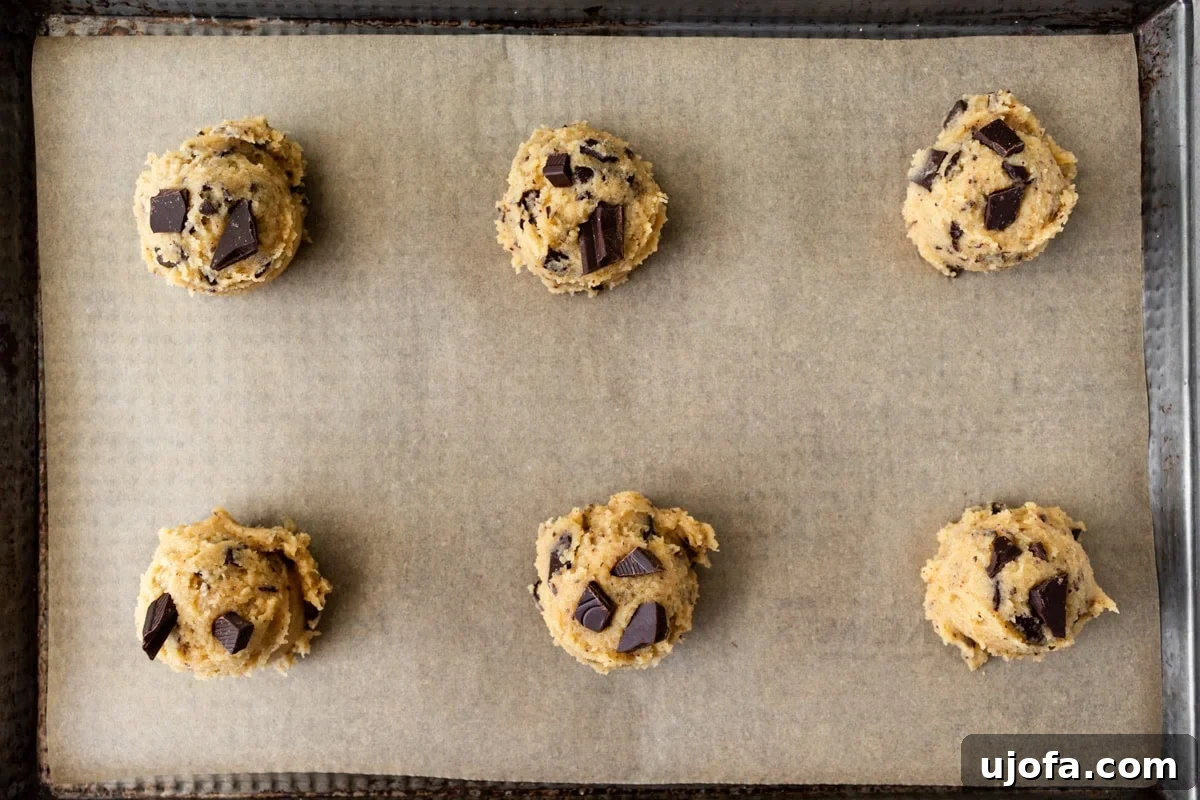
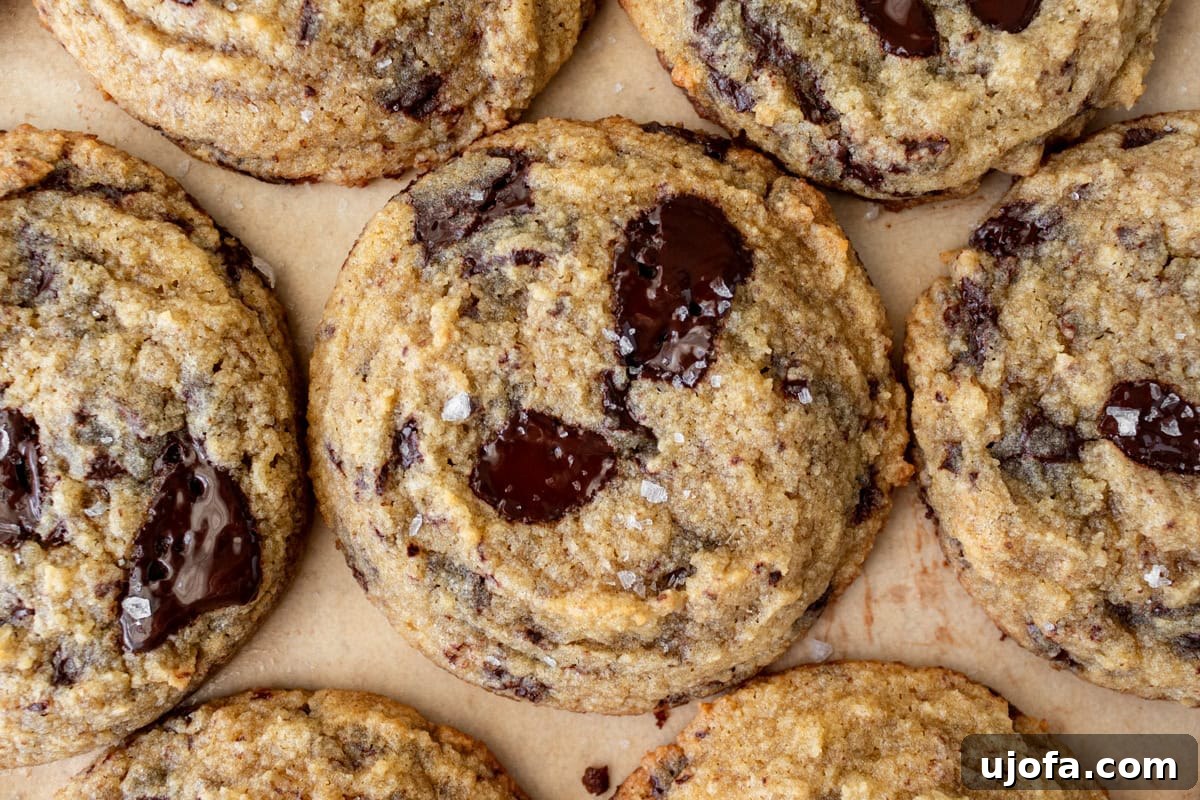
- Add Extra Chocolate on Top for a Bakery Finish: For that irresistible, picture-perfect “bakery-style” appearance, press a few additional chocolate chips or chunks onto the tops of your scooped cookie dough balls just before baking. As the cookies bake, these exposed chocolate pieces will melt into luscious pools, making your homemade treats look incredibly appealing and even more decadent.
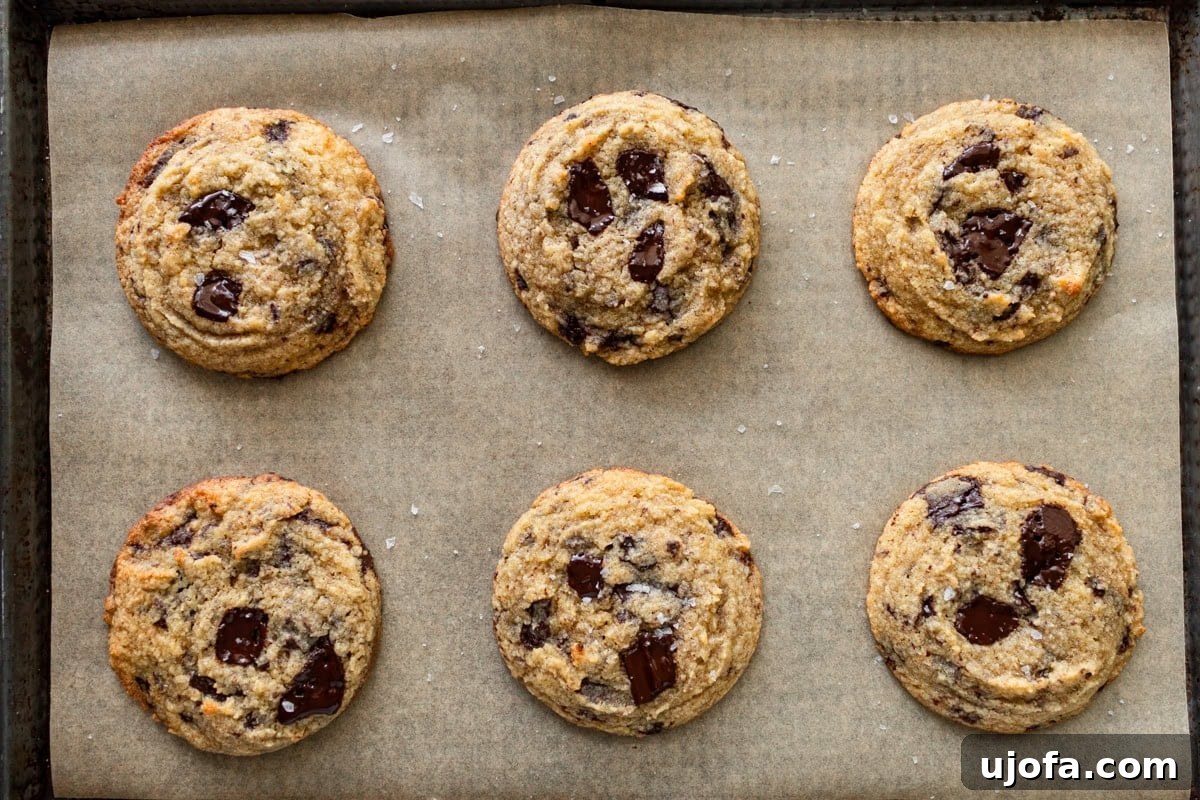
- Don’t Fret Over Puffing and Deflating: It’s completely normal for these gluten-free coconut flour cookies to puff up significantly in the oven and then gently deflate as they cool. This is a natural characteristic of baking with coconut flour and doesn’t indicate a problem with your cookies. They will retain their wonderful soft and chewy texture even after settling.
- Bake in Batches to Prevent Overcrowding: Depending on the size of your baking sheet, you might need to bake your cookies in batches. Avoid overcrowding the baking sheet, as cookies need space to spread properly. Overcrowding can lead to uneven baking and can cause cookies to stick together, impacting their shape and texture. Give each cookie plenty of room to become its best self!
Can I Substitute Coconut Flour with Another Gluten-Free Flour?
A common question in gluten-free baking is whether one specialty flour can be swapped for another. When it comes to coconut flour, the answer is a firm no, especially not on a 1:1 basis. Coconut flour is truly unique among gluten-free flours due to its extraordinary absorbency. It acts like a sponge, soaking up a tremendous amount of liquid – far more than almond flour, oat flour, or any conventional flour.
Attempting to substitute coconut flour in this specific recipe would drastically alter the delicate balance of liquids and solids, leading to a completely different, and likely unsatisfactory, result. The precise ratios of butter, eggs, and sugar are meticulously calculated to work with coconut flour’s absorbent properties. Introducing another flour would require a complete re-formulation of the entire recipe, adjusting all measurements and liquid components.
If you’re looking for delightful chocolate chip cookie recipes that use different gluten-free flours, I highly recommend exploring recipes specifically developed for them. For excellent alternatives, consider trying our oat flour chocolate chip cookies, which offer a different texture and flavor profile, our rich almond flour chocolate chip cookies, or our classic all-purpose gluten-free chocolate chip cookies. Each of these recipes is designed to shine with its particular flour, ensuring optimal results and deliciousness.
Are Coconut Flour Chocolate Chip Cookies Soft, Chewy, or Crispy?
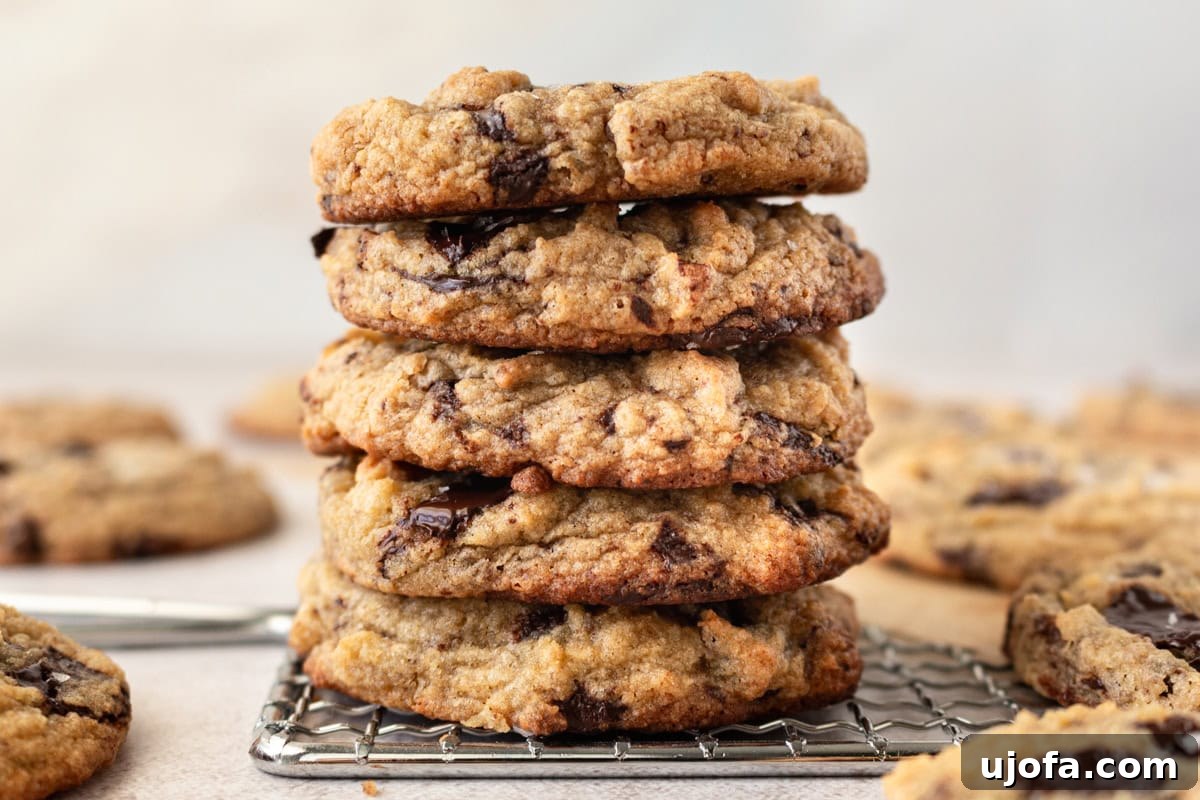
The texture of a cookie is often what sets it apart, and these coconut flour chocolate chip cookies truly hit the sweet spot for many. They are designed to deliver a delightful combination of textures that makes each bite a sensory pleasure. You can expect cookies that are predominantly soft and wonderfully chewy in their centers, providing that satisfying, melt-in-your-mouth experience.
Complementing their soft interior, these cookies also feature exquisitely delicate and slightly crisp edges. This subtle crispness provides a pleasing contrast to the chewiness, adding another dimension to the overall cookie experience. While the texture is remarkably similar to a traditional wheat-based chocolate chip cookie, the inclusion of coconut flour does impart a slightly denser, more substantial feel. This characteristic makes them absolutely perfect for dunking into a cold glass of milk, where they soak up just the right amount of liquid without falling apart, creating an even more indulgent treat.
Does Coconut Flour Rise on Its Own?
This is an excellent question and crucial for understanding how to successfully bake with this unique ingredient. The simple answer is no, coconut flour does not rise by itself. Unlike traditional wheat flour, coconut flour contains no gluten. Gluten is the protein network responsible for giving baked goods structure and elasticity, allowing them to trap gas and rise when leavening agents are present.
Because coconut flour lacks this gluten structure, it cannot naturally “puff up” or create the airy texture often associated with conventional baked goods. This is precisely why a leavening agent like baking soda is absolutely essential in this recipe. I strategically incorporate baking soda to provide the necessary lift, creating those lovely, thick centers and contributing to the overall desirable texture of these coconut flour chocolate chip cookies. Without it, the cookies would be much flatter and denser.
Storage and Freezing Instructions for Maximum Freshness
While these coconut flour chocolate chip cookies are undeniably at their peak when served warm and fresh from the oven, they are also designed to remain wonderfully soft for several days when stored correctly. Proper storage ensures you can enjoy these delightful treats for longer, whenever a craving strikes.
How to Store Baked Cookies:
To maintain their optimal texture and flavor, store your cooled cookies in an airtight container at room temperature. Placed in a cool, dry spot, they will stay deliciously soft and fresh for up to 5 days. Avoid refrigerating baked cookies, as this can dry them out and alter their texture.
How to Freeze Baked Cookies:
For longer-term enjoyment, these cookies freeze exceptionally well. Once completely cooled, wrap each cookie individually in parchment paper or plastic wrap to prevent freezer burn and sticking. Then, transfer the wrapped cookies to a freezer-safe bag or an airtight container. They can be frozen for up to 2 months. When you’re ready to enjoy one, simply thaw it at room temperature for about 15-30 minutes, or gently warm it in the microwave for a few seconds for that fresh-baked feel.
How to Freeze Cookie Dough:
Freezing the cookie dough is a fantastic strategy for having freshly baked cookies on demand with minimal effort. Here’s how:
- Scoop the cookie dough into individual portions (using your cookie scoop) and place them on a parchment-lined baking sheet.
- Freeze the dough balls until they are completely solid, which usually takes about 1-2 hours.
- Once solid, transfer the frozen dough balls to a freezer-safe zip-top bag or an airtight container. They can be stored in the freezer for up to 3 months.
- When you’re ready to bake, there’s no need to thaw the dough! Simply place the frozen cookie dough balls on a parchment-lined baking sheet, spaced 2 inches apart, and bake straight from frozen. You may need to add an extra 1-2 minutes to the original baking time to ensure they are cooked through and achieve that golden-brown edge. This method is perfect for unexpected guests or a spontaneous sweet craving!
Expand Your Gluten-Free Baking with More Coconut Flour Recipes!
If you’ve fallen in love with the unique qualities of coconut flour through these delicious chocolate chip cookies, you’ll be thrilled to discover its versatility in other baked goods. Coconut flour is a fantastic ingredient for creating a variety of gluten-free, grain-free, and often nut-free treats. Here are some more of my favorite coconut flour recipes that I’m sure you’ll enjoy:
- Coconut Flour Brownies: Experience fudgy, rich brownies that are surprisingly light and incredibly satisfying, all thanks to the magic of coconut flour.
- Coconut Flour Bread: A soft, tender, and robust bread perfect for sandwiches, toast, or alongside your favorite meal, offering a fantastic gluten-free alternative.
- Coconut Flour Banana Bread: Moist, flavorful banana bread with a subtle coconut twist, perfect for breakfast or a sweet snack.
- Coconut Flour Pancakes: Start your day with fluffy, naturally gluten-free pancakes that are both nutritious and delicious.
Coconut Flour Chocolate Chip Cookies
These easy coconut flour chocolate chip cookies are naturally gluten-free, grain-free, and nut-free, made with just 8 simple ingredients. Enjoy soft, chewy, and gooey cookies every time, perfect for any occasion!
By: Ashley Barbey
Servings: 9 cookies
Prep Time: 12 mins
Cook Time: 12 mins
Cool Time: 10 mins
Total Time: 34 mins

Ingredients
- ½ cup coconut flour
- ¼ teaspoon baking soda
- ¼ teaspoon fine sea salt
- 6 tablespoons unsalted butter, melted and cooled to room temperature
- ⅔ cup light brown sugar, packed
- 2 large eggs, room temperature
- 1 ½ teaspoons vanilla extract
- 1 ¼ cup gluten-free semi-sweet chocolate chips or chunks
- Flaky salt, for sprinkling (optional)
Instructions
- Preheat your oven to 350°F (175°C). Line a cookie sheet with parchment paper to prevent sticking and for easy cleanup.
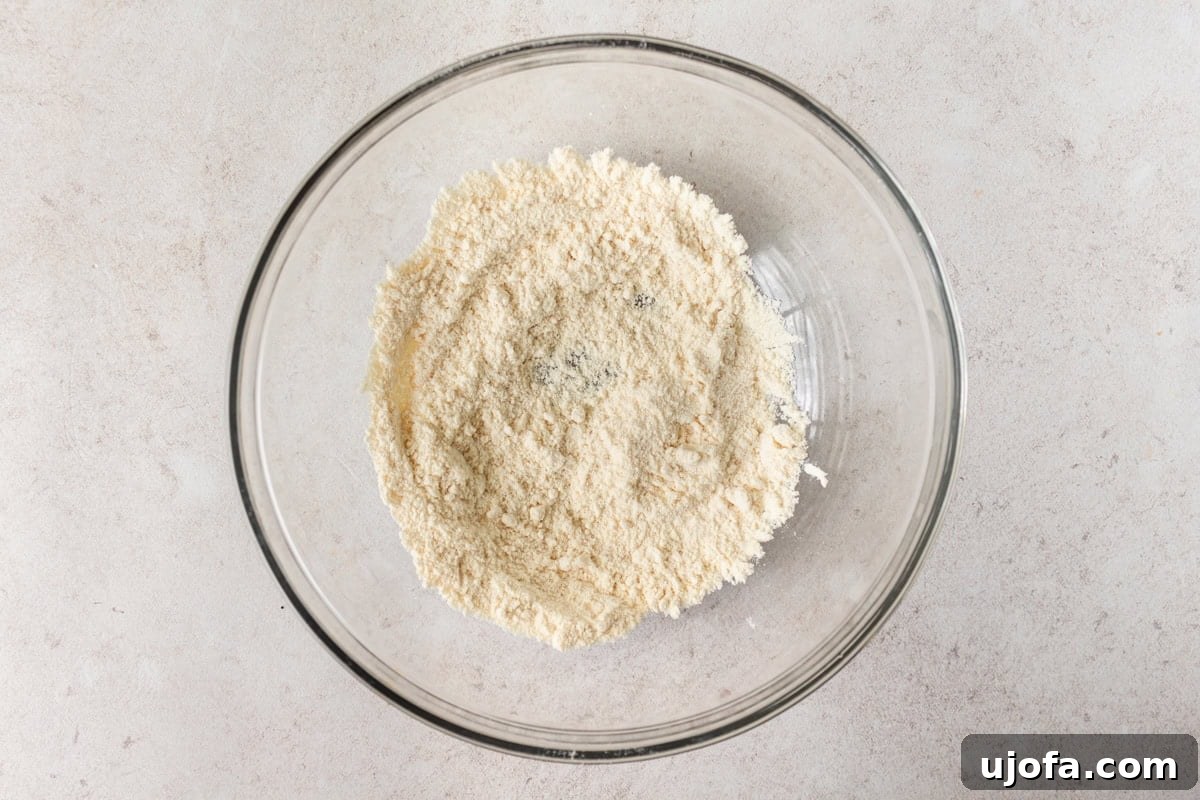
- In a medium bowl, whisk together the dry ingredients: coconut flour, baking soda, and fine sea salt until well combined. Set this mixture aside.
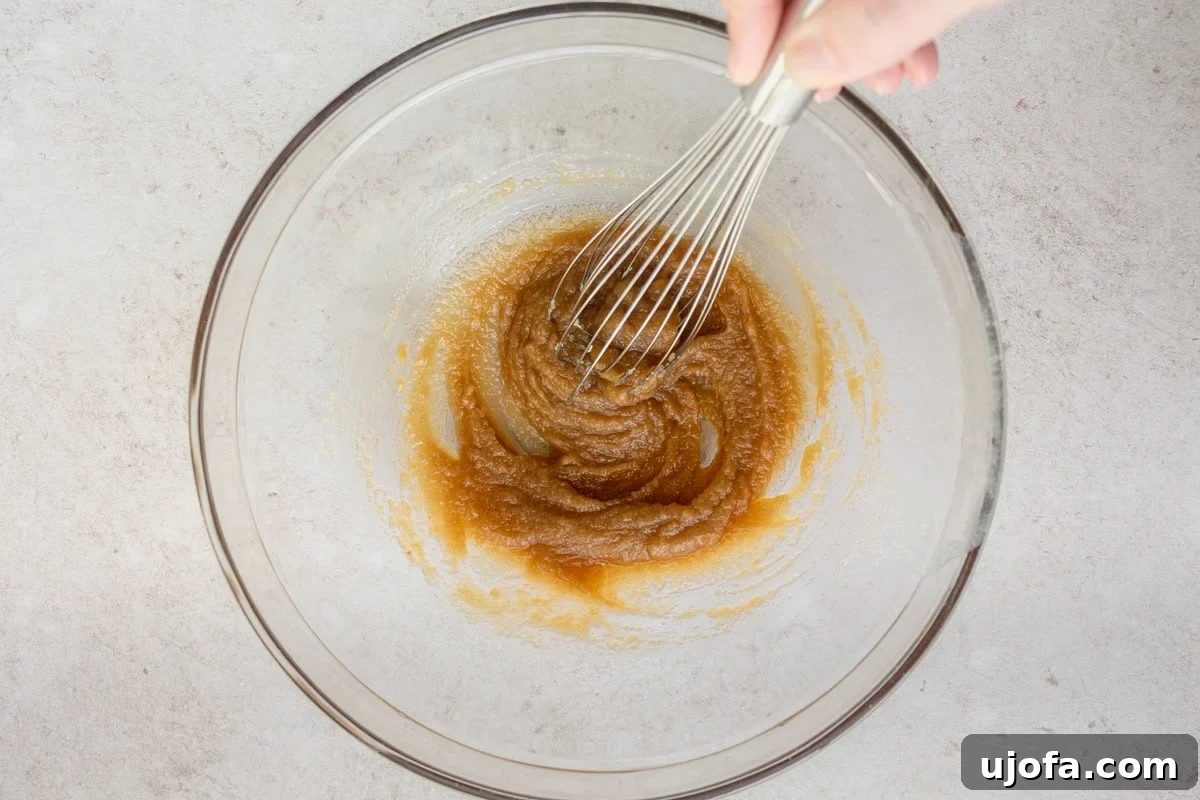
- In a large mixing bowl, combine the room temperature melted unsalted butter and light brown sugar. Whisk them together thoroughly until the mixture is smooth and creamy.
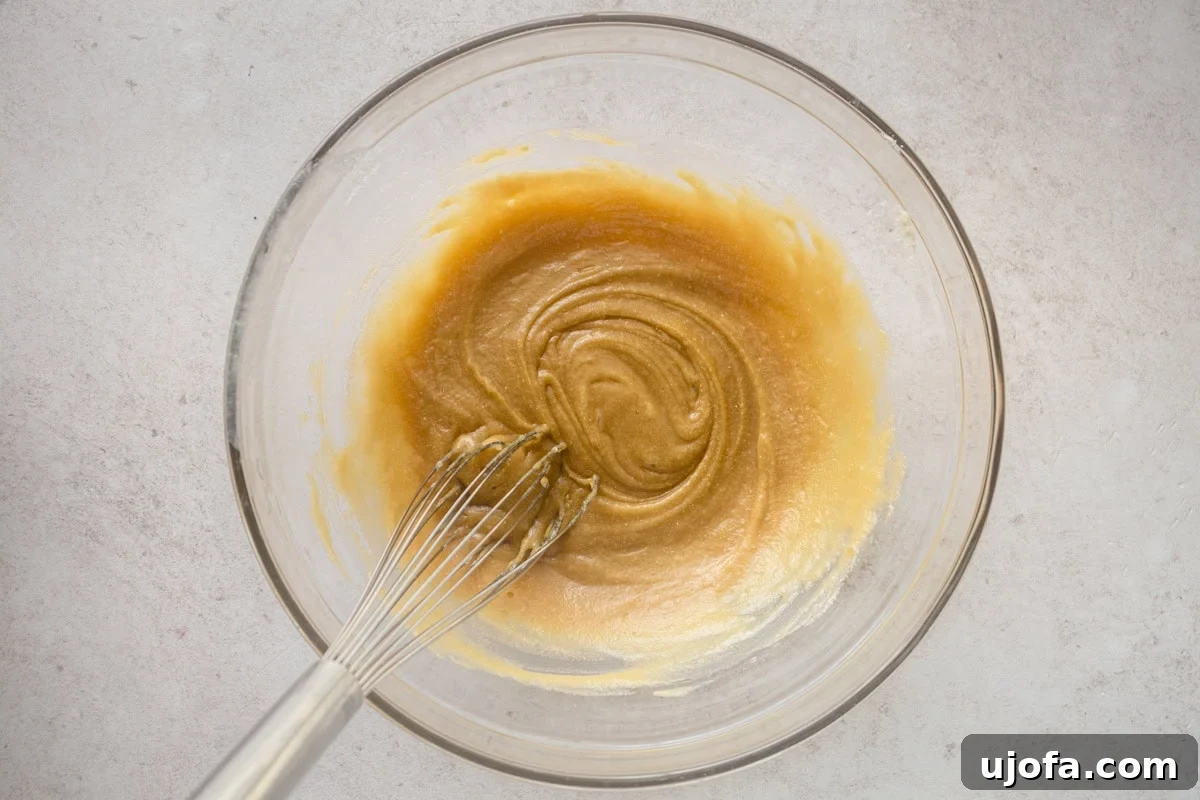
- Add the eggs to the butter and sugar mixture, whisking them in one at a time. Ensure each egg is fully incorporated before adding the next.
- Whisk in the vanilla extract until it is evenly distributed throughout the wet ingredients.
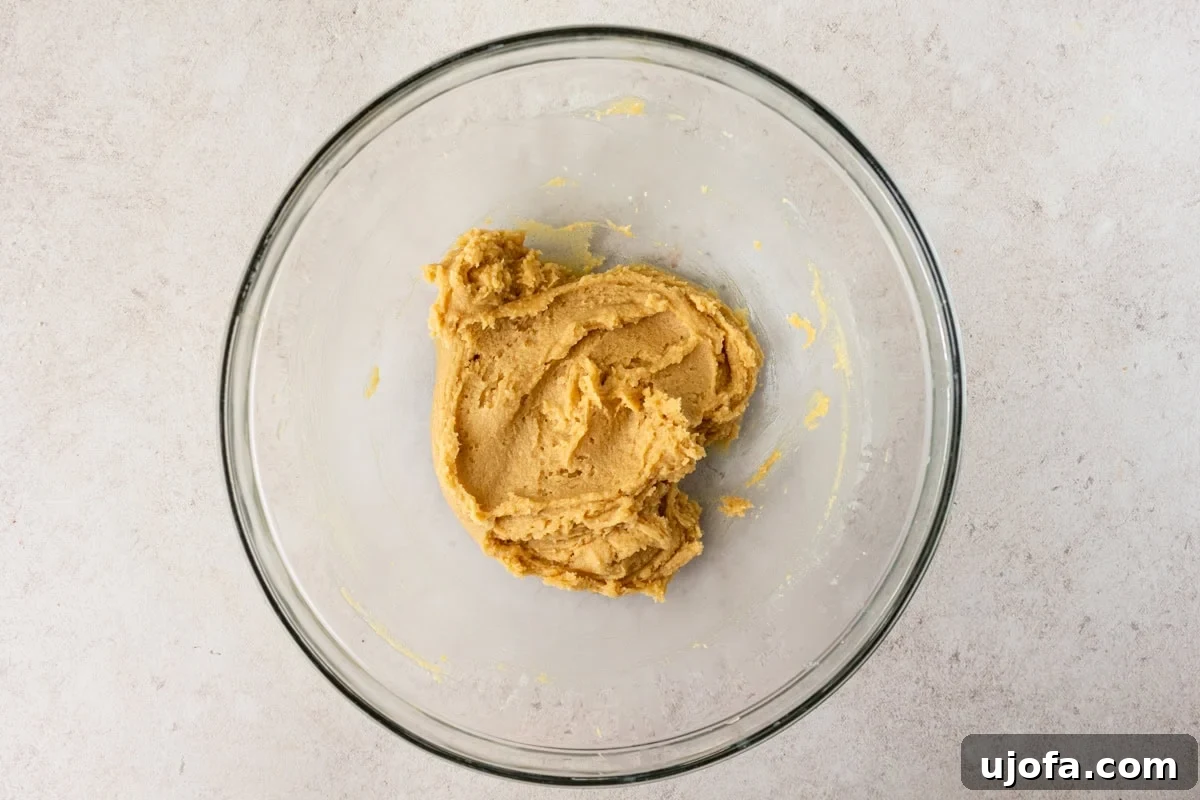
- Gradually add the reserved coconut flour mixture to the wet ingredients. Whisk until just combined, being careful not to overmix.
- Using a spatula, gently stir the dough to ensure there are no hidden pockets of dry flour remaining, scraping down the sides of the bowl as needed.
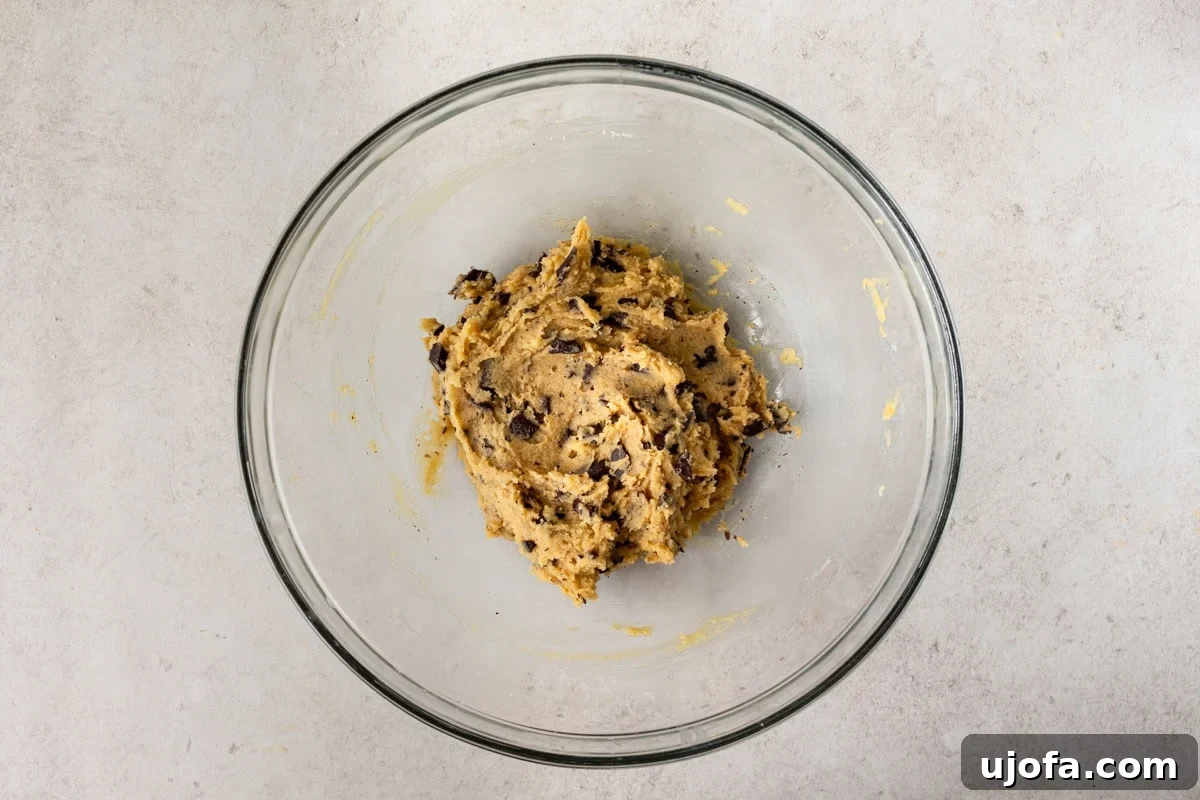
- Fold in the gluten-free semi-sweet chocolate chips or chunks until they are evenly distributed throughout the dough.
- Allow the dough to sit at room temperature for 5-8 minutes. This crucial step allows the coconut flour to absorb the liquids and thicken the dough, making it less sticky and easier to handle, and ensuring thick, chewy cookies.
- Using a greased cookie scoop, portion the dough and place it onto the prepared cookie sheet, spacing each cookie approximately 2 inches apart. For a beautiful bakery-style finish, press a few extra chocolate chips or chunks onto the top of each cookie dough ball before baking.
- Bake for 10-12 minutes, or until the edges of the cookies are golden brown and the centers appear set and slightly puffed. Baking times may vary depending on your oven.
- Once baked, remove the cookies from the oven and let them cool on the baking sheet for 10 minutes. This allows them to firm up before transferring. Afterward, carefully transfer them to a wire rack to cool completely. If desired, sprinkle with flaky salt while still warm.
Notes
- Dough Resting (Step 9): The 5-8 minute resting period is vital. It allows the coconut flour to fully hydrate and absorb moisture, transforming the dough into a thicker, more traditional cookie dough consistency that is less sticky and easier to work with, resulting in thicker and chewier cookies.
- Puffing and Deflating: Don’t be concerned if your cookies puff up in the oven and then slightly deflate as they cool. This is a normal characteristic of these coconut flour cookies and does not affect their delicious texture.
- Measuring Coconut Flour: Always use the “spoon & level” method for measuring coconut flour to avoid adding too much, which can lead to dry and crumbly cookies. Spoon the flour into your measuring cup and level off the excess with the back of a knife.
- Even Cookies: A greased cookie scoop will help you create uniformly sized cookies, ensuring they bake evenly.
- Storage: Store baked coconut flour chocolate chip cookies in an airtight container at room temperature for up to 5 days to keep them soft and fresh.
- Freezing Baked Cookies: For longer storage, freeze completely cooled baked cookies wrapped individually in parchment paper, then placed in a freezer-safe bag, for up to 2 months. Thaw at room temperature before enjoying.
- Freezing Dough: To have fresh cookies anytime, portion the dough onto a lined baking sheet and freeze until solid. Transfer to a freezer-safe bag for up to 3 months. Bake straight from frozen, adding an extra 1-2 minutes to the baking time.
- Check Your Labels: Always verify that all your ingredients, especially chocolate chips, are certified gluten-free if you are strictly avoiding gluten.
Nutrition
Serving: 1 cookie
Calories: 318 kcal
Carbohydrates: 33g
Protein: 4g
Fat: 19g
Saturated Fat: 12g
Polyunsaturated Fat: 1g
Monounsaturated Fat: 5g
Trans Fat: 0.3g
Cholesterol: 58mg
Sodium: 147mg
Potassium: 180mg
Fiber: 4g
Sugar: 26g
Vitamin A: 299IU
Calcium: 37mg
Iron: 2mg
Nutrition information is automatically calculated, so should only be used as an approximation. Individual results may vary based on ingredients used and preparation methods.
Additional Info
- Course: Dessert
- Cuisine: American
How to Make Coconut Flour Chocolate Chip Cookies: A Visual Step-by-Step Guide
For those who prefer a visual walkthrough, here’s a step-by-step guide with accompanying images to help you master these delightful gluten-free coconut flour chocolate chip cookies. Each step is designed to make the process as straightforward and enjoyable as possible, ensuring you achieve perfect results.