
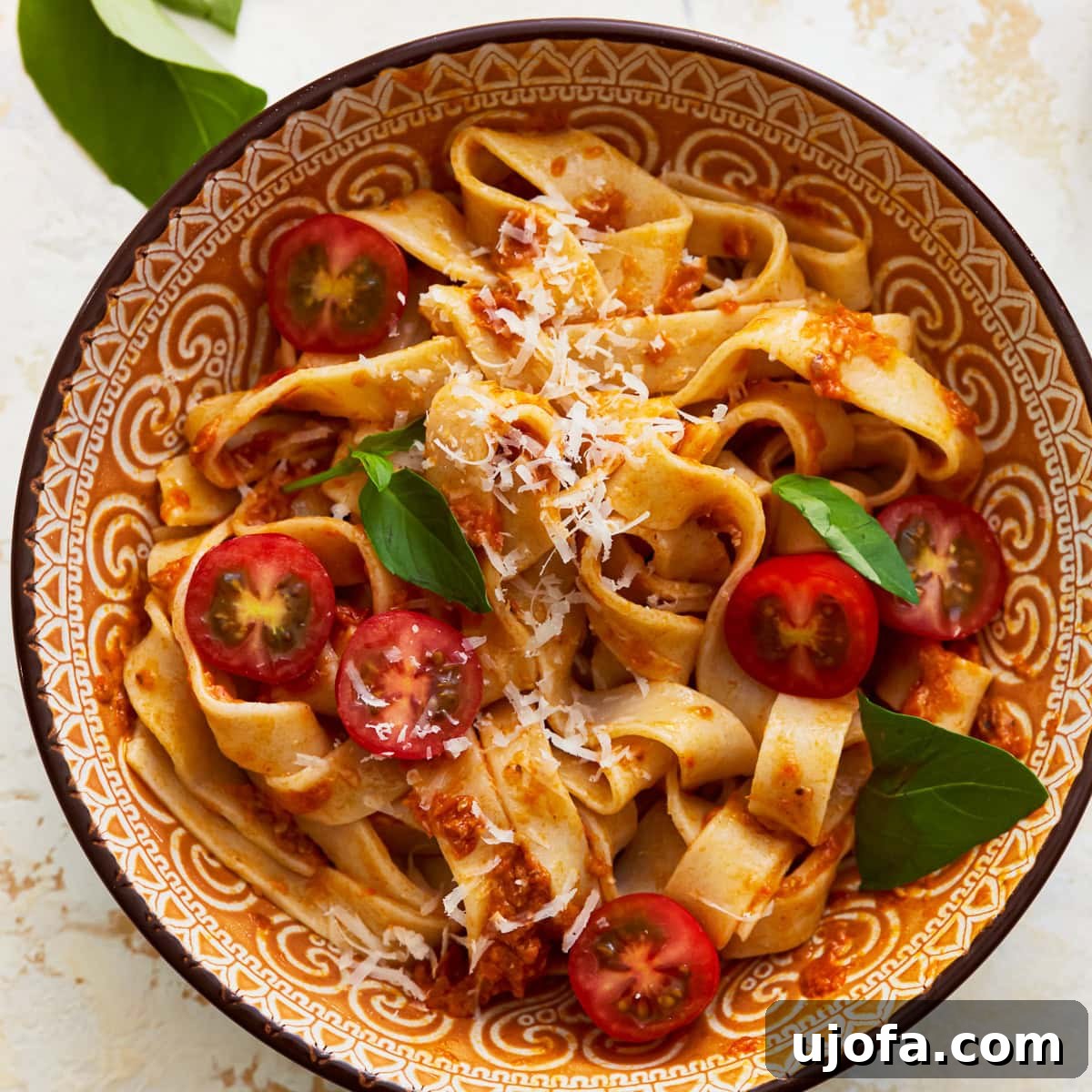
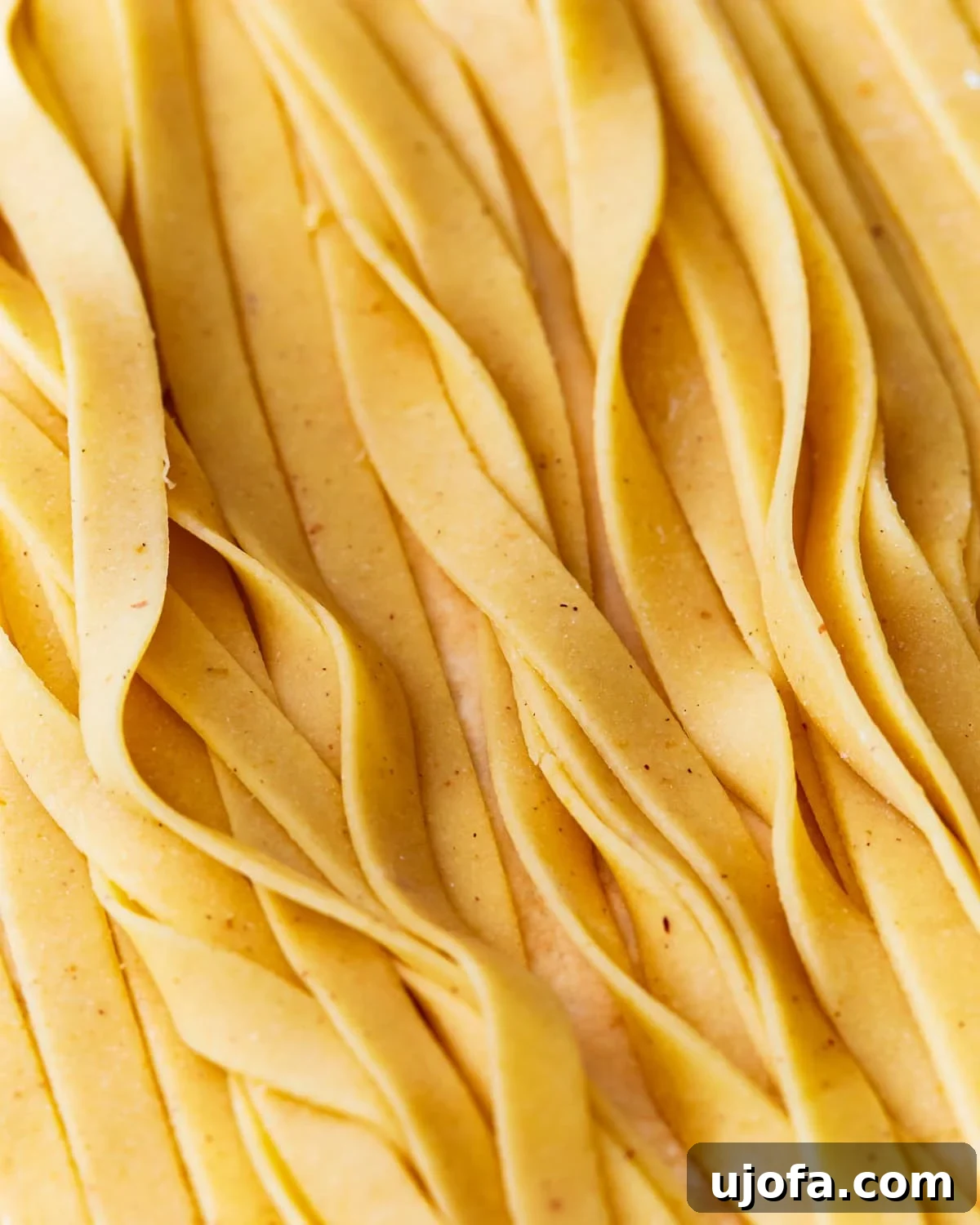
Transform your dinner routine with this incredible homemade almond flour pasta! This recipe offers a nutritious, yet irresistibly delicious, upgrade to your meals, ensuring every bite is a delightful experience. Crafted from a simple almond flour base, the dough yields perfectly al dente pasta that stands up beautifully to even the heartiest sauces and toppings. Beyond its superb texture and flavor, this pasta is a powerhouse of protein and naturally adheres to gluten-free, grain-free, and dairy-free dietary needs, making it a versatile choice for many. Best of all, you don’t need any specialized equipment or advanced techniques. This truly is a recipe that anyone can master in their own kitchen, bringing the joy of fresh, wholesome pasta right to your table.
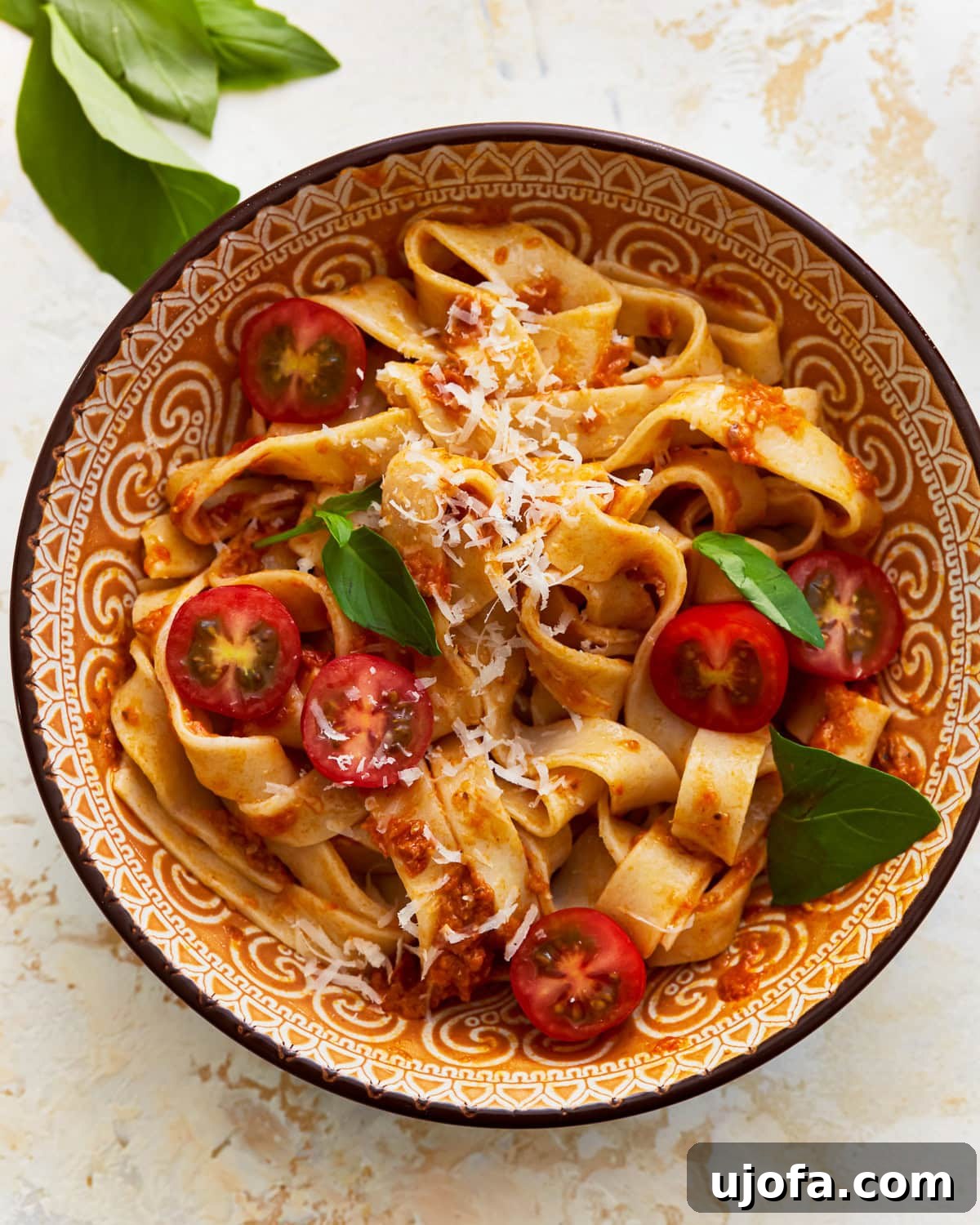
The Ultimate Guide to Homemade Almond Flour Pasta: Gluten-Free & Grain-Free Perfection
Having perfected my go-to homemade gluten-free pasta recipe, I was eager to explore new possibilities and expand my repertoire. This led me to experiment with various alternative flours, including almond flour, to create even more delicious and health-conscious pasta variations. Through extensive testing, I confidently discovered that almond flour isn’t just a viable option for pasta—it’s an exceptional one! My recipe harmoniously blends fine almond flour with tapioca starch, a touch of xanthan gum, rich olive oil, and fresh eggs to form a remarkably pliable dough. This dough is incredibly easy to roll out, whether you’re using a traditional rolling pin or a dedicated pasta machine. Once cooked, the resulting pasta boasts a silky-smooth texture with a satisfying, chewy bite that rivals conventional pasta. Seriously, you won’t believe how good this almond flour pasta is until you try it for yourself!
Why Choose Almond Flour for Your Pasta?
Almond flour offers a wealth of benefits that make it an outstanding choice for homemade pasta, especially for those with specific dietary needs or anyone looking for a healthier alternative. Firstly, it’s naturally gluten-free and grain-free, making this pasta suitable for individuals with celiac disease, gluten sensitivities, or those following paleo or low-carb diets. Unlike many gluten-free alternatives that can be gummy or brittle, almond flour provides a delicate texture and a subtly nutty flavor that elevates your pasta dishes. It’s also significantly higher in protein and healthy fats compared to traditional wheat flour, contributing to a more satisfying and nutritious meal. This increased protein content also helps to keep you feeling full longer, making it an excellent choice for a balanced diet. Furthermore, almond flour is rich in vitamin E, magnesium, and fiber, adding valuable nutrients to your plate. When combined with the right binders, almond flour pasta achieves an enviable al dente firmness that holds up beautifully, ensuring your pasta never turns mushy, even when paired with robust sauces. It’s truly a game-changer for homemade pasta lovers seeking a wholesome and delicious option.
Essential Ingredients for Perfect Almond Flour Pasta
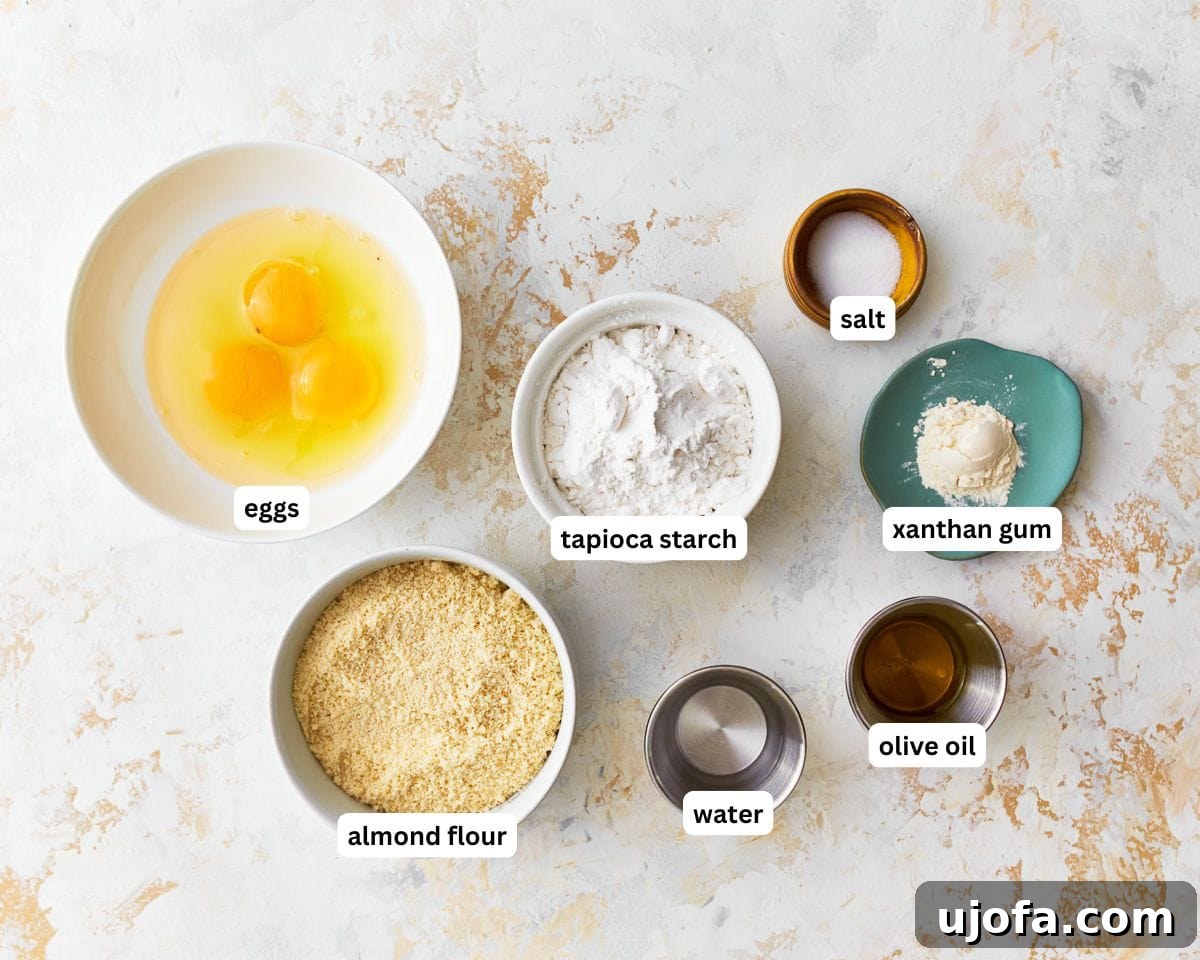
Crafting the perfect batch of homemade almond flour pasta relies on a precise combination of ingredients, each playing a vital role in achieving the desired texture, flavor, and structure. Here’s a detailed look at what you’ll need:
- Almond Flour: The foundation of our pasta, it’s crucial to use fine, blanched almond flour. This means the almonds have had their skins removed before being ground into a very fine powder. Avoid using almond meal, which is coarser and includes the skins, leading to a grittier dough that won’t achieve the smooth, silky texture we’re aiming for. Blanched almond flour is much finer, resulting in a more refined and pliable pasta dough. You can easily find high-quality store-bought almond flour, or for a truly homemade experience, try making your own almond flour at home—it’s surprisingly simple!
- Tapioca Starch: When I initially experimented with only almond flour, the dough proved too delicate and prone to crumbling. Tapioca starch is the hero here, acting as a crucial binding agent that gives the dough much-needed structure and elasticity. It helps to create that satisfying chewiness that fresh pasta is known for and prevents the dough from falling apart during rolling and cooking.
- Xanthan Gum: This is a non-negotiable ingredient for gluten-free pasta. Xanthan gum is a powerful natural thickener and stabilizer that mimics the elasticity of gluten, which is naturally present in wheat flours. It’s what makes the dough flexible, easy to roll out without tearing, and ensures the pasta maintains its shape when cooked. Do not omit this ingredient, as it is key to the pasta’s success.
- Salt: A fundamental flavor enhancer. Salt doesn’t just season the almond flour pasta noodles; it also plays a subtle role in strengthening the dough’s structure and preventing it from becoming bland.
- Eggs: Large eggs are essential for this recipe. They provide the necessary moisture to bind the dry ingredients into a cohesive dough, add richness, and contribute to the pasta’s tender texture. Using smaller or medium eggs might not incorporate enough liquid, resulting in a dry, unworkable dough.
- Water: Used sparingly, water helps adjust the dough’s consistency, ensuring all ingredients come together smoothly and the dough is perfectly hydrated for kneading and rolling.
- Olive Oil: Adds a lovely richness and depth of flavor to the pasta. It also helps to keep the dough supple, makes it easier to work with, and contributes to preventing the fresh pasta noodles from sticking together.
Expert Tips and Suggestions for Homemade Almond Flour Pasta
Making homemade pasta, especially a gluten-free version, can feel daunting, but with these expert tips, you’ll achieve perfect results every time. Follow these suggestions to ensure your almond flour pasta is a resounding success:
- Don’t Fear the Knead: When you first begin mixing, the dough might appear lumpy and somewhat crumbly. This is completely normal! Continue kneading, and you’ll notice it gradually transforms into a smooth, cohesive ball. A significant advantage of gluten-free dough is that you don’t have to worry about overworking it, unlike traditional wheat flour dough, which can become tough with excessive kneading. Feel free to put some elbow grease into it!
- Adjusting Dough Consistency: If your dough feels a bit too dry or stiff during the kneading process, resist the urge to add a lot of liquid at once. Instead, add water very gradually, a teaspoon at a time, kneading after each addition. This allows you to control the hydration precisely until the dough feels smooth, pliable, and just right—not too sticky, not too dry.
- The Importance of Resting: This step is often overlooked but is crucial for gluten-free pasta dough. After kneading, cover the dough tightly with plastic wrap and let it rest for at least 30 minutes at room temperature. This resting period allows the flours and starches to fully absorb the liquids, resulting in a more hydrated, relaxed, and significantly more pliable dough that is much easier to roll out without tearing.
- Preventing Sticking: Almond flour dough can sometimes be a bit delicate. To prevent it from sticking to your work surface or rolling pin, always lay the dough on a sheet of parchment paper or a lightly floured silicone mat while rolling it out. You can also lightly dust your rolling pin with tapioca starch.
- Get Creative with Shapes: Don’t limit yourself to simple fettuccine or spaghetti. This almond flour pasta dough is versatile! You can cut it into thin noodles as demonstrated, but also consider making wider pappardelle, delicate ravioli (ensure you seal the edges well), or even charming gnocchi-like dumplings for a different texture.
- Mind the Cooking Time: Fresh pasta, especially gluten-free varieties, cooks much faster than dried, store-bought pasta. Keep a close eye on it to avoid overcooking, which can lead to a mushy texture. Cook for just 2-3 minutes, or until it floats to the surface and is perfectly al dente.
- Make Ahead Option: This recipe is fantastic for meal prep! You can prepare the almond flour pasta dough up to 2 days in advance. Simply wrap it tightly in plastic wrap or place it in an airtight container and refrigerate. When you’re ready to use it, let it come to room temperature for about 15-20 minutes before rolling and cutting.
Can I Dry and Store Almond Flour Pasta?
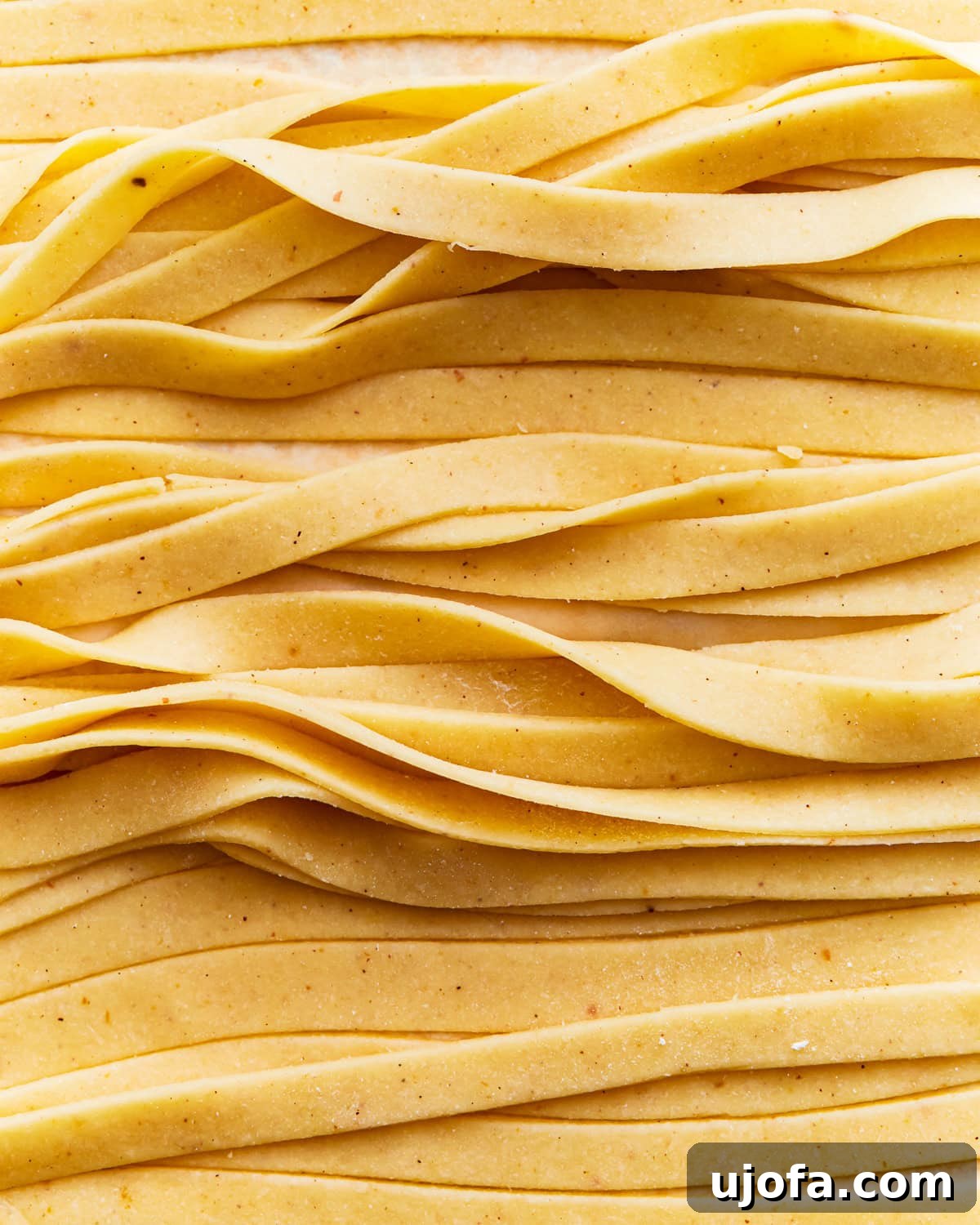
Absolutely! Drying your homemade almond flour pasta is an excellent way to extend its shelf life and enjoy fresh-tasting pasta whenever you desire. To dry the pasta, you have a couple of options: you can hang the noodles gently over a pasta drying rack, or if you don’t have one, simply arrange them in a single layer on a lightly floured surface (tapioca starch works well here). Ensure the pasta pieces are not touching to allow for even air circulation. Let the pasta dry completely at room temperature for several hours, or even overnight, until it feels brittle and snaps easily. Once fully dried, transfer the pasta to an airtight container and store it in a cool, dry pantry for up to 2 weeks. When you’re ready to cook your dried almond flour pasta, increase the cooking time slightly to approximately 5-6 minutes, or until it reaches a perfect al dente consistency.
Substituting Starches in Almond Flour Pasta
While tapioca starch is my preferred choice for this almond flour pasta recipe due to its ability to impart a wonderful texture and excellent binding properties, I understand that you might sometimes need alternatives. The good news is, you can substitute tapioca starch with other common gluten-free starches in a 1:1 ratio without significantly altering the outcome. Arrowroot starch and potato starch are both viable options. Arrowroot starch is particularly noteworthy as it is also paleo-friendly, making it an excellent choice for those adhering to a paleo diet. When making any substitution, keep in mind that slight variations in texture might occur, but both arrowroot and potato starch will provide the necessary binding and structure to ensure your pasta holds together beautifully.
Delicious Ways to Serve Homemade Almond Flour Pasta
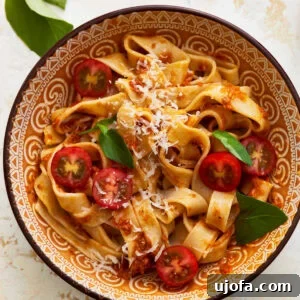
Once you’ve mastered this incredible homemade almond flour pasta, the serving possibilities are endless! Treat this versatile pasta just as you would any traditional pasta, pairing it with your favorite sauces and toppings. Its delicate nutty flavor and satisfying texture make it a fantastic canvas for a wide array of culinary creations. Here are some of my most cherished ways to enjoy it:
- Fresh and Vibrant: Toss it with a generous dollop of homemade or store-bought pesto, sun-ripened cherry tomatoes, and a sprinkling of fresh basil for a light and aromatic meal.
- Classic Comfort: Piled high with hearty gluten-free meatballs and your favorite rich spaghetti sauce, this pasta truly shines, offering a comforting and satisfying dinner.
- Creamy Indulgence: Mix it with a medley of sautéed vegetables like spinach, mushrooms, and bell peppers, then smother it in a velvety gluten-free Alfredo sauce for a luxurious dish.
- Cool and Refreshing: Cook the pasta until al dente, then cool it completely before tossing it into a creamy Italian pasta salad with olives, cherry tomatoes, cucumbers, and a zesty dressing.
- Mediterranean Flair: Lightly toss the pasta with fragrant garlic, a drizzle of extra virgin olive oil, and succulent grilled shrimp or tender chicken pieces for a simple yet elegant dish.
- Hearty Sidekick: Serve alongside warm slices of crispy gluten-free garlic bread to complete any Italian-inspired meal.
No matter how you choose to serve it, this almond flour pasta promises a delicious and wholesome dining experience that caters to a variety of tastes and dietary preferences.
Storage and Freezing Instructions for Almond Flour Pasta
Proper storage is key to enjoying your homemade almond flour pasta for longer, whether it’s cooked, uncooked, or even frozen. Here’s how to keep it fresh and delicious:
- Cooked Pasta: If you have leftover cooked almond flour noodles, allow them to cool completely before transferring them to an airtight container. They can be safely stored in the refrigerator for up to 3 days. To reheat, you can briefly warm them in a pan with a splash of water or sauce, or microwave until heated through.
- Uncooked Pasta Dough: For meal prep, you can store the uncooked almond flour pasta dough in the refrigerator for up to 2 days. Make sure to wrap it tightly in plastic wrap or place it in an airtight container to prevent it from drying out. Before using, let it sit at room temperature for about 15-20 minutes to make it easier to roll.
- Freezing Uncooked Pasta: This is a fantastic option for long-term storage! Once you’ve shaped your pasta (e.g., cut into noodles or formed into ravioli), arrange the individual pieces in a single layer on a baking sheet. Place the baking sheet in the freezer until the pasta pieces are completely solid (this prevents them from sticking together). Once frozen, transfer the solid pasta to a freezer-safe bag or airtight container. It can be stored in the freezer for up to 3 months. When cooking from frozen, simply add the pasta directly to boiling water and increase the cooking time by a minute or two, usually around 3-4 minutes, until al dente.
More Delicious Almond Flour Recipes to Try!
If you’re loving the versatility and health benefits of almond flour, you’re in luck! It’s an incredibly adaptable ingredient that can be used in a wide range of recipes, from savory dishes to sweet treats. Expanding your culinary horizons with almond flour can open up a world of gluten-free, grain-free, and often healthier alternatives. Here are some of my other favorite almond flour recipes that I highly recommend you explore:
- Almond Flour Pizza Crust: Perfect for a crispy, delicious gluten-free pizza night.
- Almond Flour Tortillas: Soft and flexible, ideal for tacos, wraps, or quesadillas.
- Almond Flour Bread: A wholesome and satisfying bread for sandwiches or toast.
- Almond Flour Chocolate Cake: A rich and decadent dessert that’s surprisingly light.
- Almond Flour Pancakes: Start your day with these fluffy and nutritious pancakes.
Almond Flour Pasta
Share by Email
Print Recipe
Ingredients
- 1 cup almond flour
- 1 teaspoon xanthan gum
- ¾ cup tapioca starch
- ½ teaspoon salt
- 3 large eggs
- 2 tablespoons water
- 1 tablespoon olive oil
Instructions
- In a large mixing bowl, whisk together the almond flour, tapioca starch, xanthan gum, and salt until well combined.
- Create a well in the center of the dry ingredients. Crack the eggs into the well, and add the water and olive oil.
- Using a fork, gradually incorporate the dry ingredients into the wet ingredients, mixing until a shaggy dough forms.
- Turn the dough onto a clean work surface and knead for about 2-3 minutes until it comes together into a smooth, pliable ball. If the dough seems too dry, add a teaspoon of water at a time until it reaches the desired consistency.
- Cover the dough with plastic wrap and let it rest for 30 minutes.
- Divide the dough into 4 equal pieces. Working with one piece at a time (cover the remaining pieces to prevent drying out), use a rolling pin or a pasta machine to roll the dough into thin sheets, approximately ⅛ inch thick.
- Cut the rolled-out dough into desired pasta shapes using a knife or a pasta cutter.
- To cook the fresh almond flour pasta, bring a large pot of salted water to a rolling boil. Add the pasta and cook for 2 minutes, or until the pasta floats to the surface and is al dente.
- Drain the cooked pasta and toss it with your favorite sauce or toppings. Serve hot and enjoy.
Notes
- Use fine, blanched almond flour, not almond meal.
- Make the pasta dough ahead of time by storing it in an airtight container in the fridge for up to 2 days.
- Dry the pasta on a drying rack or lay flat on a floured surface overnight. Store in an airtight container for up to 2 weeks. Cook the dried pasta for 5-6 minutes until done.
- To Store Cooked Pasta: The cooked pasta keeps well in the fridge for up to 3 days. Always wrap in plastic wrap or store in an airtight container for freshness.
- To Store Uncooked Dough: Refrigerate the uncooked pasta dough for up to 2 days.
- To Freeze Uncooked Pasta: Shape the pasta dough and lay each piece in a single layer on a baking sheet. Freeze until solid and then store in a freezer-safe container for up to 3 months. Cook the pasta from frozen for 3-4 minutes.
- Mama says, “Check all of your labels!”
Nutrition Facts (Approximate)
Calories: 314 kcal
Carbohydrates: 26g
Protein: 10g
Fat: 20g
Saturated Fat: 2g
Polyunsaturated Fat: 1g
Monounsaturated Fat: 4g
Trans Fat: 0.01g
Cholesterol: 123mg
Sodium: 360mg
Potassium: 53mg
Fiber: 4g
Sugar: 1g
Vitamin A: 178 IU
Calcium: 78mg
Iron: 2mg
Nutrition information is automatically calculated, so should only be used as an approximation.
Additional Info
Tried this recipe? Mention @mamaknowsglutenfree or tag #mamaknowsglutenfree!
How to Make Pasta with Almond Flour: A Detailed Step-by-Step Guide
Making delicious, gluten-free almond flour pasta from scratch is a rewarding process, and I’m here to walk you through each step with clear instructions. Follow along with these detailed steps and accompanying images to create perfect homemade pasta every time.
Step 1: Combine Dry Ingredients
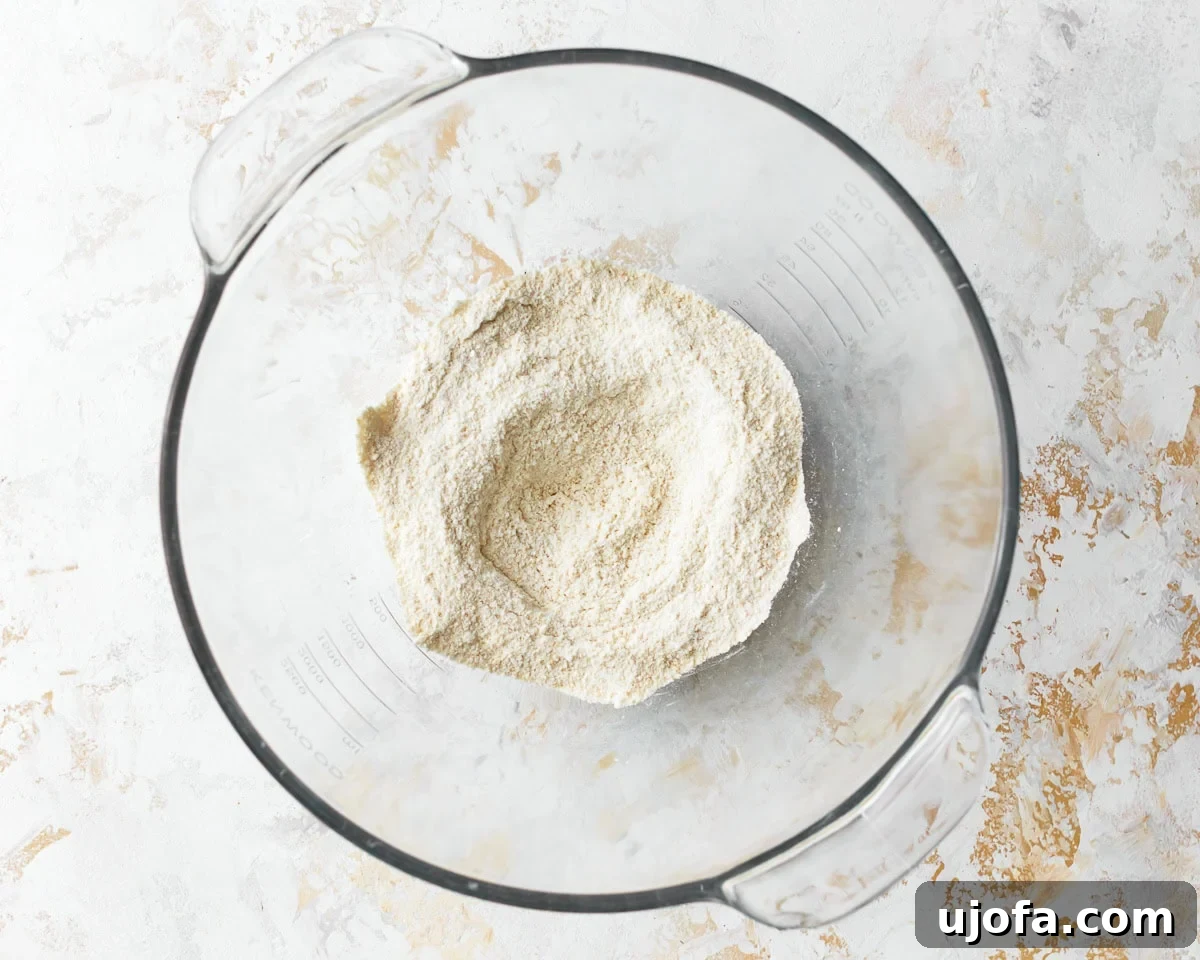
Begin by taking a large mixing bowl. Add 1 cup of fine blanched almond flour, ¾ cup of tapioca starch, 1 teaspoon of xanthan gum, and ½ teaspoon of salt. Using a whisk, thoroughly combine these dry ingredients. Ensure there are no lumps and that the xanthan gum is evenly distributed, as this is crucial for the dough’s elasticity.
Step 2: Add Wet Ingredients
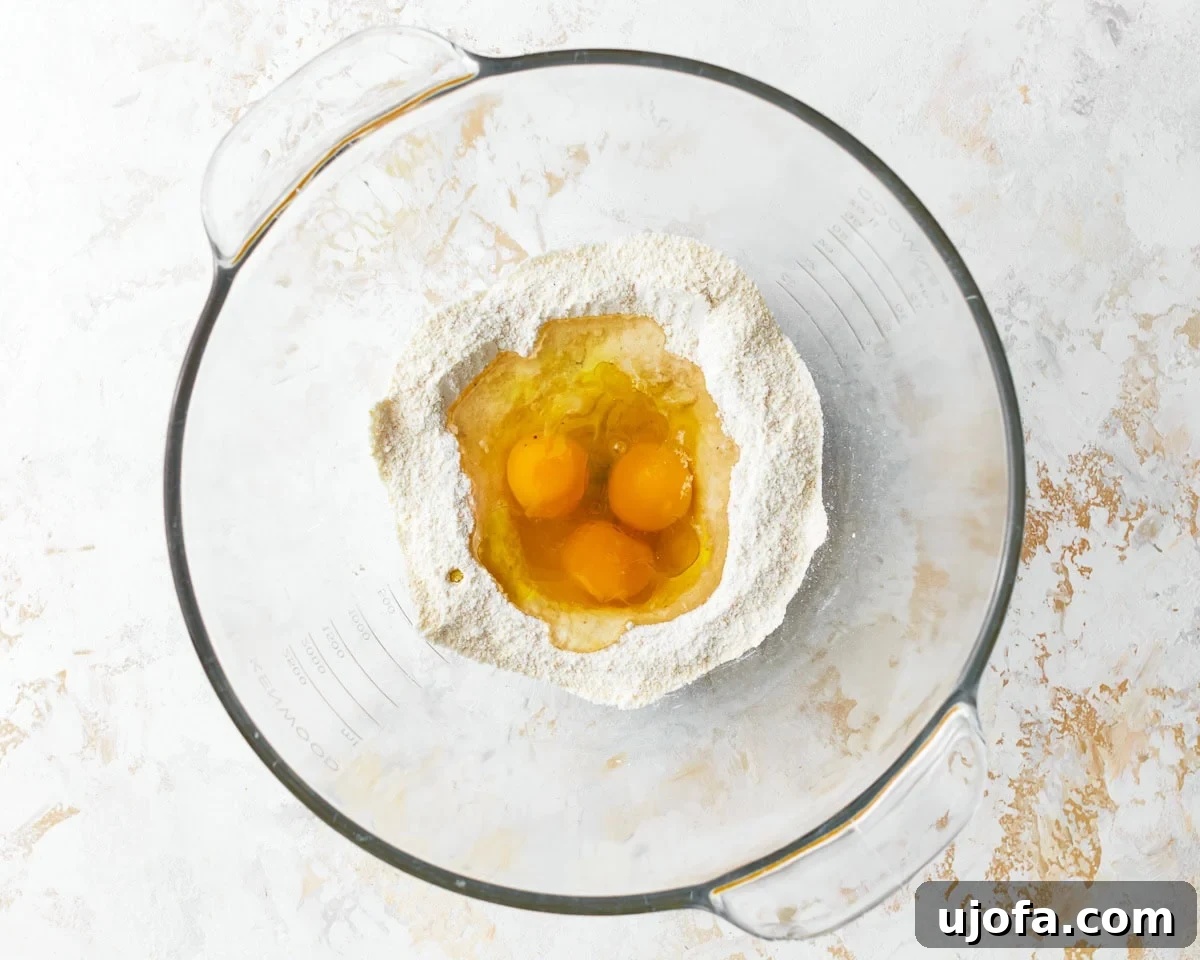
Once your dry ingredients are perfectly blended, create a well in the very center of the mixture. Crack 3 large eggs directly into this well. Then, add 2 tablespoons of water and 1 tablespoon of olive oil into the well. Be careful not to let the liquid spill over the edges initially.
Step 3: Form a Shaggy Dough
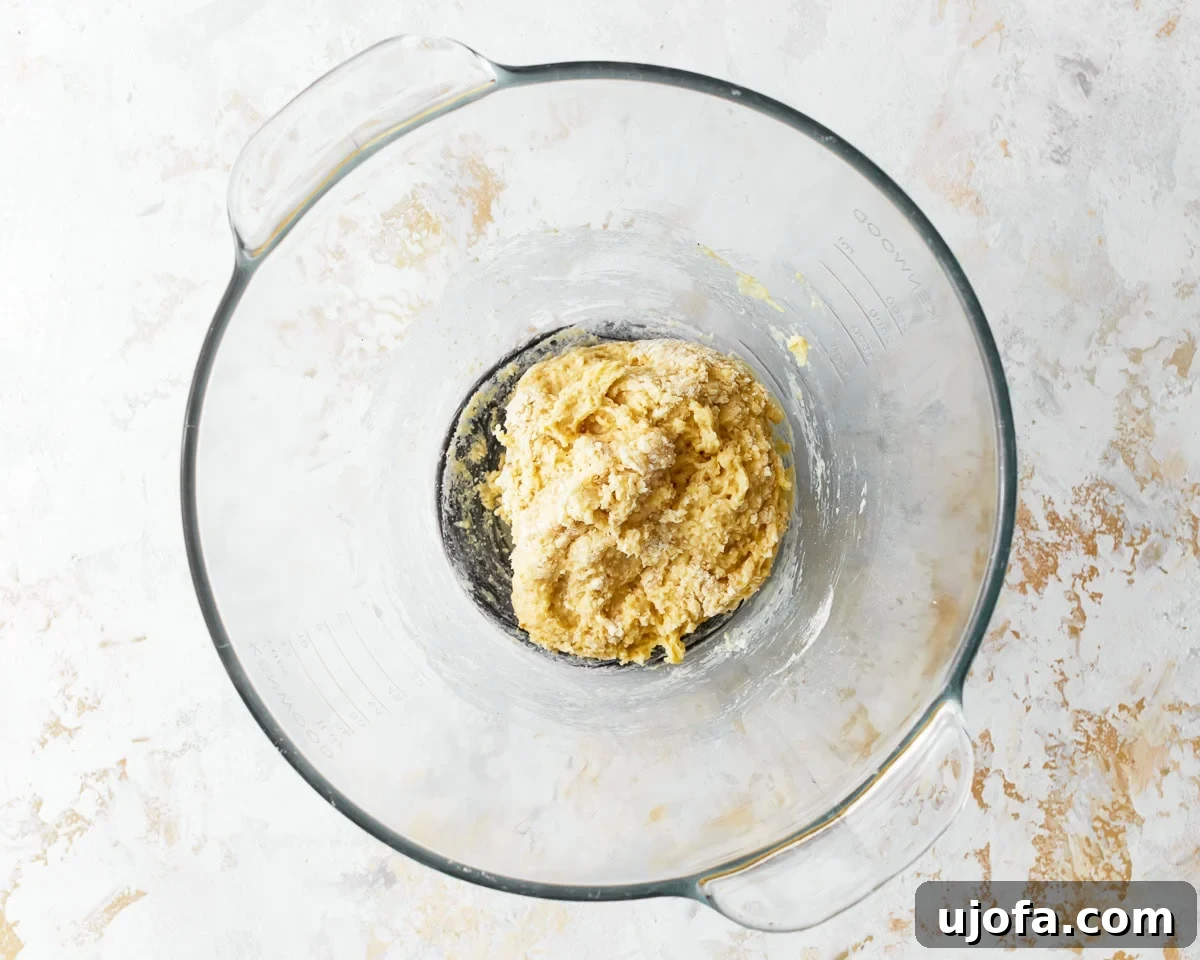
Using a fork, start gently incorporating the wet ingredients into the dry ingredients from the center outwards. Mix gradually until a rough, shaggy dough begins to form. At this stage, it might look a bit crumbly, but don’t worry—this is exactly how it should appear before kneading.
Step 4: Knead the Dough
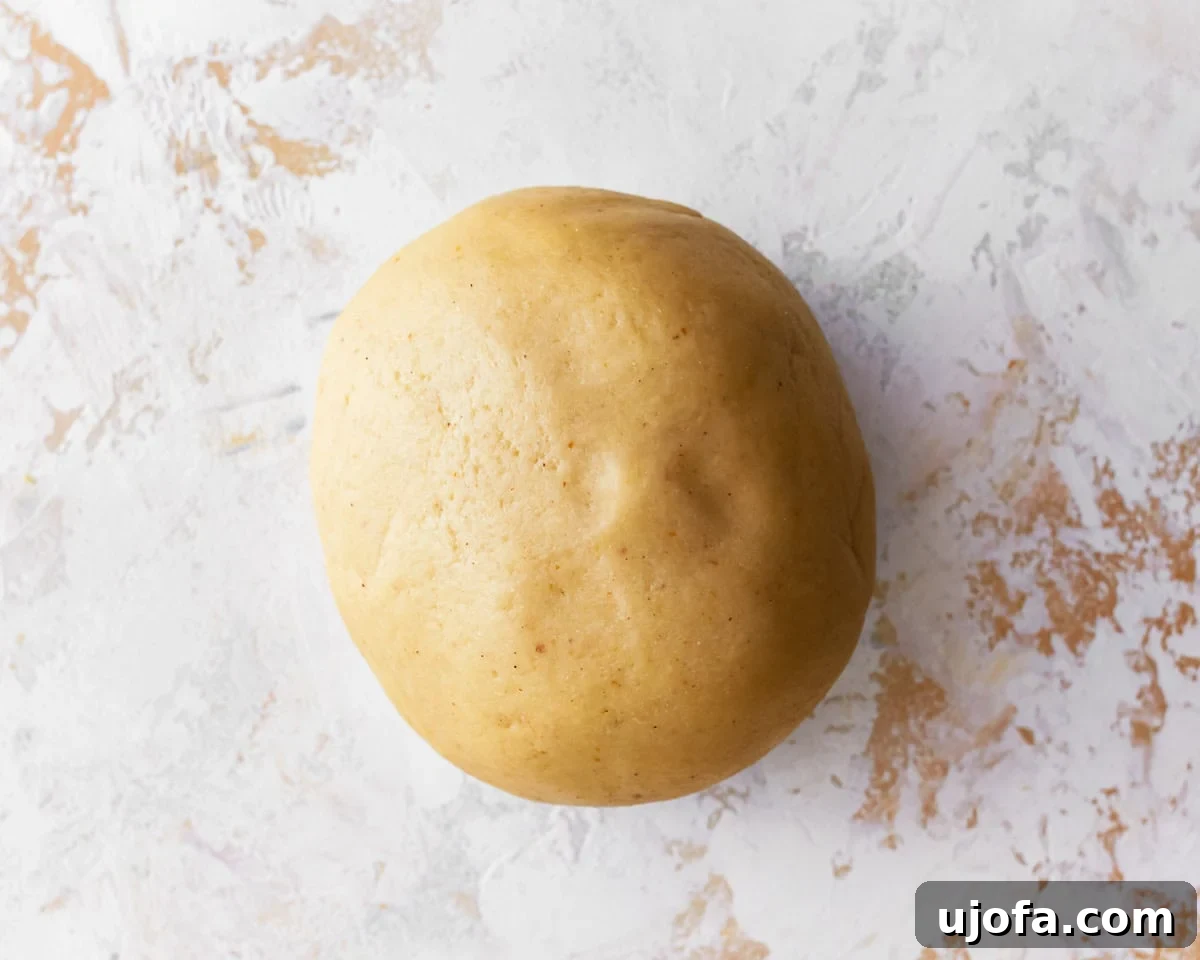
Lightly dust a clean work surface with tapioca starch or almond flour. Turn the shaggy dough out onto this surface. Knead the dough vigorously for about 2-3 minutes. As you knead, it will transform from lumpy to a smooth, cohesive, and pliable ball. If the dough feels too dry or stiff during kneading, add water one teaspoon at a time until it reaches the desired smooth consistency. Remember, there’s no gluten, so over-kneading isn’t an issue!
Step 5: Rest the Dough
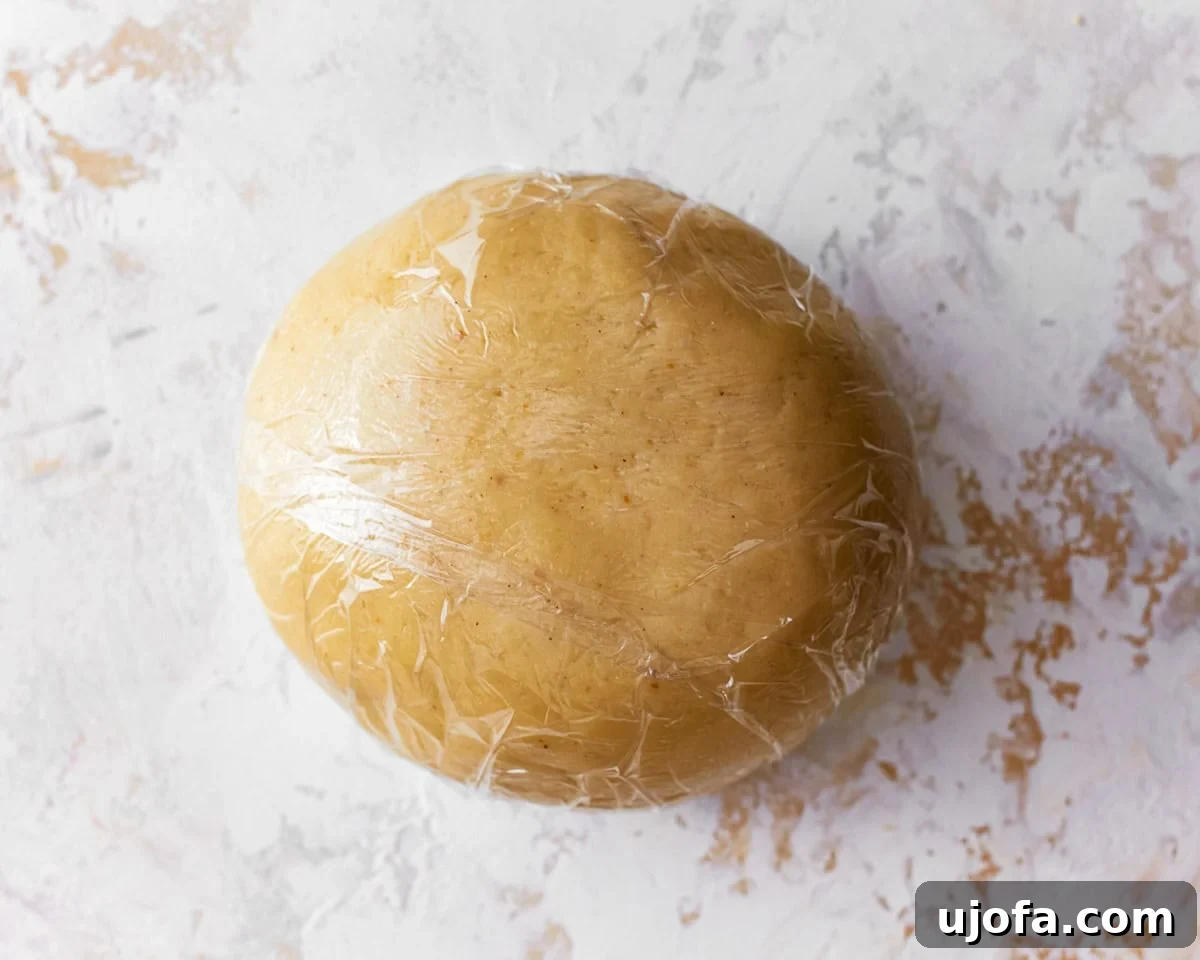
Form the kneaded dough into a ball, then cover it tightly with plastic wrap. Let the dough rest at room temperature for at least 30 minutes. This resting period is crucial for the flours and starches to fully hydrate, resulting in a more relaxed and elastic dough that is much easier to roll out without tearing.
Step 6: Divide the Dough
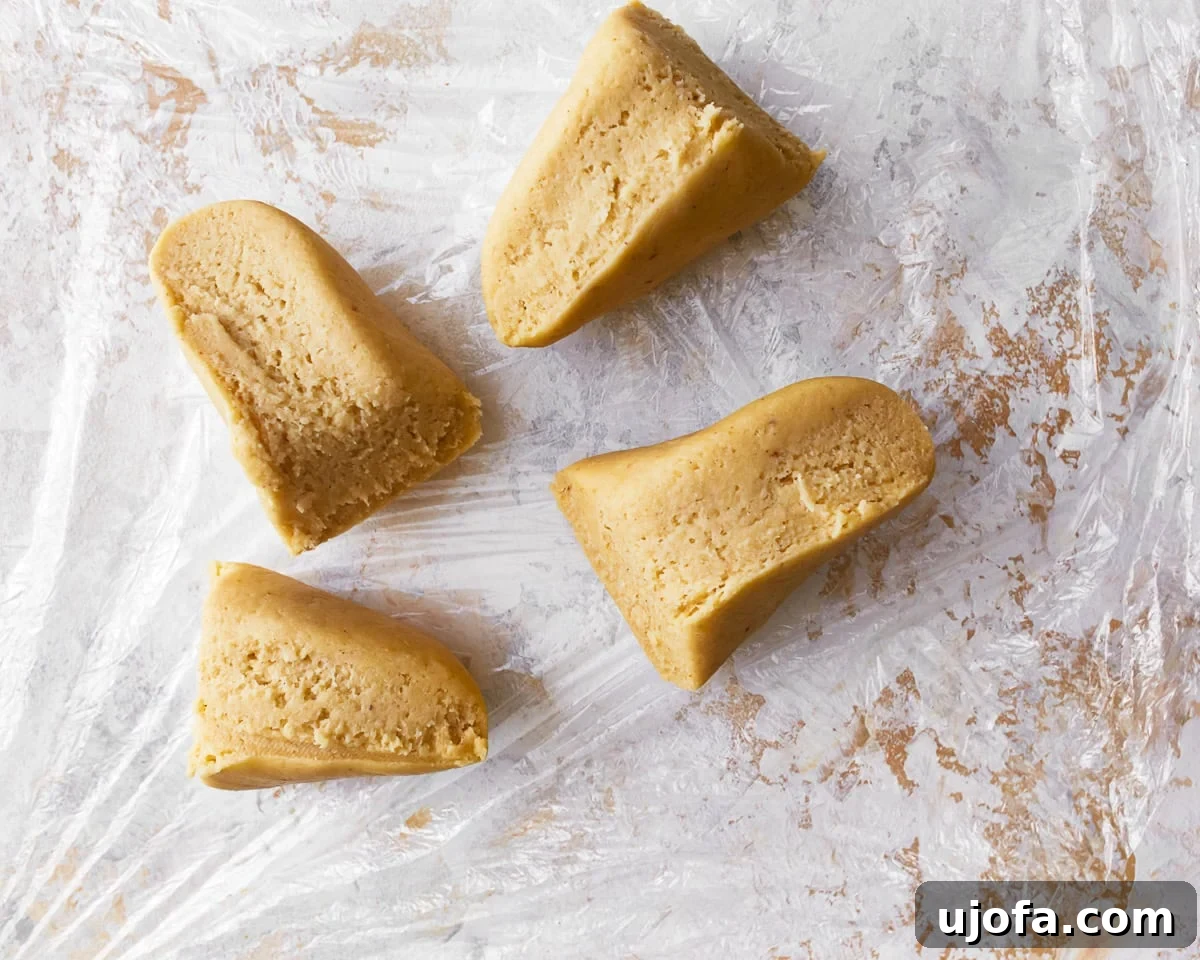
After the dough has rested, unwrap it and divide it into 4 equal pieces. Keep the pieces you’re not working with covered with plastic wrap or a damp cloth to prevent them from drying out while you roll out one portion at a time.
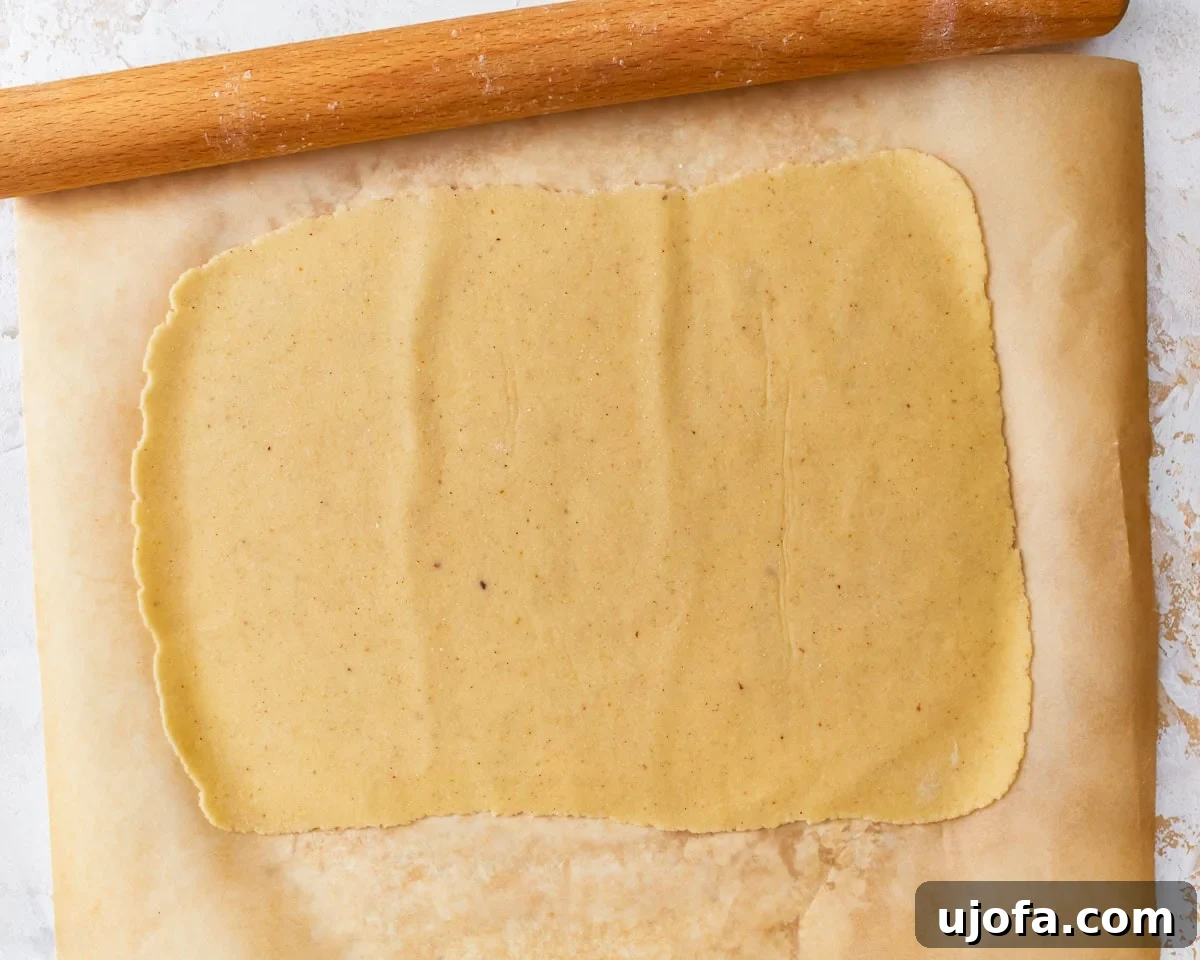
Step 7: Roll Out the Dough
Take one piece of dough and place it on a sheet of parchment paper or a lightly floured surface. Using a rolling pin or a pasta machine, roll the dough into a thin sheet, aiming for approximately ⅛ inch thick. If using a pasta machine, start at the widest setting and gradually decrease the thickness, passing the dough through each setting until it reaches the desired thinness.
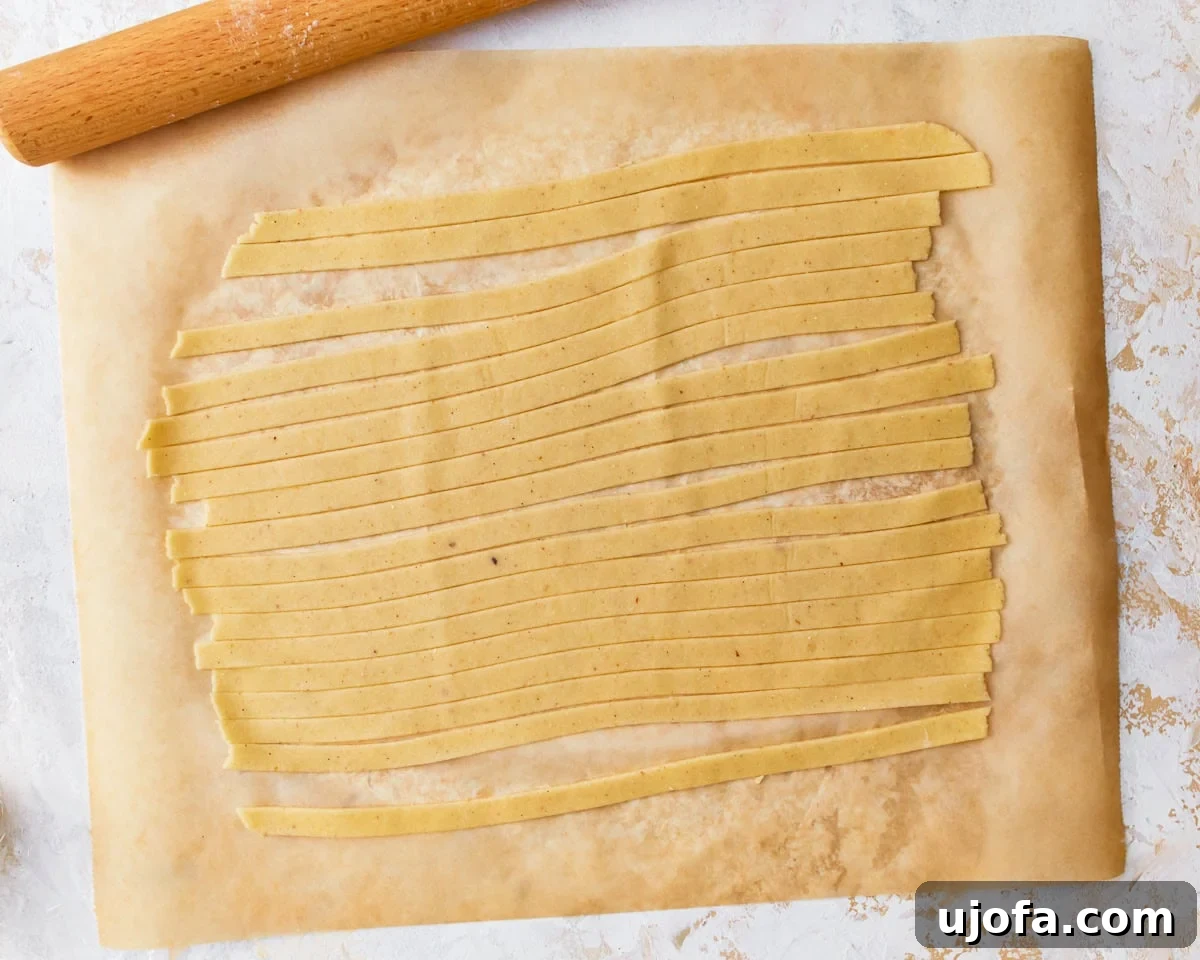
Step 8: Cut into Pasta Shapes
Once the dough is rolled to your desired thickness, it’s time to cut it into your preferred pasta shapes. You can use a sharp knife to cut it into thin noodles, or if you have a pasta cutter attachment for your machine, now is the time to use it. You can also get creative and make wider fettuccine, pappardelle, or even squares for ravioli.
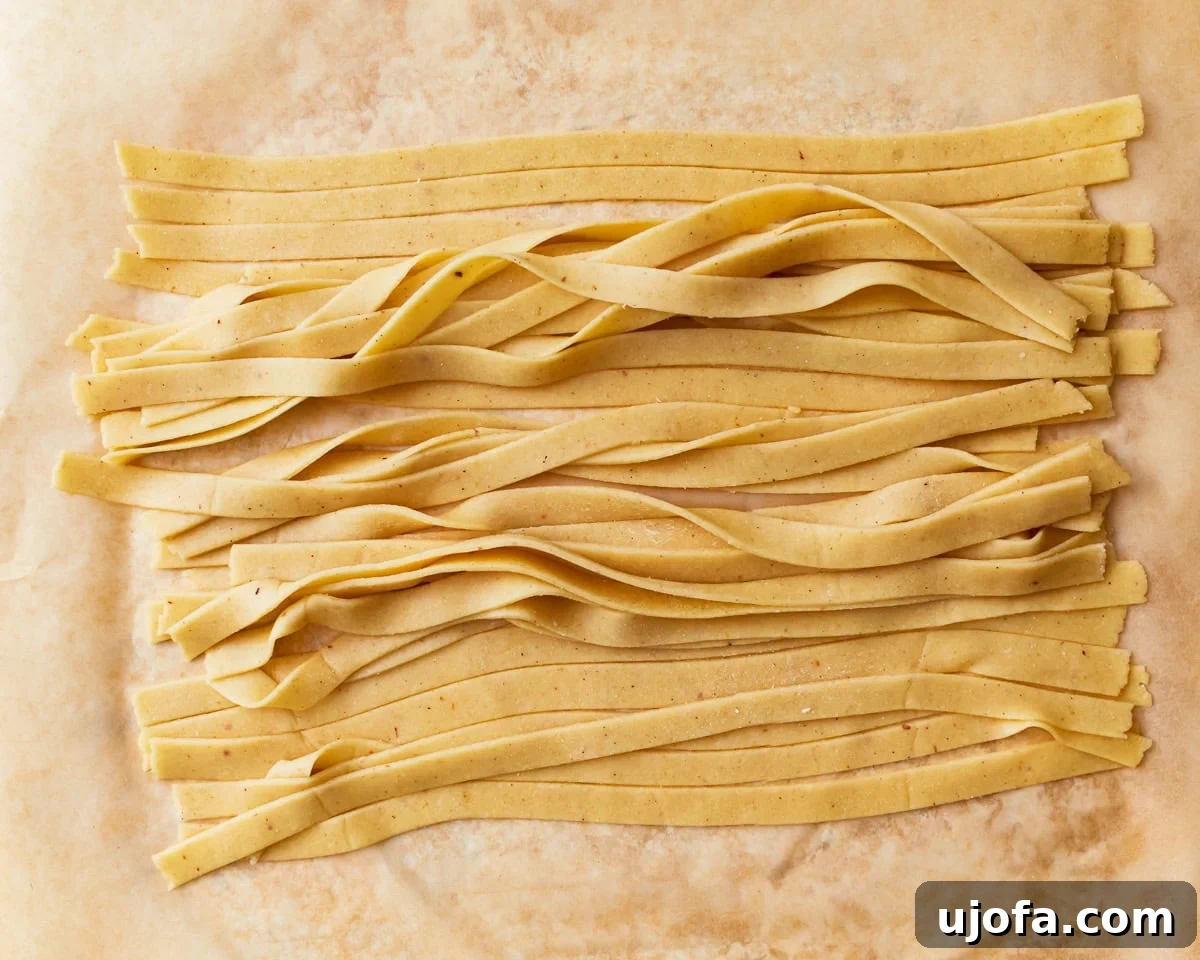
Step 9: Cook and Serve
To cook your fresh almond flour pasta, bring a large pot of generously salted water to a rolling boil. Carefully add the freshly cut pasta to the boiling water and cook for just 2 minutes. Fresh pasta cooks very quickly, so watch it closely; it’s done when it floats to the surface and is perfectly al dente. Drain the cooked pasta immediately and gently toss it with your favorite sauce, a drizzle of olive oil, or any desired toppings. Serve it hot and savor the incredible taste of your homemade gluten-free pasta!