
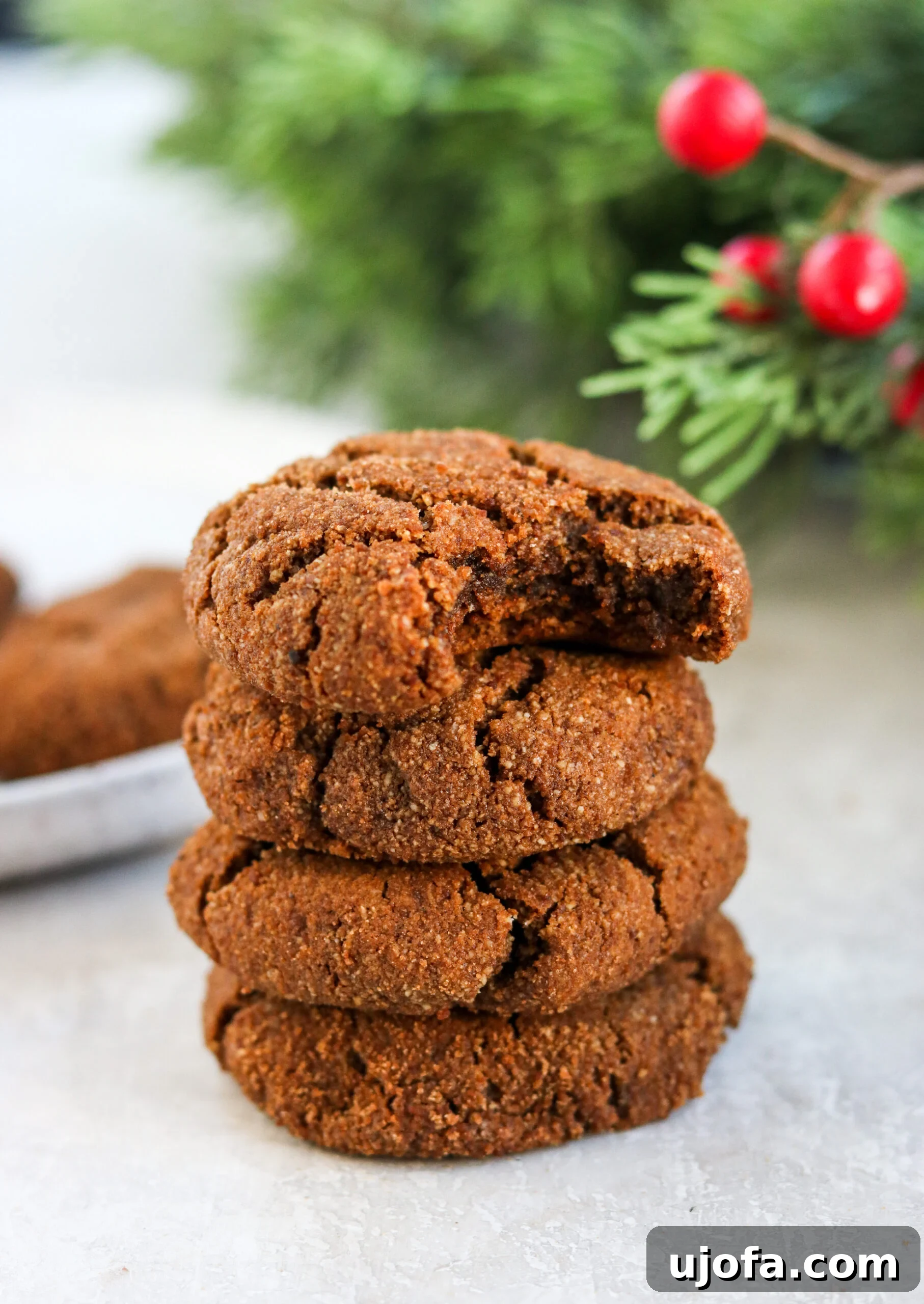
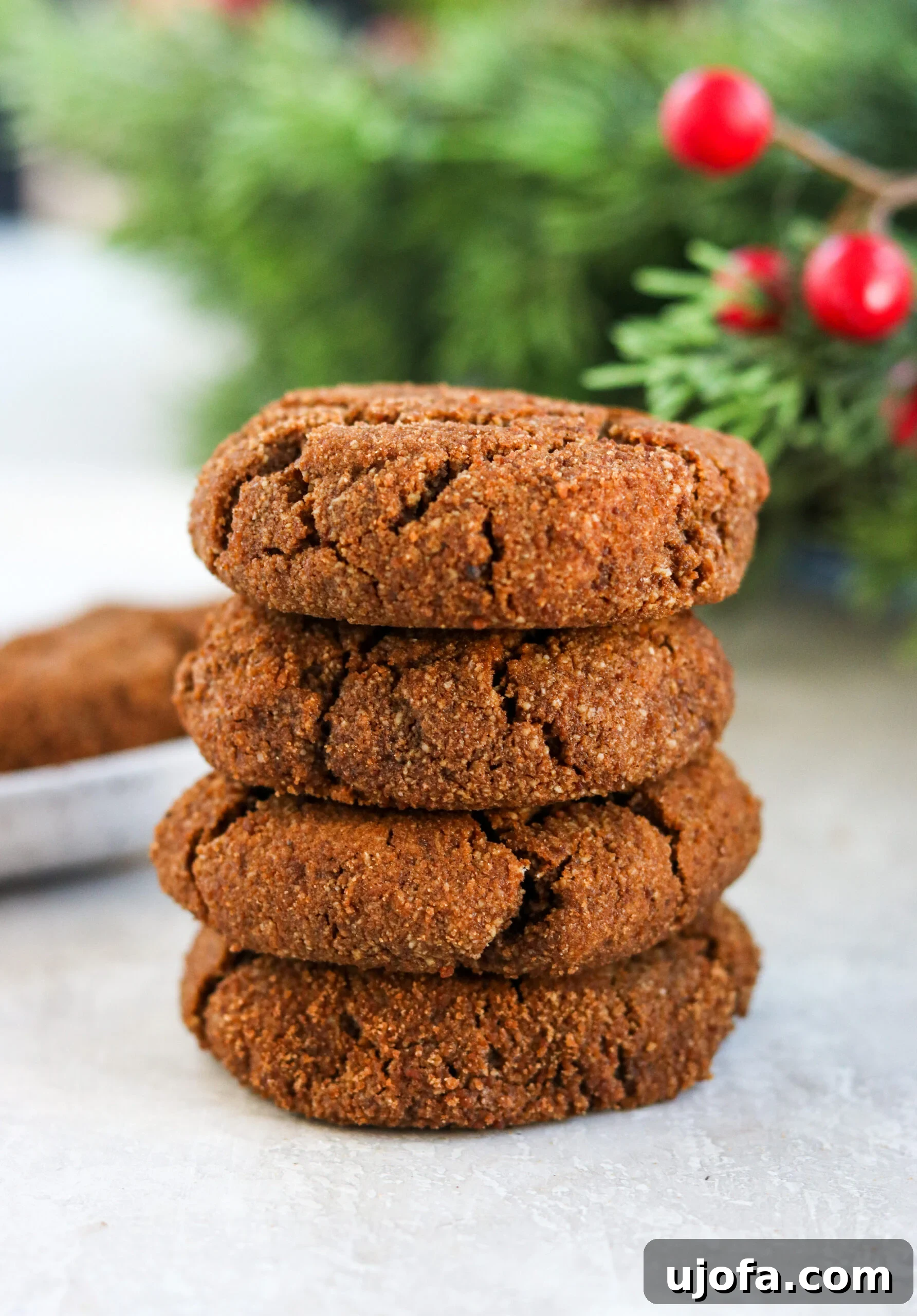
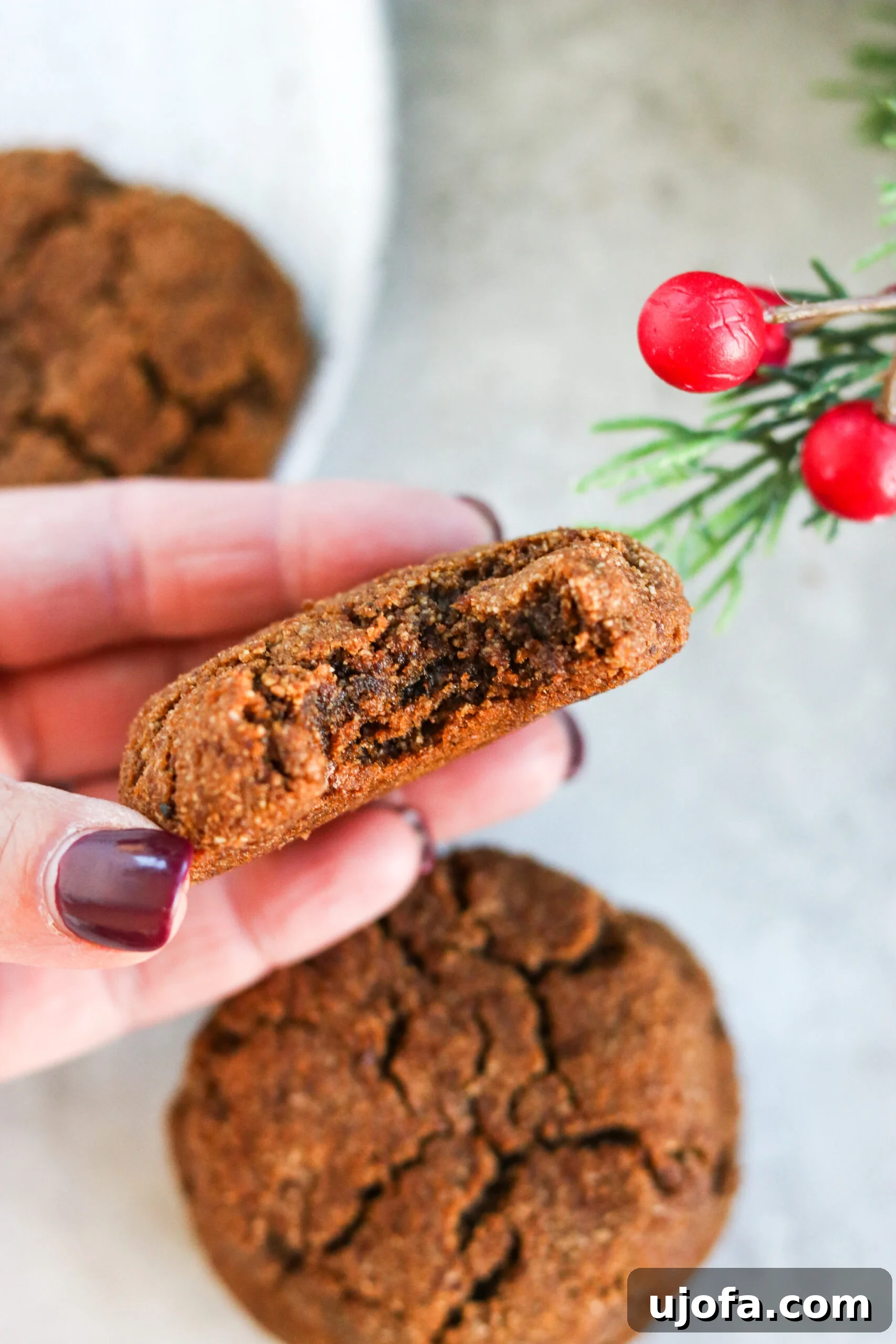
Soft, sweet, and bursting with festive flavor, these gluten-free gingersnaps are a holiday dream come true. Crafted with wholesome ingredients like almond flour, vegan molasses, coconut sugar, and coconut oil, they offer a healthier twist on a beloved classic without compromising on taste or texture. Imagine sinking your teeth into a cookie with delightfully soft edges and a perfectly chewy, spiced center – that’s precisely what these gingersnaps deliver. Easy to prepare with simple steps of combining, chilling, and baking, they are the ultimate treat for celebrating the season. Whether you’re looking for dairy-free almond flour cookies or paleo-friendly desserts, this recipe is designed to bring joy and warmth to your holiday table, proving that healthy swaps can lead to incredibly delicious results.
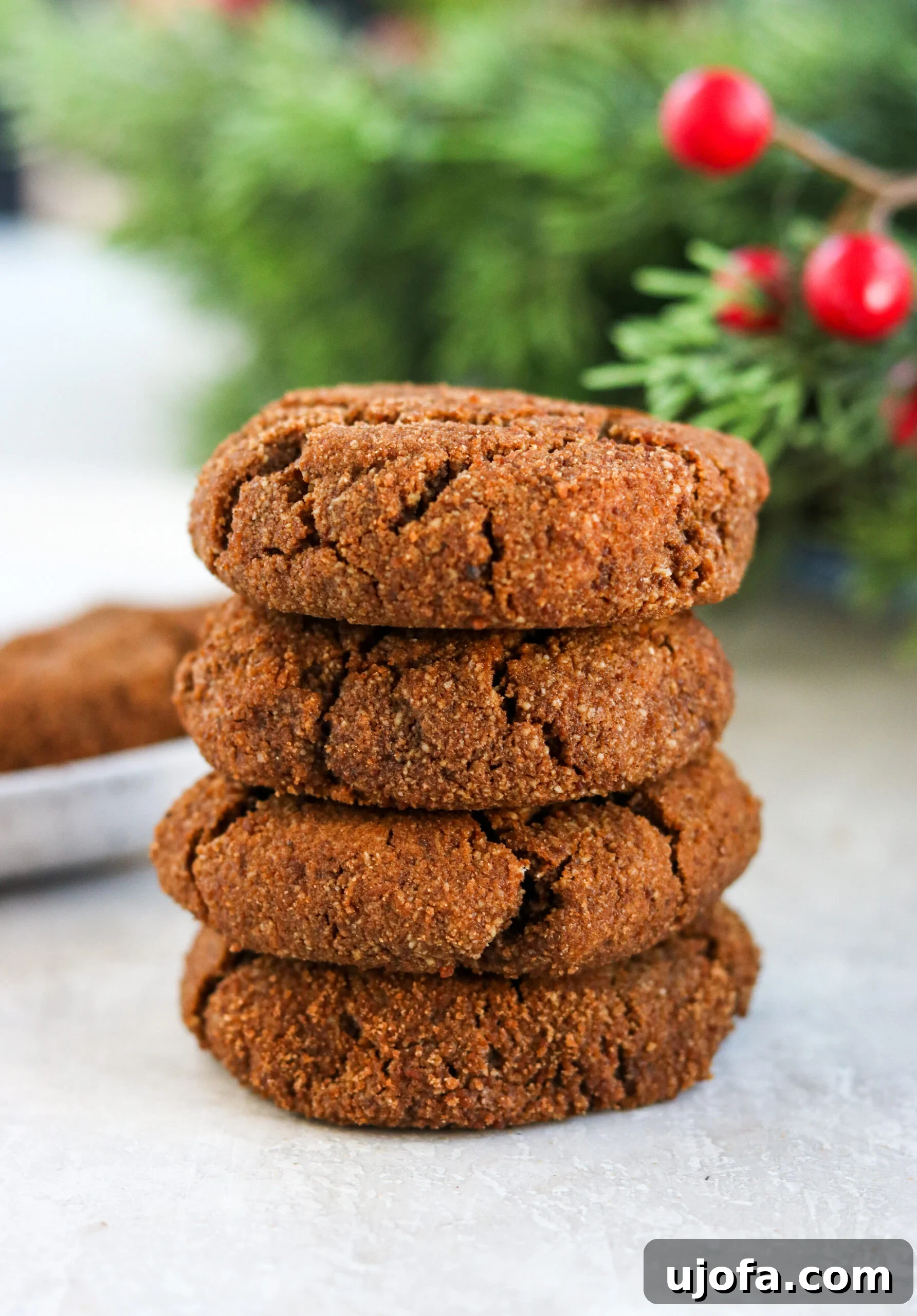
Why These Almond Flour Gingersnaps Will Be Your New Holiday Favorite
The holiday season is synonymous with the comforting aromas of cinnamon, ginger, cloves, and nutmeg. These warming spices are the heart and soul of my gluten-free gingersnaps, a recipe meticulously developed to capture all the nostalgic charm of traditional gingersnaps while offering a superior, healthier profile. Unlike many conventional recipes that rely on all-purpose flour and refined sugars, these cookies are a revelation for anyone seeking grain-free and dairy-free options without sacrificing flavor or texture. Each bite promises soft, inviting edges that yield to a wonderfully chewy and incredibly scrumptious middle, a characteristic often hard to achieve in gluten-free baking.
What truly sets this recipe apart is its clever use of healthy baking swaps. By integrating a blend of finely ground almond flour and a touch of coconut flour, we achieve a tender crumb structure that’s both satisfying and significantly lower in carbohydrates compared to typical cookies. The sweetness comes from coconut sugar and rich vegan molasses, while coconut oil replaces traditional butter, making these cookies not just gluten-free but also paleo-friendly and suitable for many dietary preferences. This thoughtful combination of ingredients ensures that these healthy gingersnap cookies taste every bit as good, if not better, than their classic counterparts, making them an instant festive favorite for friends and family alike.
Essential Ingredients for Perfect Gluten-Free Gingersnaps
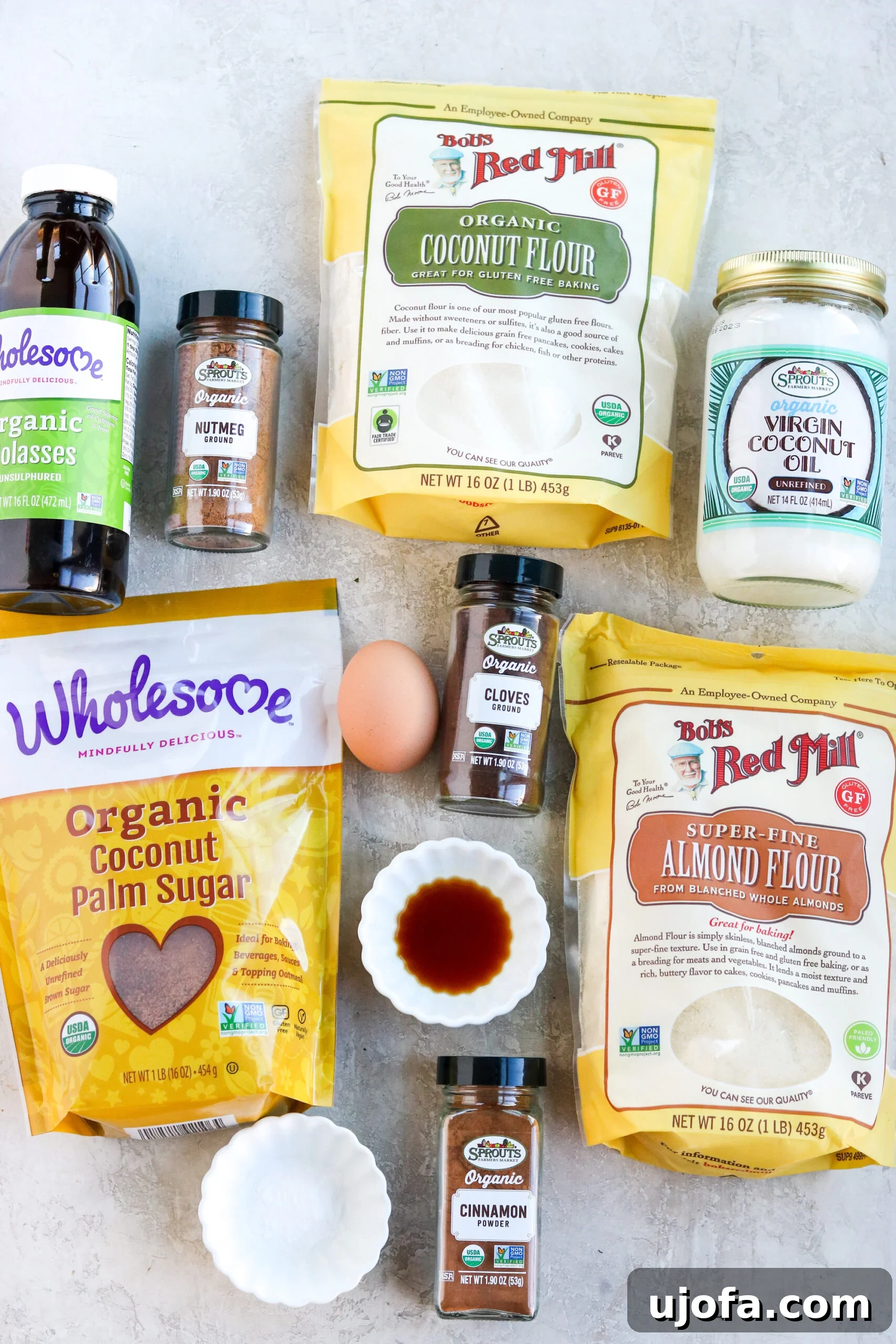
Key Ingredients:
- Blanched Almond Flour: The star of these almond flour cookies! I opt for blanched almond flour as a fantastic gluten-free alternative to wheat flour or commercial gluten-free blends. It imparts a delicate tenderness and crumbly texture that is simply divine for cookies, all while significantly reducing the carbohydrate content. For the best results and to prevent any clumpy batter, always choose a super-fine grind. Brands like Bob’s Red Mill offer excellent quality blanched almond flour. While almond meal can work in a pinch, its coarser texture may slightly alter the cookie’s final consistency.
- Coconut Oil: This healthy fat is a cornerstone of paleo baking. When melted and cooled, coconut oil contributes to the soft, chewy texture of these gingersnaps. It’s a superb alternative to butter, making these cookies dairy-free and imparting a subtle, pleasant richness that complements the spices beautifully.
- Coconut Sugar: A natural, unrefined sweetener, coconut sugar lends a caramel-like depth to these cookies. It’s often praised for having a lower glycemic index than granulated sugar and is a staple in my healthier baking recipes. You’ll use it in the dough and also for a delightful coating that adds a sparkling crunch to the finished gingersnaps.
- Molasses: Essential for that signature deep, complex flavor and dark color of gingersnaps. I specifically recommend a dark, naturally vegan molasses brand, such as Wholesome. Vegan molasses often means fewer unnecessary additives, ensuring a cleaner, richer flavor profile that truly shines through in these cookies.
- Coconut Flour: Used in a smaller quantity, coconut flour works synergistically with almond flour to absorb moisture and create the perfect soft, yet sturdy, cookie structure. Its high absorbency means only a little is needed to achieve the desired effect.
Pantry Staples & Spices:
- Egg: Acts as a binder, helping to hold the cookies together and contributing to their chewy texture.
- Vanilla Extract: A splash of vanilla enhances all the other flavors, adding a layer of warmth and sweetness.
- Baking Soda: Our leavening agent, which helps the cookies rise slightly and achieve their characteristic cracked tops.
- Ground Ginger: The primary spice that gives gingersnaps their distinctive kick.
- Cinnamon: Adds warmth and a sweet, woody aroma.
- Ground Cloves: Provides a pungent, sweet, and aromatic depth.
- Nutmeg: Offers a subtle, sweet, and spicy note that rounds out the spice blend.
- Salt: A pinch of salt is crucial to balance the sweetness and intensify the flavors of the spices.
Simple Steps to Bake Irresistible Gluten-Free Gingersnaps
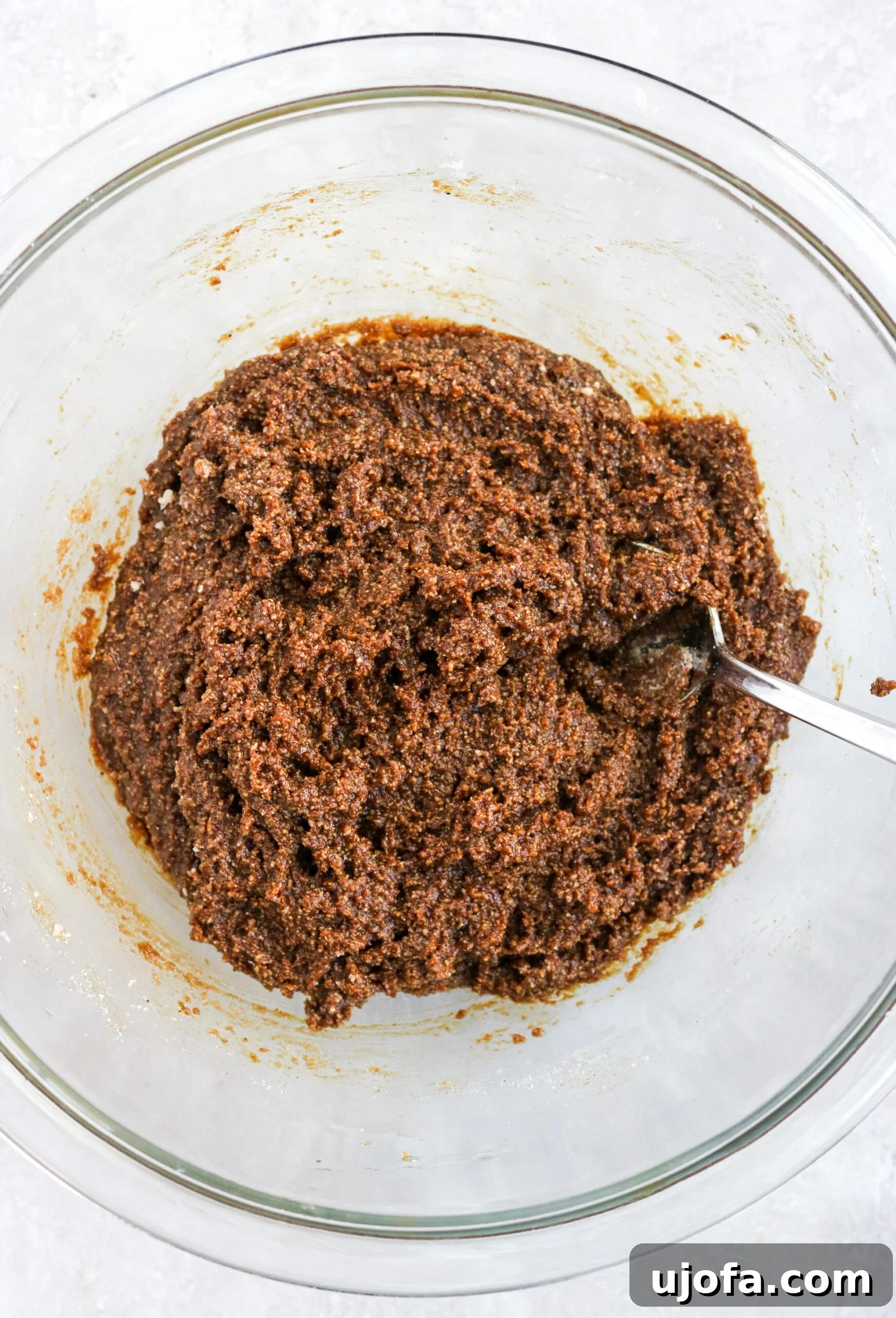
Making these delightful almond flour gingersnap cookies is incredibly straightforward, requiring minimal equipment and effort. You’ll only need two bowls – one for your wet ingredients and another for the dry. The best part? This entire process can be done by hand, eliminating the need for bulky mixers and making cleanup a breeze!
- Prepare Your Baking Station: Begin by preheating your oven to 350°F (175°C). Line a large baking sheet with parchment paper to prevent sticking and ensure easy removal of your cookies.
- Combine Wet Ingredients: In your first mixing bowl, crack the egg. Add the melted and cooled coconut oil, rich molasses, coconut sugar, and fragrant vanilla extract. Whisk these ingredients together thoroughly until they are well combined and the mixture appears smooth and consistent.
- Whisk Dry Ingredients: In a separate, larger bowl, combine the almond flour, coconut flour, baking soda, ground ginger, ground cloves, cinnamon, nutmeg, and salt. Use a whisk to gently aerate and blend these dry ingredients, ensuring they are evenly distributed. This step is important for uniform flavor in every cookie.
- Integrate Wet and Dry: Pour the wet ingredient mixture into the bowl with your dry ingredients. Using a sturdy spoon or spatula, stir everything together until just combined. The dough will be quite sticky at this stage, which is perfectly normal for almond flour-based recipes. Avoid overmixing to keep the cookies tender.
- Chill the Dough: Cover the bowl with plastic wrap and refrigerate the dough for a minimum of 30 minutes. Chilling is a crucial step that helps the flavors meld, makes the dough easier to handle, and prevents the cookies from spreading too much during baking.
- Form and Coat: Once chilled, scoop out portions of the dough and roll them into uniform 1.5-inch balls. Pour some extra coconut sugar onto a shallow plate. Roll each cookie dough ball in the coconut sugar until it’s evenly coated. Place the coated balls onto your prepared baking sheet, leaving about 2 inches between each cookie. Gently press down on each ball with the palm of your hand or the bottom of a glass to flatten them slightly into a disk shape. This encourages the beautiful cracked tops.
- Bake to Perfection: Transfer the baking sheet to your preheated oven and bake for 8-10 minutes. Keep an eye on them; the cookies are ready when their tops show visible cracks and the edges are lightly golden. They might still seem soft in the center, but they will firm up as they cool.
- Cool and Enjoy: Once baked, remove the cookies from the oven and let them cool on the baking sheet for a few minutes before carefully transferring them to a wire rack to cool completely. Handling them too soon might cause them to break. Allow them to reach room temperature before serving to fully enjoy their soft, chewy texture and spiced flavor. Enjoy your homemade gluten-free gingersnaps!
Expert Tips & Handy Tricks for Gluten-Free Gingersnaps
How to Store Your Gluten-Free Gingersnaps
Proper storage is key to maintaining the delightful texture and fresh taste of these almond flour cookies. Whether you plan to enjoy them over a few days or save them for a later treat, these methods ensure your gingersnaps stay perfect:
- Room Temperature: For immediate enjoyment, store your baked gluten-free gingersnaps in an airtight container at room temperature. They will remain wonderfully fresh and chewy for up to 4 days. Always serve them at room temperature for the best flavor and texture experience.
- Freezing Baked Cookies: These cookies freeze beautifully! Once completely cooled, arrange them in a single layer in a freezer-safe, airtight container, or layer them between sheets of parchment paper to prevent sticking. They can be frozen for up to 3 months. Thaw at room temperature for a few hours before serving.
- Freezing Dough Balls: For fresh-baked cookies whenever a craving strikes, you can freeze the unbaked dough balls. After rolling and coating the dough balls in coconut sugar, place them on a parchment-lined baking sheet and freeze until solid. Once frozen, transfer them to a freezer-safe bag or container. They can be stored for up to 3 months. When ready to bake, simply place the frozen dough balls on a prepared baking sheet and bake for 10-12 minutes (no need to thaw!). This method is perfect for impromptu baking or smaller batches.
Smart Swaps & Substitutions
This recipe is designed to be flexible, allowing for certain substitutions to fit various dietary needs or ingredient availability:
- Coconut Oil Alternatives: If coconut oil isn’t your preference, or you’re looking for an alternative, Miyoko’s vegan butter is an excellent choice. You can often find both unsalted and salted varieties at health food stores like Sprouts. Remember to take the vegan butter out of the refrigerator in advance so it can soften to room temperature before incorporating it into the recipe. This ensures smooth mixing and a consistent dough texture.
- Coconut Flour Considerations: While coconut flour is a fantastic gluten-free ingredient, it’s crucial to understand its unique properties. It is highly absorbent and not a 1:1 substitute for almond flour or other flours. Attempting to use all coconut flour in this recipe is not recommended, as it will lead to extremely dry and crumbly gluten-free gingersnaps due to its intense moisture-absorbing capacity. Stick to the specified amount for optimal results.
- Coconut Sugar Alternatives: For those looking to further reduce carbohydrates or exploring other sweetener options, Swerve brown sugar (a erythritol and oligofructose blend) could potentially be used in place of coconut sugar. While I haven’t personally tested this specific substitution in this recipe, it’s a popular choice for low-carb baking and would certainly make these cookies even lower in carbs. I typically love baking with maple syrup for its natural sweetness, but for the distinct flavor and texture of these gingersnaps, coconut sugar remains my preferred choice.
Additional Baking Tips for Success:
- Room Temperature Egg: A room temperature egg emulsifies better with the other wet ingredients, leading to a smoother, more uniform dough.
- Melted & Cooled Coconut Oil: Ensure your coconut oil is melted but not hot. If it’s too warm, it could cook the egg or melt the coconut sugar unevenly.
- Don’t Overmix: Once you add the dry ingredients to the wet, mix only until just combined. Overmixing can lead to tougher cookies, even with gluten-free flours.
- The “Disk Shape” is Key: Pressing the dough balls down slightly before baking is important. It helps achieve those beautiful, characteristic cracks on top of the gingersnaps and ensures even baking.
- Patience with Cooling: Gluten-free cookies can be delicate when hot. Allow them to cool completely on a wire rack before handling them. They will firm up and become perfectly chewy as they cool.
Frequently Asked Questions About Gluten-Free Gingersnaps
Yes, absolutely! The beauty of baking with almond flour is that it is naturally gluten-free. In this specific gingersnap recipe, all ingredients used, from the flours to the sweeteners and spices, are carefully selected to be entirely gluten-free. Furthermore, by using coconut oil and vegan molasses, these cookies are also dairy-free, making them an excellent choice for those with multiple allergen sensitivities or dietary restrictions. Enjoy these delicious treats with peace of mind!
Compared to traditional gingersnap recipes, these gluten-free gingersnaps are indeed a healthier option. We’ve made conscious swaps by using almond flour and coconut oil in place of conventional all-purpose flour and butter. Instead of refined granulated sugars, we rely on coconut sugar and molasses. These healthier alternatives contribute to a cookie that is often lower in unhealthy fats and refined carbohydrates. Many traditional cookie recipes can contain double the carbs and calories per serving, making these gingersnaps a more mindful indulgence.
While this recipe is a significantly healthier alternative to traditional gingersnaps and features lower-carb flours, it is not strictly keto-friendly due to the presence of coconut sugar and molasses, which contain natural sugars. However, each cookie is considerably lower in carbohydrates than most conventional gingersnap recipes. At approximately 14 grams of net carbs per cookie, they are a much lighter option compared to others that can easily exceed 40+ grams of carbs per cookie. For those following a strict ketogenic diet, further modifications would be needed, such as replacing coconut sugar with a zero-carb sweetener blend.
Absolutely! These gingersnaps are fantastic for making ahead. You can prepare the dough and chill it in the refrigerator for up to 2-3 days before rolling and baking. Alternatively, you can roll the dough into balls, coat them in sugar, and freeze them (as detailed in the storage tips) for up to 3 months. This makes holiday baking incredibly convenient!
These spiced almond flour cookies are delicious on their own, but they also pair wonderfully with a warm cup of coffee, tea, or a glass of dairy-free milk. They make a lovely addition to a holiday dessert platter, a thoughtful homemade gift, or a cozy evening snack by the fire.
Discover More Gluten-Free & Paleo-Friendly Desserts
If you’ve enjoyed these delectable gluten-free gingersnaps, you’ll love exploring other healthy and equally delicious dessert recipes from our collection:
No-Bake Pumpkin Cheesecake Bars
Paleo Blueberry Crumb Bars
Easy Paleo Pumpkin Blondies
Paleo Orange Cranberry Muffins
Gluten-Free Almond Butter Chocolate Chip Oatmeal Cookies
Gluten-Free Peanut Butter Cookies
Easy Gluten-Free Gingersnaps with Almond Flour Recipe
Soft and sweet, these almond flour cookies use healthy baking swaps like almond flour, vegan molasses, coconut sugar, and coconut oil to make the tastiest gluten-free gingersnaps! Simply combine the ingredients, chill the dough, and bake! Easy, delicious, and perfect for the holiday season.
Prep Time: 10 mins
Cook Time: 10 mins
Total Time: 50 mins
Yield: 12 cookies
Equipment
- Baking sheet
Ingredients
- 1 egg
- ¼ cup coconut oil, melted & cooled
- ¼ cup molasses
- ½ cup coconut sugar, plus more for coating
- 1 tsp vanilla extract
- 1 ¼ cup fine almond flour
- ⅓ cup coconut flour
- ½ tsp baking soda
- ½ tsp ground ginger
- ¼ tsp ground cloves
- ½ tsp cinnamon
- ¼ tsp nutmeg
- ¼ tsp salt
Instructions
- Preheat your oven to 350°F (175°C) and line a baking sheet with parchment paper.
- In a bowl, combine the egg, coconut oil, molasses, coconut sugar, and vanilla. Mix well until smooth.
- In a separate bowl, combine the almond flour, coconut flour, baking soda, ginger, cloves, cinnamon, nutmeg, and salt. Whisk to combine.
- Add the dry ingredients to the wet ingredients and stir until just combined. The dough will be sticky.
- Refrigerate the dough for 30 minutes.
- Roll the dough into 1.5-inch balls and coat each ball thoroughly with coconut sugar. Place the balls on the prepared cookie sheet and press down slightly to form a disk shape.
- Bake for 8-10 minutes, or until the tops are cracked and the edges are lightly golden.
- Let the cookies cool completely on a wire rack before handling. Enjoy!
Notes
Gluten-Free Gingersnaps Storage
Room Temperature: Store your baked almond flour cookies in an airtight container on the counter for up to 4 days. Serve at room temperature for the best texture.
Freezing: You can freeze these cookies for up to 3 months in a freezer-safe, airtight container. Alternatively, chilled and rolled cookie dough balls may be frozen for up to 3 months and baked for 10-12 minutes directly from frozen (no need to thaw!).
Swaps & Substitutions
Coconut Oil: If you prefer not to use coconut oil, Miyoko’s vegan butter is a great alternative. You can often find both unsalted and salted Miyoko’s at health food stores. Ensure it’s softened to room temperature before use.
Coconut Flour: It is not recommended to use all coconut flour in this recipe due to its high absorbency. Coconut flour is not a 1:1 substitution and using too much will result in extremely dry gluten-free gingersnaps.
Coconut Sugar: While not personally tested for this recipe, Swerve brown sugar could be used as a lower-carb alternative to coconut sugar. Although I often enjoy maple syrup, coconut sugar is preferred for the distinct flavor and texture it contributes here.
Nutrition Information
Serving: 1 cookie | Calories: 168kcal | Carbohydrates: 16g | Protein: 3g | Fat: 11g | Saturated Fat: 5g | Polyunsaturated Fat: 1g | Monounsaturated Fat: 1g | Trans Fat: 1g | Cholesterol: 14mg | Sodium: 122mg | Potassium: 110mg | Fiber: 2g | Sugar: 10g | Vitamin A: 20IU | Vitamin C: 1mg | Calcium: 42mg | Iron: 1mg
All nutrition facts are an estimate and automatically calculated. While I fact check them using My Fitness Pal, please note that they may not always be 100% accurate and depend on ingredients used. Weigh your total and divide by the number of servings for the most accurate grams per serving size.
Love this recipe? Please leave a 5-star 🌟🌟🌟🌟🌟 rating below and a review in the comment section. Or, follow us on Facebook, Pinterest or Instagram today!
This post was originally published on November 21, 2021 and updated on December 9, 2022.