
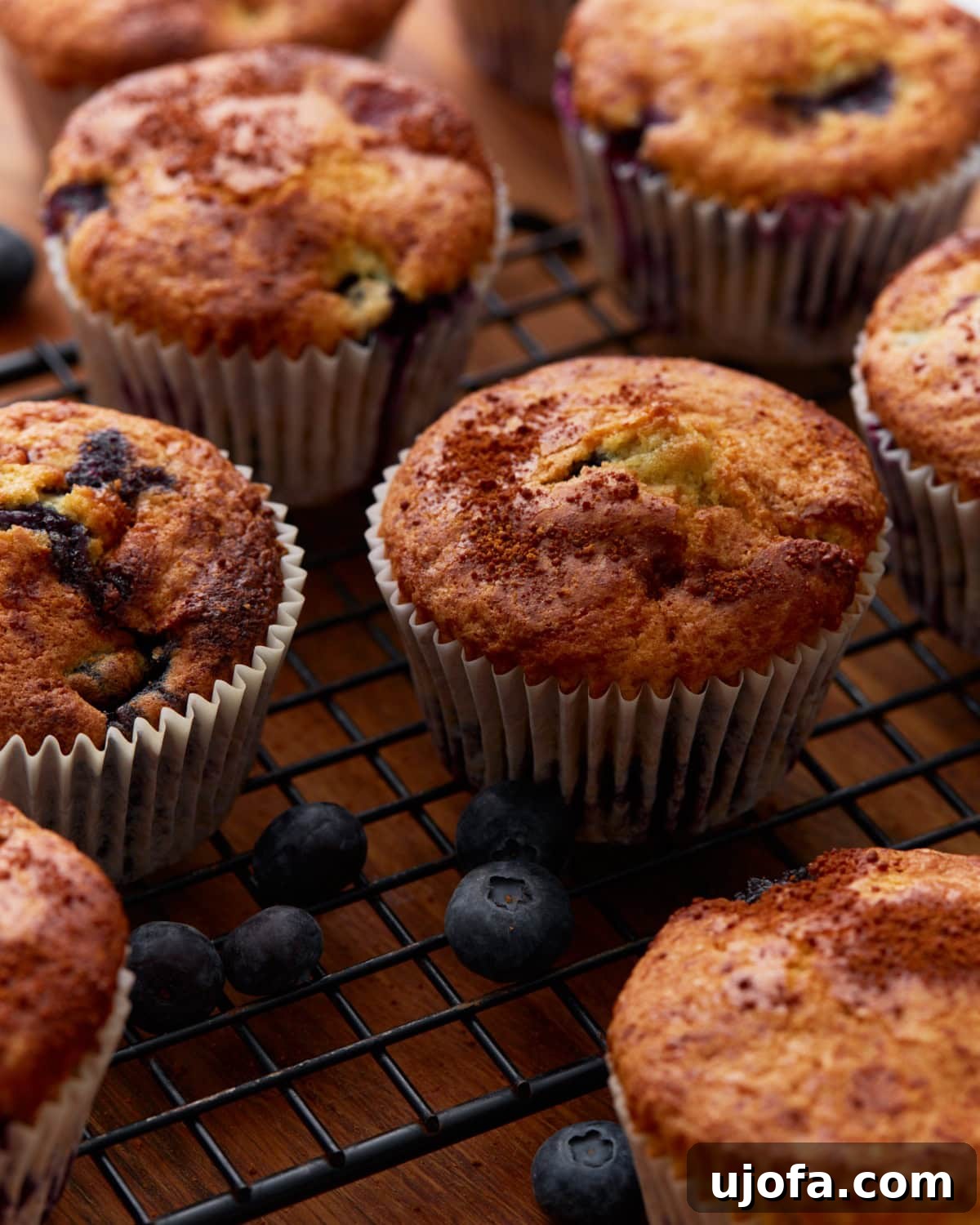
Before adopting a gluten-free lifestyle, few things brought me as much joy as a classic, fluffy blueberry muffin from my favorite local café. That simple pleasure was something I truly missed after my dietary change, until I perfected this recipe. These muffins are a revelation: incredibly soft and tender, boasting a delightful bakery-style crumb that melts in your mouth. Each one is crowned with a sparkling sugar top and generously studded with juicy, plump blueberries in every bite. The best part? They come together effortlessly in just about 30 minutes, making them a perfect treat for any time.
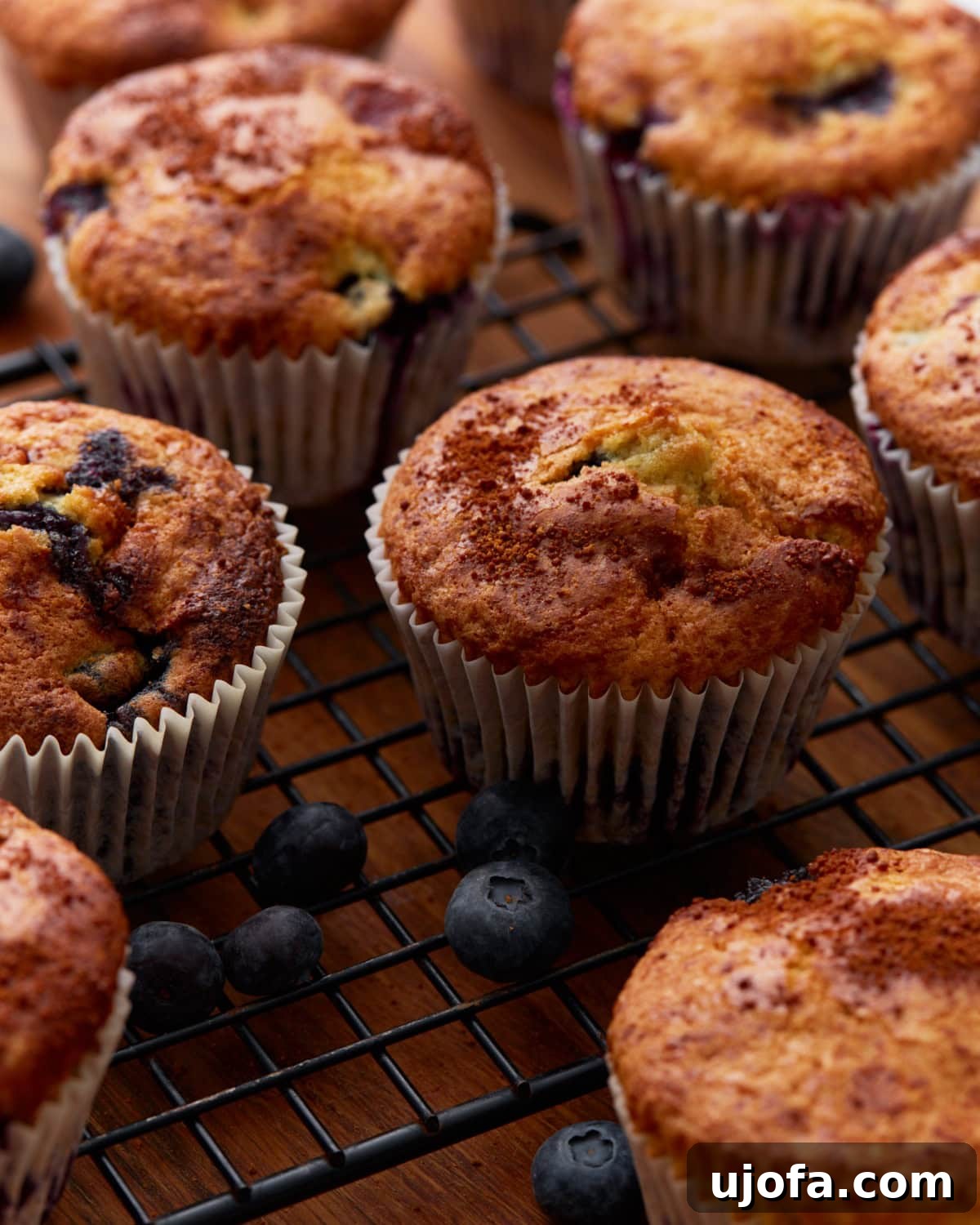
Why You’ll Fall in Love with These Gluten-Free Blueberry Muffins
What truly sets this recipe apart, making these muffins a cherished staple in my kitchen, is their remarkable simplicity and incredible versatility. Crafted with everyday ingredients, they deliver a consistently tender texture thanks to the use of buttermilk. A touch of butter adds rich flavor, while a sprinkle of coarse sugar creates that irresistible bakery-style crunch. While they’re slightly softer than my popular almond flour blueberry muffins, they share a delicious, subtle nutty note from a hint of almond extract.
One of the secrets to their perfection lies in a clever trick: tossing the blueberries in a small amount of gluten-free flour before gently folding them into the batter. This simple step ensures the berries remain beautifully suspended throughout the muffin, preventing them from sinking to the bottom, so every single bite is bursting with fruity goodness. Whether you’re navigating a gluten-free diet or simply appreciate a genuinely fantastic muffin, this recipe is an absolute must-try. It promises a comforting, satisfying experience that brings back the joy of classic baked goods without compromise.
Understanding Gluten-Free Baking for Perfect Muffins
Baking gluten-free doesn’t have to be complicated, and these blueberry muffins are a testament to that. The key often lies in selecting the right gluten-free flour blend. Many commercial all-purpose gluten-free flours, like the Pillsbury blend I prefer, already contain xanthan gum. Xanthan gum is crucial in gluten-free baking as it mimics the elasticity and binding properties of gluten, which helps prevent a crumbly texture and gives baked goods structure. If your chosen blend doesn’t include it, you might need to add a small amount separately, but for this recipe, using a blend with xanthan gum is ideal for achieving that perfect, tender crumb.
Another important aspect is ensuring your ingredients are at the right temperature. Softened butter creams better with sugar, creating air pockets that contribute to the muffin’s light and fluffy texture. Similarly, using buttermilk (or a homemade substitute) adds a slight tang and reacts with the baking soda to create lift, resulting in a wonderfully moist and tender muffin. These small considerations make a big difference in the final outcome, transforming simple ingredients into a truly delightful gluten-free treat.
Essential Tips for Muffin Perfection
Achieving bakery-quality gluten-free blueberry muffins is easier than you think, especially with a few key tips:
- Prevent Blueberries from Sinking: This is a game-changer! Always sprinkle a small amount of gluten-free flour over your blueberries and toss them gently before folding them into the batter. This light coating creates friction, helping the blueberries stay evenly distributed throughout each muffin instead of sinking to the bottom. It ensures every bite has that burst of fruity flavor.
- Achieve Bakery-Style Tops: For that irresistible, slightly crunchy top reminiscent of your favorite bakery, don’t skip the turbinado or raw sugar sprinkle before baking. The coarse sugar caramelizes beautifully in the oven, adding a wonderful textural contrast and a professional finish to your muffins.
- Effortless Removal with Liners: I always recommend using cupcake liners when making muffins. They not only make lifting the muffins out of the pan incredibly easy and mess-free, but they also ensure that every delicious crumb stays intact, leaving nothing behind in the pan. Plus, they make serving and storing a breeze!
- Avoid Overmixing: Overmixing gluten-free batter can lead to tough, dense muffins. Once you’ve added the dry ingredients and then the buttermilk, mix just until everything is combined and smooth. A few lumps are perfectly fine and often preferred.
- Room Temperature Ingredients: Ensure your butter and eggs are at room temperature. This allows them to cream together more easily and incorporate better into the batter, leading to a smoother mixture and a more consistent final texture.
Easy Gluten-Free Blueberry Muffins
Share by Email
Print Recipe

These delightful gluten-free blueberry muffins offer a taste of pure comfort, perfect for those seeking a soft, tender, and bakery-style treat without gluten. Quick to prepare in just 30 minutes, they’re bursting with juicy blueberries and topped with sparkling sugar for an irresistible crunch. Enjoy them as a quick breakfast, a satisfying snack, or a comforting dessert.
Step-by-step photos can be seen below the recipe card.
Want to save this recipe? Enter your email and get it sent to your inbox! Plus you’ll get new recipes from us every week!
(Email submission feature is currently unavailable, but you can save this page to your browser favorites!)
Ingredients
- 3/4 cup milk, For dairy-free use unsweetened almond milk.
- 2 teaspoons white vinegar or lemon juice
- 1/3 cup butter, softened, For dairy-free use Smart Balance or your preferred dairy-free butter alternative.
- 1 cup granulated sugar
- 2 large eggs, For egg-free use Bob’s Red Mill gluten-free egg replacer according to package directions.
- 1 teaspoon pure vanilla extract
- 1/4 teaspoon pure almond extract
- 1 3/4 cups gluten-free all-purpose flour with xanthan gum, I like Pillsbury gluten-free flour. Not all gluten-free flours are created equal. You may experience different baking results depending on the gluten-free flour blend you choose. Ensure your blend contains xanthan gum.
- 2 teaspoons gluten-free baking powder
- 1/2 teaspoon baking soda
- 1/2 teaspoon salt
- 2 teaspoons gluten-free all-purpose flour with xanthan gum (for blueberries)
- 2 cups blueberries, Fresh or frozen blueberries. If using frozen, do not defrost them before coating and adding to batter.
- 2 tablespoons turbinado or raw sugar (for topping)
(Unit conversion feature is unavailable without JavaScript)
Instructions
-
Preheat your oven to 375°F (190°C). This ensures the oven is at the correct temperature for even baking from the start.
-
Prepare a standard 12-cup muffin tin by lining each cup with paper cupcake liners. Alternatively, spray each cup thoroughly with a gluten-free cooking spray to prevent sticking.
-
To create homemade buttermilk, combine ¾ cup milk (or your chosen dairy-free milk alternative) and 2 teaspoons of white vinegar or lemon juice in a large measuring cup. Stir gently and let it sit in the refrigerator for 5 minutes. Keeping it cold helps maintain the batter’s consistency.
-
In a spacious mixing bowl, use a stand mixer or a hand mixer to cream together the softened ⅓ cup butter (or dairy-free substitute) and 1 cup granulated sugar. Beat until the mixture is light, fluffy, and pale in color, typically for 2-3 minutes.
-
Add the 2 large eggs one at a time, mixing well after each addition. Stir in the 1 teaspoon of pure vanilla extract and ¼ teaspoon of pure almond extract. Continue mixing until all ingredients are thoroughly combined and the mixture is smooth.
-
In a separate bowl, whisk together the 1 ¾ cups gluten-free all-purpose flour, 2 teaspoons gluten-free baking powder, ½ teaspoon baking soda, and ½ teaspoon salt. Gradually add these dry ingredients to the wet mixture, mixing on low speed until just combined and smooth. Be careful not to overmix.
-
Retrieve your homemade buttermilk from the refrigerator and pour it into the muffin batter. Mix on low speed until the buttermilk is fully incorporated and the batter is smooth. The batter will be noticeably thick; avoid overmixing to keep the muffins tender.
-
In a medium-sized bowl, place the 2 cups of blueberries (fresh or frozen). Sprinkle the 2 additional teaspoons of gluten-free flour over the berries. Gently toss the blueberries to ensure they are evenly coated with flour. This critical step helps prevent them from sinking during baking.
-
Carefully fold the floured blueberries into the muffin batter using a spatula. Mix just enough until the blueberries are evenly distributed throughout the batter.
-
Using a greased ice cream scoop or a ¼ cup measuring cup, evenly divide the muffin batter among the prepared muffin cups. An ice cream scoop helps ensure uniform muffin sizes.
-
Sprinkle the tops of each filled muffin cup with the 2 tablespoons of turbinado or raw sugar. This will give them a beautiful, crunchy, bakery-style finish.
-
Bake on the middle rack of your preheated oven for 25-30 minutes, or until the muffin tops are golden brown and a toothpick inserted into the center of a muffin comes out clean. Baking times can vary, so keep a close eye on your oven.
-
Once baked, allow the muffins to cool in the muffin pan for 3-5 minutes. This helps them firm up slightly before being moved. Then, carefully transfer them to a wire cooling rack to cool completely. Enjoy warm or at room temperature!
-
Store the completely cooled muffins in an airtight container to maintain their freshness and moisture.
Nutrition Information (Approximate)
Calories: 214 kcal
Carbohydrates: 36g
Protein: 4g
Fat: 7g
Saturated Fat: 4g
Polyunsaturated Fat: 1g
Monounsaturated Fat: 2g
Trans Fat: 1g
Cholesterol: 46mg
Sodium: 202mg
Potassium: 124mg
Fiber: 2g
Sugar: 23g
Vitamin A: 241IU
Vitamin C: 2mg
Calcium: 68mg
Iron: 1mg
Nutrition information is automatically calculated, so should only be used as an approximation. Values may vary based on specific ingredients and brands used.
Additional Info
How to Make Easy Gluten-Free Blueberry Muffins: Step-by-Step Visual Guide
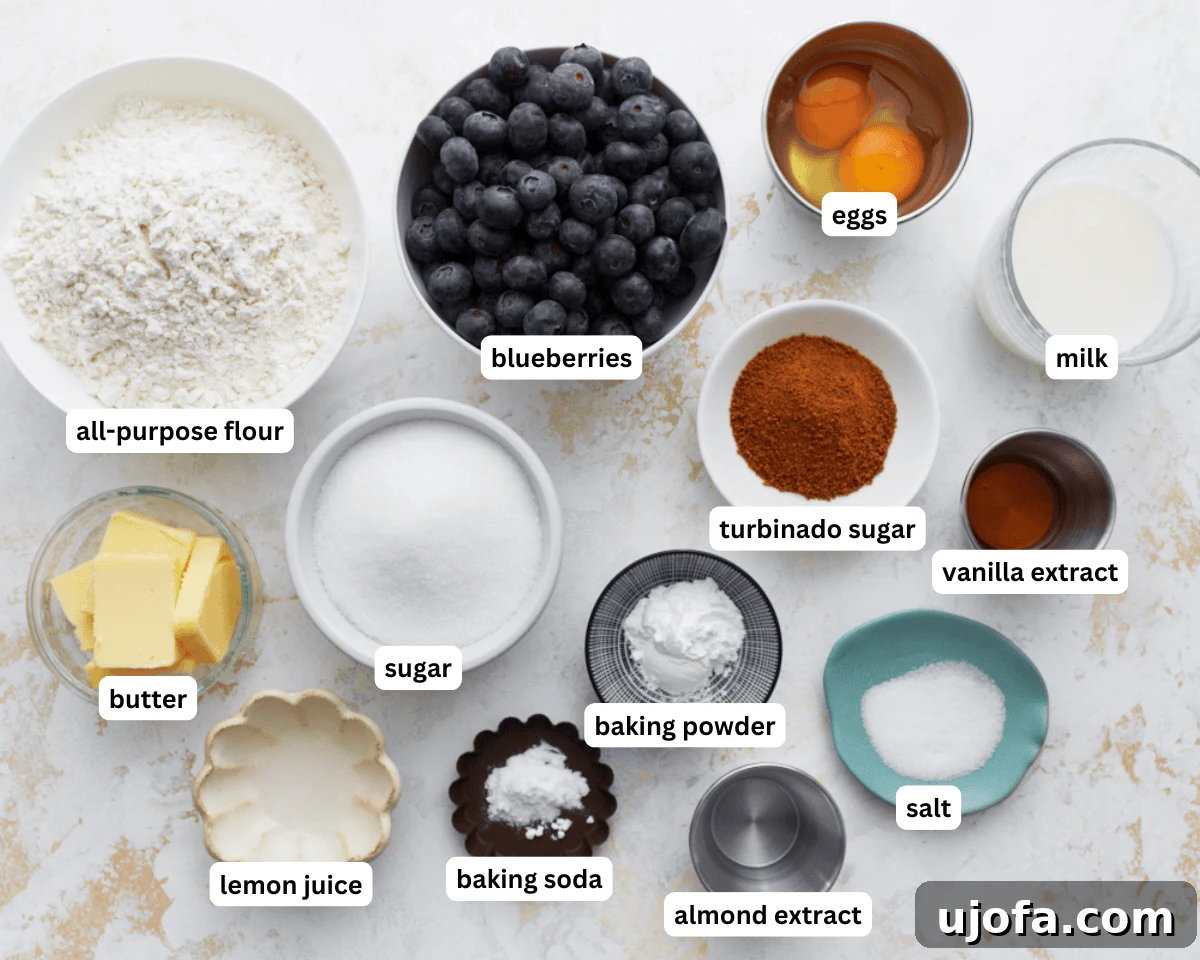
Step 1: Gather Your Ingredients and Preheat. Start by assembling all the necessary ingredients on your counter. This mise en place makes the baking process smooth and efficient. Preheat your oven to 375°F (190°C) and prepare your muffin tin by lining it with cupcake liners or generously spraying it with a gluten-free cooking spray. Having everything ready ensures a seamless baking experience.

Step 2: Prepare Homemade Buttermilk. In a large glass measuring cup, combine ¾ cup of milk (or a dairy-free alternative like unsweetened almond milk) with 2 teaspoons of white vinegar or lemon juice. Give it a gentle stir. Place this mixture in the refrigerator for about 5 minutes to allow it to curdle slightly and stay cold. This creates a tenderizing effect in the muffins.
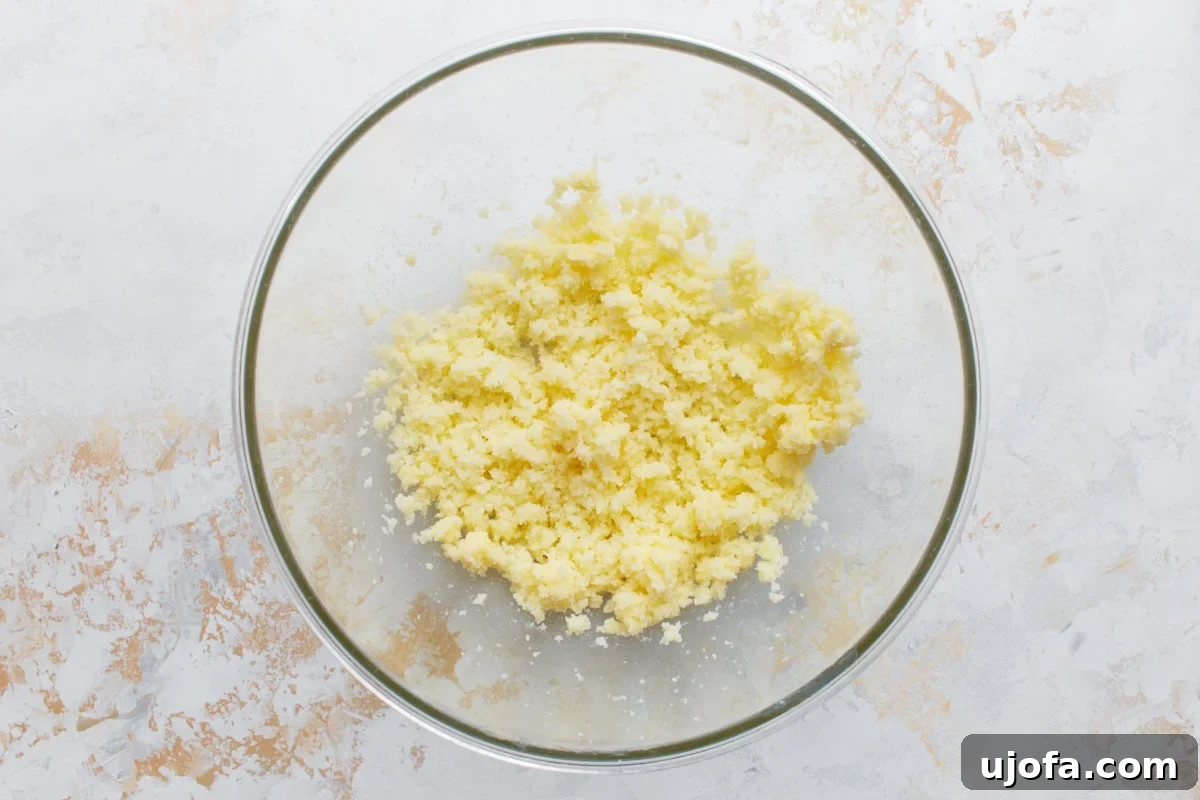
Step 3: Cream Butter and Sugar. In a spacious mixing bowl, using either a stand mixer fitted with the paddle attachment or a hand mixer, cream together ⅓ cup of softened butter (or a dairy-free butter alternative) and 1 cup of granulated sugar. Beat on medium-high speed until the mixture becomes light, fluffy, and noticeably paler in color, which usually takes 2-3 minutes. This step incorporates air, making the muffins light.
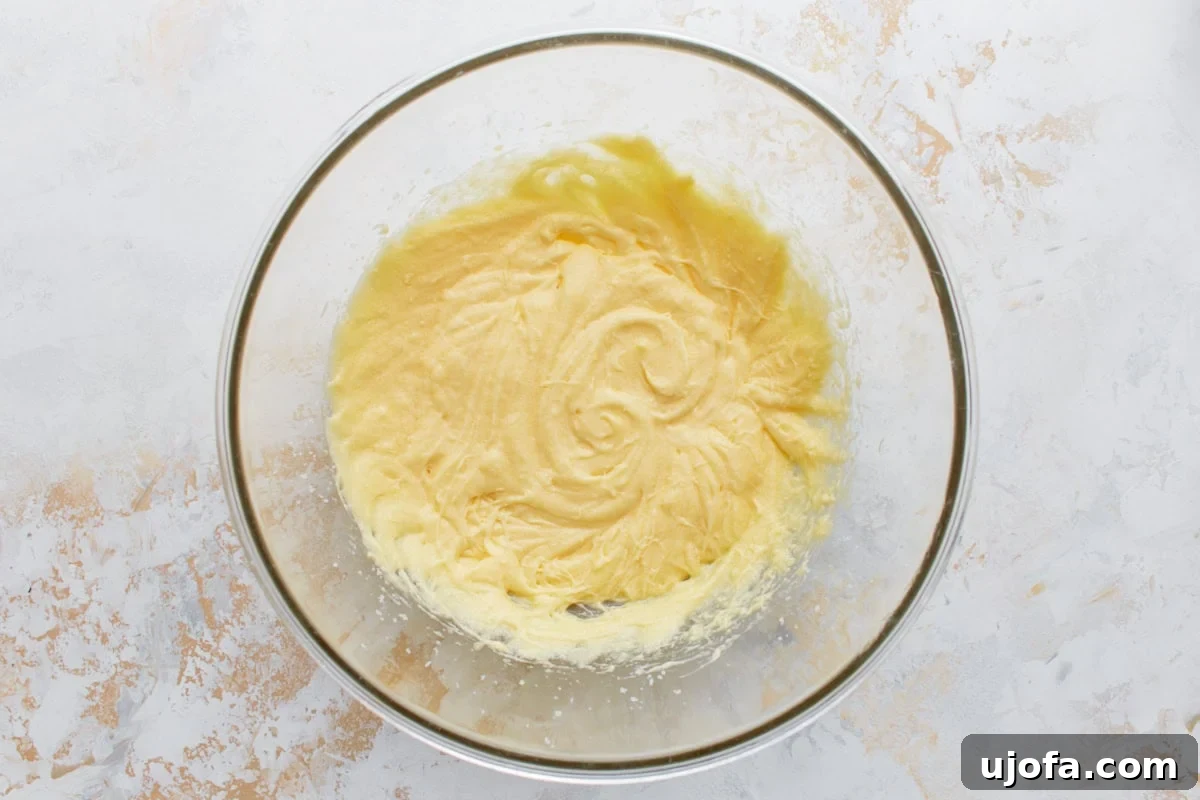
Step 4: Incorporate Wet Ingredients. Crack 2 large eggs into the creamed butter and sugar mixture, mixing thoroughly after each addition until fully incorporated. Then, stir in 1 teaspoon of pure vanilla extract and ¼ teaspoon of pure almond extract. Continue to mix until the batter is smooth and well combined. The almond extract adds a lovely depth of flavor.
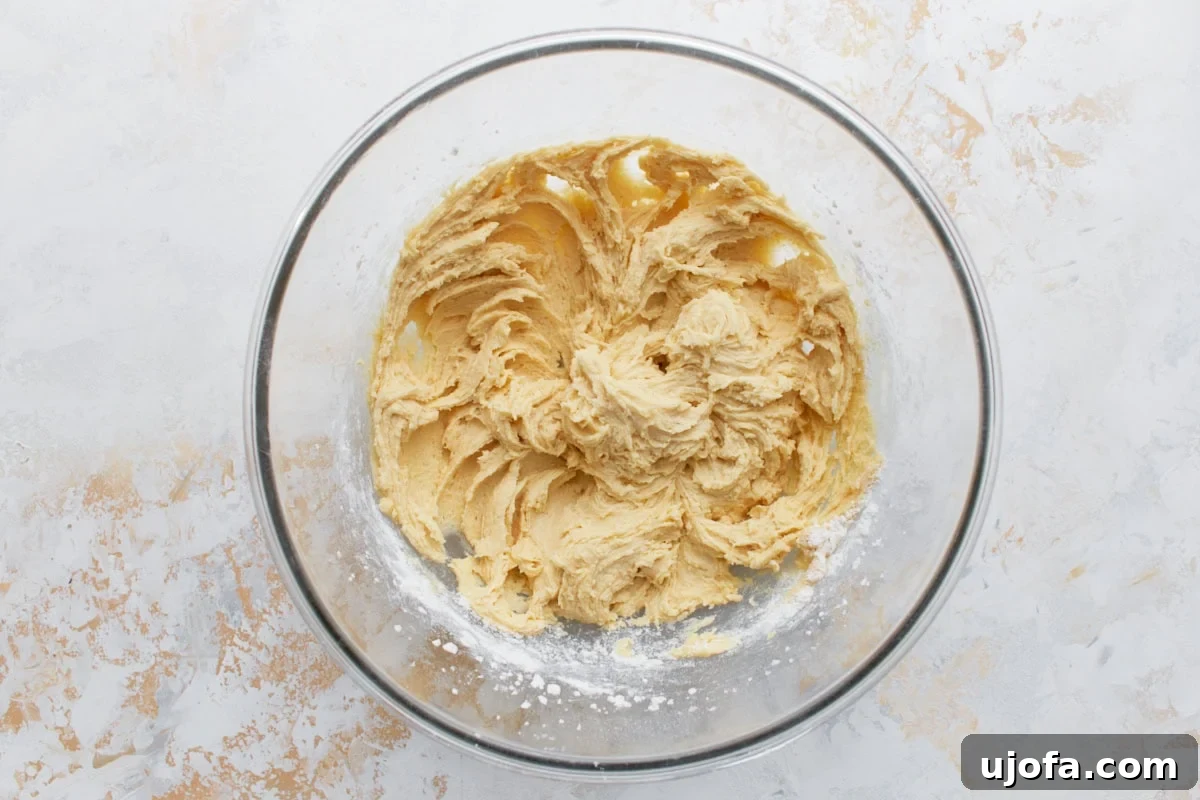
Step 5: Mix in the Dry Ingredients. In a separate bowl, whisk together 1 ¾ cups of gluten-free all-purpose flour (ensuring it contains xanthan gum), 2 teaspoons of gluten-free baking powder, ½ teaspoon of baking soda, and ½ teaspoon of salt. Gradually add this dry mixture to your wet ingredients. Mix on low speed until just combined and smooth, being careful not to overmix, which can lead to tough muffins.
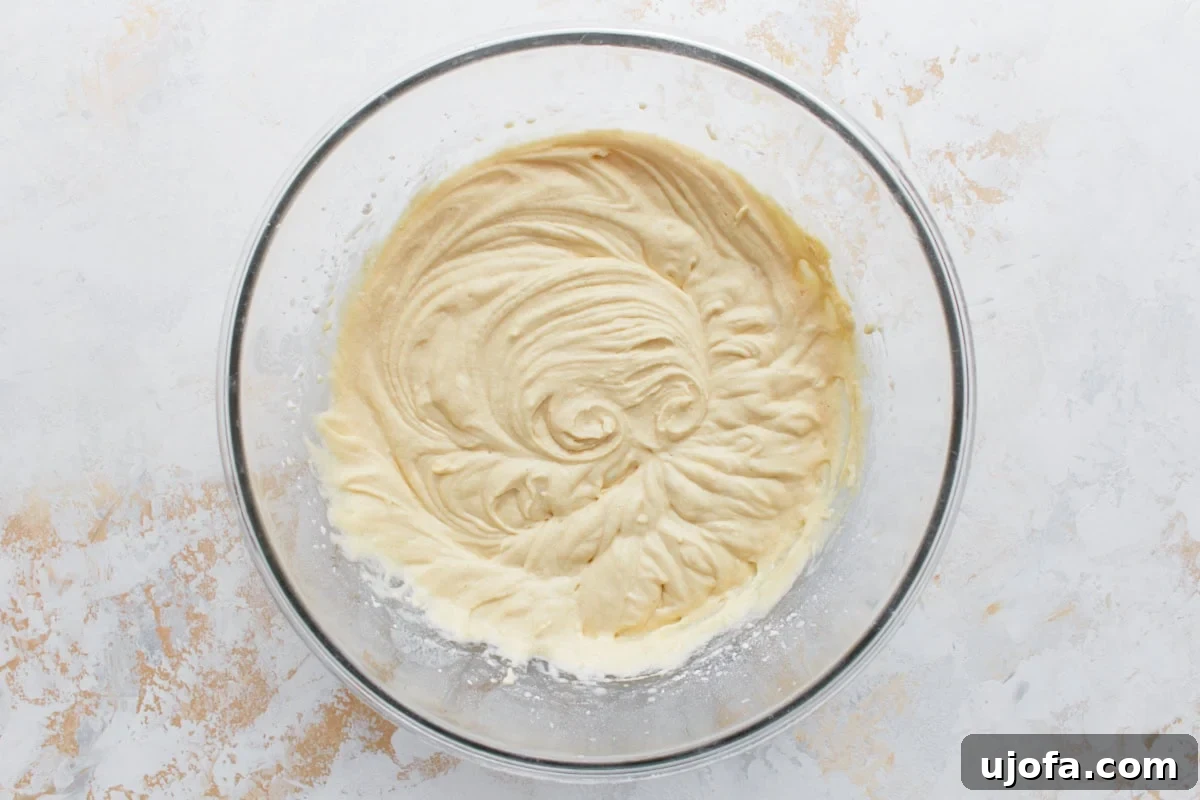
Step 6: Add the Buttermilk to the Batter. Remove the buttermilk mixture from the fridge and pour it into your muffin batter. Mix on low speed until the buttermilk is fully incorporated and the batter achieves a smooth consistency. The batter will be quite thick at this stage, which is perfectly normal. Remember, less mixing is more for tender muffins.
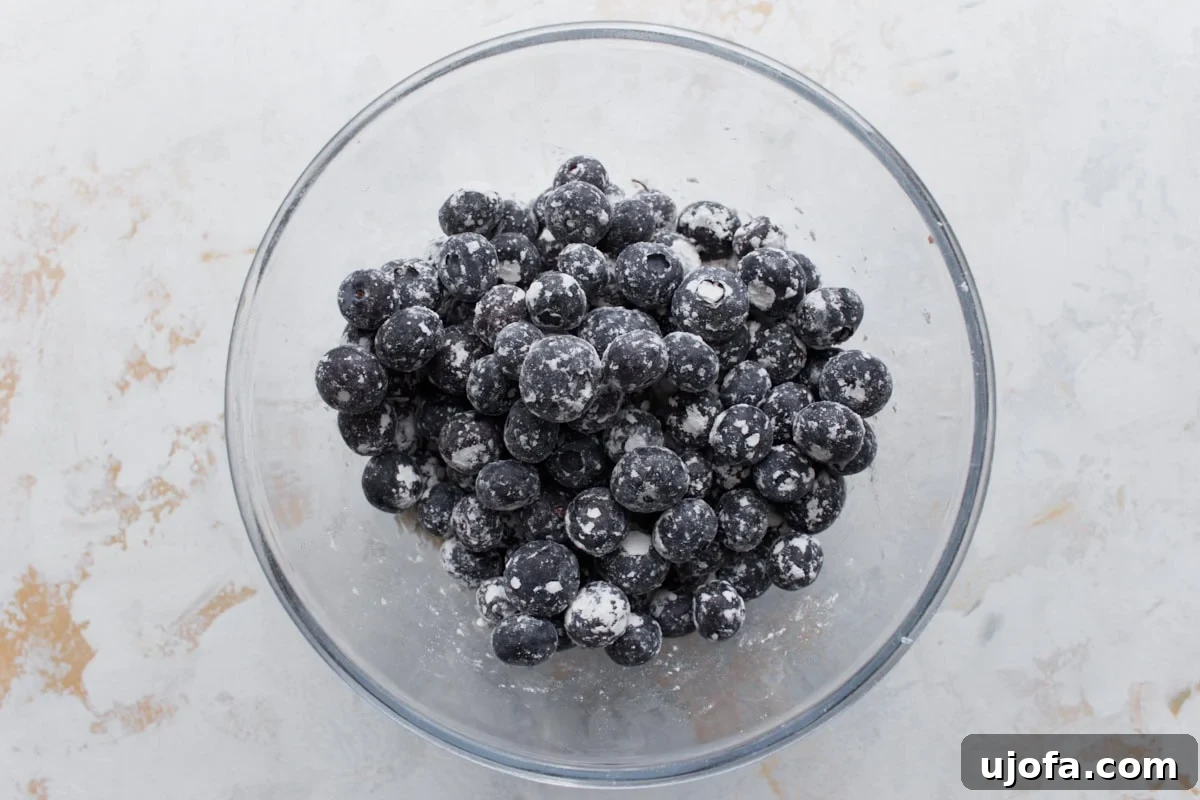
Step 7: Prepare and Coat the Blueberries. Place 2 cups of fresh or frozen blueberries into a medium-sized bowl. Sprinkle 2 teaspoons of gluten-free all-purpose flour over the berries. Gently toss them with your hands or a spoon until each berry is lightly coated. This crucial step prevents the blueberries from sinking to the bottom of your muffins during baking, ensuring even distribution.
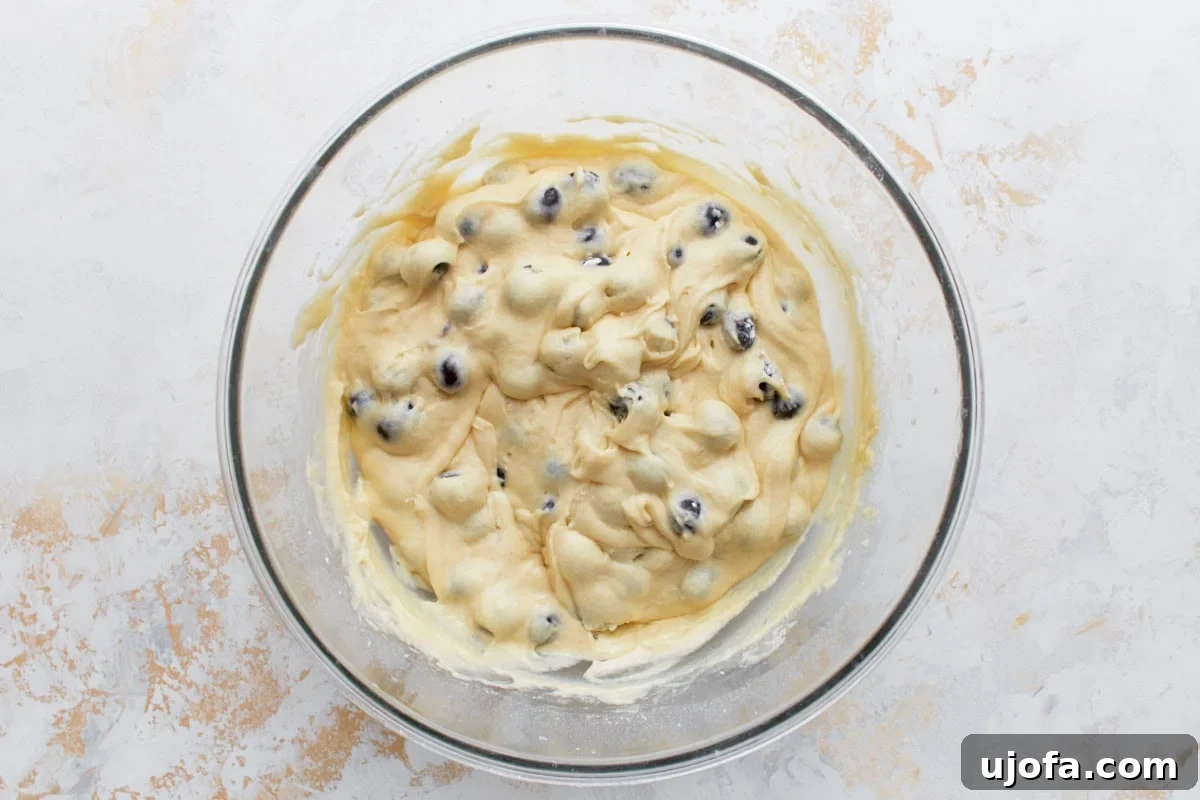
Step 8: Gently Fold in the Blueberries. With a spatula, gently fold the floured blueberries into the muffin batter. Continue folding just until the blueberries are evenly distributed throughout the mixture. Overmixing here can crush the berries and tint your batter, so a light touch is best.
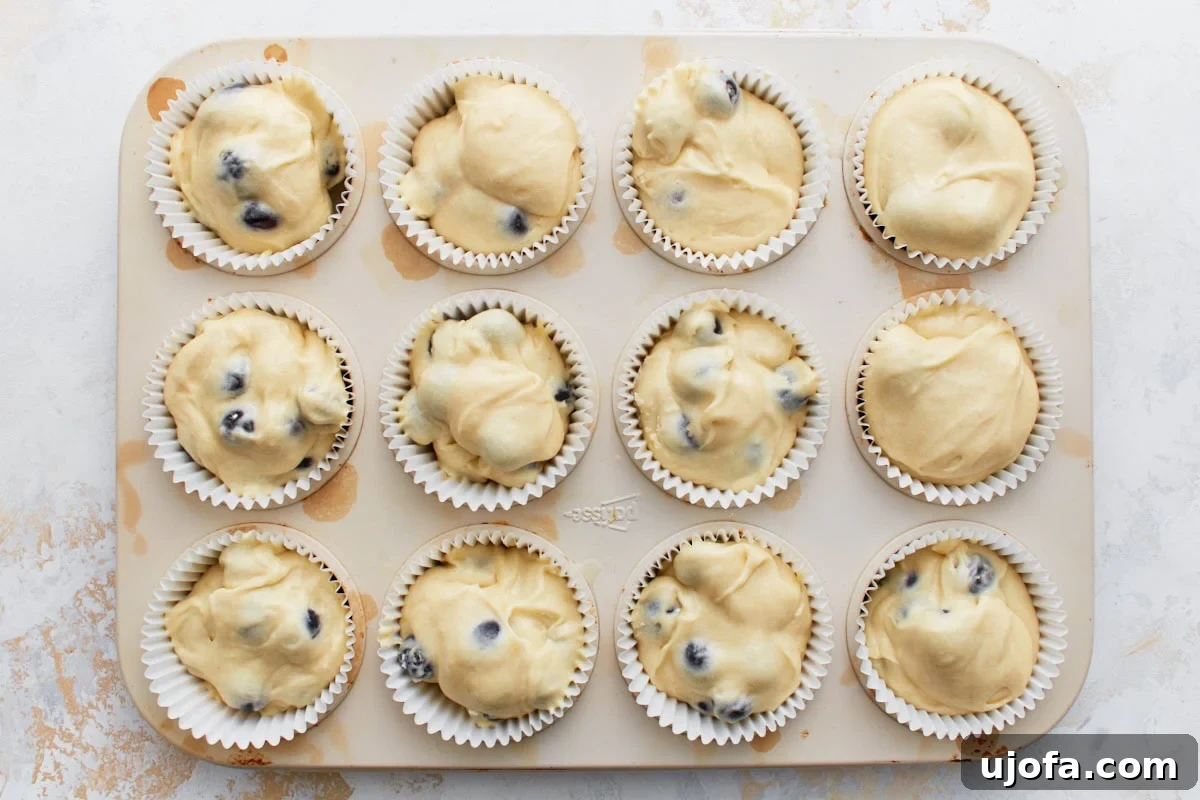
Step 9: Scoop the Batter into Muffin Cups. Using a greased ice cream scoop (to prevent sticking and ensure even portions) or a measuring cup, carefully scoop the batter into the prepared muffin cups. Fill each cup about two-thirds full for beautifully domed muffins. This uniform scooping leads to muffins that bake at the same rate.
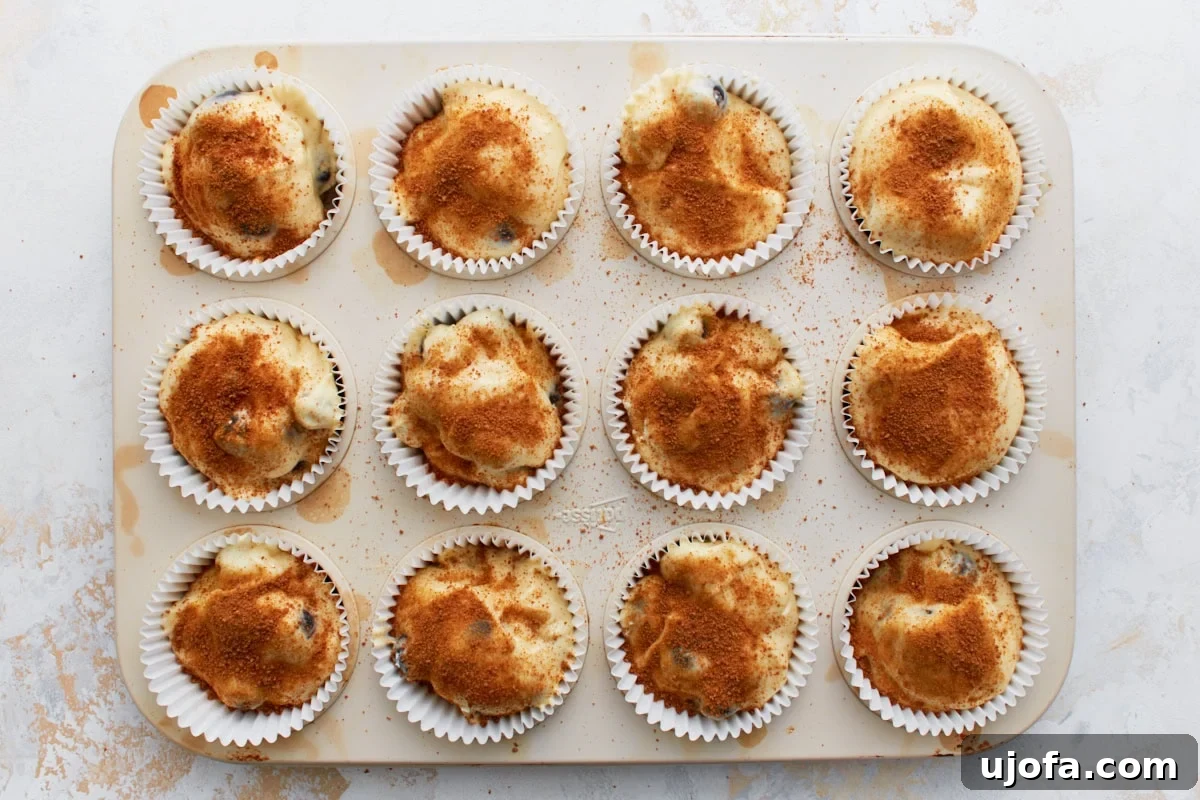
Step 10: Sprinkle with Sugar for Bakery Finish. Take 2 tablespoons of turbinado sugar or raw sugar and generously sprinkle it over the top of each muffin. This coarse sugar will caramelize during baking, creating a sparkling, crunchy crust that gives your muffins that irresistible bakery-style appeal and adds a delightful textural element.
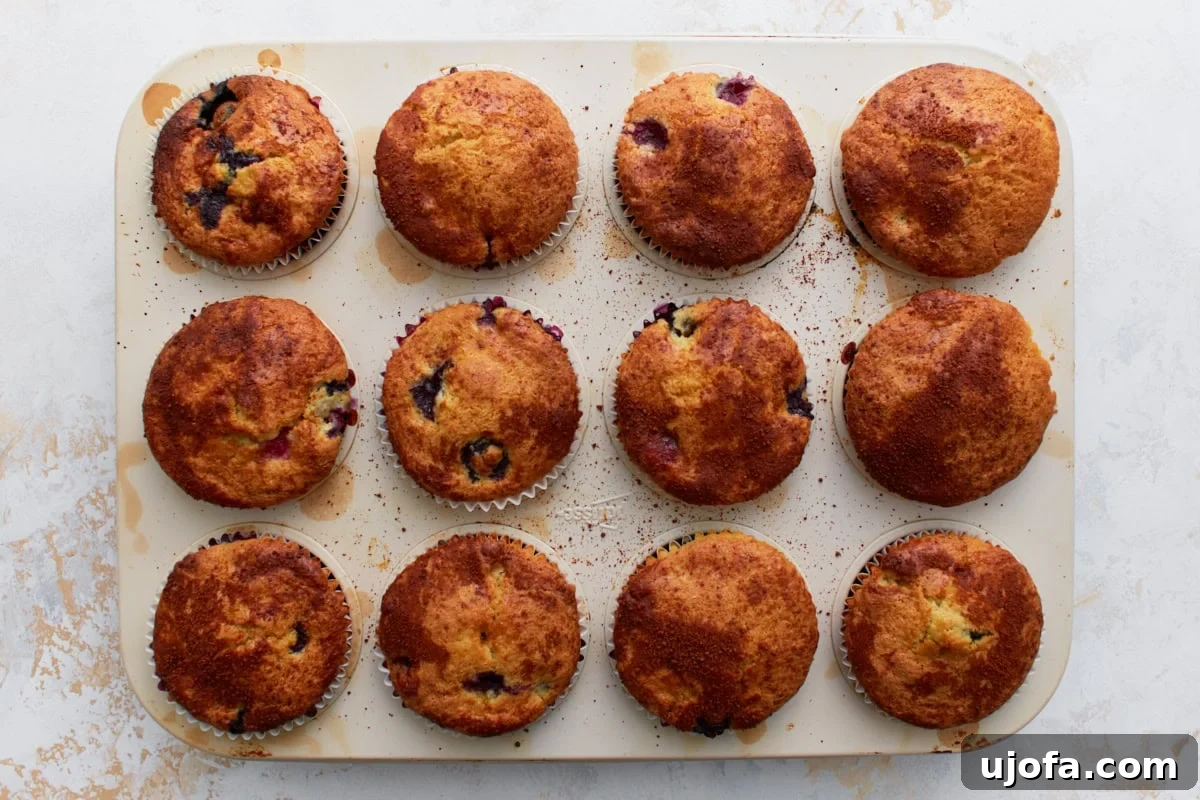
Step 11: Bake to Golden Perfection. Place the muffin tin on the middle rack of your preheated oven. Bake for approximately 25–30 minutes, or until the tops are beautifully golden brown and a wooden skewer or toothpick inserted into the center of a muffin comes out clean. Remember that oven temperatures can vary, so it’s always wise to keep an eye on your muffins as they bake.
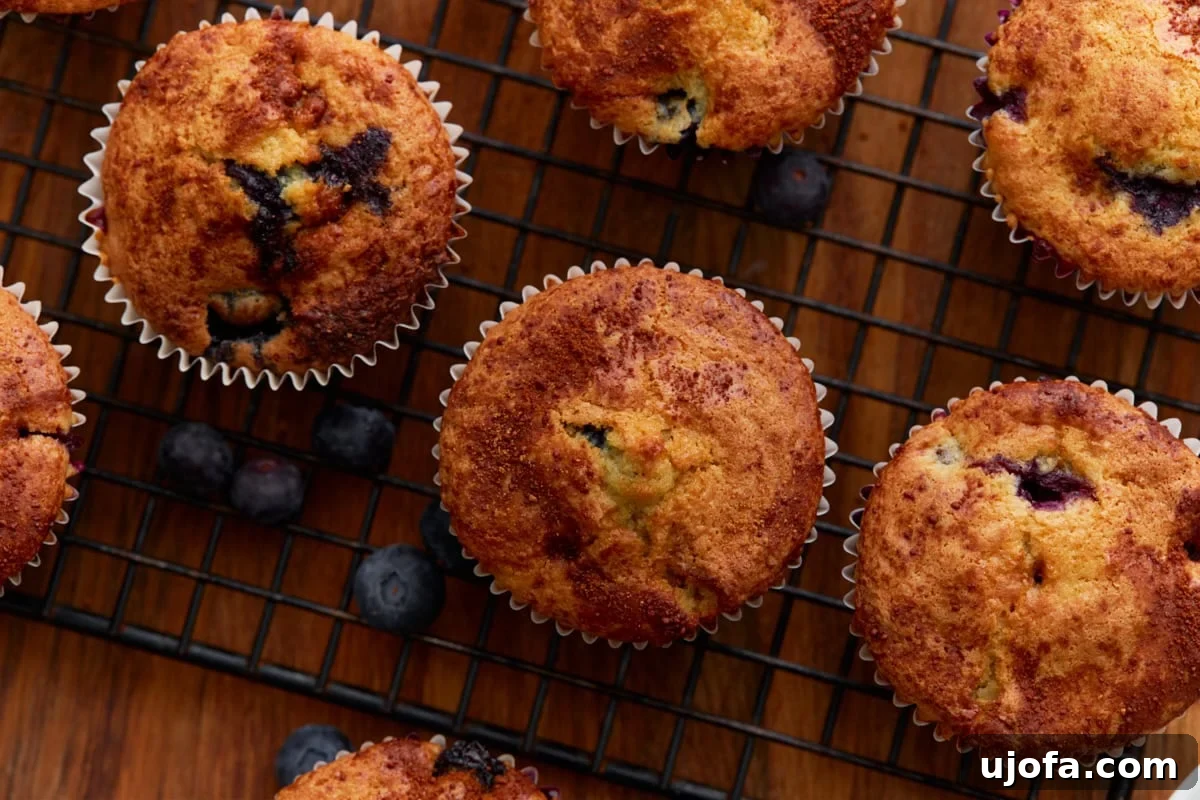
Step 12: Cool and Indulge. Allow the freshly baked muffins to cool in the muffin tin for 3-5 minutes. This brief cooling period helps them set and makes them easier to handle. Afterward, gently transfer the muffins to a wire cooling rack to cool completely. Serve them warm for a comforting treat, or let them cool fully before enjoying. Enjoy every delicious, gluten-free bite!
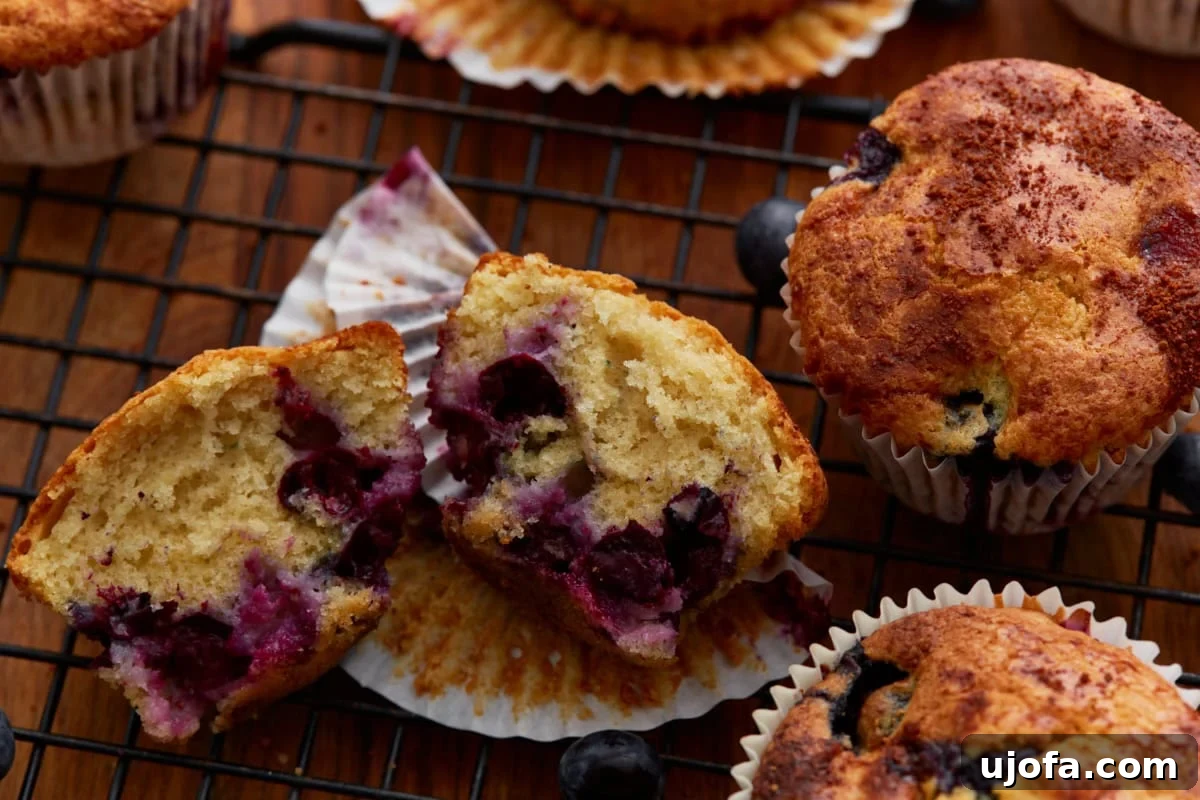
Delightful Serving Suggestions
These easy gluten-free blueberry muffins are incredibly versatile, making them a perfect choice for almost any occasion. They are an ideal gluten-free breakfast, a satisfying snack, or a delightful addition to brunch. I particularly enjoy grabbing one with my morning coffee or as an afternoon pick-me-up to conquer those midday slumps. They are absolutely delicious on their own, fresh out of the oven, with their soft interior and crunchy topping. However, for an extra touch of indulgence, try warming them slightly and spreading a little vegan butter or your favorite dairy-free spread. Whether you’re rushing out the door or savoring a slow, leisurely morning, these muffins consistently hit the spot, delivering comfort and flavor every single time.
Storing Your Gluten-Free Blueberry Muffins
Proper storage is key to keeping your gluten-free blueberry muffins fresh and delicious. You can actually prep the batter ahead of time! If you plan to do so, simply mix the batter as instructed, but hold off on adding the blueberries. Store the prepared batter in a tightly covered bowl or an airtight container in the refrigerator for up to 24 hours. When you’re ready to bake, fold in the blueberries just before scooping and baking.
For baked muffins, always ensure they are completely cooled before storing them. Storing warm muffins traps steam, which can make them soggy and diminish their delightful texture. Once fully cooled, place leftover muffins in an airtight container at room temperature, where they will stay fresh for 2-3 days. For longer storage, the freezer is your best friend.
To freeze, once the muffins are completely cool, arrange the entire muffin tin in the freezer for about 15-30 minutes. This “flash freezing” prevents them from sticking together. After they are firm, transfer the muffins to a freezer-safe bag or an airtight container. I often double-bag them to provide an extra layer of protection against freezer burn, keeping them fresh for up to 3 months.
When you’re ready to enjoy a frozen muffin, you have a few reheating options. You can let them defrost in the refrigerator overnight for a grab-and-go option. For a warm muffin, reheat them in the oven wrapped in foil for about 10 minutes at 350°F (175°C). If you’re really pressed for time, a quick microwave session of 30–60 seconds per muffin will warm them through, though the texture might be slightly softer than oven-reheated ones.
Common Questions & Troubleshooting for Gluten-Free Muffins
My muffins are dry and crumbly, what went wrong?
Gluten-free flours can absorb liquids differently. Ensure you’re using a high-quality gluten-free all-purpose flour blend that specifically includes xanthan gum, or add it if your blend doesn’t. Also, be careful not to overbake; ovens vary, so check for doneness with a toothpick at the earlier end of the baking time. Overmixing can also develop the starches too much, leading to a tougher, drier muffin.
Can I use other fruits instead of blueberries?
Absolutely! This base recipe is quite versatile. You can substitute blueberries with an equal amount of chopped strawberries, raspberries, or even diced peaches. Remember to still coat softer fruits like raspberries in a little gluten-free flour to prevent them from sinking and making the batter too wet. Adjust the sugar slightly if your chosen fruit is less sweet.
My blueberries still sank to the bottom. What did I miss?
The key is coating them thoroughly in gluten-free flour. Make sure each berry has a light dusting. If your blueberries were very wet (e.g., just washed), dry them well before coating. Also, ensure your batter is thick enough; a runny batter will cause berries to sink regardless of coating. Make sure your buttermilk is cold when added, and avoid overmixing the batter as this can break down its structure.
How do I know if my muffins are fully cooked?
The best way is the toothpick test. Insert a wooden skewer or toothpick into the center of one of the muffins. If it comes out clean or with just a few moist crumbs attached (no wet batter), the muffins are done. The tops should also be golden brown and spring back lightly when gently touched.
More Delicious Fruity Gluten-Free Bakes to Try
If you’ve enjoyed these delightful blueberry muffins and are looking for more fruit-filled gluten-free treats, here are some other fantastic recipes that celebrate fresh flavors:
- Gluten-Free Blueberry Scones: Flaky, tender scones packed with blueberries, perfect for breakfast or afternoon tea.
- Gluten-Free Peach Cobbler: A comforting dessert with juicy peaches topped with a sweet, biscuit-like gluten-free topping.
- Gluten-Free Banana Cake: Moist and flavorful, this cake is a wonderful way to use up ripe bananas.
- Gluten-Free Strawberry Shortcake: A classic springtime dessert featuring tender gluten-free shortcakes, fresh strawberries, and whipped cream.
- Gluten-Free Apple Pie: A timeless dessert with a perfectly flaky gluten-free crust and a warm, spiced apple filling, with dairy-free and vegan options available.
Happy baking, and enjoy these wonderful gluten-free creations!