
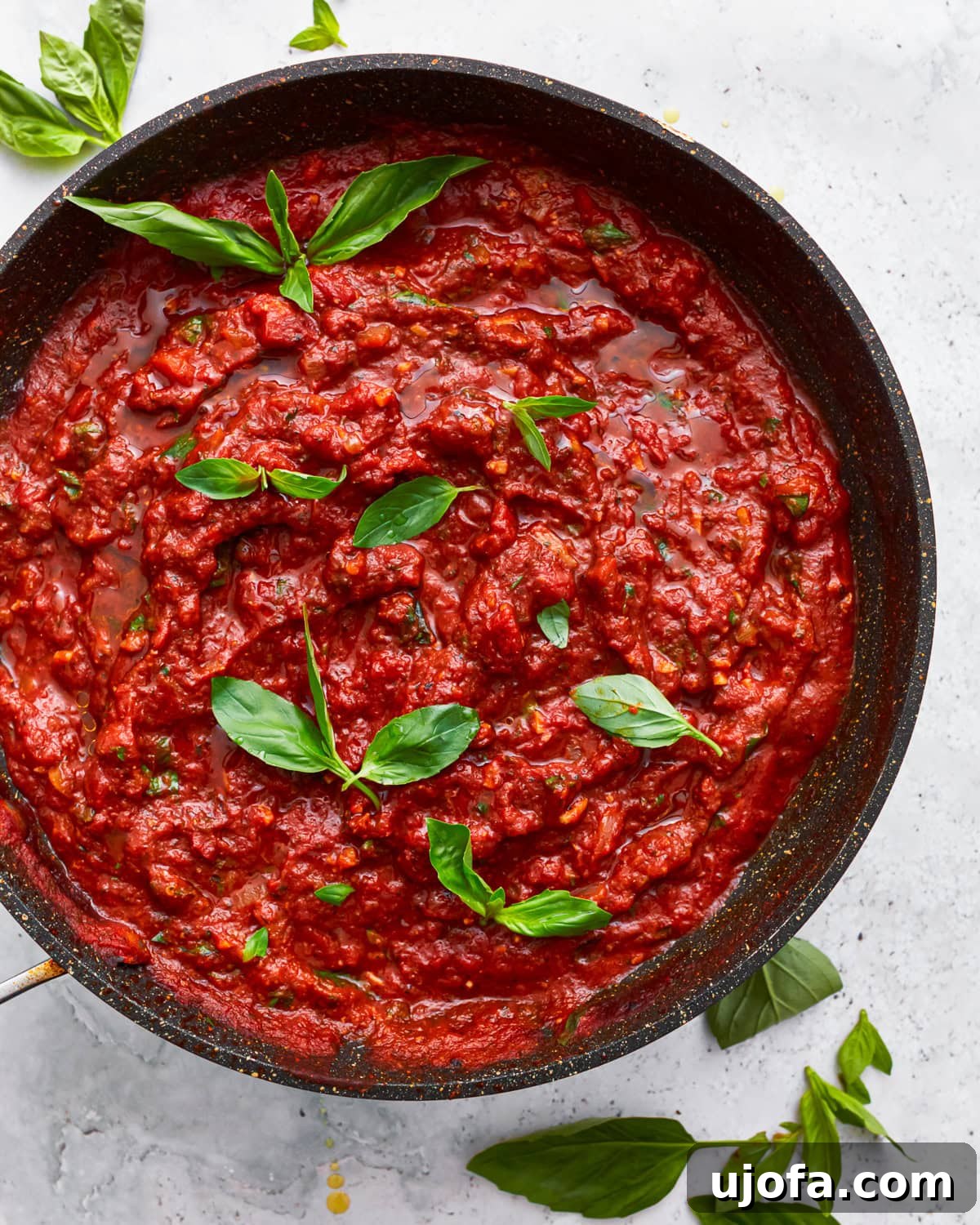
Delicious Homemade Gluten-Free Spaghetti Sauce: A Timeless Family Recipe
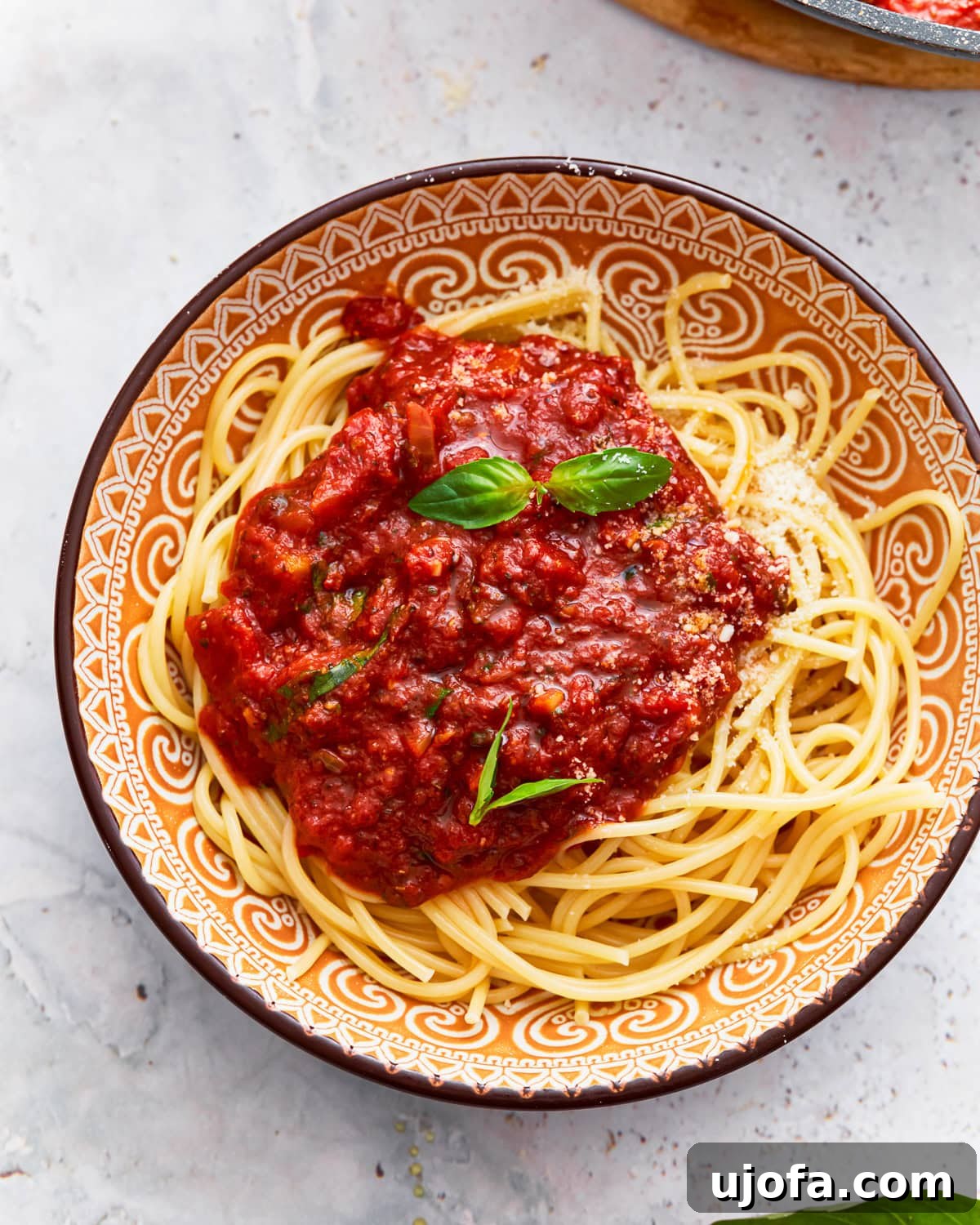
For as long as I can remember, this homemade gluten-free spaghetti sauce has been a staple in my kitchen. It’s more than just a recipe; it’s a comforting tradition that brings my family together. This incredibly easy dinner solution uses simple pantry staples, elevated by a delightful sprinkle of fresh herbs, to create a rich, tangy, and deeply flavorful gluten-free sauce. It’s the perfect topping for your favorite pasta, a succulent addition to chicken dishes, or a robust base for homemade pizza.
I genuinely believe this sauce tastes better than any store-bought alternative I’ve ever encountered. The freshness and depth of flavor are simply unmatched. What’s more, it’s incredibly versatile and freezer-friendly, making it ideal for meal prep. I often double or even triple the recipe, freezing the extra sauce for those busy weeknights when a hearty, homemade meal is a must.
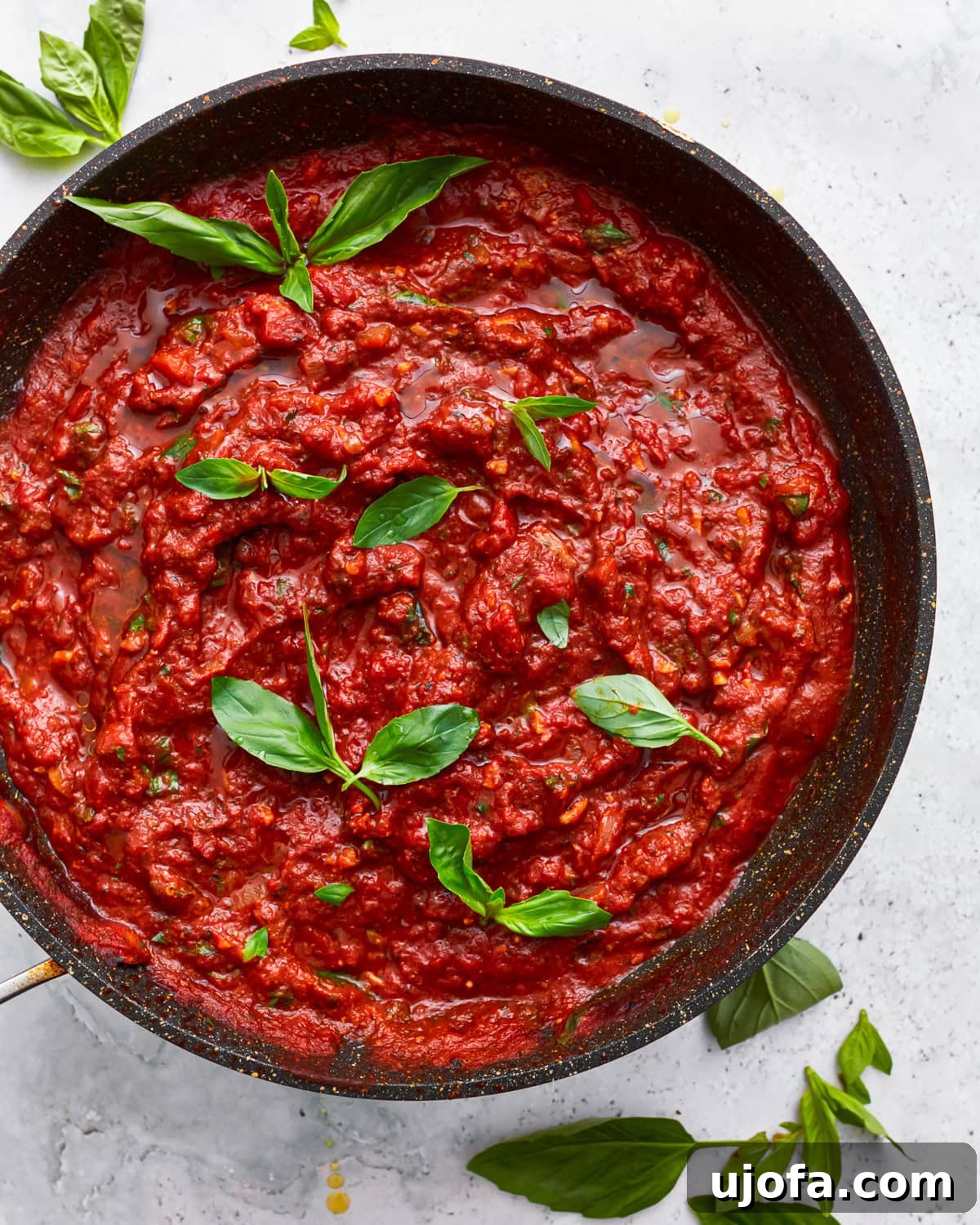
Why Choose Homemade Gluten-Free Spaghetti Sauce?
While convenience store-bought sauces certainly have their place for quick meals, nothing truly compares to the fresh, robust taste of a sauce made from scratch. When you prepare your own gluten-free spaghetti sauce at home, you gain complete control over every ingredient, ensuring it meets your dietary needs and taste preferences. This means no worrying about hidden gluten-containing ingredients, unwanted additives, artificial flavors, or excessive sugars often found in commercial brands.
Crafting your own sauce is also an opportunity to build layers of complex flavors. In this recipe, we utilize three distinct types of tomatoes – crushed, paste, and sauce – each contributing a unique element to the final product. These are then expertly blended with savory garlic and onion, a touch of Parmesan cheese for creaminess and depth, and a generous handful of fragrant herbs. The result is a sauce that is not only naturally gluten-free but also the richest, heartiest, and most delicious sauce you’ll ever taste. My family absolutely adores it, especially when served over homemade gluten-free pasta or a delightful almond flour pasta.
The Benefits of Making Your Own:
- Full Ingredient Control: Avoid hidden allergens and unnecessary preservatives. You know exactly what goes into your meal.
- Superior Flavor & Freshness: Fresh herbs and quality tomatoes create a vibrant taste that jarred sauces simply can’t replicate.
- Cost-Effective: Making sauce from scratch is often more economical than regularly purchasing premium gluten-free brands.
- Customization: Adjust sweetness, spice levels, and herb profiles to perfectly suit your family’s preferences.
- Dietary Adaptability: Easily modify the recipe for vegan or dairy-free diets by omitting the cheese.
Essential Ingredients for the Best Gluten-Free Spaghetti Sauce
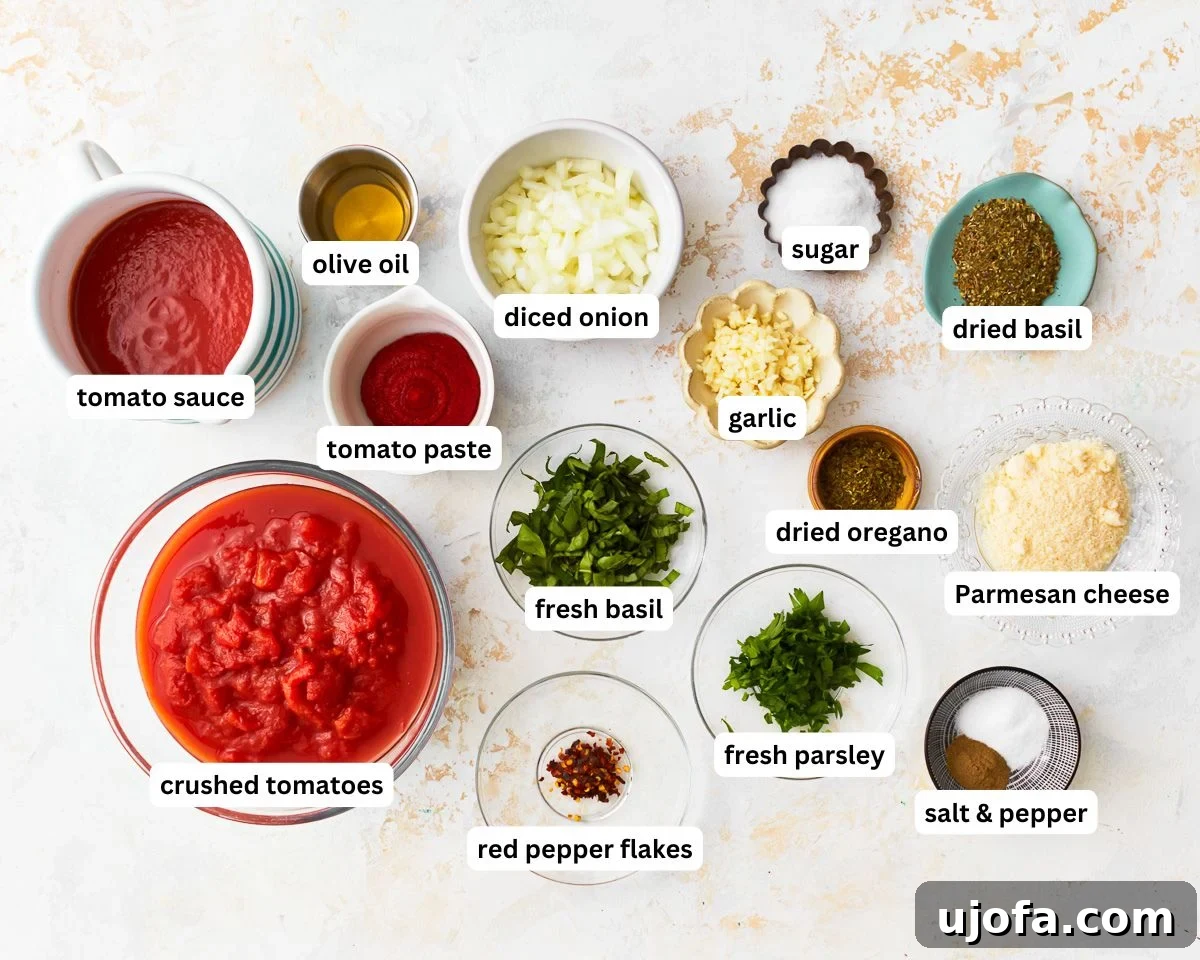
The beauty of this recipe lies in its simplicity and the quality of its core ingredients. Each component plays a vital role in building the incredible flavor profile of this homemade gluten-free spaghetti sauce. Here’s a closer look at what you’ll need:
- Olive Oil: More than just a cooking medium, good quality extra virgin olive oil adds a foundational layer of rich, fruity flavor to the sauce. It’s crucial for sautéing the aromatics and drawing out their full potential.
- Onion & Garlic: These indispensable aromatics form the aromatic base of the sauce, providing depth and a savory foundation. Dicing them finely ensures their flavor is evenly distributed throughout the sauce, contributing to every delicious bite.
- Crushed Tomatoes: This is the backbone of the sauce, providing a chunky texture and a bright, intense tomato flavor. When selecting, opt for a brand with no added herbs or flavorings if possible, as this allows you to control the seasoning precisely.
- Tomato Sauce: Adding tomato sauce contributes to the overall body and liquid consistency of your spaghetti sauce, ensuring it’s not too thick and clings perfectly to pasta.
- Tomato Paste: A concentrated form of tomatoes, tomato paste is a secret weapon for adding a rich, intense, umami depth that truly elevates the sauce’s flavor. It creates that satisfying, slow-cooked taste in a shorter amount of time.
- Sugar: A small amount of sugar is essential for balancing the natural acidity of the tomatoes. It doesn’t make the sauce sweet but instead rounds out the flavors and enhances the natural sweetness of the tomatoes. You can adjust the amount based on your preference and the acidity of your tomatoes.
- Parmesan Cheese: If you’ve never incorporated Parmesan into your red sauces before, prepare to be amazed! It introduces a wonderful saltiness and a subtle creaminess that harmonizes all the flavors. For those following a vegan or dairy-free diet, this ingredient can be easily omitted without compromising the core deliciousness of the sauce.
- Dried Herbs & Seasonings: A classic blend of dried basil and dried oregano forms the heart of this Italian-inspired sauce. Salt, black pepper, and red pepper flakes (for a gentle hint of warmth) are added before simmering. The longer these flavors meld, the more complex and delicious the sauce becomes.
- Fresh Basil & Parsley: Stirring in fresh basil and parsley just before serving is a game-changer. Their vibrant, fresh notes awaken the entire sauce, making it smell and taste incredibly amazing. Don’t skip this step for that authentic Italian touch!
- Ground Meat (Optional): This recipe is incredibly delicious as a vegetarian, meatless sauce. However, if you desire to add protein and make it a heartier meal, ground beef, turkey, or Italian sausage are excellent choices. For a plant-based option, your favorite vegetarian or vegan meat alternative will also work wonderfully.
Step-by-Step: How to Make Your Delicious Gluten-Free Spaghetti Sauce
Creating this rich and flavorful gluten-free spaghetti sauce is a truly satisfying experience, and the process is quite straightforward. Follow these easy steps to craft a perfect sauce that will become a cherished part of your family’s meal rotation.
Step 1: Sauté the Aromatics to Build the Flavor Base
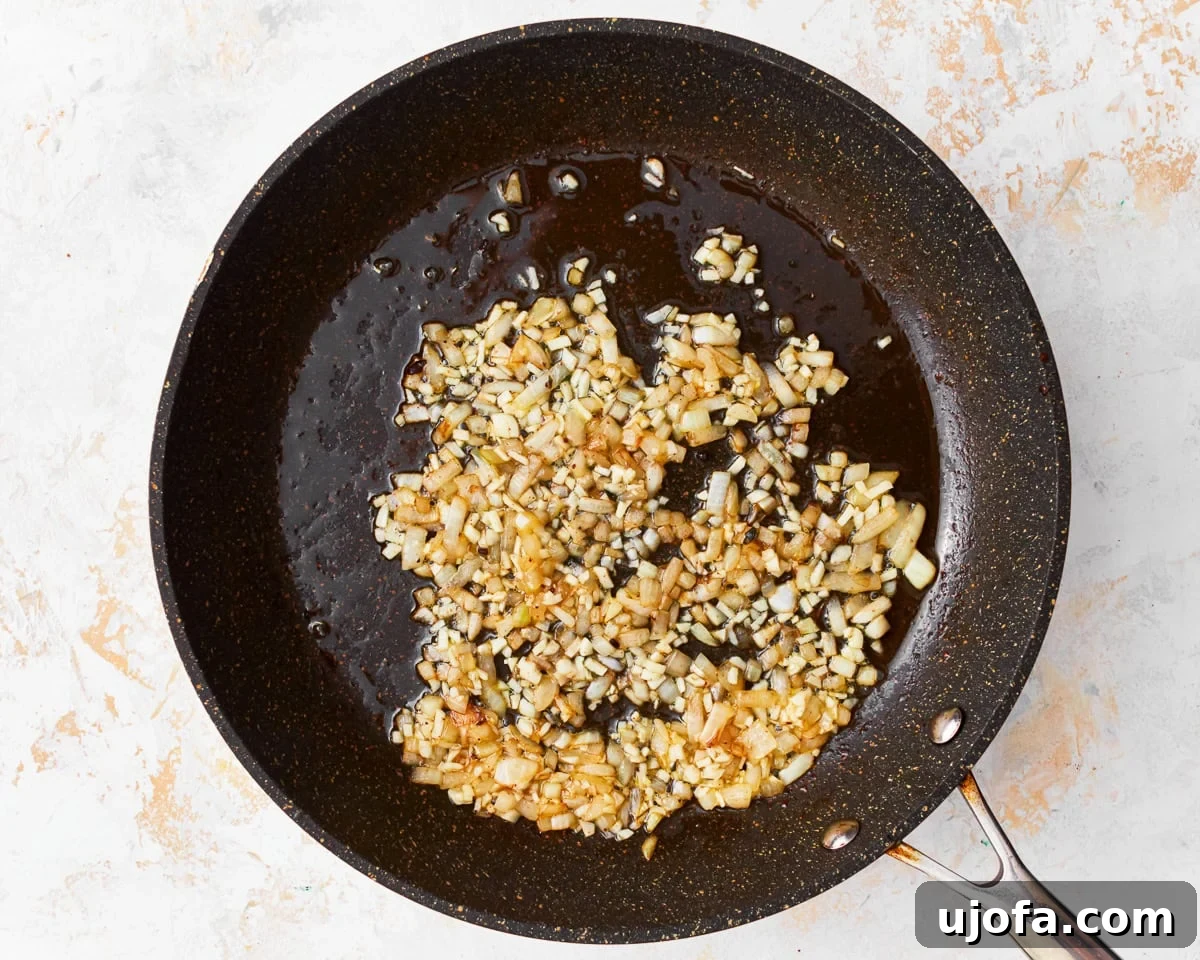
Begin by heating the olive oil in a large skillet or a sturdy saucepan over medium heat. Once shimmering, add the finely chopped medium onion. Sauté the onion for approximately 3-4 minutes, stirring occasionally, until it becomes translucent and tender. This step is crucial for building a sweet and savory base. Next, add the minced garlic to the pan. Cook for just another minute, stirring frequently, until you can smell its distinct and inviting fragrance. Be careful not to let the garlic brown or burn, as it can quickly turn bitter and affect the overall taste of your sauce.
Step 2: Incorporate Optional Ground Meat
If you prefer a heartier, meat-based sauce, now is the perfect time to add your ground meat of choice – whether it’s beef, turkey, or Italian sausage. Break up the meat with a spoon as it cooks over medium heat, continuing until it is thoroughly browned and fully cooked through. Once the meat is ready, carefully drain any excess fat from the pan. This prevents your sauce from becoming greasy and ensures a cleaner, richer flavor. For a vegetarian or vegan version, simply skip this step and proceed directly to adding the tomatoes.
Step 3: Combine the Rich Tomato Bases
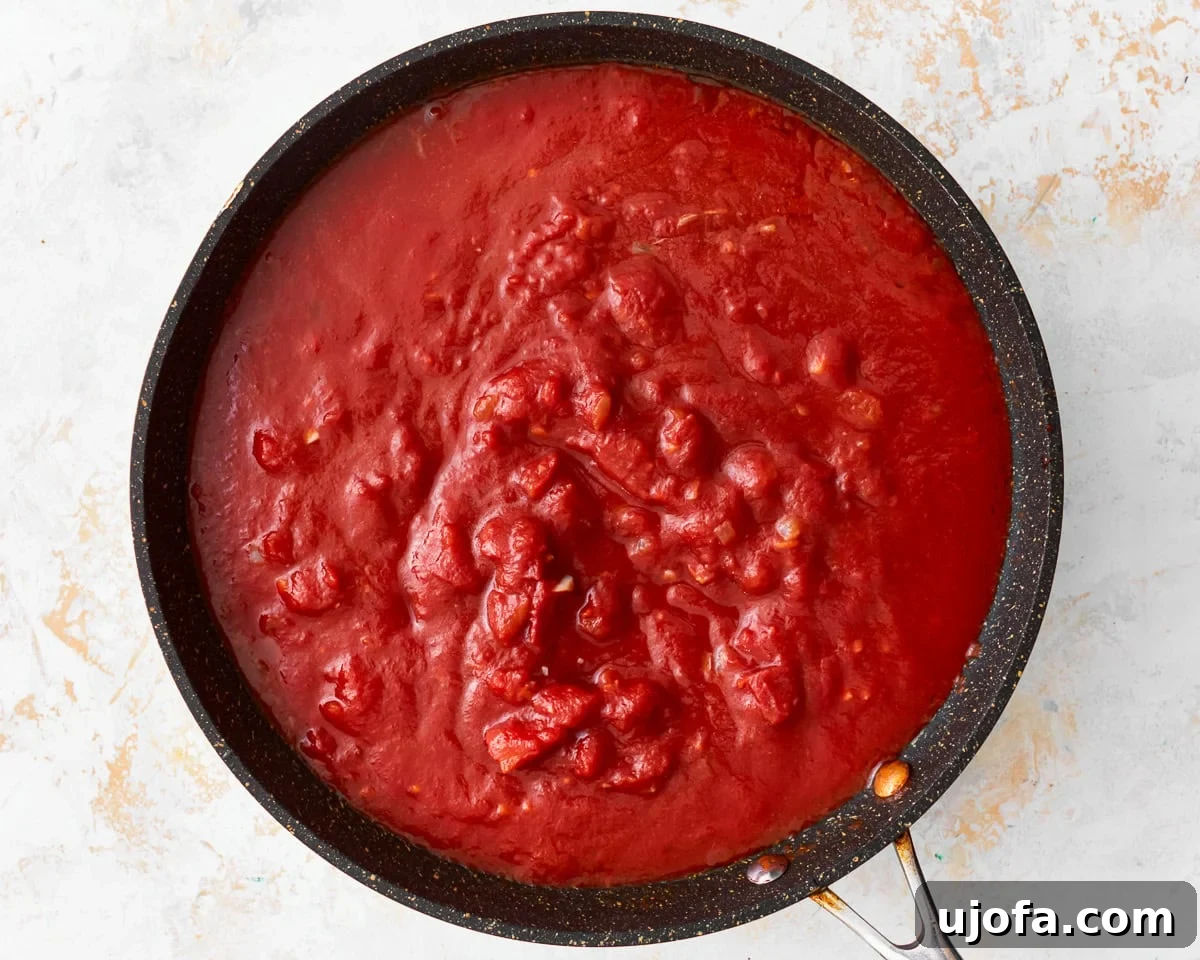
Now, it’s time to introduce the heart of your sauce: the tomatoes. Stir in the entire can of crushed tomatoes and the can of tomato sauce. Follow this by adding the concentrated tomato paste. These three forms of tomato work synergistically to create a complex and robust flavor profile, offering both body and a deep, authentic tomato taste. Mix all the ingredients thoroughly until they are well combined and the tomato paste is fully integrated, ensuring a consistent base for your sauce.
Step 4: Season and Allow the Flavors to Develop Through Simmering
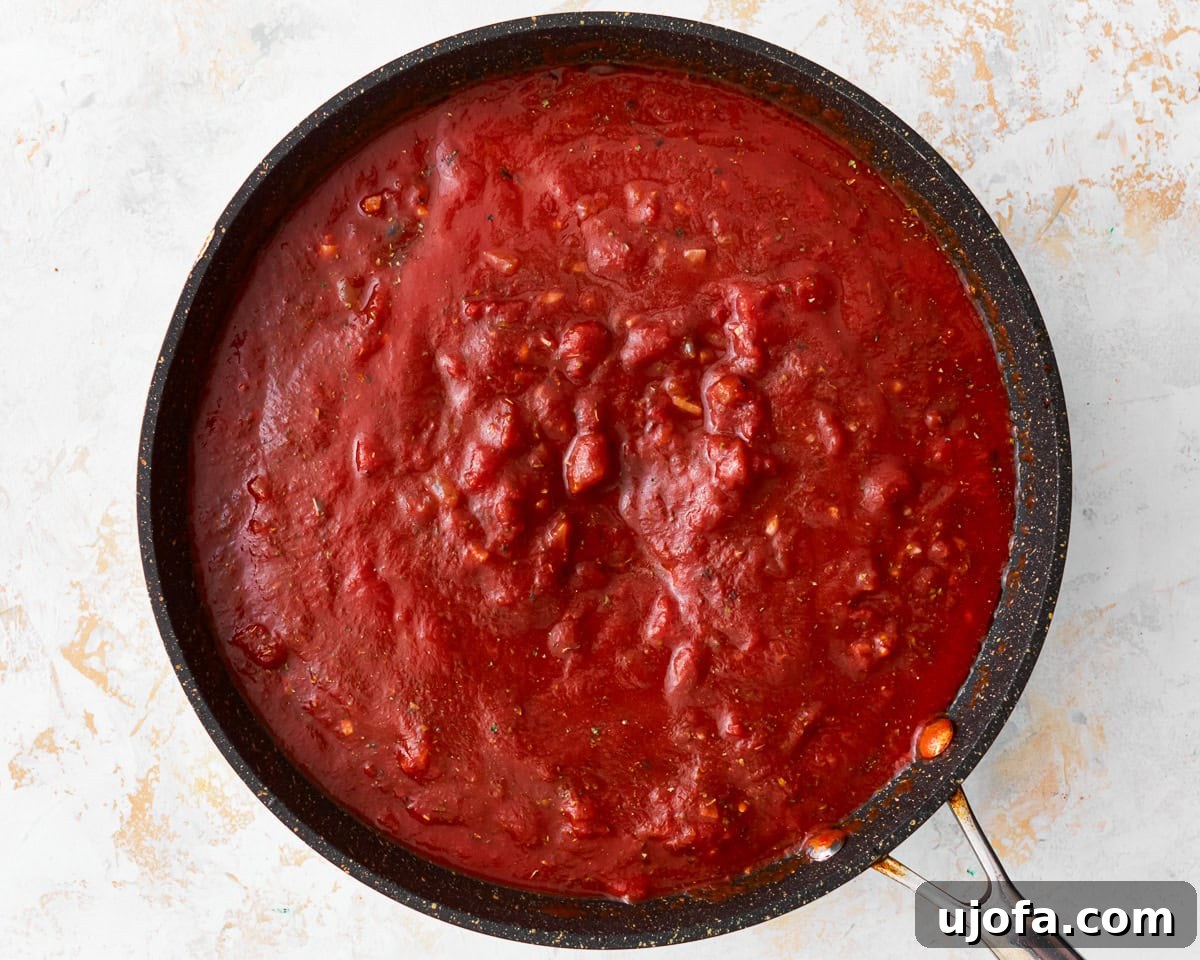
Add the sugar, dried basil, dried oregano, salt, black pepper, and a touch of red pepper flakes to the sauce. The sugar is key here, as it helps to mellow and balance the natural acidity of the tomatoes, enhancing their inherent sweetness without making the sauce overtly sweet. Stir all the seasonings into the tomato mixture. Bring the sauce to a gentle simmer, then reduce the heat to low, cover the skillet, and allow it to cook for at least 30 minutes. For an even richer, deeper, and more developed flavor, I highly recommend letting it simmer for up to an hour, stirring occasionally to prevent the sauce from sticking to the bottom of the pan. This slow simmering process allows all the wonderful flavors to meld beautifully, creating a truly exceptional sauce.
Step 5: Finish with Fresh Herbs, Parmesan, and Serve
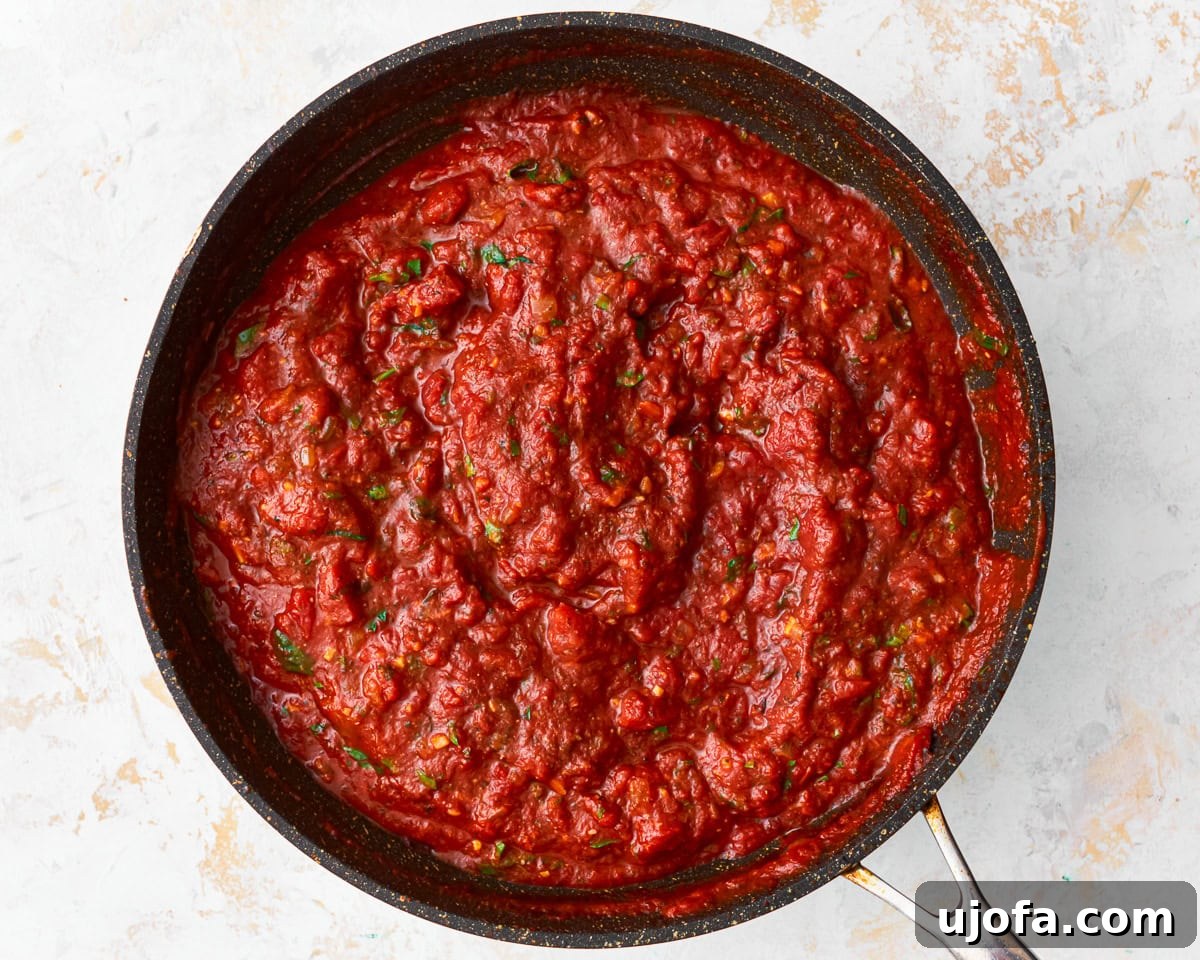
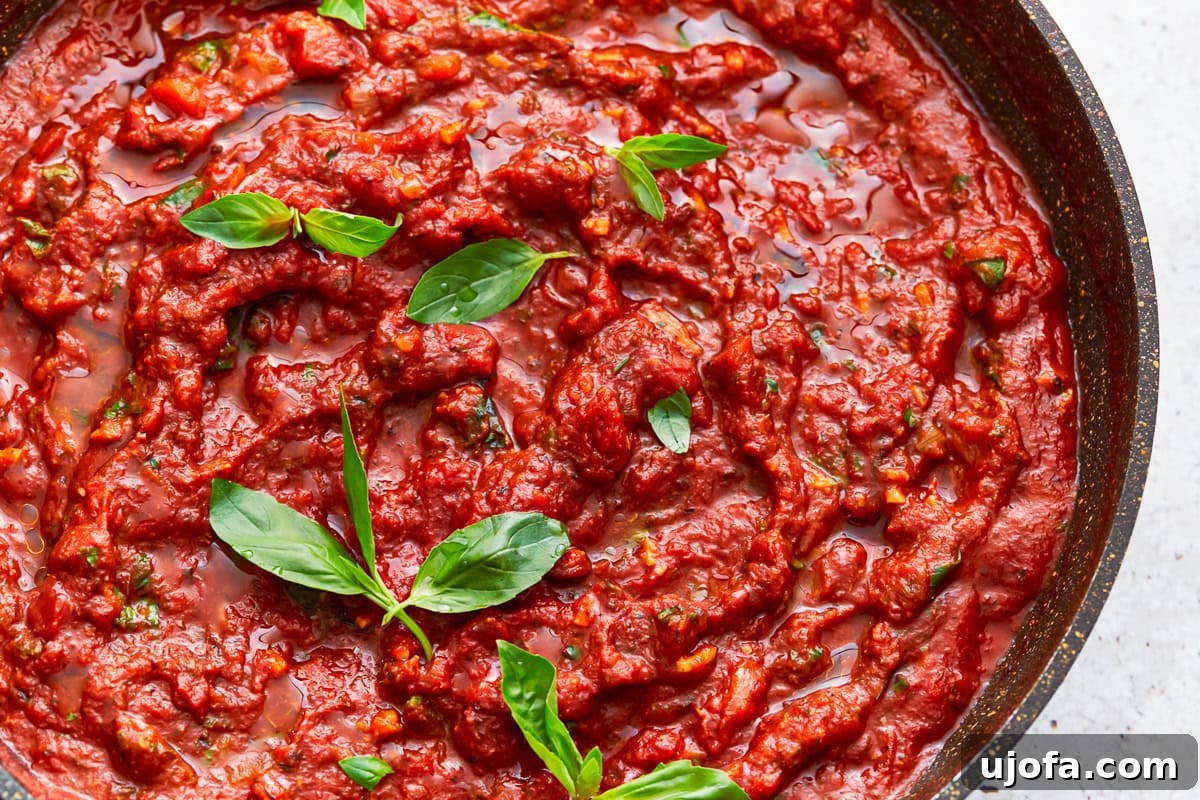
Just before you’re ready to serve, stir in the chopped fresh parsley, fresh basil, and grated Parmesan cheese (if you’re using dairy). The fresh herbs will instantly brighten the sauce with their vibrant aroma and flavor, providing a wonderful contrast to the deep, cooked tomatoes. The Parmesan cheese adds a delightful salty and creamy texture that helps bring all the complex flavors together. Taste the sauce and adjust the seasoning as needed – perhaps a pinch more salt, pepper, or a tiny bit more sugar if the acidity is still too strong. Serve your magnificent homemade gluten-free spaghetti sauce hot over your favorite gluten-free pasta, and garnish with additional fresh basil or parsley if desired. Enjoy the incredible taste of a truly homemade meal!
Tips for Perfecting Your Homemade Gluten-Free Spaghetti Sauce
While this recipe is straightforward, a few simple tips can help you elevate your gluten-free spaghetti sauce to culinary perfection. Whether you’re looking to enhance flavor, adjust consistency, or adapt to dietary needs, these suggestions will ensure a consistently delicious outcome:
- Sneak in Extra Veggies: Boost the nutritional value and complexity of your sauce by adding finely diced vegetables. Sauté mushrooms, zucchini, spinach, or bell peppers along with the onion and garlic. They will soften and meld into the sauce, adding flavor and nutrients without being overtly noticeable.
- Adjusting Consistency: If you prefer a thicker sauce that clings to your pasta, simply let it simmer uncovered for a longer period. This allows more liquid to evaporate. Conversely, if the sauce becomes too thick for your liking, you can easily thin it out by stirring in a little water or gluten-free vegetable broth until it reaches your desired consistency.
- Balancing Acidity: Tomatoes are naturally acidic, and sometimes a sauce can taste a bit sharp. If your sauce is too acidic, add a bit more sugar, a pinch at a time, to neutralize the acidity. Alternatively, a tiny amount of baking soda (about 1/4 teaspoon for a large batch) can quickly cut through acidity. Always start with a small amount, stir thoroughly, and taste before adding more.
- The Power of Simmering: The longer this sauce simmers on low heat, the more the flavors will develop and deepen. While 30 minutes is sufficient, allowing it to gently cook for an hour (or even longer if you have the time) will result in an incredibly rich, well-rounded, and complex flavor that truly tastes like it’s been cooking all day.
- Smooth or Chunky: The texture of your spaghetti sauce is a matter of personal preference. If you enjoy a smooth, velvety sauce, use a hand blender (immersion blender) directly in the saucepan or carefully transfer portions to a food processor and blend until silky. If you prefer a rustic, chunky sauce, simply leave it as is after simmering.
Navigating Gluten-Free: Are Store-Bought Spaghetti Sauces Safe?
When adhering to a gluten-free diet, it’s natural to wonder about the safety of common pantry items like spaghetti sauce. The good news is that the vast majority of jarred and canned spaghetti sauces are naturally gluten-free. Tomato products themselves do not contain gluten. The primary concern usually arises from what the sauce is served with, such as traditional wheat pasta or meatballs that might contain breadcrumbs.
However, it is always crucial to check product labels diligently. While many brands offer inherently gluten-free sauces, some variations, especially those with added flavors, thickeners, or processed ingredients, might contain hidden gluten or be subject to cross-contamination during manufacturing. This is why I personally prefer making my own sauces from scratch; it provides complete peace of mind and allows me to customize the flavor exactly to my liking.
That said, several reputable brands explicitly label their sauces as gluten-free, providing convenient options for those times you need a quick solution. Some popular brands known for their gluten-free sauce options include:
- Rao’s Homemade
- Prego
- Ragu
- Barilla (many of their sauces are GF, but always check)
- Primal Kitchen
Remember, even if a brand generally sells gluten-free products, it doesn’t mean every single one of their sauces is guaranteed to be gluten-free. ALWAYS double-check the ingredient list and allergen statements on the label before purchasing or consuming to ensure it aligns with your dietary needs.
Using Fresh Tomatoes in Your Spaghetti Sauce
Absolutely, you can certainly use fresh tomatoes to make this spaghetti sauce even more vibrant! While canned tomatoes offer convenience and consistent flavor year-round, ripe, in-season fresh tomatoes can add an unparalleled brightness. To substitute the canned crushed tomatoes, you’ll need approximately 10-12 medium-sized ripe tomatoes. First, blanch them in boiling water for about 30-60 seconds, then immediately transfer them to an ice bath. This process makes the skins incredibly easy to peel. Once peeled, crush the tomatoes by hand or lightly pulse them in a food processor until you achieve your desired chunky consistency. Keep in mind that fresh tomatoes often contain more water than canned varieties, so you may need to simmer the sauce for a bit longer than the recipe specifies to achieve the desired thickness and concentrate the flavors.
Creative Serving Suggestions for Your Gluten-Free Spaghetti Sauce
If I could dip, spread, or drizzle this incredible homemade gluten-free spaghetti sauce over just about everything, I probably would! Its rich, savory, and perfectly balanced flavor makes it incredibly versatile beyond just a classic pasta dish. Here are some of my favorite and most creative ways to enjoy this easy-to-make recipe:
- Classic Pasta Dishes: Serve generously over gluten-free gnocchi, traditional gluten-free spaghetti, or any other gluten-free pasta shape. For a truly satisfying meal, pair it with savory gluten-free meatballs or a sprinkle of extra Parmesan.
- Hearty Lasagna: This sauce is the perfect foundation for a comforting gluten-free lasagna. Layer it with gluten-free lasagna noodles, creamy ricotta, and melted mozzarella for an unforgettable family dinner.
- Homemade Pizza Base: Forget bland store-bought sauces! Spread this vibrant sauce over your favorite gluten-free pizza crust, add your favorite toppings, and bake for a truly gourmet pizza experience.
- Dipping Delight: It makes an exceptional dipping sauce! Serve it warm alongside crusty slices of gluten-free focaccia, golden gluten-free mozzarella sticks, or even grilled gluten-free bread.
- Chicken or Eggplant Parmesan: Elevate your chicken Parmesan (or a vegetarian eggplant Parmesan) by using this homemade sauce. Its robust flavor perfectly complements the crispy breaded cutlets and melted cheese.
- Low-Carb Options: For a lighter, low-carb dinner, serve the sauce over a bed of fresh zucchini noodles (zoodles), spaghetti squash, or cauliflower rice. It’s a delicious way to enjoy all the flavor without the carbs.
- Stuffed Bell Peppers: Mix the sauce with cooked rice and ground meat (or a plant-based alternative), stuff into bell peppers, and bake until tender.
- Manicotti or Stuffed Shells: Fill gluten-free manicotti or large pasta shells with a ricotta mixture, cover with this sauce, and bake until bubbly and golden.
Storage and Meal Prep Tips for Ultimate Convenience
One of the fantastic advantages of this homemade gluten-free spaghetti sauce is how wonderfully it stores, making it an excellent candidate for meal prepping and freezing. Having a batch ready to go means you’re always just minutes away from a delicious, wholesome meal.
To store the sauce, first allow it to cool completely to room temperature. This is important to prevent condensation and ensure food safety. Once cooled, transfer the sauce to an airtight container. It will keep beautifully in the refrigerator for up to 4 days. This is perfect for enjoying leftovers throughout the week or for preparing components of your meals in advance.
For longer storage, this sauce freezes perfectly. It’s a true make-ahead dinner hero! Portion the cooled sauce into freezer-safe containers or heavy-duty freezer bags. Lay freezer bags flat to save space in your freezer. The sauce can be frozen for up to 3 months without any loss of quality or flavor. When you’re ready to use it, simply thaw the sauce overnight in the refrigerator. Once thawed, reheat it gently on the stovetop over low heat, stirring occasionally, or in the microwave until it is heated through and simmering. Serve hot and enjoy the convenience of a homemade meal anytime!
Gluten-Free Spaghetti Sauce Recipe Card
This better-than-store-bought gluten-free spaghetti sauce is so easy to make, you’ll never go back to the jarred stuff again!
By: Sabine Venier
Servings: 6 servings
Prep Time: 15 mins
Cook Time: 1 hr
Total Time: 1 hr 15 mins
Ingredients
- 2 tablespoons olive oil
- 1 medium onion, finely chopped
- 3 cloves garlic, minced
- 1 can (28 ounces) crushed tomatoes
- 1 can (15 ounces) tomato sauce
- ¼ cup tomato paste
- 1 tablespoon sugar
- 2 teaspoons dried basil
- 1 teaspoon dried oregano
- ½ teaspoon salt
- ¼ teaspoon black pepper
- ¼ teaspoon red pepper flakes
- 2 tablespoons chopped fresh parsley
- 2 tablespoons chopped fresh basil
- 2 tablespoons grated Parmesan cheese
- 1 pound (optional) ground beef, turkey, or Italian sausage
Instructions
- In a large skillet or saucepan, heat the olive oil over medium heat. Add the chopped onion and sauté for about 3-4 minutes until softened. Add the minced garlic and cook for another minute, stirring frequently, until fragrant.
- If using any meat, add it to the pan and cook, breaking it up with a spoon, until browned and fully cooked. Drain any excess fat.
- Stir in the crushed tomatoes, tomato sauce, and tomato paste. Mix well to combine.
- Add the sugar, dried basil, dried oregano, salt, black pepper and red pepper flakes. Bring the sauce to a simmer.
- Reduce the heat to low, cover, and let the sauce simmer for at least 30 minutes, stirring occasionally. The longer it simmers, the more the flavors will develop. You can simmer for up to 1 hour if you have the time. If you prefer a smooth sauce, blend it with a hand blender to reach the desired consistency.
- Stir in the chopped parsley, basil, and Parmesan cheese. Taste and adjust seasoning as needed.
- Serve the sauce over gluten-free spaghetti, and garnish with fresh basil or parsley if desired. Enjoy.
Notes
- The nutritional information does not include the optional ground meat.
- Omit the Parmesan to make this recipe vegan and dairy-free.
- To Store: Keep in an airtight container in the fridge for up to 4 days.
- To Freeze: Store in a freezer-safe bag or container for up to 3 months.
- To Reheat: Gently reheat in the microwave or stovetop until heated through.
- Mama says, “Check your labels!” (Always verify ingredients on packaged foods for gluten-free assurance.)
Nutrition Information (Approximate)
- Serving: 1 serving
- Calories: 137 kcal
- Carbohydrates: 20g
- Protein: 4g
- Fat: 6g
- Saturated Fat: 1g
- Polyunsaturated Fat: 1g
- Monounsaturated Fat: 4g
- Cholesterol: 1mg
- Sodium: 823mg
- Potassium: 770mg
- Fiber: 5g
- Sugar: 13g
- Vitamin A: 954 IU
- Vitamin C: 23mg
- Calcium: 97mg
- Iron: 3mg
Nutrition information is automatically calculated and provided for guidance only; it should be used as an approximation.
Additional Info
- Course: Dinner, Main Dish
- Cuisine: American, Italian
More Delicious Gluten-Free Sauce Recipes to Explore!
If you’ve enjoyed making this versatile gluten-free spaghetti sauce, you might be interested in exploring other fantastic gluten-free sauce recipes to complement your meals. Expanding your repertoire of homemade sauces is a wonderful way to control ingredients and add incredible flavor to any dish. Here are a few more favorites from our kitchen:
- Dairy-Free Alfredo Sauce: A creamy, rich alternative for those avoiding dairy, perfect for pasta or as a dip.
- Gluten-Free Teriyaki Sauce: Ideal for marinades, stir-fries, or glazing grilled meats and vegetables.
- Vegan Vodka Sauce: A luxurious, plant-based twist on a classic, offering a smooth and deeply flavorful experience.
- Vegan Mayonnaise: A versatile, egg-free and dairy-free condiment that’s perfect for sandwiches, salads, and more.
Each of these recipes is designed to be simple, flavorful, and completely gluten-free, ensuring you can enjoy a wide variety of delicious meals with confidence.