
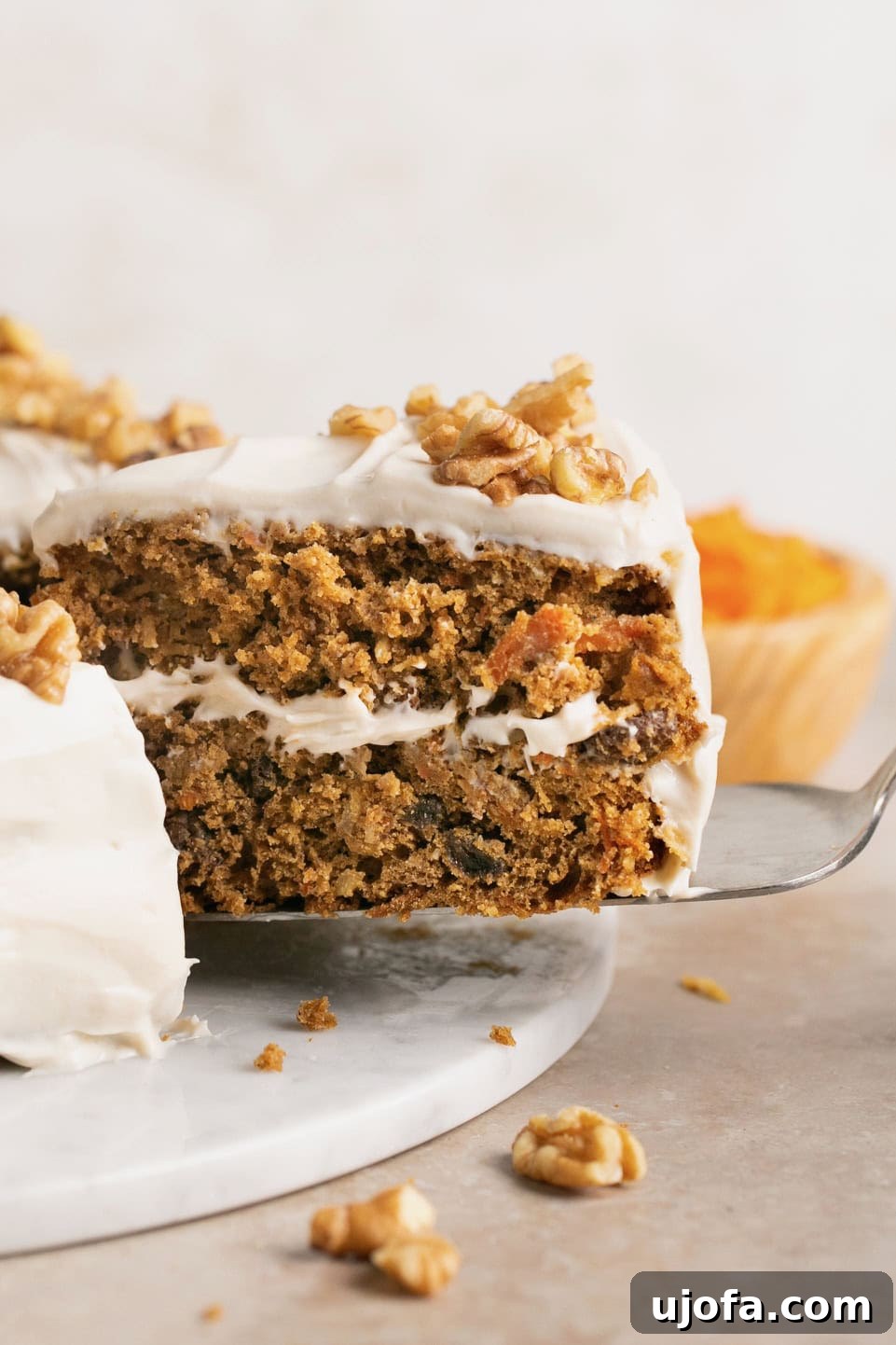
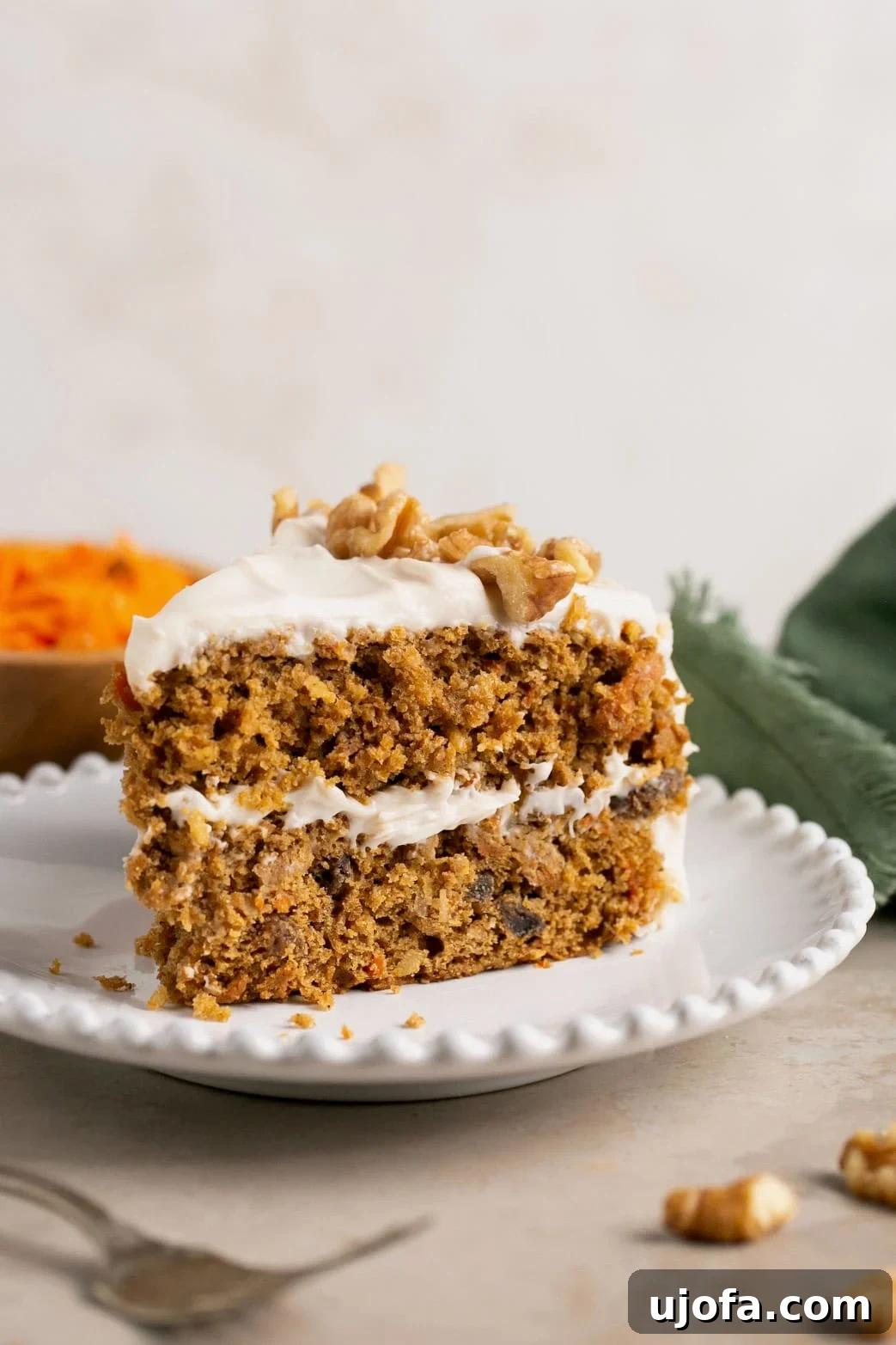
Welcome to a delightful world where classic dessert indulgence meets modern dietary needs! This incredible recipe for Gluten-Free Carrot Cake with Walnuts isn’t just a treat; it’s a revelation. Imagine a cake so moist, rich, and perfectly spiced, it rivals any traditional version, yet it’s entirely dairy-free, refined-sugar-free, and crafted with health-conscious ingredients. Topped with a luscious, tangy dairy-free cream cheese frosting, this cake promises to be your ultimate springtime favorite, perfect for Easter celebrations, family gatherings, or simply a comforting everyday dessert.
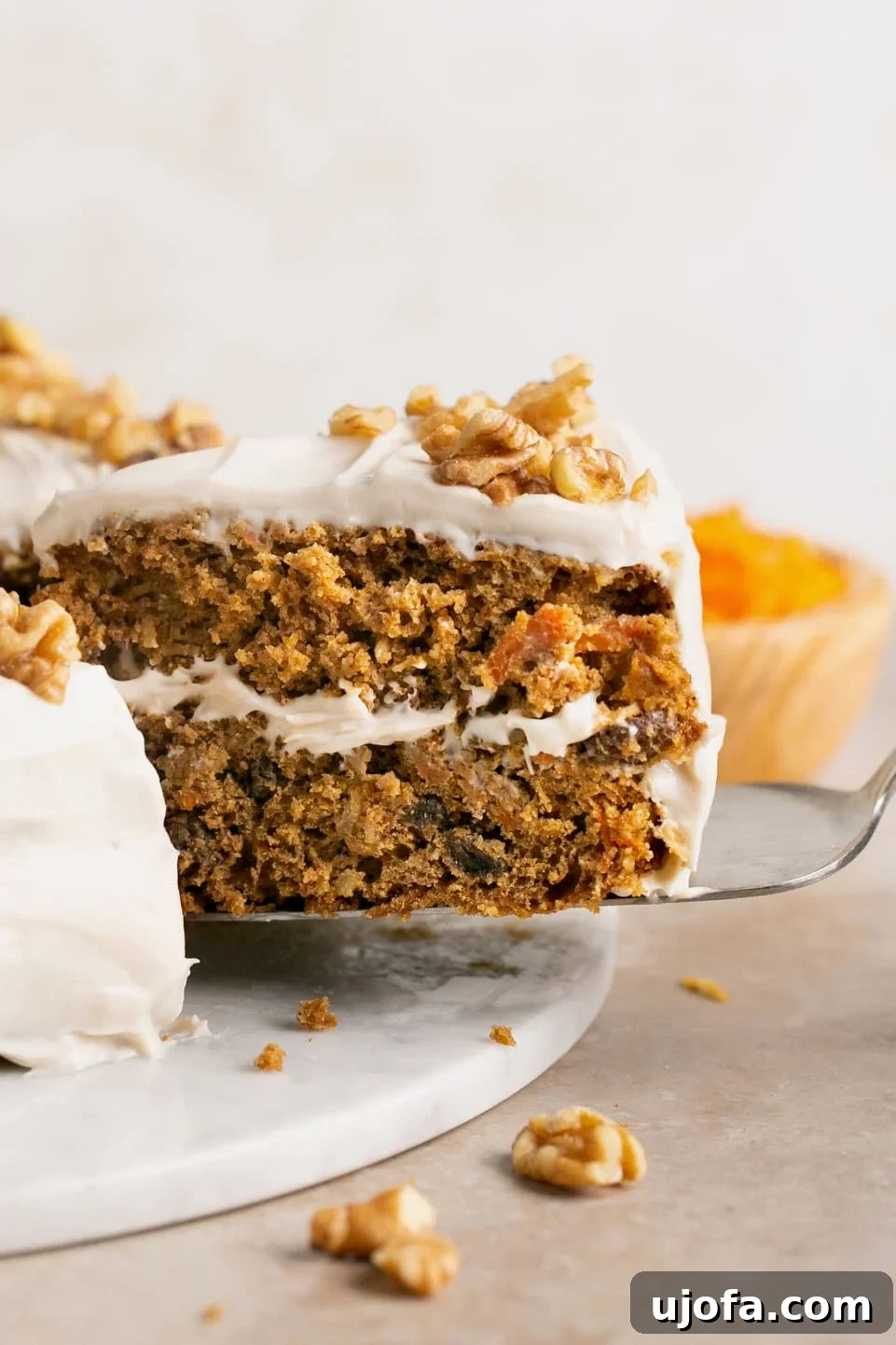
The Secret to an Unforgettable Gluten-Free Carrot Cake
For those navigating a gluten-free lifestyle, the thought of enjoying a truly decadent cake can often feel like a distant dream. But we’re here to turn that dream into a delicious reality! Gluten-free baking has evolved dramatically, making it easier than ever to create masterpieces that are not only safe but also incredibly flavorful. This classic gluten-free carrot cake recipe is a testament to that evolution, proving that you don’t have to compromise on taste or texture.
What makes this particular healthy carrot cake recipe truly stand out? It’s a harmonious blend of carefully selected ingredients, each contributing to its exceptional character. We start with a high-quality gluten-free flour blend, then infuse it with the natural sweetness of coconut sugar and the healthy fats of coconut oil. But the magic doesn’t stop there. The cake is generously spiced with warm, aromatic notes of cinnamon, nutmeg, allspice, and cloves, creating that quintessential carrot cake flavor that everyone loves. Finally, it’s crowned with a silky smooth dairy-free cream cheese frosting, tying all the vibrant flavors together into one exquisite experience.
This recipe is wonderfully versatile too. Whether you prefer a robust texture packed with mix-ins or a simpler, pure carrot flavor, you can customize it to your heart’s content. We suggest adding crunchy walnuts, sweet raisins, and delicate shredded coconut for an extra layer of complexity and chewiness. It’s simple enough to whip up for an impromptu treat but impressive enough to be the star dessert at any festive occasion. If you’re exploring more delicious gluten-free and paleo springtime desserts, be sure to check out these fantastic options: Healthy Paleo Lemon Bars, Paleo Blueberry Crumb Bars, or these Paleo No-Bake Strawberry Cheesecake Bars. And for entertaining, these Easter Charcuterie Board Ideas offer great inspiration!
Essential Ingredients for Your Dairy-Free Carrot Cake
Crafting the perfect dairy-free carrot cake begins with understanding the role each ingredient plays. Here’s a detailed look at what you’ll need to create this masterpiece, along with helpful notes to ensure your baking success.
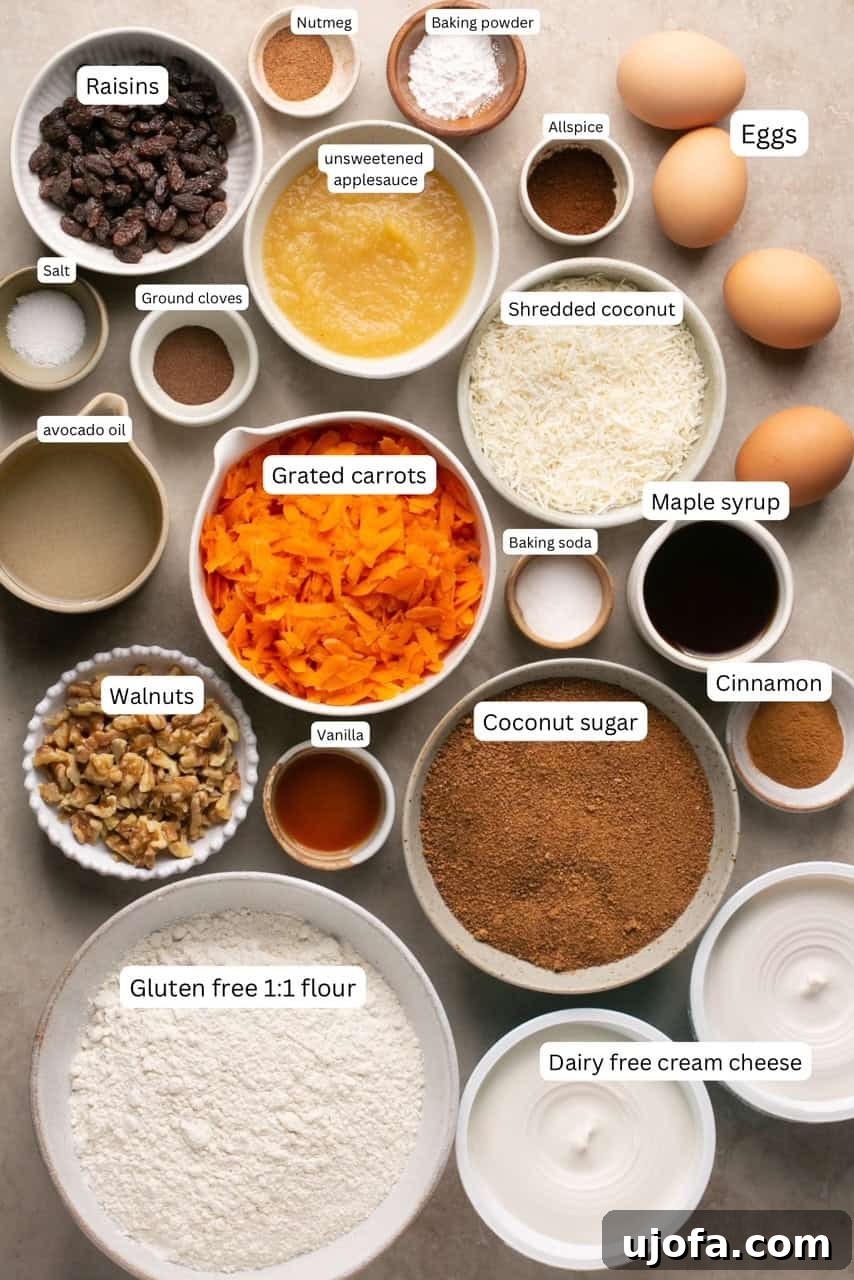
Gluten-Free Carrot Cake Ingredients
- Gluten-Free Flour: The foundation of our cake. I highly recommend King Arthur’s Measure for Measure (1:1) All-Purpose Flour. This blend is specifically formulated to replace regular wheat flour cup-for-cup, simplifying gluten-free baking significantly as it already contains xanthan gum for structure. Using a reliable 1:1 blend is crucial for achieving the right texture without over-complicating the recipe.
- Applesauce: A brilliant addition that allows us to reduce the amount of oil without sacrificing moisture. Unsweetened applesauce contributes natural sweetness and helps create an incredibly tender crumb, making this a lighter and healthier carrot cake option. It’s a key player in keeping your gluten-free cake perfectly moist.
- Eggs: Essential for binding the ingredients, providing structure, and contributing to the cake’s richness and rise. Ensure they are at room temperature for better incorporation.
- Coconut Oil: Our chosen healthy fat source, replacing traditional butter or vegan butter. Remember to measure the coconut oil *after* it has been melted to ensure accuracy. If you prefer, you can substitute this with another neutral-flavored oil or a dairy-free butter alternative.
- Coconut Sugar: A natural, unrefined sweetener that offers a caramel-like depth of flavor and a lower glycemic index compared to refined sugars. It beautifully complements the spices in the cake.
- Vanilla Extract: A splash of pure vanilla extract enhances all the other flavors, adding warmth and complexity.
- Baking Powder & Baking Soda: These leavening agents work together to give the cake its lift and airy texture, ensuring a fluffy and well-risen result.
- Salt: A pinch of salt is vital for balancing the sweetness and intensifying the overall flavor profile of the cake. Don’t skip it!
- Warm Spices: A fragrant medley of cinnamon, nutmeg, allspice, and ground cloves creates the signature cozy and inviting aroma of carrot cake. These spices are paramount for a truly authentic taste.
- Grated Carrots: The star ingredient! Freshly grated carrots not only give the cake its vibrant color but also contribute natural sweetness and moisture. It’s crucial to squeeze out any excess moisture from the grated carrots using a paper towel. This prevents the cake from becoming too dense or soggy.
- Walnuts (Optional): For best results, use chopped walnuts. They add a delightful crunch and nutty flavor that pairs wonderfully with the sweet carrots and spices. Toasting them lightly beforehand can enhance their flavor even further.
- Shredded Coconut (Optional): I prefer unsweetened shredded coconut to avoid unnecessary added sugars. It provides a lovely chewy texture and subtle tropical notes that complement the carrot cake beautifully.
- Raisins (Optional): Golden or regular raisins can be added for bursts of natural sweetness and a soft, chewy contrast to the cake.
Dairy-Free Cream Cheese Frosting Ingredients
No carrot cake is complete without a rich, tangy cream cheese frosting, and this dairy-free version is absolutely divine!
- Dairy-Free Cream Cheese: The backbone of our luscious frosting. I’ve had great success with Kite Hill’s dairy-free cream cheese, but feel free to use your favorite non-dairy brand. This makes the frosting suitable for a variety of vegan baked goods and ensures everyone can enjoy a slice. Ensure it’s softened to room temperature for smooth mixing.
- Pure Maple Syrup: Instead of powdered sugar, we use pure maple syrup as a natural sweetener. It provides a wonderful, deep flavor that is far superior to standard refined sugars and contributes to a smooth, pourable (yet firm) frosting consistency.
Step-by-Step Guide to Baking Your Perfect Carrot Cake
Follow these detailed instructions to create a show-stopping gluten-free, dairy-free, and refined-sugar-free carrot cake that’s as easy to make as it is delicious to eat. Precision and care at each step will guarantee a fantastic result.
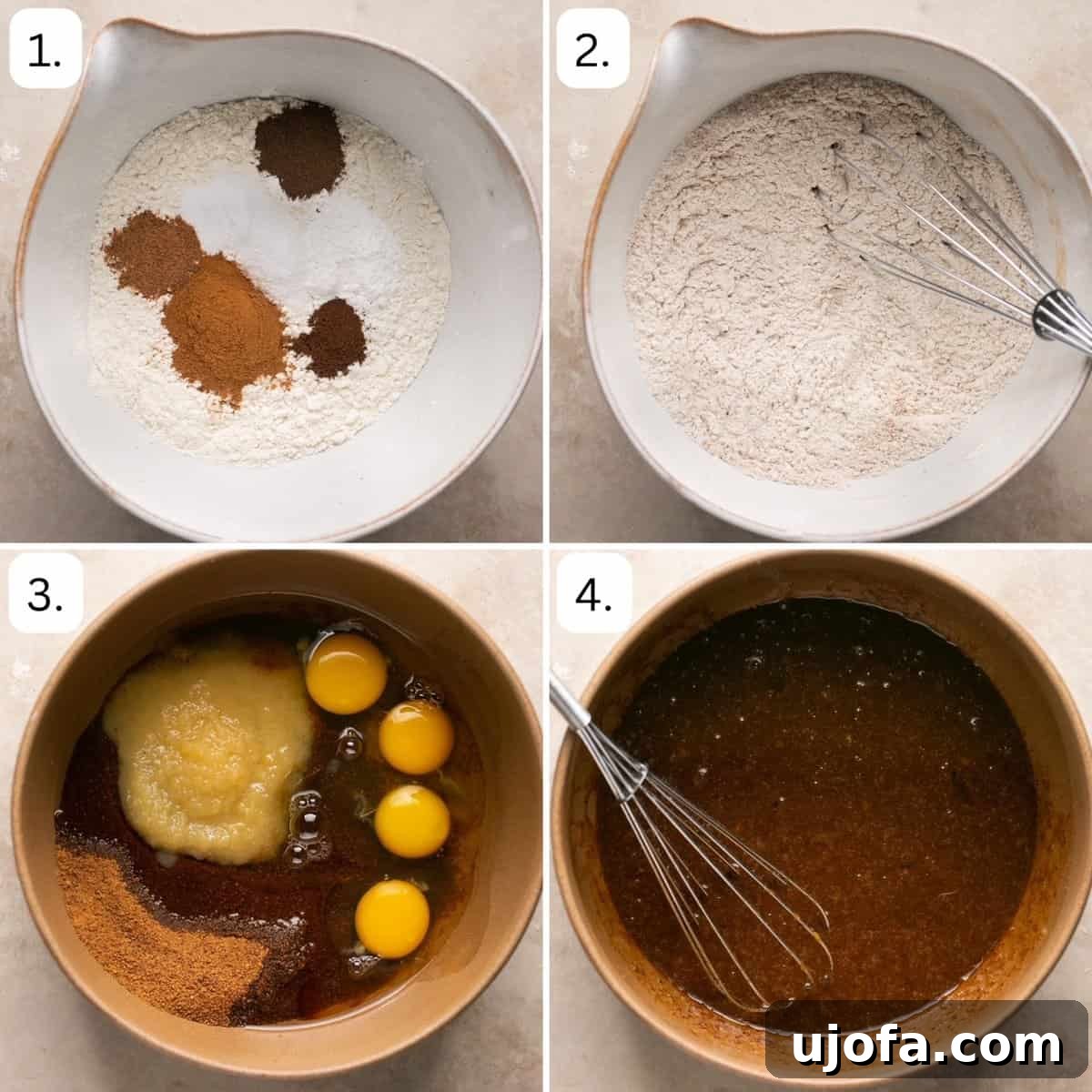
- Prepare Your Oven and Pans: Begin by preheating your oven to 350°F (175°C). For round cakes, thoroughly grease two 9-inch cake pans. Then, cut out circles of parchment paper to line the bottom of each pan. This extra step is key to preventing sticking and ensuring your beautifully baked cakes release easily.
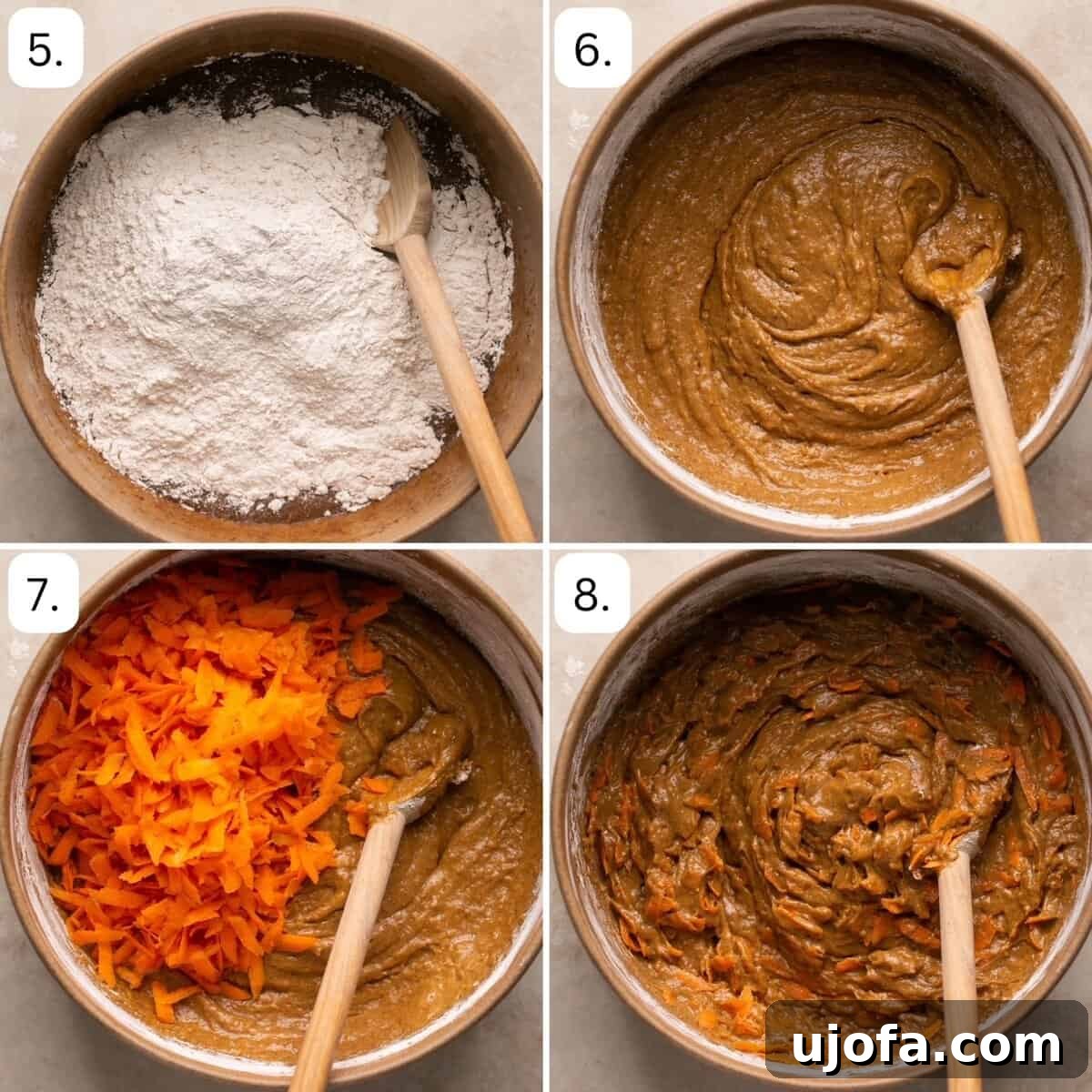
- Combine Wet Ingredients: In a large mixing bowl, combine the coconut sugar, eggs, unsweetened applesauce, vanilla extract, and melted coconut oil. Whisk these ingredients vigorously until they are thoroughly combined and the mixture is smooth and slightly aerated. This ensures even distribution of flavors and moisture.
- Whisk Dry Ingredients: In a separate, medium-sized bowl, whisk together the gluten-free flour, baking powder, baking soda, salt, cinnamon, nutmeg, allspice, and ground cloves. Ensure all dry ingredients are well combined to prevent pockets of leavening agents or spices in the final cake.
- Combine Wet and Dry: Gradually add the dry ingredient mixture into the bowl with the wet ingredients. Mix just until combined. Be careful not to overmix the batter; overmixing can lead to a tougher cake, even with gluten-free flour. Stop mixing as soon as no dry streaks remain.
- Prepare and Fold in Carrots: This is a critical step for a moist cake that isn’t watery. Using paper towels or a clean kitchen towel, firmly squeeze the grated carrots to remove as much excess moisture as possible. Then, gently fold the squeezed carrots into the cake batter until evenly distributed.
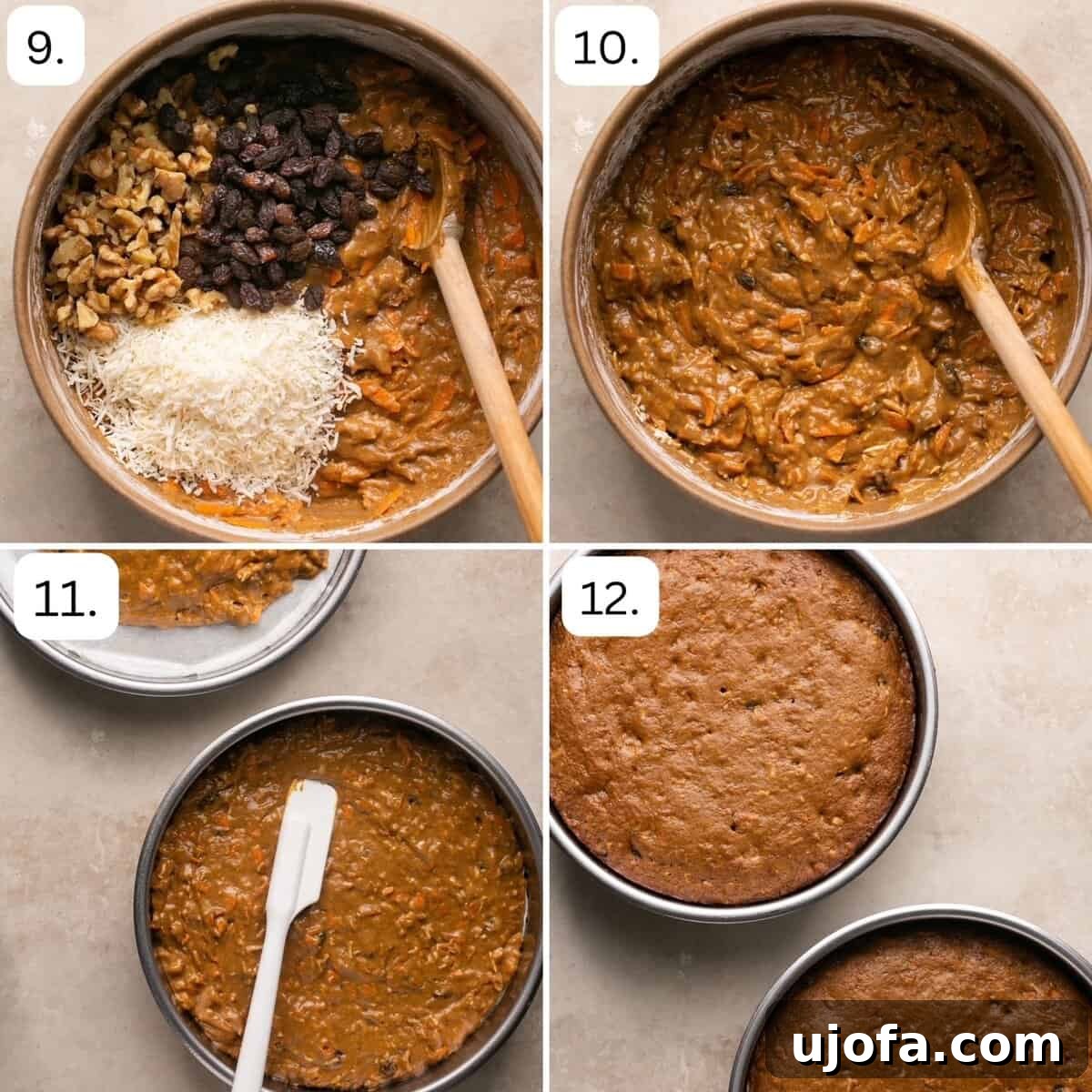
- Add Optional Mix-ins: If you’re using them, gently fold in the chopped walnuts, shredded coconut, and raisins. Incorporate them just enough so they are evenly mixed throughout the batter without overworking it.
Baking Instructions for Two 9-Inch Round Cake Pans
Achieving perfectly baked layers is simpler than you think with these specific instructions.
- Bake the Layers: Divide the prepared cake batter evenly between the two lined 9-inch cake pans. Use a spatula to gently smooth the tops. Bake for 25-30 minutes, or until a wooden toothpick inserted into the center of each cake comes out clean. This indicates it’s fully baked and moist inside.
- Cool Completely: This step cannot be rushed! Let the cake layers cool in their pans on a wire rack for about 10-15 minutes before carefully inverting them onto the rack to cool completely. They must reach room temperature before you even think about frosting them. For an even firmer cake, you can even refrigerate them for an hour or two once cooled. This prevents the frosting from melting and sliding off.
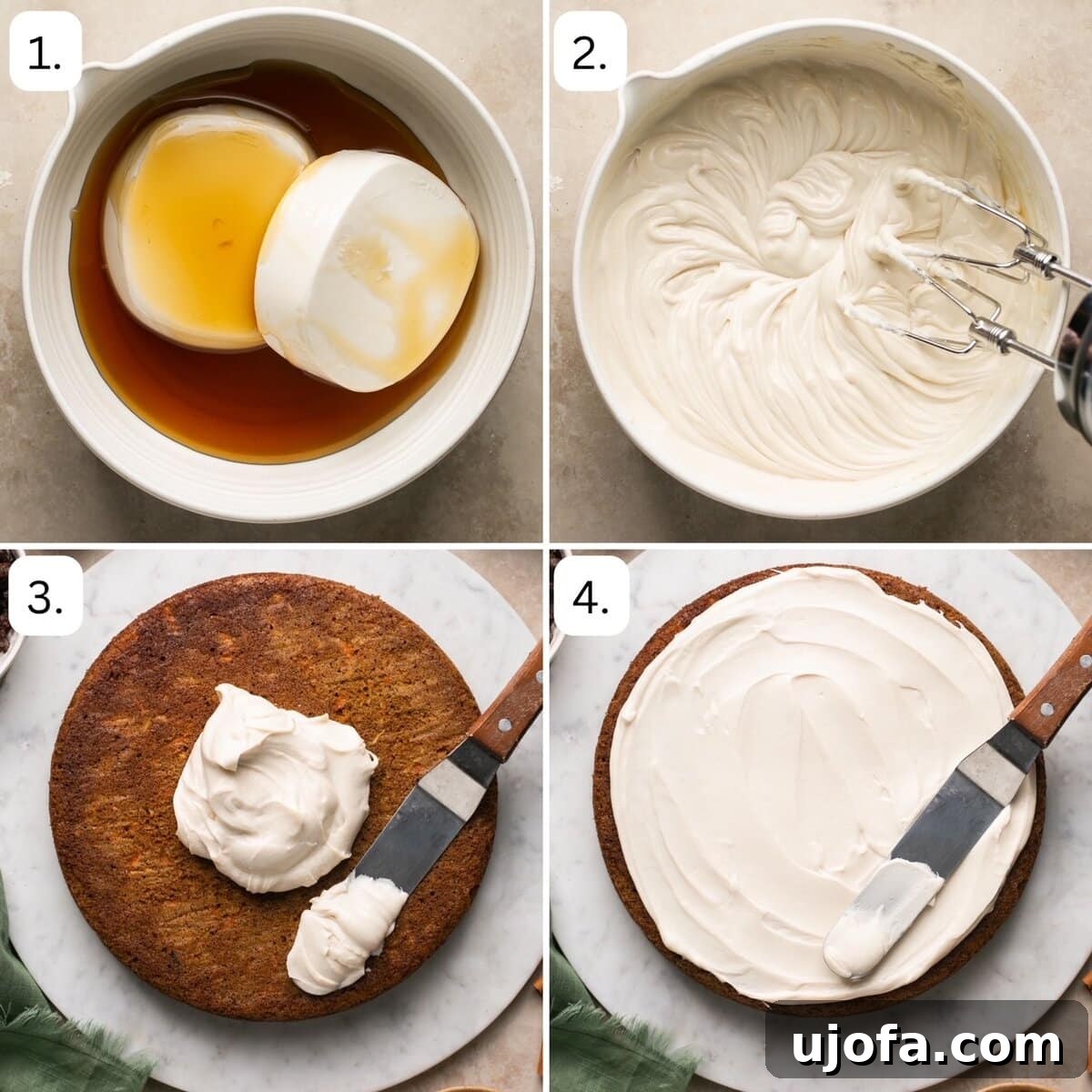
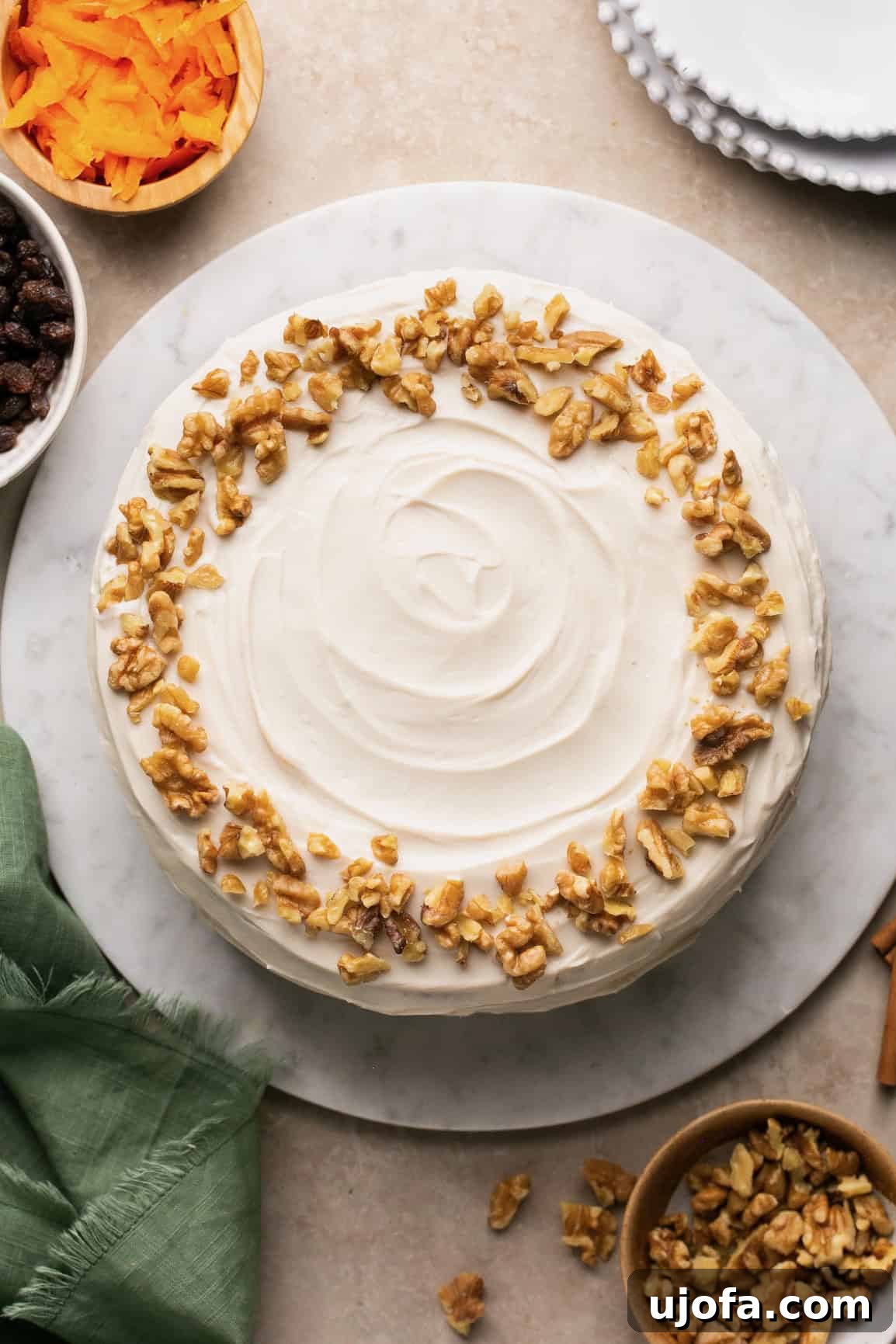
- Frost and Decorate: Once the cakes are perfectly chilled, it’s time to frost! Generously spread the dairy-free cream cheese frosting over the cooled layers and sides. For an elegant finish, sprinkle additional crushed walnuts around the edges of the cake or on top. Slice and enjoy your magnificent creation!
Baking Instructions for a 9 x 13 Inch Sheet Pan Cake
For a simpler, single-layer cake perfect for potlucks or casual serving, use a sheet pan.
- Prepare and Bake: Grease a 9×13 inch sheet pan and line it with parchment paper if desired for easier removal. Pour the entire batter into the prepared pan and smooth the top with a spatula. Bake at 350°F (175°C) for 37-45 minutes. The cake is done when a toothpick inserted into the center comes out clean. Allow it to cool completely on a wire rack before frosting.
Preparing Your Dairy-Free Cream Cheese Frosting
While your cake is baking and cooling, you can easily prepare this delectable frosting.
- Whip the Frosting: In the bowl of a stand mixer fitted with the whisk attachment, or using a handheld electric mixer, combine the softened dairy-free cream cheese and pure maple syrup. Beat on medium-high speed until the ingredients are well combined, and soft peaks begin to form. The frosting should be light, fluffy, and spreadable.
- Chill for Best Results: For optimal consistency, transfer the frosting to an airtight container and refrigerate for at least one hour, or even overnight. Chilling helps the frosting firm up, making it much easier to spread smoothly onto your cooled cake.
Expert Tips for Gluten-Free Baking Success
Mastering gluten-free baking can be simple with a few insider tricks. Here are some expert tips to ensure your gluten-free carrot cake turns out perfectly every time:
- Paleo / Grain-Free Adaptation: For a paleo or grain-free version of this carrot cake, you can substitute the 2 cups of gluten-free 1:1 flour with a blend of 1.5 cups almond flour, ⅓ cup tapioca flour, and ¼ cup coconut flour. Please note that this version may not rise quite as much as the gluten-free version, but it will still be incredibly flavorful and moist. Always check for doneness with a toothpick, as baking times might vary slightly.
- The Carrot Squeeze is Crucial: As mentioned in the instructions, always squeeze excess moisture from your grated carrots using a paper towel or a clean kitchen towel. This step is often overlooked but is absolutely vital. Too much moisture from the carrots can make your cake dense and even gummy, negatively impacting its texture.
- Don’t Overmix: With gluten-free flours, overmixing can introduce too much air, which then escapes during baking, causing the cake to fall or become crumbly. Mix just until the ingredients are combined and no dry streaks remain.
- Accurate Flour Measurement: While using a 1:1 gluten-free flour blend simplifies things, always spoon your flour into the measuring cup and level it off with a straight edge (like the back of a knife) rather than scooping directly from the bag. This prevents compacting the flour and ensures you don’t add too much, which can lead to a dry cake.
- Room Temperature Ingredients: Ensure your eggs and dairy-free cream cheese (for the frosting) are at room temperature. This allows them to emulsify better with other ingredients, creating a smoother batter and frosting.
- Cool Cakes Completely: Patience is a virtue when it comes to frosting. Attempting to frost a warm cake will result in a melted, runny mess. Allow your cake layers to cool completely, preferably chilling them in the refrigerator, before applying the frosting for a clean, professional finish.
Storage Solutions for Your Carrot Cake
To keep your delicious dairy-free carrot cake fresh and flavorful, proper storage is key. Here are the best ways to store it:
- Refrigeration for Freshness: This carrot cake, especially with its cream cheese frosting, is best stored in an airtight container in the refrigerator. The cool temperature helps maintain the frosting’s consistency and keeps the cake moist. For optimal enjoyment, pull it out of the refrigerator about 30 minutes before serving to allow the cake to come closer to room temperature, enhancing its flavors and softening the frosting slightly. It will stay fresh for up to 5-7 days.
- Freezing for Longer Enjoyment: If you’re planning to make this cake ahead or have leftovers you want to save, it freezes beautifully. For best results, freeze the unfrosted cake layers. Wrap each cooled layer tightly in several layers of plastic wrap, then place them in a freezer-safe ziptop bag or an airtight container. It can be stored in the freezer for up to 4 months. When ready to serve, thaw the cake layers overnight in the refrigerator, then bring them to room temperature before frosting and decorating. Frosted cake can also be frozen, though it’s best to freeze individual slices for easier thawing and serving. Wrap each slice well before freezing.
Frequently Asked Questions About Gluten-Free Carrot Cake
Here are answers to some common questions that arise when baking this delightful healthy carrot cake:
Keeping a gluten-free cake moist primarily relies on two factors: not overbaking and using the right ingredients. Overbaking is the quickest way to dry out any cake, but especially gluten-free ones, as they tend to lose moisture more rapidly. Always keep an eye on your oven and test for doneness with a toothpick. Furthermore, using a 1:1 gluten-free flour blend designed for easy substitution is crucial, as some specific gluten-free flours require more liquid. In this recipe, the addition of applesauce is a secret weapon; it significantly boosts moisture content, contributing to a wonderfully tender and moist crumb without adding extra fats.
Absolutely! The addition of pineapple to carrot cake is a matter of personal preference, and many people adore the extra tang and sweetness it provides. If you’d like to include it, simply add about ½ cup of finely chopped crushed pineapple to the batter along with the carrots. It’s essential, however, to drain any excess juice and moisture from the pineapple thoroughly before adding it. Just like with the carrots, too much liquid can alter the cake’s texture and make it too wet. Squeeze it out with a paper towel or cheesecloth for the best results.
This delicious dairy-free cream cheese frosting is incredibly versatile and too good to waste! It’s not just for carrot cake. You can use any leftover frosting as a decadent topping for a variety of other gluten-free and vegan treats. Imagine it swirled onto gluten-free cinnamon rolls, spread over scones, piped onto red velvet cupcakes, or used as a creamy layer on top of cheesecake bars. Essentially, wherever you would typically use traditional cream cheese frosting, this dairy-free version will shine!
Coconut oil is solid at room temperature and liquid when melted. If you measure it as a solid and then melt it, the volume will change, leading to inaccurate measurements. Measuring it *after* it’s melted ensures you have the precise amount required by the recipe, which is critical for the correct fat-to-dry ingredient ratio and contributes to the cake’s perfect moisture and texture.
Yes, this carrot cake is an excellent make-ahead dessert! You can bake the cake layers up to 2-3 days in advance. Once completely cooled, wrap them tightly in plastic wrap and store them in the refrigerator. Prepare the frosting a day in advance and store it chilled. On the day of your event, simply assemble and frost the cake. This allows you to spread out the prep work and enjoy your celebration without last-minute baking stress.
Beyond simply frosting it, there are several ways to decorate this gluten-free carrot cake to make it look even more enticing. A classic approach is to sprinkle additional chopped walnuts around the base or on top of the cake. You can also create simple decorative swirls with the frosting using an offset spatula. For an extra touch of elegance, dust the top lightly with ground cinnamon or finely grated orange zest. Small, edible sugar carrots or fresh mint leaves can add a charming finish, especially for springtime occasions like Easter.
Explore More Gluten-Free Desserts!
If you loved this healthy carrot cake recipe, you’ll be thrilled to discover more delicious gluten-free options that don’t skimp on flavor. Expand your baking repertoire with these fantastic treats:
Healthy Chocolate Protein Mug Cake
Chocolate Peanut Butter Rice Krispie Treats
Paleo Molten Chocolate Lava Cakes
Vegan Millionaires Shortbread Bars (Gluten-Free)
Dairy-Free Key Lime Pie Bars (No-Bake)
Gluten-Free Carrot Cake with Walnuts
This classic recipe for gluten free carrot cake with walnuts, raisins, and shredded coconut is just as moist, delicious, and easy as the regular version, but is made completely dairy free, refined-sugar-free, and healthier! Topped with a dairy free cream cheese frosting, this sweet and perfectly spiced cake will be your springtime favorite!
By: Mary Smith
Rating: Average 5 stars from 12 votes
- Prep Time: 20 minutes
- Cook Time: 30 minutes
- Total Time: 50 minutes
- Yield: 16 servings
Equipment
- 2 9-inch cake pans
- 1 9 x 13 inch cake pan (if choosing to do a sheet pan instead of round)
Ingredients
- 1 ¼ cups coconut sugar
- 4 eggs
- ½ cup unsweetened applesauce
- 1 tsp vanilla extract
- ⅔ cup coconut oil, measured after melting
- 2 cups gluten-free 1:1 flour (King Arthur Baking brand recommended)
- 2 tsp gluten-free baking powder
- 1 tsp baking soda
- ½ tsp salt
- 2 tsp cinnamon
- ½ tsp nutmeg
- ½ tsp allspice
- ¼ tsp ground cloves
- 2 cups grated carrots, squeezed with a paper towel to remove excess moisture
- ½ cup chopped walnuts, optional
- ½ cup shredded coconut, unsweetened preferred, optional
- ½ cup raisins, optional
Dairy-Free Cream Cheese Frosting
- 2 8-oz tubs Kite Hill Plain Cream Cheese, or dairy-free cream cheese of choice
- ½ cup pure maple syrup
Instructions
- Preheat oven to 350°F (175°C) and line two 9-inch cake pans with parchment paper on the bottom. Grease the pans completely, then cut out a circle to cover the bottom of each to help the cake come out easier after baking.
- Combine the coconut sugar, eggs, applesauce, vanilla, and coconut oil in a large bowl and whisk well.
- In a separate bowl, combine the GF flour, baking powder, baking soda, salt, cinnamon, nutmeg, allspice, and ground cloves and mix to combine.
- Add the dry ingredients into the bowl with the wet ingredients and mix to combine, being careful not to overmix.
- Make sure to squeeze your grated carrots with paper towels to remove excess moisture, then fold them into the batter.
- Next, fold in the walnuts, coconut, and raisins, if using.
2 9-Inch Round Cake Pan Instructions
- Divide the mixture evenly between the two cake pans and smooth out using a spatula. Bake for 25-30 minutes until a toothpick placed in the middle of the cake comes out clean.
- Let them cool COMPLETELY to room temperature before frosting. You can even refrigerate them first to ensure they are firm.
- While the cake is baking or cooling, combine the frosting ingredients in a stand mixer or use a hand-held mixer. Beat until combined and peaks start to form. Let the frosting sit in the refrigerator for at least an hour (up to overnight) before frosting the cake.
- Frost the cooled cake and top with more crushed walnuts around the edge for decoration. Enjoy!
9 x 13 Sheet Pan Cake Instructions
- Grease the pan and line with parchment paper, if desired. Add the batter to the pan and smooth out using a spatula. Bake at 350°F (175°C) for 37-45 minutes, until a toothpick inserted into the middle comes out clean. Let it cool completely, then frost!
Notes
Expert Tips
- Paleo / Grain-free: Sub 1.5 cups almond flour + ⅓ cup tapioca flour + ¼ cup coconut flour for the 2 cups gluten-free 1:1 flour to make this paleo! Please note that this version will not rise in the pan as much as the gluten-free version, but it will still taste delicious!
- Carrots: Make sure to squeeze your grated carrots with a paper towel to remove excess moisture. This is crucial for texture.
Storage Tips
- This cake does best stored in the refrigerator. Pull it out about 30 minutes before serving for optimal texture and flavor.
- To freeze, wrap the unfrosted cake tightly in plastic wrap and store it in a freezer-safe ziptop bag or container for up to 4 months. Thaw overnight in the refrigerator and frost when ready to serve.
Nutrition
All nutrition facts are an estimate and automatically calculated. While I fact check them using My Fitness Pal, please note that they may not always be 100% accurate and depend on ingredients used. Weigh your total and divide by the number of servings for the most accurate grams per serving size.
Rate & comment below, and tag me on Instagram @maryswholelife