
Homemade Gluten-Free Wonton Wrappers: Your Guide to Delicious, Allergy-Friendly Asian Cuisine
Craving the comforting flavors of Chinese cuisine but navigating dietary restrictions? Look no further! These homemade gluten-free wonton wrappers are a game-changer for anyone seeking a delicious, safe, and satisfying alternative to traditional wheat-based options. Designed with perfection in mind, they offer an ideal texture that holds up beautifully in a variety of dishes, from classic wonton soup to delectable potstickers and versatile dumplings. What’s more, this easy-to-follow recipe relies on simple, readily available gluten-free pantry staples and is completely dairy-free and nut-free, ensuring everyone at your table can enjoy these culinary delights without worry.
Mastering Homemade Gluten-Free Wonton Wrappers
For those managing food allergies or intolerances, enjoying takeout can often be a source of stress and uncertainty. That’s why having a reliable, go-to recipe for homemade gluten-free wonton wrappers is truly invaluable. These wrappers aren’t just an alternative; they truly capture the authentic taste and satisfying chewiness of traditional Chinese wontons, all while being completely gluten-free. Imagine recreating your favorite Asian dishes at home, with full control over every ingredient and the peace of mind that comes with knowing exactly what’s in your food.
Our approach to crafting these delicate wrappers draws inspiration from our successful gluten-free pasta recipe. Experience has shown that hand-mixing the dough yields superior results compared to using a mixer or food processor, allowing for better control over the texture and consistency. The key ingredients – glutinous rice flour, a high-quality gluten-free flour blend, xanthan gum, eggs, water, and a touch of oil – come together to form a pliable dough. Once combined, a crucial 30-minute chilling period in the refrigerator allows the gluten-free flours to fully hydrate. This hydration process is vital for developing a more elastic and manageable dough, making it significantly easier to roll out thinly and cut into uniform shapes without tearing.
Why Choose Homemade GF Wonton Wrappers?
- Dietary Control: Complete assurance that your wrappers are free from gluten, dairy, nuts, and any other allergens you wish to avoid.
- Superior Texture: Achieve the perfect balance of tender and chewy, often missing in store-bought gluten-free alternatives.
- Freshness You Can Taste: Nothing beats the flavor and aroma of freshly made dough.
- Cost-Effective: Making your own can be more economical in the long run than purchasing specialized gluten-free products.
- Versatility: Use them for a wide array of dishes, from steamed dumplings to crispy fried wontons.
Essential Ingredients for Gluten-Free Wonton Wrappers
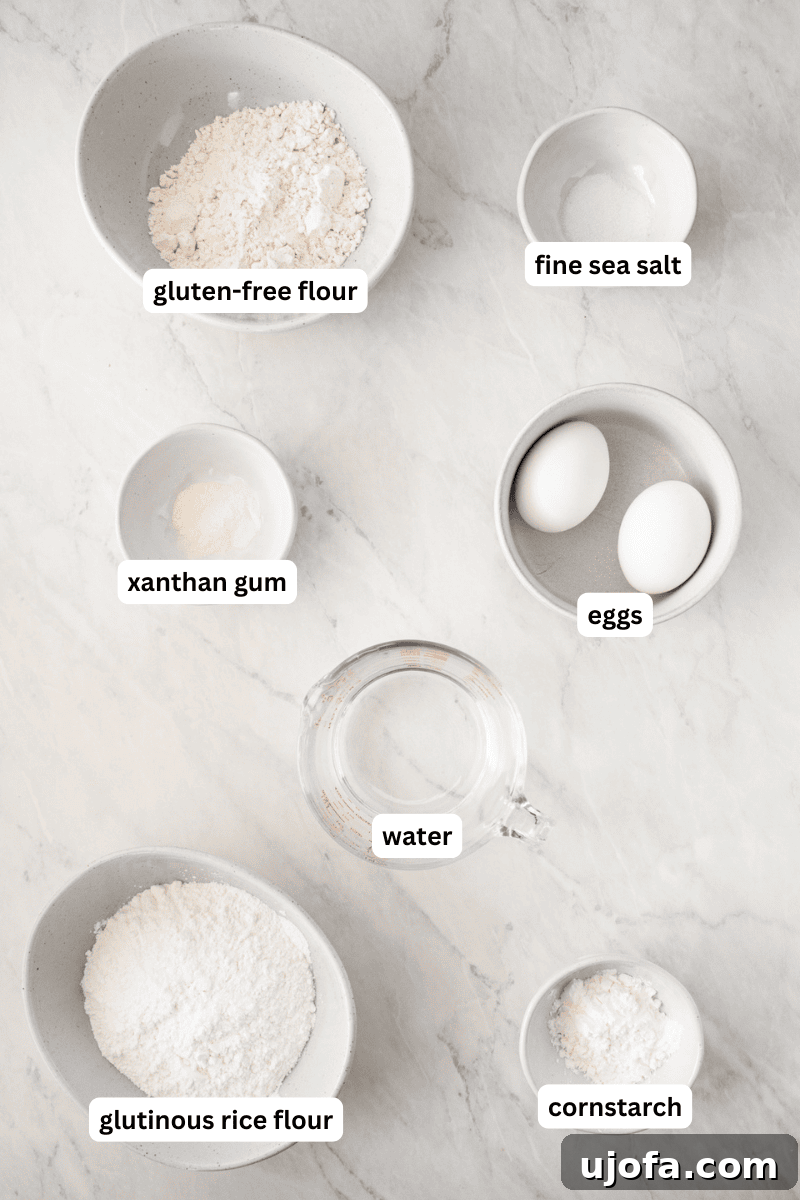
Creating these perfect GF wonton wrappers requires a careful selection of ingredients, each playing a vital role in achieving the desired texture and flavor. Here’s a closer look at what you’ll need and why:
- Glutinous Rice Flour (Sweet Rice Flour): This is the star ingredient that gives our wrappers their signature chewy, pliable texture. Despite its name, “glutinous” refers to its sticky nature when cooked, not the presence of gluten. It’s naturally gluten-free and distinct from regular rice flour, which has a different starch composition and will not yield the same results. Ensure you purchase glutinous rice flour for the best outcome.
- Gluten-Free Flour Blend with Xanthan Gum: A high-quality all-purpose gluten-free flour blend is essential for providing structure and body to the dough. Using a blend that already contains xanthan gum is convenient, as it further aids in replicating the elasticity found in wheat-based doughs.
- Xanthan Gum: We add an extra touch of xanthan gum to enhance the dough’s binding properties. This hydrocolloid acts as a crucial binder in gluten-free baking, preventing crumbling and making the dough much easier to handle, roll, and fold without tearing. It’s key for creating that desirable stretch.
- Fine Sea Salt: A small amount of fine sea salt not only seasons the dough but also helps to bring out the subtle flavors of the other ingredients, creating a more balanced and delicious wrapper.
- Canola Oil: I prefer using canola oil due to its neutral flavor, which won’t overpower the delicate taste of your wontons. However, other neutral-tasting oils like vegetable oil or grapeseed oil are excellent substitutes. The oil contributes to the dough’s tenderness and flexibility.
- Eggs: Using large, room-temperature eggs is crucial. Eggs that are at room temperature incorporate more smoothly and evenly into the dry ingredients, resulting in a more cohesive, elastic, and easier-to-work-with dough. Plan to take them out of the refrigerator at least 30 minutes before you begin mixing.
- Water: Room temperature water is added gradually, a teaspoon at a time, until the dough reaches the perfect consistency—soft, pliable, and just slightly sticky. The exact amount of water can vary based on the specific gluten-free flour blend you use and the humidity levels in your kitchen, so add it cautiously.
- Cornstarch or Tapioca Starch: These starches are indispensable for preventing the dough from sticking to your work surface, rolling pin, and other wrappers during the rolling and stacking process. Liberally dusting your surface and the individual wrappers will ensure a smooth, frustration-free experience.
Expert Tips for Crafting Perfect Gluten-Free Wonton Wrappers
Making homemade gluten-free wonton wrappers is a rewarding process, and these tips will help you achieve the best possible results, ensuring a smooth dough and perfectly shaped wrappers every time.
- Embrace the Chill: Never skip the crucial dough chilling step. This 30-minute rest period allows the gluten-free flours ample time to fully absorb the liquids, resulting in a uniformly hydrated and pliable dough. Without proper resting, your dough can become overly sticky, difficult to manage, and prone to a rough, crumbly texture.
- The See-Through Test: When rolling out the dough, aim for translucency. I find it helpful to roll the dough on a patterned silicone mat. This way, I know the dough is perfectly thin when I can clearly see the design of the mat through it. A thin wrapper is key for delicate, well-cooked wontons.
- Beat the Stickiness: If your dough starts to stick to the rolling pin, simply place a sheet of cling film (plastic wrap) over the dough before continuing to roll. This creates a non-stick barrier. Additionally, remember to periodically lift and move the dough on your work surface, ensuring it doesn’t adhere to the mat or counter underneath. Re-dust with starch as needed.
- Achieving Uniformity: For consistently sized and shaped square wrappers, I recommend using a 3.25” or 4” square biscuit cutter. This method is incredibly easy and ensures uniformity. Alternatively, you can achieve wonderfully thin and even sheets by using a pasta machine, then cutting the dough into squares with a pizza cutter or sharp knife.
- Keep it Covered: Gluten-free doughs are notorious for drying out quickly when exposed to air. To prevent this, always keep any portion of the dough you’re not actively working with covered with a lightly damp paper towel. This maintains its moisture and pliability.
- Timing is Everything: For optimal results and to prevent the wrappers from drying out or becoming brittle, cut out your gluten-free wonton wrappers just before you are ready to fill and cook them.
Are Wonton Wrappers Naturally Gluten-Free? Understanding Your Options
A common question arises for those on a gluten-free diet: are wonton wrappers inherently gluten-free? The answer is generally no. Traditional store-bought wonton wrappers, as well as those used in most restaurants, are typically made with wheat flour, which contains gluten. Therefore, unless a package is explicitly labeled “gluten-free,” it’s safe to assume it contains wheat.
This is precisely why making your own homemade gluten-free wonton wrappers is such a fantastic and empowering alternative. It completely eliminates the guesswork and the potential headache of searching for specialty gluten-free options, which can often be scarce or expensive. By crafting them yourself, you gain full control over the ingredients, ensuring they align perfectly with your dietary needs and preferences, and guaranteeing a truly safe and delicious meal experience.
Folding Techniques for Gluten-Free Wonton Wrappers
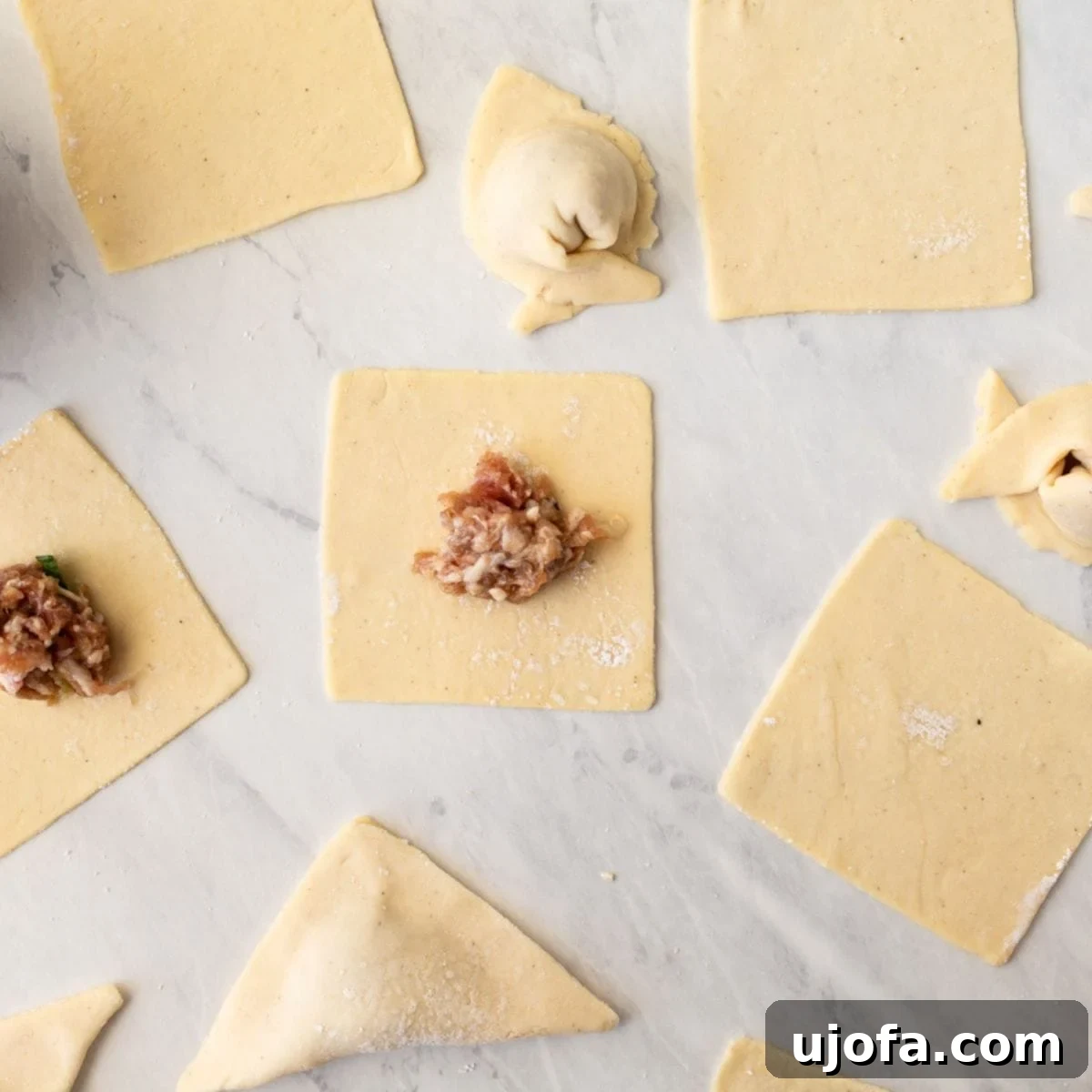
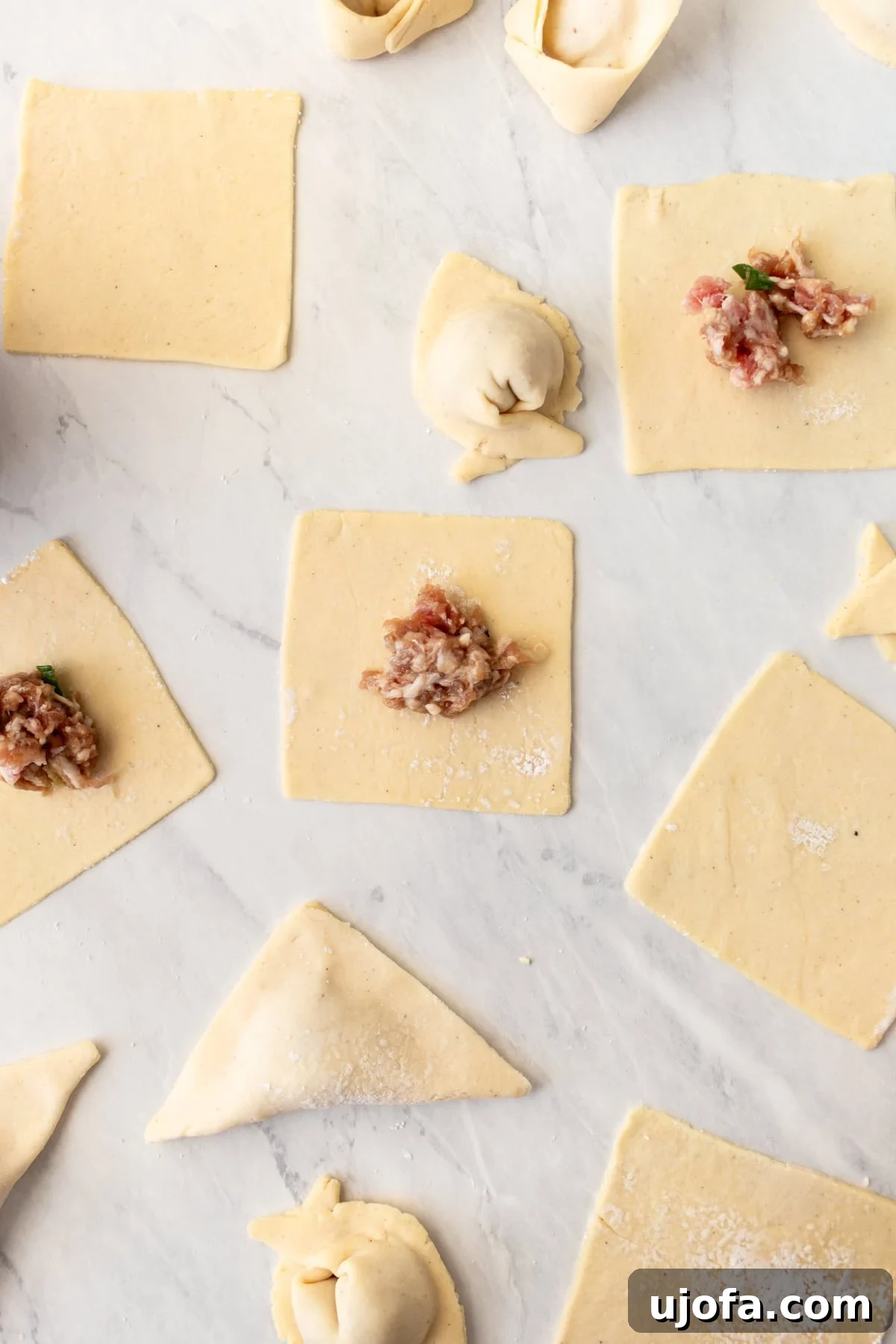
Before you embark on stuffing these delightful wrappers with your favorite fillings, it’s helpful to understand that gluten-free doughs, by nature, can be a bit more delicate and prone to tearing than their wheat counterparts. This is perfectly normal and nothing to worry about! Minor tears around the edges are usually fine, but the key is to ensure there are no significant rips where your delicious filling could escape, and that the edges are properly sealed to contain everything. Here’s a simple, effective method to fold your GF wonton wrappers:
- Preparation: Begin by placing a single gluten-free wonton wrapper flat on a clean, dry work surface.
- Moisten the Edges: Dip your finger lightly in a small bowl of water and gently run it along all four edges of the wrapper. This moisture acts as a natural adhesive, crucial for creating a strong seal when folding.
- Add the Filling: Carefully place about 1 teaspoon of your chosen filling directly into the center of the wrapper. Remember, less is more here – overfilling can make sealing difficult and lead to ruptures during cooking.
- Create a Triangle: Take one corner of the square wrapper and fold it diagonally across to meet the opposite corner, forming a perfect triangle shape.
- Seal with Care: Gently press down around the filling, moving outwards towards the moistened edges. This action helps to remove any trapped air pockets and ensures the filling is securely encased within a well-sealed package.
- Optional Decorative Folds: For a more traditional or decorative look, you have a couple of options:
- Classic Wonton Shape: Bring the two bottom corners of the triangle up and across, overlapping them slightly. Use a tiny dab of water to stick these two corners together, forming a familiar, curled wonton shape.
- Simple Packet: Alternatively, you can simply press the triangle edges firmly together for a basic, yet effective, sealed packet.
You can find visual examples of both folding methods by referring to the images accompanying this recipe (if available on the original page).
Crucial Tip: While you are working on folding individual wontons, always keep your stack of unused wrappers covered with a lightly damp towel. This prevents them from drying out, which could make them brittle and difficult to fold.
Delicious Serving Suggestions for Your GF Wonton Creations
Once you’ve filled your homemade gluten-free wonton wrappers with your favorite savory mixture, the culinary possibilities are endless! These versatile wrappers are incredibly delicious whether they are fried to a crisp, gently steamed, baked until golden, or cooked to perfection in a flavorful broth. Here are some fantastic serving ideas to inspire your next meal:
- Classic Wonton Soup: The most popular choice! Drop your filled wontons into a simmering broth with some greens and perhaps a few slices of cooked chicken or pork for a comforting and hearty meal.
- Crispy Pan-Fried Delights: For a delightful appetizer or snack, pan-fry them in a touch of sesame oil until golden brown and irresistibly crispy. Serve with a side of your favorite dipping sauce.
- Steamed Perfection: If you prefer a lighter, more delicate texture, steam your wontons until tender. They pair wonderfully with a light soy-ginger sauce.
- Baked for a Healthier Option: Lightly brush with oil and bake until crispy for a healthier take on fried wontons.
- Alongside Asian Staples: I simply can’t get enough of these served hot alongside homemade gluten-free fried rice, accompanied by plenty of gluten-free teriyaki sauce or a sweet chili sauce for dipping.
- Noodle Bowl Topping: Elevate your noodle dishes by adding cooked wontons. They make an excellent topping for a bowl of gluten-free ramen or homemade gluten-free egg noodles, adding both texture and flavor.
- Creative Appetizers: Experiment with different fillings and sauces to create unique appetizers for your next gathering. They’re a versatile base for countless flavor combinations.
Storing Your Homemade Gluten-Free Wonton Wrappers
Effective storage of your homemade gluten-free wonton wrappers is key for convenient meal prep and minimizing waste. You have a couple of excellent options for preparing ahead:
Refrigerating the Dough:
If you want to get a head start, you can prepare the dough in advance. Follow the recipe instructions for mixing and kneading. Instead of chilling the dough for just 30 minutes, wrap it tightly in plastic wrap (ensuring no air can reach it) and store it in the refrigerator for up to 2 days. When you’re ready to make your wontons, remember to let the dough come to room temperature for about 30-60 minutes before rolling it out. This makes it much more pliable and easier to work with.
Freezing Prepared Wrappers:
For longer-term storage, freezing your cut GF wonton wrappers is an excellent choice, preserving them for up to 2 months. To do this, lightly sprinkle each individual wrapper with cornstarch or tapioca starch, or layer pieces of parchment paper between them to prevent sticking. Stack them neatly, then wrap the entire stack very tightly in plastic wrap, followed by placing them in a freezer-safe bag or an airtight container. When you’re ready to use them, transfer the frozen wrappers to the refrigerator and allow them to thaw completely overnight or for several hours before gently peeling them apart. Attempting to separate them while still frozen may cause them to tear.
Regardless of your chosen storage method, the most critical step is to consistently keep your gluten-free wonton wrappers well-covered. Exposure to air, even for short periods, will cause them to dry out quickly, making them brittle and difficult to fold without cracking.
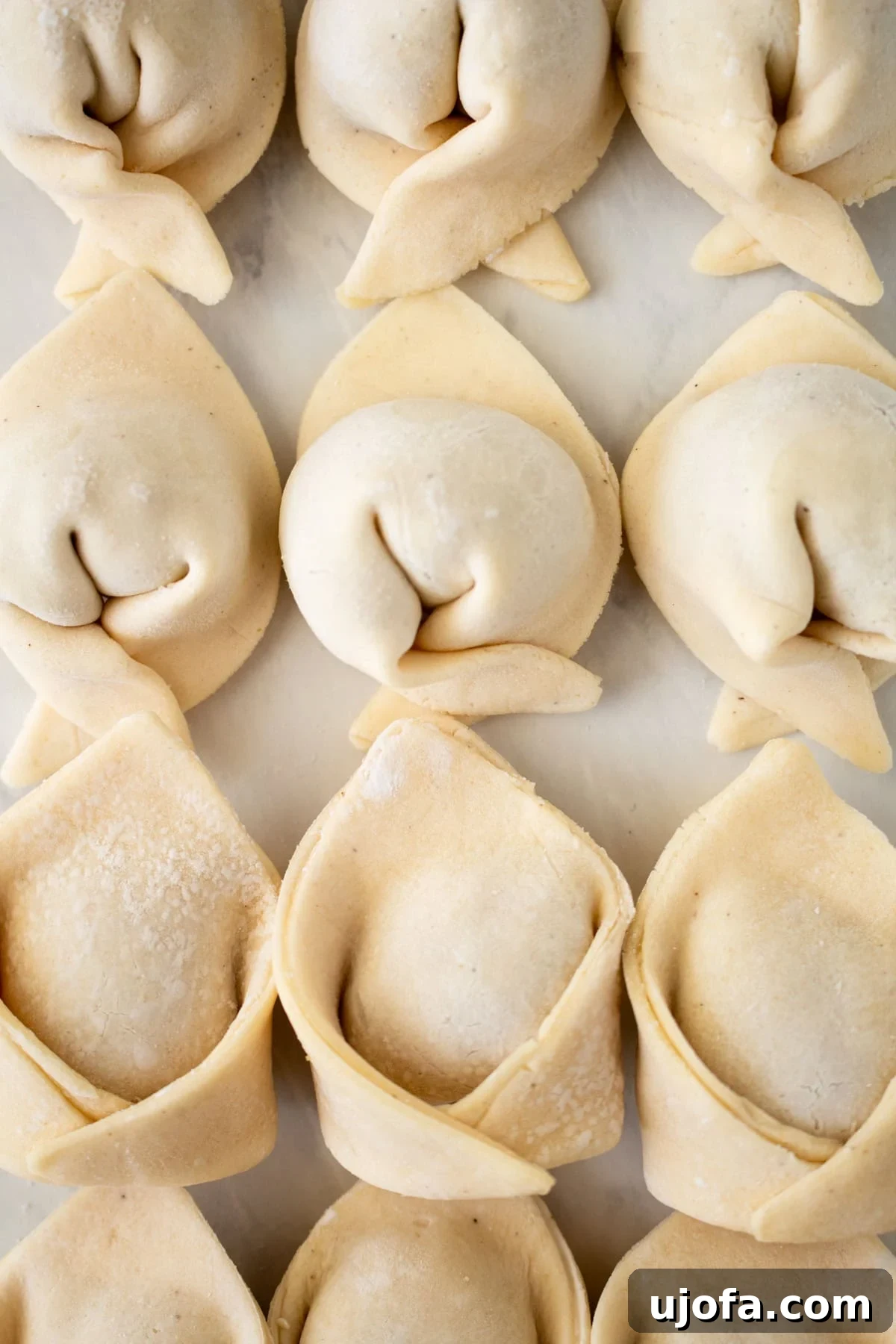
More Homemade Gluten-Free Takeout Recipes to Try!
If you love the idea of recreating your favorite takeout dishes with a gluten-free twist, explore these other fantastic recipes:
- Gluten-Free Pad Thai
- Gluten-Free Tempura Batter
- Gluten-Free Orange Chicken
- Gluten-Free Apricot Chicken
Gluten-Free Wonton Wrappers Recipe
By: Ashley Barbey
Yields: Approximately 50 wrappers
Prep Time: 30 minutes
Total Time: 30 minutes (excluding dough chilling)
Learn how to make gluten-free wonton wrappers with this easy recipe. Perfect for making wonton soup or your favorite Chinese dumplings!
Ingredients:
- 1 cup glutinous rice flour
- ½ cup gluten-free flour blend with xanthan gum
- ¾ teaspoon fine sea salt
- ½ teaspoon xanthan gum
- 2 large eggs, room temperature
- ½ tablespoon canola oil, or other neutral cooking oil
- ¼ cup water, divided, room temperature
- Cornstarch or tapioca starch, for rolling
Instructions:
- In a large bowl, whisk together the glutinous rice flour, GF flour blend, sea salt, and xanthan gum until well combined. Create a shallow well in the center of the dry ingredients.
- Into the well, add the room-temperature eggs, canola oil, and an initial tablespoon of water. Begin to stir these wet ingredients into the dry, combining until the mixture appears ragged and clumpy.
- Continue to knead the dough directly in the bowl by hand. Add the remaining water one teaspoon at a time, incorporating it fully before adding more. Knead until the dough comes together into a cohesive ball. The goal is for the dough to be mostly smooth, with no visible pockets of dry flour. It should feel slightly sticky but should not excessively cling to your hands.
- Divide the dough into two equal portions. Wrap each portion individually with plastic wrap and gently press down to form a flat disc. Refrigerate these discs for a minimum of 30 minutes, or you can prepare them up to two days in advance. Before you begin rolling, ensure the dough comes back to room temperature to improve its pliability.
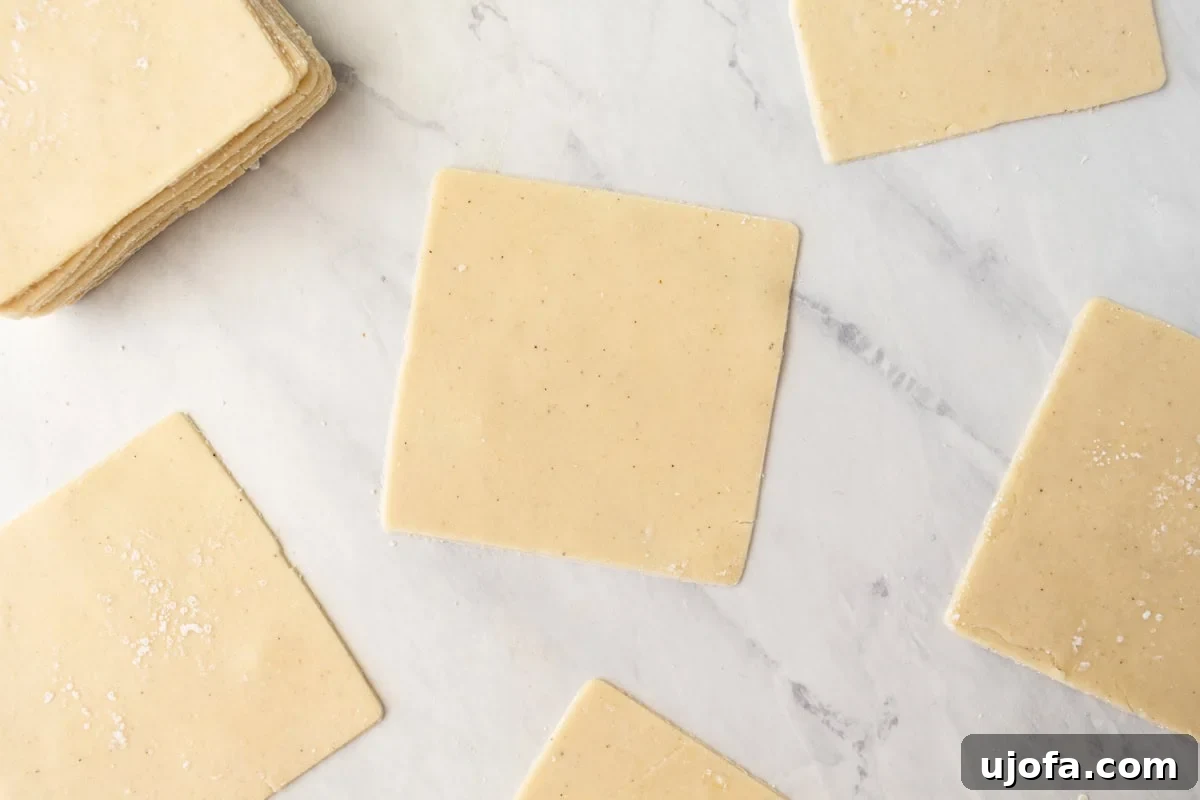
- Liberally dust your work surface or silicone mat with cornstarch or tapioca starch. Take one disc of dough at a time and roll it out very thinly. A good indicator that it’s thin enough is if you can faintly see your hand or the pattern of your work surface through the dough. Using a 3-4 inch square biscuit cutter will create uniformly sized wrappers. Alternatively, you can use a pizza cutter or a sharp knife to cut the rolled dough into even squares.
- Once cut, stack the individual wrappers. Remember to sprinkle a generous amount of cornstarch or tapioca starch between each wrapper to prevent them from sticking together. To keep the stack of wrappers from drying out before you are ready to stuff and cook them, wrap them securely with a lightly damp paper towel.
Notes:
- The total serving size is an approximation; the actual number of wrappers will vary based on their size when cut.
- To Store Dough: The prepared dough can be stored, tightly wrapped in plastic, in the refrigerator for up to 2 days. Always let it return to room temperature before rolling and filling.
- To Freeze Wrappers: To freeze, layer the cut wrappers with cornstarch/tapioca starch or parchment paper between each one. Wrap the stack securely in plastic wrap, then place it in an airtight container or ziplock bag. They can be frozen for up to 2 months. Thaw completely in the refrigerator before using.
- Always remember to check your labels on all ingredients to ensure they are certified gluten-free.
Nutrition (per 1 wrapper, no filling):
Serving: 1 wrapper (no filling)
- Calories: 20 kcal
- Carbohydrates: 3g
- Protein: 1g
- Fat: 0.4g
- Saturated Fat: 0.1g
- Polyunsaturated Fat: 0.1g
- Monounsaturated Fat: 0.2g
- Trans Fat: 0.001g
- Cholesterol: 7mg
- Sodium: 39mg
- Potassium: 5mg
- Fiber: 0.2g
- Sugar: 0.1g
- Vitamin A: 11 IU
- Calcium: 2mg
- Iron: 0.1mg
Nutrition information is automatically calculated and should be used as an approximation.
Additional Info:
- Course: Dinner, Appetizer
- Cuisine: Chinese, Asian
How to Make Gluten-Free Wonton Wrappers Step-by-Step (Visual Guide)
Follow these detailed steps, complete with visual cues, to successfully create your own batch of delicious gluten-free wonton wrappers:
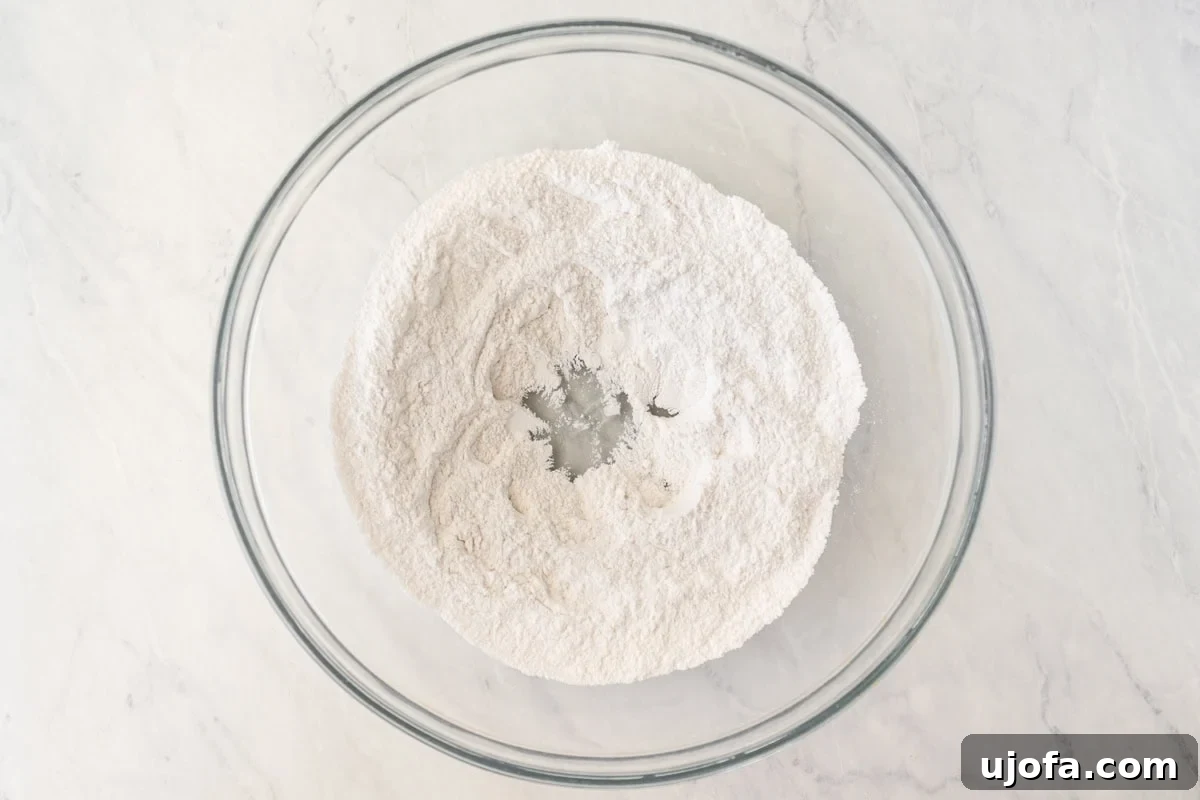
Step 1: Combine Dry Ingredients. In a large mixing bowl, thoroughly whisk together 1 cup of glutinous rice flour, ½ cup of your preferred GF flour blend, ¾ teaspoon of fine sea salt, and ½ teaspoon of xanthan gum. Ensure all ingredients are evenly distributed, then create a small well in the center of the flour mixture.
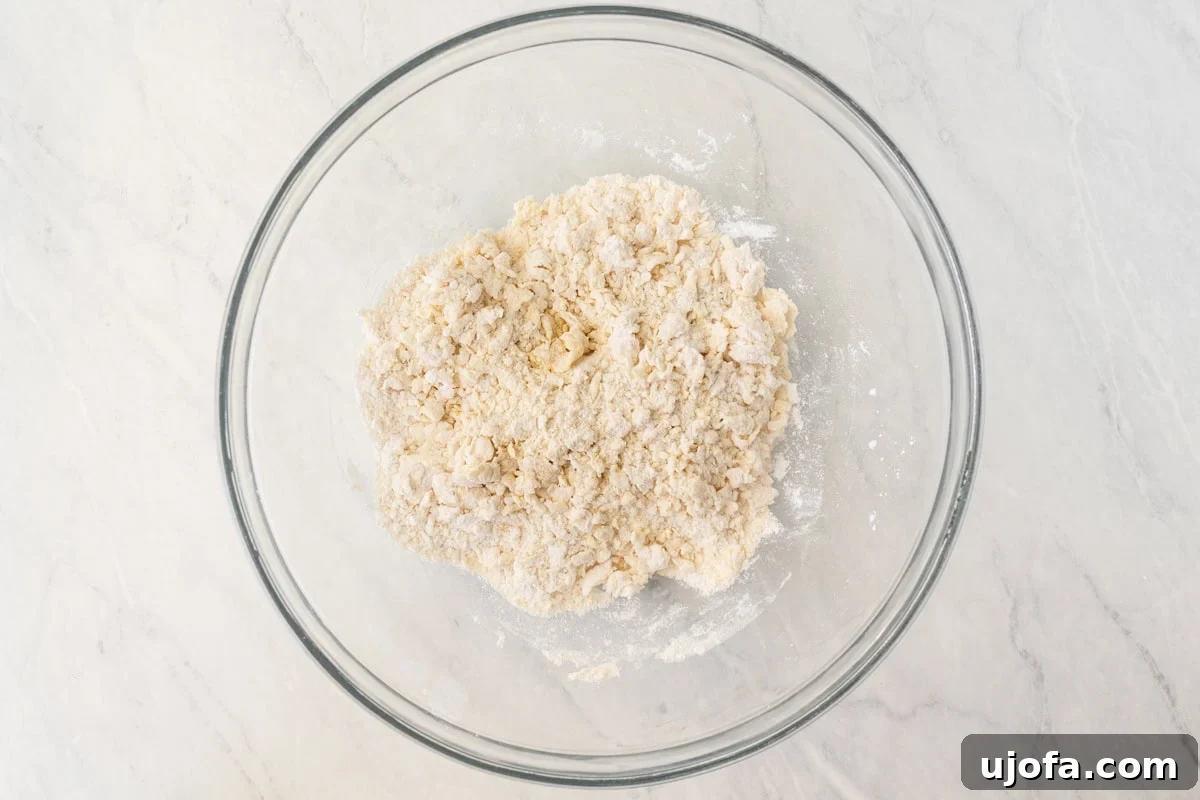
Step 2: Incorporate Wet Ingredients. Add 2 large room-temperature eggs, ½ tablespoon of canola oil, and an initial tablespoon of room-temperature water into the well. Using a spoon or your hands, gently stir and combine these wet ingredients with the dry until the mixture forms a shaggy, clumpy dough. It won’t be smooth yet, but all ingredients should be generally moistened.
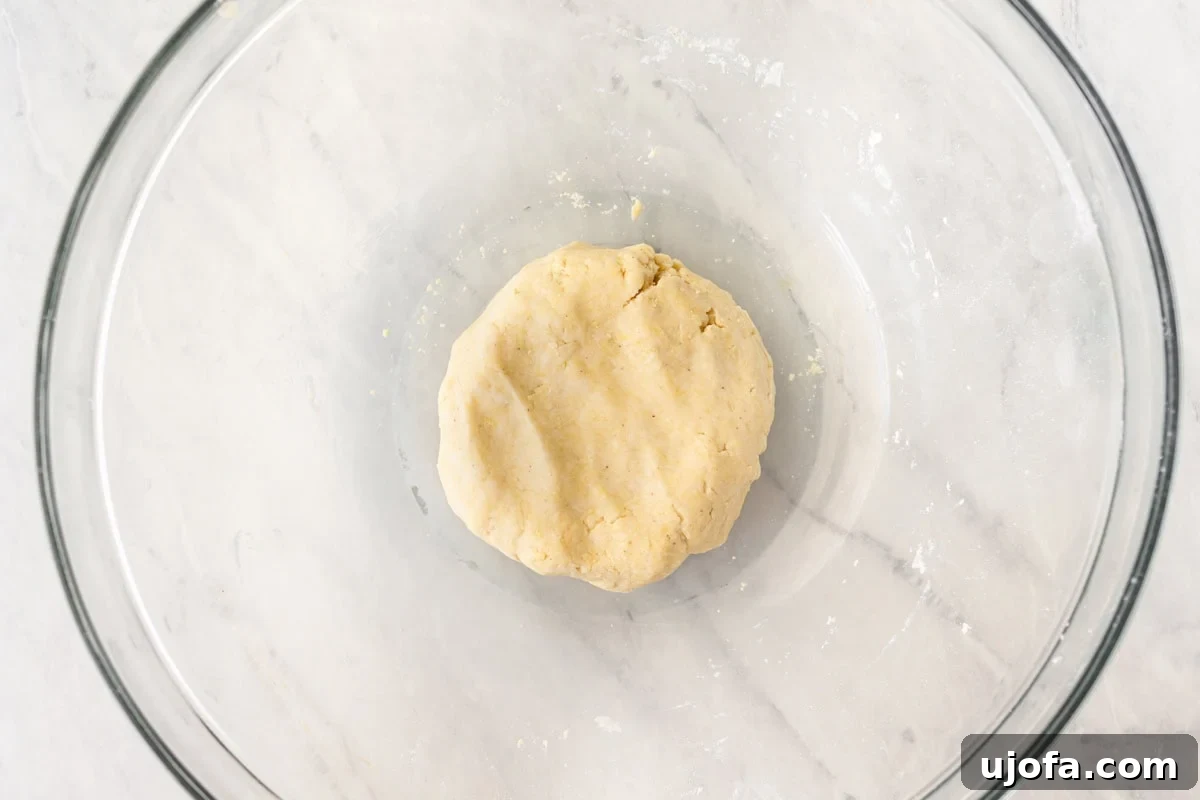
Step 3: Knead to Perfection. Continue kneading the dough in the bowl. Add additional water, one teaspoon at a time, kneading thoroughly after each addition until the dough fully comes together into a soft, mostly smooth ball. Avoid adding too much water; the dough should be slightly sticky but manageable and not adhering excessively to your hands. Ensure there are no lingering dry flour pockets.
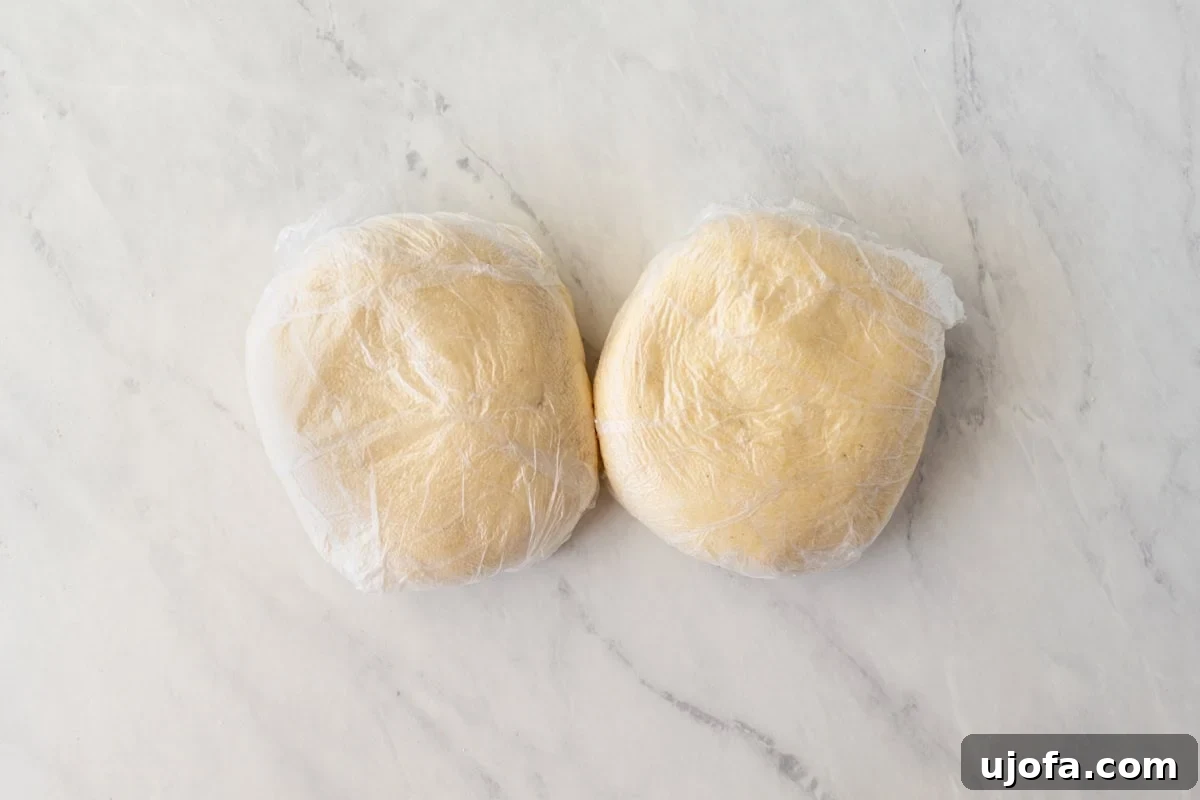
Step 4: Chill the Dough. Divide the kneaded dough into two equal balls. Flatten each ball slightly into a disc shape and wrap them tightly with cling film (plastic wrap) to prevent any air exposure. Refrigerate the dough for a minimum of 30 minutes. This resting period is essential for the flours to hydrate properly, making the dough more pliable. You can also prepare the dough up to two days in advance; just ensure it reaches room temperature before you proceed to roll it out.
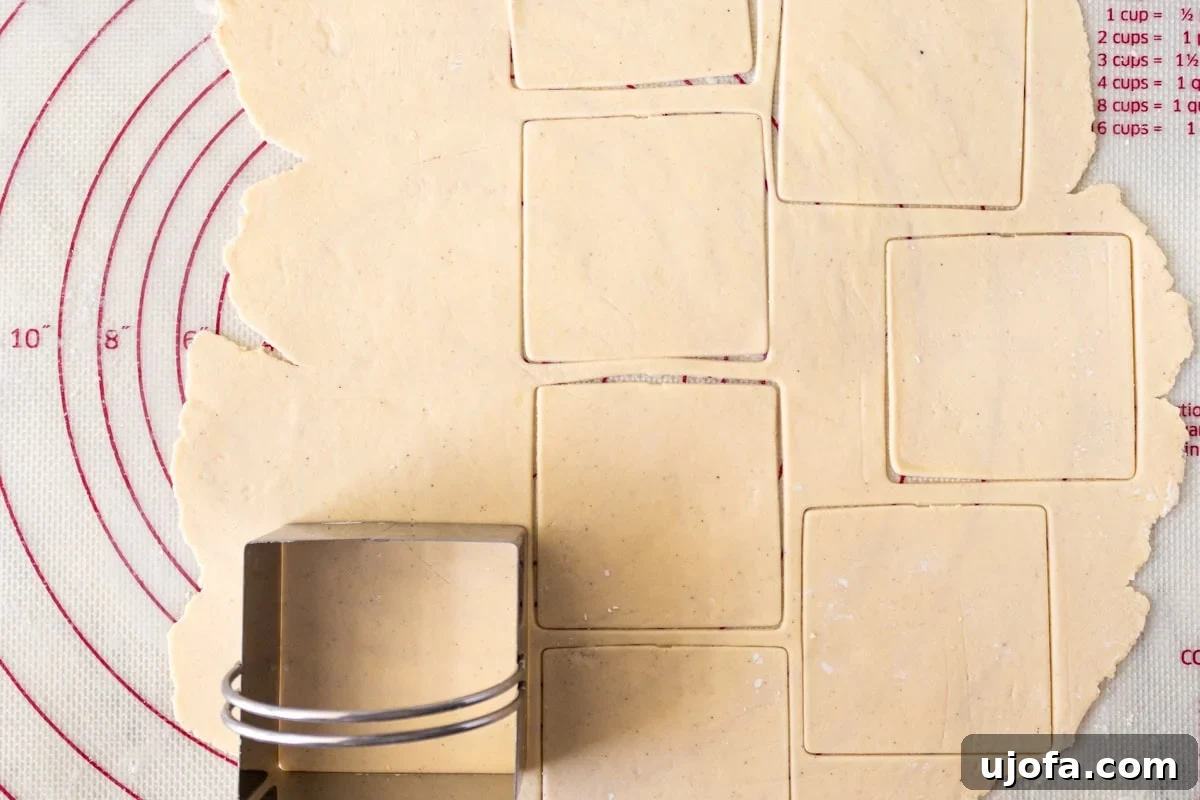
Step 5: Roll and Cut Wrappers. Liberally dust your clean work surface (or a silicone mat) with cornstarch or tapioca starch. Take one disc of chilled, room-temperature dough and roll it out as thinly as possible. Aim for a thickness where you can see your hand or the pattern of your work surface faintly through the dough. Using a 3-inch to 4-inch square biscuit cutter will create uniform gluten-free wonton wrappers, but you can also use a pizza cutter or a sharp knife to cut even squares.
Step 6: Stack and Store. Once cut, stack the individual wrappers. Crucially, sprinkle a good amount of cornstarch or tapioca starch between each layer to prevent them from sticking together. After stacking, immediately wrap the entire stack of wrappers with a lightly damp paper towel. This will keep them moist and pliable, preventing them from drying out before you are ready to fill and cook your delicious homemade wontons.