
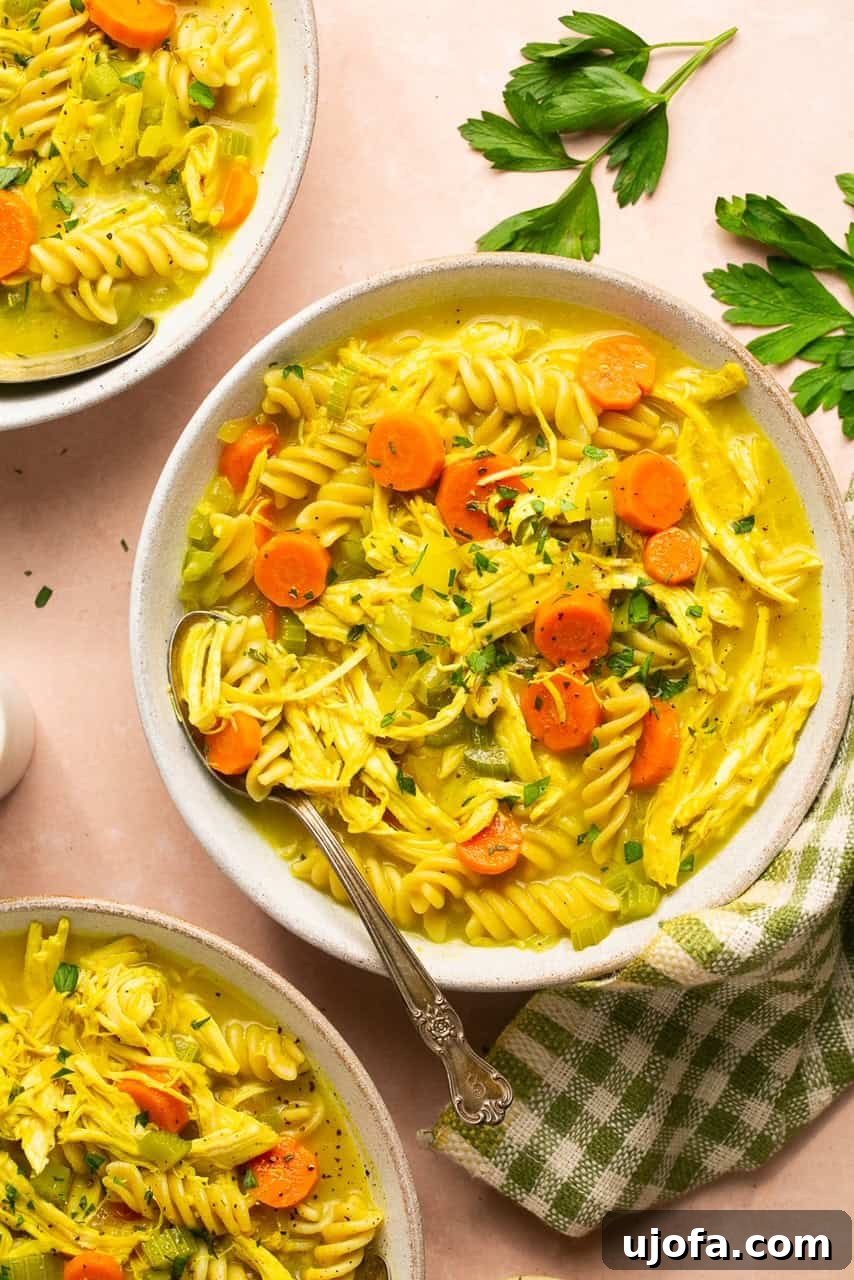
As the chill of cold and flu season sets in, there’s nothing quite as comforting and restorative as a warm bowl of homemade chicken soup. This incredible Gluten-Free Chicken Soup recipe is designed to be your ultimate companion through those sniffly days and chilly evenings, offering warmth, nourishment, and delicious flavor without any gluten. It features succulent, tender chicken, an abundance of fresh, vibrant vegetables, aromatic herbs, and powerful healing spices. For those who love a hearty touch, we’ve included an optional addition of gluten-free noodles. What truly sets this recipe apart is the option to craft your own deeply flavorful, nutrient-rich broth right from scratch, elevating this classic comfort food to new heights of deliciousness and health benefits.
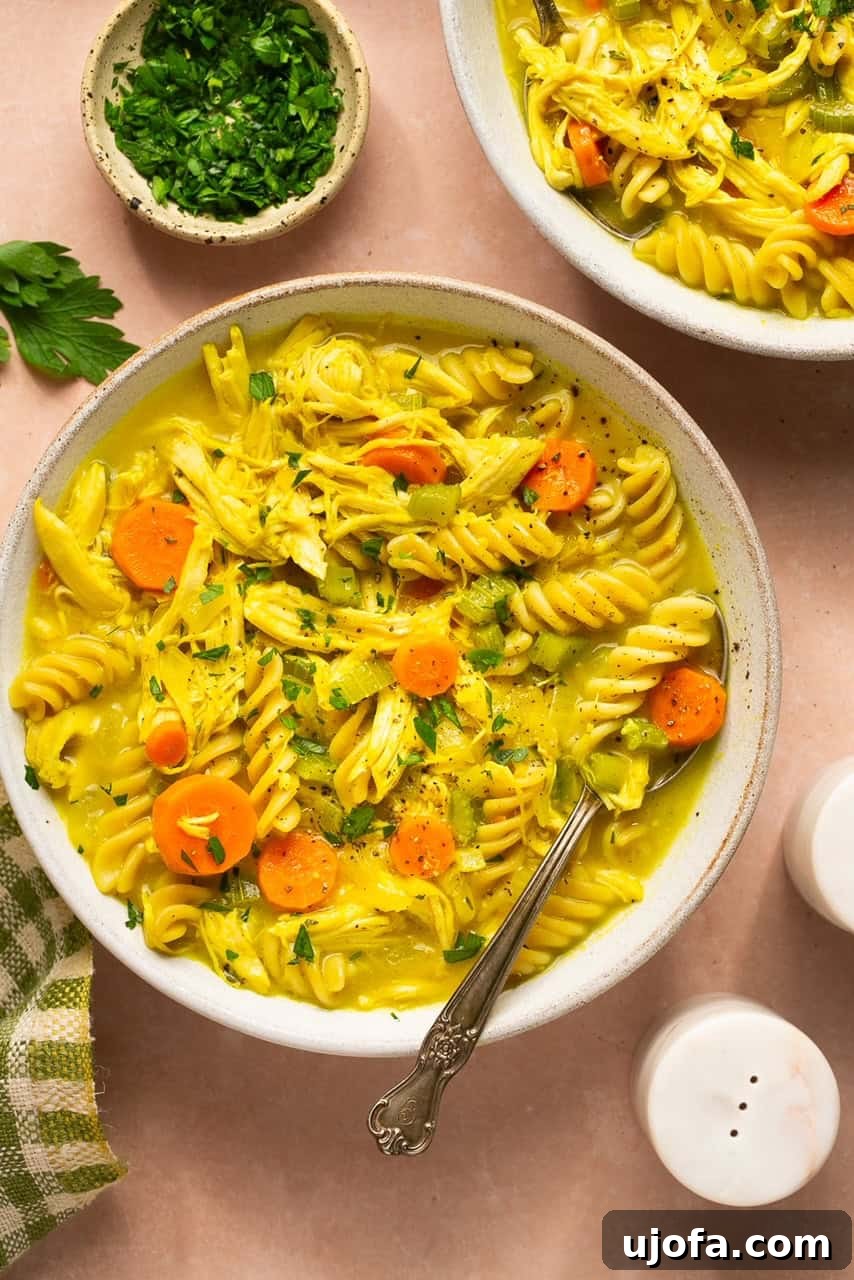
Why You’ll Love This Healing Gluten-Free Chicken Soup
For too long, I’ve wanted to share a truly exceptional homemade chicken soup recipe – one that stands out for its taste, its healing properties, and its accessibility for those with dietary restrictions. With the recent wave of illnesses affecting so many, including my own family, this recipe has been an absolute lifesaver in our kitchen. There’s a timeless wisdom in the saying that chicken soup is good for the soul, and this recipe proves it right. My entire family adores this easy-to-make, nourishing dish, and I’m confident yours will too.
This soup isn’t just for sick days. It’s a perfect meal for crisp autumn evenings, brisk winter afternoons, or any time you crave a meal that feels like a warm hug. Its deliciousness and healing capabilities make it a year-round staple, embodying the essence of healthy comfort food. What I appreciate most about this recipe is its reliance on pantry staples and simple ingredients that I almost always have on hand, making it incredibly convenient. Plus, it freezes beautifully, so you can always have a stash ready for unexpected cravings or needs.
When you’re feeling under the weather, there’s nothing quite as cozy or beneficial as a steaming bowl of this homemade healing chicken soup. Beyond its comforting warmth, it adheres to several popular dietary lifestyles, including Whole30, Paleo, Keto, and AIP (Autoimmune Protocol), ensuring that a wide range of individuals can enjoy its goodness. I personally love adding some Jovial Foods gluten-free pasta for extra comfort and a satisfying boost of carbohydrates, though this addition is entirely optional and the soup is fantastic on its own. It’s truly a versatile dish that caters to your specific needs and preferences, promising both flavor and wellness in every spoonful.
If you’re eager to explore more delightful and healthy soup recipes, be sure to check out my Whole30 Zuppa Toscana or my Whole30 Chicken Pot Pie Soup! These creamy, veggie-packed options are just as satisfying and beneficial for your well-being.
Essential Ingredient Notes for Your Perfect Chicken Soup
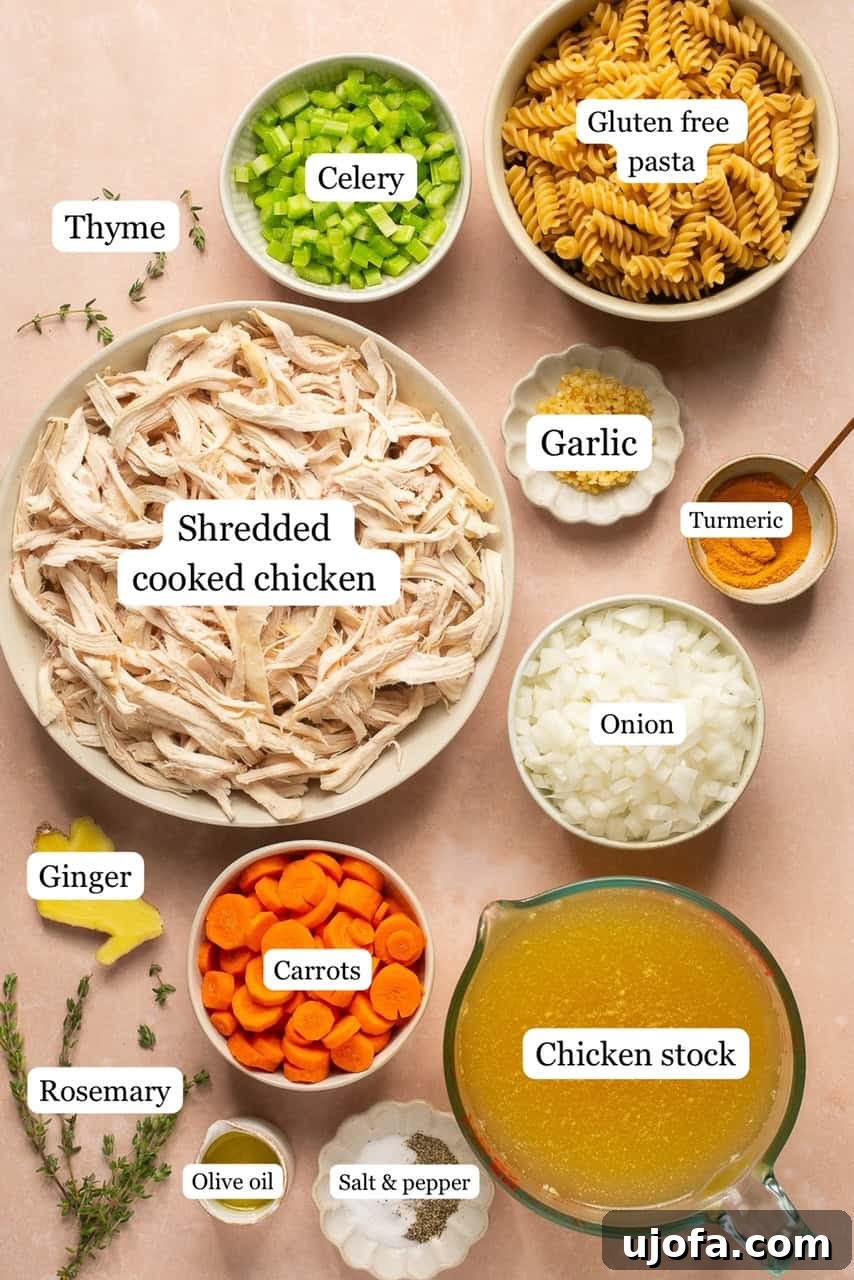
- Chicken: The star of our show, and for good reason! Using an entire chicken is my preferred method because it yields an incredible amount of both tender white and dark meat, contributing a richer, more complex flavor profile to the broth. More importantly, simmering the bones and cartilage extracts a wealth of beneficial nutrients, making your soup truly healing. However, if time is a concern, you can absolutely opt for chicken breasts or chicken thighs alongside a high-quality store-bought chicken broth. I’ve included instructions for both approaches! Additionally, leftover cooked chicken or even a store-bought rotisserie chicken, cut into bite-sized pieces, can be a fantastic shortcut in a pinch.
- Fresh Ginger: This remarkable root is more than just a flavor enhancer; it’s a powerhouse of wellness. Known for its potent anti-inflammatory properties, fresh ginger is also incredibly helpful in reducing muscle soreness and easing nausea. Its pungent, warming flavor adds a unique depth and a subtle spicy kick that brightens the entire soup.
- Fresh Herbs (Thyme & Rosemary): These fragrant herbs are essential for building a robust and aromatic broth. Thyme offers an earthy, slightly minty flavor, while rosemary provides a woody, pine-like aroma. Together, they create a sophisticated and comforting base. If fresh herbs aren’t available, dried herbs can be used, though you might need slightly less as their flavor is more concentrated. For a beautiful finish and an extra layer of freshness, a sprinkle of chopped fresh parsley as a garnish is highly recommended.
- Broth: The foundation of any great soup. While this recipe includes an option to make your own deeply flavored broth using just water and the whole chicken, you can also enhance store-bought broth by combining it with water for a richer taste. When purchasing broth, it’s crucial to check labels carefully, especially if you’re committed to a gluten-free or Whole30 diet. Many commercial brands contain hidden sugars, additives, or other undesirable ingredients. My go-to choices for high-quality, clean options are regular chicken stock from Costco, or premium bone broths like Bonafide Provisions or Kettle & Fire, both of which offer excellent flavor and nutritional benefits.
- Turmeric: Often referred to as “the golden spice,” turmeric is celebrated for being one of the most powerful anti-inflammatory spices available. It boasts a wealth of medicinal properties, primarily due to its active compound, curcumin. Incorporating turmeric into your soup not only adds a beautiful golden hue but also a subtle earthy flavor, while offering significant health advantages. You can delve deeper into the extensive benefits of turmeric by reading more here.
- Fresh Veggies: The classic trio of carrots, onion, and celery forms the aromatic base known as mirepoix. These vegetables slowly release their sweet and savory flavors as they sauté, creating a foundational layer of taste for the entire soup. They also contribute essential vitamins, minerals, and fiber, making this soup even more wholesome.
- Bay Leaf: A humble yet mighty herb, a bay leaf adds a subtle, almost woodsy, and slightly floral note to the broth, enhancing its complexity and depth without overpowering other flavors.
- Salt and Black Pepper: These fundamental seasonings are crucial for balancing and amplifying all the other flavors in the soup. Always taste and adjust as needed to achieve your perfect seasoning.
- Gluten-Free Pasta (optional): For a truly satisfying and hearty chicken noodle soup experience, adding gluten-free pasta is a fantastic choice. I highly recommend Jovial Gluten Free Pasta for its excellent texture that holds up well in soup. A key tip: gluten-free pasta tends to absorb a lot of liquid when stored in the fridge, potentially making your soup overly thick or mushy. To avoid this, it’s best to cook the noodles separately and add them to individual bowls just before serving, or store them separately from the soup.
That’s the essence of it! This recipe is incredibly versatile – you can even prepare just the flavorful broth and shred the cooked chicken to use in other meals, like salads, sandwiches, or casseroles. I personally love simply sipping on the warm, nutrient-dense bone broth; it offers immense health benefits, particularly for gut health.
How to Craft Your Delicious Gluten-Free Chicken Soup
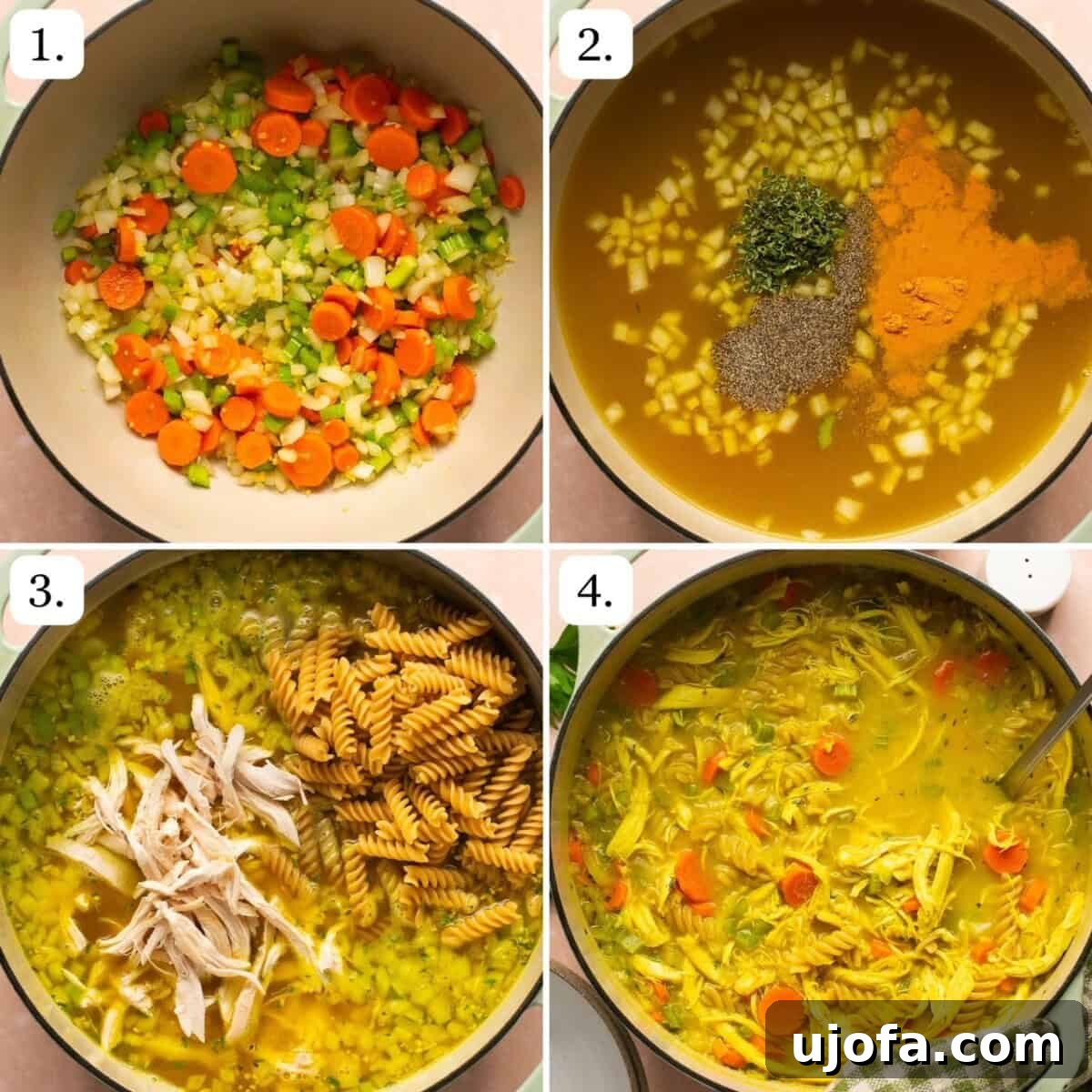
Method 1: Using Quality Store-Bought Broth
Step 1: Sauté Aromatics
Begin by heating the olive oil in a large stock pot or Dutch oven over medium-high heat. Add the diced carrots, onions, and celery. Sauté these aromatic vegetables for 3-5 minutes, stirring occasionally, until they begin to soften and release their fragrant flavors. This step is crucial for building a flavorful base for your soup.
Step 2: Add Garlic, Ginger & Simmer
Stir in the minced garlic and finely diced fresh ginger. Continue to sauté for an additional 30 seconds until they become wonderfully fragrant. Be careful not to burn the garlic. Next, pour in your chosen broth and add the remaining seasonings (black pepper, fresh thyme, turmeric, and sea salt). Bring the mixture to a gentle boil, then reduce the heat to a simmer and let it cook for 15 minutes, allowing the flavors to meld beautifully and the vegetables to tenderize further.
Step 3: Incorporate Chicken & Pasta
Add the gluten-free pasta (if you’re using it) and your cooked, shredded chicken to the simmering soup. Continue to simmer until the pasta reaches an al dente texture, meaning it’s cooked through but still slightly firm to the bite. The cooking time for pasta will vary based on the type you use, so keep an eye on it.
Step 4: Final Seasoning
Before serving, perform a taste test. Adjust the seasoning as needed by adding more salt and black pepper to your preference. Serve immediately and enjoy the comforting warmth of your gluten-free chicken soup!
Method 2: Using Your Freshly Made Homemade Broth
If you’ve just prepared a batch of delicious homemade chicken broth and shredded your chicken (as per the instructions below), this method simplifies the process even further, building on that rich foundation.
Step 1: Combine Ingredients & Simmer
Add all the soup ingredients (excluding the pasta, if using, which will be added later) directly into the pot containing your freshly made broth. Bring the mixture to a boil, then reduce the heat to a gentle simmer. Allow it to cook for approximately 15 minutes, or until the fresh carrots are mostly tender, yet still have a slight bite.
Step 2: Add Chicken & Pasta, Then Serve
Stir in your cooked, shredded chicken and the gluten-free pasta (if using). Continue to simmer until the pasta is cooked al dente. Perform a quick taste test and adjust the salt and pepper as necessary to achieve your desired flavor profile. Serve this wholesome soup warm, optionally garnished with a sprinkle of fresh chopped parsley for an added burst of color and herbaceousness.
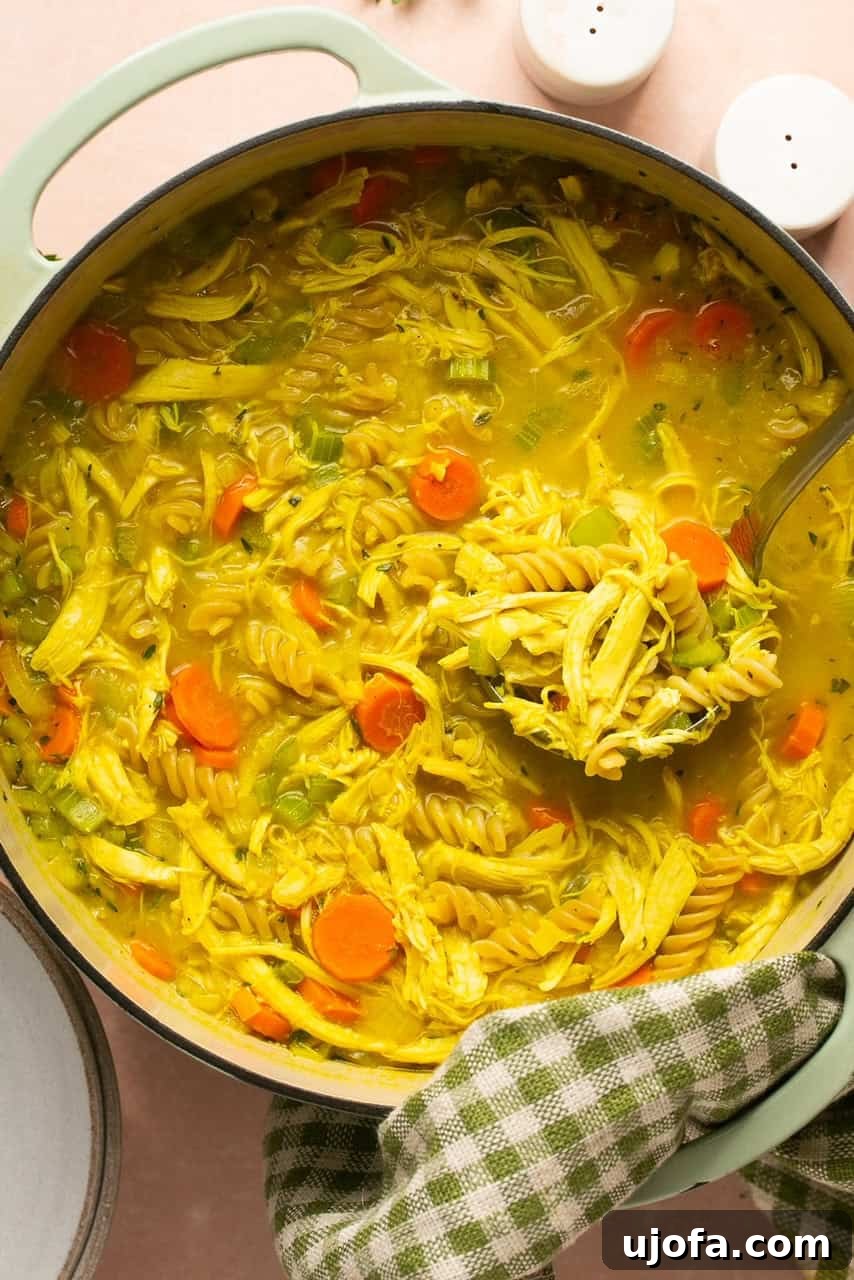
Mastering Homemade Chicken Broth: A Step-by-Step Guide
Creating your own chicken broth from scratch is a rewarding process that yields a superior depth of flavor and nutritional richness compared to most store-bought options. This homemade broth forms the perfect foundation for our healing gluten-free chicken soup.
Step 1: Prepare and Simmer the Chicken and Aromatics
Start by thoroughly patting your whole chicken dry. Place it into a large Dutch oven or a sturdy stock pot. Arrange the remaining broth ingredients – quartered onion, halved garlic head, large chunks of carrots (no need to peel, as we’re straining later), celery ribs, bay leaves, fresh rosemary sprig, fresh thyme sprigs, sea salt, and black pepper – around the chicken in the pot. Carefully pour enough water (or a half-water, half-store-bought broth combination for an extra flavor boost) over the ingredients until the chicken is just covered. Be mindful not to add too much water, as this can dilute the flavors and result in a bland broth. Cover the pot with a lid and bring the liquid to a rolling boil. Once boiling, reduce the heat to a gentle simmer (medium-low heat typically works well) and let it cook for a minimum of 1.5 hours. This slow simmering process allows the flavors to fully develop and the nutrients to extract from the chicken and vegetables.
Step 2: Shred Chicken and Strain Broth
After the simmering time, carefully remove the cooked whole chicken from the pot and transfer it to a cutting board or a shallow pan to cool slightly. Once cool enough to handle, use two forks to easily shred the tender chicken meat from the bones. The meat should be incredibly soft and practically fall off the bone. Discard the skin and bones, as their flavor and texture are no longer desired. Next, using a slotted spoon, remove and discard the cooked carrots, celery, onion, bay leaves, and herb sprigs from the broth. At this stage, you have a choice: you can either strain the broth through a fine-mesh strainer for a crystal-clear liquid, or leave it as-is for a more rustic appearance and slightly thicker texture. I often choose to leave it unstrained to retain more body and flavor.
Step 3: Utilize Your Homemade Broth and Chicken
With your homemade broth ready and chicken shredded, you have a couple of options. You can immediately proceed to make the full chicken soup recipe using these fresh components, which will deliver the most vibrant flavor. Alternatively, you can store the rich broth separately for sipping (it’s fantastic on its own for gut health!) and reserve the shredded chicken for other culinary applications, such as salads, tacos, or casseroles. Both the broth and chicken can be stored in airtight containers in the refrigerator for 3-4 days, or frozen for longer preservation.
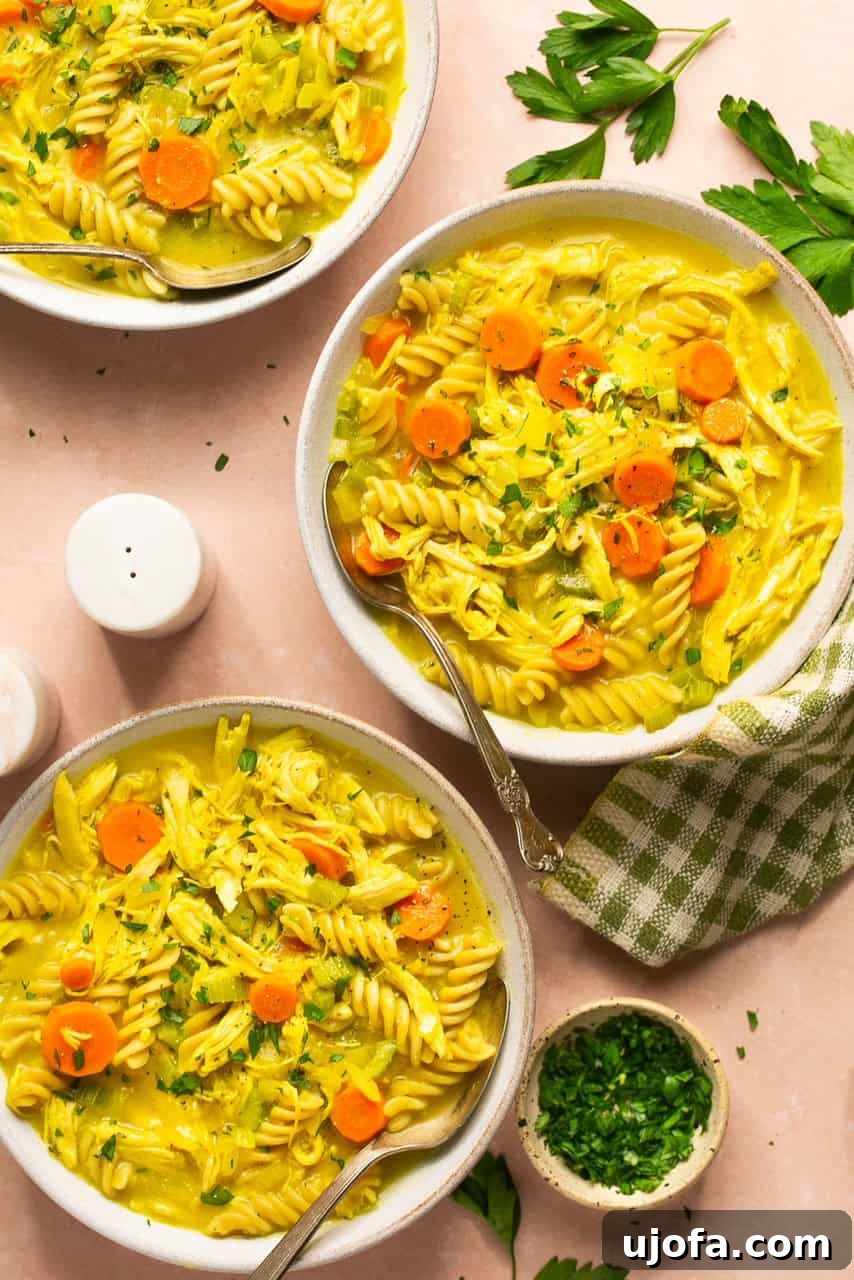
Expert Tips for the Best Gluten-Free Chicken Soup
- **Chicken Quantity:** This recipe is formulated using all the meat from a standard 4 lb whole chicken, yielding a very meaty soup. If you’re working with a much larger chicken (say, 5-6 lbs), you might find that half of the shredded meat is sufficient for the soup, allowing you to save the rest for another delicious meal. This gives you flexibility based on your preference for a chicken-heavy or broth-heavy soup.
- **Time-Saving with Chicken Breasts or Thighs:** If you’re pressed for time or prefer not to use a whole chicken, you can still achieve a fantastic gluten-free chicken soup using boneless, skinless chicken breasts or thighs and store-bought broth. Simply heat 1 tablespoon of olive oil in a large stock pot or Dutch oven. Add diced carrots, celery, onion, minced garlic, and fresh ginger, sautéing for 3-4 minutes until softened and fragrant. Then, add 1.5 lbs of your chosen chicken cuts along with the rest of the soup ingredients and your quality store-bought broth. Bring the mixture to a boil, then reduce the heat and simmer for 30 minutes, allowing the chicken to cook through and become tender. Carefully remove the chicken, shred it (discarding any bones if you used bone-in cuts), and return it to the pot. If adding pasta, stir it in now and cook for another 10-15 minutes until it’s al dente. Garnish with fresh parsley if desired, and enjoy!
- **Fresh Veggies for Soup:** While the vegetables used to make the homemade broth (carrots, celery, onion) impart wonderful flavor to the broth, their texture becomes quite soft, almost mushy, after prolonged simmering. For the best texture and visual appeal in your actual soup, I highly recommend discarding those original broth vegetables and using fresh, new diced carrots and celery. This ensures a pleasant bite and vibrant color in your finished dish.
- **Preventing Mushy Pasta:** Gluten-free pasta, in particular, has a tendency to absorb a lot of liquid and can become mushy if left soaking in soup leftovers. To maintain the ideal pasta texture, it’s best to cook the gluten-free noodles separately. Then, add a portion of the cooked pasta to individual soup bowls just before serving. This way, each serving is perfectly textured, and your leftover soup broth remains intact for future enjoyment.
- **Flexibility with Broth and Chicken:** The beauty of this recipe lies in its adaptability. If you prefer the convenience of store-bought chicken broth and pre-cooked chicken (like rotisserie chicken or leftover chicken), you absolutely can use them to save significant time. I’ve specifically designed the recipe to include clear options for both the from-scratch approach and the more time-efficient method, so you can choose what best fits your schedule and culinary goals.
Storage Solutions for Your Gluten-Free Chicken Soup
Proper storage is key to enjoying your delicious homemade gluten-free chicken soup for days to come, or even having it ready for future meals. Here’s how to best preserve its flavor and quality:
To store leftovers in the refrigerator, allow the soup to cool completely to room temperature. Transfer it to an airtight container. It will keep well for up to 3-4 days. As mentioned in the expert tips, if you included pasta in the soup, I highly recommend storing the cooked pasta separately in its own container. This prevents the noodles from absorbing too much broth and becoming mushy, ensuring a better texture when you reheat and serve.
For longer-term storage, freezing is an excellent option. Once again, ensure the soup has cooled completely. Divide the cooled soup into airtight, freezer-safe containers or heavy-duty freezer bags. If using freezer bags, lay them flat in the freezer for efficient stacking. For the best quality upon reheating, it’s generally recommended to omit the pasta from the soup you intend to freeze. Instead, cook a fresh batch of gluten-free pasta when you thaw and reheat the soup. This approach guarantees perfectly textured noodles. Your frozen soup will maintain its quality for up to 3 months. To enjoy, simply thaw the soup overnight in the refrigerator, then reheat and serve.
When it’s time to reheat your soup, you have a couple of convenient options. You can gently warm it in a stock pot on the stove over medium-low heat, stirring occasionally until heated through. Alternatively, for a quicker solution, individual portions can be reheated in the microwave until steaming hot.
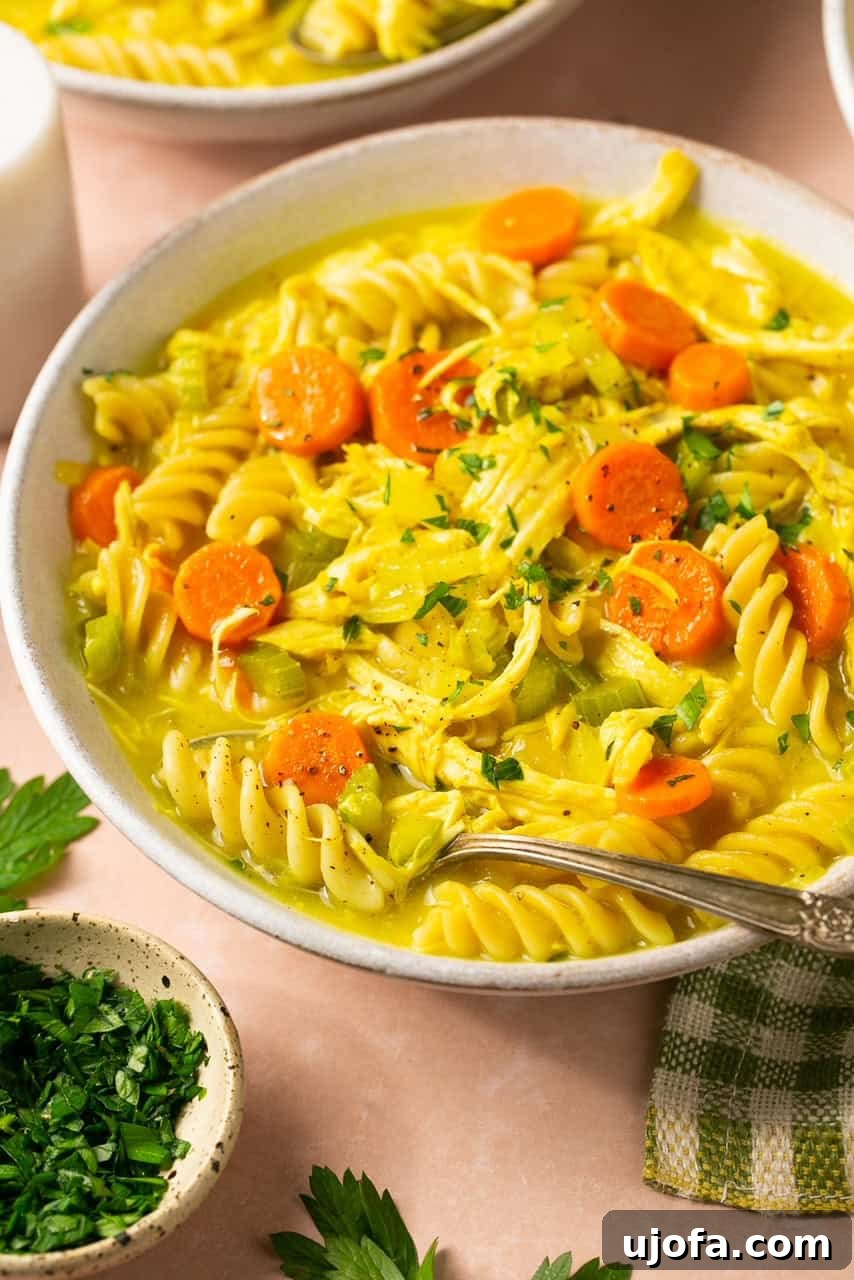
Discover More Delicious Soup Recipes
If you’re a fan of comforting and wholesome soups, you’ll love exploring these other fantastic recipes from my kitchen:
- Easy Gluten-Free Homemade Chicken Noodle Soup (with Pastina)
- Delicious Gluten-Free Butternut Squash Soup
- Instant Pot Italian Wedding Soup
- Slow Cooker Chicken Gnocchi Soup
- Copycat Panera Chicken and Wild Rice Soup
Love this recipe? Please leave a 5-star rating in the recipe card below & a review in the comment section. Or, follow me on Facebook, Pinterest or Instagram today!

Print Recipe
Homemade Healing Gluten-Free Chicken Soup Recipe
Equipment
-
Dutch Oven
Ingredients
Homemade Broth
- 3-4 lb organic whole chicken
- 1 onion, peeled and cut into ¼’s
- 1 head garlic, cut in half horizontally
- 2 carrots, cut into large chunks (no need to peel)
- 2 ribs celery, cut into chunks
- 2 bay leaves
- 1 sprig fresh rosemary
- 3 sprigs fresh thyme
- 1 tsp sea salt
- ½ tsp black pepper
- 8 cups water, or you can use 4 cups water, 4 cups store-bought broth for more flavor
Chicken Soup
- 1 tbsp olive oil
- 3 carrots, peeled and cut into rounds
- 3 ribs celery, diced
- 1 onion, diced
- 2 cloves garlic, minced
- 1 inch knob ginger, peeled and finely diced
- 8 cups broth, either what you just made, or store bought
- ½ tsp black pepper
- 1 tbsp fresh thyme, finely diced
- 1 tsp turmeric
- 1 tsp sea salt
- 12 oz gluten free pasta, optional – I like Jovial Foods GF fusilli in this recipe!
- 3 cups cooked shredded chicken, either what you just made, or rotisserie
Instructions
Chicken Broth
-
Pat your chicken dry and place it in a large Dutch oven or stock pot. Place the remaining ingredients around it. Pour the water (or water/broth combo) over it until it is just covered. Too much water = bland broth. Cover the pot and bring it to a boil. Reduce the heat to a simmer (medium low worked well for me), and cook for 1.5 hours.
-
Remove the chicken and transfer it to a cutting board or pan and shred using two forks. It should fall right off the bone and be very tender. Discard the skin and bones. Use a slotted spoon to remove the carrots, celery, onion, bay leaves, etc. out of the broth. At this point you have the option to strain the broth through a fine mesh strainer, or leave it as-is. I left it.
-
You can either use the broth and chicken to make soup now, or store it away for sipping and use the chicken for another recipe.
Chicken Soup Using Homemade Broth
-
Add all of the soup ingredients (except for the pasta) into the broth you just made. Bring it to a boil, then reduce the heat and let it simmer for 15 minutes until the carrots are mostly tender. Add in the cooked shredded chicken and the pasta (if using). Let it simmer until the pasta is al dente. Taste test, then add salt and pepper as needed. Serve with chopped parsley, if desired.
Chicken Soup using Store-Bought Broth
-
Heat the olive oil over medium high heat.
-
Add in the carrots, onions, and celery. Saute for 3-5 minutes. Add in the garlic and ginger and saute for 30 seconds longer until fragrant. Add in the broth and seasonings. Simmer for 15 minutes. Add in the pasta and cooked shredded chicken and simmer until the pasta is al dente. Taste test, then add in salt and pepper as needed.
Notes
Expert Tips
- I used all of the meat from a 4 lb chicken. If you have one that is a lot larger, you can use ½ of the meat – up to you!
- To make this chicken soup using chicken breasts or thighs and store-bought broth, heat 1 tbsp olive oil in a large stock pot or Dutch oven. Add in the carrots, celery, onion, garlic, and ginger. Saute for 3-4 minutes. Add in 1.5 lbs of chicken breasts or thighs and the remaining soup ingredients. Bring it to a boil, then reduce heat and simmer for 30 minutes. Shred chicken and discard any bones (if you used bone-in) and add it back into the pot. Add in the pasta (if using) and cook for another 10-15 minutes until tender. Serve with parsley, if desired.
- You have the option of using and dicing up the carrots and celery from the original homemade broth pot, but I find that they’re too mushy. I discarded those and used new ones.
- To prevent leftovers from having mushy pasta, cook it separately and add it to individual soup bowls when serving.
- If you prefer to use chicken breasts or thighs with store-bought chicken broth to save time, you totally can. I’ve included options for both!
Storage Tips
Store leftovers in an airtight container for up to 3-4 days. I recommend storing the cooked pasta separately in its own container and adding it when ready to serve.
To freeze, let the soup cool completely. Place the cooled soup in an airtight container or freezer bag. I recommended leaving out the pasta and making a fresh batch when you thaw the soup. Store in the freezer for up to 3 months. Thaw, reheat, and serve!
To reheat, you can place the soup in a stock pot on the stove or use the microwave.
Nutrition
All nutrition facts are an estimate and automatically calculated. While I fact check them using My Fitness Pal, please note that they may not always be 100% accurate and depend on ingredients used. Weigh your total and divide by the number of servings for the most accurate grams per serving size.
Did you make this?Rate & comment below, and tag me on Instagram @maryswholelife
This post was originally published on February 15, 2020 and updated with new photos and copy on September 4, 2024.