Before the pivotal year of 2013, my understanding of “anxiety” was limited to fleeting moments of nervousness: the butterflies before a public speaking assignment in college, the tension preceding a challenging exam, or the discomfort of stepping outside my usual comfort zone. I mistakenly believed it was a minor inconvenience, something easily managed with a deep breath and a positive mindset. How profoundly wrong I was. The raw, debilitating reality of postpartum anxiety (PPA) and panic attacks shattered my misconceptions after the birth of my first child. This silent struggle doesn’t discriminate; it can touch anyone, regardless of their background or previous mental health history. Yet, postpartum depression and anxiety remain largely unspoken topics in our society, creating a pervasive silence that perpetuates misunderstanding and isolation. It’s imperative that we change this narrative, as these conditions are far more prevalent than most people realize. Statistics reveal that a staggering 15-17% of women are affected—that’s countless new mothers navigating the profound changes of motherhood while grappling with overwhelming and often terrifying internal battles. Many of these women feel helpless and alone, solely responsible for a tiny human, with little to no guidance or support. My own journey through this dark period was marked by a desperate search for resources, a void I hope to help fill by sharing my experience. If my story can offer even one person the comfort of knowing they are not alone, that their feelings are valid and not a sign of madness, then I will have achieved my purpose. Furthermore, this challenging chapter ignited my passion for living a holistic, healthy lifestyle and advocating for approaches like Whole30. These practices ultimately became my lifeline, guiding me through a turbulent phase without the need for medication.
Let me take you back a few years to set the scene. My now-husband and I began our journey together in 2011, and a year later, in 2012, we discovered we were expecting. It was an unexpected turn of events, yet a joyous one, as I instinctively knew he was “the one” from the moment we met. My life underwent a dramatic shift, transforming me from a carefree “party girl” into a soon-to-be mother—a role for which I felt entirely unprepared. We traded city life for a cozy apartment in the suburbs, and shortly after, our engagement marked another significant milestone in our rapidly evolving lives. This whirlwind of changes, while exciting, laid the groundwork for the emotional complexities that would soon emerge.
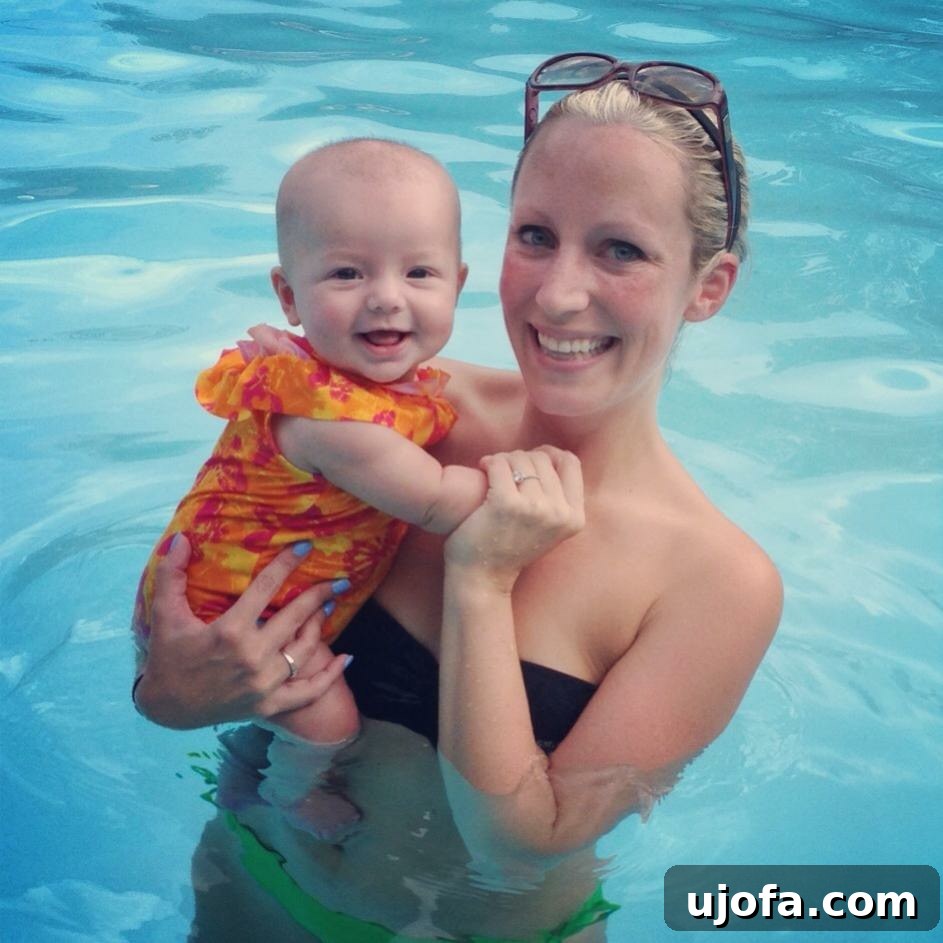
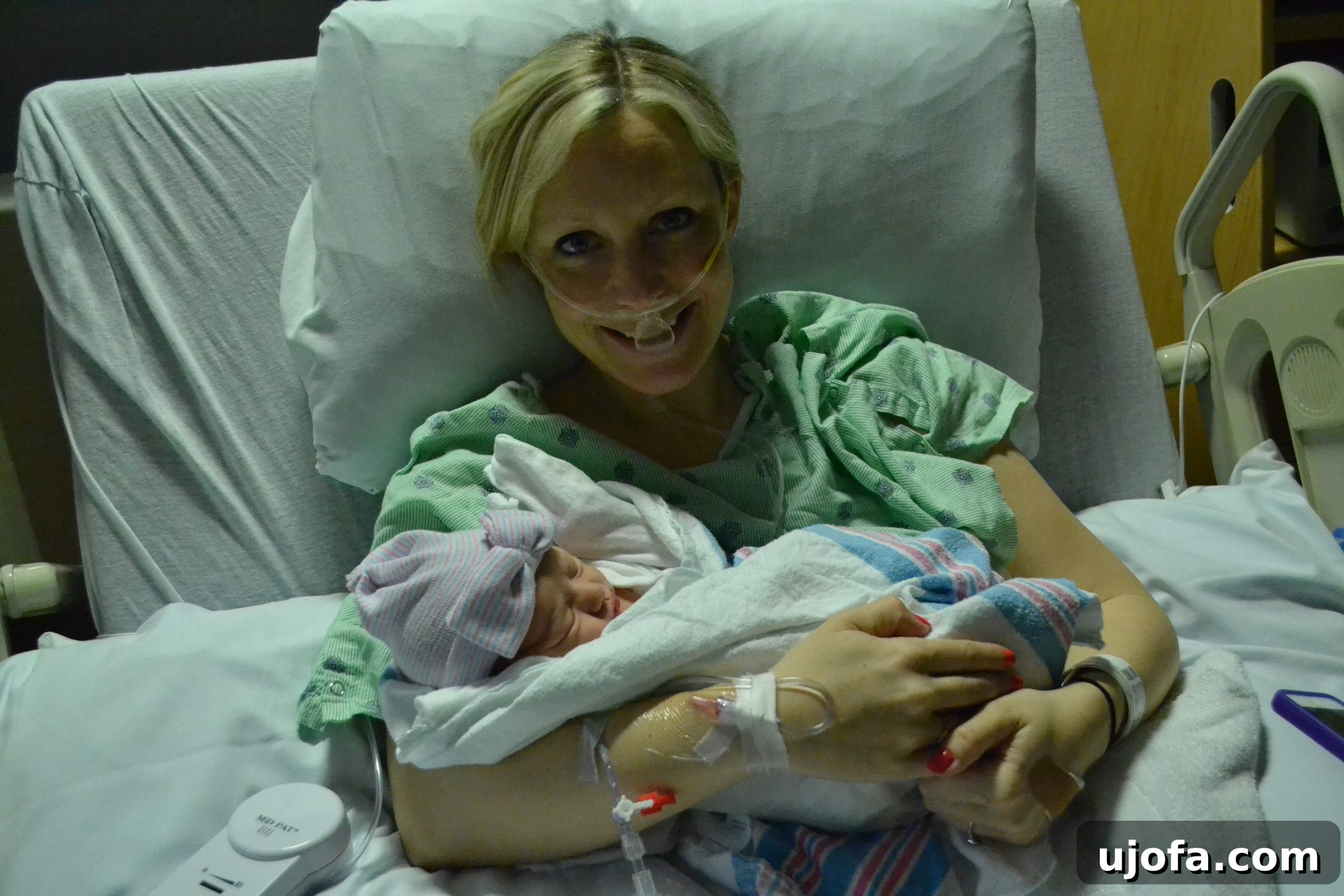
Fast forward to April 2013, when our beautiful daughter, Annabel, made her debut. Her birth story, though ultimately triumphant, was far from ideal. After being induced at 41-plus weeks, I experienced an allergic reaction to the induction medications, leading to an emergency C-section following 24 hours of attempted labor. Despite the unexpected complications, our hearts swelled with pure joy upon seeing our perfect baby girl. We returned home after four days in the hospital, and the physical recovery from the C-section proved incredibly challenging, marked by pain and exhaustion. Adding to the struggle, I found breastfeeding to be incredibly difficult and, despite my best efforts, decided to stop after about six weeks. It was approximately two months after Annabel’s birth—ironically, around the same time I ceased breastfeeding and my hormones were attempting to re-regulate—that the insidious tendrils of what I now unequivocally recognize as postpartum anxiety began to tighten their grip on me.
The anxiety manifested as a relentless barrage of racing, consuming, and utterly terrifying intrusive thoughts that plagued me throughout the day. My mind became a battleground of “what if” scenarios: “What if she suddenly stops breathing in her sleep?” “What if I accidentally drop her while walking down the stairs?” “What if, despite my deepest love, I somehow inadvertently hurt her?” It wasn’t about wanting to cause harm; it was the horrifying possibility that such a tragedy could simply happen, entirely beyond my control. These catastrophic visions extended to my husband, Bryan: “What if Bryan dies in a car crash, leaving Annabel and me utterly alone, without a husband or father?” I felt like I was literally driving myself insane. The profound shame of these thoughts was overwhelming; I detested myself for harboring such morbid fears, yet I felt utterly powerless to stop them. From the limited information I had gathered about postpartum depression—which, critically, was not much—I knew I didn’t feel sad or “depressed.” Instead, I felt like I was unraveling, losing my grip on reality. This fear of being perceived as “crazy” kept me from confiding in anyone, terrified that my precious baby might be taken away. My husband, Bryan, was my rock, my primary source of unwavering support, but even he struggled to truly comprehend the terrifying landscape of my mind. Desperate for answers, I turned to Google, researching every symptom I experienced. I quickly ruled out postpartum psychosis, a rare but severe condition affecting less than 1% of new mothers, though the fear of others assuming this was a constant dread. My research eventually led me to a few articles discussing postpartum anxiety and, to my surprise, postpartum obsessive-compulsive disorder (OCD). The realization that these were legitimate conditions, that what I was experiencing had a name, offered a glimmer of understanding and a fragile sense of validation: “Okay… this must be it.”
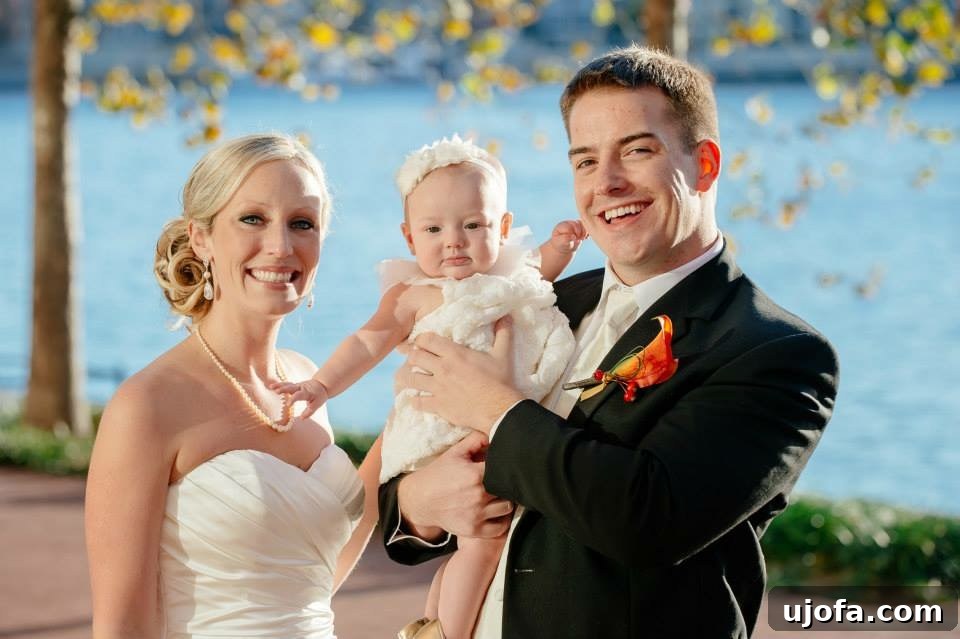
My love for Annabel was boundless, a fierce, protective emotion that filled my heart. Yet, it was constantly overshadowed and paralyzed by an equally intense worry. I was physically capable of caring for her—changing diapers, feeding her, singing lullabies—but it often felt as though I was merely going through the motions. My mind was perpetually trapped in a cycle of anticipating the next potential catastrophe, constantly peering into a bleak future. After my four months of maternity leave concluded, the thought of returning to work was a bittersweet mix of sadness at leaving my baby and a desperate hope that re-engaging with the outside world might offer a cure for whatever affliction held me captive. Tragically, the anxiety only intensified. My role as a recruiter involved constant communication, speaking to people all day long, a task that became increasingly difficult as panic attacks began to strike without warning. These episodes were utterly terrifying; it felt as if the wind had been knocked out of me, the room would spin, and an overwhelming urge to escape would consume me. This agonizing period coincided with our wedding preparations that October; I planned our entire wedding, attended my bachelorette party, all while battling these internal demons. It wasn’t until Annabel was approximately seven months old that I finally mustered the courage to confide in my doctor about what I was experiencing. She listened intently and referred me to a social worker, a counselor who became a crucial part of my healing. During our sessions, we delved into everything I had been feeling. The counselor confirmed that I was indeed suffering from postpartum anxiety, unequivocally assuring me that I was not “going crazy,” and most importantly, that there were effective strategies to overcome this without resorting to medication—a path I had explicitly expressed a strong desire to avoid.
Among the most invaluable tools I gained from those counseling sessions, and which continue to serve me today, are mindfulness and Cognitive Behavioral Therapy (CBT). In essence, these practices taught me how to reclaim control over my thoughts, understanding that our thoughts fundamentally shape our emotions, rather than the other way around. Simply hearing the confirmation from a professional that my experiences were entirely normal and that I wasn’t losing my mind brought an immediate, profound sense of relief. It felt as though a tremendous weight had been lifted from my shoulders. Armed with this newfound understanding and validation, I began to actively prioritize my well-being. I committed to consistent sleep patterns and a healthy, nourishing diet, consciously stepping away from nightly glasses of wine that had served as a temporary, but ultimately ineffective, numbing agent for my feelings. I immersed myself in my work and re-engaged with my family and social life, slowly rebuilding connections and finding joy in everyday moments. Gradually, imperceptibly at first, I started to feel like myself again, filled with a renewed sense of hope for the future. I believe this turning point occurred around the time Annabel was ten months old. Reflecting on that period, I now realize it was also when I began experiencing the initial symptoms of Celiac Disease. My doctor suspects that the immense stress and hormonal shifts of childbirth and postpartum anxiety acted as a significant trigger for this autoimmune condition, a common pattern where major stressors can activate dormant predispositions. You can delve deeper into this aspect of my journey and my broader health experiences in My Health Journey.
When we discovered we were expecting another baby in 2015, I was engulfed in a complex mix of intense excitement and profound terror. The thought of reliving the debilitating anxiety of my first postpartum period was almost unbearable. However, this time, I was fiercely determined not to let it consume my life as it had before. With our son, Finn, I ended up exclusively pumping for about four to five months, a challenging endeavor made more complex by his tongue-tie, which left me with no other option for feeding. Despite the difficulties, I was resolute in my commitment to provide breast milk, as it is often touted for its potential to help stave off immediate postpartum depression symptoms. Around March 2016, when I stopped pumping, I decided it was the opportune moment to embark on my first Whole30 program. I reasoned that this dietary reset would be perfectly timed, especially since the significant dip in hormones following the cessation of breastfeeding had seemed to be the primary trigger for my previous anxiety. I braced myself, anticipating the familiar onslaught of symptoms. Yet, to my immense relief and surprise, I barely experienced any of the debilitating anxiety I had felt before. And on the rare occasions when I sensed a flicker of anxiety emerging, I immediately employed the mindfulness and CBT techniques I had painstakingly learned in therapy, effectively nipping those nascent feelings in the bud. This newfound sense of control over my body and mind was incredibly empowering. I genuinely believe that the transformative shift in my diet and overall lifestyle, combined with the powerful coping mechanisms I acquired through counseling, played a pivotal role in navigating that crucial transition phase successfully.
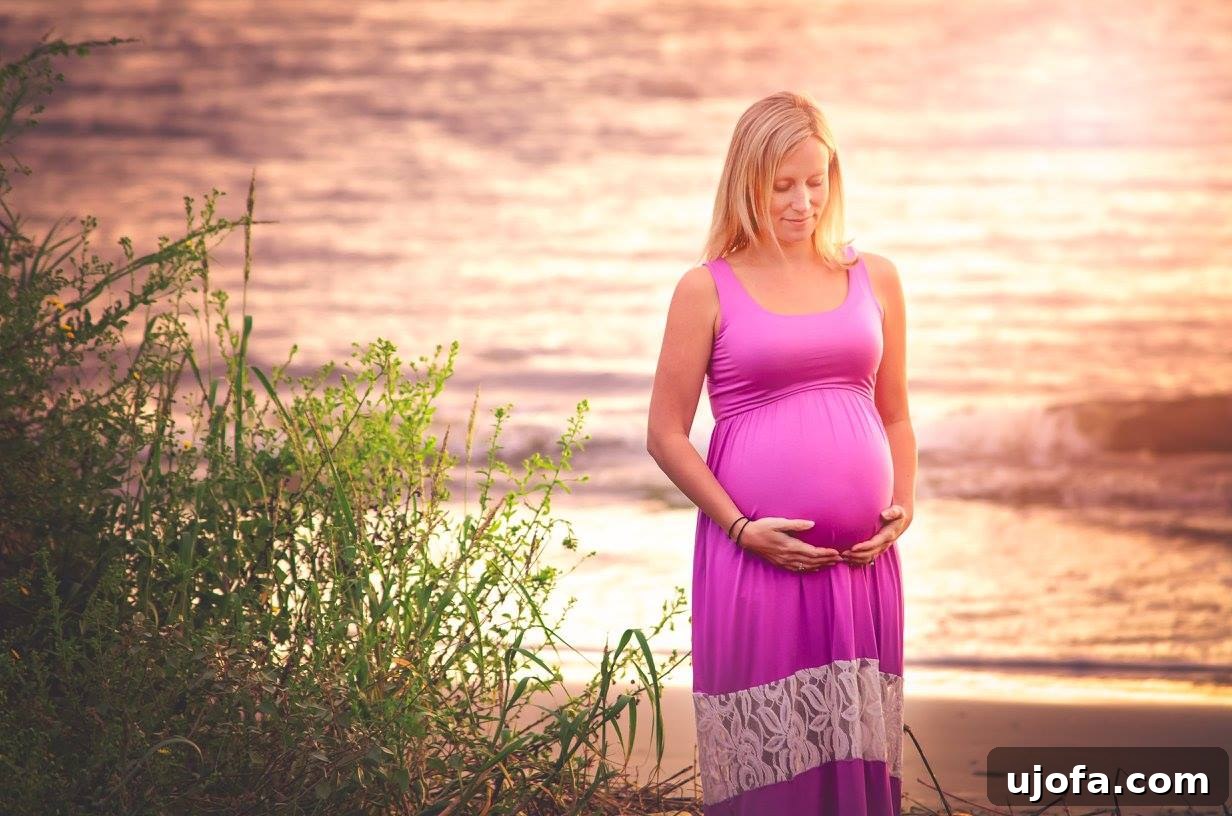
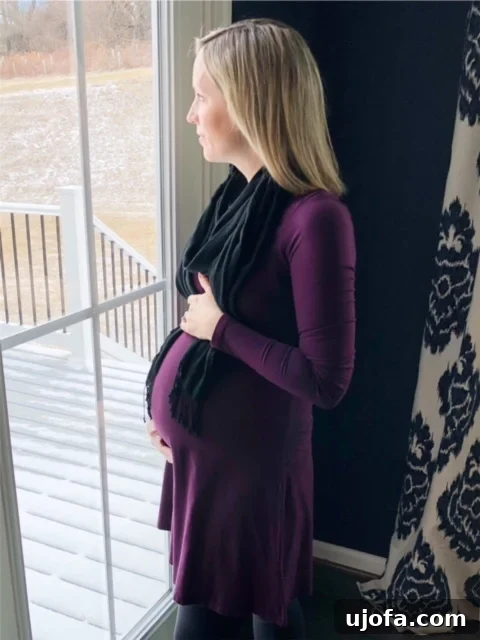
As we eagerly anticipate the arrival of baby number three—with just nine weeks left to go!—I find myself naturally pondering whether the shadow of anxiety might attempt to creep back into my life. However, this time, I am armed with knowledge, experience, and an unwavering commitment to proactive self-care. My plan is comprehensive: prioritizing deliberate self-care rituals, ensuring I carve out dedicated time for myself amidst the demands of new motherhood, maintaining a nourishing diet, and consistently practicing mindfulness techniques. My most crucial piece of advice to anyone who may be experiencing similar struggles is this: DON’T WAIT to reach out for help. The relief and empowerment you will feel for taking that courageous step are immeasurable. Our precious babies remain little for such a fleeting period, and it genuinely pains me to reflect on how much of Annabel’s first year of life I feel I missed out on, lost in the fog of anxiety. Please, don’t let that be your story.
It is equally important for me to emphasize that if your journey to wellness necessitates medication, that is absolutely OKAY. There is no shame in seeking medical support when needed. Do whatever you must do to heal, to find peace, and to thrive. Above all, please remember: you are not alone. Millions of mothers have walked this path, and countless resources and communities are available to support you.
Here are some invaluable resources and articles relating to postpartum anxiety and maternal mental health:
- Whole30 Mamas – Asking for Help Postpartum
- Seleni.org – Postpartum Support: Living on the Edge
- Parents.com – The Other Postpartum Problem: Anxiety
- TheBump.com – Understanding Postpartum Anxiety
- MindBodyGreen – Holistic Approaches to Postpartum Depression and Anxiety