
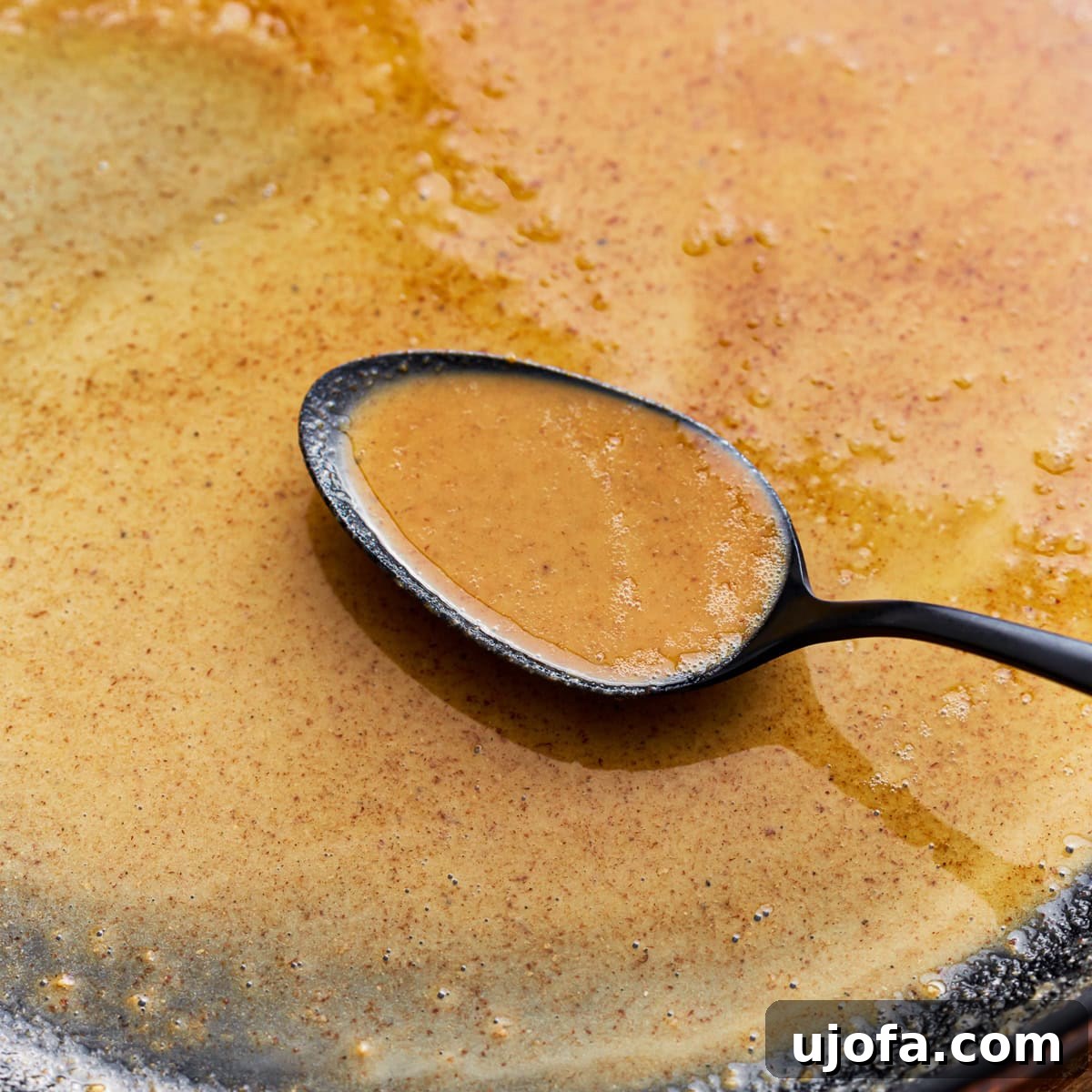
For anyone navigating a gluten-free lifestyle, the versatility of a good roux cannot be overstated. Often considered the backbone of countless creamy sauces, hearty gravies, and comforting soups, a traditional roux relies on wheat flour – a definite no-go for gluten-sensitive individuals. This comprehensive guide will show you how to effortlessly create a perfect gluten-free roux, transforming your culinary possibilities. Whether you’re whipping up a rich béchamel, a savory gravy for Sunday roast, or a luscious cream soup, this simple two-ingredient recipe is an indispensable tool in any gluten-free kitchen. We’ll explore the perfect fat-to-flour ratio, the art of cooking it to the ideal consistency, and myriad ways to incorporate this foundational thickener into your favorite dishes, ensuring every meal is as delicious as it is safe.
Mastering the Gluten-Free Roux: Your Ultimate Guide to Thickening
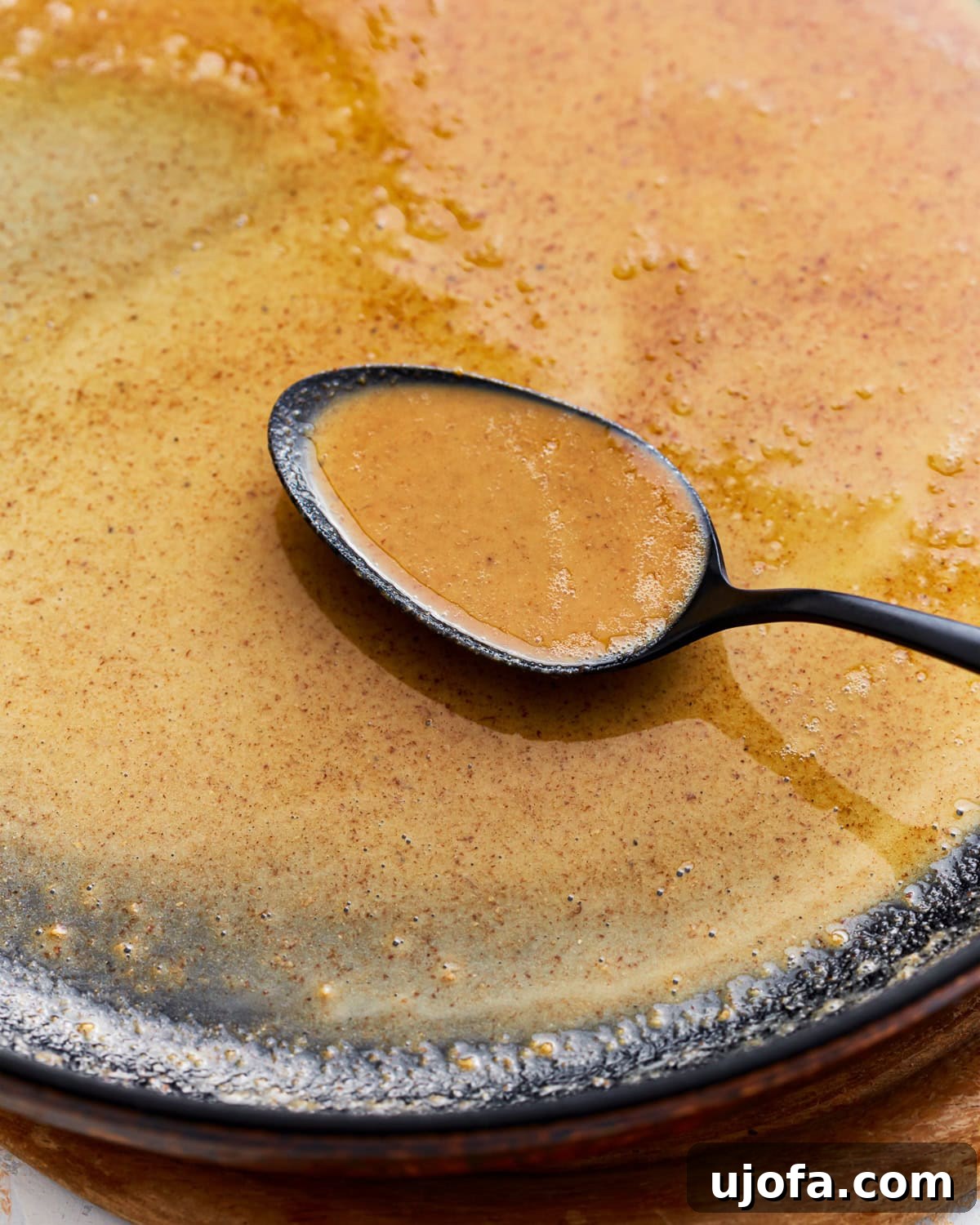
A roux is a fundamental thickening agent in classical cuisine, formed by cooking fat and flour together to create a paste. This paste then serves as a base for sauces, gravies, and soups, providing both body and flavor. While traditionally made with all-purpose wheat flour, adapting this technique for a gluten-free diet is surprisingly straightforward. My recipe uses an equal blend of butter and your preferred gluten-free flour, cooked until it achieves a beautiful golden hue and nutty aroma. The key is finding that sweet spot: cooking it long enough to eliminate the raw flour taste but not so long that it burns and imparts a bitter flavor. Once you master this simple process, you’ll unlock a world of creamy, rich, and delicious gluten-free dishes.
The Importance of a Gluten-Free Roux
Living gluten-free doesn’t mean sacrificing flavor or texture, especially when it comes to beloved comfort foods. Many classic dishes, from creamy casseroles to Thanksgiving gravy, traditionally rely on a wheat-based roux. Discovering how to make a reliable gluten-free version is a game-changer, allowing you to recreate these favorites without compromise. It offers the same thickening power and rich depth of flavor as its traditional counterpart, making it a cornerstone for delicious, safe meals for anyone with celiac disease or gluten sensitivity. From gluten-free gravy to gluten-free cream of chicken soup, this versatile base forms the foundation for countless recipes.
Essential Ingredients for Your Gluten-Free Roux
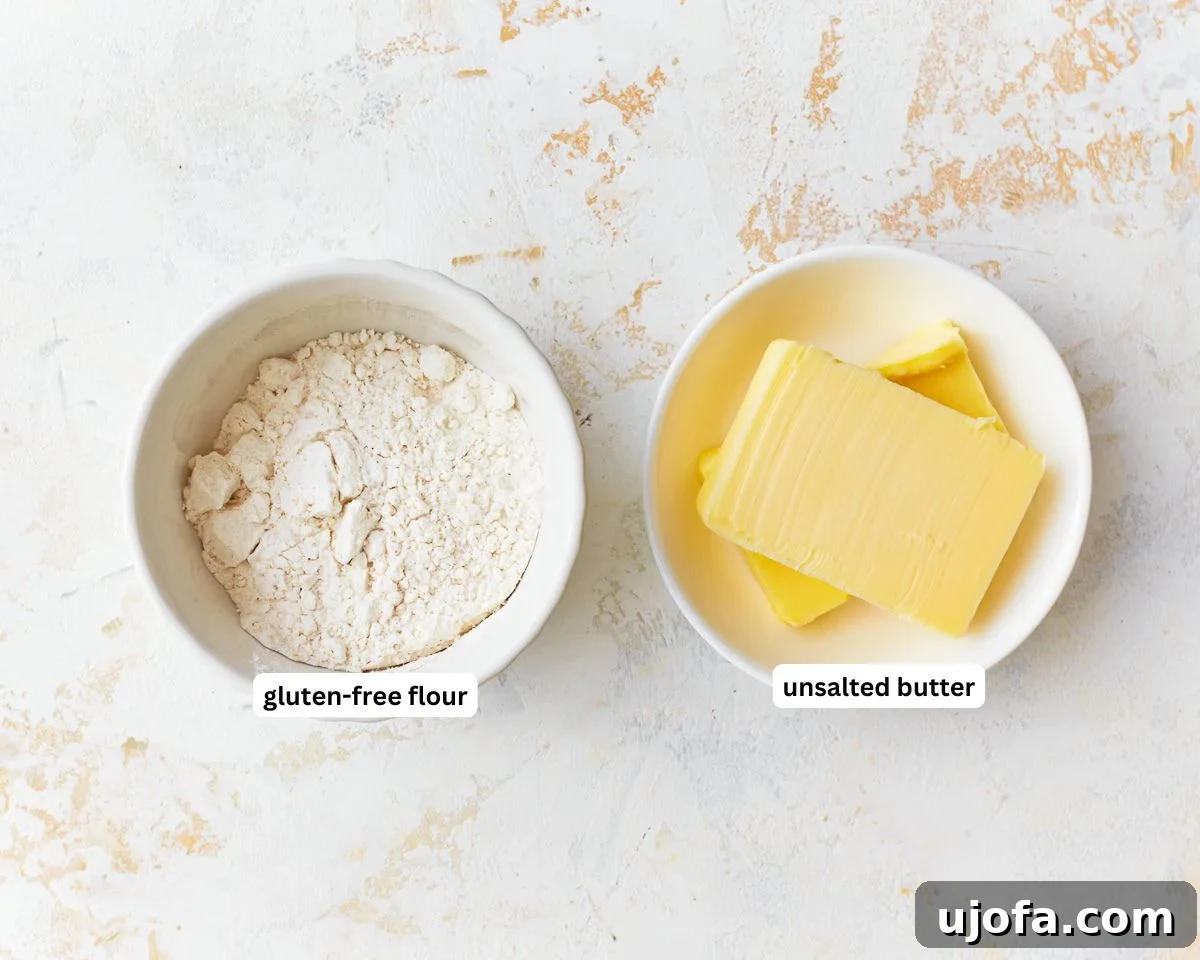
Creating a perfect gluten-free roux requires just two core ingredients, but the quality and type of each can significantly impact your final result. Understanding these nuances will help you tailor your roux to suit any dish and dietary need.
- Unsalted Butter: I always opt for unsalted butter. This gives you complete control over the salt content of your finished dish. Salted butter can certainly be used if that’s what you have on hand, but remember to adjust any additional salt in your recipe accordingly. For those with dairy sensitivities or following a vegan diet, dairy-free butter alternatives or even vegetable oil (like avocado or olive oil, though these will alter the flavor profile) can be substituted. However, keep in mind that these substitutions may slightly affect the final flavor and consistency, as butter adds a unique richness that is hard to replicate.
- Gluten-Free Flour Blend: This is where versatility truly comes into play. The world of gluten-free flours is vast, and different blends react uniquely. For best results, use a high-quality, all-purpose gluten-free flour blend that contains a mix of starches and flours (e.g., rice flour, tapioca starch, potato starch, sorghum flour). Avoid single-ingredient flours like almond or coconut flour, as their absorbency and fat content are drastically different and not suitable for a roux. As you cook, pay close attention to the thickness of your roux and add the flour gradually. Some blends are more absorbent than others, meaning you might need slightly more or less flour to achieve the desired consistency. Experimentation with your preferred brand is key!
Expert Tips for a Flawless Gluten-Free Roux
Achieving the perfect roux, whether gluten-free or traditional, is a foundational skill that can elevate your cooking. Here are some indispensable tips and suggestions to ensure your roux is consistently smooth, flavorful, and lump-free.
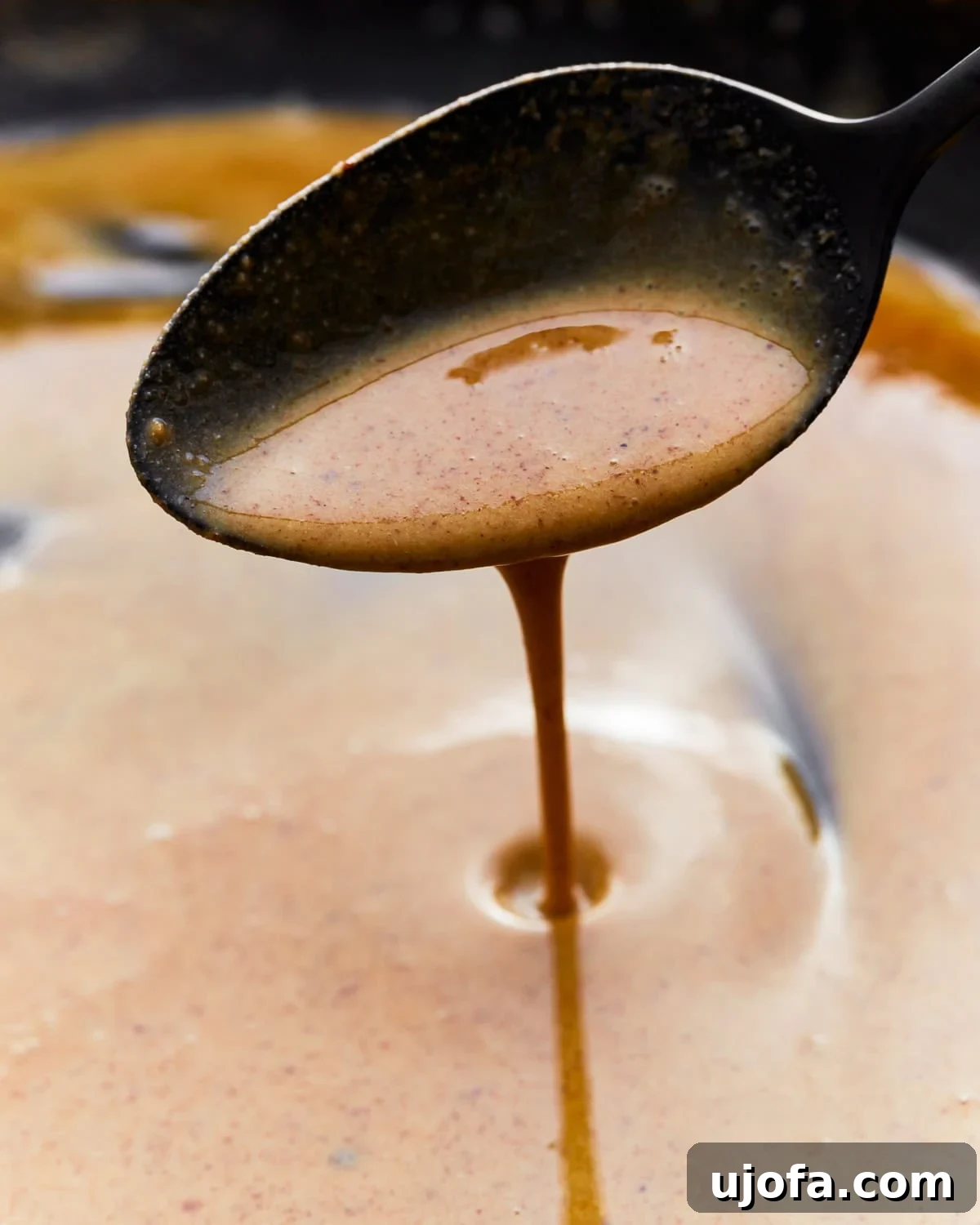
- Achieving the Perfect Color and Aroma: The “doneness” of your roux is critical and depends on the type of dish you’re preparing. For a white or blonde roux, ideal for creamy sauces and gravies, cook until it turns a light golden brown and releases a distinct nutty aroma. This typically takes about 8-10 minutes of continuous stirring over medium heat. For a darker roux, often used in gumbos or richer stews, you’ll continue cooking until it reaches a peanut butter or even chocolate brown color, which can take 15-20 minutes or longer, requiring even more vigilant stirring.
- Preventing Lumps is Key: Lumps are the enemy of a smooth sauce. To avoid them, always add your gluten-free flour gradually to the melted butter while continuously whisking. This allows the flour particles to be thoroughly coated in fat, preventing them from clumping together. Adding all the flour at once can create a dense, uneven mixture that’s difficult to smooth out. A sturdy whisk is your best friend here!
- Dairy-Free Alternatives: As mentioned, dairy-free butter or vegetable oil can be used instead of unsalted butter. Be aware that the flavor and consistency may differ slightly. Dairy-free butters often contain different fat compositions which can affect the browning process, and oils like olive oil will impart their own distinct flavor. Choose a neutral oil like avocado or grapeseed if you want minimal flavor impact.
- The Burned Roux Rule: If you accidentally burn your roux, there’s no going back. Burnt flour develops a bitter, unpleasant taste that will taint your entire dish. It’s best to discard it and start fresh. This is why constant stirring and attentive heat management are crucial.
- Adjusting Batch Size: This recipe is designed to be easily scalable. Whether you need a small amount for a quick gravy or a larger batch for a family-sized stew, simply remember to maintain the equal 1:1 ratio of gluten-free flour to butter for the best, most consistent results.
- Cooling Before Use: If you’re adding your roux to a hot liquid, it’s often beneficial to let the roux cool slightly first. Adding hot roux to hot liquid can sometimes cause temperature shock and lump formation. Conversely, adding cold roux to a hot liquid can also help prevent lumps. Aim for a significant temperature difference between your roux and the liquid you’re thickening.
Can You Make a Roux With Gluten-Free Flour? Absolutely!
Yes, unequivocally! Making a roux with gluten-free flour is not only possible but also essential for many gluten-free culinary applications. The process is virtually identical to making a traditional roux. You combine a fat (typically butter) with gluten-free flour in a 1:1 ratio. The mixture is then cooked over medium heat, with constant stirring, until it reaches your desired color and a smooth, consistent texture. The primary difference lies in the specific gluten-free flour blend used, as various flours can absorb liquid differently and may require slight adjustments in cooking time or flour quantity to achieve optimal results.
Roux vs. Slurry: Understanding the Difference in Thickening Agents
Both a roux and a slurry are powerful tools for thickening sauces, soups, and stews, but they differ significantly in their composition, preparation, and the characteristics they impart to a dish. Understanding these distinctions will help you choose the right thickener for your culinary creations.
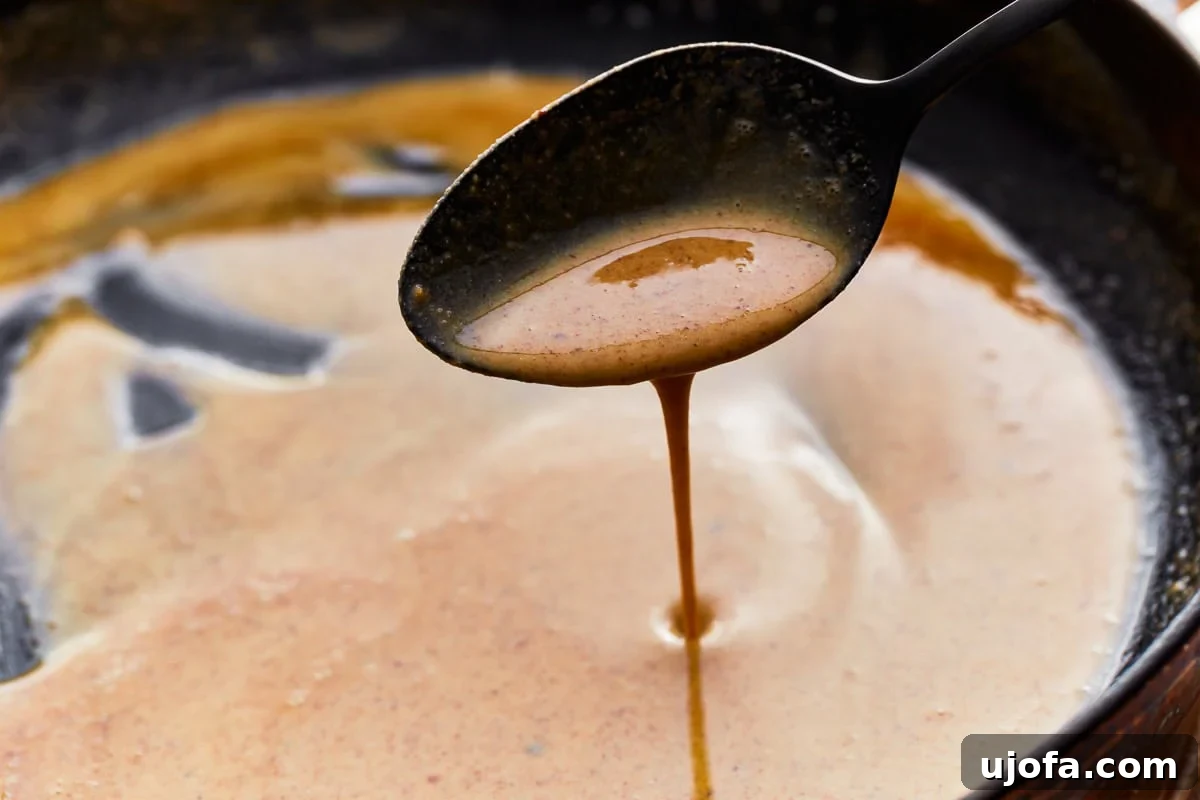
A roux is a cooked mixture of fat (most commonly butter) and flour. The cooking process toasts the flour, developing a rich, nutty flavor that contributes significantly to the overall taste of the dish. A roux is typically made at the beginning of a recipe, serving as a foundational element that adds both body and depth. The longer a roux is cooked, the darker it becomes (from white to blonde to brown), and the less thickening power it retains, though its flavor intensifies.
A slurry, on the other hand, is an uncooked mixture of a starch (such as cornstarch, arrowroot powder, or potato starch) and a cold liquid (usually water, broth, or milk). It is typically whisked together just before being added to a hot liquid at the end of the cooking process. Slurries thicken very quickly and efficiently without adding any significant flavor of their own, making them ideal for dishes where you want to maintain the original taste profile. They also tend to produce a more translucent, glossy finish compared to the opaque, creamy texture provided by a roux.
In summary, while both thicken, a roux adds a desirable richness and flavor through cooking the flour, making it a foundational element, whereas a slurry is a neutral, quick-acting thickener added later to adjust consistency without altering flavor.
Creative Ways to Use Your Gluten-Free Roux
Once you’ve mastered the art of making a gluten-free roux, a world of culinary possibilities opens up! This versatile base is not just for gravy; it’s the secret to achieving perfectly rich and creamy textures in a wide array of dishes. Here are some of my favorite applications:
- Classic Gravies: The most common use! Whether it’s a turkey gravy for Thanksgiving, a savory beef gravy, or a simple chicken gravy, a gluten-free roux provides the ideal consistency and flavor.
- Creamy Soups: Elevate your homemade soups, like gluten-free cream of mushroom soup, cream of chicken, or potato soup, by starting with a roux. It creates a velvety smooth base that holds flavors beautifully.
- Rich Sauces: A roux is the foundation for classic French mother sauces. Think béchamel, which can be transformed into cheese sauce for gluten-free mac and cheese, or used in gratins and creamy pasta dishes.
- Hearty Stews and Gumbos: For dishes that require significant thickening and a deep, complex flavor profile, especially Cajun and Creole specialties like gumbo, a darker roux provides the characteristic richness and body.
- Casseroles: Many creamy casseroles benefit from a roux-based sauce, ensuring they are moist, flavorful, and perfectly bound together.
- Vegetable Dishes: Create creamy sauces for steamed vegetables, like broccoli or asparagus, or for a rich spinach gratin.
Storage Instructions for Your Gluten-Free Roux
While many recipes call for only a small amount of roux, it’s often convenient to make a slightly larger batch, especially if you plan on preparing multiple dishes that require it. Proper storage ensures your homemade roux remains fresh and ready to use whenever inspiration strikes.
For immediate use or short-term storage, any leftover gluten-free roux can be stored in an airtight container in the refrigerator for up to 3 days. When you’re ready to use it again, gently reheat it on the stovetop over low heat, stirring constantly, until it softens and becomes workable. You may need to add a tiny splash of broth or water if it seems too stiff.
Freezing roux is generally not recommended, particularly for gluten-free versions. The texture of many gluten-free flour blends can become grainy or separate once thawed, impacting the smoothness of your final sauce. While it might still function as a thickener, the desired silky consistency may be compromised. For the best quality and texture, it’s always preferable to make a fresh batch or use refrigerated roux within the recommended timeframe.
More Gluten-Free From-Scratch Recipes to Elevate Your Cooking!
- How to Make Oat Flour
- How to Make Almond Flour
- Homemade Gluten-Free Pasta
- Gluten-Free Gnocchi
- Vegan Mayonnaise
Gluten-Free Roux
Use this gluten-free roux to thicken all your favorite sauces, soups, and stews. You only need 2 ingredients and less than 10 minutes!
By: Sabine Venier
Cook Time: 10 mins
Total Time: 10 mins
Servings: 1 serving (makes 1/2 cup)
Ingredients
- ¼ cup unsalted butter
- ¼ cup gluten-free flour blend
Instructions
- In a saucepan, melt the butter over medium heat until it is completely melted and begins to bubble slightly.
- Gradually add the gluten-free flour blend to the melted butter, stirring continuously with a whisk to combine thoroughly.
- Cook the mixture, stirring constantly, for about 8-10 minutes, or until it turns a light golden brown color and develops a rich, nutty aroma. This is a blonde roux, perfect for most sauces. For a darker roux (used in gumbos), continue cooking, stirring frequently, until it reaches your desired shade, but be careful not to burn it.
- Remove the saucepan from the heat and let it cool slightly before using it in your desired recipe. Using a cooled roux in a hot liquid (or vice versa) helps prevent lumps.
Notes
- Gradually add the flour and whisk constantly to avoid lumps and ensure a smooth consistency.
- To Store: Keep in an airtight container in the fridge for up to 3 days. Reheat gently on the stove, stirring, before using. While not ideal for freezing due to potential texture changes with gluten-free flours, it can be attempted for longer storage.
- Mama says, “Check your labels!” Always double-check ingredient labels for hidden gluten, especially in butter or flour blends.
Nutrition
Serving: 1 serving (total amount as made)
Calories: 507 kcal
Carbohydrates: 22 g
Protein: 4 g
Fat: 47 g
Saturated Fat: 29 g
Polyunsaturated Fat: 2 g
Monounsaturated Fat: 12 g
Trans Fat: 2 g
Cholesterol: 122 mg
Sodium: 6 mg
Potassium: 14 mg
Fiber: 3 g
Sugar: 1 g
Vitamin A: 1418 IU
Calcium: 34 mg
Iron: 1 mg
Nutrition information is automatically calculated and should only be used as an approximation. Actual values may vary based on specific ingredients and preparation methods.
Additional Info
Course: Dinner
Cuisine: French (roux is a French culinary technique)
How to Make a Gluten-Free Roux: A Step-by-Step Visual Guide
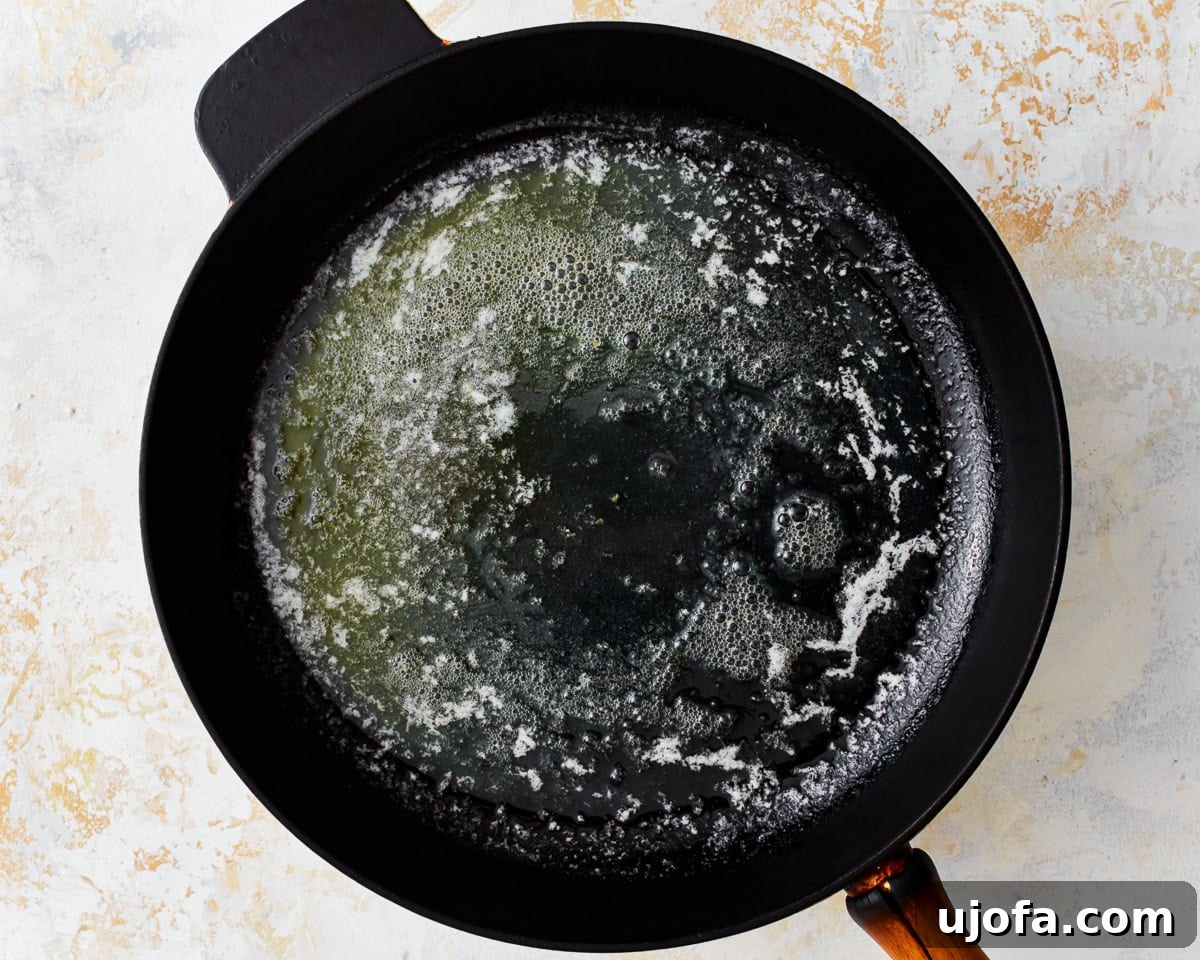
Step 1: Melt the Butter. Begin by placing a saucepan over medium heat. Add ¼ cup of unsalted butter and allow it to melt completely. Continue cooking until the butter begins to bubble gently. This ensures the butter is hot enough to properly cook the flour and prevent lumps.
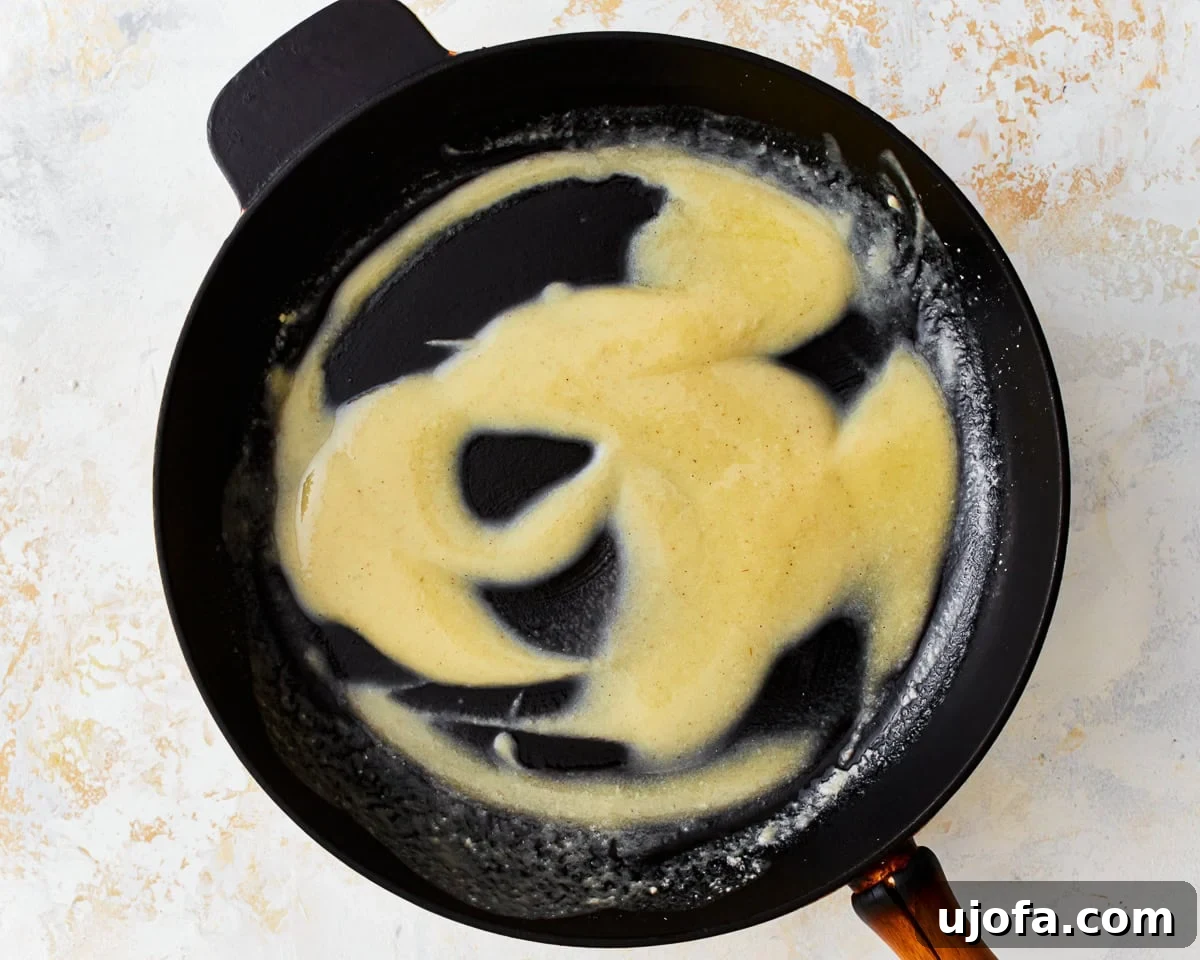
Step 2: Incorporate the Flour. Once the butter is melted and bubbling, gradually add ¼ cup of your chosen gluten-free flour blend. It’s crucial to add the flour slowly, perhaps a tablespoon at a time, while continuously whisking. This ensures the flour is fully incorporated and coated by the butter, which is key to a smooth, lump-free roux.
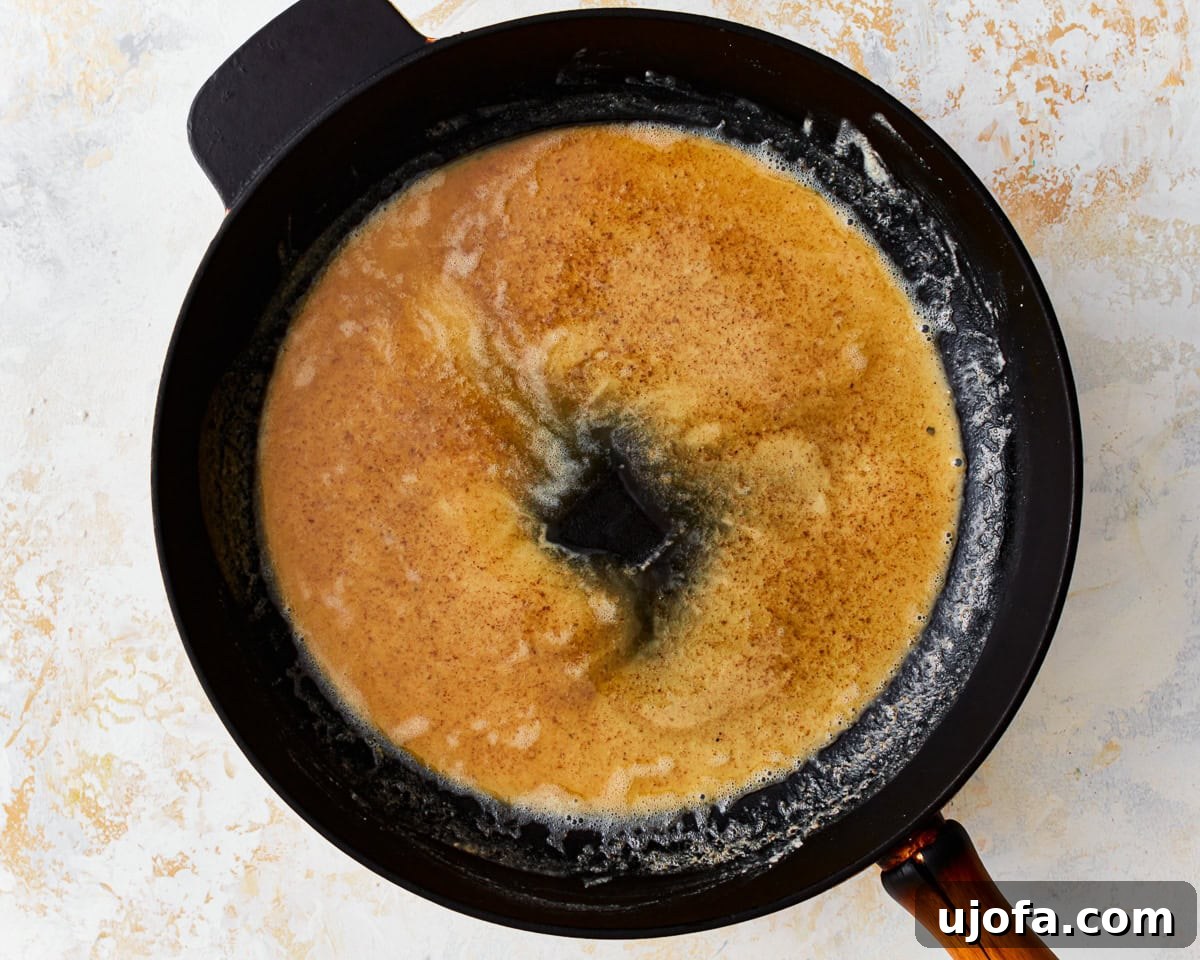
Step 3: Cook to Perfection. Continue to cook the mixture over medium heat, stirring constantly with your whisk, for approximately 8-10 minutes. During this time, the roux will transform, taking on a beautiful light golden-brown color and developing a rich, nutty aroma. This stage signifies that the raw flour taste has been cooked out. For darker rouxs (like those used in gumbo), you would continue cooking past this point, but always watch carefully to prevent burning. Once achieved, remove the saucepan from the heat and allow the roux to cool slightly before adding it to your desired liquid for thickening.