
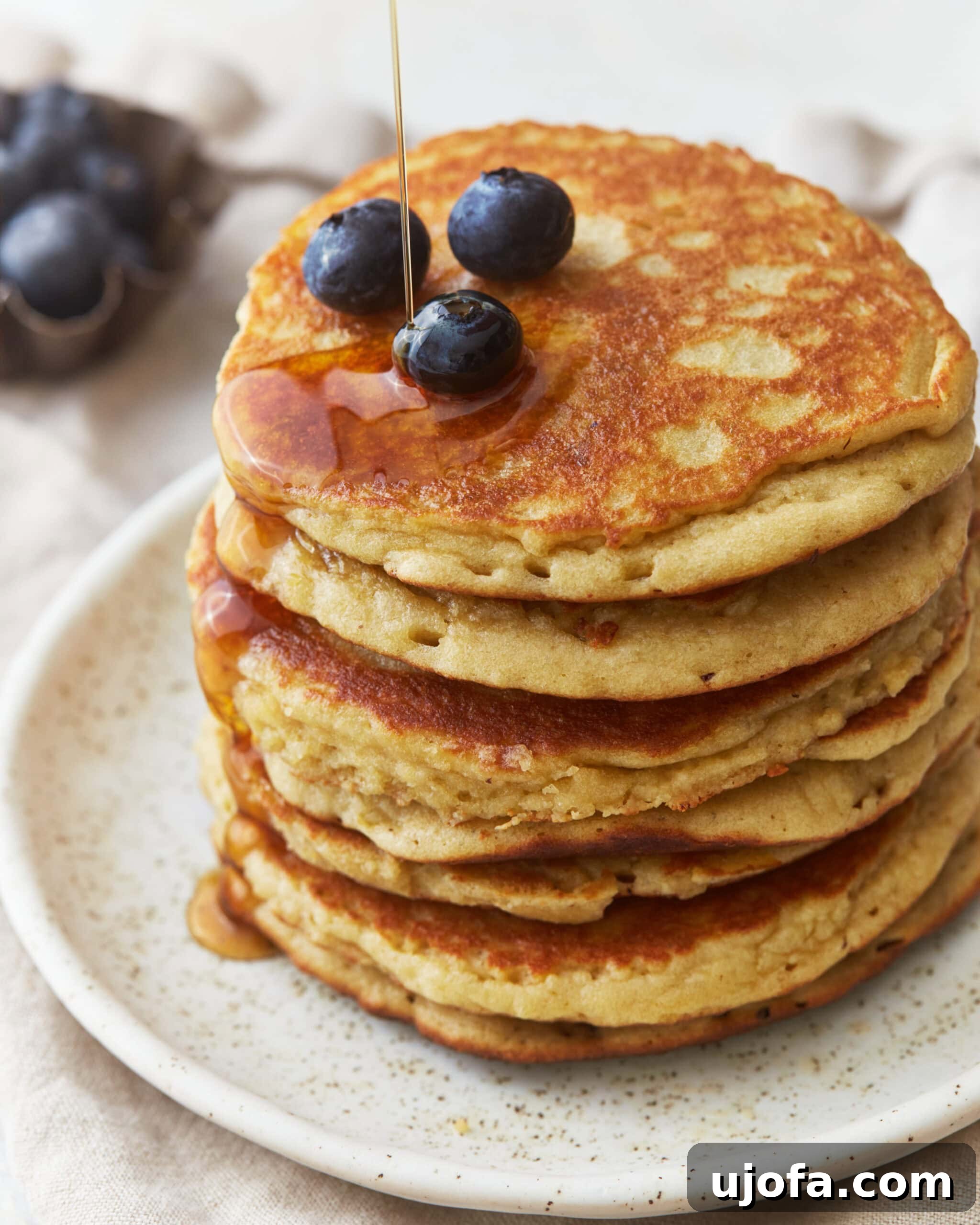
Delicious Gluten-Free Almond Flour Pancakes: Your Ultimate Healthy Breakfast Solution
Transform your breakfast routine with these incredible almond flour pancakes! If you’re looking for a convenient way to boost your protein and nutrient intake, while keeping your meal grain-free, dairy-free, or even paleo, keto, and vegan, look no further. This recipe delivers incredibly fluffy, flavorful, and satisfying pancakes that cater to a variety of dietary needs. They are surprisingly simple to whip up, making them the perfect healthy start to even the busiest mornings. Forget the heavy, traditional pancakes; these light yet substantial almond flour wonders will quickly become a family favorite.
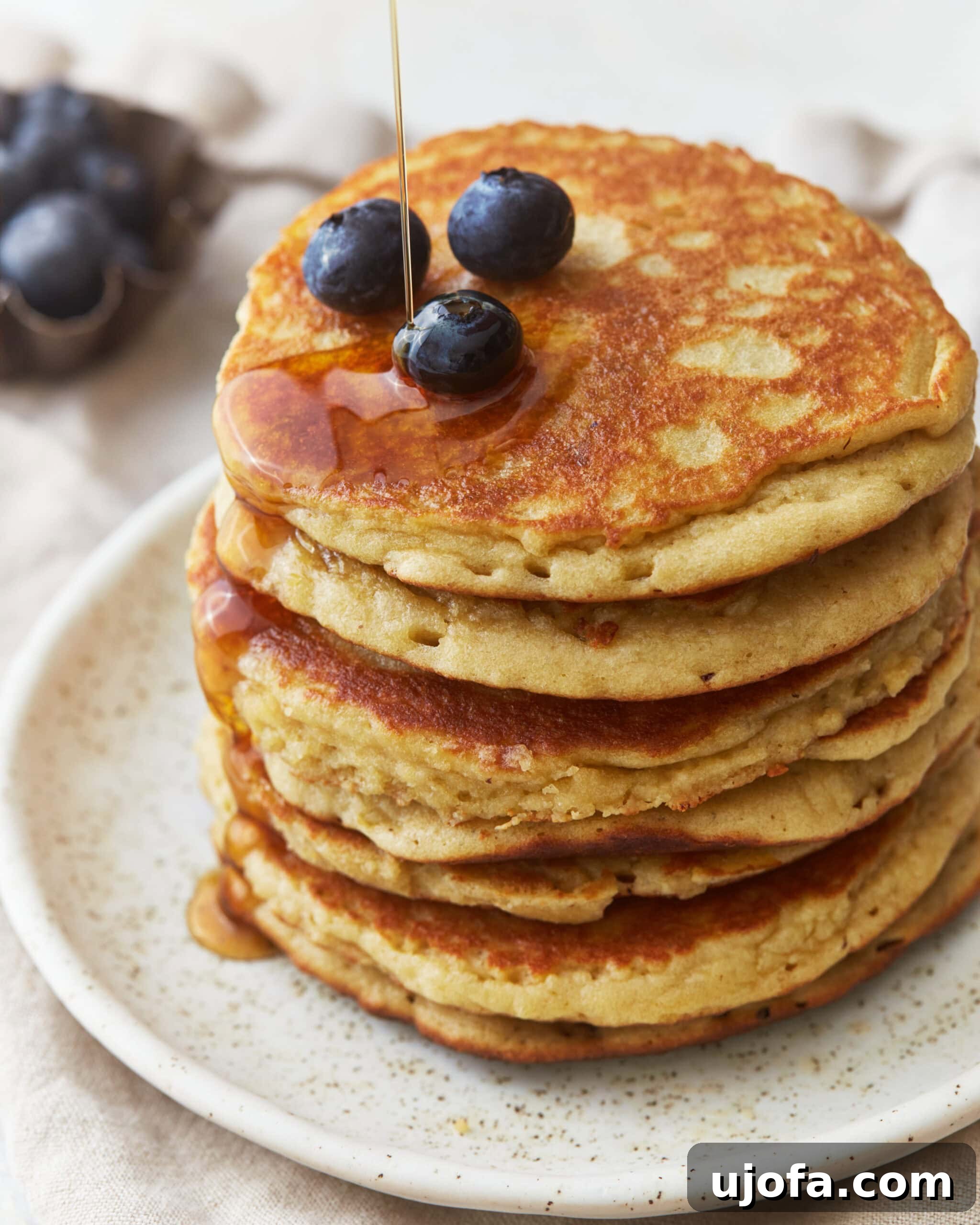
These pancakes are absolutely delicious! We have been searching for a gluten-free recipe for pancakes, and this is definitely THE ONE. I used oat milk (dairy-free), and we added 1-2 Tblsp of ground flax seed. I cooked them on a cast iron griddle and greased it with avocado oil before each new batch. They were wonderful, fluffy, and they tasted great! I will be making these again. Thank you so much!
– Shara
Why Choose Almond Flour Pancakes for a Healthier Breakfast?
Almond flour pancakes offer a delightful twist on a breakfast classic, distinguishing themselves significantly from recipes made with traditional or even other gluten-free flours. Crafted from finely ground blanched almonds, this flour imparts a unique, mild, nutty flavor and contributes to a thicker, denser, yet incredibly fluffy pancake texture. Beyond their appealing taste and consistency, these healthy pancakes are a nutritional powerhouse. They are naturally packed with protein, healthy fats, and dietary fiber, making them a more satiating and energy-sustaining option compared to many grain-based alternatives.
Opting for almond flour means you’re choosing a naturally gluten-free and grain-free base for your breakfast, which is fantastic for those with sensitivities or specific dietary preferences. The high protein content helps keep you full longer, reducing the urge to snack before your next meal. Furthermore, the healthy fats found in almonds contribute to heart health and provide sustained energy. The fiber aids in digestion and helps maintain stable blood sugar levels, making these pancakes a smart choice for a balanced start to your day. The simplicity of the recipe, requiring just a few common ingredients, ensures that a nutritious and delicious breakfast is always within reach.
The Versatility of Almond Flour Pancakes: Catering to Every Diet
One of the standout features of this almond flour pancake recipe is its remarkable adaptability to various dietary needs and preferences. Whether you’re navigating food sensitivities, following a specific lifestyle, or simply aiming for a healthier eating pattern, these pancakes can be easily customized to fit your requirements. This makes them an inclusive option for households with diverse dietary demands.
- Naturally Gluten-Free & Grain-Free: Since almond flour is derived solely from almonds, it’s inherently free of gluten and grains. This is a crucial benefit for individuals with celiac disease, gluten sensitivity, or those following grain-free diets like Paleo. You can enjoy a classic breakfast without worrying about uncomfortable digestive issues.
- Dairy-Free Friendly: With simple substitutions, these pancakes can be made completely dairy-free. By swapping traditional milk for plant-based alternatives like almond milk, oat milk, or coconut milk, and using a dairy-free butter substitute or coconut oil, you can create delicious pancakes that are gentle on the stomach for those with lactose intolerance or dairy allergies.
- Paleo & Low-Carb/Keto Compliant: Almond flour is a cornerstone of Paleo and ketogenic diets due to its low carbohydrate count and high fat content. When prepared with unsweetened plant-based milk and healthy fats like coconut oil, and naturally sweetened with a low-carb option, these pancakes perfectly align with the principles of these diets, offering a guilt-free indulgence.
- Vegan Adaptable: For a completely vegan version, you can replace the eggs with flax eggs (ground flaxseed mixed with water) and ensure all other ingredients, such as milk and butter, are plant-based. This allows everyone to enjoy the fluffy texture and rich flavor of these pancakes, regardless of their commitment to a plant-based diet.
This inherent flexibility means you don’t have to compromise on taste or texture to meet your dietary goals. These almond flour pancakes prove that healthy eating can be both easy and incredibly delicious.
Gluten-Free Almond Flour Pancakes Recipe
Share by Email
Print Recipe
Want to save this recipe? Enter your email below to get it sent directly to your inbox, plus receive new recipes from us every week!
Ingredients
- 3 cups superfine blanched almond flour
- 1 teaspoon baking powder
- ½ teaspoon baking soda
- ¾ teaspoon salt
- 2 tablespoons granulated sugar
- 4 large eggs
- ⅓ cup milk
- 2 teaspoons lemon juice (Sub white vinegar)
- 1 teaspoon pure vanilla extract
- ¼ cup butter (melted and cooled)
Note: Measurements are provided in US Customary units.
Instructions
Hand Whisked Batter Option
- In a large bowl, combine all of the dry ingredients (almond flour, baking powder, baking soda, salt, and granulated sugar) and whisk until well combined. For the most accurate results, weighing dry ingredients is recommended.
- Add the wet ingredients: eggs, milk, lemon juice, and vanilla to the dry ingredients.
- Carefully add the melted butter to the dry ingredients, ensuring it’s away from the eggs to prevent cooking them.
- Whisk all of the ingredients together until they are thoroughly combined and smooth.
- Set your bowl aside and let the batter rest for 10 minutes. This resting time allows the almond flour to soften and absorb the liquids, which is key to achieving a wonderfully thick and fluffy pancake.
Electric Blender Batter Option
- For an even smoother batter, place all of the liquid ingredients into a blender (except for the melted butter).
- Then, add all of the dry ingredients and the melted butter on top of the liquids.
- Blend on high for 10-20 seconds, or until all ingredients are perfectly combined and the batter is smooth. Using a blender ensures a consistently smooth texture for your pancakes.
Cooking Instructions
- Prepare a large skillet or griddle by placing it over low to medium heat and drizzling a little oil or butter in the bottom. Allow the pan to heat properly for about 5 minutes before adding any batter.
- Use a large scoop or a ⅓ cup measuring cup to pour the batter into the heated skillet. Gently smooth the tops of the pancakes down with the back of the scoop or cup to ensure even cooking. These pancakes cook best at a medium-low temperature.
- Cook “low and slow” is the best approach to achieve a beautiful golden outside and perfectly cooked inside. Cook each side for approximately 3 minutes, or up to 5 minutes if you are cooking at high altitude.
- Flip the pancake once the bottom is a nice golden brown and cook for another 3-5 minutes until the other side is also golden brown and the pancake is cooked through.
- Repeat the process until all of the batter has been used. Serve immediately with your favorite toppings and enjoy!
Notes
- You can easily flavor your batter directly to add an extra dimension of taste. Incorporate cinnamon and nutmeg for a warm, spiced pancake. Alternatively, a sprinkle of lemon zest and fresh blueberries will give you a bright and refreshing flavor profile. For a deeper, caramelized taste, swap out the granulated sugar for brown sugar.
Nutrition
Serving: 2 pancakes
Calories: 453 kcal
Carbohydrates: 17g
Protein: 16g
Fat: 39g
Saturated Fat: 8g
Polyunsaturated Fat: 1g
Monounsaturated Fat: 3g
Trans Fat: 0.3g
Cholesterol: 131mg
Sodium: 490mg
Potassium: 133mg
Fiber: 6g
Sugar: 7g
Vitamin A: 417IU
Vitamin C: 1mg
Calcium: 182mg
Iron: 3mg
Nutrition information is automatically calculated, so should only be used as an approximation.
Additional Info
Step-by-Step Guide to Fluffy Almond Flour Pancakes
Creating these delightful almond flour pancakes is a straightforward process, whether you choose to mix by hand or use a blender. Follow these steps for perfect results every time.

1. Gather Your Ingredients: Begin by laying out all your ingredients. This ensures a smooth cooking process and prevents you from missing anything crucial. Having everything measured and ready to go is key to a stress-free experience.
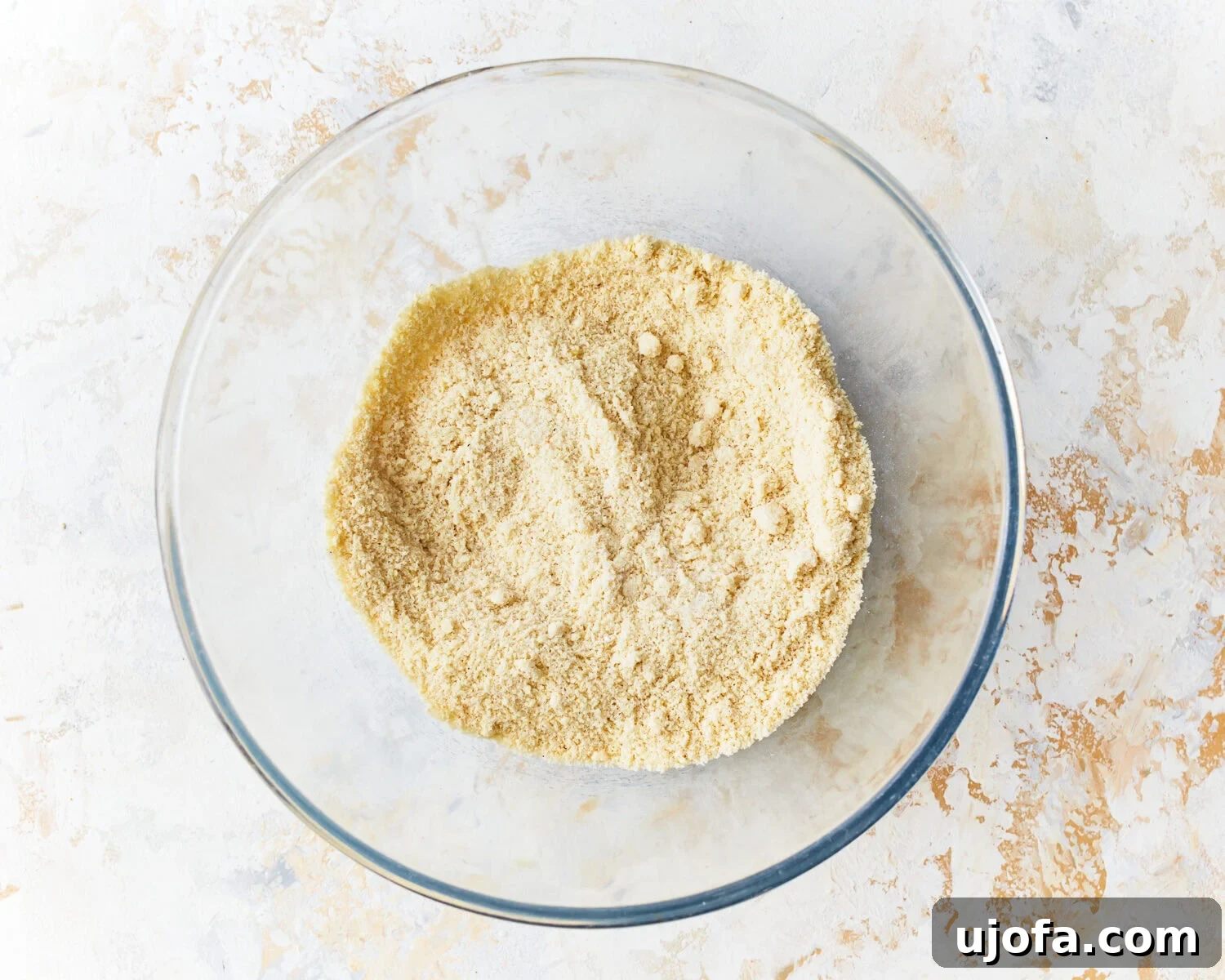
2. Combine Dry Ingredients: In a large mixing bowl, whisk together 3 cups of superfine blanched almond flour, 1 teaspoon of baking powder, ½ teaspoon of baking soda, ¾ teaspoon of salt, and 2 tablespoons of granulated sugar until thoroughly combined. For precision, especially with almond flour, weighing your dry ingredients often yields the best and most consistent results.
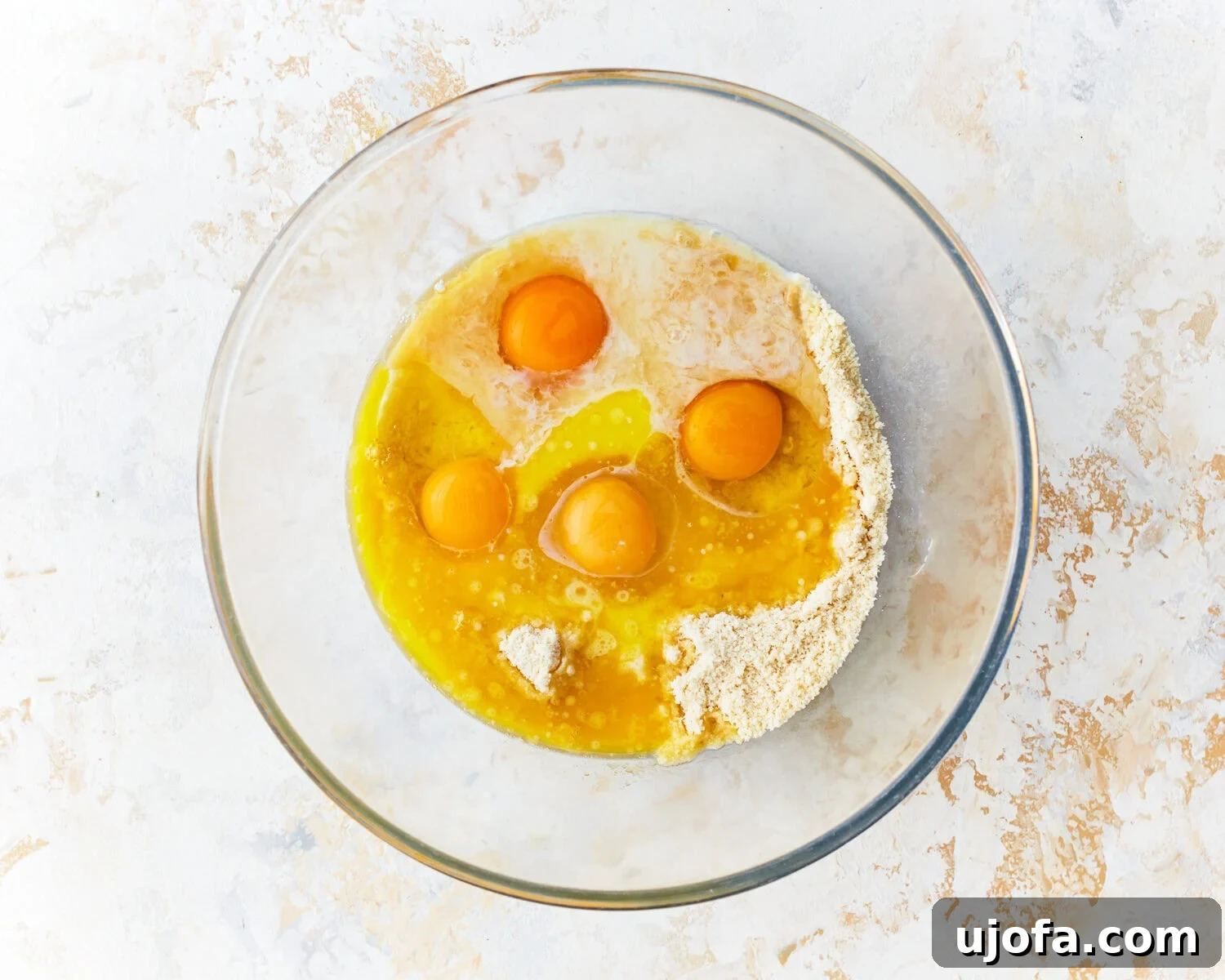
3. Incorporate Wet Ingredients: Create a well in the center of your dry ingredients. Add 4 large eggs, ⅓ cup of milk (dairy or plant-based), 2 teaspoons of lemon juice (or white vinegar as a substitute to activate the baking soda), and 1 teaspoon of pure vanilla extract. Finally, pour in ¼ cup of melted butter that has been cooled slightly. Ensure the butter isn’t too hot, as this could prematurely cook the eggs.
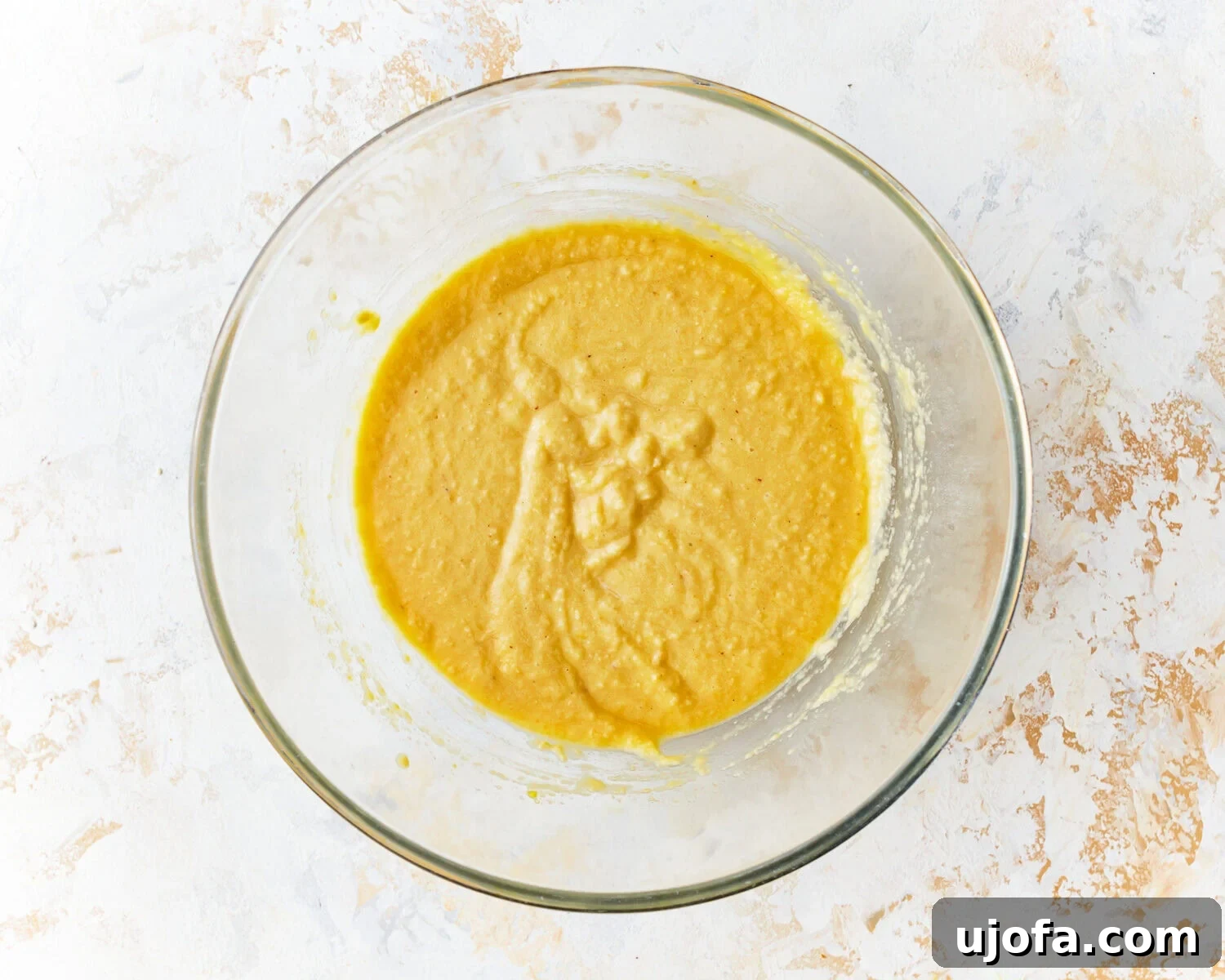
4. Whisk and Rest the Batter: Whisk all the ingredients together until they are fully combined and the batter is smooth. It’s important not to overmix; just enough to incorporate everything. Once mixed, set your bowl aside and let the batter rest for a full 10 minutes. This crucial resting period allows the almond flour to fully absorb the liquids, resulting in a wonderfully thick batter that translates into truly fluffy pancakes.
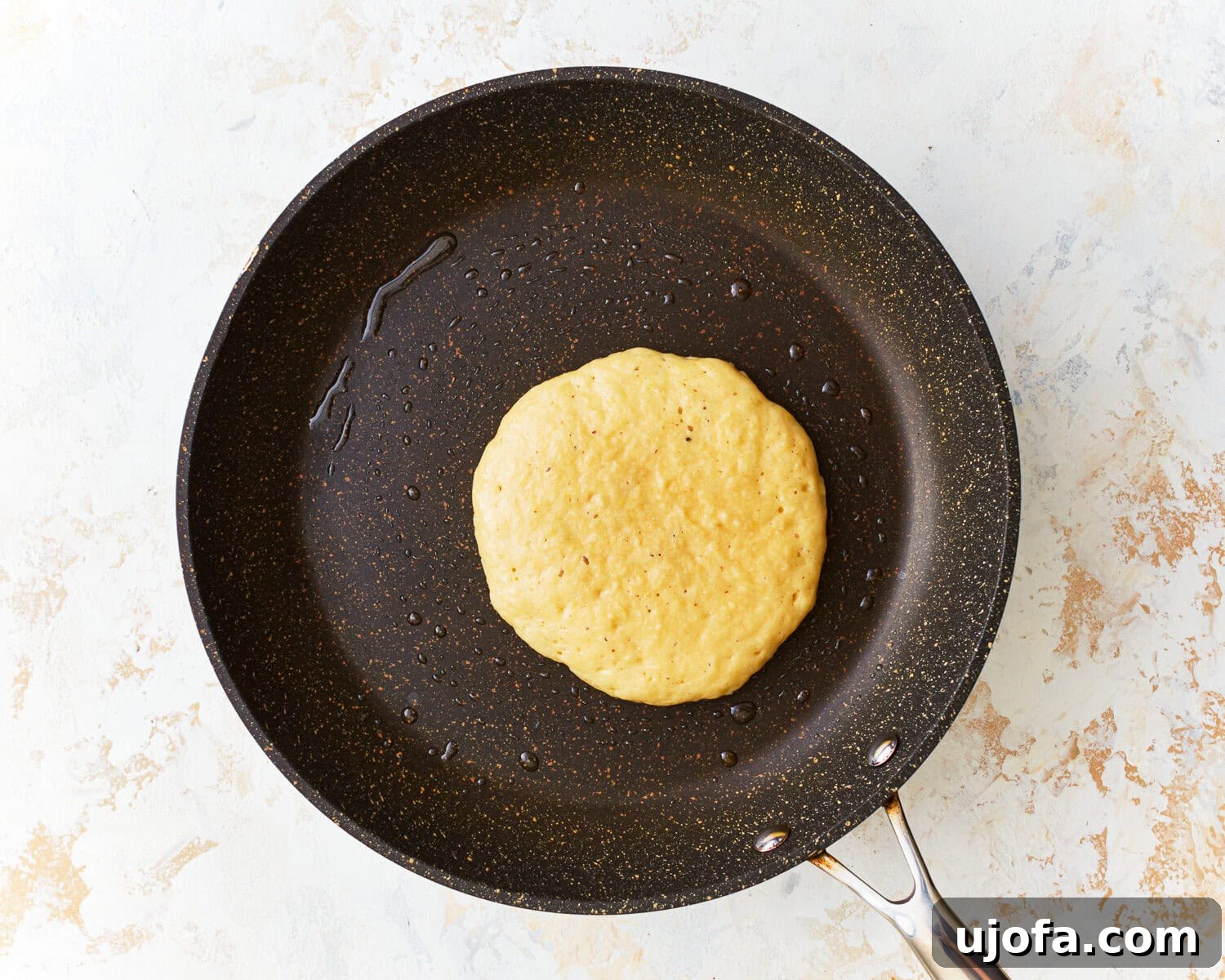
5. Cook the Pancakes Gently: Heat a large skillet or griddle over low to medium heat, lightly drizzling the bottom with oil or butter. Allow the pan to preheat for at least 5 minutes to ensure an even cooking surface. Use a large scoop or a ⅓ cup measure to drop portions of batter onto the skillet, gently smoothing the tops if needed. Remember, cooking low and slow is key for almond flour pancakes; this method prevents the outside from burning before the inside has a chance to cook through. Aim for approximately 3 minutes per side, or up to 5 minutes if you are cooking at high altitude, for a perfectly golden exterior and tender interior.
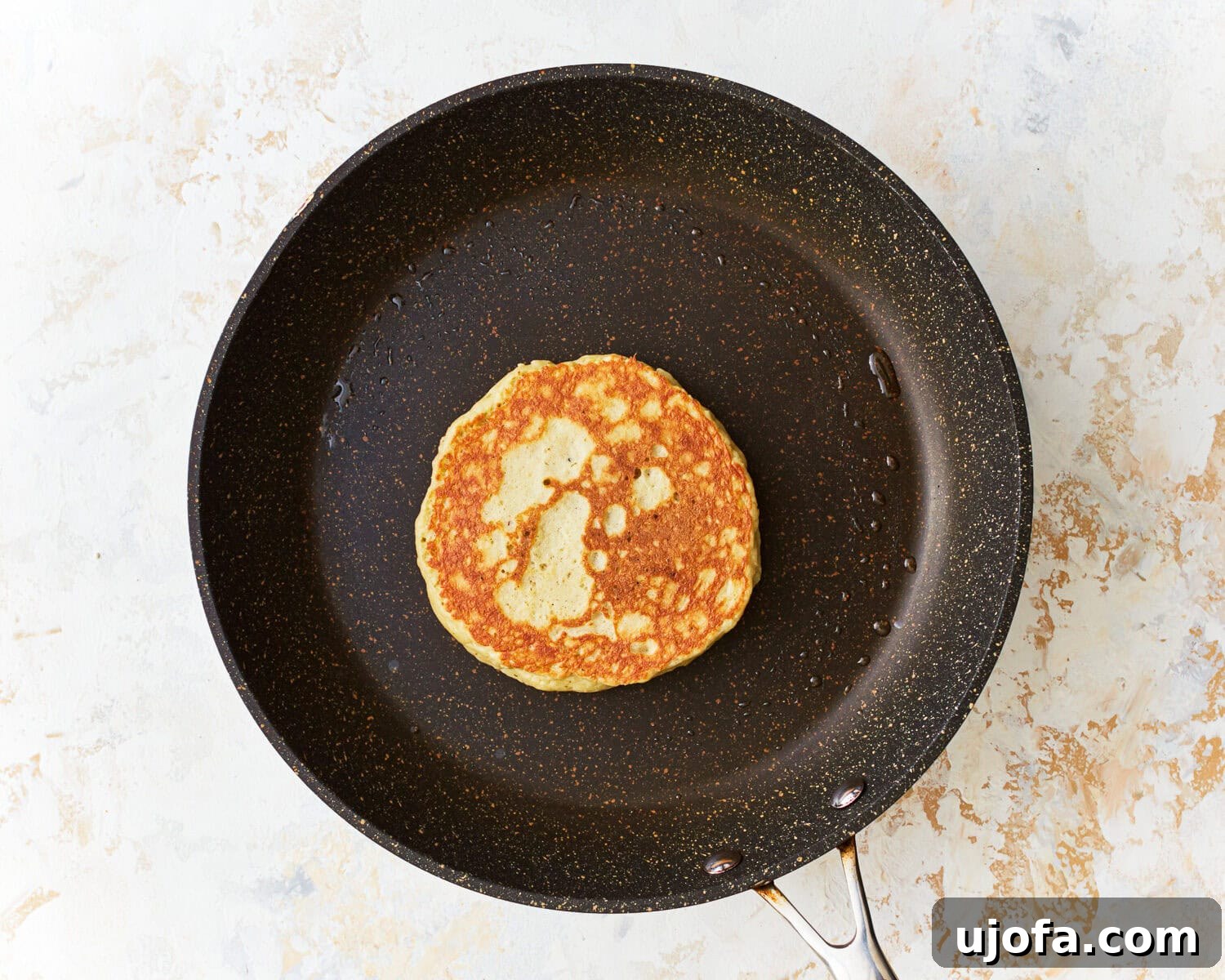
6. Flip and Finish Cooking: Once the bottom of the pancake is beautifully golden brown and small bubbles begin to form on the surface, carefully flip it. Continue cooking for another 3-5 minutes, or until the second side is also golden brown and the pancake feels cooked through.
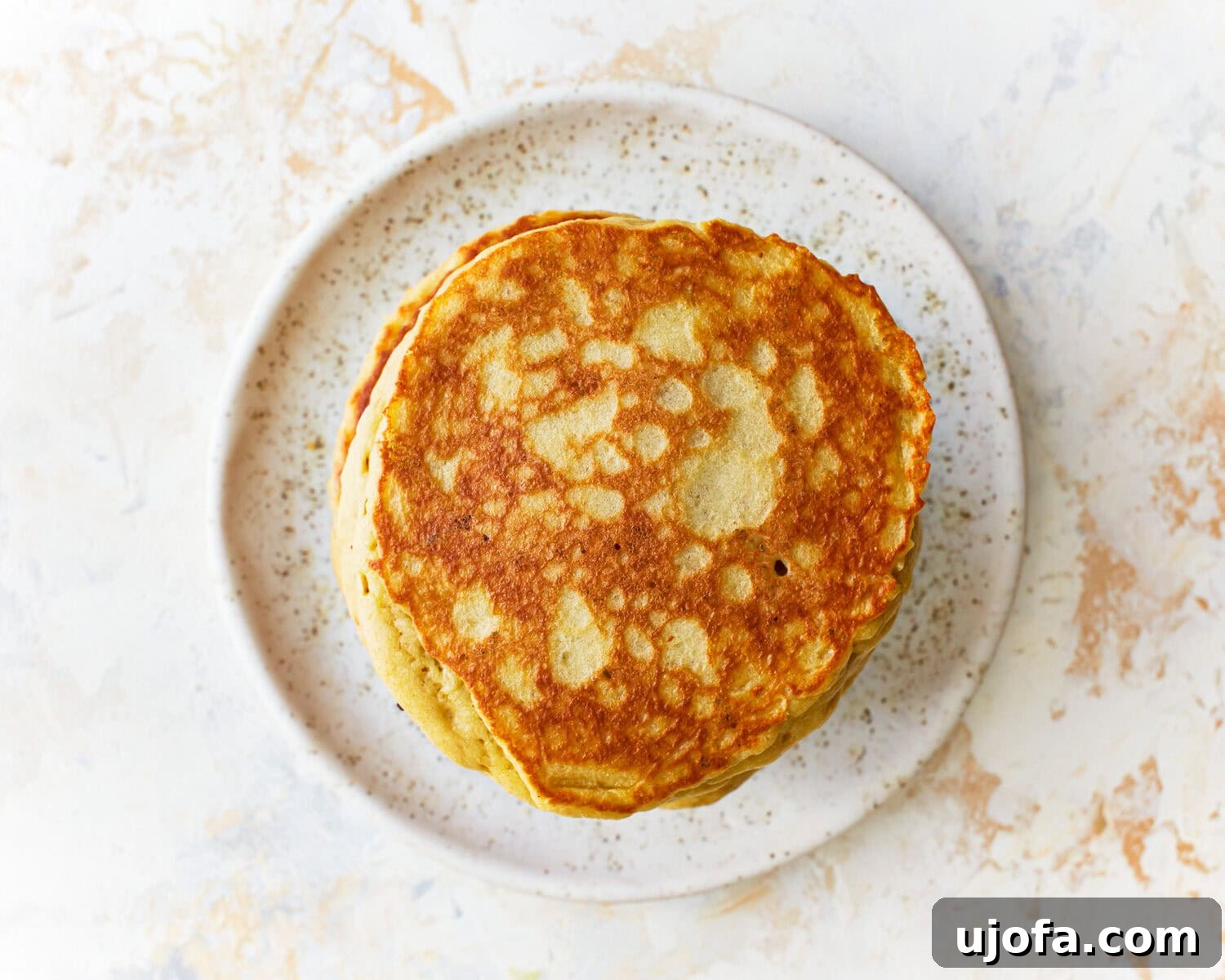
7. Serve and Savor: Continue this process until all the batter is used. Stack your warm, fluffy almond flour pancakes high and serve them immediately with your favorite toppings. Enjoy every delicious, healthy bite!
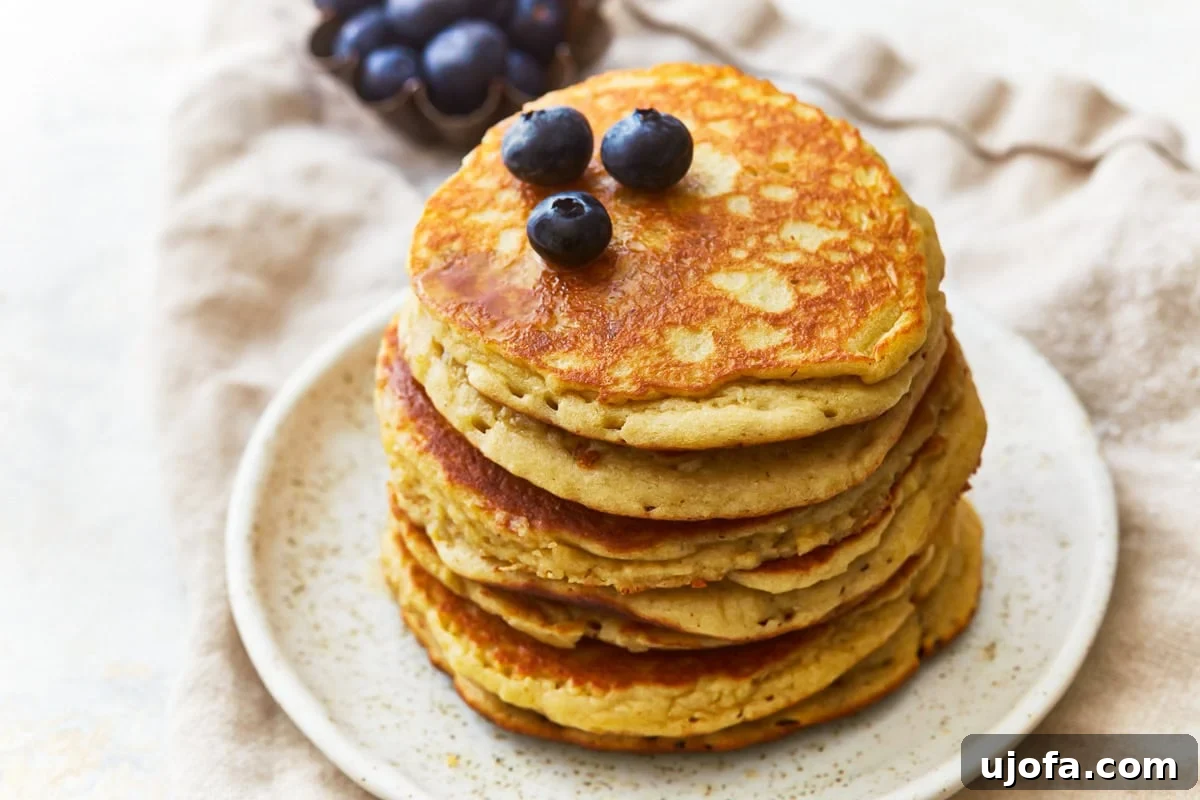
Expert Tips for Pancake Perfection
Achieving perfect almond flour pancakes every time is easy with a few key tips and tricks. These suggestions will help you master the technique and customize your pancakes to your liking.
- Blender vs. Whisking: The Texture Difference: Both hand whisking and using a blender will produce delicious pancakes. However, a blender provides a noticeably smoother batter, which translates into an incredibly consistent and smooth pancake texture. If you prefer a lighter, more uniform pancake, give the blender method a try! If a slightly more rustic texture is appealing, whisking by hand works perfectly fine.
- Always Use Superfine Blanched Almond Flour: This is a non-negotiable for the best results. Superfine blanched almond flour has a delicate, consistent texture that leads to light and fluffy pancakes. Almond meal, on the other hand, is coarser and includes almond skins, which will result in a grittier texture and a heavier pancake.
- Proper Pan Preheat is Essential: Give your skillet or griddle at least 5 minutes to properly heat up over low to medium heat before adding any batter. A pan that’s too cool won’t cook the pancakes evenly, while one that’s too hot will cause the almond flour to brown and potentially burn quickly on the outside before the inside cooks through. Patience here pays off.
- Grease Generously: Gluten-free batters, including almond flour, tend to stick more than traditional wheat-based batters. Ensure your pan is well-coated with butter, coconut oil, or your favorite cooking spray before each batch of pancakes to prevent sticking and ensure easy flipping.
- Adjust for Your Climate or Altitude: Almond flour can absorb liquid differently based on humidity levels and altitude. In humid climates, ⅓ cup of milk should be sufficient. If you live in a dry climate or at a high altitude, you might need to increase the milk to ½ cup to prevent the pancakes from becoming too dry. Feel free to use dairy milk or any plant-based milk you prefer.
- Cool the Melted Butter First: Before adding melted butter to your batter, ensure it has cooled slightly. If the butter is too hot, it can scramble the eggs in the batter, affecting the texture of your pancakes. Let it sit for a minute or two after melting. For a dairy-free option, use melted coconut oil or a plant-based butter substitute.
- Don’t Overmix the Batter: While you want a smooth batter, overmixing can lead to tougher pancakes. Mix just until the ingredients are combined. A few small lumps are perfectly fine and often preferred.
- Rest the Batter: As noted in the instructions, allowing the batter to rest for 10 minutes is crucial. This step allows the almond flour to fully hydrate, which improves the texture and fluffiness of the pancakes.
- Test the First Pancake: The first pancake is often a test of your pan’s temperature. Don’t be discouraged if it’s not perfect. Adjust the heat as needed after cooking the first one to ensure the rest turn out beautifully.
- Keep Pancakes Warm: If you’re cooking multiple batches, you can keep finished pancakes warm by placing them on a baking sheet in a low oven (around 200°F / 95°C) while you cook the remaining batter.
Creative Ingredient Substitutions for Your Dietary Needs
These almond flour pancakes are incredibly versatile, allowing for easy adjustments to fit various dietary requirements without compromising on taste or texture. Here’s how you can adapt the recipe:
- Dairy-Free Almond Flour Pancakes: To make this recipe completely dairy-free, simply swap out the regular milk for your favorite plant-based alternative. Almond milk, oat milk, or coconut milk (from a carton, not canned) all work beautifully and contribute to a rich, moist pancake. When cooking, use melted coconut oil or a high-quality plant-based butter substitute in place of traditional butter for the same delicious, rich flavor and golden crust.
- Egg-Free Almond Flour Pancakes: For those avoiding eggs, “flax eggs” are a fantastic natural binder. Replace each large egg in the recipe with one flax egg. To make a flax egg, mix 1 tablespoon of ground flaxseed with 3 tablespoons of water and let it sit for about 5 minutes until it thickens into a gel-like consistency. While the pancakes will still be delicious and hold together, expect them to be slightly more tender and potentially a bit less fluffy than those made with traditional eggs.
- Sugar-Free Almond Flour Pancakes: If you’re monitoring your sugar intake or prefer a sugar-free option, you can easily omit the granulated sugar from the batter. Instead, you can sweeten the pancakes naturally with sugar-free sweeteners such as monk fruit, erythritol, or stevia, adjusting the amount to your personal taste preference. This allows you to enjoy sweet pancakes without added sugars.
- Paleo Almond Flour Pancakes: To make these pancakes fully Paleo-compliant, ensure you use coconut milk and coconut oil for the batter. For sweetness, stick to natural, unrefined options like pure honey or pure maple syrup. These specific substitutions ensure the pancakes remain completely grain-free, dairy-free, and free from refined sugars, all while delivering a surprisingly indulgent and satisfying breakfast.
- Flavorful Add-ins and Variations: Don’t hesitate to experiment with different flavor enhancers directly in the batter. A pinch of cinnamon or nutmeg can create warm, spiced pancakes, perfect for cooler mornings. For a burst of freshness, fold in some lemon zest or fresh blueberries. You can also mix in a handful of chocolate chips, chopped nuts, or other fruits to customize each batch.
Delightful Serving Suggestions to Elevate Your Breakfast
These almond flour pancakes are a delicious canvas for a variety of toppings and accompaniments. While they are fantastic on their own, pairing them with the right additions can transform them into an unforgettable meal.
My go-to serving method is piling these fluffy pancakes high with an abundance of fresh berries—strawberries, blueberries, raspberries, or a colorful mix. A warm fruit compote, simmered with a touch of honey or maple syrup, also makes an exquisite topping. Sliced bananas are another beloved choice, adding natural sweetness and a creamy texture. For an extra layer of richness and a protein boost, I sometimes spread a thin layer of almond butter or peanut butter on top before drizzling generously with pure maple syrup. A dollop of dairy-free whipped cream or coconut cream can add a luxurious touch.
If you’re preparing a more substantial breakfast or brunch, consider serving these pancakes alongside savory dishes. Scrambled eggs or a hearty gluten-free quiche provide a wonderful contrast and make for a complete, satisfying meal. Don’t forget a side of crispy bacon or sausage for a classic breakfast spread. The possibilities are endless, allowing you to tailor your almond flour pancake experience to any craving or occasion.
Storage and Reheating Made Easy
One of the many benefits of these almond flour pancakes is how incredibly easy they are to store and reheat, making them perfect for meal prepping healthy breakfasts throughout the week or for busy mornings.
Cooked pancakes will keep fresh in the refrigerator for up to a week. Simply place them in an airtight container once they have cooled completely. For longer storage, these pancakes freeze beautifully for up to three months.
To freeze: After the pancakes have fully cooled, stack them with a piece of parchment paper between each one to prevent sticking. Then, transfer the stack into an airtight freezer-safe container or a heavy-duty freezer storage bag, ensuring as much air is removed as possible to prevent freezer burn.
To reheat: For a quick warm-up, microwave individual pancakes in 15-second intervals until they are heated through. Alternatively, for a slightly crisper texture, you can reheat them in a preheated oven at 350°F (175°C) for about 10 minutes, or until warmed through and lightly crisped around the edges.
Discover More Gluten-Free Almond Flour Recipes!
If you love the versatility and health benefits of almond flour, you’ll be thrilled to explore more delicious recipes that utilize this fantastic ingredient. Here are some other favorites to add to your repertoire:
- Almond Flour Banana Bread
- Almond Flour Waffles
- Almond Flour Biscuits
- Almond Flour Pumpkin Bread
- Almond Flour Bread
These gluten-free almond flour pancakes are more than just a breakfast item; they are a wholesome, adaptable, and incredibly delicious way to enjoy a meal that supports your health goals without sacrificing flavor. Give them a try, and you’ll quickly understand why they’re a staple for so many!