
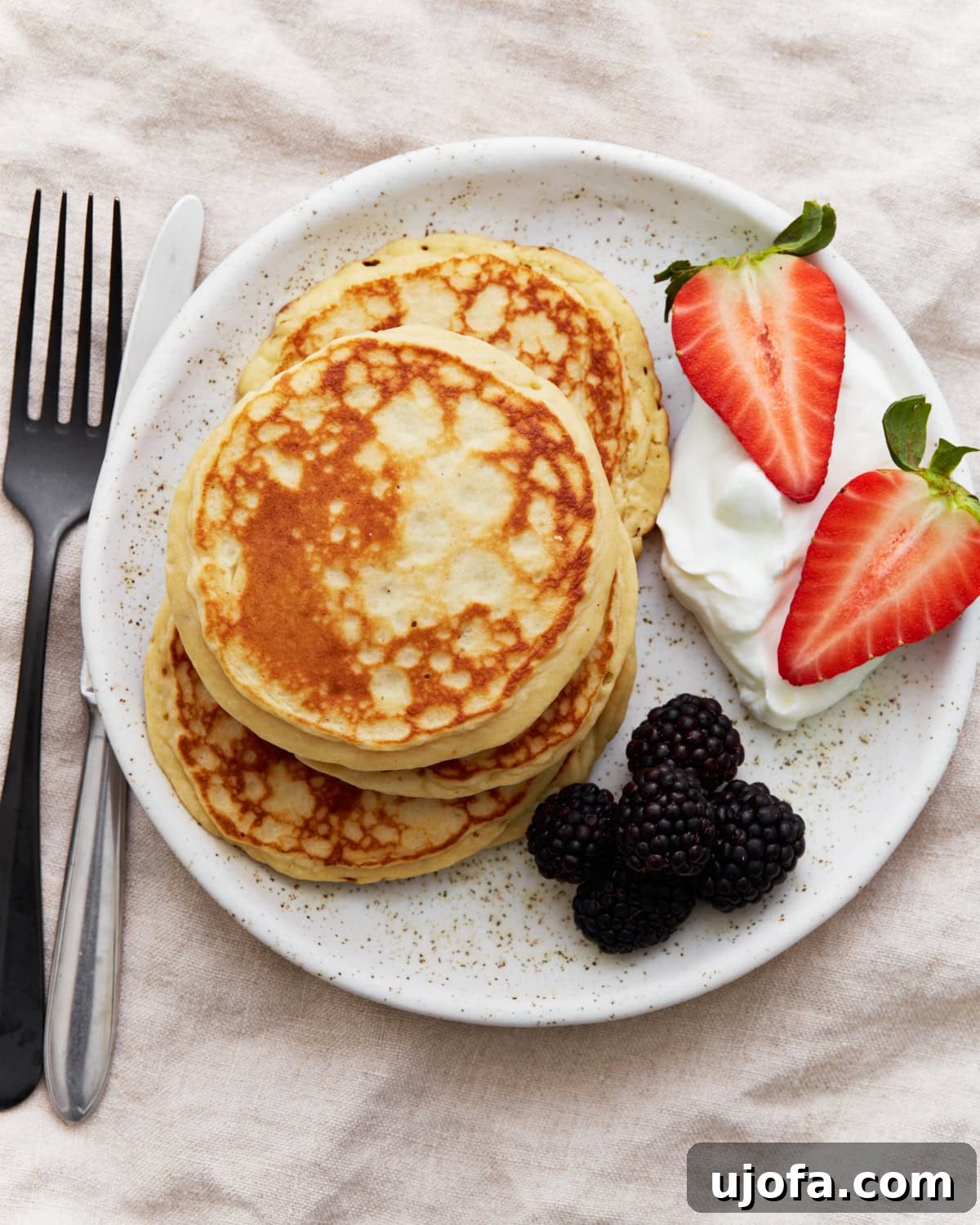
Craving a breakfast that’s both deliciously sweet and powerfully energizing? Look no further than these incredible gluten-free protein pancakes. They are the perfect solution for anyone seeking a satisfying morning meal that supports their health and fitness goals without compromising on taste or texture. Imagine sinking your teeth into light, fluffy pancakes bursting with flavor, knowing that each bite is fueling your body with high-quality protein and wholesome ingredients.
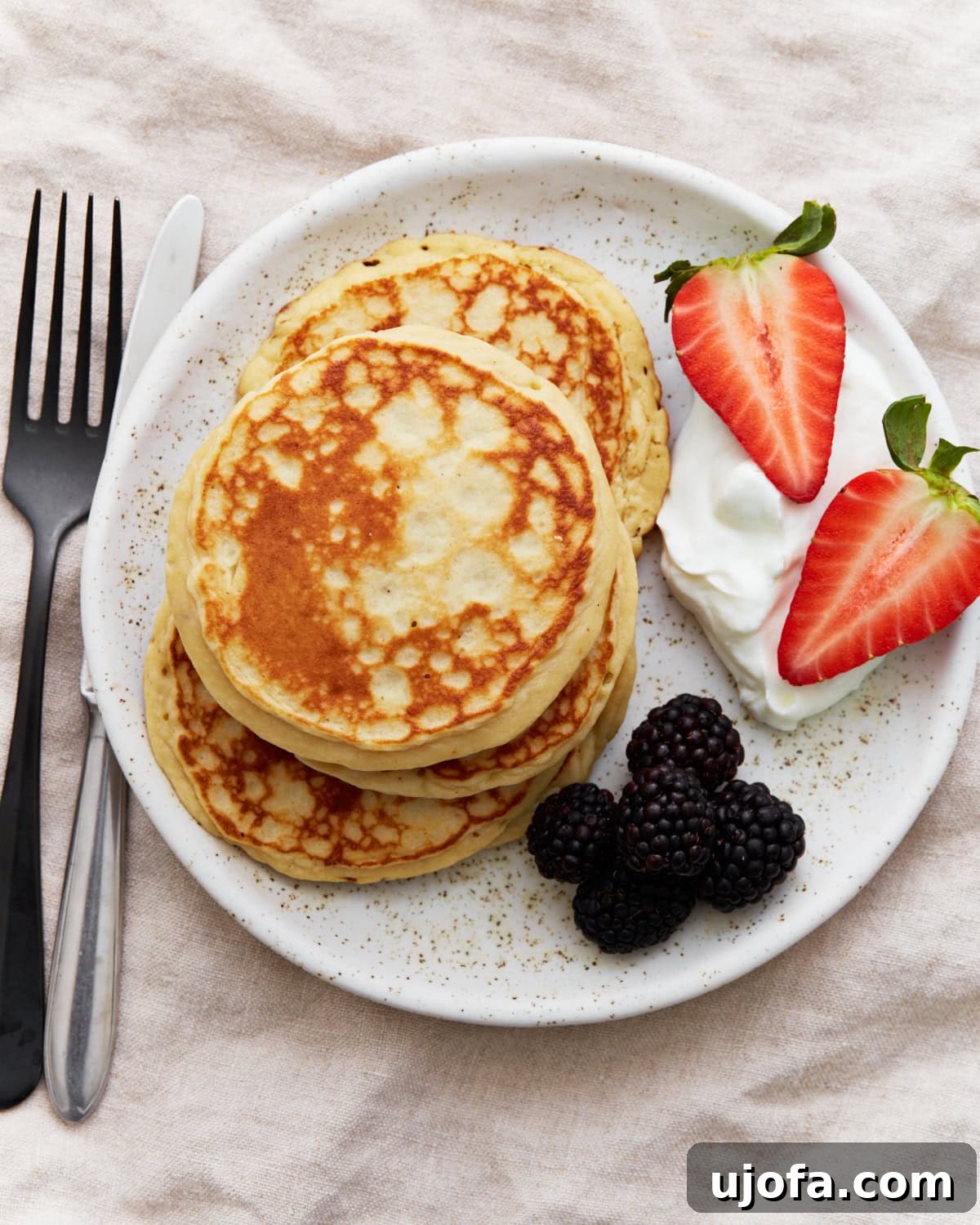
These pancakes aren’t just a treat for your taste buds; they’re a strategic choice for a healthier lifestyle. Crafted with naturally gluten-free ingredients like almond flour, eggs, and a boost of protein powder, they are inherently rich in protein. This powerful combination delivers that coveted sweet breakfast experience while providing sustained energy to power you through your morning, keep you focused at work, or aid in post-workout recovery. Unlike many traditional pancakes that leave you feeling sluggish, these are designed to keep you full and energized without feeling heavy. They are a beloved staple in my busy week, offering a quick and convenient way to enjoy a nutritious meal that reheats beautifully, making them ideal for meal prep.
Why Choose Gluten-Free Protein Pancakes?
In today’s health-conscious world, more and more people are discovering the benefits of a gluten-free diet, whether due to celiac disease, gluten sensitivity, or simply a preference for wholesome eating. These protein-packed pancakes offer a fantastic way to enjoy a classic comfort food while adhering to gluten-free principles. Beyond being free from gluten, they are also:
- Rich in Protein: Essential for muscle repair, growth, and satiety, the protein in these pancakes comes from eggs, almond flour, and added protein powder, making them an excellent choice for athletes or anyone looking to increase their protein intake.
- Sustained Energy: The combination of protein and healthy fats from almond flour helps regulate blood sugar levels, preventing the energy crashes often associated with sugary breakfasts. You’ll feel full and energized for hours.
- Nutrient-Dense: Almond flour contributes healthy fats, fiber, and vitamin E, while eggs provide essential vitamins and minerals. These are truly whole-food pancakes.
- Easy to Digest: For those with sensitivities, gluten-free ingredients can often be easier on the digestive system, leading to less bloating and discomfort.
- Versatile and Delicious: You don’t have to sacrifice flavor for health. These pancakes are incredibly delicious and can be customized with your favorite toppings and mix-ins.
Tips for Perfect Gluten-Free Protein Pancakes
Achieving the perfect fluffy and flavorful gluten-free protein pancake is simple with a few key techniques. Follow these tips to ensure your pancakes turn out perfectly every time:
- Resting the Batter is Key: Almond flour, a primary ingredient here, needs a little extra time to properly absorb liquids. Allowing the batter to rest for at least 5 minutes before cooking is crucial. This step hydrates the flour, resulting in a smoother, more uniform batter and ultimately, a much better texture in your cooked pancakes – less gritty and more cohesive. Don’t rush this step!
- Use Room Temperature Ingredients: This is a secret weapon for many baked goods, and pancakes are no exception. Eggs and milk at room temperature blend more easily with the other ingredients, creating a smoother, more homogenous batter. This better emulsion leads to a lighter, more consistent texture in the final pancake. Cold ingredients can cause the melted butter to seize up, leading to a lumpy batter.
- For Extra Fluffiness, Beat Egg Whites: If you’re aiming for truly airy pancakes, take an extra step: separate your egg whites from the yolks. Beat the whites in a clean, dry bowl until they form stiff peaks. Gently fold these beaten egg whites into your prepared batter just before cooking. The trapped air in the egg whites will expand during cooking, giving your pancakes an incredible lift and cloud-like texture.
- Choosing Your Protein Powder: While most protein powders will work, be aware that the type you choose can slightly influence the final texture and flavor.
- Whey or Casein Protein: These dairy-based proteins tend to yield a lighter, fluffier pancake. They absorb liquid well and blend seamlessly into the batter.
- Plant-Based Protein Powders (e.g., pea, rice, soy): These can sometimes make pancakes denser due to their different absorbent properties. If using a plant-based powder, you might need to slightly increase the liquid (milk) by a tablespoon or two until you reach your desired pancake batter consistency.
- Flavor Considerations: Unflavored or milder-flavored protein powders are generally my preference as they allow the natural pancake flavor to shine. If you use a vanilla or chocolate protein powder, consider how it will complement (or overpower) your toppings.
Gluten-Free Protein Pancakes
Sabine Venier
8 pancakes
10
15
25
Share by Email
Print Recipe

Step-by-step photos can be seen below the recipe card.
Equipment
-
1 non-stick skillet
Ingredients
Adjust servings:
1x –
2x –
3x
1x –
2x –
3x
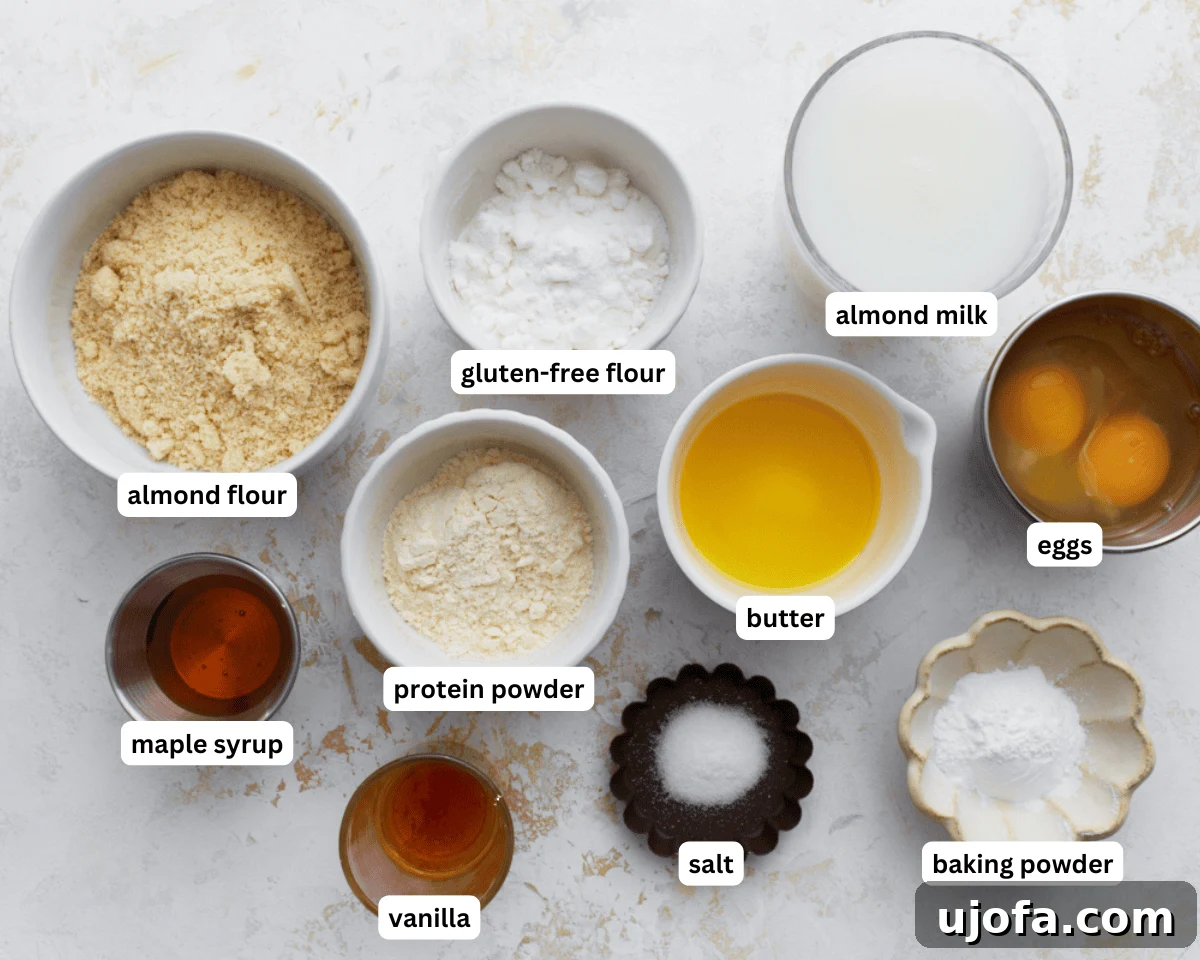
- 1 cup almond flour
- 1/4 cup gluten-free all-purpose flour
- 1/4 cup unflavored protein powder
- 2 teaspoons baking powder
- 1/4 teaspoon salt
- 2 large eggs, room temperature
- 1 cup almond milk, or any milk of choice, room temperature
- 2 tablespoons melted butter, For dairy-free, use coconut oil
- 1 tablespoon maple syrup, optional for sweetness
- 1 teaspoon vanilla extract
Instructions
-
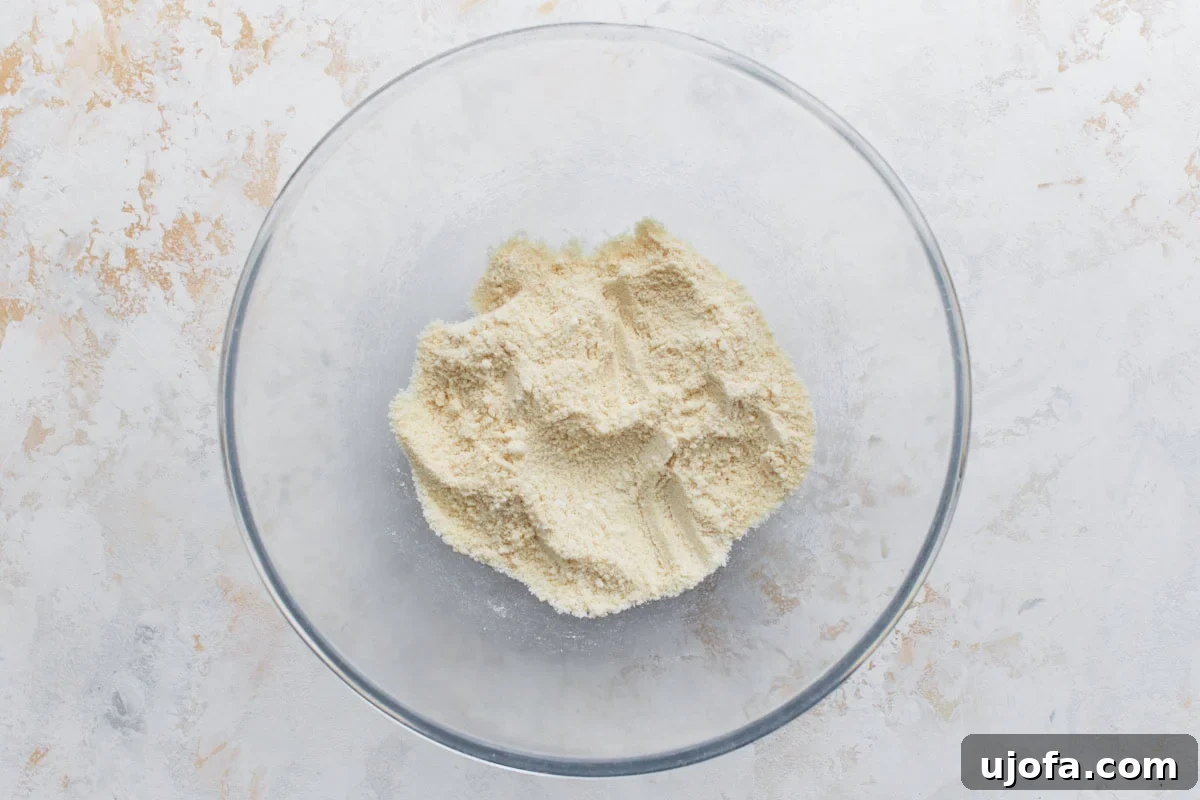
In a large mixing bowl, thoroughly whisk together the almond flour, gluten-free all-purpose flour, unflavored protein powder, baking powder, and salt. Ensure there are no lumps in the dry mixture.
-
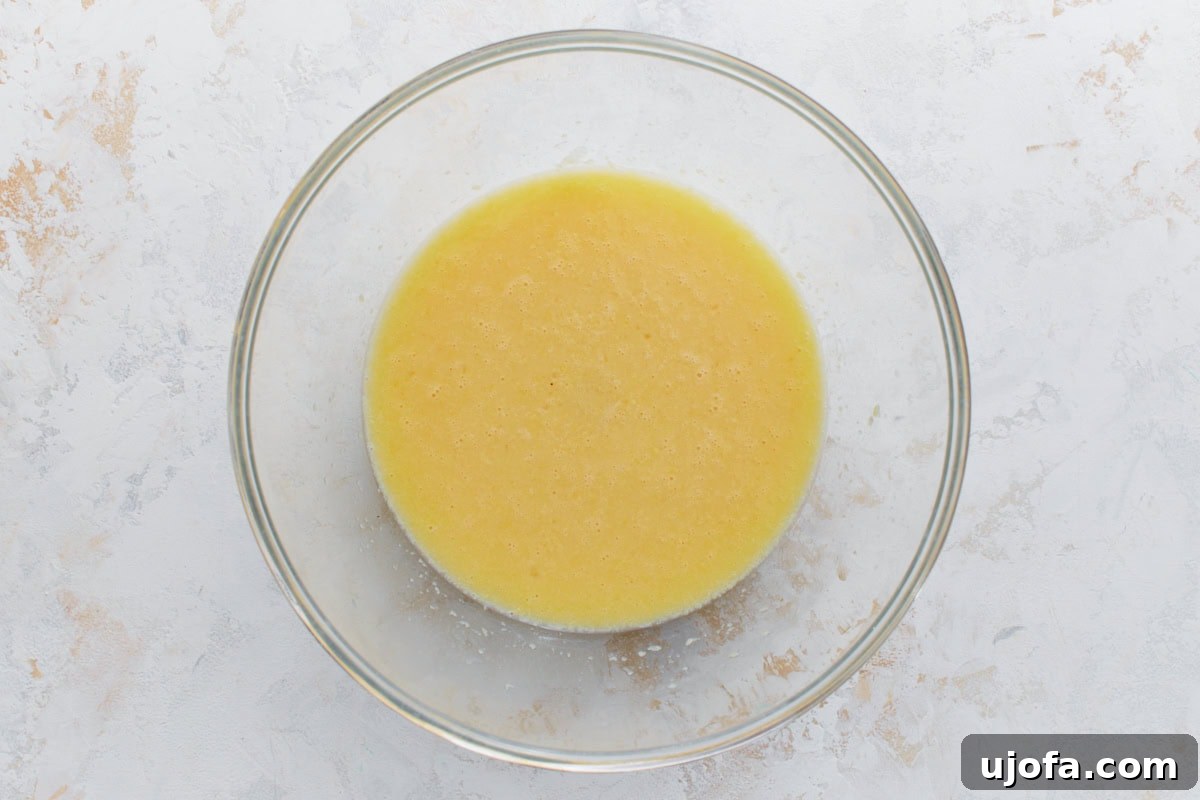
In a separate medium bowl, whisk together the room temperature eggs, almond milk (or your preferred milk), melted butter (or coconut oil for dairy-free), maple syrup (if using for extra sweetness), and vanilla extract until well combined and smooth.
-
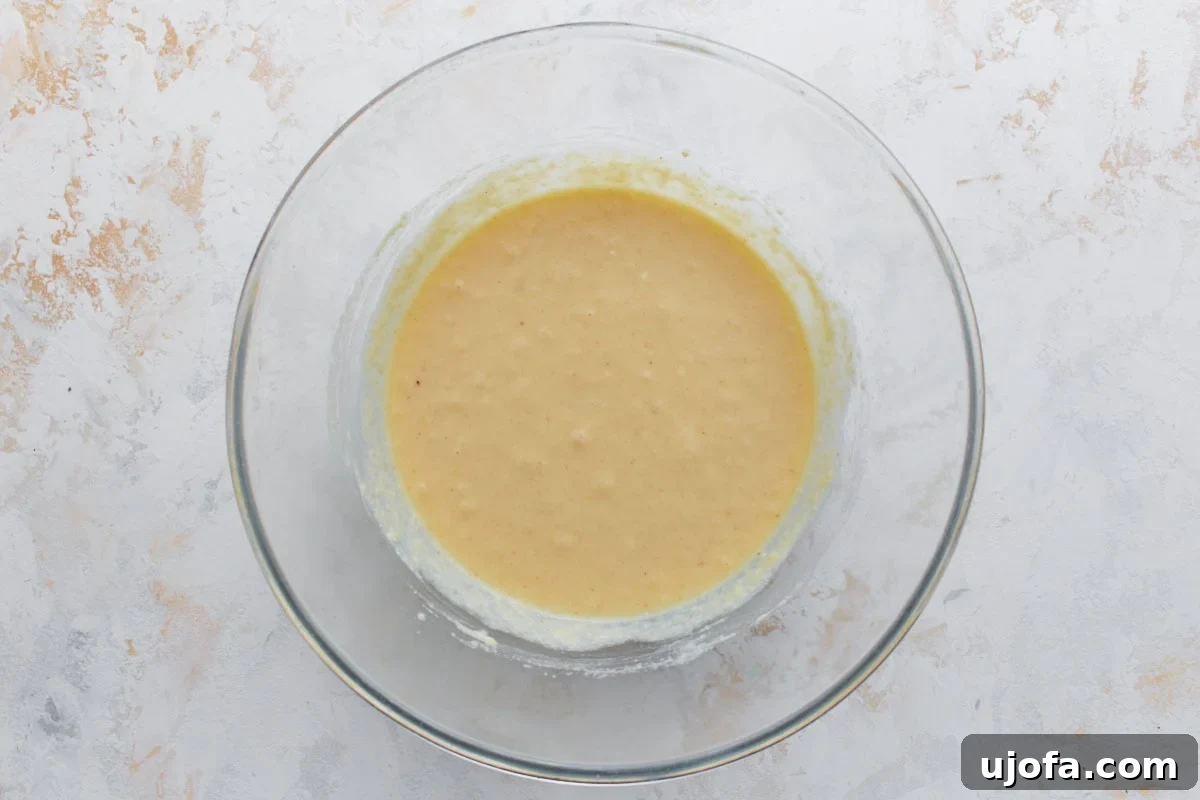
Pour the wet ingredients into the bowl with the dry ingredients. Stir gently with a whisk or spatula until just combined and smooth. Be careful not to overmix the batter. Allow the batter to rest at room temperature for at least 5 minutes. This resting time is essential for the flours to fully hydrate, leading to a better texture.
-
Heat a non-stick pan or griddle over medium heat. Once hot, lightly grease the surface with a small amount of oil or butter.
-
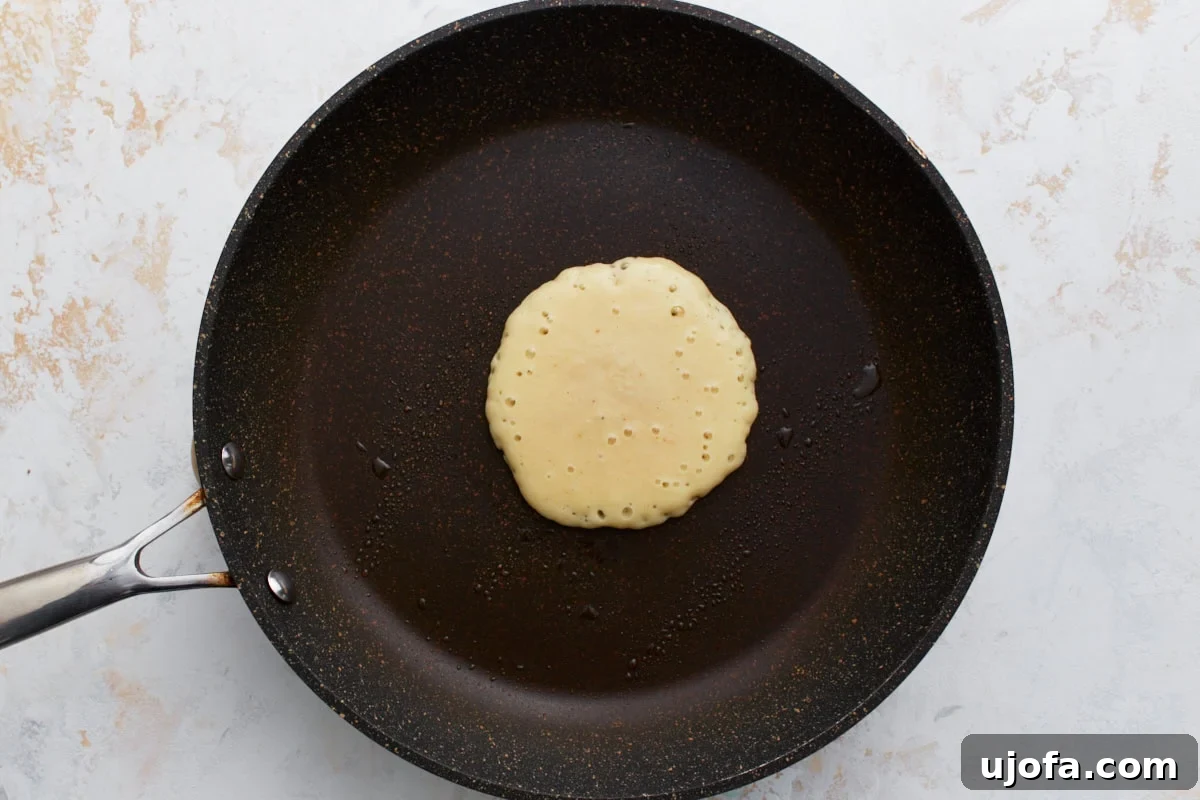
Using a 1/4 cup measuring scoop, pour approximately 1/4 cup of batter onto the hot pan for each pancake. If necessary, gently spread the batter slightly with the back of the spoon to form an even circle.
-
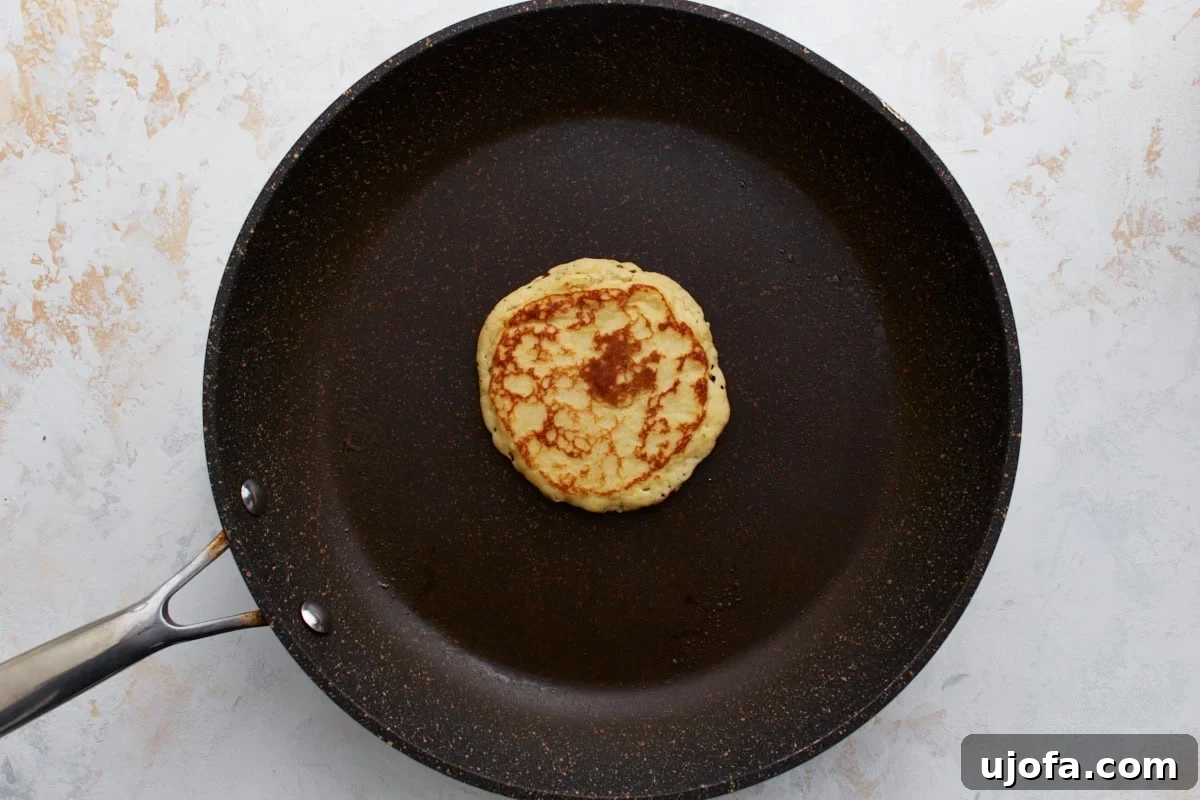
Cook the pancakes for 2–3 minutes on the first side, or until you see small bubbles forming on the surface and the edges appear set. Carefully flip the pancakes with a spatula and cook for another 1–2 minutes on the second side, until they are golden brown and cooked through.
-
Remove the cooked pancakes from the pan and place them on a plate. Repeat the process with the remaining batter, greasing the pan lightly between batches as needed. Adjust the heat if the pancakes are browning too quickly or not cooking evenly.
-
Serve your delicious gluten-free protein pancakes warm, with your favorite toppings and a cup of coffee or tea. Enjoy the wholesome goodness!
Notes
- To reduce sugar content, you can omit the maple syrup entirely or substitute it with a sugar-free alternative like monk fruit sweetener or stevia, adjusted to your taste.
- For a different flavor and texture profile, you can swap the almond flour and gluten-free all-purpose flour for 1 1/2 cups of oat flour. When using oat flour, you might need to adjust the milk content. Start with 3/4 cup of milk, then add 1 tablespoon at a time until you achieve a thick, pourable pancake batter consistency.
Nutrition Facts (Per 1 Pancake)
Calories: 159kcal
Carbohydrates: 8g
Protein: 8g
Fat: 12g
Saturated Fat: 3g
Polyunsaturated Fat: 1g
Monounsaturated Fat: 1g
Trans Fat: 0.1g
Cholesterol: 54mg
Sodium: 263mg
Potassium: 33mg
Fiber: 2g
Sugar: 2g
Vitamin A: 156IU
Calcium: 149mg
Iron: 1mg
Nutrition information is automatically calculated, so should only be used as an approximation.
Additional Info
How to Make Gluten-Free Protein Pancakes Step by Step
Creating these delightful pancakes is a straightforward process. Here’s a visual guide to walk you through each step, ensuring you get perfect results every time.
Serving Suggestions for Your Protein Pancakes
These gluten-free protein pancakes are delicious on their own, but they truly shine with the right accompaniments. Here are some of my favorite ways to serve them, transforming a simple breakfast into an extraordinary meal:
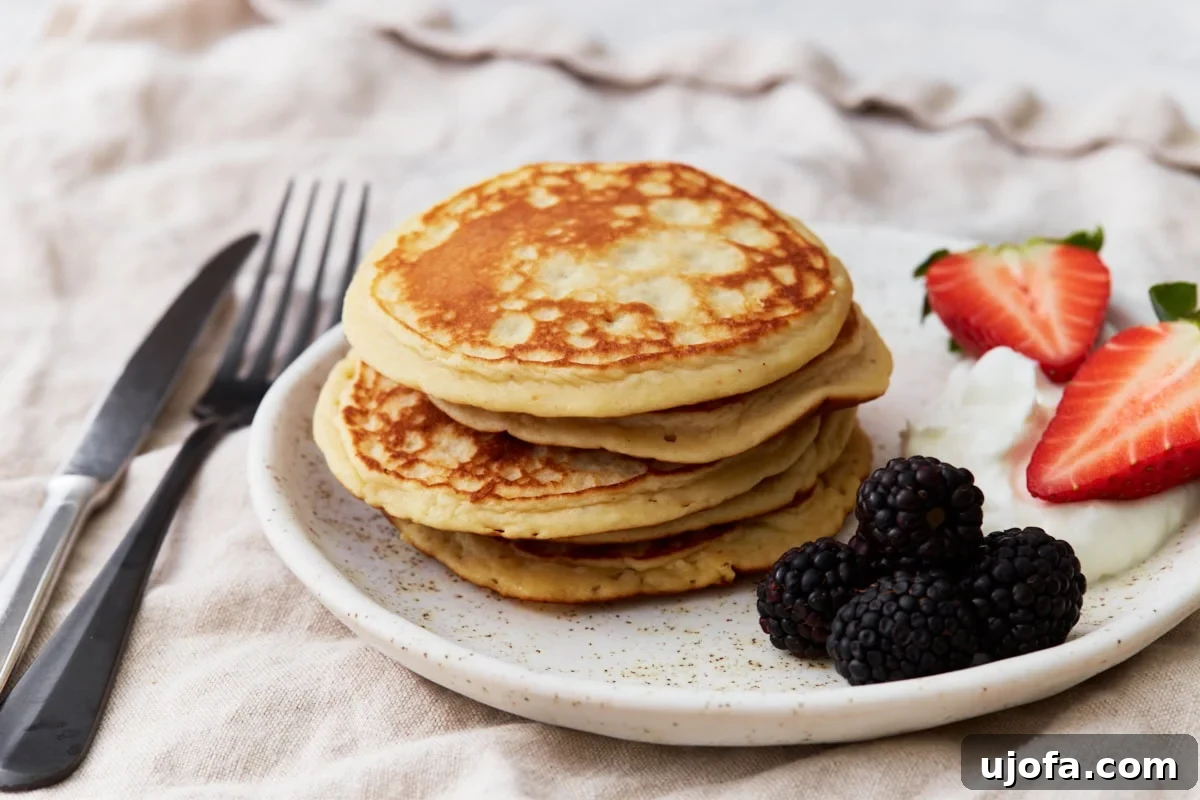
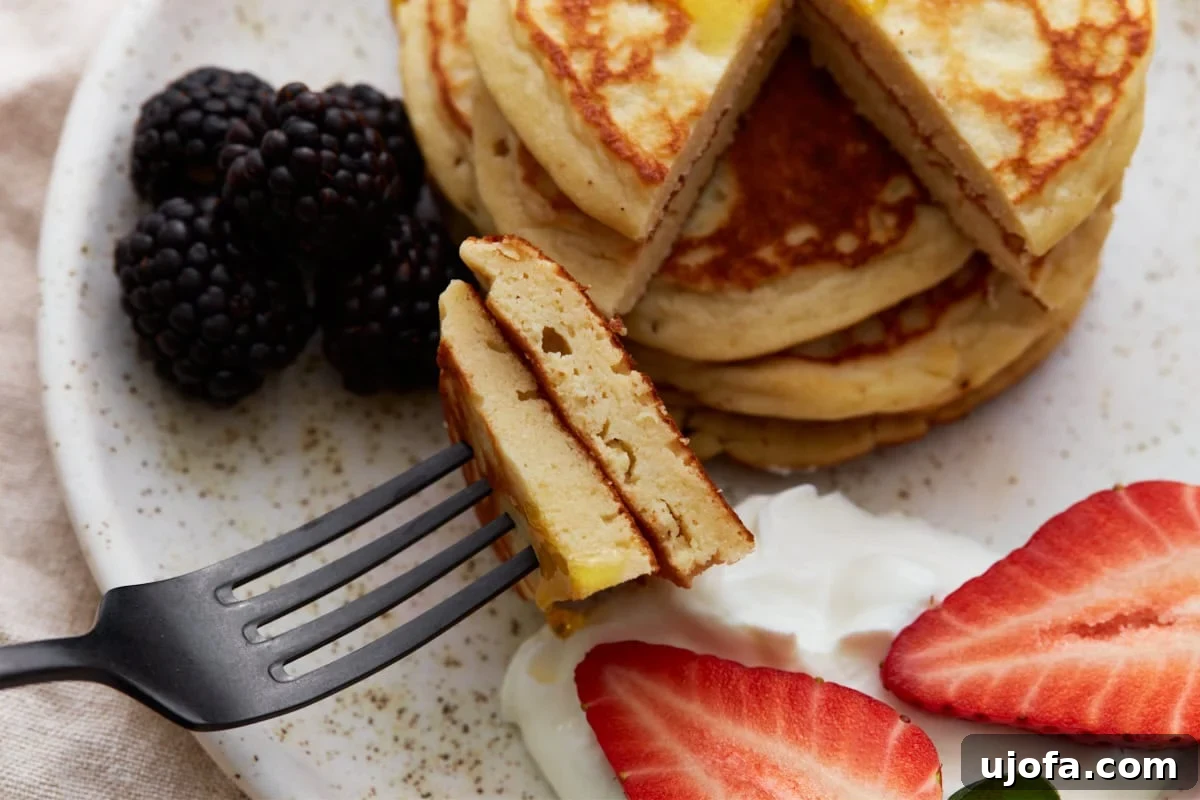
- Classic & Creamy: My go-to is a generous dollop of creamy Greek yogurt (plain or vanilla for an extra protein boost), a vibrant handful of mixed berries (blackberries, raspberries, or sliced strawberries), and a delicate drizzle of pure maple syrup. This combination offers a perfect balance of creamy tang, natural sweetness, and fresh fruitiness.
- Nutty & Satisfying: For those mornings when you need something extra filling, add a spoonful of your favorite nut butter – almond, peanut, or cashew butter all work beautifully. A sprinkle of chopped nuts like pecans or walnuts can also add a delightful crunch and healthy fats.
- Fruity & Tropical: Beyond berries, consider sliced bananas, peaches, or even a spoonful of fruit compote. For a tropical twist, toasted shredded coconut and a squeeze of lime juice can elevate the flavor.
- Savory Pairings: While pancakes are typically sweet, these protein-rich versions can also pair wonderfully with savory elements. Serve them alongside scrambled eggs, a slice of turkey bacon, or a small frittata for a complete, well-rounded breakfast or brunch.
- Flavorful Mix-ins: Don’t forget to get creative with your batter! Stir in a handful of mini chocolate chips, a pinch of cinnamon, or a tablespoon of orange zest for an extra layer of flavor before cooking.
- Sweet Alternatives: If you’re looking to reduce added sugars, consider using sugar-free syrup, a light dusting of powdered erythritol, or simply rely on the natural sweetness of fresh fruit.
Storage and Meal Prep Tips
One of the best features of these gluten-free protein pancakes is how well they store, making them an excellent choice for meal prepping. Having a batch ready to go can save you valuable time on busy mornings while ensuring you stick to your healthy eating goals.
- Refrigerating Leftovers: Any leftover pancakes can be stored in an airtight container in the refrigerator for up to 3 days. Ensure they are completely cooled before storing to prevent condensation, which can make them soggy. I often make a double batch on the weekend to enjoy quick, nutritious breakfasts throughout the week.
- Freezing for Longer Shelf Life: For extended storage, these pancakes freeze beautifully for up to 3 months. To prevent them from sticking together, layer individual pancakes between sheets of parchment paper before placing them in a freezer-safe zip-top bag or container. This makes it incredibly easy to grab just one or two at a time without thawing the entire batch.
- Reheating Methods: Reheating these protein pancakes is a breeze, offering flexibility depending on your preference and available time:
- Toaster: For a delightful crisp edge and warm center, pop them directly from the fridge or freezer into a toaster or toaster oven on a medium setting. This is my favorite method for that fresh-off-the-griddle feel.
- Skillet: Place the pancakes in a dry, non-stick skillet over medium-low heat for 1-2 minutes per side, until warmed through. This method keeps them soft and warm.
- Microwave: If you’re really in a rush, a quick zap in the microwave will warm them up. Microwave for 30-60 seconds (depending on your microwave and the number of pancakes) until hot. Be careful not to overcook, as this can make them tough.
With these storage and reheating tips, you can always have a wholesome, protein-packed breakfast ready in minutes, making healthy eating convenient and delicious.
More Delicious Pancake Recipes To Try
If you love these gluten-free protein pancakes, you might also enjoy exploring other delightful pancake recipes from my kitchen. Each one offers a unique flavor and texture, ensuring you’ll never get bored with your breakfast routine:
- Easy Gluten-Free Pancakes: A simple, go-to recipe for classic fluffy pancakes, perfect for any morning.
- Gluten-Free Banana Pancakes: Naturally sweet and wonderfully moist, these are a fantastic way to use up ripe bananas.
- Banana Oatmeal Pancakes: A hearty and wholesome option, combining the goodness of oats with the sweetness of bananas.
- Coconut Flour Pancakes: For those who love a slightly denser, yet incredibly tender pancake with a subtle tropical hint.
- Oatmeal Pancakes: A comforting and filling choice, offering a satisfying texture and a healthy start to your day.
Whether you’re new to gluten-free baking or looking to expand your recipe repertoire, these pancake options promise to deliver delicious and satisfying results.