
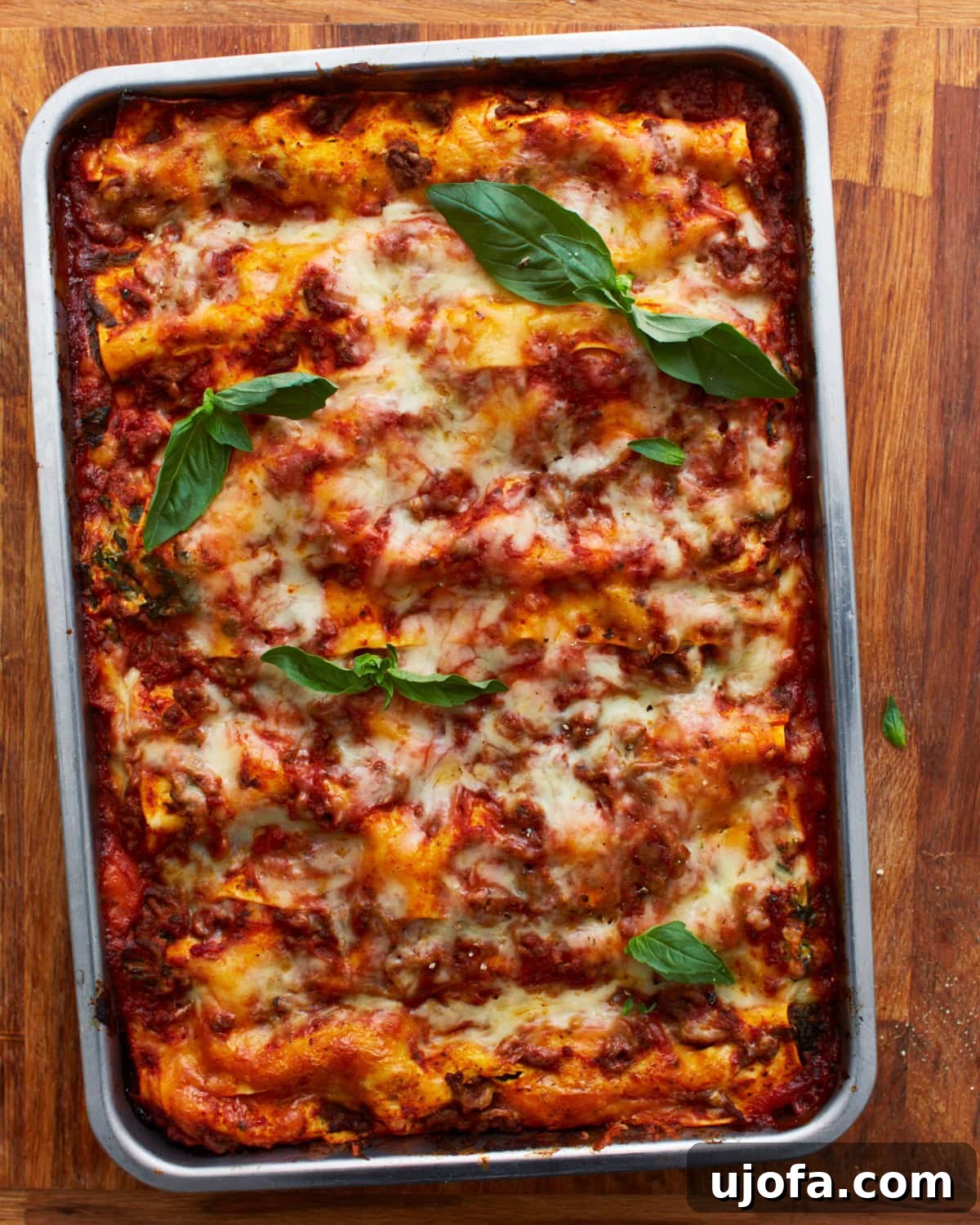
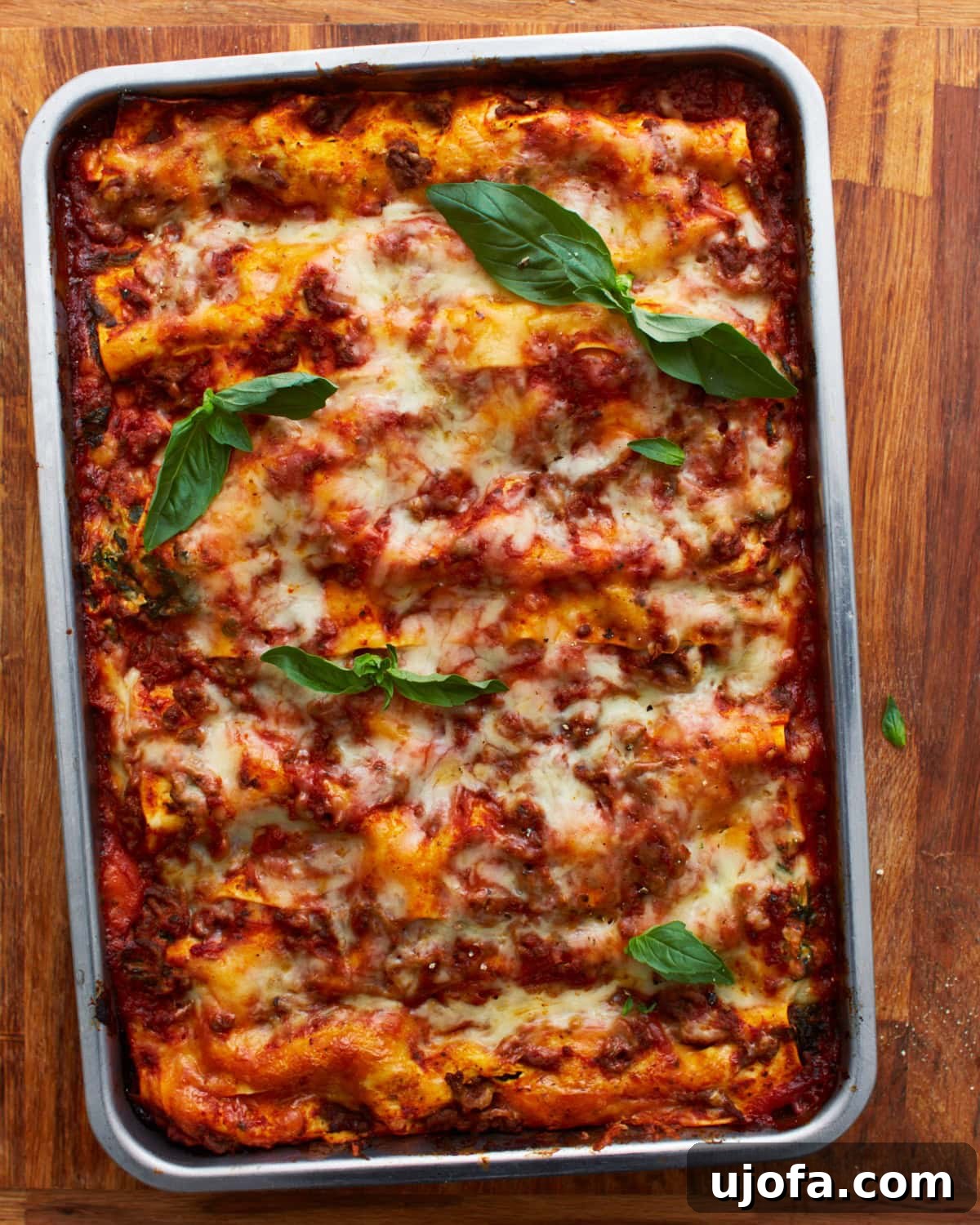
There are few dishes as universally beloved and comforting as a classic lasagna. For those following a gluten-free diet, finding a truly satisfying version can sometimes be a challenge. But fear not! This recipe for **creamy and savory gluten-free lasagna** is not just good – it’s an ultimate comfort food experience that will have everyone, gluten-free or not, coming back for seconds. Layered with tender gluten-free lasagna noodles, a trio of melted cheeses, and a rich, savory meat sauce, it’s baked to gooey, golden perfection. This isn’t just an easy gluten-free pasta recipe; it’s a staple you’ll want to add to your culinary repertoire immediately, offering a taste of Italy without the gluten.
“I would give this recipe 10 stars if I could! Even if I wasn’t avoiding gluten and dairy I would eat this lasagna because it’s incredible! The garlic hummus is a brilliant replacement for the ricotta. Like a previous poster I used fresh spinach and it cooked perfectly. Thank you for offering delicious recipes that taste just like the original.”
– Lena
View More Comments
The Best Gluten-Free Lasagna Recipe: A True Family Favorite
This rich, hearty gluten-free lasagna dish isn’t just a recipe; it’s a treasured family favorite that makes weeknight dinners feel special and gatherings truly memorable. During the colder months, I find myself making this at least once a month, often stashing an extra one in the freezer for those busy evenings. Crafting gluten-free Italian dishes is one of my culinary joys, and lasagna truly stands out as a masterpiece. It’s not only incredibly satisfying and filling but also bursting with authentic Italian flavors, proving that going gluten-free doesn’t mean compromising on taste or tradition. This recipe transforms a classic comfort food into an accessible delight for everyone, regardless of dietary needs.
What makes this gluten-free lasagna so exceptional? It all comes down to the perfect layers: tender, perfectly cooked gluten-free noodles, a robust and savory meat sauce simmered to perfection, and a luscious blend of three Italian cheeses that melt into a gooey, irresistible blanket. Beyond its irresistible flavor, this recipe is incredibly versatile. I’ve included detailed dairy-free instructions, ensuring that anyone looking to enjoy this layered pasta dish without cheese can do so with equally delicious results. My family, whether enjoying it with traditional dairy or its dairy-free counterpart, simply can’t get enough. It’s a testament to how fantastic and flavorful a homemade gluten-free lasagna can be, offering comfort and joy in every forkful.
5 from 27 votes
Gluten-Free Lasagna
Audrey Roberts
12
servings
30
mins
1
hr
15
mins
1
hr
45
mins
Step-by-step photos can be seen below the recipe card for visual guidance.
Equipment
-
1 9″ x 13″ baking dish
-
Large skillet
-
Large mixing bowl
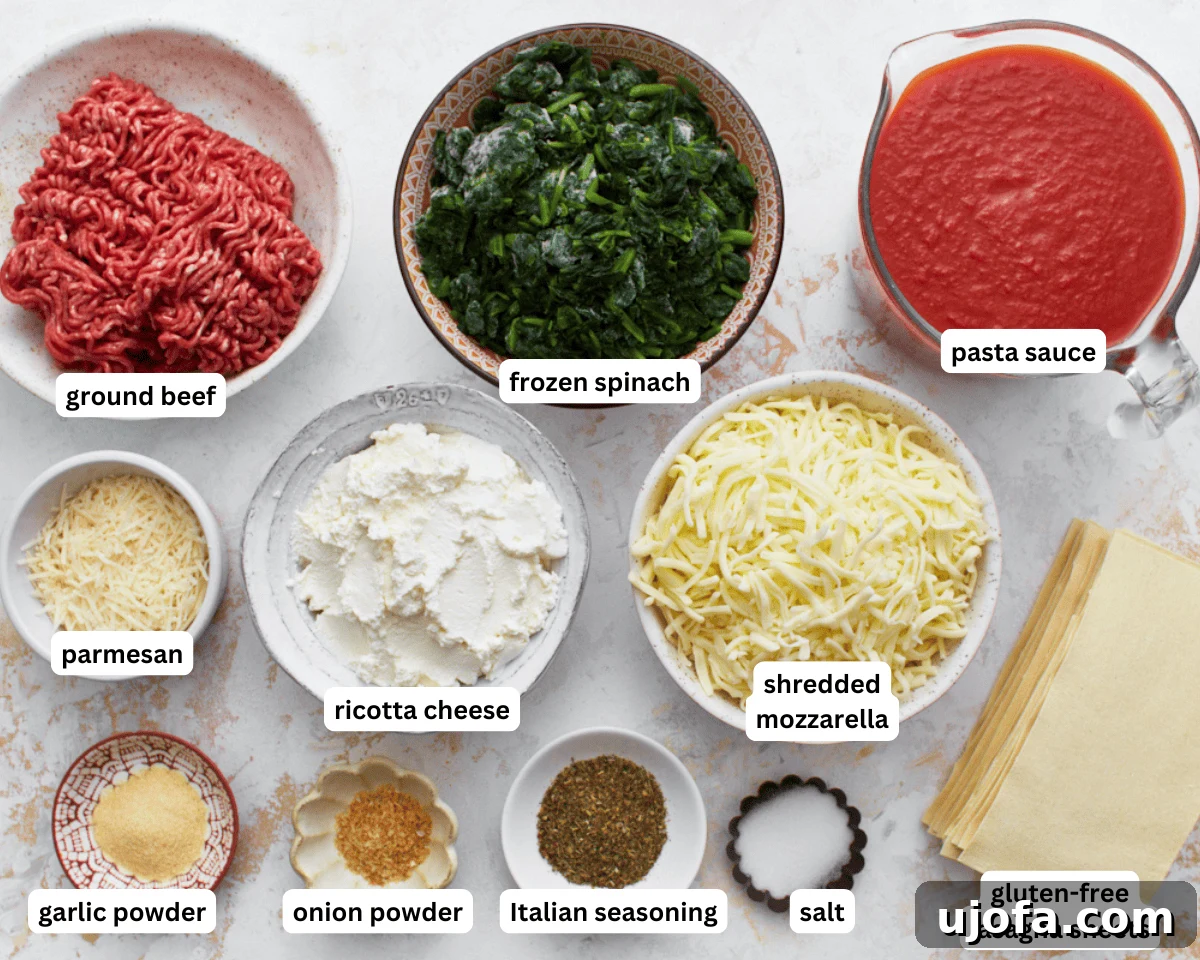
Ingredients
- 1 lb lean ground beef, I prefer lean ground beef, but feel free to substitute with ground turkey, ground sausage, or ground pork for varied flavor profiles.
- 1 teaspoon salt
- 1 tablespoon onion powder
- 1 tablespoon garlic powder
- 2 tablespoons Italian Seasoning, or use the homemade blend recipe in the notes below.
- 48 oz gluten-free pasta sauce, approximately two 24-ounce jars. Prego Traditional sauce is a reliably gluten-free option.
- 12 oz frozen chopped spinach, one 12-ounce bag. Ensure it’s thawed and thoroughly drained to prevent a watery lasagna.
- 15 oz ricotta cheese, one 15-ounce container. For a delicious dairy-free alternative, use a 10-ounce container of gluten-free roasted garlic hummus.
- 1 cup Parmesan cheese, omit or substitute with a high-quality vegan Parmesan for dairy-free diets.
- 16 oz shredded mozzarella cheese, one 16-ounce bag. For dairy-free, Violife dairy-free Just Like Mozzarella Shreds are an excellent choice for melting and flavor.
- 1 box Barilla Gluten Free Oven-Ready Lasagna, This recipe has been thoroughly tested and optimized using Barilla gluten-free oven-ready lasagna noodles for the best texture and ease of preparation.
Instructions
-
Preheat your oven to 425°F (218°C). Lightly spray a 9-inch x 13-inch baking pan with gluten-free cooking spray to ensure nothing sticks and for easy cleanup.
-
Spray a large skillet with gluten-free cooking spray or a drizzle of olive oil, then heat it over medium-high heat. Add the 1 lb of lean ground beef and sprinkle with 1 teaspoon of salt. Cook the beef, breaking it apart with a spoon, until it begins to brown. Stir in the onion powder, garlic powder, and Italian seasoning until all spices are fully combined with the meat. Continue to cook until no pink remains. Carefully drain any excess fat from the skillet using a spoon or by dabbing with paper towels.
-
Pour the 48 oz of gluten-free pasta sauce into the skillet with the cooked meat. Stir everything together to ensure the meat is well coated in sauce. Bring the mixture to a gentle simmer and let it cook for 5 minutes, allowing the flavors to marry and deepen. Remove the skillet from the heat.
-
Prepare the 12 oz of frozen chopped spinach according to its package directions. Once cooked, transfer it to a colander and let it cool slightly. This step is crucial: firmly squeeze out and drain all excess water using your hands or a clean kitchen towel. Thoroughly draining the spinach prevents your lasagna from becoming watery.
-
In a large mixing bowl, combine the thoroughly drained chopped spinach, the 15 oz ricotta cheese (or the roasted garlic hummus if making dairy-free), and the 1 cup Parmesan cheese (or omit/use vegan Parmesan for dairy-free). Mix until all ingredients are fully incorporated and the mixture is smooth and evenly distributed.
-
To begin layering your lasagna, pour 1 cup of the prepared meat sauce onto the bottom of your greased baking dish and spread it evenly as a flavorful base. Next, carefully place four sheets of the Barilla Gluten Free Oven-Ready Lasagna noodles side-by-side over the meat sauce. It’s acceptable if they overlap slightly; this helps create a cohesive layer. Ensure the noodles are adequately covered by sauce.
-
Top the first layer of lasagna sheets with another 1 cup of meat sauce. Evenly spread about 1/4 of the ricotta mixture (or hummus mixture) over the sauce. Finally, generously sprinkle with 1/4 of the shredded mozzarella cheese. This completes your first full layer of deliciousness.
-
Repeat the layering process (noodles, meat sauce, ricotta/hummus mixture, mozzarella cheese) for three more layers, ensuring you use up all the remaining ingredients for each component. For the final top layer, arrange the last set of lasagna sheets, cover them entirely with the remaining meat sauce, and then generously sprinkle the rest of the shredded mozzarella cheese on top for that irresistible bubbly, browned crust.
-
Lightly spray one side of a piece of aluminum foil with gluten-free cooking spray. Cover the baking pan tightly with the greased foil, ensuring the greased side faces down to prevent cheese from sticking. Place the covered lasagna in your preheated oven and bake for 40 minutes. After 40 minutes, carefully remove the foil. If you notice the lasagna noodles puffing up, gently poke a few holes in the top with a knife and lightly flatten with a spatula. Sprinkle more cheese over the top (optional) and bake uncovered for an additional 20 minutes, or until the top is beautifully browned and the sauce is bubbly.
-
Allow the baked lasagna to rest undisturbed for 10-15 minutes before slicing and serving. This crucial resting period allows the layers to set and prevents the lasagna from falling apart, ensuring neat, delicious portions. Enjoy your ultimate gluten-free lasagna!
Notes for Perfect Gluten-Free Lasagna
- Homemade Italian Seasoning: If you don’t have Italian Seasoning on hand, you can easily create your own aromatic blend. Combine 2 teaspoons dried basil, 2 1/2 teaspoons dried oregano, 1/2 teaspoon dried sage, 1/2 teaspoon dried thyme, 1/4 teaspoon dried marjoram, and 1/4 teaspoon dried rosemary. This blend offers a fresh, authentic Italian profile.
- Noodle Hydration is Key: It’s absolutely essential to completely cover the gluten-free pasta sheets with pasta sauce. This ensures they absorb enough moisture during baking to become perfectly tender and prevents them from drying out or becoming crunchy. Be generous with your sauce layers!
- Extra Cheesy Top: For an even more indulgent and golden-brown top layer, feel free to add extra cheese during the last 20 minutes of baking. For a beautiful browned and bubbly finish, you can broil the top for a few minutes, but watch it very closely to prevent burning.
- The Importance of Resting: Do not skip the resting step! Allowing the lasagna to rest for 10-15 minutes after baking is crucial. This helps the layers set, making it significantly easier to cut into neat, delicious portions without them falling apart.
Nutrition Information (Approximate Per Serving)
Calories: 309kcal
Carbohydrates: 10g
Protein: 26g
Fat: 18g
Saturated Fat: 11g
Polyunsaturated Fat: 1g
Monounsaturated Fat: 5g
Trans Fat: 0.1g
Cholesterol: 80mg
Sodium: 951mg
Potassium: 522mg
Fiber: 2g
Sugar: 3g
Vitamin A: 4386IU
Vitamin C: 6mg
Calcium: 448mg
Iron: 3mg
Nutrition information is automatically calculated and provided for estimation purposes only. It may vary based on specific brands and ingredients used.
Additional Information
Dinner
Tried this recipe? Mention @mamaknowsglutenfree or tag #mamaknowsglutenfree!
How to Make Gluten-Free Lasagna: A Detailed Step-By-Step Guide
Creating this delicious gluten-free lasagna is a straightforward process, even for beginner cooks. Following these detailed steps will help you achieve perfect layers and incredible flavor every time, making your homemade gluten-free lasagna a guaranteed hit.
1. Prepare Your Workspace: Begin by preheating your oven to 425°F (218°C). Take your 9×13-inch baking dish and lightly grease it with gluten-free cooking spray. As an alternative, spreading a thin layer of marinara sauce on the bottom prevents sticking and adds a delicious foundational layer of flavor.
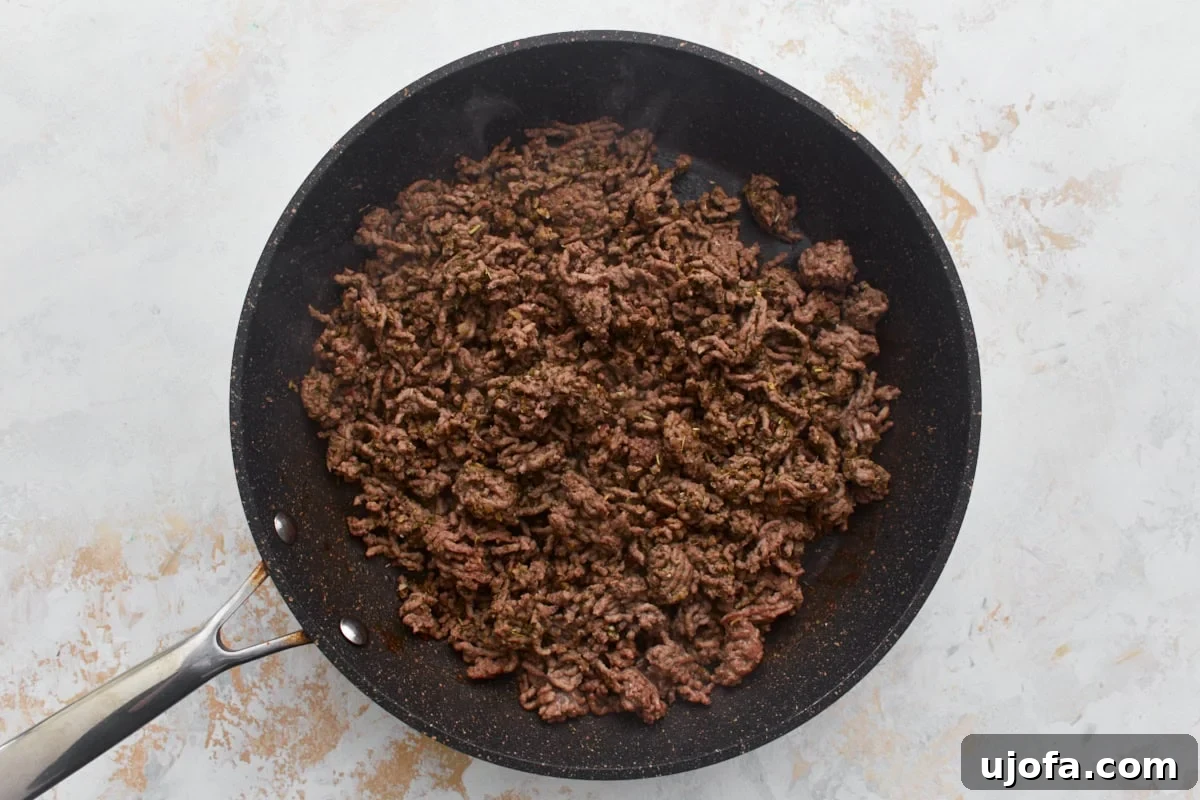
2. Cook the Meat Sauce Base: In a large skillet, spray a generous amount of cooking oil or use a tablespoon of olive oil. Heat the skillet over medium-high heat. Add 1 lb of lean ground beef, breaking it apart with a spoon as it cooks. Season with 1 teaspoon of salt. Once the beef starts to brown, sprinkle in 1 tablespoon of onion powder, 1 tablespoon of garlic powder, and 2 tablespoons of Italian seasoning. Stir thoroughly to combine all the spices with the meat. Continue cooking until the beef is fully browned and no pink remains. Use paper towels to carefully soak up and remove any excess fat from the pan, ensuring a less greasy, yet robust, sauce.
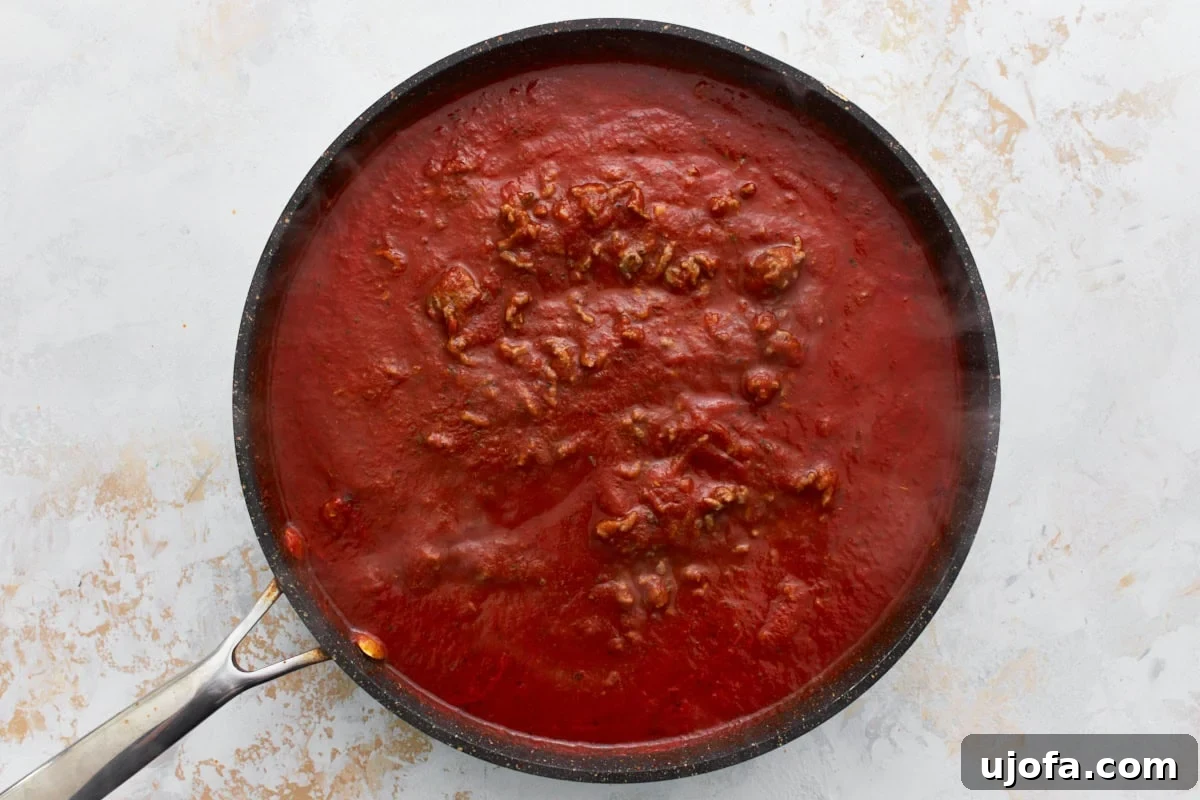
3. Simmer the Meat Sauce: Pour 48 oz (two 24-ounce jars) of your favorite gluten-free pasta sauce into the skillet with the cooked beef. Stir well to integrate the meat and sauce completely. Bring the mixture to a gentle simmer and let it cook for about 5 minutes. This allows the flavors to deepen and meld beautifully, creating a rich sauce that is essential for a delicious lasagna. After simmering, remove the skillet from the heat.
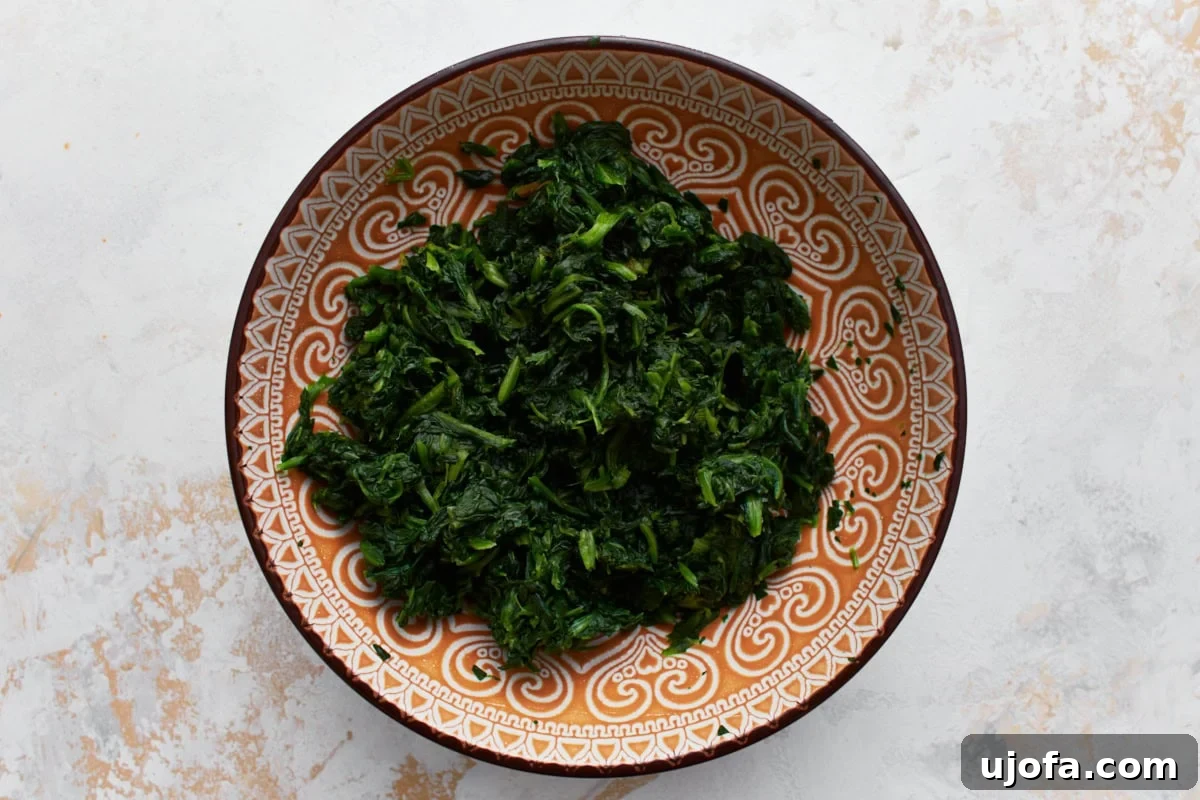
4. Prepare the Spinach: Cook one 12 oz bag of frozen chopped spinach according to the package instructions. Once cooked, transfer the spinach to a colander and allow it to cool slightly. This is a critical step for preventing excess moisture: firmly squeeze out as much excess water as possible. You can use your hands, a clean kitchen towel, or the back of a spoon against the colander. Removing this water prevents your lasagna from becoming soggy.
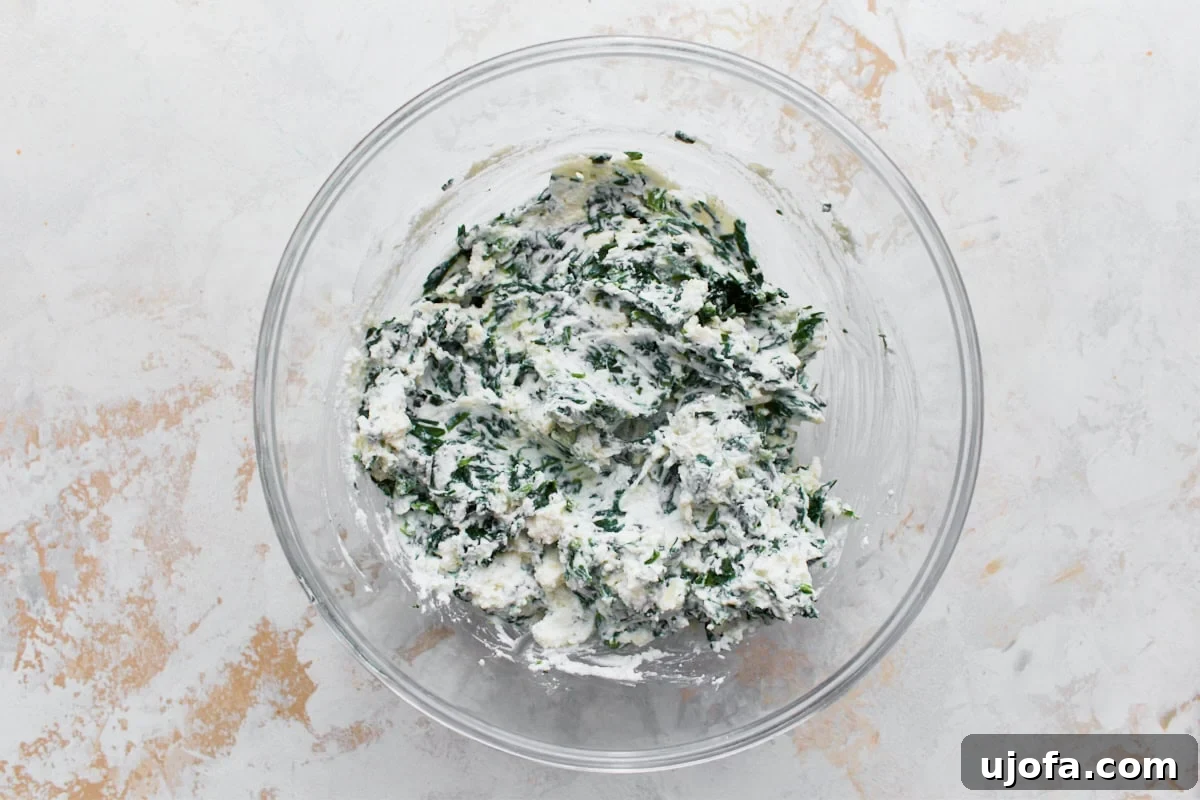
5. Create the Ricotta Mixture: In a large mixing bowl, combine the thoroughly drained chopped spinach, one 15 oz container of ricotta cheese, and 1 cup of Parmesan cheese. Mix all ingredients until they are fully combined and the mixture is smooth and evenly distributed. If you’re making this dairy-free, substitute the ricotta with a 10-ounce container of gluten-free roasted garlic hummus and either omit the Parmesan or use a high-quality vegan Parmesan alternative. This creamy layer adds significant flavor and moisture.
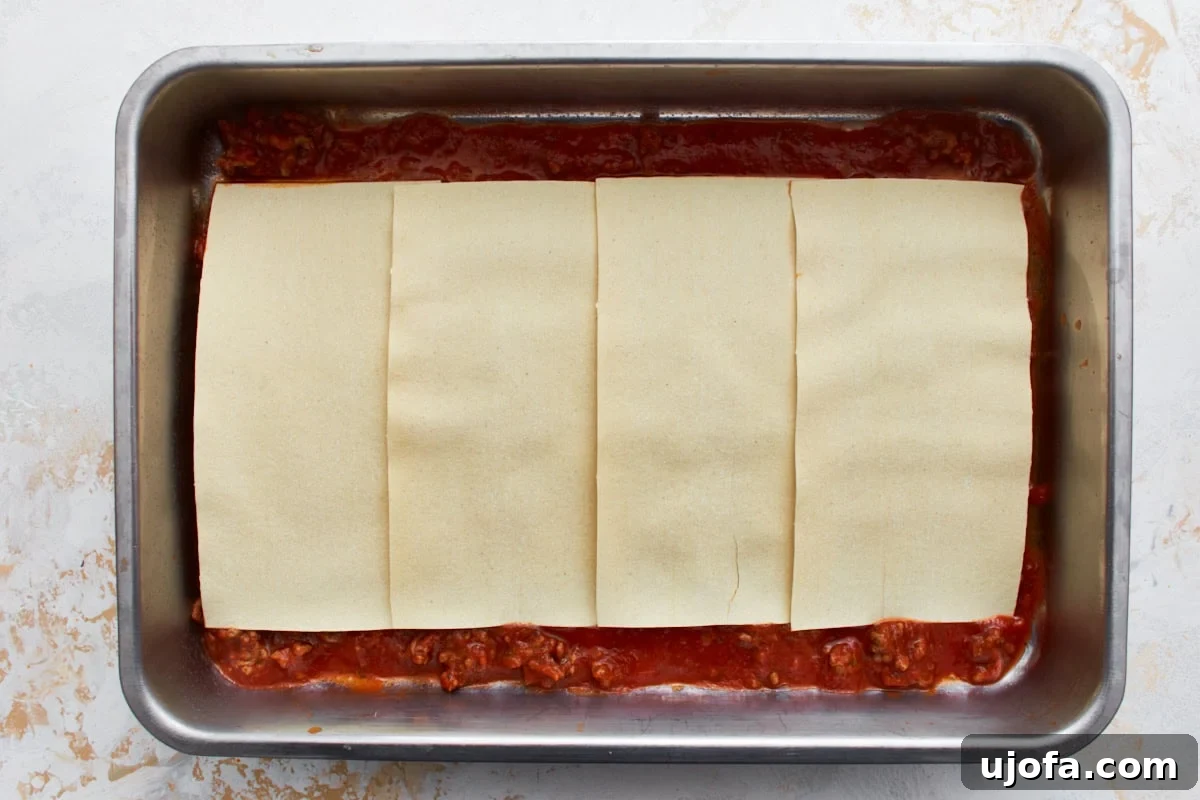
6. Begin Layering Your Lasagna: Pour 1 cup of the prepared meat sauce onto the bottom of your greased 9×13-inch baking dish. Spread it evenly to create a solid, flavorful base. Next, carefully place four sheets of Barilla Gluten Free Oven-Ready Lasagna noodles side-by-side over the meat sauce. It’s perfectly fine if they overlap slightly; this helps create a cohesive, stable layer. Ensure the noodles are adequately covered by sauce, as this is key for them to cook properly.
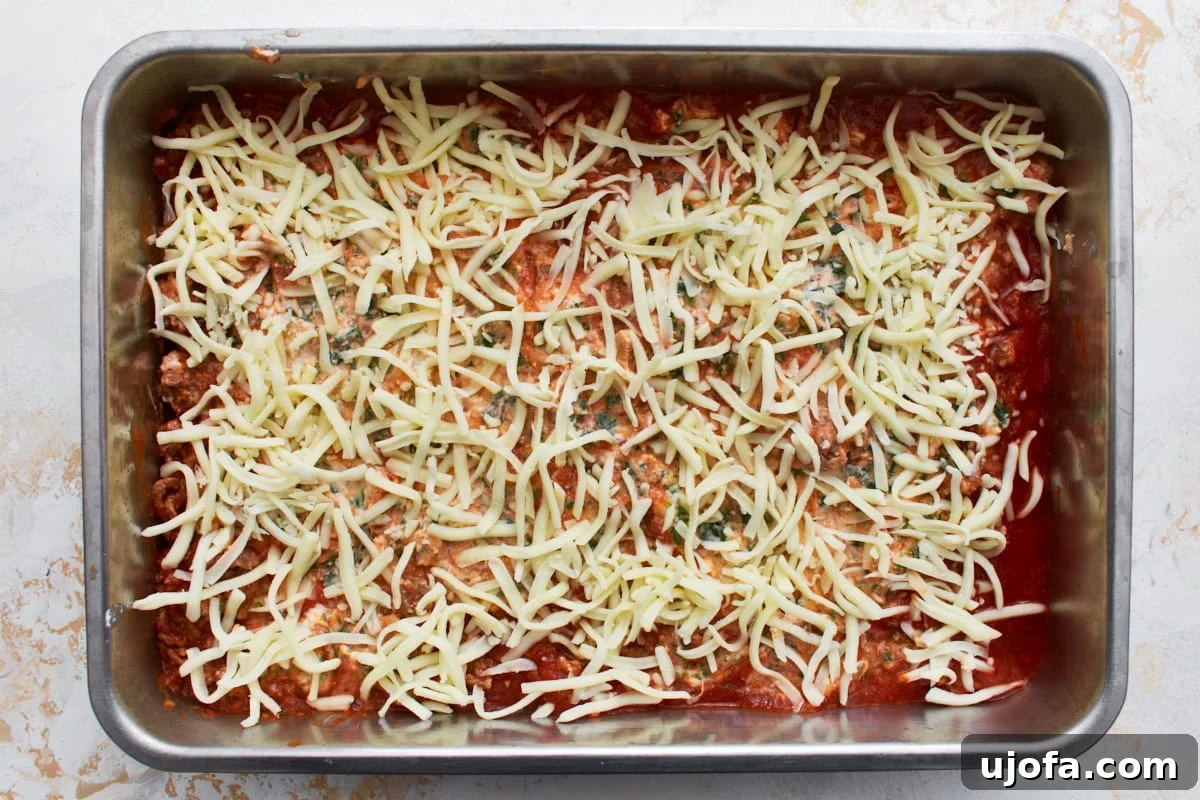
7. Build the First Cheese and Spinach Layer: On top of the lasagna noodle layer, spread another 1 cup of the rich meat sauce. Then, evenly distribute about ¼ of the ricotta spinach mixture (or hummus mixture if dairy-free) over the sauce. Finally, sprinkle ¼ of the shredded mozzarella cheese over the ricotta layer. This completes your first full layer of deliciousness, combining the savory and creamy elements.
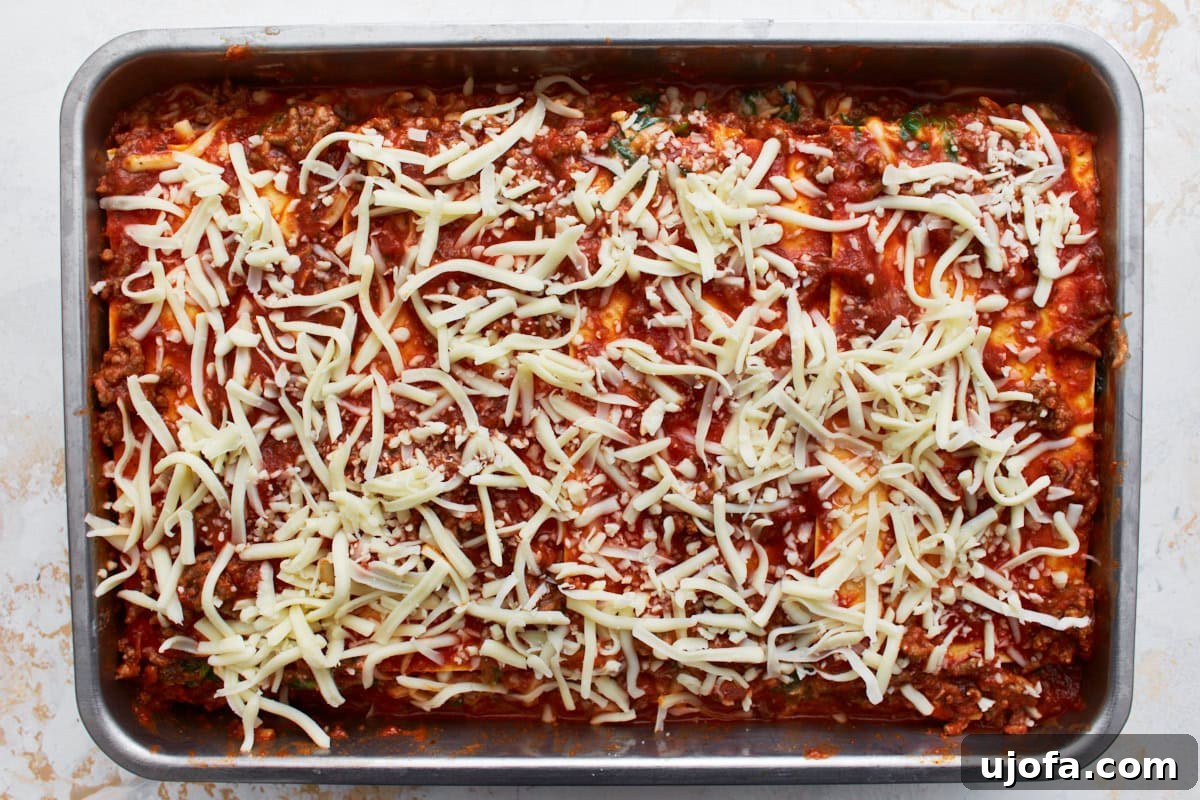
8. Repeat and Finish Layering: Repeat the layering sequence (noodles, meat sauce, ricotta/hummus mixture, mozzarella cheese) for three more layers, ensuring you use up all the remaining ingredients for each component evenly. For the final top layer, arrange the last set of lasagna sheets, cover them entirely with the remaining meat sauce, and then generously sprinkle the rest of the shredded mozzarella cheese on top for that irresistible bubbly, browned crust everyone loves.
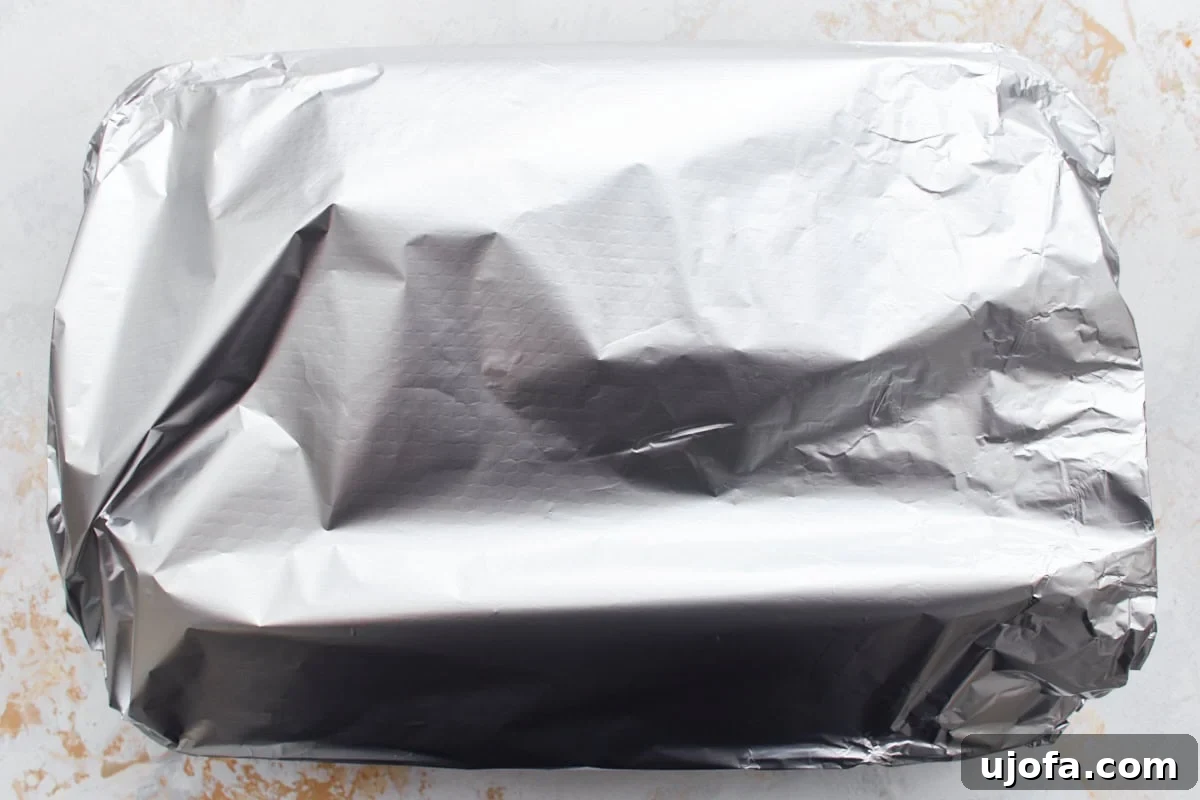
9. Cover and Bake (Initial Phase): Take a piece of aluminum foil large enough to completely cover your baking dish. For best results and to prevent the cheese from sticking, lightly spray one side of the foil with gluten-free cooking oil. Cover the pan tightly with the greased foil, ensuring the greased side faces down. Place the covered lasagna in your preheated oven and bake for 40 minutes. This initial covered bake allows the noodles to cook through and absorb moisture without the top burning.
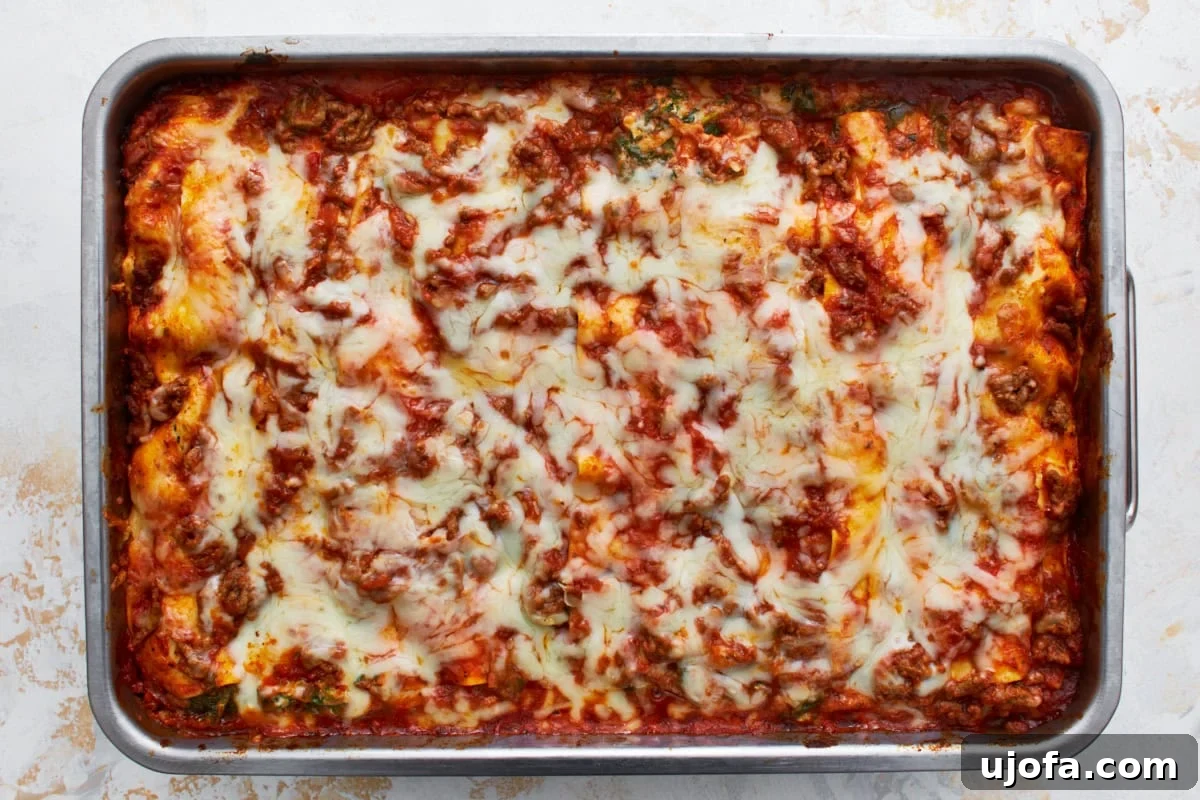
10. Uncover and Finish Baking: After the initial 40 minutes, carefully remove the aluminum foil. Return the uncovered lasagna to the oven and bake for an additional 20 minutes, or until the top is beautifully golden-brown and the sauce is bubbling enticingly around the edges. If you notice any lasagna noodles puffing up significantly during the covered baking phase, gently poke a few holes in the top with a knife and lightly press them down with a spatula before sprinkling with a bit more cheese (optional) and continuing to bake uncovered. This helps ensure uniform cooking and a perfectly flat, enticing top.
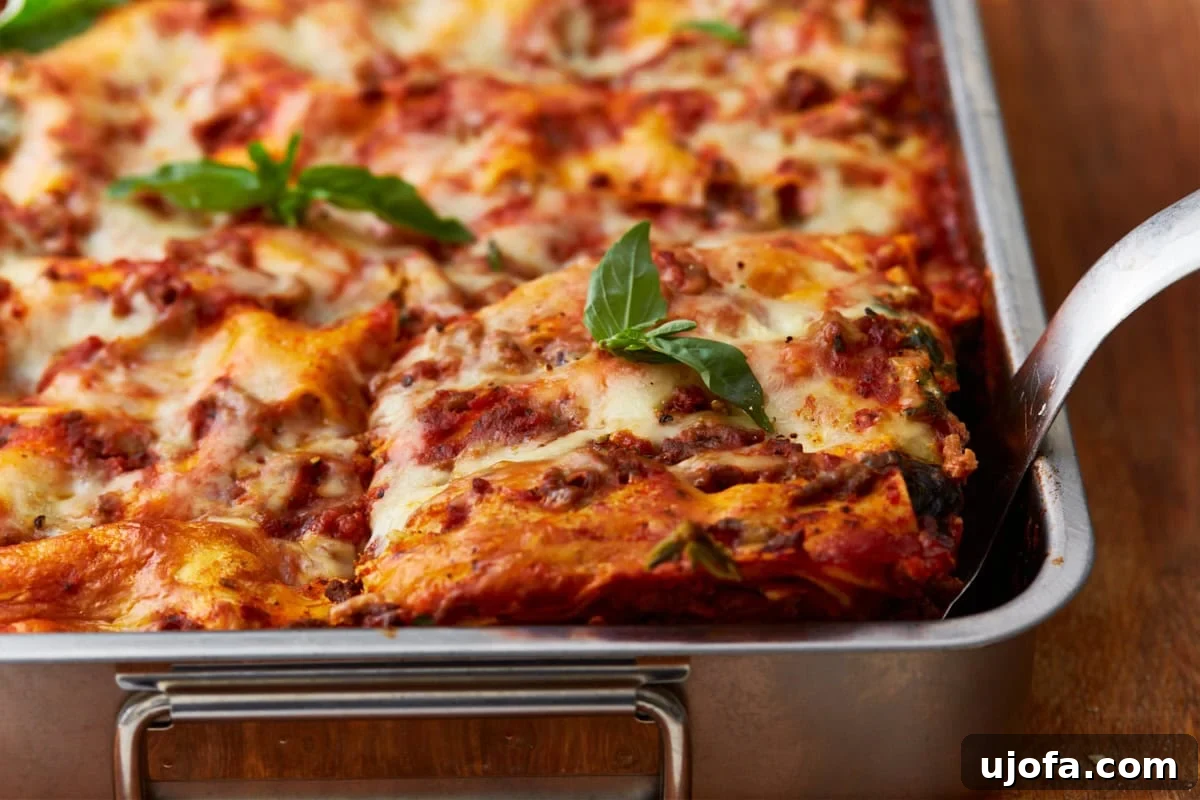
11. Rest and Serve: This final step is crucial for perfect, neatly sliced portions. Once the lasagna is out of the oven, allow it to rest undisturbed on a cooling rack for 10-15 minutes before attempting to cut and serve. This resting period allows the layers to set, the cheese to firm up slightly, and the liquids to redistribute, ensuring that your slices hold their shape beautifully. Garnish with fresh basil or parsley if desired, and then dig in! Enjoy your homemade, comforting gluten-free lasagna – a dish truly worth savoring.
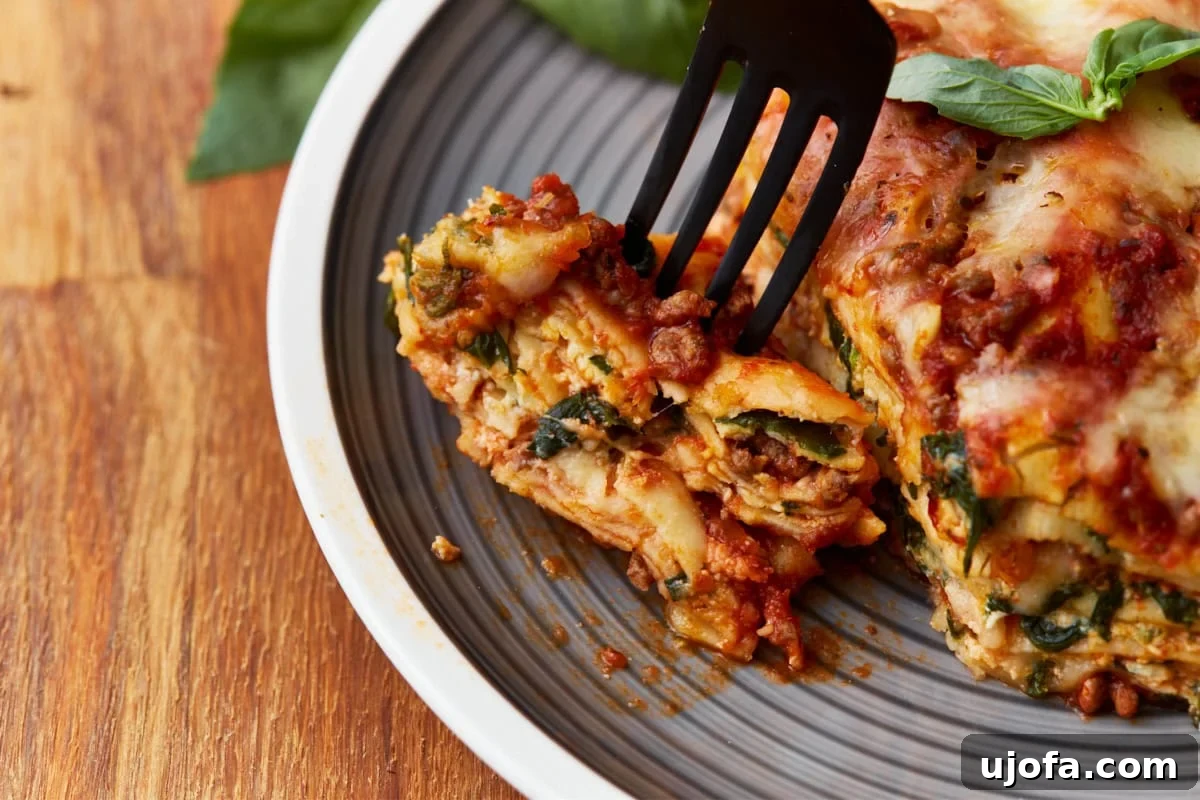
Delicious Serving Suggestions for Your Gluten-Free Lasagna
This hearty gluten-free lasagna is a complete meal on its own, but pairing it with a few complementary side dishes can elevate your dining experience even further. Here are some fantastic serving suggestions that balance and enhance its rich flavors:
- Fresh Garden Salad: A crisp, refreshing green salad with a light vinaigrette is the perfect counterpoint to the rich, savory lasagna. It adds freshness, a welcome crunch, and a touch of acidity that brightens the entire meal. Consider adding cherry tomatoes, cucumber, thinly sliced red onion, and a sprinkle of gluten-free croutons for extra texture.
- Garlic Bread or Focaccia: For those who simply can’t resist soaking up every last drop of that delicious meat sauce, a side of warm, crusty gluten-free focaccia or garlic bread is an absolute must. The soft, chewy texture and aromatic garlic perfectly complement the robust flavors of the lasagna.
- Steamed or Roasted Vegetables: Simple steamed vegetables like tender asparagus, vibrant broccoli florets, or crisp green beans add a healthy, colorful element to the plate. A light seasoning of salt, freshly ground black pepper, and a squeeze of fresh lemon juice is often all they need. For a more robust flavor, roasted bell peppers, zucchini, or cherry tomatoes can add a sweet and smoky depth that pairs wonderfully with Italian dishes.
- Crusty Gluten-Free Bread: Any crusty gluten-free bread, served with a good quality extra virgin olive oil for dipping, is always a welcome addition to an Italian-inspired meal, providing a delightful textural contrast.
Don’t forget to garnish your individual servings of lasagna with a sprinkle of freshly grated Parmesan cheese and a few fresh basil leaves for an authentic touch and added aroma. My family particularly loves how the gluten-free focaccia allows them to savor every last bit of the exquisite sauce, making the meal truly complete and satisfying.
Storage, Freezing, and Reheating Instructions for Gluten-Free Lasagna
One of the many benefits of homemade lasagna, especially this gluten-free version, is how exceptionally well it stores. It’s an excellent make-ahead meal that often tastes even better the next day as the flavors continue to meld and develop!
Storing Leftovers
Once your gluten-free lasagna has cooled completely to room temperature, transfer any leftovers to an airtight container. It will keep beautifully in the refrigerator for 3-4 days. For maximum convenience, consider cutting the lasagna into individual portions before storing; this makes it incredibly easy to grab and reheat single servings whenever you crave them.
Make-Ahead Instructions for a Stress-Free Meal
Preparing this lasagna in advance is a fantastic way to save time on busy days or for entertaining. Assemble the lasagna completely according to the recipe directions, right up to the point of baking. Once assembled, cover the baking dish tightly with aluminum foil (remember to spray the underside of the foil with gluten-free cooking spray to prevent cheese from sticking). Refrigerate the uncooked lasagna for up to 24 hours. When you’re ready to bake, place the refrigerated lasagna directly into a preheated oven (following the recipe’s temperature of 425°F/218°C). You’ll likely need to bake it covered for about 50 minutes (an extra 10 minutes compared to fresh), then remove the foil and bake for an additional 20 minutes, or until it’s piping hot, bubbly, and browned to your liking. Always remember the crucial step of allowing it to rest for 15-20 minutes after baking before serving to ensure perfect, intact slices.
Freezing Gluten-Free Lasagna
Lasagna is truly a freezer champion, making it ideal for meal prep and future quick dinners! For the best results when freezing:
- Cool Completely: Whether you’ve baked the lasagna or are freezing it unbaked, ensure it is completely cooled to room temperature before placing it in the freezer. This prevents the formation of ice crystals and maintains optimal texture.
- Portioning: You can freeze the entire lasagna in its original baking dish (if it’s freezer-safe and oven-safe), or for greater convenience, cut it into individual portions before freezing. Freezing individual slices makes reheating much quicker and prevents waste.
- Packaging: For whole lasagnas, wrap the baking dish tightly in two layers of plastic wrap, followed by a layer of heavy-duty aluminum foil. This double-layer protection prevents freezer burn. For individual portions, place slices in plastic freezer bags or freezer-safe containers, removing as much air as possible before sealing.
- Shelf Life: Properly packaged frozen gluten-free lasagna can be stored for up to 3 months for optimal taste and texture.
Reheating Frozen Lasagna for Enjoyment
Reheating your frozen gluten-free lasagna properly ensures it tastes just as good as when it was first made:
- From Frozen (Oven): If reheating a whole frozen lasagna, preheat your oven to 350°F (175°C). Keep the lasagna covered with foil (you might need to use fresh foil if your freezer wrap isn’t oven-safe) and bake for approximately 60-90 minutes, or until it’s heated through to the center and bubbly. For individual slices, the baking time will be less, typically around 30-45 minutes. For a crispier, browner top, remove the foil for the last 10-15 minutes of baking.
- From Frozen (Microwave – for individual portions): For quick reheating of individual slices, it’s best to allow the lasagna to defrost in the refrigerator overnight first. Once thawed, place a slice on a microwave-safe plate, cover it loosely, and microwave for 3-5 minutes, or until thoroughly hot. You may want to add a splash of water or extra sauce to prevent drying out during microwaving.
- Thawed (Oven): If you thawed the lasagna in the refrigerator overnight, you can reheat it in a 375°F (190°C) oven. Cover it with foil and bake for about 30 minutes, then uncover and bake for an additional 10-15 minutes, or until it’s bubbly, hot, and delicious.
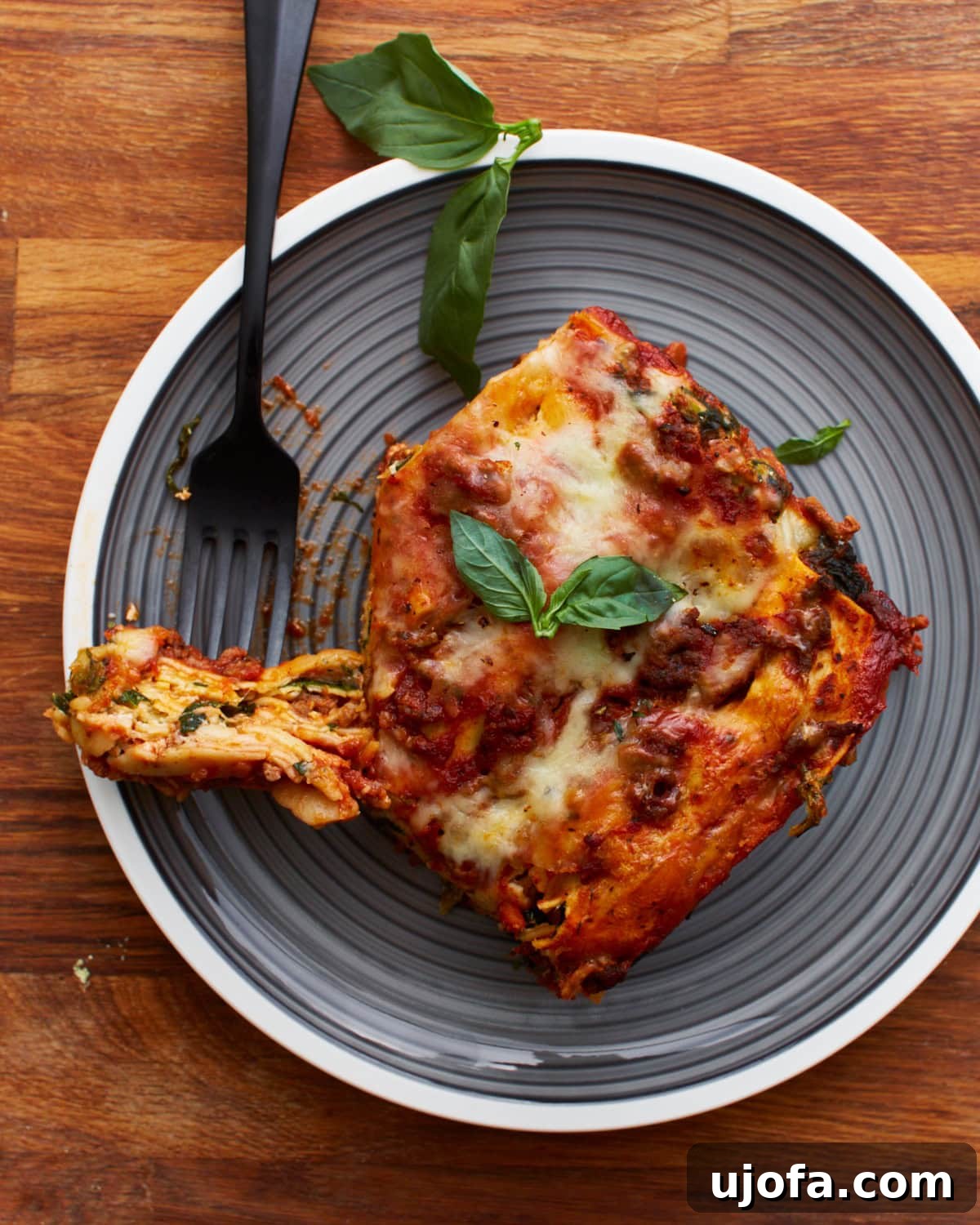
Dairy-Free Gluten-Free Lasagna: Making it Work for Everyone
One of the fantastic aspects of this gluten-free lasagna recipe is its incredible adaptability for those with dairy sensitivities, allergies, or simply a preference for plant-based options. Creating a dairy-free version that still retains its creamy, rich texture and delightful flavor is simpler than you might think, thanks to a few smart substitutions. Here’s how to make those seamless swaps to ensure everyone at your table can enjoy this comforting dish:
- Ricotta Alternative: The standout substitution for traditional ricotta cheese is a good quality gluten-free roasted garlic hummus. Not only does it provide a remarkably similar creamy texture and rich mouthfeel, but the natural garlic infusion in the hummus adds a wonderful depth of flavor that beautifully complements the Italian seasoning in the meat sauce. When selecting hummus, always ensure you choose a brand that is certified gluten-free to avoid any cross-contamination.
- Parmesan Cheese Alternative: For Parmesan, you have a couple of excellent options. You can simply omit it, as the other cheeses and flavors in the lasagna are robust enough to carry the dish without it. Alternatively, the market now offers many excellent vegan Parmesan cheeses. Look for finely grated versions that sprinkle easily and provide a savory, salty kick, or those designed to melt into sauces.
- Mozzarella Cheese Alternative: Achieving that classic gooey, stretchy mozzarella texture in a dairy-free lasagna is crucial for an authentic experience. I highly recommend Violife dairy-free Just Like Mozzarella Shreds. In my testing, they consistently melt incredibly well and have a very neutral flavor that doesn’t overpower the other components of the lasagna, mimicking traditional mozzarella beautifully. Other brands like Daiya or Miyoko’s Kitchen also offer great dairy-free mozzarella options, but Violife has proven to deliver the best results for both melt and taste in this particular recipe.
When making these dairy-free substitutions, simply follow the recipe instructions exactly, swapping the dairy ingredients for their plant-based counterparts at each step. You’ll be amazed at how rich, satisfying, and utterly delicious your dairy-free gluten-free lasagna turns out, proving that dietary restrictions don’t have to limit your culinary enjoyment!
Frequently Asked Questions About Gluten-Free Lasagna
To help you perfect your gluten-free lasagna, here are answers to some common questions:
- What are the best gluten-free lasagna noodles to use?
- This recipe specifically calls for Barilla Gluten Free Oven-Ready Lasagna noodles. They are fantastic because they don’t require any pre-boiling, saving you a significant amount of time and effort during preparation. I’ve found them to be the most reliable for achieving tender, perfectly cooked layers without becoming mushy or crunchy. If you decide to use another brand, always check if they are also oven-ready or if their package instructions recommend pre-boiling.
- Can I make this lasagna vegetarian or vegan?
- Absolutely! To make this gluten-free lasagna vegetarian, simply omit the ground beef. You can replace it with an equal amount of cooked lentils, sautéed mushrooms, a quality plant-based ground meat substitute, or a hearty combination of finely diced vegetables like zucchini, bell peppers, and carrots. Ensure your pasta sauce is also vegetarian. For a vegan version, follow the vegetarian adaptations and also incorporate the dairy-free cheese and ricotta (hummus) substitutions mentioned in the “Dairy-Free Gluten-Free Lasagna Tips” section.
- Why is my gluten-free lasagna watery?
- A watery lasagna is a common concern and is usually due to excess moisture. The most common culprits are: 1) not draining the cooked spinach thoroughly enough (this is critical!); 2) using a pasta sauce that is too thin; or 3) not allowing the lasagna to rest adequately after baking. Ensure you squeeze all excess water from the spinach and use a thick, good-quality pasta sauce. The resting period is crucial for the liquids to reabsorb and for the lasagna layers to properly set.
- Can I add other vegetables to the lasagna?
- Yes, feel free to get creative and customize your lasagna with other vegetables! Sautéed bell peppers, onions, zucchini, or even finely chopped carrots can be added to the meat sauce for extra flavor, nutrients, and texture. Just ensure they are cooked until tender before adding them to the sauce so they don’t release too much moisture during the lasagna’s baking process.
- How do I prevent the gluten-free noodles from being crunchy?
- The key to tender, perfectly cooked gluten-free noodles is ensuring they are completely covered by sauce during both the assembly and baking stages. The Barilla oven-ready noodles are specifically designed to absorb moisture from the sauce to cook. If any part of a noodle is exposed to the air during baking, it will likely dry out and become unpleasantly crunchy. Be generous with your sauce layers and ensure that the top layer of noodles is fully submerged in sauce before adding the final cheese.
More Delicious Gluten-Free Dinner Recipes to Explore
If you loved this hearty gluten-free lasagna, you’ll be thrilled to discover how many other classic and comforting dishes can be made perfectly gluten-free. Embracing a gluten-free diet doesn’t have to be restrictive or compromise on the delicious flavors you expect from your favorite meals. Here are some more of our top-rated dinner recipes that prove gluten-free cooking can be both easy and incredibly satisfying:
- Gluten-Free Meatballs: Perfect for pairing with gluten-free pasta, serving as a delicious appetizer, or adding to a sub sandwich.
- Gluten-Free Southern Fried Chicken: Experience the joy of crispy, juicy, and utterly irresistible fried chicken, made perfectly gluten-free.
- Gluten-Free Meatloaf: A timeless American comfort food classic, now safely and deliciously made for gluten-free diets.
- Gluten-Free Chicken Parmesan: A cheesy, saucy Italian favorite that’s surprisingly easy to make and bursting with flavor.
- Gluten-Free Empanadas: Explore flavorful handheld pies with a delightful gluten-free crust, perfect for a unique dinner or a savory snack.
These recipes offer a fantastic variety, ranging from hearty main courses to delightful international flavors, all meticulously crafted to be safely gluten-free without sacrificing the delicious taste and comforting textures you expect from home cooking. Dive in and expand your gluten-free culinary horizons!