
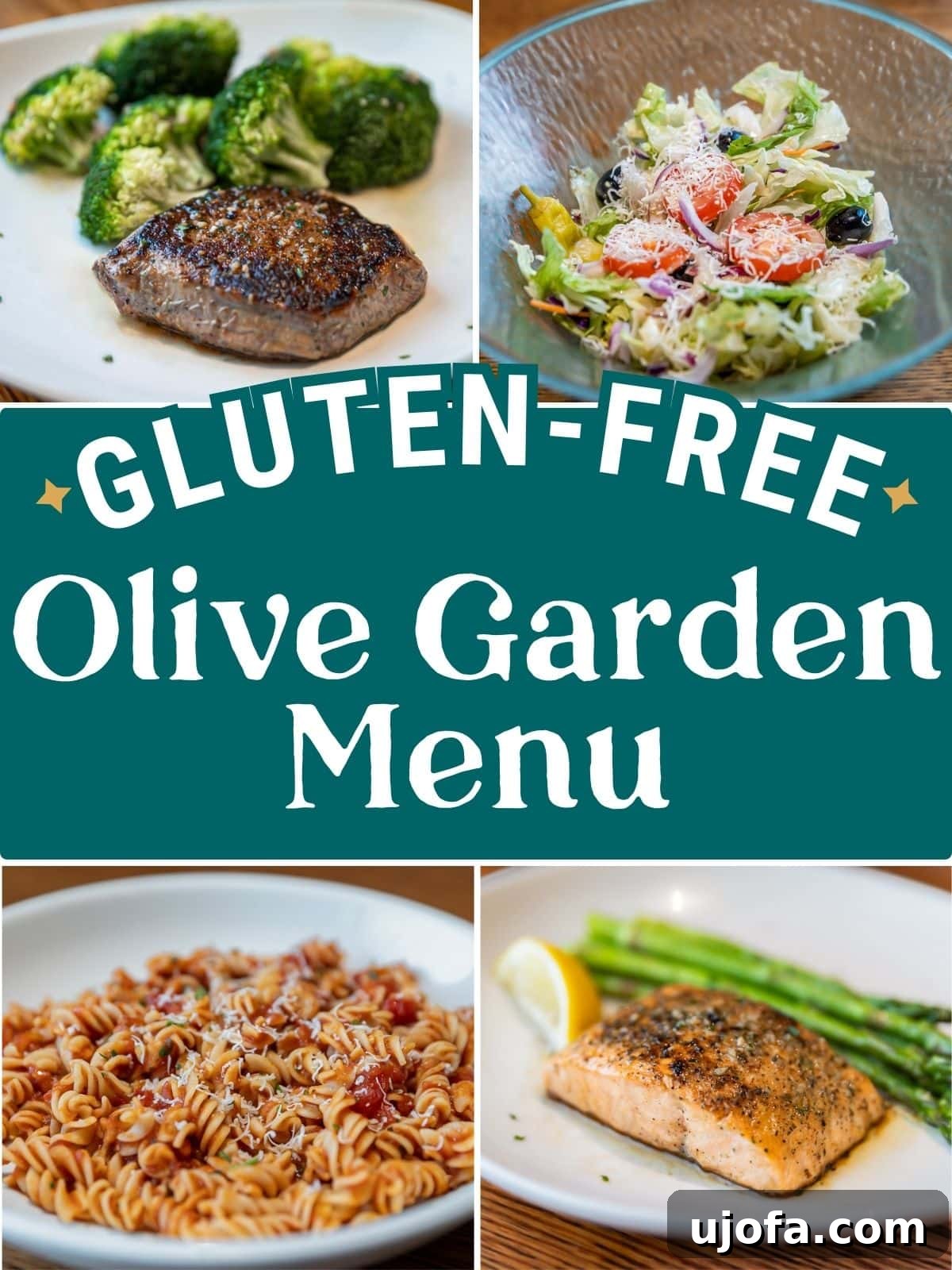
For those navigating a gluten-sensitive diet, dining out can often present a challenge. Yet, the craving for a comforting, flavorful Italian meal remains undeniable. Fortunately, Olive Garden stands out as a restaurant that actively caters to these dietary needs, offering a dedicated gluten-sensitive menu designed to help you enjoy their beloved Italian-American classics without compromise. They provide extensive resources, including a user-friendly gluten-sensitive menu on their website, transparent details on their cross-contamination prevention practices, and a comprehensive Allergen Guide. These tools empower you to make informed and confident food choices, ensuring your dining experience is both enjoyable and worry-free.
One of the most commendable aspects of Olive Garden’s approach to dietary restrictions is their unwavering transparency regarding gluten labeling. Unlike many establishments that might broadly label items as “gluten-free,” Olive Garden clearly distinguishes between “gluten-free” and “gluten-sensitive.” This distinction is critical: the restaurant openly states that it has not conducted the rigorous chemical analyses required to meet the Food and Drug Administration’s (FDA) strict “gluten-free” standard, which mandates less than 20 parts per million (ppm) of gluten. Consequently, their menu items are thoughtfully labeled “gluten-sensitive” rather than “gluten-free,” a practice that demonstrates integrity and respect for diners with varying levels of gluten sensitivity.
It’s vital to acknowledge that, like many restaurants operating non-dedicated kitchens, Olive Garden’s culinary environment inherently carries a risk of gluten cross-contamination. This can occur through shared workstations, cooking utensils, preparation methods, or even accidental exposure during the bustling service hours. While Olive Garden implements various measures to minimize these risks, a complete guarantee against cross-contact is challenging in a shared facility. Therefore, if you have celiac disease, a severe gluten allergy, or any other health condition that necessitates a strictly gluten-free diet, it is always advisable to exercise the utmost caution and communicate your needs clearly when dining at Olive Garden. Understanding these nuances will help you navigate the menu safely and enjoy your meal with greater peace of mind.
Dive into our comprehensive guide below to uncover the best gluten-sensitive dining options and essential tips for a pleasant experience at Olive Garden!
Exploring Olive Garden’s Gluten-Sensitive Menu: Top Picks
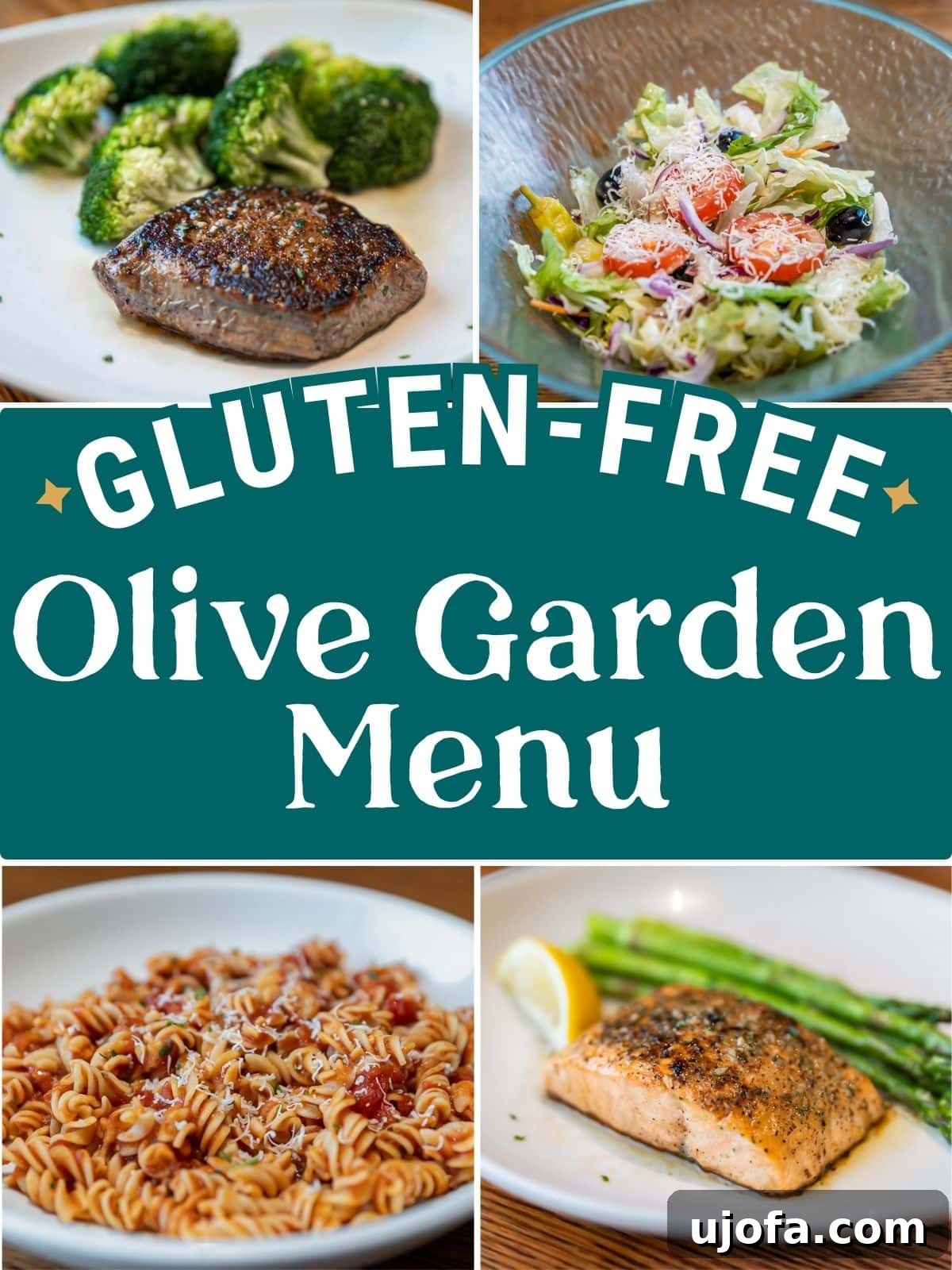
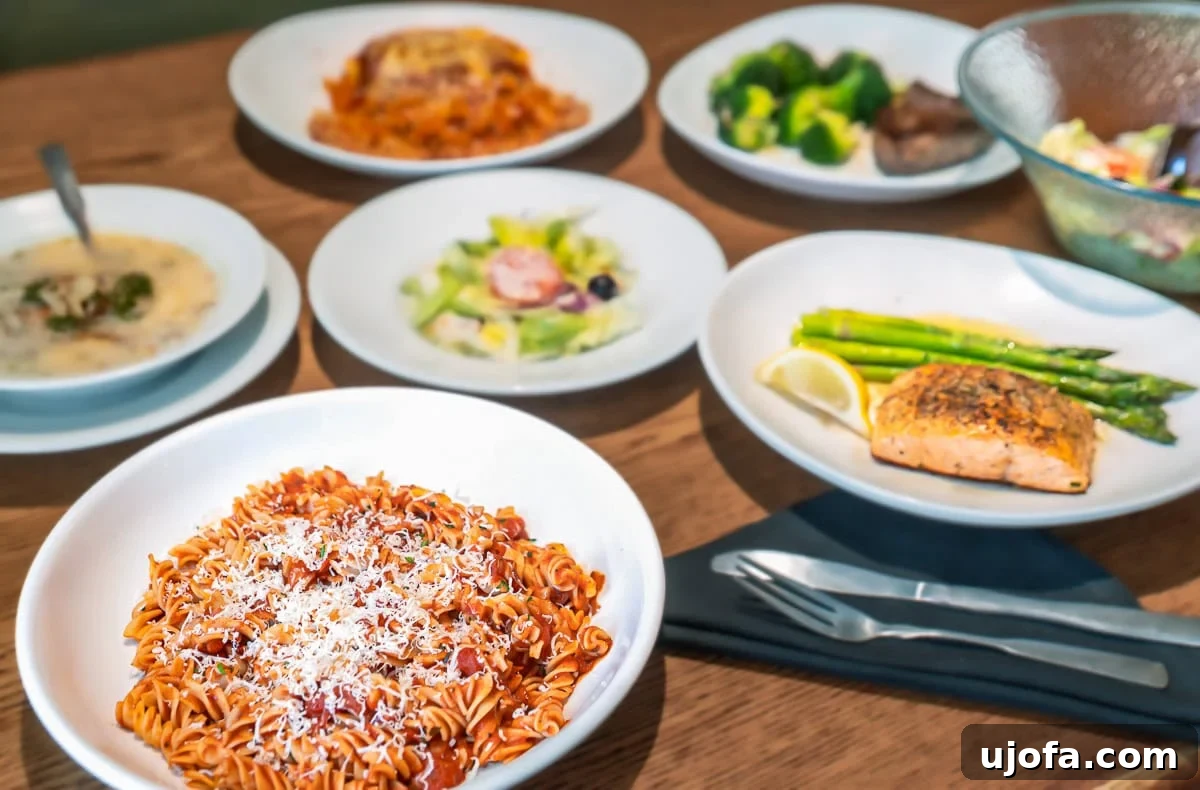
Olive Garden’s commitment to accommodating gluten-sensitive guests is evident in their extensive and clearly marked menu. You can easily access the full list of gluten-sensitive menu items directly on the Olive Garden website. To help you navigate, here are some of our top recommendations, perfect for a delicious and worry-free dining experience:
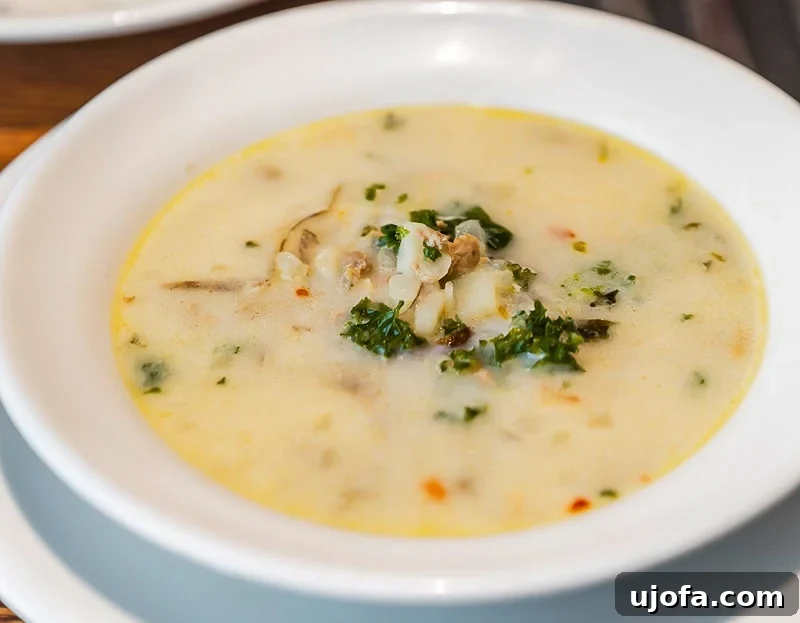
- Zuppa Toscana: A hearty and flavorful soup made with Italian sausage, kale, and potatoes in a creamy broth. A fantastic starter that is naturally gluten-sensitive.
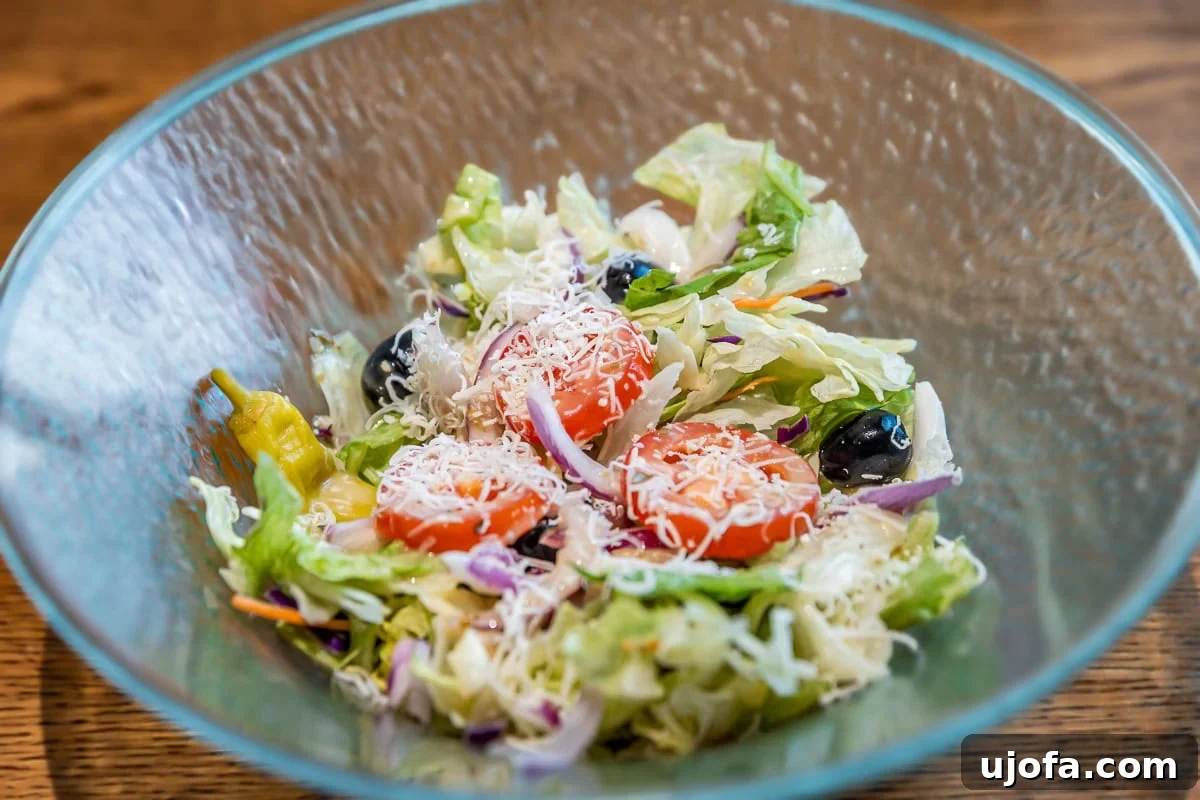
- Famous House Salad, without croutons: Olive Garden’s iconic salad, a crisp blend of mixed greens, tomatoes, black olives, red onion, and pepperoncini. Simply request it without the croutons to make it gluten-sensitive.
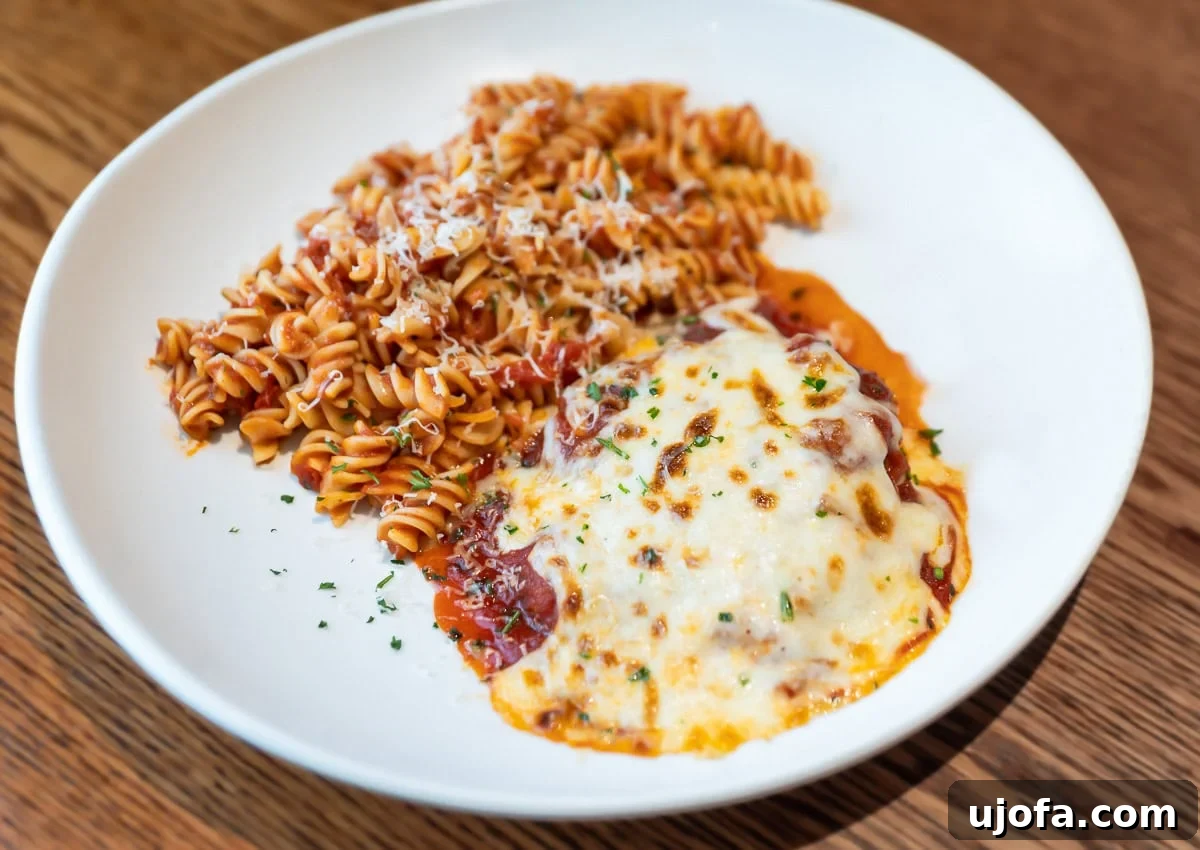
- Grilled Chicken Parmigiana: A tender, grilled chicken breast topped with marinara sauce and melted mozzarella cheese, served with gluten-sensitive rotini pasta. A classic made accessible.
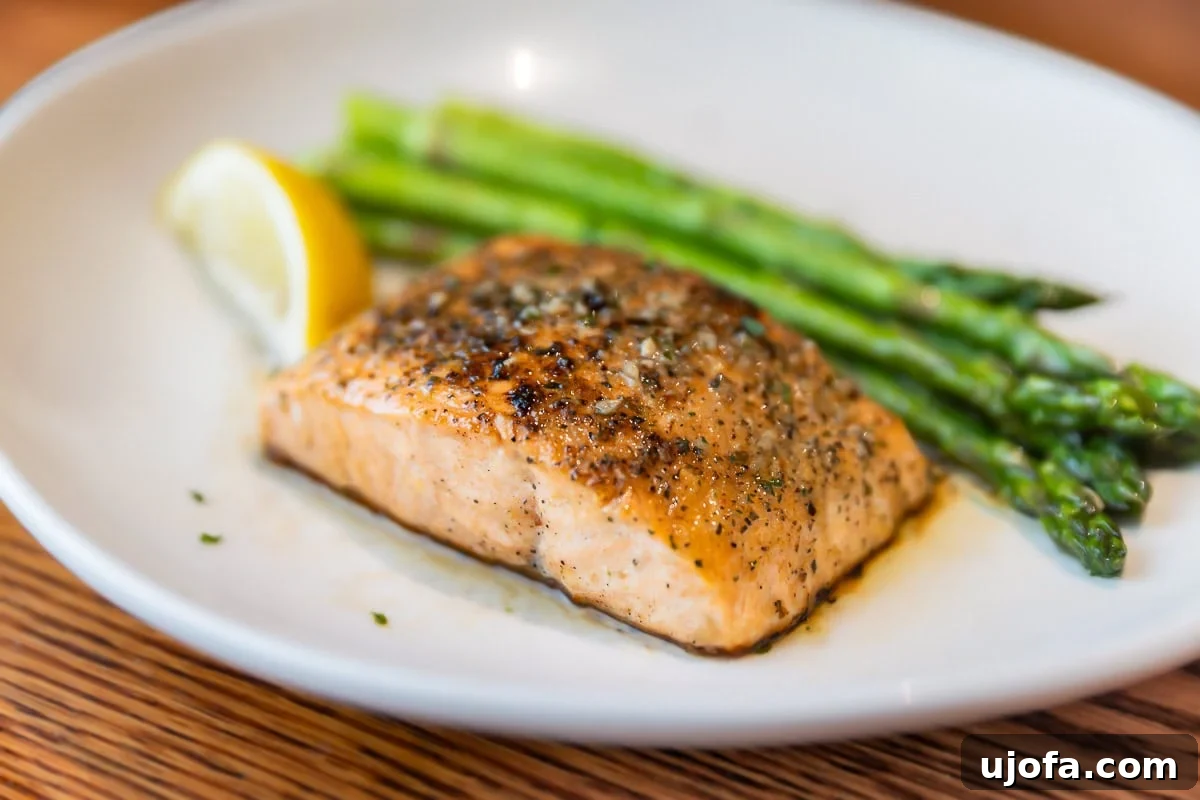
- Herb Grilled Salmon: A perfectly seasoned and grilled salmon fillet, offering a lighter yet incredibly satisfying option. This dish is rich in flavor and naturally gluten-sensitive.
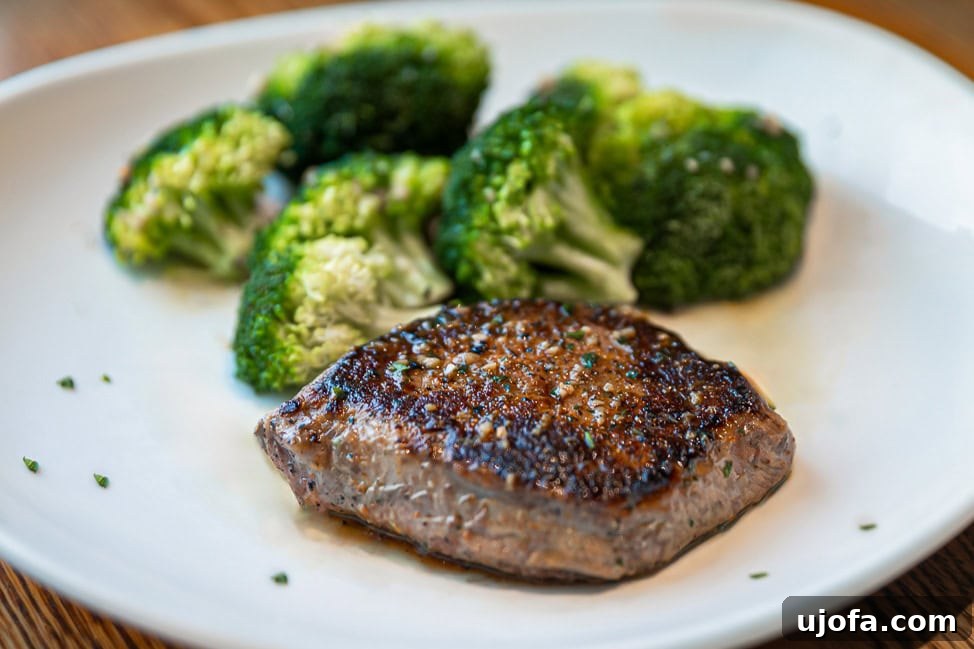
- 6 oz Sirloin: A savory sirloin steak, grilled to your preference. A protein-packed choice that can be paired with appropriate gluten-sensitive sides.
- Rotini Pasta with Marinara: The dedicated gluten-sensitive rotini pasta, served with Olive Garden’s classic marinara sauce. A simple, comforting, and reliable choice.
- Rotini Pasta with Meat Sauce: For those who prefer a richer flavor, the gluten-sensitive rotini pasta can also be paired with Olive Garden’s savory meat sauce.
- Grilled Chicken with Rotini Pasta with Marinara (Kids): A fantastic option for younger diners, featuring grilled chicken and gluten-sensitive rotini pasta with marinara sauce, ensuring kids can enjoy a safe meal.
- Rotini with Marinara (Kids): A straightforward and kid-friendly serving of gluten-sensitive rotini pasta with marinara sauce.
- Rotini with Meat Sauce (Kids): Another excellent choice for children, offering gluten-sensitive rotini pasta with a delicious meat sauce.
While these items are specifically listed on the Gluten-Sensitive Menu, proactive communication is key. Always inform your server about your gluten-sensitive needs when placing your order. It’s also a good practice to ask the kitchen staff, through your server, to be extra diligent in preventing cross-contamination. For peace of mind, consider calling the restaurant ahead of your visit to confirm their current gluten-sensitive offerings and preparation protocols, especially during peak hours.
Delving into Olive Garden’s Gluten-Sensitive Pasta Options
For pasta lovers adhering to a gluten-sensitive diet, Olive Garden offers a thoughtful solution: their exclusive gluten-free rotini. This pasta is primarily crafted from brown rice flour, providing a delicious and satisfying alternative to traditional wheat-based pastas. Olive Garden has implemented specific protocols to ensure the integrity of their gluten-sensitive pasta, which are crucial for minimizing cross-contamination risks.
According to the Olive Garden website, their gluten-free pasta is handled with care from the start. It is cooked and stored separately from all gluten-containing pastas. This dedicated separation prevents any accidental contact with wheat-based products or even shared pasta water, which can be a common source of cross-contamination in other restaurants. When a customer orders a dish with gluten-free pasta, it is immediately transferred to a clean sauté pan. This step is designed to further isolate it from other ingredients and utensils that might have come into contact with gluten, reinforcing their commitment to a safer dining experience.
If your gluten sensitivity is mild, and you can tolerate a minimal amount of gluten exposure, you might consider inquiring if your server can substitute regular pasta with the gluten-free rotini in other dishes. However, it’s imperative to remember that while the pasta itself is gluten-free, some of the accompanying sauces, seasonings, or other ingredients in certain dishes might still contain gluten. For individuals with celiac disease or those who must strictly avoid gluten for health reasons, the safest and most recommended approach is to always select the dedicated gluten-free rotini options directly from Olive Garden’s official gluten-sensitive menu. These dishes are specifically designed with gluten sensitivity in mind, offering the greatest assurance against unwanted gluten exposure.
Understanding Cross-Contamination Prevention at Olive Garden
Olive Garden acknowledges the importance of minimizing cross-contamination for its gluten-sensitive guests and has implemented specific protocols within their kitchens to enhance safety and ensure a more worry-free dining experience. These measures are designed to reduce the risk of gluten exposure from shared cooking environments.
The first crucial step in this process begins with you, the diner. It is absolutely essential to clearly inform your server about your gluten-sensitive needs when placing your order. This communication triggers a specific alert in their system. When the kitchen staff receives an order flagged for gluten sensitivity, their standard procedure is to change gloves and utilize clean, dedicated utensils for preparing that specific dish. This helps prevent the transfer of gluten particles from hands or tools that may have previously handled gluten-containing ingredients.
Furthermore, Olive Garden takes commendable steps in staff education. Their managers undergo a comprehensive food safety course that includes vital information on food allergies and best practices for safe food handling. This training equips them with foundational knowledge to understand and address dietary concerns effectively. However, despite these diligent efforts, it’s paramount to understand a critical disclaimer: Olive Garden is not an allergen-free facility. This means they cannot definitively guarantee that any food item will be entirely free of contamination. The nature of a busy, shared kitchen, where various ingredients are handled simultaneously, makes a 100% allergen-free environment impractical. Additionally, certain cooking methods pose higher risks for cross-contamination. Items prepared on shared grills, where gluten-containing foods are often cooked alongside others, or in communal fryers, which frequently process breaded items, are particularly susceptible. Guests with severe sensitivities should be especially vigilant when ordering such items and inquire about dedicated cooking surfaces or oil if available.
Navigating the Olive Garden Allergen Guide: Beyond Wheat
Olive Garden’s Allergen Guide is an invaluable resource, providing detailed information based on data from their suppliers regarding the presence of various allergens, including wheat, in their menu items. It’s crucial for gluten-sensitive diners to understand a key distinction when using this guide: while an item might be listed as “wheat-free,” this does not automatically mean it is “gluten-free.” Gluten, a protein composite, is found not only in wheat but also in other grains like barley and rye. Therefore, an item free of wheat could still contain gluten from these other sources.
Keeping this important nuance in mind, the Allergen Guide can still be highly beneficial for identifying items that are less likely to contain gluten, particularly those without wheat as an ingredient. Here’s a list of Olive Garden menu items that are indicated as wheat-free, serving as a helpful starting point for your gluten-sensitive meal planning:
- Soups: Zuppa Toscana (ensure no croutons are added if applicable).
- Pasta: Gluten-Free Rotini.
- Sauces: Marinara, Meat Sauce, Tomato Sauce. These form the base of many gluten-sensitive pasta dishes.
- Proteins: Grilled Chicken, Italian Sausage, Sautéed Shrimp, Herb-Grilled Salmon, Pepperoni (often found on toppings for salads or other items).
- Vegetables & Sides: Broccoli, Parmesan Garlic Broccoli, French Fries (note: shared fryer risk exists, always inquire), Asparagus (often served with main dishes), Grapes.
- Dessert Accompaniments: Chocolate Sauce, Raspberry Sauce, Mint Candy (for post-meal refreshment).
When reviewing the Allergen Guide, cross-reference it with the dedicated gluten-sensitive menu. While a food item may be wheat-free, always confirm its suitability for your specific gluten needs, especially if you have celiac disease. This layered approach ensures you are making the most informed choices possible for a safe and enjoyable meal.
Olive Garden’s Official Statement on Gluten: Transparency and Limitations
We deeply appreciate Olive Garden’s steadfast commitment to transparency, particularly concerning allergen information, their proactive efforts to prevent cross-contamination, and the crucial distinction they make between “gluten-free” and “gluten-sensitive” labeling. This clarity is invaluable for diners managing dietary restrictions. Olive Garden’s official statement on gluten provides essential insight into their policies and practices:
“The menu items we call “gluten sensitive” are our menu items that are made without gluten-containing ingredients. We do not claim these items are “gluten free” because we have not chemically analyzed them to confirm if they meet the Food and Drug Administration’s (FDA) definition of “gluten free” (20 parts per million of gluten). While we do have processes and procedures in place to minimize cross-contact with other gluten-containing foods, these items may not be suitable for our guests who are highly sensitive to gluten. Please know that our “gluten free” pasta does meet FDA’s formal definition of gluten-free.”
This statement is critical. It clearly indicates that while specific ingredients are chosen to be gluten-free, the overall dish might still contain trace amounts due to the shared kitchen environment, thus preventing a “gluten-free” label. However, it’s particularly reassuring to note the explicit mention that their dedicated “gluten-free” pasta *does* meet the FDA’s strict definition, providing an exceptionally safe option for pasta lovers.
Their Allergen Guide further reinforces this position:
“Our menu items are freshly prepared in our kitchens, which are not free of gluten. Cross-contact with other food items that contain gluten is possible. While we aim to accommodate the dietary needs of our guests, we cannot ensure that these items meet the definition of “gluten-free.” Please let your server know you are avoiding gluten.”
While Olive Garden is remarkably upfront about allergen information and their gluten labeling policies, a notable area for improvement lies in the provision of specific ingredient lists for each menu item. Upon contacting Olive Garden customer service, we learned that customers are typically limited to requesting ingredient information for only up to three menu items. This can be a source of frustration for guests with gluten sensitivities, multiple allergies, or other complex dietary restrictions. Access to comprehensive ingredient details is absolutely crucial for making fully informed dining choices and managing health proactively. Expanding this access would further enhance their already commendable transparency.
Making Special Requests for a Safer Dining Experience
When dining with a gluten sensitivity, effective communication is your most powerful tool. Beyond simply stating your dietary needs to your server, you can take an extra step by making specific requests to minimize the risk of cross-contamination. Politely ask if the kitchen staff could clean appliances, utensils, and preparation spaces specifically for your order. For example, if you’re ordering a grilled item, you might inquire if a clean section of the grill can be used. If possible, request your food be prepared in a designated clean area.
While there’s no absolute guarantee that every request can be accommodated, especially during busy periods, the worst outcome is a polite refusal. Many restaurants are increasingly aware of dietary needs and are willing to go the extra mile when feasible. Making such requests demonstrates your diligence and can prompt the kitchen staff to be even more careful. It’s always worth asking, as a simple inquiry could significantly enhance the safety of your meal and your overall dining experience.
What to Strictly Avoid at Olive Garden for Gluten-Sensitive Diners
To ensure a truly gluten-sensitive dining experience at Olive Garden, it’s crucial to be aware of items that are likely to contain gluten and should be strictly avoided. Your primary safeguard is to select dishes exclusively from the dedicated gluten-sensitive menu, as these have been designed with your needs in mind. However, beyond the obvious gluten-containing items, several common culprits demand caution:
- Breadsticks: Olive Garden’s famous breadsticks are made with wheat flour and are a primary source of gluten. They are not gluten-sensitive and should be avoided entirely.
- Regular Pasta: Unless specifically ordering the gluten-free rotini from the gluten-sensitive menu, all other pasta dishes will contain wheat-based pasta.
- Croutons: Always remember to explicitly request your salad without croutons, as they are a hidden source of gluten.
- Soups (not on the gluten-sensitive menu): Many soups use a flour-based roux as a thickener or contain gluten-heavy ingredients. Stick to the Zuppa Toscana as your safest soup option.
- Dressings and Sauces (not explicitly listed as gluten-sensitive): While the Marinara and Meat Sauce are gluten-sensitive, other sauces or dressings may contain gluten. Given the limited ingredient information, it’s best to stick to known safe options.
- Fried Items (unless confirmed to use dedicated fryer): Items like chicken fingers or other breaded and fried foods often share fryers with gluten-containing products, leading to cross-contamination. Always inquire about dedicated fryers if you consider a fried item not on the gluten-sensitive menu.
- Desserts: Most traditional Italian desserts contain wheat flour. Consult your server or the allergen guide carefully for any potential gluten-sensitive dessert options, though they are generally very limited.
When in doubt about any ingredient, sauce, or preparation method, always consult your server. Clear communication is your best defense against accidental gluten exposure.
Frequently Asked Questions About Gluten-Free at Olive Garden
Is the Olive Garden Italian salad dressing gluten-free?
The classic Olive Garden Italian salad dressing does not contain gluten ingredients. However, it is produced in a facility that also processes gluten-containing products, meaning there’s a potential for trace cross-contact. When ordering the Famous House Salad, always remember to specifically ask your server to omit the croutons, as these are a definite source of gluten.
Does Olive Garden provide information on allergens other than wheat?
Yes, Olive Garden’s comprehensive Allergen Guide is a valuable resource that provides information on a wide range of common allergens. Beyond wheat, it details the presence of dairy, egg, fish, crustacean, mollusk, tree nut, peanut, gluten, soy, sesame, and sulfites in their menu items. This broad scope helps diners with various dietary restrictions make informed decisions.
Does Olive Garden have a vegetarian menu?
Yes, Olive Garden offers a selection of vegetarian options, and some items can also be modified to be suitable for a vegan diet. Their official website or your server can provide guidance on these choices. Many of the gluten-sensitive options, like the Rotini with Marinara or the Famous House Salad (without croutons), can also align with vegetarian preferences.
Are Olive Garden breadsticks gluten-free?
No, Olive Garden’s famous breadsticks are made with wheat flour and are not gluten-free or gluten-sensitive. They are a significant source of gluten and should be avoided by anyone on a gluten-sensitive or gluten-free diet.
Can I bring my own gluten-free food to Olive Garden?
Generally, restaurants have policies against guests bringing outside food due to health and safety regulations. While Olive Garden strives to accommodate dietary needs, it’s highly unlikely they would allow outside food. It’s always best to rely on their established gluten-sensitive menu options.
How can I confirm the most current gluten-sensitive menu information?
The most reliable way to stay updated on Olive Garden’s gluten-sensitive menu and allergen information is to visit their official website directly. Menus and allergen guides are subject to change, so always check the latest version or speak to a manager at your local Olive Garden for the most current details before your visit.
Discover More Gluten-Free Dining Guides
Our mission is to empower you with comprehensive insights into gluten-free dining options at popular restaurants in your vicinity. We meticulously analyze menus and policies to bring you reliable information on what is and isn’t gluten-friendly. If there’s a particular restaurant you’d like us to review, please don’t hesitate to reach out! You can contact us directly or send us a direct message on Instagram. In the meantime, explore some of our other detailed gluten-free menu guides to help you dine out safely and deliciously:
- Wendy’s Gluten Free Menu Items
- McDonald’s Gluten Free Menu Items
- Panera Gluten Free Menu Items
- Starbucks Gluten Free Menu Items
- Chipotle Gluten Free Menu Items
- Jersey Mike’s Gluten Free Menu Items
- Taco Bell’s Gluten Free Menu Items
- Chick-fil-A Gluten Free Menu Items
- Buffalo Wild Wings Gluten Free Menu Items
- Domino’s Gluten Free Menu Items
- Applebee’s Gluten Free Menu Items
- Dunkin’ Donuts Gluten Free Menu Items
- IHOP Gluten-Free Menu Items
- Shake Shack Gluten-Free Menu Items
- Cheesecake Factory Gluten-Free Menu Items
Photos: Julianne Tripp Hillian