
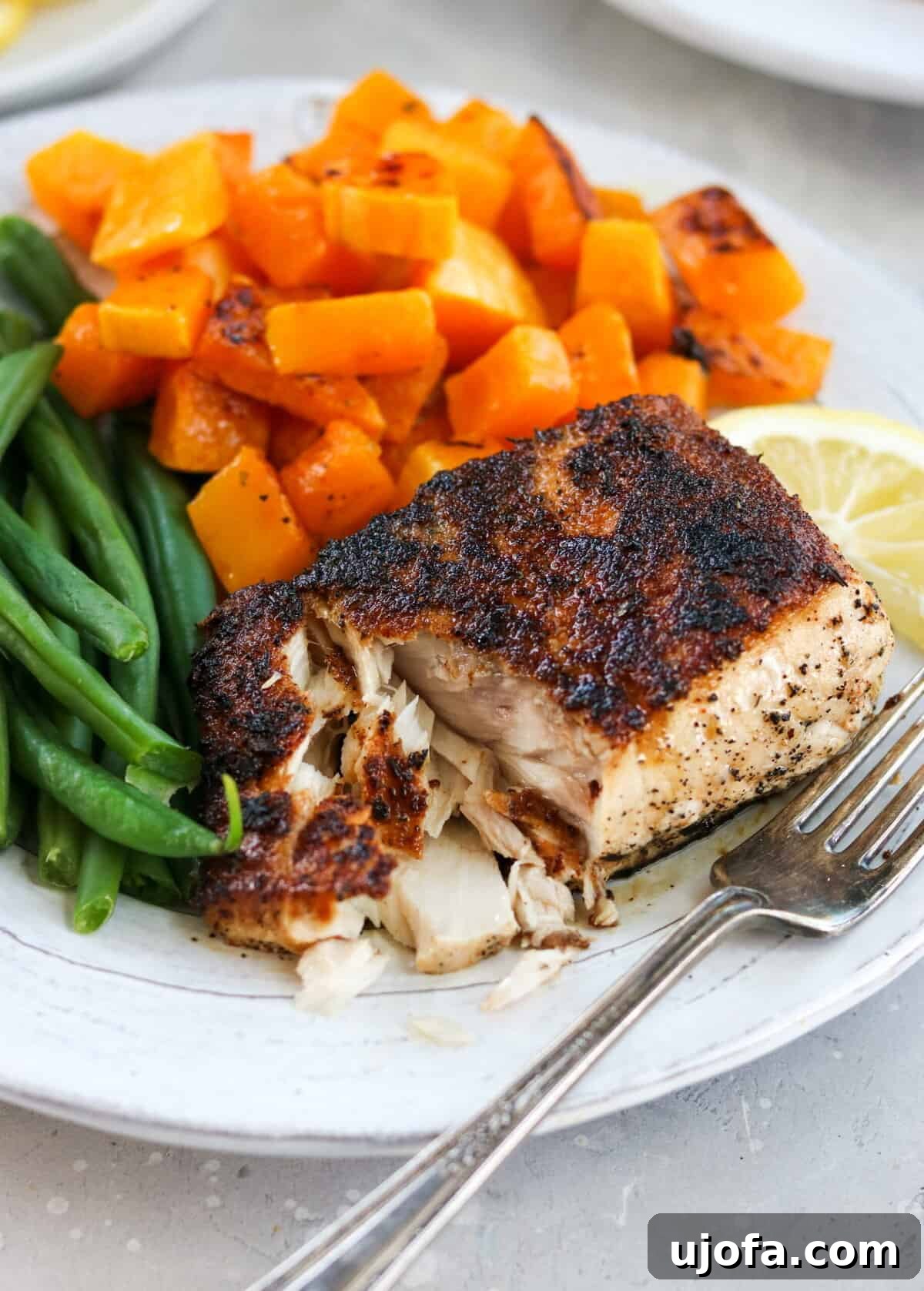
Unlock the secret to a restaurant-quality meal right in your own kitchen with this incredible blackened mahi mahi recipe. Coated in a vibrant, homemade Cajun seasoning and cooked to perfection, this dish offers a delightful balance of spicy, savory, and tender flavors. Whether you prefer the quick crisp of an air fryer or the classic sizzle of a stovetop, this recipe delivers a buttery, flaky fish dinner that’s both easy and elegant. It’s the ideal choice for a speedy weeknight meal that feels like a special takeout treat, yet it’s incredibly wholesome and satisfying.
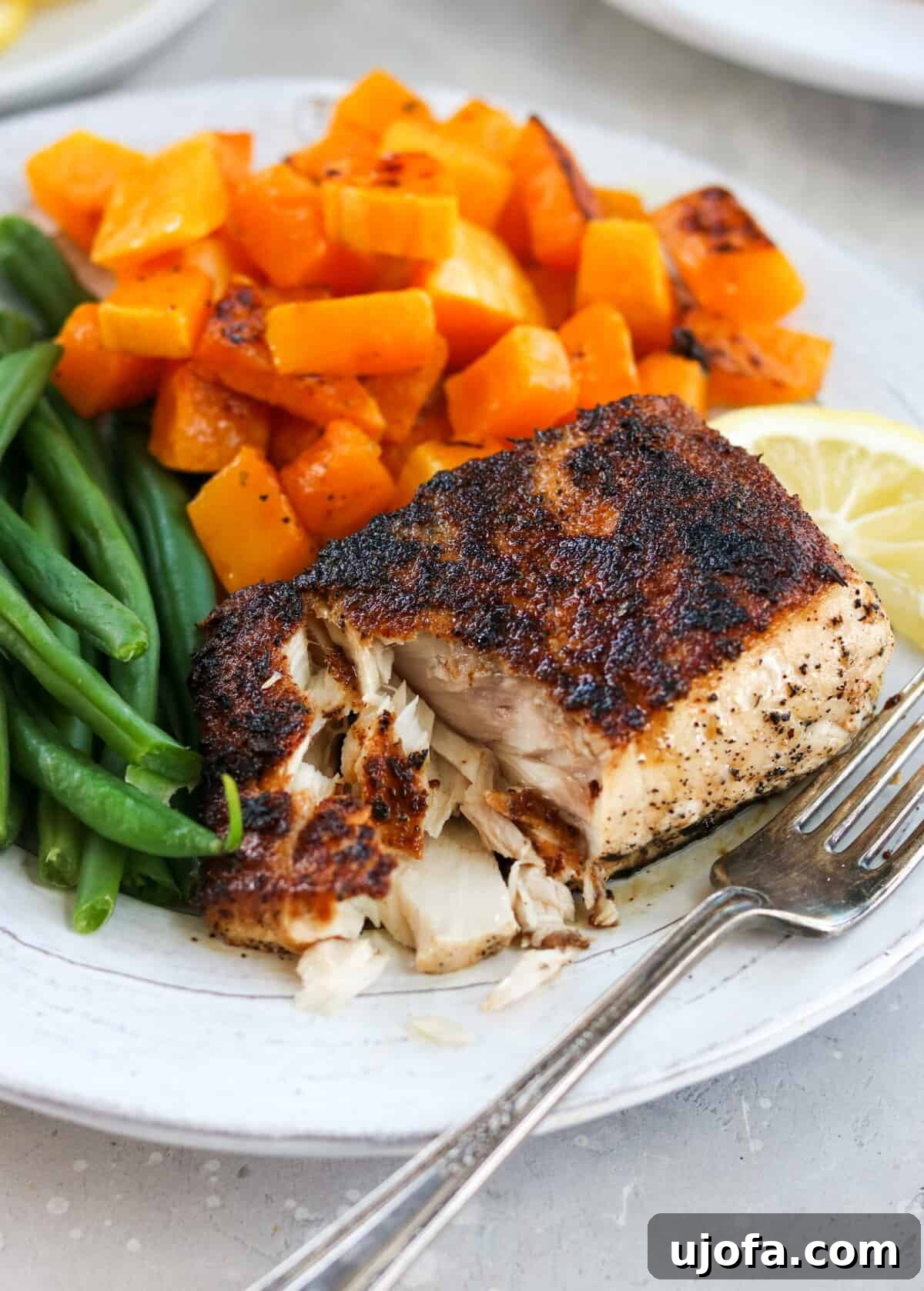
Why This Blackened Mahi Mahi Recipe Will Be Your New Favorite
If you’re already a fan of my Fish Taco Bowls with Mango Salsa, prepare to fall in love with this exciting take on air-fried or pan-seared blackened mahi mahi. This dish isn’t just a meal; it’s an experience, bringing bold, vibrant flavors to your table with minimal effort.
I’m currently on an air fryer enthusiast kick, constantly exploring its capabilities, and honestly, I haven’t found a flaw yet! This versatile kitchen appliance is truly a game-changer for preparing healthy, delicious meals. This air fryer mahi mahi recipe creates a magically crispy outer layer that locks in moisture, leaving the inside incredibly tender, buttery, and flaky. The intense heat of blackening amplifies the robust flavors of the Cajun seasoning, making every bite a culinary delight. It genuinely tastes like something you’d savor at a high-end seafood restaurant, but it’s remarkably quick and straightforward to prepare right in your own home. For anyone seeking healthy fish recipes that don’t compromise on taste or texture, this is an absolute must-try!
This recipe is an absolute keeper for anyone searching for easy fish recipes or new mahi mahi recipes to elevate their weekly meal rotation. Whether your preference leans towards succulent fish tacos, perfectly pan-seared mahi mahi, or flavorful grilled mahi mahi, this blackened version offers an irresistible taste with astonishing ease. The homemade Cajun spice rub penetrates the fish, creating a profound depth of flavor that’s both comforting and exciting. It’s a fantastic way to enjoy a wholesome seafood dinner that’s packed with lean protein and beneficial omega-3s, proving that healthy eating can be incredibly delicious and accessible.
And if you find yourself captivated by the simplicity and deliciousness of cooking fish fillets in the air fryer, be sure to also try this fantastic Air Fryer Halibut for another quick and healthy option!
Essential Ingredients for Perfect Blackened Mahi Mahi
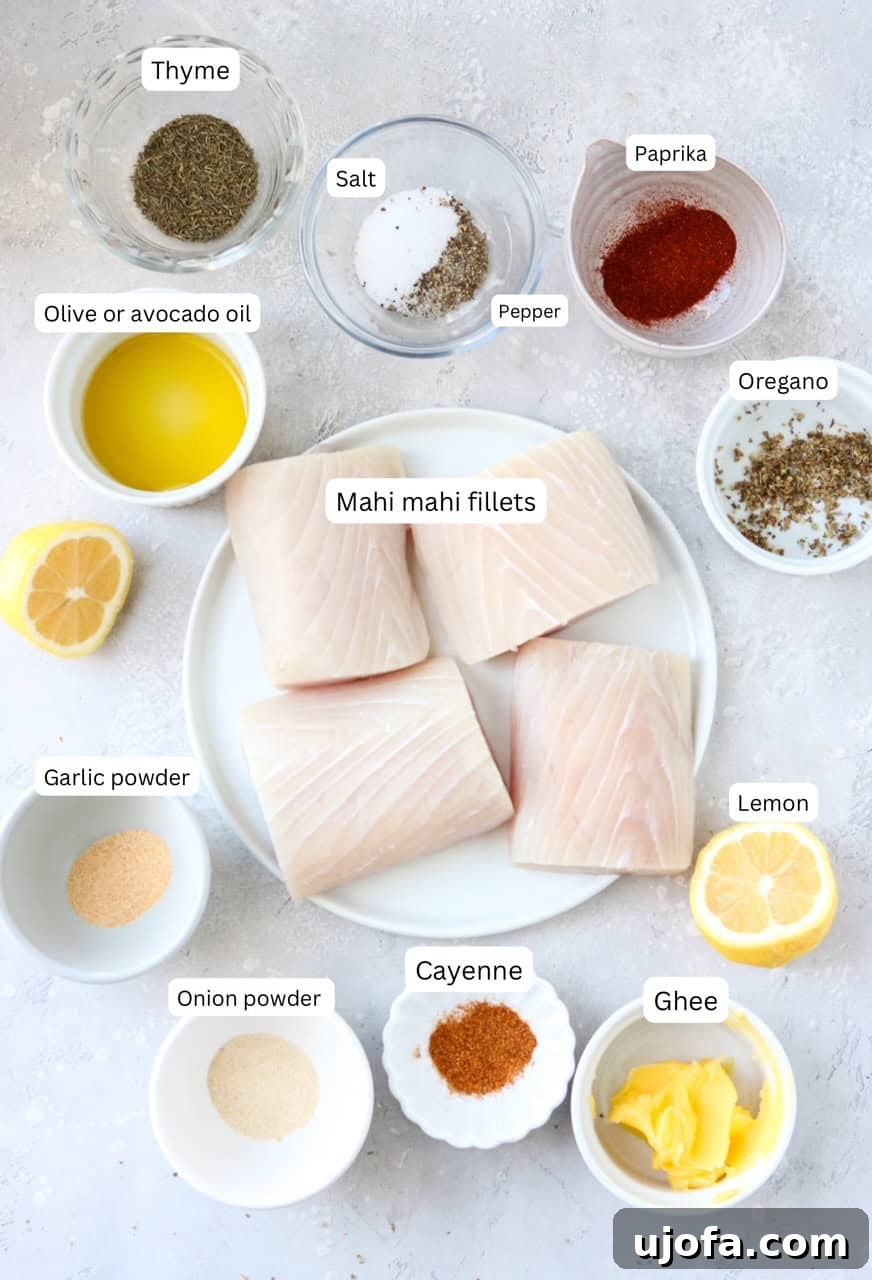
Crafting the perfect blackened mahi mahi starts with quality ingredients. Here’s what you’ll need to create this incredibly flavorful dish:
- Mahi Mahi Fillets: Opt for about 6 oz per fillet. These can be frozen or fresh, but it’s crucial they are completely thawed if frozen. Patting them very dry before seasoning is key for that perfect crust. Many find that quality frozen mahi mahi fillets, like those from Costco, work wonderfully for convenience without sacrificing flavor. Mahi mahi is a firm, white-fleshed fish with a mild, sweet flavor, making it ideal for the bold notes of blackening spice.
- Ghee: Clarified butter, or ghee, is essential for achieving the authentic blackened crust and rich, buttery flavor. Its high smoke point allows it to get very hot without burning, which is necessary for the blackening process. For those following a dairy-free diet, a high-quality vegan butter can be an excellent substitute, providing similar richness.
- Avocado Oil: This neutral cooking oil is perfect for its high smoke point, making it suitable for both air frying and high-heat stovetop cooking. It contributes to the crispy texture without overpowering the delicate flavors of the fish and seasoning. Olive oil or another preferred neutral cooking oil can also be used.
Homemade Cajun Spice Rub – The Heart of the Flavor
The magic of blackened mahi mahi truly lies in its signature spice rub. This homemade blend is bursting with aromatic and spicy notes, creating that unmistakable blackened flavor:
- Garlic Powder: Provides a foundational savory aroma that enhances all other spices.
- Onion Powder: Adds a subtle sweetness and depth, complementing the garlic.
- Paprika: Contributes a beautiful red hue and a mild, slightly smoky flavor. Smoked paprika can be used for an extra layer of complexity.
- Oregano: Lends an earthy, slightly bitter, and aromatic note typical of Cajun cuisine.
- Thyme: Offers a delicate, herbaceous quality that pairs wonderfully with seafood.
- Cayenne Pepper (or Chili Powder): This is where the heat comes from! Adjust the amount to your preference for a mild kick or a fiery sensation. Chili powder can be a milder alternative if you’re sensitive to heat.
- Salt and Black Pepper: Essential for seasoning and balancing all the flavors, bringing out the best in the fish.
This carefully crafted blend ensures every bite of your blackened mahi mahi is a flavorful journey!
Mastering Blackened Mahi Mahi: Step-by-Step Guide
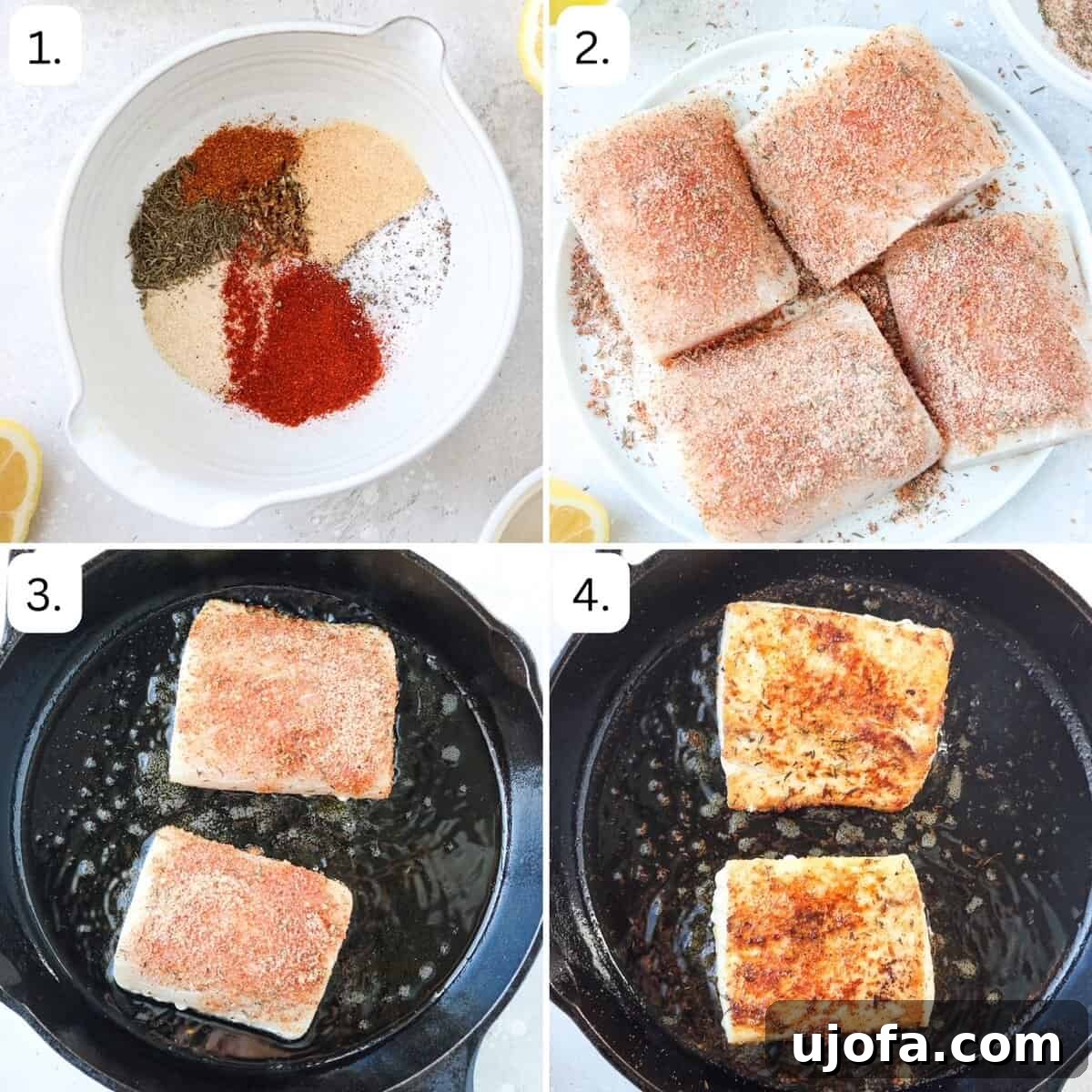
Creating this delicious blackened mahi mahi is simpler than you might think. Follow these clear steps for a perfectly cooked fish, whether you choose the air fryer or stovetop method.
Step 1: Prepare Your Signature Cajun Seasoning. In a small bowl, combine all the dry ingredients for the Cajun spice rub: garlic powder, onion powder, paprika, oregano, thyme, cayenne pepper, salt, and black pepper. Mix them thoroughly until they are evenly distributed. This ensures a consistent burst of flavor in every bite of your blackened fish.
Step 2: Prepare and Season the Mahi Mahi Fillets. First, ensure your mahi mahi fillets are completely thawed if using frozen fish. This is crucial for even cooking. Next, pat each fillet extremely dry with paper towels. Excess moisture can steam the fish instead of creating that desirable crispy, blackened crust. Generously coat each fillet evenly with the homemade spice mixture, pressing gently with your fingers to help the seasoning adhere to the fish. Don’t be shy – a good coating is key for flavor and crust!
Cooking Methods: Air Fryer vs. Stovetop
Once your mahi mahi is seasoned, you have two fantastic options for cooking:
Air Fryer Method: For a Quick & Crispy Finish. This method is fantastic for minimal oil and maximum crispness. First, preheat your air fryer to 400°F (200°C) for about 3 minutes. Lightly spray the air fryer basket with cooking oil to prevent sticking. Carefully place the seasoned mahi mahi fillets in a single layer in the basket. Avoid overcrowding; if necessary, cook the fish in batches to ensure proper air circulation and even cooking. Air fry for approximately 8 minutes, or until the fish flakes easily with a fork and has a beautifully blackened exterior. The internal temperature should reach 145°F (63°C) for safe consumption.
Stovetop Method: For Classic Blackened Flavor. This blackened fish recipe also yields phenomenal results on the stove, perfect for that traditional pan-seared mahi mahi experience. Heat 1 tablespoon of ghee and 1 tablespoon of avocado oil (or other high-smoke point oil) in a large cast-iron skillet over medium-high heat. A cast-iron skillet is ideal for its ability to retain and distribute high heat evenly, which is crucial for blackening. Once the pan is sizzling hot and just starting to smoke, carefully add the seasoned mahi mahi fillets. Cook for 3-4 minutes per side without moving them, allowing a deep, dark crust to form. The fish should be opaque throughout and flake easily when tested with a fork. Rest the cooked fish briefly for a minute or two to allow the juices to redistribute, then finish with a squeeze of fresh lemon juice before serving. This method provides a rich, intense flavor that many seafood enthusiasts adore.
Both methods will give you a delicious, healthy seafood dinner that’s perfect for any occasion. Choose the one that best fits your kitchen and time constraints!
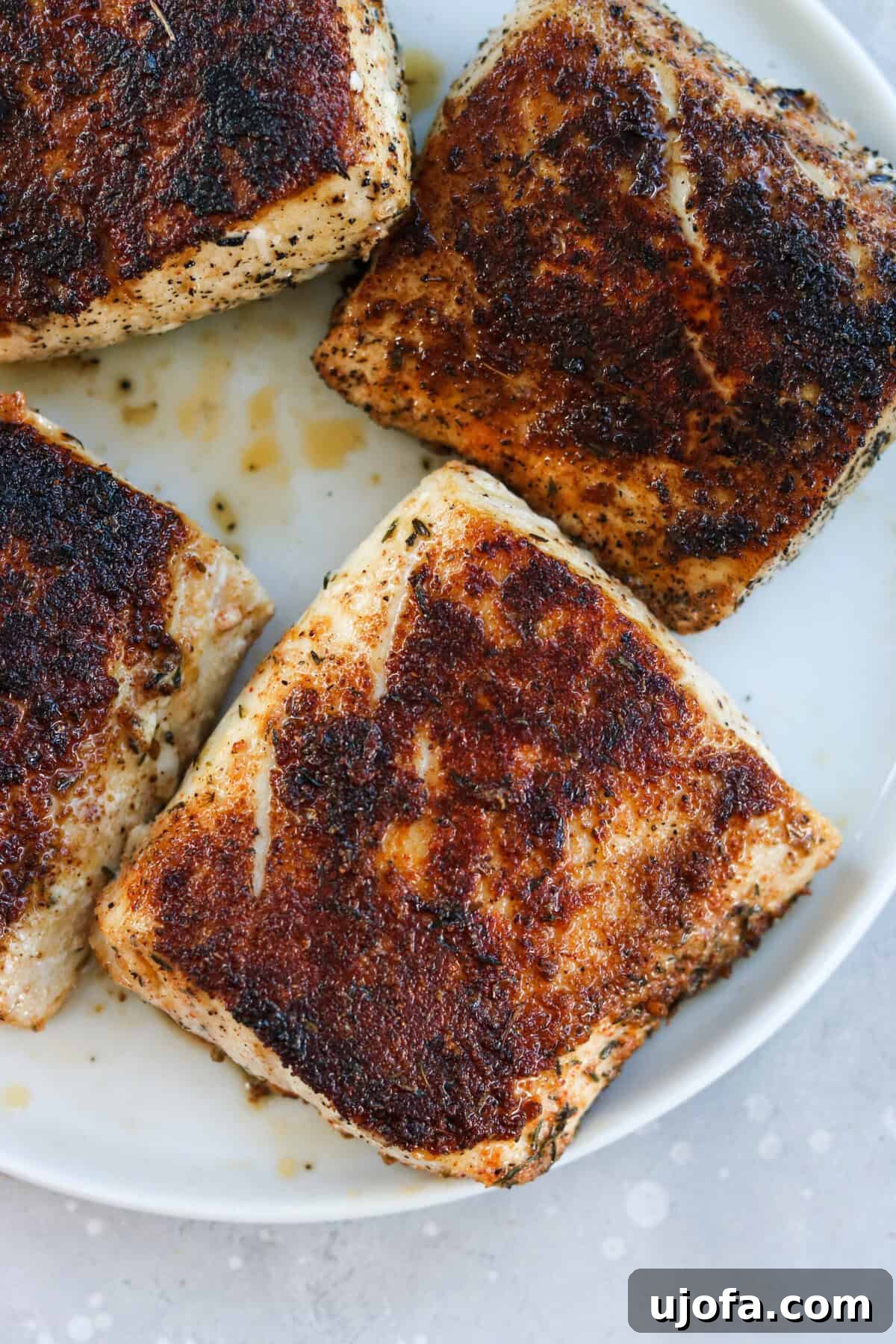
Expert Tips for Achieving Perfect Blackened Mahi Mahi Every Time
- Achieve the Best Crust: For a truly blackened, crispy crust, it is absolutely essential to pat your mahi mahi fillets very dry with paper towels before applying the seasoning. Any residual moisture will cause the fish to steam rather than sear, hindering the formation of that beautiful, flavorful crust.
- Temperature is Key: Whether using an air fryer or a stovetop, ensure your cooking surface is adequately preheated. A hot surface is crucial for instantly searing the fish, locking in moisture, and creating the characteristic blackening. Don’t rush this step!
- Avoid Overcrowding: When cooking in an air fryer or a skillet, do not overcrowd the basket or pan. Cook in batches if necessary. Overcrowding lowers the temperature and can lead to steamed, rather than seared, fish. Adequate space allows for proper air circulation and even blackening.
- Adjust Spice Levels to Your Liking: The beauty of homemade Cajun seasoning is its customizability. For a spicier kick, feel free to add more cayenne pepper. If you prefer a milder flavor, simply reduce the amount. You can also experiment with a pinch of smoked paprika for an extra layer of smoky depth without adding more heat. This recipe is designed to be one of your favorite spicy fish recipes!
- Monitor Cooking Time Carefully: These cooking time recommendations are based on standard 6oz mahi mahi fillets, typically around 1-inch thick. For thicker or thinner fillets, you’ll need to adjust the timing slightly. Always use the “flake test” – the fish should flake easily with a fork when done – or an instant-read thermometer to ensure it reaches an internal temperature of 145°F (63°C). Overcooking will result in dry fish.
- The Power of Lemon: A squeeze of fresh lemon juice over the cooked mahi mahi just before serving is transformative. The acidity brightens the rich, spicy flavors of the blackening, adding a refreshing finish that elevates the entire dish.
- Prompt Air Fryer Cleaning: To keep your kitchen fresh and prevent lingering odors, clean your air fryer basket promptly after cooking. A simple wash with warm, soapy water is usually sufficient.
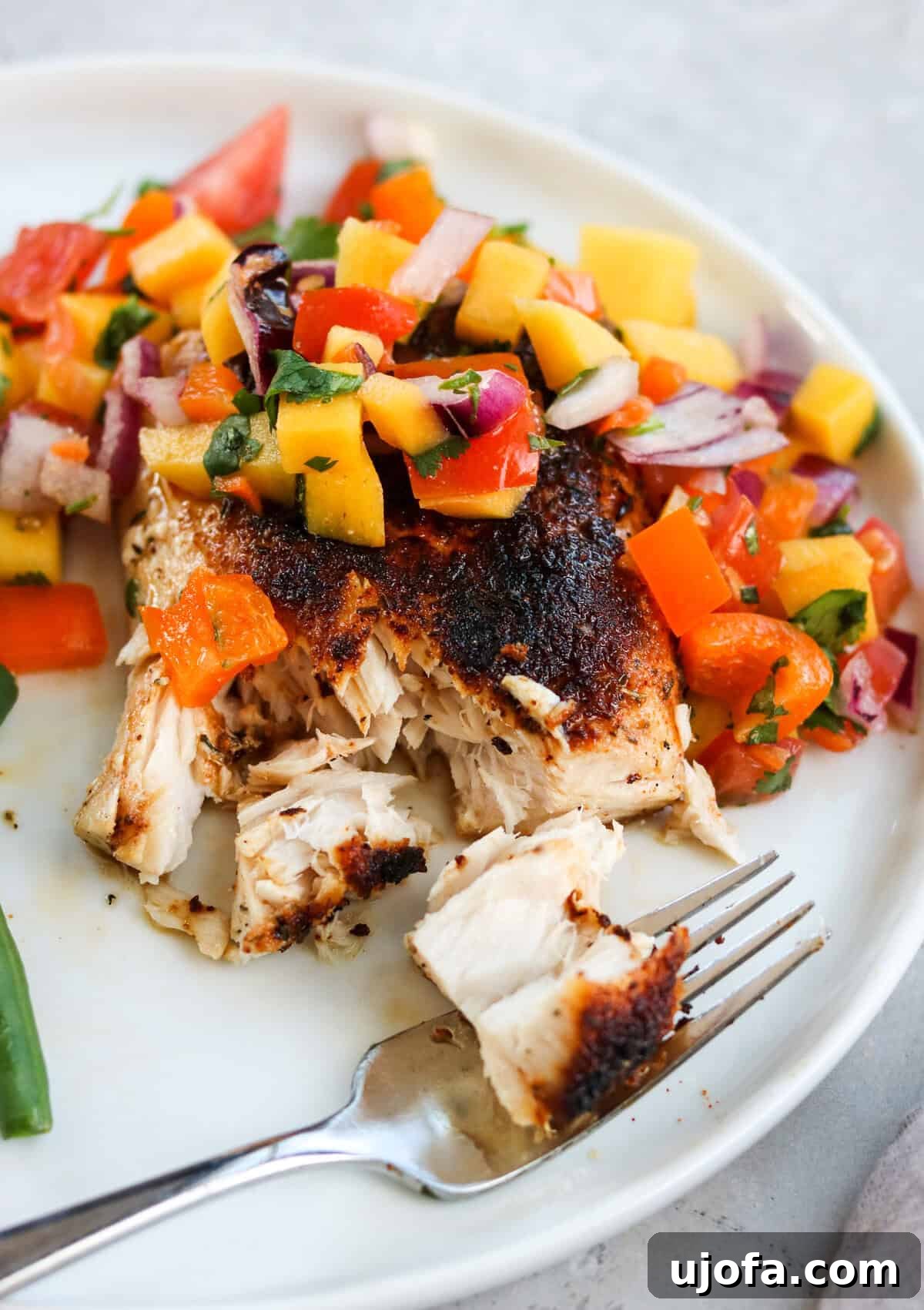
Irresistible Side Dishes: What to Serve with Blackened Mahi Mahi
Blackened mahi mahi is a versatile and flavorful main course that pairs wonderfully with a variety of sides, offering endless possibilities for a complete and satisfying meal. Here are some of my favorite accompaniments to complement its bold flavors:
Refreshing & Fruity Sides:
- Mango Salsa: For a truly unforgettable experience, try this dish with my vibrant Mango Salsa. The sweet, tangy, and slightly spicy notes of the salsa provide a fantastic fruity and zesty contrast to the savory, blackened fish. It’s a classic pairing that brightens every bite.
- Fresh Peach Salsa: In summer, a homemade peach salsa offers a similar sweet-savory balance, adding a seasonal touch to your meal.
Hearty & Satisfying Grains:
- Instant Pot Cilantro Lime Rice: Serve your blackened mahi mahi over a bed of fluffy Instant Pot Cilantro Lime Rice for a simple, yet incredibly satisfying meal. The bright, fresh flavors of the rice complement the robust seasoning of the fish beautifully.
- Coconut Cauliflower Rice: For a low-carb or Whole30 option, try pairing it with a creamy coconut cilantro lime cauliflower rice.
Vibrant Vegetable & Salad Pairings:
- Mexican Street Corn Salad: This dish is fantastic alongside a vibrant Mexican Street Corn Salad. The smoky corn, creamy dressing, and fresh herbs create a lively side that echoes the bold flavors of the fish.
- Roasted Vegetables: Simple roasted asparagus, broccoli, or bell peppers make for a quick and healthy addition.
- Sweet Potato Fries: For a comforting and slightly sweet contrast, enjoy this quick seafood dinner alongside a sweet potato side dish, such as these crispy baked sweet potato fries. The natural sweetness of the potatoes perfectly balances the spice of the mahi mahi.
Creative & Fun Servings:
- Fish Tacos: Flake the cooked mahi mahi and tuck it into warm tortillas, similar to how I prepare my Baja Shrimp Tacos, adding your favorite toppings for a fun and interactive dinner.
- Lemon Butter Sauce: A drizzle of a simple lemon butter sauce can add an extra layer of richness and tang, enhancing the inherent flavors of the fish.
No matter your choice, these pairings will ensure your blackened mahi mahi meal is truly unforgettable!
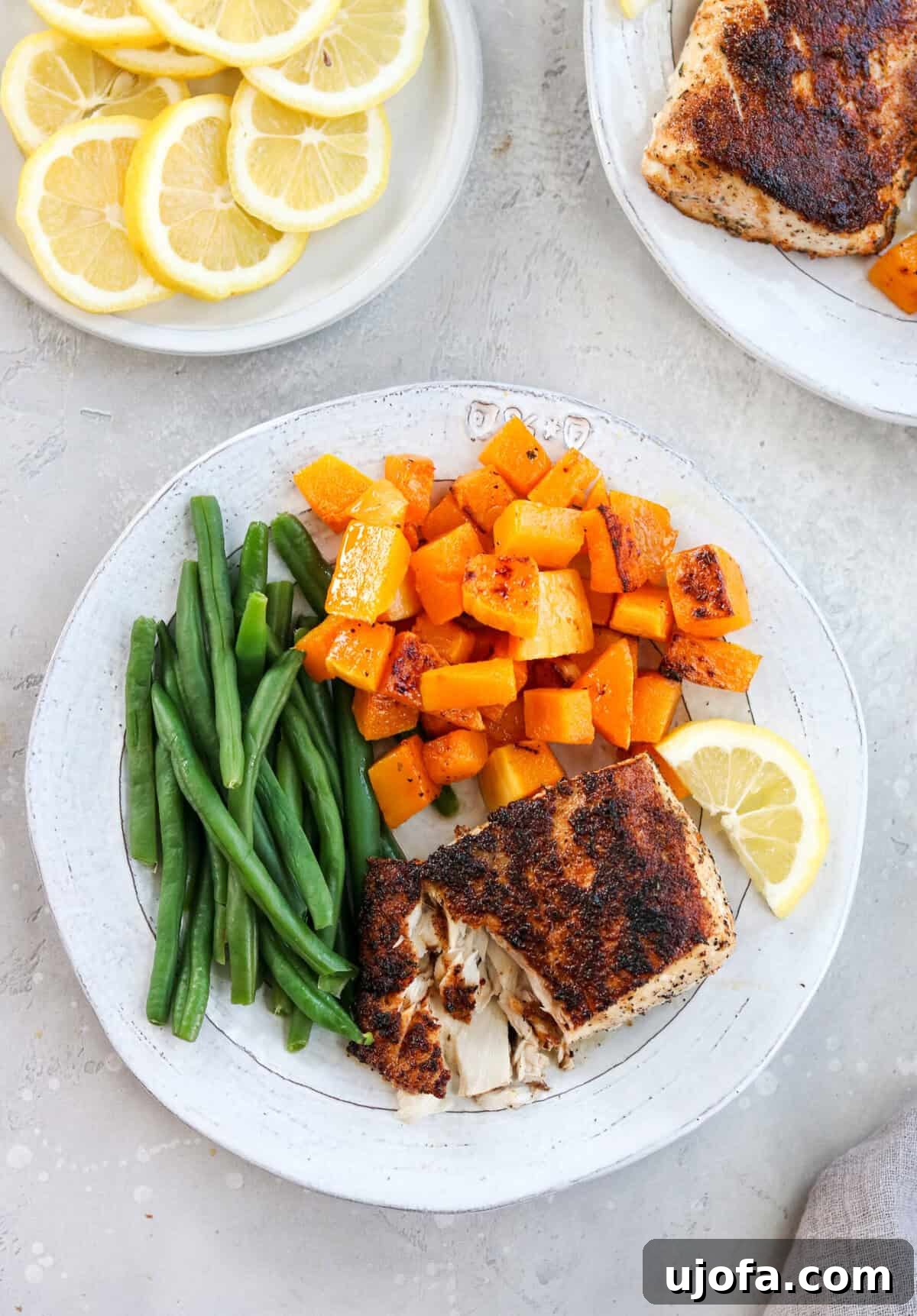
Storage & Reheating Tips for Blackened Mahi Mahi
Proper storage and reheating are key to enjoying your delicious blackened mahi mahi leftovers while maintaining its quality and flavor.
Storage:
Once your mahi mahi has cooled to room temperature, transfer any leftovers to an airtight container. Store it in the refrigerator for up to 2-3 days. While fresh is always best for seafood, these tips will help you savor your meal for a bit longer.
Reheating:
To best preserve the texture and flavor, avoid microwaving blackened mahi mahi, as it can easily dry out the fish and make it rubbery. Instead, reheat gently using one of these methods:
- Air Fryer: This is often the best method for reheating, as it helps restore some of the original crispiness. Preheat your air fryer to 300-325°F (150-160°C). Place the fillets in a single layer in the basket and air fry for 3-5 minutes, or until just heated through. Check frequently to prevent overcooking.
- Stovetop: Heat a lightly oiled skillet over medium-low heat. Add the mahi mahi fillets and cover. Cook for about 3-5 minutes, gently flipping once, until heated through. The low heat prevents drying.
Serve your reheated blackened mahi mahi with a fresh squeeze of lemon juice and your favorite salsa to revitalize the flavors, making your leftovers just as enjoyable as the first serving.
Frequently Asked Questions About Blackened Mahi Mahi
Blackening is a cooking technique, primarily used for fish, where fillets are dipped in melted butter or ghee, coated generously with a dry spice mixture (like Cajun seasoning), and then cooked in a very hot cast-iron skillet until a dark, flavorful crust forms. The high heat creates a smoky, spicy crust while the inside remains moist and flaky. It’s not meant to burn the fish, but to create a deep, rich color and intense flavor.
Preventing sticking is crucial for a perfect blackened crust. For the air fryer, ensure the basket is lightly sprayed with cooking oil before adding the fish, and make sure the air fryer is preheated. For a skillet, use a well-seasoned cast iron pan and ensure it’s very hot with enough oil (like ghee and avocado oil) before adding the fish. Also, ensure the fish is coated evenly with seasoning – the seasoning helps create a protective barrier.
This usually happens when the fillets are too thin or overcooked. Mahi mahi cooks quickly. Stick with 6 oz fillets, ideally about 1-inch thick, and begin checking for doneness at the 7-minute mark in the air fryer, or after 3 minutes per side on the stovetop. Fish is done when it flakes easily with a fork at its thickest point, or reaches an internal temperature of 145°F (63°C).
Yes, absolutely! Frozen mahi mahi fillets work perfectly well for this recipe. However, you’ll need to thaw them completely before cooking. After thawing, it is absolutely essential to pat them very, very dry with paper towels. Excess moisture is the enemy of a good blackened crust and prevents the spice rub from adhering properly, leading to steaming instead of searing.
Several factors can prevent your fish from getting crispy. First, ensure your air fryer or skillet is adequately preheated to a high temperature. Second, do not overcrowd the cooking surface – airflow is key in the air fryer, and space is essential for a good sear in a pan. Cook in batches if necessary. Finally, lightly spraying the fish with oil or using enough ghee/oil in the pan helps tremendously in achieving that coveted crispy crust.
Absolutely! The spice level is entirely customizable. Just reduce or completely skip the cayenne pepper in the Cajun spice rub for a milder version. You can also swap in sweet paprika or smoked paprika for extra depth of flavor without adding any heat, tailoring the recipe perfectly to your palate.
This blackening method and seasoning blend are incredibly versatile and work well with other firm, white-fleshed fish. Great alternatives include cod, snapper, grouper, salmon (though it’s an oilier fish, it blackens beautifully), and even firm chicken breasts if you want a non-seafood option. The key is to choose a fish that can hold up to the high heat and strong seasoning.
Discover More Delicious & Healthy Seafood Recipes
30+ Cozy & Healthy Fall Soup Recipes (All Gluten-Free!)
Better-Than-Takeout Chicken and Shrimp Fried Rice Recipe
The Best Air Fryer Bang Bang Salmon Bites Recipe
High Protein Easy Buffalo Tuna Salad (Whole30, Paleo, Keto)
Loved this amazing blackened mahi mahi recipe? Please consider leaving a 5-star 🌟🌟🌟🌟🌟 rating in the recipe card below and a review in the comment section. Your feedback truly helps! Or, follow me on Facebook, Pinterest or Instagram for more delicious and healthy recipes today!
The Best Blackened Mahi Mahi (Stovetop or Air Fryer)
This blackened mahi mahi is coated in homemade Cajun seasoning and cooked to buttery perfection in the air fryer or stovetop. This is an easy and elevated fish dinner that’s perfect for a quick weeknight meal that tastes like take out.
Equipment
-
1 12-inch Cast Iron Skillet or 10-inch works – you may need to cook the fish in batches of 2
-
Air Fryer optional if not using stovetop
Ingredients
- 4 mahi mahi fillets, about 6 oz each, thawed. Frozen fillets from Costco are a great option!
- 2 tbsp ghee, or vegan butter for a dairy-free option
- 1 tbsp avocado oil
Cajun Spice Rub
- 1 tsp garlic powder
- 1 tsp onion powder
- 1 tsp paprika
- 1 tsp oregano
- 1 tsp thyme
- ¼ tsp cayenne pepper, add more for extra heat if desired!
- 1 tsp salt
- ½ tsp pepper
Instructions
-
Combine all the Cajun spices (garlic powder, onion powder, paprika, oregano, thyme, cayenne pepper, salt, and pepper) in a small bowl and mix thoroughly to create your spice rub.
-
Ensure the mahi mahi fillets are completely thawed. Pat them very dry on all sides using paper towels – this is crucial for a good crust. Generously rub the spice mixture all over each fillet, coating it completely and pressing down gently with your fingers to ensure it adheres.
Stovetop / Skillet Method
-
Heat the ghee and avocado oil in a large cast iron skillet over medium-high heat until sizzling hot and just beginning to smoke. Add the seasoned mahi mahi fillets to the hot skillet. Cook for 3-4 minutes without touching, allowing a deep, dark crust to form. Carefully flip the fillets and cook for another 3 minutes on the second side. The fish should be opaque throughout and flake easily with a fork.
-
Let the cooked fish rest for a couple of minutes before serving. Finish with a squeeze of fresh lemon juice on top. This blackened mahi mahi is delicious served with fruity salsa, roasted potatoes, rice, or your favorite steamed vegetables!
Air Fryer Mahi Mahi Method
-
Preheat your air fryer to 400°F (200°C) for 3 minutes.
-
Lightly spray the air fryer basket with cooking oil to prevent sticking. Carefully place the seasoned mahi mahi fillets in a single layer. You may need to cook in batches depending on the size of your air fryer to ensure adequate airflow and even cooking.
-
Air fry for 8 minutes, or until the fish flakes easily with a fork and reaches an internal temperature of 145°F (63°C). Serve immediately and enjoy!
Notes
- Spice Adjustment: Adjust cayenne pepper levels to your preference for a spicier kick or a milder taste. Adding smoked paprika can also enhance flavor.
- Cooking Times: Recommendations are based on 6oz fillets. For thicker or thinner fish, adjust timing slightly. Fish is done when it flakes easily with a fork.
- Air Fryer Maintenance: Clean your air fryer basket promptly after cooking with warm, soapy water to prevent odors and residue buildup.
- Pat Dry Thoroughly: Always pat the fish very dry before applying seasoning to ensure a crispy, blackened crust.
- Serve with Lemon: A squeeze of fresh lemon juice after cooking brightens all the flavors!
Nutrition Information
All nutrition facts are an estimate and automatically calculated. While I fact check them using My Fitness Pal, please note that they may not always be 100% accurate and depend on ingredients used. Weigh your total and divide by the number of servings for the most accurate grams per serving size.