
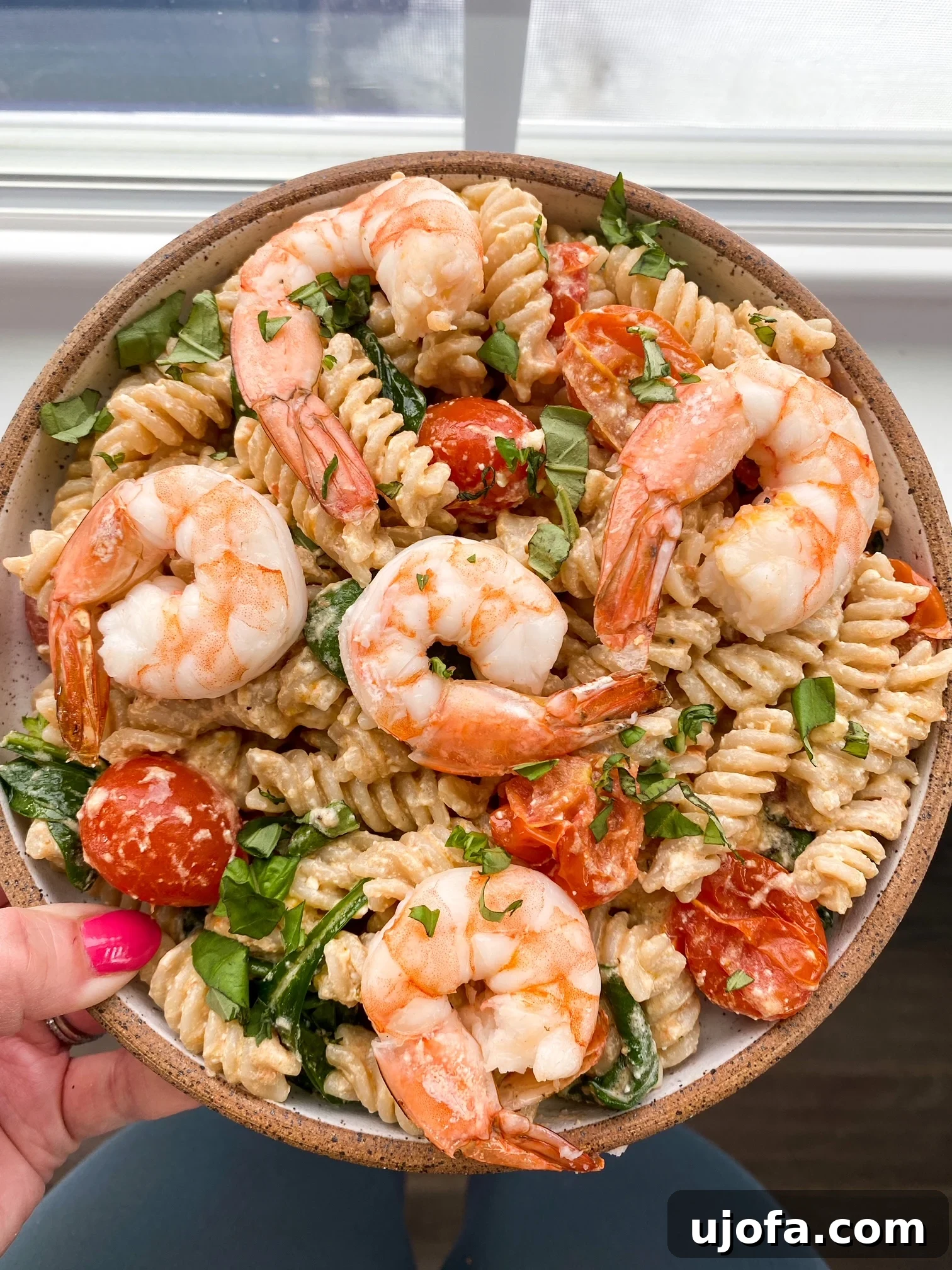
Indulge in the Ultimate Gluten-Free Baked Feta Pasta with Succulent Shrimp
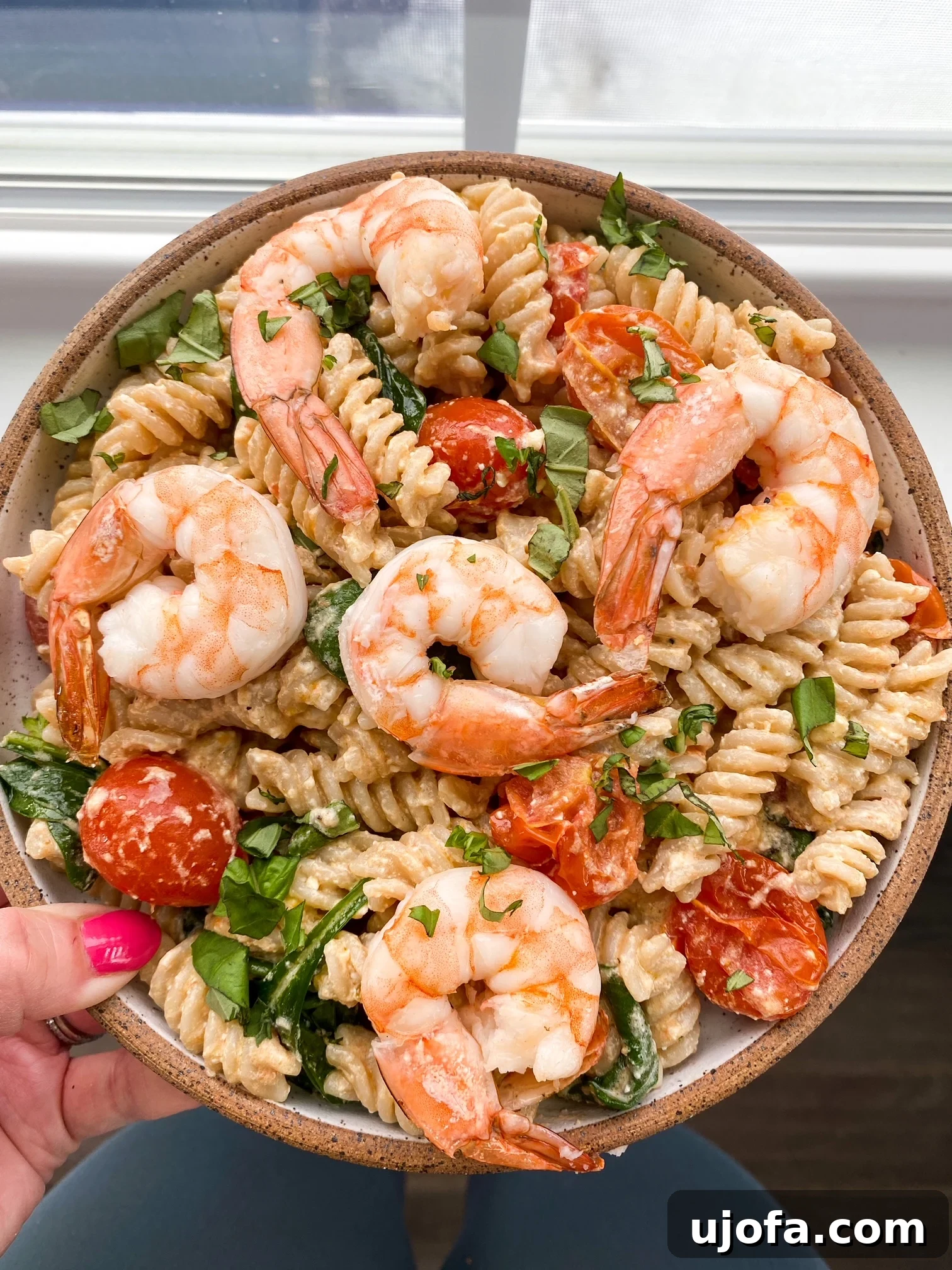
Prepare to be captivated by this extraordinary Gluten-Free Baked Feta Pasta, a delightful evolution of the internet’s most beloved viral sensation! Our recipe elevates the classic by incorporating whole roasted cloves of garlic, plump, tender shrimp, and your favorite gluten-free pasta. Imagine a single baking dish transforming simple ingredients into a rich, creamy, and undeniably cheesy tomato sauce – a culinary masterpiece that promises both ease and exquisite flavor. This isn’t just a meal; it’s an experience, perfected for discerning palates and busy schedules alike.
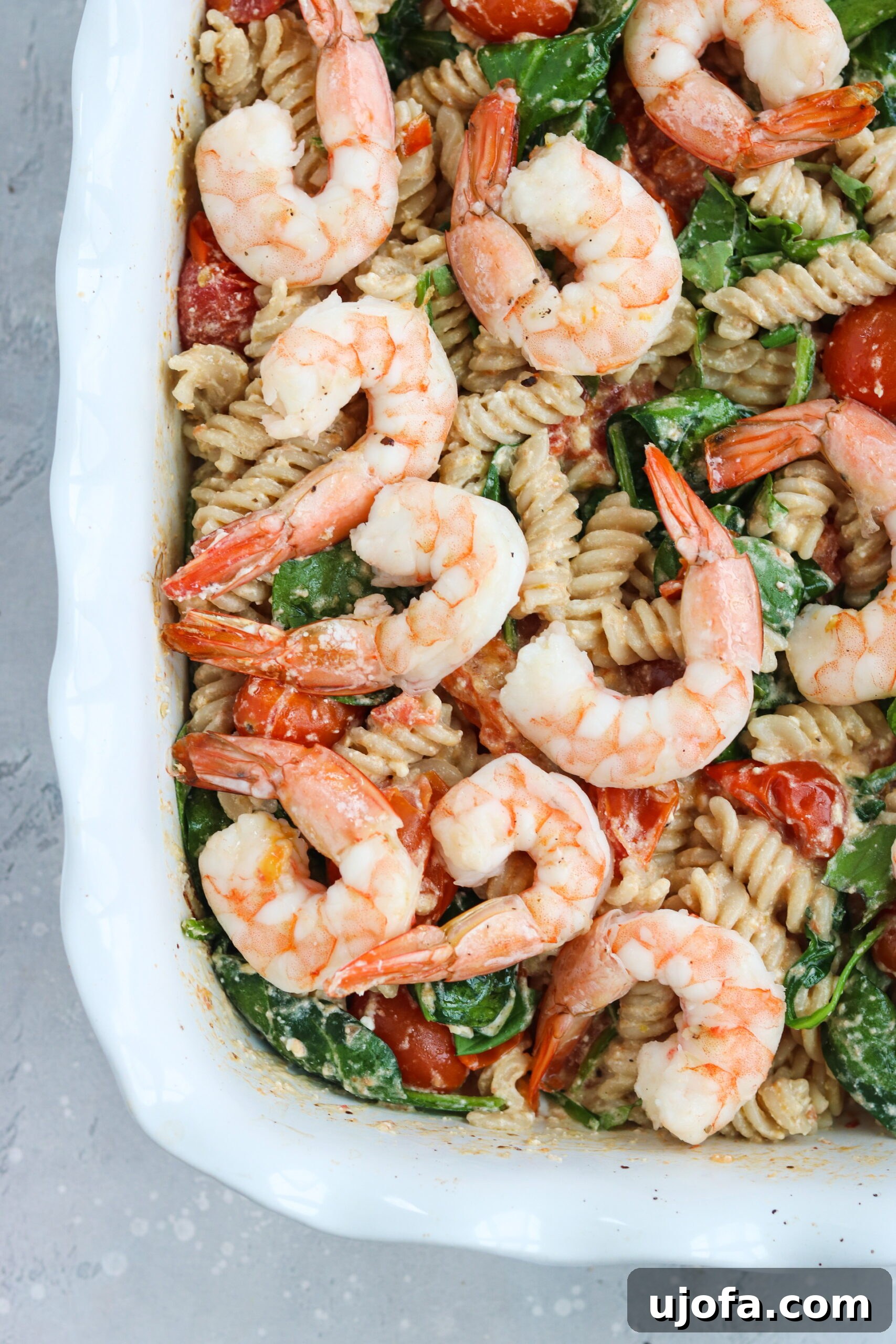
The Viral Sensation: A Twist on a TikTok Classic
The moment I first saw the now-famous Baked Feta Pasta trending across social media, I knew I had to try it. But true to my culinary spirit, I couldn’t resist adding my own signature touch. The genius of this dish lies in its simplicity: a block of feta cheese, cherry tomatoes, and olive oil baked together until the cheese is gloriously soft and the tomatoes burst with sweet juiciness. My rendition introduces the aromatic depth of whole roasted garlic cloves and the luxurious texture of raw shrimp, transforming a delightful pasta into a truly unforgettable meal. The best part? Everything comes together in a single dish, ensuring minimal cleanup – an absolute win in any kitchen!
This globally recognized pasta trend originally hails from Finland, pioneered by the talented blogger Liemessa, whose Uunifetapasta recipe sparked the initial craze. Across the Atlantic, the recipe gained immense traction in the US, largely popularized by Grilled Cheese Social, whose adaptation went viral on platforms like TikTok. This dish is a testament to how simple, wholesome ingredients can inspire a worldwide culinary phenomenon. My version pays homage to this incredible legacy while catering to those seeking a gluten-free option with added protein and flavor dimensions.
The beauty of this recipe isn’t just in its viral appeal but in its incredible adaptability. The high heat of the oven coaxes incredible flavors from the feta and tomatoes, creating a naturally creamy and vibrant sauce base. Adding shrimp during the last phase of baking ensures they cook to perfection, remaining tender and juicy without becoming overdone. This thoughtful timing guarantees a harmonious blend of textures and tastes in every bite.
Why You’ll Fall in Love with This Baked Feta Pasta Recipe
There are countless reasons why this Gluten-Free Baked Feta Pasta with Shrimp deserves a permanent spot in your weekly meal rotation. First and foremost, its incredible ease of preparation makes it perfect for weeknight dinners, yet its impressive flavor profile is worthy of entertaining guests. The one-pan baking method means less time scrubbing dishes and more time savoring your delicious creation. For those adhering to a gluten-free diet, this recipe offers a delicious and satisfying alternative without compromising on taste or texture.
The combination of savory feta, sweet roasted cherry tomatoes, aromatic garlic, and succulent shrimp creates a symphony of flavors that is both comforting and sophisticated. The roasting process caramelizes the tomatoes and mellows the garlic, developing a depth of flavor that a stovetop sauce simply can’t achieve. When everything is tossed together, the feta melts into a creamy, dreamy sauce that generously coats every strand of pasta. Plus, it’s packed with fresh ingredients, offering a wholesome and balanced meal option. This dish is not just a trend; it’s a timeless, versatile, and incredibly satisfying culinary experience.
Essential Ingredients for Your Gluten-Free Baked Feta Pasta with Shrimp
Crafting this remarkable pasta dish requires only a handful of fresh, high-quality ingredients. Each component plays a crucial role in building the layered flavors and textures that make this recipe so special:
-
Feta Cheese (5-7 oz block): The star of the show! For an authentic and superior flavor, I highly recommend seeking out a block of genuine sheep’s milk feta from Greece. This type of feta offers a creamier texture and a tangier, more complex flavor profile compared to cow’s milk feta. I often find excellent quality sheep’s milk feta at specialty grocery stores like Whole Foods. If a block isn’t available, crumbled feta will work just fine – simply press the crumbles together firmly in the center of your baking dish to form a cohesive “block.”
- Feta Alternative: If feta isn’t your preference, or you’re looking for a different flavor, consider using a block of soft goat cheese. Its creamy texture and distinct tang would also be absolutely delicious when baked.
- Cherry Tomatoes (1 lb): These small, sweet gems are essential. When roasted, they burst, releasing their juices and creating the luscious base for your sauce. Look for plump, ripe cherry or grape tomatoes for the best flavor. They contribute natural sweetness and acidity, balancing the richness of the feta.
- Garlic (1 head): Instead of minced garlic, this recipe calls for an entire head of garlic, cut in half horizontally (with the skin on) to expose the cloves. Roasting the garlic this way transforms its pungent bite into a sweet, caramelized, and incredibly mild flavor. The soft, buttery cloves are easily squeezed out after baking and add a fantastic depth to the sauce.
- Extra Virgin Olive Oil: A generous drizzle of good quality extra virgin olive oil is crucial for roasting the vegetables and cheese, helping to create that irresistible golden-brown crust and infusing the dish with its characteristic Mediterranean flavor. It also ensures the sauce has a silky consistency.
- Fresh Basil: The vibrant, peppery sweetness of fresh basil is the perfect counterpoint to the rich baked components. Stirred in at the end, it brightens the entire dish with its aromatic presence. Don’t skip fresh basil for dried; the difference is remarkable.
- Fresh Spinach (a couple of handfuls): Added at the end, the fresh spinach quickly wilts into the hot pasta, adding a touch of vibrant green, extra nutrients, and a subtle earthy flavor. It’s a great way to sneak in some greens!
- Salt and Pepper: Simple seasonings are all you need. Use sea salt and freshly ground black pepper to taste. Remember that feta can be quite salty, so taste the sauce before adding too much additional salt.
- Raw Peeled and Deveined Shrimp (1 lb): Adding shrimp elevates this dish into a hearty, protein-packed meal. I typically purchase frozen shrimp from retailers like Costco or Trader Joe’s and thaw them under cold running water in a colander before use. You can leave the tails on for presentation or remove them for easier eating – entirely your preference!
-
Gluten-Free Pasta (1 box): For this recipe, any shape of gluten-free pasta will work beautifully. My personal favorite is Jovial Foods Gluten Free pasta, known for its excellent texture that holds up well. However, feel free to use your preferred brand and shape.
- Lower Carb Option: For those seeking a lower-carb alternative, consider using spaghetti squash “noodles” or a vegetable pasta made from zucchini or other suitable vegetables.
Essential Kitchen Tools
You won’t need an extensive array of kitchen gadgets for this straightforward recipe, but having a few key items on hand will make the process even smoother:
- 9×13 inch baking dish: This size is ideal for ensuring the ingredients spread out evenly and roast perfectly.
- Large pot: For cooking your gluten-free pasta.
- Colander: To drain the cooked pasta and thaw the shrimp if frozen.
- Tongs or large spoon: For tossing the finished pasta.
Step-by-Step Guide: Crafting Your Gluten-Free Baked Feta Pasta with Shrimp
Follow these simple steps to create a truly irresistible meal:
- Preheat Your Oven: Begin by preheating your oven to a robust 400 degrees Fahrenheit (200 degrees Celsius). This ensures the oven is at the optimal temperature for roasting the moment your ingredients go in.
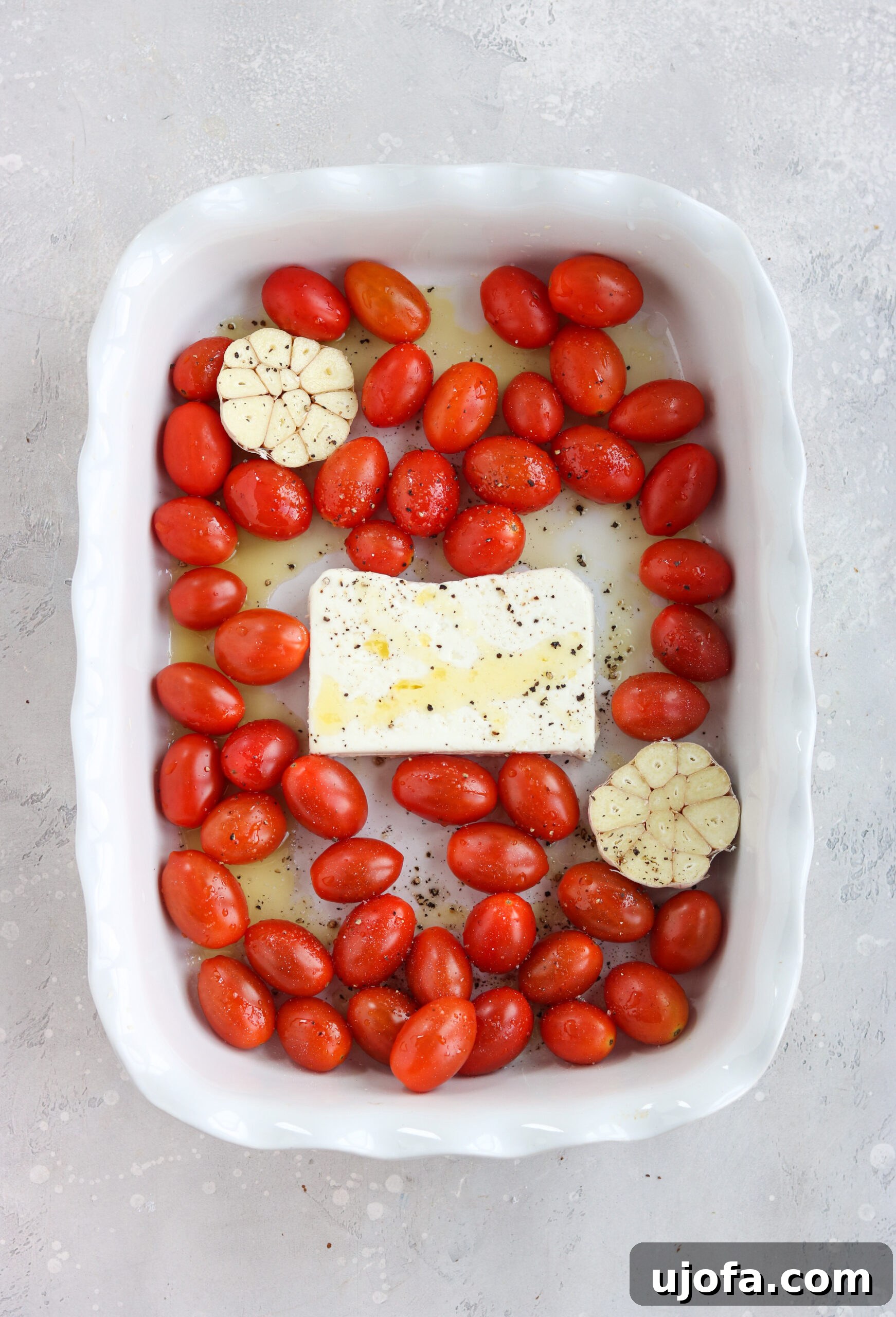
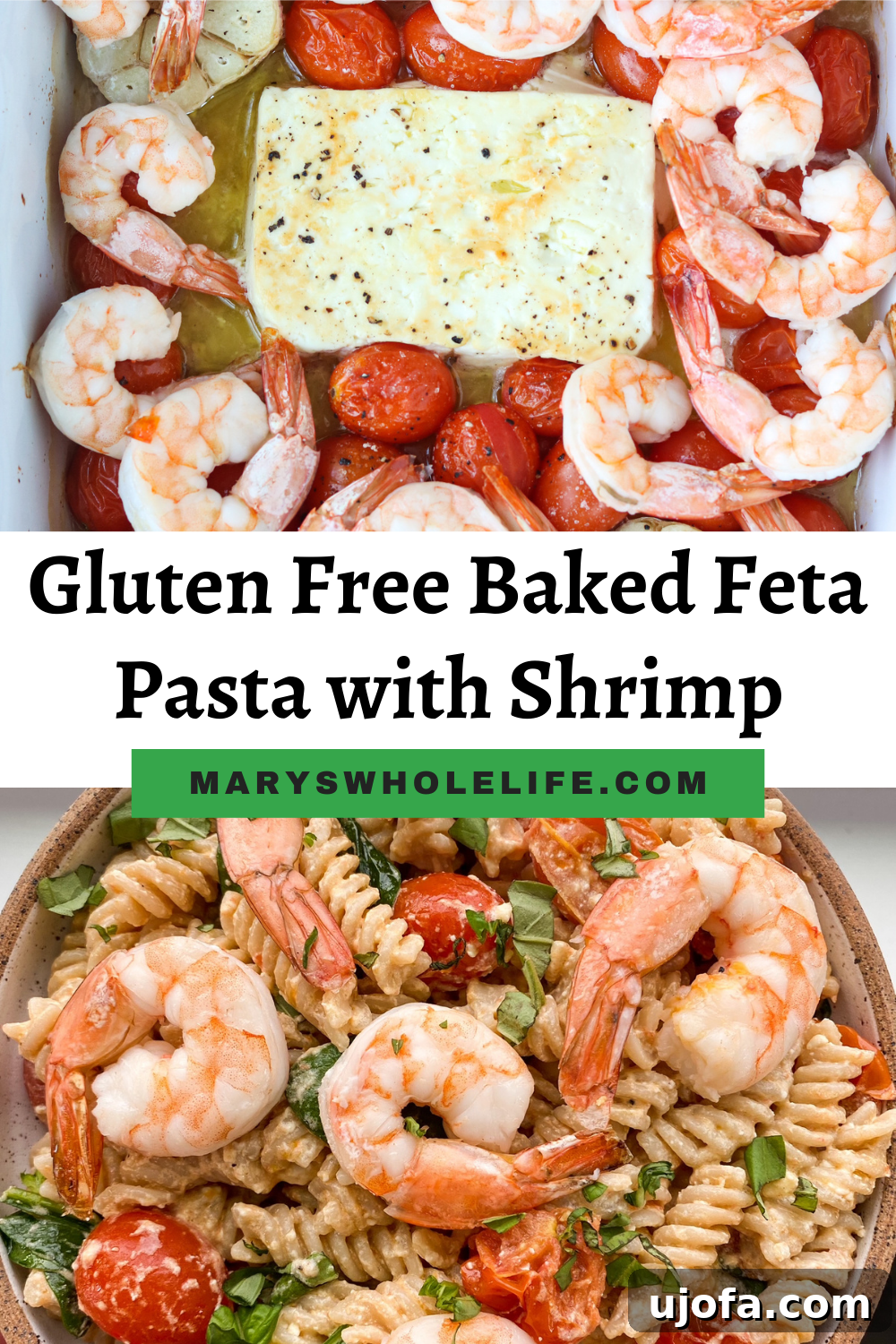
- Arrange the Base Ingredients: Place your block of feta cheese squarely in the center of your 9×13 inch baking dish. Scatter the cherry tomatoes evenly around the feta, creating a colorful perimeter. Position the two halves of the garlic head, cut-side up, among the tomatoes.
- Season and Roast (First Phase): Drizzle about 1 tablespoon of extra virgin olive oil generously over the feta, tomatoes, and exposed garlic cloves. Sprinkle everything with a pinch of sea salt and freshly ground black pepper. Carefully transfer the baking dish to your preheated oven and bake for 15 minutes. During this time, the feta will begin to soften, and the tomatoes will start to burst and release their sweet juices.
- Cook the Pasta: While the first batch of ingredients is roasting in the oven, bring a large pot of salted water to a rolling boil. Add your gluten-free pasta and cook it according to the package directions until al dente. Gluten-free pasta can sometimes get mushy if overcooked, so keep a close eye on it. Once cooked, drain the pasta thoroughly and set it aside.
- Prepare the Shrimp: If your shrimp was previously frozen, thaw it under cold running water in a colander. Pat them dry with a paper towel. Decide whether you want to keep the tails on or remove them – both work perfectly fine!
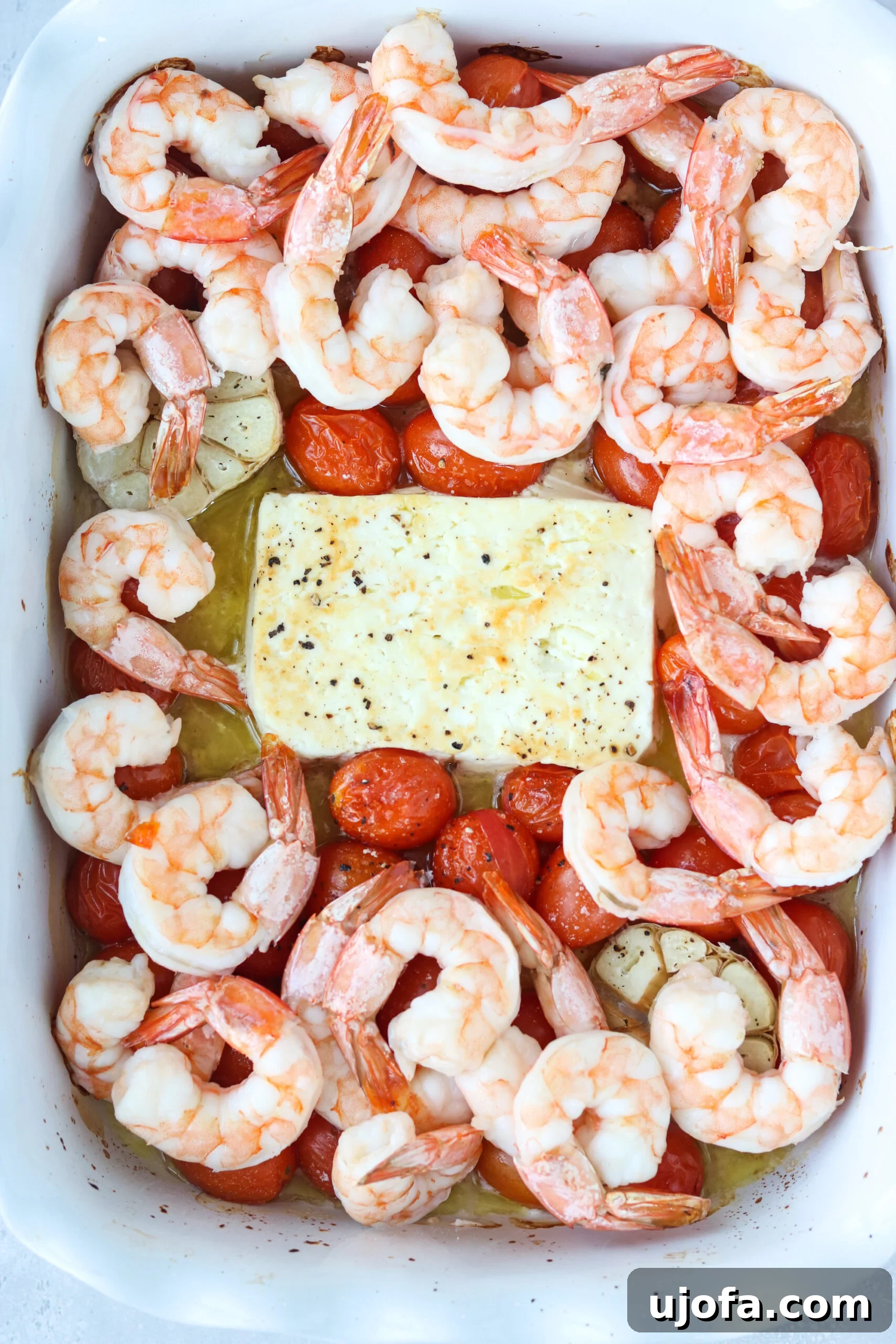
- Add Shrimp and Continue Roasting: After the initial 15 minutes of baking, carefully remove the baking dish from the oven. Arrange the raw shrimp in an even layer on top of and among the roasted tomatoes. Drizzle the shrimp with the remaining 1 tablespoon of olive oil and sprinkle with a touch more salt and pepper. Return the dish to the oven and continue baking for an additional 7 minutes. The shrimp will turn opaque and pink, indicating they are nearly cooked through.
- Broil for the Perfect Finish: At the 7-minute mark, gently toss the shrimp with some of the olive oil and tomatoes to ensure even cooking and coating. Then, switch your oven setting to Broil (or grill, if your oven has that function) for the final 8 minutes of cook time. This crucial step helps to char the tomatoes slightly, intensifying their sweetness and creating beautiful caramelized edges on both the tomatoes and the shrimp. Keep a close watch during broiling to prevent anything from burning; ovens vary, and things can brown quickly. The total oven time for this dish is approximately 30 minutes (15 mins initial bake, 7 mins with shrimp, 8 mins broil).
- Assemble the Dish: Once roasting and broiling are complete, carefully remove the hot baking dish from the oven. Using tongs, transfer the cooked shrimp and the roasted garlic halves to a separate plate for a moment.
- Create the Sauce: Add the fresh spinach directly into the hot baking dish, stirring it vigorously with the warm feta cheese, burst tomatoes, and fragrant olive oil. The residual heat will quickly wilt the spinach into the sauce.
- Combine with Pasta: Now, add your cooked and drained gluten-free pasta into the baking dish. Squeeze the soft, roasted garlic cloves out of their skins (they will be incredibly tender and sweet) and add them to the pasta. You can eat them whole, as I do, or chop them roughly if you prefer. Stir in the chopped fresh basil.
- Final Seasoning and Serve: Taste the pasta and season with additional salt and pepper as needed, keeping in mind the natural saltiness of the feta. Finally, top the pasta with the reserved roasted shrimp. Serve immediately and savor every glorious bite!
Tips for Success & Delightful Variations
To ensure your Gluten-Free Baked Feta Pasta with Shrimp turns out perfectly every time, and to explore new flavor dimensions, consider these helpful tips and variations:
Pro Tips for a Perfect Bake:
- Don’t Crowd the Pan: Ensure your tomatoes and feta have enough space in the baking dish. Overcrowding can steam the ingredients instead of roasting them, preventing proper caramelization.
- Quality Feta Matters: As mentioned, authentic sheep’s milk feta makes a significant difference. Its rich, tangy, and creamy profile is unparalleled when baked.
- Mind the Broiler: The broiler works quickly! Stay near your oven during the final 8 minutes to prevent any burning. A beautifully golden-brown finish is the goal, not a charred one.
- Pasta Water Secret: If your sauce seems too thick after mixing in the pasta, add a splash or two of the starchy pasta cooking water. This helps to emulsify the sauce and create a smoother, more cohesive consistency.
- Season Thoughtfully: Feta is naturally salty. Always taste your dish before adding extra salt, especially at the end.
Exciting Variations to Try:
- Add More Veggies: Feel free to toss in other quick-cooking vegetables during the last 10-15 minutes of roasting. Sliced bell peppers, zucchini, or even asparagus spears would be delicious additions.
- Spice It Up: For a kick, add a pinch of red pepper flakes to the tomatoes and feta before baking, or stir them in with the pasta at the end.
- Herb Variations: While fresh basil is classic, consider incorporating other fresh herbs like oregano, thyme, or parsley for different flavor profiles. A mix of Mediterranean herbs would be fantastic.
- Different Cheeses: If feta or goat cheese isn’t your preference, try a block of burrata or fresh mozzarella for an ultra-creamy, milder sauce. Just be aware that the flavor profile will change significantly.
- Citrus Brightness: A squeeze of fresh lemon juice over the finished dish can add a wonderful bright, zesty note that complements the richness of the feta and tomatoes.
- Protein Swaps: Not a shrimp fan? Cooked chicken sausage, chickpeas (roasted alongside the tomatoes), or even grilled chicken breast could be excellent alternatives. Add cooked proteins at the end when assembling.
Serving Suggestions to Complete Your Meal
This Baked Feta Pasta with Shrimp is a complete meal in itself, but it pairs beautifully with a few simple accompaniments. A light, crisp green salad with a vinaigrette dressing provides a refreshing contrast. Crusty gluten-free bread is perfect for soaking up any leftover sauce. For a more elaborate dinner, consider serving it alongside a glass of crisp white wine like Sauvignon Blanc or Pinot Grigio.
Frequently Asked Questions (FAQs)
Here are answers to some common questions you might have about this recipe:
- Can I make this dish ahead of time? While it’s best enjoyed fresh, you can prepare the baked feta and tomato sauce mixture ahead of time. Cook the pasta separately, and then combine and reheat gently when ready to serve. Add fresh basil and spinach just before serving for best results.
- How do I store leftovers? Store any leftover pasta in an airtight container in the refrigerator for up to 3-4 days.
- How do I reheat leftovers? Reheat gently in the microwave or on the stovetop over low heat, adding a splash of water or broth if the sauce has thickened too much.
- What if I don’t have cherry tomatoes? While cherry or grape tomatoes are ideal for their sweetness and bursting texture, you can use diced larger tomatoes. However, the flavor and texture of the sauce may be slightly different.
- Is this recipe freezer-friendly? I don’t recommend freezing the assembled pasta, as the textures of the cooked pasta and shrimp can degrade upon thawing. However, you could potentially freeze the baked feta and tomato sauce mixture before adding pasta and shrimp.
I hope you adore this flavorful and easy-to-make Gluten-Free Baked Feta Pasta with Shrimp as much as I do!
If you try this delightful Gluten Free Roasted Feta Pasta with Shrimp, I would absolutely love to see your culinary creations! Be sure to tag me on Instagram @maryswholelife so I can share in your delicious experience.
Enjoy every savory spoonful!
xo,
Mary
*This post contains affiliate links. This means if you use one of my links to make a purchase, I may receive a small commission at no additional cost to you. Thank you for supporting Mary’s Whole Life!
★★★★★
Gluten Free Baked Feta Pasta with Shrimp
Ingredients
- 5-7 oz block of Feta cheese, I used traditional Sheep’s milk feta found at Whole Foods. Crumbled will work as well- simply press it together to form a large chunk. You can also sub goat cheese!
- 1 lb cherry tomatoes
- 1 head garlic, skin on, cut in half to reveal cloves inside
- 1 lb peeled/deveined raw shrimp, thawed if previously frozen
- 2 tbsp extra virgin olive oil, separated
- 2 handfuls raw spinach
- ¼ cup chopped fresh basil
- 1 box gluten free pasta of choice, I like Jovial Foods gluten free pasta
- salt & pepper , to taste. Some feta is naturally pretty salty, so be sure to taste test before adding!
Instructions
-
Preheat your oven to 400 degrees.
-
First, add your block of feta to your 9×13 baking dish. Place the tomatoes evenly all around the feta. Add your two halves of the head of garlic. Drizzle 1 tbsp olive oil over the feta, tomatoes, and garlic and sprinkle with sea salt and black pepper. Place the baking dish into the oven and bake for 15 minutes.
-
Meanwhile, cook your pasta according to the package directions, drain, and set aside.
-
Thaw the shrimp if previously frozen. You can leave the tails on or take them off – up to you. When the timer goes off, take the baking dish out and add the raw shrimp. Simply place them on top of the tomatoes in an even layer and drizzle with the additional 1 tbsp olive oil/sprinkle with salt and pepper. Set the timer for 7 additional minutes.
-
Toss the shrimp with some of the olive oil and tomatoes. Turn the oven to Broil for the last 8 minutes of cook time. This helps to get the tomatoes nice and roasted! The total cook time is 30 minutes. 15 mins, add shrimp + 7 mins + 8 mins on broil. Keep an eye on it at the end to make sure everything isn’t getting too browned.
-
Remove the baking dish from the oven. Remove the shrimp and garlic halves and set them aside on a plate. Add your fresh spinach to the baking dish and mix it with the hot feta cheese, tomatoes, and olive oil. It should wilt after stirring. Add in your cooked pasta, fresh basil, and cloves of garlic (I simply pop them out of the skin and eat the cloves whole, but you can chop them up before adding, if preferred). Season with salt and pepper as needed. Top with the roasted shrimp and enjoy!
Nutrition
All nutrition facts are an estimate and automatically calculated. While I fact check them using My Fitness Pal, please note that they may not always be 100% accurate and depend on ingredients used. Weigh your total and divide by the number of servings for the most accurate grams per serving size.