
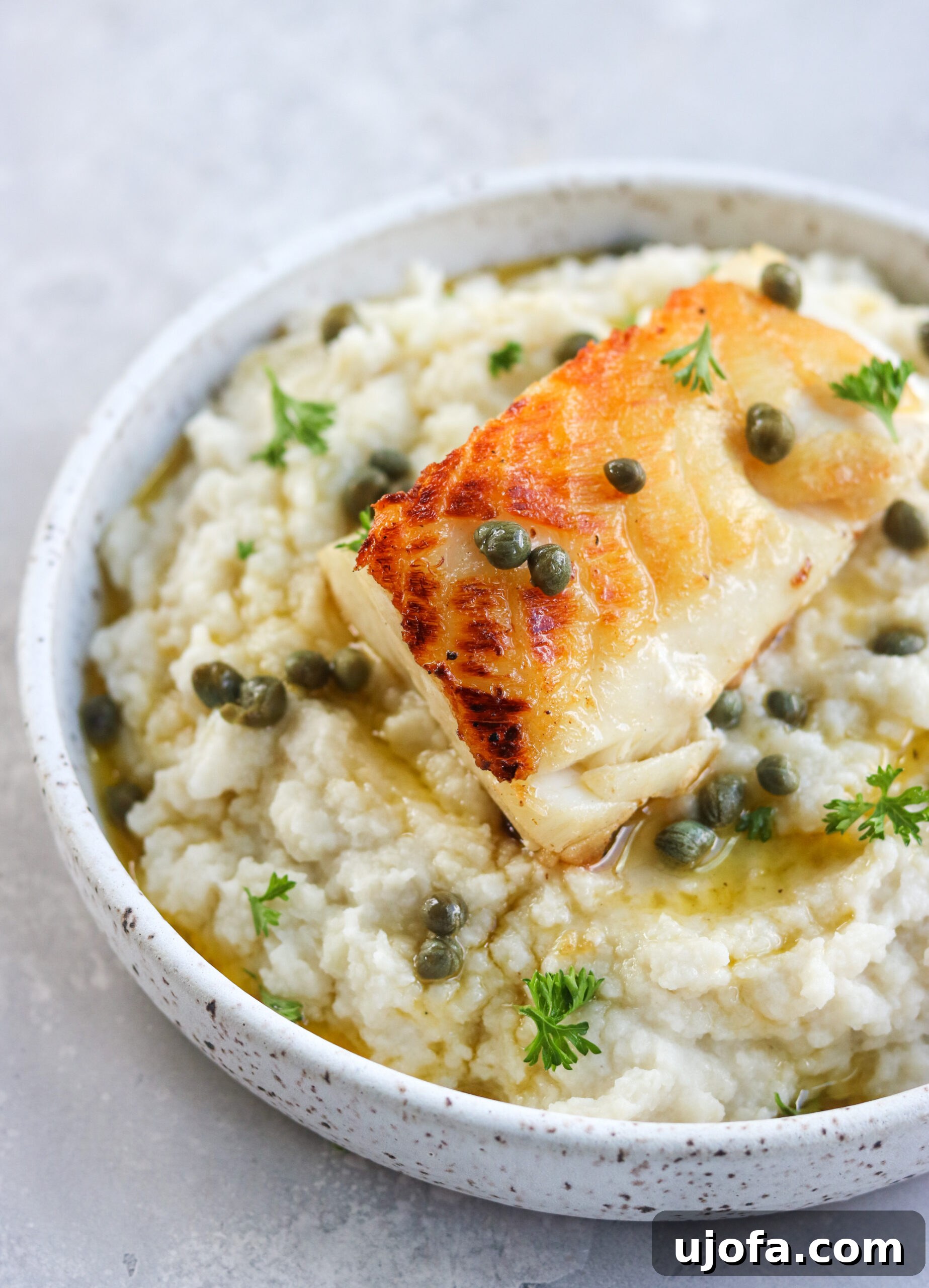
Pan-Seared Chilean Sea Bass with Lemon Caper Butter
Elevate your home cooking with this exquisite yet surprisingly simple Pan-Seared Chilean Sea Bass recipe. Often perceived as a dish reserved for fine dining, Chilean sea bass (also known as Patagonian toothfish) is actually one of the most forgiving and rewarding fish to prepare. Its naturally rich, buttery texture and high fat content make it incredibly difficult to overcook, ensuring tender, flaky results every time. This recipe features a quick, high-heat sear to create a beautiful golden crust, followed by a brief, hands-off finish in the oven to cook the thick fillets through. The final flourish is a vibrant, tangy lemon-caper butter sauce that brightens the entire dish, transforming humble pantry staples into a sophisticated, restaurant-quality meal. You’ll be amazed at how quickly you can bring this impressive dinner to your table, leaving you more time to savor it with family or guests.
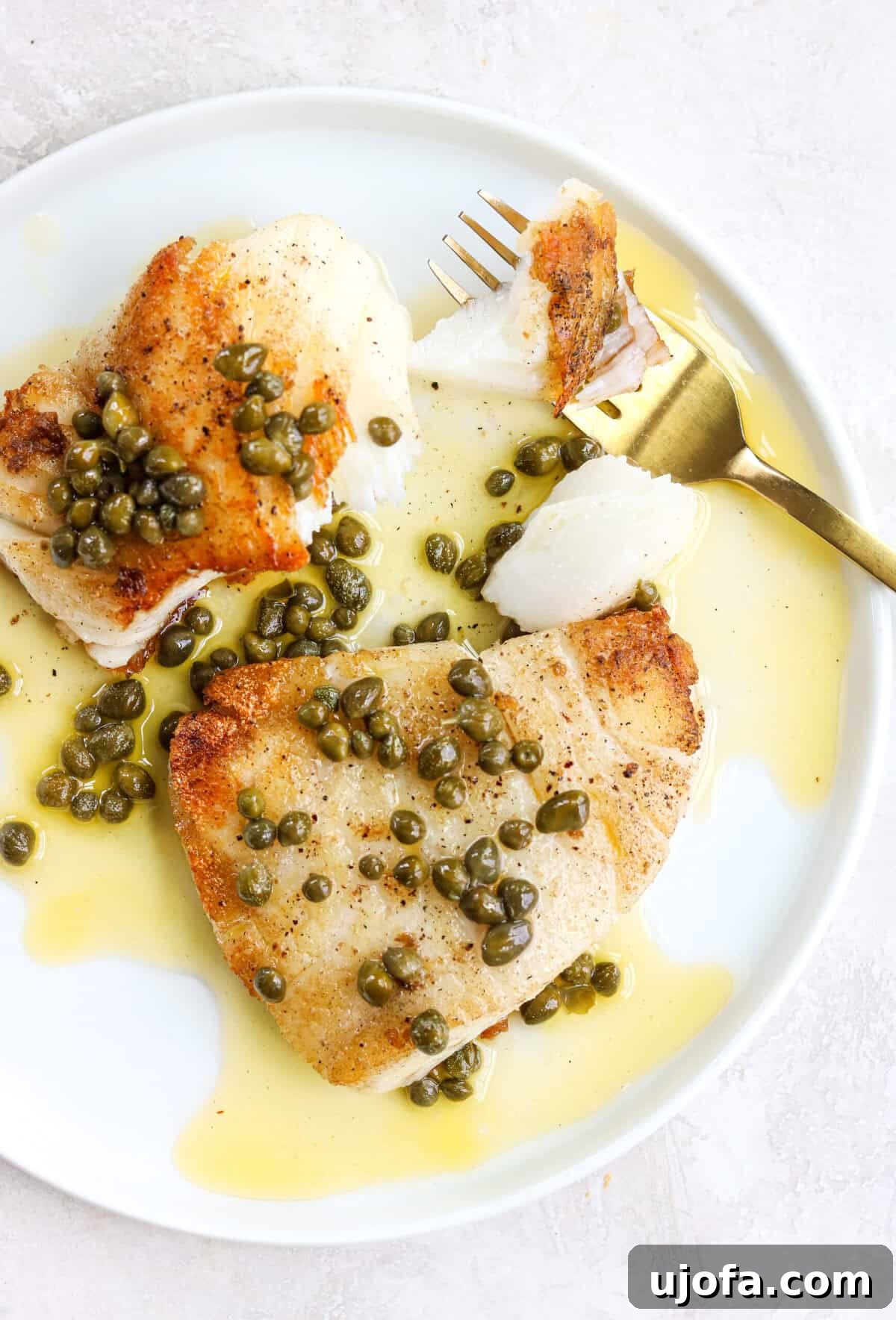
Why You’ll Adore This Chilean Sea Bass Recipe
Preparing gourmet seafood at home doesn’t have to be intimidating, and this recipe is a testament to that. Chilean sea bass stands out among fish varieties for its wonderfully firm, white flesh and its abundant healthy fats, particularly omega-3s. These fats not only contribute to its luxurious, melt-in-your-mouth texture but also act as a buffer, preventing the fish from drying out even if your timing isn’t absolutely perfect. This inherent resilience makes it an ideal choice for home cooks, whether you’re a seasoned chef or just beginning your culinary journey with seafood.
The beauty of this dish lies in its simple yet effective sear-then-bake method. This technique ensures a perfectly crisp exterior while maintaining a moist, buttery, and incredibly flaky interior every single time. No fancy equipment or complex maneuvers are required – just a hot skillet and an oven. This straightforward approach allows the natural excellence of the sea bass to shine through, delivering consistently delicious results.
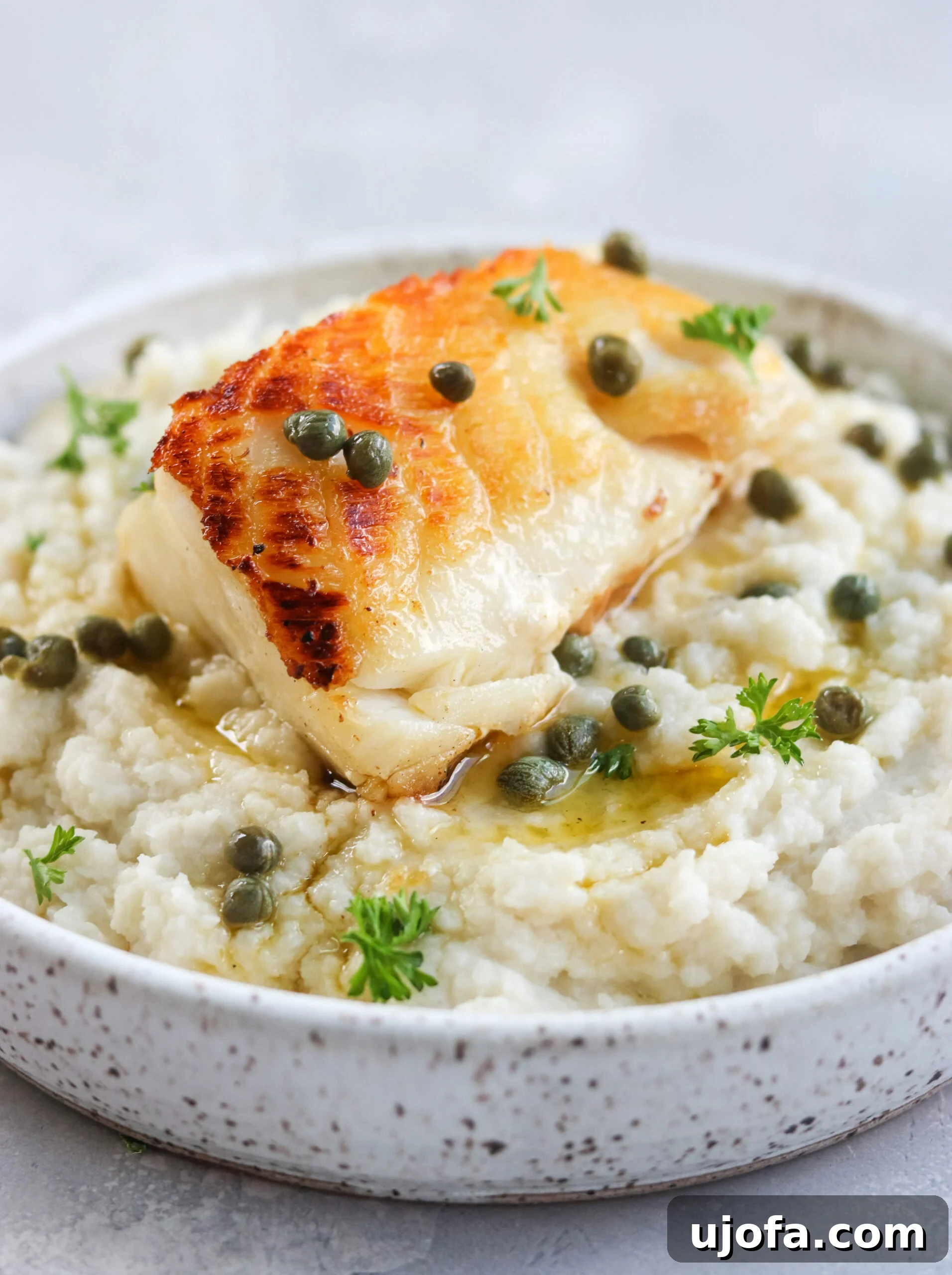
Furthermore, this recipe cleverly utilizes everyday pantry staples to create an extraordinary pan sauce. A harmonious blend of rich butter (or ghee/vegan butter), a refreshing squeeze of fresh lemon, and a tablespoon of briny capers comes together in mere minutes to produce a sauce that tastes remarkably complex and sophisticated. This elegant accompaniment beautifully complements the richness of the fish, adding a bright, zesty counterpoint. Serve a generous fillet alongside a creamy Instant Pot Risotto with Peas or spooned over velvety Mashed Potatoes for a truly impressive meal that’s still perfectly achievable on a busy weeknight.
Essential Ingredients You’ll Need
This remarkable dish comes together with a selection of accessible ingredients, each playing a crucial role in creating its harmonious flavors and textures. While the exact measurements are detailed in the comprehensive recipe card below, here’s an overview of the simple yet powerful components:
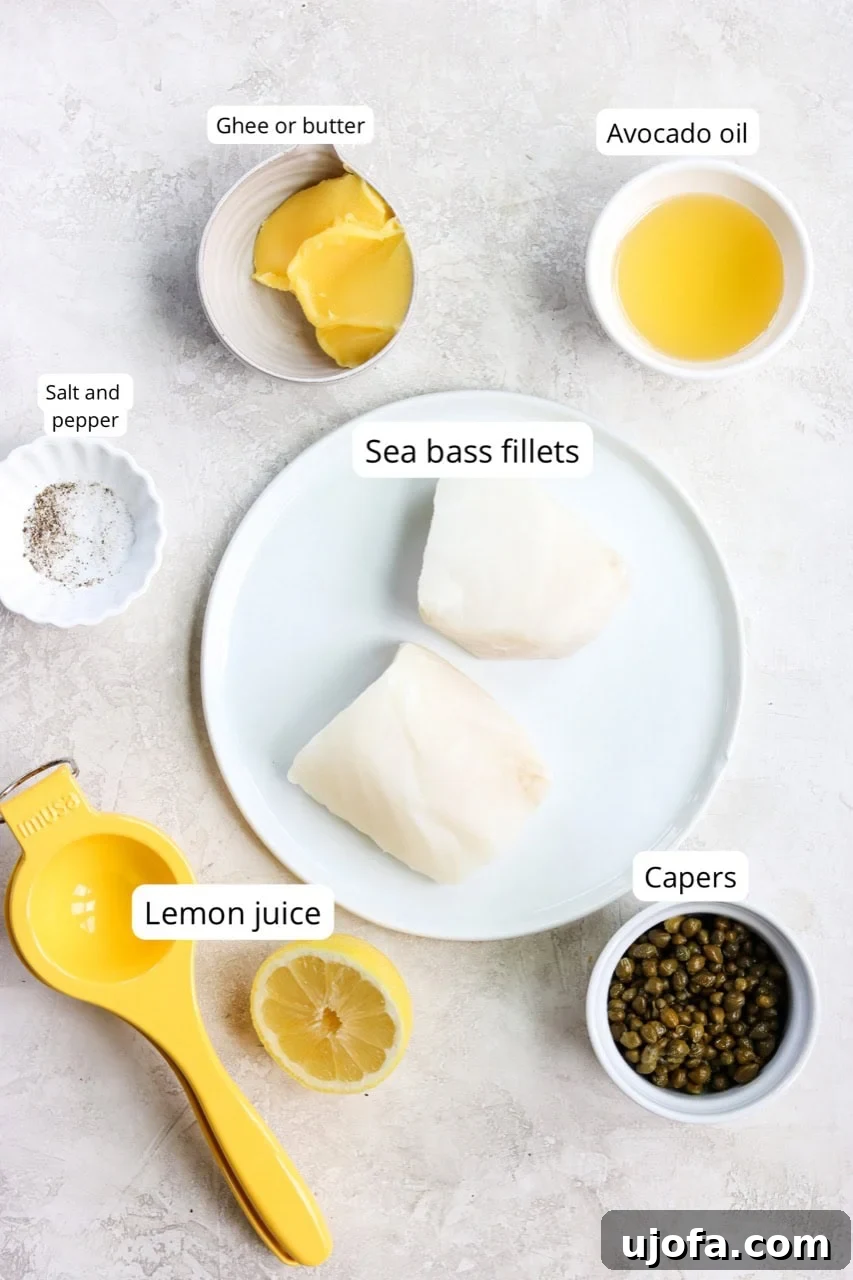
- Chilean Sea Bass Fillets: The star of our dish. Prized for their naturally buttery flavor and rich content of omega-3 fatty acids, these fillets cook up beautifully. When purchasing, always look for MSC-certified labels to ensure your fish has been responsibly and sustainably caught. For additional guidance, consult the Seafood Watch Guide to make informed choices.
- Avocado Oil: Chosen for its exceptionally high smoke point, avocado oil is perfect for searing. It allows you to achieve a beautiful, crispy crust on the fish without the risk of burning or imparting a bitter flavor, ensuring a clean and perfect sear.
- Ghee or Butter: This forms the foundational richness of our silky pan sauce. Ghee offers a slightly nutty flavor and higher smoke point, while regular unsalted butter provides classic creamy depth. For those with dietary restrictions, high-quality vegan butter can be swapped in seamlessly, maintaining the desired texture and flavor.
- Fresh Lemon Juice: A vital component that cuts through the richness of the fish and butter. Its bright, zesty acidity lifts the flavors, adding a refreshing tang that invigorates every bite and prevents the dish from feeling heavy.
- Capers: These tiny, briny flower buds are flavor powerhouses. They provide delightful little pops of salty, tangy flavor that are essential to the classic lemon-caper sauce, making the fish “sing” with their vibrant contribution.
- Dry White Wine (Optional): A splash of dry white wine, such as Sauvignon Blanc or Pinot Grigio, adds an extra layer of depth, acidity, and aromatic complexity to the pan sauce. It deglazes the pan, capturing all the delicious fond for an even richer flavor profile.
- Fresh Parsley or Oregano: A simple sprinkle of fresh, finely chopped herbs just before serving adds a burst of vibrant color and a fresh, herbaceous warmth that elevates the overall presentation and taste.
- Sea Salt & Black Pepper: The most fundamental seasonings. These humble ingredients are crucial for enhancing the natural flavors of the Chilean sea bass and bringing out the best in the accompanying sauce. Seasoning generously but judiciously is key.
Expert Fish-Buying Tip: Don’t shy away from frozen fillets! They are perfectly acceptable and often just as fresh as “fresh” fish found at the counter. Simply thaw them overnight in the refrigerator. The most crucial step before cooking, regardless of whether it’s fresh or thawed, is to thoroughly blot the fillets dry with paper towels. Removing excess moisture is key to achieving that desirable crispy sear.
How to Master Cooking Chilean Sea Bass
This Chilean sea bass recipe is celebrated for its simplicity and the consistently buttery, flaky results it yields. The method combines a powerful stovetop sear with a gentle oven finish, locking in moisture and creating an irresistible texture. With just a few strategic steps, you’ll achieve perfectly cooked fish in under 15 minutes of active cooking time. The key is to prepare the fish properly, establish a hot skillet, and then let the dual cooking process work its magic.
To begin, ensure your fillets are thoroughly patted dry and seasoned generously. Next, you’ll create a sizzling hot surface by preheating your skillet with avocado oil. The fish is then placed skin-side down for an initial sear, allowing that beautiful, crispy skin to develop. A brief flip to sear the other side, followed by a quick transfer to the oven, completes the cooking process, ensuring the thick center is perfectly tender and moist. The result is a golden, succulent Chilean sea bass, ready to be adorned with our bright lemon-caper butter sauce.
Step-By-Step Instructions for Flawless Sea Bass
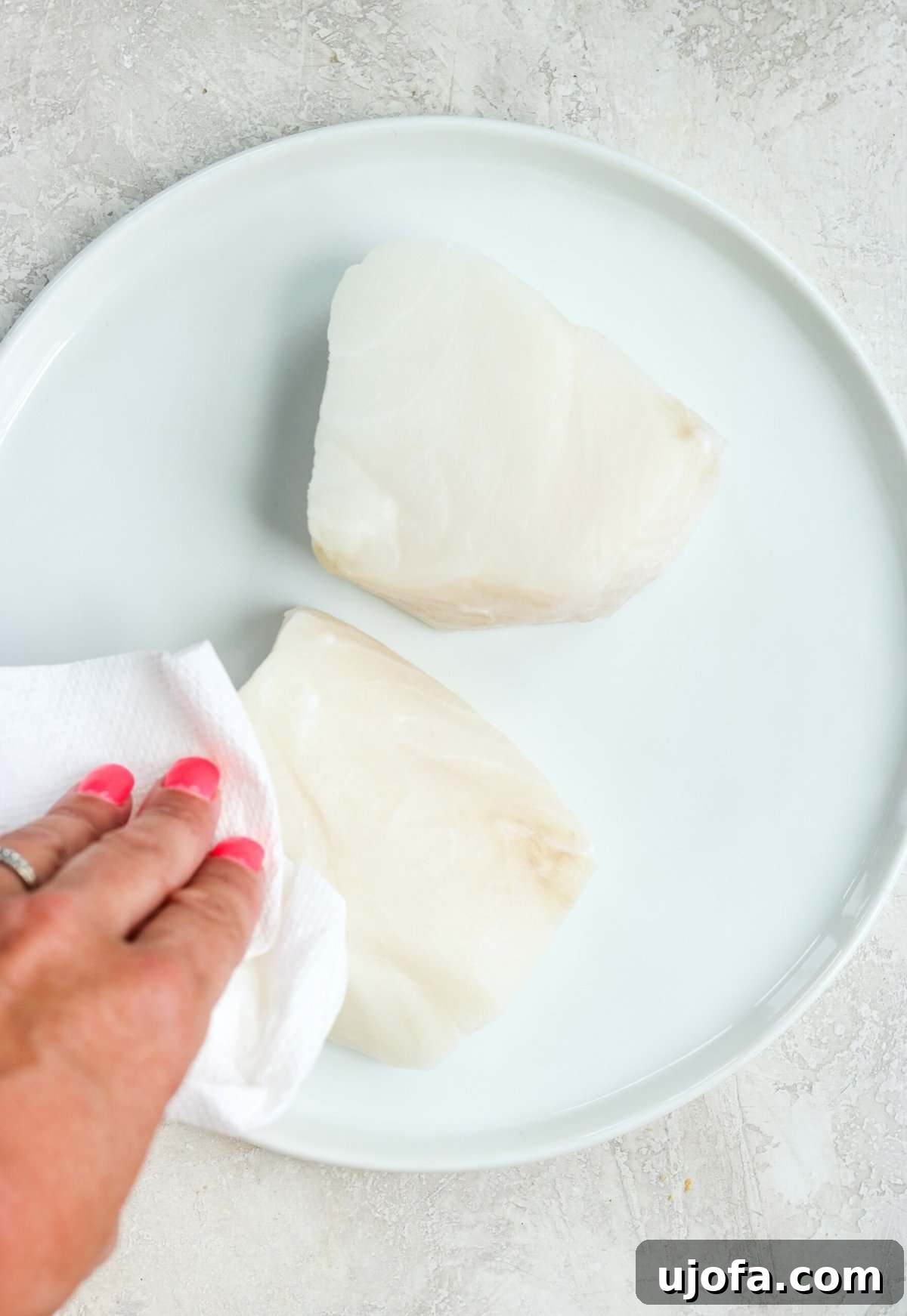
Step 1: Prepare the Fillets. Before seasoning, it is absolutely crucial to pat the Chilean sea bass fillets completely dry using paper towels. Removing all surface moisture allows for optimal searing and the development of a crispy, golden crust, preventing the fish from steaming in the pan.
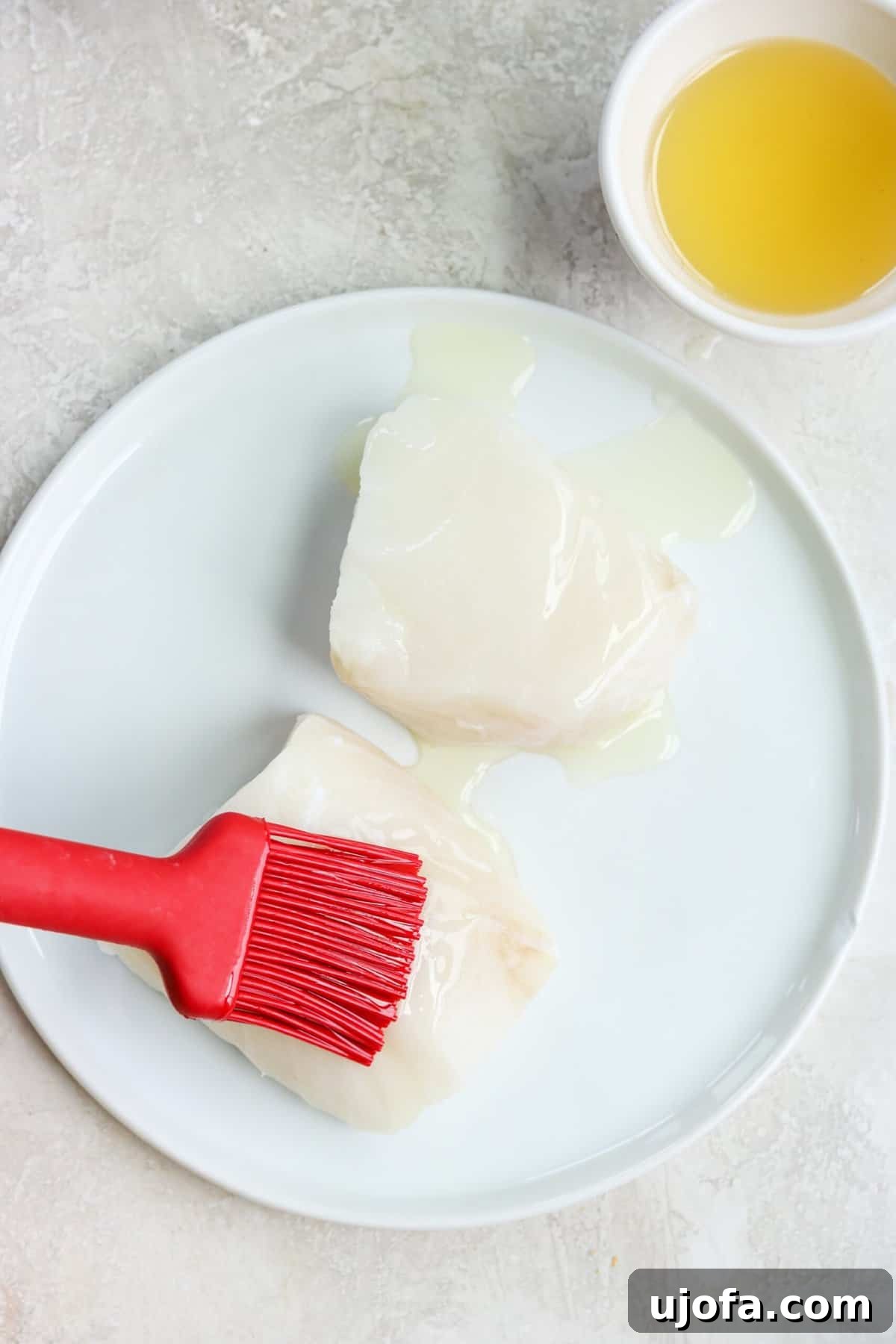
Step 2: Season Generously. Lightly brush both sides of each dried fillet with avocado oil, ensuring even coverage. Then, season liberally with sea salt and freshly ground black pepper. This simple seasoning enhances the natural flavors of the fish.
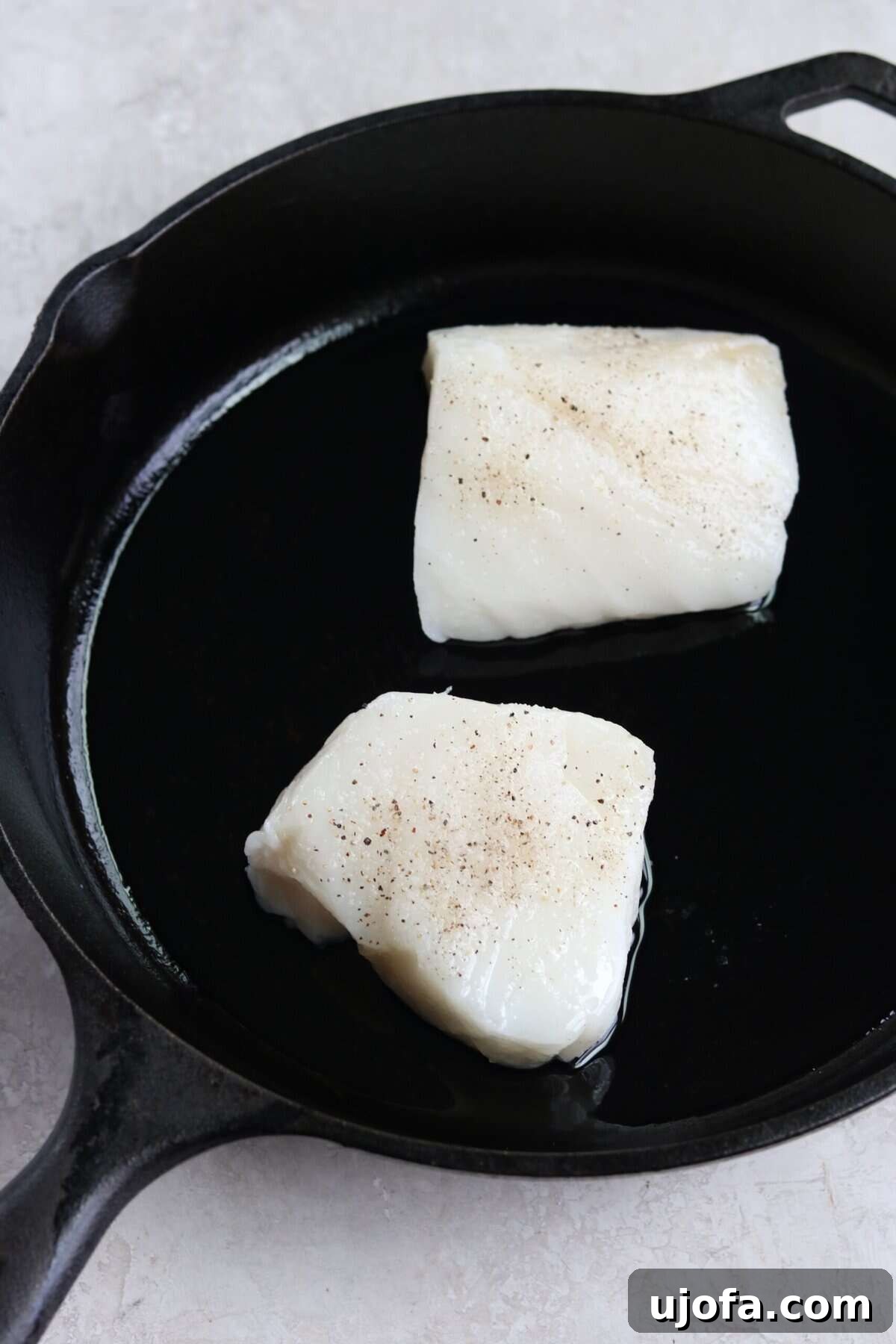
Step 3: Initiate the Sear. Preheat a heavy-bottomed, oven-safe skillet (cast iron works best) over medium-high heat for approximately 3 minutes until it’s screaming hot. Add the avocado oil, then carefully place the seasoned fillets skin-side down. Sear undisturbed for 5 minutes to develop a crisp, golden-brown skin.
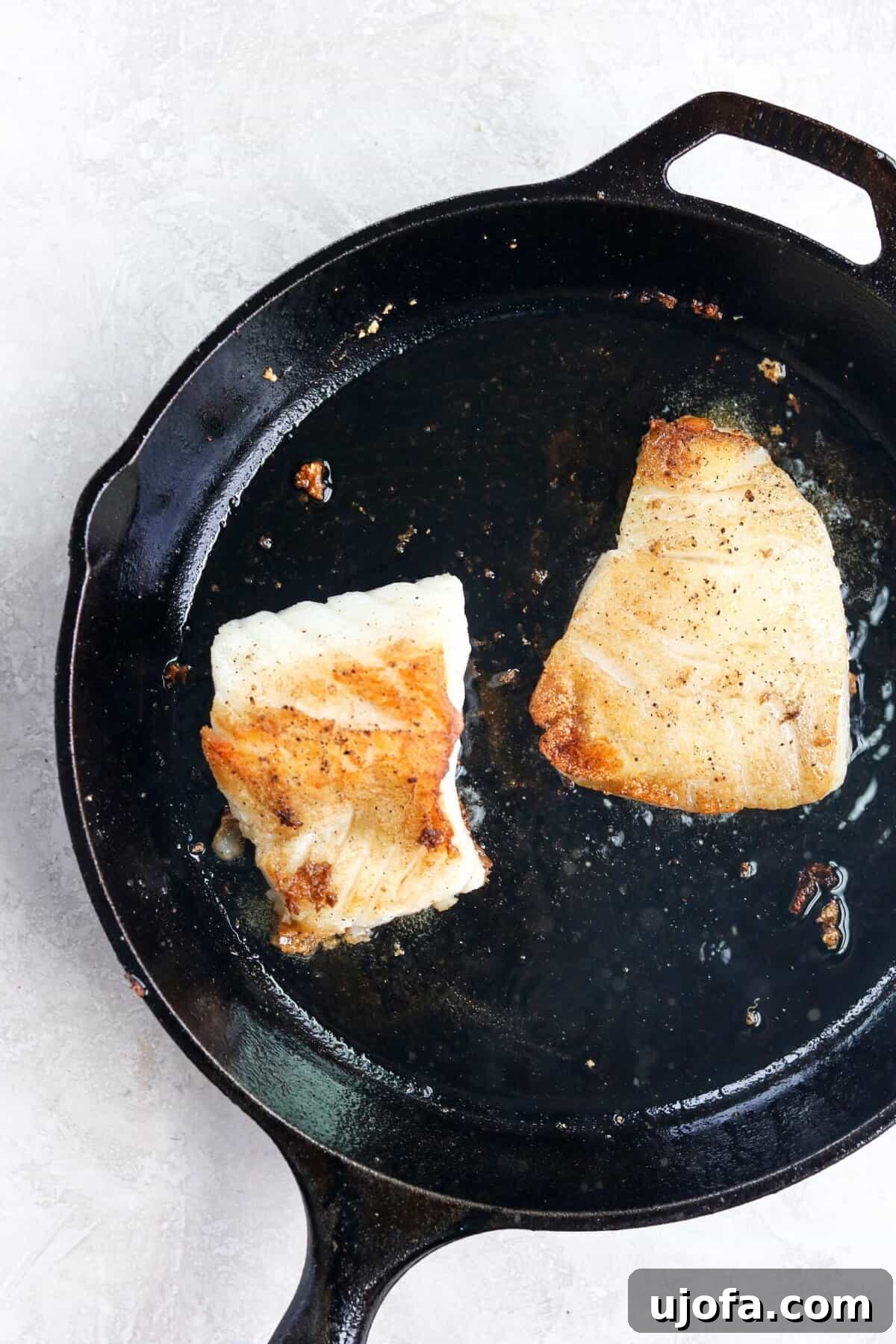
Step 4: Flip and Finish. After the initial sear, gently flip the fillets. Immediately transfer the entire skillet to a preheated 425°F (220°C) oven. Bake for an additional 5 minutes, or until the thickest part of the fish reaches an internal temperature of 135-140°F (57-60°C) and flakes easily with a fork.
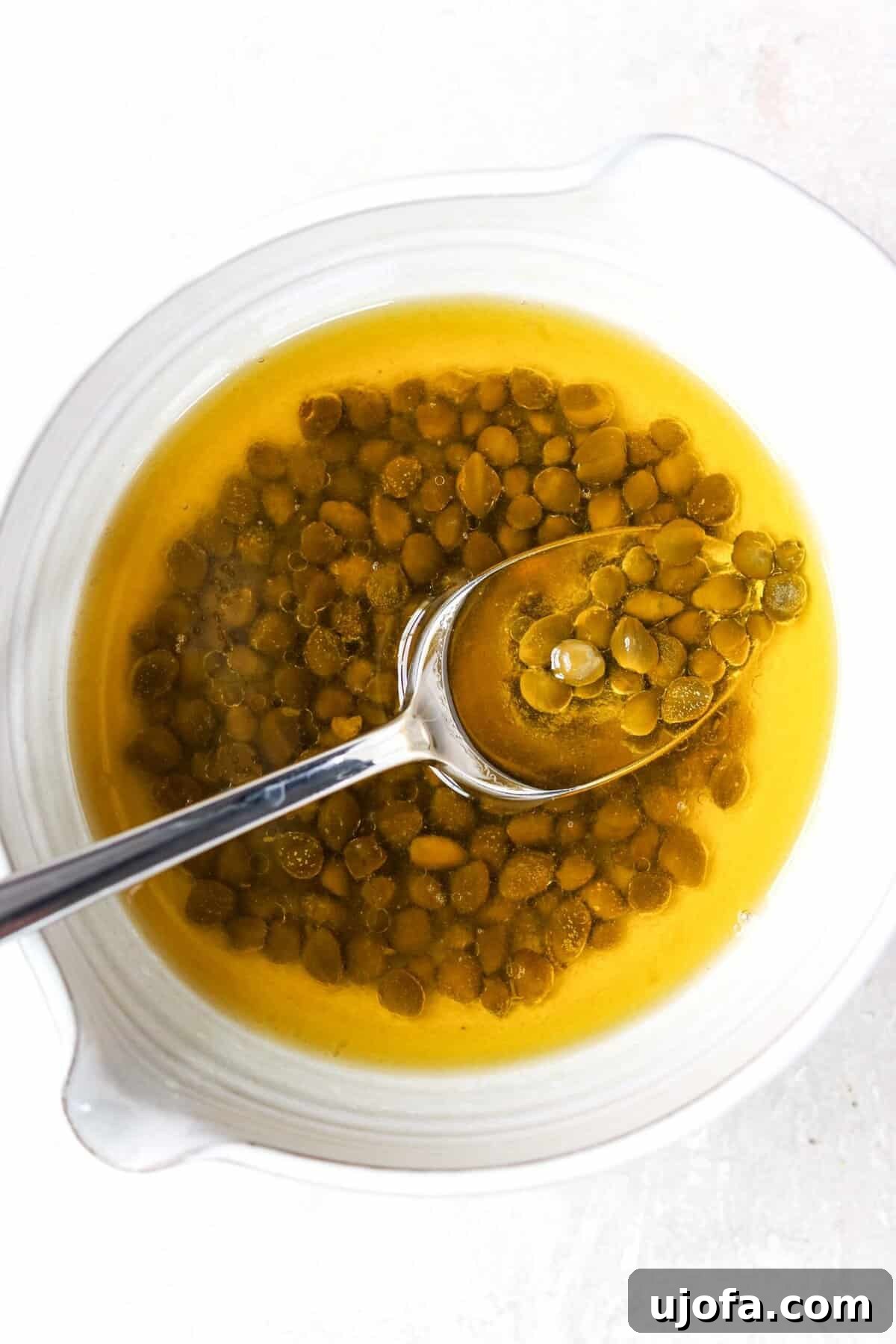
Step 5: Prepare the Lemon-Caper Butter. While the fish finishes cooking in the oven, melt the ghee or butter in a small saucepan over low heat. Stir in the fresh lemon juice, capers, and an optional splash of dry white wine. Let it simmer gently for about 1 minute to allow the flavors to meld beautifully.
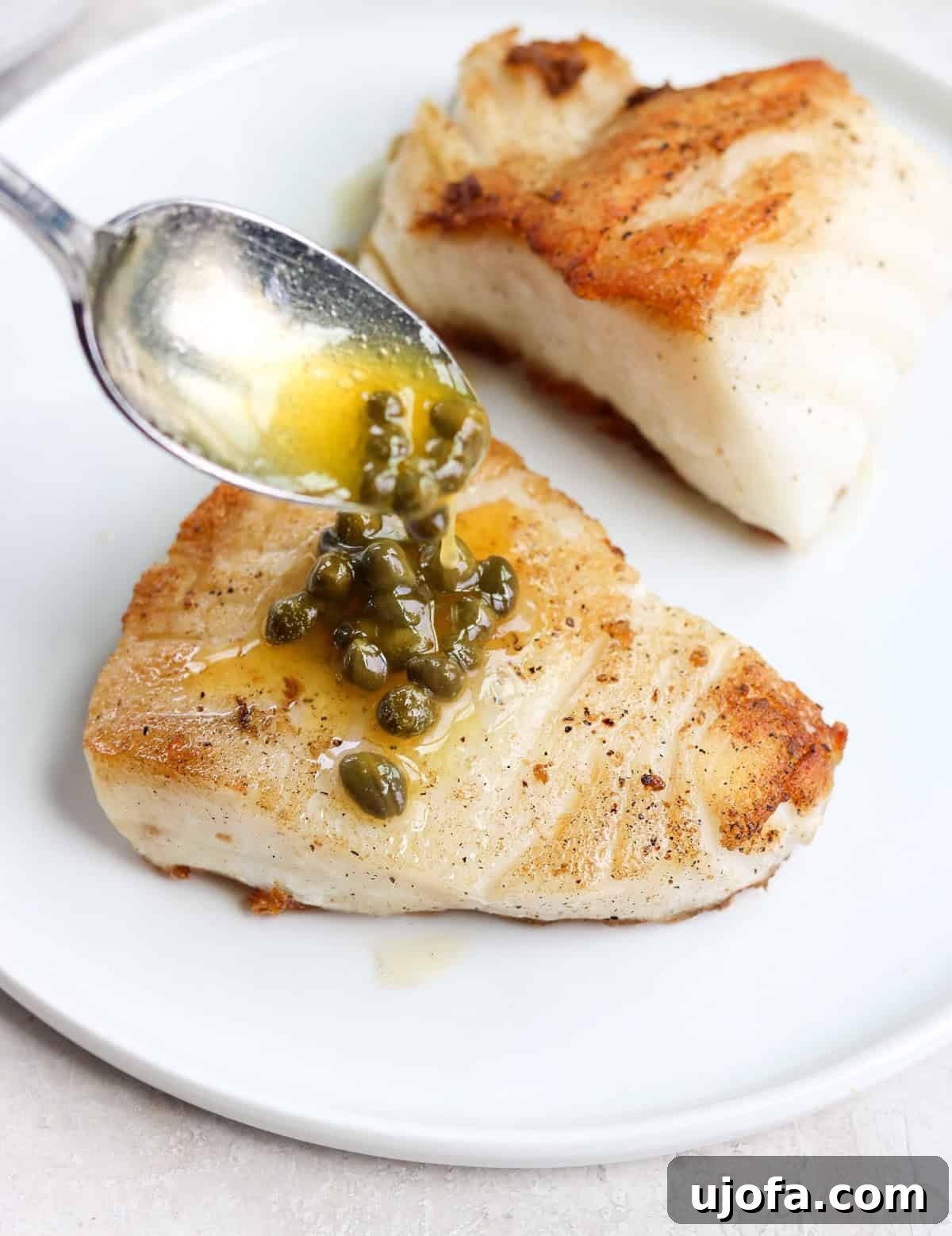
Step 6: Plate and Serve. Carefully transfer the cooked Chilean sea bass fillets to individual serving plates. Spoon the aromatic lemon-caper butter generously over each fillet. Finish with a sprinkle of fresh, chopped parsley or oregano for a final touch of color and herbaceous aroma. Serve immediately and enjoy!
Mary’s Insider Tips for Perfection
- Achieve the Perfect Crust with a Preheat: The secret to a gorgeous, non-stick crust on your sea bass lies in properly preheating your skillet. A 3-minute dry preheat over medium-high heat ensures the pan is hot enough to instantly sear the fish, creating that desirable crispy texture without sticking. Don’t rush this step!
- Invest in a Fish Spatula: This specialized tool is a game-changer when working with delicate fish. Its thin, flexible edge is designed to slip cleanly under the tender skin and flesh, allowing you to flip and transfer the fillets without tearing or damaging them, preserving their beautiful presentation.
- Manage Smoke, Master the Heat: If you’re cooking on a powerful gas range, starting at medium heat and then increasing it once the oil begins to shimmer is a smart strategy. This prevents the oil from smoking prematurely, which can impart an unpleasant burnt flavor and create an uncomfortable cooking environment. A shimmering oil indicates it’s hot enough to sear effectively.
- Effortlessly Make it Dairy-Free: Adapting this recipe for dairy-free diets is incredibly simple. High-quality vegan butter can be substituted for ghee or regular butter in a 1:1 ratio for the sauce, maintaining its rich and creamy texture. Alternatively, extra virgin olive oil can be used for a lighter, equally delicious option.
Alternative Cooking Methods for Chilean Sea Bass
While pan-searing and oven-finishing yields exceptional results, Chilean sea bass is versatile and can be prepared using other popular cooking methods. Here are a few alternatives, each offering a slightly different texture and flavor profile:
| Method | Temp & Time | Good to Know |
|---|---|---|
| Air Fryer | 400°F (200°C), 8-10 min, flip halfway | For an ultra-crispy crust with minimal oil, the air fryer is fantastic. Lightly oil the air fryer basket to prevent sticking. This method eliminates the need for a separate skillet. |
| Oven-Roasted | 400°F (200°C), ~15 min | For a hands-off approach, roasting in the oven is a great option. Place fillets on a parchment-lined baking sheet to prevent sticking and ensure easy cleanup. Basting with melted ghee or butter halfway through adds moisture and flavor. |
| Grill | Oiled grates, 2-3 min per side | Grilling imparts a wonderful smoky flavor and beautiful grill marks. Ensure your grates are clean and well-oiled to prevent sticking. A specialized fish basket can be very helpful in keeping delicate fillets intact and making flipping easier. |
Inspired Serving Ideas for Your Chilean Sea Bass
This versatile Chilean sea bass pairs beautifully with a variety of sides, making it easy to adapt to any occasion or dietary preference. Here are some of our favorite suggestions to complete your gourmet meal:
- Classic Comfort with Risotto: Spoon extra lemon-caper butter sauce over a generous serving of Creamy Instant Pot Risotto with Peas. The rich, cheesy (or dairy-free) risotto provides a comforting base that perfectly absorbs the bright flavors of the sauce, creating a creamy, kid-friendly side dish that feels incredibly indulgent.
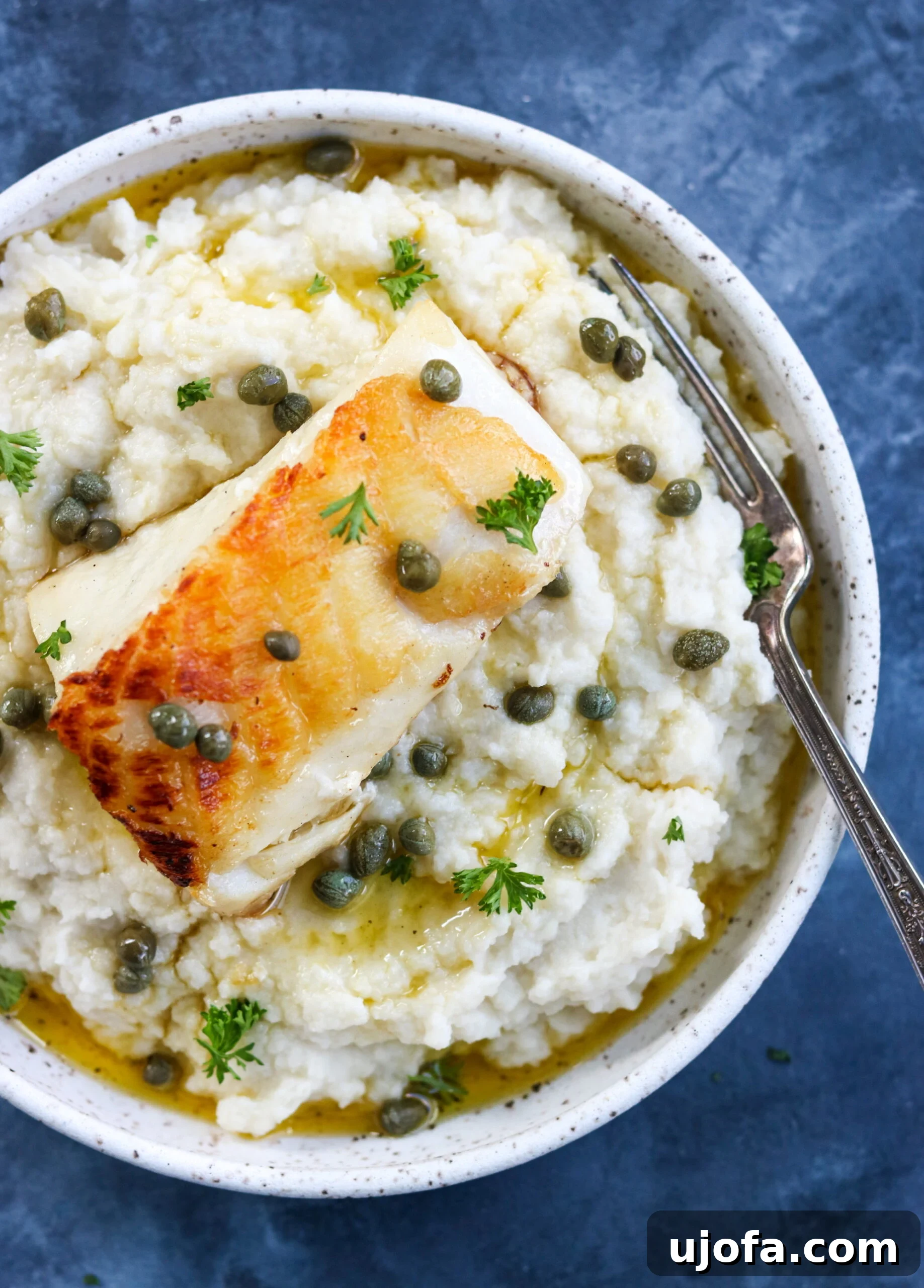
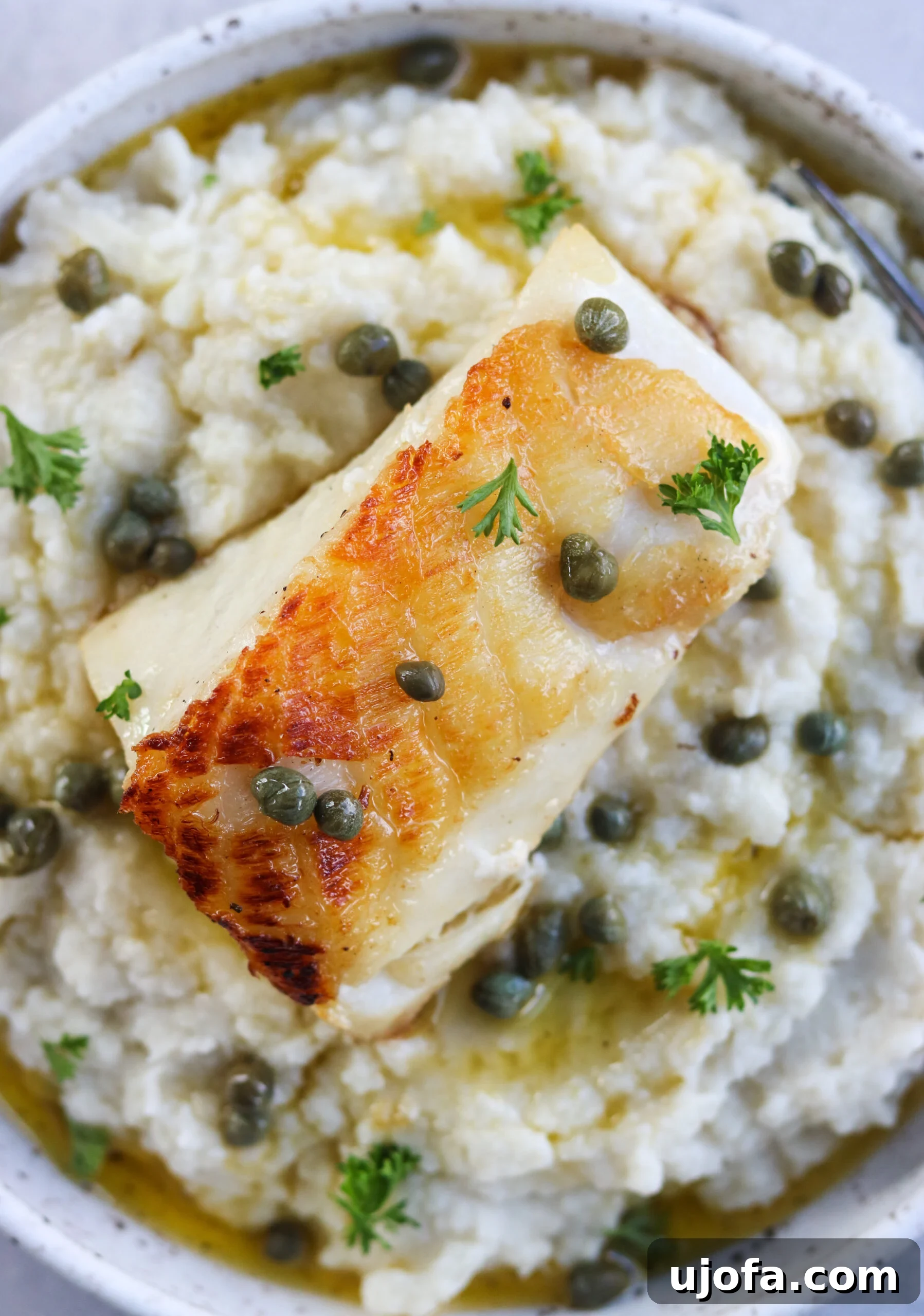
- Light and Low-Carb Elegance: For a lighter, low-carb alternative that doesn’t skimp on flavor, serve your sea bass with our delightful Garlic Cauliflower Mash (full recipe available in the recipe card below). The creamy, savory mash acts as a perfect foil to the rich fish. Complement this with a quick sauté of fresh baby spinach or tender Sautéed Delicata Squash for a well-rounded and nutritious meal.
- The Perfect Wine Pairing: To truly enhance the dining experience, pair your pan-seared Chilean sea bass with a chilled glass of dry white wine. A crisp Sauvignon Blanc or an unoaked Chardonnay are my personal go-to choices. Their bright acidity and subtle fruit notes beautifully complement the richness of the fish and the tang of the lemon-caper sauce.
Storage & Reheating Best Practices
Proper storage and reheating ensure your leftover Chilean sea bass remains delicious and safe to enjoy. While freshly cooked is always best, these tips will help you maximize your leftovers:
- Refrigeration: Store any leftover fillets and sauce in a clean, airtight container in the refrigerator for up to 3-4 days. Prompt cooling and proper sealing are key to maintaining freshness.
- Gentle Reheating: To reheat, gently warm the fillets in a skillet over medium-low heat. Add a splash of broth or water if needed to prevent drying. Avoid high heat, as this can toughen the fish. Reheating in a low oven (around 275°F/135°C) until just warmed through is also an excellent option.
- Freezing: Cooked Chilean sea bass can be frozen for longer storage, up to 3 months. Wrap individual fillets tightly in plastic wrap and then in foil, or place them in freezer-safe bags. Thaw overnight in the refrigerator before reheating. For best results, after thawing, re-crisp the skin in a hot pan briefly before serving. Note that the texture may be slightly softer after freezing.
Frequently Asked Questions About Chilean Sea Bass
When sourced correctly, yes, Chilean sea bass (Patagonian toothfish) can be a sustainable option. It is crucial to look for fillets that bear the Marine Stewardship Council (MSC) certification label. This certification indicates that the fish comes from a well-managed fishery that adheres to sustainable practices. These fisheries are closely monitored, and current assessments rate the stock as healthy and responsibly managed.
The most reliable indicators for perfectly cooked fish are visual and tactile. The flesh should transform from translucent to opaque, and it should flake easily when gently probed with a fork. For ultimate precision, an instant-read thermometer inserted into the thickest part of the fillet should register an internal temperature between 135-140°F (57-60°C). Remember that fish will continue to cook slightly after being removed from the heat (carryover cooking).
Absolutely! While Chilean sea bass offers a unique buttery texture, several other firm, white-fleshed fish can be excellent substitutes. Sablefish (also known as black cod) is a fantastic choice, sharing a similar rich, flaky profile. Halibut or thick loins of cod also work beautifully. When substituting, you can generally maintain the same cooking times and temperatures outlined in this recipe, adjusting slightly based on the thickness of your chosen fillets.
Yes, preparing the sauce ahead of time is a great way to streamline your cooking process. You can mix the butter (or ghee/vegan butter), lemon juice, and capers up to a day in advance. Store the mixture in an airtight container in the refrigerator. When ready to use, gently warm it in a small saucepan over low heat while your fish is baking in the oven. This ensures a hot, fresh sauce ready just as your sea bass comes out.
I genuinely can’t wait for you to experience the ease and delight of preparing such high-quality seafood right in your own kitchen. This Pan-Seared Chilean Sea Bass with Lemon Caper Butter is designed to impress with minimal fuss. If you make this recipe, please take a moment to leave a comment and a star rating below—your valuable feedback truly helps other home cooks discover and succeed with this fantastic dish.
Discover More Delicious Seafood Recipes
The Best Blackened Mahi Mahi (Stovetop or Air Fryer)
15-Minute Air Fryer Halibut
Maple Dijon Pistachio Crusted Salmon with Spring Veggies
Easy Air Fryer Frozen Salmon (No Thaw Method!)
Love this recipe? Please leave a 5-star 🌟🌟🌟🌟🌟 rating in the recipe card below & a review in the comment section. Or, follow me on Facebook, Pinterest or Instagram today!
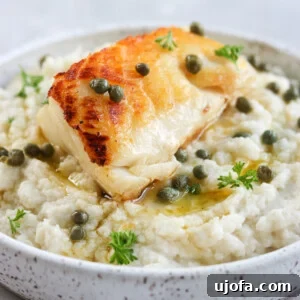
20-Minute Chilean Sea Bass Recipe with Lemon-Caper Butter
Video

Video: Pan Seared Sea Bass with Lemon Caper Butter
Ingredients
- 2 6 oz Chilean sea bass fillets, thawed if previously frozen
- 2 tbsp avocado oil
- salt & pepper, to taste
- 2 tbsp ghee, vegan butter, or regular butter
- Juice from ½ lemon
- 2 tbsp capers
Optional Creamy Garlic Cauliflower Mash
- 32 oz frozen cauliflower, or fresh florets
- ¼ cup chicken broth
- ¼ cup Ghee or vegan butter
- ¼ cup full fat coconut cream, just the thick part from a can of coconut milk. Or use a can of coconut cream.
- 1 tsp sea salt, more to taste
- 1 tsp garlic powder
- ½ tsp black pepper
Instructions
-
Pat your sea bass fillets dry and coat on both sides with 1 tbsp avocado oil. Sprinkle the fillets with salt and pepper.
-
Preheat your oven to 425°F (220°C). Heat the remaining 1 tbsp avocado oil in a cast iron (or other oven-safe skillet) over medium-high heat. When the pan is nice and hot, add the fillets skin side down (if they have skin). Let them cook, untouched, for 5 mins. Flip and cook for an additional 5 minutes on the other side.
-
Transfer the skillet to the oven and cook for an additional 5 minutes. The fish should flake easily with a fork at this point.
-
While the fish is cooking, make the optional creamy garlic cauliflower mash: Bring a large pot of water to a boil and add the frozen cauliflower. Cook it for 10-15 minutes until you can easily pierce the florets with a fork. Drain the cauliflower really well and return it to the pot. Add in the chicken broth, coconut milk, ghee (or vegan butter), garlic powder, and salt. Use an immersion blender (or regular blender or food processor) to blend up the cauliflower until very thick and creamy.
-
Melt the ghee (or vegan butter) for the lemon butter sauce in the microwave or in a sauce pan on the stove. Stir in the lemon juice and capers. Serve the fish over some cauliflower mash (if using) and spoon some of the lemon butter caper sauce over top. Enjoy!
Notes
Preheat the pan. A 3-minute dry heat ensures a gorgeous crust without sticking.
Use a fish spatula. Its thin edge slips cleanly under delicate skin, making flipping and serving easy.
Keep smoke down. If you cook on a powerful gas range, start at medium heat and bump it up once the oil’s shimmering to avoid smoking.
Make it dairy-free. Vegan butter or olive oil swaps in 1:1 for ghee in the sauce.
Optional cauliflower mash adds approximately 150 kcal, 9 g fat, and 5 g net carbs per ¾-cup serving.
Nutrition Information
All nutrition facts are an estimate and automatically calculated. While I fact-check them using My Fitness Pal, please note that they may not always be 100% accurate and depend on ingredients used. For the most accurate grams per serving size, weigh your total and divide by the number of servings.
This post was originally published on March 6, 2021, and was updated with fresh content, enhanced photography, and refined instructions on June 26, 2022.