
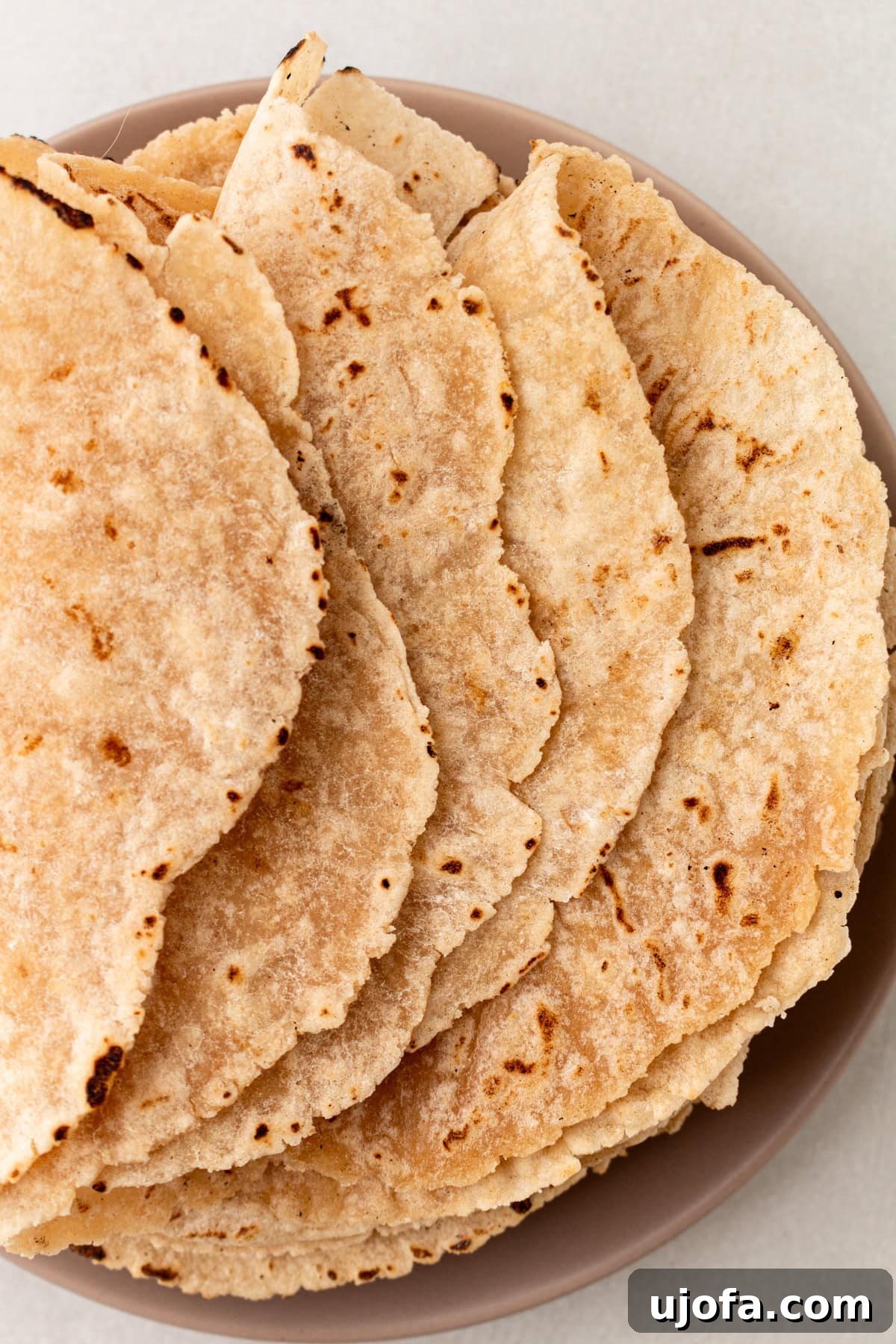
Discover the ultimate secret to incredibly easy, pliable, and delicious gluten-free tortillas with this foolproof cassava flour recipe. Forget store-bought versions; these homemade cassava tortillas are a game-changer, requiring just a handful of simple ingredients and minimal effort. Perfect for a quick weeknight dinner, meal prep, or impromptu snacking, they offer a soft, slightly chewy texture with exceptional flexibility, making them ideal for everything from hearty tacos to versatile wraps.
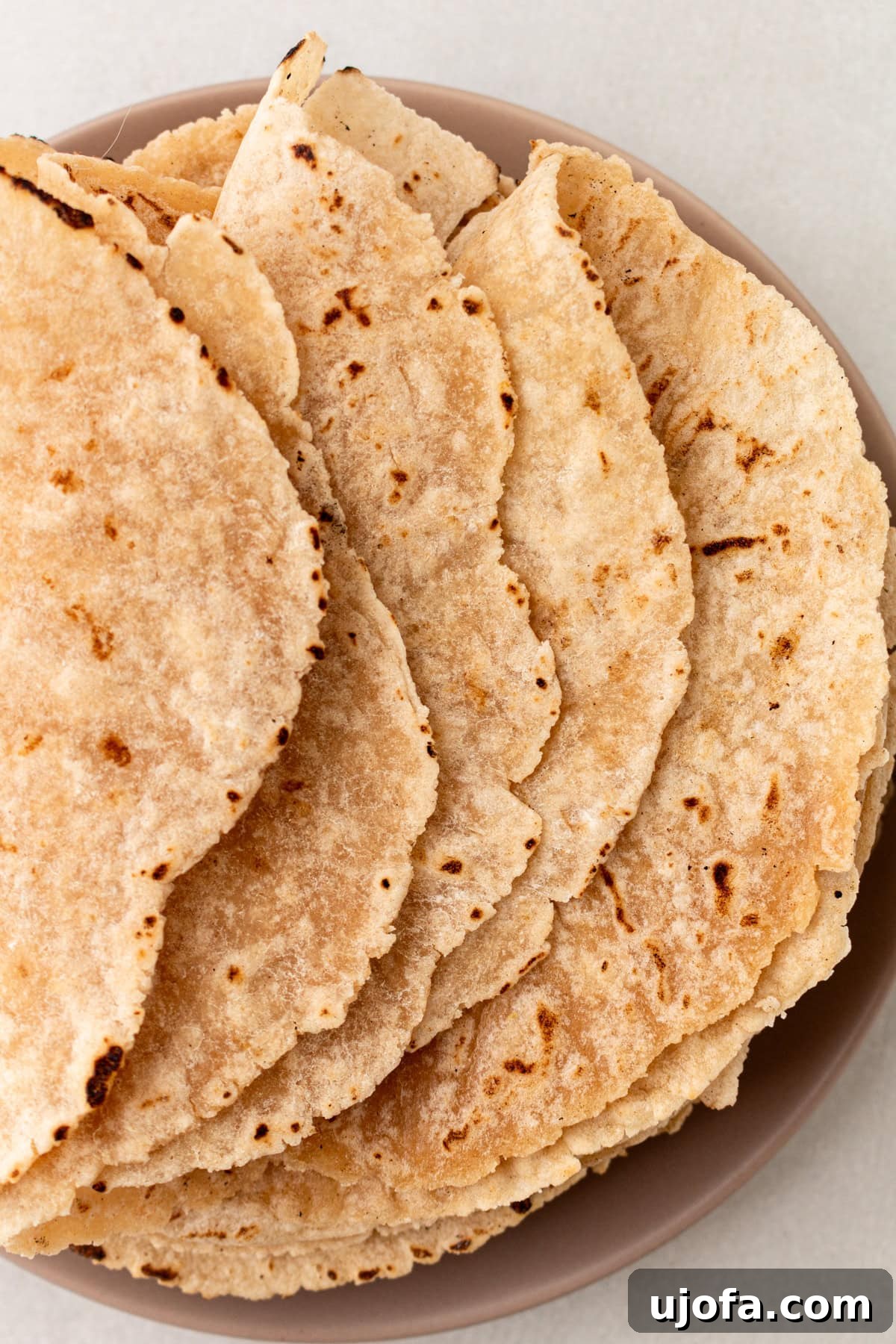
When it comes to homemade tortillas, few recipes rival the simplicity and fantastic results of using cassava flour. As a dedicated advocate for gluten-free cooking, I’ve explored numerous flour alternatives, but cassava flour consistently stands out for its unique properties. Derived from the starchy root of the cassava plant, this gluten-free flour is naturally mild in flavor, highly versatile, and creates a dough that’s wonderfully easy to work with. Unlike some gluten-free flours that can lead to crumbly or stiff tortillas, cassava flour yields a product that’s soft, incredibly flexible, and deliciously satisfying.
To enhance the texture and pliability even further, this recipe incorporates a touch of tapioca flour. Tapioca, also a starch extracted from the cassava root, acts as a binder and helps achieve that signature soft, slightly chewy consistency that makes these tortillas so irresistible. This combination ensures your tortillas are not only easy to roll and cook but also hold up beautifully to all your favorite fillings, whether it’s for vibrant taco nights, wholesome school lunch wraps, or even crispy, homemade tortilla chips. Once you experience the convenience and superior taste of these cassava flour tortillas, you might just find yourself, like me, making them your new go-to.
Why Choose Cassava Flour for Your Tortillas?
Cassava flour has gained immense popularity in gluten-free and grain-free baking, and for good reason, especially when it comes to tortillas. Here’s what makes it an exceptional choice:
- Naturally Gluten-Free and Grain-Free: For those with Celiac disease, gluten sensitivity, or simply following a grain-free diet, cassava flour is a safe and healthy alternative to traditional wheat or corn flours.
- Neutral Flavor Profile: Unlike some alternative flours that can impart a distinct taste, cassava flour has a very mild, neutral flavor. This allows the flavors of your fillings to shine, making it incredibly versatile for both savory and slightly sweet applications.
- Superior Texture: The natural starchiness of cassava flour gives tortillas a desirable soft, yet slightly chewy texture that closely mimics traditional wheat tortillas. They are pliable and don’t crack easily, which is often a challenge with other gluten-free flours.
- Easy to Work With: Cassava dough is surprisingly forgiving and easy to handle. It rolls out smoothly and holds its shape well, simplifying the tortilla-making process even for beginners.
- Nutrient-Dense: Cassava is a good source of carbohydrates, providing energy, and contains some vitamin C and manganese.
- Digestibility: Many people find cassava flour easier to digest compared to grain-based flours.
By harnessing the power of cassava flour, you’re not just making gluten-free tortillas; you’re crafting a superior, versatile, and genuinely enjoyable bread product that will elevate your meals.
Expert Tips for Perfect Gluten-Free Cassava Tortillas
Achieving consistently perfect cassava flour tortillas is simple with a few key techniques. These tips will help you master the dough and cooking process, ensuring every tortilla is soft, pliable, and perfectly cooked:
- Temperature of Water is Key: Cassava flour is highly absorbent, and the temperature of your water makes a significant difference. Always use hot water – think just off the boil, but not actively bubbling. Water that’s too hot can scald the flour and make the dough overly sticky, while water that’s too cool won’t allow the flour to hydrate properly, leading to a crumbly, difficult-to-work-with dough. The ideal dough should feel soft, pliable, and easy to press without sticking to your fingers.
- Achieve Uniform Thickness: Whether you’re using a tortilla press or a rolling pin, consistency is crucial. Aim for each tortilla to be a 6-inch circle, approximately 1/8-inch thick. Uniform thickness ensures even cooking, preventing undesirable burnt edges or undercooked, raw spots in the center. Using parchment paper on both sides of the dough ball can significantly help with even rolling and prevent sticking.
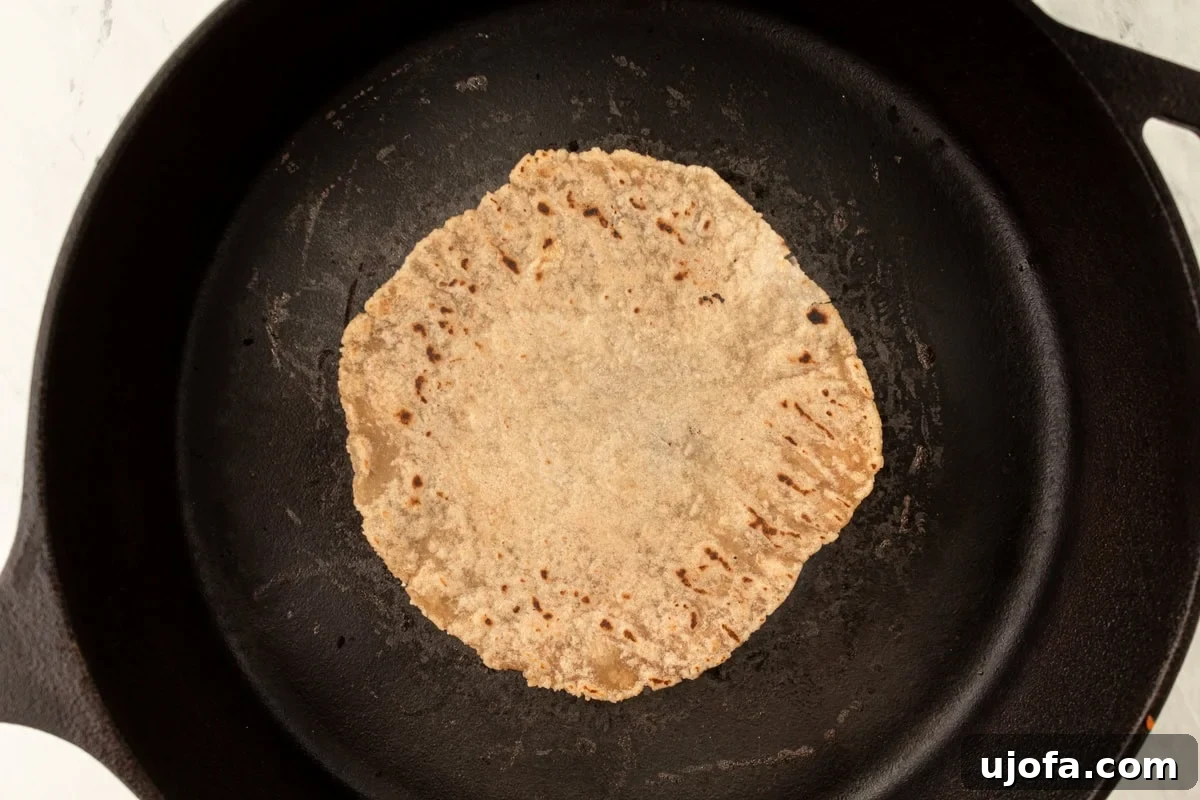
- The Right Pan Temperature: A properly heated skillet is essential for cooking tortillas evenly and quickly. A medium-high heat setting is generally best. If the pan is too hot, the tortillas will burn on the outside before cooking through to the center. If it’s too cool, they’ll become stiff and dry, failing to develop the characteristic soft texture. I recommend placing your cast iron skillet on the stove and letting it preheat while you roll out the dough. This ensures a hot, ready surface, allowing you to move smoothly from shaping to cooking.
- Don’t Overmix: While it’s important to combine ingredients thoroughly, overmixing gluten-free doughs, especially those with xanthan gum, can sometimes lead to a tougher texture. Mix just until the ingredients are well incorporated and the dough is cohesive.
- Keep Dough Covered: Cassava dough can dry out quickly when exposed to air. Always keep your dough balls covered with a damp kitchen towel while you work on shaping and cooking each tortilla. This maintains their moisture and pliability, preventing cracks and making them easier to handle.
Easy Homemade Cassava Flour Tortillas
Ashley Barbey
10 tortillas
10 mins
15 mins
25 mins
Equipment
-
1 cast iron skillet
-
Mixing bowls
-
Rolling pin or tortilla press
-
Parchment paper
Ingredients
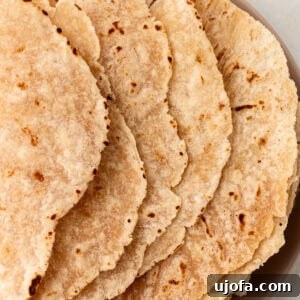
- 1 ¼ cups cassava flour
- 1/3 cup tapioca flour
- ½ teaspoon kosher salt
- ¾ teaspoon xanthan gum
- 4 tablespoons butter, melted (or coconut oil for a dairy-free option)
- ¾ cup very hot water
Instructions
-
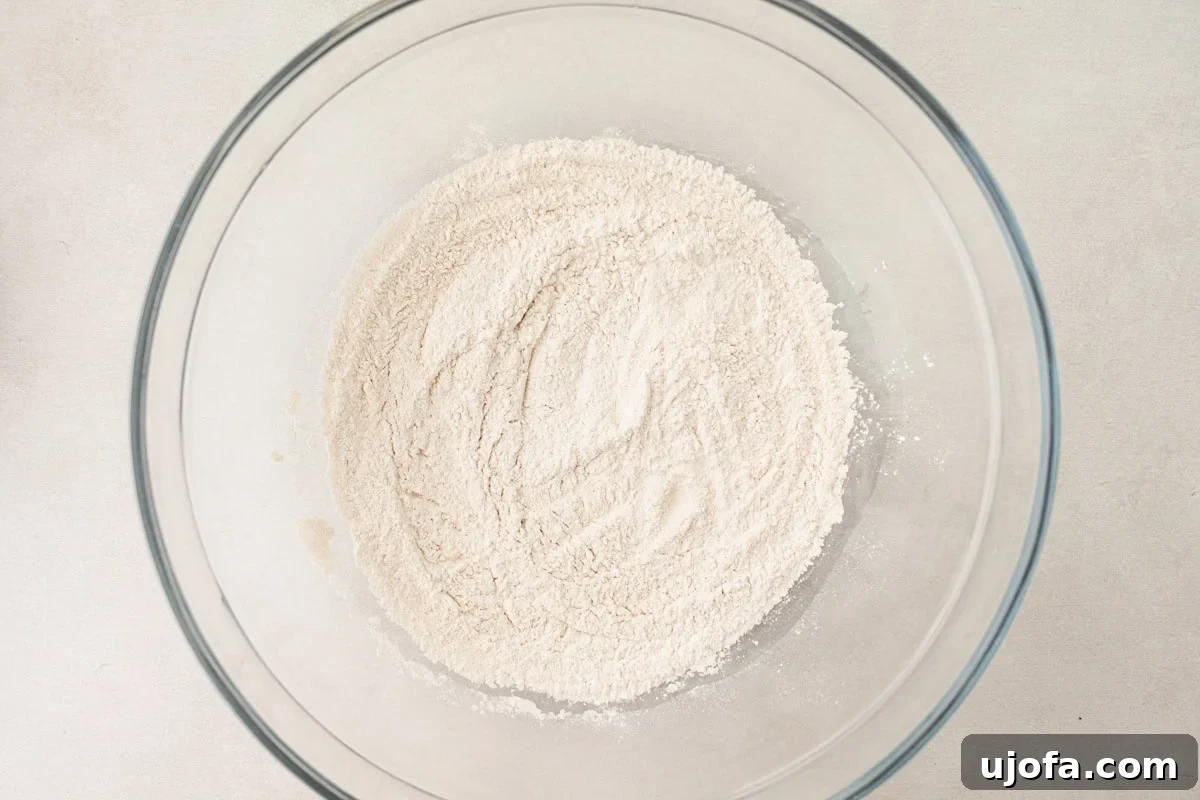
In a medium mixing bowl, whisk together the cassava flour, tapioca flour, kosher salt, and xanthan gum until they are thoroughly combined and no lumps remain.
-
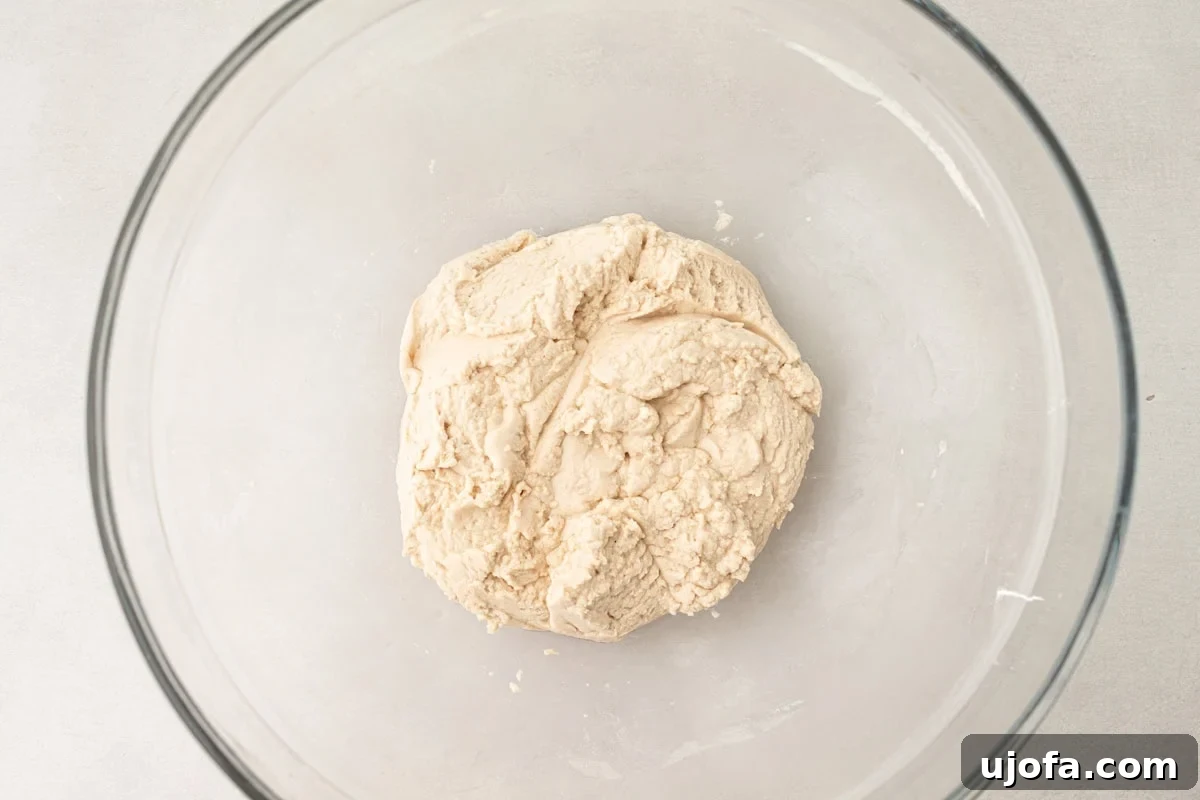
Pour in the melted butter (or coconut oil) and the very hot water. Stir vigorously with a spoon or spatula until all ingredients are well incorporated and the mixture forms a cohesive dough. Continue mixing for about 1½ to 2 minutes to ensure there is no grittiness from unmixed flour. The dough should be soft, pliable, and should not stick to your fingers when gently pressed.
-
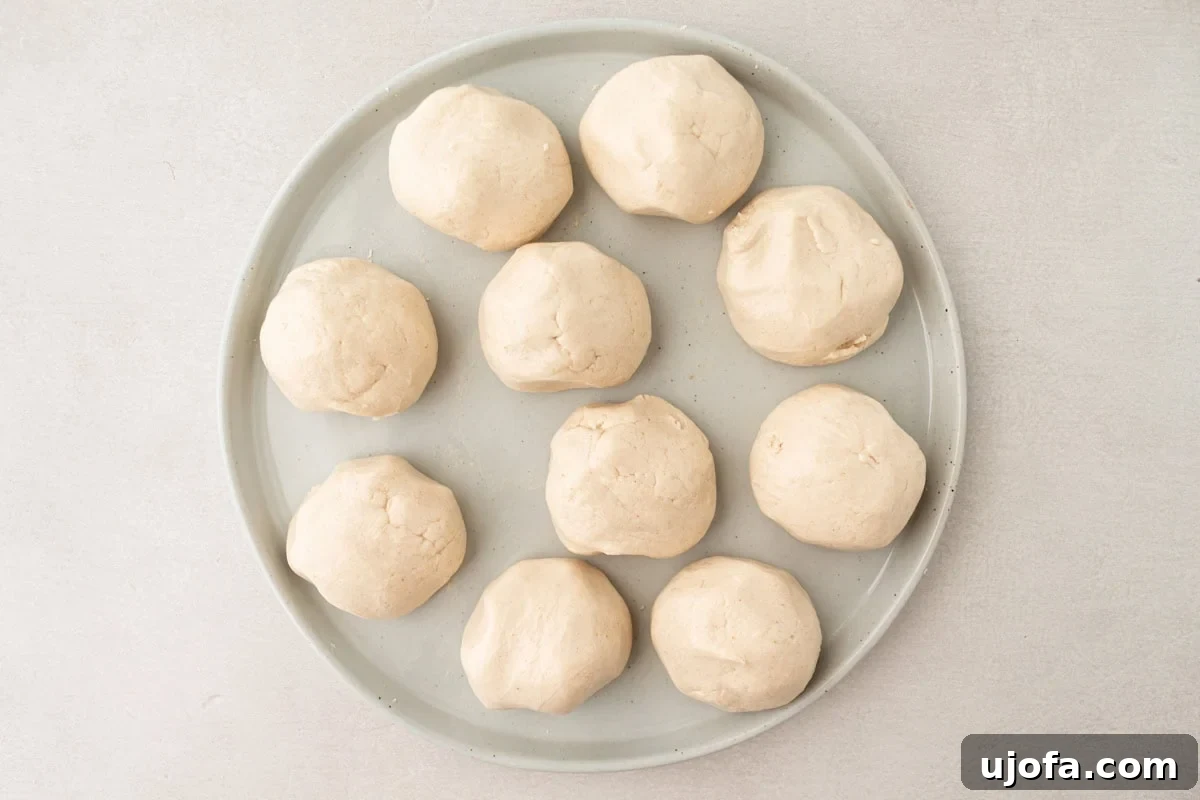
Divide the prepared dough into 10 equal portions, aiming for approximately 43 grams each. The dough may feel slightly loose at this stage. Place the dough balls on a plate and cover them with a damp kitchen towel. Allow them to rest for 3 to 5 minutes; this brief rest period helps the dough firm up slightly and prevents it from drying out, making it easier to roll without cracking.
-
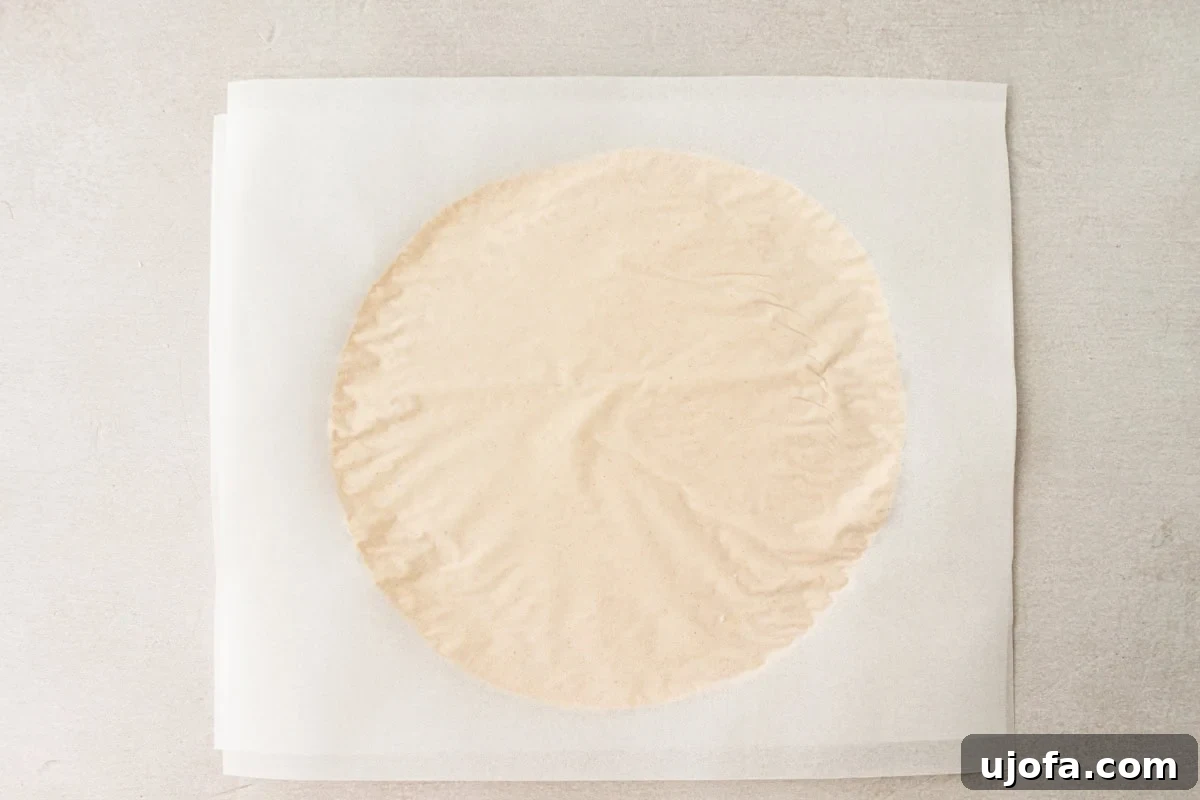
Take one dough ball and place it between two sheets of parchment paper. Gently press down to flatten it into a thick disc.
-
If you have a tortilla press, use it to press the disc into a 6-inch circle. Alternatively, use a rolling pin to carefully roll the dough to a consistent 6-inch diameter and about 1/8-inch thickness.
-
Repeat this process with the remaining dough balls. While you are shaping the tortillas, begin preheating a cast-iron skillet over medium-high heat.
-
Once the skillet is hot, carefully peel one tortilla from the parchment paper and lay it directly into the dry pan. Cook for 45 to 60 seconds, or until small bubbles appear and the edges look slightly cooked. Flip the tortilla with a spatula and cook for an additional 45 to 60 seconds on the other side, until it develops light golden-brown spots. Remove from the pan.
-
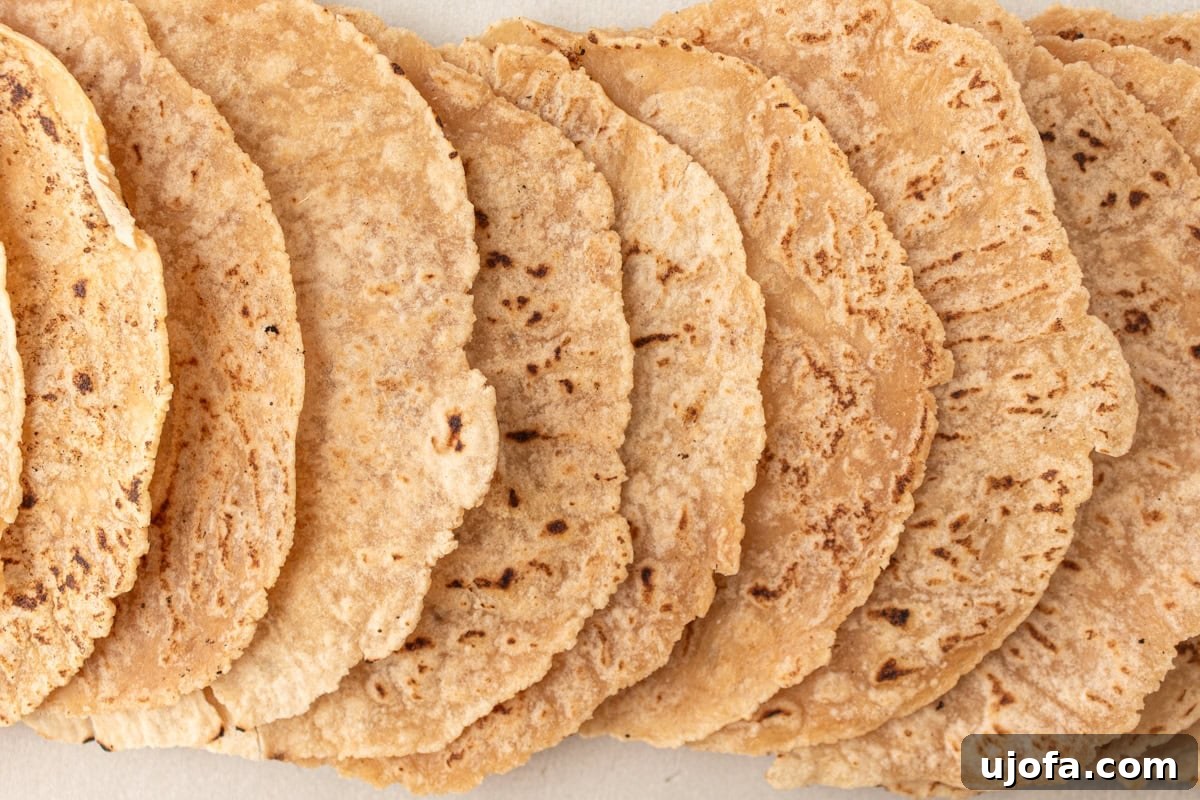
Continue cooking the remaining tortillas in the same manner. Serve them warm immediately with your favorite fillings and toppings.
Notes
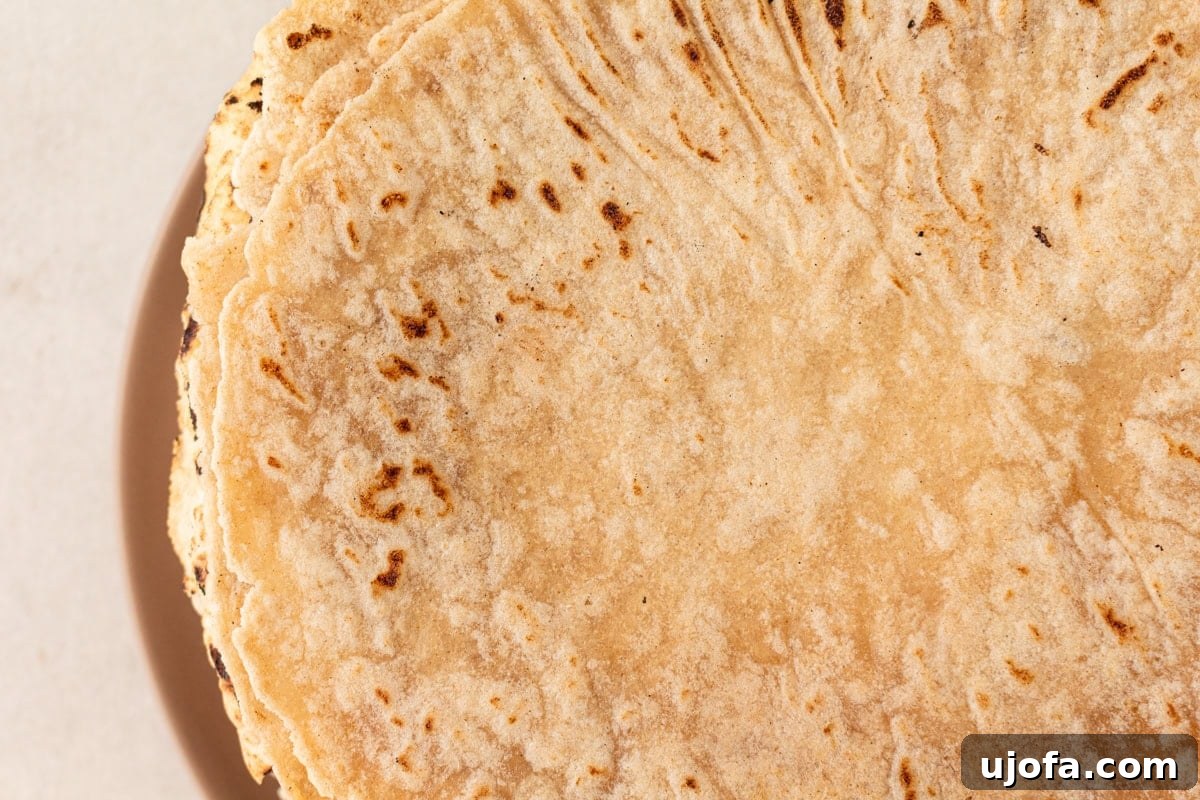
- As each tortilla comes off the pan, stack them immediately in a clean, damp kitchen towel. This helps trap the steam, keeping them wonderfully soft and pliable. Avoid letting them cool exposed to air, as this can make them stiff.
- Cassava flour has a very mild flavor, which is excellent for versatility. However, don’t be shy with the seasonings! Ensure you use enough salt, and consider adding a pinch of garlic powder, onion powder, or your favorite blend of spices to the dry ingredients for an extra layer of flavor.
- For best results, consume freshly made tortillas. Their texture and flexibility are at their peak when warm.
Nutrition
Calories: 107kcal
Carbohydrates: 16g
Protein: 0.5g
Fat: 5g
Saturated Fat: 3g
Polyunsaturated Fat: 0.2g
Monounsaturated Fat: 1g
Trans Fat: 0.2g
Cholesterol: 12mg
Sodium: 160mg
Potassium: 6mg
Fiber: 0.5g
Sugar: 1g
Vitamin A: 140IU
Vitamin C: 1mg
Calcium: 24mg
Iron: 1mg
Nutrition information is automatically calculated, so should only be used as an approximation.
Additional Info
Dinner, Lunch, Breakfast, Snack
How to Make Cassava Flour Tortillas: A Step-by-Step Guide
Making your own cassava flour tortillas is an incredibly rewarding process, and surprisingly simple! Follow these visual steps to guide you through each stage, ensuring a successful batch of soft, flexible, and utterly delicious tortillas.
Creative Serving Suggestions for Cassava Flour Tortillas
The beauty of these cassava flour tortillas lies in their incredible versatility. Their mild flavor and flexible texture make them the perfect canvas for a wide array of meals, accommodating both sweet and savory tastes. Here are some inspired ways to enjoy your homemade tortillas:
- Classic Taco Nights: Load them up with seasoned ground beef, shredded chicken, slow-cooked pork carnitas, or a vibrant vegan chickpea tuna salad. Don’t forget your favorite toppings like salsa, guacamole, cheese (or dairy-free alternative), sour cream, and fresh cilantro.
- Wholesome Wraps: These tortillas are sturdy enough for hearty wraps for lunch or dinner. Fill them with grilled chicken and veggies, deli meat and cheese for school lunches, or a refreshing salad mix with a zesty dressing. They hold together beautifully, making them ideal for on-the-go meals.
- Breakfast Burritos: Start your day right by filling these soft tortillas with scrambled eggs, crispy bacon or sausage, black beans, avocado, and a sprinkle of cheese. A dollop of salsa or hot sauce takes it to the next level.
- Quick Pizza Base: For a speedy individual pizza, simply spread a thin layer of tomato sauce on a cooked tortilla, add your preferred toppings and cheese, and bake or broil until bubbly and golden.
- Homemade Tortilla Chips: Cut the tortillas into wedges, brush lightly with oil, season with salt (and chili powder if you like), then bake or air fry until crisp. Serve with fresh salsa, creamy guacamole, or a warm batch of vegan queso.
- Enchiladas and Quesadillas: Their flexibility makes them perfect for rolling into enchiladas baked in your favorite sauce, or for folding over melted cheese and fillings to create crispy quesadillas.
- Burrito Bowls Reinvented: Instead of serving over rice, cut these tortillas into strips and use them as a textural component or a dipper for a gluten-free burrito bowl.
- Sweet Treats: Don’t limit yourself to savory! Lightly pan-fry a tortilla, sprinkle with cinnamon sugar, and serve with fruit and a drizzle of honey for a delightful dessert.
The possibilities are truly endless with these versatile cassava flour tortillas. Experiment with different fillings and make them a staple in your gluten-free kitchen!
Storage Instructions for Freshness and Convenience
Proper storage is essential to keep your homemade cassava flour tortillas soft, pliable, and delicious for as long as possible. Here’s how to store and reheat them:
Refrigerator Storage:
Once your freshly cooked tortillas have cooled completely, stack them with a piece of parchment paper between each one. This simple step is crucial for preventing them from sticking together, especially if there’s any residual moisture. Place the stack in an airtight container or a large zip-top bag. Stored this way, they will remain fresh and tasty in the refrigerator for up to 4-5 days. For optimal freshness, ensure the container is truly airtight to prevent drying.
Freezer Storage:
For longer-term storage, freezing is an excellent option. Follow the same parchment paper layering technique. Stack the tortillas with parchment in between, then place the entire stack into a freezer-safe zip-top bag or container. Ensure as much air as possible is removed before sealing to prevent freezer burn. They can be stored in the freezer for up to 2-3 months.
Reheating Instructions:
Reheating these tortillas is straightforward and quickly brings back their fresh, soft texture:
- From the Refrigerator:
- Skillet Method: Place a tortilla in a dry skillet over medium heat for about 30 seconds per side. The gentle heat will warm it through and soften it perfectly.
- Microwave Method: For a quick option, wrap a single tortilla in a damp paper towel and microwave for 10-15 seconds. This method adds a bit of steam, making it soft and flexible again.
- From the Freezer:
- Thawing: If frozen, you can thaw individual tortillas at room temperature for a few minutes or briefly microwave them (wrapped in a damp paper towel) for about 20-30 seconds until pliable.
- Heating: Once thawed, proceed with the skillet method as described above for the best results, heating each side for 30-45 seconds until warm and soft.
With these storage and reheating tips, you can always have a stash of homemade cassava flour tortillas ready to go, making meal preparation easier and more delicious.
Explore More Gluten-Free Tortillas and Flatbreads
If you love the simplicity and versatility of these cassava flour tortillas, you’ll be delighted to discover other fantastic gluten-free flatbread options. Expanding your repertoire of homemade gluten-free bread ensures you always have a delicious base for any meal. Here are some other recipes to try:
- Arepas: Naturally gluten-free cornmeal patties, perfect for stuffing.
- Socca (Chickpea Flatbread): A savory, thin, and crispy flatbread made from chickpea flour, ideal for dipping or as a pizza base.
- Almond Flour Tortillas: Another popular grain-free choice, offering a slightly different texture and flavor profile.
- Coconut Flour Tortillas: A unique option that brings a subtle sweetness and high fiber content to your table.
- Gluten-Free Flatbread: A more general recipe that can be adapted for various uses and toppings.
Don’t stop at tortillas! You might also enjoy my cassava bread recipe for another delicious way to use this versatile flour.